Bandeja paisa
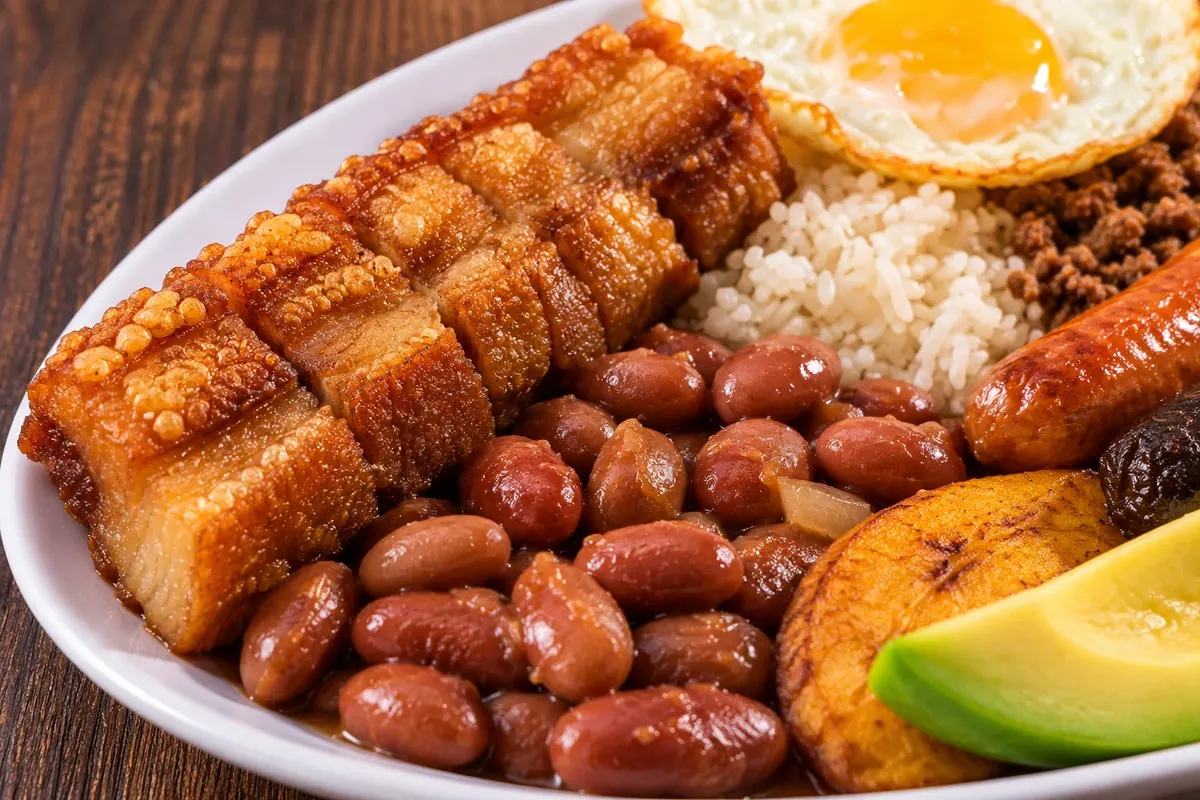
Hearty dish from the paisa region: red beans, rice, ground beef, chicharrón (pork crackling), chorizo, fried egg, ripe plantain, arepa and avocado, served on a large platter. It is the dish most associated with Antioquia.
Flavors · San Andrés e Providencia
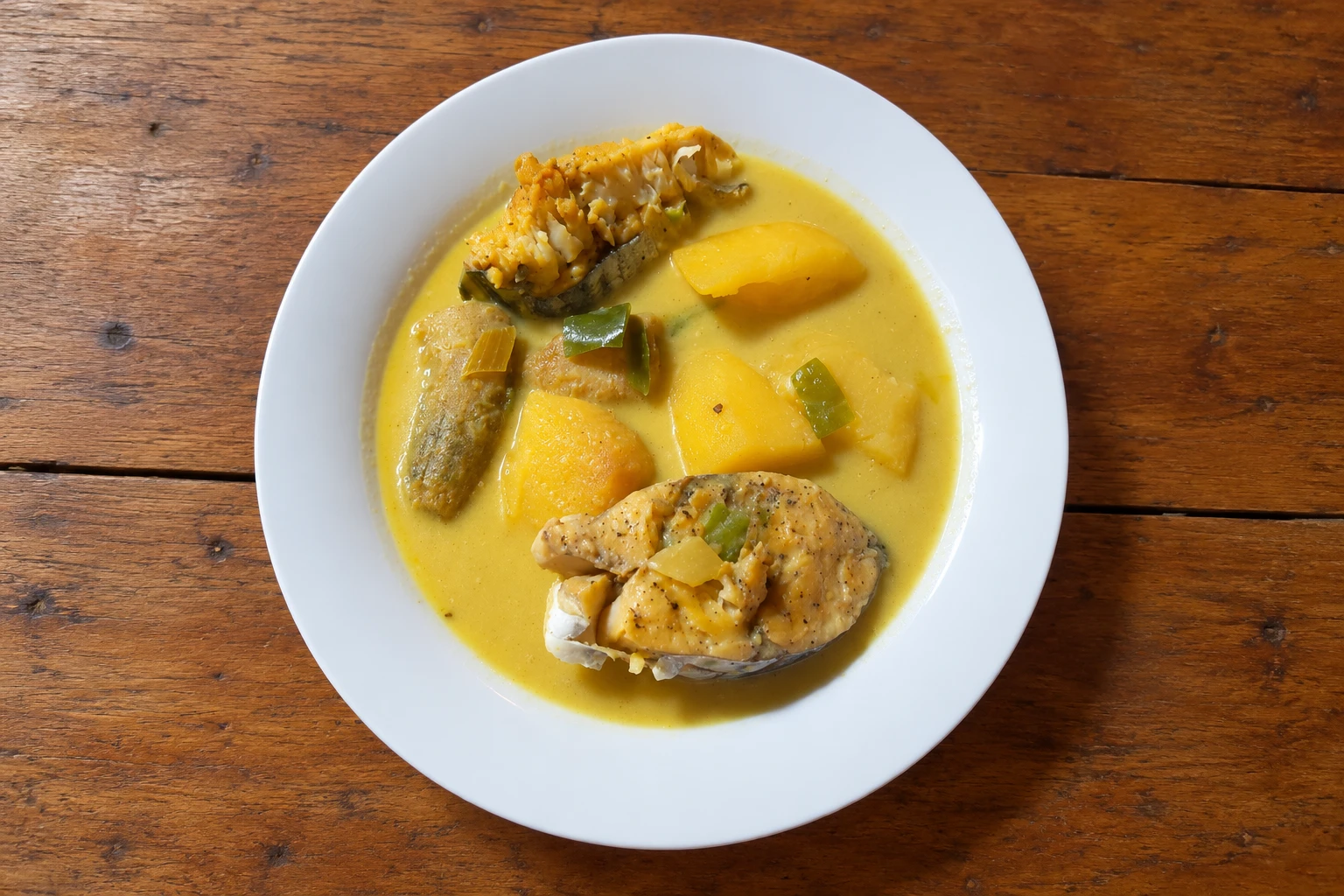
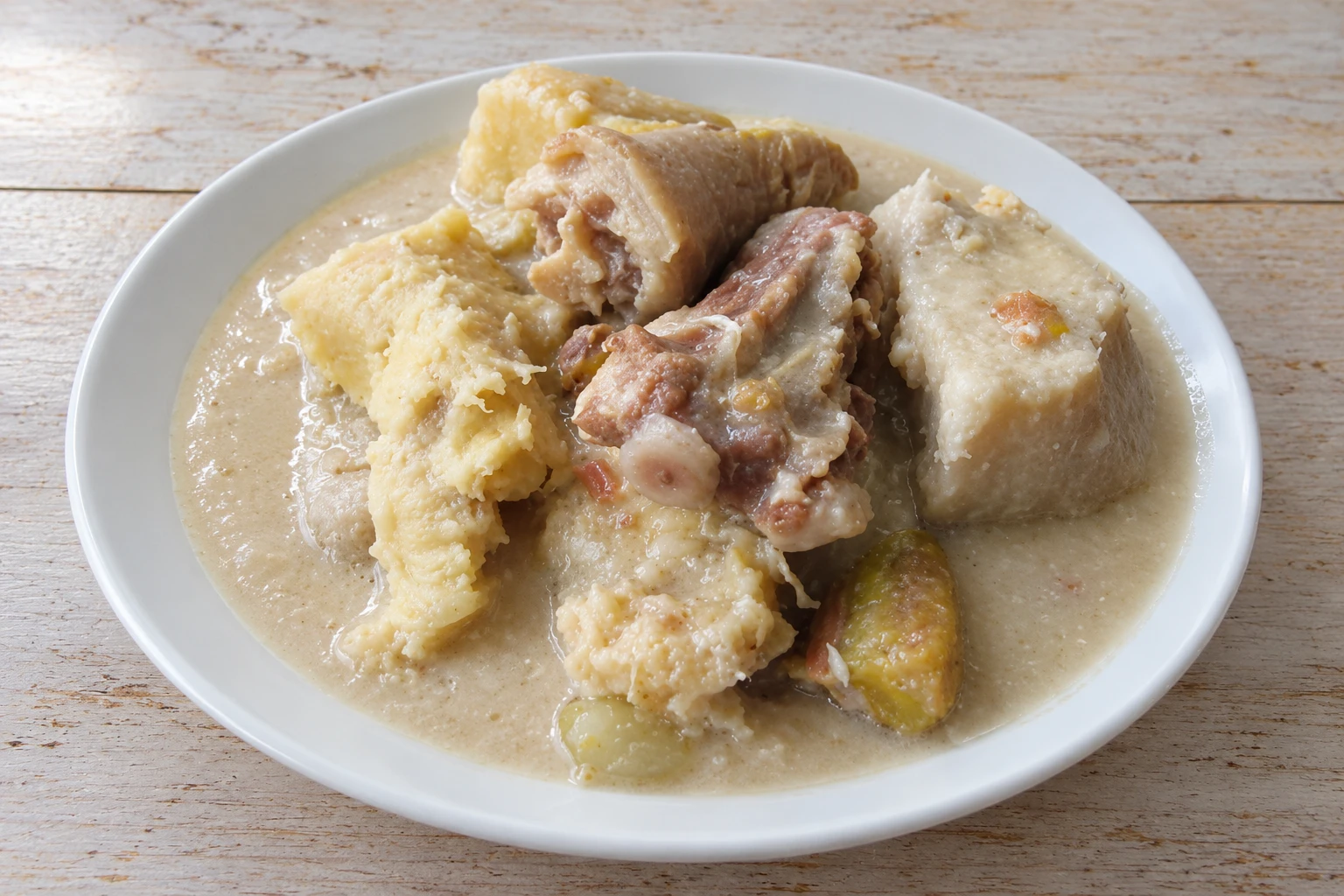
Stew in coconut milk with fish or conch, salted pig tail, green plantain, cassava, yam, breadfruit and dumplings. The ICBF calls it a traditional dish of the islands of San Andrés and Providencia.
Traditional dish from San Andrés e Providencia
Also known as: Rundown, Run down
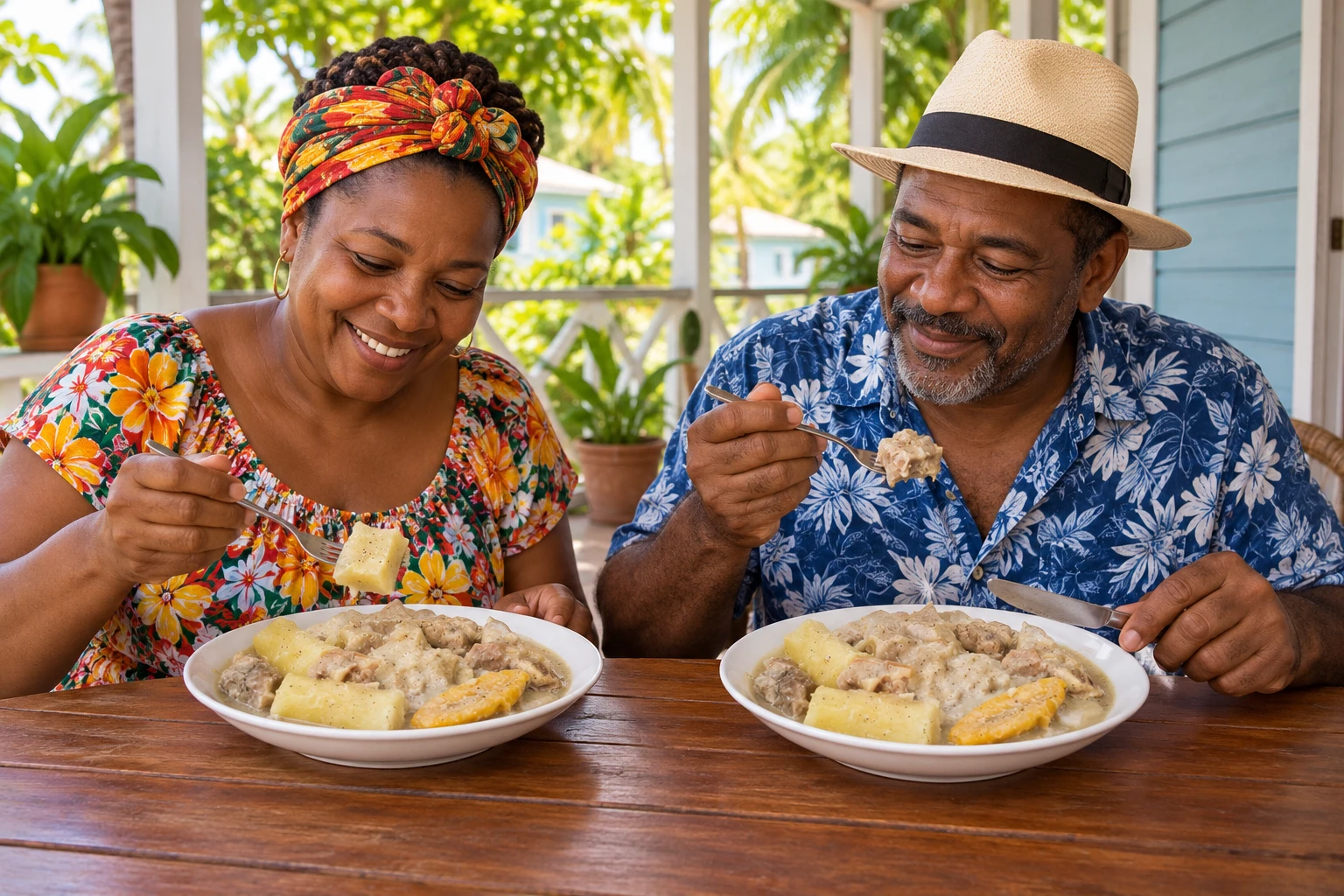
Illustrative images. The pictures in this guide are illustrations based on the real place, not photographs, and may differ from it.
Click a photo to enlarge it.
Rondón — San Andrés e Providencia, Colombia
Rondón is the dish of the raizal cuisine, the Afro-Caribbean culture of the islands of San Andrés, Providencia and Santa Catalina. It is a thick coconut-milk stew that includes fish or conch, pig tail (salted pork tail), green plantain, cassava, yam, sweet potato, breadfruit and dumplings—wheat-flour dumplings cooked in the broth.
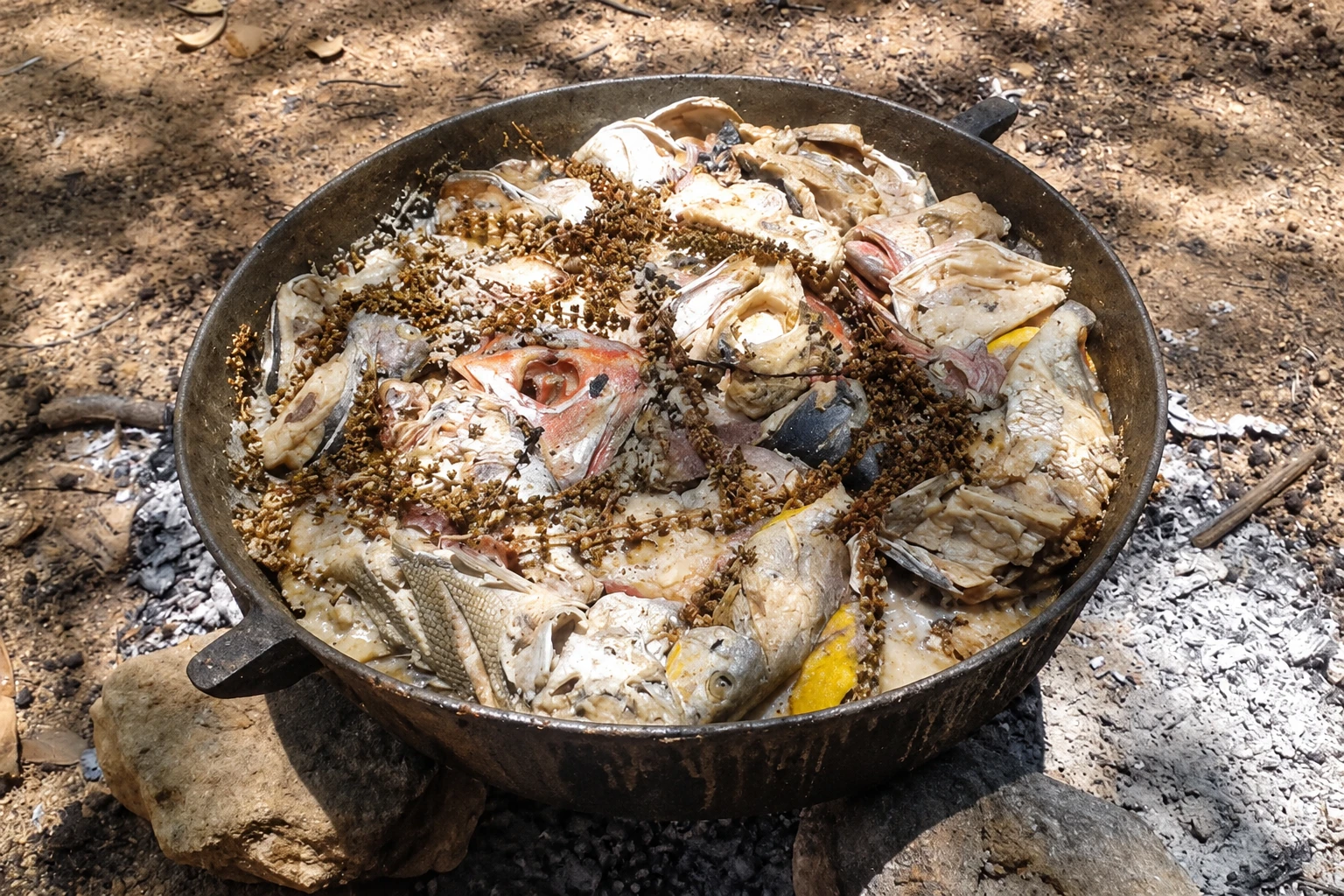
The Colombian Institute of Family Welfare (ICBF), in the department’s ethnic recipe collection, calls it a traditional dish of the islands. It can use different fish such as snapper, bonito, sierra or barracuda. Traditionally it is cooked outdoors in a covered cauldron over a fire of palm leaves, dried coconut shells and fibers.
The name comes from the English 'run down', used on other Caribbean islands for similar stews in which the coconut milk is reduced until thick. The recipe varies according to what is available that day, from the sea and the fields.
Preparing a rondón is often a gathering moment for family and neighbors. On San Andrés there are experiences where visitors join raizal cooks in the preparation, from the dumpling to the cauldron.

Coconut milk, fish or conch, salted pig tail (pig tail), green plantain, cassava, yam, sweet potato, breadfruit, wheat-flour dumplings, salt and pepper.
Hot, served in a deep bowl, with pieces of fish, tubers and dumplings in the thick coconut broth.
Family lunches and community gatherings; also served in culinary experiences for visitors.
Your questions
A stew in coconut milk with fish or conch, salted pig tail, tubers, breadfruit and dumplings. It is the islands’ traditional dish, of the raizal culture.
The name comes from the English 'run down', used in the Caribbean for stews in which the coconut milk is reduced until thick.
A small wheat-flour dumpling that cooks in the coconut broth itself.
Flavors of Colombia

Hearty dish from the paisa region: red beans, rice, ground beef, chicharrón (pork crackling), chorizo, fried egg, ripe plantain, arepa and avocado, served on a large platter. It is the dish most associated with Antioquia.

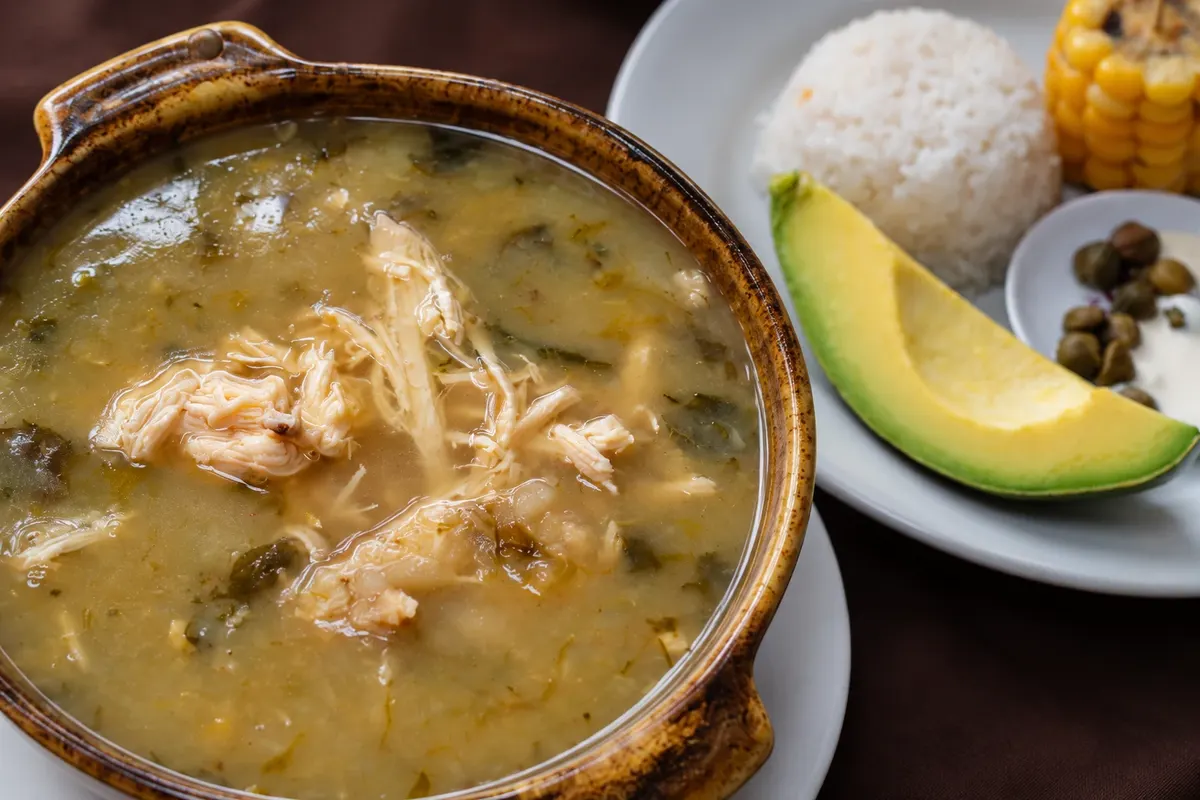
Thick soup of shredded chicken, three types of potato and corn, scented with guascas. It is the dish most associated with Bogotá and is served with capers, cream, and avocado.

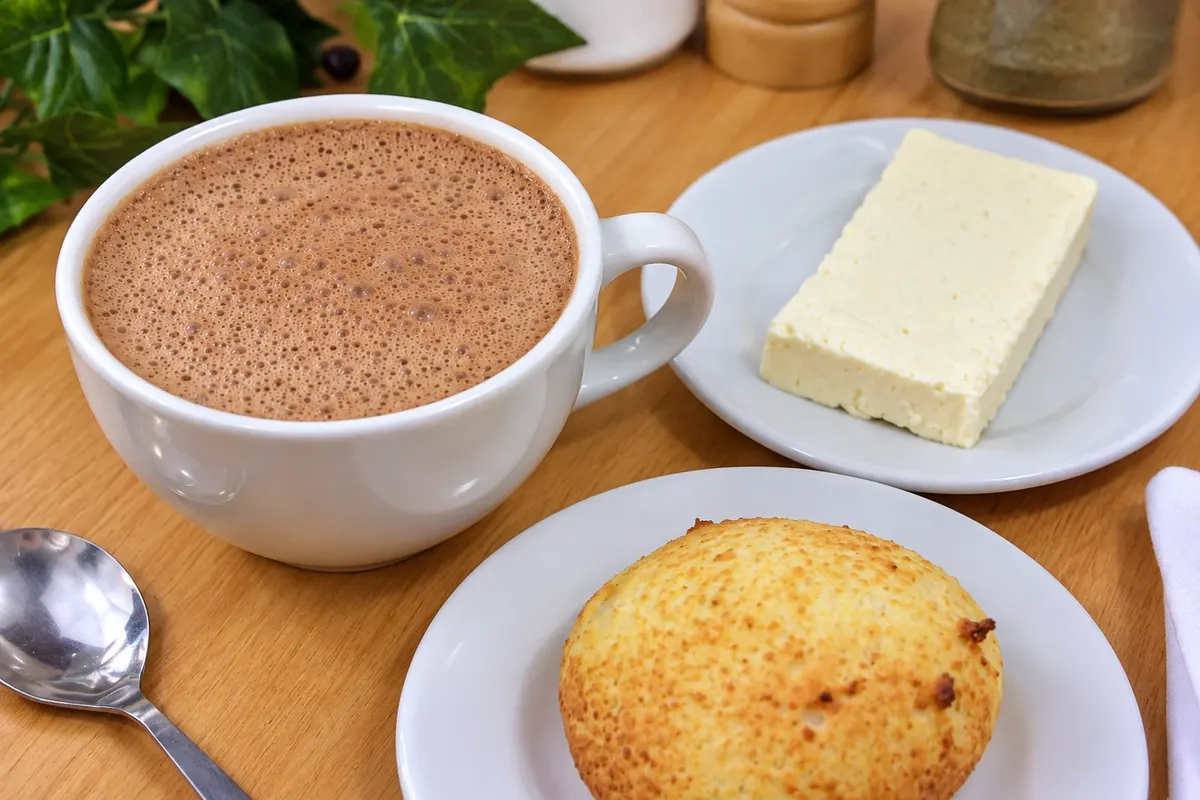
Thick hot chocolate, made with water or milk, served with fresh cheese placed inside the cup to melt, and with almojábana or bread. It is part of Bogotá’s onces.

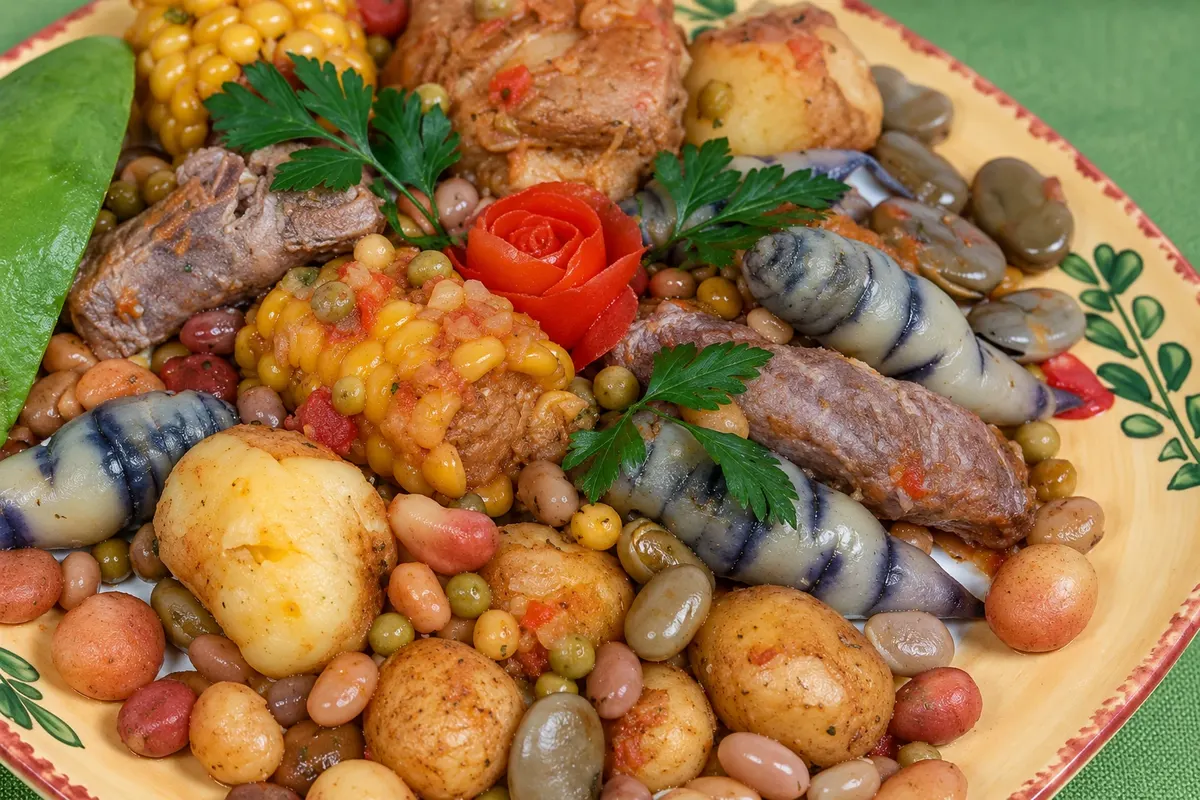
Meat stew with native Andean tubers such as cubios, chuguas and ibias, as well as potatoes, corn, fava beans and peas. Radio Nacional calls it an emblematic dish of Boyacá.

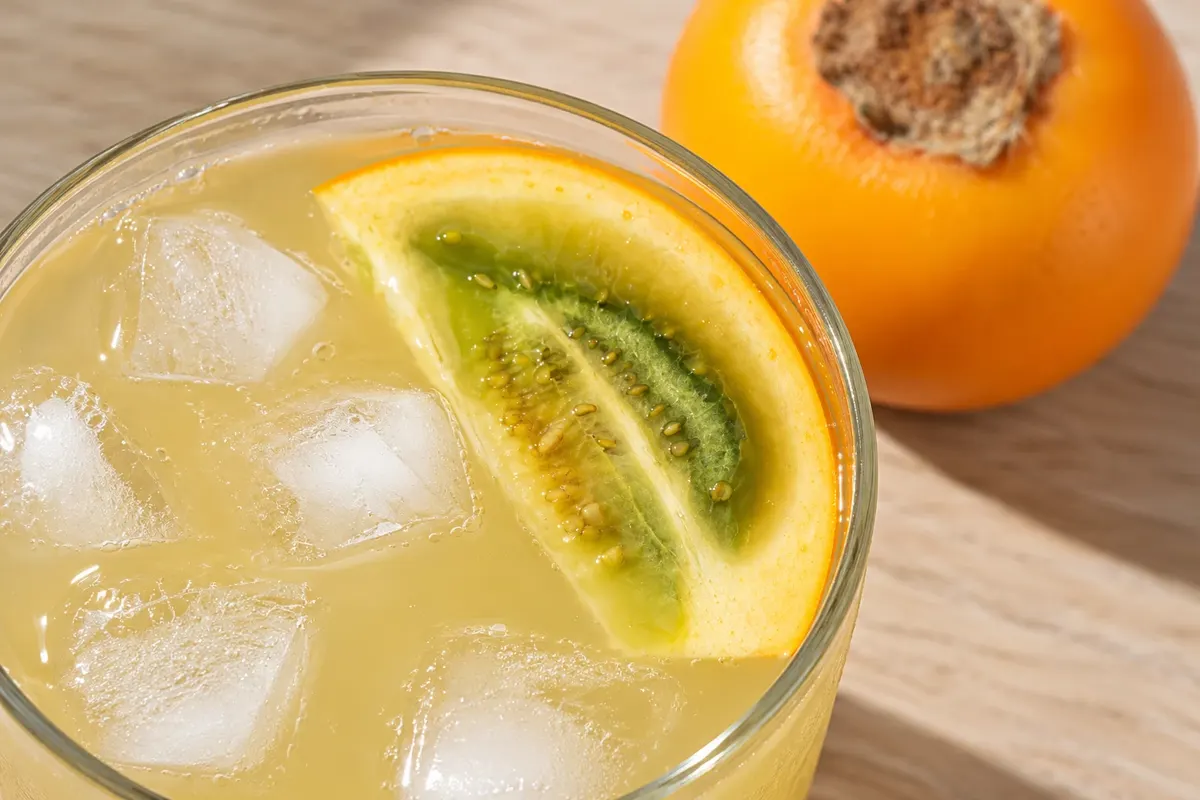
Iced lulo refresher made with chopped and mashed lulo, lime, sugar, water and ice. The Cali city government calls it the city’s emblematic drink; it’s served with fried snacks from the Valle del Cauca.

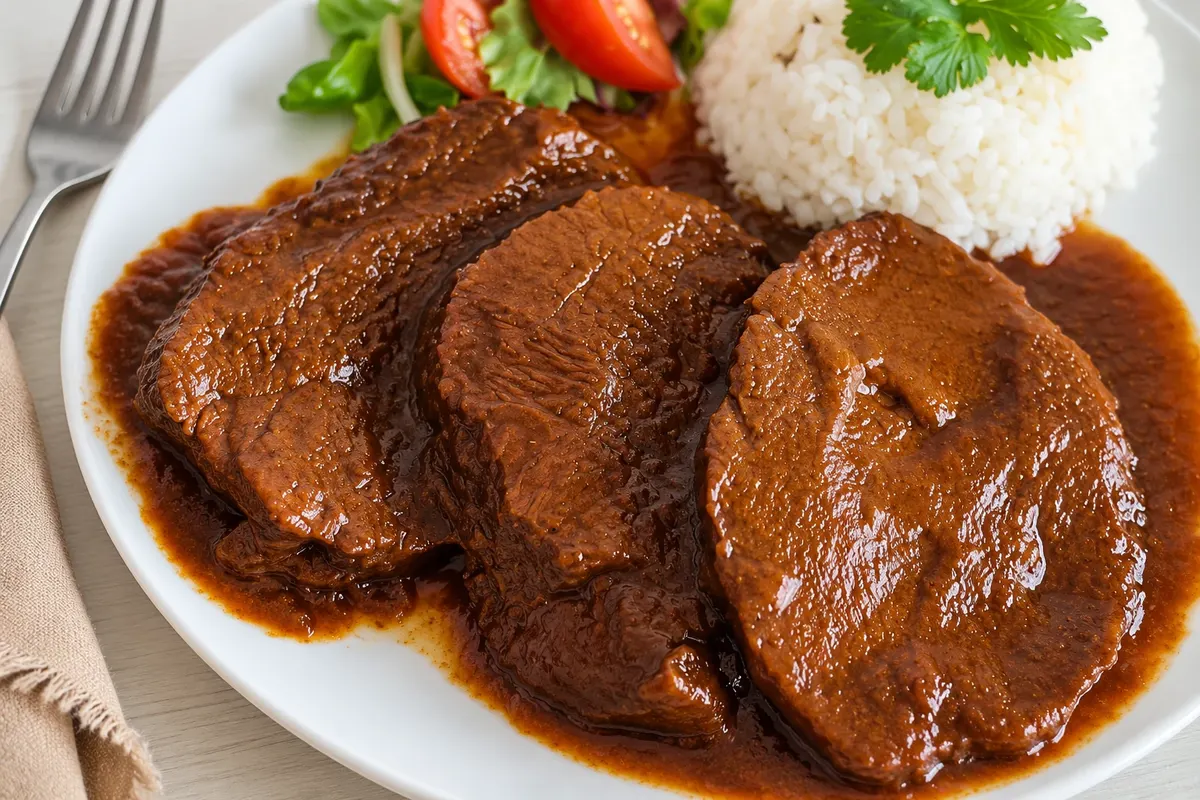
Beef slowly cooked in a dark, slightly sweet sauce with spices and a mild heat. Cartagena’s press calls it an emblematic flavor of the city; it comes with coconut rice and patacones.

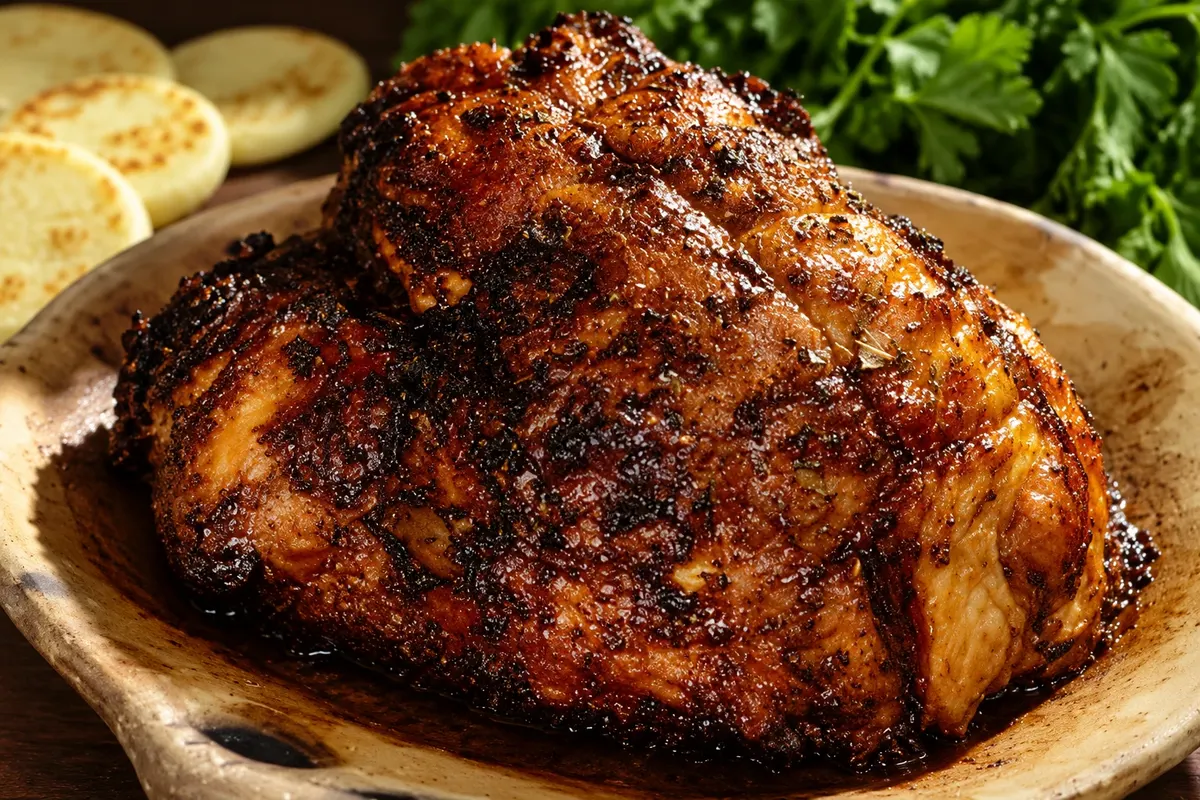
Pork marinated for at least a day in bitter orange, beer, onion, garlic and herbs, then roasted in a clay oven. It’s the dish of the San Pedro festivities in Huila, served with insulso, arepa and cassava.

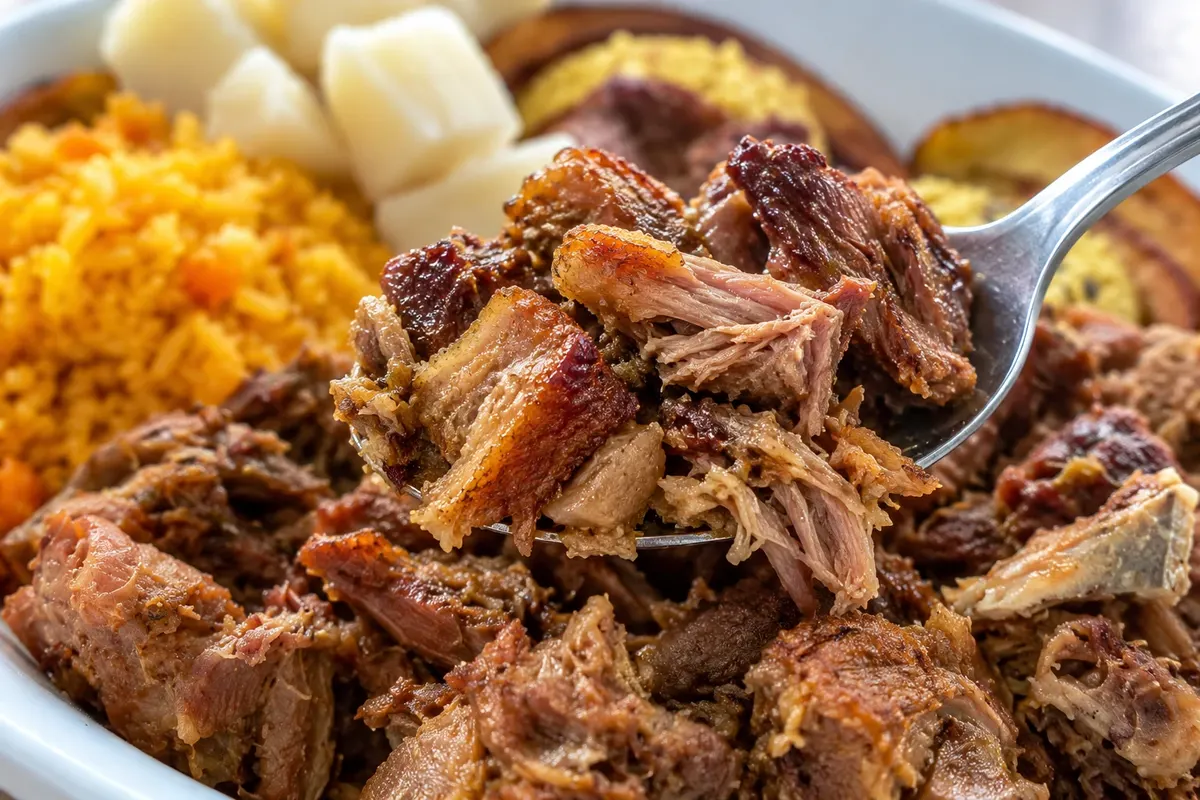
Meat and offal from young goat cooked with salt and then fried until golden, sometimes with the animal’s blood. A dish of Wayuu tradition, offered to visitors who arrive at the rancherías of La Guajira.

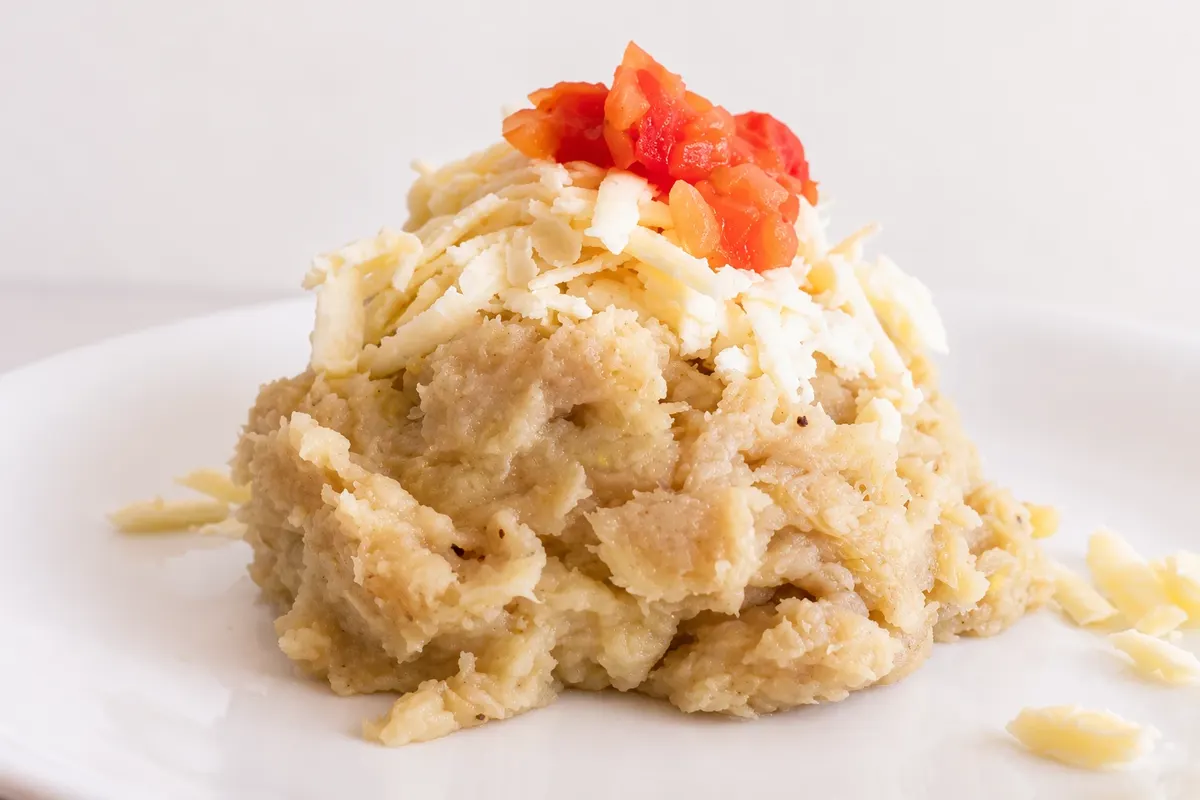
Mashed green guineo banana with butter and costeño cheese, sometimes topped with a sauté of tomato and onion. It is the typical breakfast of the banana-growing area of Magdalena and of Santa Marta.

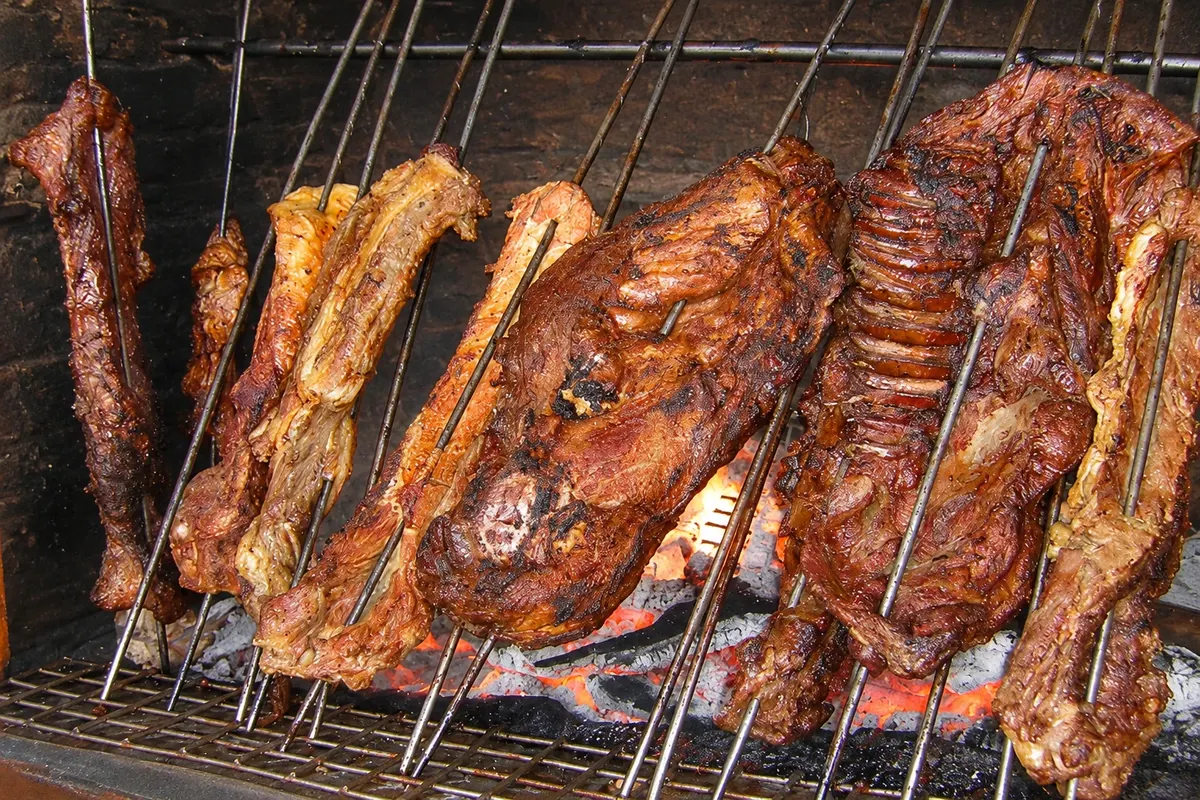
Milk-fed steer slowly roasted on stakes around the fire, seasoned only with salt. It is the dish of the Llanos Orientales and the best-known specialty of Meta, served with cassava, plantain, and potato.

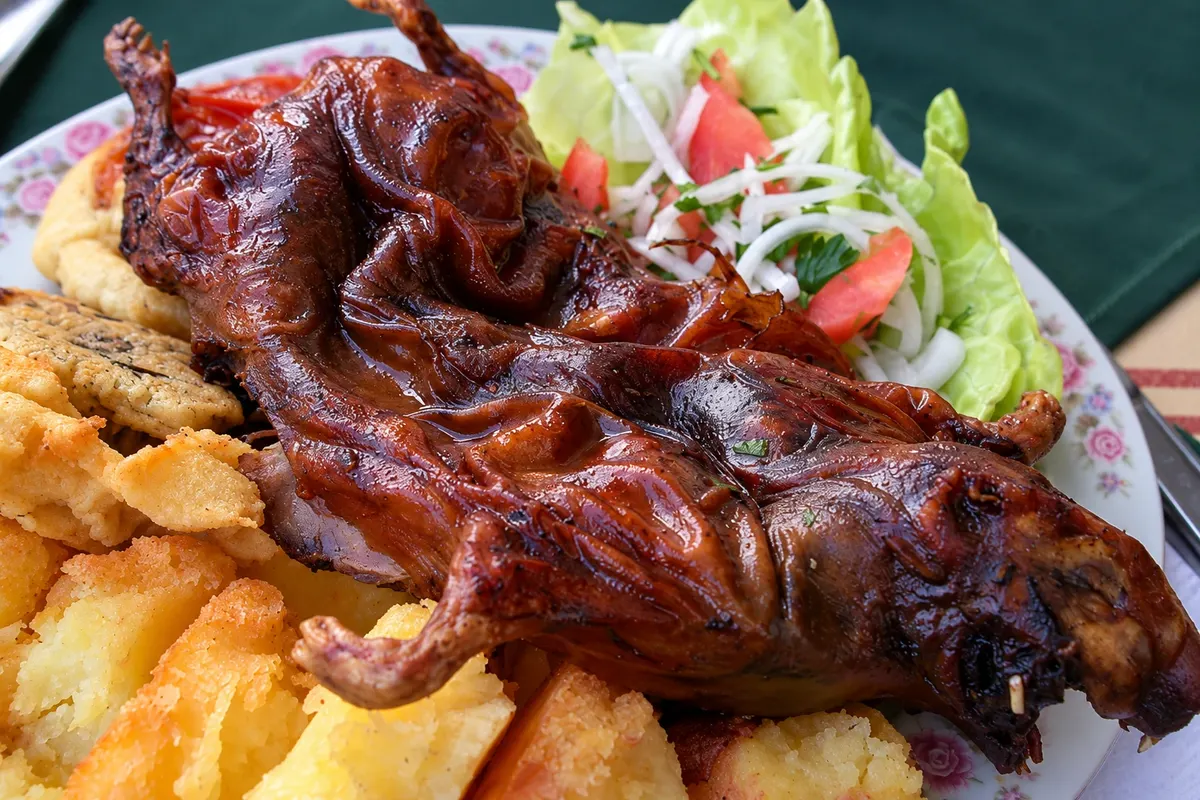
Cuy seasoned with salt, garlic and onion and roasted whole over coals, turning on a spit. A festive dish in families from Nariño, served with potatoes and a peanut chili sauce.

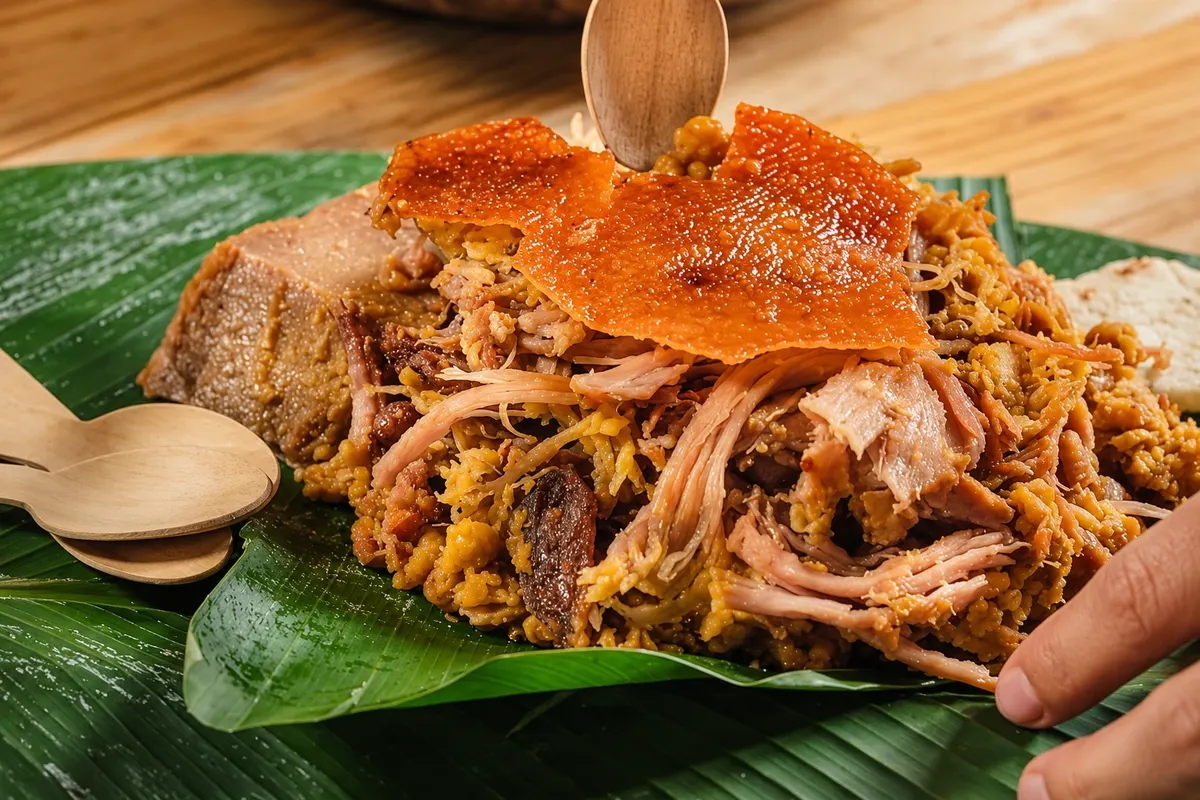
A whole pig stuffed with its own seasoned meat and dried yellow peas, roasted for hours until the skin becomes crispy. It is Tolima’s proudest dish, served with insulso.