Bandeja paisa
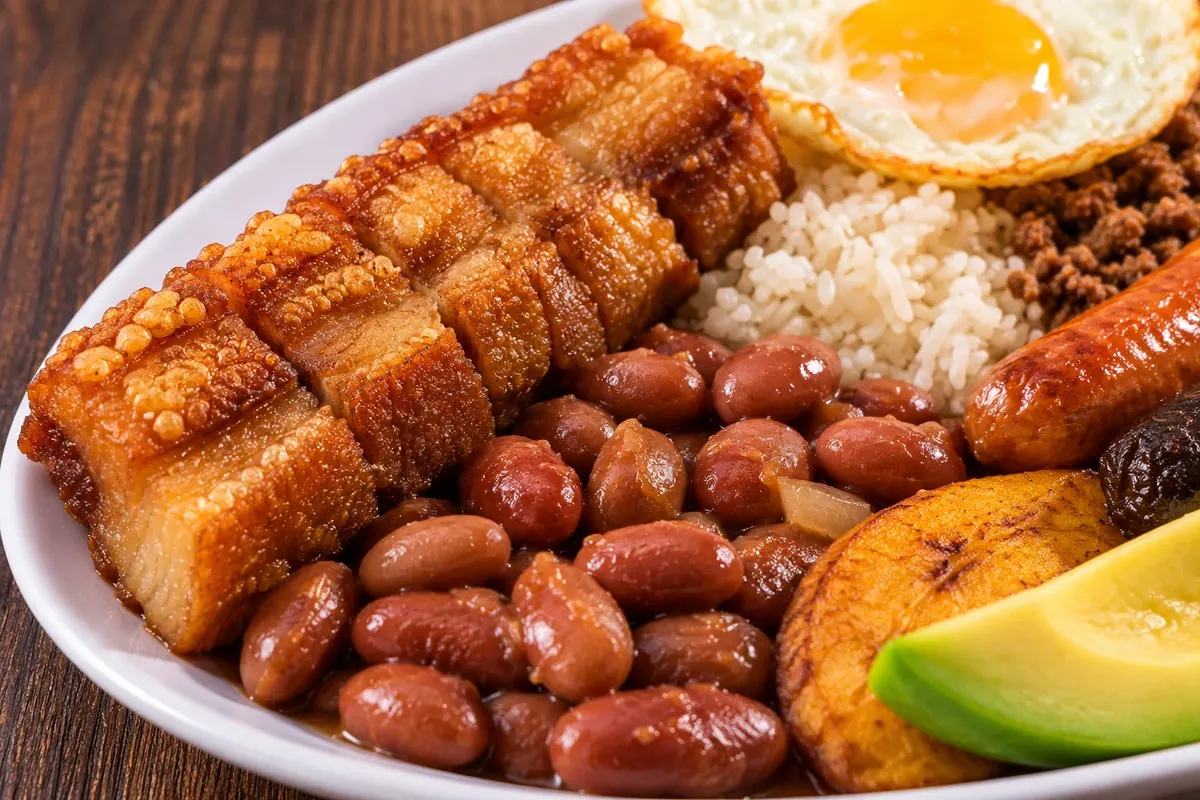
Hearty dish from the paisa region: red beans, rice, ground beef, chicharrón (pork crackling), chorizo, fried egg, ripe plantain, arepa and avocado, served on a large platter. It is the dish most associated with Antioquia.
Flavors · Cali
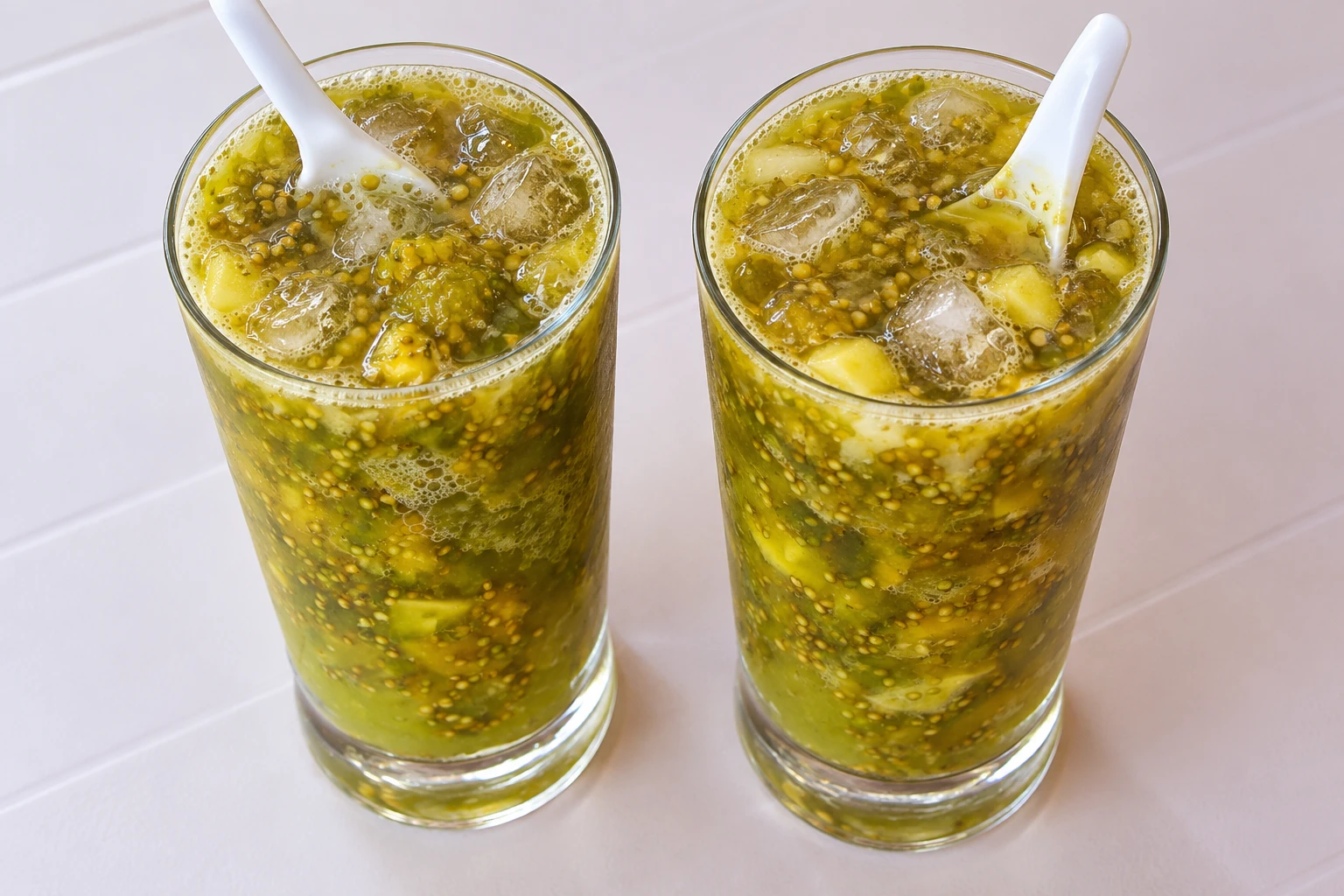
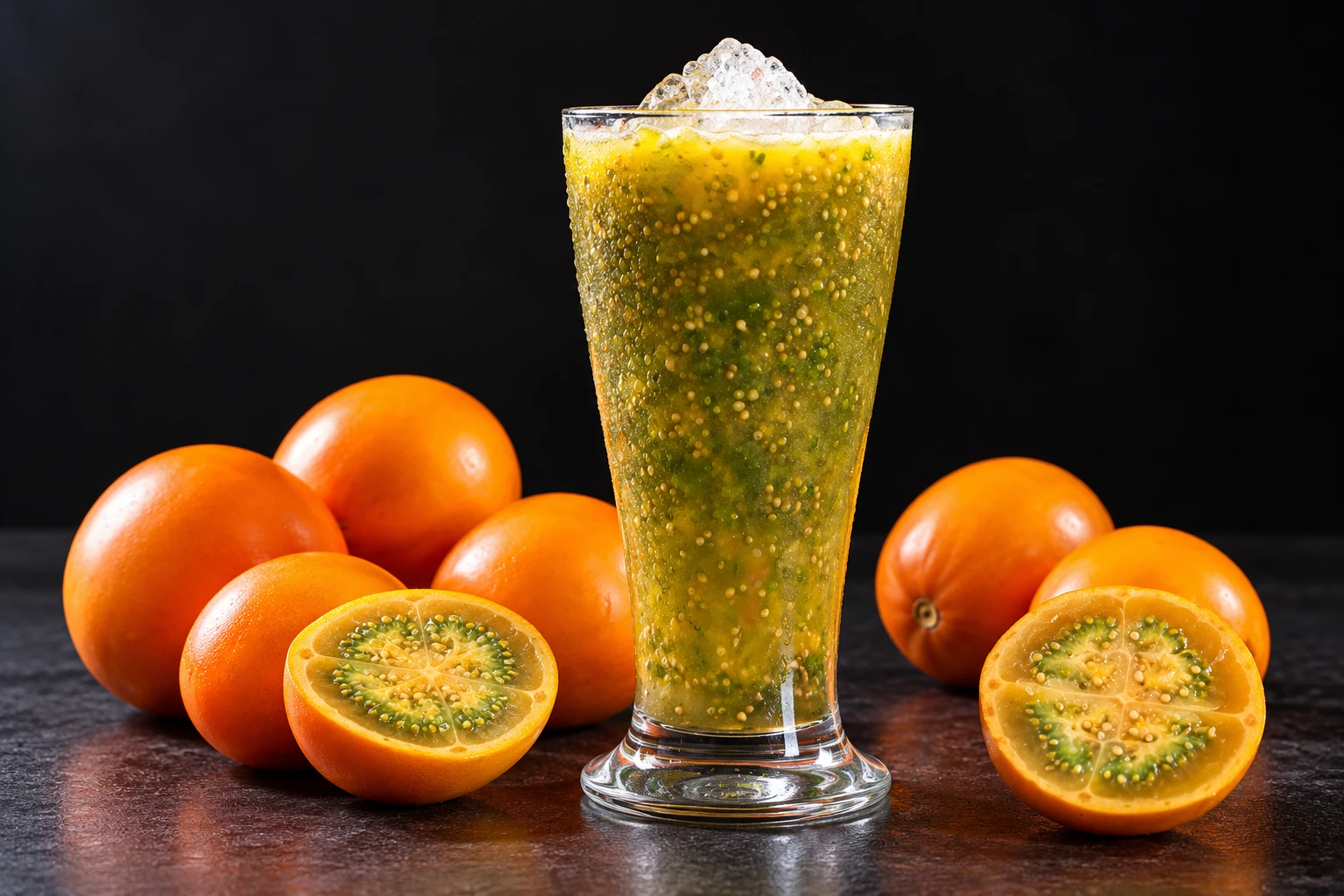
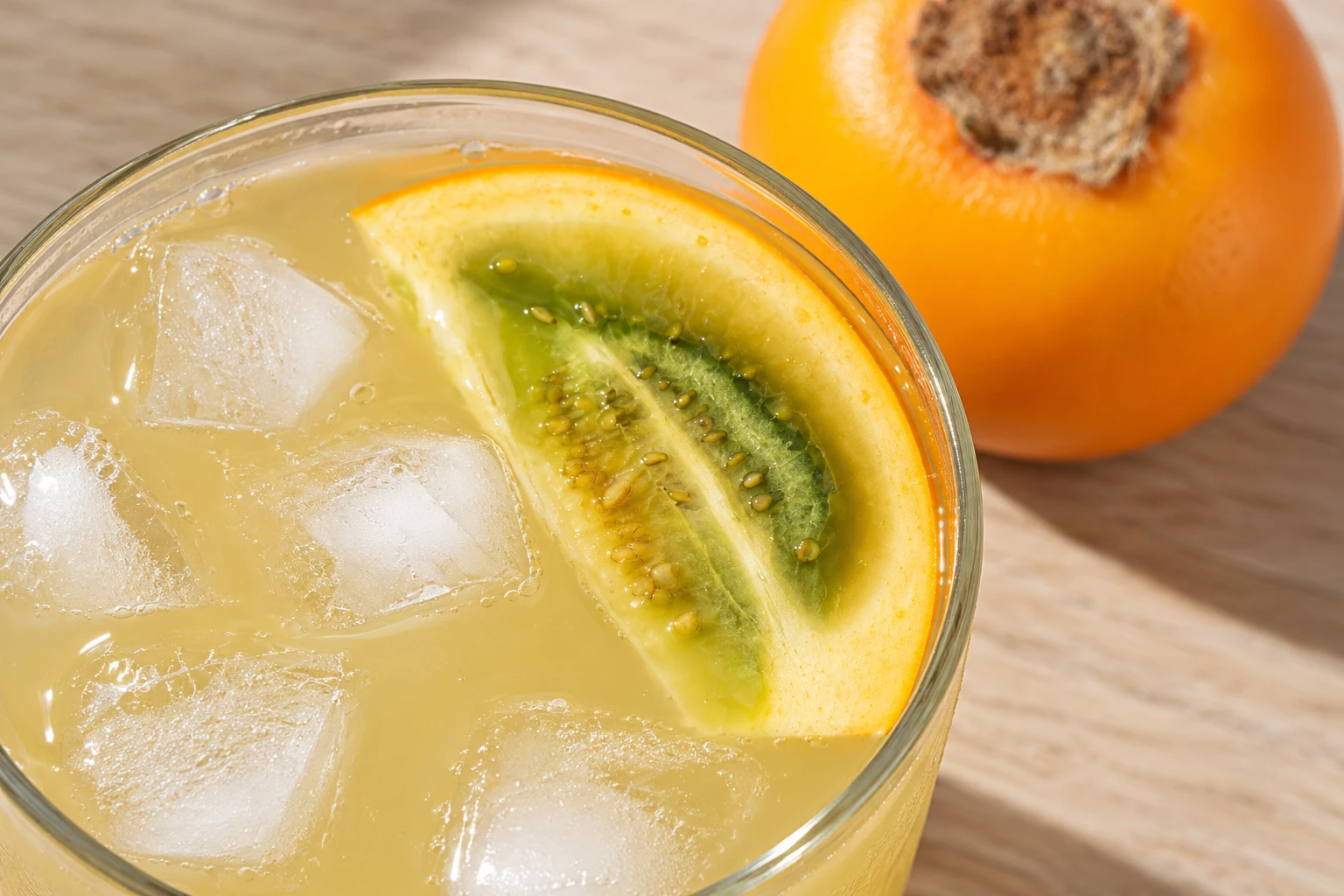
Iced lulo refresher made with chopped and mashed lulo, lime, sugar, water and ice. The Cali city government calls it the city’s emblematic drink; it’s served with fried snacks from the Valle del Cauca.
Traditional drink from Cali, Vale do Cauca
Also known as: lulada caleña
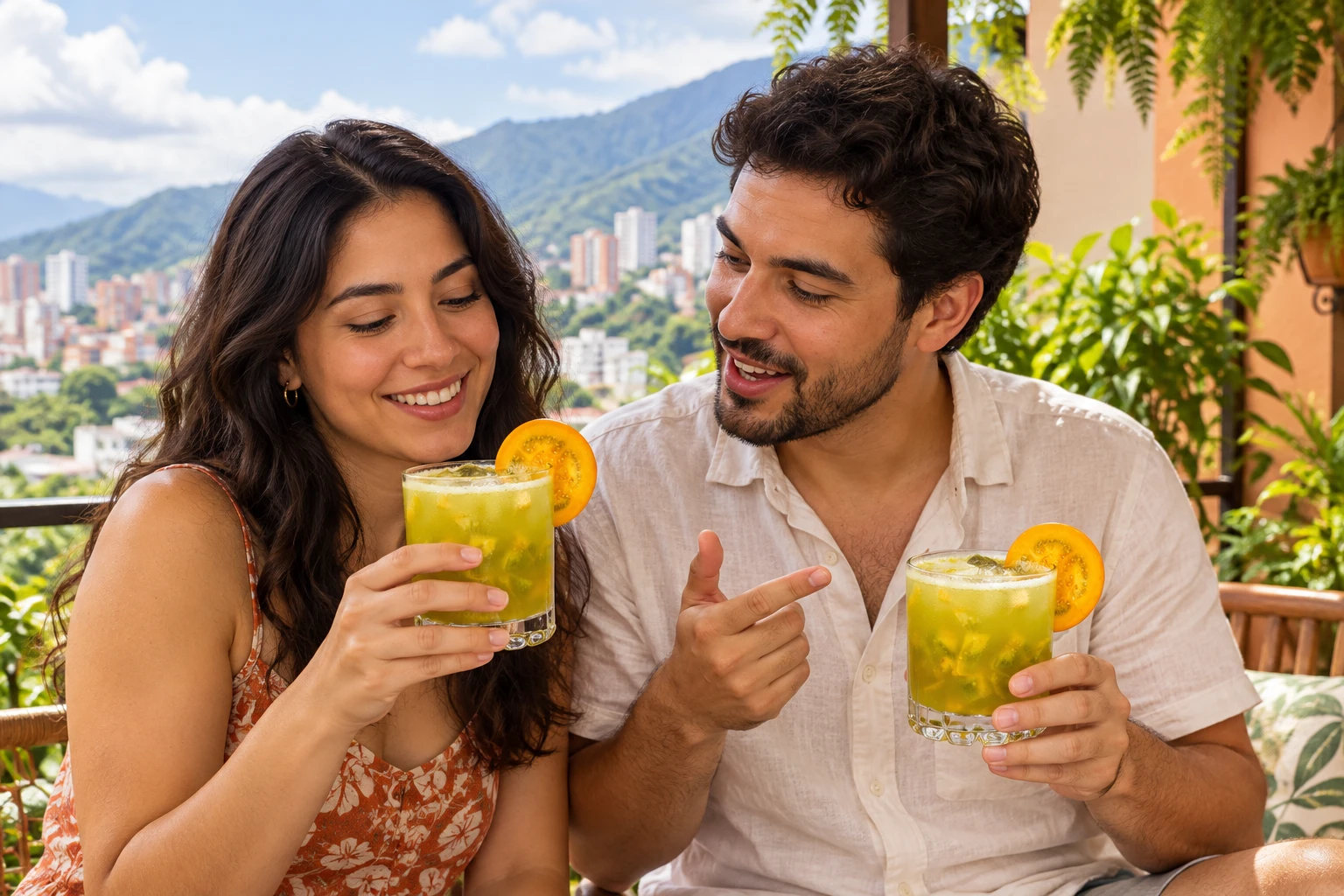
Illustrative images. The pictures in this guide are illustrations based on the real place, not photographs, and may differ from it.
Click a photo to enlarge it.
Lulada — Cali, Colombia
Lulada is a refresher made with lulo, an Andean fruit with orange skin and green, tangy, fragrant pulp. The difference from a regular juice is the preparation: the lulo is chopped and mashed, not blended, so the drink keeps little pieces of pulp and seeds.
To the fruit you add lime juice, sugar, water and plenty of ice. There are versions with sweetened condensed milk or heavy cream, which are creamier. The result balances sweet and tart and is served very cold, in a tall glass.
The Cali city government presents it as the city’s emblematic drink. Local media say it’s one of the first things visitors look for in the Valle del Cauca, where the heat makes the refresher a day‑long habit.
Lulada usually accompanies the region’s fried snacks, such as empanadas, aborrajados and marranitas. In some bars it is served with a shot of aguardiente; ask for the nonalcoholic version if you prefer.

Cali , Vale do Cauca
The Cali city government calls lulada the city’s emblematic drink.
Lulo, lime juice, sugar, water and ice. Variations include sweetened condensed milk or heavy cream.
Very cold, in a tall glass, with bits of lulo; served with fried items like empanadas and aborrajados.
Throughout the day, especially during hot hours; with snacks and lunches.
Your questions
An Andean fruit with orange skin and green, tangy, fragrant pulp, common in the Valle del Cauca.
In lulada, the lulo is chopped and mashed, not blended, so the drink retains pieces of the fruit. The juice is blended and strained.
The traditional recipe does not include alcohol. Some bars serve a version with aguardiente; just ask for it without alcohol.
Flavors of Colombia

Hearty dish from the paisa region: red beans, rice, ground beef, chicharrón (pork crackling), chorizo, fried egg, ripe plantain, arepa and avocado, served on a large platter. It is the dish most associated with Antioquia.

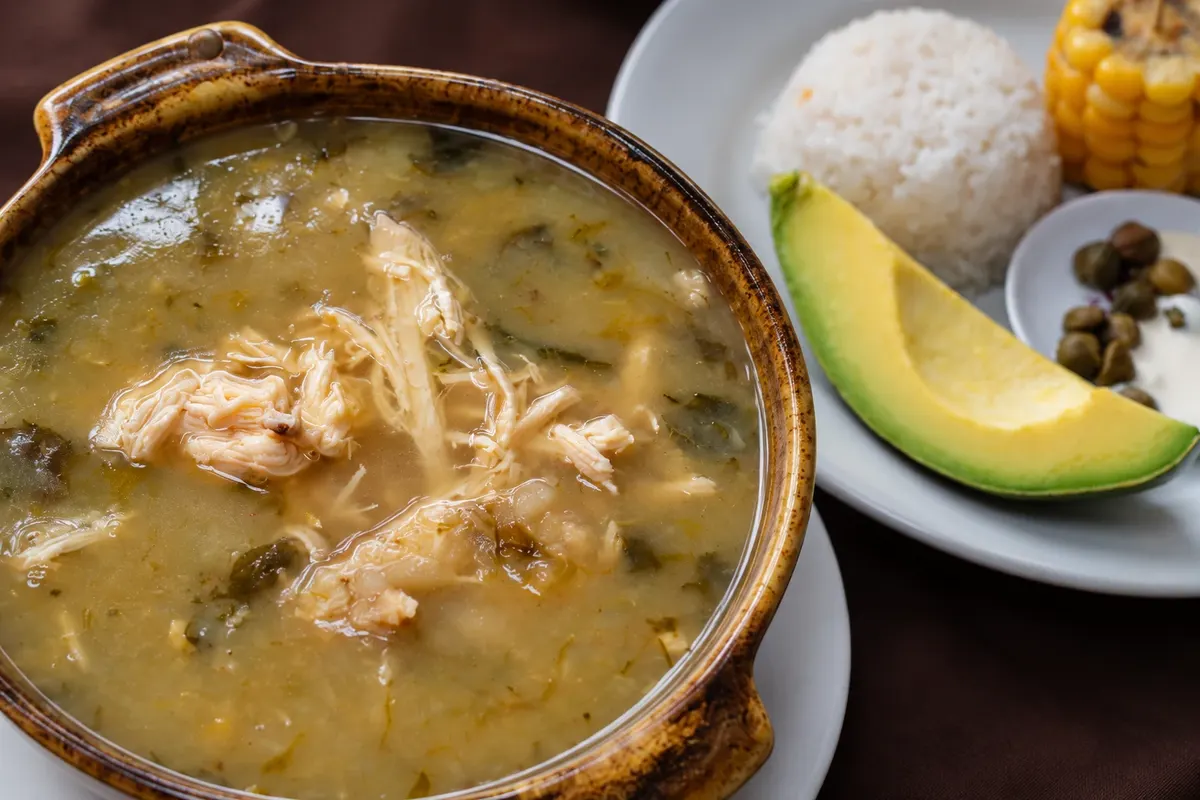
Thick soup of shredded chicken, three types of potato and corn, scented with guascas. It is the dish most associated with Bogotá and is served with capers, cream, and avocado.

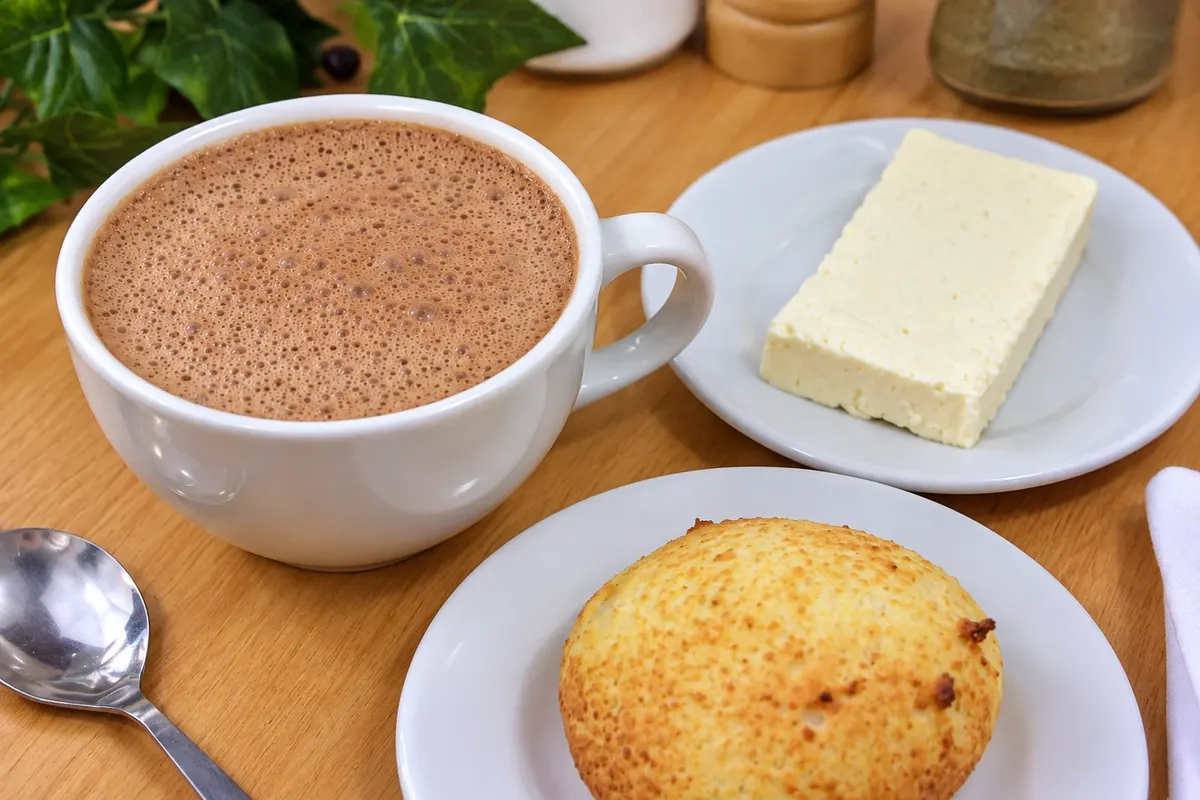
Thick hot chocolate, made with water or milk, served with fresh cheese placed inside the cup to melt, and with almojábana or bread. It is part of Bogotá’s onces.

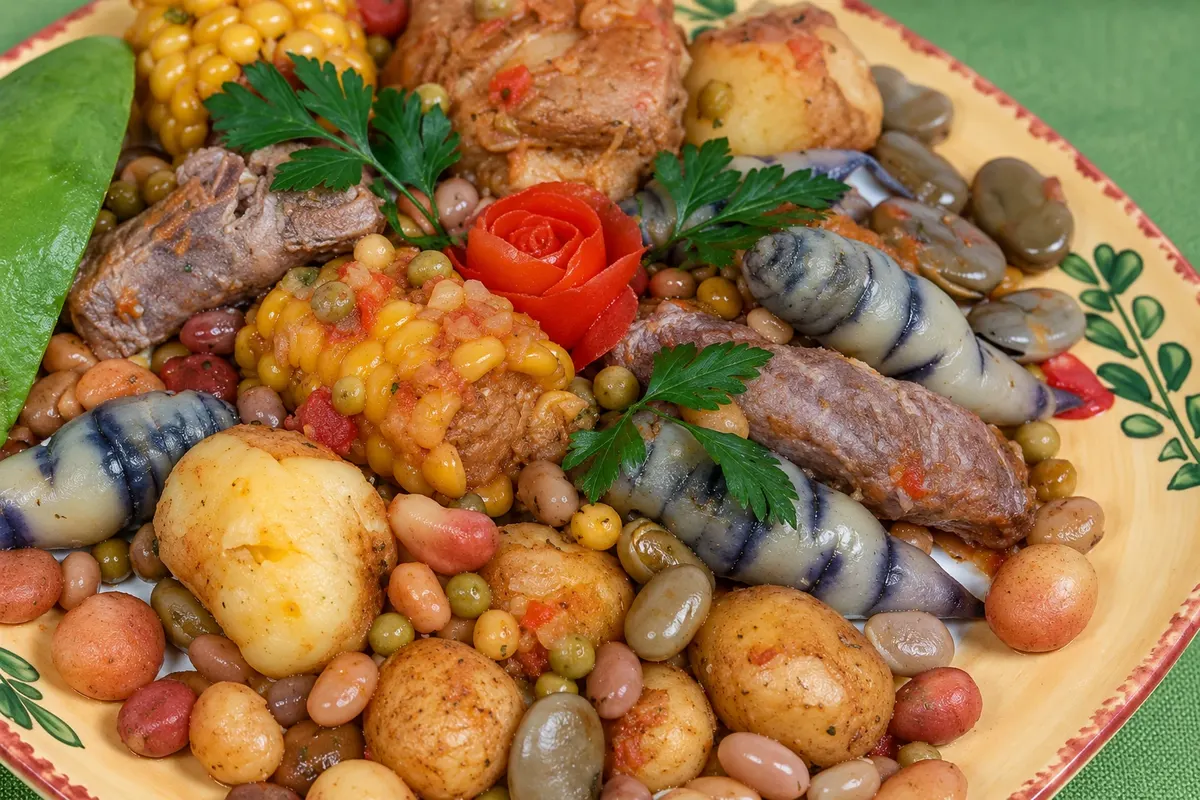
Meat stew with native Andean tubers such as cubios, chuguas and ibias, as well as potatoes, corn, fava beans and peas. Radio Nacional calls it an emblematic dish of Boyacá.

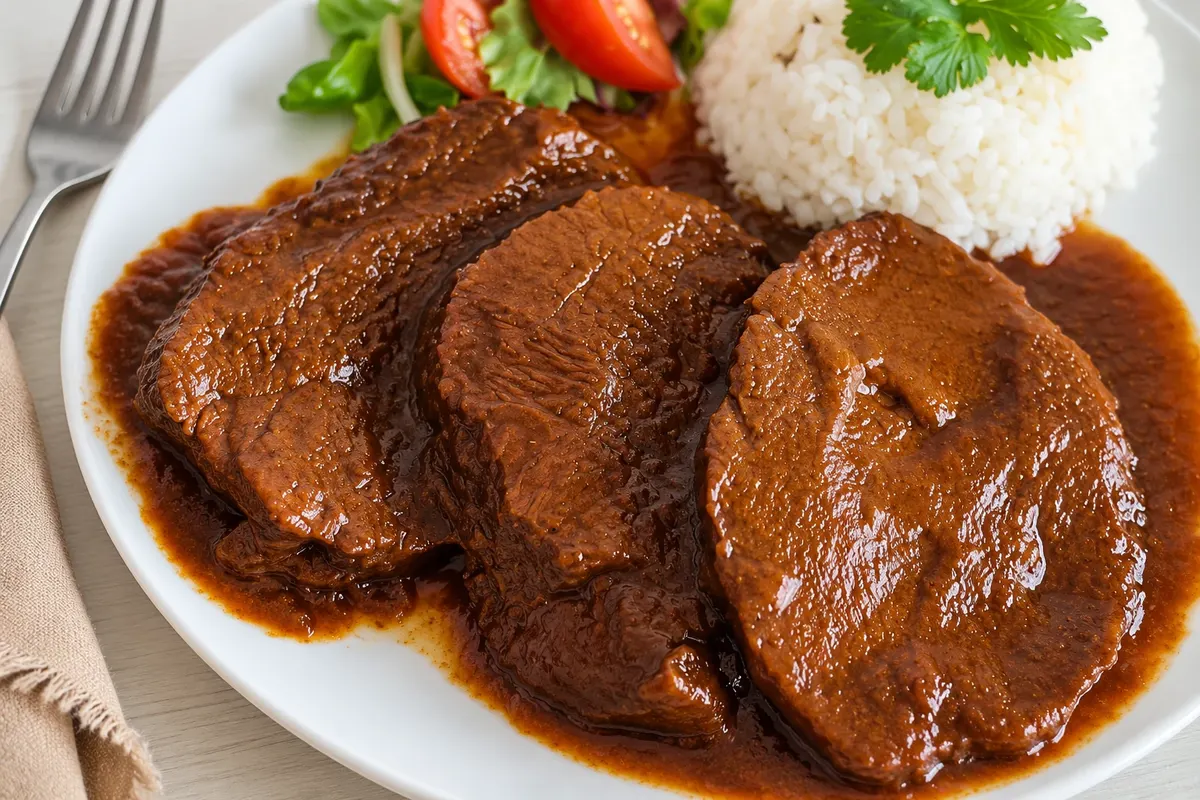
Beef slowly cooked in a dark, slightly sweet sauce with spices and a mild heat. Cartagena’s press calls it an emblematic flavor of the city; it comes with coconut rice and patacones.

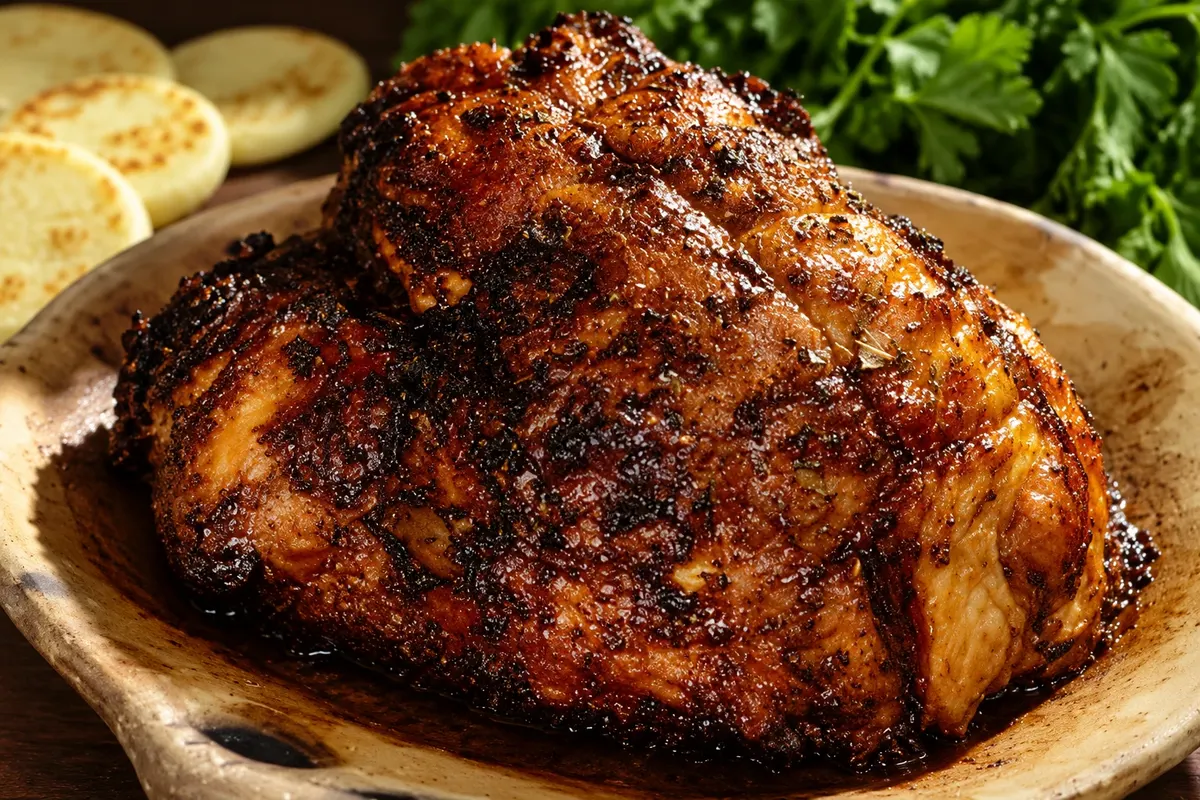
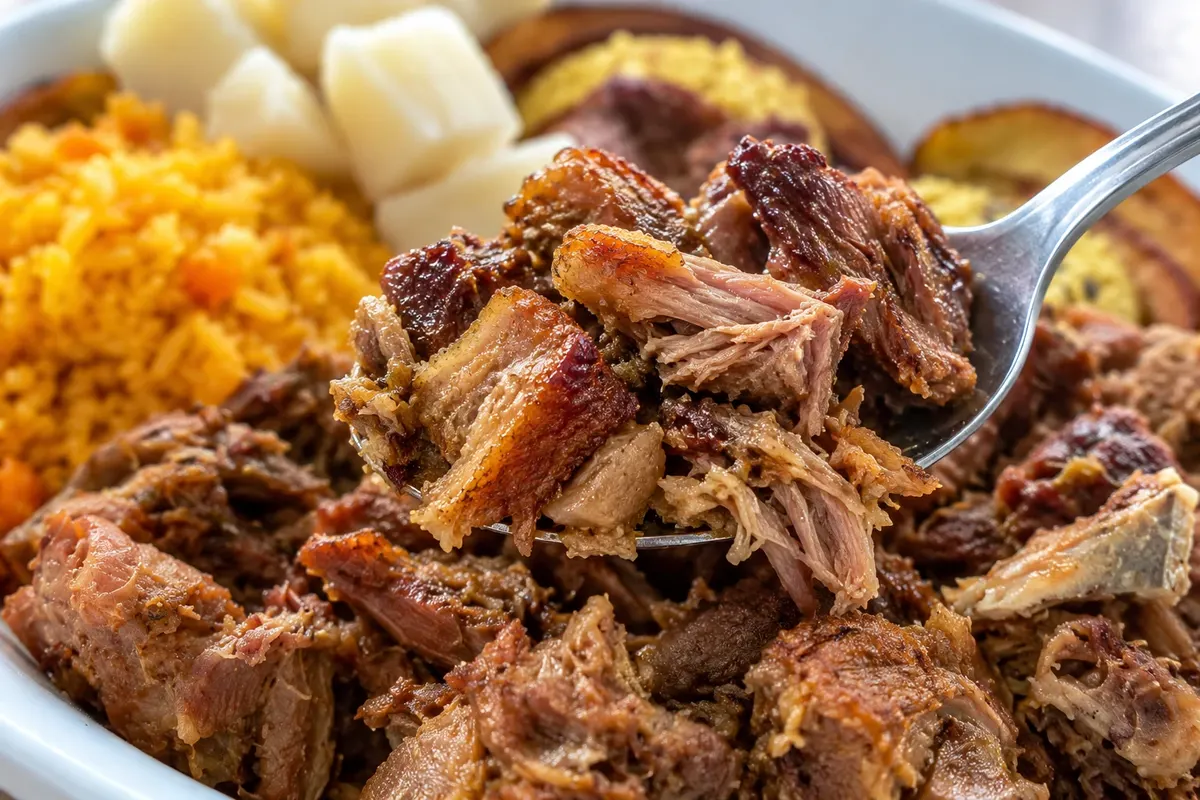
Pork marinated for at least a day in bitter orange, beer, onion, garlic and herbs, then roasted in a clay oven. It’s the dish of the San Pedro festivities in Huila, served with insulso, arepa and cassava.

Meat and offal from young goat cooked with salt and then fried until golden, sometimes with the animal’s blood. A dish of Wayuu tradition, offered to visitors who arrive at the rancherías of La Guajira.

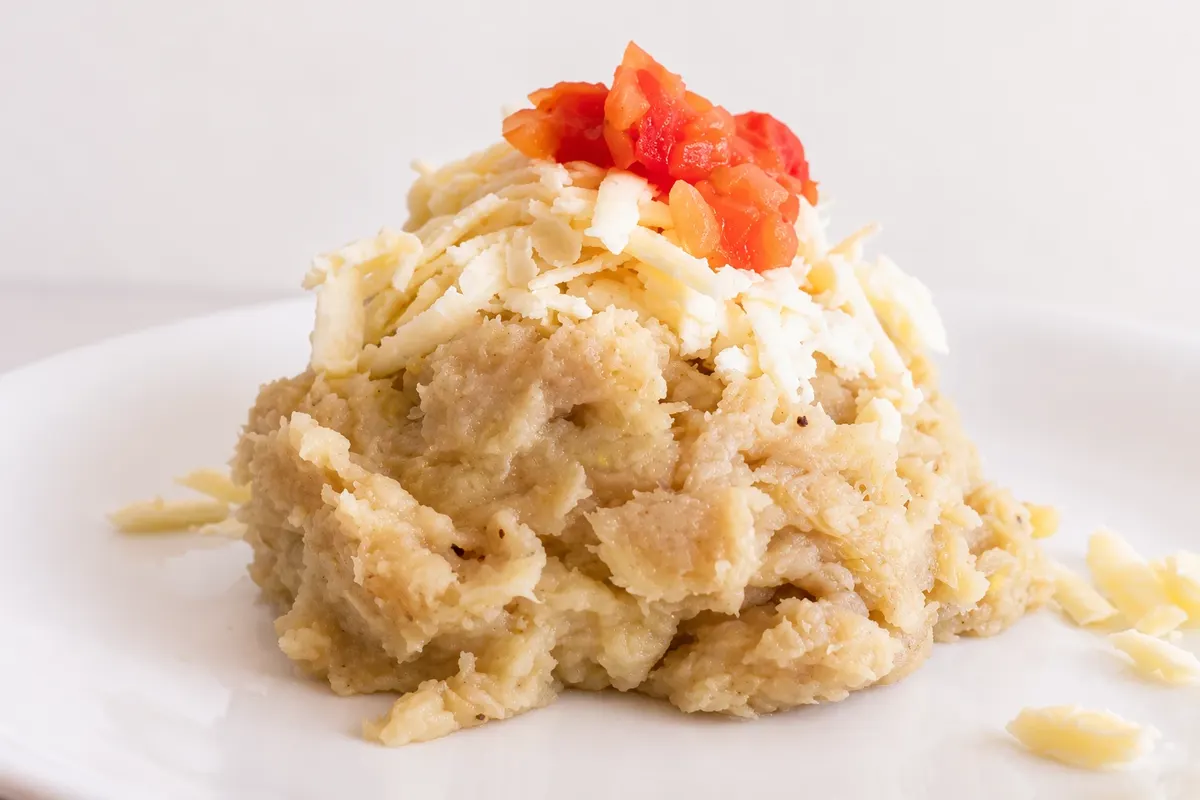
Mashed green guineo banana with butter and costeño cheese, sometimes topped with a sauté of tomato and onion. It is the typical breakfast of the banana-growing area of Magdalena and of Santa Marta.

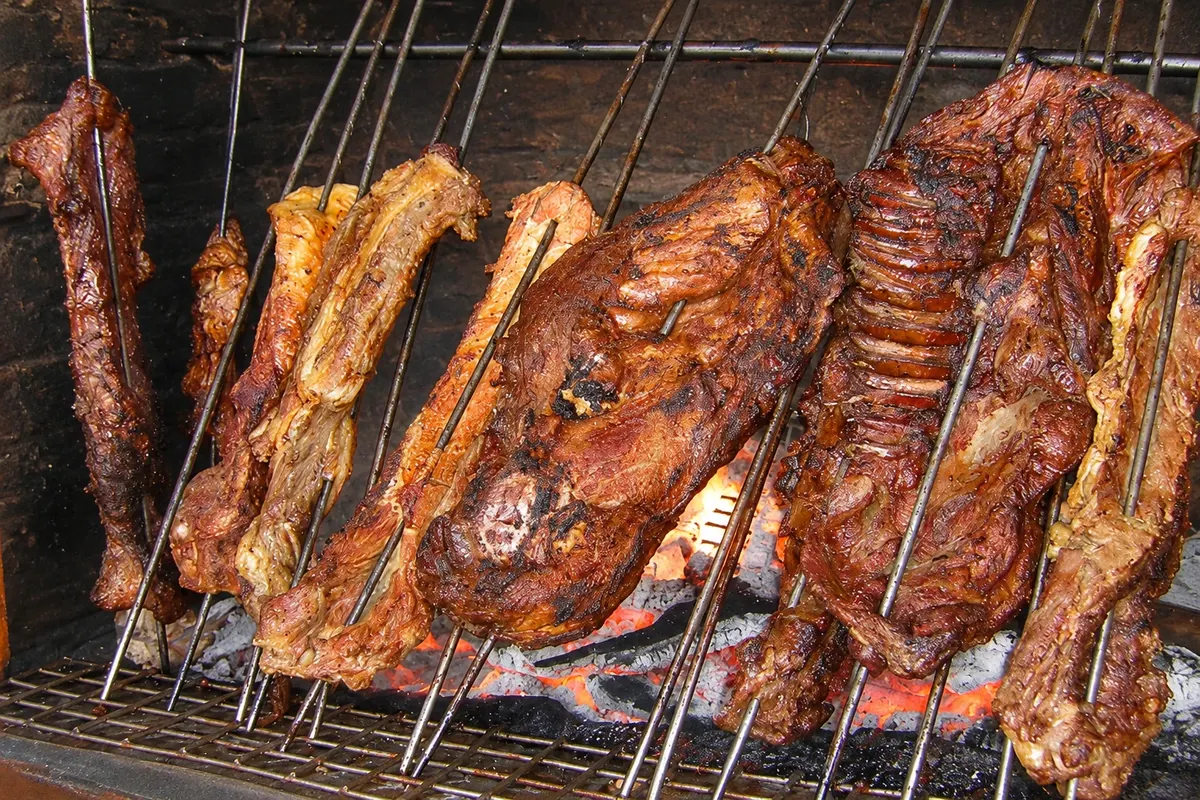
Milk-fed steer slowly roasted on stakes around the fire, seasoned only with salt. It is the dish of the Llanos Orientales and the best-known specialty of Meta, served with cassava, plantain, and potato.

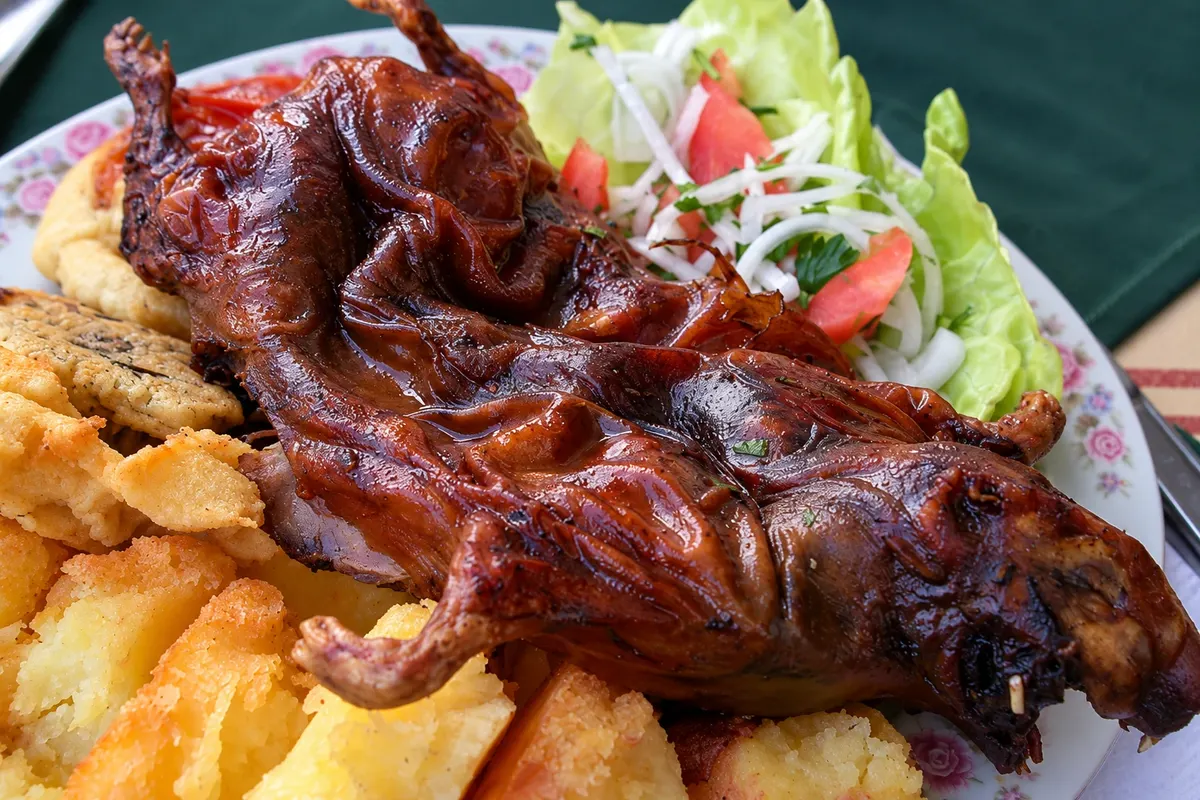
Cuy seasoned with salt, garlic and onion and roasted whole over coals, turning on a spit. A festive dish in families from Nariño, served with potatoes and a peanut chili sauce.

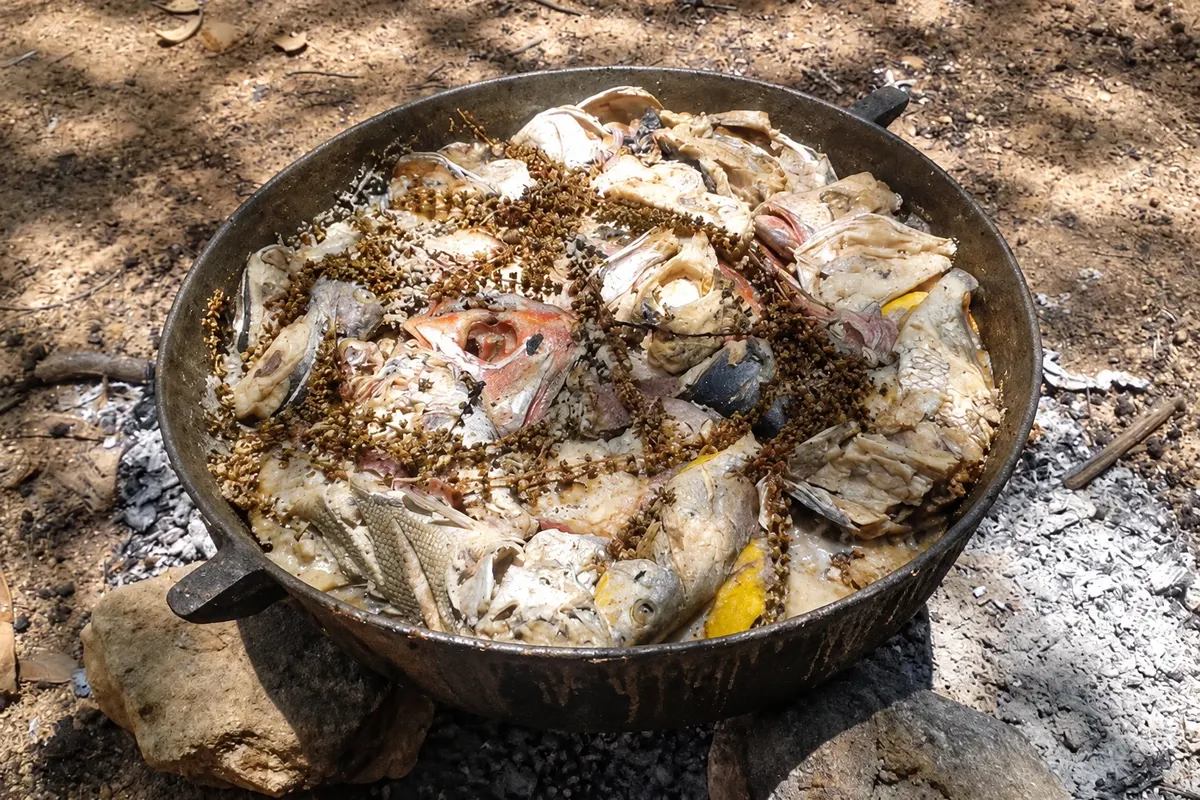
Stew in coconut milk with fish or conch, salted pig tail, green plantain, cassava, yam, breadfruit and dumplings. The ICBF calls it a traditional dish of the islands of San Andrés and Providencia.

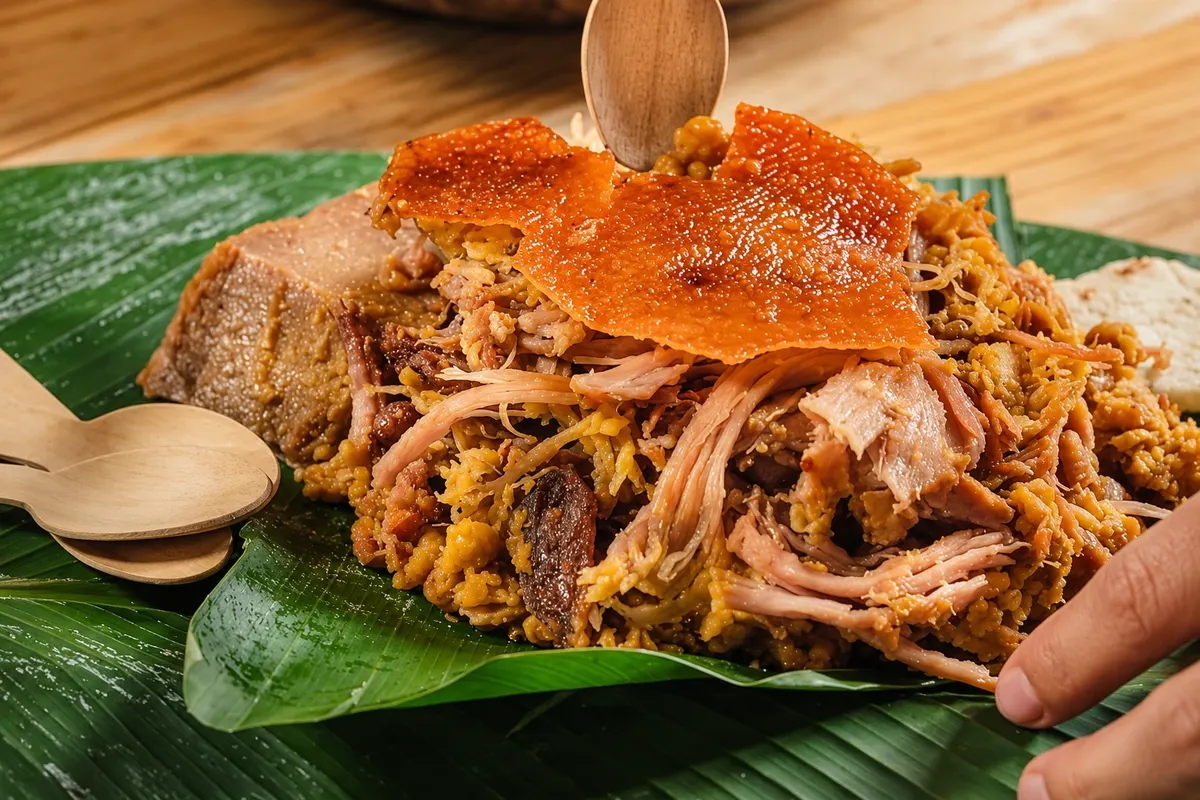
A whole pig stuffed with its own seasoned meat and dried yellow peas, roasted for hours until the skin becomes crispy. It is Tolima’s proudest dish, served with insulso.