Asado
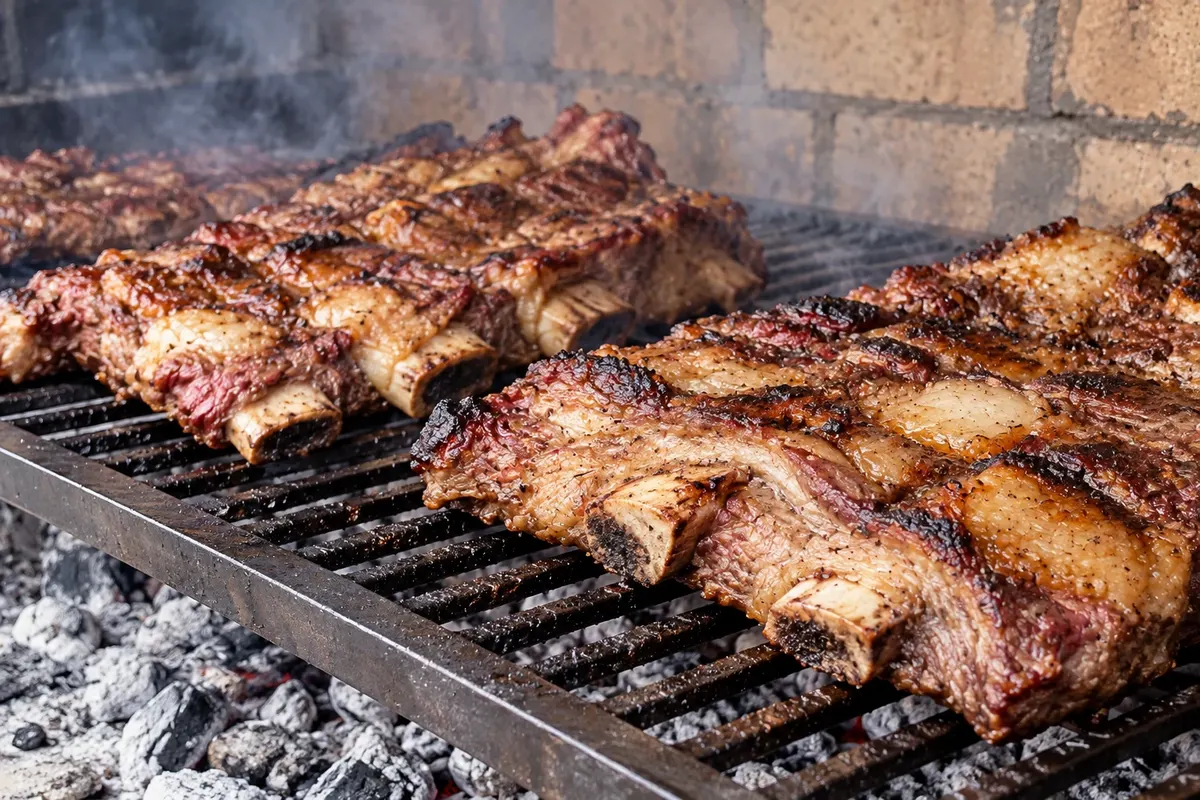
Beef and pork cuts, sausages and offal slowly roasted over embers, on a grate or on a cross. More than a dish, it’s a gathering around the fire led by the asador, and it bears the seal of Argentina’s cultural, food and gastronomic heritage.
Flavors · Argentina
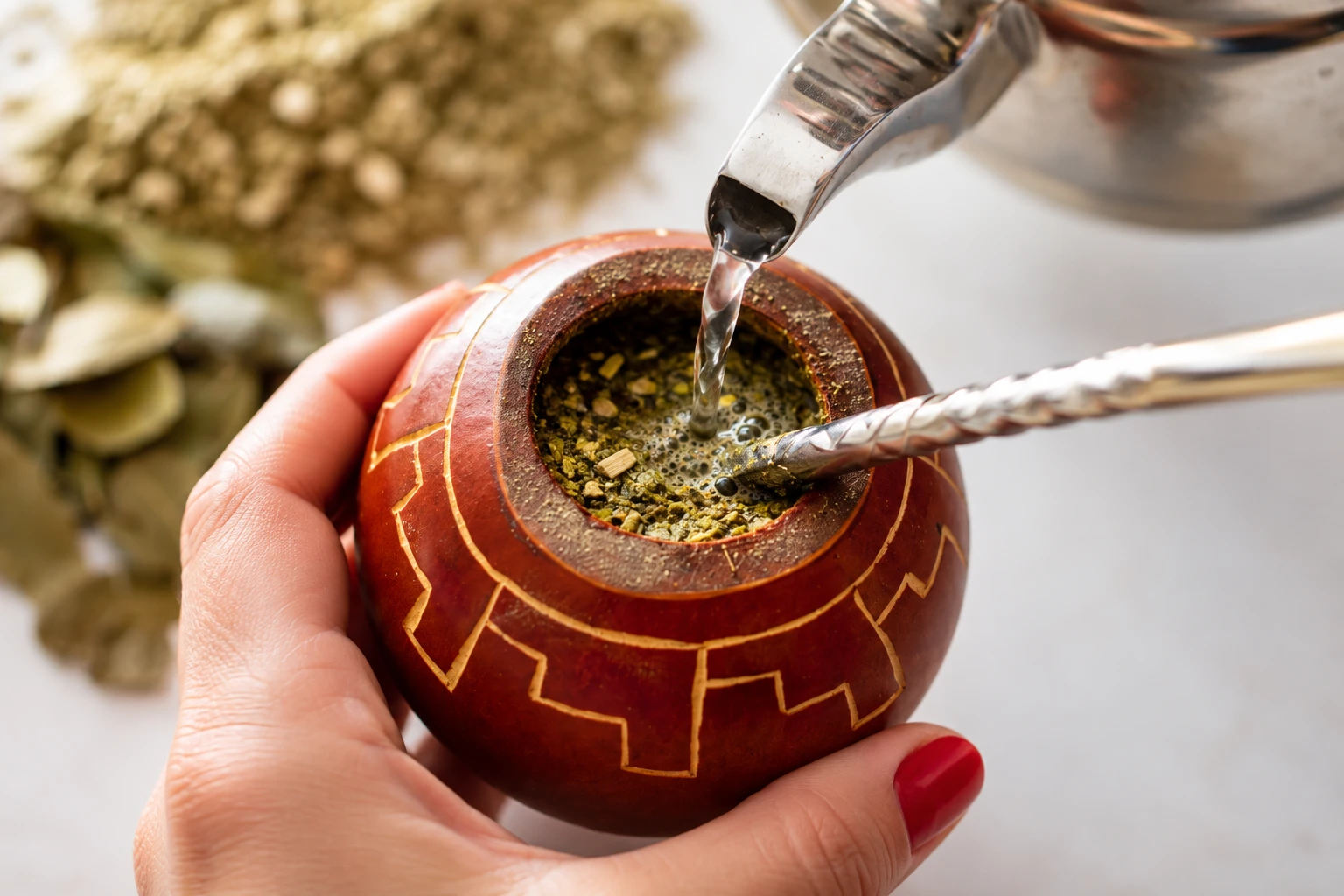
Infusion of yerba mate with hot water, drunk through a bombilla from a container also called a mate and shared in a circle. A 2013 law declared it Argentina’s national infusion, and November 30 is National Mate Day.
Traditional drink from Argentina
Also known as: mate amargo, mate cocido
Illustrative images. The pictures in this guide are illustrations based on the real place, not photographs, and may differ from it.
Click a photo to enlarge it.
Mate — Argentina
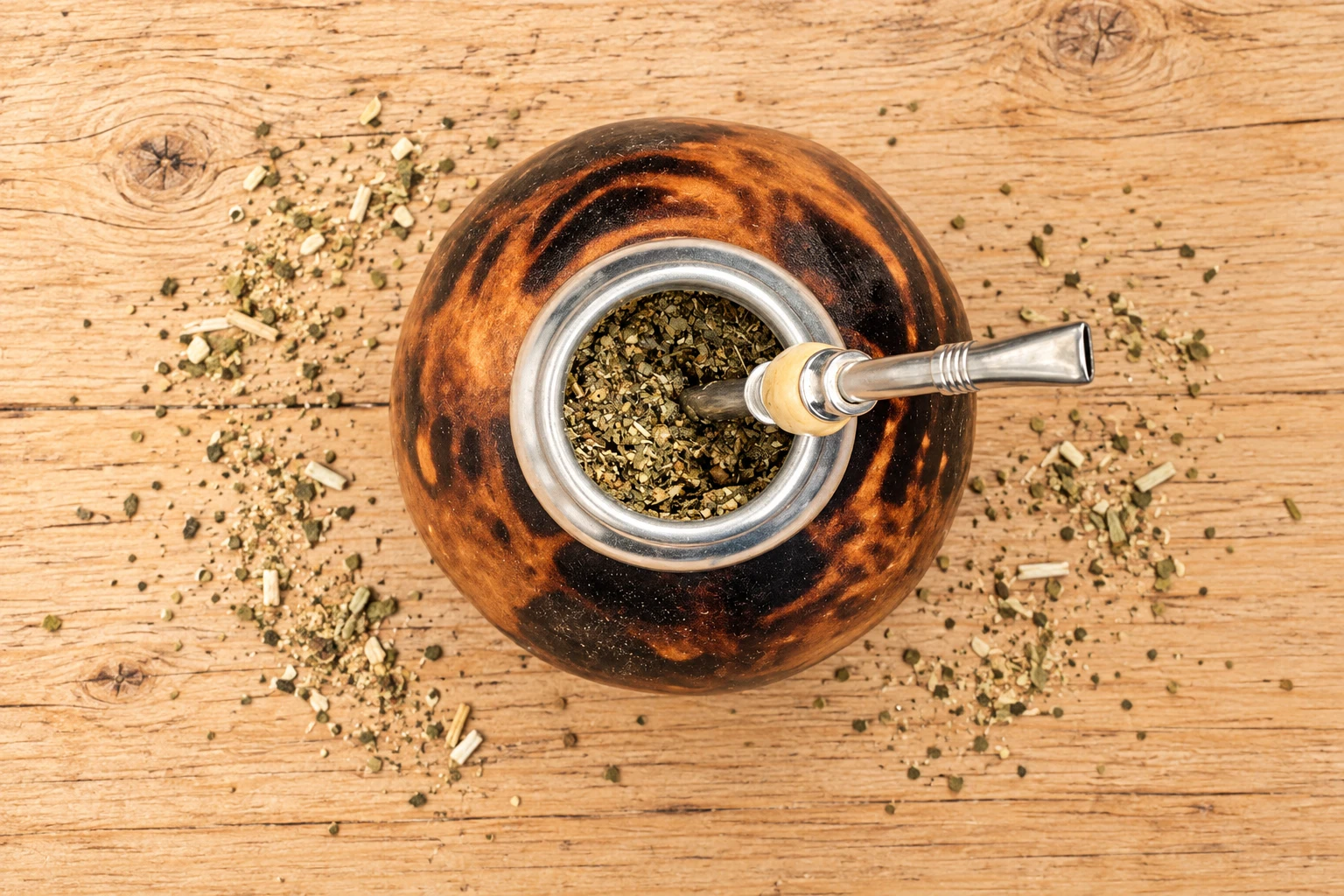
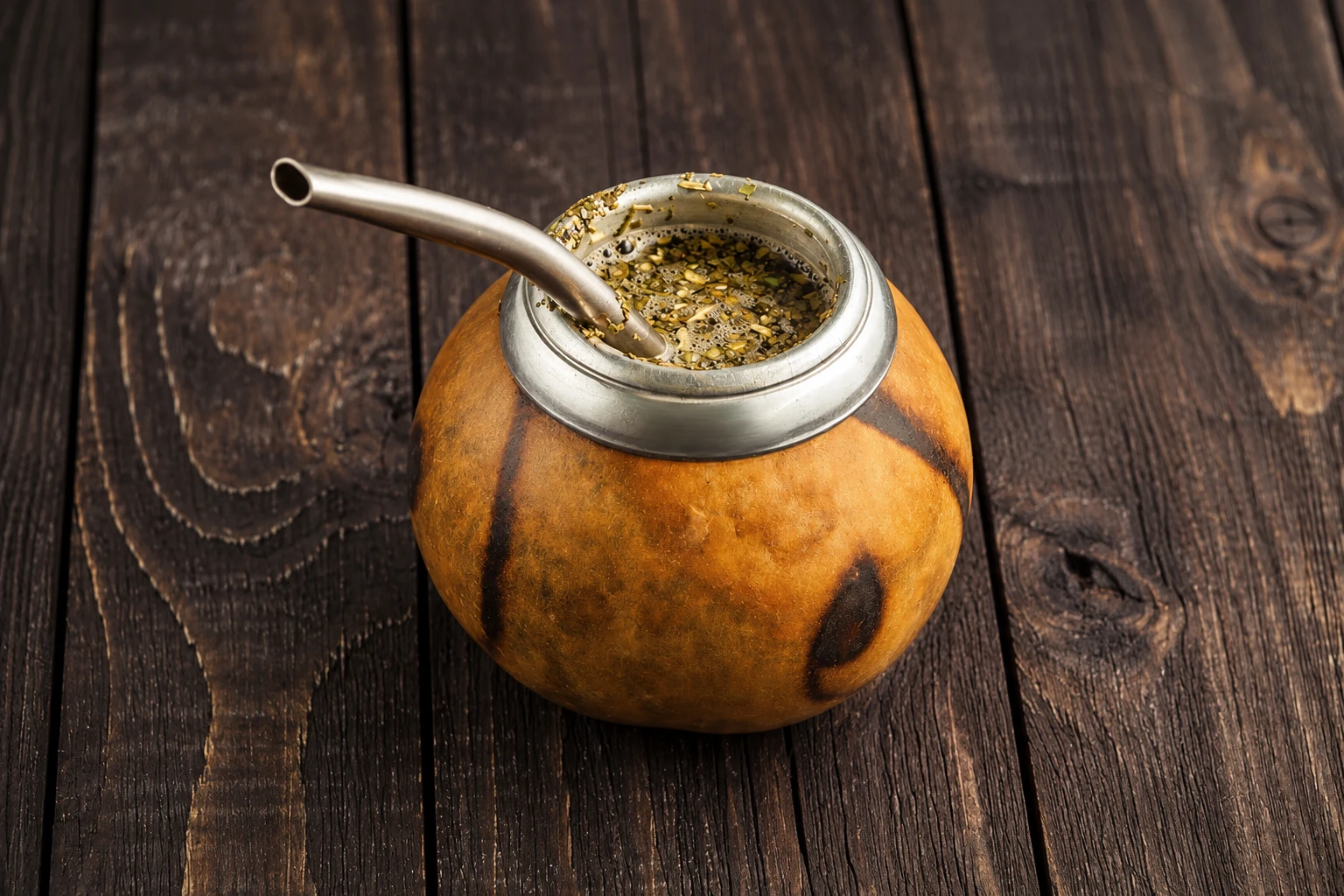
In Argentina, the word mate refers to two things: the infusion and the container in which it is drunk. The most traditional container is made from a porongo, a dried gourd, but there are mates made of wood, horn, metal, ceramic, and glass. You fill most of it with yerba mate—dried, ground leaves and stems of a native tree—moisten it with hot water without letting it boil, and drink through a metal tube with a filter at the end, the bombilla. The thermos next to it is part of the set.
Mate is meant to be shared. The person who prepares it, the cebador, drinks the first serve, which is usually more bitter, then refills it and passes it to each person in the circle, one at a time. Each person drinks everything and returns the mate to the cebador, who refills it for the next person. Saying “thank you” in the circle usually means you don’t want any more. Many drink mate bitter; others add sugar, orange peels, or herbs.
Law 26,871, signed on July 3, 2013, declared mate Argentina’s national infusion and defines it as the beverage prepared with yerba mate in a container, moistened with hot water and drunk with a bombilla. The law foresees promotion of mate in official events. Another law, 27,117, established National Mate Day on November 30, the birth date of Andrés Guacurarí y Artigas, a Guarani leader from Misiones. Yerba with geographic indication is produced in Misiones and the northeast of Corrientes, but the custom spans the whole country—in homes, offices, plazas, and car journeys.
Mate is not only Argentine. The Guarani peoples already used yerba before Europeans arrived, and the beverage spread across the Río de la Plata region. It is also traditional in Uruguay and Paraguay—where cold tereré is very popular—and in Brazil’s southern region, where the hot mate is called chimarrão. Each country has its own ways and rules for the circle. In Argentina there is also mate cocido, yerba boiled like a tea and strained, served at breakfast and in the afternoon snack.

Argentina
Law 26,871 declared mate the national infusion, and the sharing circle custom exists in all provinces. The yerba comes from the country’s northeast, but mate does not have a single city or province of origin.
Yerba mate (dried, ground leaves and stems) and hot water; optionally sugar, orange peels, or herbs.
In a circle: the cebador fills the mate with hot water, each person drinks everything through the bombilla and returns it; the mate is passed from hand to hand. It is also drunk alone throughout the day, or as mate cocido, in a cup.
All year and at any time, especially in the morning and late afternoon, at home, at work, outdoors, and on trips. National Mate Day is November 30.
Your questions
In a circle. The person who prepares it, the cebador, fills the container with yerba mate, wets it with hot water and passes it to each person, who drinks everything through the bombilla and returns it. The cebador refills it for the next person.
Yes. Law 26,871 of 2013 declared mate the national infusion, and Law 27,117 established November 30 as National Mate Day.
No. It is a Guarani-origin tradition shared with Uruguay and Paraguay—where it is also drunk cold as tereré—and Brazil’s south, where it is called chimarrão. Each country has its own preparation and sharing practices.
It is yerba mate boiled in water, or in tea bags, strained and served in a cup, sometimes with milk and sugar. It commonly appears at breakfast and at the afternoon snack.
Flavors of Argentina

Beef and pork cuts, sausages and offal slowly roasted over embers, on a grate or on a cross. More than a dish, it’s a gathering around the fire led by the asador, and it bears the seal of Argentina’s cultural, food and gastronomic heritage.

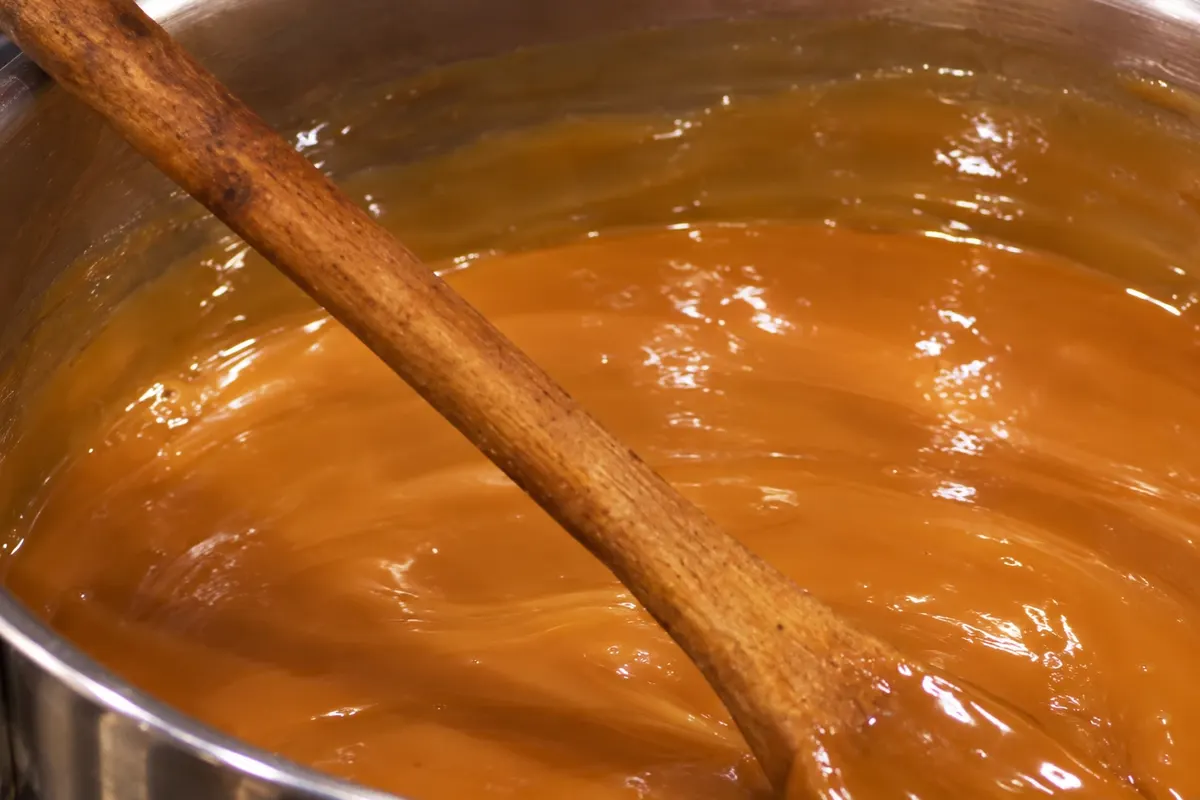
Milk and sugar cooked slowly while stirring until they form a thick, caramel-colored cream. In Argentina it fills alfajores, pancakes and cakes and is spread on bread at breakfast; the country recognizes it as culinary and food heritage and Uruguay also claims it as its own.

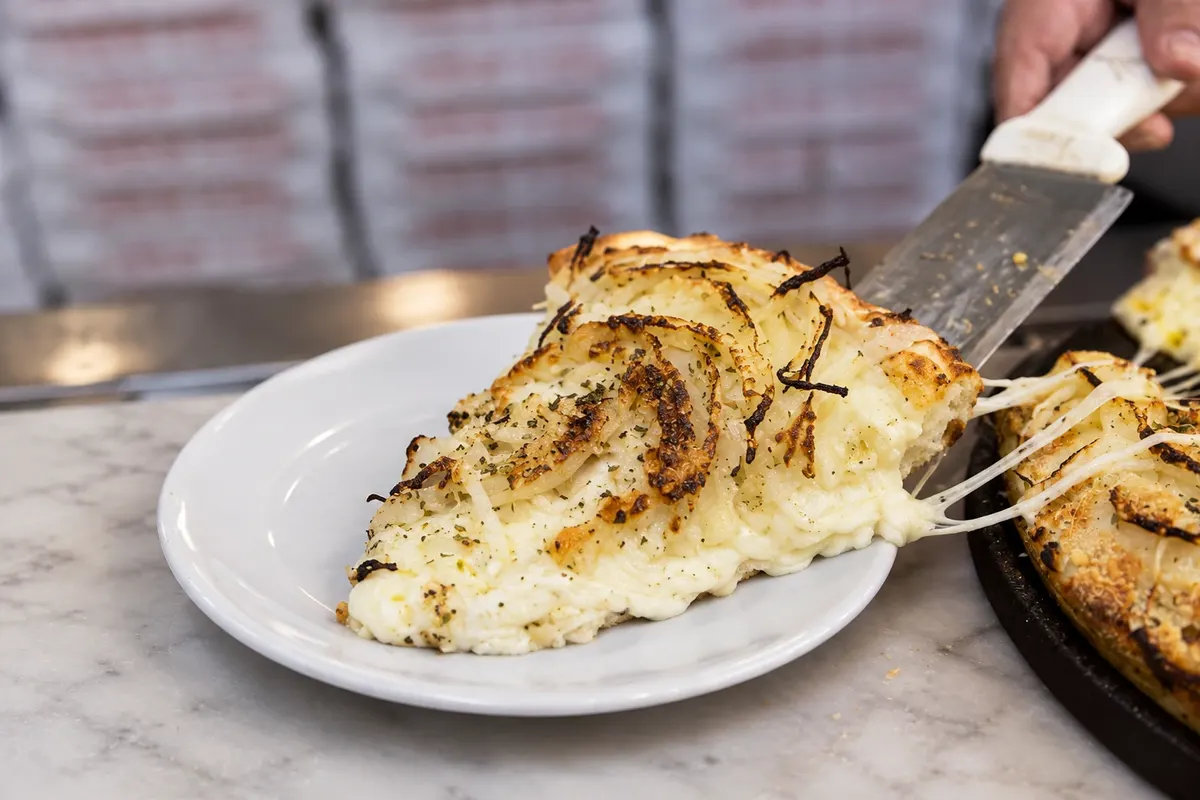
The Buenos Aires pizza: thick dough baked in a pan, topped with plenty of mozzarella and eaten in portions, often standing at the counter. It includes the fugazzeta, filled with cheese and topped with onion, and the fainá made from chickpea flour that accompanies it.

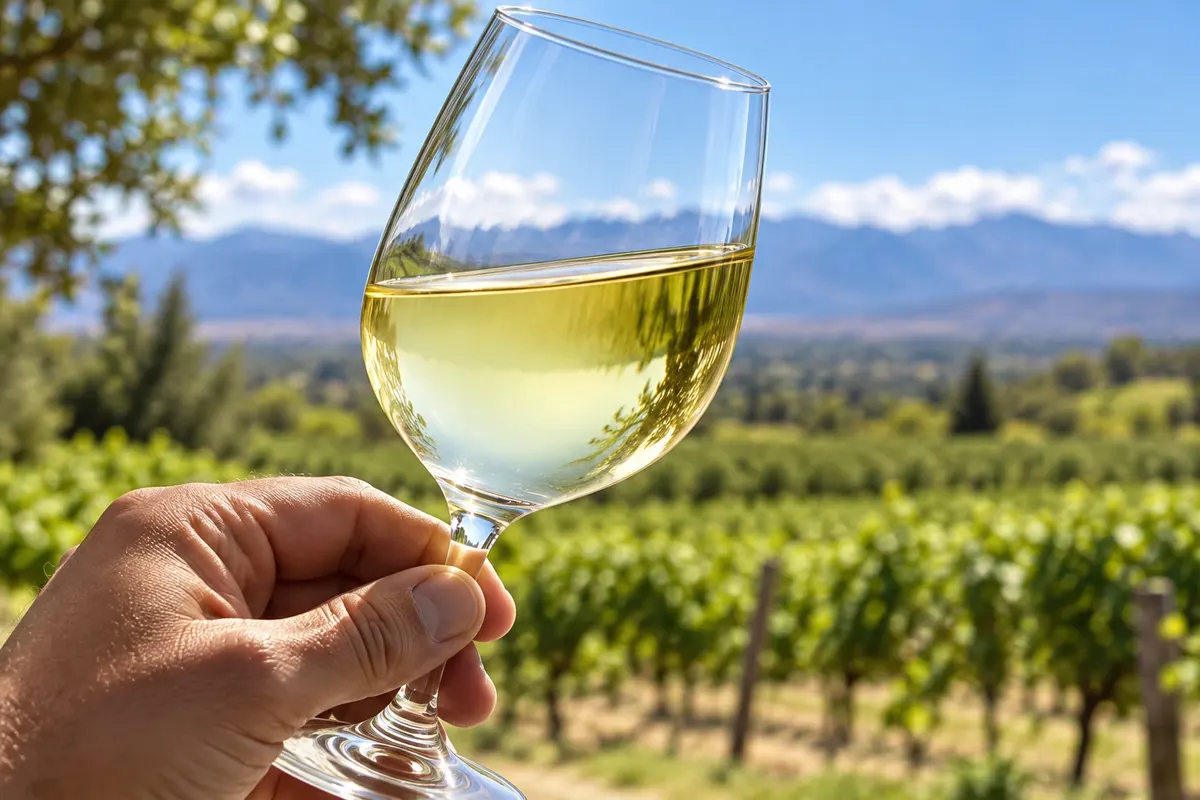
Aromatic white wine from a grape born in Argentina, with floral and fruity aroma. In the high vineyards of the Cafayate valley, in Salta, it has one of its best-known expressions and an annual week of celebrations.

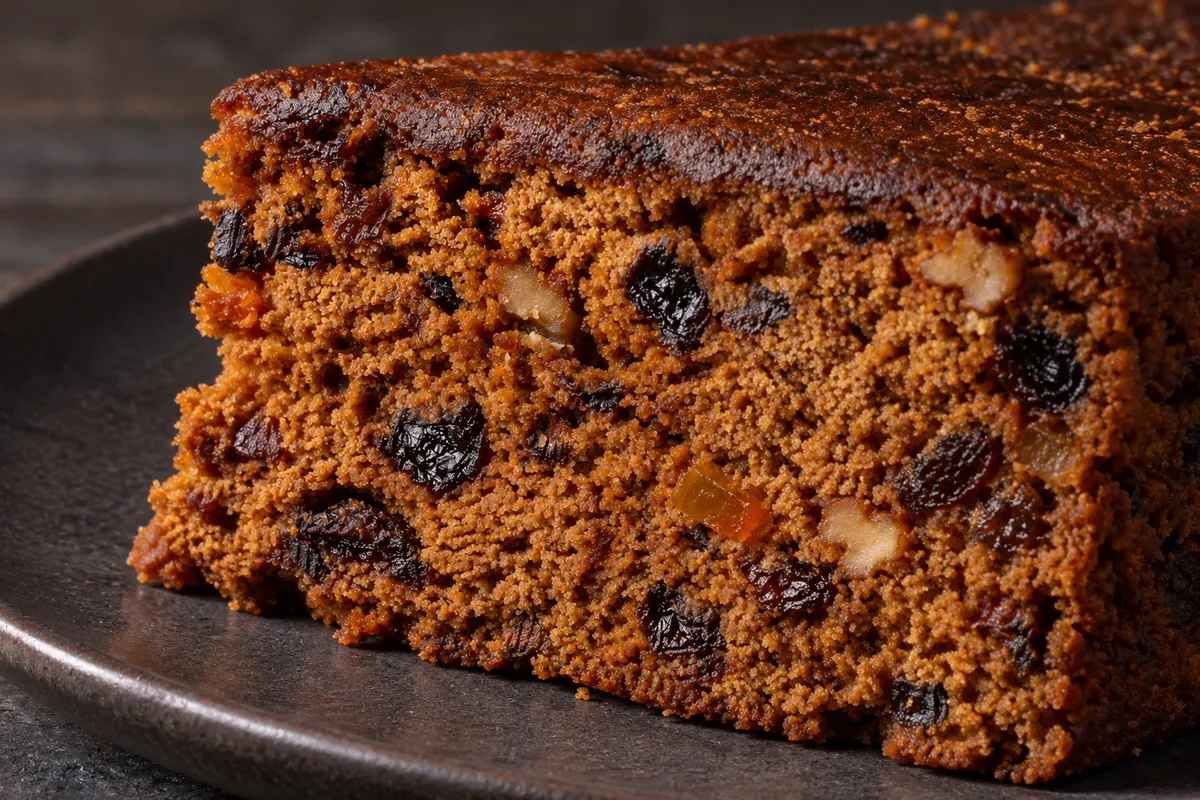
Dark, dense cake fragrant with dried fruit, nuts, brown sugar and spices — a legacy of the Welsh settlers who arrived in Chubut in 1865. It is the centerpiece of the Welsh tea and can be kept for a long time.

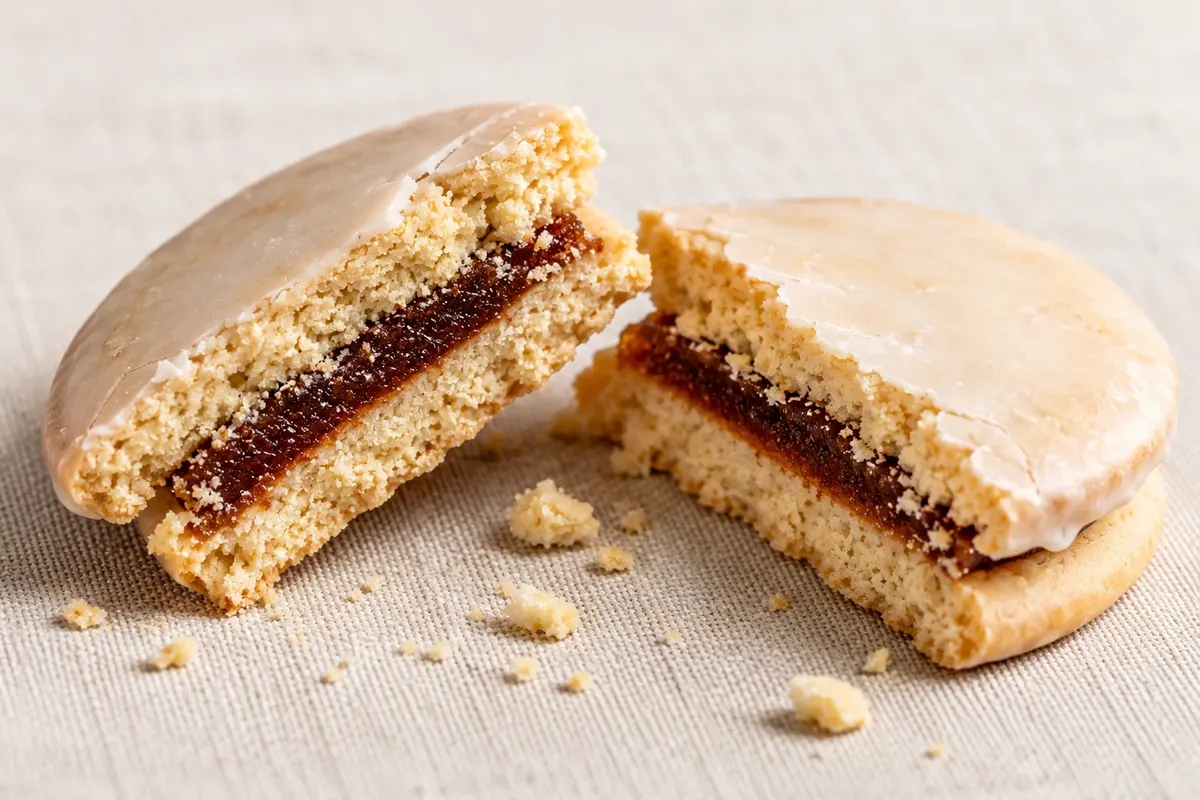
Alfajor from the province of Córdoba, with a soft dough made with honey, filled with fruit jam such as quince or pear, or with dulce de leche, and covered by a thin layer of white icing, without chocolate.

Malbec red wine from the old vineyards of Luján de Cuyo, in Mendoza, protected by the Denominación de Origen Controlada Luján de Cuyo, considered the first of the Americas, with rules on grape variety, alcohol content and aging.

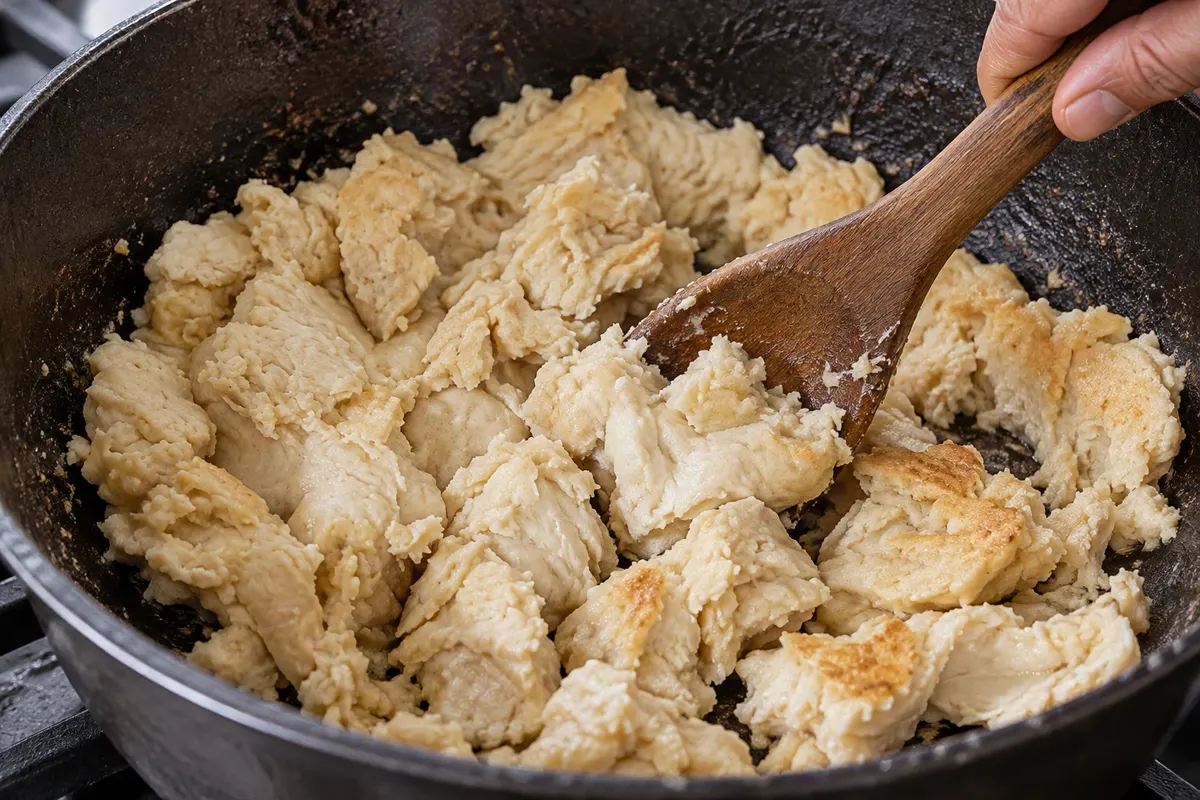
A simple dish from Misiones, made of flour, water and salt, sometimes with egg, stirred in the pot until it becomes a crumbly mass. It was born in the province’s yerba mate plantations, among the yerba-mate workers, and is eaten with mate cocido at breakfast.

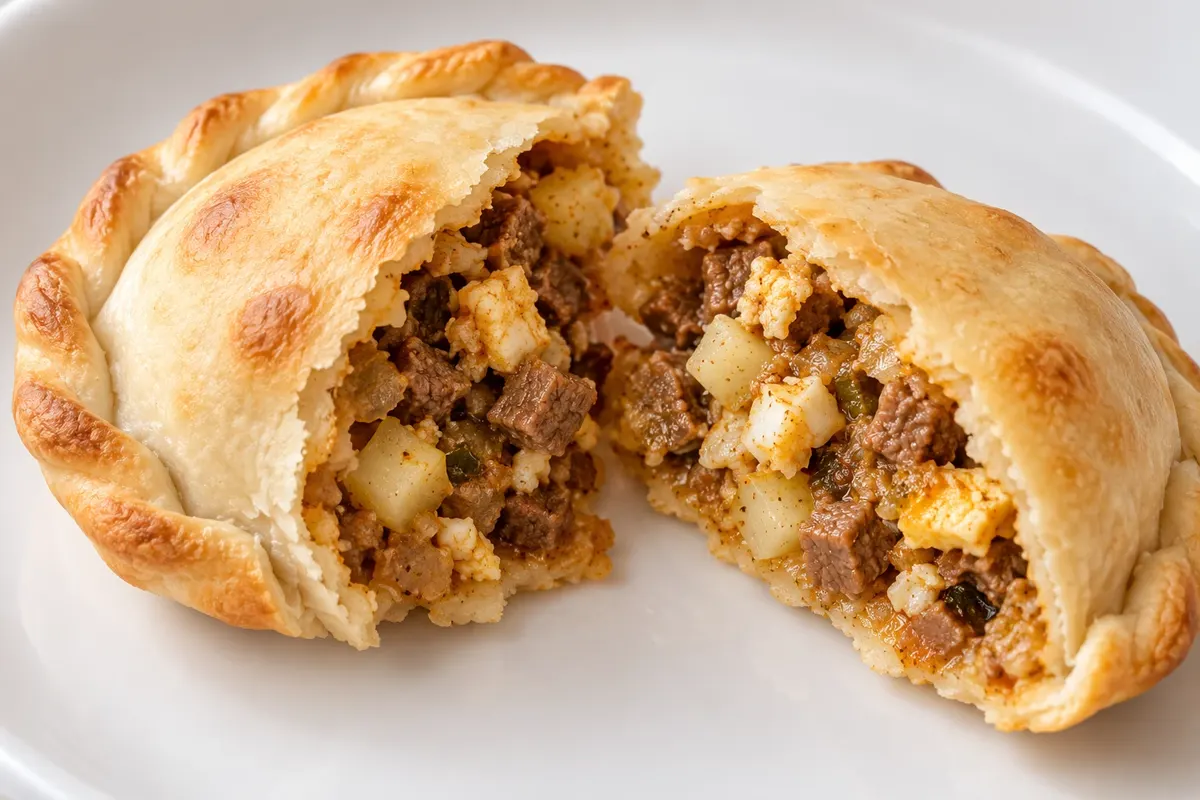
Small, very juicy empanada from Salta, filled with knife-cut beef in small cubes, potato, scallion, hard‑boiled egg, paprika and cumin, preferably baked in a clay oven and served very hot, with spicy sauce on the side.