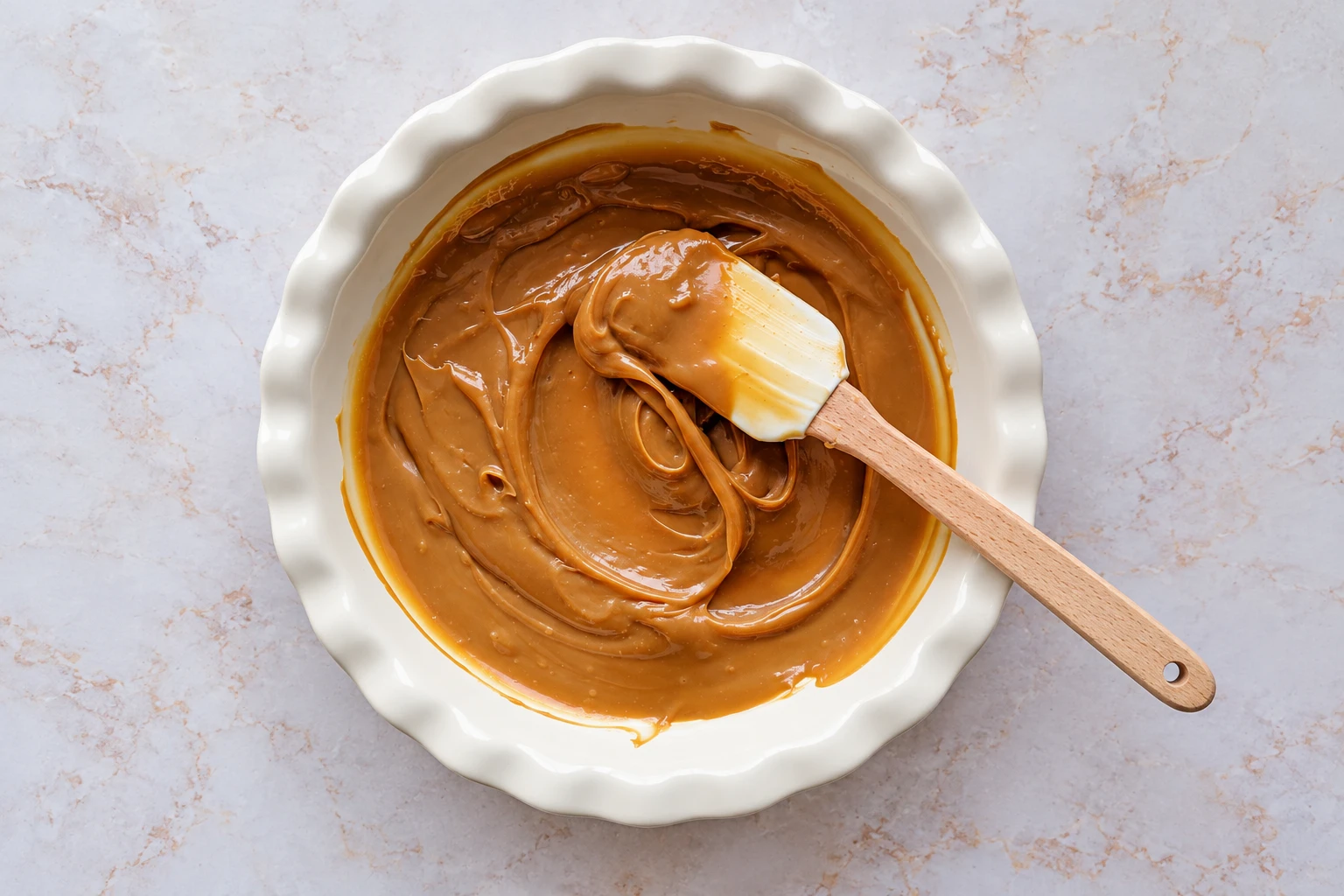
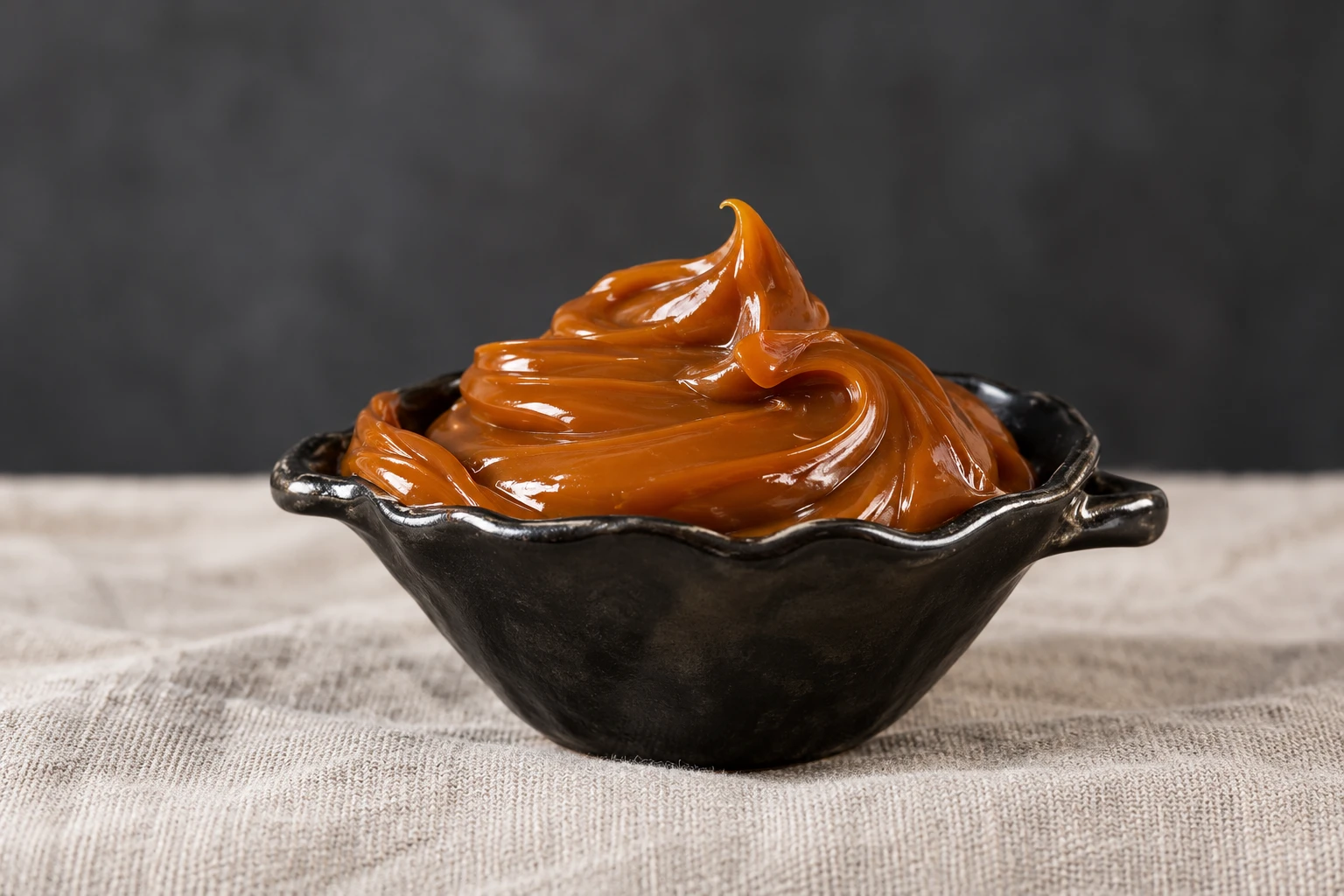
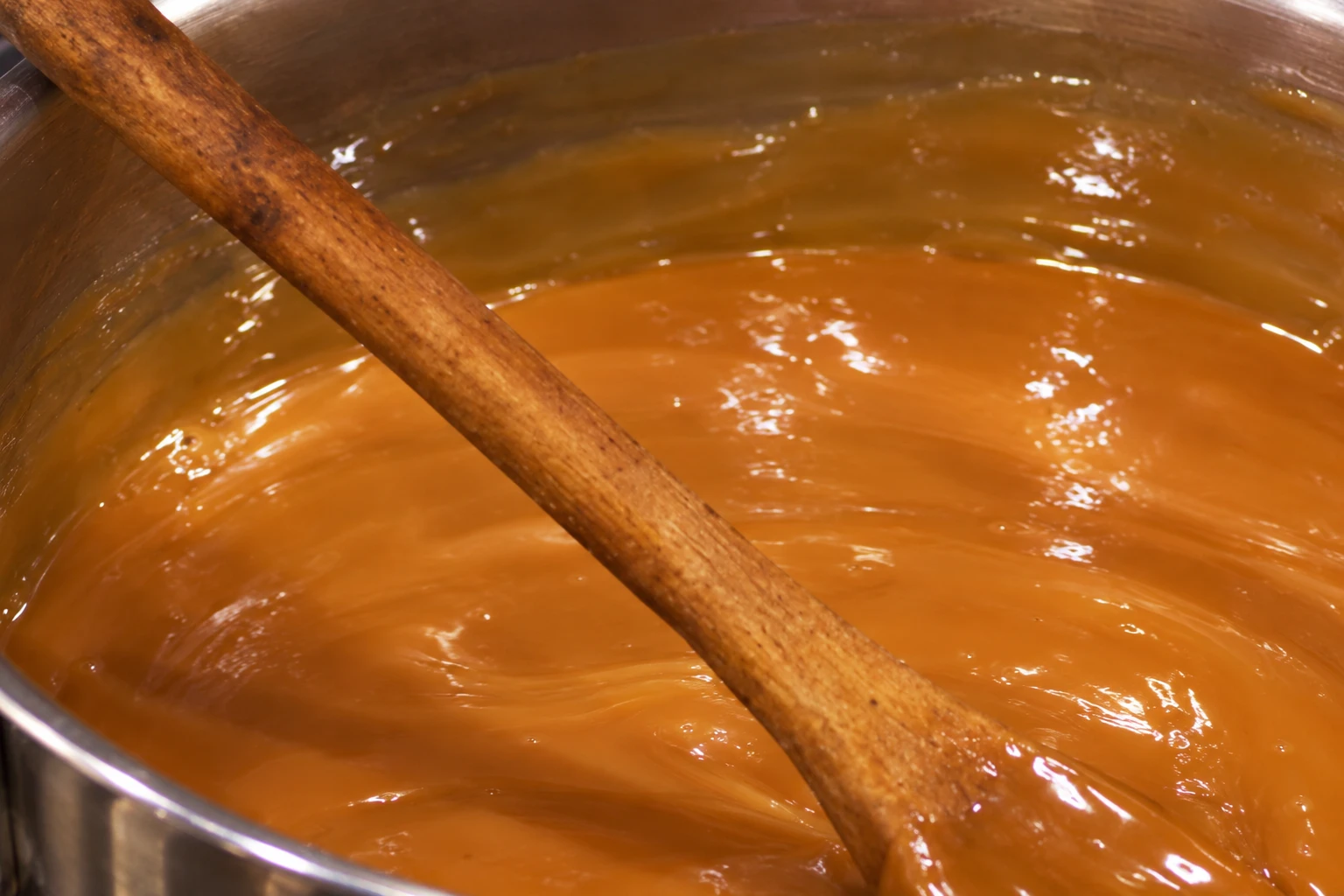
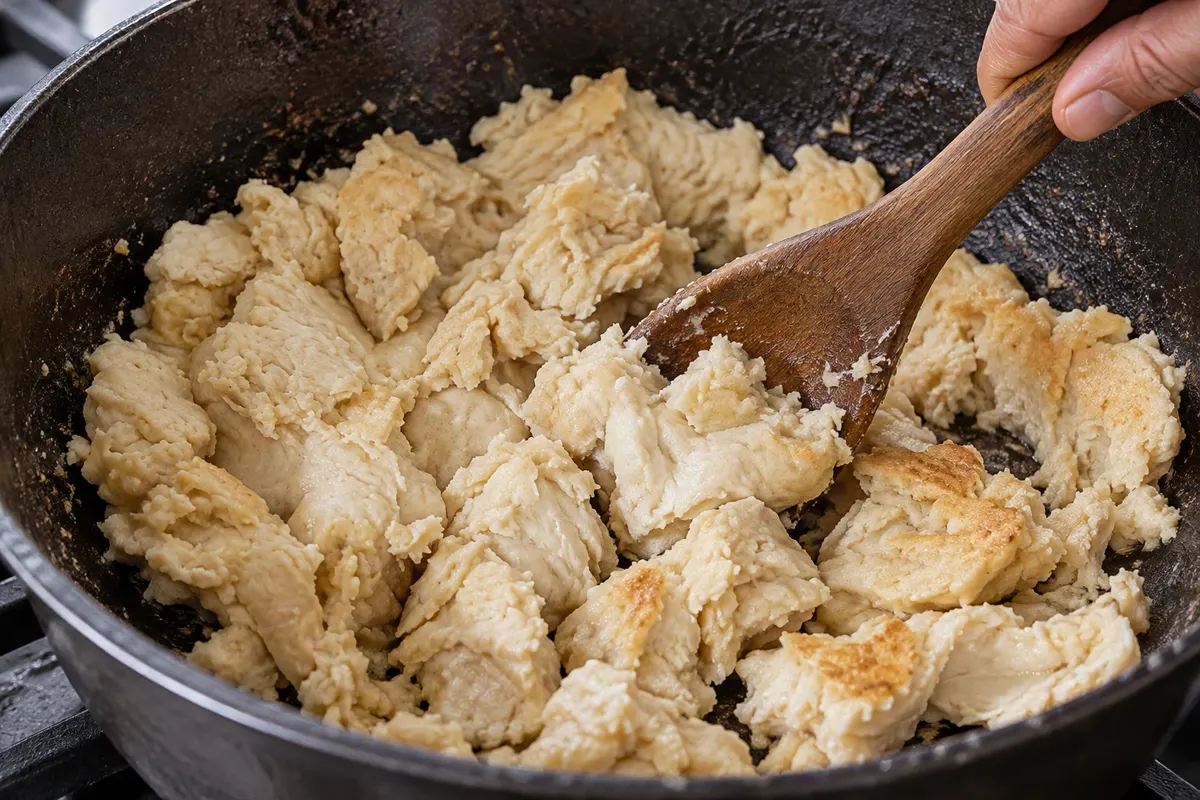
Dulce de leche is made from milk and sugar, sometimes with a pinch of baking soda and vanilla. The mixture is cooked over low heat and stirred for hours until the water evaporates and the milk and sugar caramelize together. The sign of doneness is the thickness and color: a smooth, dense, light-brown cream that drips slowly from the spoon. There is a home-style dulce de leche, softer, and a pastry version, firmer, that does not run when used as a filling for cakes and sweets.
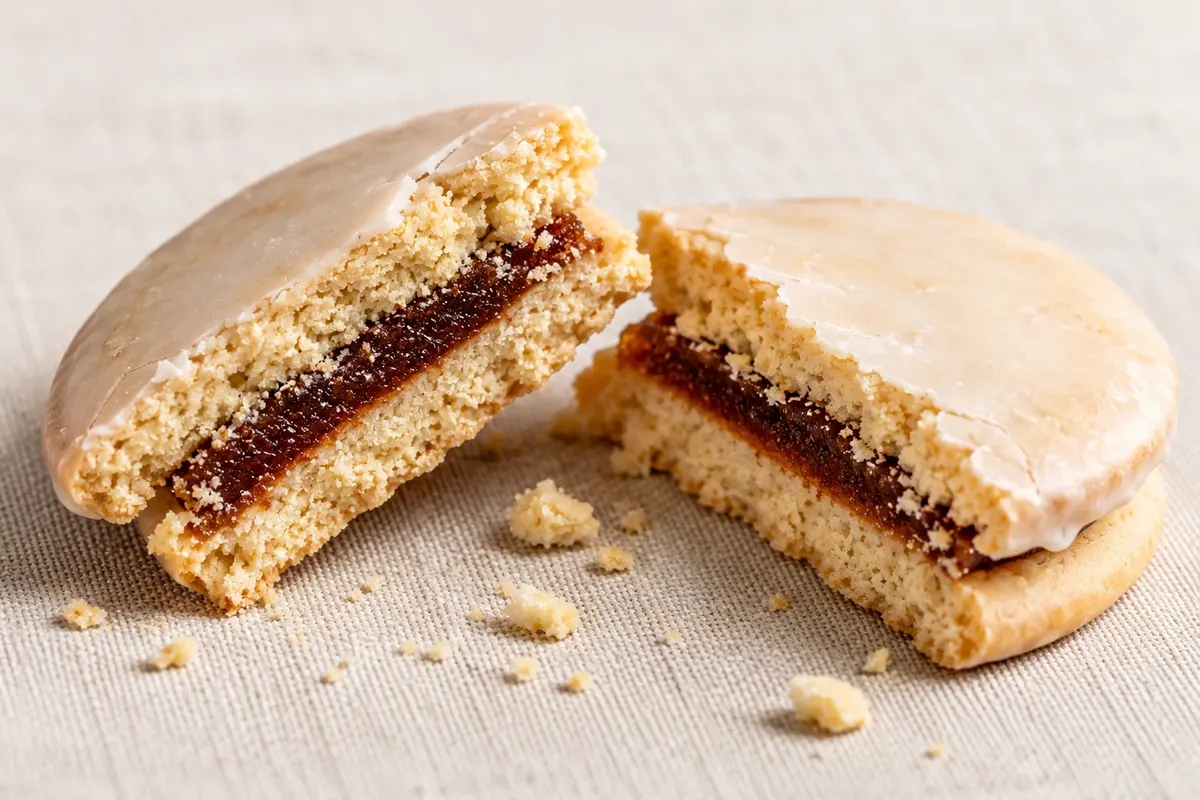
In Argentina it appears in almost all confectionery. It fills alfajores and pancakes, covers cakes and tarts, accompanies flan and fruit, goes into facturas (bakery pastries), and into ice cream. In the morning and afternoon it is spread on bread or toast. Eating it straight from the jar with a spoon is also common.
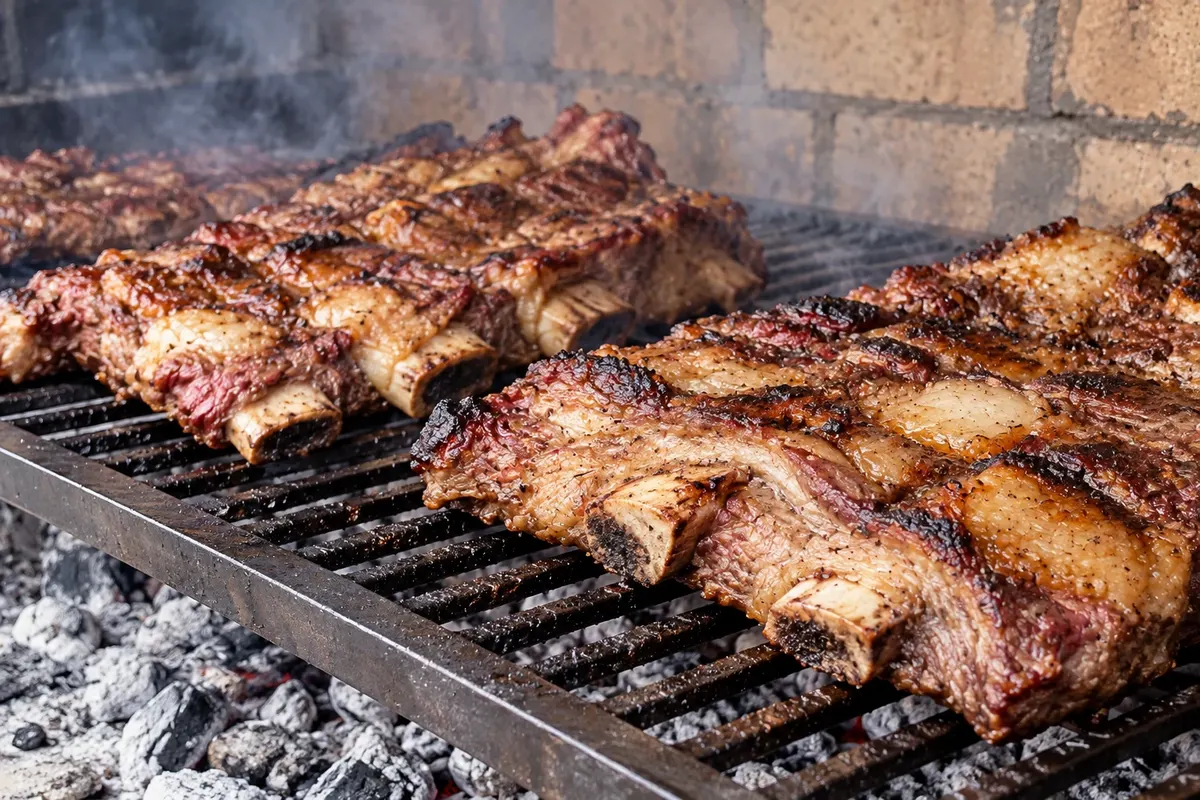
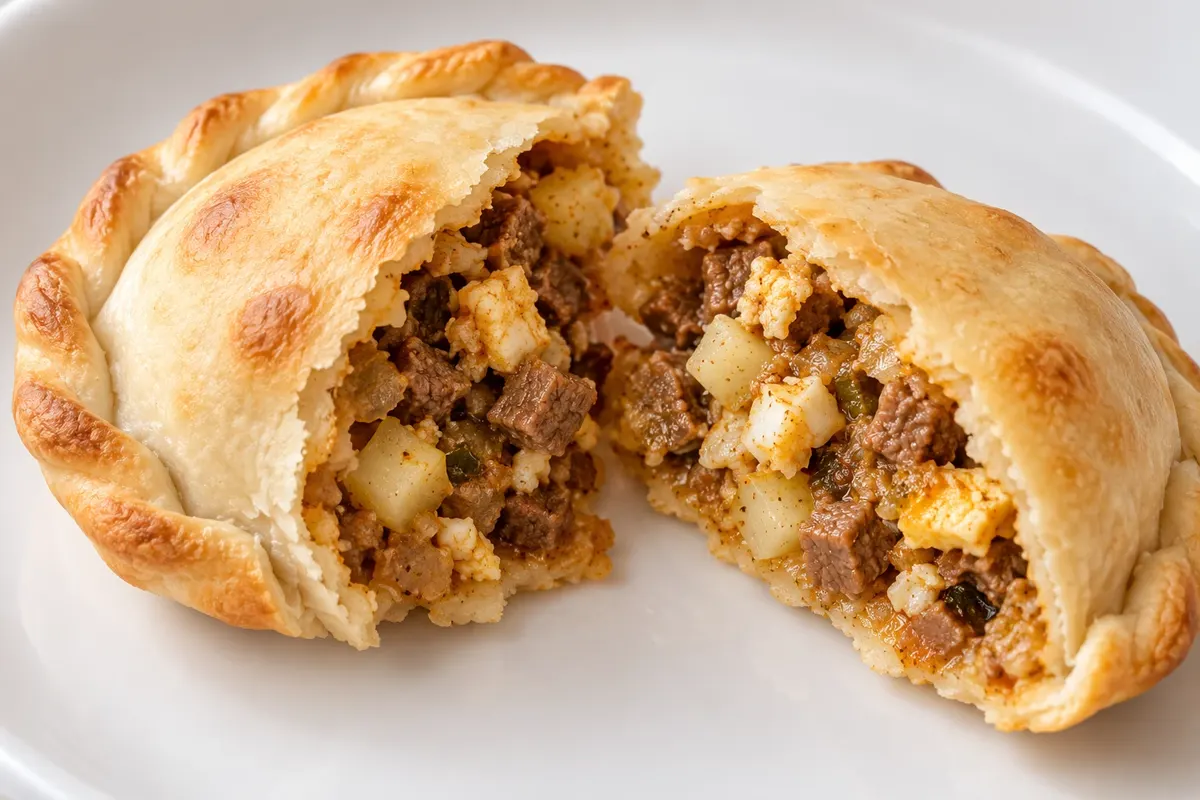
The country’s food heritage program created in 2002 also distinguishes it: according to the Argentine Ministry of Culture, dulce de leche received the seal along with the empanada and the asado as a typical product consumed in all provinces. In 1998 an Argentine industry body created World Dulce de Leche Day, celebrated on October 11.
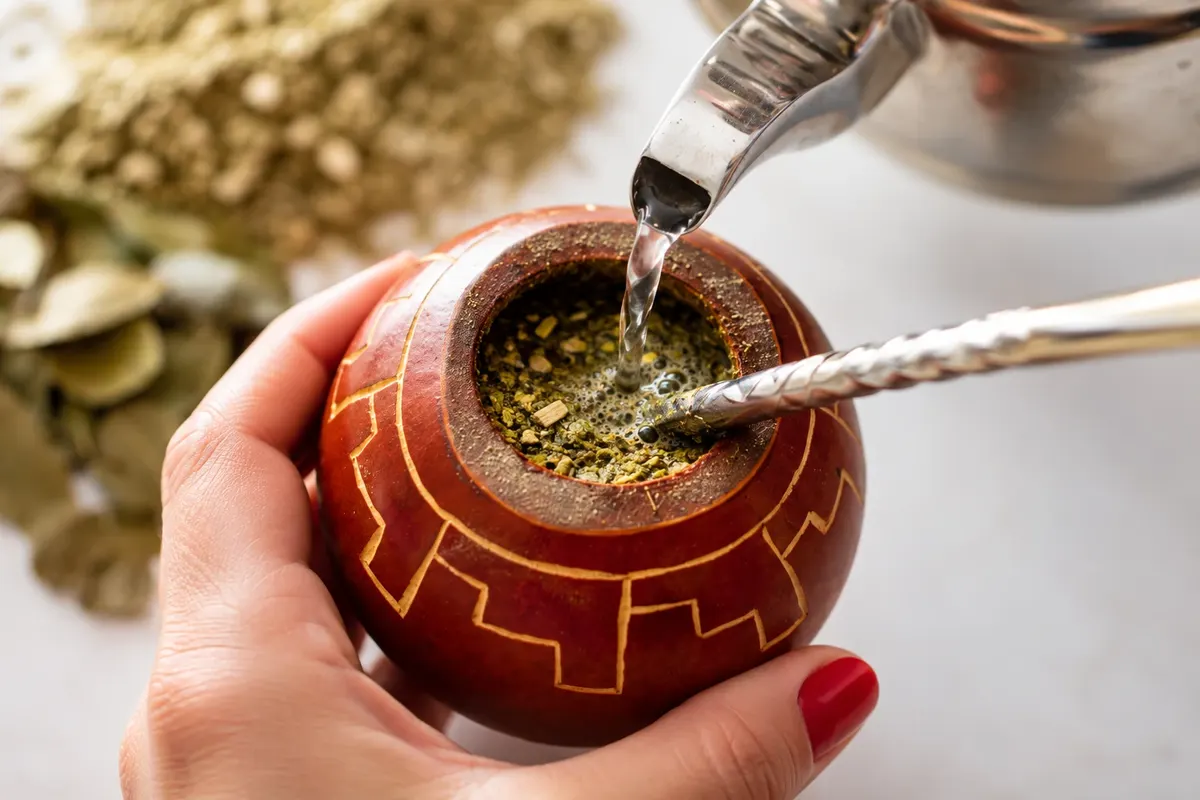
Its origin is debated. The most-told Argentine legend places the invention in 1829 at an estancia in Cañuelas, in Buenos Aires province: Juan Manuel de Rosas’s maid supposedly forgot on the stove the lechada, hot milk with sugar for mate, while he met with General Juan Lavalle, and found the cream ready afterward. Argentine historians treat the story as a legend and cite older mentions. Similar sweets exist in many countries under other names: manjar in Chile, arequipe in Colombia and Venezuela, cajeta in Mexico, doce de leite in Brazil. In 2003 Argentina’s declaration sparked a reaction from Uruguay, which asked that the sweet be considered a shared heritage of the Río de la Plata region; an agreement between Montevideo and Buenos Aires registered it as a traditional product of both countries.


 Brazil
 Bolivia
 Chile
 Colombia
 Ecuador
 Guyana
 French Guiana
 Falkland Islands (Malvinas)
 Paraguay
 Peru
 Suriname
 Uruguay
 Venezuela
 Germany
 Austria
 Belgium
 Croatia
 Denmark
 Spain
 Finland
 France
 Greece
 the Netherlands
 Hungary
 Ireland
 Iceland
 Italy
 Luxembourg
 Norway
 Poland
 Portugal
 the United Kingdom
 the Czech Republic
 Sweden
 Switzerland
 Turkey
 Canada
 the United States
 Mexico
 the Dominican Republic
 South Africa
 Australia
 Fiji
 New Zealand
 Papua New Guinea