The cuisine
Traditional food of Spain
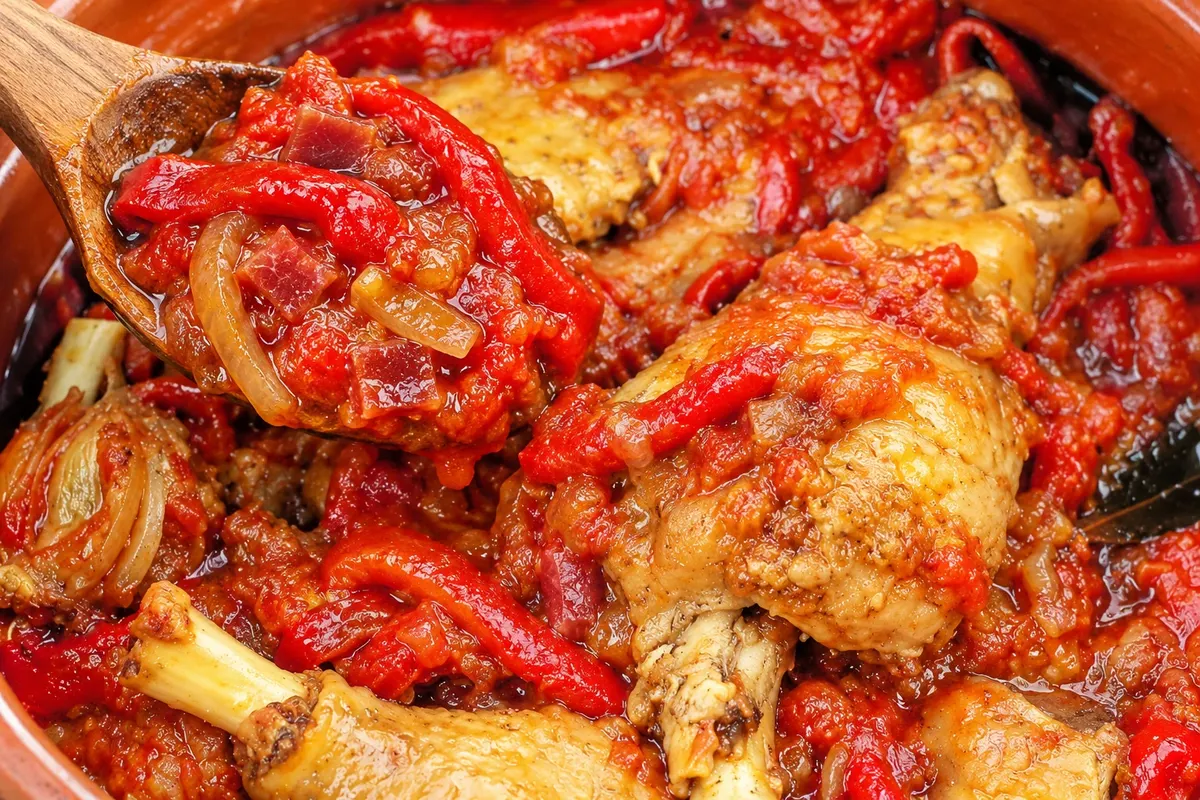
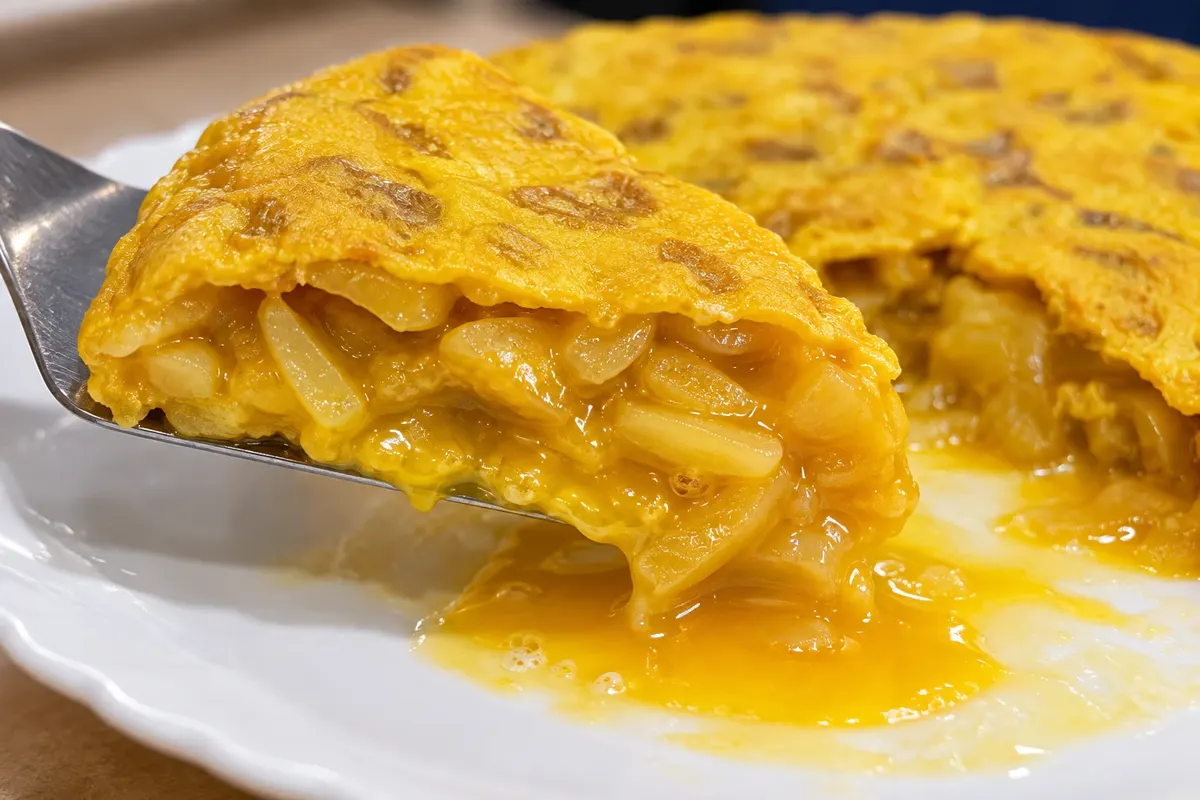
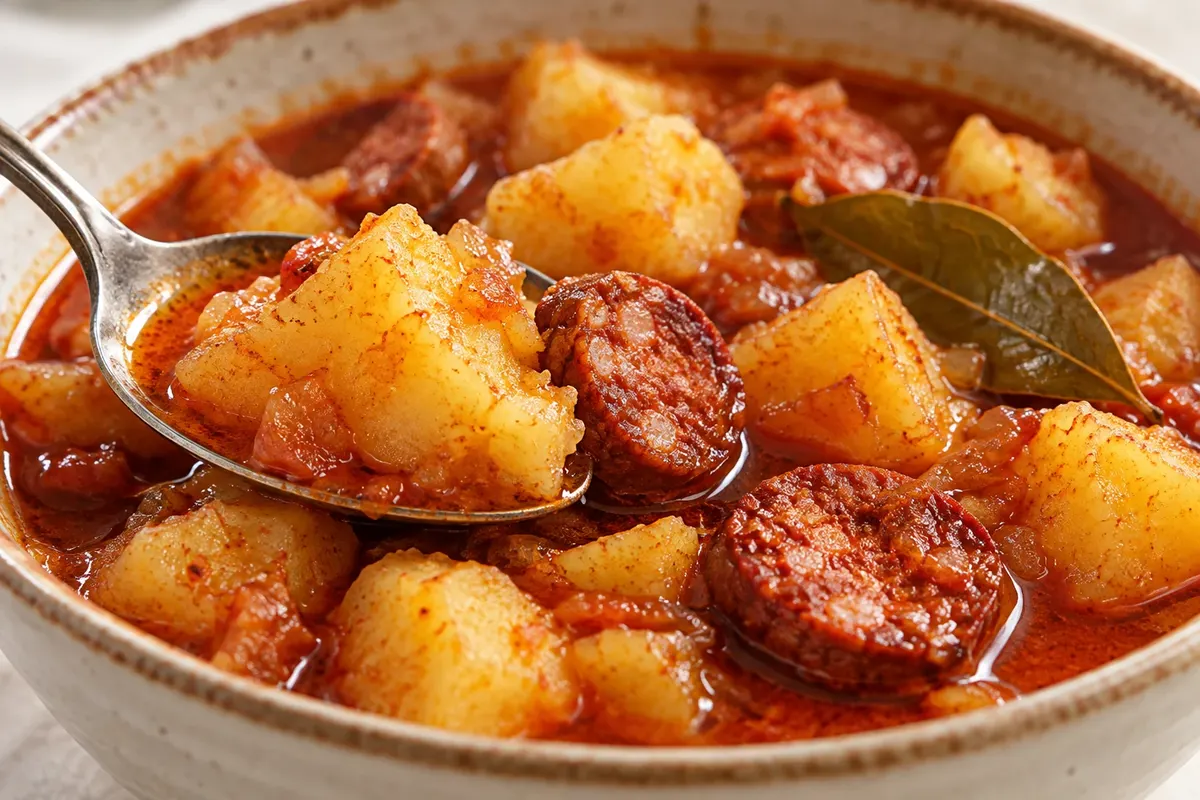
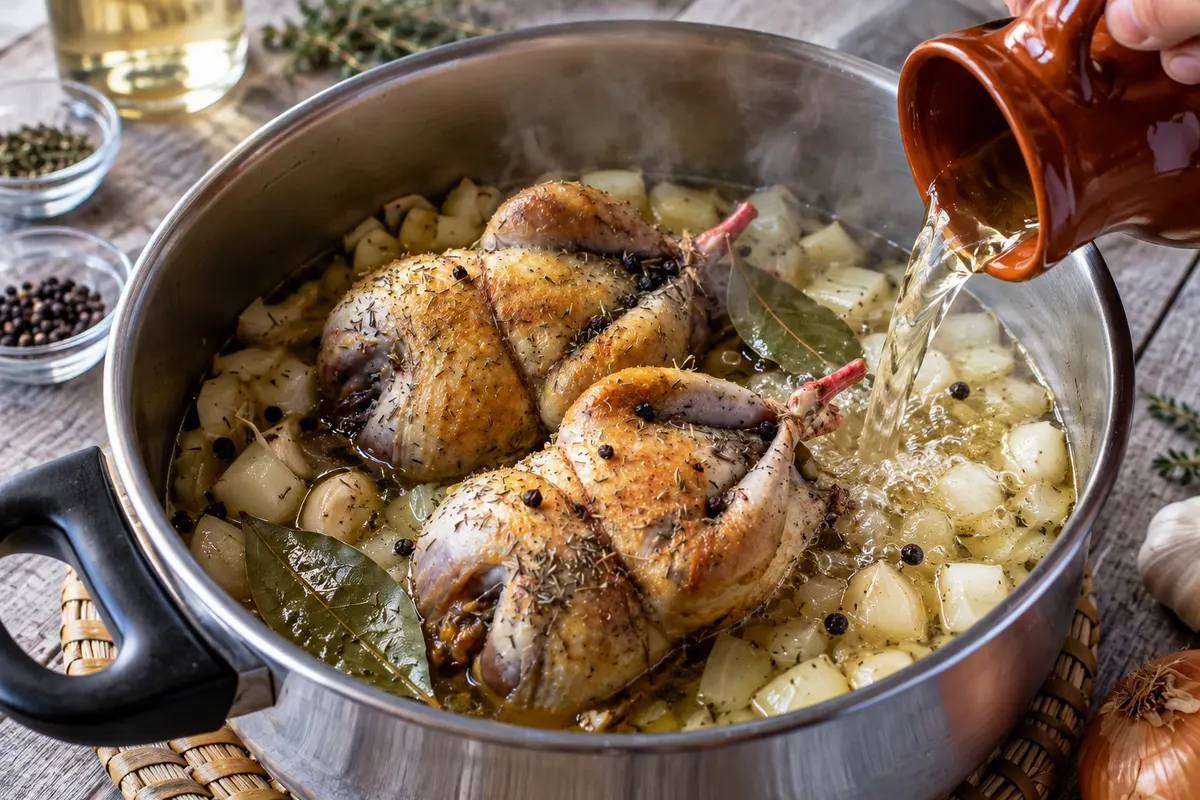
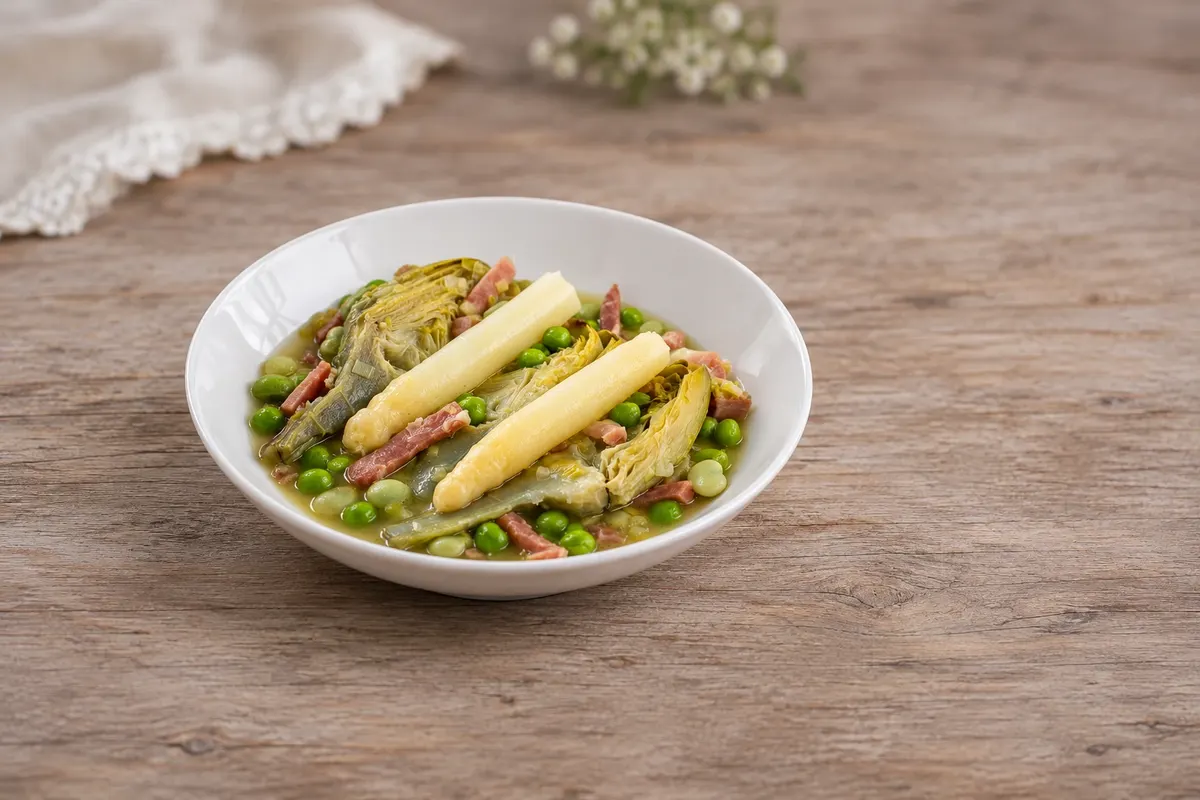
Spanish cuisine is, above all, a sum of regional cuisines. Each autonomous community has its own dishes, linked to the climate, the terrain and the history of the place, and many of them carry in their name the city or region they come from. Olive oil, garlic, peppers and paprika, bread and legumes appear throughout almost the whole country, but they combine in very different ways from one region to another.
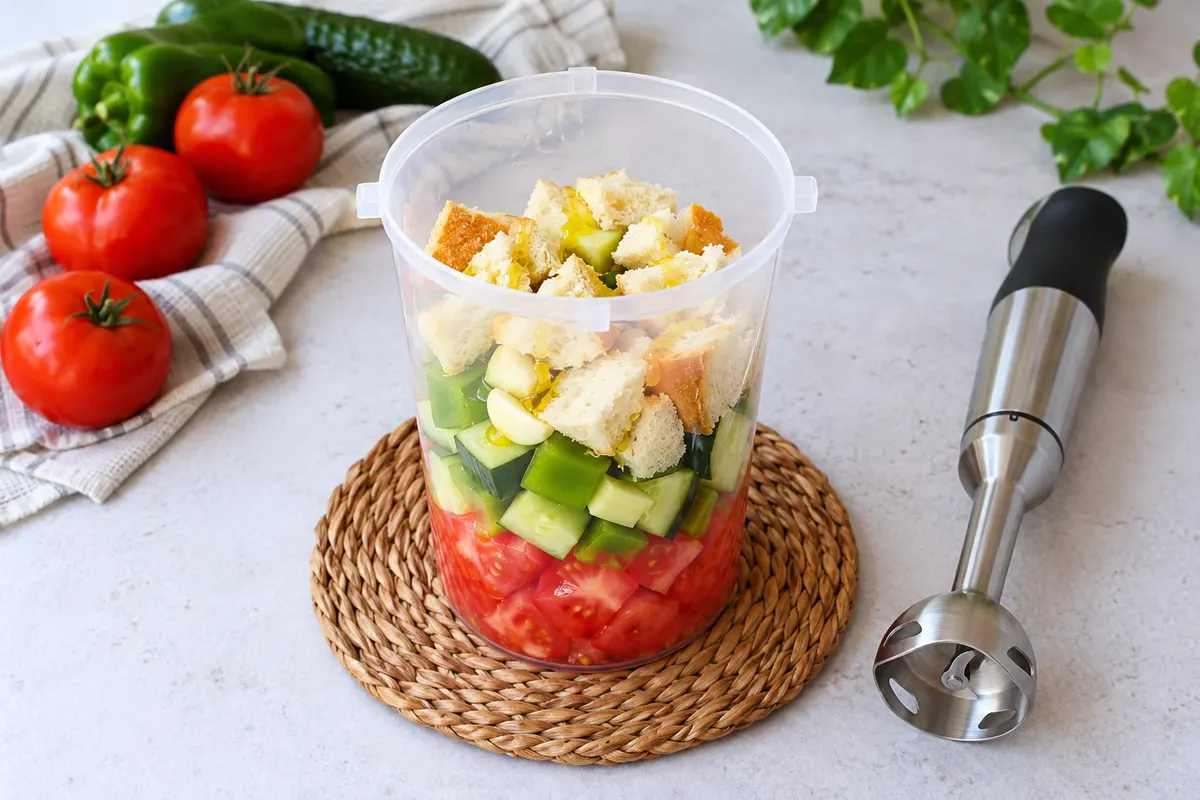
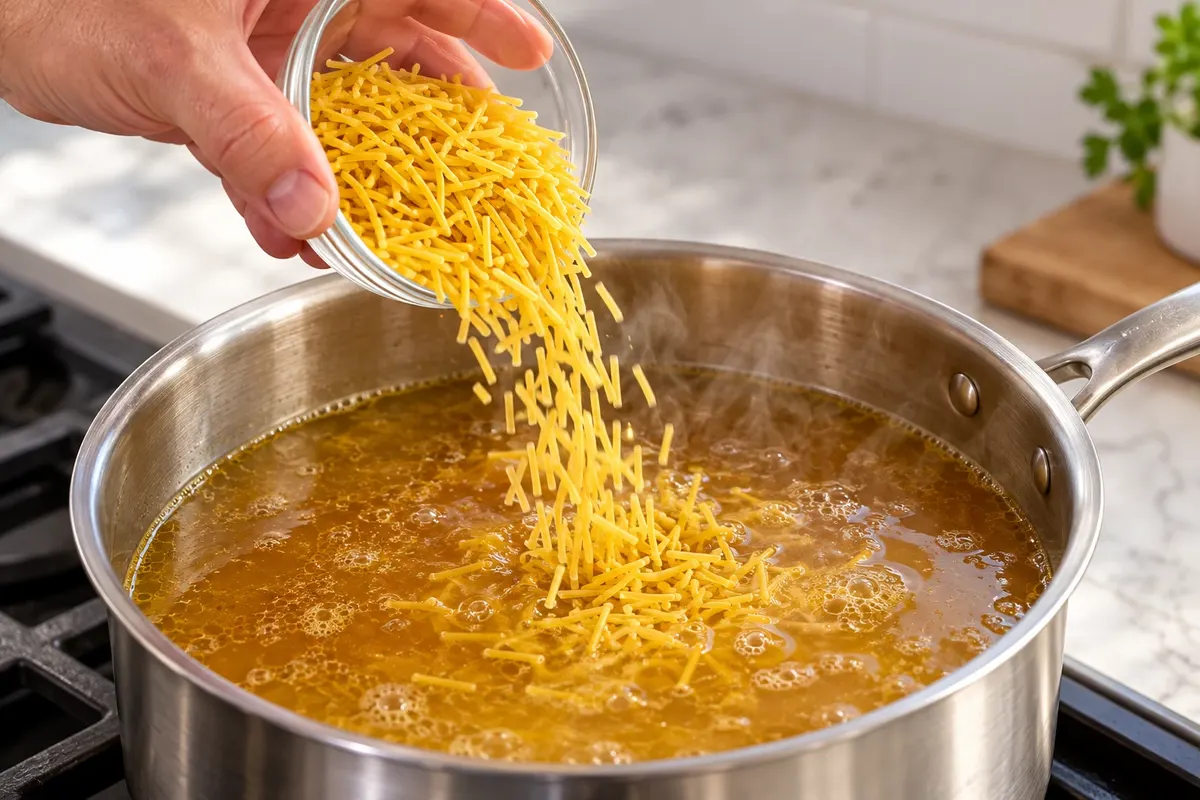
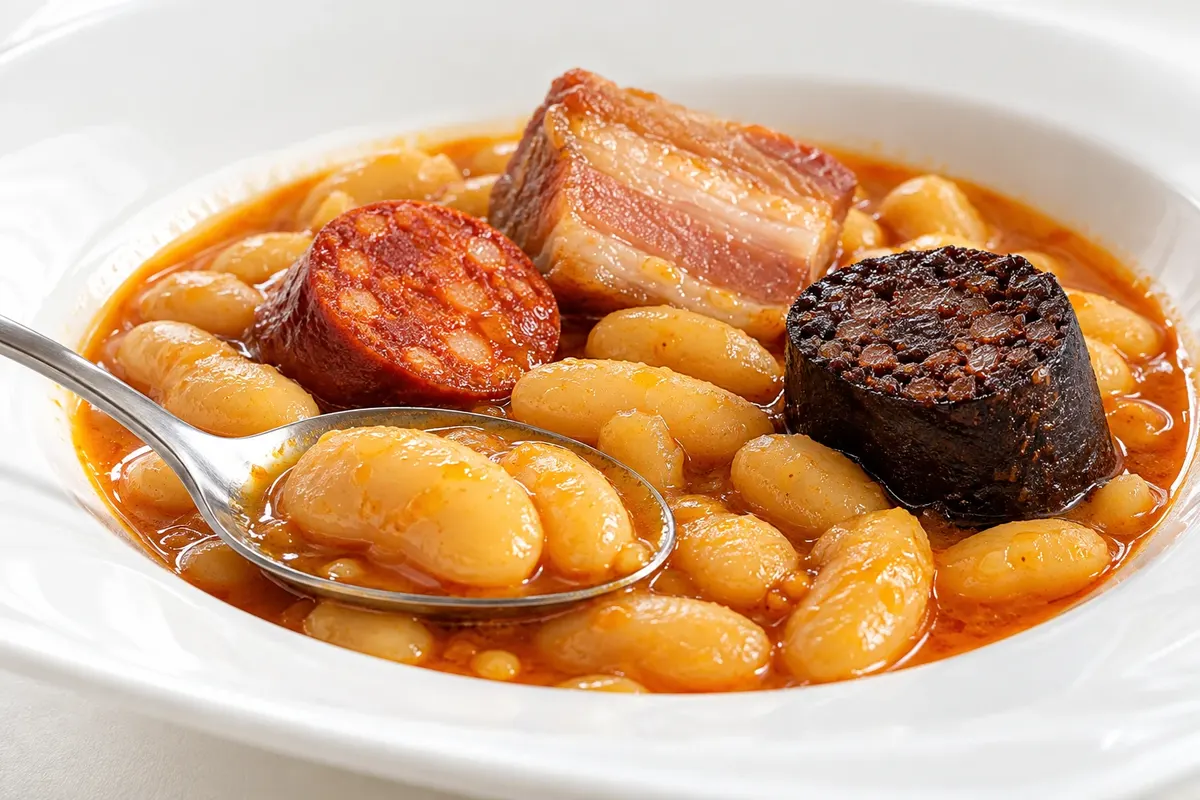
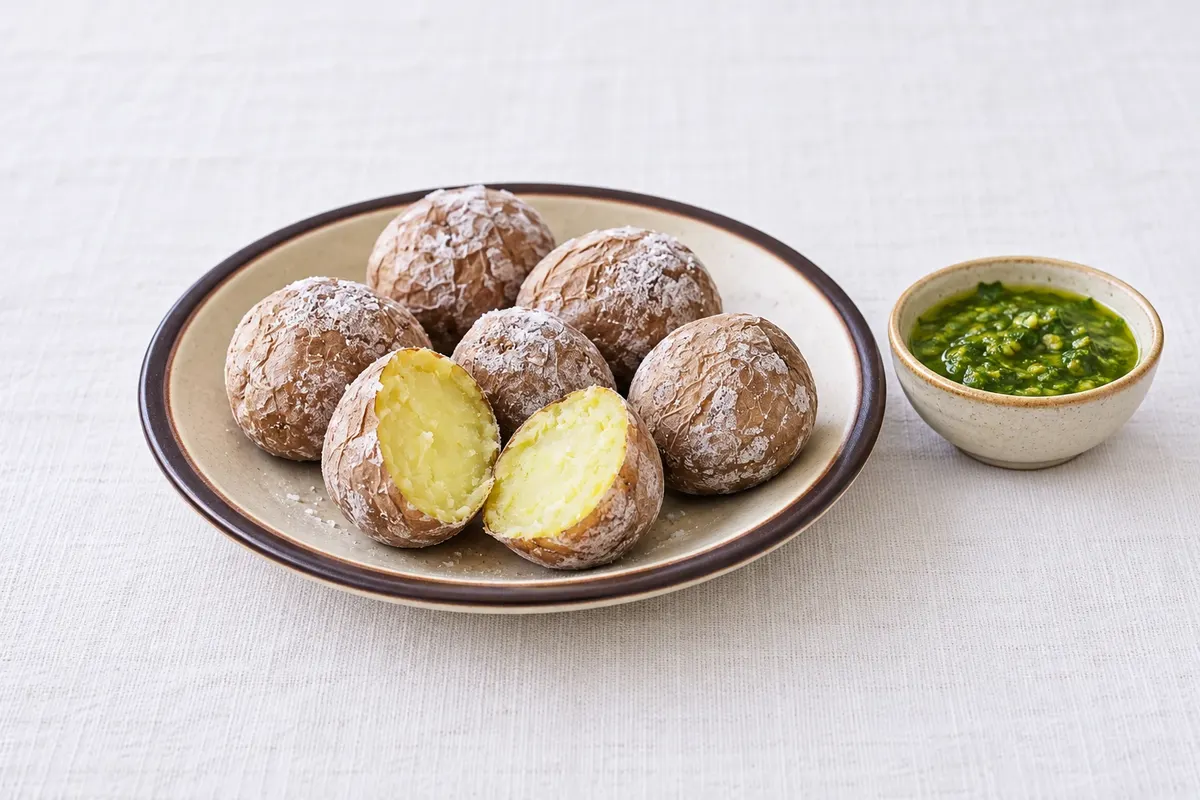
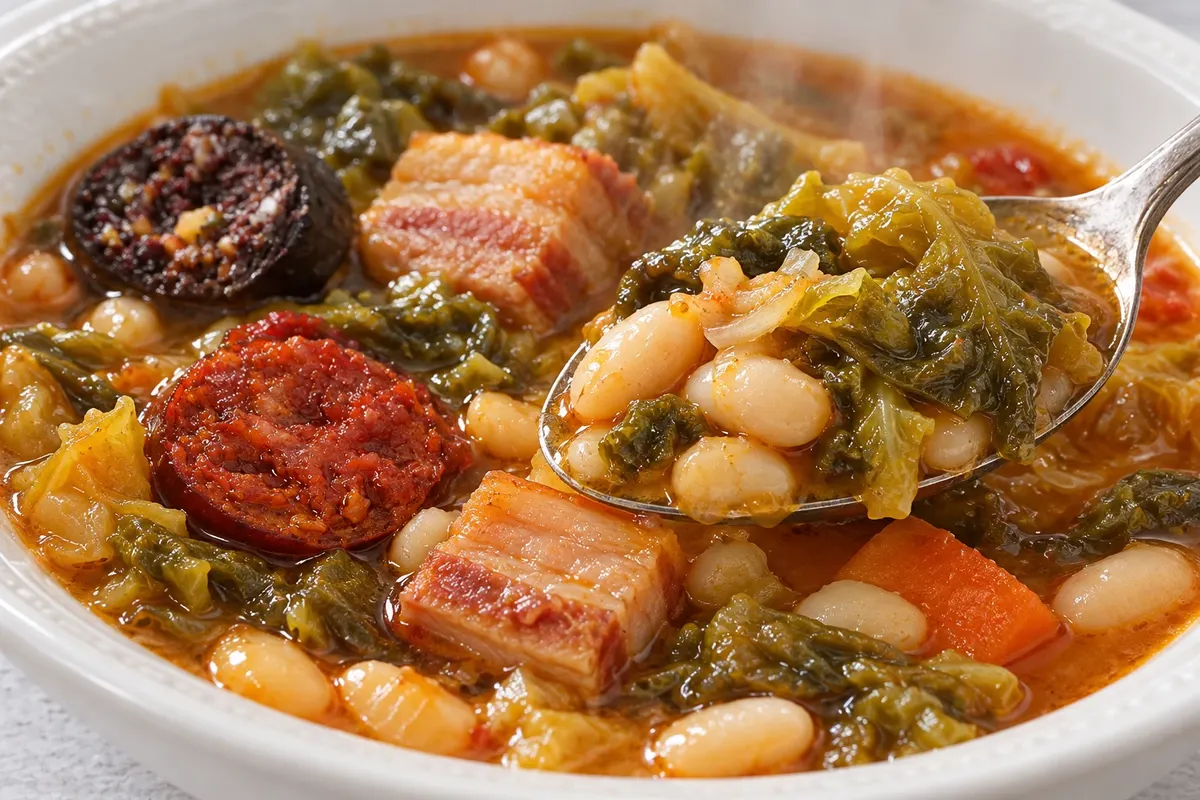
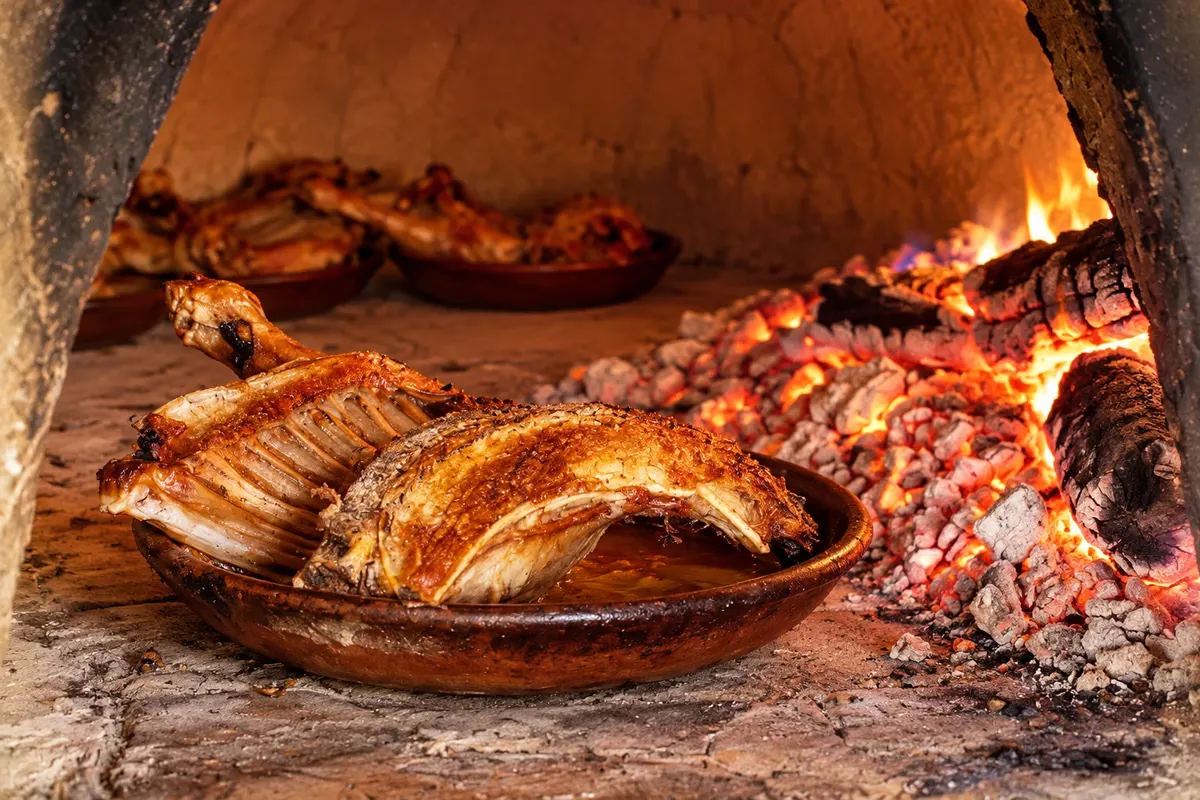
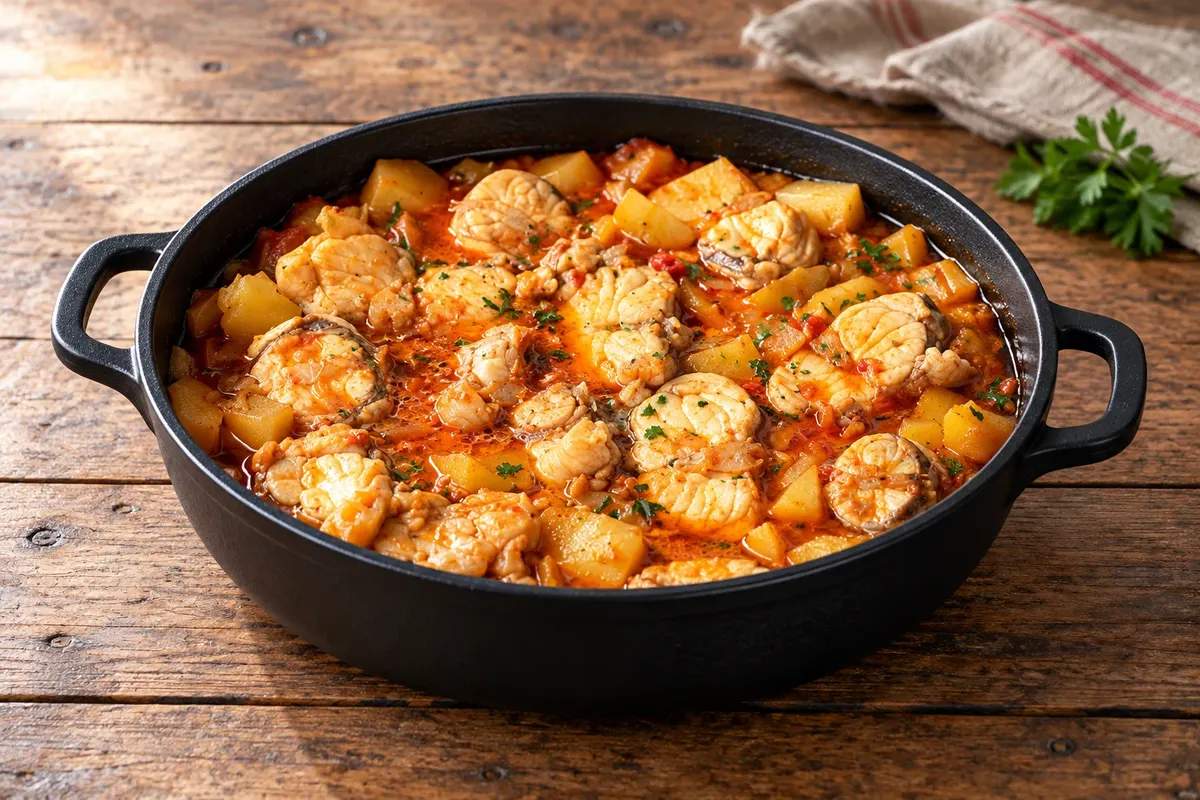
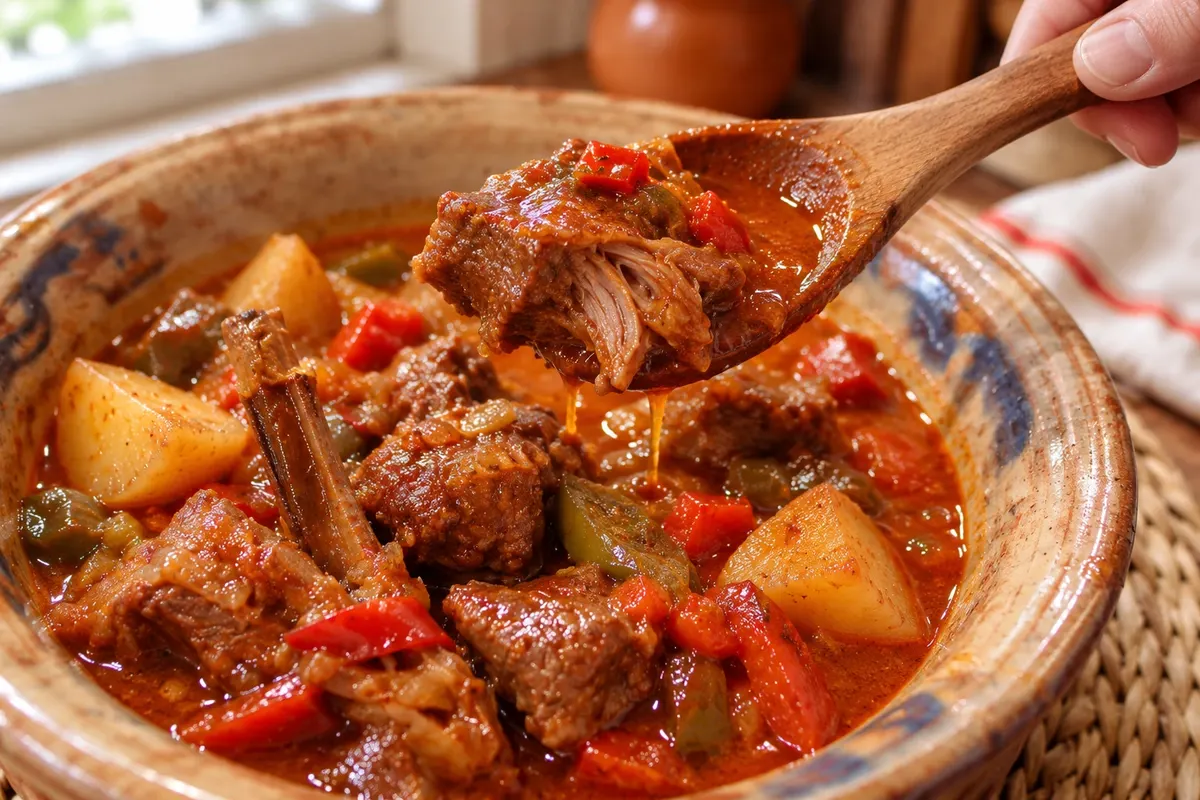
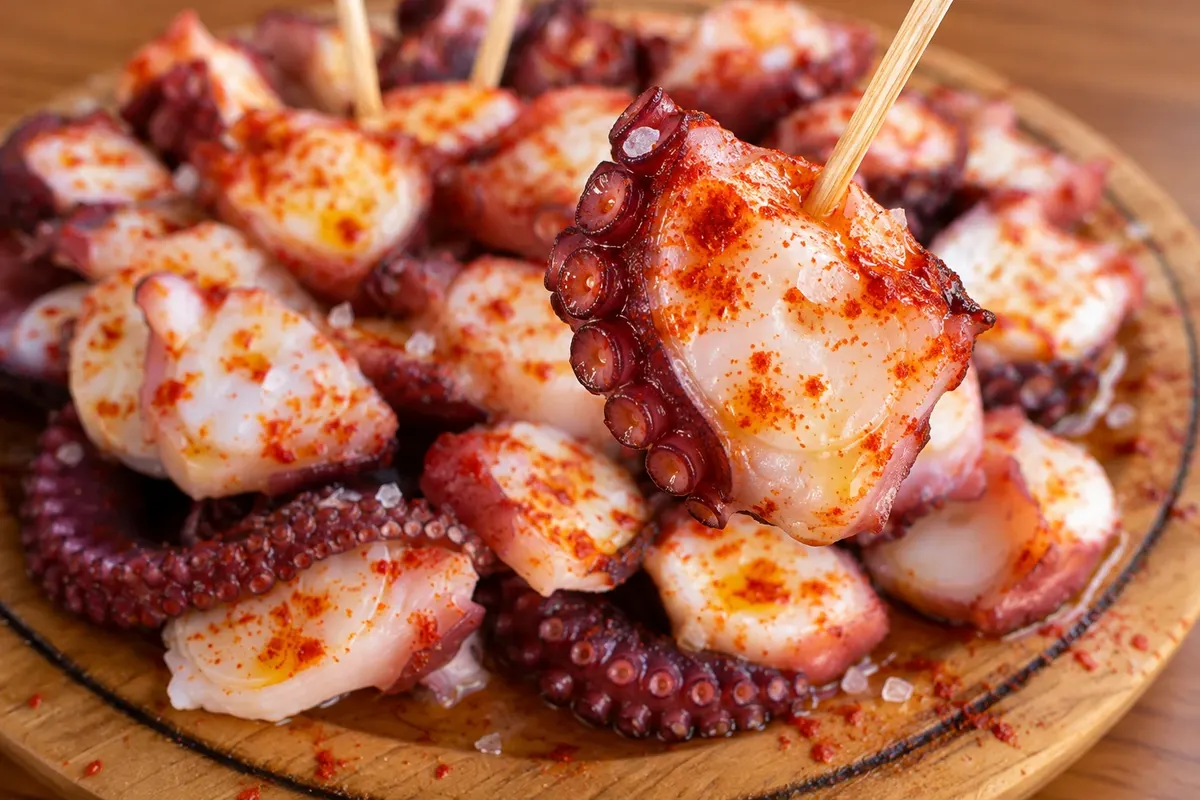
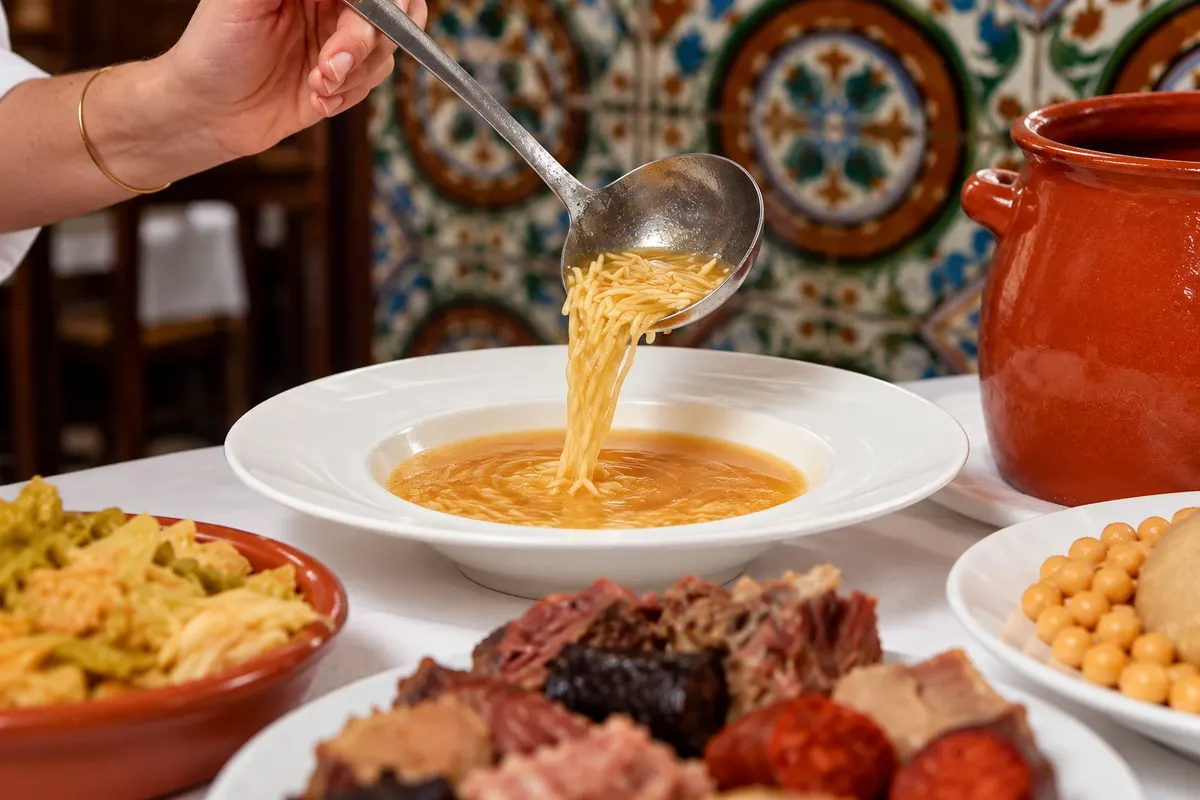
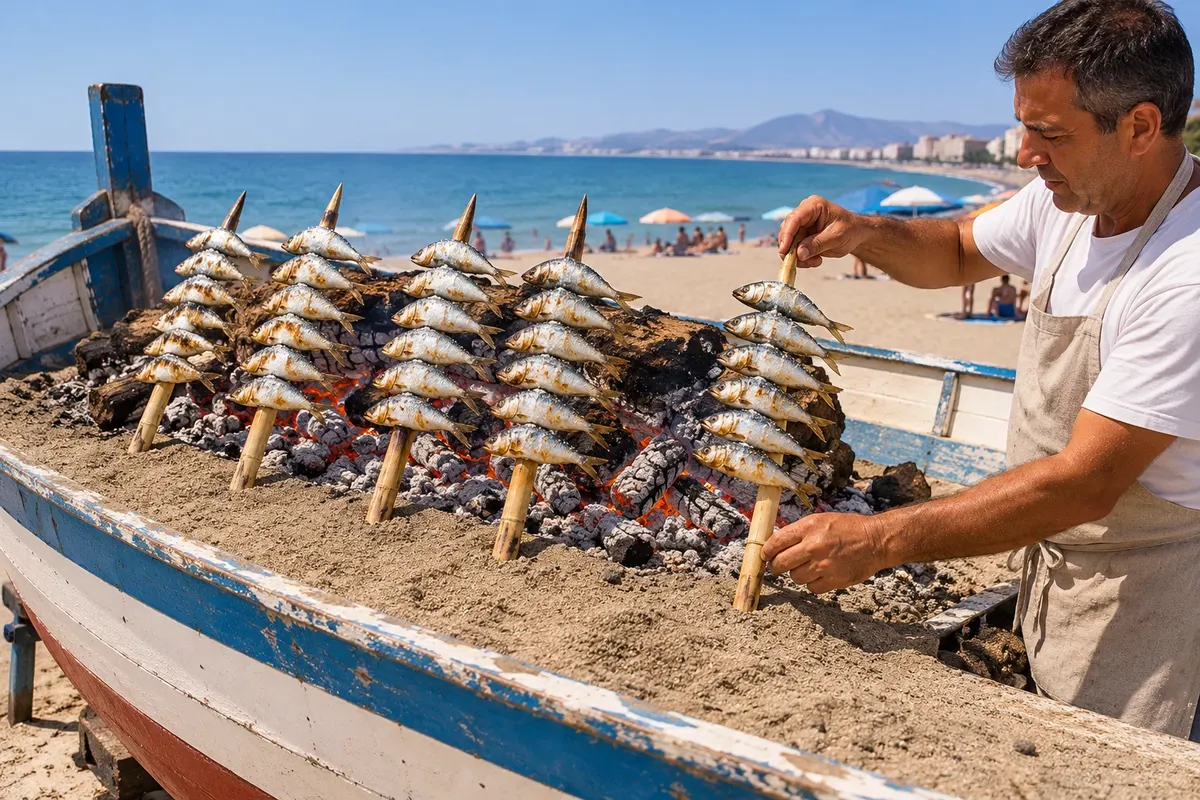
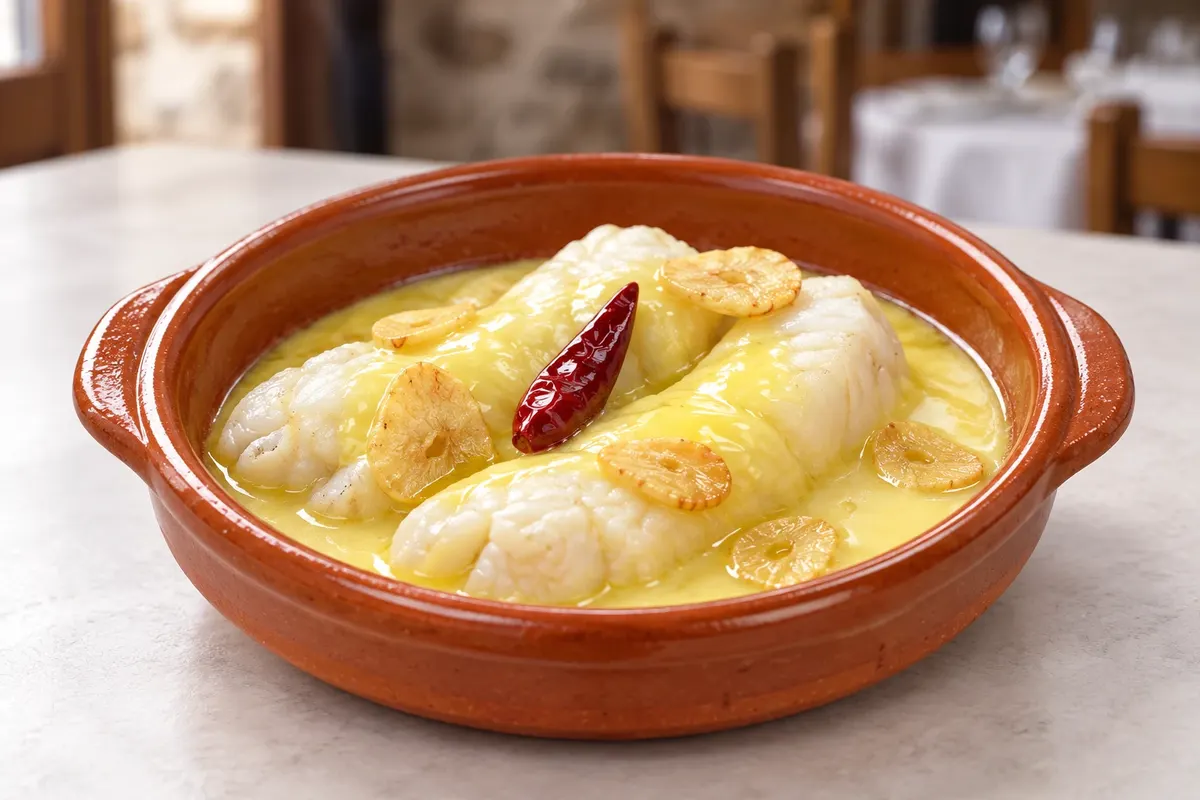
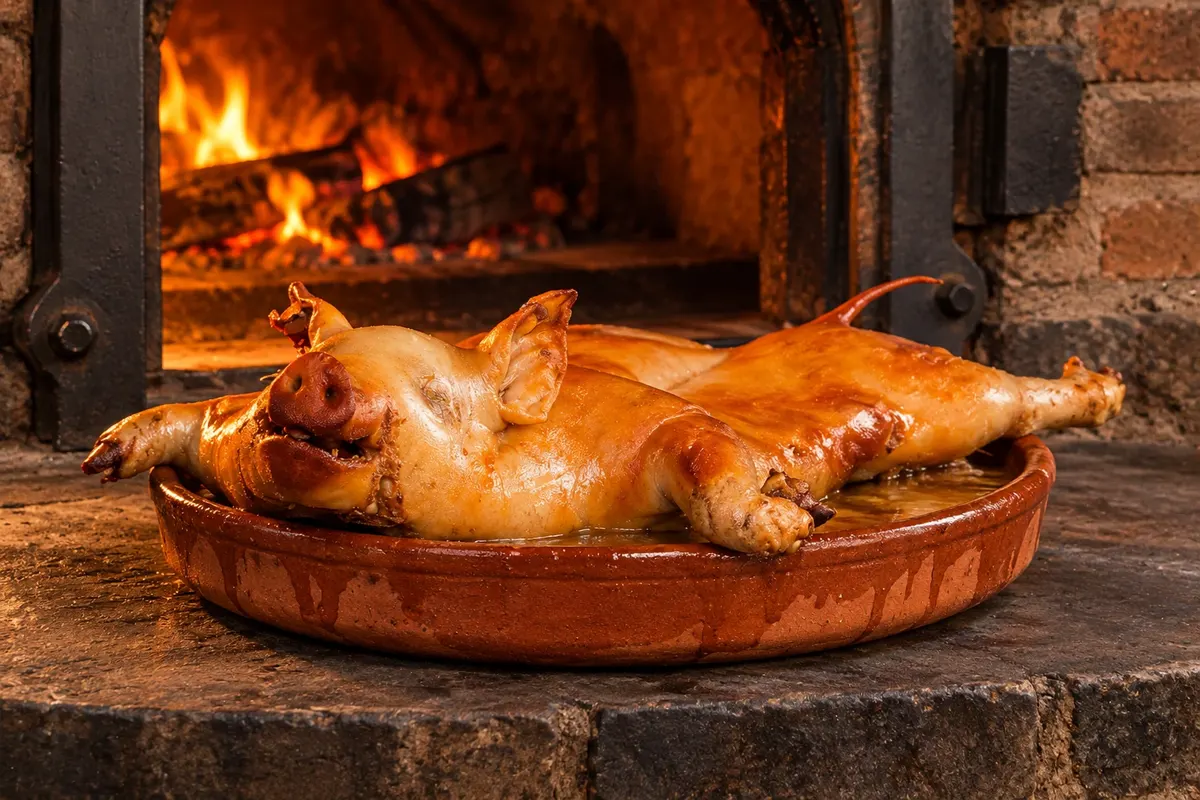
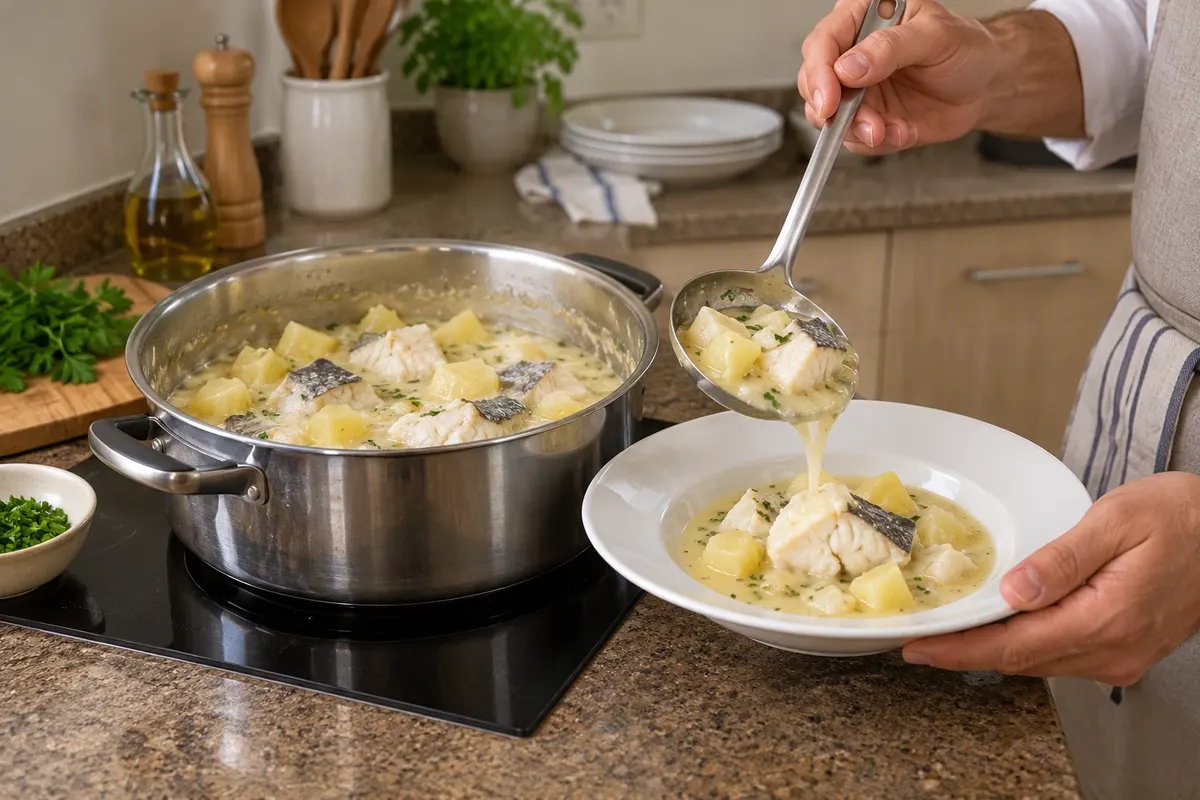
In the humid north, between Galicia, Asturias, Cantabria and the Basque Country, the table features bean stews, fish and cod dishes, octopus and cider. In the interior of the two Castiles, Madrid and Extremadura, cold winters explain the chickpea stews served in stages, the lamb and suckling pig roasts in wood-fired ovens, and shepherds’ stews. On the Mediterranean coast, from Catalonia to Valencia, rice, rock fish and vegetable gardens dominate the cuisine. Andalusia is the land of cold tomato soups and fish grilled on the beach, and the islands preserve their own recipes, such as the potatoes boiled in salt water of the Canary Islands and the spiral pasta of Mallorca.
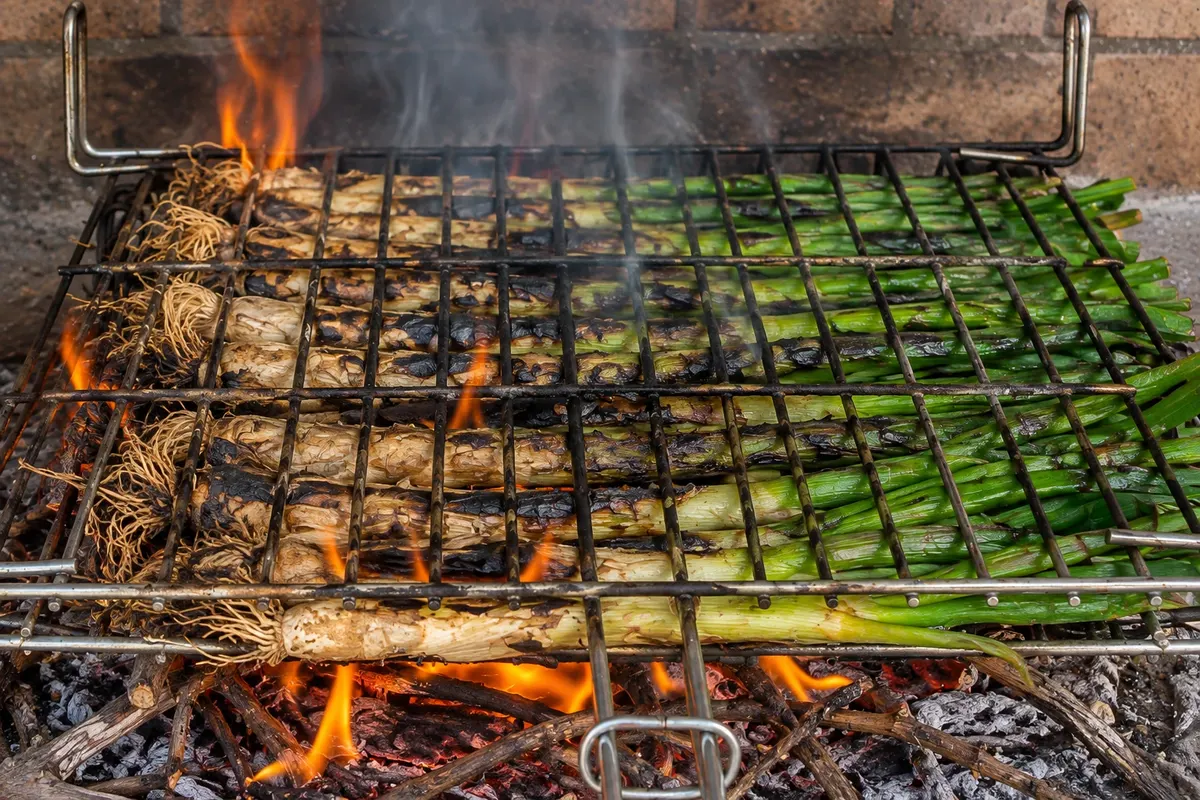
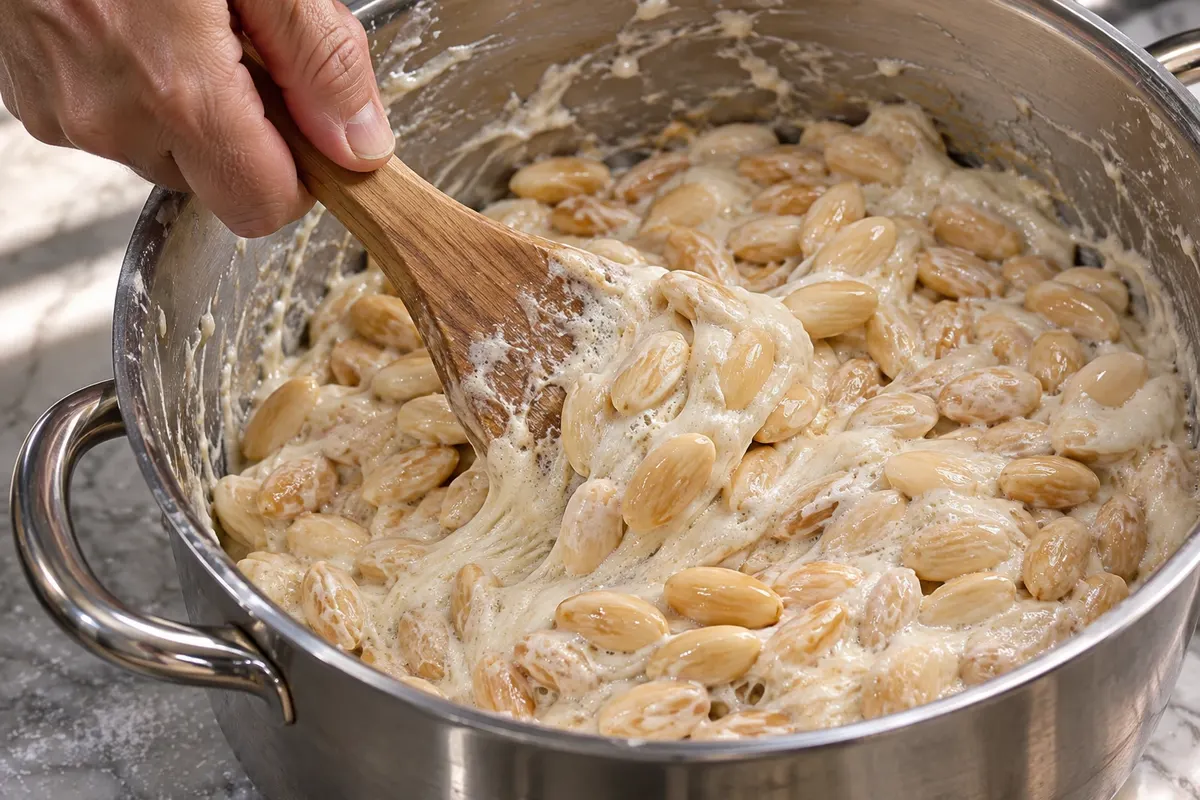
Many specialties come from festivals and customs. There are Christmas sweets, like the almond confections of Toledo and Xixona, and sweets for saints’ days, like crema catalana on Sant Josep’s day. There are dishes for pilgrimages and outdoor picnics, such as the hornazo of Salamanca, and whole meals organized around a seasonal ingredient, like the calçotada of Valls.
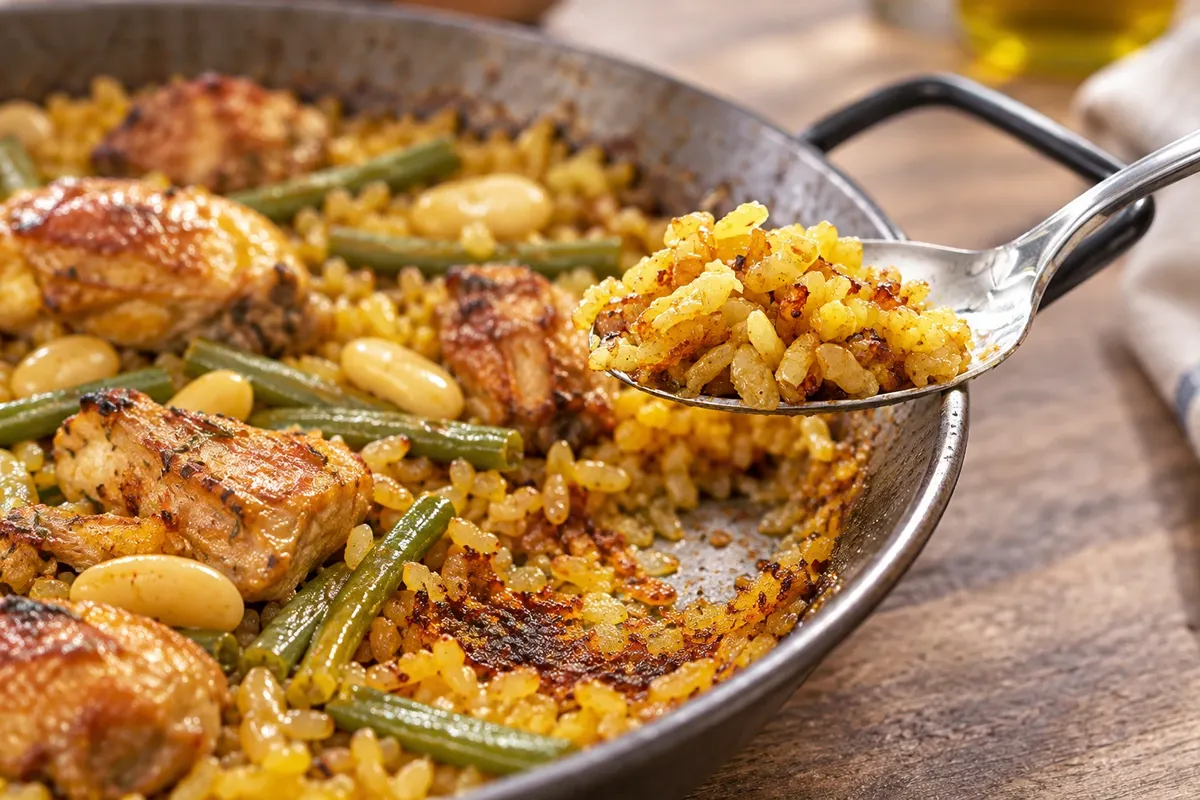
Part of this heritage has official protection. Some products have protected geographical indications from the European Union, with rules about ingredients and production zone. Others have been declared cultural assets of interest by regional governments, such as paella valenciana and cocido madrileño, and the cider culture of Asturias was recognized by UNESCO as Intangible Cultural Heritage of Humanity. The Royal Academy of Gastronomy and the postal service dedicated a series of stamps to specialties of the autonomous communities.


 Brazil
 Argentina
 Bolivia
 Chile
 Colombia
 Ecuador
 Guyana
 French Guiana
 Falkland Islands (Malvinas)
 Paraguay
 Peru
 Suriname
 Uruguay
 Venezuela
 Germany
 Austria
 Belgium
 Croatia
 Denmark
 Finland
 France
 Greece
 the Netherlands
 Hungary
 Ireland
 Iceland
 Italy
 Luxembourg
 Norway
 Poland
 Portugal
 the United Kingdom
 the Czech Republic
 Sweden
 Switzerland
 Turkey
 Canada
 the United States
 Mexico
 the Dominican Republic
 South Africa
 Australia
 Fiji
 New Zealand
 Papua New Guinea