The Maragatería is the comarca of which Astorga is the capital, west of León. Its inhabitants, the maragatos, became known for centuries as muleteers, drivers of mules who carried goods between Galicia, central Spain and the ports. The cocido maragato is the dish of that land, and Castile and León tourism highlights it on the Astorga page.
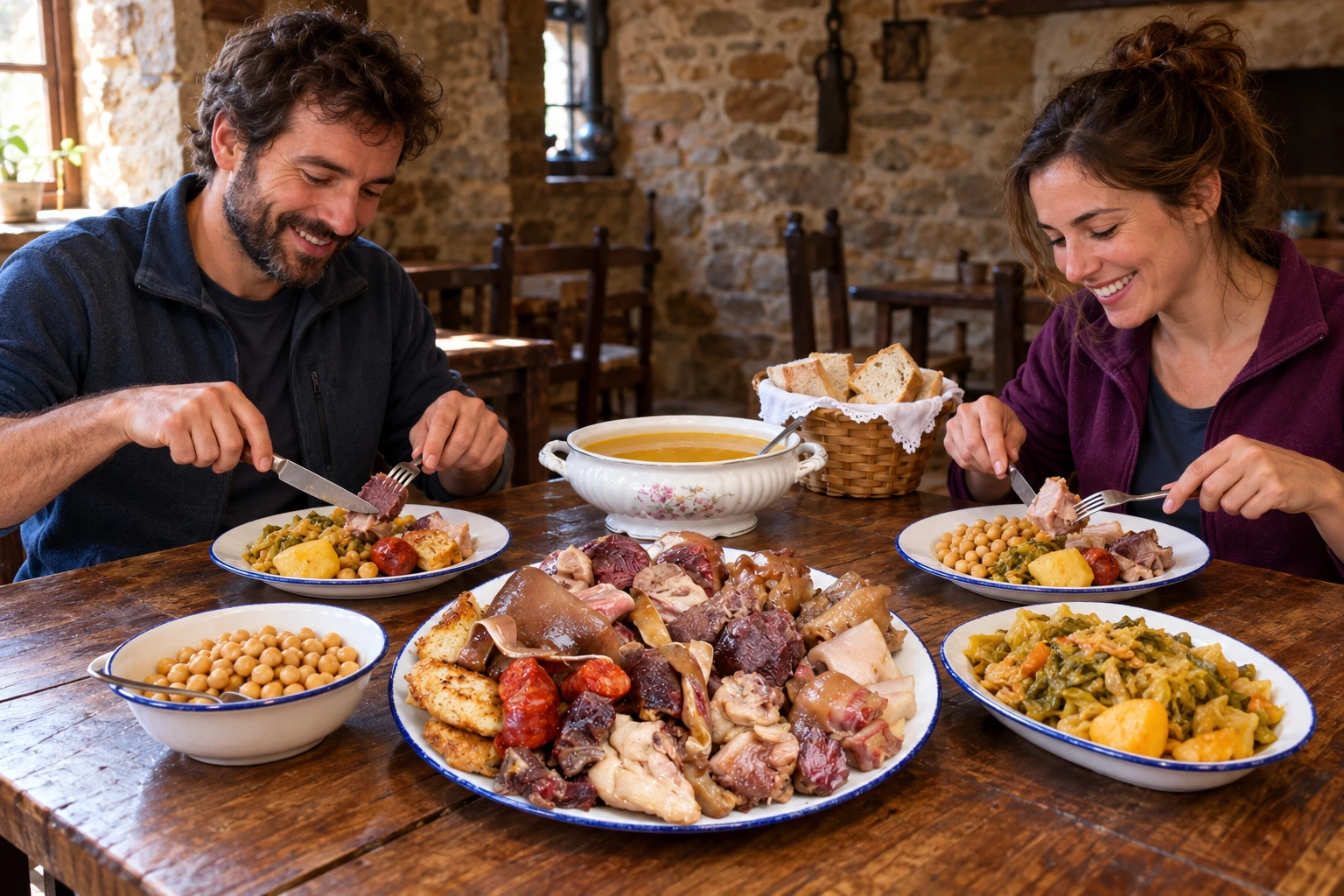
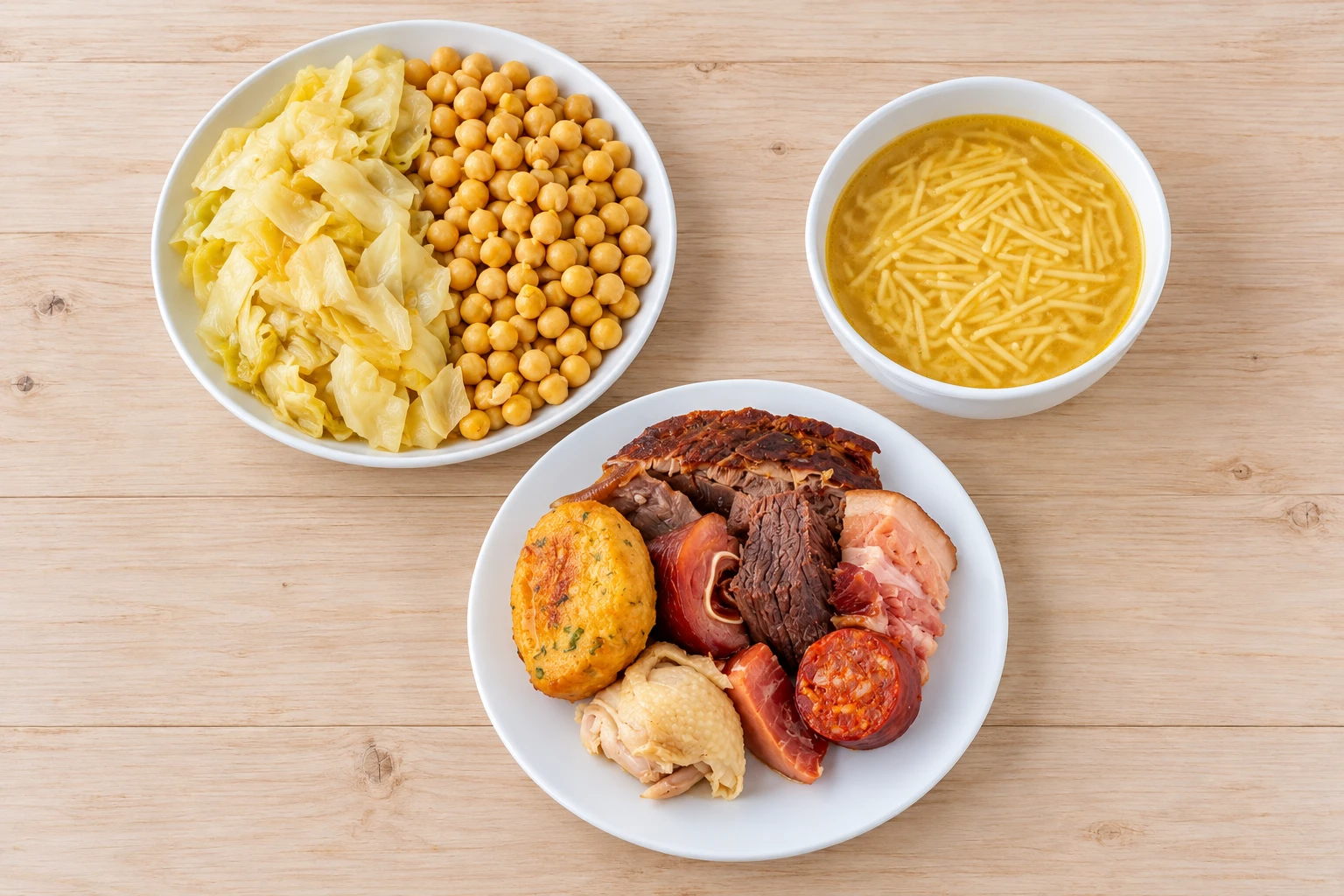
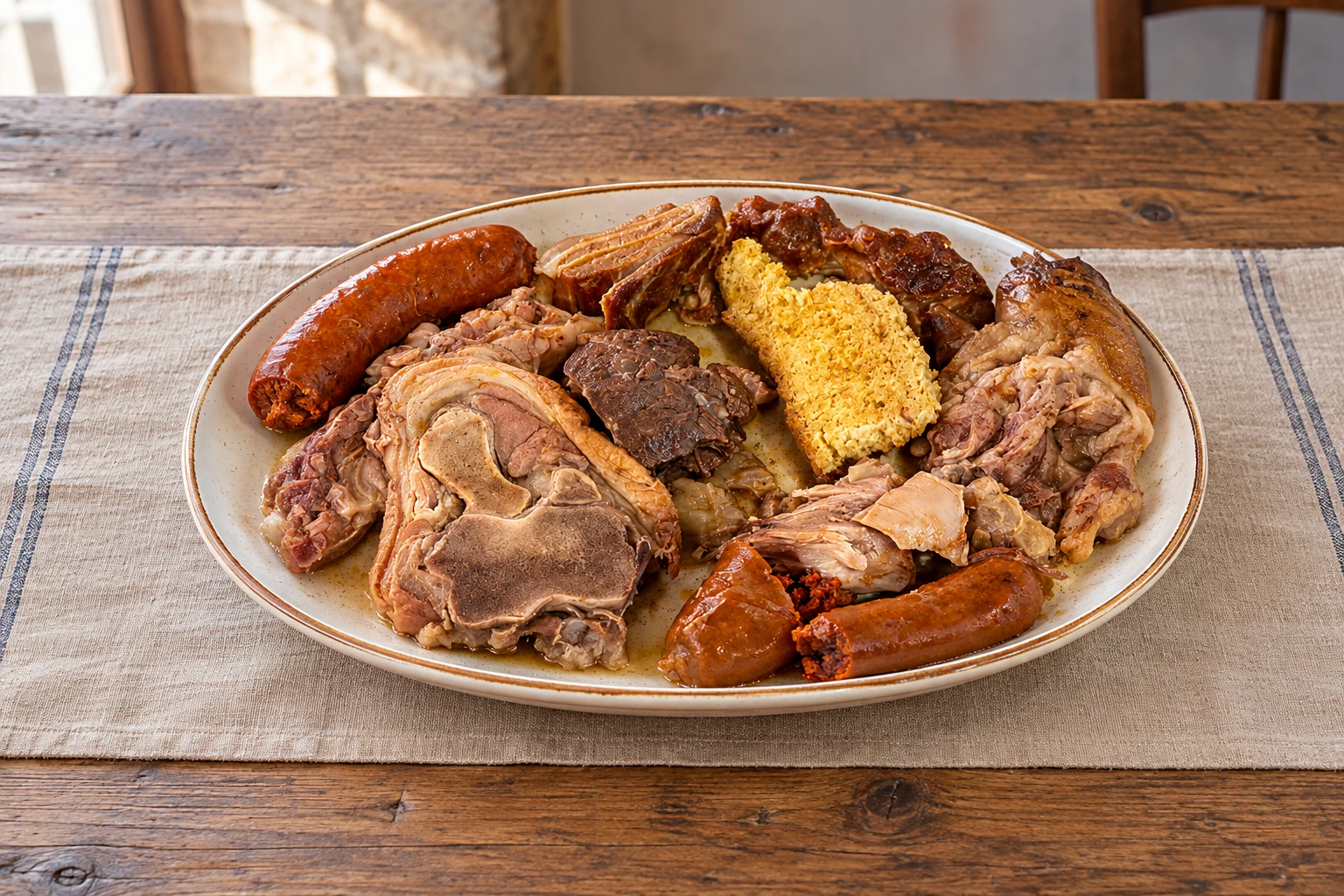
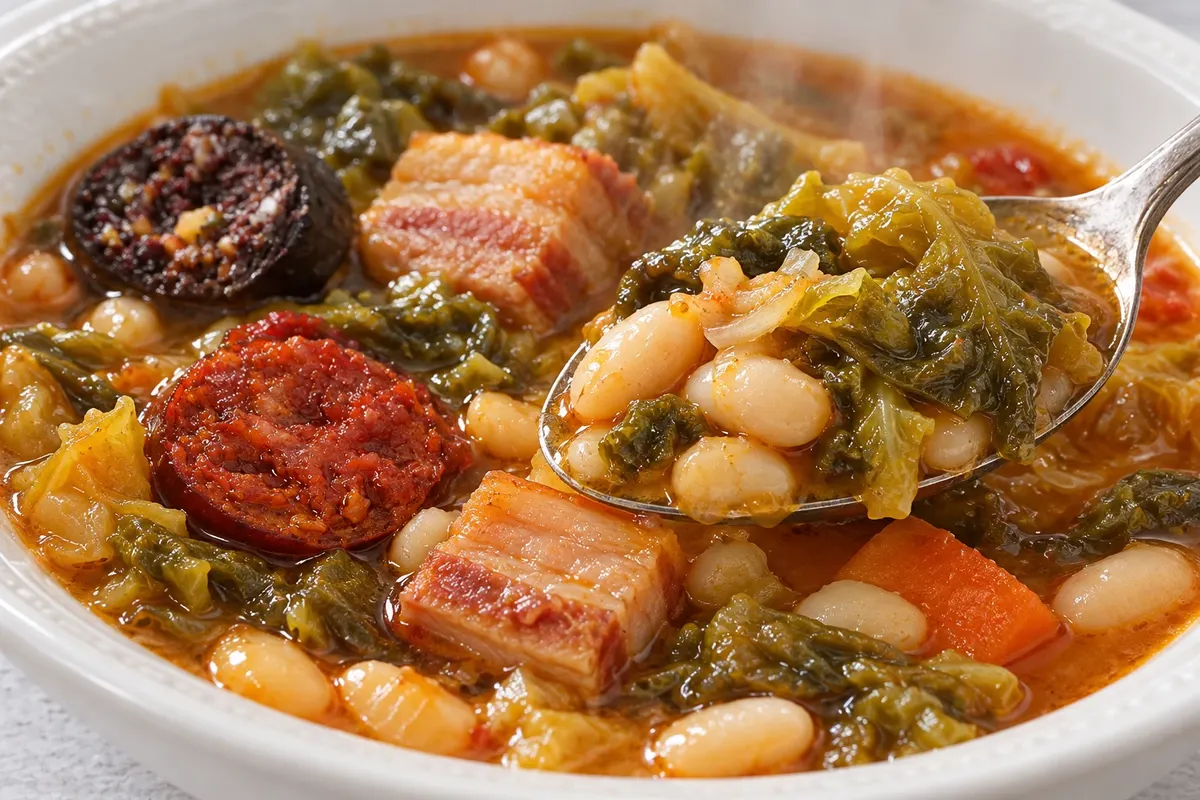
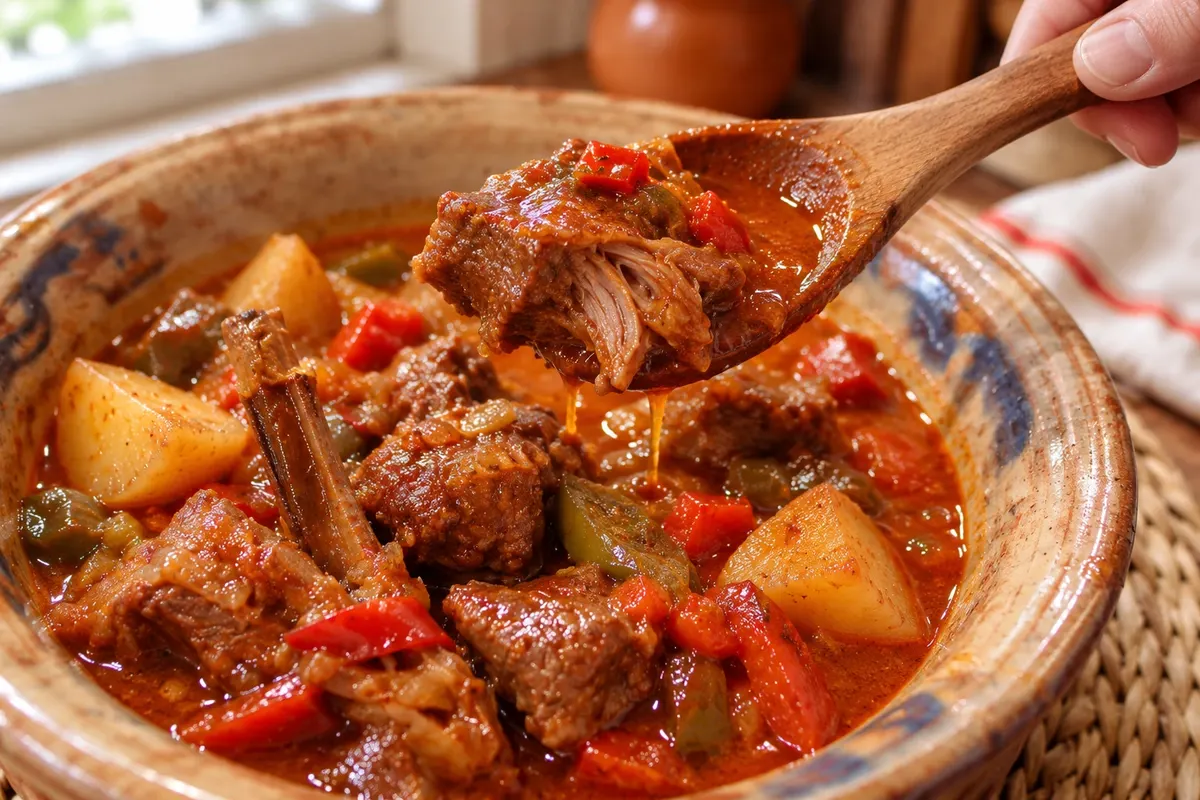
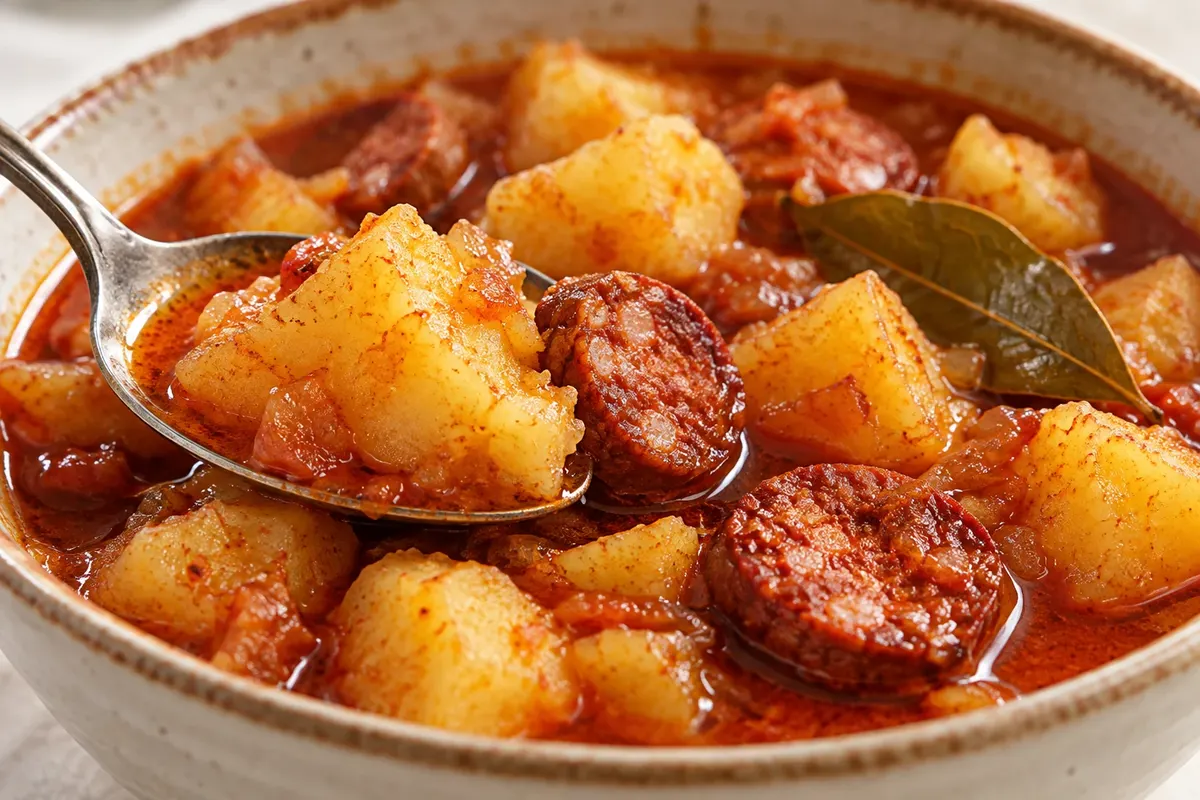
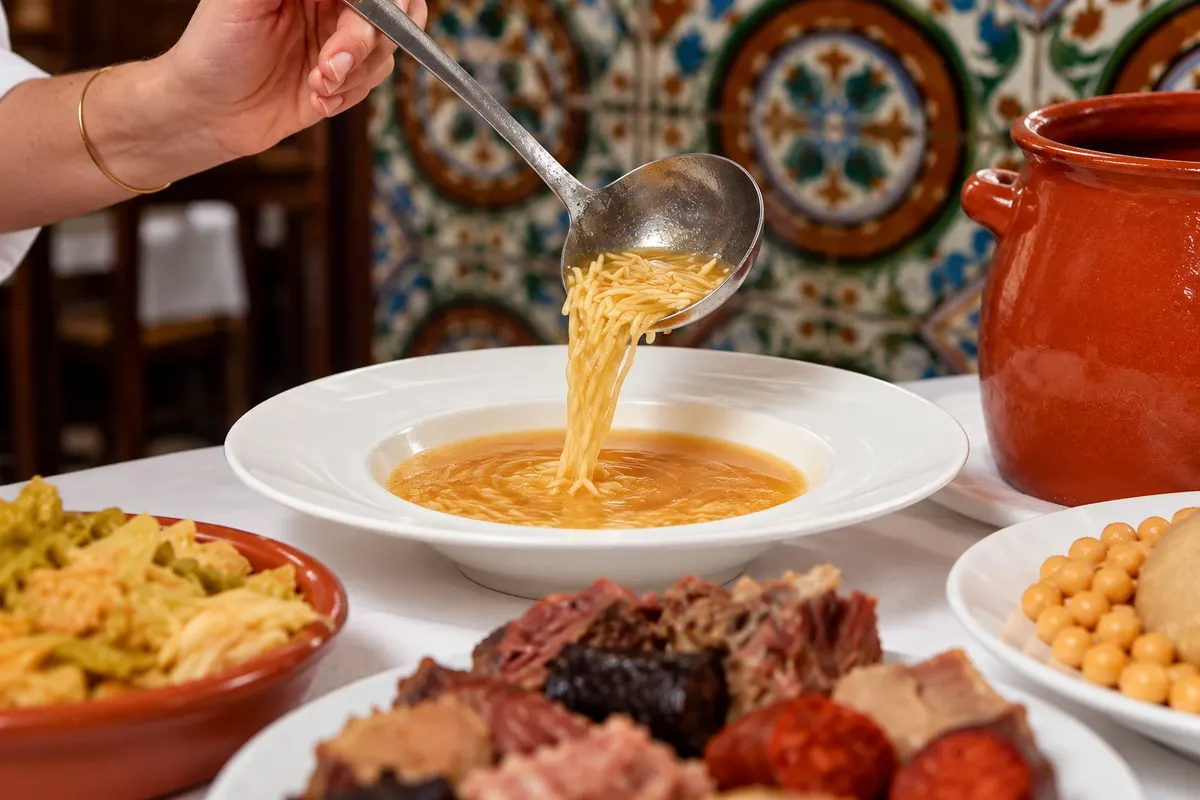
The recipe brings together chickpeas, cabbage and a wide variety of meats: pork such as chouriço, lacón, ear and rib, beef and chicken, as well as the relleno, a dumpling made of bread, egg, garlic and parsley. The meats and chickpeas are cooked slowly; the cabbage is prepared in a separate pot.
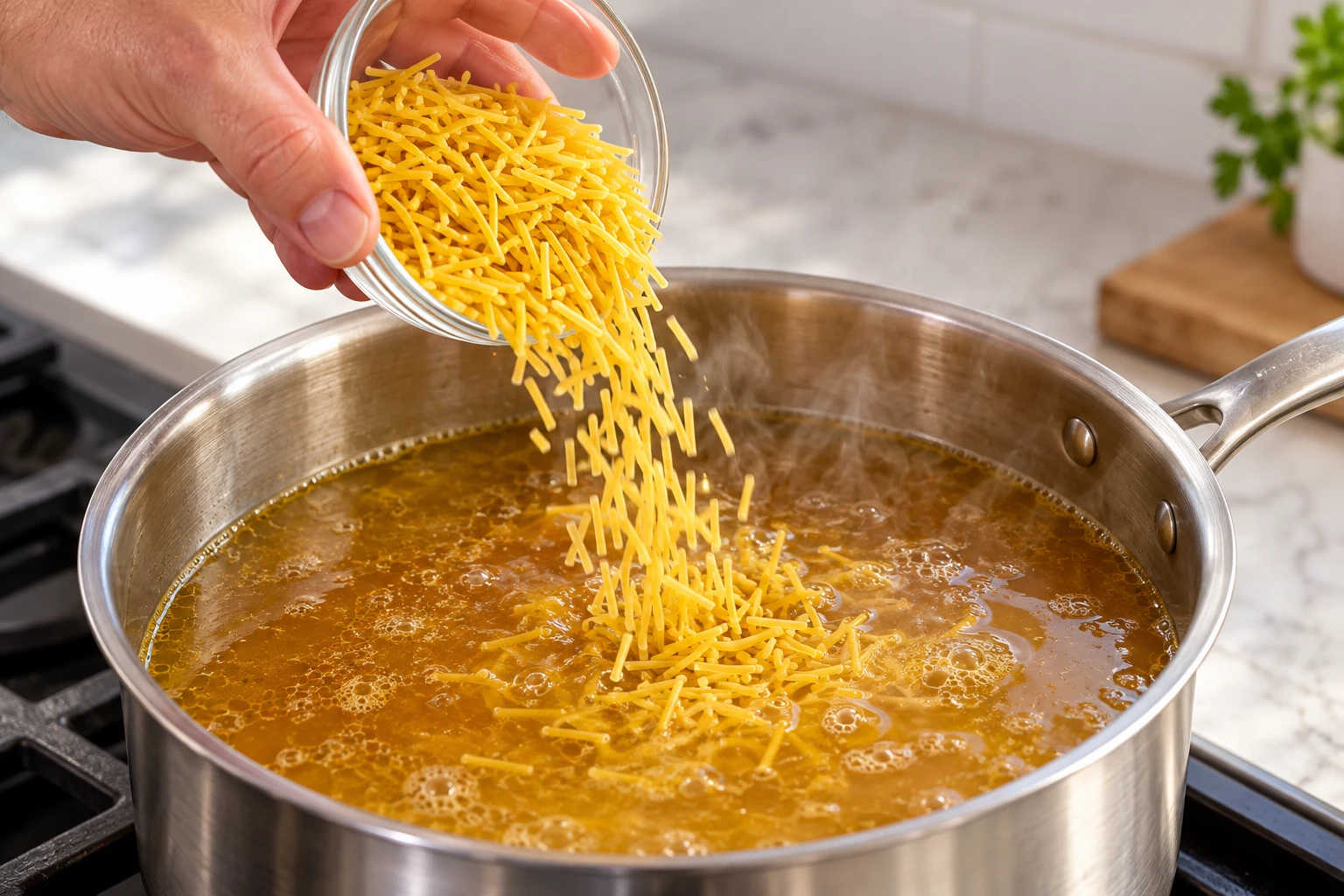
The particularity lies in the order. Cocido maragato arrives at the table in reverse of other cocidos: first the meats, then the chickpeas with cabbage, and finally the soup made with the broth. Popular explanations exist: one says the muleteers ate the solid foods first in case they had to leave suddenly; another that having the soup at the end helps digestion. None have documentary proof.
In 2015, the Astorga city council, the Leonesa Academy of Gastronomy and the regulatory council of the Bierzo Denomination of Origin linked cocido maragato with Bierzo wines. Astorga is on the Camino de Santiago, and many pilgrims stop for the cocido.


 Brazil
 Argentina
 Bolivia
 Chile
 Colombia
 Ecuador
 Guyana
 French Guiana
 Falkland Islands (Malvinas)
 Paraguay
 Peru
 Suriname
 Uruguay
 Venezuela
 Germany
 Austria
 Belgium
 Croatia
 Denmark
 Finland
 France
 Greece
 the Netherlands
 Hungary
 Ireland
 Iceland
 Italy
 Luxembourg
 Norway
 Poland
 Portugal
 the United Kingdom
 the Czech Republic
 Sweden
 Switzerland
 Turkey
 Canada
 the United States
 Mexico
 the Dominican Republic
 South Africa
 Australia
 Fiji
 New Zealand
 Papua New Guinea