The cocido madrileño is the dish that bears Madrid’s name and was chosen to represent the region in the Post Office’s stamp series with the Royal Academy of Gastronomy. In 2026, the regional government declared it an Intangible Cultural Interest asset, in the category of intangible heritage, as a dish, a technique and a social custom that has accompanied family life, work groups and neighborhoods for generations.
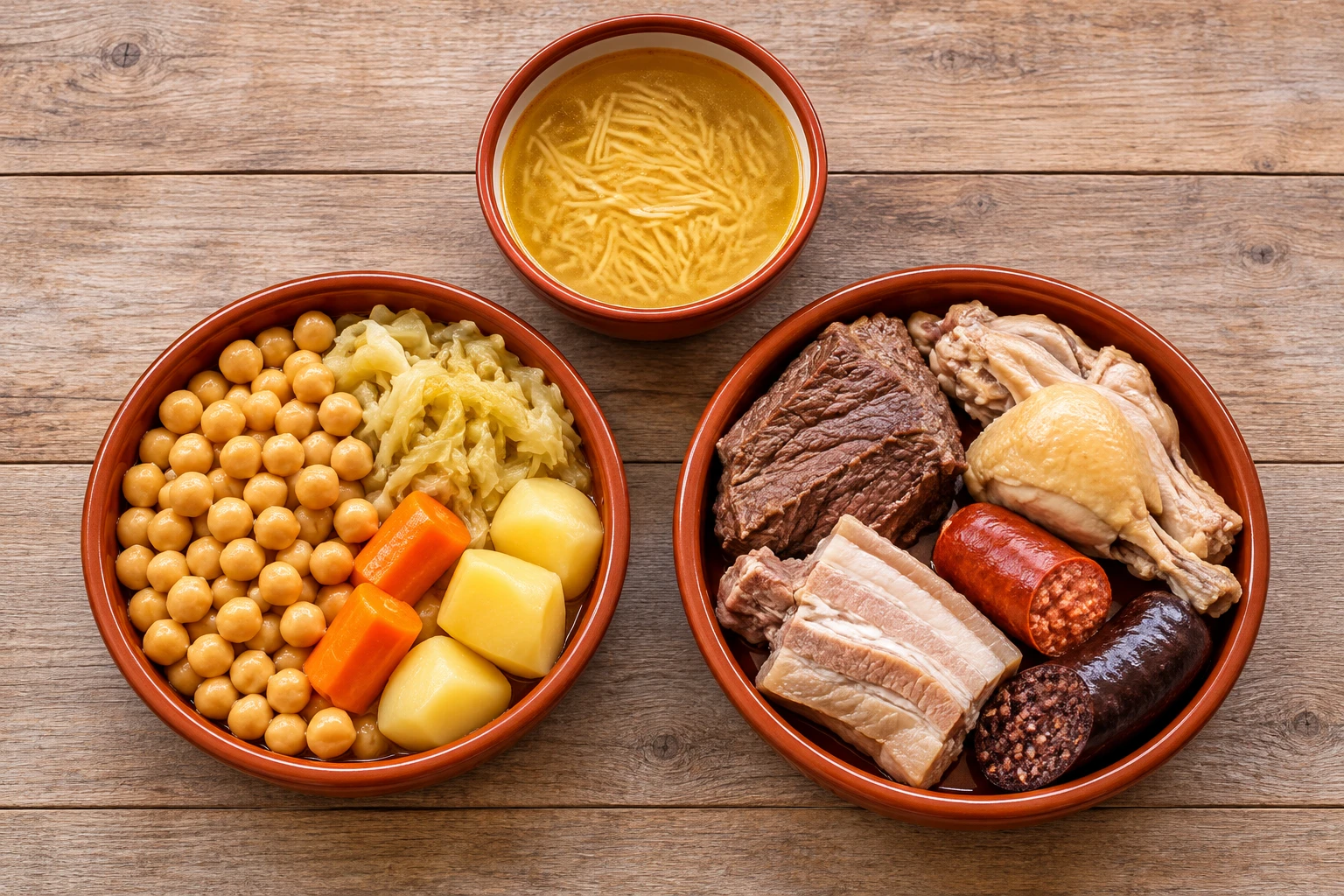
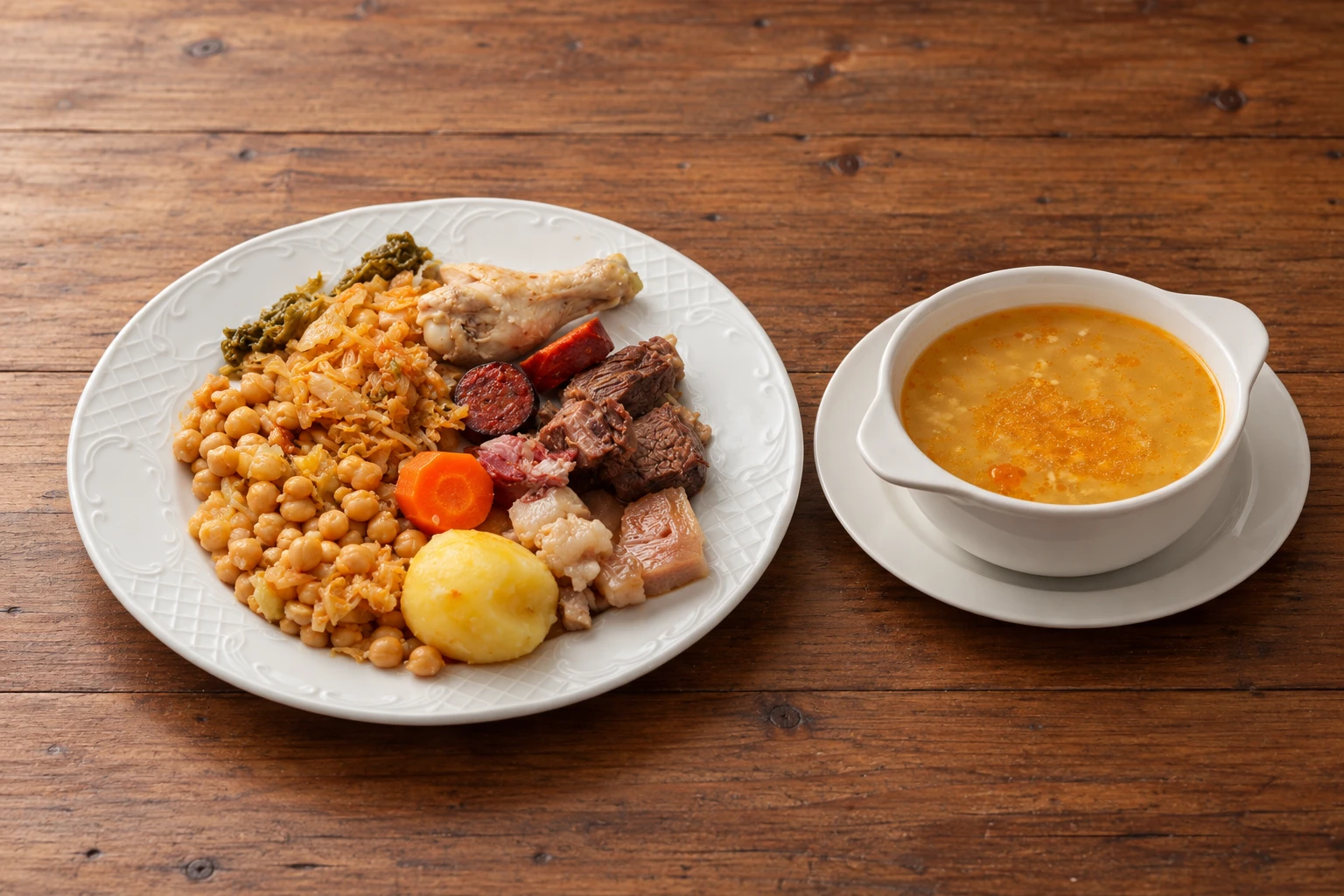
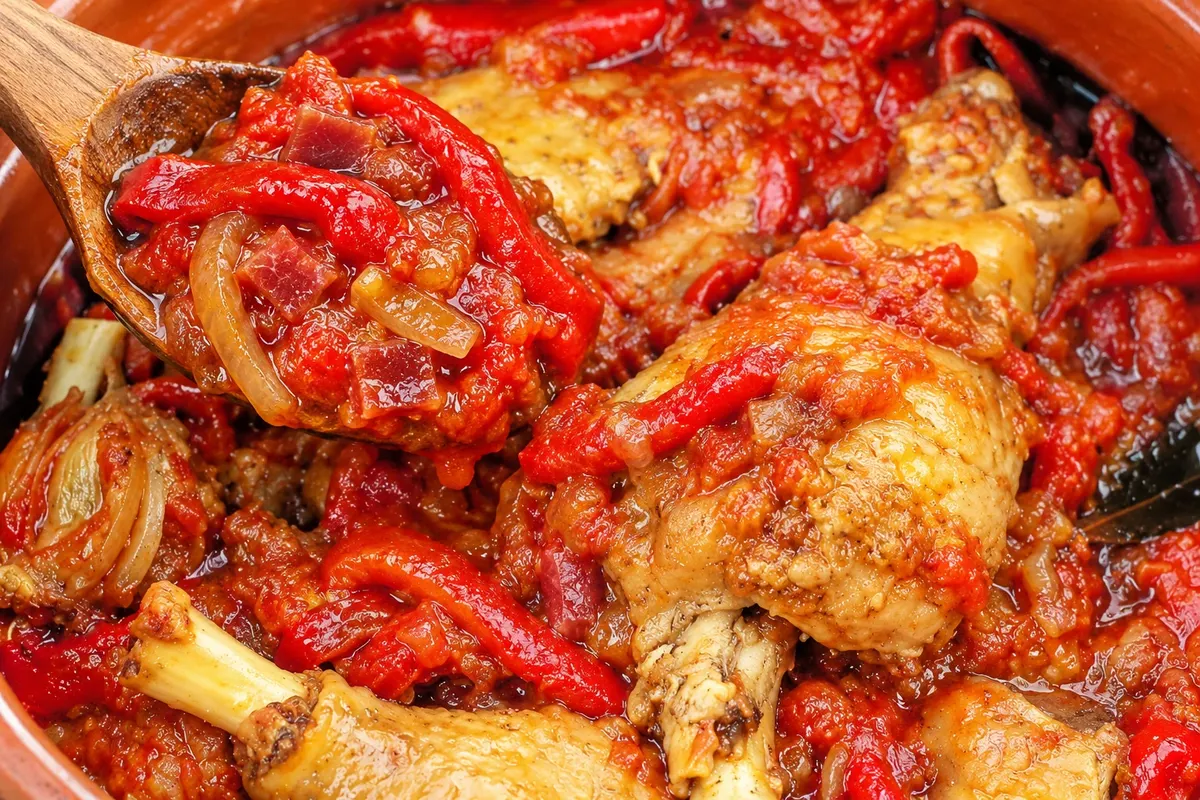
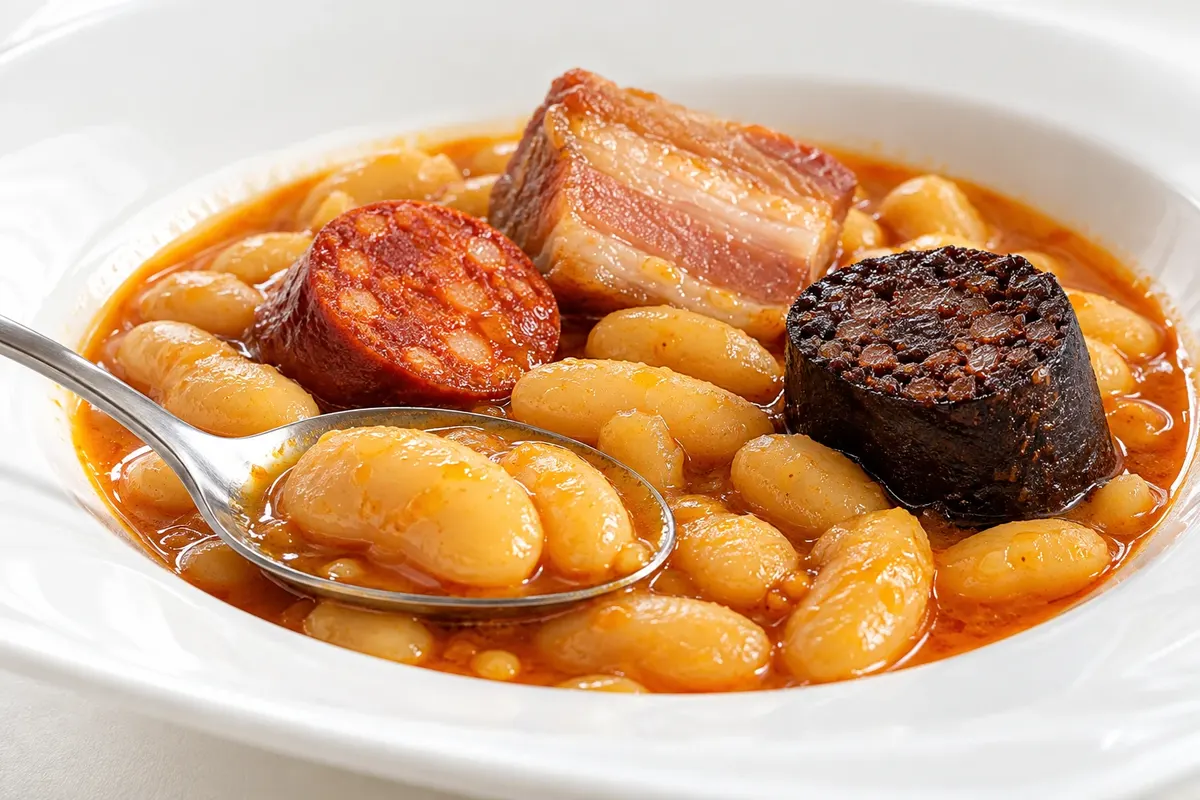
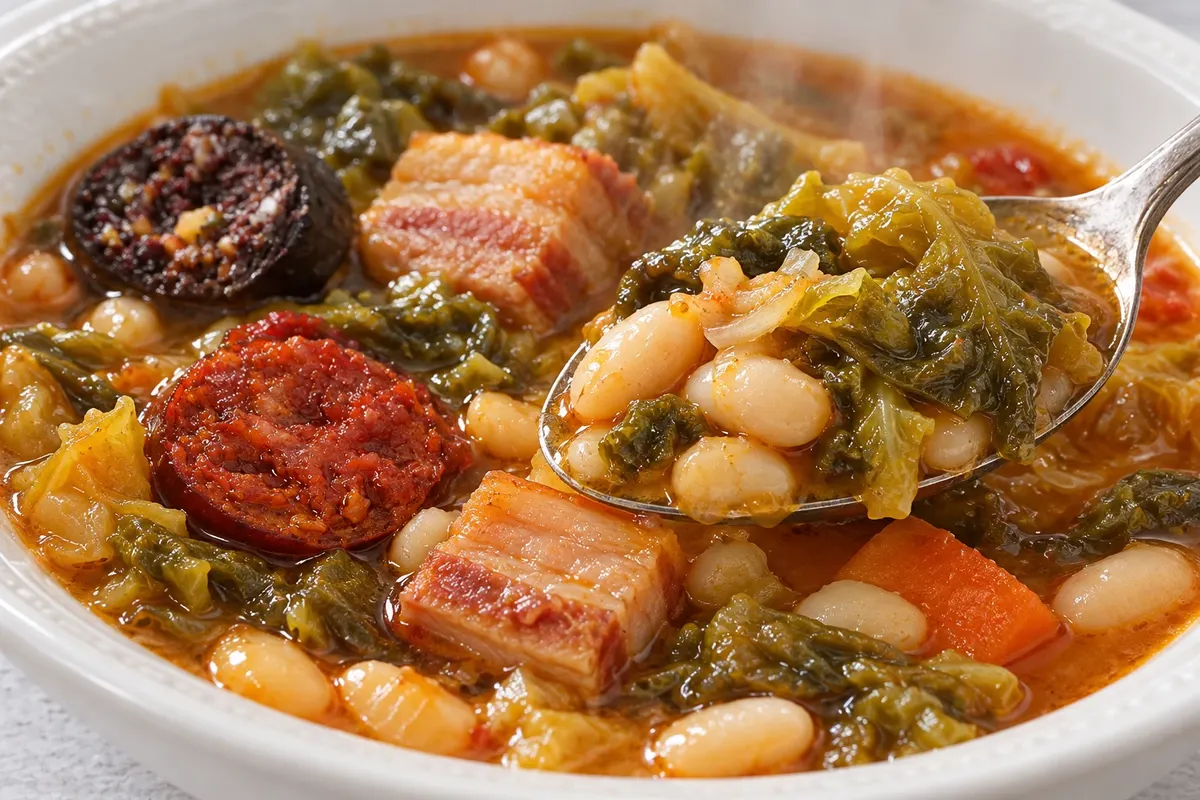
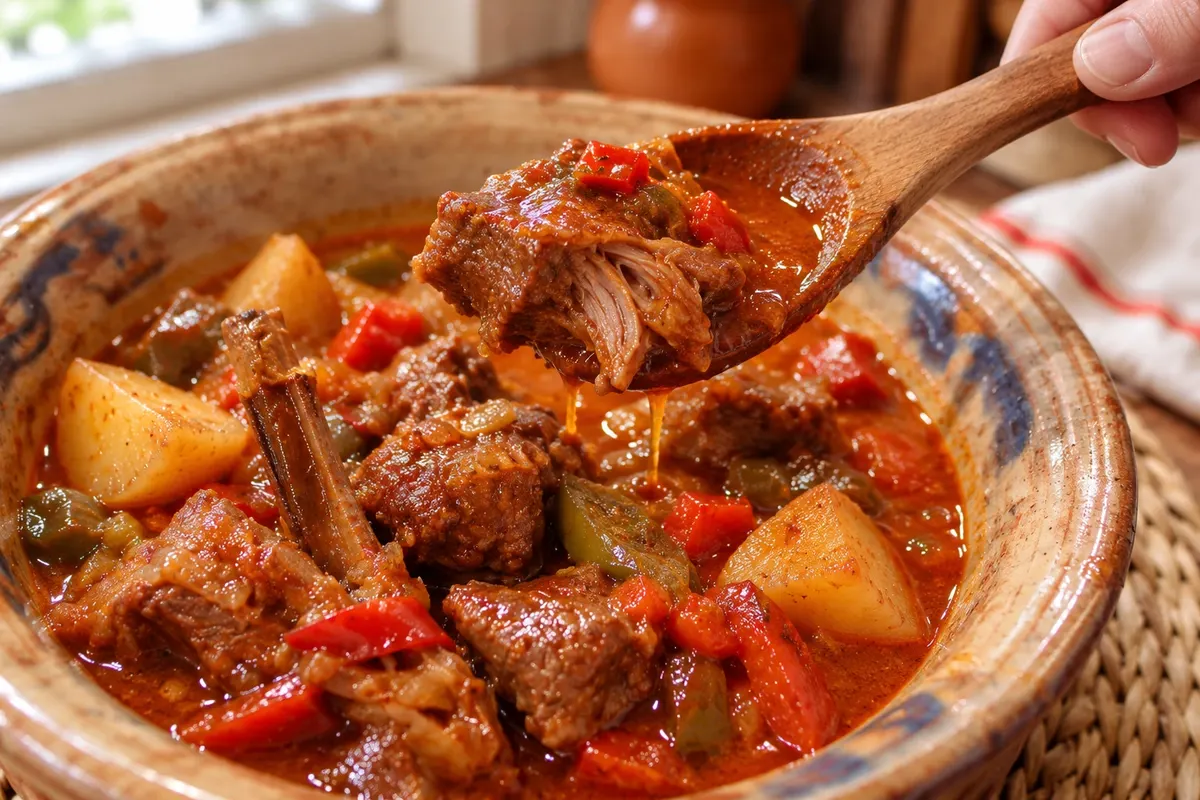
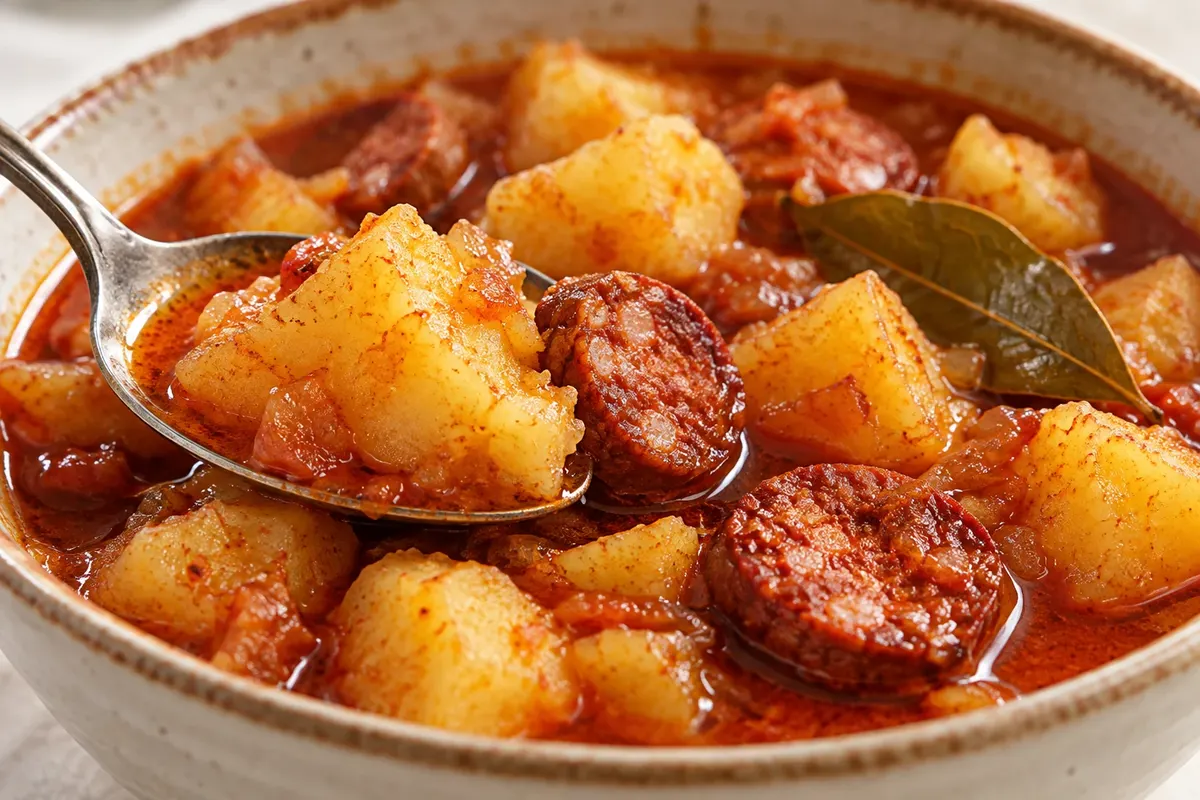
The base is chickpeas, slowly cooked in water with meats and cured sausages: beef shank, lacón or ham, bacon, sometimes chicken, chorizo and blood sausage, plus potato, carrot and cabbage. Many households add the relleno, a dumpling of bread, garlic, parsley and egg that cooks in the broth.
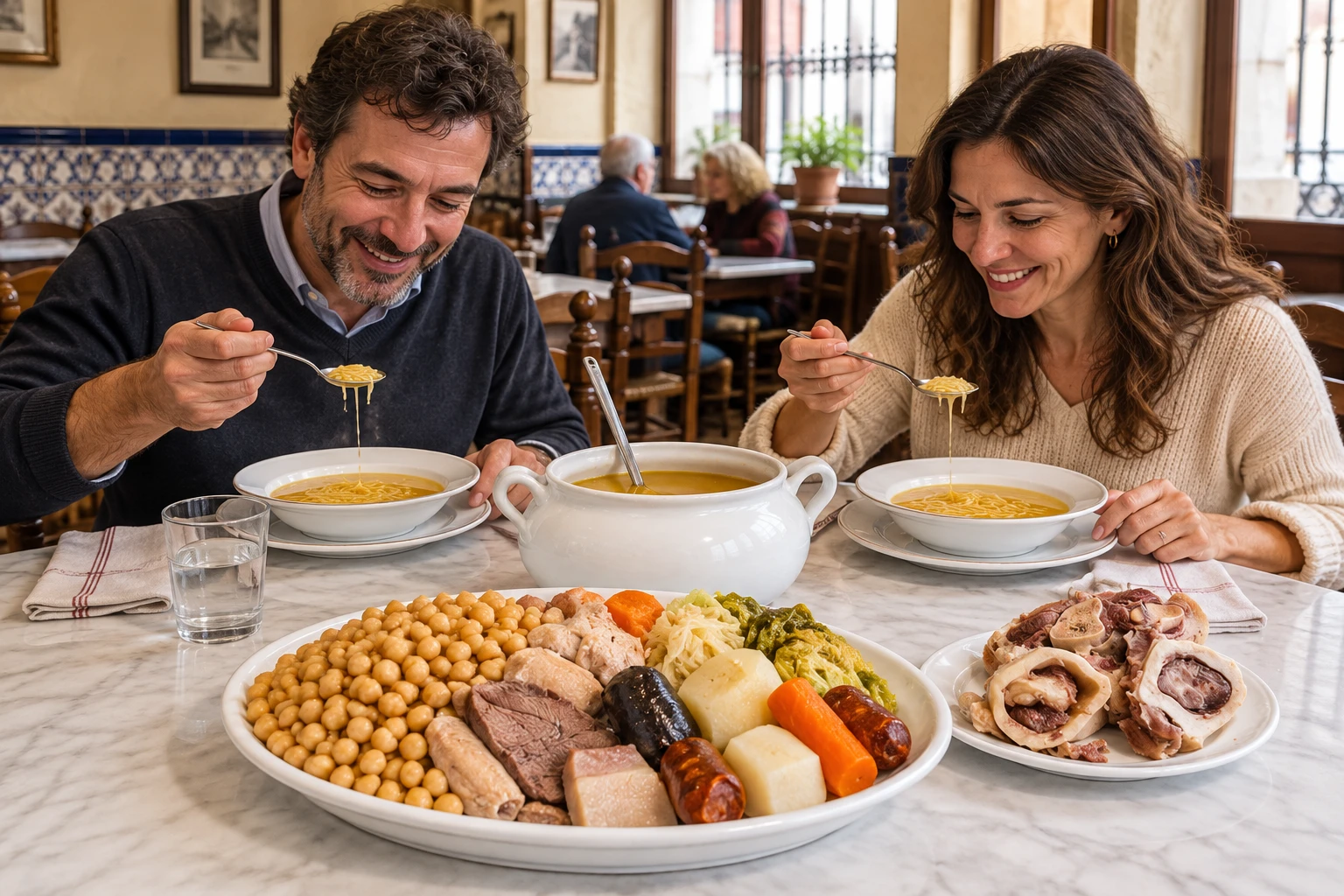
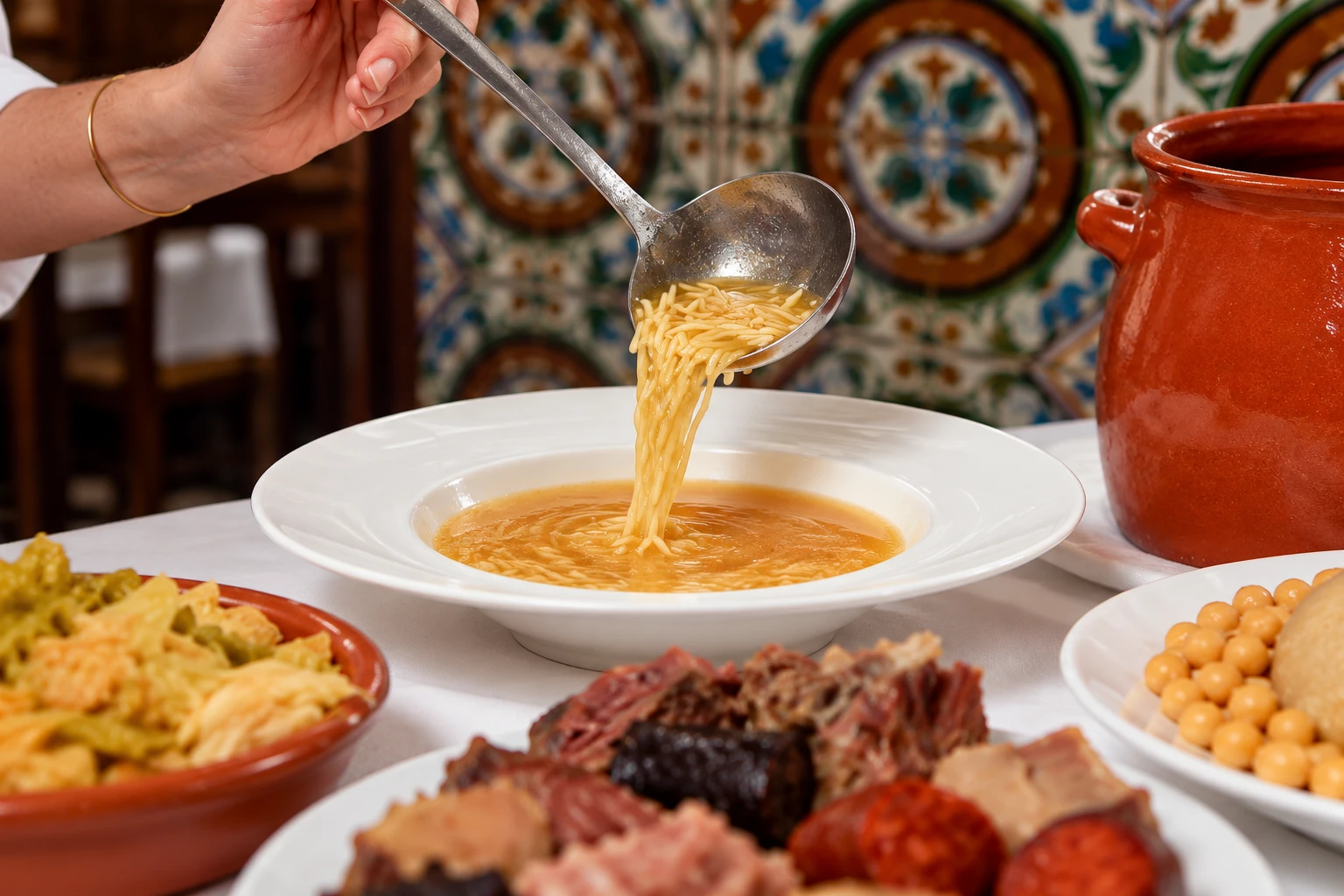
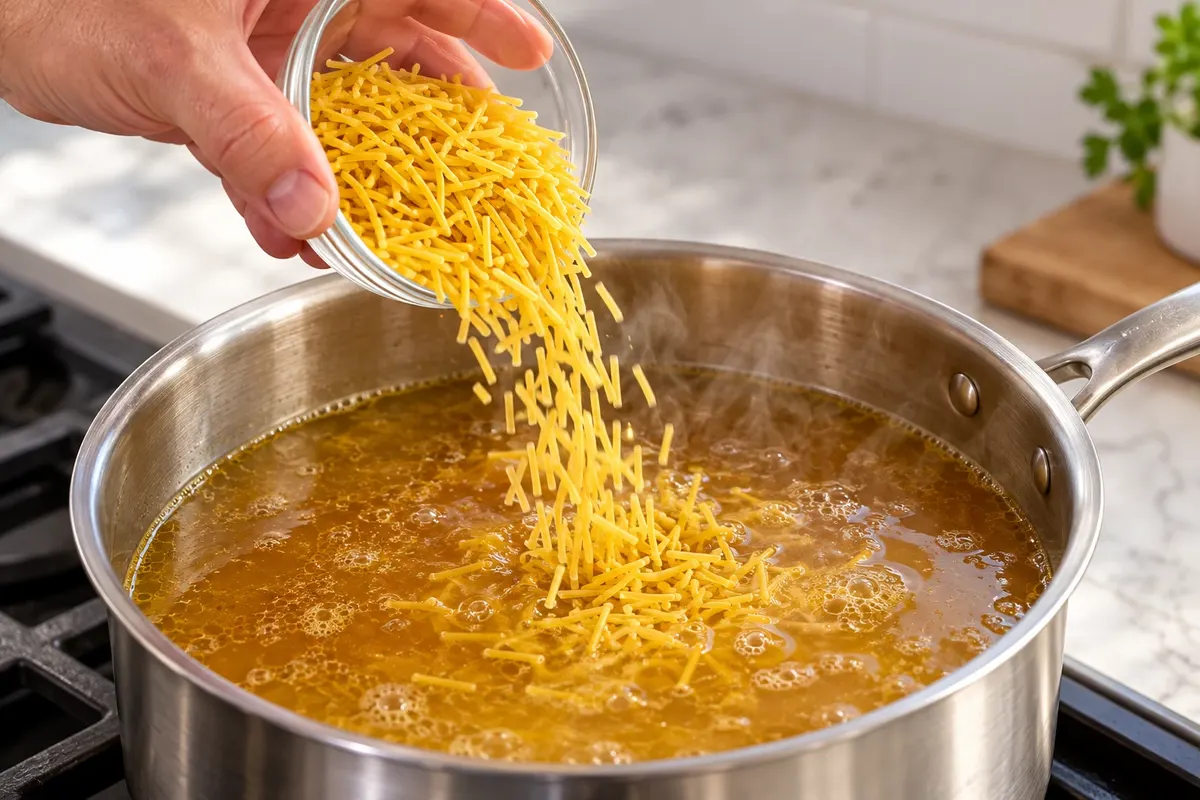
What sets it apart is the way it is served. The cocido arrives at the table in vuelcos, a name that comes from turning the pot to serve each part. The most common is three: first the soup, with the broth and fideos; then the chickpeas with the vegetables; lastly, the meats and cured sausages. Some places serve it in two or even four vuelcos.
According to the Community of Madrid, olla podrida is considered an antecedent of the dish, mentioned in texts of the 16th and 17th centuries, and the name cocido has been used for more than 150 years. It established itself in 19th-century inns and eating houses, and several old taverns in Madrid still serve it today. Leftovers are used to make croquettes and ropa vieja.


 Brazil
 Argentina
 Bolivia
 Chile
 Colombia
 Ecuador
 Guyana
 French Guiana
 Falkland Islands (Malvinas)
 Paraguay
 Peru
 Suriname
 Uruguay
 Venezuela
 Germany
 Austria
 Belgium
 Croatia
 Denmark
 Finland
 France
 Greece
 the Netherlands
 Hungary
 Ireland
 Iceland
 Italy
 Luxembourg
 Norway
 Poland
 Portugal
 the United Kingdom
 the Czech Republic
 Sweden
 Switzerland
 Turkey
 Canada
 the United States
 Mexico
 the Dominican Republic
 South Africa
 Australia
 Fiji
 New Zealand
 Papua New Guinea