Gazpacho andaluz
Cold soup of tomato, bell pepper, cucumber, garlic, bread, olive oil and vinegar, blended and served chilled. A rural Andalusian dish, it was chosen to represent Andalusia in the postal service’s series of stamps.
Flavors · Alboraya
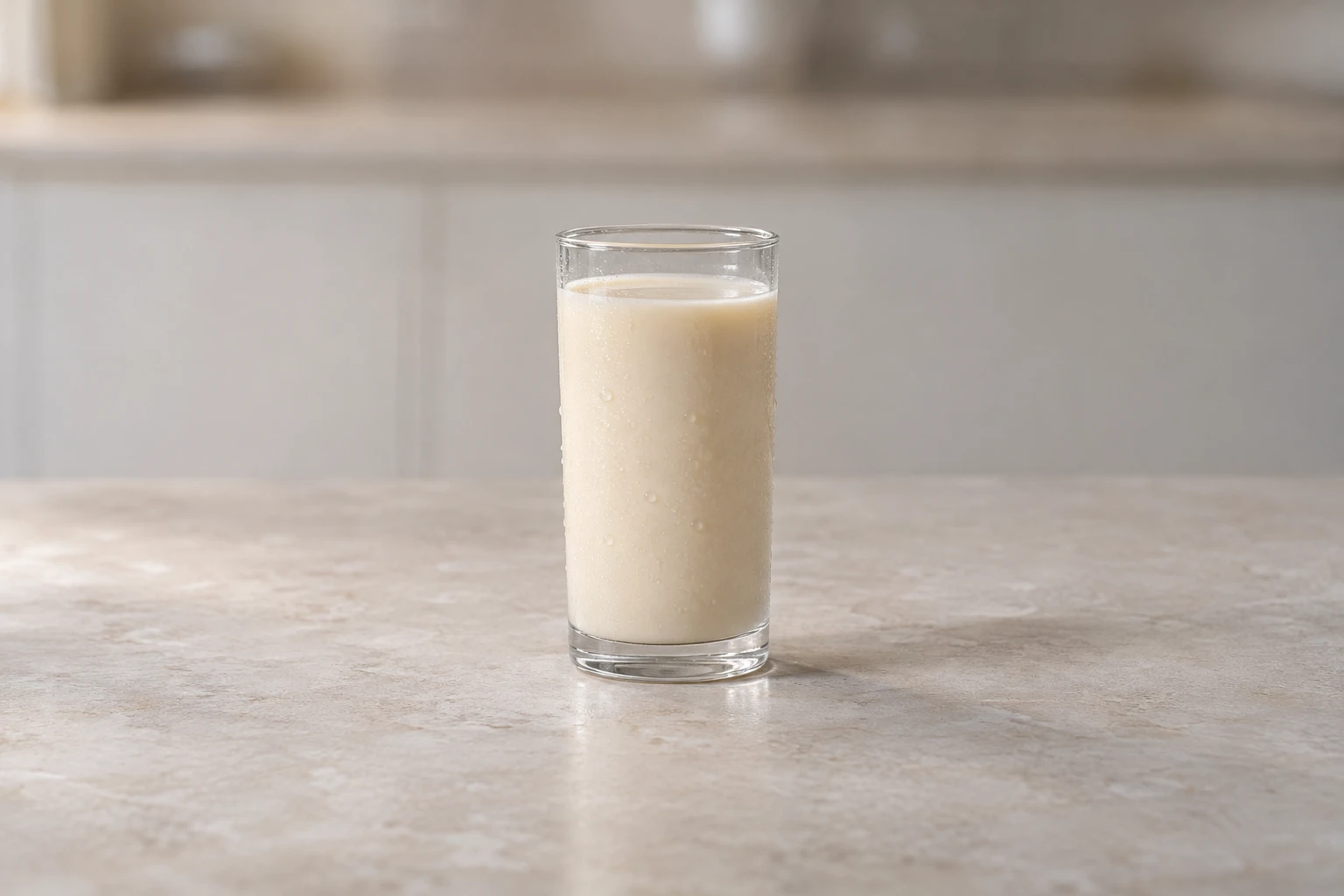
Cold drink made from ground chufa, water and sugar, served chilled with fartons, elongated cakes for dipping. Alboraya, in the huerta of Valencia, is regarded as the birthplace of the drink and is home to the council of the Chufa de Valencia Protected Designation of Origin.
Traditional drink from Alboraya, Comunidade Valenciana
Also known as: orxata, orxata de xufa, horchata, horchata de Valencia
Illustrative images. The pictures in this guide are illustrations based on the real place, not photographs, and may differ from it.
Click a photo to enlarge it.
Horchata de chufa — Alboraya, Spain
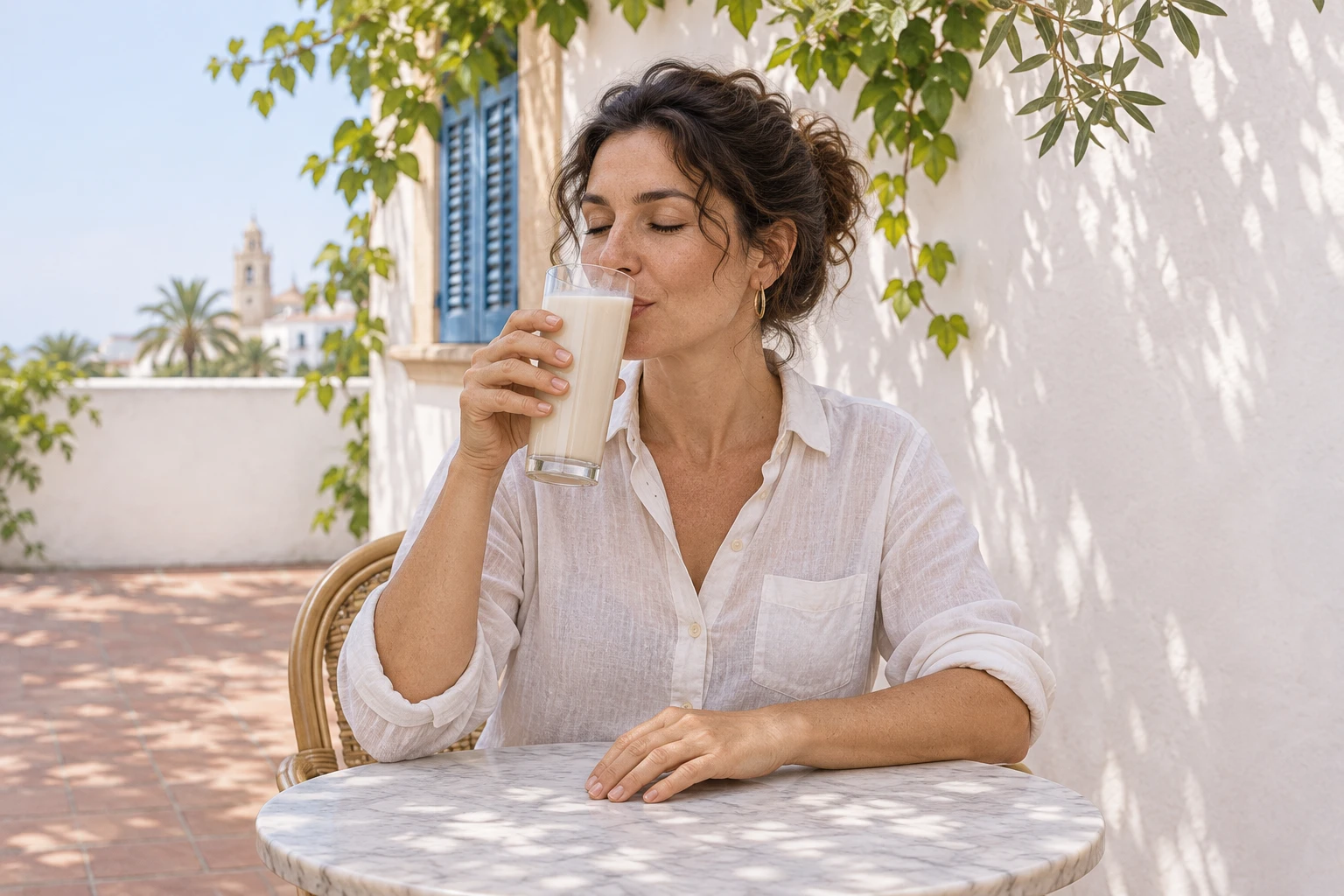
Horchata de chufa, orxata in Valencian, is Valencia’s summer drink. It’s made from chufa, a small sweet tuber grown in the fields of the Horta Nord, north of the city. Alboraya, adjacent to Valencia, is the centre of that growing area and is known as the birthplace of horchata.
The chufa grown in the region has the Chufa de Valencia Protected Designation of Origin, whose regulatory council is based in Alboraya. Harvest takes place in autumn; afterwards the tubers are washed and dried for weeks before they become horchata.
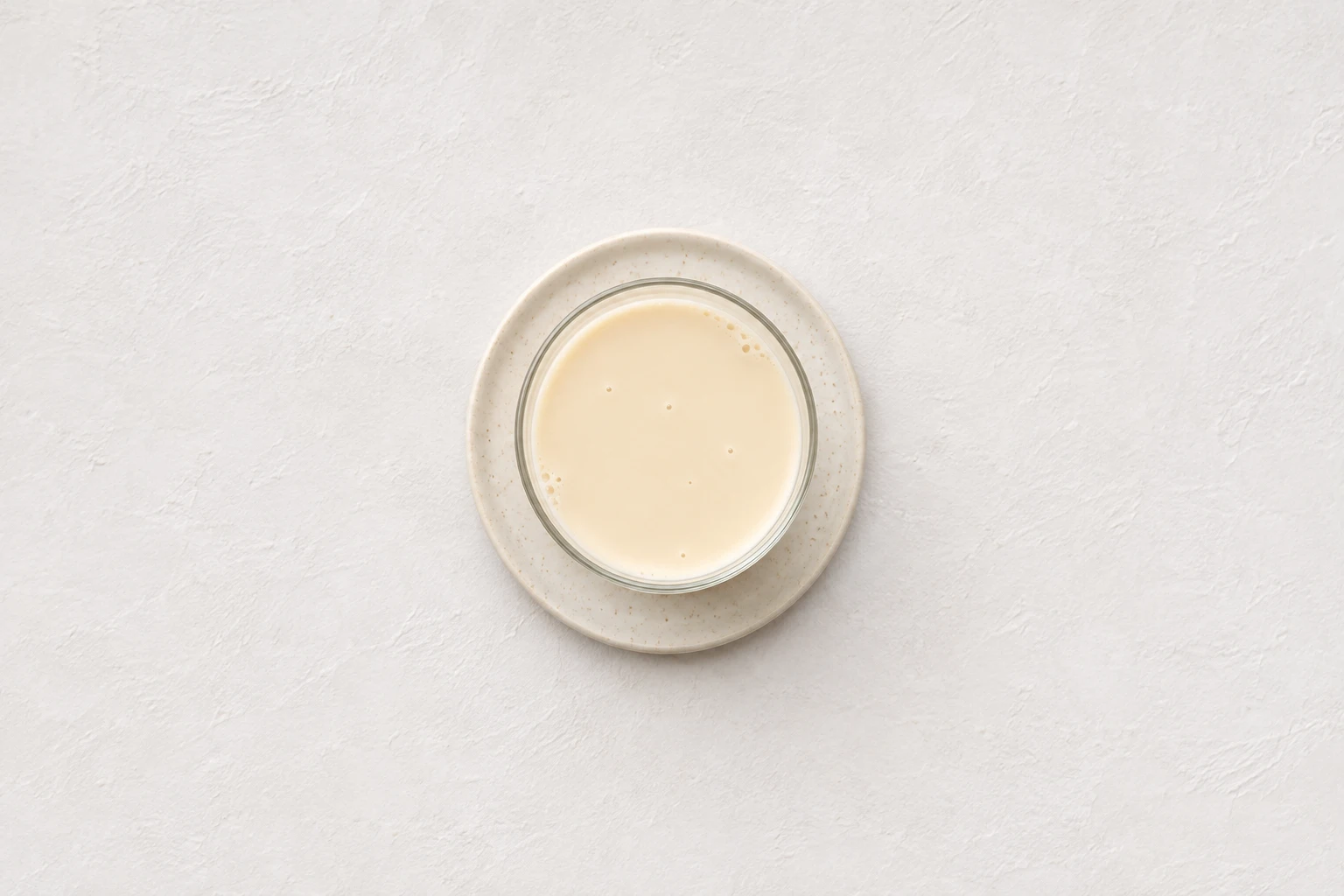
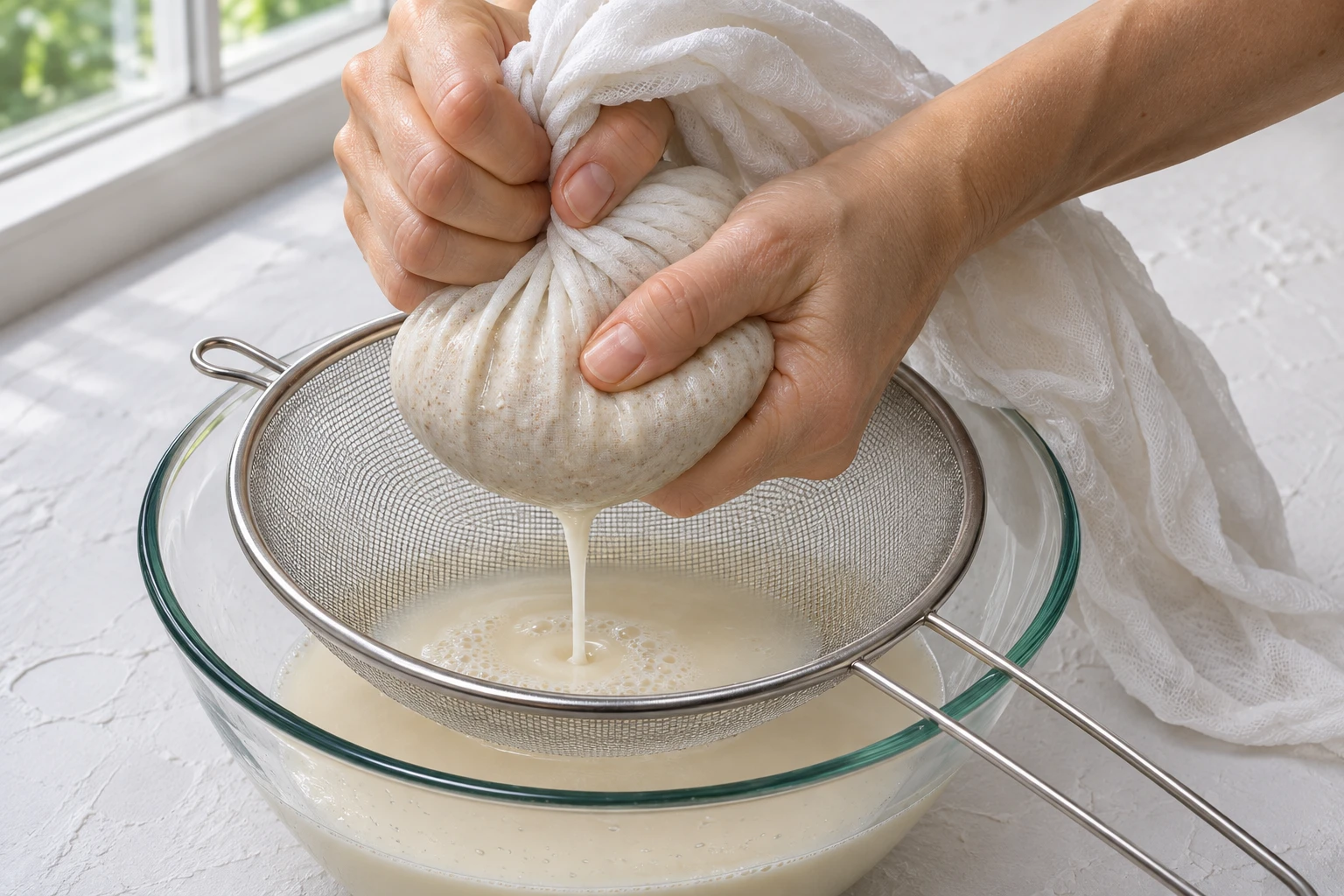
To make the drink, the dried chufa is rehydrated, ground with water, pressed and strained, and the liquid is sweetened with sugar. Natural horchata is served very cold, either liquid or granizado (partly frozen). A popular legend attributes the name to a remark by King James I when he tasted the drink; this is told as a legend, not as a documented historical origin.
At the table, horchata is served with fartons, soft elongated cakes coated in sugar made for dipping into the glass. Alboraya celebrates Horchata Day in July, with distributions of the drink along the avenue that bears its name and visits to the chufa fields.

Alboraya , Comunidade Valenciana
Alboraya is at the centre of the chufa growing area and houses the council of the Chufa de Valencia Protected Designation of Origin.
Chufa (dried and rehydrated), water and sugar.
Very cold, in a glass, either liquid or granizado, served with fartons for dipping.
Summer drink, from May to September. Alboraya’s Horchata Day takes place in July.
Your questions
Chufa, a small sweet tuber grown in the huerta north of Valencia, ground with water and sweetened with sugar.
Soft elongated cakes coated in sugar, made for dipping into horchata.
Because it sits at the centre of the chufa growing area and houses the council of the Chufa de Valencia Protected Designation of Origin.
No. It’s made only from chufa, water and sugar.
Flavors of Spain

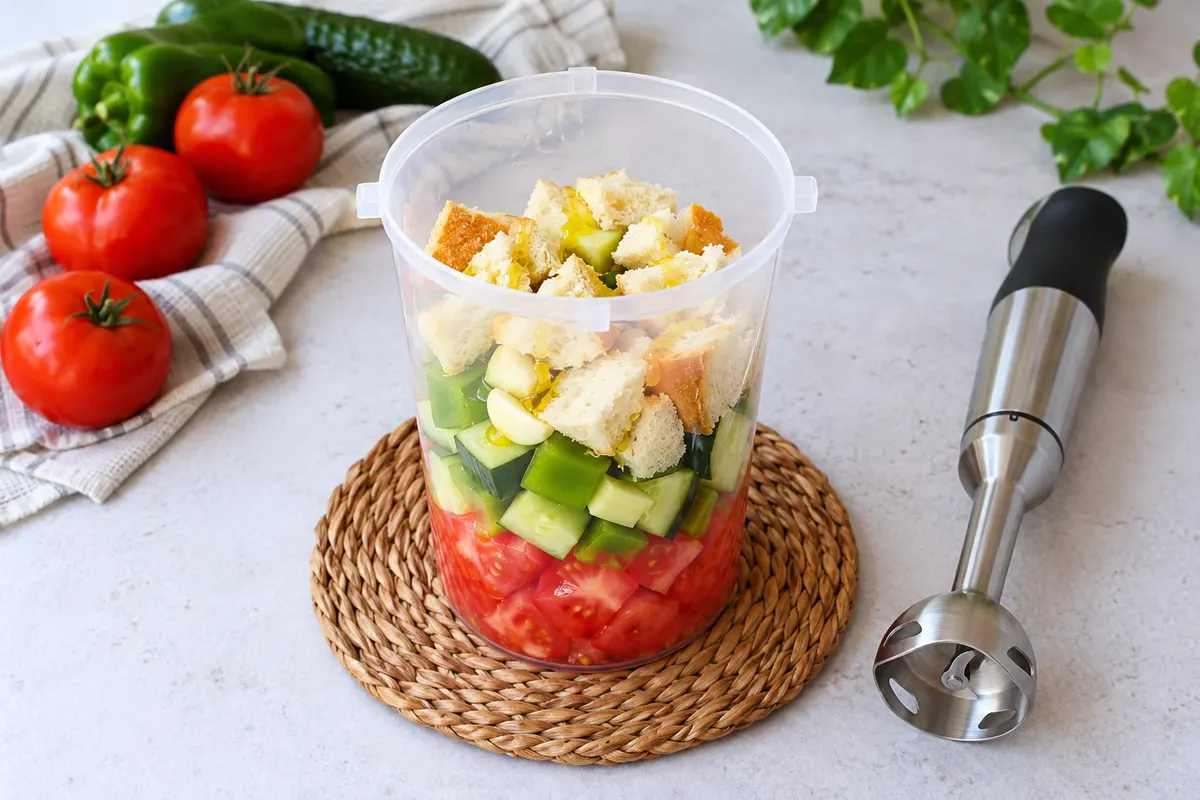
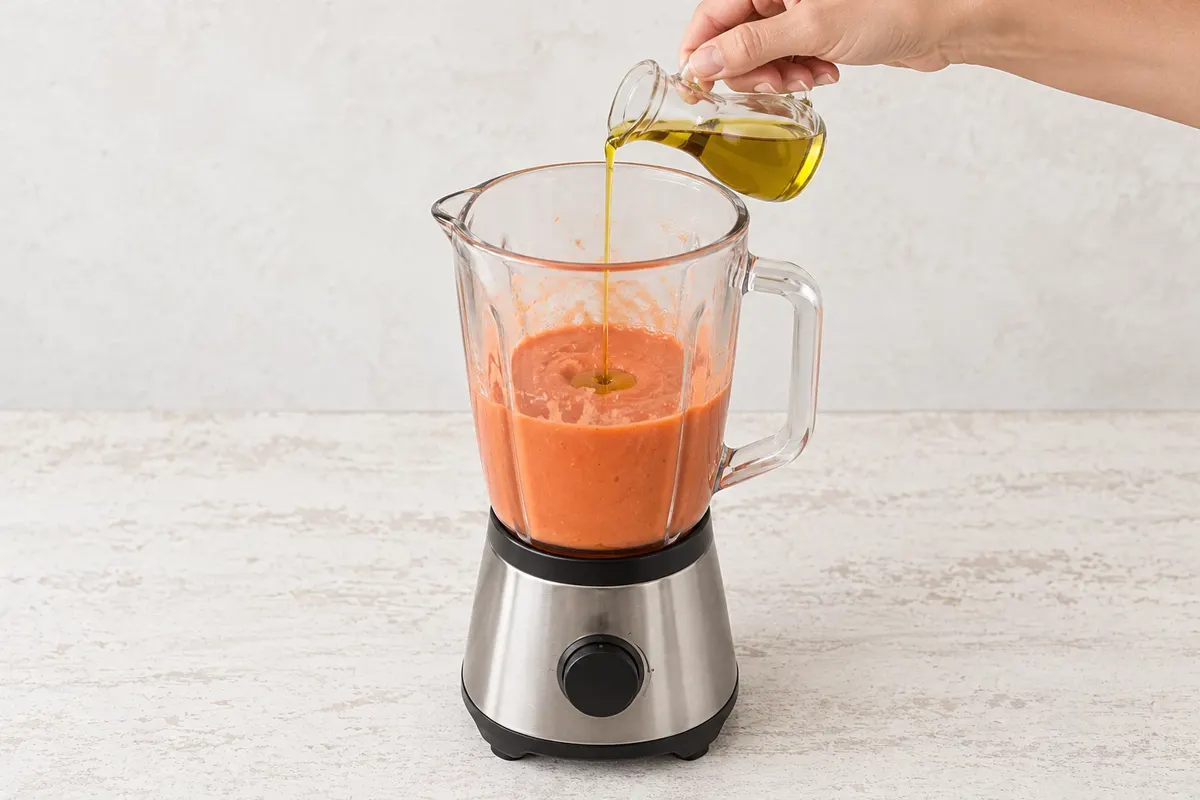
Cold soup of tomato, bell pepper, cucumber, garlic, bread, olive oil and vinegar, blended and served chilled. A rural Andalusian dish, it was chosen to represent Andalusia in the postal service’s series of stamps.

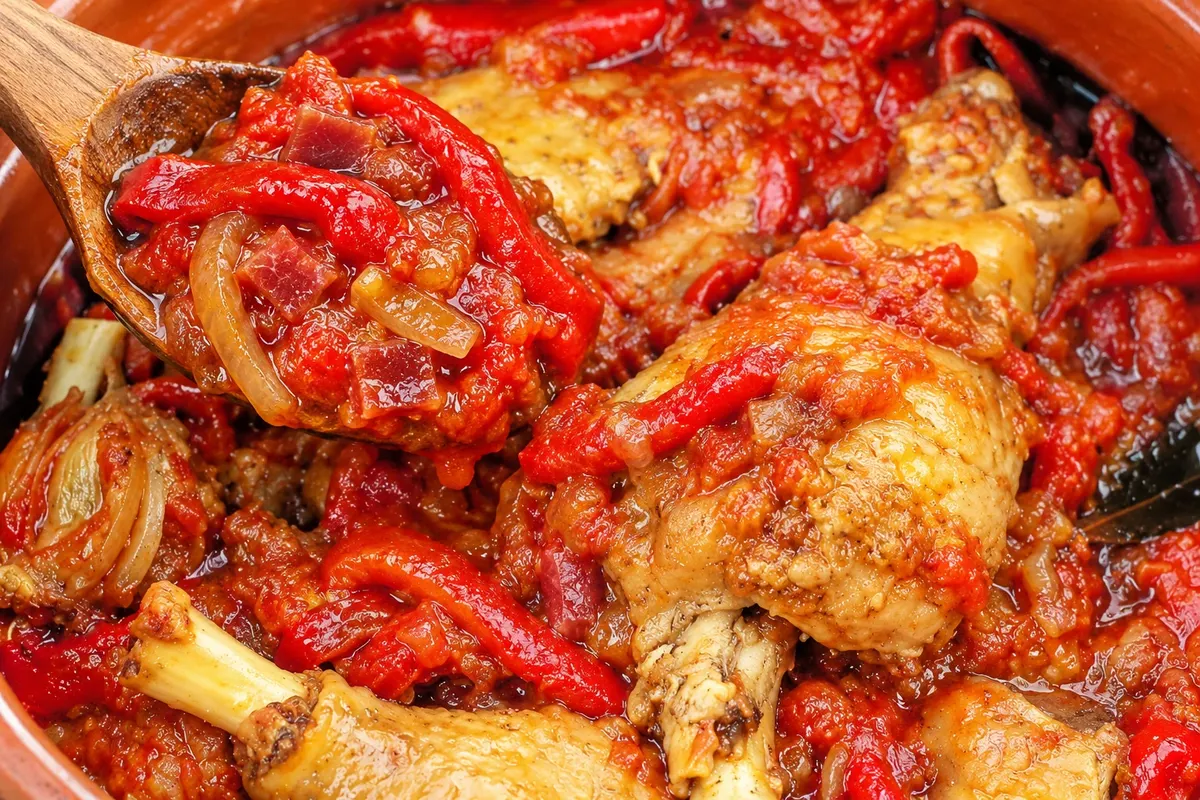
Chicken stewed in a sauce of red peppers, tomato, onion, garlic and ham — chilindrón. It’s the dish chosen to represent Aragon and, made the same way, is also prepared with lamb.

Cocido de la Maragatería, the comarca of Astorga, served in reverse: first the meats, then the chickpeas with cabbage, and finally the soup. It is the dish that Castile and León tourism associates with Astorga.

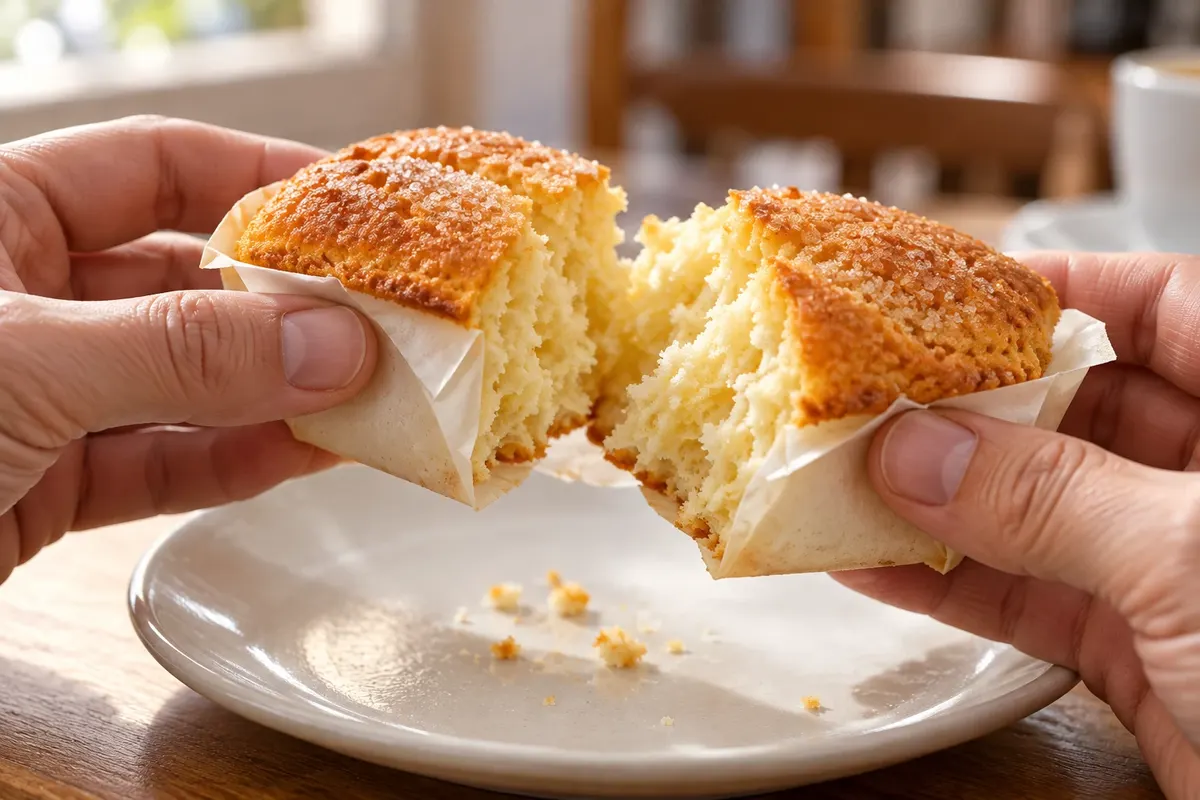
Small cake of butter, eggs, sugar and flour baked in a small square paper box, from which the batter overflows. It is a Protected Geographical Indication and appears as a Christmas sweet in the 1805 accounts of the diocesan archive of Astorga.

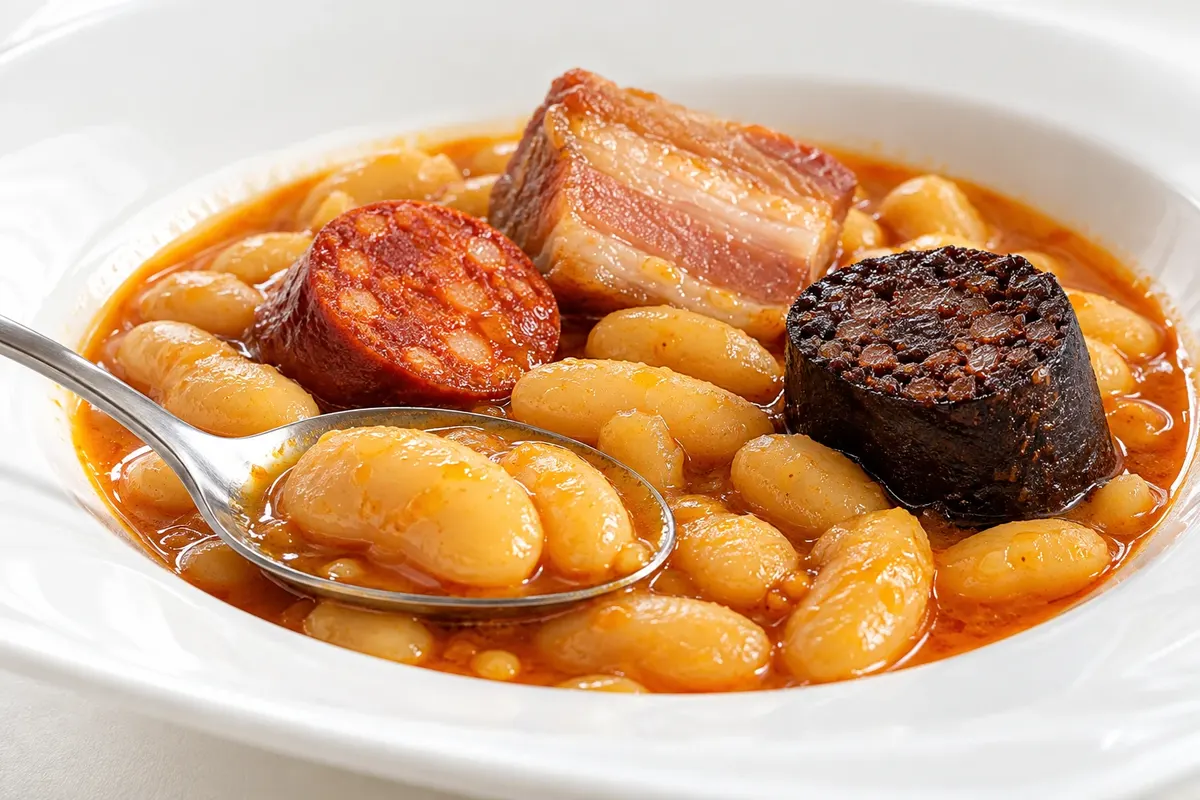
Large white-bean stew, the Asturian faba, slowly cooked with chorizo, morcilla, pork fat and lacón. It is the best-known dish of Asturias and is eaten throughout the region, especially in cold months.

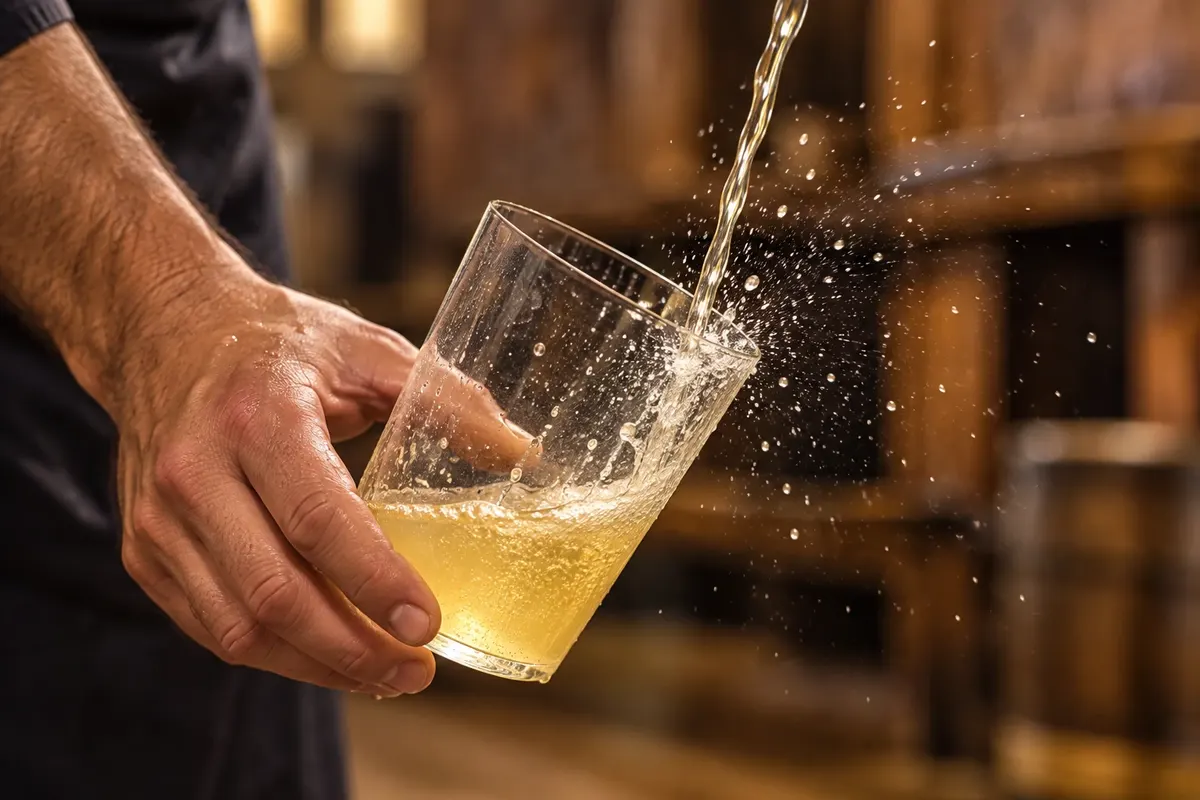
Still apple cider with no added carbonation, served in small pours poured from high above, with the bottle held over the head to aerate the drink. The Asturian cider culture is Intangible Cultural Heritage of Humanity by UNESCO.

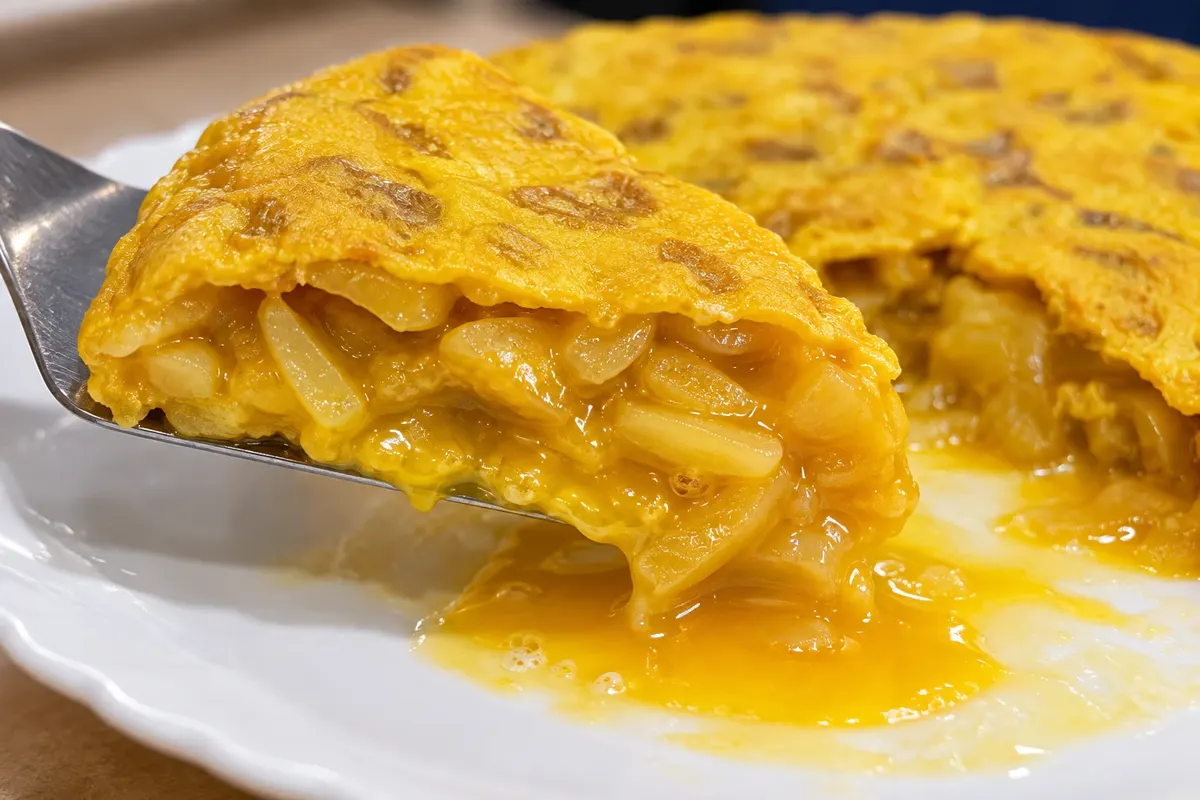
Potato omelette with undercooked eggs, creamy inside, which in Betanzos is traditionally made without onion. The town promotes it with an annual contest and a dedicated week.

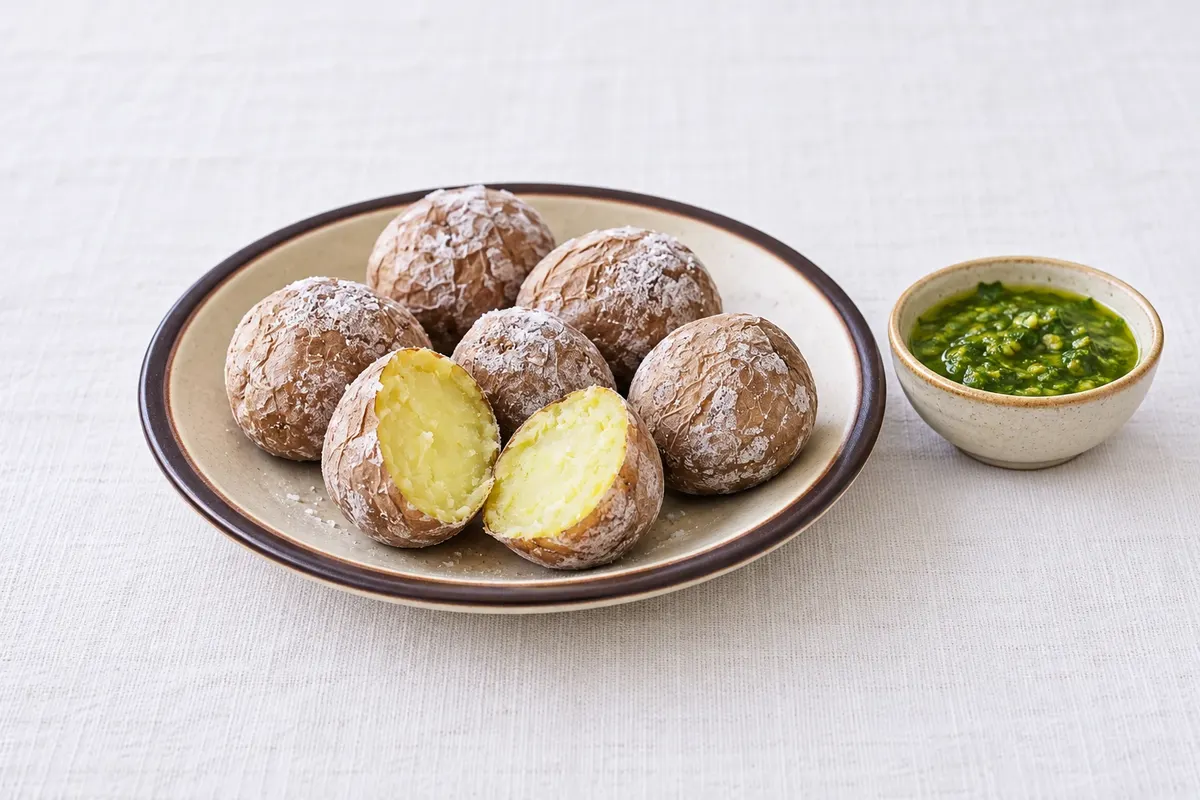
Small potatoes cooked unpeeled in very salty water until the skin wrinkles, served with red, spicy mojo or green cilantro mojo. It’s the dish of the Canary Islands, found on every island.

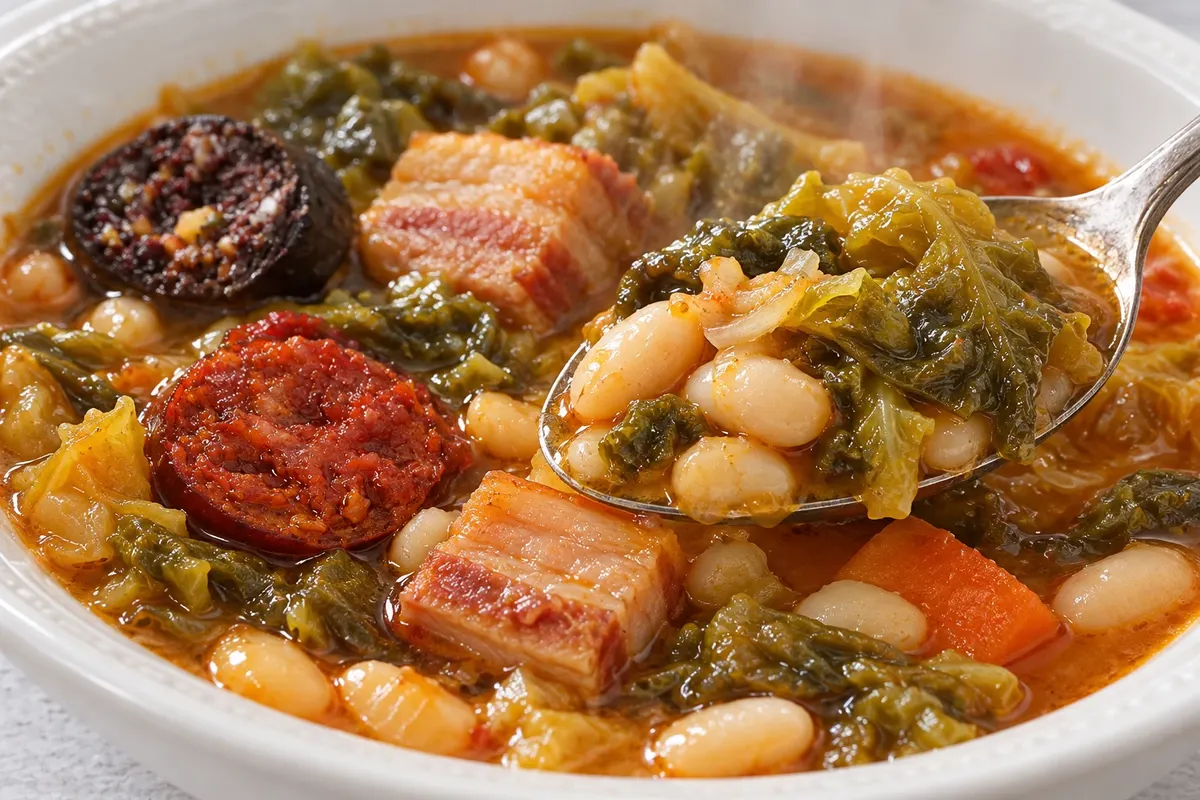
Bean stew with kale and pork chorizo, blood sausage, ribs and bacon, born in the mountain valleys of inland Cantabria. It is the community’s dish and is served throughout the region, especially in winter.

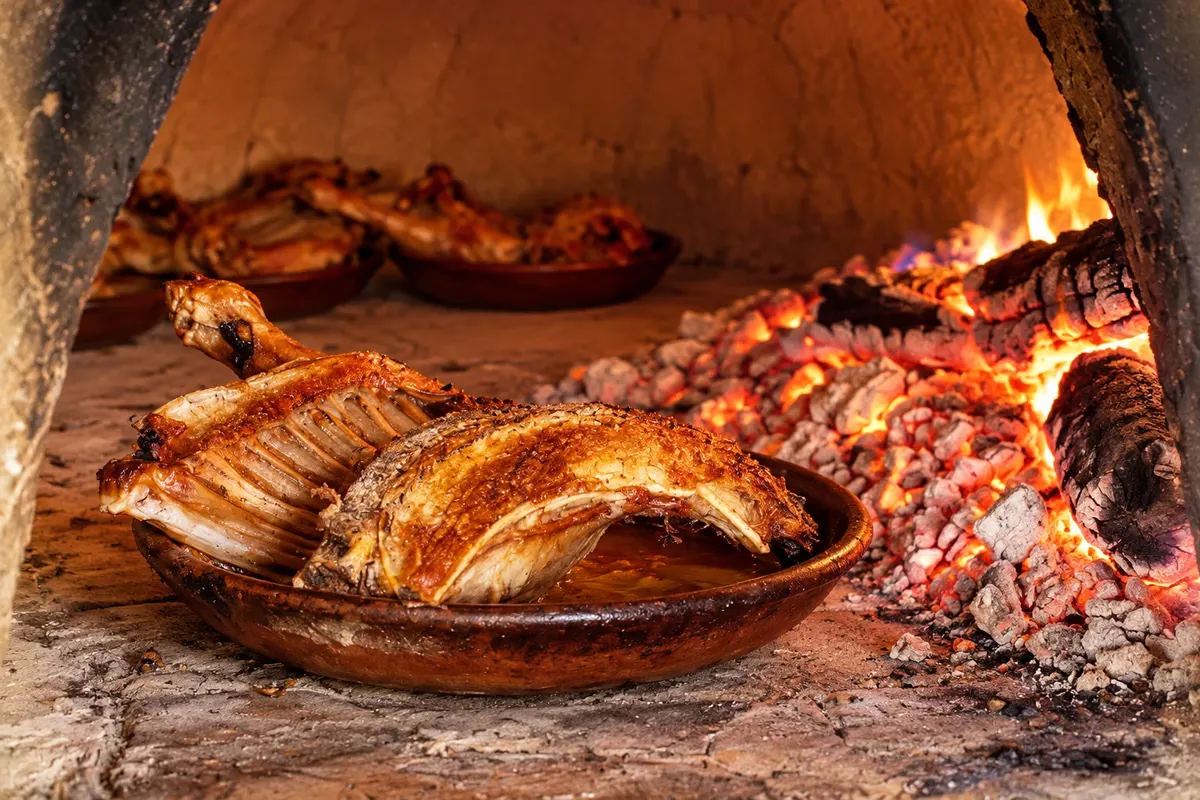
Suckling lamb slowly roasted in a wood-fired oven, in a clay baking dish, with only water and salt. It is the dish chosen to represent Castile and León and the meat is protected by the IGP Lechazo de Castilla y León.

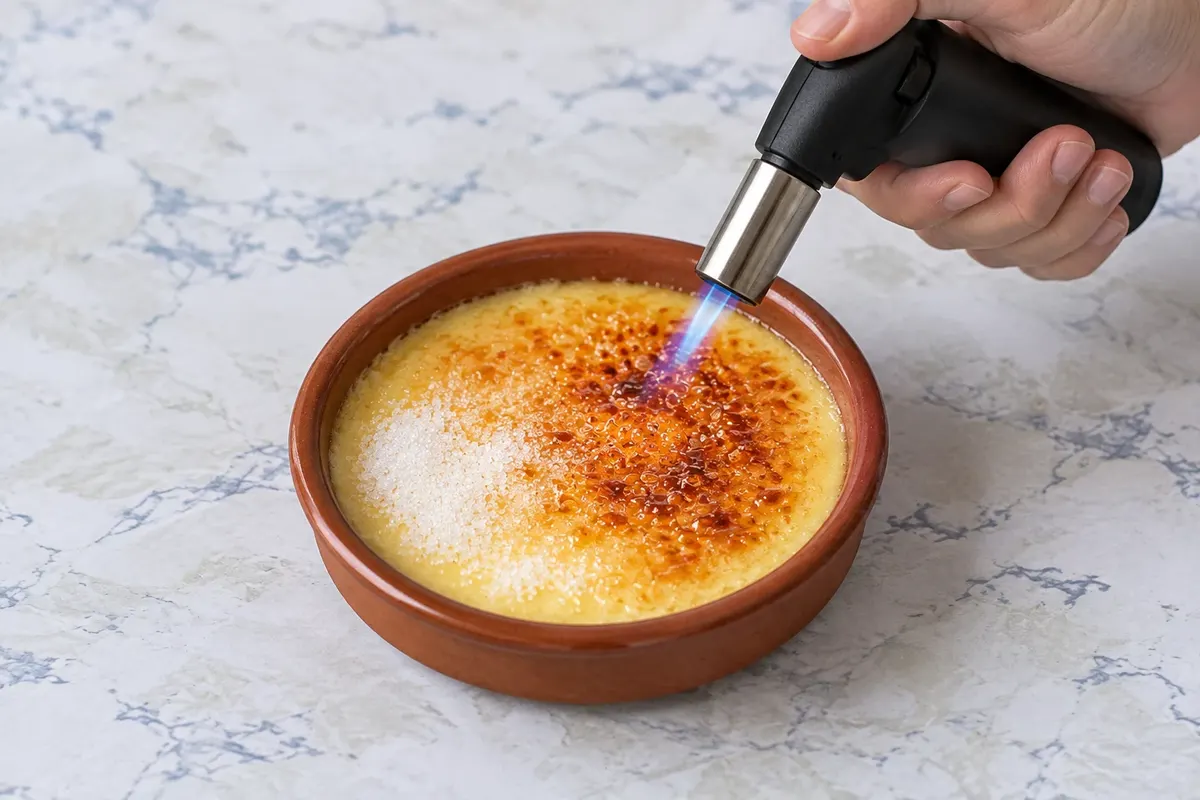
Cream made with milk, egg yolks, sugar and starch, scented with cinnamon and lemon peel, topped with sugar caramelized on the spot with a hot iron.

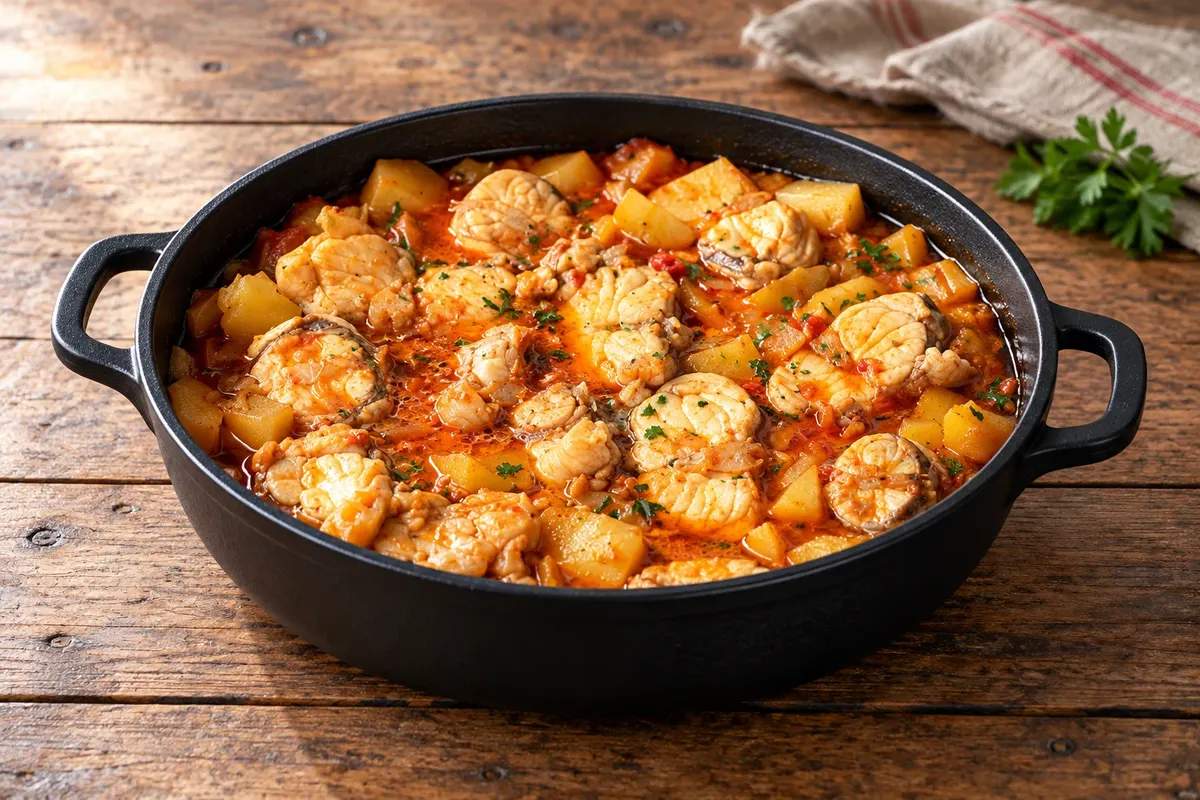
Fish stew with potato, sofregit, and a crushed-almond and bread paste, tied to the cuisine of the Catalan coast’s fishermen.

Cold, thick cream of tomato, bread, garlic, olive oil and salt, served with chopped hard‑boiled egg and ham on top. It is Córdoba’s signature dish, with its own gastronomic brotherhood and studies by the city’s university.

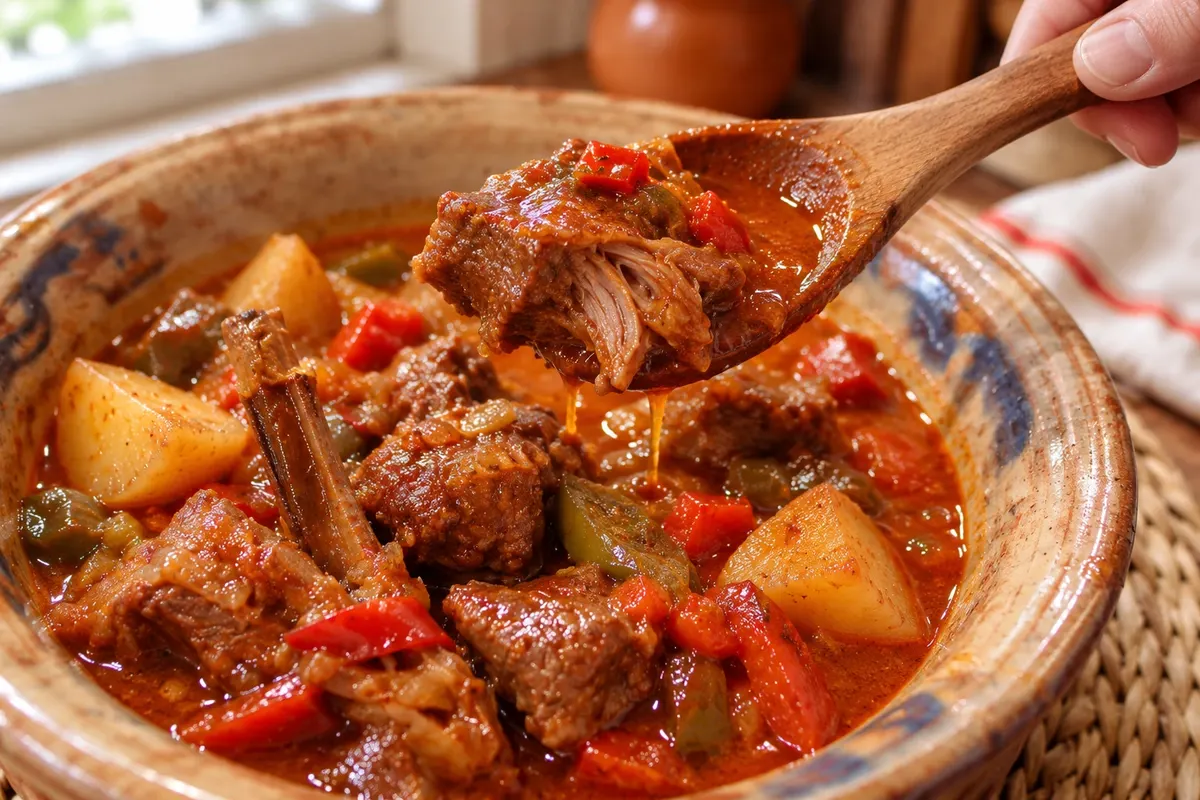
Lamb stew made with small pieces of meat, cooked in a cauldron with garlic, onion, bell pepper, bay leaf, wine and paprika. A dish of the shepherds of Extremadura, it was the first in the postal service’s stamp series dedicated to each autonomous community’s dishes.

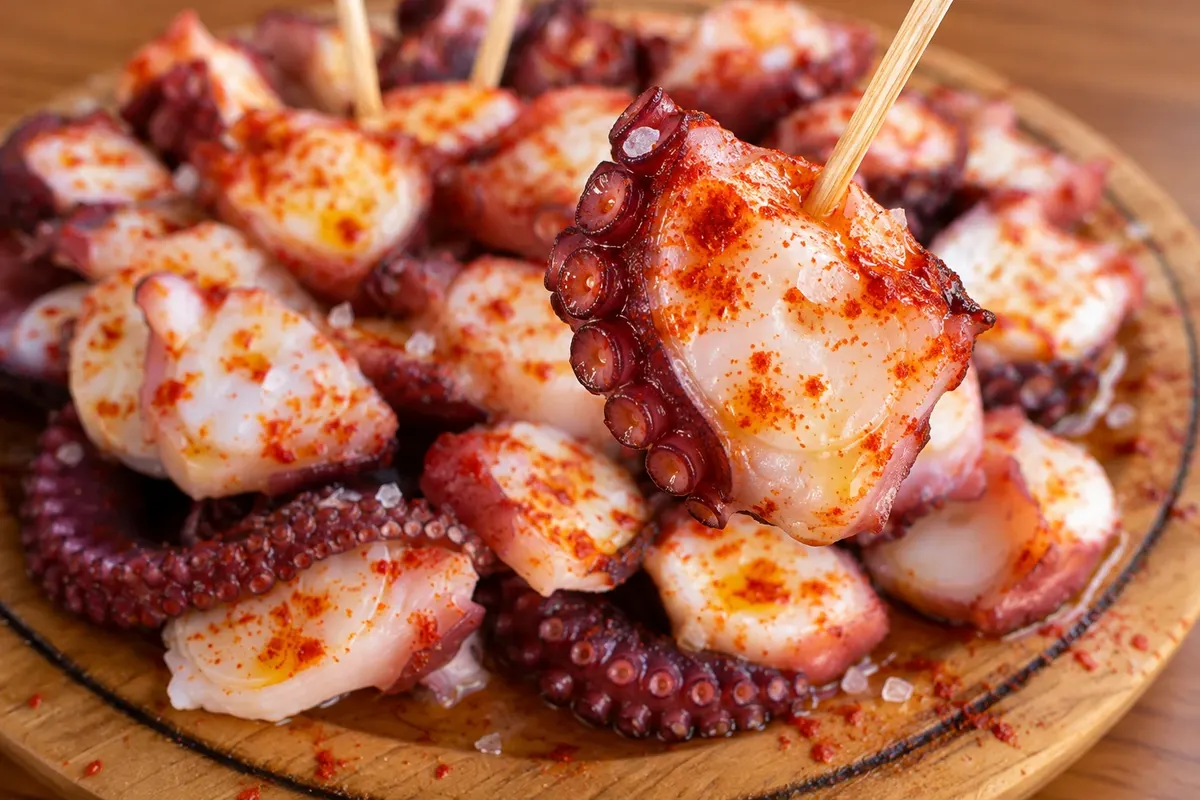
Cooked octopus in a copper pot, cut with scissors into rounds on a wooden plate and seasoned with coarse salt, paprika and olive oil. It’s the dish of inland Galician fairs and was chosen to represent Galicia.

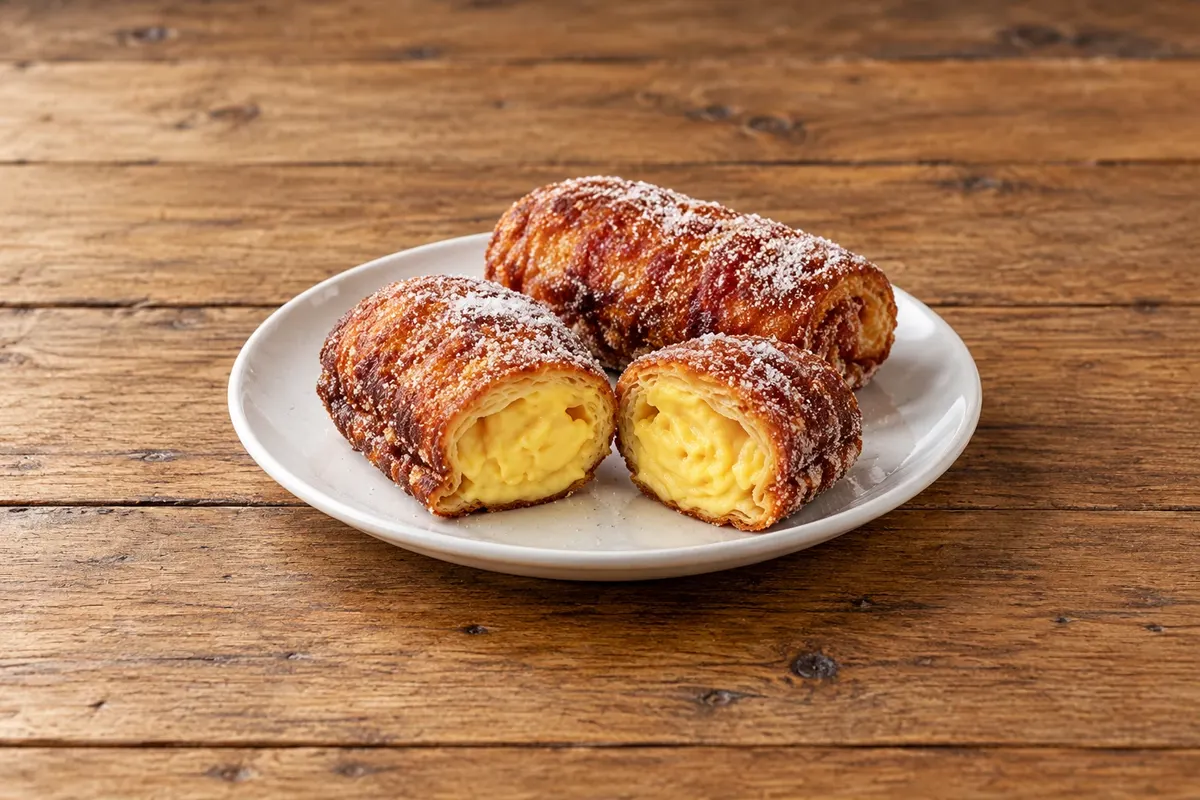
Sweet leavened and laminated dough, rolled with a cream filling, fried and coated in sugar. It is the typical sweet of Girona, linked to the historical Puig pastry shop in the early 20th century.

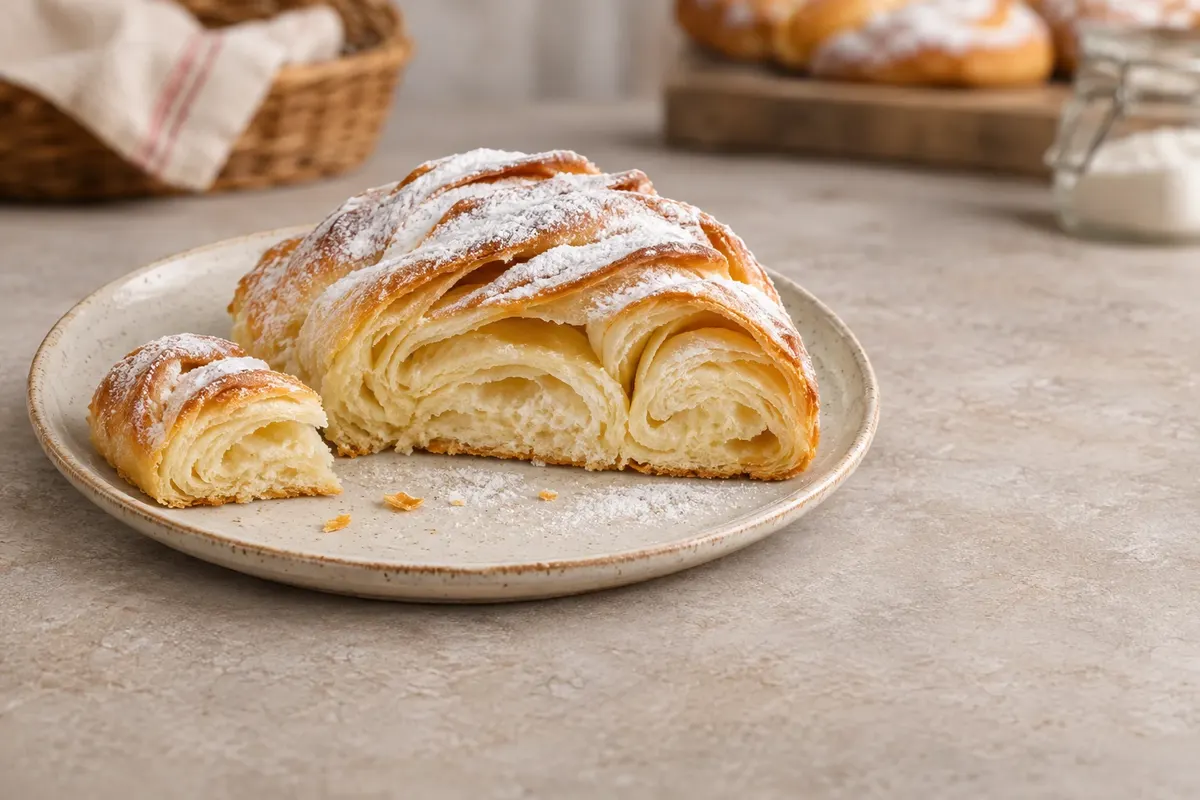
Sweet spiral bread made from fermented dough with pork lard, the saïm, sprinkled with confectioners’ sugar. It has Protected Geographical Indication as Ensaïmada de Mallorca and was the pastry chosen to represent the Balearic Islands.

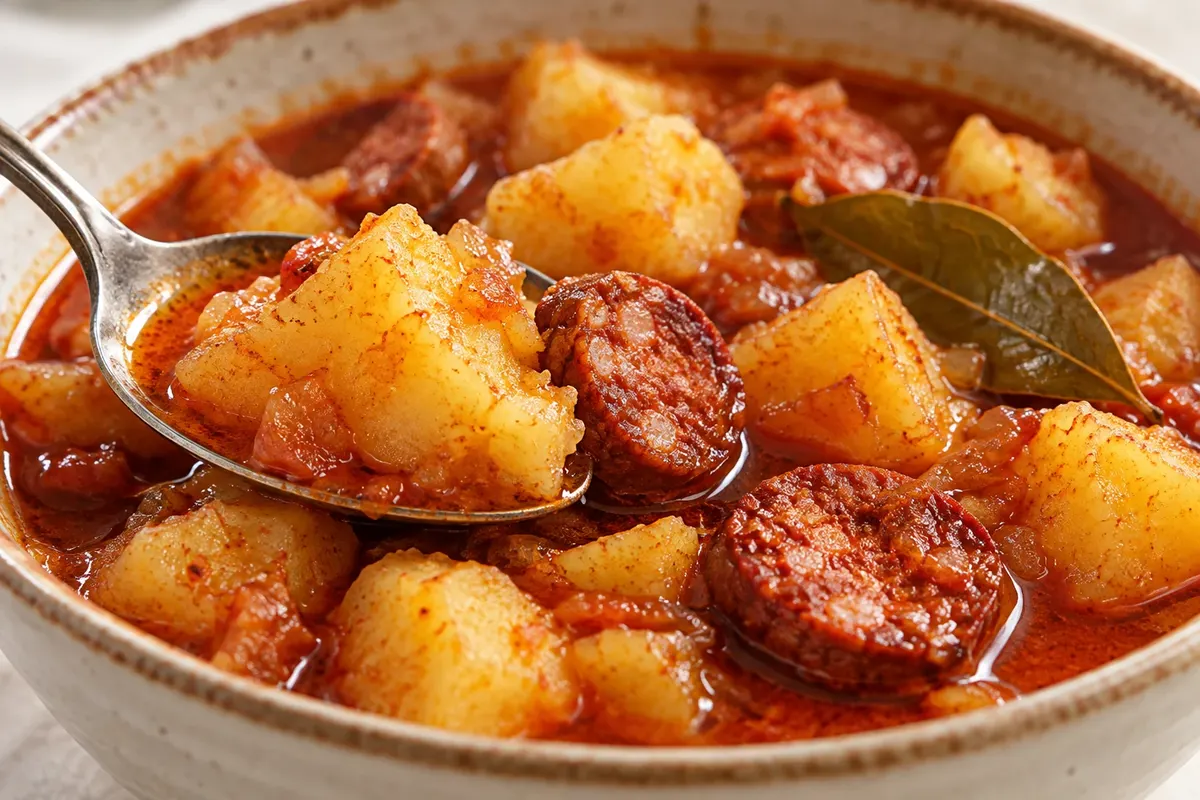
Potatoes broken into pieces and cooked with Riojan chorizo, paprika and choricero pepper pulp in a reddish broth. A countryside dish from La Rioja, named after the region.

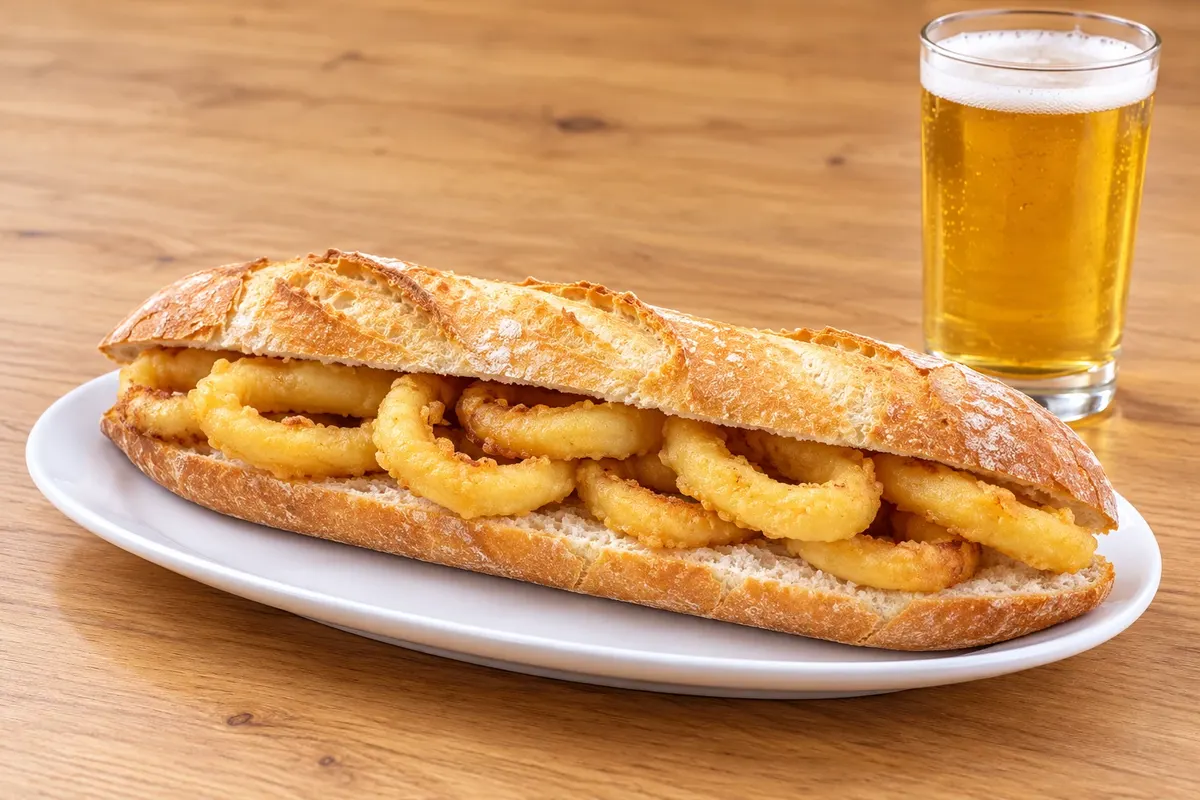
Baguette-style bread filled with breaded and fried squid rings, eaten standing at the bar. Madrid’s official tourism promotes it as a gastronomic icon of the city, typical of the bars around the Plaza Mayor.

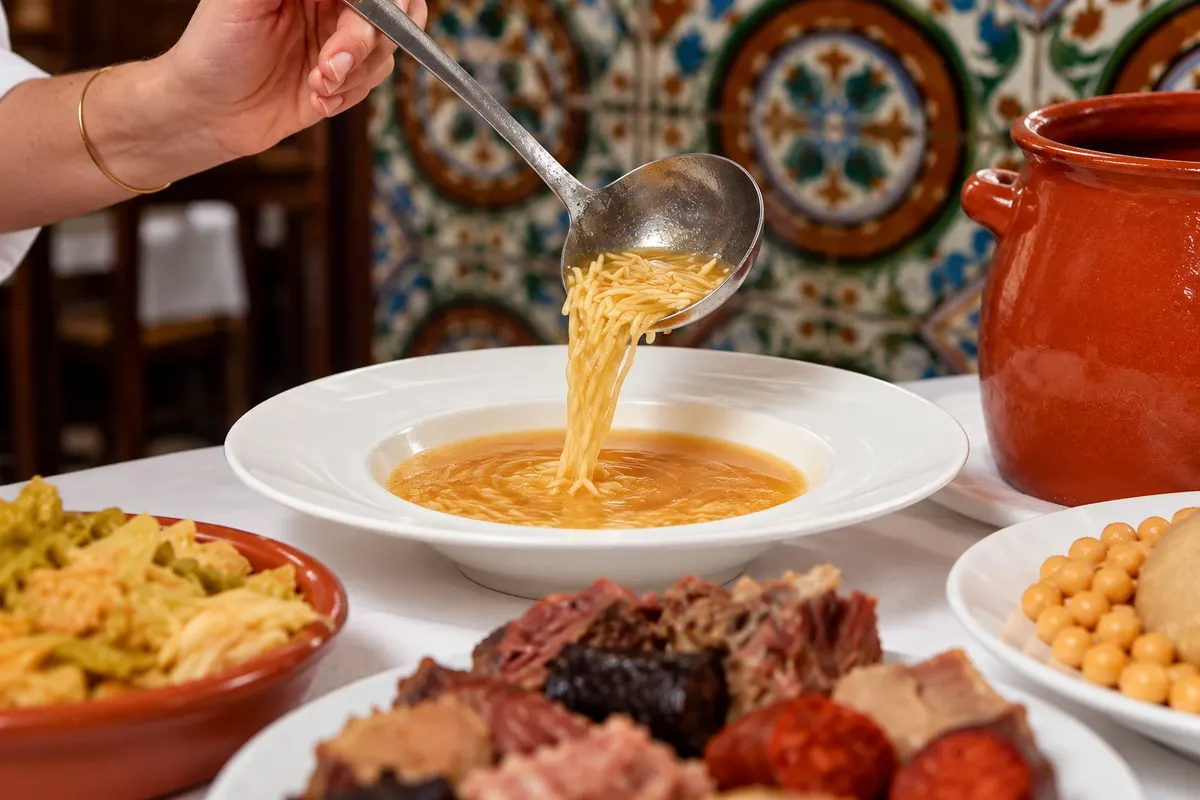
Chickpea stew with meats, cured sausages and vegetables, served in stages called vuelcos: first the soup, then the chickpeas with the vegetables and finally the meats. It was declared an Intangible Cultural Interest asset by the Community of Madrid.

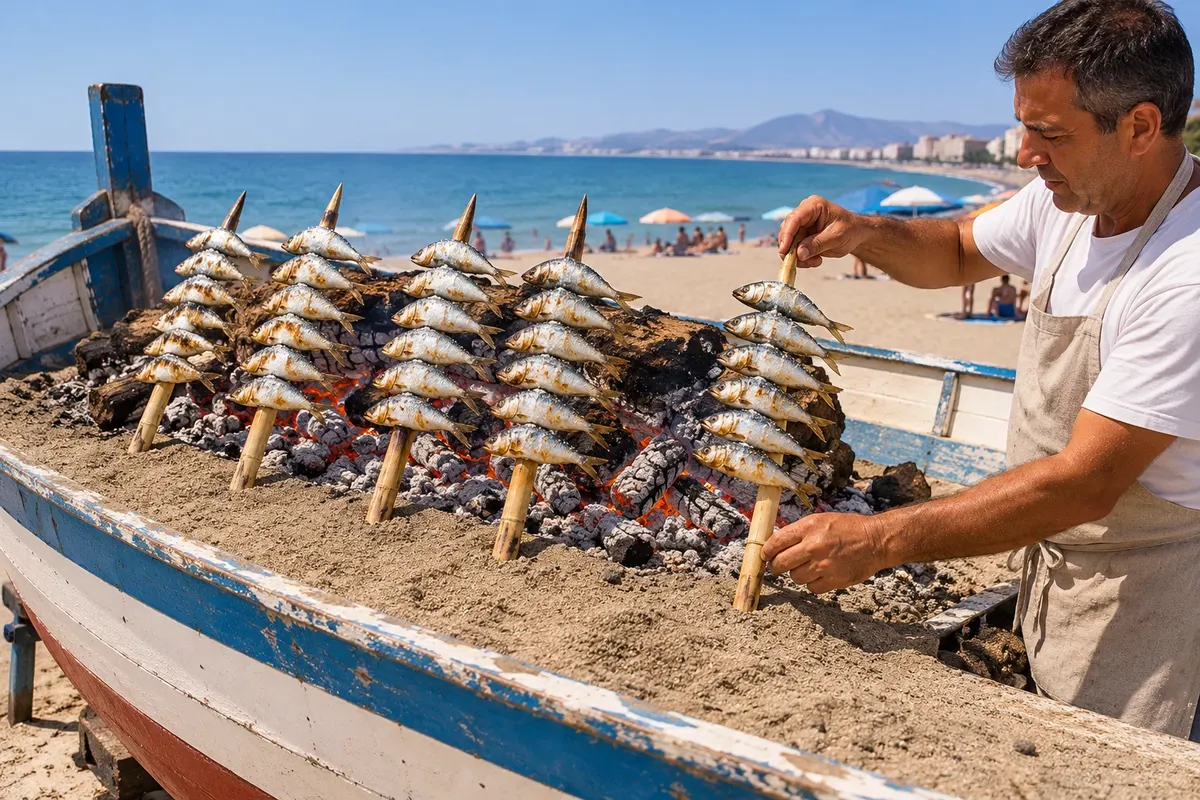
Sardines skewered on a reed and grilled over a wood fire, on the beach sand, inside a boat filled with sand. It’s the dish of Málaga’s beaches, and the craft of the espeteros is recorded in the Atlas of Intangible Heritage of Andalusia.

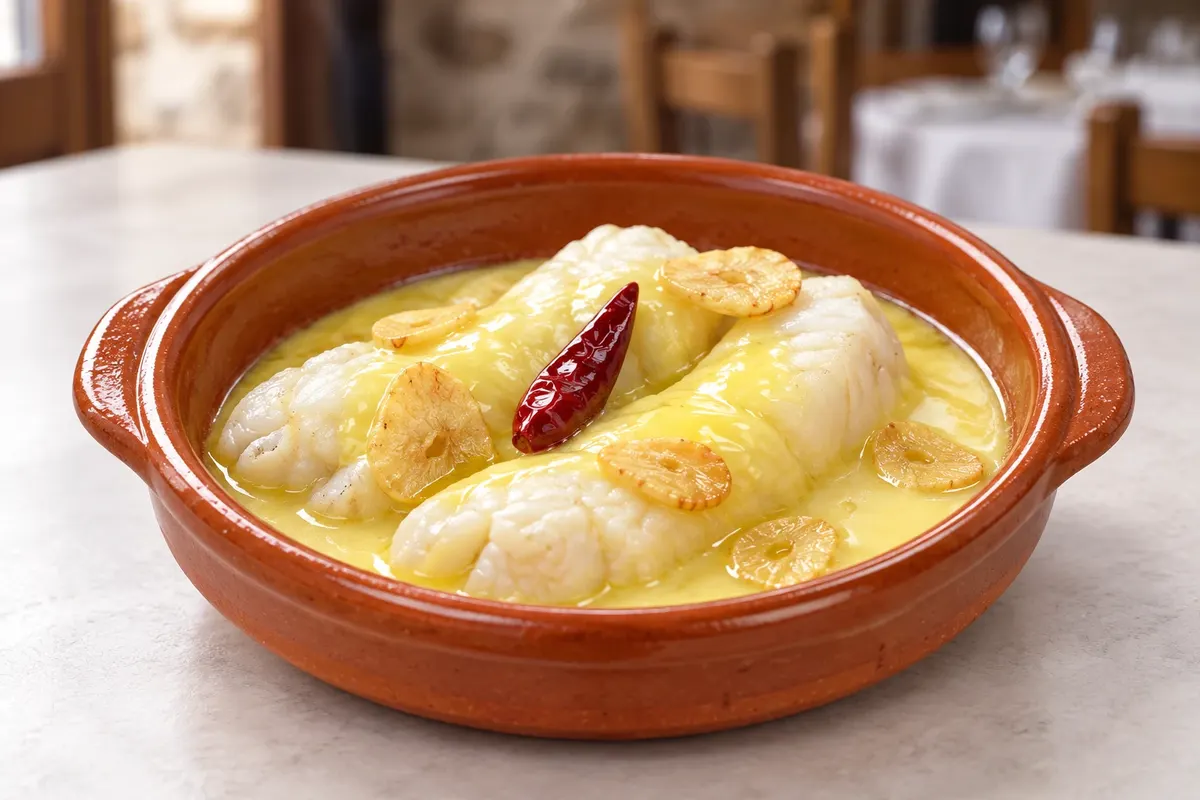
Salted cod, desalted and slowly cooked in olive oil with garlic and chili, stirring the pan until the fish’s gelatin binds the oil into a thick sauce. This is the dish chosen to represent the Basque Country.

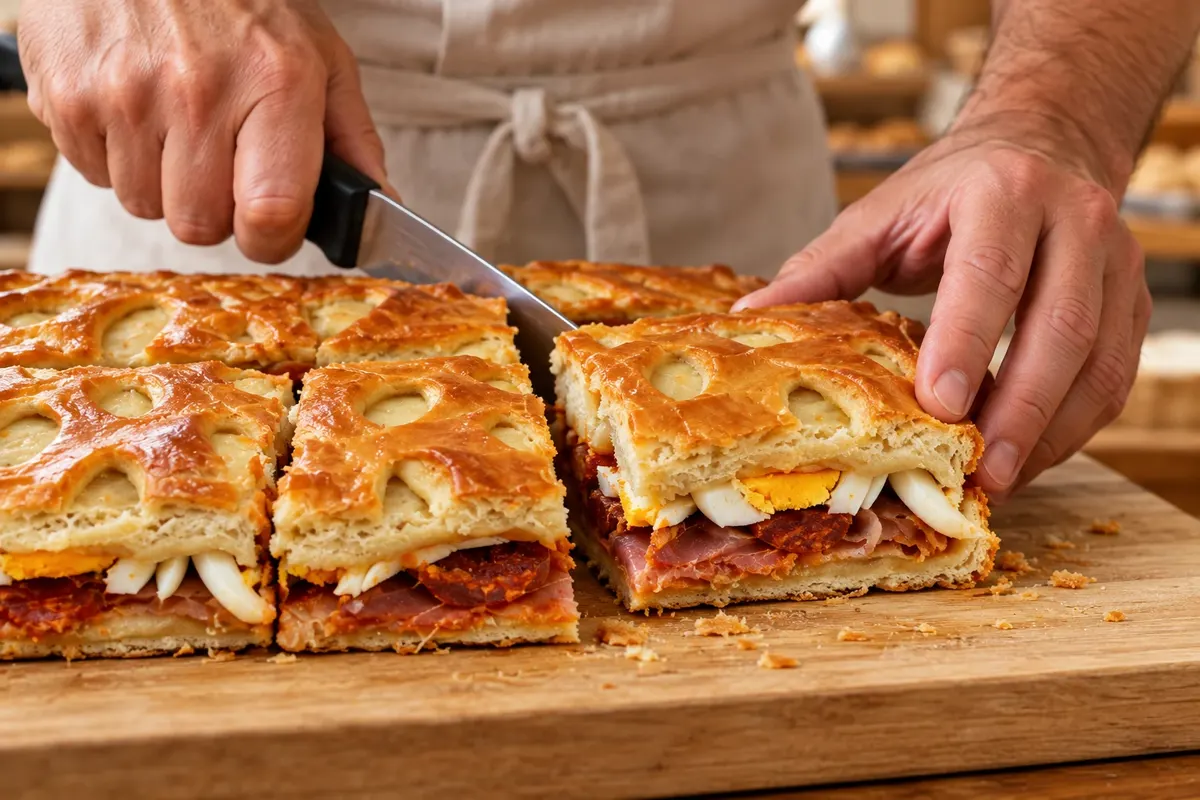
Pie made with bread dough enriched with lard and wine, filled with pork loin, chorizo and ham. It is the dish of Lunes de Aguas, the riverside picnic on the Monday after Easter Monday, a festival of tourist interest in Castilla y León.

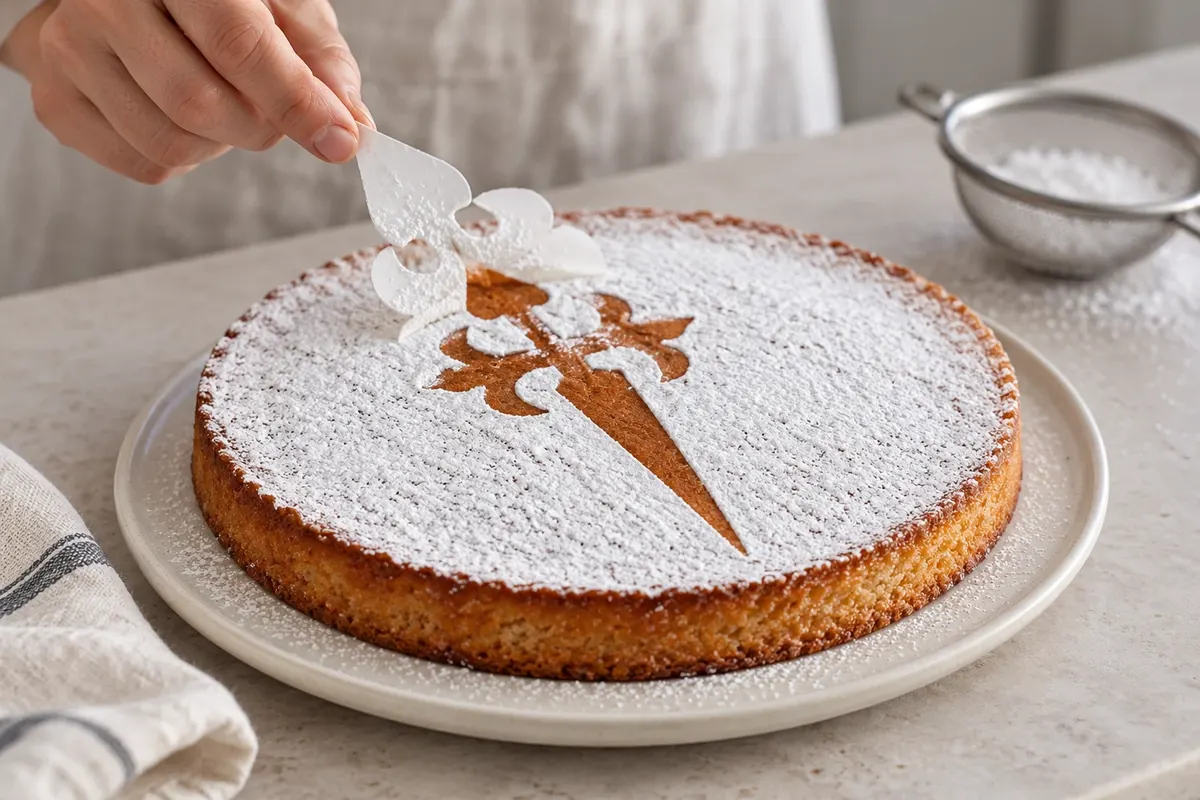
Almond cake made with eggs and sugar, dusted with powdered sugar and marked with the silhouette of the Cross of the Order of Santiago. The earliest record of the cake dates to 1577 at the University of Santiago, and it has a Protected Geographical Indication.

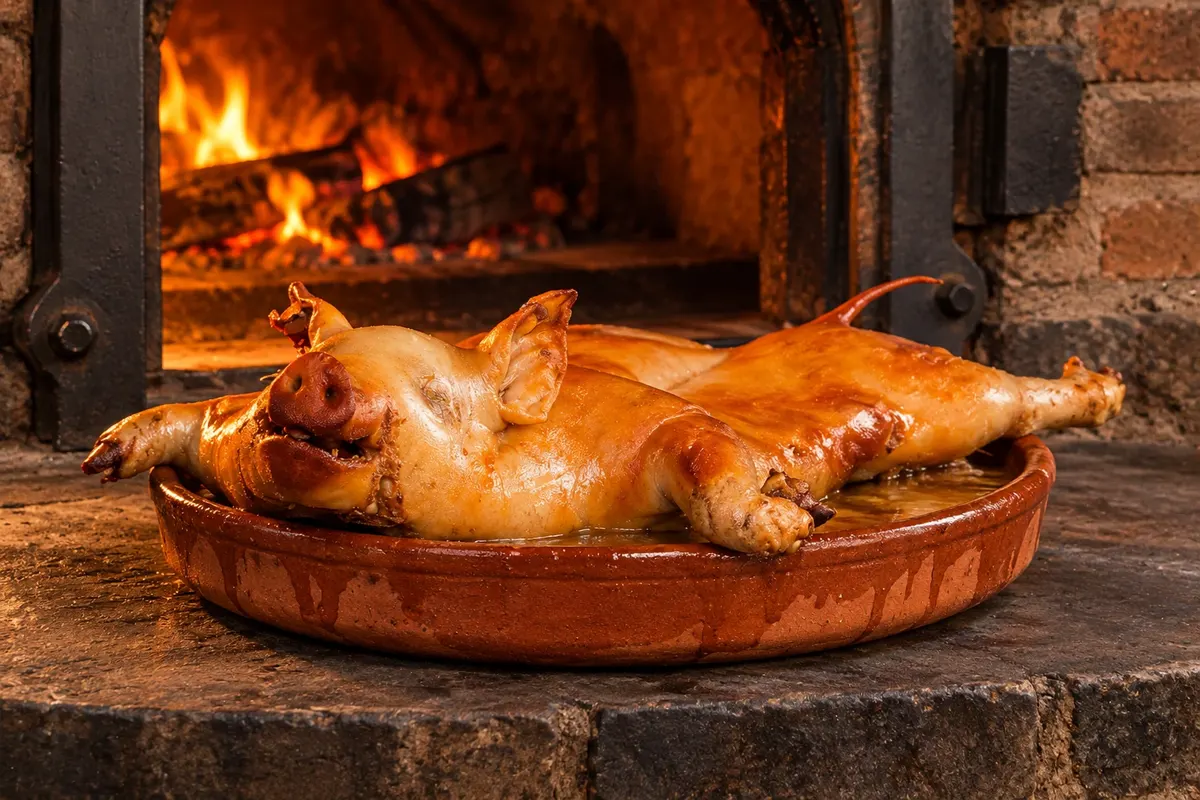
Suckling pig fed only on mother's milk, roasted whole in a wood-fired oven until the skin is crispy. It is Segovia’s signature dish, with a quality mark since 2002, and is often carved with the edge of a plate.

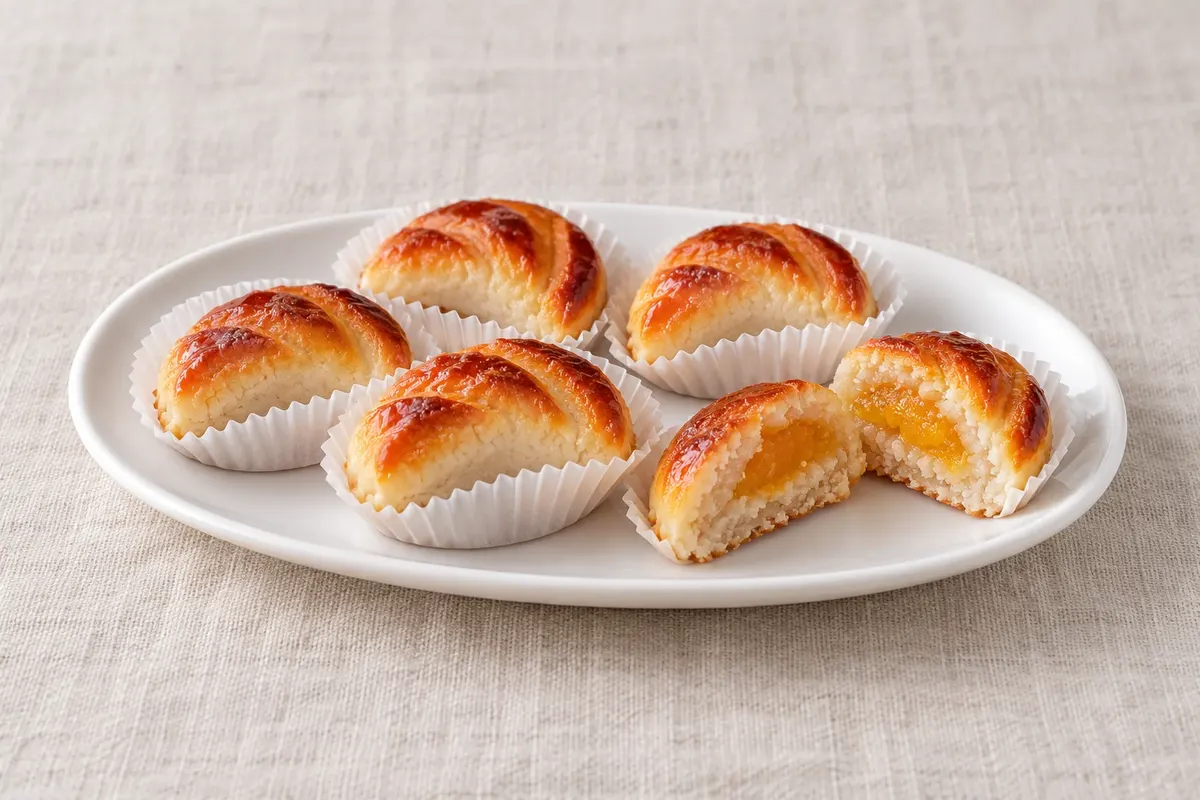
Sweet made from ground sweet almonds and sugar, shaped into figures and baked, with Protected Geographical Indication. The most cited tradition places its origin in a convent in Toledo in the 13th century.

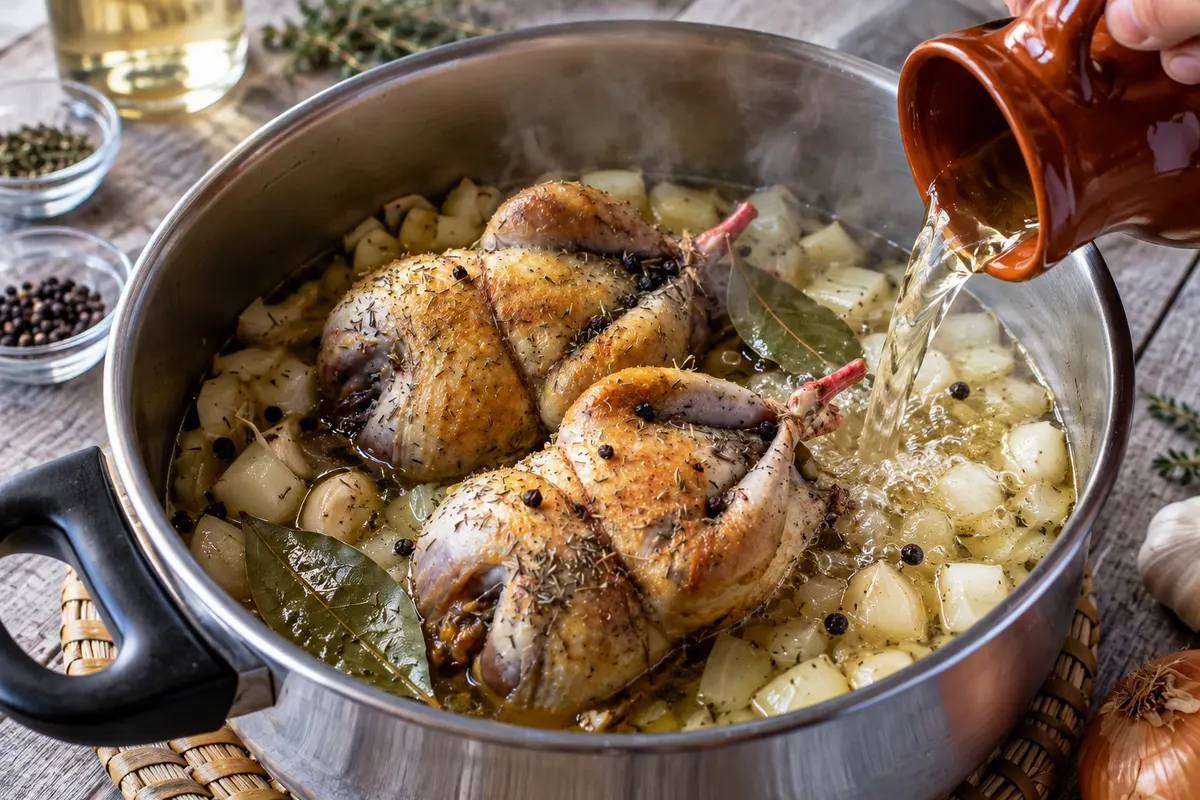
Partridge braised with onion, garlic, bay leaf, thyme, wine and, in some versions, vinegar, in a sauce known as Toledo-style. It is the chosen dish for Castilla–La Mancha and one of the symbols of Toledan cuisine, land of hunting in the Montes de Toledo.

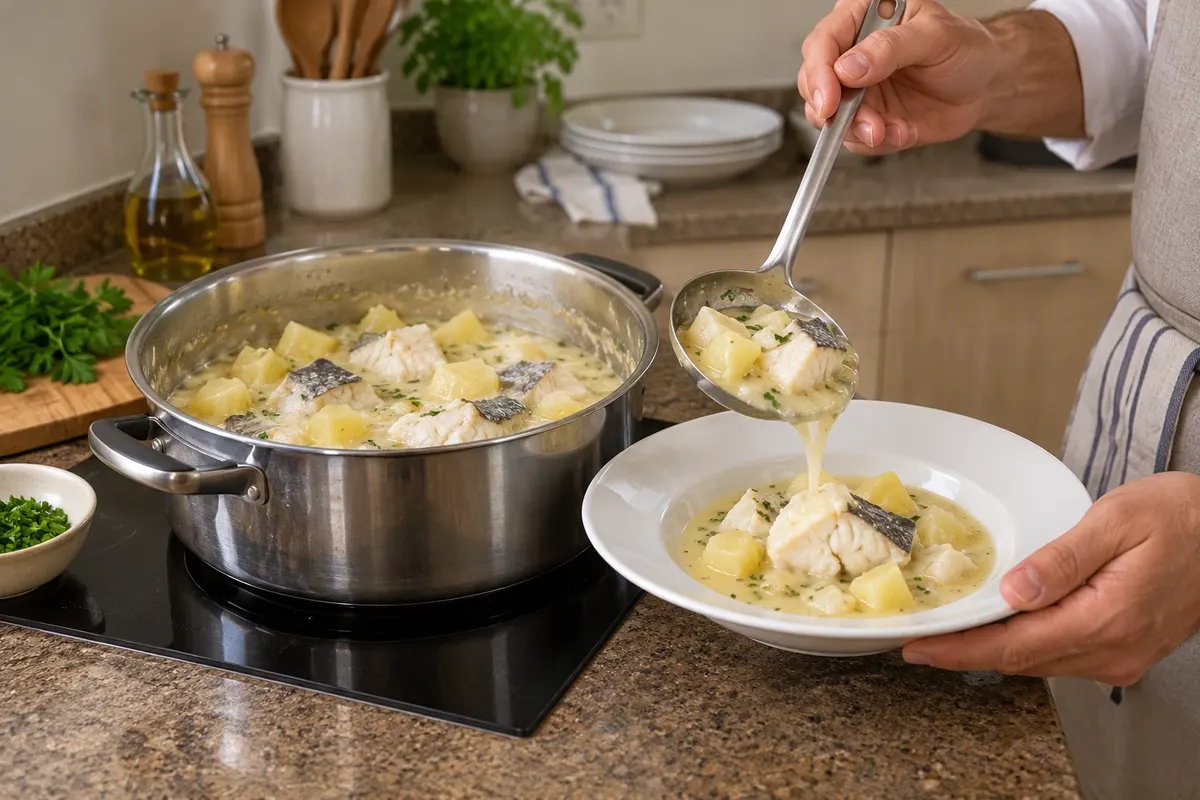
Fishermen’s stew layered with potato and fish, topped with allioli, born on the boats of Tossa de Mar. The name recalls the movement of the pan during cooking, and the town dedicates a gastronomic campaign to it every September.

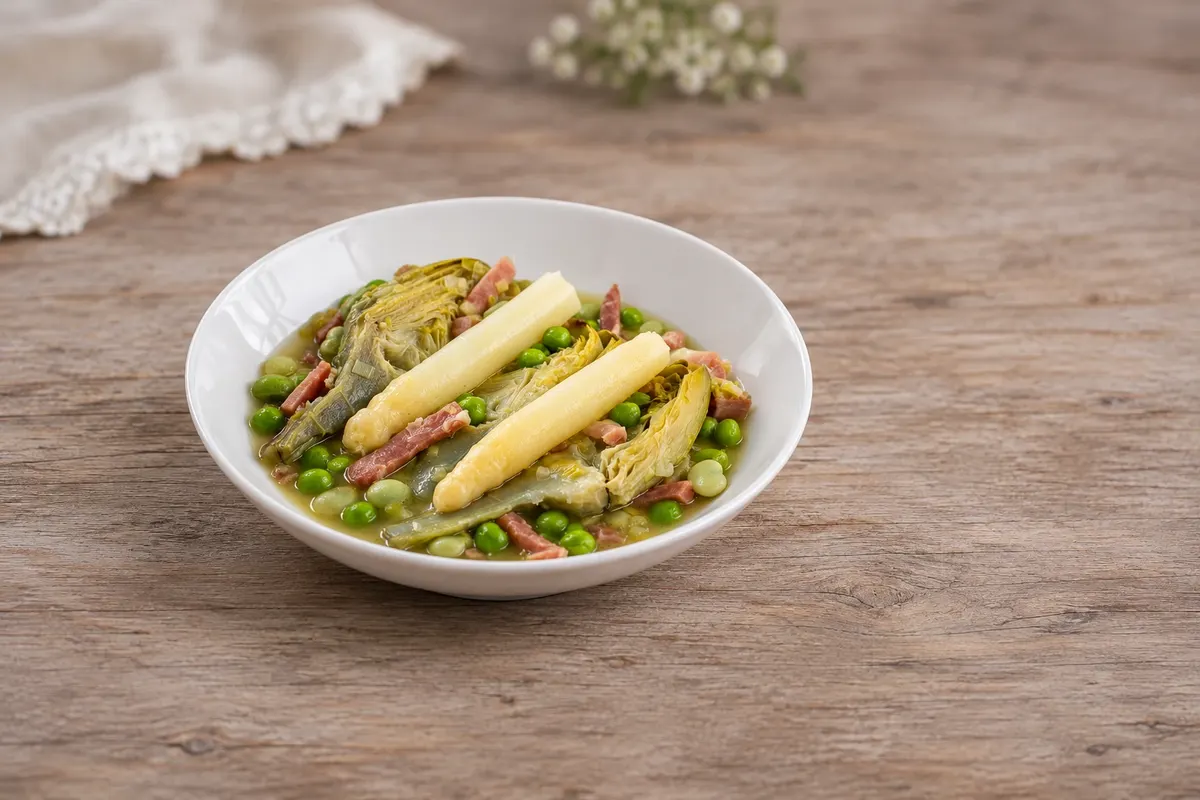
Spring vegetable dish from the Ribera of Navarra, such as artichoke, broad bean, pea and asparagus, cooked separately and brought together with ham. It is the dish chosen for Navarra and the specialty of Tudela, which celebrates the garden in the Fiestas de la Verdura.

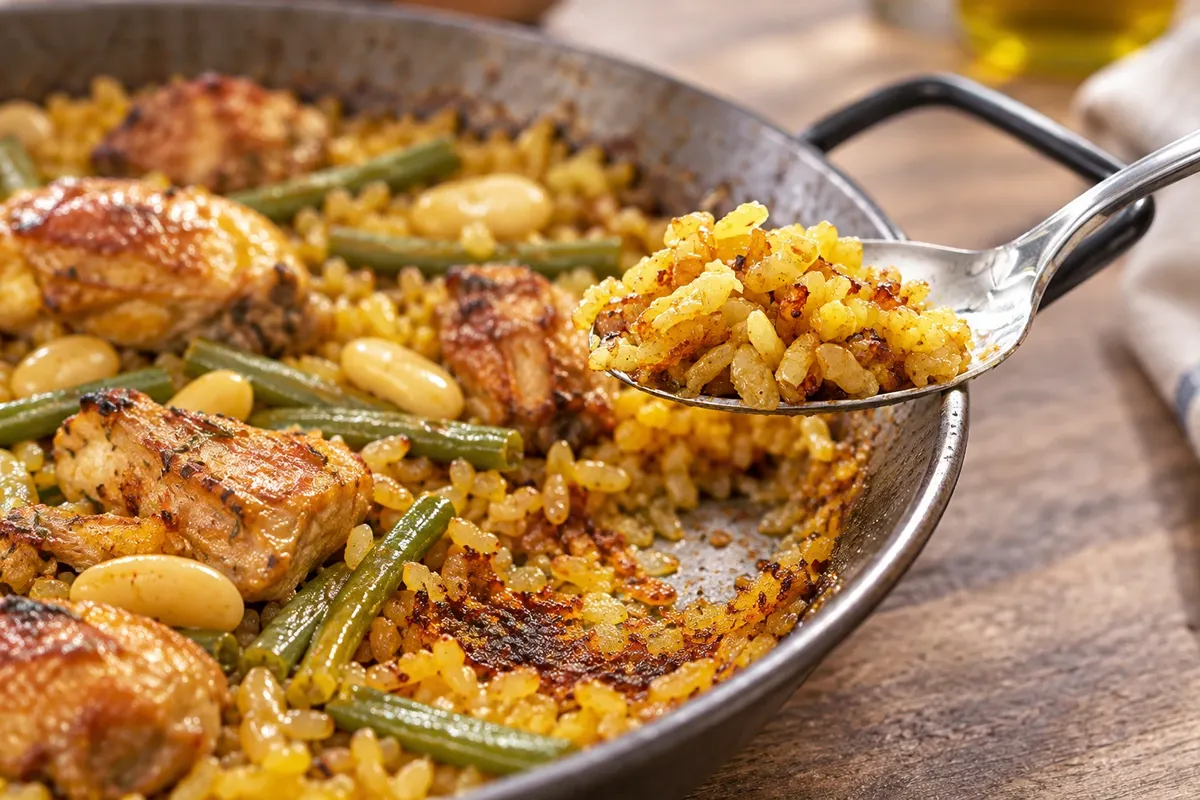
Cooked rice in a wide, shallow pan — paella — with chicken, rabbit, green beans and garrofó bean, tomato, saffron and olive oil. It was born in the garden plots and the Albufera of Valencia and was declared an Intangible Cultural Heritage by the Generalitat Valenciana.

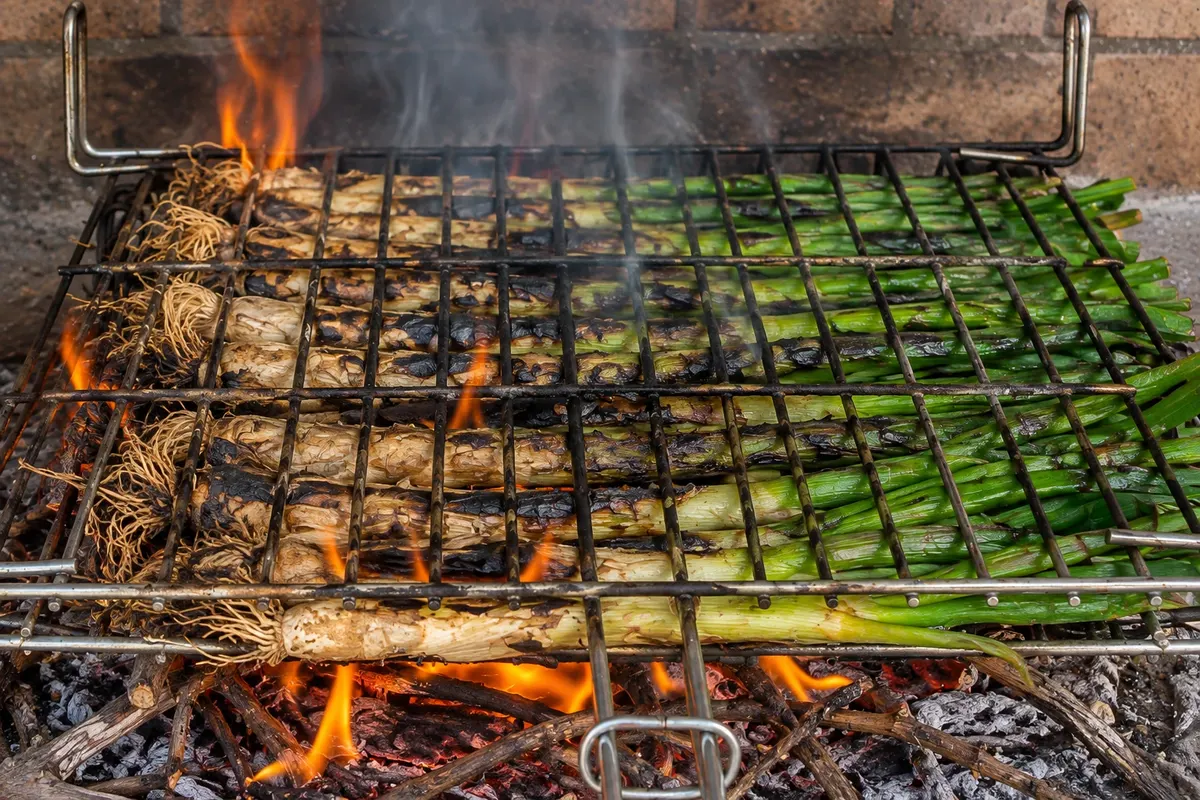
A meal centered on calçots — white spring onions roasted over embers until the skin is charred, peeled by hand and dipped in a sauce of almonds, tomato and pepper. It originated in Valls, which celebrates the calçotada festival at the end of January.

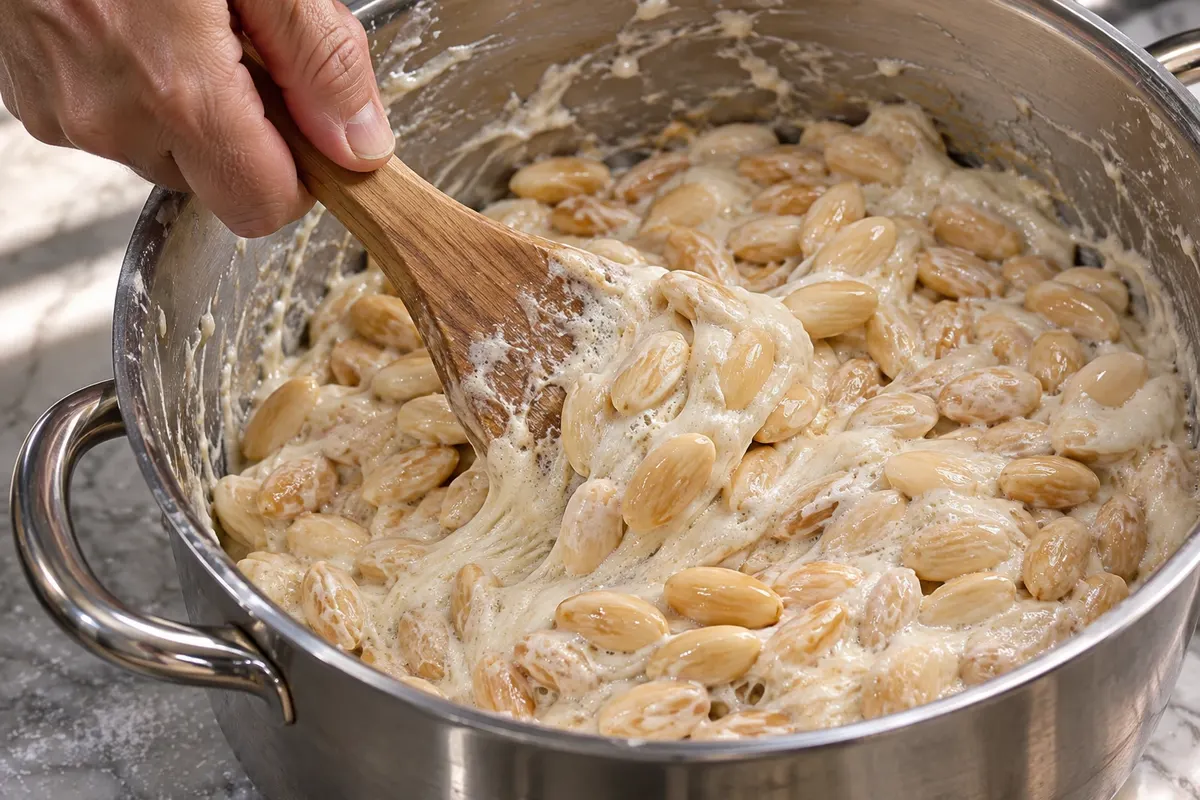
Almond-and-honey sweet, in a soft version from Jijona and a hard version from Alicante, both made in Xixona under Protected Geographical Indications. The tradition of turrón in the town is documented since the 16th century.