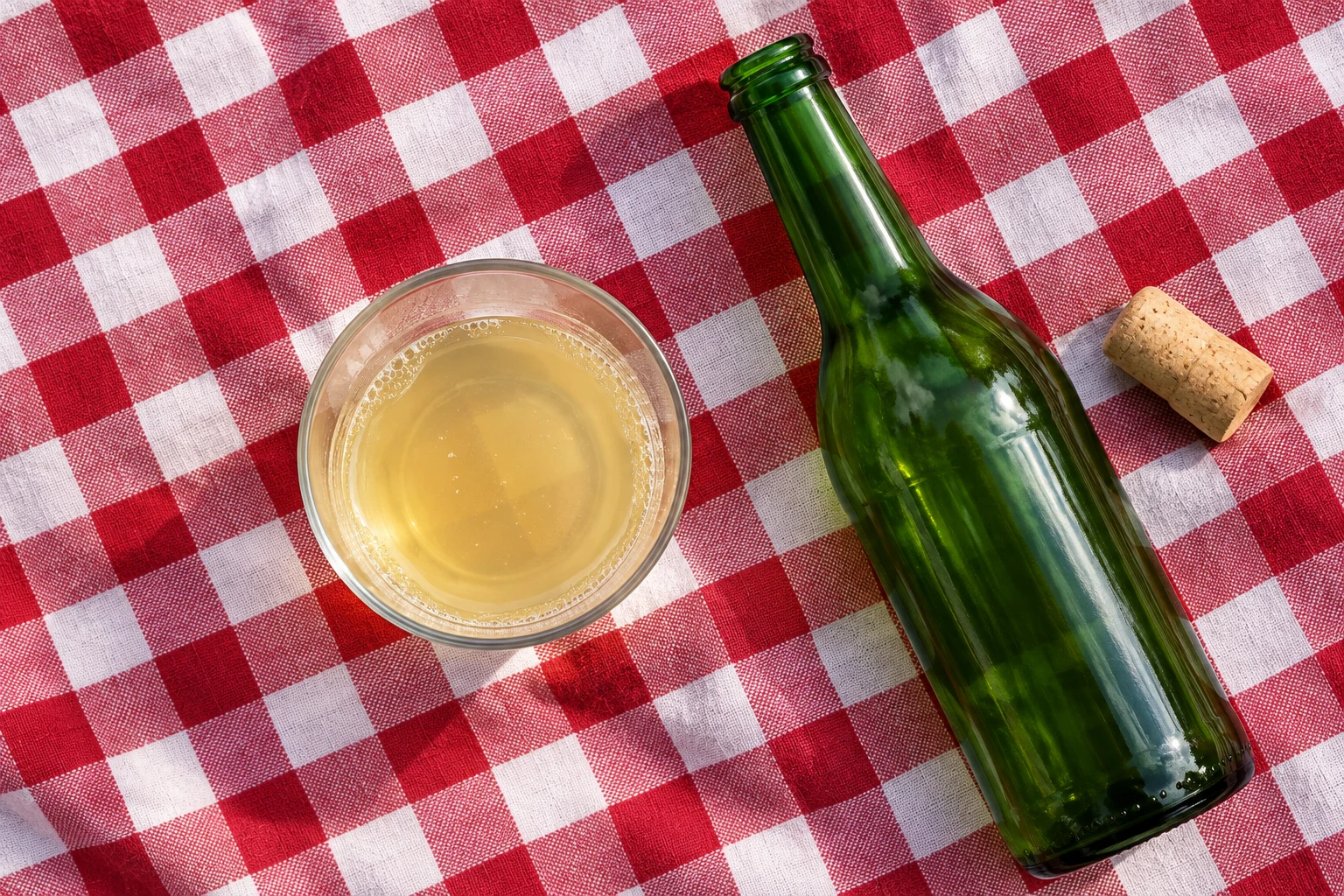
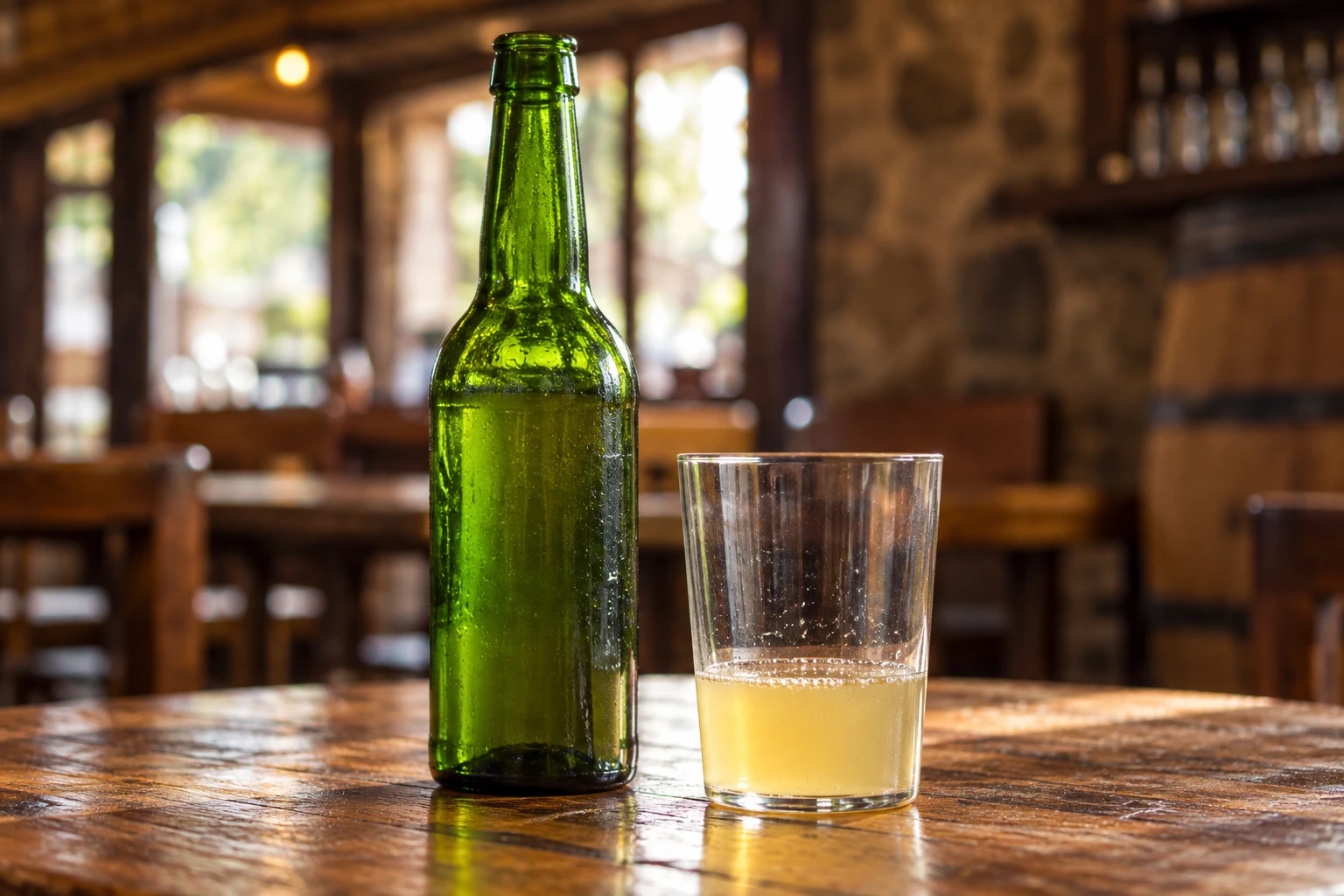
Natural cider is the drink of Asturias. Made from the fermentation of apple juice, with no added carbonation, it is produced in llagares, the cider presses spread across the region, and served in sidrerías, the specialty bars. In December 2024, UNESCO inscribed the Asturian cider culture on the Representative List of the Intangible Cultural Heritage of Humanity, recognizing the cultivation of apple trees, the production process and the social customs linked to the drink.
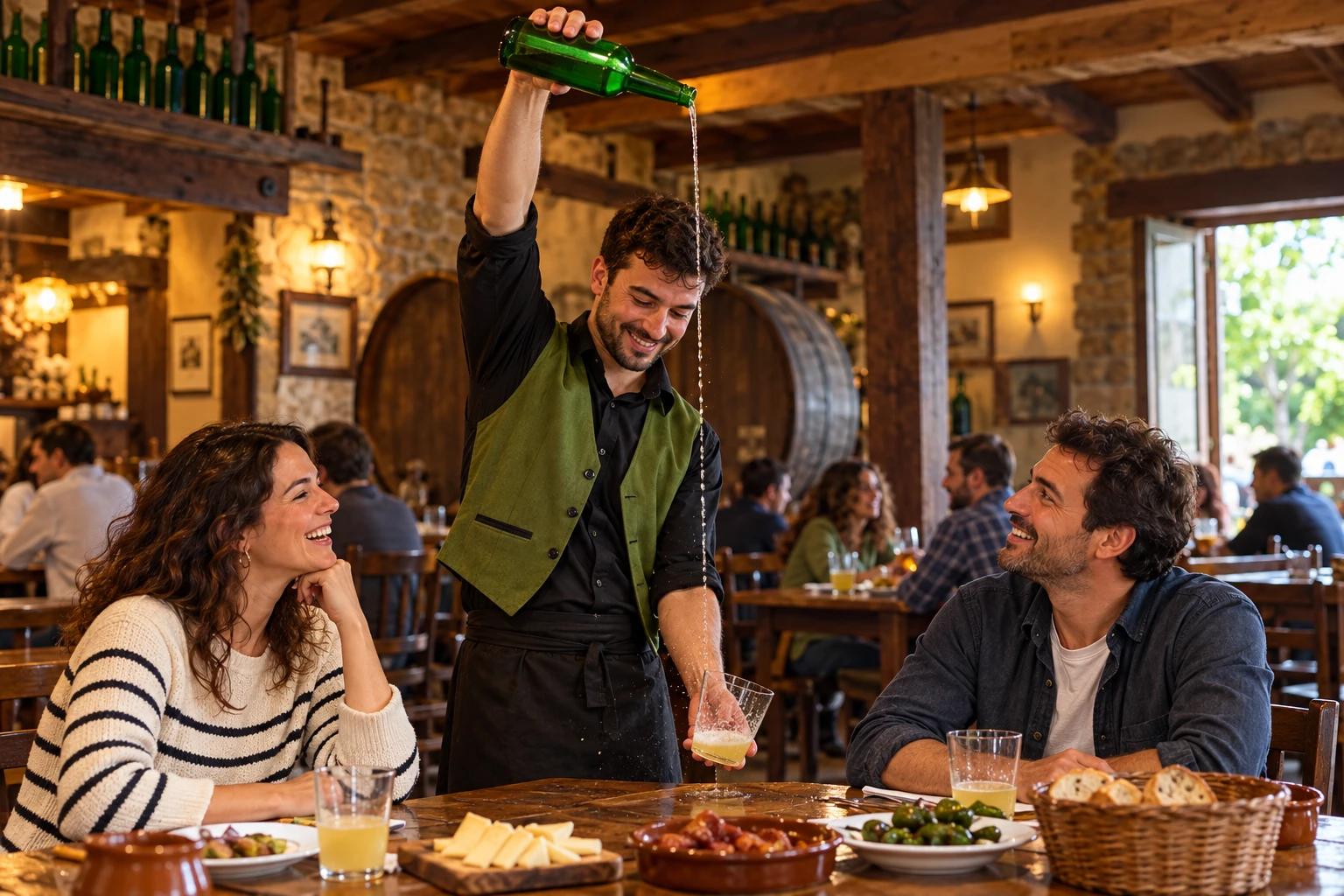
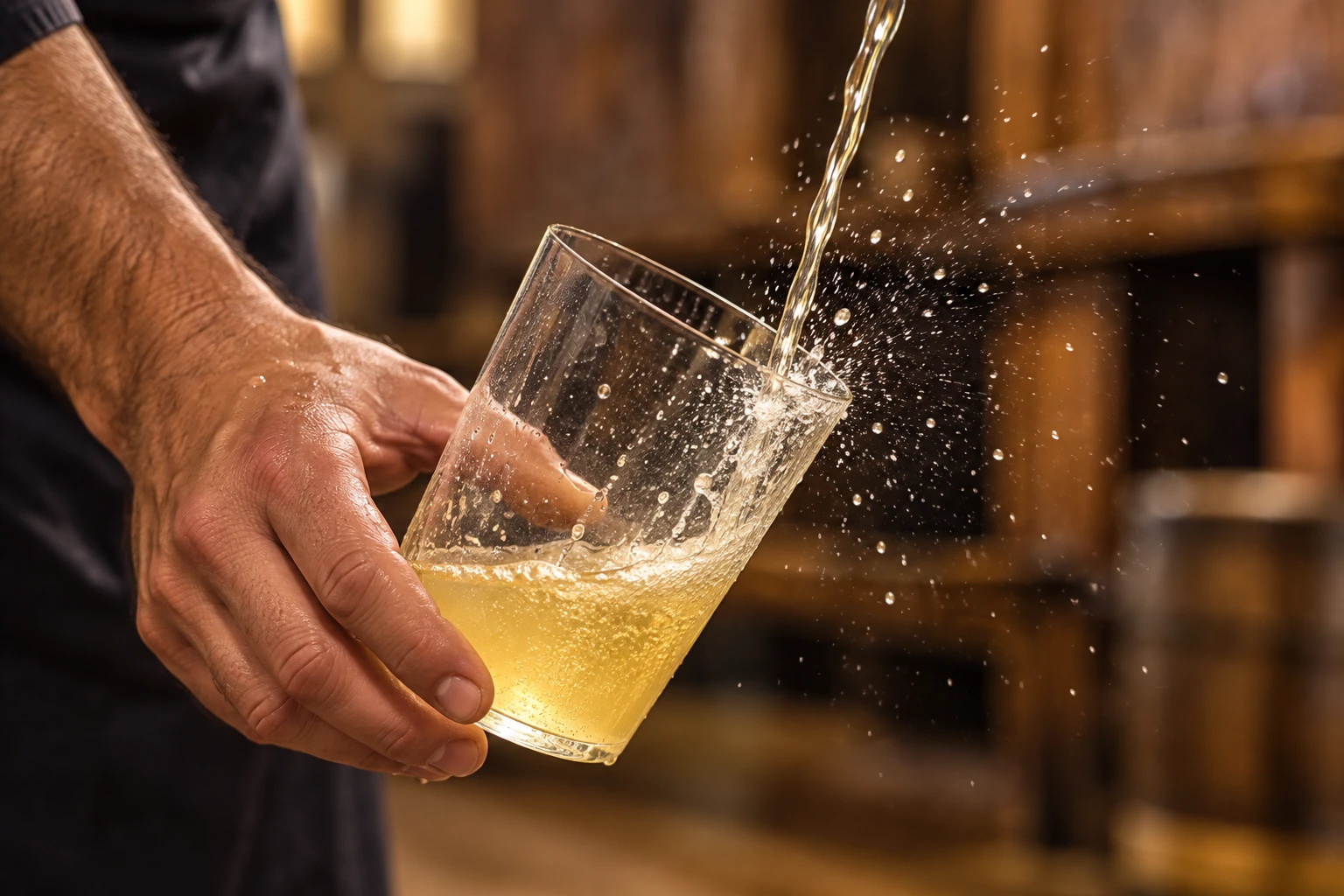
The gesture that identifies cider is the escanciado. The escanciador raises the bottle above their head with one hand and holds the low, tilted glass with the other, letting the stream fall from a height. The fall aerates the cider and releases the natural gas from fermentation. Each small pour, the culín, is small and should be drunk immediately while it keeps its freshness.
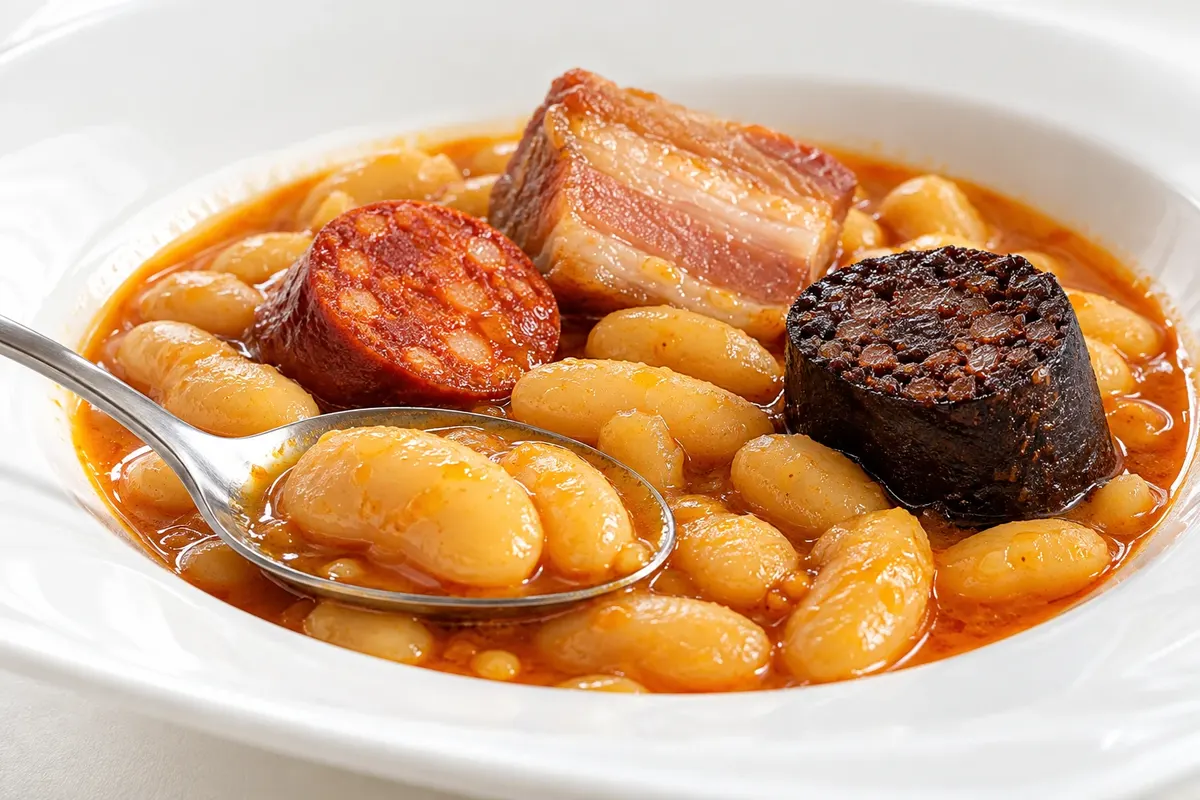
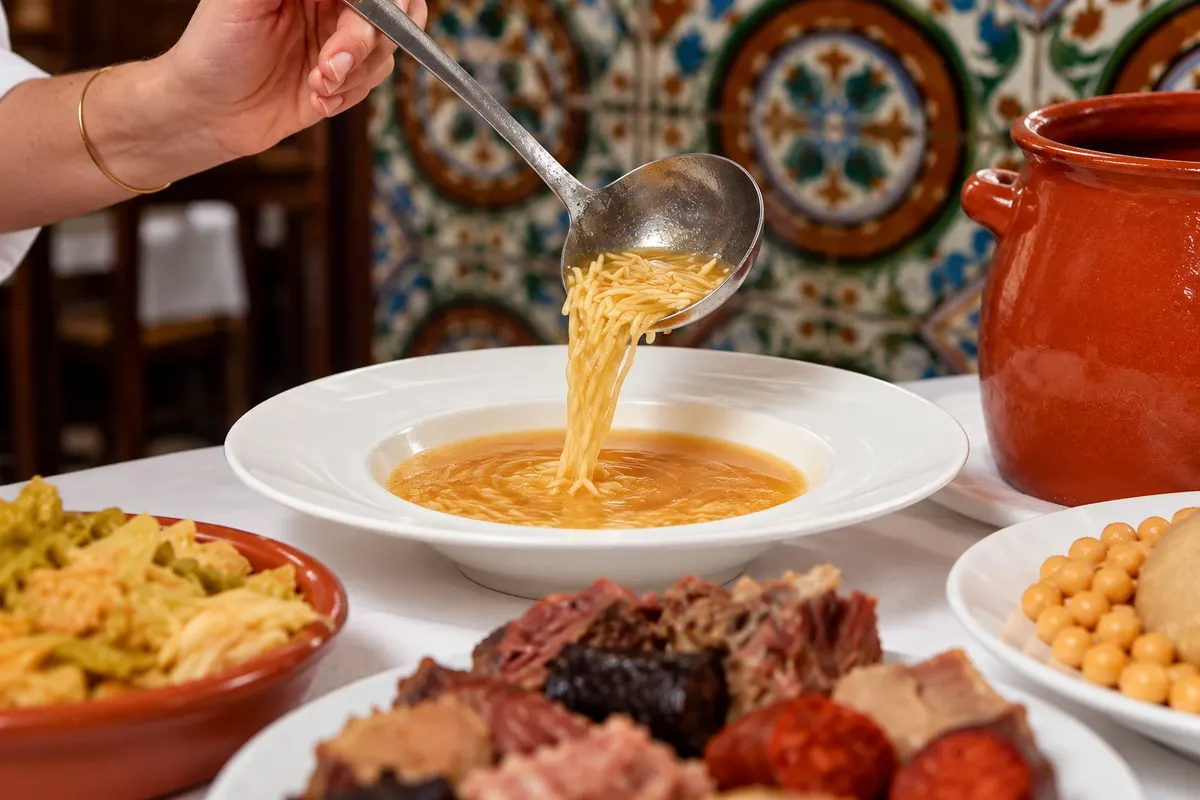
The glasses are wide and made of thin glass. In the sidrería, the same glass usually circulates among the group, and the bit left at the bottom is poured away, a gesture that cleans the rim for the next person. Cider accompanies dishes such as fabada, cheeses and seafood.
The Protected Designation of Origin Sidra de Asturias groups the ciders made from apple varieties of the region. Nava, inland, presents itself as the cider capital and has a museum dedicated to it, and several towns celebrate cider festivals throughout the year.


 Brazil
 Argentina
 Bolivia
 Chile
 Colombia
 Ecuador
 Guyana
 French Guiana
 Falkland Islands (Malvinas)
 Paraguay
 Peru
 Suriname
 Uruguay
 Venezuela
 Germany
 Austria
 Belgium
 Croatia
 Denmark
 Finland
 France
 Greece
 the Netherlands
 Hungary
 Ireland
 Iceland
 Italy
 Luxembourg
 Norway
 Poland
 Portugal
 the United Kingdom
 the Czech Republic
 Sweden
 Switzerland
 Turkey
 Canada
 the United States
 Mexico
 the Dominican Republic
 South Africa
 Australia
 Fiji
 New Zealand
 Papua New Guinea