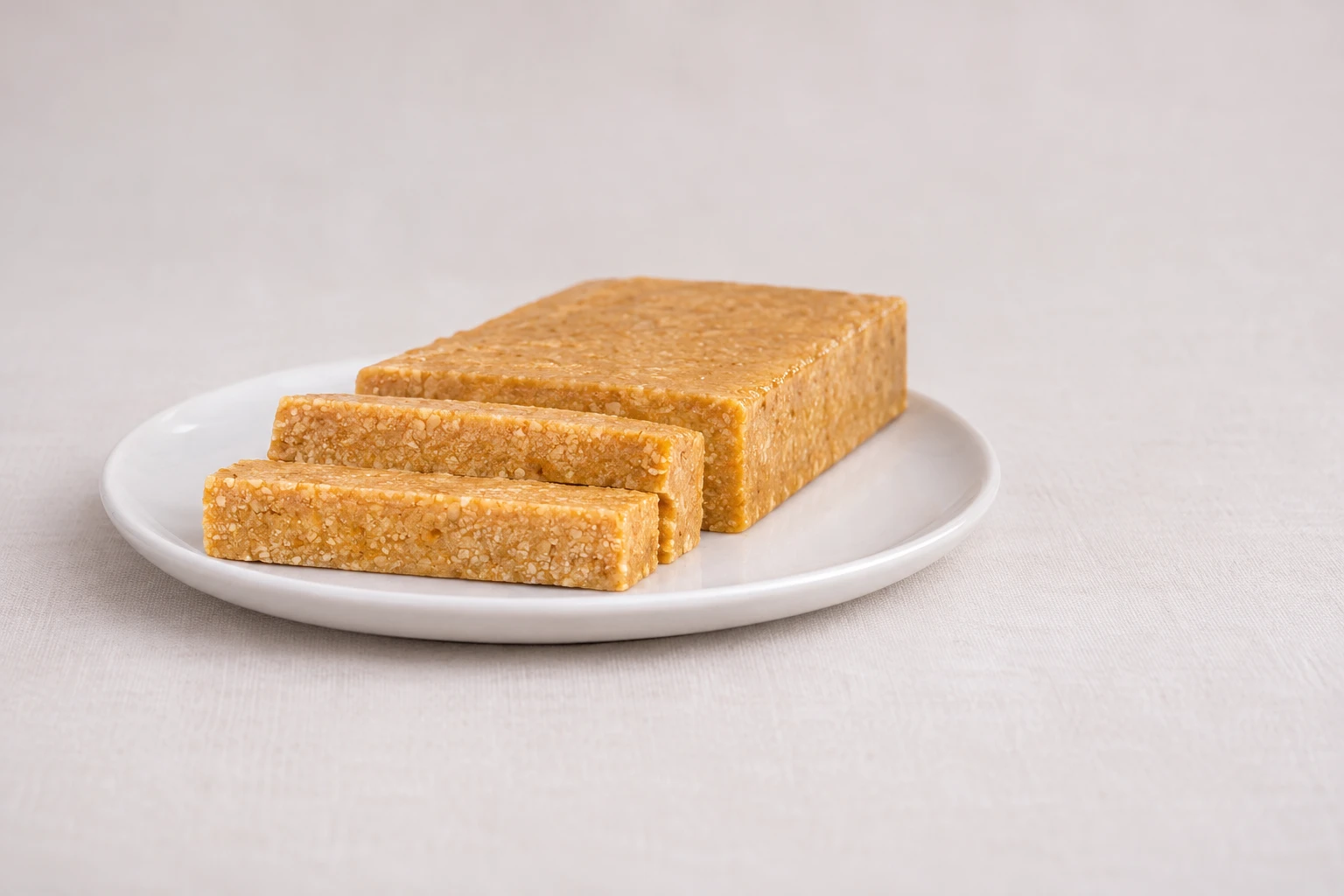
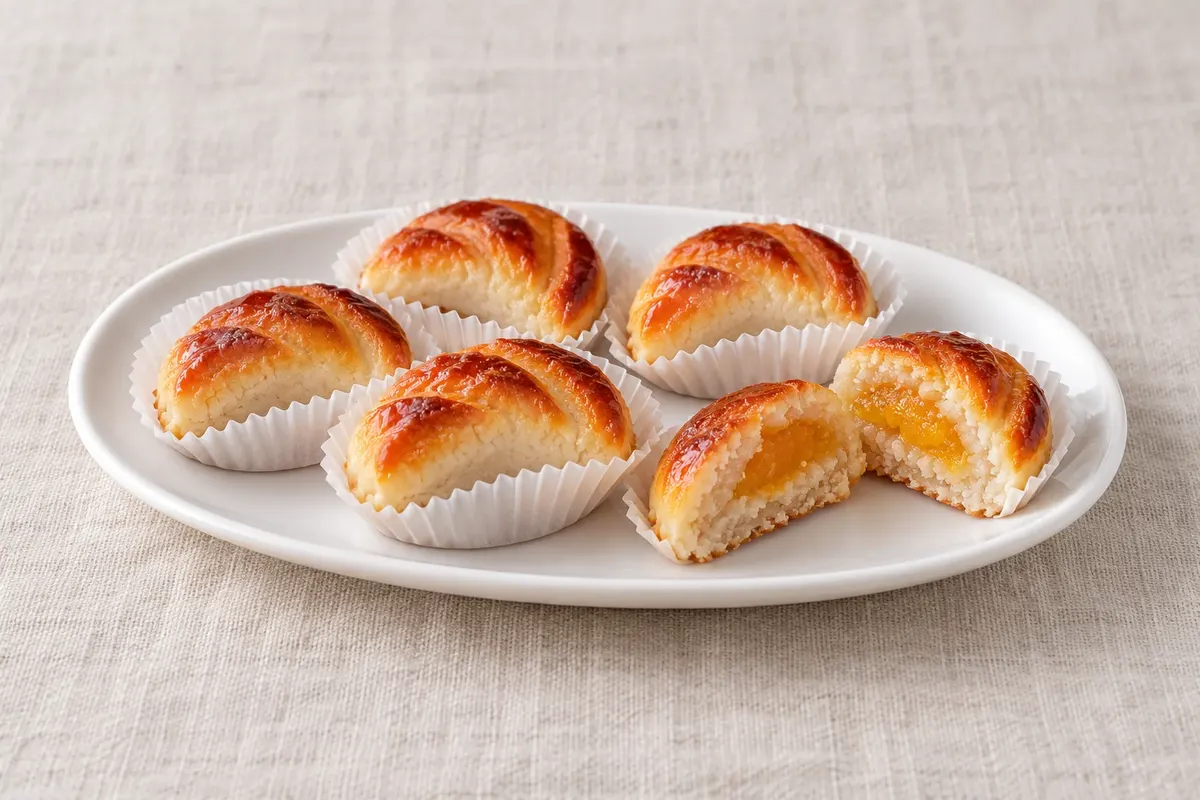
Xixona, or Jijona, is the town of turrón. Both turrones protected by the European Union since 1996 are produced and packaged there: Turrón de Jijona (soft) and Turrón de Alicante (hard). The European Commission records that the town produces about 60% of all turrón made in Spain.
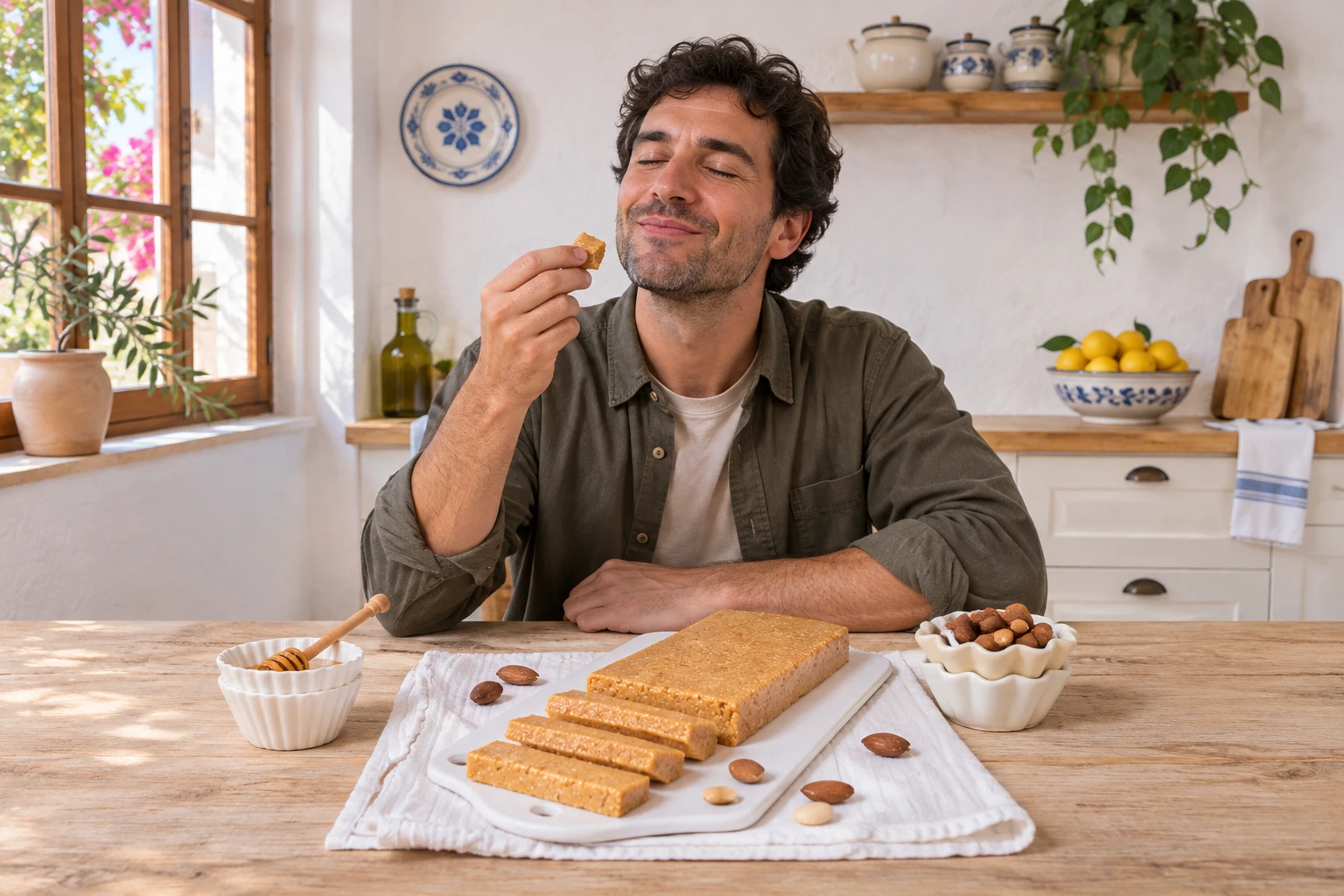
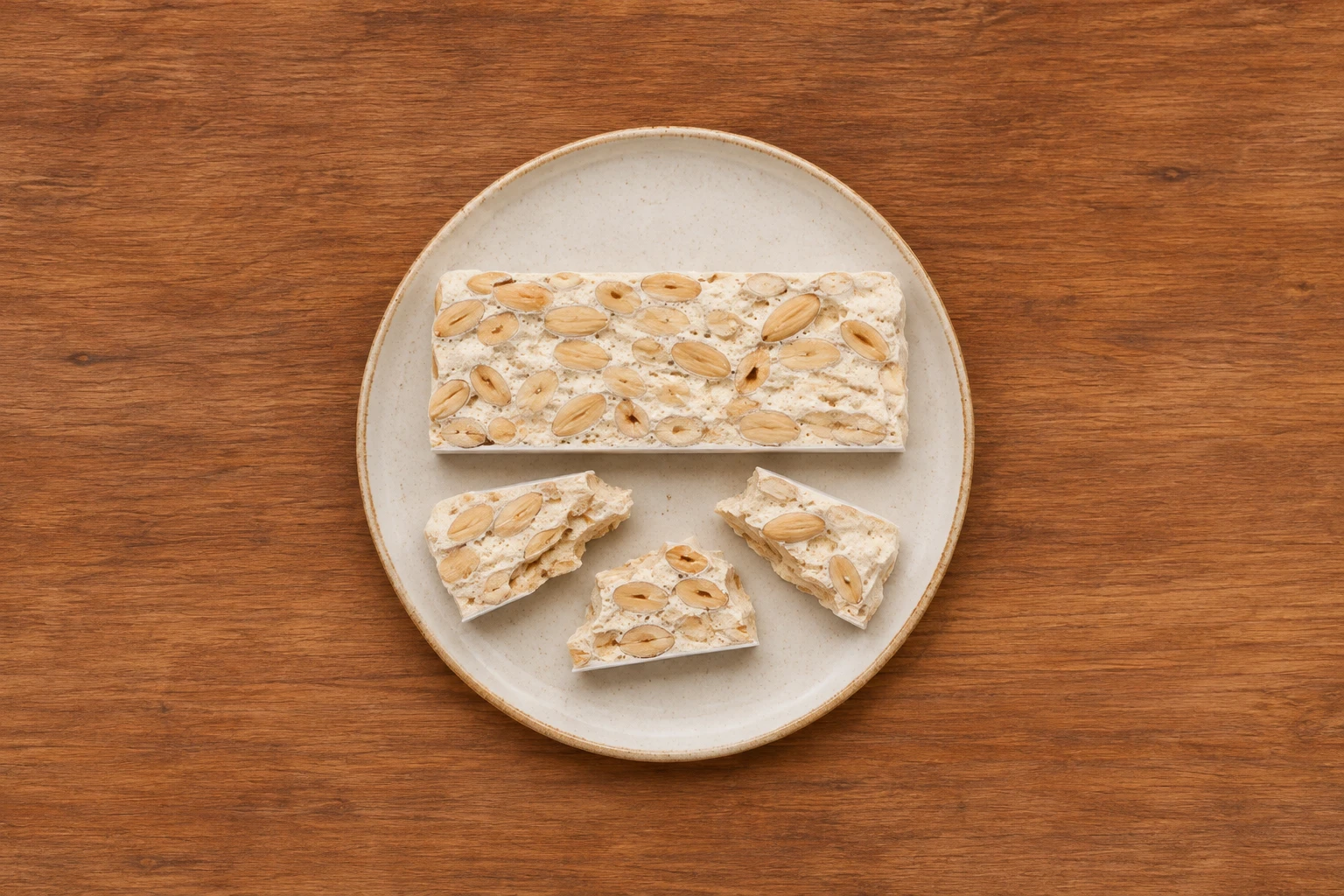
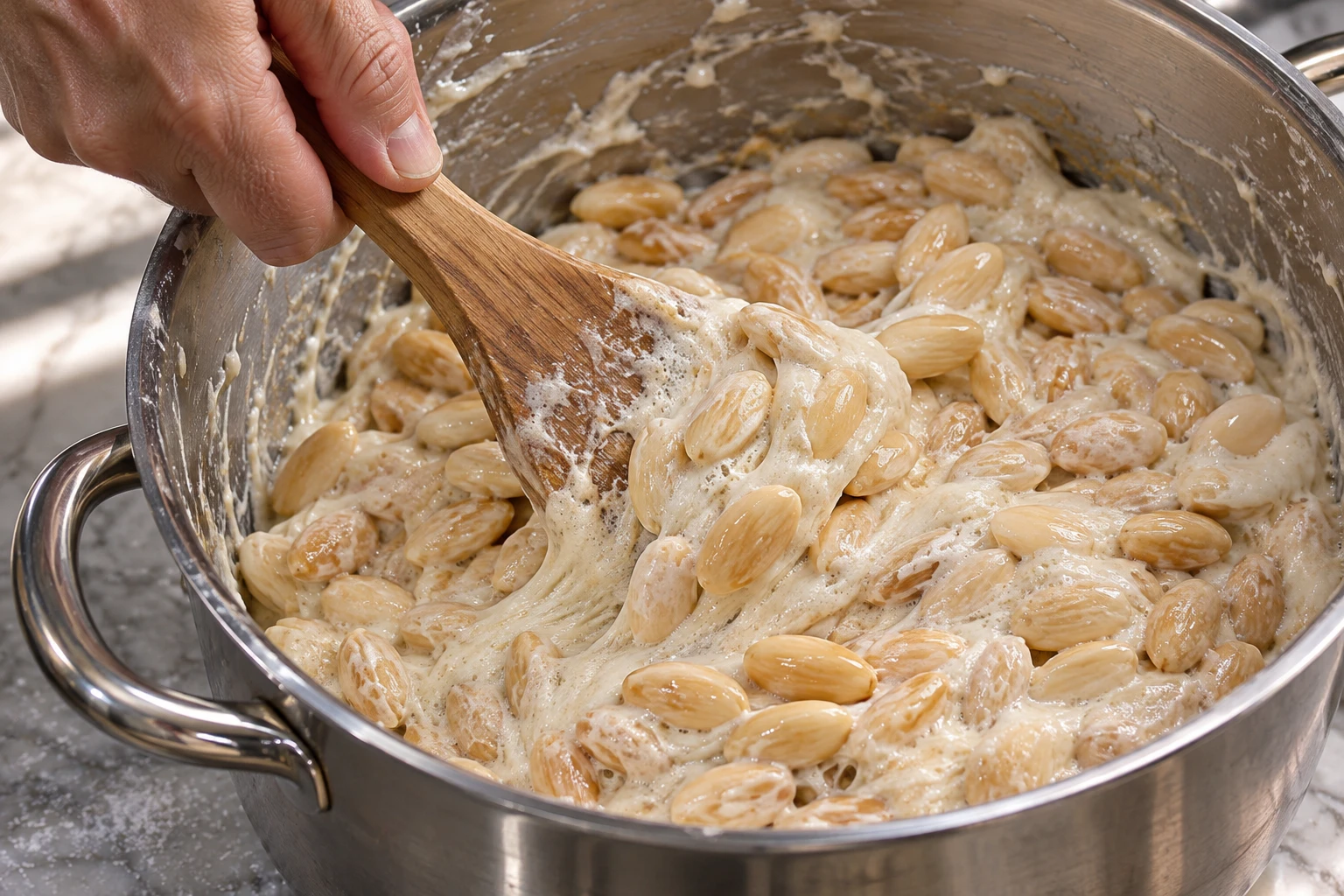
Both start from the same ingredients: almond, honey, sugar, and egg white. For Alicante turrón, the honey-and-sugar mixture is cooked for a long time before the egg white and whole toasted, peeled almonds are added, resulting in a hard sweet with visible almonds. For Jijona turrón, the mixture is ground and cooked again until it becomes a soft, oily paste with a golden color.
The tradition is old. According to the regulatory council, documents show turrón in Xixona in the 16th century, and in 1610 the historian Gaspar Escolano wrote that Jijona turrón was given as a gift to princes and kings.
The geographical indications define categories by almond content and require a minimum of honey. Turrón is Spain’s traditional Christmas sweet, and in Xixona production is concentrated from late summer through December.


 Brazil
 Argentina
 Bolivia
 Chile
 Colombia
 Ecuador
 Guyana
 French Guiana
 Falkland Islands (Malvinas)
 Paraguay
 Peru
 Suriname
 Uruguay
 Venezuela
 Germany
 Austria
 Belgium
 Croatia
 Denmark
 Finland
 France
 Greece
 the Netherlands
 Hungary
 Ireland
 Iceland
 Italy
 Luxembourg
 Norway
 Poland
 Portugal
 the United Kingdom
 the Czech Republic
 Sweden
 Switzerland
 Turkey
 Canada
 the United States
 Mexico
 the Dominican Republic
 South Africa
 Australia
 Fiji
 New Zealand
 Papua New Guinea