Foz do Iguaçu
Foz do Iguaçu brings together grand river landscapes on the border between Brazil, Argentina and Paraguay. You can see the falls and explore the national park's forest on the Brazilian side.
Antarctica
PR · Brazil
The Falls, Itaipu and the meeting point of three countries.
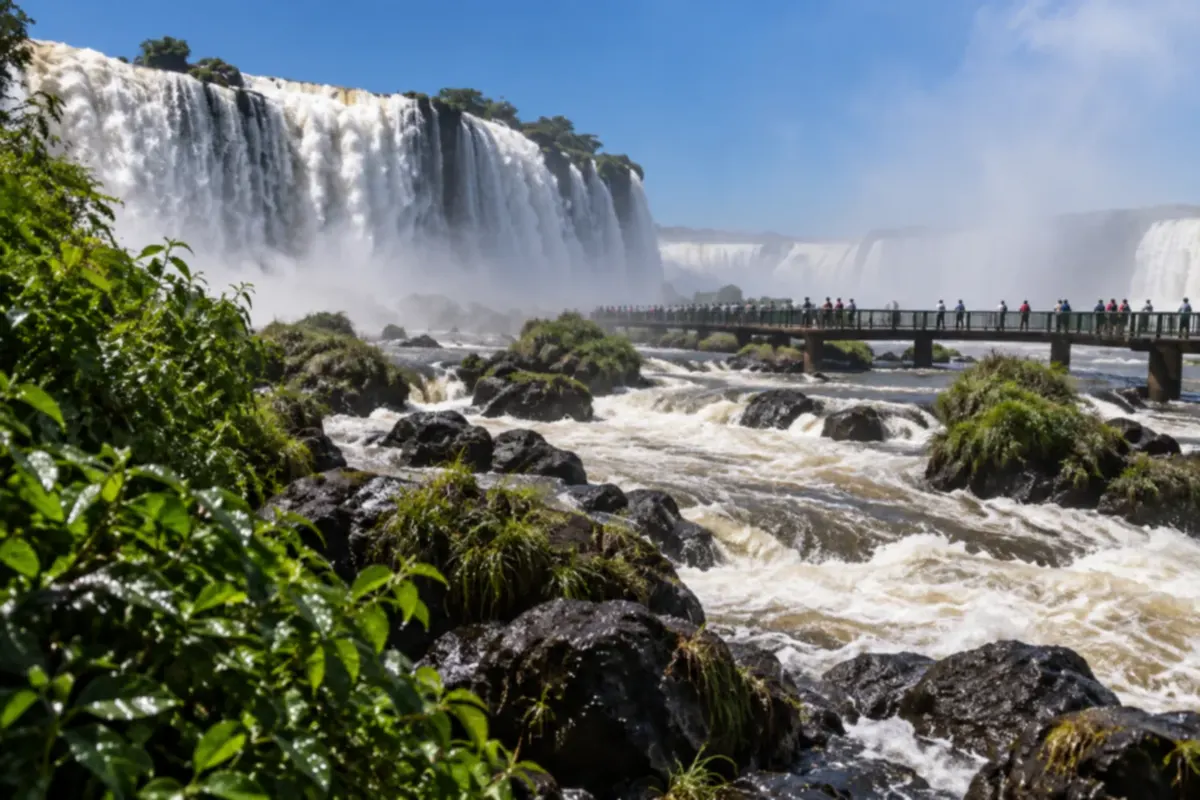
In the photo: Cataratas do Iguaçu: stunning view
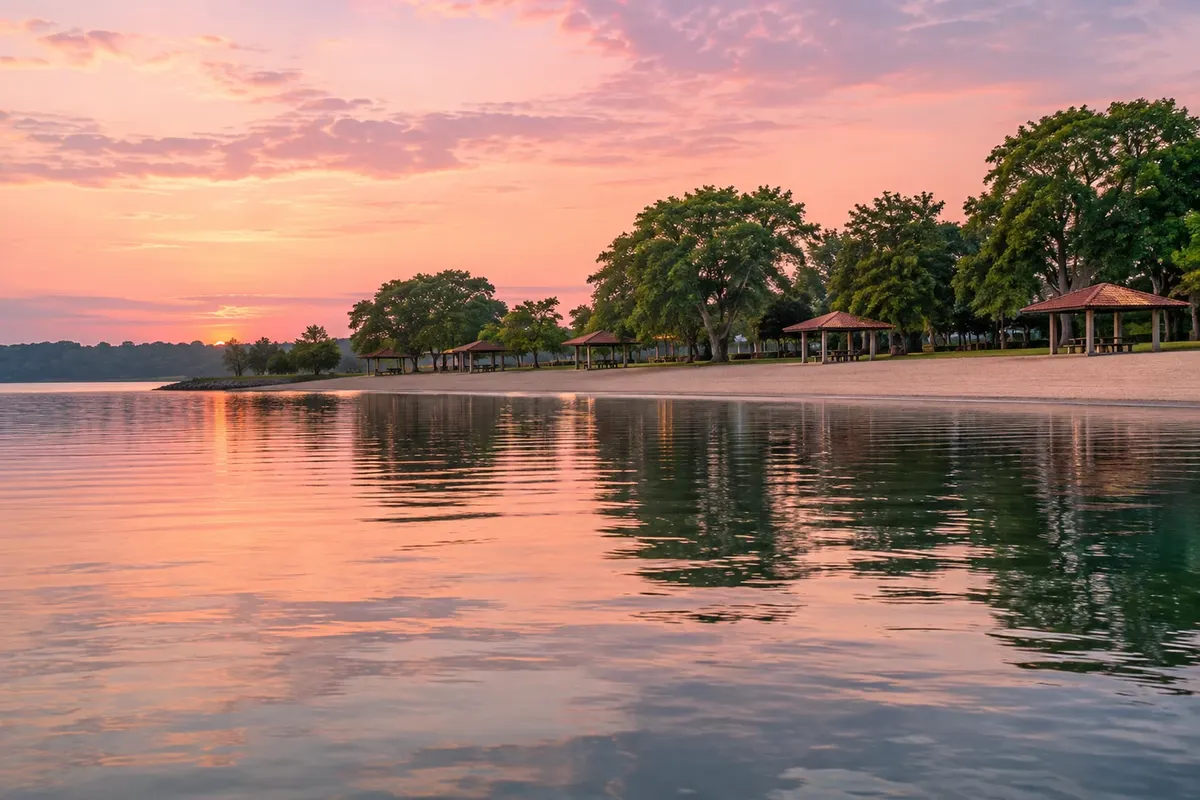
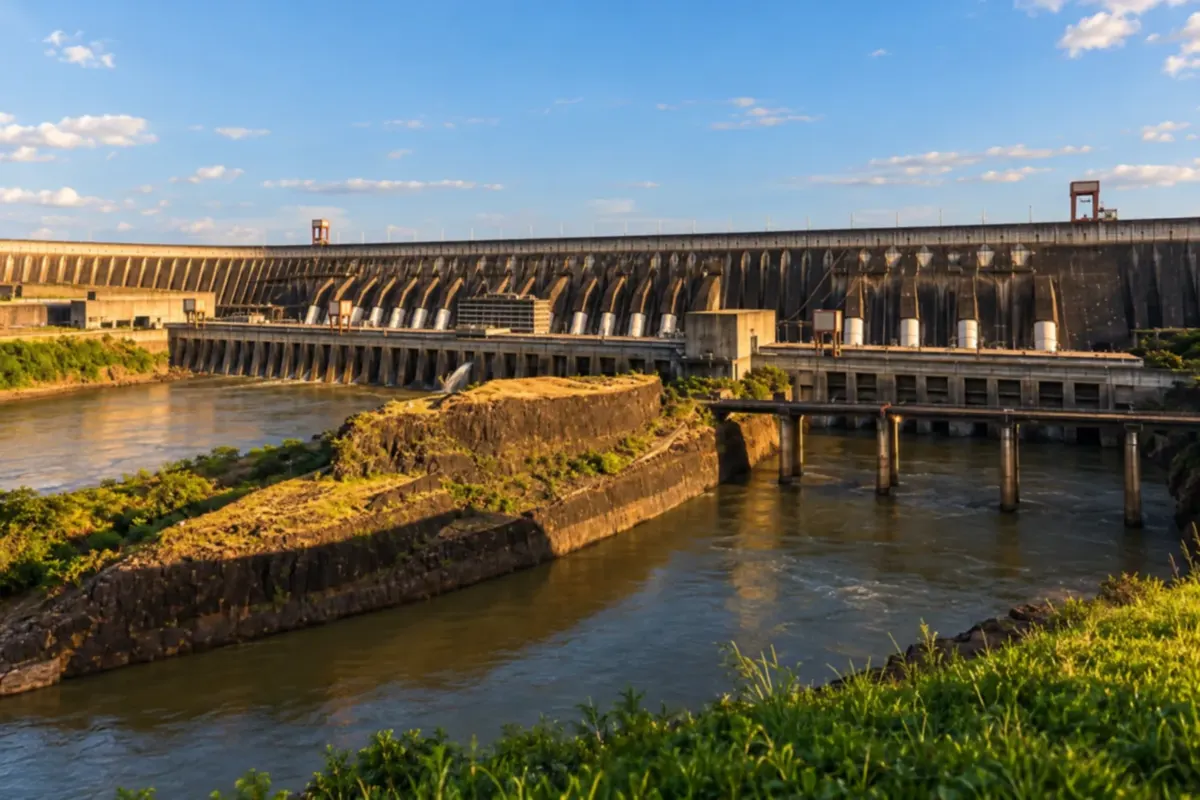
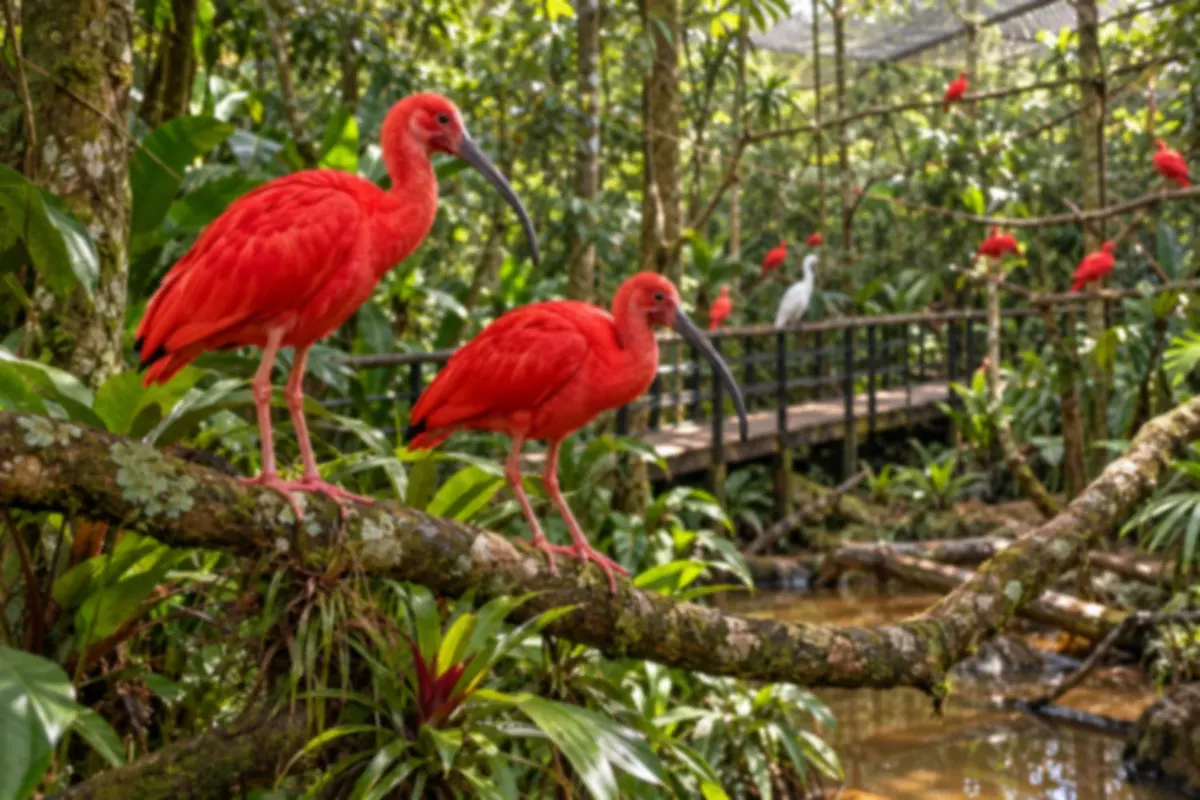
Illustrative images. The pictures in this guide are illustrations based on the real place, not photographs, and may differ from it.
Get to know the place
Foz do Iguaçu is the kind of destination where nature shows up on an outsized scale: 275 waterfalls forming Iguazu Falls, one of the New Seven Wonders of Nature, and right nearby the Itaipu Dam, one of the largest hydroelectric plants on the planet. The city sits on the triple border, so you can see Brazil, Argentina and Paraguay from the same viewpoint.
You can visit the Falls from both sides. On the Brazilian side, inside the Parque Nacional do Iguaçu, a trail along the edge of the canyon leads to the walkway over the Garganta do Diabo, with a panoramic view of the falls. On the Argentine side, the walkways run over and right into the waterfalls. The two sides complement each other, and each one takes a day.
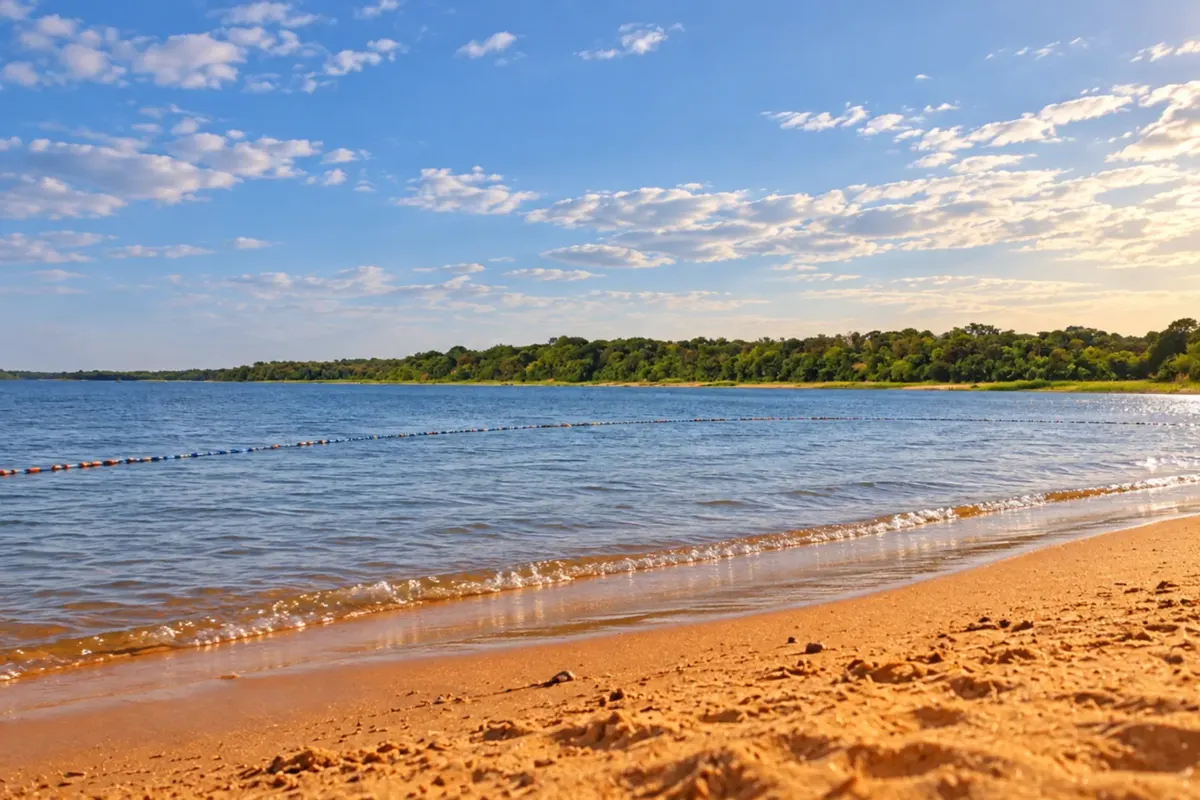
Beyond the Falls, the city has the Parque das Aves (bird park), with aviaries in the middle of the Atlantic Forest, the Buddhist Temple, the Marco das Três Fronteiras (landmark) at sunset and tours of Itaipu, including the lighting of the dam at night. In the surrounding area, towns on the shores of Lago de Itaipu, such as Santa Terezinha de Itaipu and Itaipulândia, have freshwater beaches and lakeside resorts.
This destination brings together 4 cities: Foz do Iguaçu, Santa Terezinha de Itaipu, São Miguel do Iguaçu, Itaipulândia.
A look at the place
These pictures are illustrations based on the real place, not photographs. They may differ from the place.
Click the picture to enlarge it.
Travelers' photos
One destination, many paths
Start with one city or combine several in your itinerary.
Map: @svg-maps/brazil, CC BY 4.0
✈ Aeroporto Internacional de Foz do Iguaçu (IGU) · 13 km to Foz do Iguaçu
Foz do Iguaçu/Cataratas International Airport (IGU), about 10 km from downtown and 14 km from the Falls, with flights from the main state capitals. By road, the city is about 640 km from Curitiba on the BR-277 highway. The airport is on the way between downtown and the park, on the BR-469.
Suggested arrival point: Foz do Iguaçu
Foz do Iguaçu brings together grand river landscapes on the border between Brazil, Argentina and Paraguay. You can see the falls and explore the national park's forest on the Brazilian side.
Santa Terezinha de Itaipu combines rural areas and leisure spaces on the shores of the Itaipu reservoir. You can stroll along the waterfront at Terminal Alvorada and take in the lake scenery.
São Miguel do Iguaçu combines rural scenery and leisure areas linked to the Itaipu reservoir. You can visit Balneário Ipiranga and stroll among wooded shores and inland waters.
Itaipulândia is on the shores of the Itaipu reservoir, in western Paraná. You can visit Balneário Jacutinga and enjoy outings by the water, among lake beaches and wooded areas.
The local experience
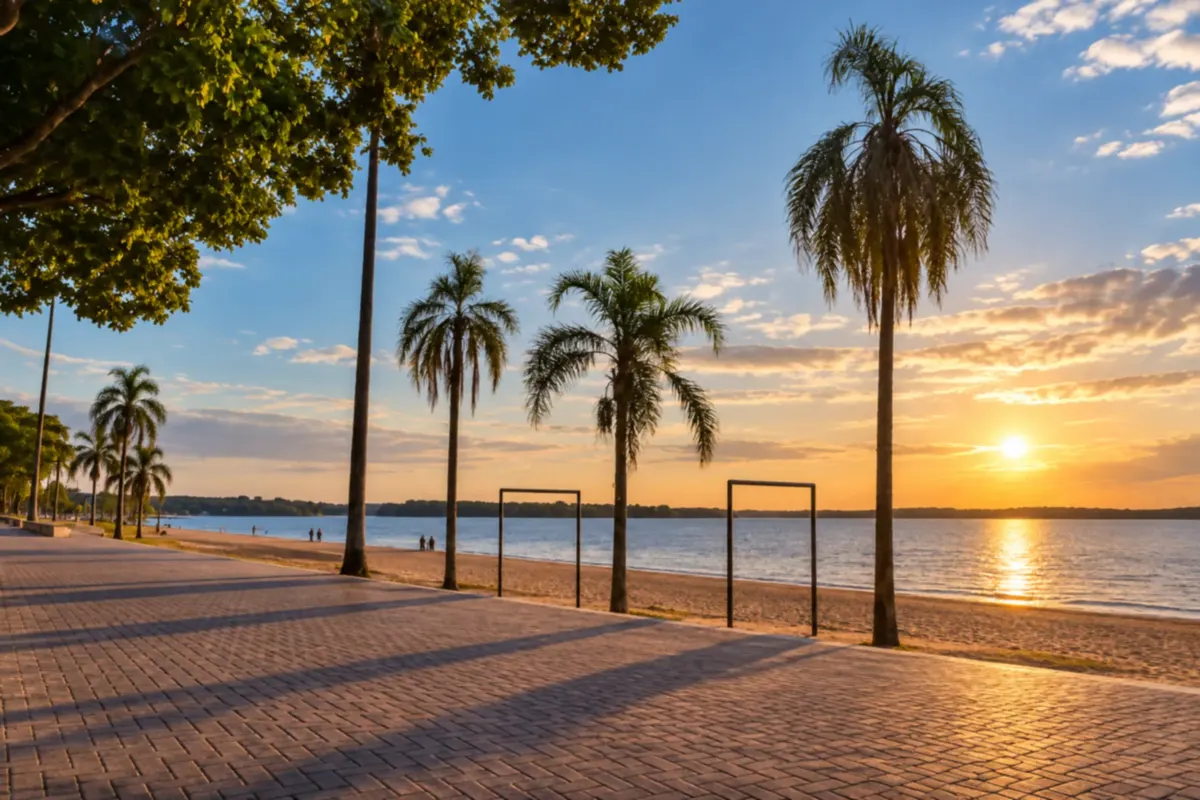
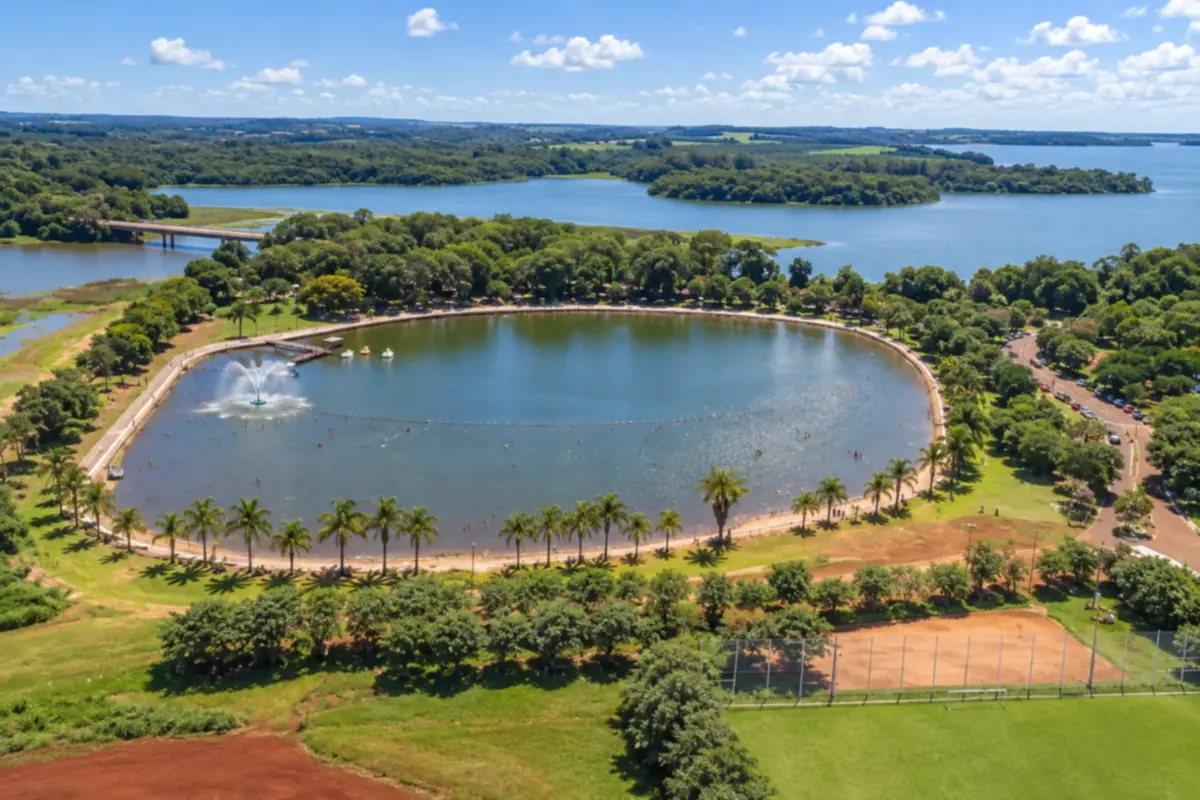
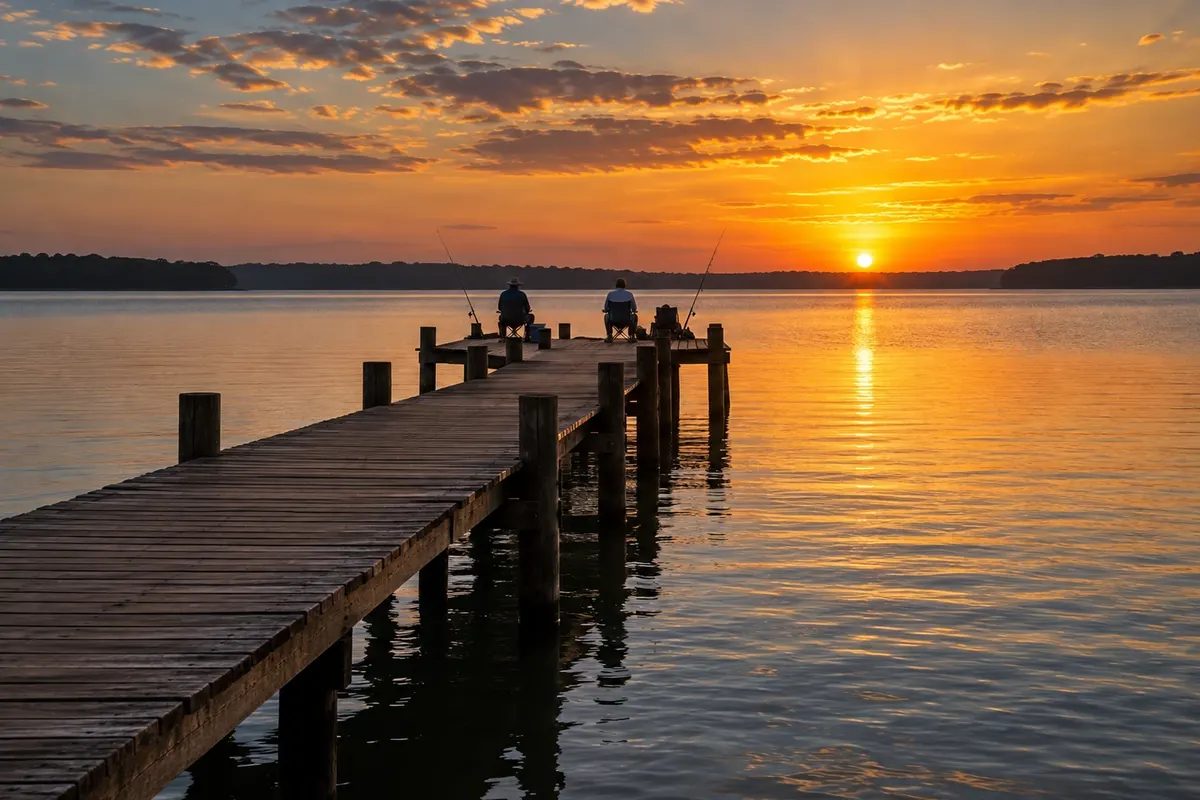
An artificial beach on the shores of Lago de Itaipu, less than 5 kilometers from downtown, with more than 800 meters of waterfront. It has a camping area, a pier for fishing and jet skis, a sand court and views of the sunset over the lake.
A set of 275 waterfalls inside the Parque Nacional do Iguaçu, voted one of the New Seven Wonders of Nature. The Brazilian trail delivers the panoramic view and the walkway that reaches out over the Garganta do Diabo.
Discover Cataratas do Iguaçu (lado brasileiro)
A leisure complex on the shores of Lago de Itaipu, with an artificial beach, a camping area, kiosks and space for water sports. The strip of sand was completely replenished, and camping is booked through an app.
Discover Terminal Turístico Alvorada de Itaipu
A tourist terminal on the shores of Lago de Itaipu, about 14 kilometers from downtown, with an artificial beach, a natural pool and a boat dock. It has a camping area and is a starting point for sport fishing and boat rides on the lake.
Discover Terminal Turístico de Balneário Ipiranga
At 26 meters tall, the statue is said to be the largest depiction of the patron saint in southern Brazil and has a chapel inside. On October 12, the feast of Nossa Senhora Aparecida draws thousands of pilgrims from the region.
Discover Monumento de Nossa Senhora Aparecida
Opened in 2005, it holds about 200 objects and more than a thousand photographs about the town's settlement. The collection documents how the town was formed and the cultural influences of the border region.
Discover Museu Histórico Municipal
A green area in the Santa Mônica neighborhood, next to the BR-277, with ponds formed by springs of the Rio Tucano, walking trails and picnic areas. It was revitalized and expanded by the town hall and reopened in 2020.
Discover Parque Ecológico Domingos Zanette
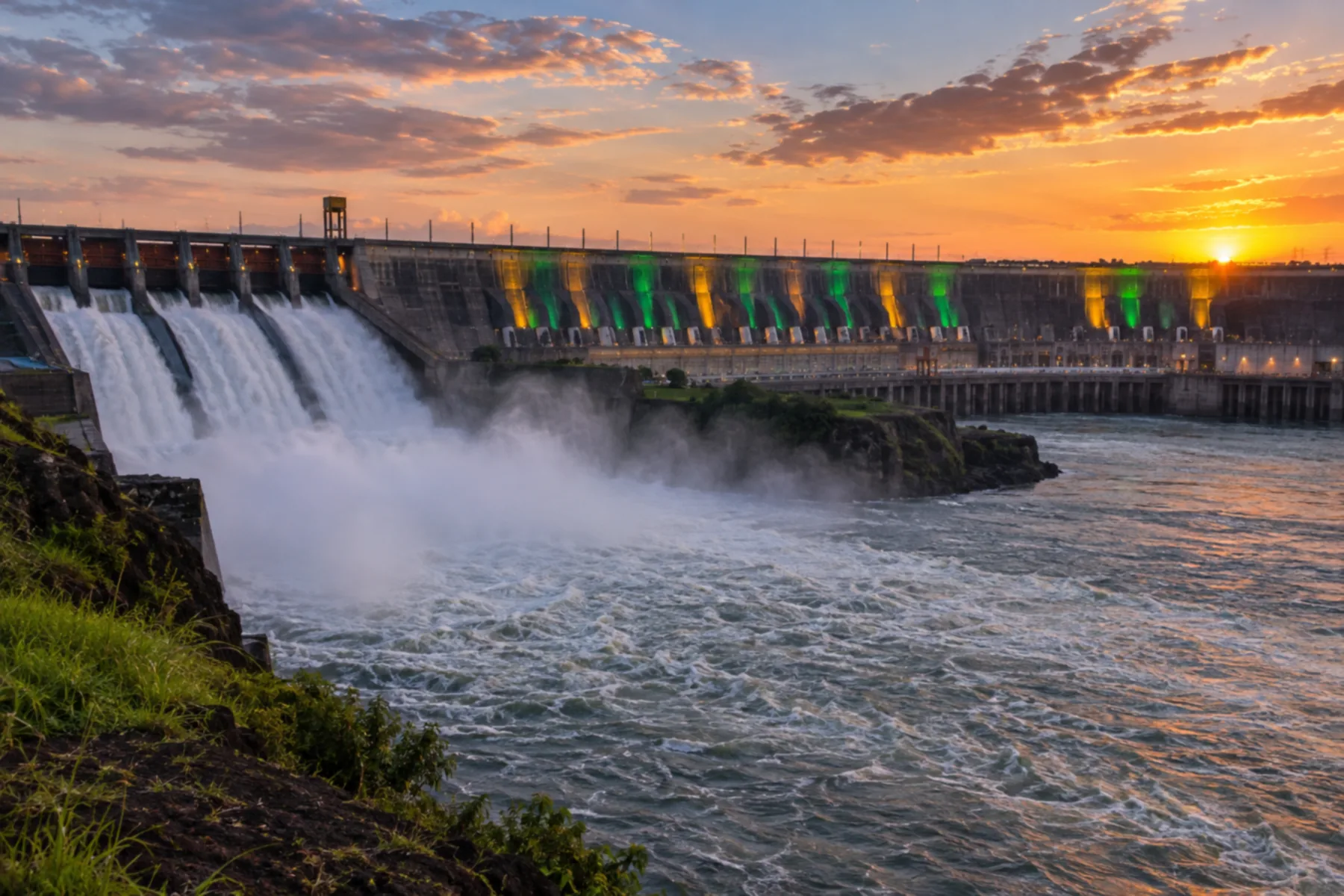
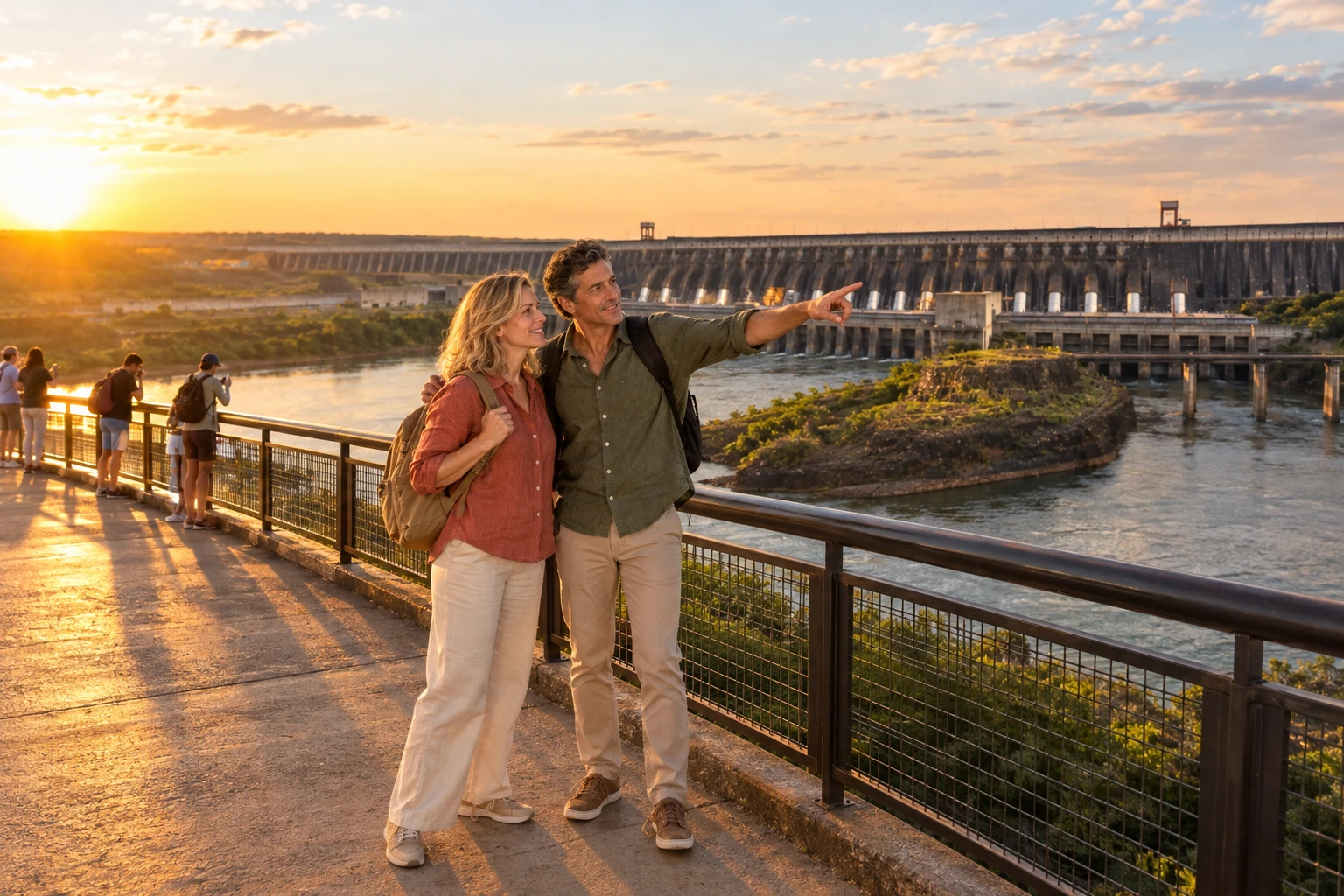
A binational Brazil-Paraguay project and one of the largest hydroelectric plants in the world, with panoramic tours and a tour inside the dam. At night, special lighting turns the dam wall into a show.
Discover Usina Hidrelétrica de Itaipu
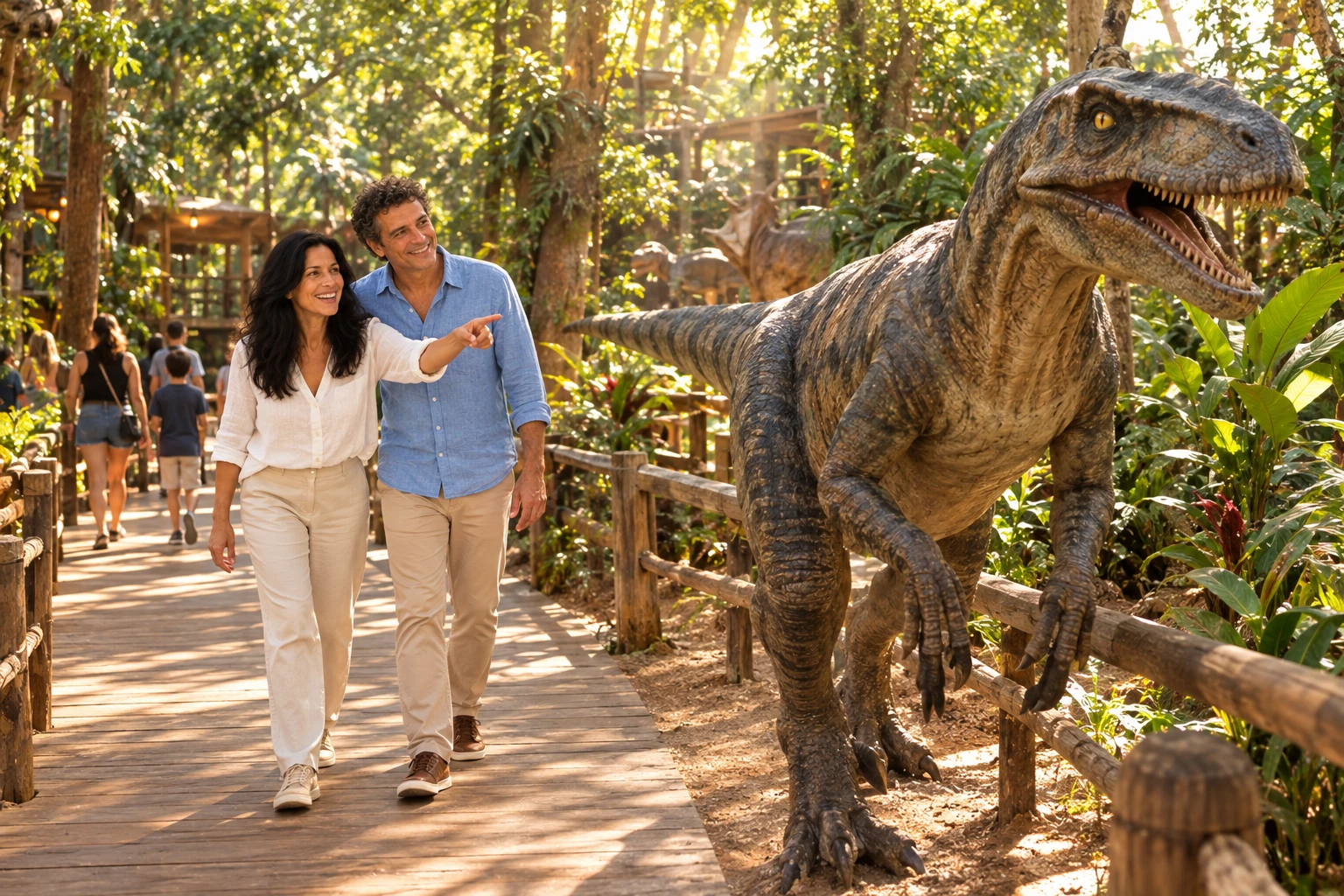
A leisure complex with natural hot-water pools, water slides and attractions for all ages, in an area of more than 250,000 square meters. It also has the themed area Mundo do Dino, with an interactive dinosaur.
Discover Itaipuland Thermas Park
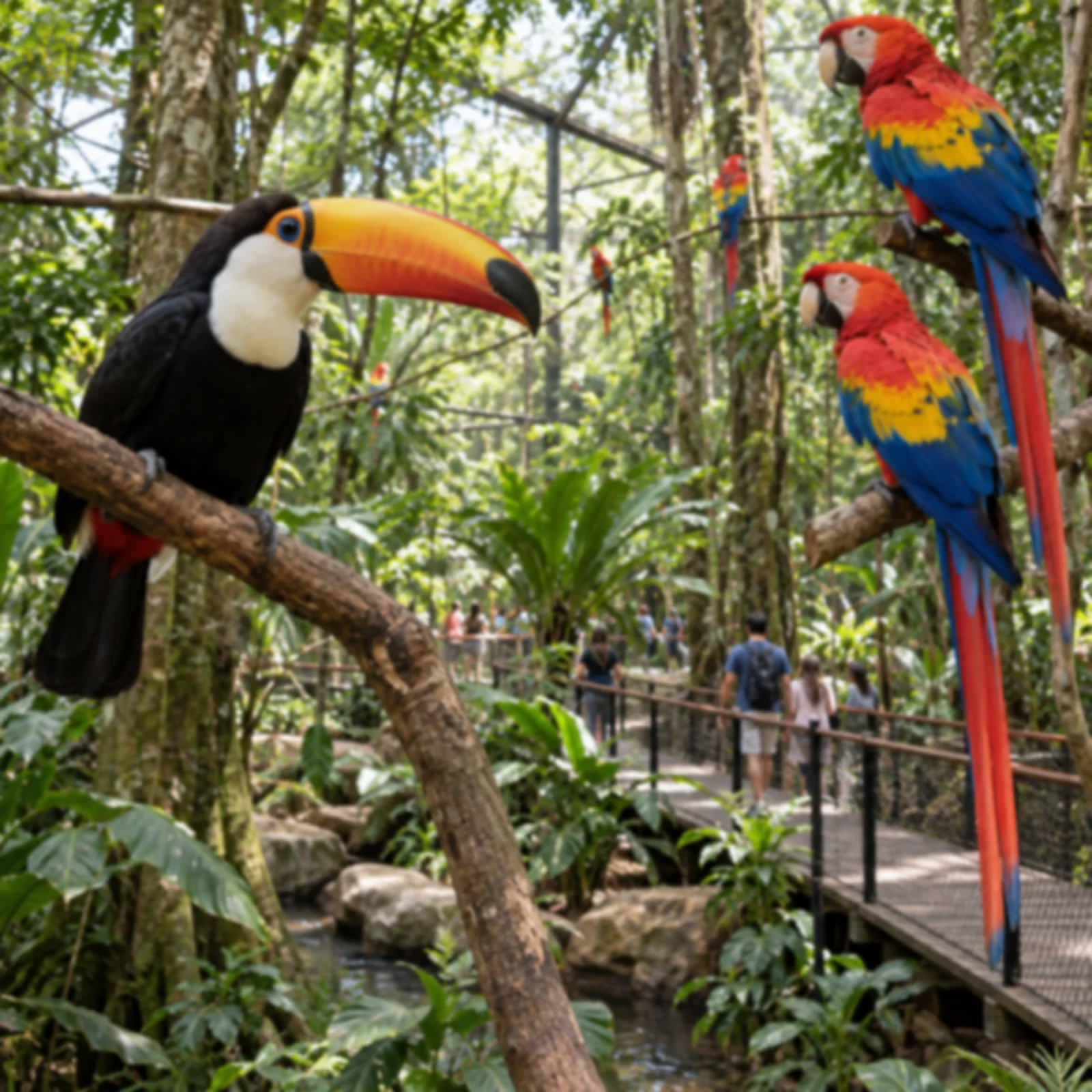
One of the largest bird parks in Latin America, with aviaries where you walk side by side with macaws, toucans and flamingos. It is at the entrance to the National Park and a must-stop with children.
Museu de Itaipulândia with objects, photographs and documents about the formation of the municipality. The building once housed public services and was the seat of the first city hall, before becoming a memory space.
Discover Casa da Memória Itacorá
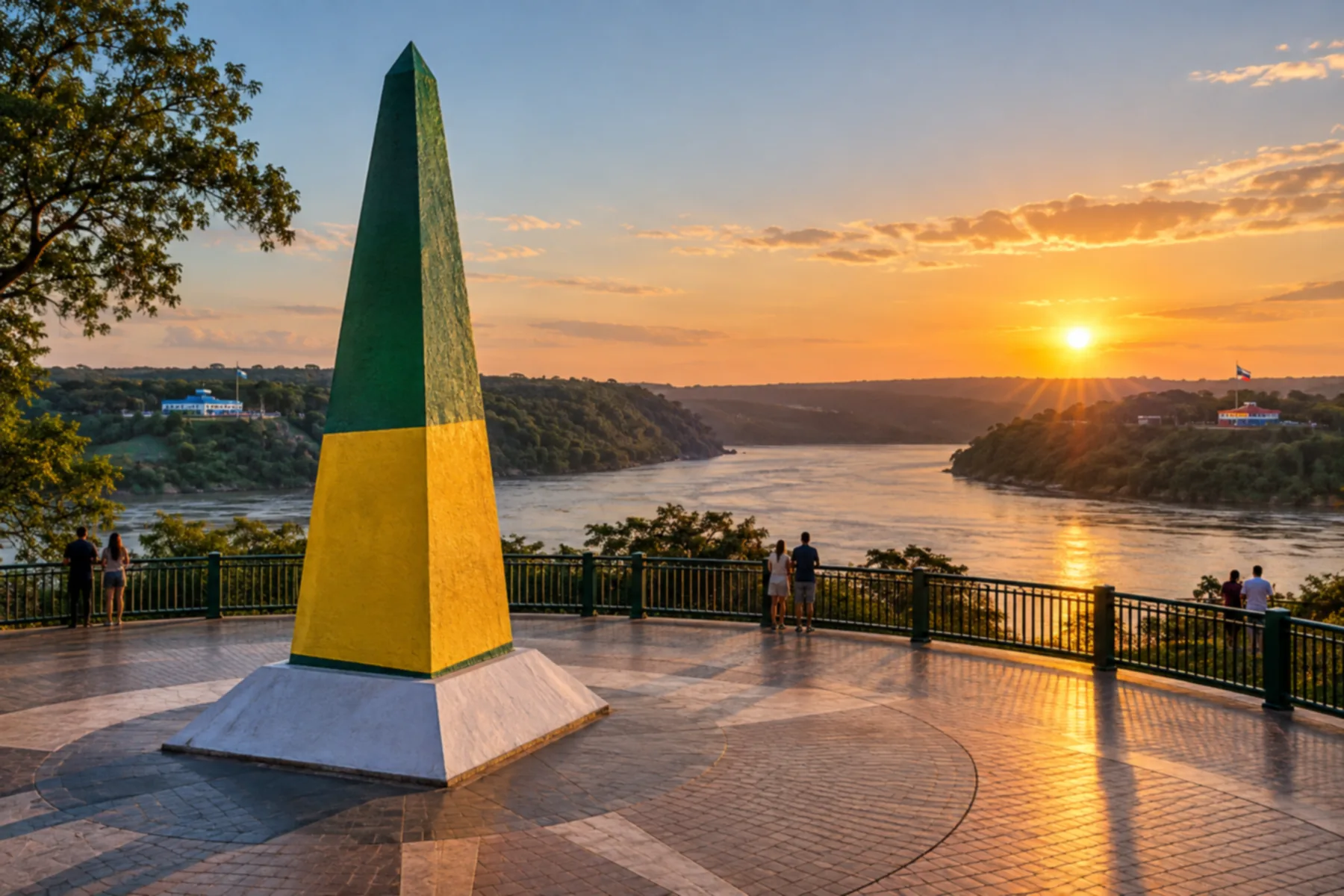
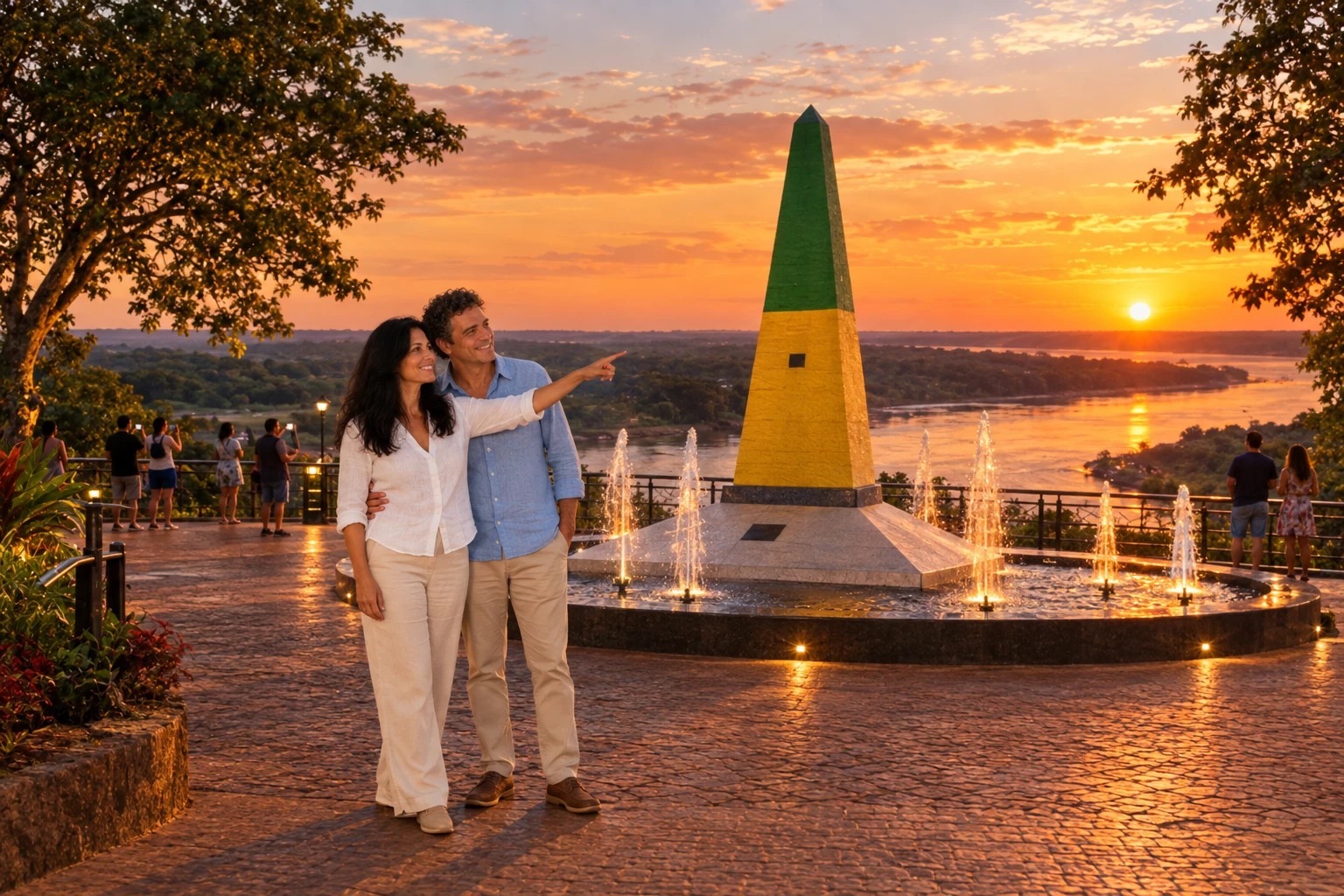
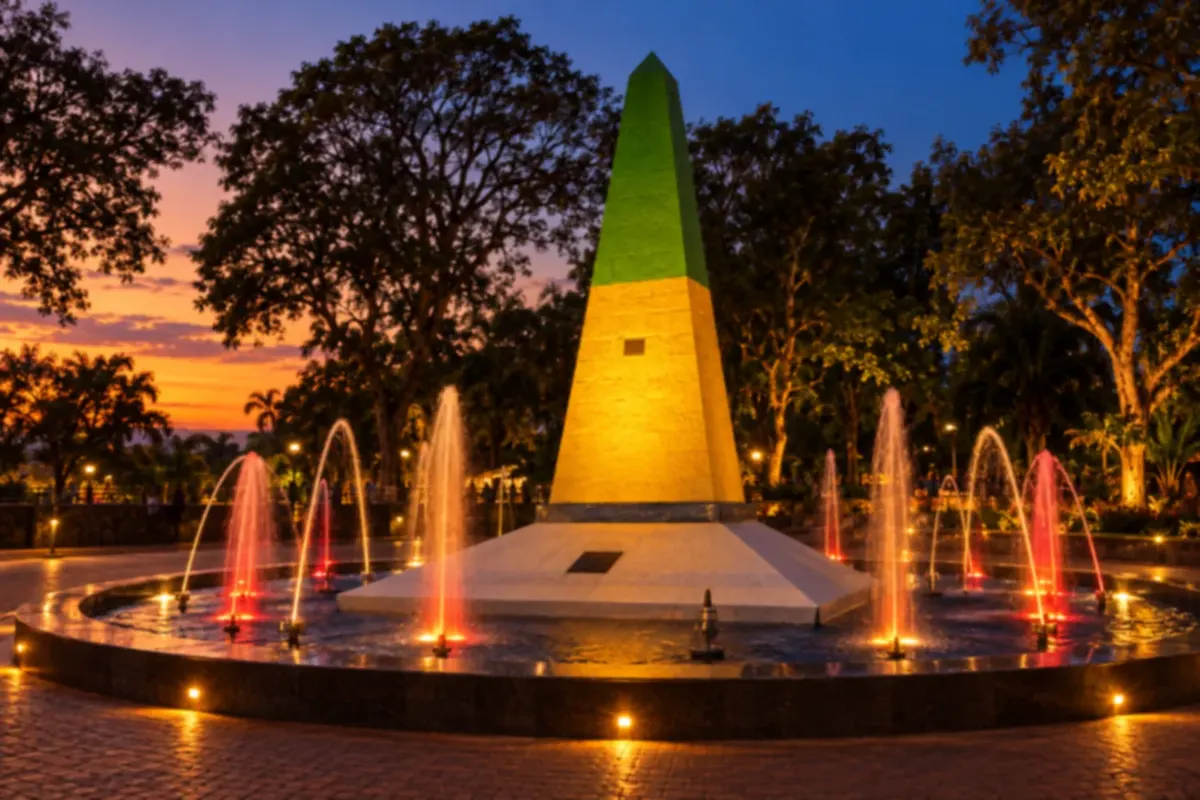
An obelisk where the Iguaçu and Paraná rivers meet, from which you can see Brazil, Argentina and Paraguay at the same time. The sunset with a cultural show is the highlight of the visit.
Discover Marco das Três Fronteiras
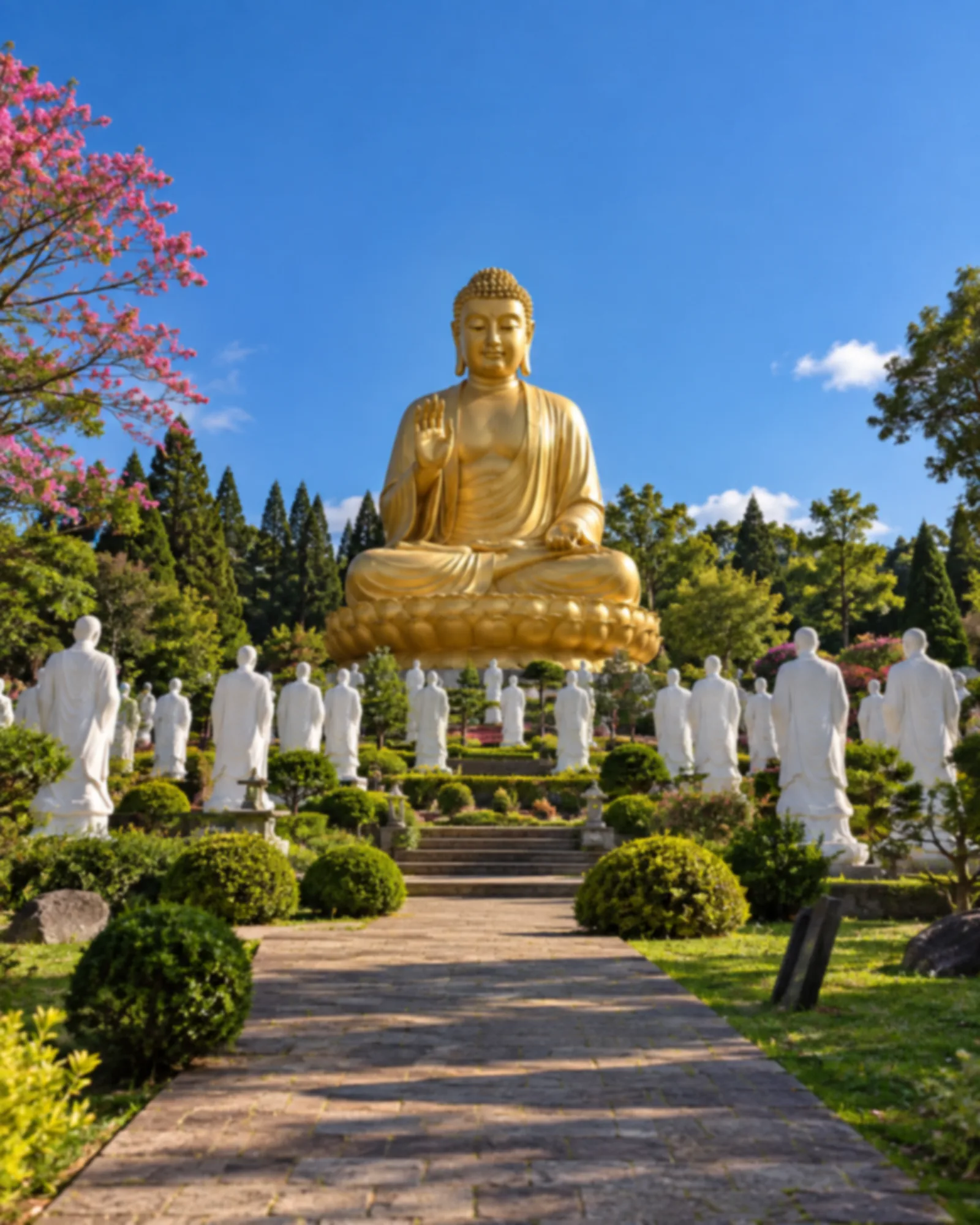
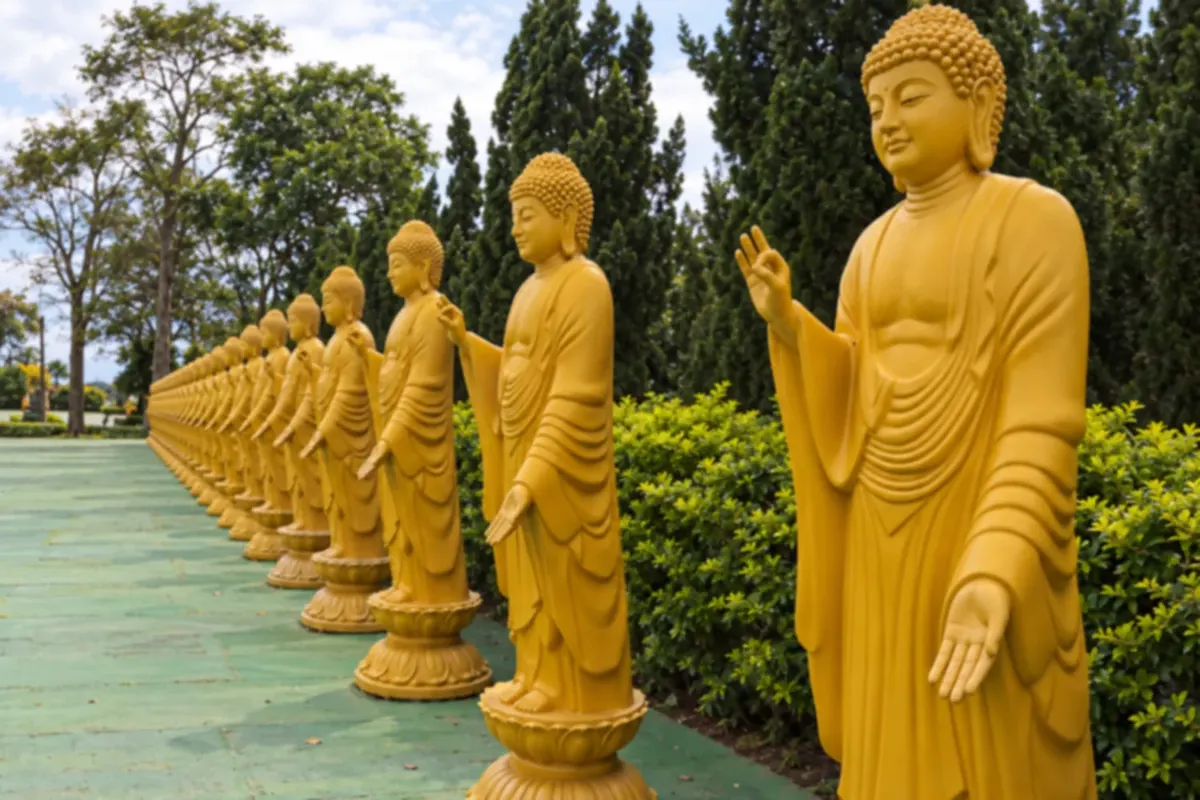
A Buddhist complex with a Buddha statue about 7 meters tall and more than a hundred sculptures spread across the gardens. The visit is peaceful and offers a beautiful view of the city.
Discover Templo Budista Chen Tien
A complex of indoor attractions with a wax museum, miniature wonders of the world, a dinosaur valley and an ice bar. It is the best backup plan for rainy days.
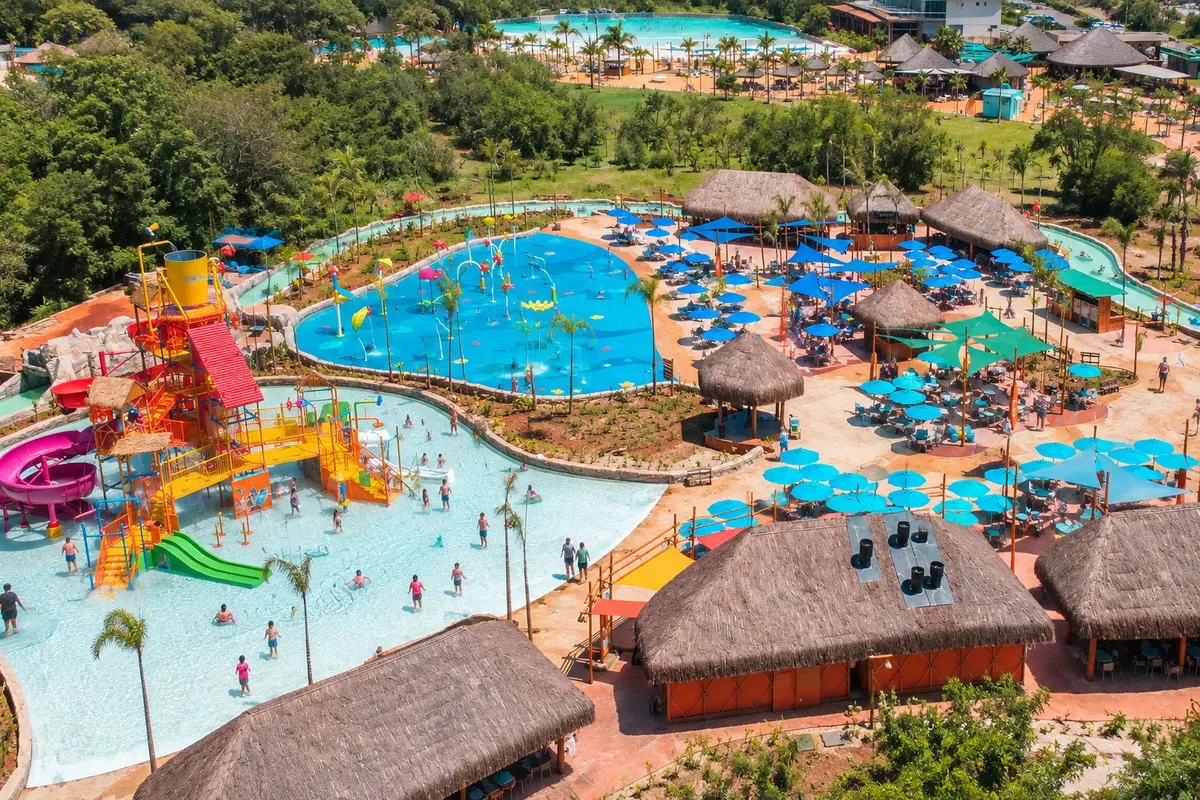
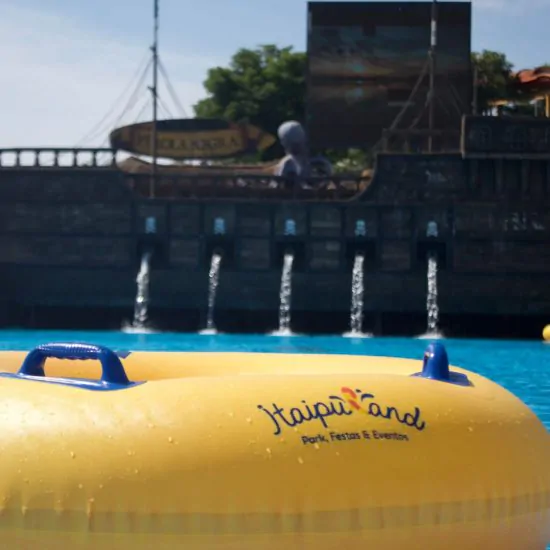
Water park of the Mabu Thermas complex in Foz do Iguaçu, featuring a thermal sand beach and waves up to 1.20 m in water around 36 °C, extreme water slides like the Wizzard and the Super Maverick, and areas for babies and children.
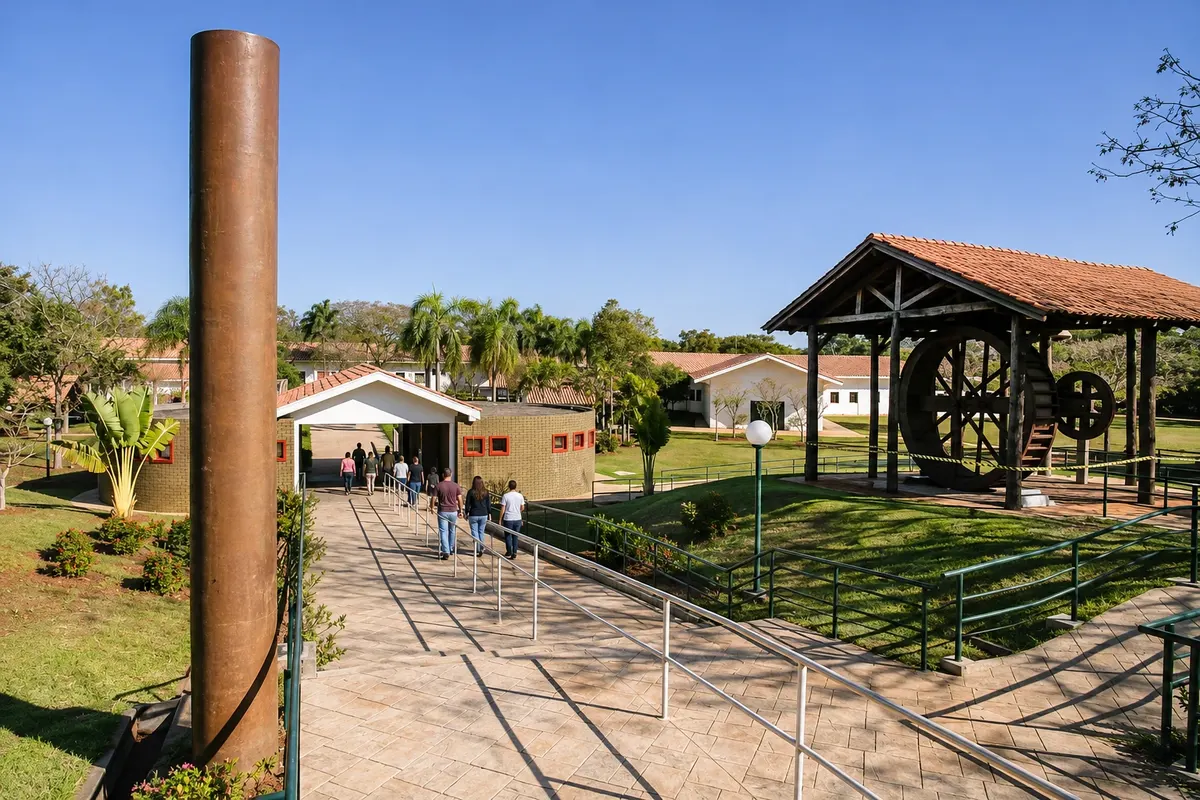
The Itaipu Binacional Museum on Avenida Tancredo Neves, on the way to the dam, with exhibits about the archaeology, fauna, flora and people of the area flooded by the reservoir, and about the construction of the hydroelectric plant.
A forested area of Itaipu Binacional on the banks of the reservoir in Foz do Iguaçu, with trails through the Atlantic Forest and enclosures for regional wildlife such as jaguar, tapir, ocelot and birds of prey. Visits are guided.
Discover Bela Vista Biological Refuge
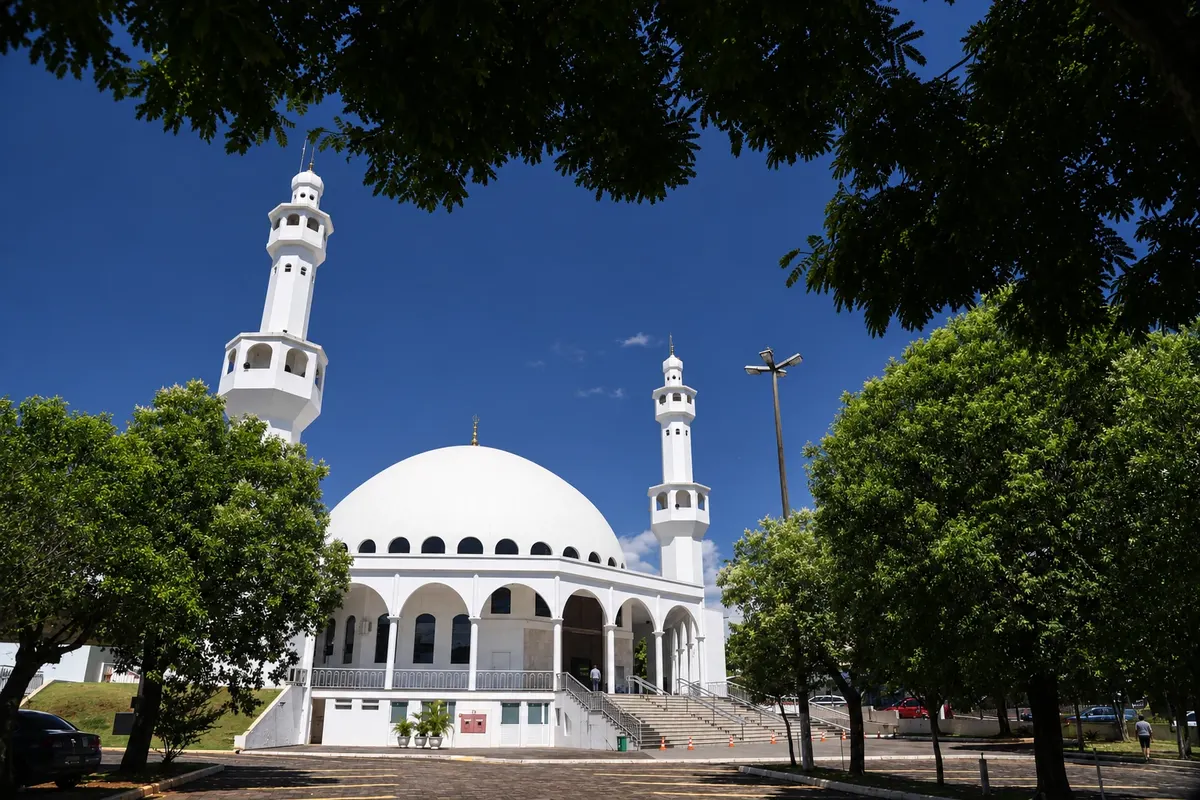
Mosque of Foz do Iguaçu’s Muslim community, on Rua Meca, with a dome and two white minarets. Guided visits explain the history of Arab immigration to the city and the precepts of Islam.
Discover Omar Ibn Al-Khattab Mosque
Aquarium on Avenida das Cataratas, next to the entrance of Iguaçu National Park, with more than 300 species in tanks that follow the water’s path from the Iguaçu and Paraná rivers to the Atlantic Ocean. Opened in 2025.
To choose before you go
Where each tour starts, how long it takes, how it is done, what is included and the price range.
The visit starts at the Iguaçu National Park Visitor Center on Rodovia das Cataratas, about 18 km from downtown Foz. From there, the park bus runs about 10 km through the forest. The first stop is Macuco Safari; the second is by the Hotel das Cataratas, where the Waterfalls Trail begins. The trail is about 1 km on walkways, with stairs and ramps, and shows the falls head-on, from the other side of the river. At the end, a walkway extends over the Iguaçu River to the Devil’s Throat viewpoint, where the spray gets you wet. A panoramic elevator goes up to Espaço Porto Canoas, with snack bars and a restaurant, from where the bus returns to the Visitor Center. The ticket includes internal transport.
Stops: Visitor Center, Waterfalls Trail, Devil’s Throat walkway, panoramic elevator, Espaço Porto Canoas.
Includes: round-trip internal bus between the Visitor Center and the Waterfalls Trail, access to the trail, walkways, elevator and viewpoints. Parking and food are paid separately.
Tip: Buy your ticket in advance, choosing the day and time. Bring a rain poncho for the Devil’s Throat walkway and do not feed the coatis. If the river is very full, the walkway may be closed for safety.
Best time: year-round; less crowded outside school vacations
Agencies that run it: Loumar Turismo, Foz Atrativa Turismo, COOTTRAFOZ, ANV Travel.
R$ 121 to R$ 134 · per person, ticket (R$ 121 Brazilians and Mercosur; R$ 134 other foreigners)Iguazú National Park is in Argentina, about 18 km from Puerto Iguazú. Leaving Foz, you cross the Friendship Bridge (Tancredo Neves), with a stop at Argentine immigration. Inside the park, the Tren Ecológico de la Selva links the stations and takes you to the Garganta del Diablo walkway, which reaches the edge of the largest drop. The Upper Circuit is about 1,850 m of walkways over the falls and takes around 2 hours. The Lower Circuit is about 1,750 m, passes closer to the base of the drops and takes about 1.5 hours. The Sendero Macuco, around 3,500 m through the forest, leads to a smaller waterfall. On the Argentine side you walk more and see the falls up close; from the Brazilian side the view is frontal.
Stops: Puerto Iguazú, Tren Ecológico de la Selva, Upper Circuit, Lower Circuit, Garganta del Diablo, Sendero Macuco.
Includes: On agency tours: round-trip transport and border crossing; some include a guide. Park entrance, the Puerto Iguazú tourist tax and food are paid separately.
Tip: Bring a physical ID card or passport and cash for fees. Since August 3, 2026 the Garganta del Diablo walkway is closed as a precaution against flooding; check whether it has reopened before you go. If you return the next day, you pay half the entrance fee if within 72 hours.
Best time: year round; avoid Argentine holidays and school vacation periods
Agencies that run it: Loumar Turismo, PasseioTur, Foz Atrativa Turismo, Combo Iguassu, COOTTRAFOZ, ANV Travel.
Macuco Safari is inside Iguaçu National Park, at the first stop of the park bus. An open vehicle crosses the forest with a guide who talks about the plants; there is the option to walk a roughly 600-meter trail that is all downhill. On the shore, visitors put on life jackets and board a motorized inflatable raft. The ride lasts 25 to 30 minutes, follows the Iguaçu River canyon, passes rapids depending on water level and stops in front of the falls. In the wet version, the boat goes under the Three Musketeers Falls and everyone gets soaked. The boat does not reach the Devil’s Throat. There are changing rooms and lockers on site.
Stops: Iguaçu National Park, Iguaçu River, Salto dos Três Mosqueteiros, Iguaçu River canyon.
Includes: Forest transport, guide, life jacket and navigation. Admission to Iguaçu National Park is sold separately. Locker and photos are charged extra.
Tip: Bring a change of clothes and a towel, and protect your phone in a waterproof bag. No reservation is required: departures are frequent, first come, first served. Avoid flip-flops.
Best time: year round; swimming is more pleasant in summer
Agencies that run it: Loumar Turismo, Foz Atrativa Turismo, COOTTRAFOZ.
R$ 384 · per person, adult (half-price R$ 192) · official priceThe Bird Park is on Rodovia das Cataratas, km 17, next to the entrance to Iguaçu National Park. It covers about 16 hectares of Atlantic Forest, with more than 1,400 birds of around 130 species, many rescued from trafficking. The route is about 1.6 km, paved, and is done without a guide. In five immersion aviaries visitors enter the birds’ spaces and see them up close, without touching. The aviaries include the World of Toucans, the Macaws aviary, River and Mangrove Birds, and the Butterflies and Hummingbirds area. The park is open every day and also operates in the rain. It has a restaurant and cafés.
Stops: Rodovia das Cataratas, Macaws aviary, World of Toucans, Butterflies and Hummingbirds, River and Mangrove Birds.
Includes: Access to the trails and to the aviaries. Parking, locker, and food are paid separately.
Tip: Combine with the Falls on the same day, starting early at one of the two. Check feeding times at the entrance, when the birds are most active.
Best time: all year
Agencies that run it: Loumar Turismo, Foz Atrativa Turismo, COOTTRAFOZ, ANV Travel.
R$ 110 · per person, full admission (Brazilians and foreigners) · official priceThe panoramic visit to the Itaipu Hydroelectric Plant, binational between Brazil and Paraguay, departs from the Visitor Reception Center on Avenida Tancredo Neves. An open-sided bus takes visitors around the plant’s outdoor area, with an audio guide and guides in Portuguese, English and Spanish. The route passes Avenida dos Condutos Forçados, the white pipes that carry water to the turbines, and the top of the dam. There are stops at the Central Viewpoint and the Spillway Viewpoint. The spillway is only open when there is excess water in the reservoir. Departures are frequent, on a first-come, first-served basis, every day. Everyone goes through X-ray and metal detector screening.
Stops: Visitor Reception Center, Central Viewpoint, Spillway Viewpoint, Avenida dos Condutos Forçados, dam top.
Includes: internal transport, audio guide and guide. Parking and luggage storage are paid separately.
Tip: Bring a jacket or raincoat, because the bus is open-sided. Drones are prohibited. The Itaipu Ecomuseum, nearby, has free admission and complements the visit.
Best time: year-round; the spillway is more often open when the reservoir is full
Agencies that run it: Loumar Turismo, Foz Atrativa Turismo, COOTTRAFOZ, ANV Travel.
R$ 63 · per person, full fare (half fare R$ 31.50) · official priceThe Itaipu Special circuit is the only tour that goes inside the plant. It follows the panoramic route with the viewpoints and outdoor areas, and adds a stop on top of the dam, 225 meters above sea level. Inside the dam and the powerhouse, the group sees the internal concrete structures, the central control room, the gallery of generating units and the pit of a turbine, in an enclosed space. The route includes walks and stairs, with two floors to climb and two to descend. Only those over 14 years old may participate. Places and times are limited.
Stops: Central Viewpoint, Spillway Viewpoint, dam top, central control room, gallery of the generating units, turbine pit.
Includes: Internal transport, guide and access to internal areas. Parking and luggage storage are paid separately.
Tip: Arrive 30 minutes early for registration and a photo, with an official photo ID. Wear closed shoes that secure at the heel and long pants or shorts; bags and backpacks are not allowed. Buy your ticket in advance.
Best time: all year
Agencies that run it: Loumar Turismo.
R$ 185 · per person, full fare (half fare R$ 92.50) · official priceThe Bela Vista Biological Refuge is a conservation area managed by Itaipu, near the dam. The visit has two parts. First, a special vehicle tours the area with explanations about the plant’s environmental actions. Then the group walks about 2 km, plants a native tree, visits the little port on the lake and passes by the animal enclosures. Species mentioned include jaguar, harpy eagle, tapir, caiman, otter, capybara, red-rumped agouti and brocket deer. Some animals may not appear due to veterinary care or weather. It operates Wednesday through Monday, with limited spots, and is open to all ages.
Stops: Bela Vista Biological Refuge, little port on the Itaipu lake, animal enclosures.
Includes: Internal transport, guide, and planting activity. Parking is paid separately.
Tip: Arrive 30 minutes early with photo ID. Wear closed shoes and insect repellent. Some sections are not suitable for wheelchairs or strollers.
Best time: autumn and winter, with less heat on the walk
Agencies that run it: Loumar Turismo.
R$ 48 · per person, full (half-price R$ 24) · official priceThe Three Borders Landmark is located where the Iguaçu River flows into the Paraná River. From the Brazilian obelisk, painted green and yellow and surrounded by a fountain, you can see the markers for Argentina and Paraguay on the opposite bank. The site features a scenic set inspired by the Jesuit Missions, a food court, shops, a children's area, and the restaurant Cabeza de Vaca. In the early evening there are dance and music performances from the three countries, included with the ticket. It is open Tuesday through Sunday in the afternoon and evening. Late afternoon is the most popular time because of the sunset over the rivers.
Stops: Brazilian obelisk, meeting of the Iguaçu and Paraná rivers, scenic Jesuit Missions set, Restaurant Cabeza de Vaca.
Includes: Access to the site and the evening performances. Food is paid separately.
Tip: Arrive before sunset and stay for the performances. Check the sunset time for the day. Closed on Mondays.
Best time: all year
Agencies that run it: Loumar Turismo, COOTTRAFOZ.
R$ 60 to R$ 73.50 · per person, full adultThe Chen Tien Buddhist Temple was built in 1996 by Chinese communities from Brazil, Paraguay and Argentina, on top of a hill surrounded by gardens, on the road between downtown Foz and Itaipu. The gardens contain more than a hundred statues and images. The largest is Mi La Pu‑San, the Buddha of the future, seated and gilded, about 7 meters tall. There is also the reclining Shakyamuni Buddha, the Amitabha Buddha at the end of a stone pathway surrounded by smaller statues, and the Guardian Lion. On the first floor, the hall houses the 18 statues of the Arahants. It is open Tuesday through Sunday and may close on public holidays.
Stops: Mi La Pu‑San Buddha, reclining Shakyamuni Buddha, Amitabha Buddha, hall of the 18 Arahants.
Includes: Self‑guided visit to the gardens and the hall. Accepts voluntary donations.
Tip: Avoid regatta shirts, low necklines, shorts and short skirts. Photography is not allowed in the first‑floor salon and pets are not permitted. Can be combined with a visit to Itaipu on the same day.
Best time: all year
Agencies that run it: Loumar Turismo.
The Omar Ibn Al-Khattab Mosque, in downtown Foz, has been the prayer place for the city’s Muslim community since the 1980s. It is run by the Islamic Charitable Cultural Center and features white domes and Arabic-style architecture. Foz has one of the largest Arab communities in Brazil, which began arriving in the 1950s with border trade. Visits are guided, departing every half hour. At the entrance, visitors are lent traditional clothing: a tunic for men and a headscarf or veil for women. There are no visits on Sundays, on Monday mornings, or during religious celebrations.
Stops: Omar Ibn Al-Khattab Mosque, downtown Foz do Iguaçu.
Includes: Guided visit and loan of traditional garments.
Tip: Buy the ticket beforehand or at the entrance terminals. Combine with lunch at an Arab restaurant in downtown.
Best time: year-round, except on religious holidays
Agencies that run it: Loumar Turismo.
The scenic flight departs from Helisul’s helipad on Rodovia das Cataratas, opposite the Parque das Aves and near the entrance to Iguaçu National Park. The helicopter carries up to four passengers: three in the back and one beside the pilot. The flight lasts about 10 minutes: it climbs over the park’s forest and circles the Falls, showing the cascades and the Devil’s Throat from several angles. The company operates on a first-come, first-served basis and needs 3 to 4 paying passengers per flight, depending on the aircraft. Flights only run in good weather.
Stops: helipad on Rodovia das Cataratas, Iguaçu National Park, Devil’s Throat.
Includes: Scenic flight. Photos at takeoff and landing are sold separately.
Tip: Go on a clear day, preferably early in the morning. Combine with the Bird Park and the Falls, which are next door.
Best time: clear-sky days, year-round
Agencies that run it: Loumar Turismo.
Ciudad del Este is on the other side of the Paraná River, connected to Foz by the Friendship Bridge. It is a commercial center with street shops and shopping malls selling electronics, perfumes, alcoholic beverages, clothing and household goods. Many visitors go by agency van, which drops the group off at prearranged stores and picks them up at the agreed time. You can also go by car or cross the bridge on foot. On the return, the Brazilian Federal Revenue inspects purchases at the Brazilian customs: there is a tax-free allowance per person and quantity limits; anything beyond that is subject to tax. The new Integration Bridge, inaugurated in December 2025, is not yet open to passenger cars.
Stops: Friendship Bridge, Ciudad del Este, Ciudad del Este commercial center.
Includes: On agency tours: round-trip transport and bridge crossing. Purchases and food are not included.
Tip: Bring your ID or passport and keep your receipts. Go early: shops close in the late afternoon and the bridge can have lines. Check the current allowance amount on the Federal Revenue website.
Best time: weekdays, excluding holidays
Agencies that run it: Loumar Turismo, PasseioTur, Foz Atrativa Turismo, Combo Iguassu, COOTTRAFOZ.
The Duty Free Shop Puerto Iguazú is on Ruta 12, just after the Fraternity Bridge and a few meters before the Argentine immigration checkpoint. Therefore, those who go only to shop don’t have to face the border queue. The store sells chocolates, alcoholic beverages, perfumes, makeup, sunglasses, designer clothing, luggage and electronics with international brands. There is underground parking. Brazilians buy tax‑free within a quota per CPF set by the Federal Revenue. Many agencies combine a visit to the duty free with the return from the Argentine side of the falls or with dinner in Puerto Iguazú.
Stops: Fraternity Bridge, Duty Free Shop Puerto Iguazú, Puerto Iguazú.
Includes: On agency tours: round‑trip transport. Purchases are extra.
Tip: Bring your ID card or passport, which may be requested at the checkout. Check the current allowance amount before you buy.
Best time: all year
Agencies that run it: Loumar Turismo, COOTTRAFOZ.
The Poço Preto Trail is an approximately 9 km trail inside Iguaçu National Park through the Atlantic Forest to the banks of the Iguaçu River, above the Falls. It can be done on foot or by bicycle; round trip is about 19 km. The concessionaire offers the Bike Poço Preto option, with bicycle rental, and there is a guided option with stops to observe birds and plants. The trail was reopened in 2024 after being closed for about four years. The park also has the Caminho das Bananeiras, a shorter trail, and the 11.6 km Cataratas bike path. Access varies according to weather and river level.
Stops: Iguaçu National Park, Atlantic Forest, Iguaçu River.
Includes: Access to the trail is included with the park entrance ticket. Bicycle rental and guides are sold separately.
Tip: Leave early, because the trail entrance closes before the end of the day. Bring water and insect repellent. In September 2026 the trail was closed due to flood risk; confirm it is open.
Best time: autumn and winter, with normal river levels
These are visits to the Falls on the Brazilian side outside the park’s normal hours, with smaller groups. At Dawn, the group enters before opening, walks the Falls Trail and the walkways with few people and has breakfast in the park. At Sunset, access to the falls area happens after regular visiting hours, in the late afternoon. The concessionaire also sells Night at the Falls, with dinner, and Sky of the Falls, a stargazing session with telescopes on Saturdays, limited to 20 places per session. All experiences have limited availability and are purchased separately.
Stops: Falls Trail, Garganta do Diabo walkway, Porto Canoas Area.
Includes: Internal transport and trail access outside normal hours. At Dawn, breakfast is included.
Tip: Buy in advance, because spots are limited. The Dawn experience is good for photos without crowds on the walkways.
Best time: all year
Agencies that run it: Loumar Turismo.
The Kattamaram II is a catamaran that sails the Paraná and Iguaçu rivers in the Triple Border region. The route is about 20 km and passes under the three bridges of the area: the Friendship Bridge to Paraguay, the Fraternity Bridge to Argentina, and the Integration Bridge. There are two main options: lunch on board and sunset with dinner on board, with music. The company states it operates every day. Some agencies sell the tour with hotel transfer.
Stops: Paraná River, Iguaçu River, Friendship Bridge, Fraternity Bridge, Integration Bridge.
Includes: Navigation and meal on board, depending on the option. Hotel transfer with some agencies.
Tip: Choose the sunset schedule to see the rivers meet in late-afternoon light. Bring a warm layer in winter.
Best time: all year
Agencies that run it: Loumar Turismo.

Prices are estimates, checked in October 2026 with local operators, and may change with the season and the type of tour. Confirm with the operator before booking.
Day by day
Suggestions to plan the trip. Change the order of the days according to the weather and tour availability.
Arrive early at Iguaçu National Park and take the Cataracts Trail to the Devil’s Throat boardwalk. If you want to get wet, get off at the Macuco Safari stop on the outbound leg. After lunch, visit the Parque das Aves, next to the entrance. In the late afternoon, go to the Three Borders Landmark for sunset and the evening performances.
Leave early for the Argentine side, by agency van or car, with your physical ID or passport. In the park, do the Upper Circuit and the Lower Circuit and, if it’s open, the Garganta del Diablo walkway by train. On the way back, stop at Duty Free Shop Puerto Iguazú before immigration.
Do the Cataratas Trail in the morning and the Macuco Safari on the return, with a change of clothes. In the afternoon, visit the Bird Park. If the day is clear, take the helicopter flight at the helipad in front of the Bird Park.
Full day in Iguazú National Park, with the Upper and Lower Circuits and the Garganta del Diablo if the walkway is open. Those with stamina can do the Sendero Macuco. At night, dine in Puerto Iguazú or return to Foz.
In the morning, do the Itaipu Panoramic tour or the Itaipu Special circuit (for ages 14+), and stop by the Ecomuseum. After lunch, visit the Chen Tien Buddhist Temple. End the day at the Three Borders Landmark, watching the sunset over the Iguaçu and Paraná rivers.
Arrive via Foz airport, about 13 km from the center. After you settle in, go to the Three Borders Landmark at sunset for the view and the dance presentations from the three countries.
Do the Cataratas Trail right at opening, or book the Dawn at the Falls. On the return, take the Macuco Safari. In the afternoon, visit the Bird Park, which is next to the national park entrance.
Full day on the Argentine side. Do the Upper and Lower Circuits, the Garganta del Diablo if the walkway is open, and the Sendero Macuco. Keep your receipt: the second day is half price within 72 hours.
Do the Itaipu Panoramic tour or the Itaipu Special circuit in the morning. In the afternoon, visit the Bela Vista Biological Refuge, open Wednesday to Monday, with tree planting and regional animals. End the day at the Buddhist Temple, open Tuesday to Sunday.
Choose between half a day of shopping in Ciudad del Este, with ID and attention to the Federal Revenue allowance, or the Poço Preto Trail by bicycle in the National Park, if it’s open. In the afternoon, visit the mosque downtown before heading to the airport.
Best time to go
From March to May and from September to November, when the heat lets up and the Falls usually have a good volume of water. Summer is hot and humid, but that is when the falls are fullest. In winter the mornings are cold and the water volume is usually lower, without taking away from the beauty of the falls.
The seasons shown are the most usual ones; nature doesn't always follow the calendar.
High season: school holidays in Brazil and Argentina · Flow: in summer it usually runs above average
Hot, rainy month with afternoon showers. Parks and walkways crowded, especially in the first weeks. Buy tickets and tours in advance. Good month for the Macuco Safari.
High season until Carnival · Flow: in summer it usually stays above average
Hot with frequent rain. Crowds remain high until Carnival and then fall. Bring a rain poncho for the walkways.
Low season, with a peak at Easter when it falls in March
Still hot, with frequent rain. After the holidays attendance drops. Easter fills Foz and the Argentine side; check the date in your travel year.
Low season, with peaks at Easter and the Tiradentes holiday
Milder temperatures and less rain. Good month for walking in both parks. Long weekends increase attendance.
Low season
Autumn with pleasant days and cooler nights. Parks are emptier on weekdays. Good month for hikes such as the Caminho do Poço Preto.
Low season, with the Corpus Christi holiday · Flow: strong floods have occurred in June
Cold begins, with dry days alternating with rain. Bring warm clothing for the walkways and Itaipu’s open bus. In high water, the Devil’s Throat walkway may close.
High season: winter school holidays in Brazil and Argentina · Flow: in winter it usually stays below average
The driest and coldest month of the year. High attendance during school vacations in both countries. Book lodging and tours in advance.
Low season · Flow: in winter it usually stays below average
Dry and still cool, with clear skies. Good for helicopter flights and photography. In prolonged drought, the falls lose volume.
Low season · Flow: spring rains raise the river
Temperatures rise and the rain returns. In high-water years, walkways and trails near the river can close for a few days. Check before you go.
Low season, with the October 12 holiday · Flow: month with the highest chance of floods
This is the rainiest month in the climate norm. Falls tend to be heavy and the water can become muddy. Bring a rain poncho.
Low season, with long holidays
Heat returns and rains are more scattered than in October. Good balance between water volume and park activity.
High season in the second half: festivals and start of school break · Flow: in summer it usually stays above average
Hot and rainy. The first half of the month is calmer; from Christmas onward, Foz fills up. Entrance fees to Iguaçu National Park are often adjusted at year end.
Plan the journey
Foz do Iguaçu International Airport (IGU) is on the Rodovia das Cataratas, about 13 km from downtown and close to the entrance of Iguaçu National Park. It has direct flights from São Paulo (Guarulhos, Congonhas and Viracopos), Rio de Janeiro, Curitiba and Belo Horizonte, among other cities depending on the season.
On the Argentine side, Puerto Iguazú International Airport (IGR) receives flights from Buenos Aires. Arrivals there must cross the border to stay in Foz. From Foz airport to downtown there are taxis, app-based cars and the urban bus line 120.
Foz do Iguaçu’s international bus station receives coaches from Curitiba, São Paulo, Porto Alegre and other cities in the South and Southeast. The trip from Curitiba takes about 9 to 10 hours; from São Paulo about 16 to 20 hours. From the bus station to downtown, use a taxi, app-based car or the urban bus to the Terminal de Transporte Urbano.
From Curitiba it’s about 640 km via BR-277, which crosses Paraná from east to west to Foz do Iguaçu in around 8 hours. From São Paulo it’s about 1,050 km; from Porto Alegre about 990 km. BR-277 has tolls on several stretches. In Foz, attractions are concentrated along three axes: the Rodovia das Cataratas, the Itaipu area and the downtown area with the Three Borders.

For Argentina, the crossing is via the Tancredo Neves – Puente de la Fraternidad, with a mandatory stop at Argentine immigration. Brazilians enter with a physical national ID (RG) in good condition or a valid passport, no visa required. The RG must have been issued less than 10 years ago. Digital RG and CNH, CPF and professional ID cards are not accepted. Minors traveling with only one parent or with third parties need a travel authorization with notarized signature. Puerto Iguazú charges a per-person tourism fee, payable in cash.
For Paraguay, the crossing to Ciudad del Este is via the Friendship Bridge (Puente de la Amistad), by car, taxi, van or on foot. Bring your RG or passport. On return, the Federal Revenue Service inspects purchases. The Integration Bridge (Ponte da Integração), inaugurated in December 2025, is not yet open to passenger cars. Confirm document and duty-free allowance rules before you travel.
Local bus line 120 departs from the Terminal de Transporte Urbano (TTU) in downtown and stops at the airport, Parque das Aves and Iguaçu National Park; from the terminal to the Falls is about 30 minutes. For the Buddhist Temple and the Three Borders Landmark there is line 103; for Itaipu, lines 101, 102 and 104. An international bus leaves next to the TTU for Puerto Iguazú, with a stop at immigration.
Taxis and app-based cars operate in Foz. For the Argentine side, most visitors use shared vans or private agency cars, which handle the border crossing.
Not necessary. Urban buses, app-based cars and agency vans reach all Foz attractions and the Argentine side. A rental car gives schedule freedom, but parks charge for parking and the crossing to Argentina requires vehicle documents and insurance valid in that country. If you stay only in Foz and do the Argentine side with an agency, a car can be dispensed with.
Who takes you
Only agencies with an active registration in Cadastur, the official registry of Brazil's Ministry of Tourism, are listed. The order is not a ranking: compare the tours and book directly with the agency.
Cidade Turismo reviews its information regularly, but something may have changed. Check with the place before planning your trip.
Agency based in downtown Foz do Iguaçu selling circuits and tickets for the Falls on both sides, Itaipu and the Three Borders Landmark. Also provides transport for shopping in Ciudad del Este and city tours in Argentina and Paraguay.
Tours: Iguaçu Falls – Brazilian side, Iguazú Falls – Argentine side, Macuco Safari, Bird Park (Parque das Aves), Itaipu Panoramic, Itaipu Special (internal circuit), Itaipu Bela Vista Biological Refuge, Three Borders Landmark, Chen Tien Buddhist Temple, Omar Ibn Al-Khattab Mosque, Helicopter flight over the Falls, Shopping in Ciudad del Este (Paraguay), Duty Free Shop Puerto Iguazú, Dawn and Sunset at the Falls, Kattamaram boat tour.
Cadastur checked in 10/2026
Reception service in Foz do Iguaçu with transfers and tours to Argentina and Paraguay. Sells private-car tours to the Argentine side of the Falls for up to 4 people, with a guide.
Tours: Iguazú Falls – Argentine side, Shopping in Ciudad del Este (Paraguay).
Cadastur checked in 10/2026
Foz do Iguaçu agency that sells shared and private transport to the Argentine Falls, shopping trips in Paraguay and tickets for Macuco Safari, Itaipu and Parque das Aves. Also offers sport fishing and trips to Jesuit ruins.
Tours: Iguaçu Falls – Brazilian side, Iguazú Falls – Argentine side, Macuco Safari, Bird Park (Parque das Aves), Itaipu Panoramic, Shopping in Ciudad del Este (Paraguay).
Cadastur checked in 10/2026
Foz do Iguaçu agency that sells transport-and-ticket combos for the Argentine Falls, a night tour in Puerto Iguazú and transport for shopping in Ciudad del Este.
Tours: Iguazú Falls – Argentine side, Shopping in Ciudad del Este (Paraguay).
Cadastur checked in 10/2026
Cooperative transport and tourism company of Foz do Iguaçu, with cooperative drivers. Provides transfers from Foz and Puerto Iguazú airports and private or shared transport to the Falls on both sides, Itaipu and shopping trips.
Tours: Iguaçu Falls – Brazilian side, Iguazú Falls – Argentine side, Macuco Safari, Bird Park (Parque das Aves), Itaipu Panoramic, Three Borders Landmark, Shopping in Ciudad del Este (Paraguay), Duty Free Shop Puerto Iguazú.
Cadastur checked in 10/2026
Reception desk in Vila Yolanda, Foz do Iguaçu, selling transfers to the Brazilian Falls and Itaipu and tickets for Parque das Aves and the Argentine side.
Tours: Iguaçu Falls – Brazilian side, Iguazú Falls – Argentine side, Bird Park (Parque das Aves), Itaipu Panoramic.
Cadastur checked in 10/2026
Receptive tour agency in Foz do Iguaçu found by search; the website blocked access and the tours were not verified.
Cadastur checked in 10/2026
Your base to explore
Cidade Turismo partners
Water park in Itaipulândia, PR, with resort and heated pools 72 km from Foz do Iguaçu. Family fun, tickets and lodging. Buy now!
Own hot spring pool
Before you go
A little planning leaves more time to enjoy the journey.
From March to May and from September to November, when the heat lets up and the Falls usually have a good volume of water. Summer is hot and humid, but that is when the falls are fullest. In winter the mornings are cold and the water volume is usually lower, without taking away from the beauty of the falls.
The seasons shown are the most usual ones; nature doesn't always follow the calendar.
Plan at least 3 days: one for the Brazilian side of the Falls and the Parque das Aves, which are on the same road; one for the Argentine side; and one for Itaipu and the Marco das Três Fronteiras. With 4 days, you have time for boat rides under the falls or for the beaches of Lago de Itaipu.
Most hotels are in downtown Foz do Iguaçu, with restaurants within walking distance and buses to the attractions, or on Rodovia das Cataratas, the road to the park, where the resorts and hotels surrounded by greenery are. Downtown is more practical if you don't have a car; the highway is quieter and close to the airport and the Falls.
Take your trash with you, follow the signs and support local businesses. In natural areas, follow the visiting guidelines.
Get your questions answered
Yes. The Brazilian side offers the panoramic view of the falls and takes half a day. The Argentine side has longer trails and walkways that run over and very close to the waterfalls, and takes a full day. If you are short on time and can only choose one, the panorama from the Brazilian side is the usual pick.
Brazilians can enter Argentina with an RG (ID card) in good condition and issued less than 10 years ago, with the new National Identity Card or with a valid passport. A driver's license (CNH) is not accepted. Minors traveling without one of their parents need authorization. Before you travel, check the current entry requirements on the Argentine government's official website.
The main trail is about 1.2 km long, with viewpoints along the canyon, and ends at the Garganta do Diabo walkway. Counting the park's internal bus, the visit takes 2 to 4 hours. Boat rides that get close to the falls are booked separately, inside the park.
It is a viewpoint where the Iguaçu and Paraná rivers meet, from which you can see Brazil, Argentina and Paraguay at the same time. Each country has its own landmark painted in the colors of its flag. The most popular time is late afternoon, with the sunset over the rivers.
No. City buses connect downtown to the Falls and the Parque das Aves, and there are taxis, ride-hailing apps and agencies with transportation to the Argentine side and Itaipu. A car helps if you want to visit the towns on Lago de Itaipu or do several tours on the same day.
Since December 2025, the Parque Nacional do Iguaçu ticket costs R$ 121 for Brazilians and Mercosur citizens and R$ 134 for other foreigners. Residents of Foz do Iguaçu and 13 neighboring municipalities pay the Passe Comunidade, R$ 26. Children up to 6 years old enter free. The ticket includes the internal bus to the Trilha das Cataratas. There is no half-price ticket. The fee is adjusted every year.
They complement each other. On the Brazilian side, the view faces the falls along a trail of about 1 km, done in half a day. On the Argentine side, the walkways go above and below the drops and reach the Garganta del Diablo; the visit takes a full day and requires more walking. If you have two days, visit both.
Brazilians enter Argentina with a physical RG in good condition, issued less than 10 years ago, or with a valid passport. No visa is required. Digital RG and CNH, CPF, and professional ID cards are not accepted. Minors traveling with only one parent or with third parties need an authorization with notarized signature. Confirm the rules with the Argentine consulate before travel.
Parque Nacional Iguazú charges in Argentine pesos. Since June 2026, foreigners, including Brazilians, pay 60,000 pesos for the daily pass. There is no special category for Mercosur. A second day is 50% off if used within 72 hours. Children 0 to 6 years old enter free. Tickets can be purchased on the official portal or at the ticket office.
Two days are enough for the Falls on both sides. With three days you can add Itaipu, the Buddhist Temple and the Three Borders Landmark. With four or five days you can include the Macuco Safari, Parque das Aves, the Biological Refuge, shopping in Paraguay and trails in the National Park at a relaxed pace.
The Falls can be visited year-round. Water volume depends on rainfall in the Iguaçu basin and on hydroelectric dams, and cannot be predicted with certainty; it is usually above average in summer and below in winter. October is the rainiest month; July and August are the driest. To encounter fewer people, avoid January, July and long holidays.
Yes. Urban bus line 120 departs from the Terminal de Transporte Urbano in downtown Foz, passes the airport and Parque das Aves, and reaches the Parque Nacional do Iguaçu Visitors’ Center in about 30 minutes. For the Argentine side there is no direct bus to the park: you need to go to Puerto Iguazú bus station and change buses, or use an agency van.
Yes. In the wet option, the boat goes under the Salto dos Três Mosqueteiros and everyone gets soaked, even with a poncho. Bring a change of clothes and a towel and protect your phone. The tour lasts about 2 hours, with roughly 30 minutes by boat. Parque Nacional do Iguaçu entry is paid separately.
The Itaipu Especial circuit, which enters the plant and passes the control room and the turbine gallery, only accepts people older than 14 years, even if accompanied by parents. An official photo ID is required, arrive 30 minutes earlier and wear closed shoes. For younger children, the Itaipu Panorâmica is available and open to all ages.
Yes. On both sides, the walkways that reach the Garganta do Diabo close when the Iguaçu River is very full. On the Brazilian side, closure is re-evaluated when flow exceeds about 8 million liters per second with an upward trend. On the Argentine side, the Garganta del Diablo walkway was dismantled as a precaution in August 2026. Check the situation before your visit.
Beyond the guide