Bolo de rolo
Butter-based cake with an ultra-thin batter, rolled in many layers with guava paste. A Pernambuco adaptation of a Portuguese cake, it is recognized by state law as cultural and intangible heritage of Pernambuco.
State · Northeast
From Recife and Olinda to the reef pools of the southern coast, Pernambuco stretches to an archipelago in the middle of the Atlantic, more than 500 kilometers from the shore.
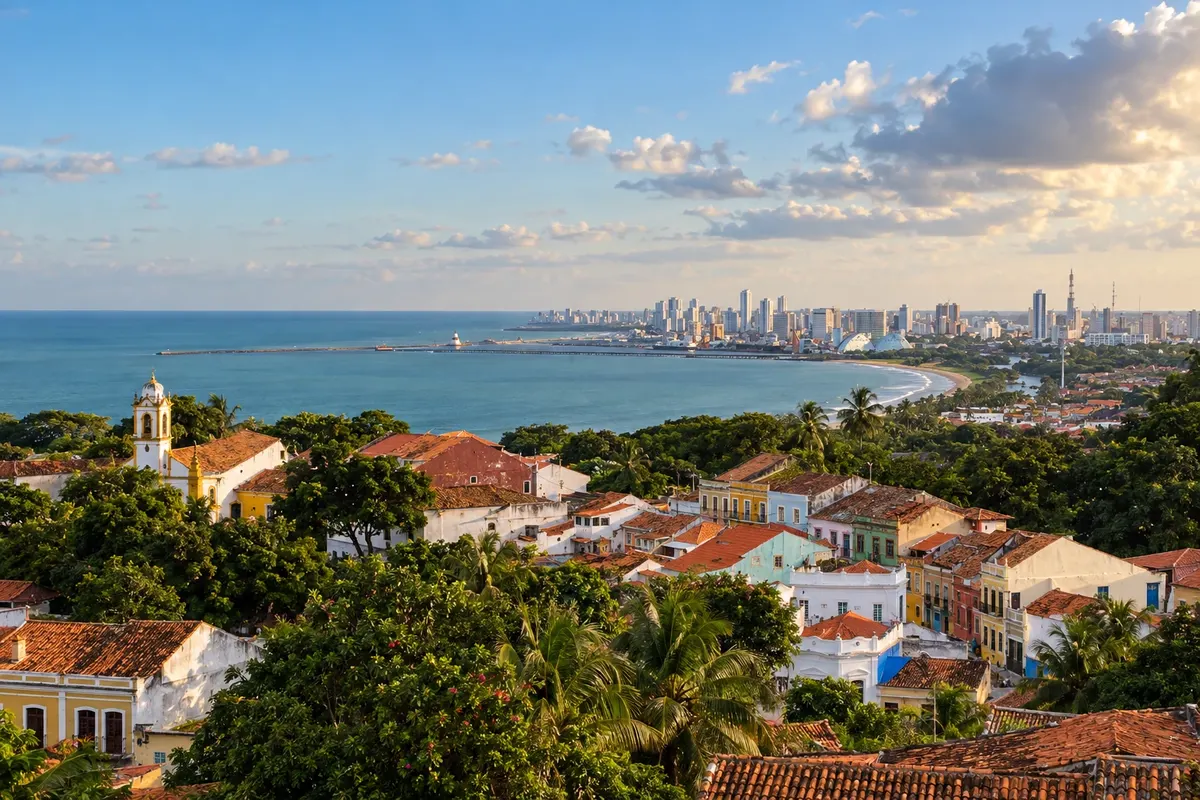
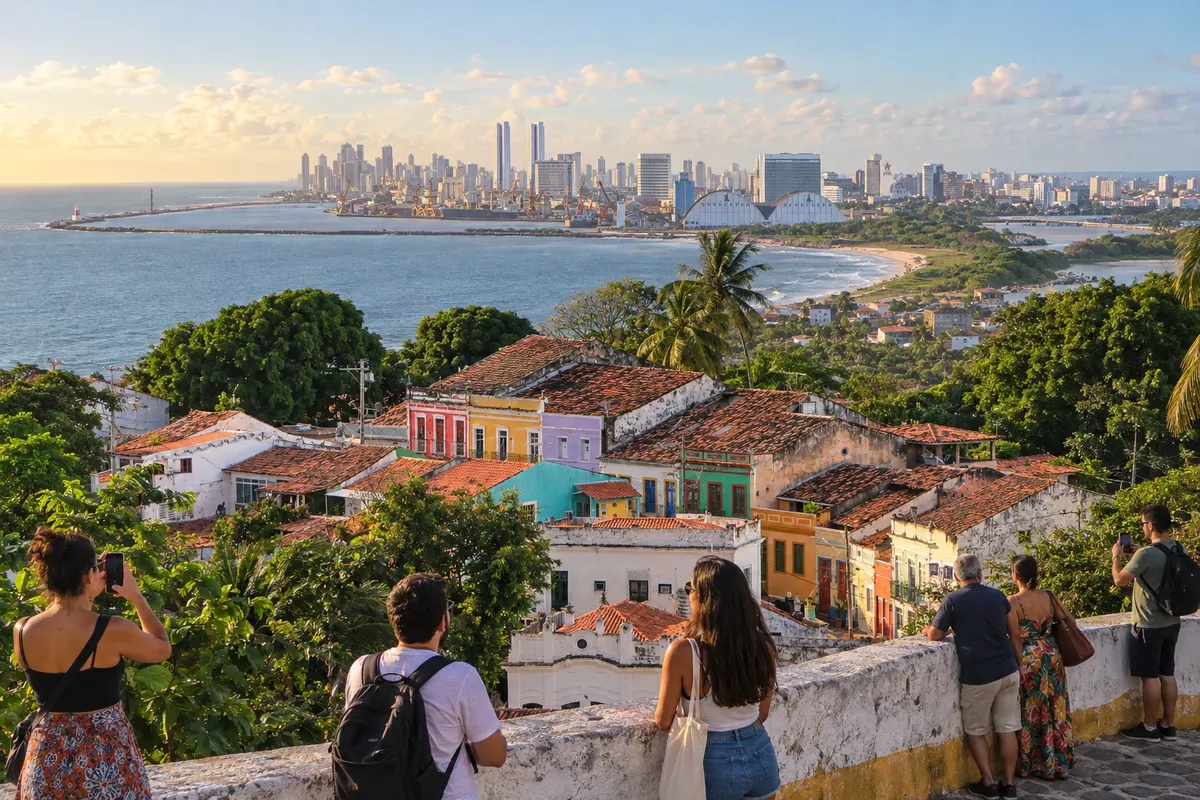
In the photo: View of Olinda from Alto da Sé, Olinda (PE)
Illustrative images. The pictures in this guide are illustrations based on the real place, not photographs, and may differ from it.
The state
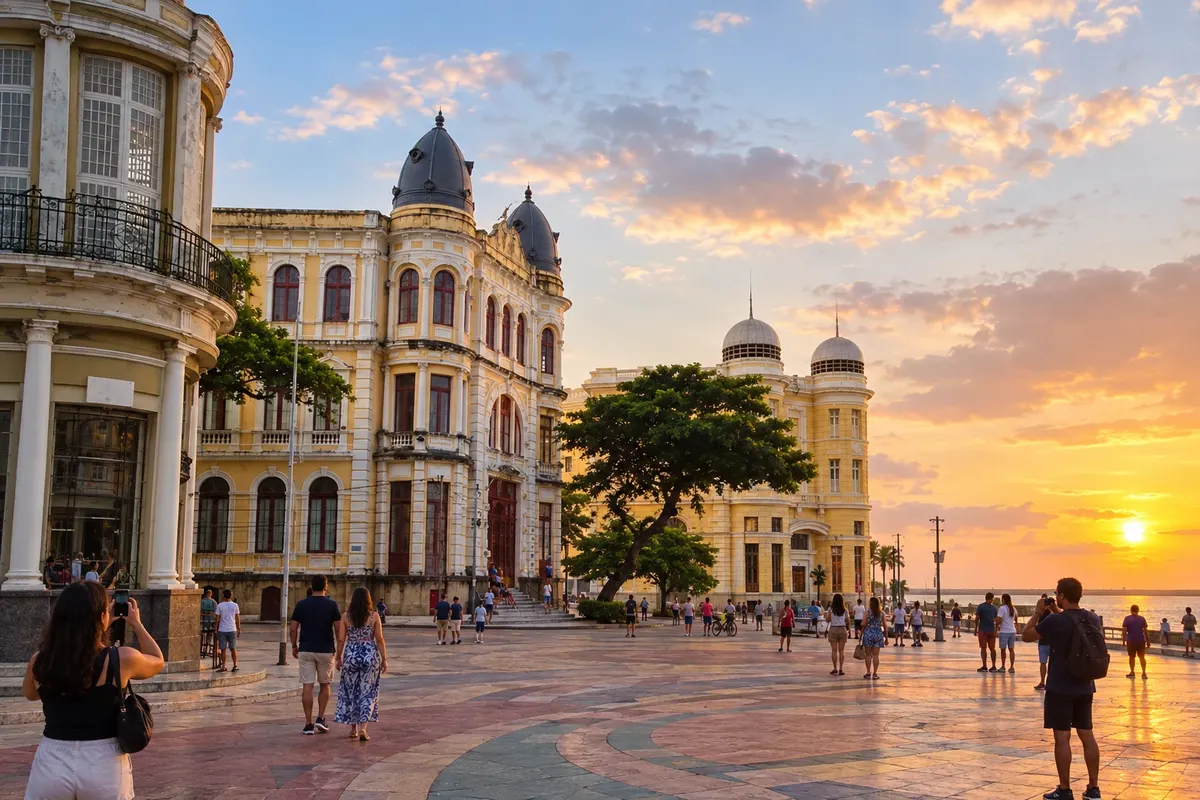
Recife was born among rivers and mangrove, cut by the Capibaribe and the Beberibe and stitched together by bridges. In Recife Antigo are Marco Zero, Paço do Frevo and Rua do Bom Jesus, where the first synagogue in the Americas once operated. In Várzea, Oficina Brennand occupies an old pottery surrounded by woodland. The Boa Viagem waterfront has reefs that form pools at low tide, and signs along the beach indicate where swimming is not allowed because of sharks.
Olinda lies adjoining Recife to the north, and its historic center is listed as a World Heritage site. Churches, convents and old houses climb the hills up to Alto da Sé, from where you can see Recife. At Carnival, giant puppets and frevo troças take over the same streets; frevo is an intangible cultural heritage of humanity, and the Galo da Madrugada, in Recife, kicks off the Saturday of revelry.
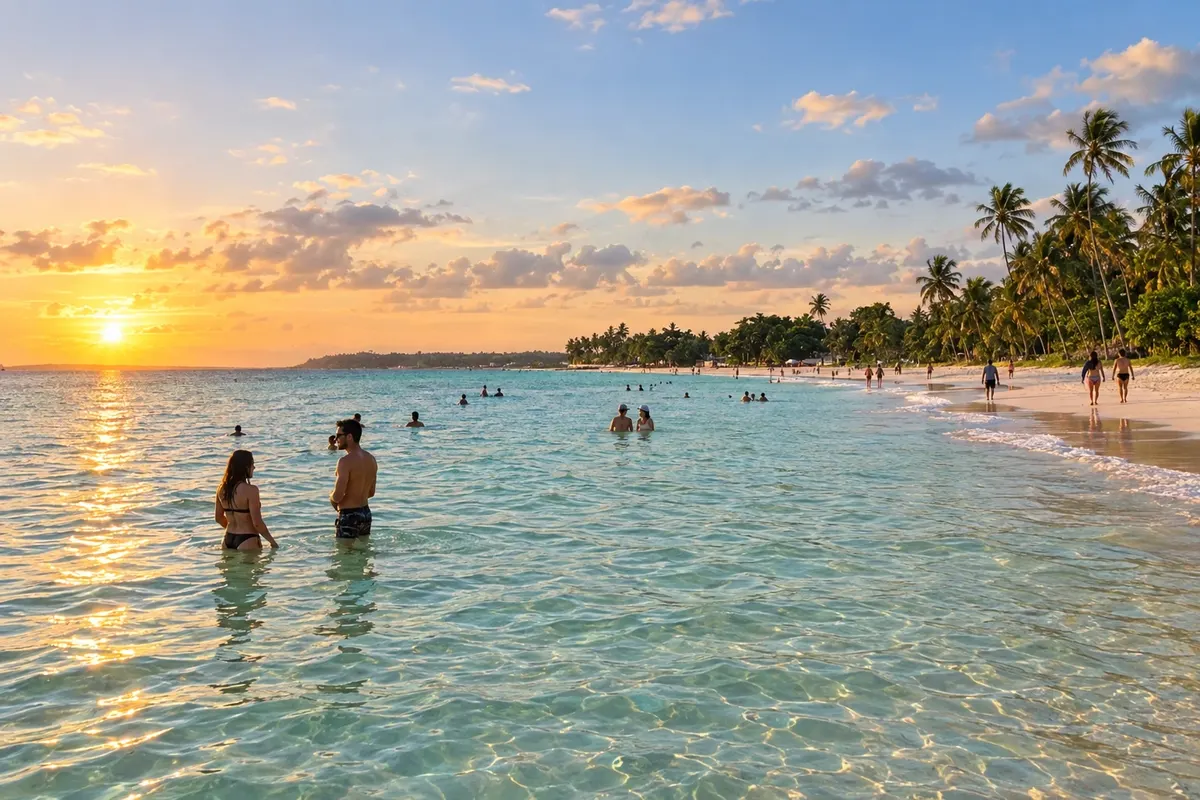
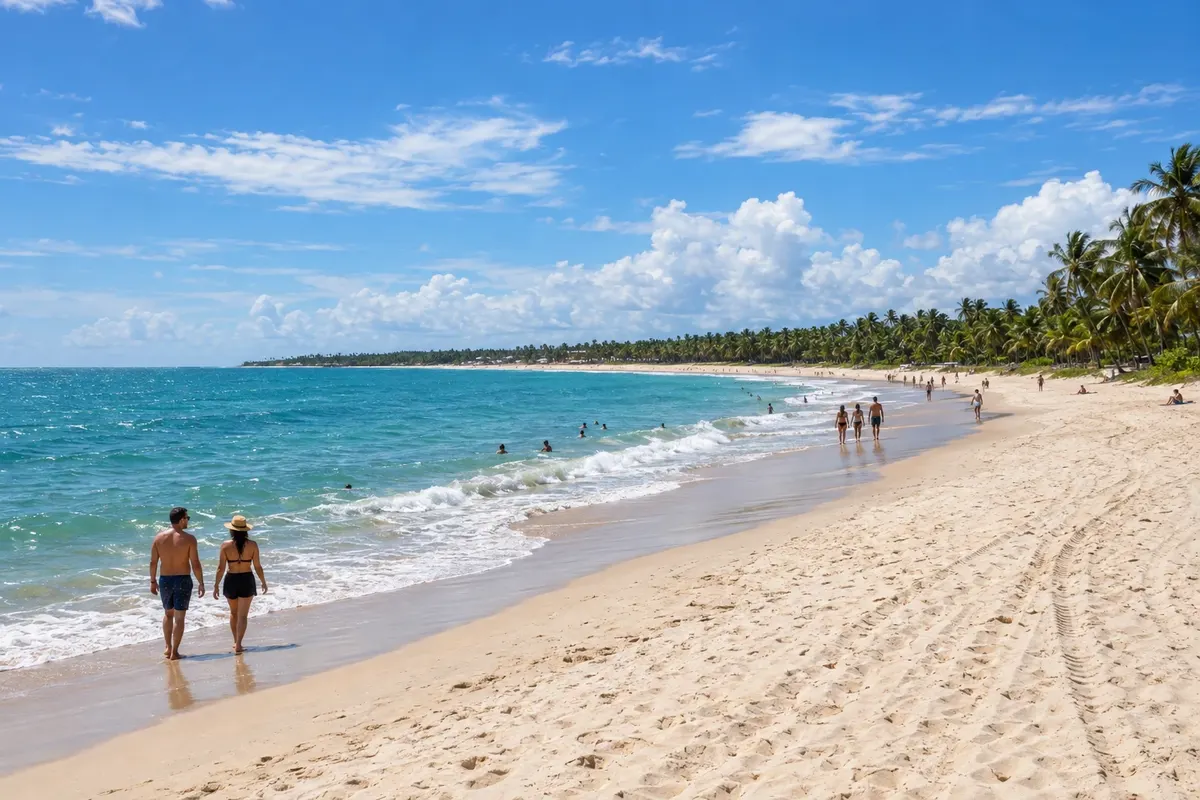
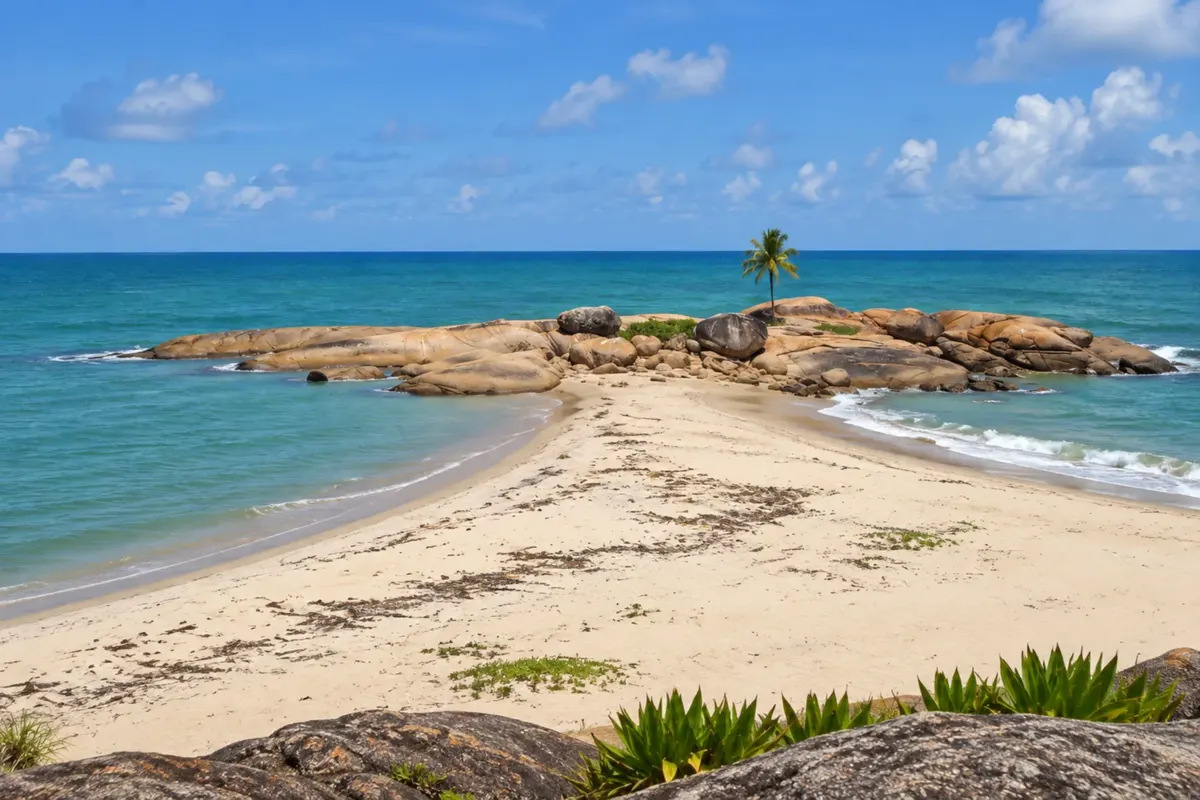
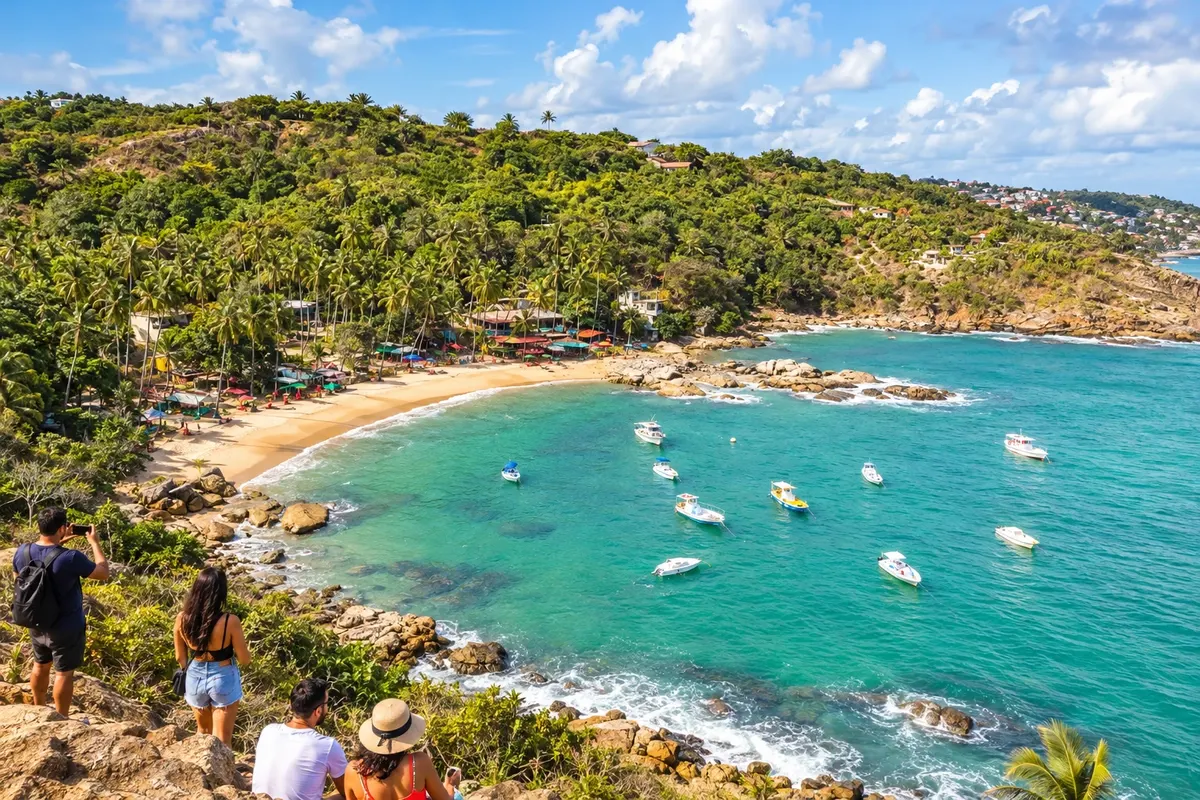
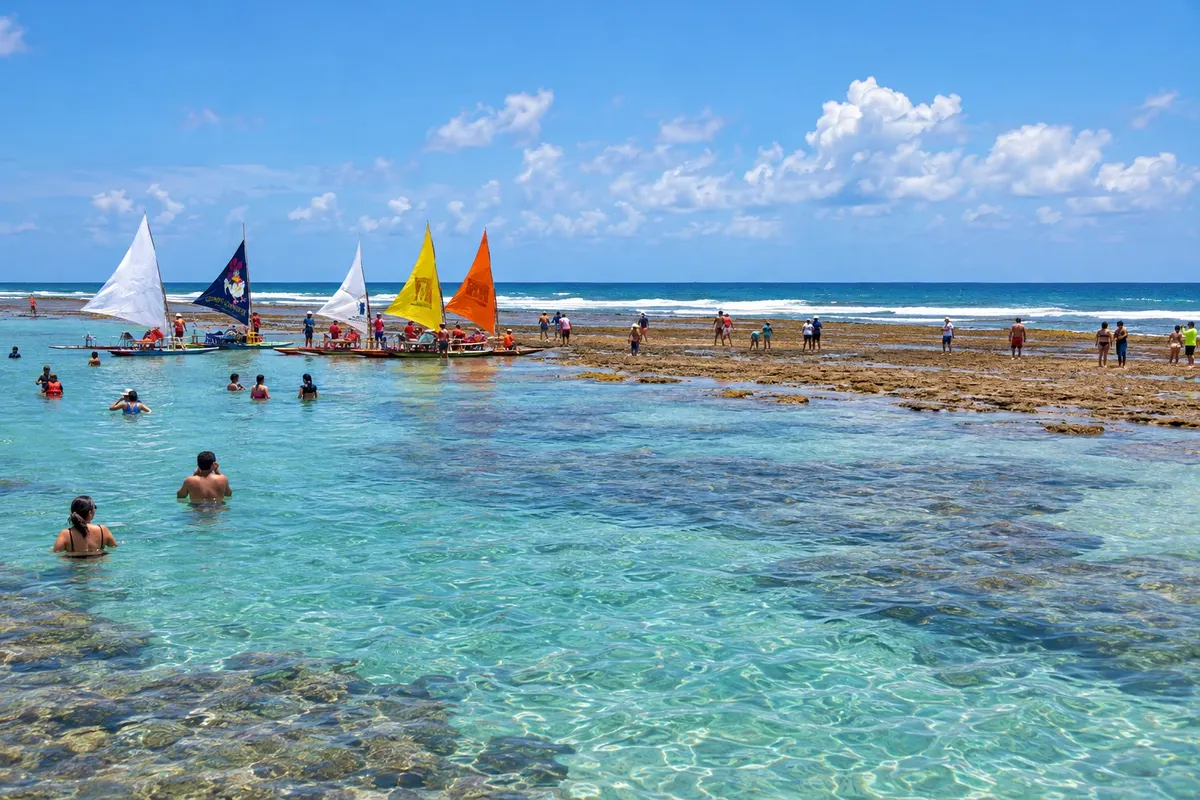
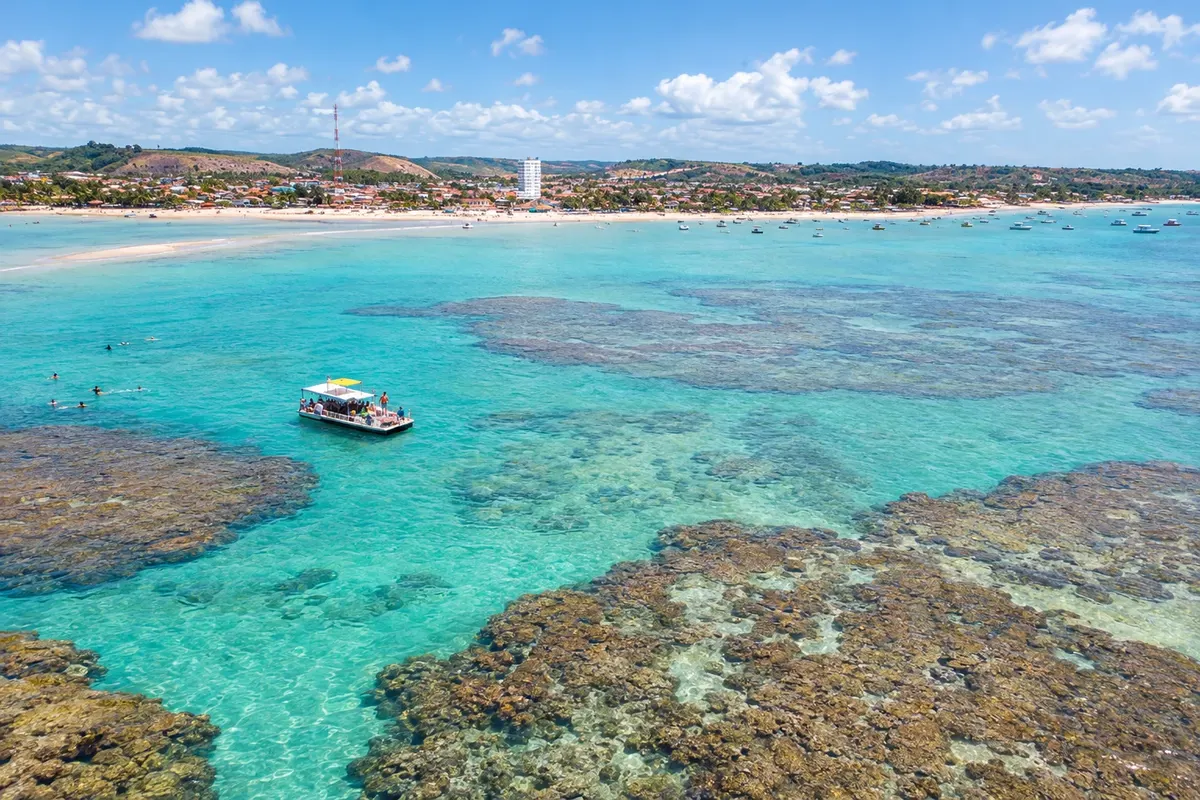
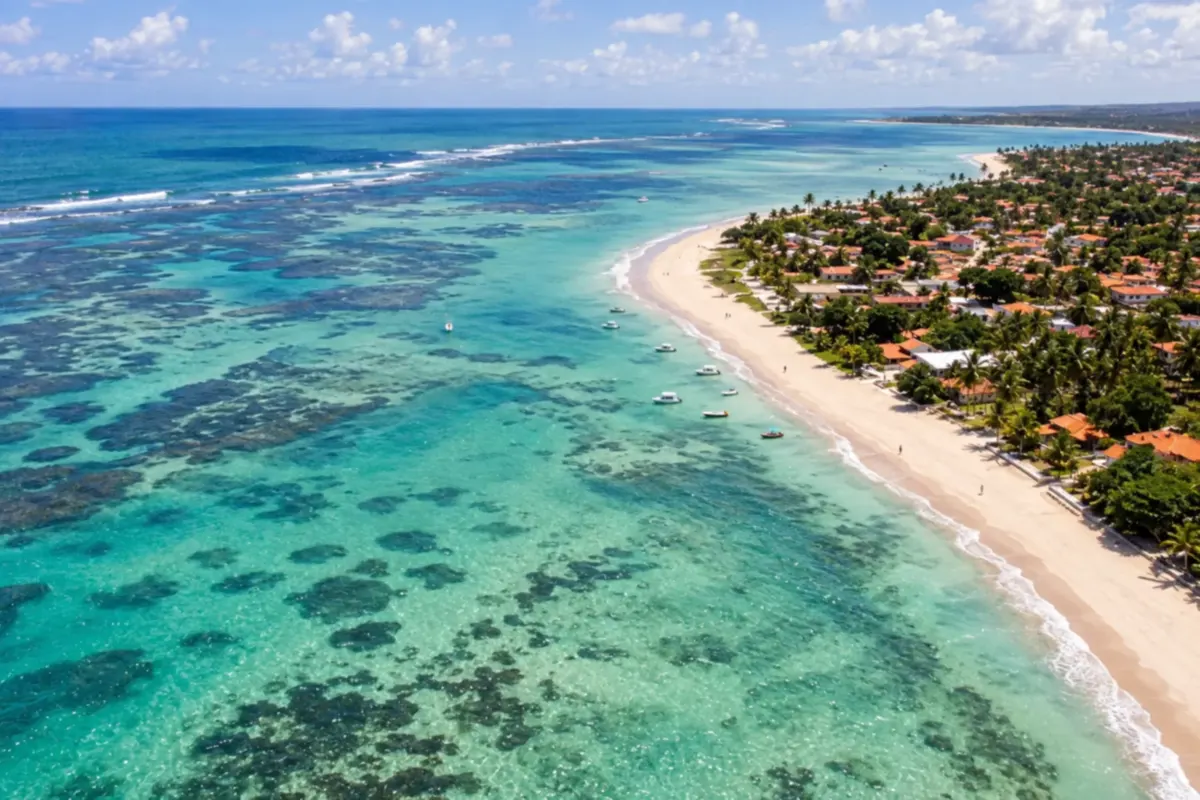
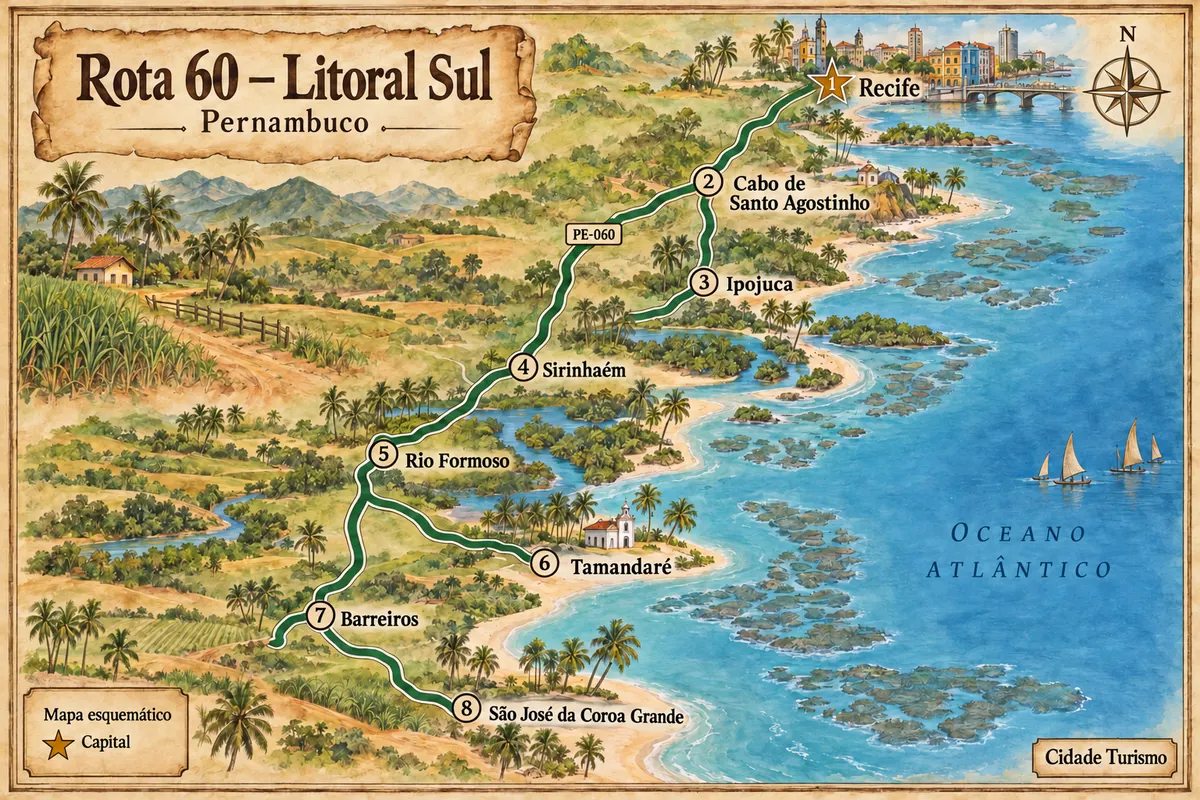
South of the capital, the Rota 60 – Litoral Sul leads to Ipojuca, the municipality of Porto de Galinhas, Muro Alto and Maracaípe. In Porto, jangadas depart for the reef pools at low tide; Maracaípe has waves for surfing and a pontal where the river meets the sea. Further on, the Pernambuco stretch of the Costa dos Corais passes through Tamandaré, with Praia dos Carneiros and the chapel of São Benedito on the sand, and through Barreiros, with rivers and coconut groves, already near Alagoas.
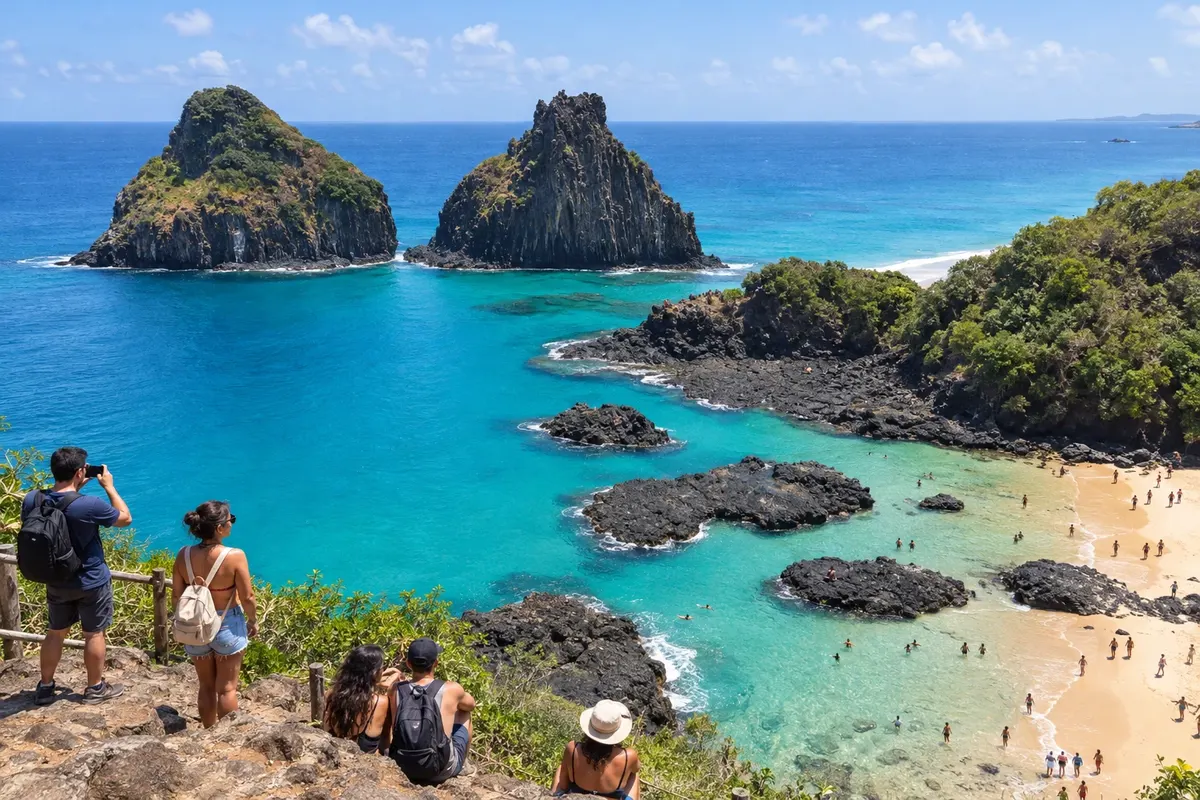
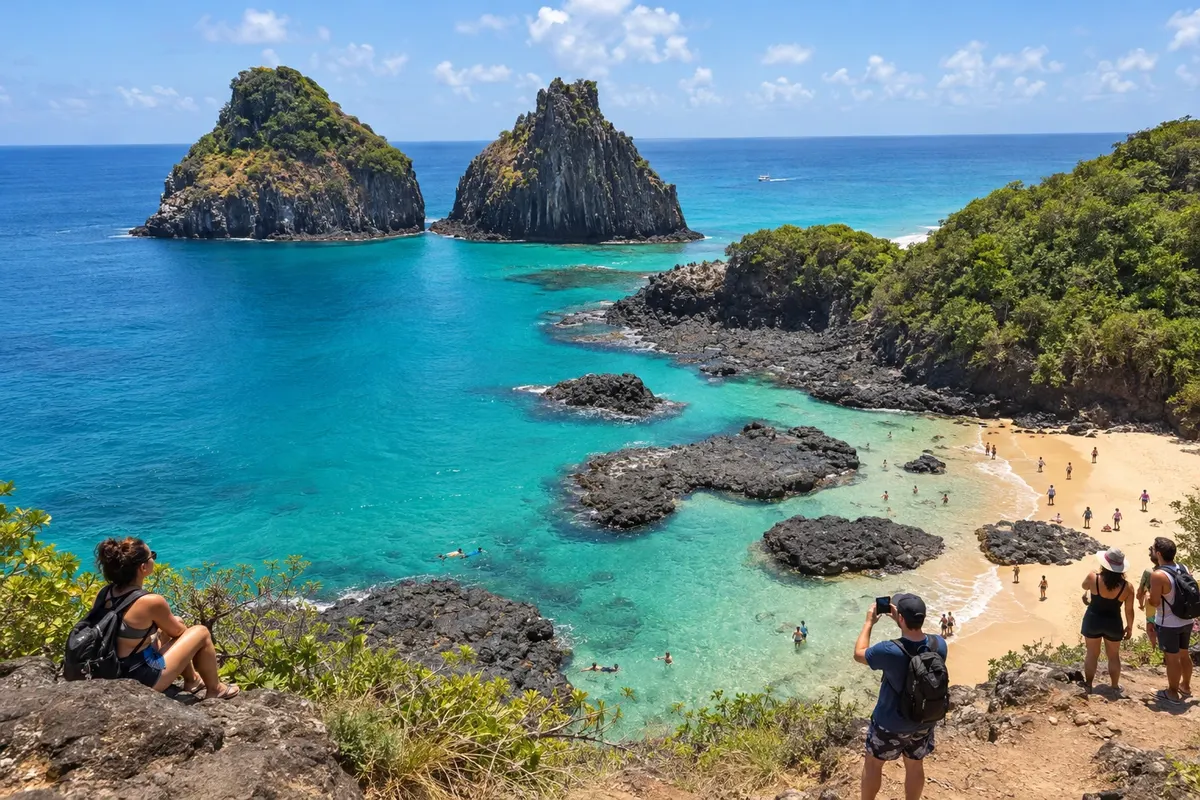
Fernando de Noronha is a state district, with most of the archipelago within a marine national park. Baía do Sancho, Baía dos Porcos and Cacimba do Padre are among the most sought-after beaches, and Praia do Porto is where the boats depart. Spinner dolphins enter Baía dos Golfinhos every morning, which can be watched from a viewpoint above. Visitors pay a daily preservation fee and the park entrance fee.
On the Pernambuco table are bolo de rolo, bolo Souza Leão, cartola, carne de sol, sarapatel and tapioca. In the Agreste, Caruaru celebrates São João throughout June, and Alto do Moura keeps the tradition of clay figurines.

Flavors of Brazil
Destinations
Cities

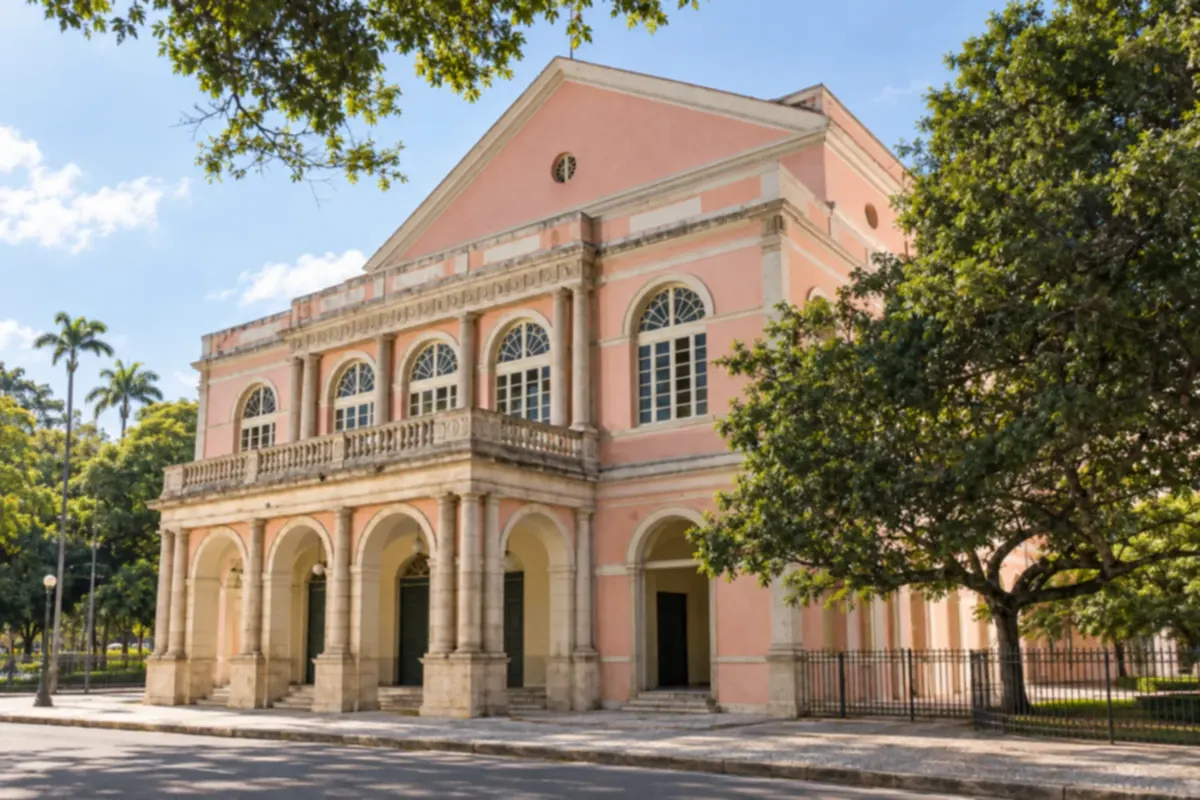
Recife brings together rivers, bridges and historic heritage on the coast of Pernambuco. Walks through the old center and along the Boa Viagem waterfront can be combined with visits to museums, churches and theaters.

Barreiros brings together rivers, coconut groves and beaches on the south coast of Pernambuco. Praia do Porto and the religious heritage of the center let you combine trips along the coast with local history.

Cabo de Santo Agostinho brings together the coves of Calhetas and Gaibu, the promontory that gives the municipality its name, and Engenho Massangana, linked to the childhood of Joaquim Nabuco. Industry and the Suape complex coexist with beach centers and rural heritage. On Route 60, the town is the first stage after Recife.

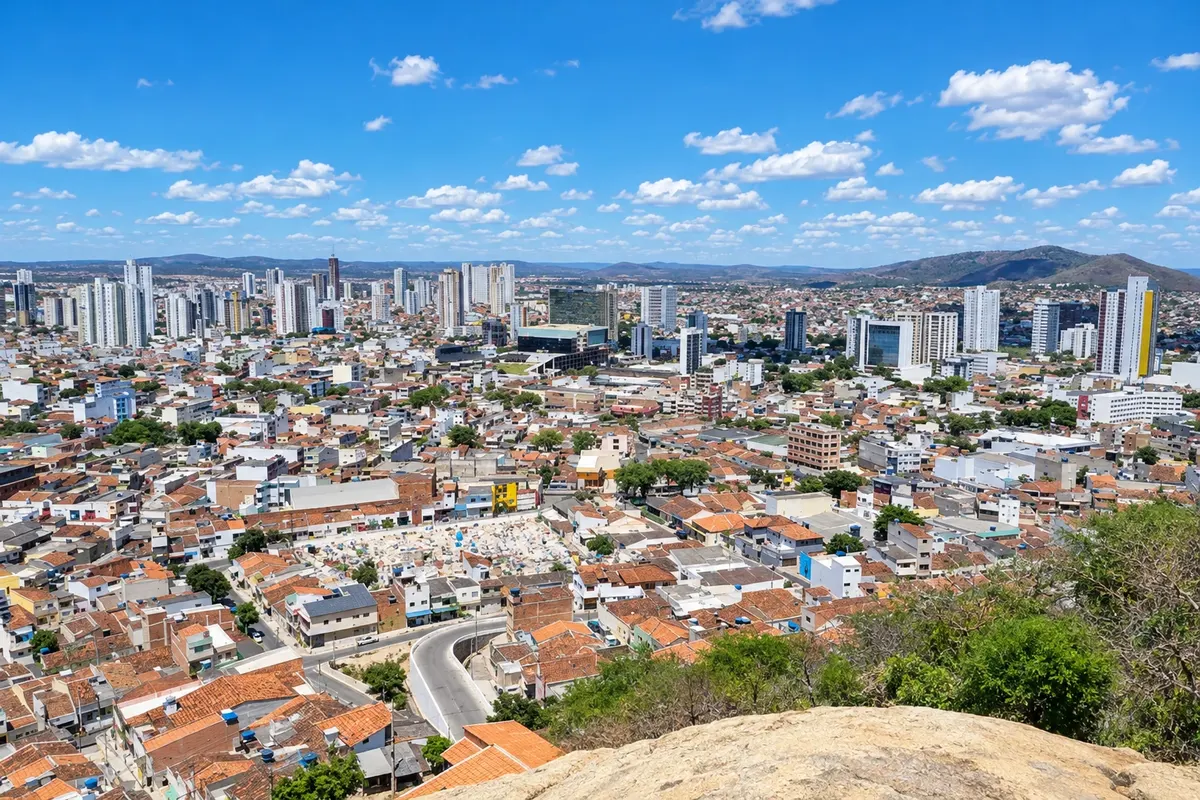
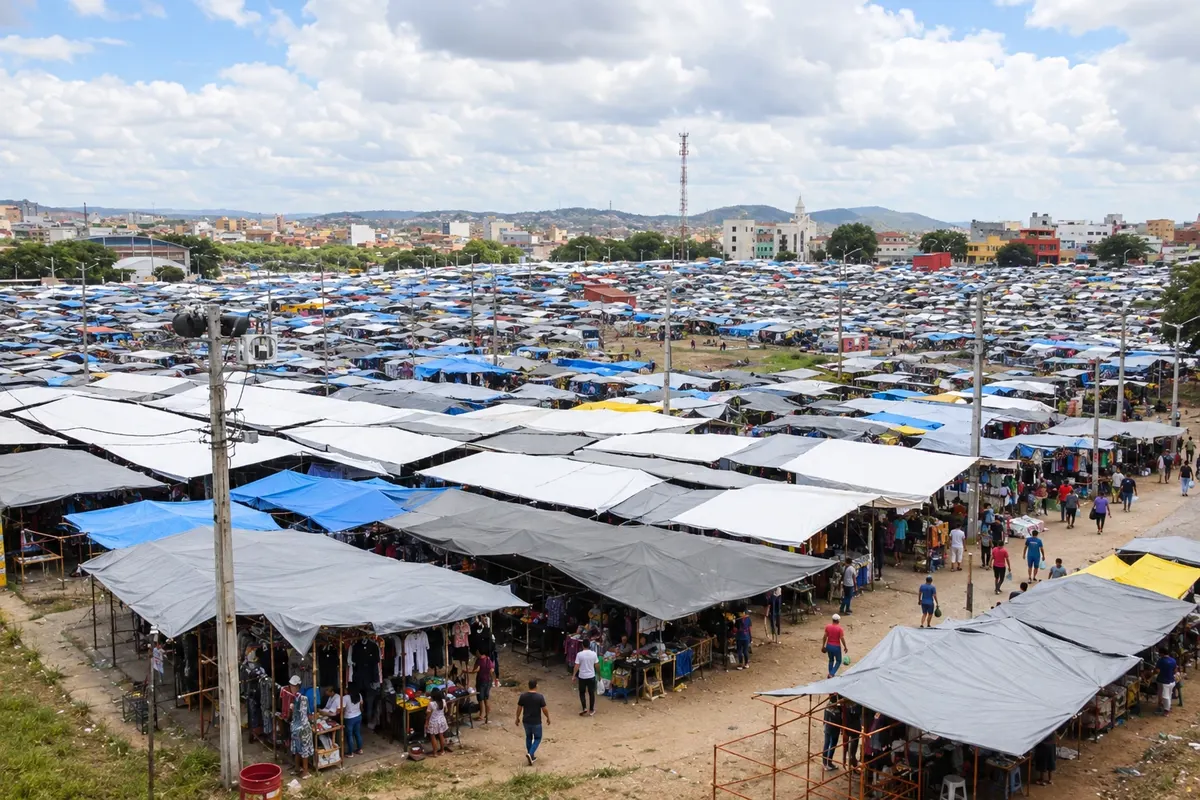
Main city of Pernambuco’s Agreste, known as the Capital of Forró. It has the Caruaru Fair, Brazil’s intangible cultural heritage, and Alto do Moura, the potters’ neighborhood where the heirs of Mestre Vitalino work. In June it hosts the São João de Caruaru.

Fernando de Noronha is a state district of Pernambuco that brings together beaches, viewpoints and protected environments. Sancho, Baía dos Porcos and Cacimba do Padre show different landscapes, while Praia do Porto brings the outing closer to the boarding area. Plan access, permits and sea conditions.

Ipojuca is the municipality of Porto de Galinhas, Muro Alto and Maracaípe. The reefs and natural pools contrast with stretches of ocean with waves, offering different coastal tours. Choose the beach according to the group's interests and check the tide before planning activities in the water.

Olinda brings together slopes, churches, historic houses and viewpoints in a historic center that invites walking. Alto da Sé offers the view between the city and the sea, while Carmo, São Bento and Ribeira form a cultural circuit. Plan breaks on the climbs and explore the area without hurry.

Rio Formoso grew up along the river of the same name and retains a set of historic houses tied to the history of the Mata Sul. The estuary brings together mangroves, channels and fishing communities that connect to the coast of Sirinhaém and Tamandaré. The town center lies along the PE-060 corridor, allowing the fluvial landscape to be included among the beach stages of Route 60.

São José da Coroa Grande occupies the southernmost stretch of Pernambuco's coast and is part of the APA Costa dos Corais. The town's name is related to the sandbanks that appear at low tide. In addition to the beach by the center, the Vila da Várzea do Una offers an estuary and mangrove landscape. It is the last municipal stage on Route 60 before the border with Alagoas.

Sirinhaém has a town center associated with the sugar mills of the Mata Sul and a coastline formed by Barra de Sirinhaém, Guadalupe and A Ver o Mar. Ilha de Santo Aleixo lies off that coast and is reached by boat. The municipality links the PE-060 route with branch roads to the beaches and the estuary.

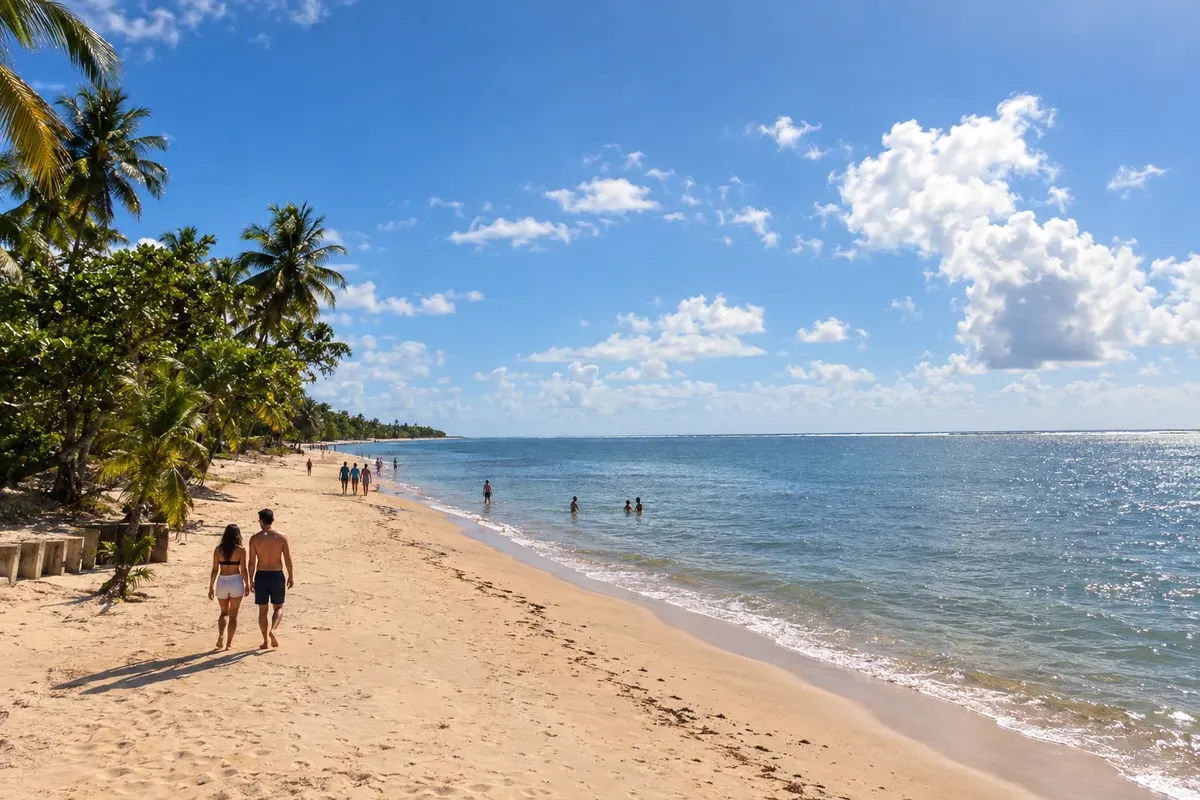
Tamandaré combines reef-protected beaches and historic heritage on the south coast of Pernambuco. The natural pools and Praia dos Carneiros invite you to explore the sea and the region's coconut groves.
Routes
On the coast, the rainy season runs from April to July; spring and summer bring steady sun and calmer seas in the natural pools. In Fernando de Noronha, the rains start around March, and from November to March the inner sea gets waves — the surf season — and reduced visibility for diving at some spots. The Carnaval in Recife and Olinda and Caruaru's São João are the busiest dates for accommodation.
Recife/Guararapes – Gilberto Freyre International Airport is in Recife, near Boa Viagem. Olinda is a few kilometers from Recife's center. Porto de Galinhas is about 60 kilometers away via BR-101 and PE-060, which continues to Tamandaré and Barreiros. BR-232 leads to Caruaru and the sertão. For Fernando de Noronha, access for travelers is by air, with flights from Recife and from Natal to Fernando de Noronha Airport.
Your questions
Two. The Environmental Preservation Fee (Taxa de Preservação Ambiental) is state-run, charged per day of stay and paid before travel or on arrival. The ticket for the Parque Nacional Marinho grants access to the beaches and trails inside the park, such as Sancho and Baía dos Porcos, and is valid for a few days. Prices are frequently adjusted.
Four or five days allow you to do the park's trails, the boat tour, a dive and return to your favorite beaches. Because the fee is charged daily, many people adjust their stay to that cost.
Porto de Galinhas has a village, restaurants, nightlife and more accommodation options. Carneiros is quieter, with calm sea and few pousadas. Many visitors stay in Porto and make Carneiros a full-day trip.
Only within the pools formed by the reefs at low tide and in sections without warning signs. Outside them, avoid entering the sea, especially at high tide and in murky water. The same caution applies to Piedade, in Jaboatão dos Guararapes.
In Olinda the party is on the hills, with troças, giant puppets and lots of people on foot; wear sturdy footwear and carry little. In Recife, the Galo da Madrugada parades on Saturday through the center, and Recife Antigo hosts stages over several days. Accommodation in Olinda usually sells out months in advance.
Yes. Half a day is enough for Alto da Sé, the Mosteiro de São Bento, the Convento de São Francisco and the ateliers on Rua do Amparo. The hills are steep, so allow time and go with comfortable shoes.
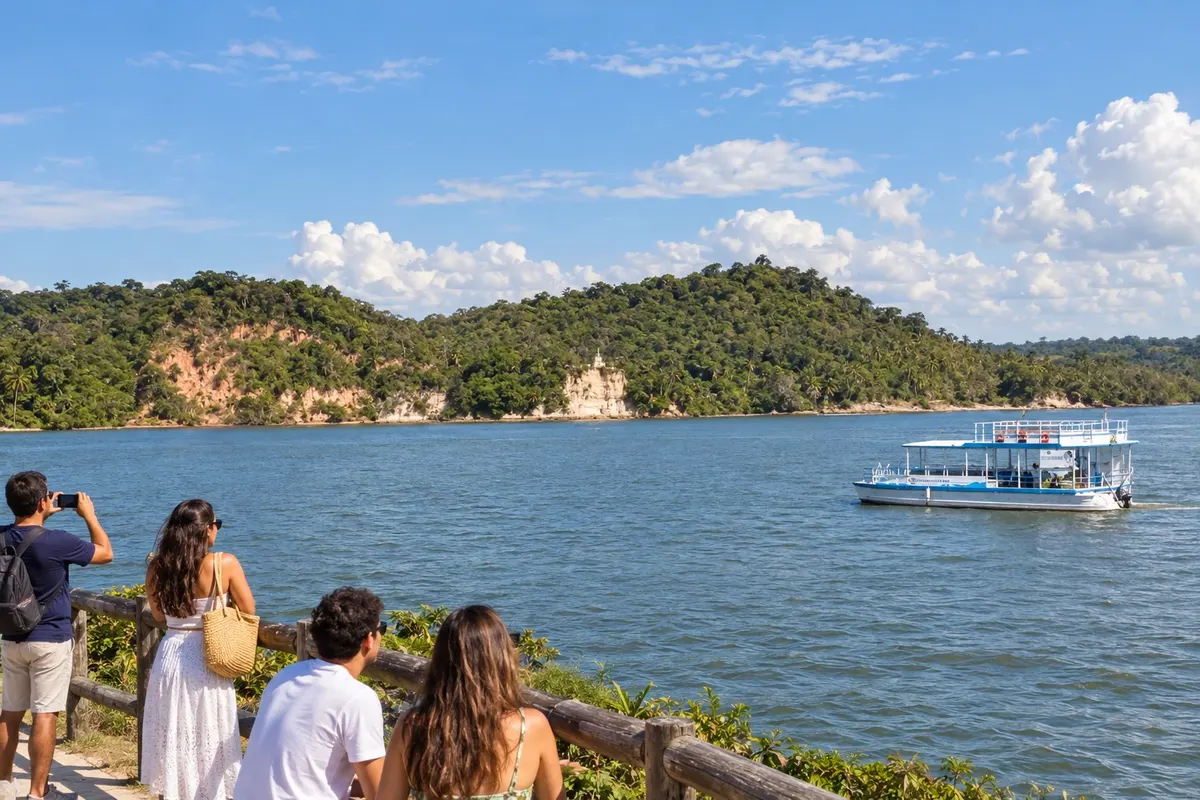
Jangadas depart from the pontal of Maracaípe up the river to the mangrove where seahorses live. Prefer operators who show the animals in the water, without removing them into containers. The trip depends on the tide.
Mapa: @svg-maps/brazil, CC BY 4.0