The cuisine
Traditional food of Poland
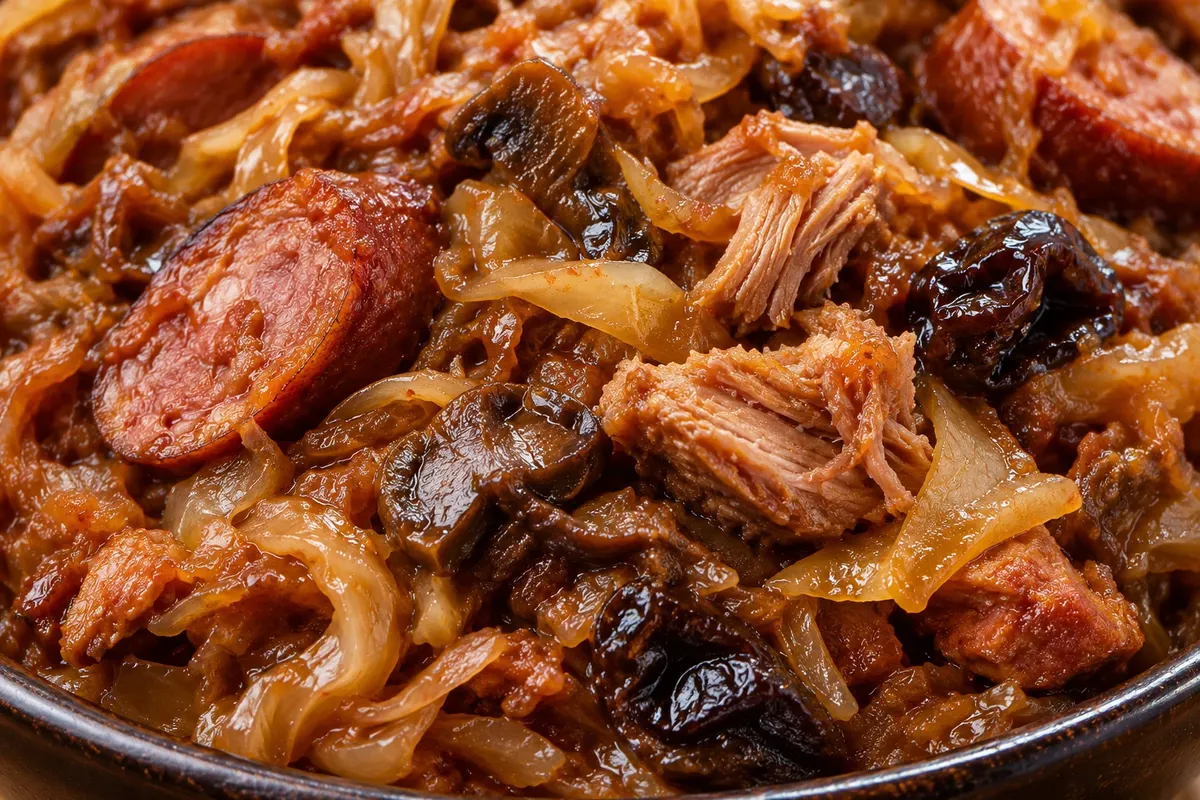
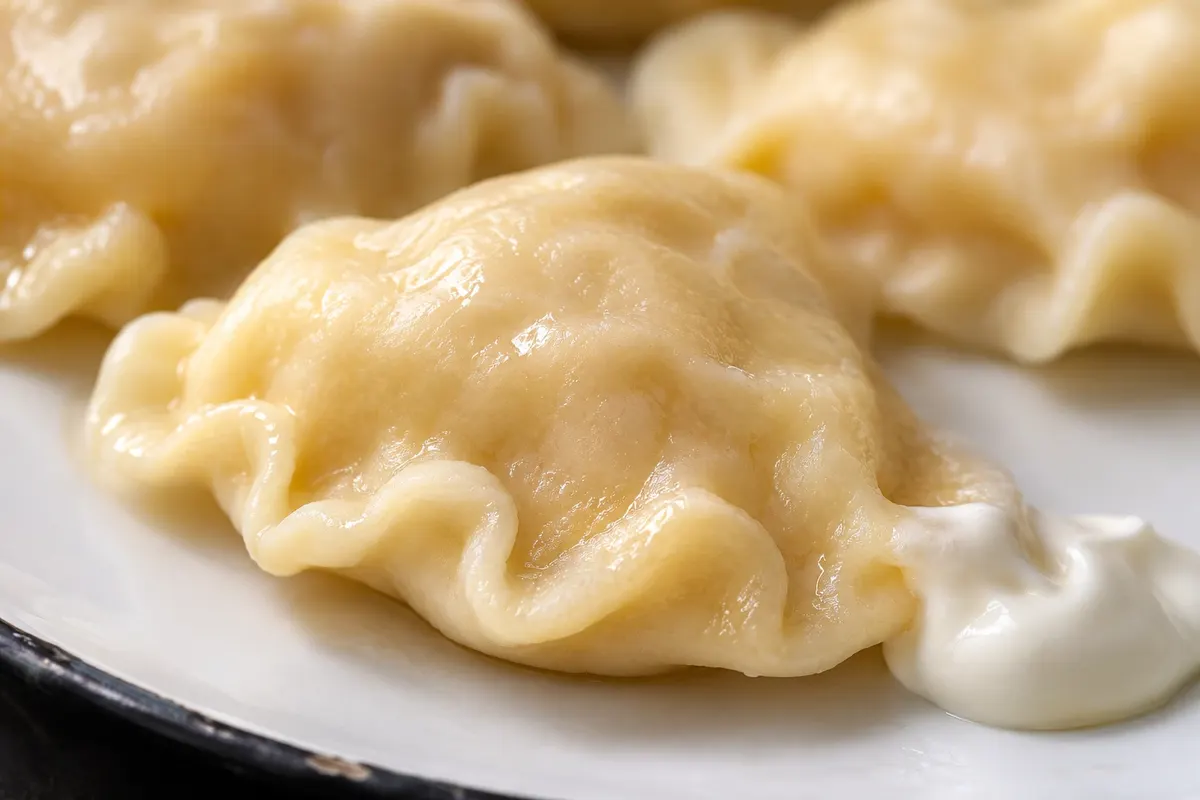
Polish cuisine formed around rye and wheat, potato, cabbage and sauerkraut, forest mushrooms and fruits, pork and sour cream. Fermenting and smoking are long-standing techniques in the country: from them come the rye starter used in żurek, the sauerkraut in bigos and kwaśnica, and the smoked meats found in many winter dishes. The first cookbook printed in Polish, Compendium ferculorum by Stanisław Czerniecki (1682), already contains recipes for pierogi, bigos and fried filled dumplings.
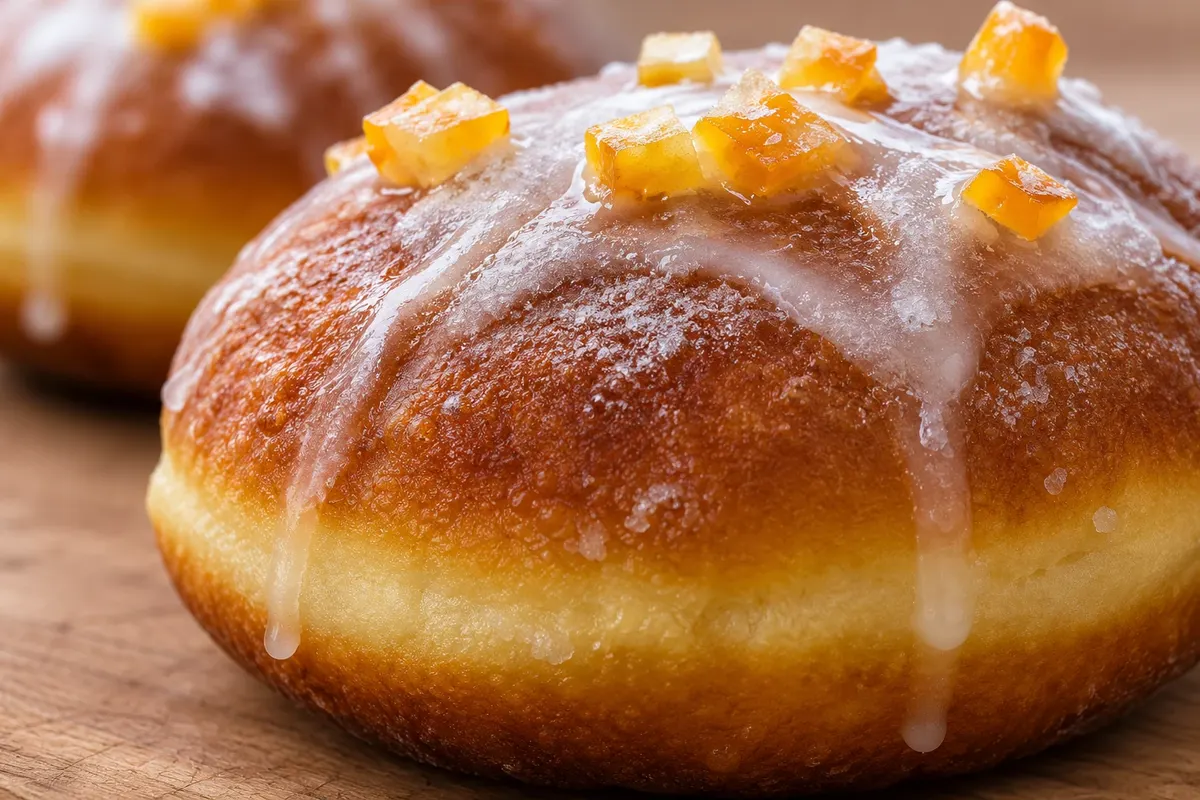
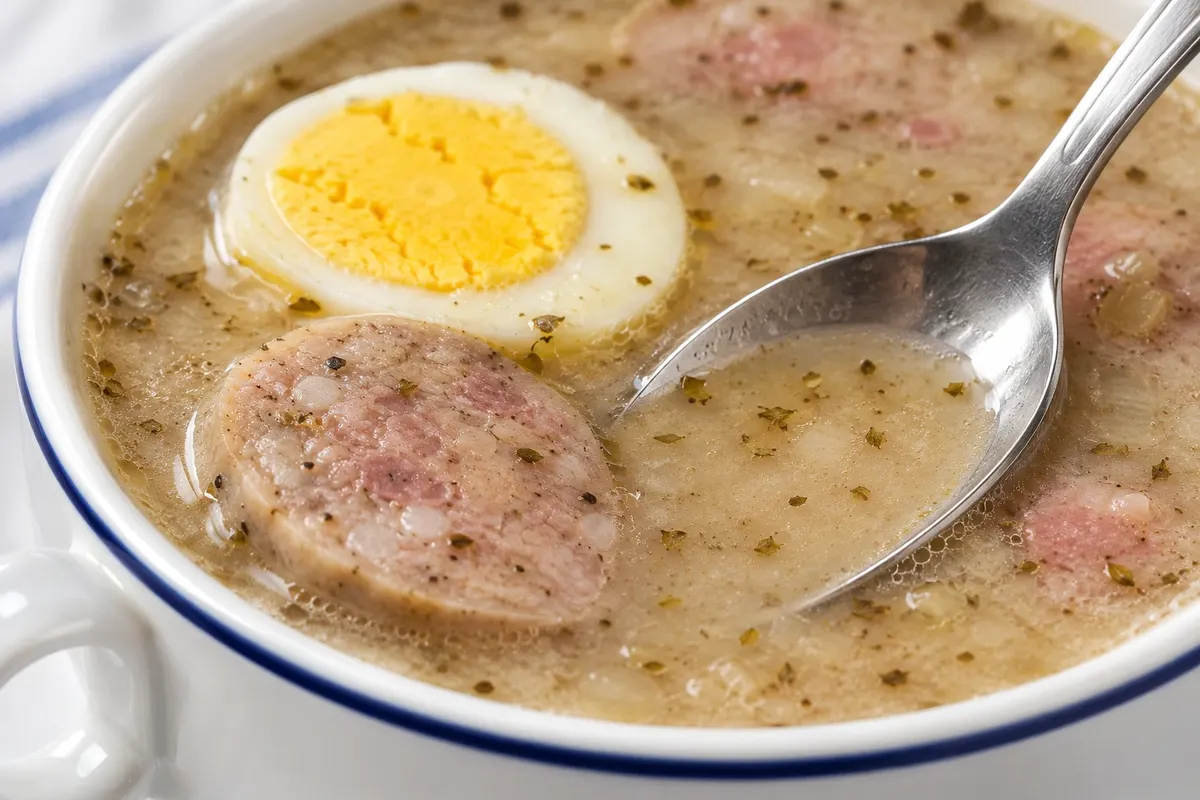
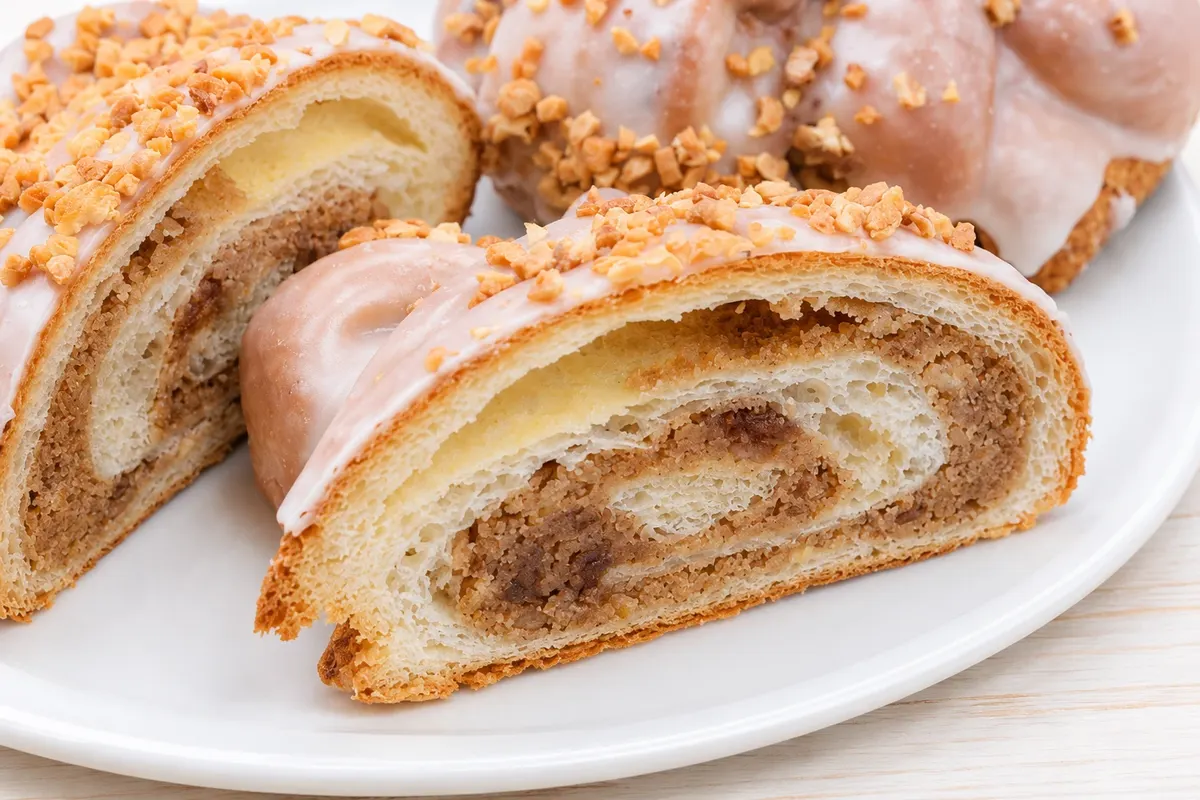
The religious calendar shapes the table. On Fat Thursday, the last before Lent, the whole country eats pączki. At Easter, żurek with white sausage and egg begins the meal. On Christmas Eve, cabbage-and-mushroom pierogi and poppy-seed sweets are served. In Poznań, November 11, St. Martin’s Day, is the day of the rogal świętomarciński.
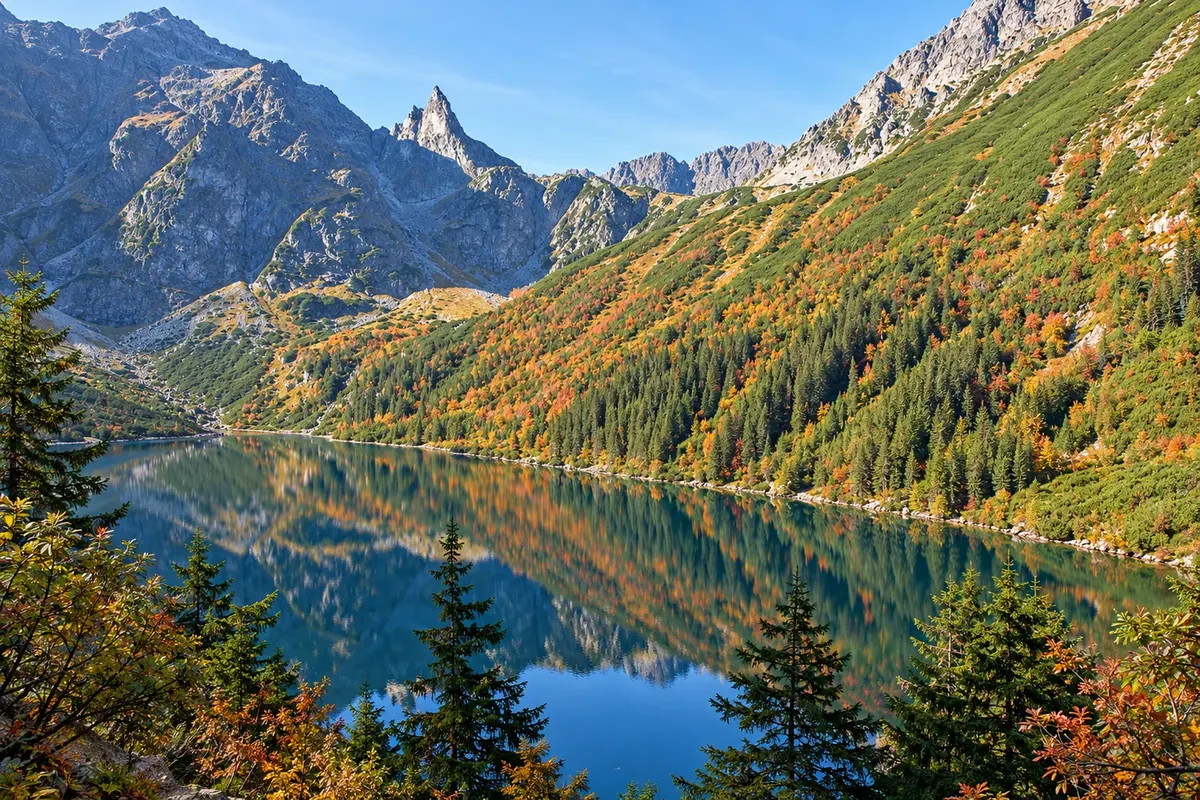
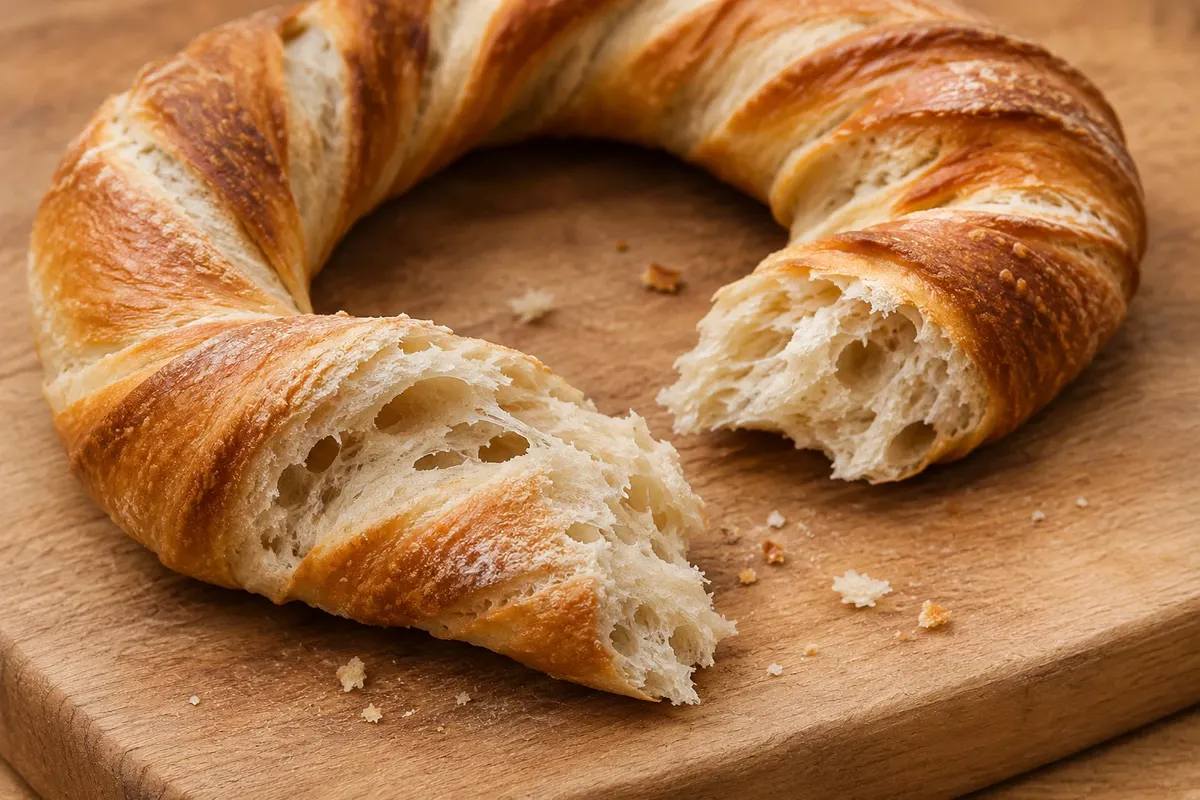
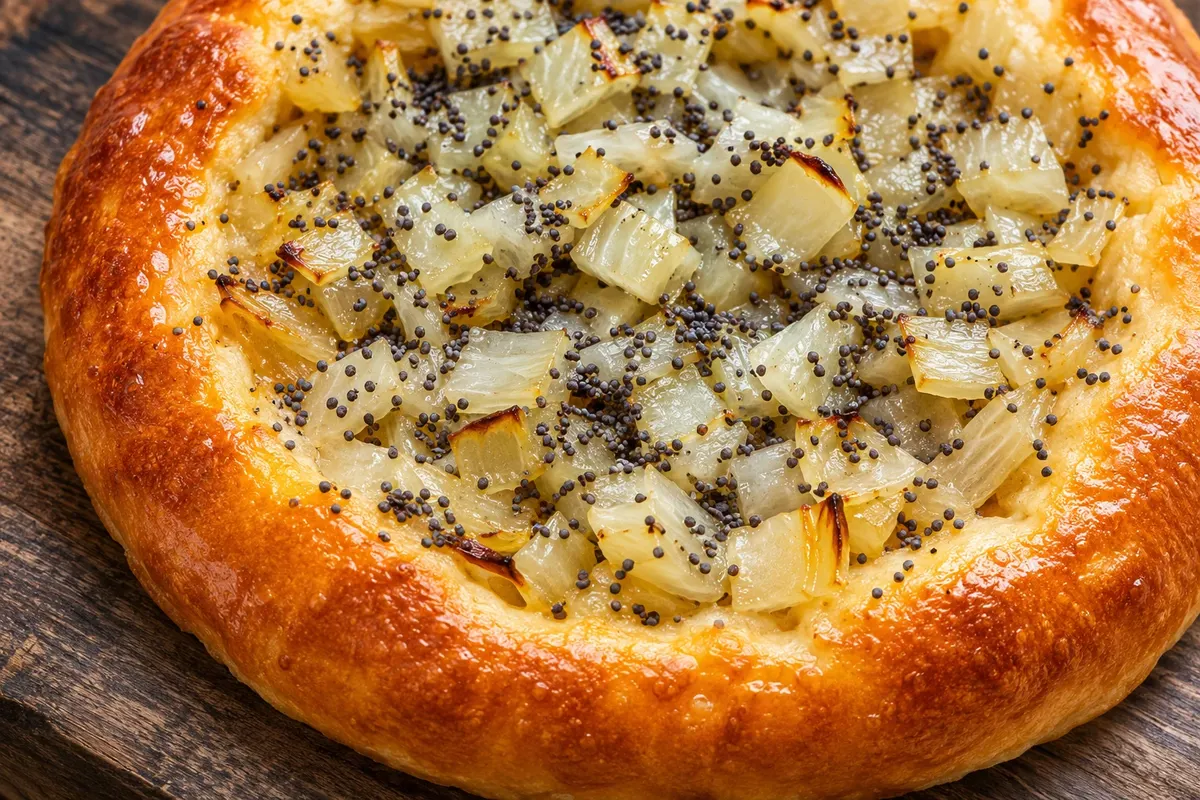
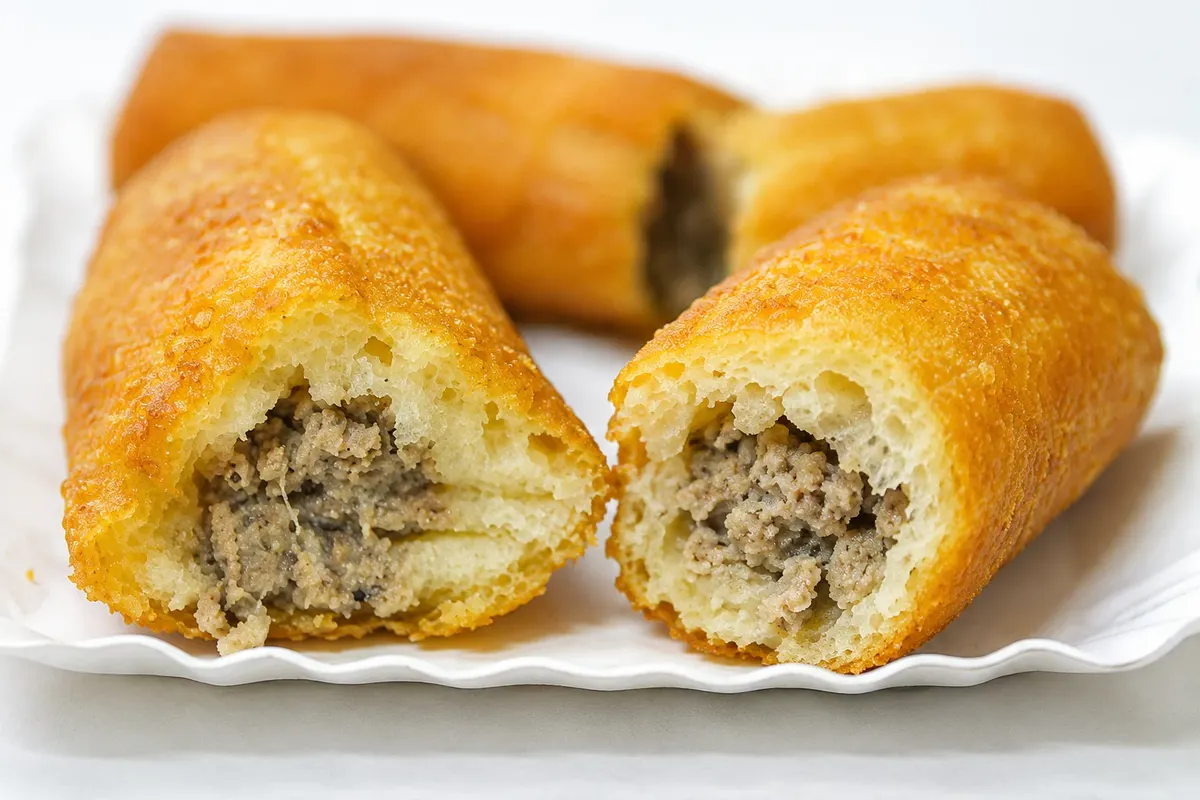
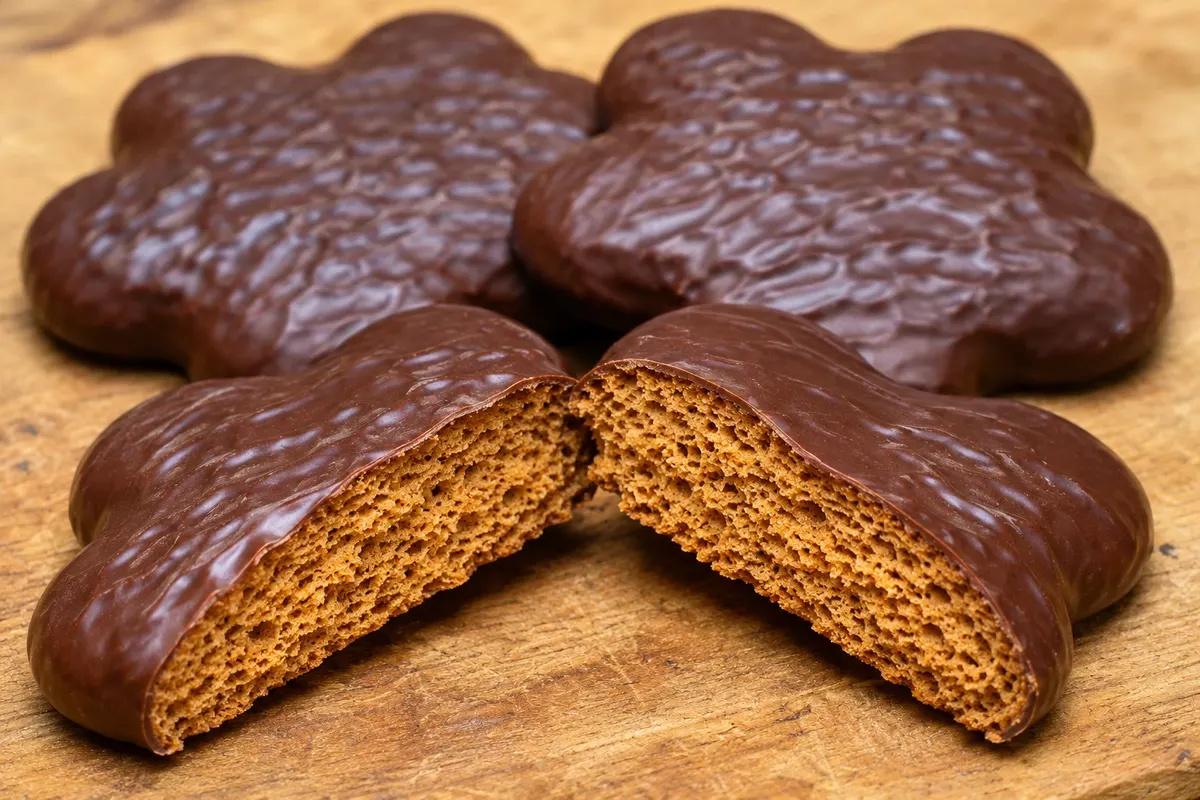
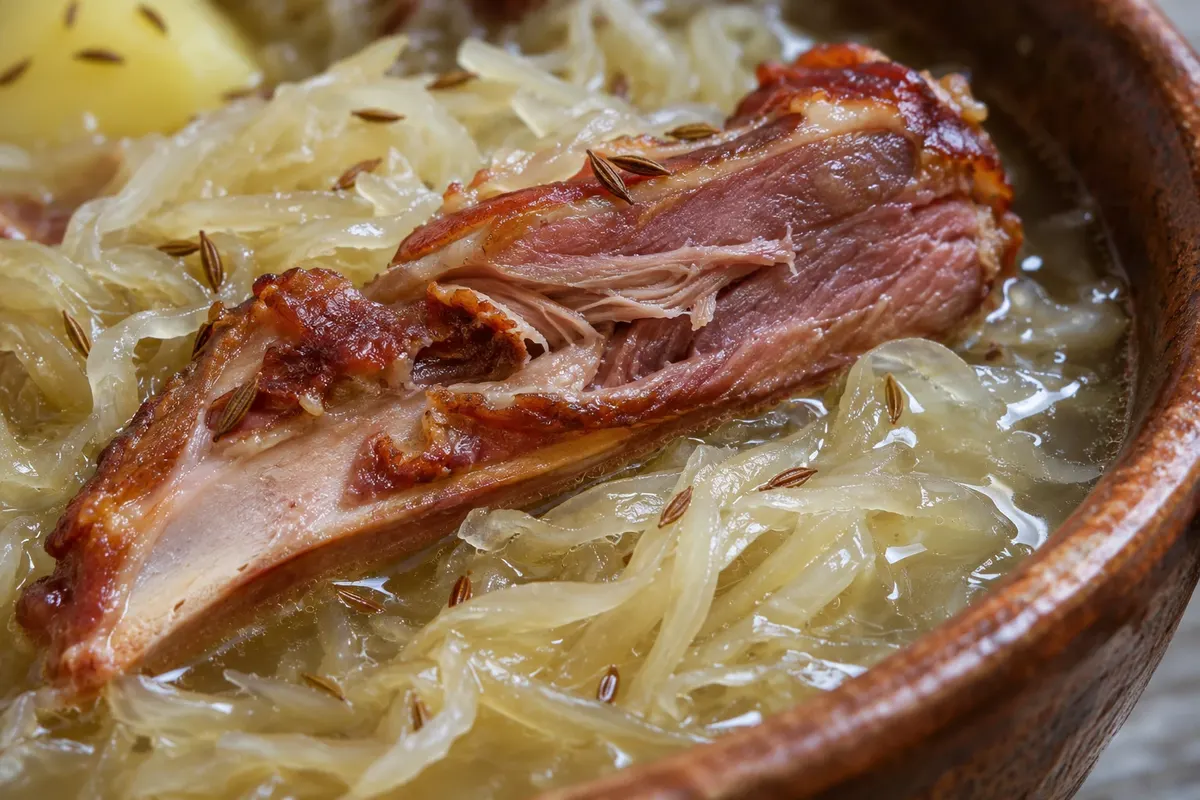
Cities keep their own recipes. Kraków sells obwarzanek on the streets, a boiled-and-baked ring bread that has protected geographical status. Toruń has been making spiced gingerbread since the Middle Ages, and Lublin bakes cebularz, a flatbread topped with onion and poppy seed of Jewish tradition. Szczecin has the pasztecik, a fried pastry born from a 1960s machine, Warsaw has wuzetka, a chocolate-and-cream cake tied to the city’s reconstruction, and Zakopane, in the Tatra Mountains, serves the highlanders’ kwaśnica.
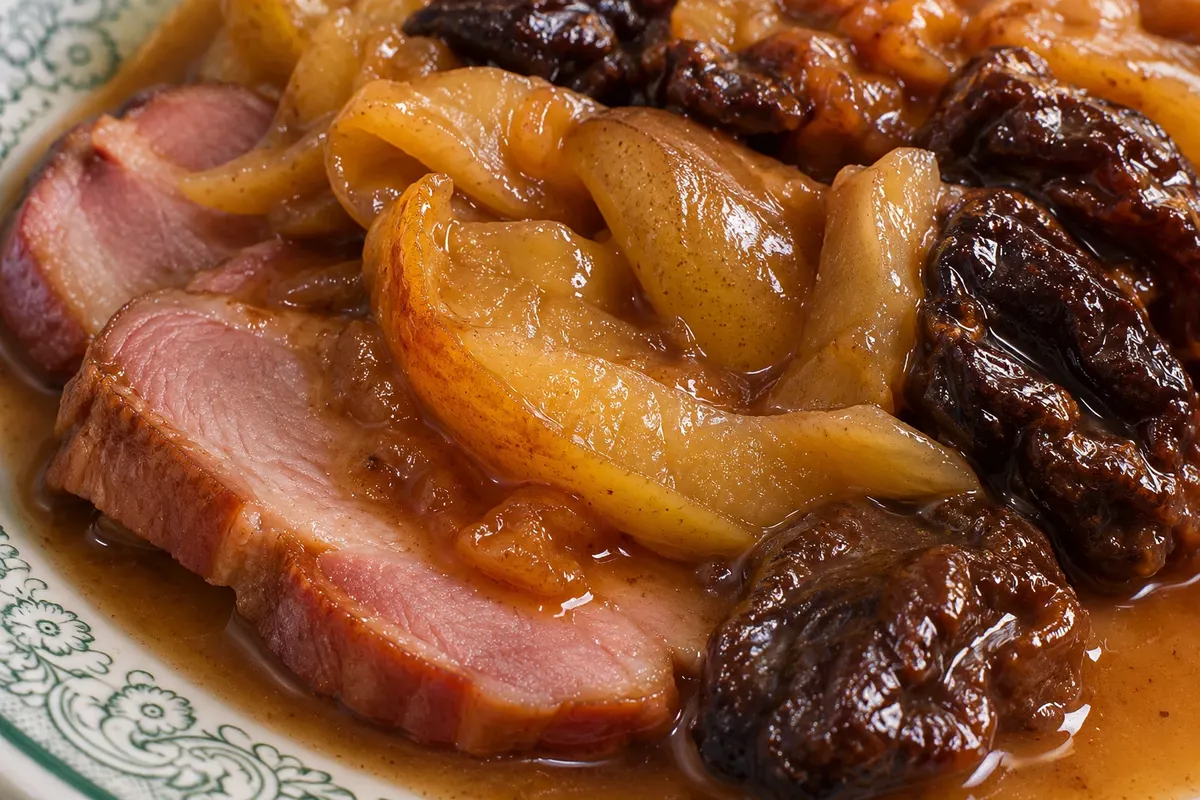
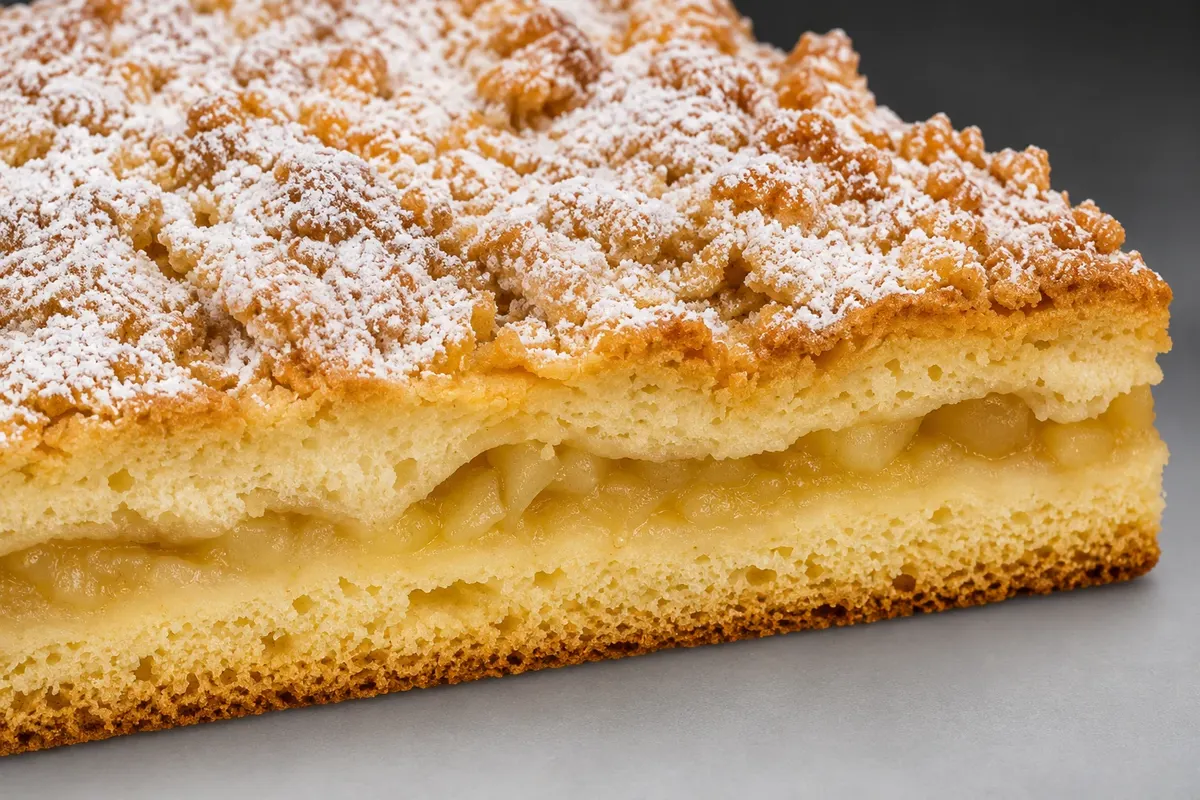
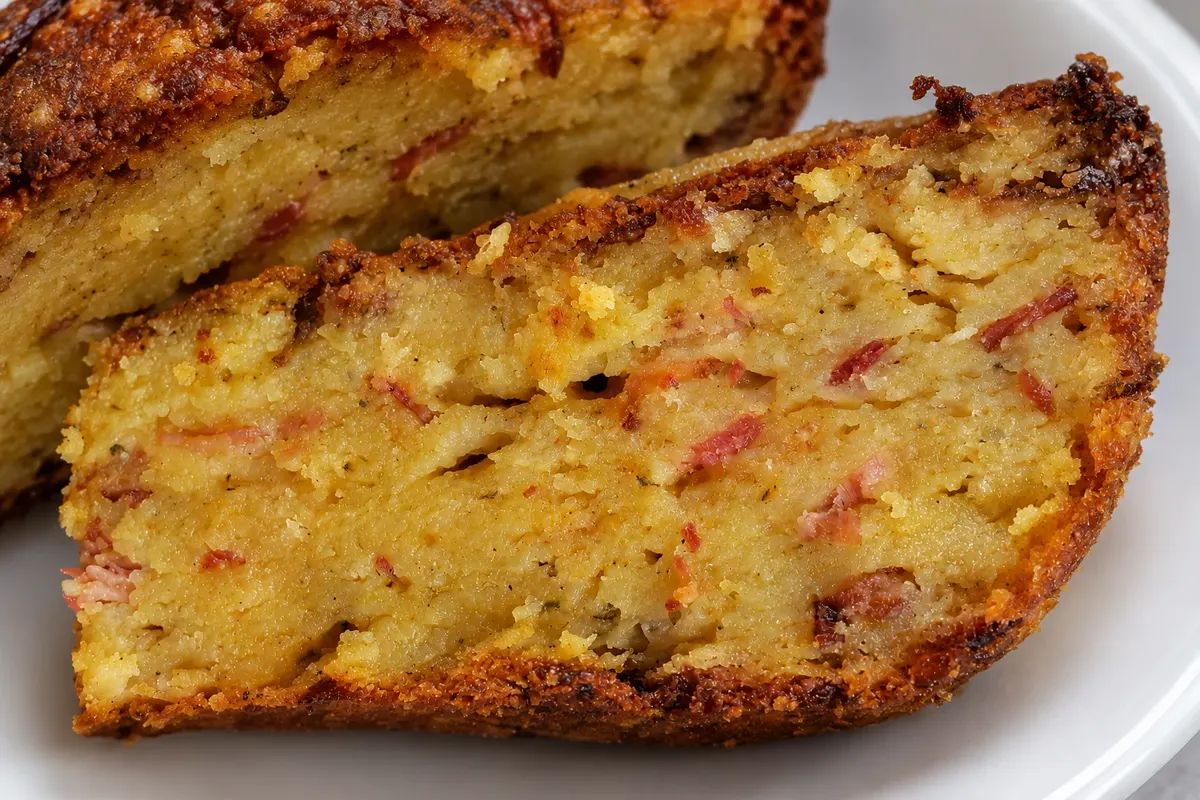
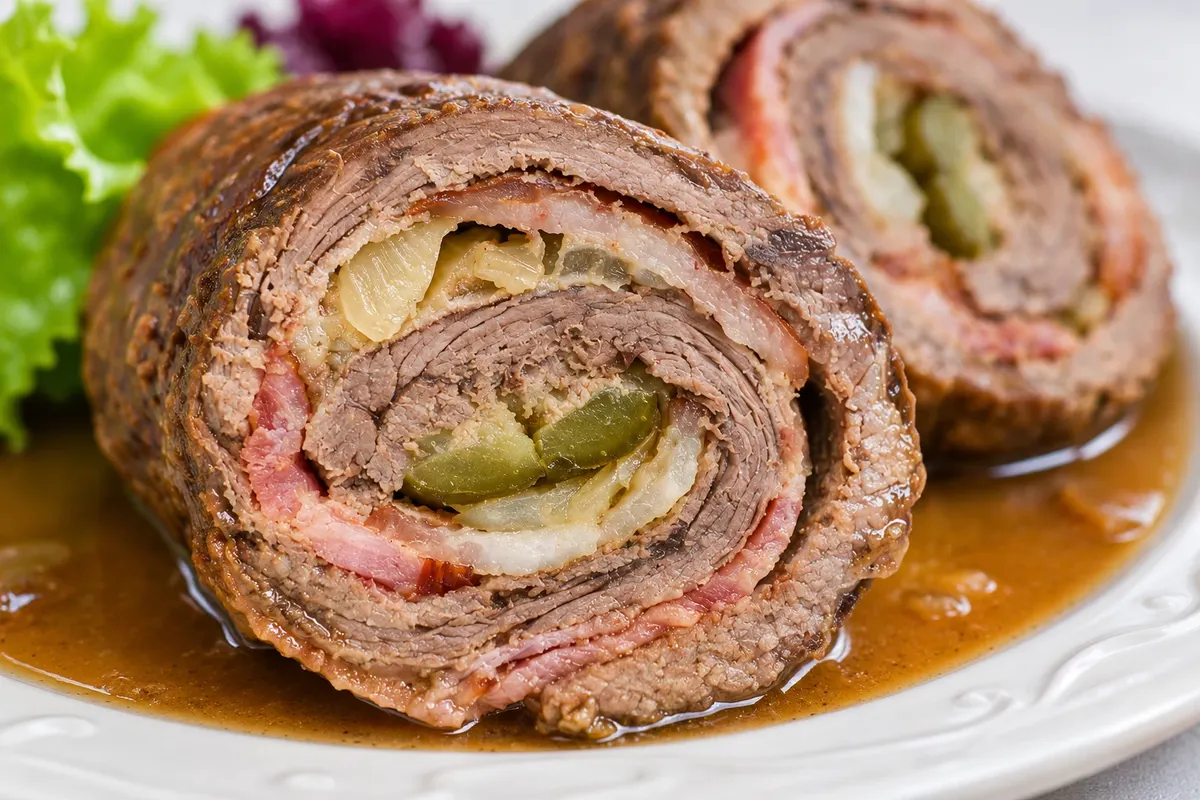
Regions also have strongly identifiable dishes. In Podlasie, near the Białowieża Forest, are babka ziemniaczana, a grated potato pie, and vodka flavored with bisongrass. Silesia has the Sunday rolled roast with kluski and red cabbage, Lower Silesia has śląskie niebo, smoked meat with dried fruit, and Opole Silesia has kołocz, a wedding cake with streusel. Among drinks, polska wódka is a national geographical indication: only vodka made entirely in the country from Polish grains or potatoes may use that name.


 Brazil
 Argentina
 Bolivia
 Chile
 Colombia
 Ecuador
 Guyana
 French Guiana
 Falkland Islands (Malvinas)
 Paraguay
 Peru
 Suriname
 Uruguay
 Venezuela
 Germany
 Austria
 Belgium
 Croatia
 Denmark
 Spain
 Finland
 France
 Greece
 the Netherlands
 Hungary
 Ireland
 Iceland
 Italy
 Luxembourg
 Norway
 Portugal
 the United Kingdom
 the Czech Republic
 Sweden
 Switzerland
 Turkey
 Canada
 the United States
 Mexico
 the Dominican Republic
 South Africa
 Australia
 Fiji
 New Zealand
 Papua New Guinea