Sweet · Dubrovnik
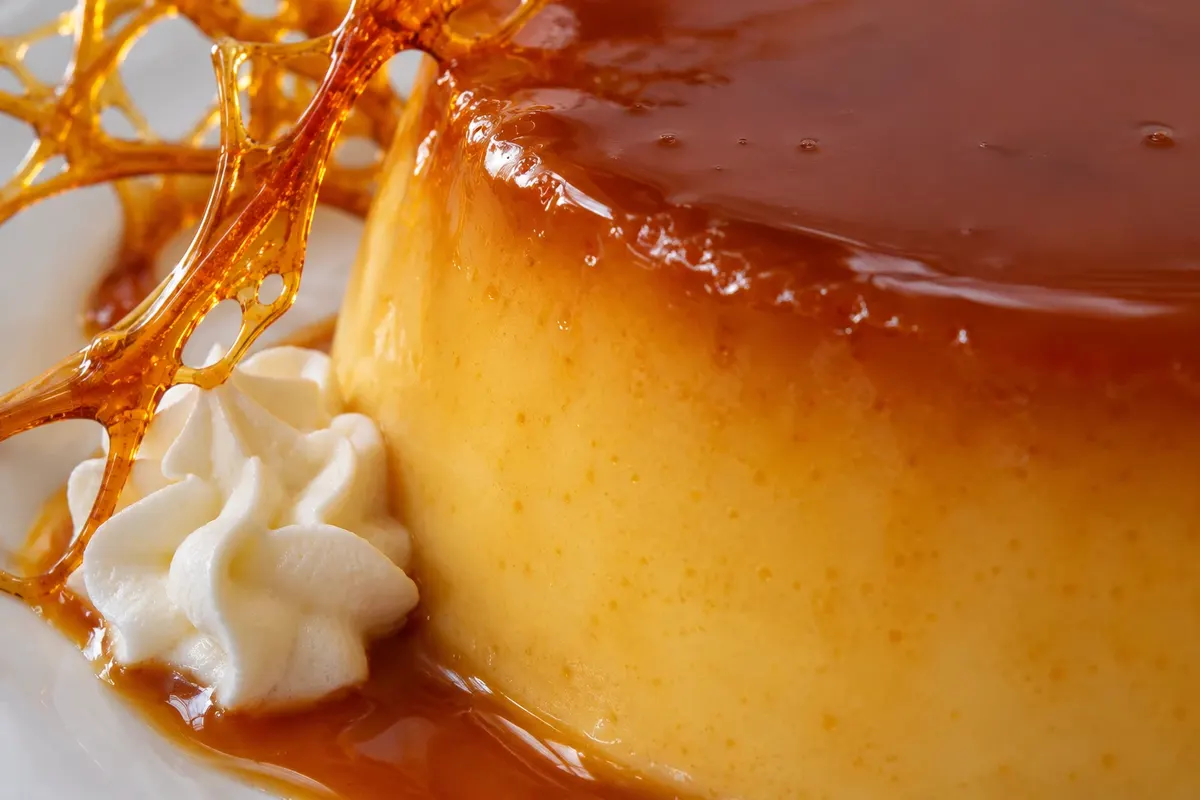
Dubrovačka rozata
Egg custard made from eggs, milk and sugar baked in a water bath over a layer of caramel and scented with rozalin, Dubrovnik rose liqueur. It is the city’s most traditional dessert.

 Search
 Brazil
 Argentina
 Bolivia
 Chile
 Colombia
 Ecuador
 Guyana
 French Guiana
 Falkland Islands (Malvinas)
 Paraguay
 Peru
 Suriname
 Uruguay
 Venezuela
 Germany
 Austria
 BelgiumCroatia
 Denmark
 Spain
 Finland
 France
 Greece
 the Netherlands
 Hungary
 Ireland
 Iceland
 Italy
 Luxembourg
 Norway
 Poland
 Portugal
 the United Kingdom
 the Czech Republic
 Sweden
 Switzerland
 Turkey
 Canada
 the United States
 Mexico
 the Dominican RepublicTurkey
 South Africa
 Australia
 Fiji
 New Zealand
 Papua New Guinea
Traditional food · Croatia
From Istria to Slavonia, Croatian cuisine changes from region to region: fish, olive oil and wine on the coast, filled pastas and fresh cheese in the north, paprika and river fish in the east.
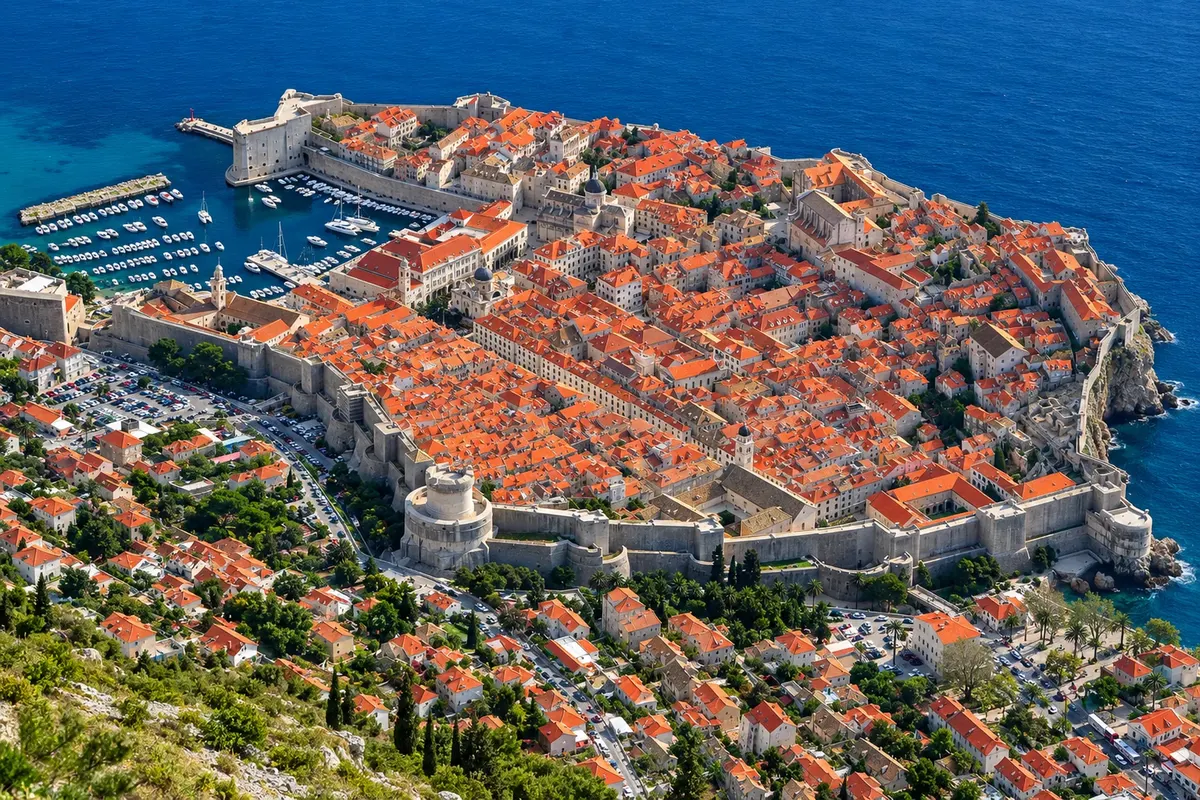
In the photo: Cidade antiga de Dubrovnik, Dubrovnik
Illustrative images. The pictures in this guide are illustrations based on the real place, not photographs, and may differ from it.

The cuisine
Croatia does not have a single national dish. The country’s cuisine formed region by region, between the Adriatic Sea and the Danube plain, and each area preserves recipes tied to a town, an island or a county.
On the coast, from Istria down to southern Dalmatia, the table follows the Mediterranean: fish, olive oil, wine, herbs and pastas, with traces of the long Venetian presence. That is where pašticada from Split, gregada from Hvar, šporki makaruli and Dubrovnik’s rozata, Ston’s pasta pie, Krk’s šurlice and istarska supa appear, and the mulled wine served in the bukaleta. Zadar gives its name to a marasca cherry liqueur known worldwide, maraschino.
In the northern interior, the influence comes from Central Europe. Zagorje, in the hills north of Zagreb, is the home of štrukli, thin dough filled with fresh cheese. In Međimurje, at the far north, gibanica layers poppy seed, cheese, walnuts and apple. Near Zagreb, Samobor is the town of kremšnita.
In the east, in Slavonia and Baranja, paprika and the fish of the Drava and Danube rivers mark the cuisine: fiš paprikaš, cooked in a cauldron over the fire, is Osijek’s dish.
Many of these recipes have official protection, such as European Union geographical indications or intangible cultural heritage registration by Croatia. Each specialty here is linked to the place that represents it, which does not mean it is eaten only there.
16 flavors
Egg custard made from eggs, milk and sugar baked in a water bath over a layer of caramel and scented with rozalin, Dubrovnik rose liqueur. It is the city’s most traditional dessert.
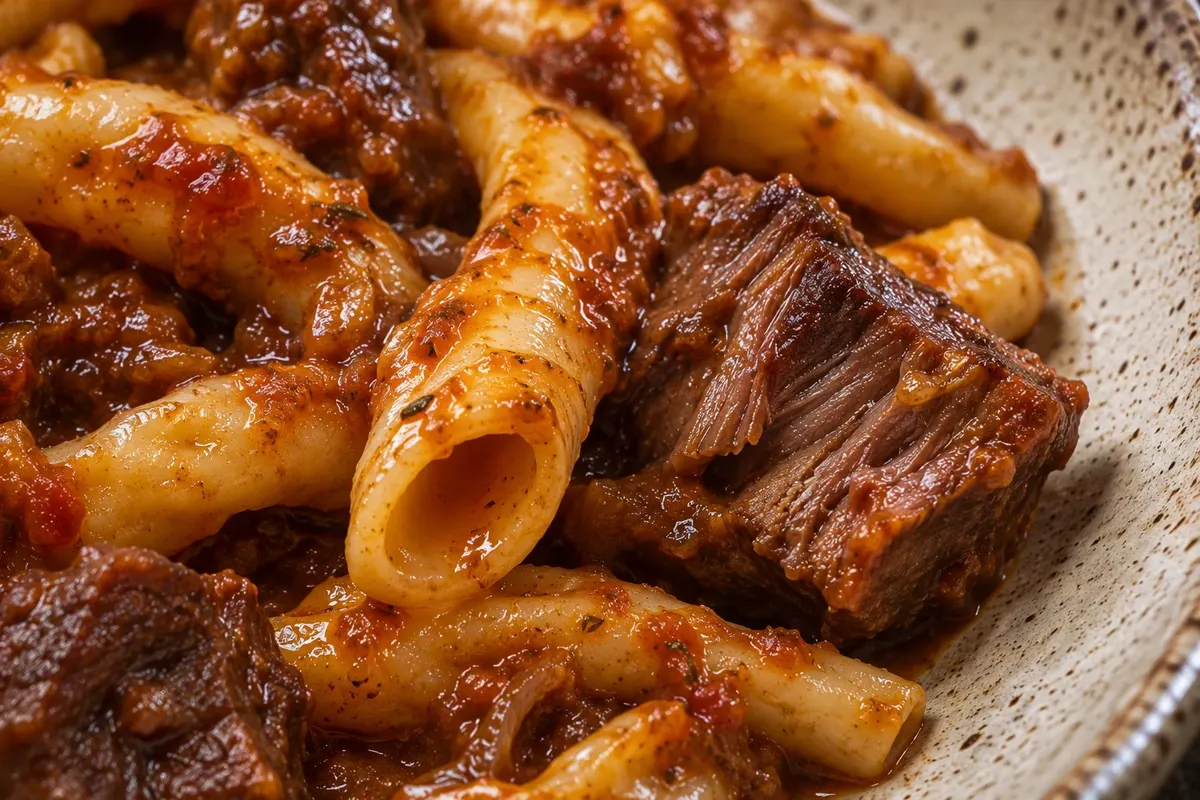
Thick tubular pasta, the makaruli, served with the sauce of a beef stew made with wine and spices. It’s the dish of the Feast of St. Blaise, patron saint of Dubrovnik.
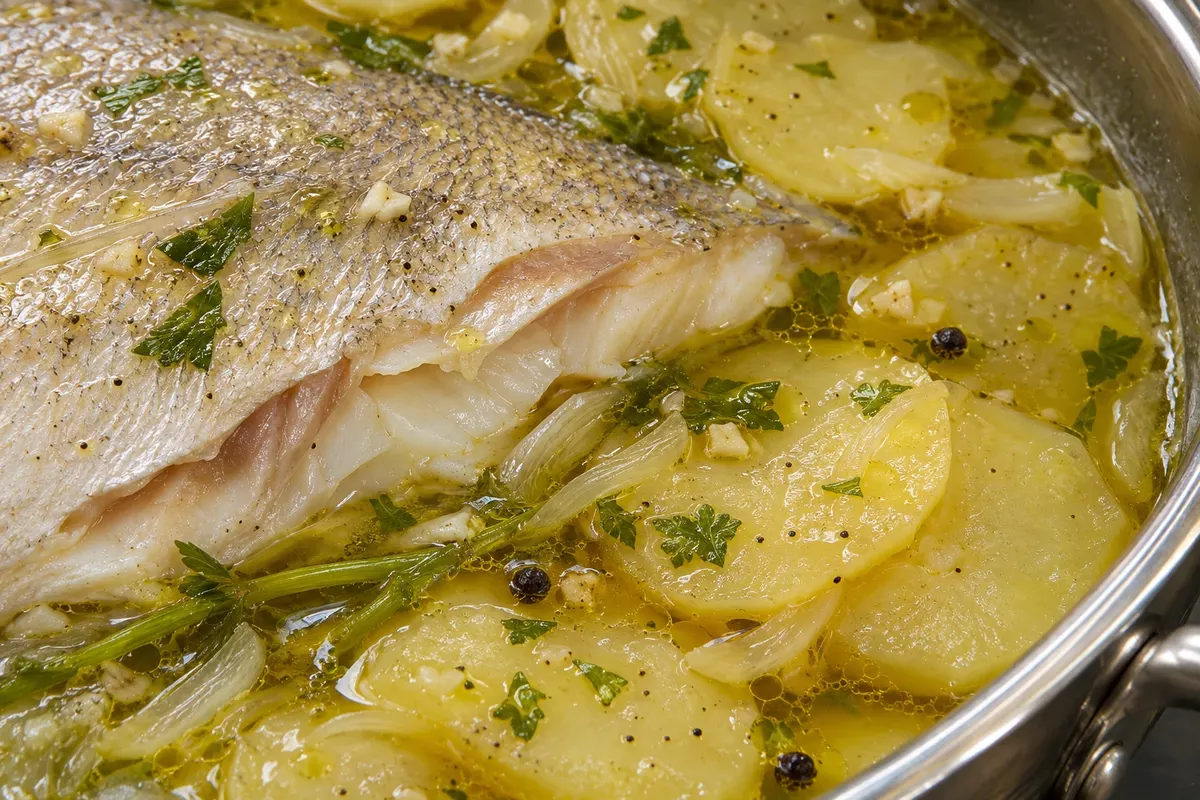
Stew of white fish with potato, onion, garlic, parsley, olive oil and white wine, without tomato, cooked in a wide pan. It is the island of Hvar’s fish specialty.
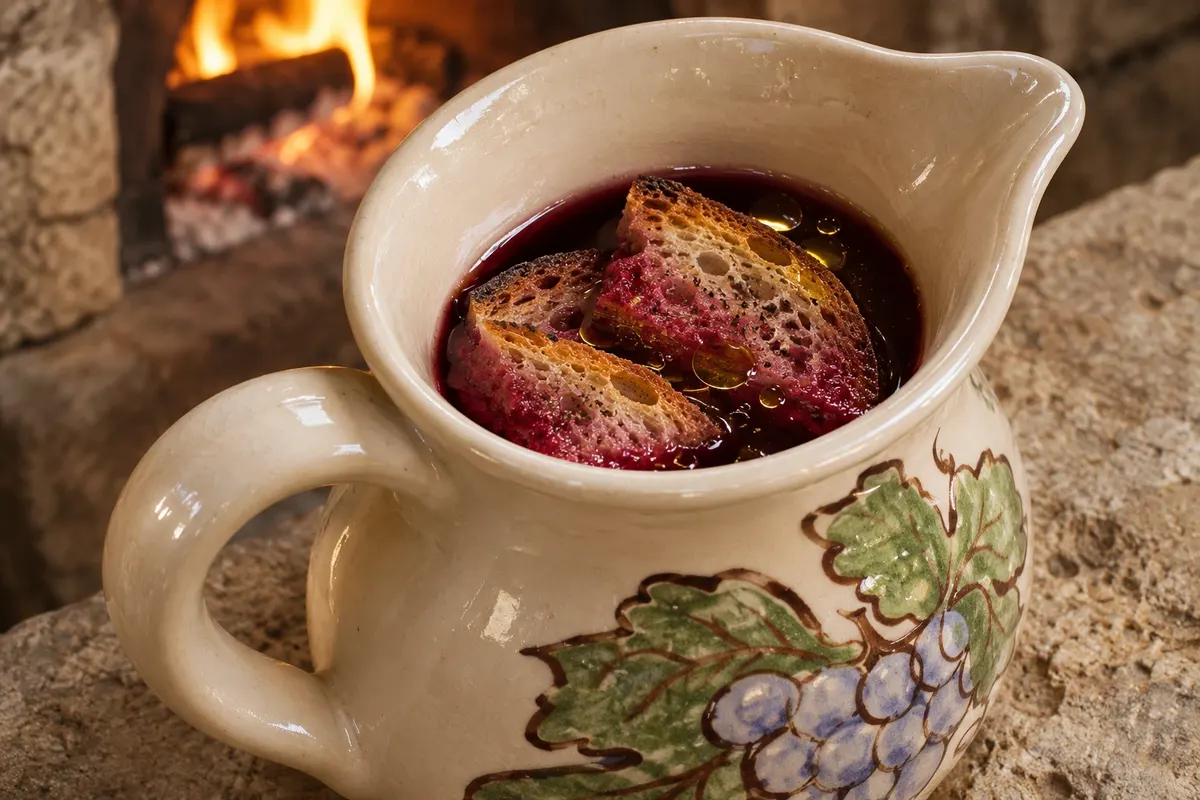
Red wine, usually teran, warmed with olive oil, sugar and pepper and served with toasted bread in a ceramic pitcher, the bukaleta, passed from hand to hand. It is a social ritual of Istria and a cultural heritage protected by Croatia.
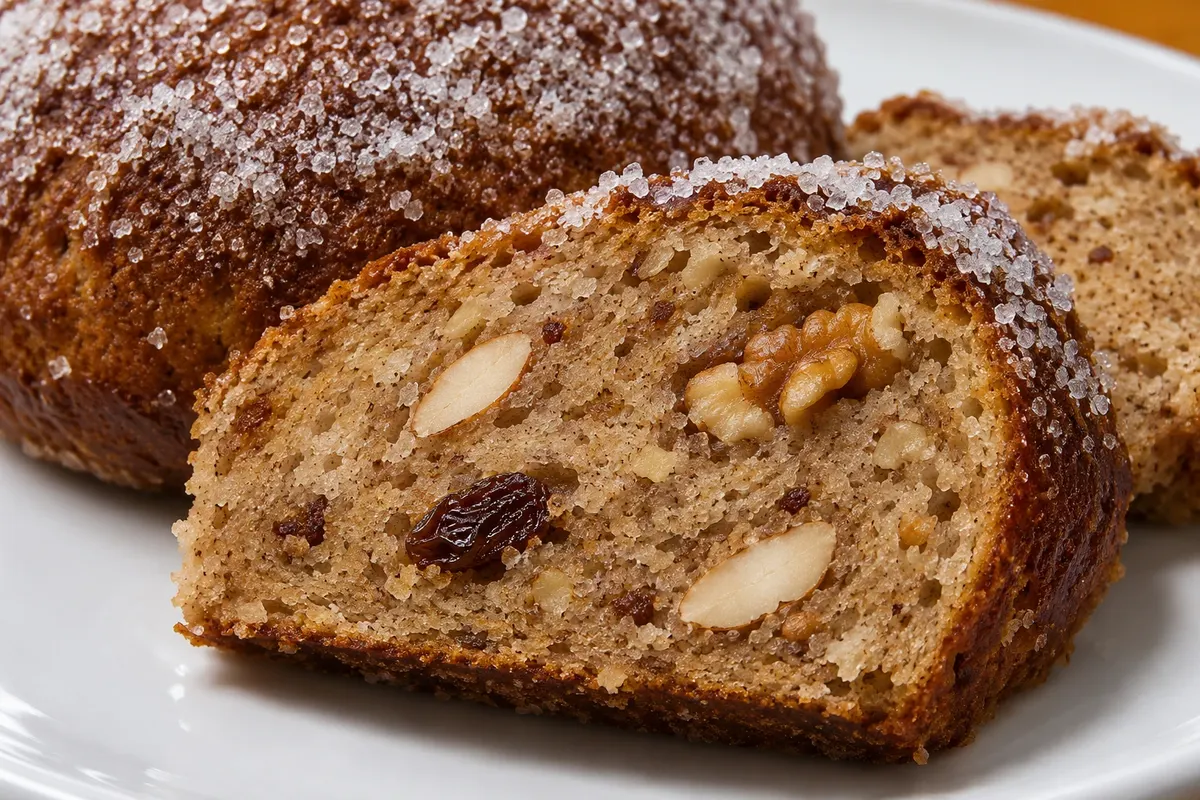
Round fermented dough cake with almonds, walnuts, raisins, citrus fruits and spices, brushed with varenik or brandy and dusted with sugar. It is a sweet from the island of Korčula with a European Union geographical indication.
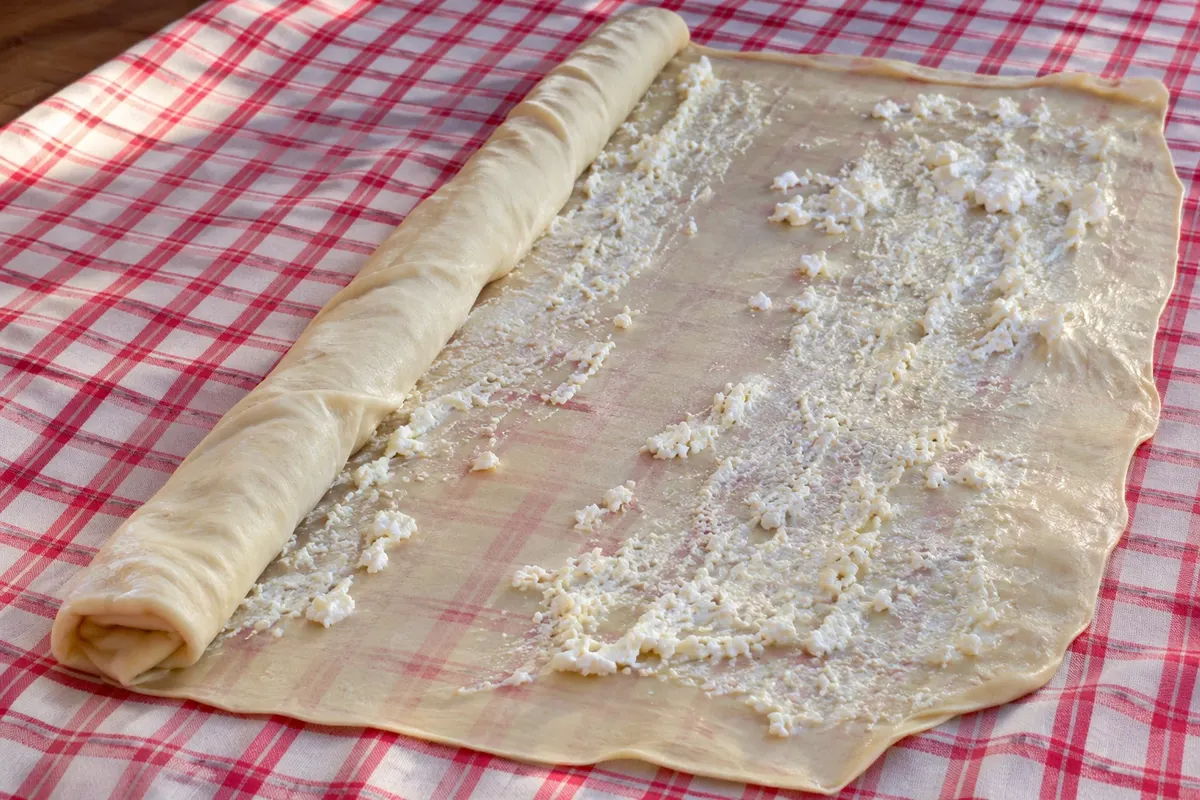
Dough rolled very thin, filled with fresh cheese, eggs and cream, rolled up and cut into pieces that are cooked or baked. It is the dish of Hrvatsko zagorje, with EU geographical indication and protection as an intangible cultural heritage.
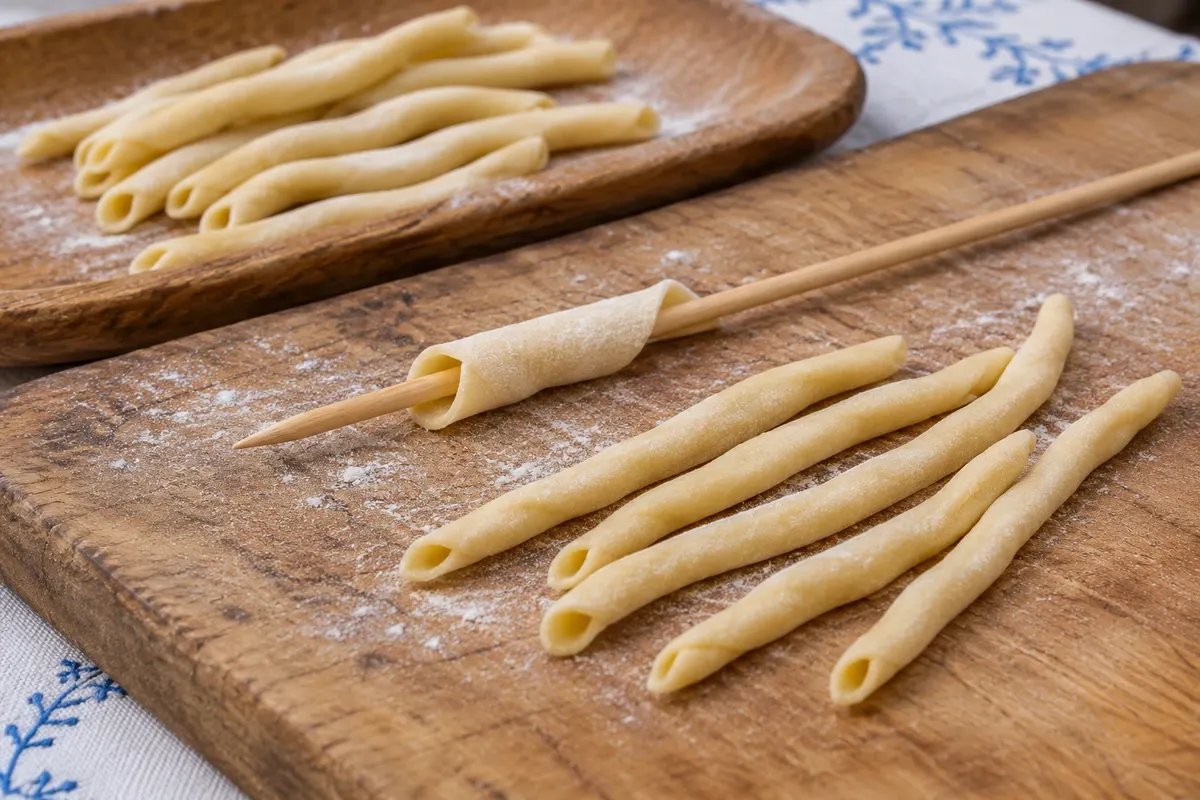
Homemade dough rolled into thin tubes by hand around a needle, served with žgvacet, a lamb or beef meat sauce, and sheep cheese. It is the pasta that symbolizes the cuisine of the island of Krk.
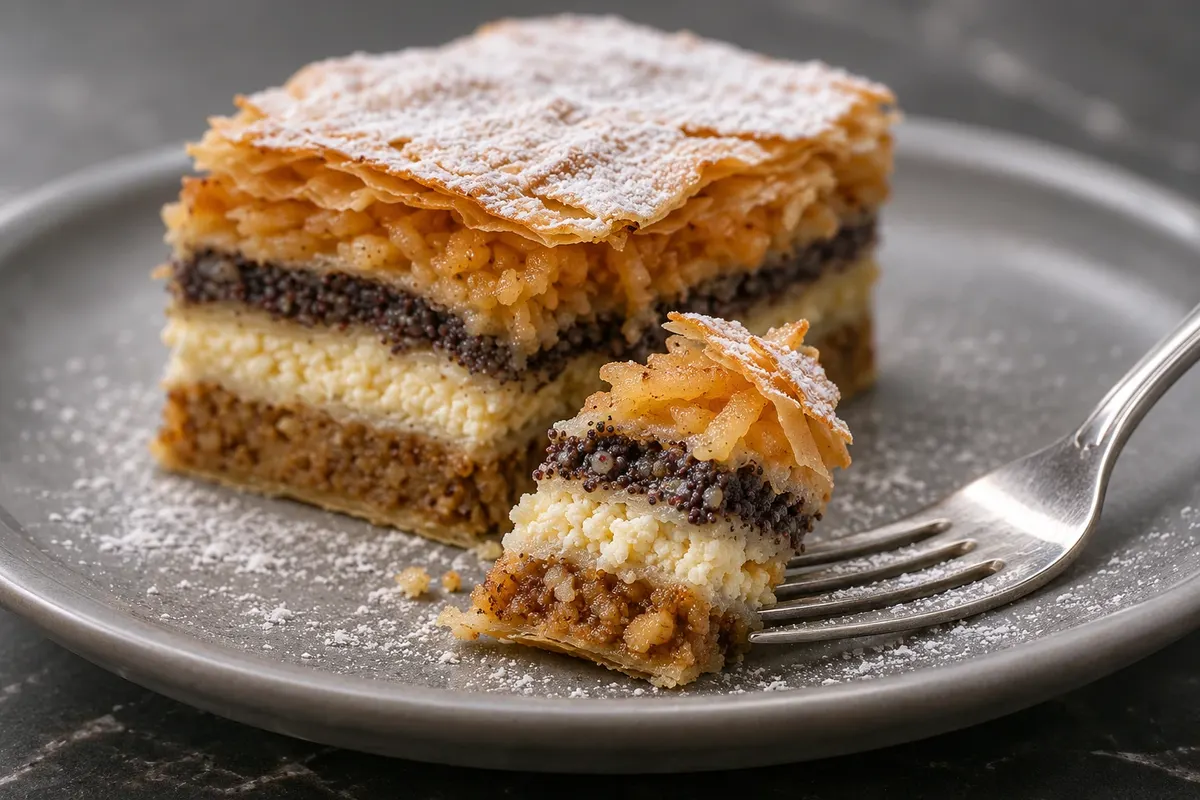
Layered cake made with thin stretched dough and four fillings: walnuts, poppy seeds, fresh cheese, and grated apple. It is the best-known sweet from Međimurje, in the far north of Croatia.
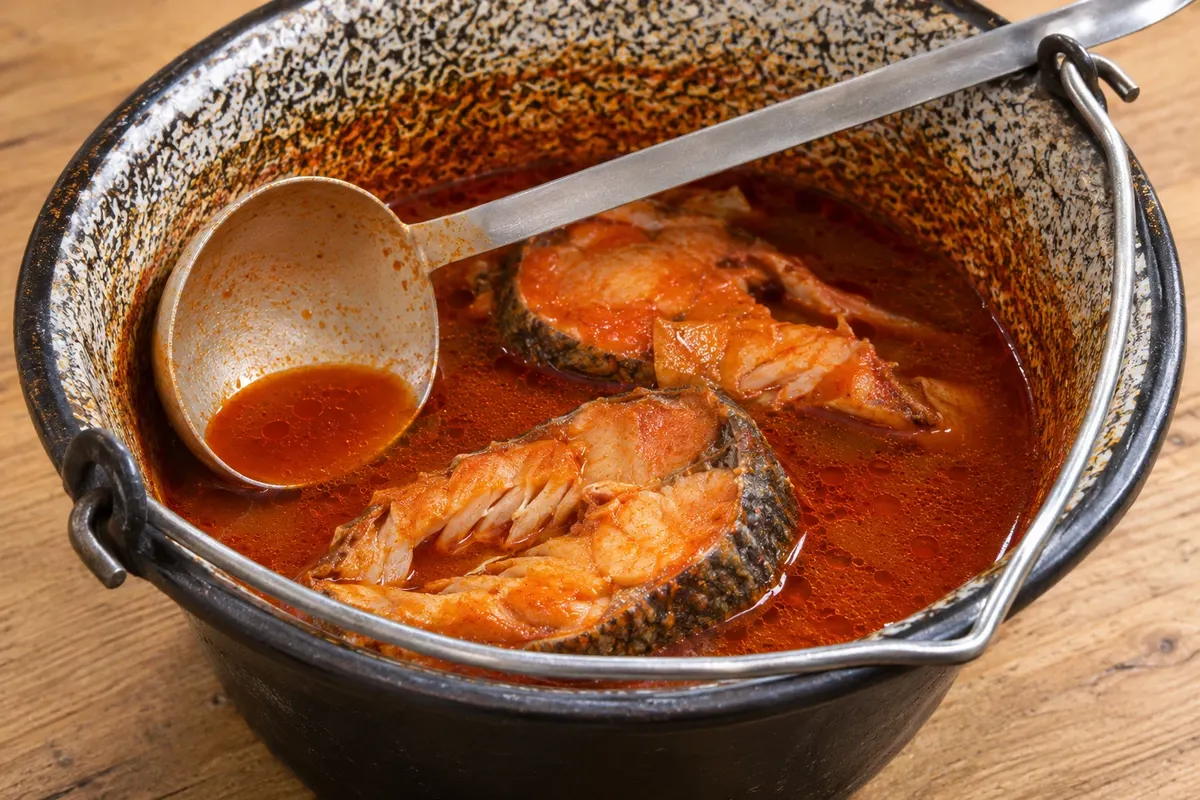
Spicy stew of river fish, such as carp and catfish, with onion and lots of paprika, cooked in a cauldron over a wood fire. It is the fish dish of Osijek and of Slavonia and Baranja.
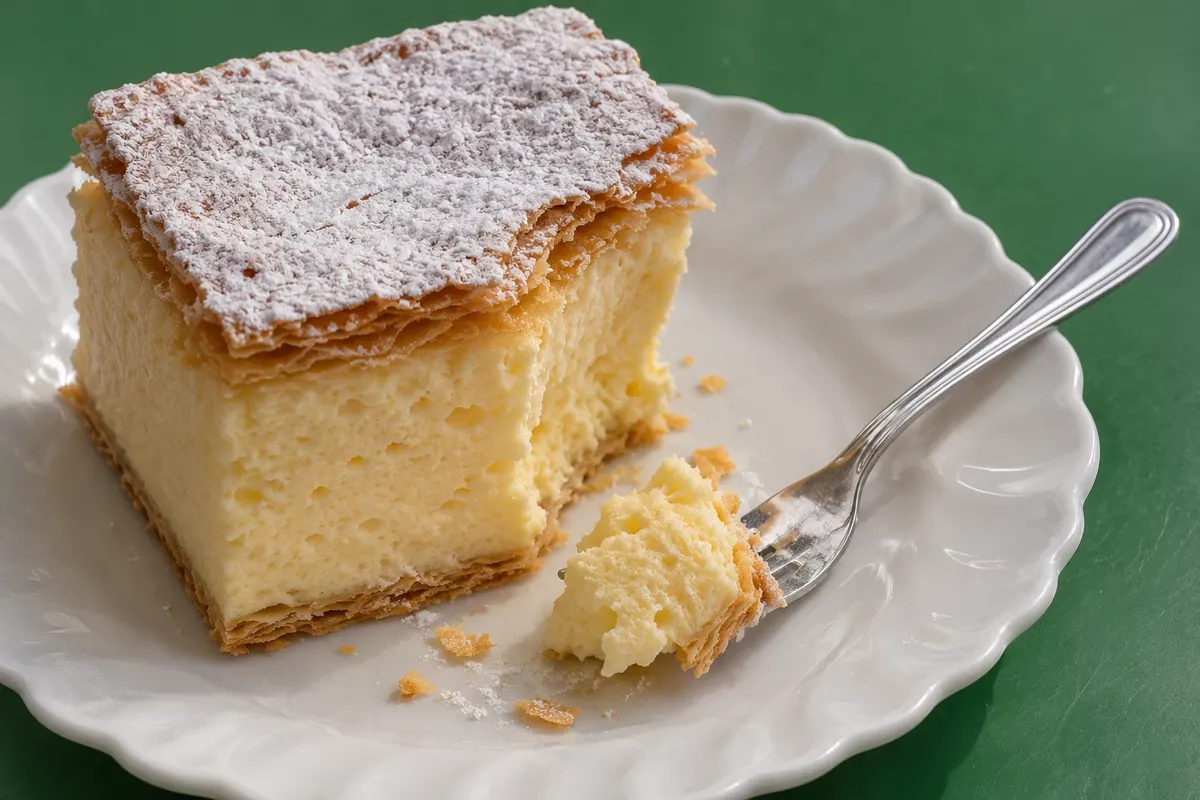
Puff pastry dessert filled with a thick layer of egg custard and whipped egg whites, cut into squares. The recipe was created in Samobor in the 1920s, and the dessert is a recognized intangible cultural heritage of Croatia.
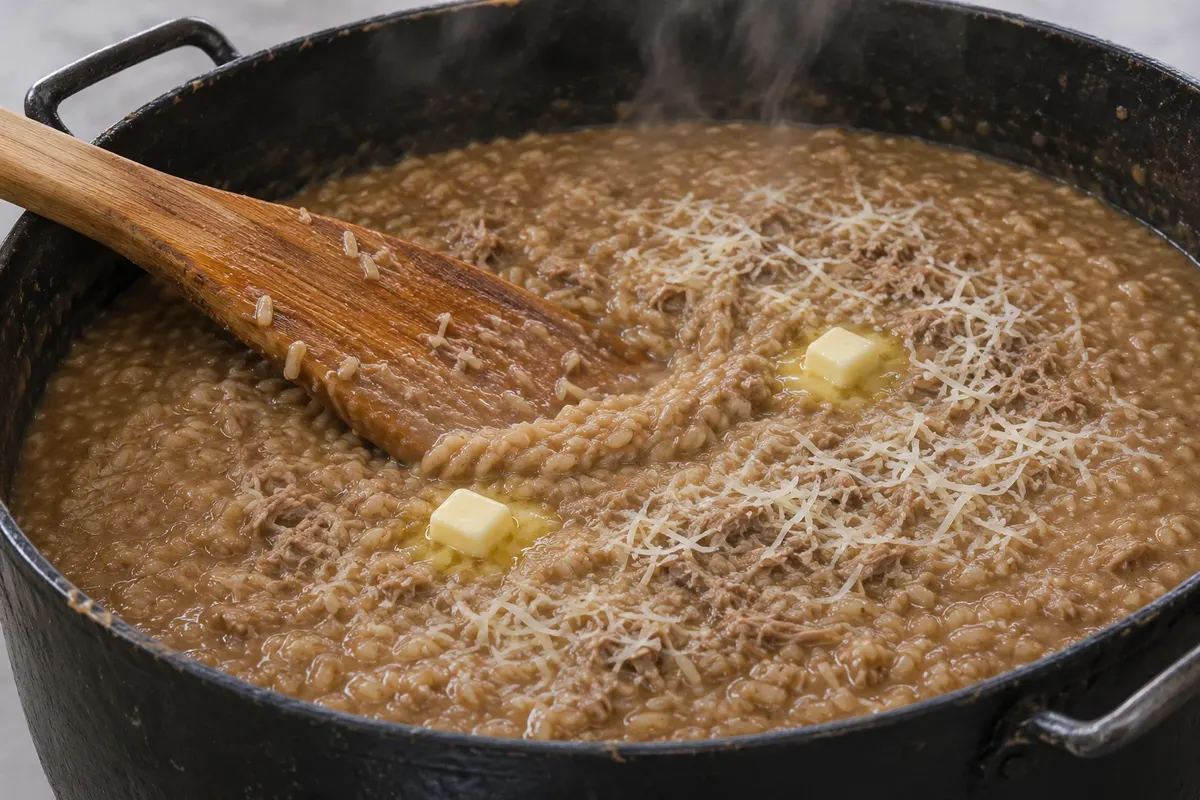
Veal and onion risotto cooked for many hours in a strong broth, stirred constantly with a large wooden paddle, traditionally by the men of Skradin. It is prepared in large quantities for celebrations.
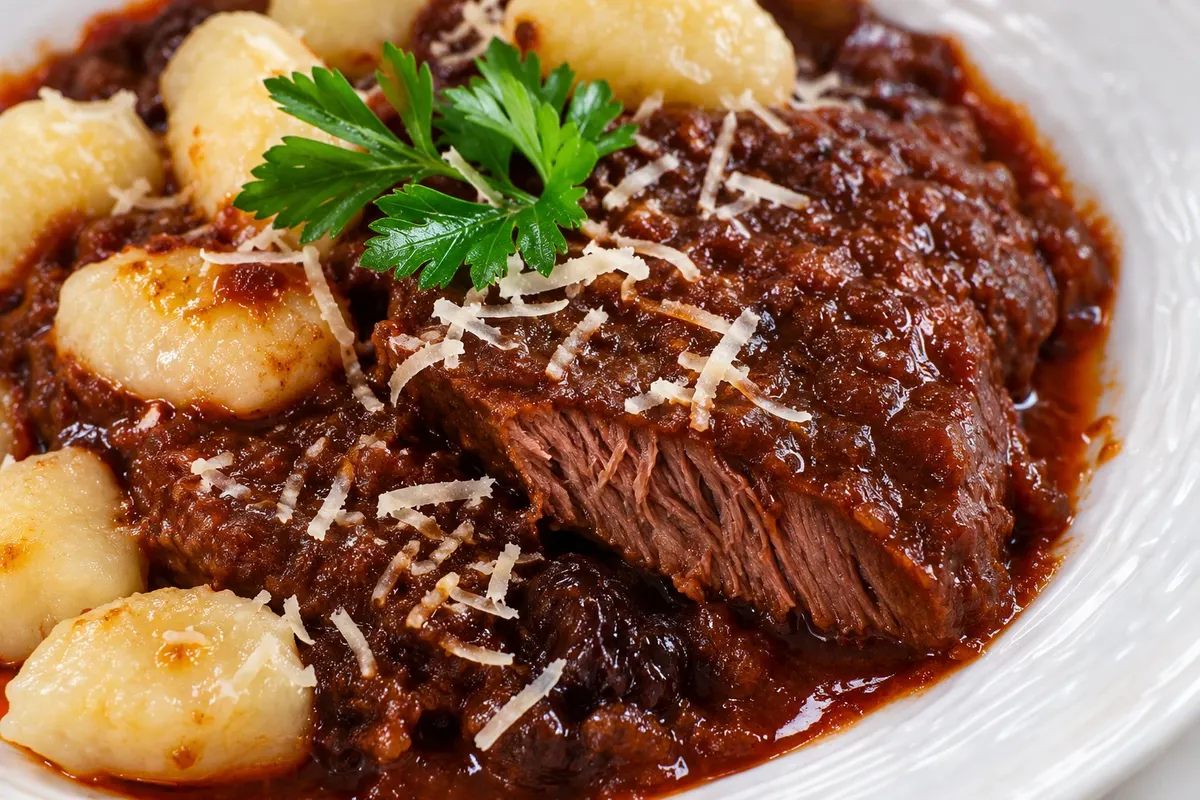
Beef larded with garlic, clove and bacon, marinated in wine and vinegar and cooked for hours in a dark sauce with dried plum and prošek. In Split, it’s served with gnocchi or pasta.
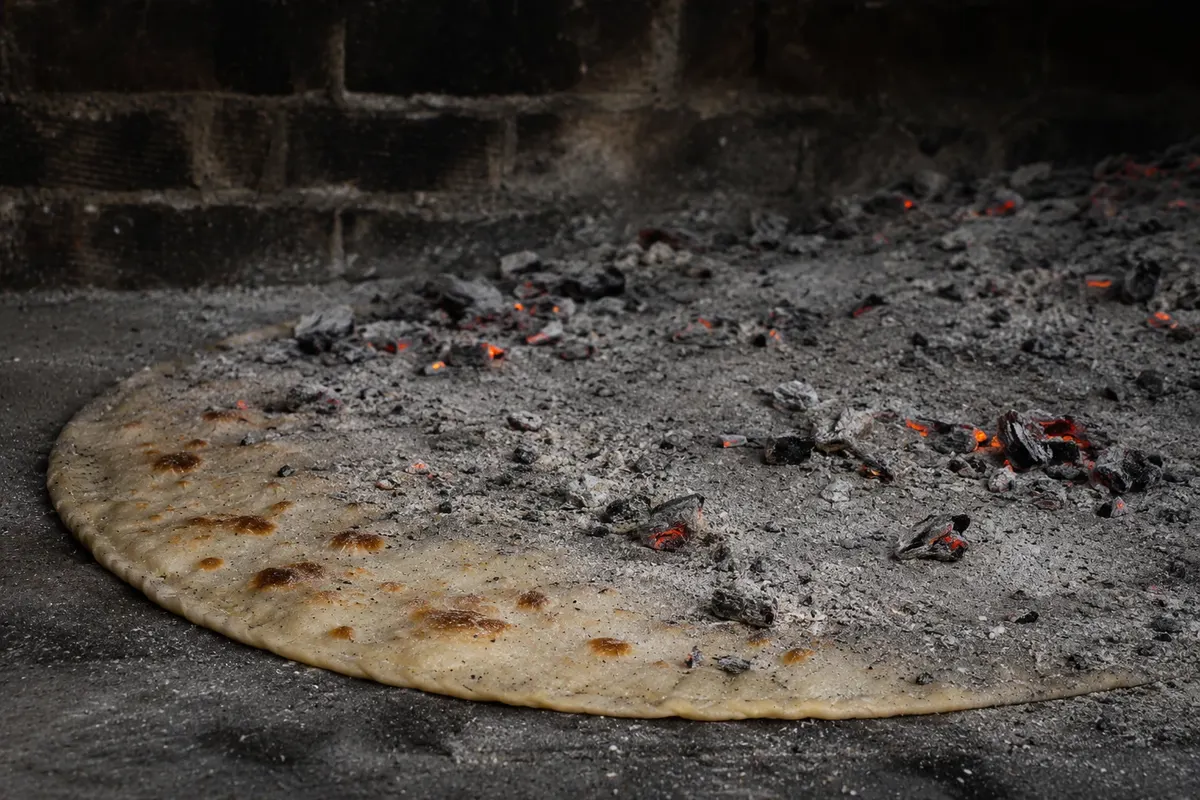
Thin unleavened pastry pie filled with Swiss chard and onion, baked on the hot stone of the hearth covered with embers and finished with olive oil and garlic. It is a dish from the Poljica region, between Split and Omiš, with EU geographical indication.
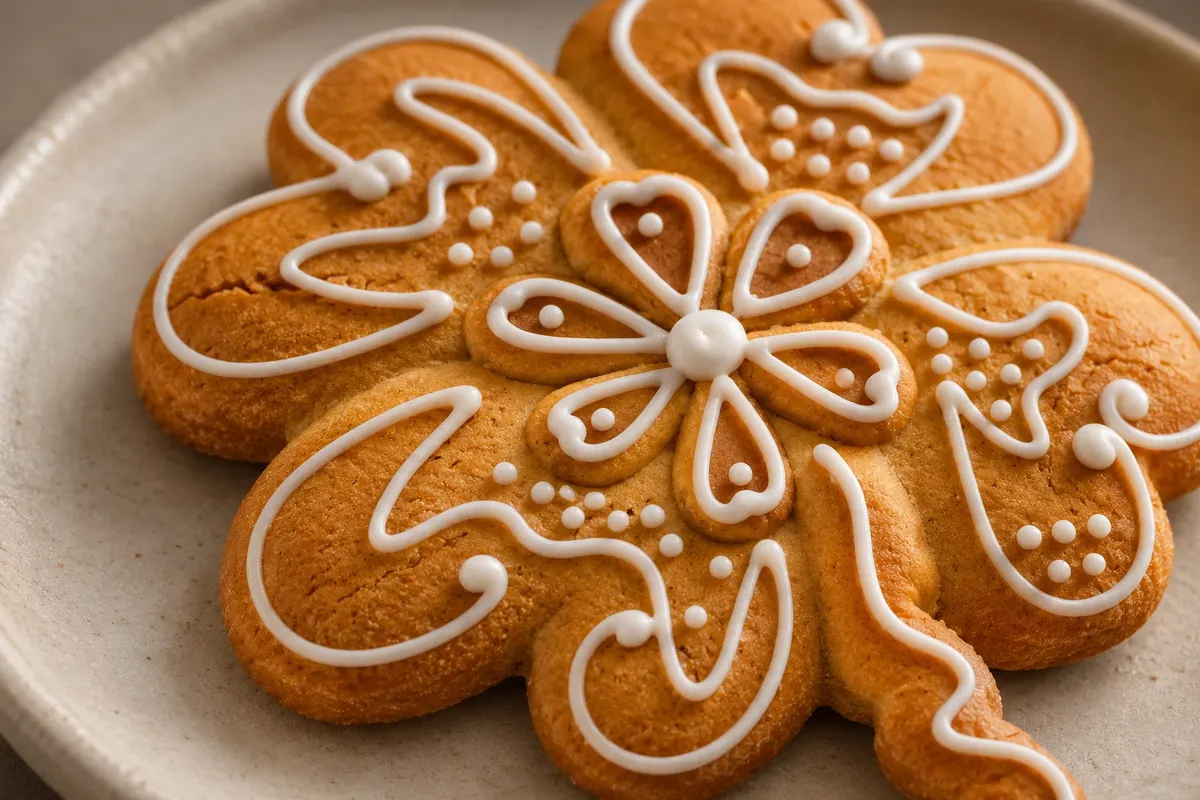
Honey biscuit with olive oil, prošek and spices from Stari Grad on the island of Hvar, shaped into figures and decorated with sugar. It is mentioned in a 1556 poem and the art of making it is a protected cultural practice.
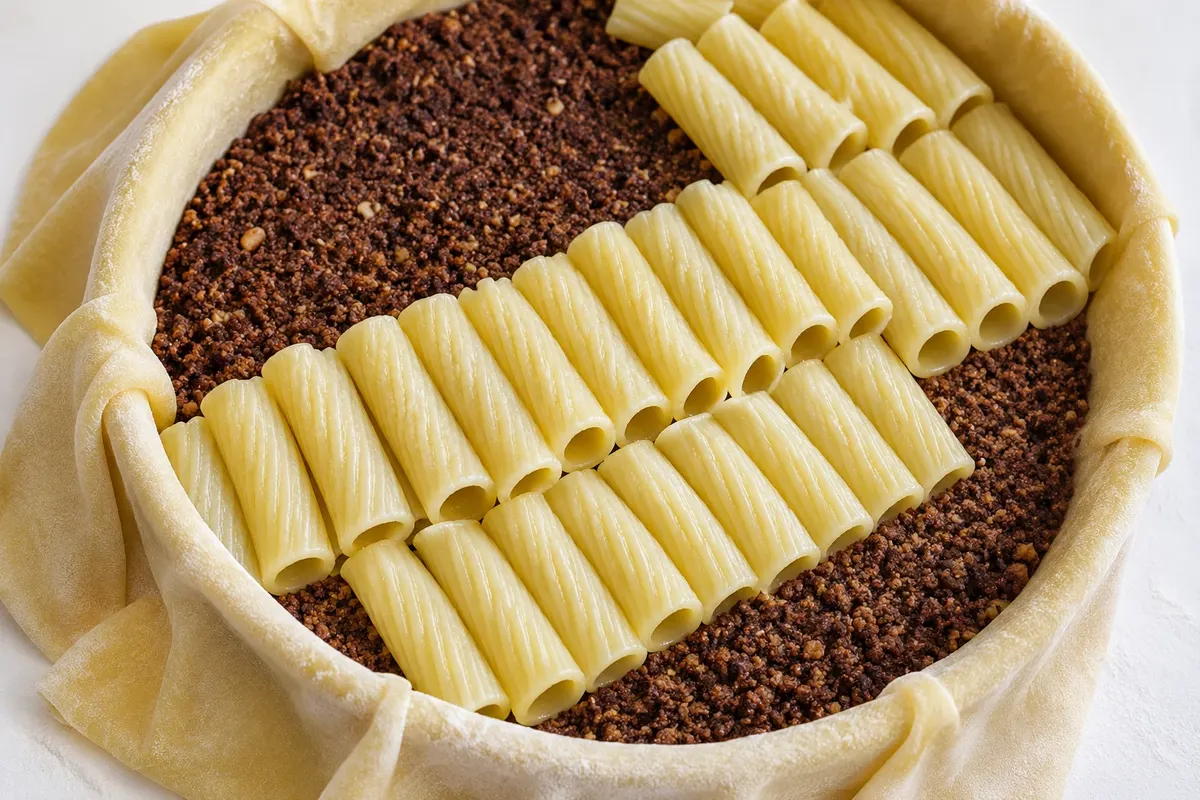
Thin pastry tart filled with cooked pasta, walnuts, almonds, sugar, chocolate and spices. It is the sweet of Ston, on the Pelješac peninsula, and is traditionally made at Christmas and Easter.
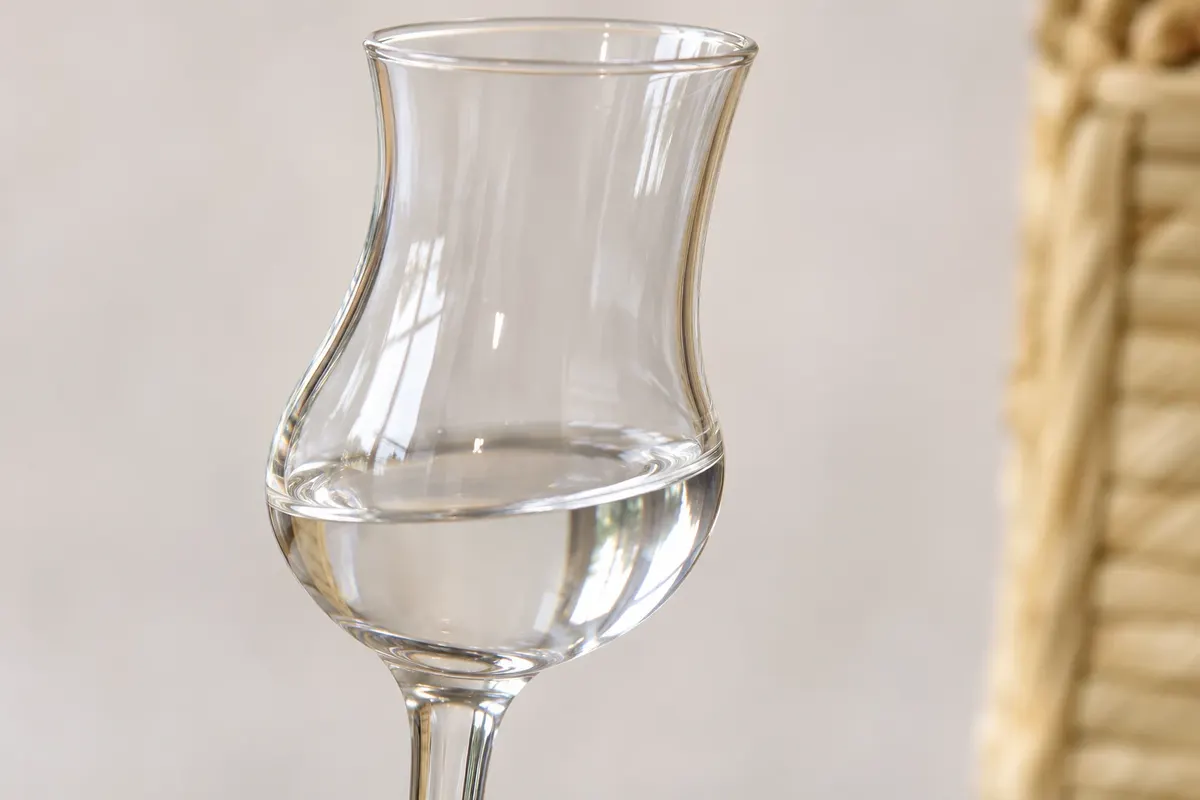
A colorless liqueur distilled from the marasca cherry, with a sweet, almond-like flavor. Tradition links it to the Dominican monastery of Zadar in the 16th century, and the city made a living from its production and export for more than two centuries.
Suggest a traditional dish, sweet or drink of Croatia that is not here. We check the sources before adding it.
Flavors of the world
Pick a country to see its traditional dishes, sweets and drinks.
 the United Kingdom
 Ireland
 Belgium
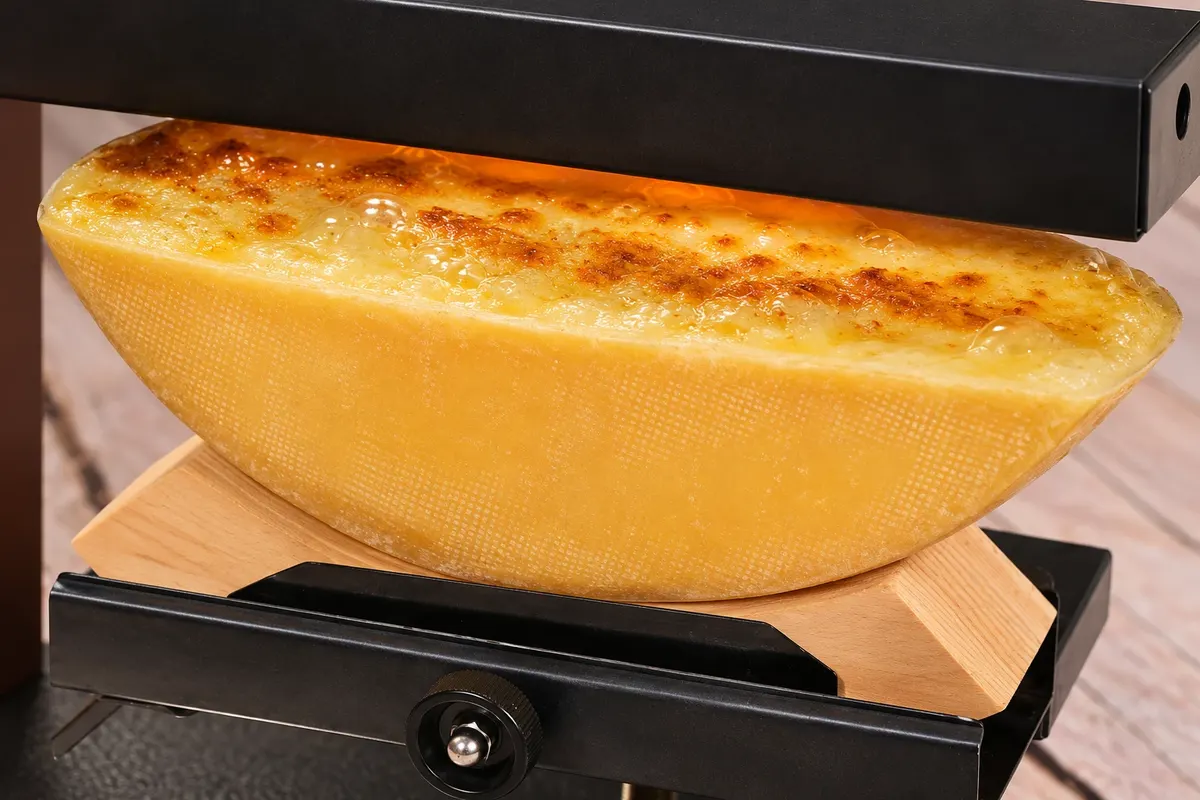 Switzerland
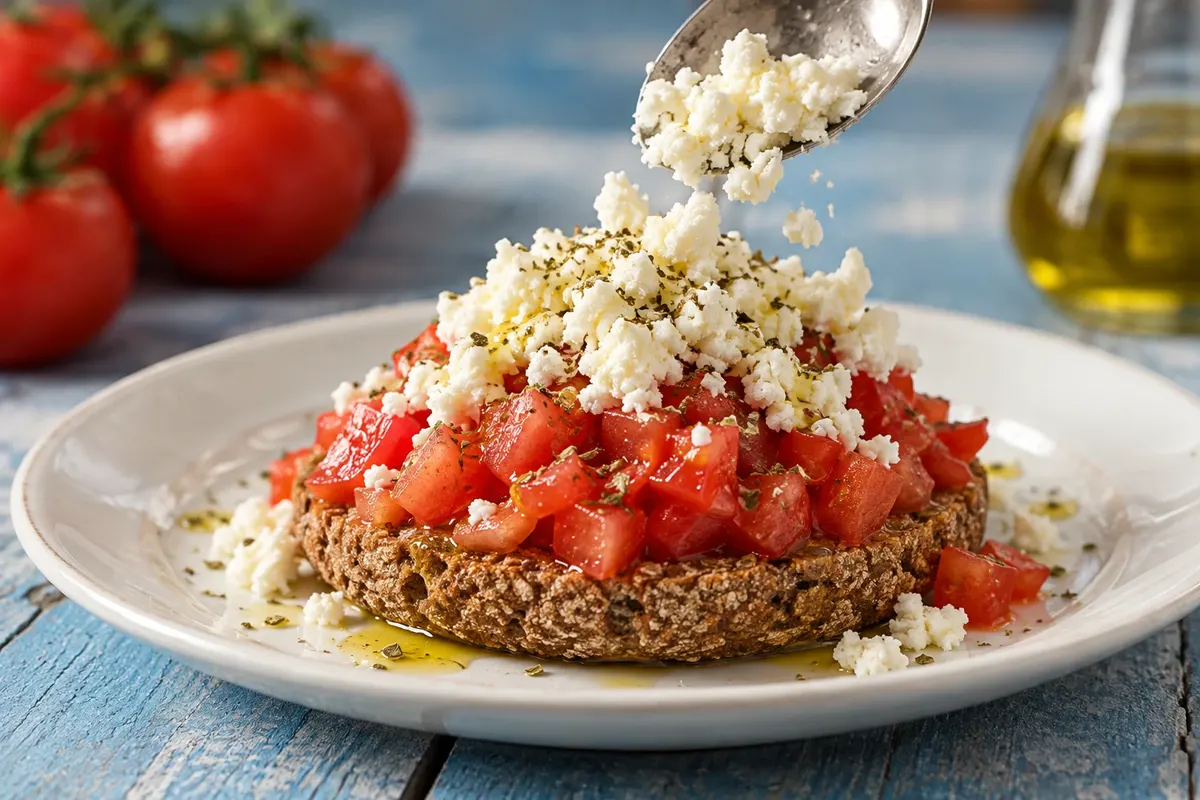 Greece
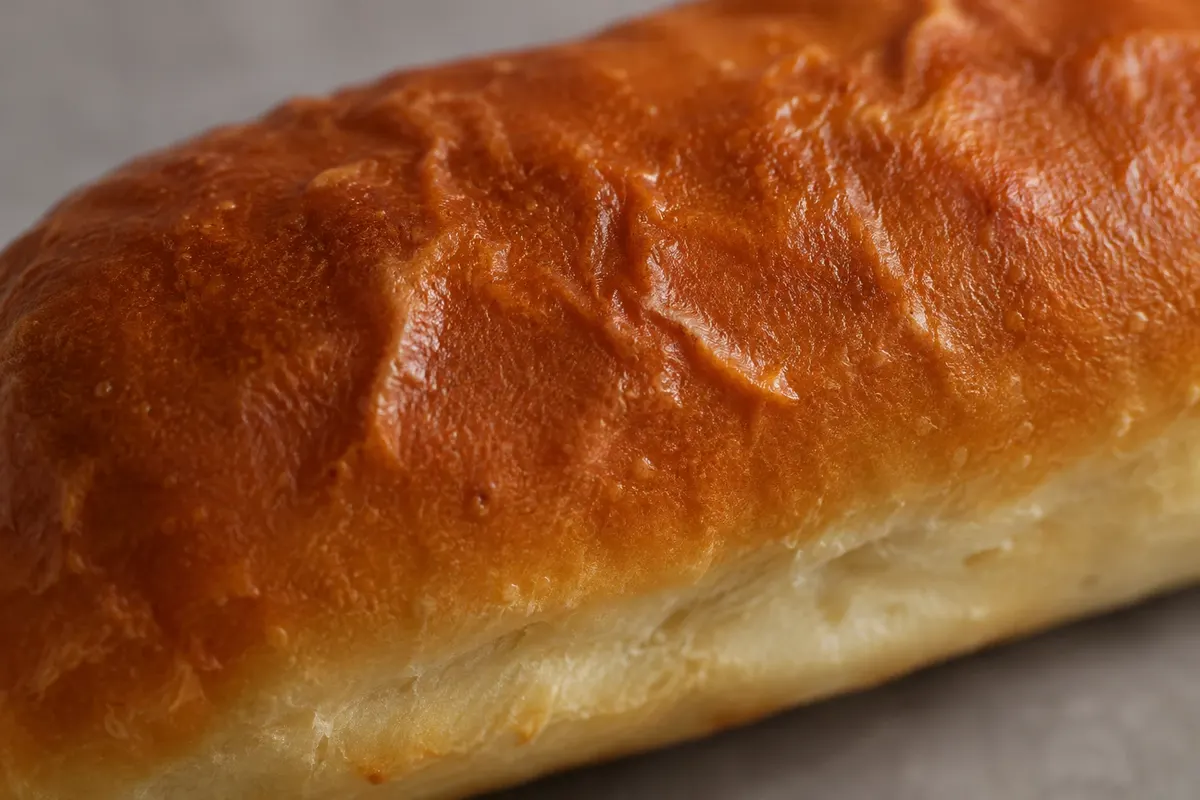 the Netherlands
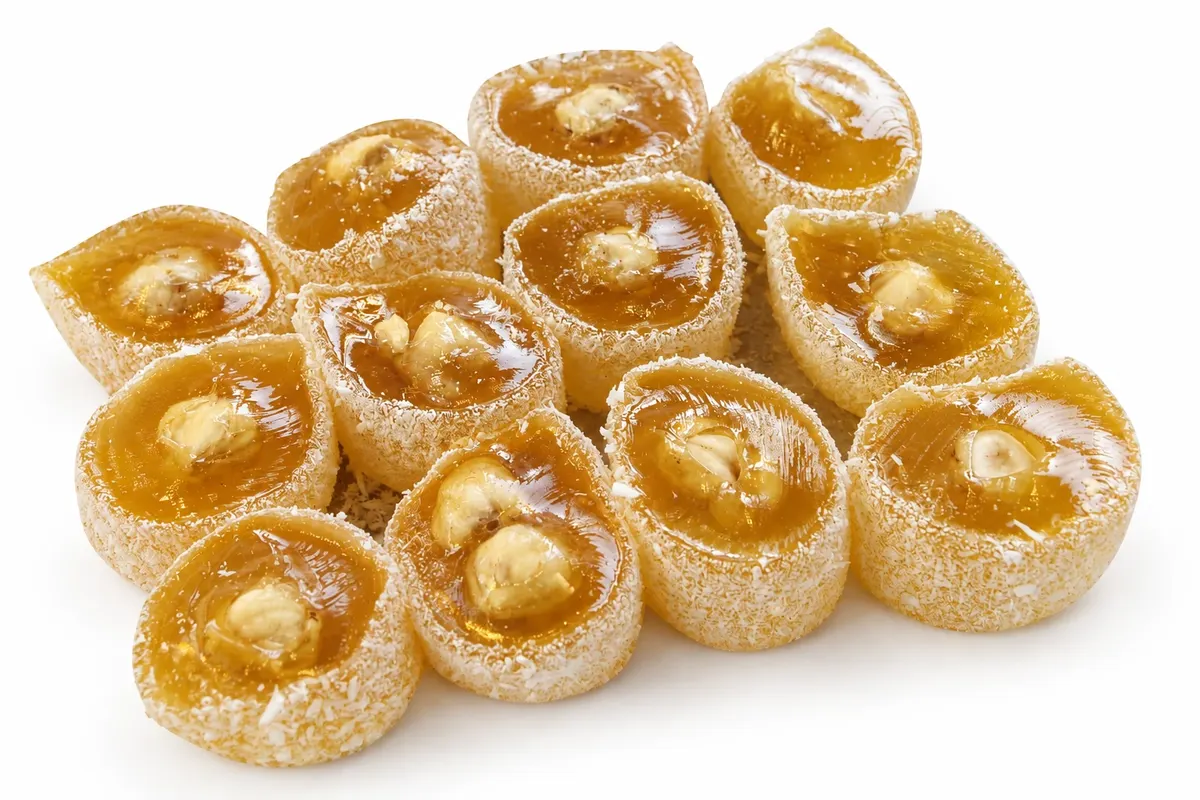 Turkey
 Spain
 Portugal
 Italy
 the Czech Republic
 Poland
Your questions
There is no single national dish. Croatian cuisine is regional: fish, olive oil and pastas on the coast; filled pastas, fresh cheese and layered sweets in the north; stews with paprika and river fish in the east.
Among the dishes most associated with Dalmatia are pašticada, meat braised in a dark sauce served with gnocchi, Hvar’s gregada fish stew and soparnik, a chard pie from the Poljica region.
In the north, the cuisine resembles Central Europe: Zagorje’s štrukli, Međimurje’s gibanica and Samobor’s kremšnita are among the best-known recipes.
Wine is present throughout the country, and each region has its brandies. Zadar is associated with maraschino, a marasca cherry liqueur, and Istria with istarska supa, red wine heated and served with bread.