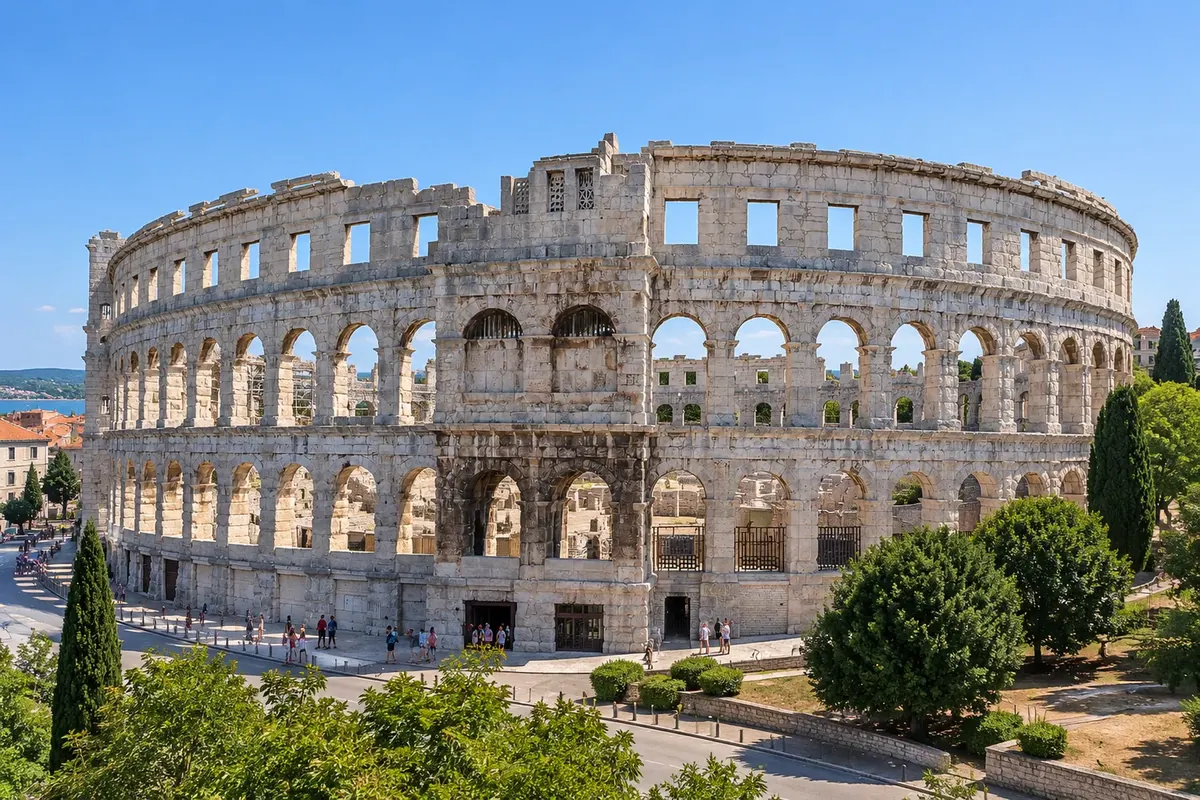
Sweet · Dubrovnik
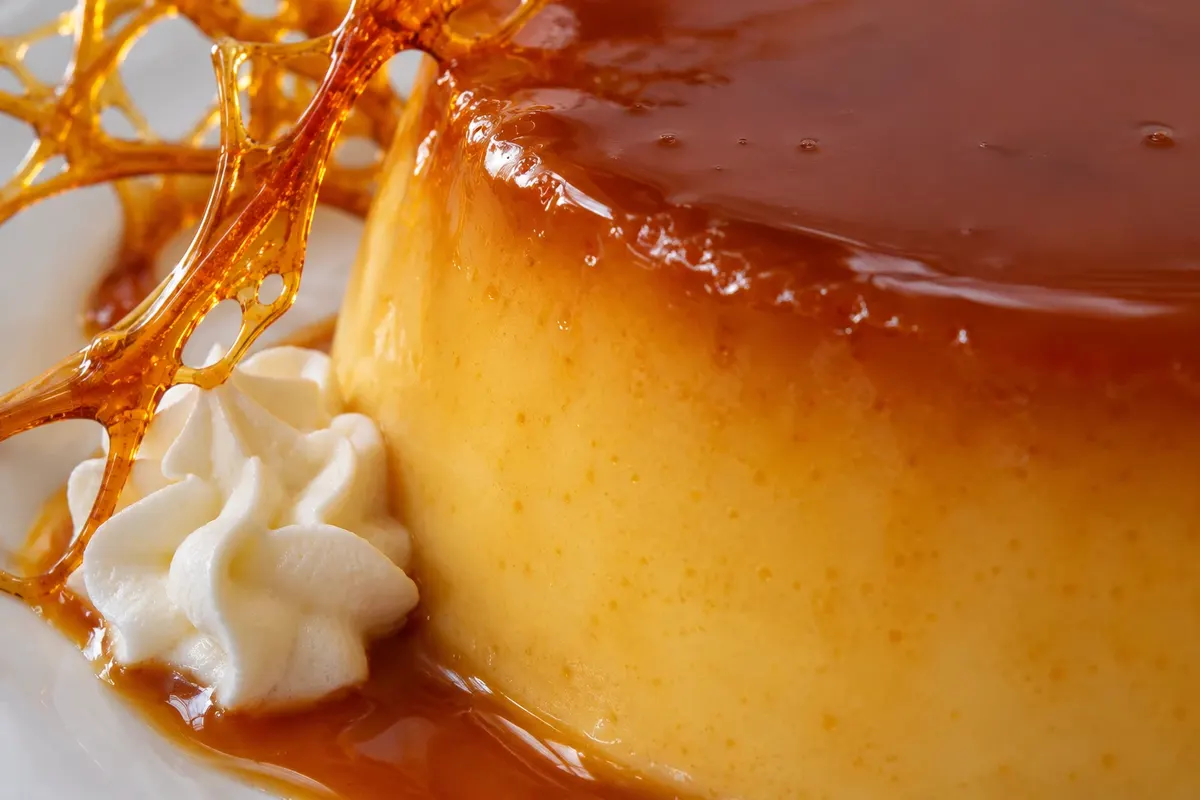
Dubrovačka rozata
Egg custard made from eggs, milk and sugar baked in a water bath over a layer of caramel and scented with rozalin, Dubrovnik rose liqueur. It is the city’s most traditional dessert.

 Search
 Brazil
 Argentina
 Bolivia
 Chile
 Colombia
 Ecuador
 Guyana
 French Guiana
 Falkland Islands (Malvinas)
 Paraguay
 Peru
 Suriname
 Uruguay
 Venezuela
 Germany
 Austria
 BelgiumCroatia
 Denmark
 Spain
 Finland
 France
 Greece
 the Netherlands
 Hungary
 Ireland
 Iceland
 Italy
 Luxembourg
 Norway
 Poland
 Portugal
 the United Kingdom
 the Czech Republic
 Sweden
 Switzerland
 Turkey
 Canada
 the United States
 Mexico
 the Dominican RepublicTurkey
 South Africa
 Australia
 Fiji
 New Zealand
 Papua New Guinea
Flavors · Krk
Homemade dough rolled into thin tubes by hand around a needle, served with žgvacet, a lamb or beef meat sauce, and sheep cheese. It is the pasta that symbolizes the cuisine of the island of Krk.
Traditional dish from Krk, Primorje-Gorski Kotar
Also known as: Šurlice, Šurlici
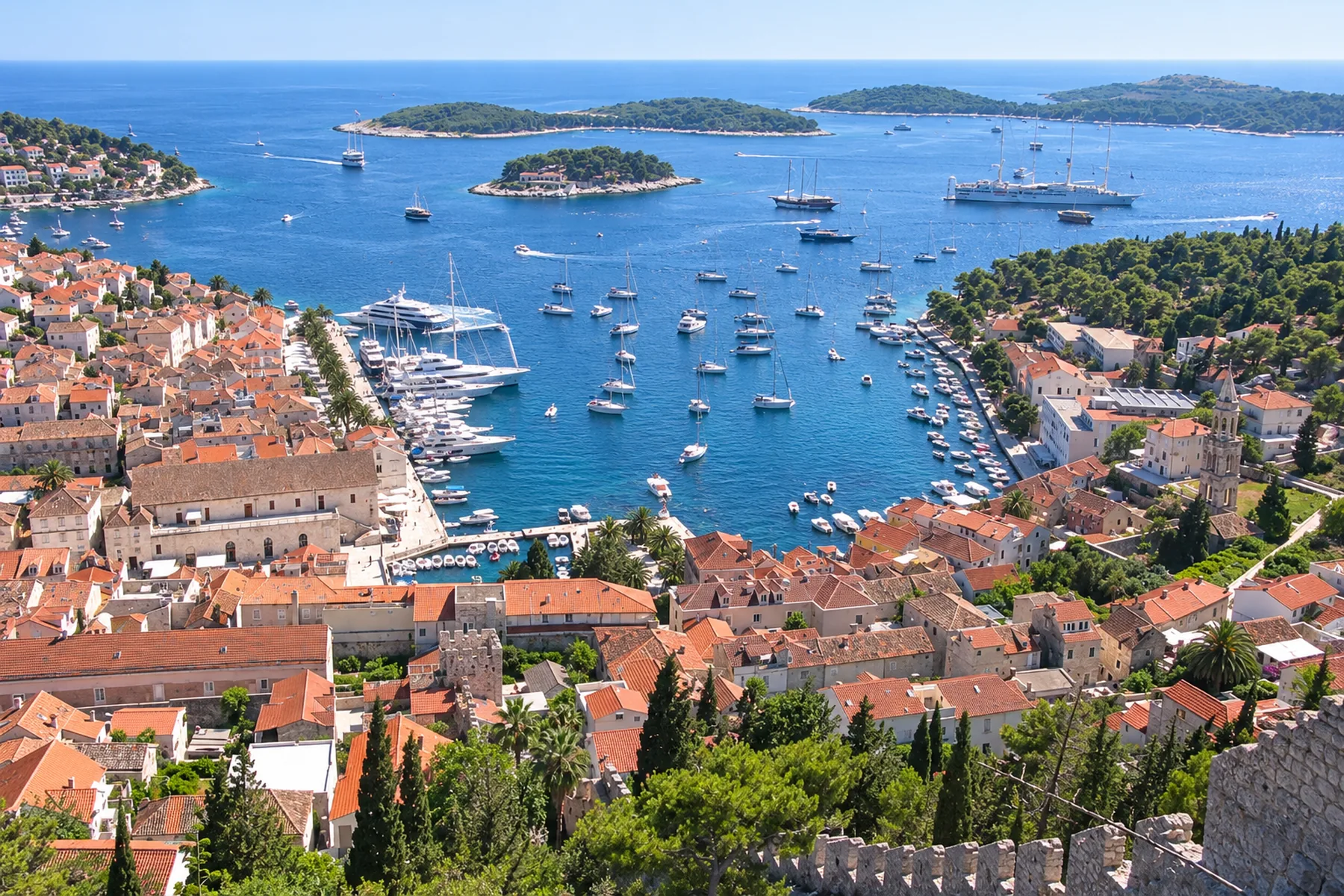
Illustrative images. The pictures in this guide are illustrations based on the real place, not photographs, and may differ from it.

Click a photo to enlarge it.
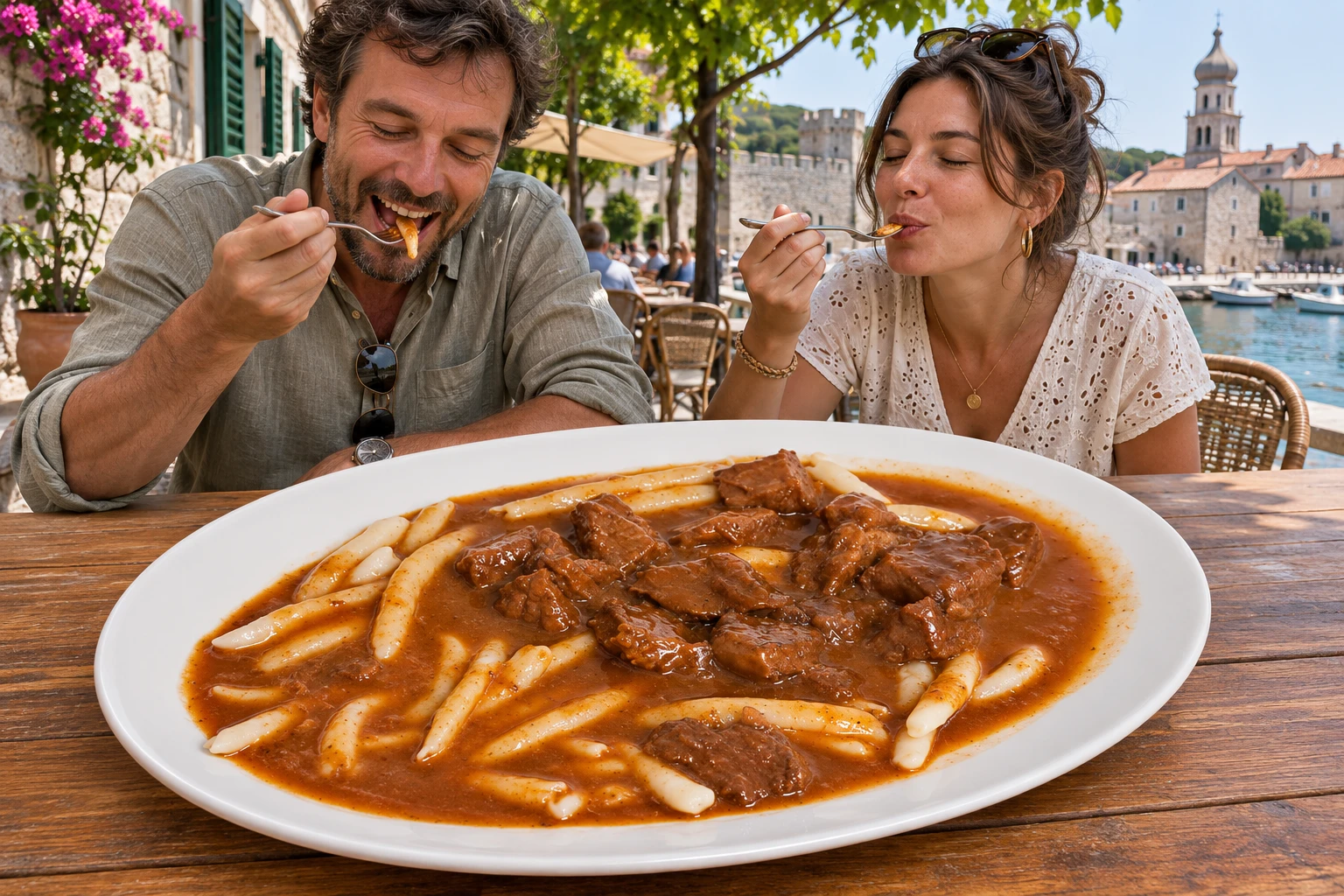
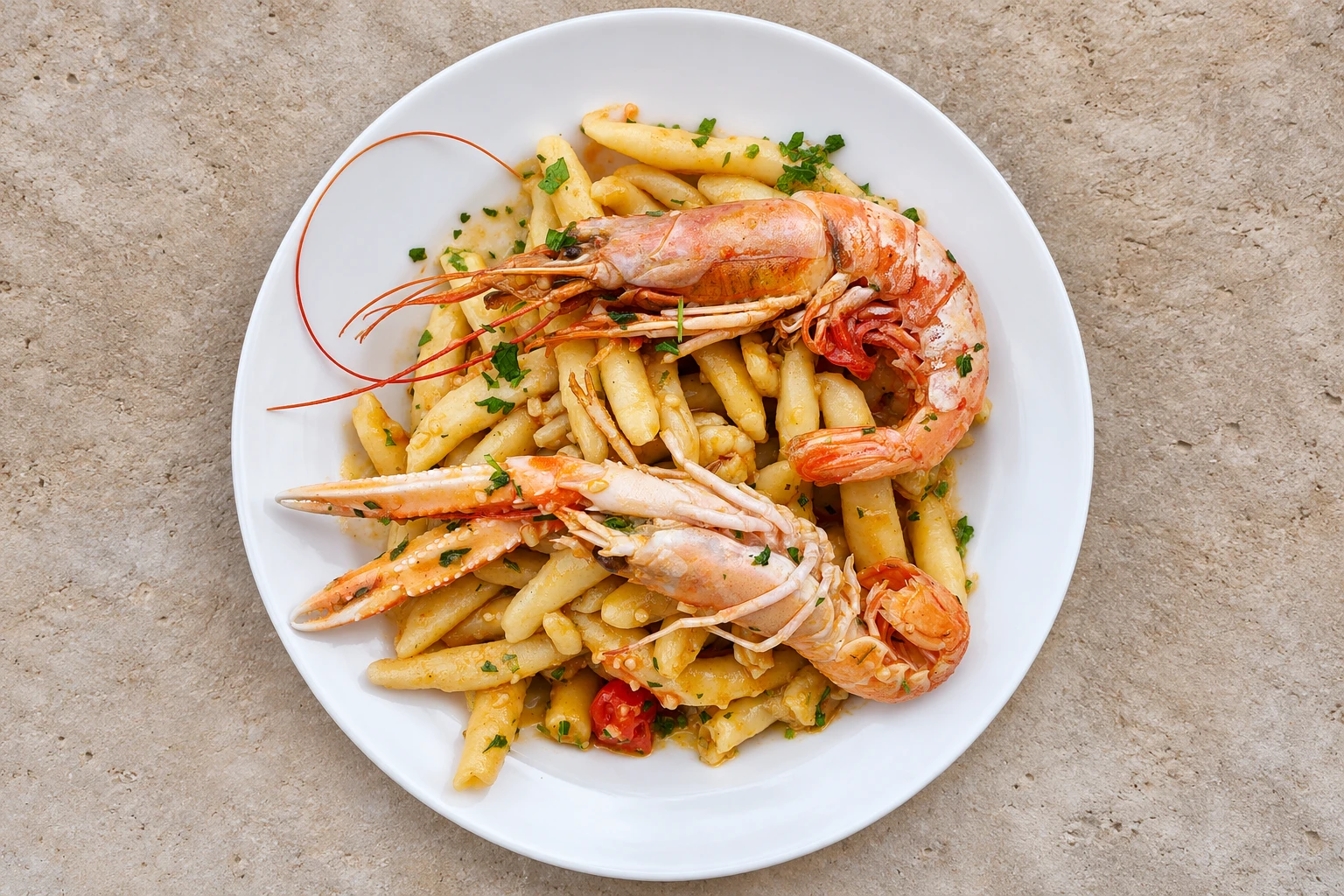
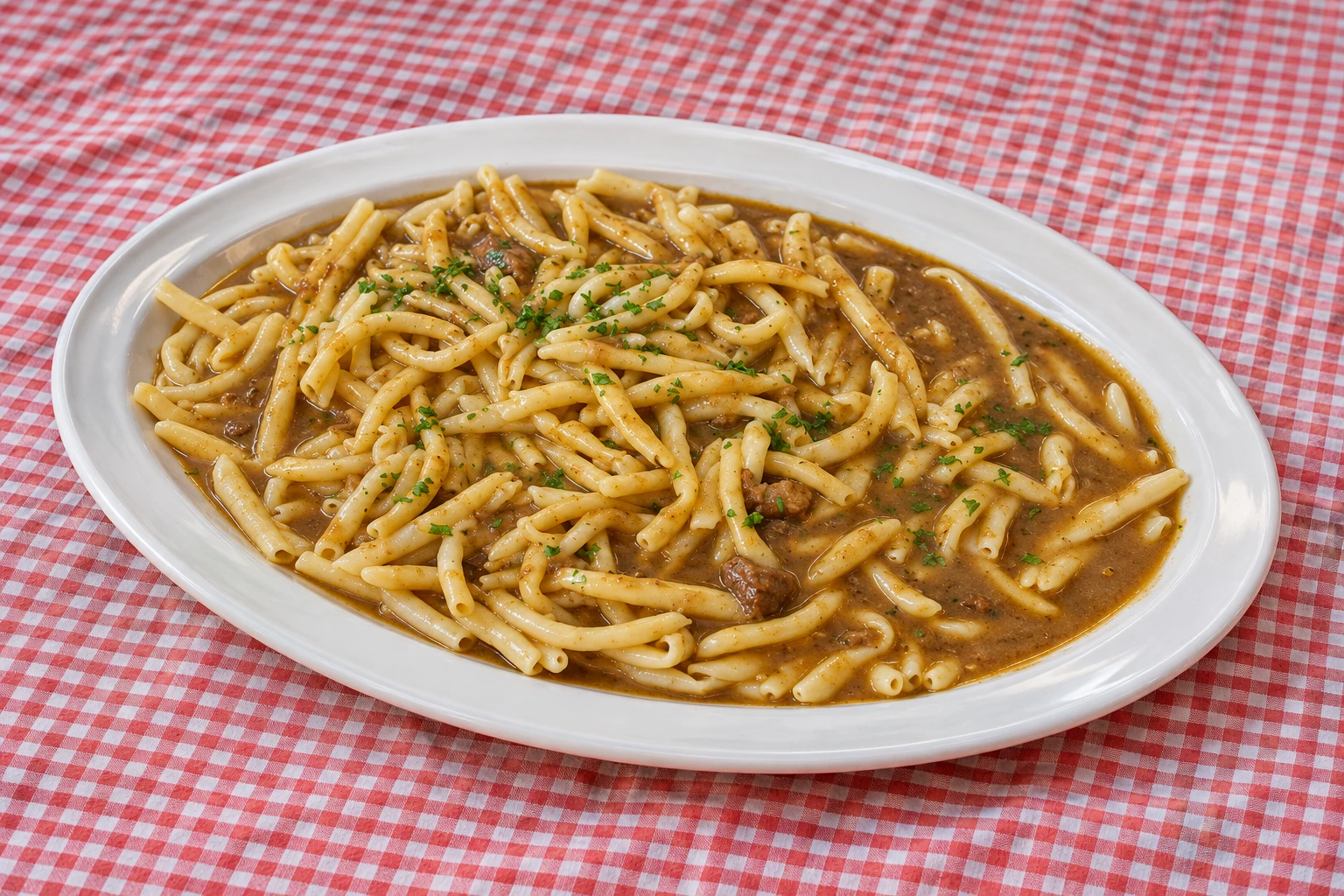
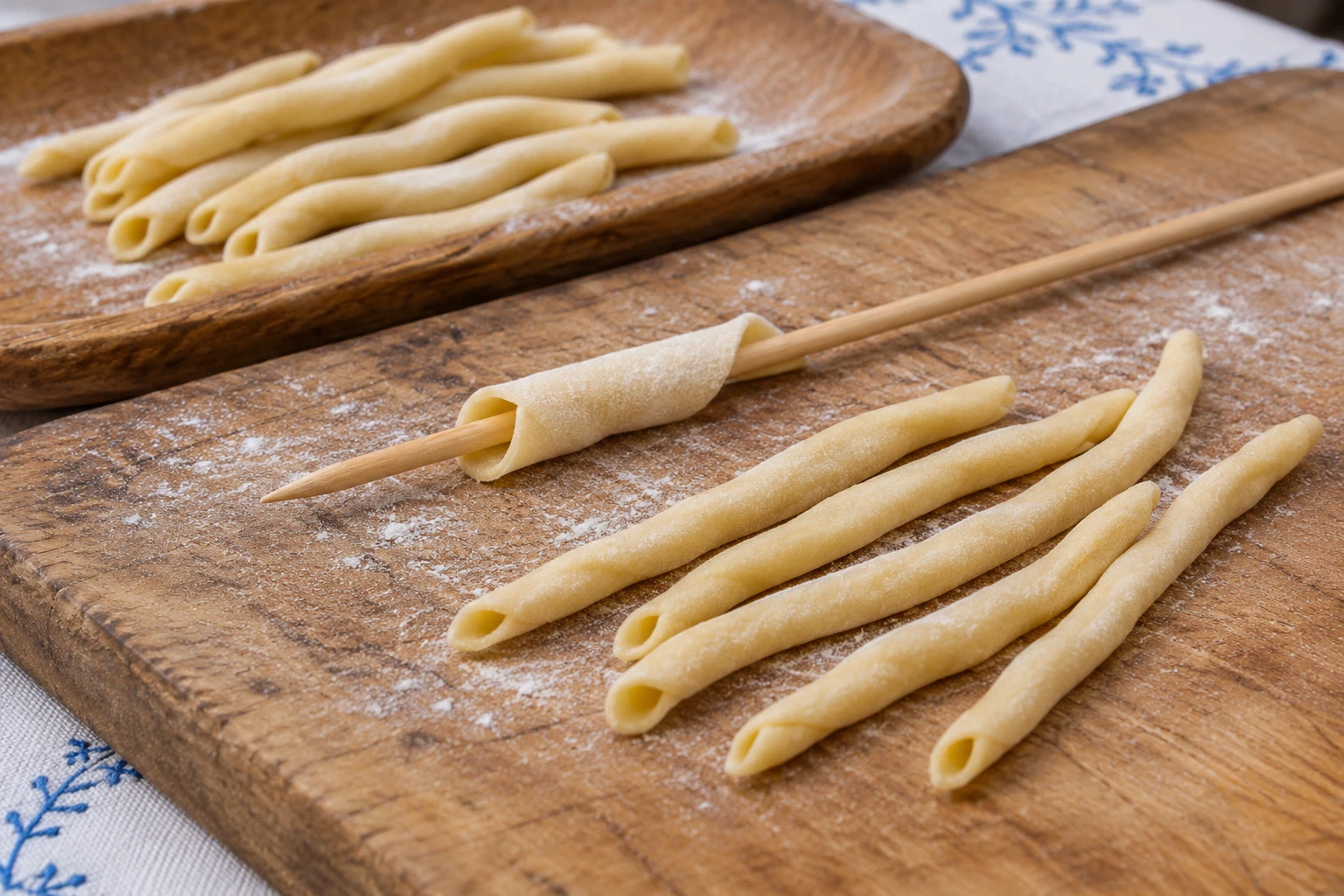
Krčke šurlice — Krk, Croatia
Šurlice are a homemade pasta from the island of Krk. The dough of flour, egg, water and salt is cut into small pieces, and each piece is rolled around a knitting needle until it forms a thin, hollow tube about 8 to 10 cm long. After drying a little, the šurlice are cooked in salted water.
The traditional sauce is žgvacet, a stew of lamb, beef, veal or mutton cooked with onion, garlic, tomato, parsley and wine. The pasta is mixed with the sauce and meat and topped with lots of grated island sheep cheese.
The island’s tourism promotion calls šurlice Krk’s favorite dish and says festivals and weddings are not complete without them. The Krk city tourism office presents them as the pasta that symbolizes the island’s cuisine. Today they also appear with Kvarner scampi, wild asparagus or seafood.
Šurlice are usually paired with the white wine of Vrbnik, žlahtina, and other island products such as Krk cheese and prosciutto.
Krk , Primorje-Gorski Kotar
Homemade pasta from the island of Krk, which the city’s tourism promotion presents as a symbol of the island’s cuisine.
Wheat flour, egg, water and salt for the dough; for the žgvacet: lamb or beef, onion, garlic, tomato, parsley, wine, olive oil; grated sheep cheese.
Served hot, mixed with žgvacet and the meat, with grated sheep cheese on top; in newer versions, served with scampi or asparagus.
Family lunches, festivals and weddings on the island.
Your questions
A homemade pasta formed into thin tubes, rolled by hand around a needle, typical of the island of Krk.
Traditionally with žgvacet, a lamb or beef meat sauce, and grated sheep cheese; there are also versions with scampi.
Yes. The island’s tourism treats them as a dish of Krk in general, found at festivals and weddings.
Flavors of Croatia
Egg custard made from eggs, milk and sugar baked in a water bath over a layer of caramel and scented with rozalin, Dubrovnik rose liqueur. It is the city’s most traditional dessert.
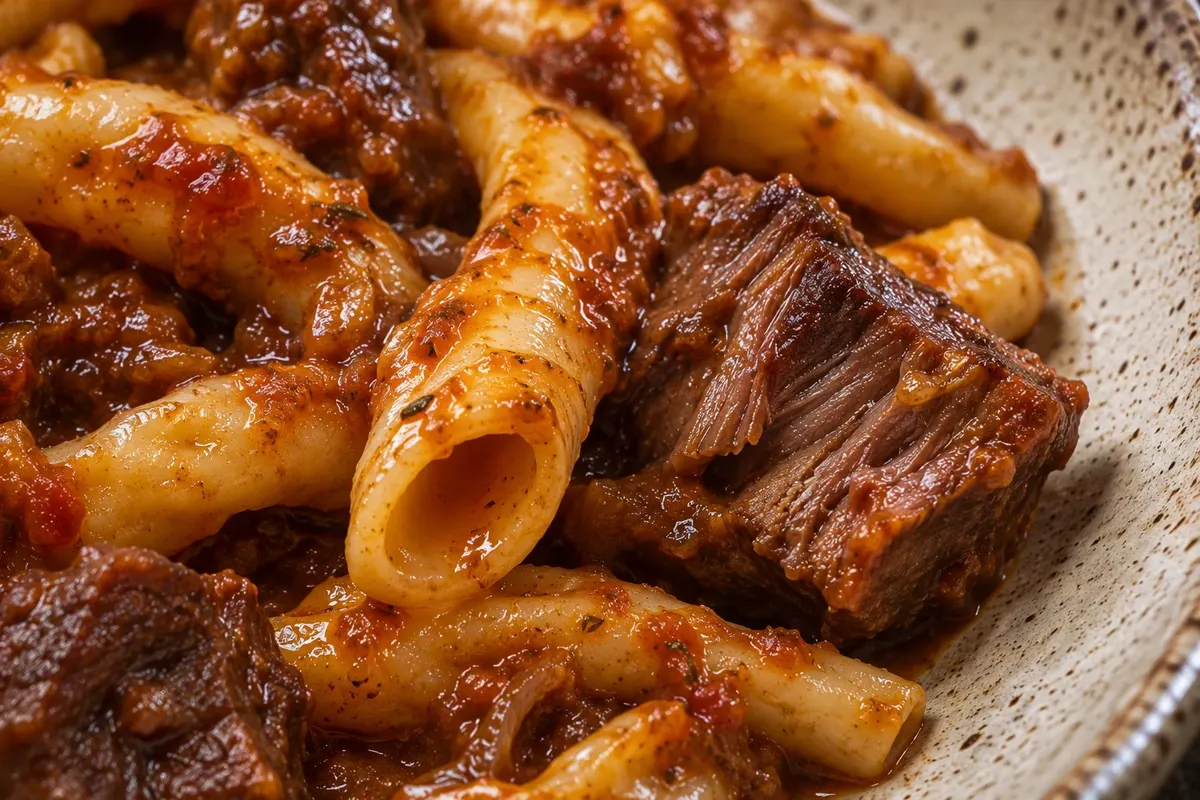
Thick tubular pasta, the makaruli, served with the sauce of a beef stew made with wine and spices. It’s the dish of the Feast of St. Blaise, patron saint of Dubrovnik.
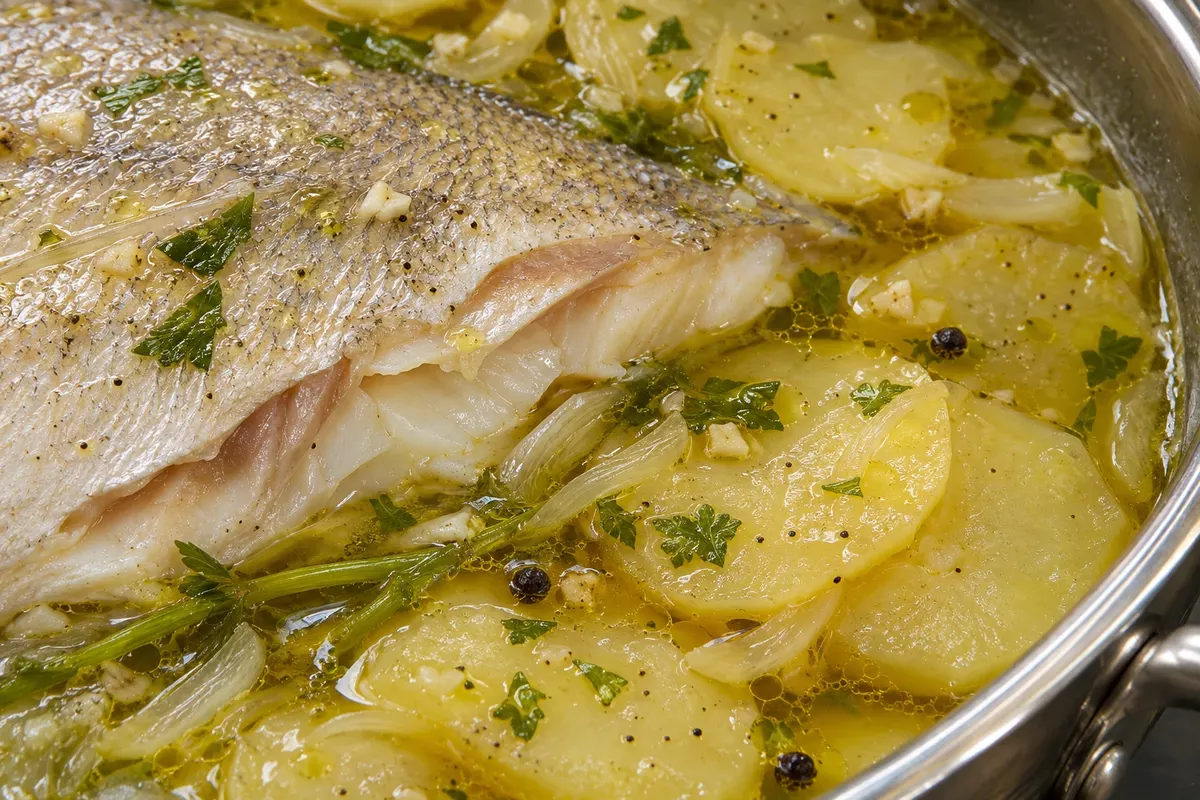
Stew of white fish with potato, onion, garlic, parsley, olive oil and white wine, without tomato, cooked in a wide pan. It is the island of Hvar’s fish specialty.
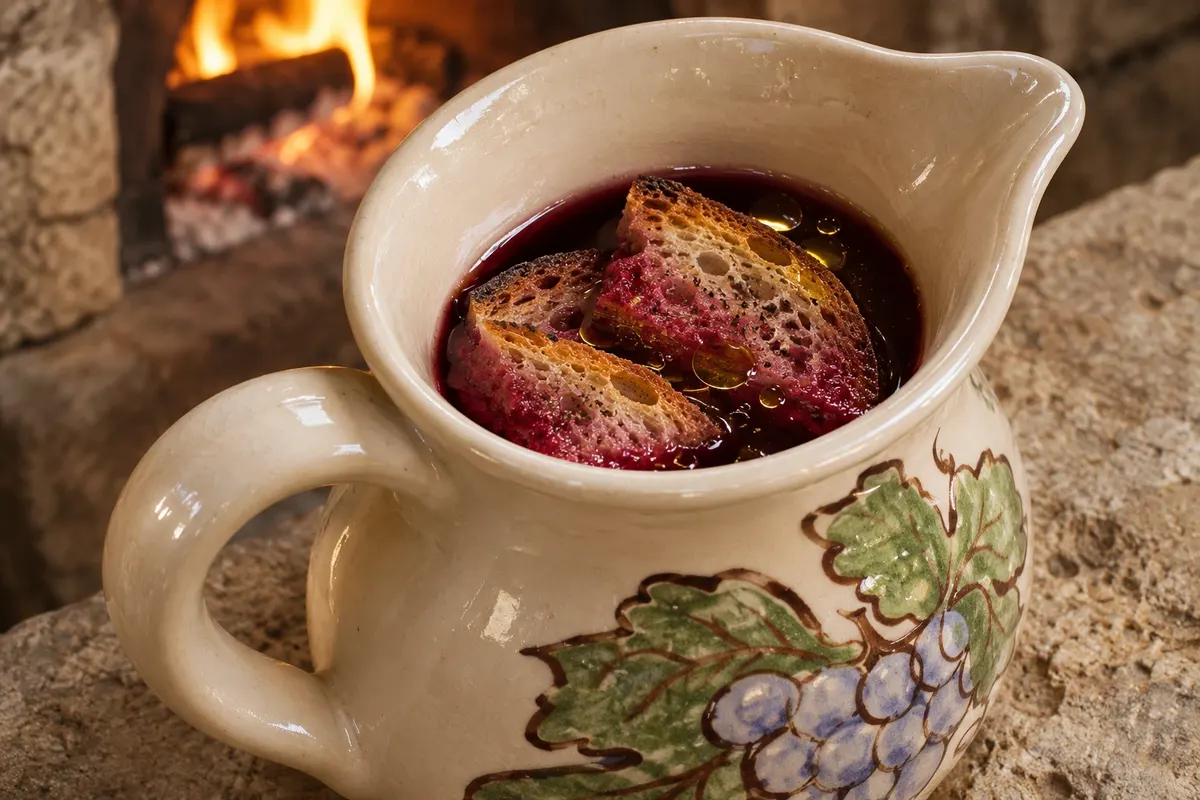
Red wine, usually teran, warmed with olive oil, sugar and pepper and served with toasted bread in a ceramic pitcher, the bukaleta, passed from hand to hand. It is a social ritual of Istria and a cultural heritage protected by Croatia.
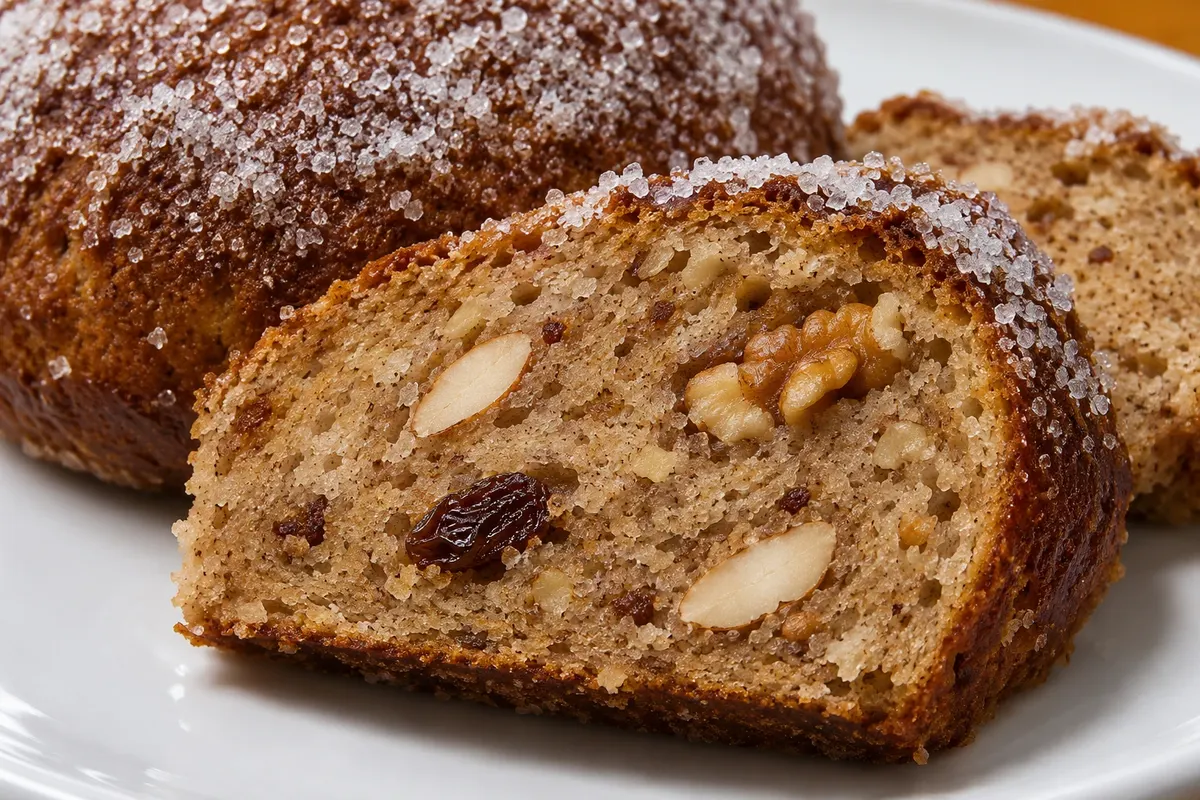
Round fermented dough cake with almonds, walnuts, raisins, citrus fruits and spices, brushed with varenik or brandy and dusted with sugar. It is a sweet from the island of Korčula with a European Union geographical indication.
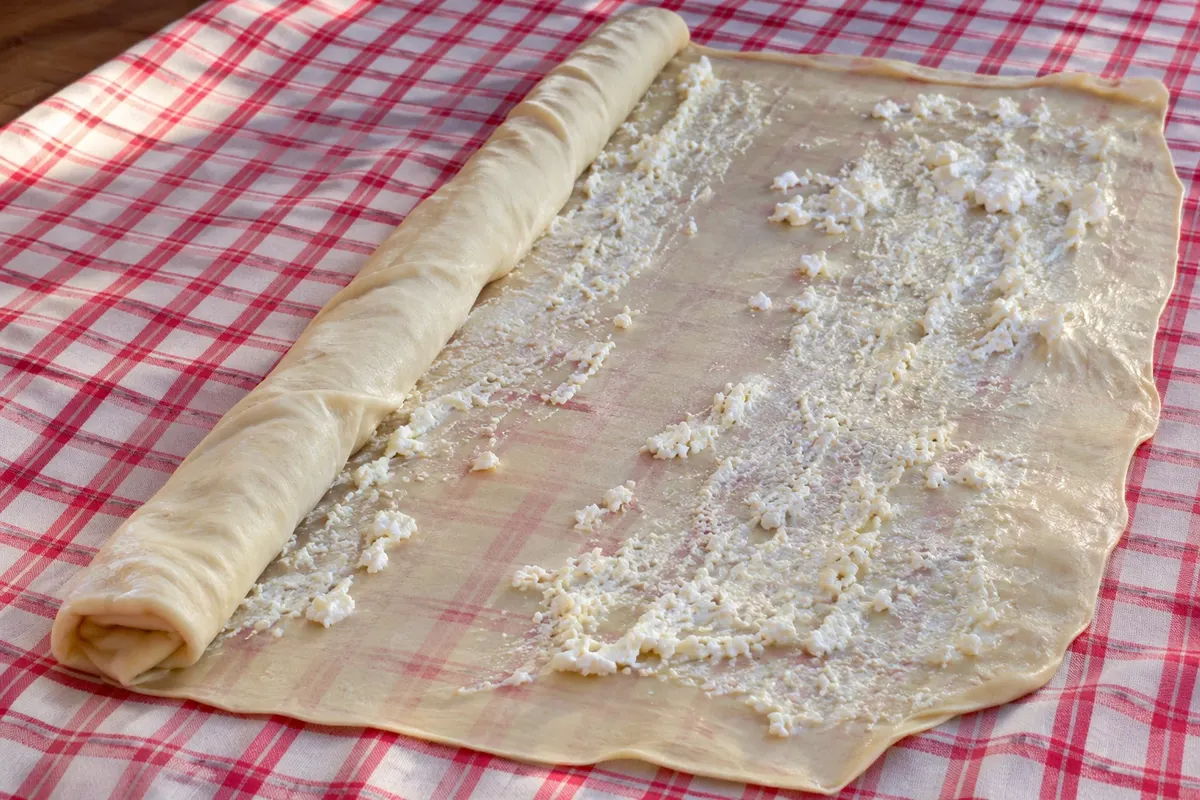
Dough rolled very thin, filled with fresh cheese, eggs and cream, rolled up and cut into pieces that are cooked or baked. It is the dish of Hrvatsko zagorje, with EU geographical indication and protection as an intangible cultural heritage.
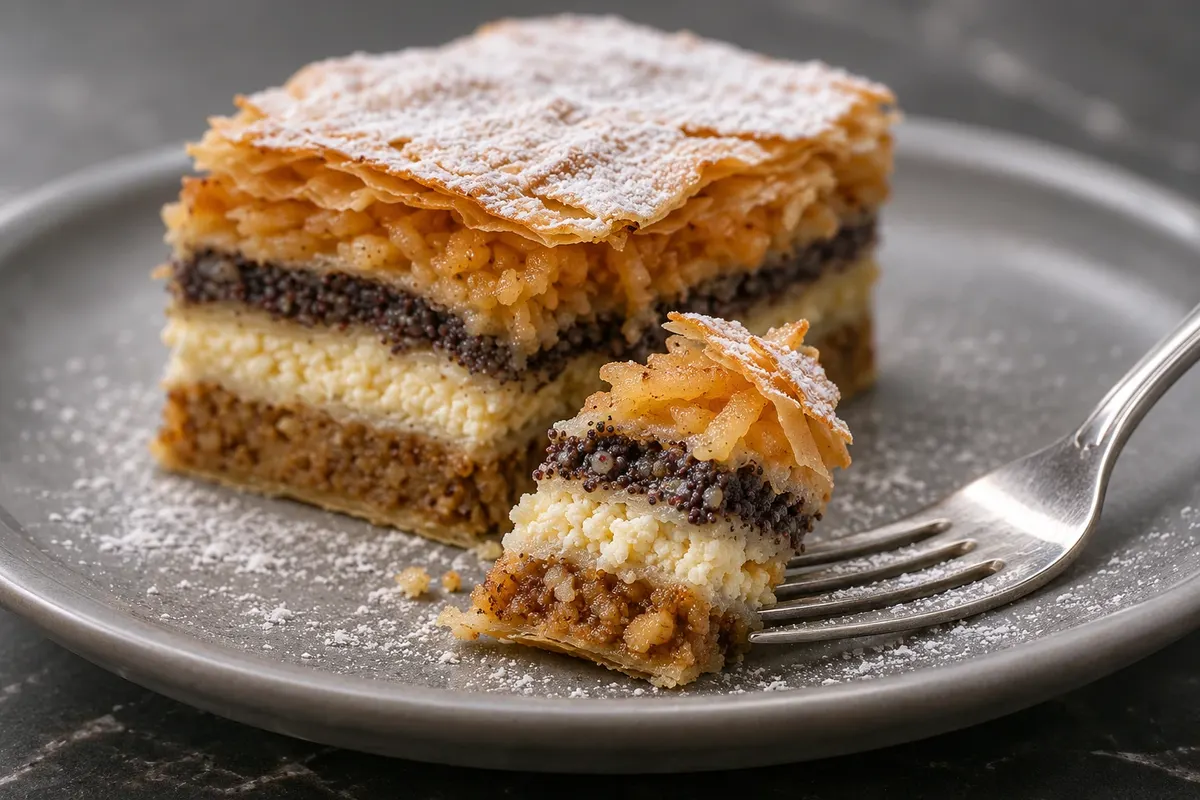
Layered cake made with thin stretched dough and four fillings: walnuts, poppy seeds, fresh cheese, and grated apple. It is the best-known sweet from Međimurje, in the far north of Croatia.
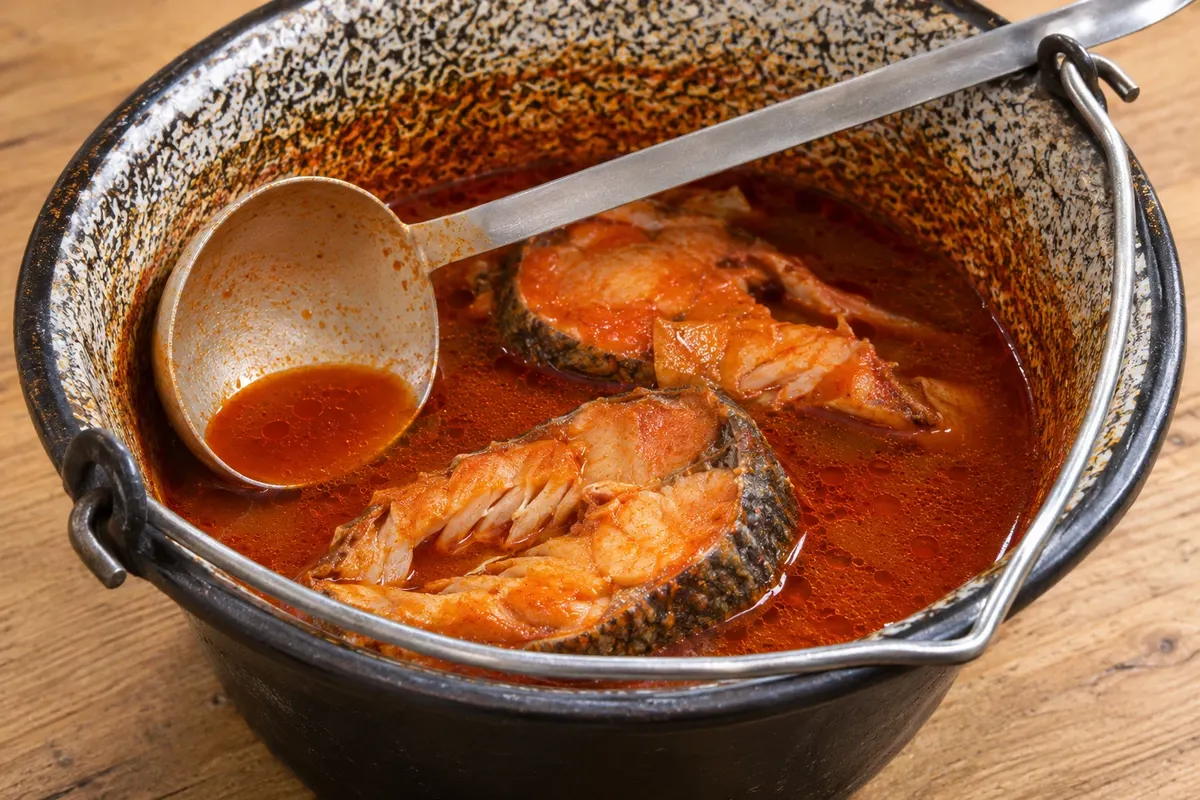
Spicy stew of river fish, such as carp and catfish, with onion and lots of paprika, cooked in a cauldron over a wood fire. It is the fish dish of Osijek and of Slavonia and Baranja.
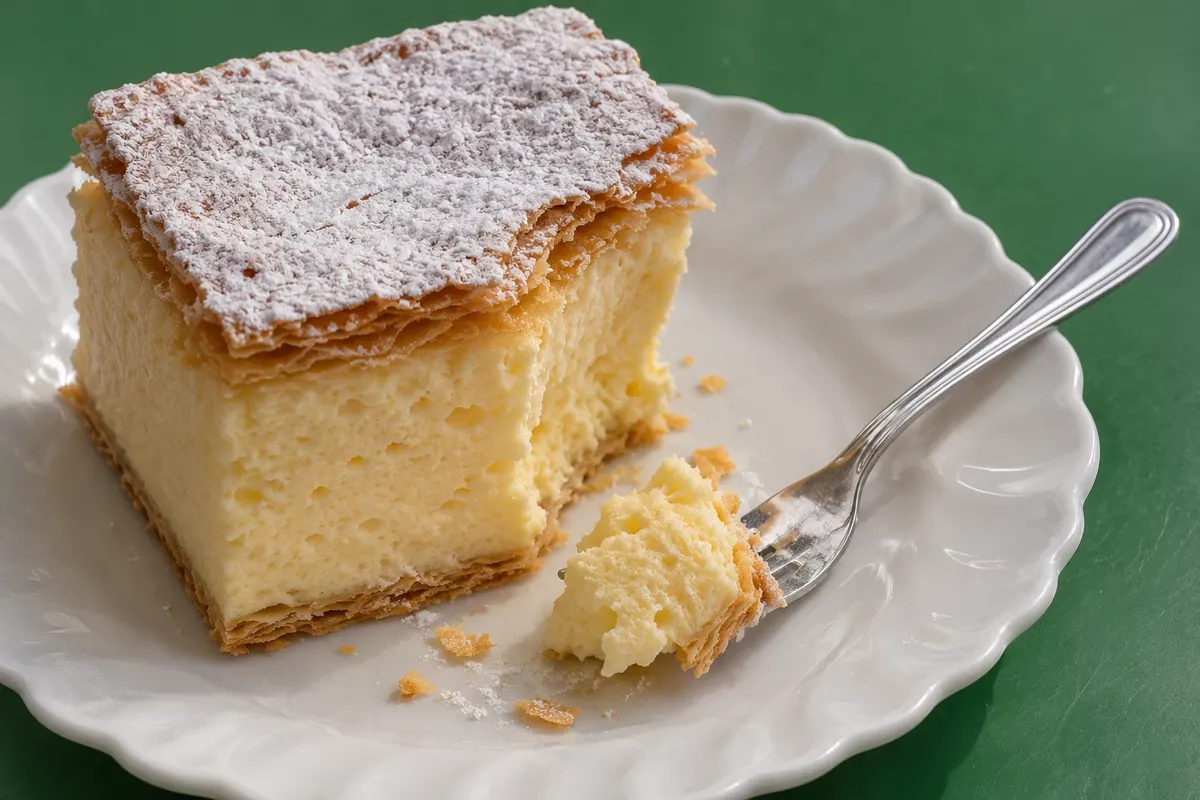
Puff pastry dessert filled with a thick layer of egg custard and whipped egg whites, cut into squares. The recipe was created in Samobor in the 1920s, and the dessert is a recognized intangible cultural heritage of Croatia.
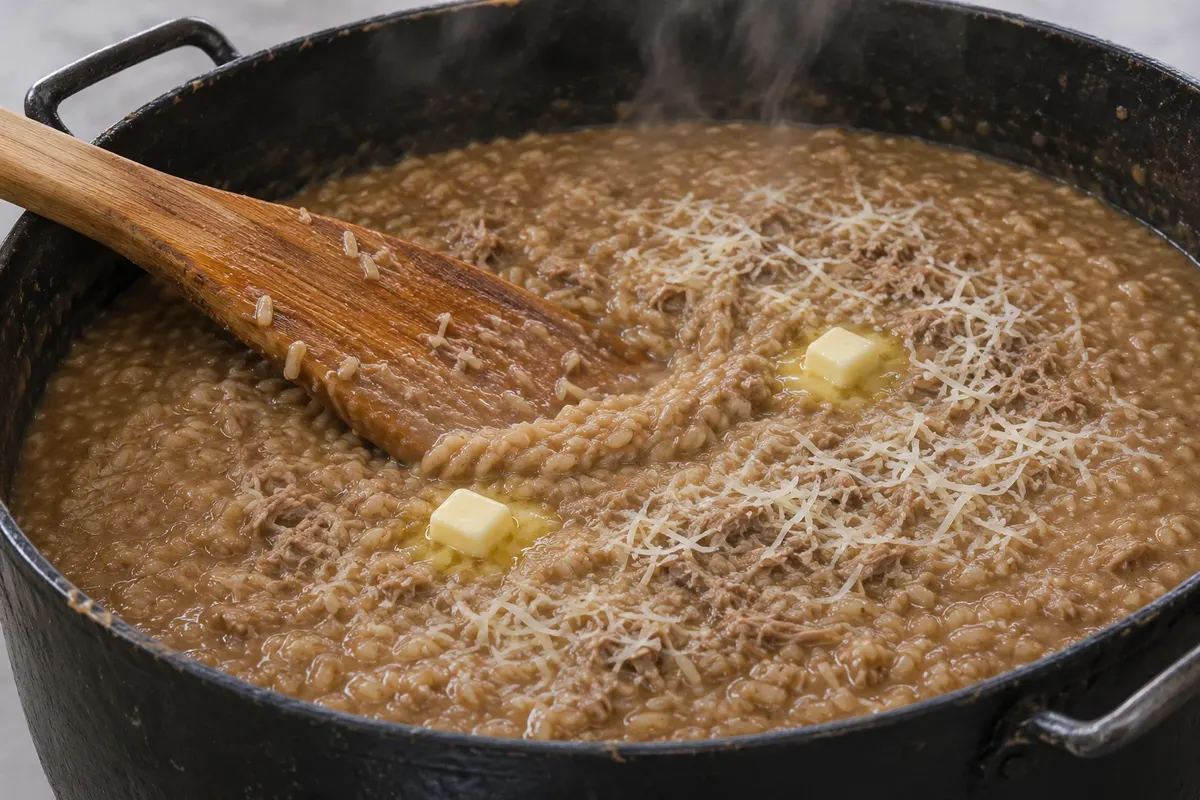
Veal and onion risotto cooked for many hours in a strong broth, stirred constantly with a large wooden paddle, traditionally by the men of Skradin. It is prepared in large quantities for celebrations.
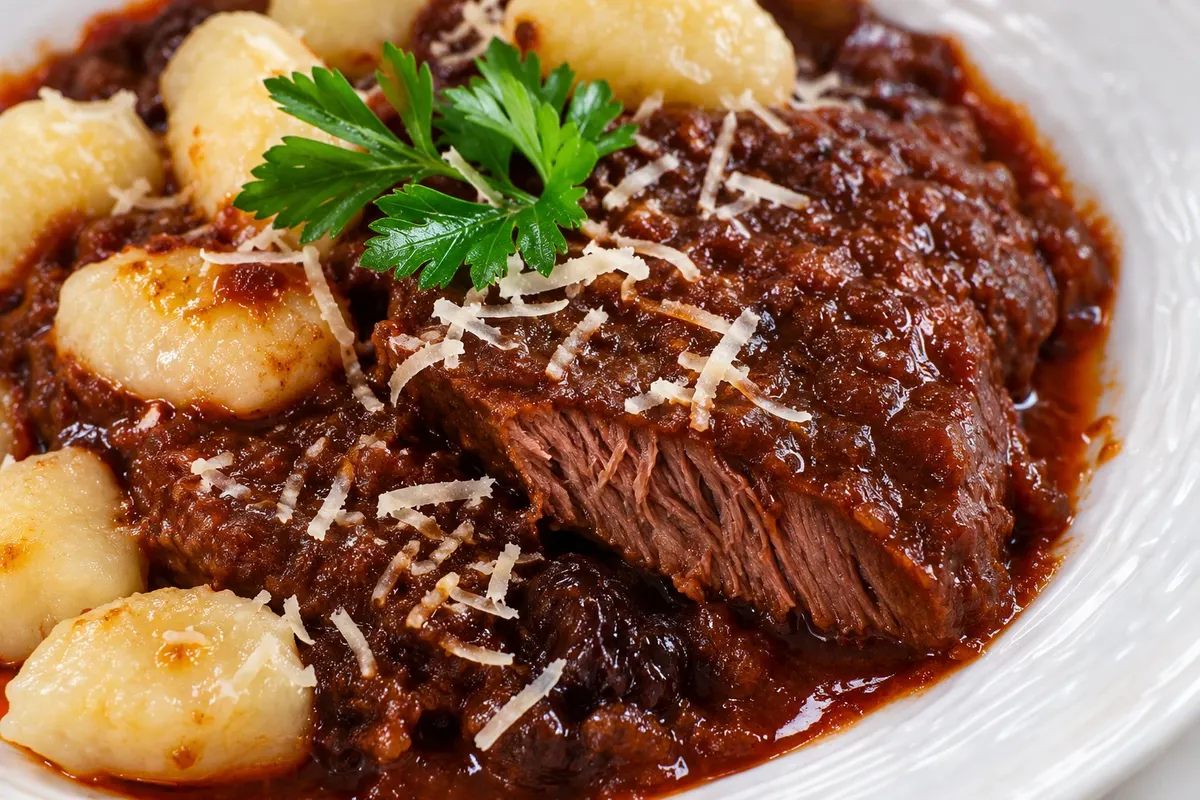
Beef larded with garlic, clove and bacon, marinated in wine and vinegar and cooked for hours in a dark sauce with dried plum and prošek. In Split, it’s served with gnocchi or pasta.
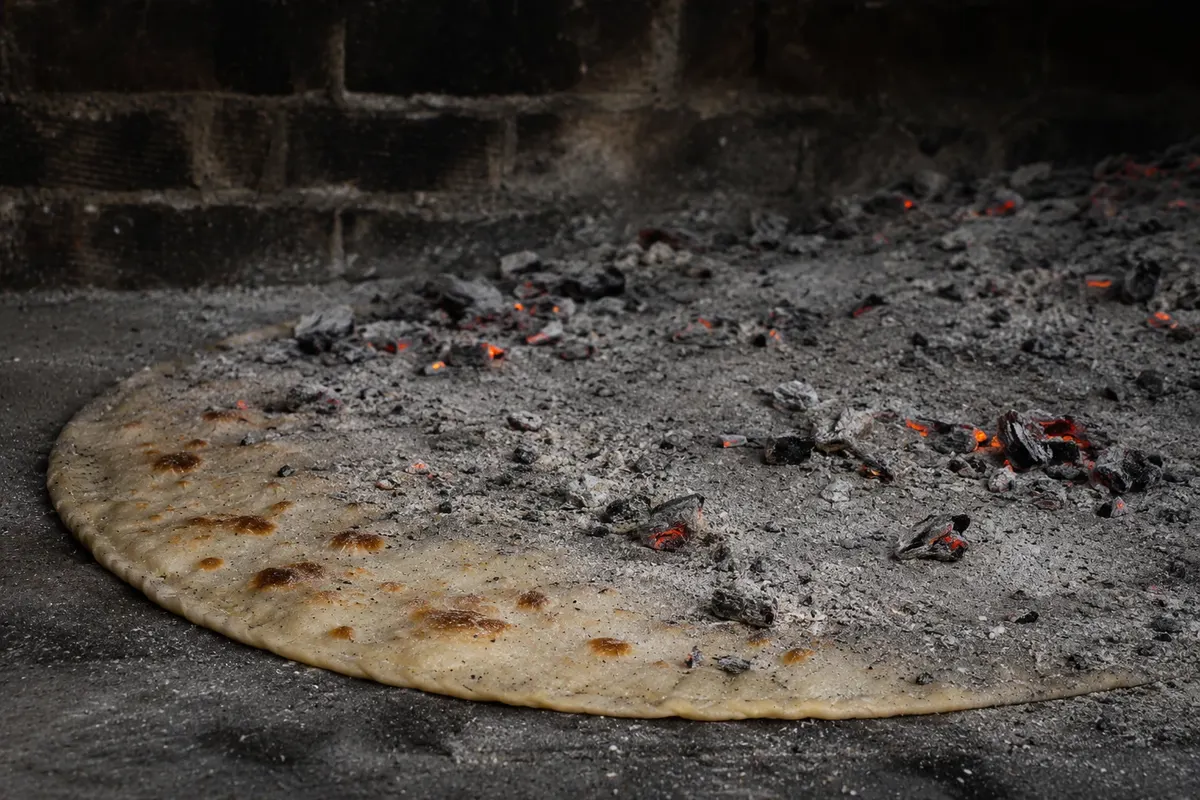
Thin unleavened pastry pie filled with Swiss chard and onion, baked on the hot stone of the hearth covered with embers and finished with olive oil and garlic. It is a dish from the Poljica region, between Split and Omiš, with EU geographical indication.
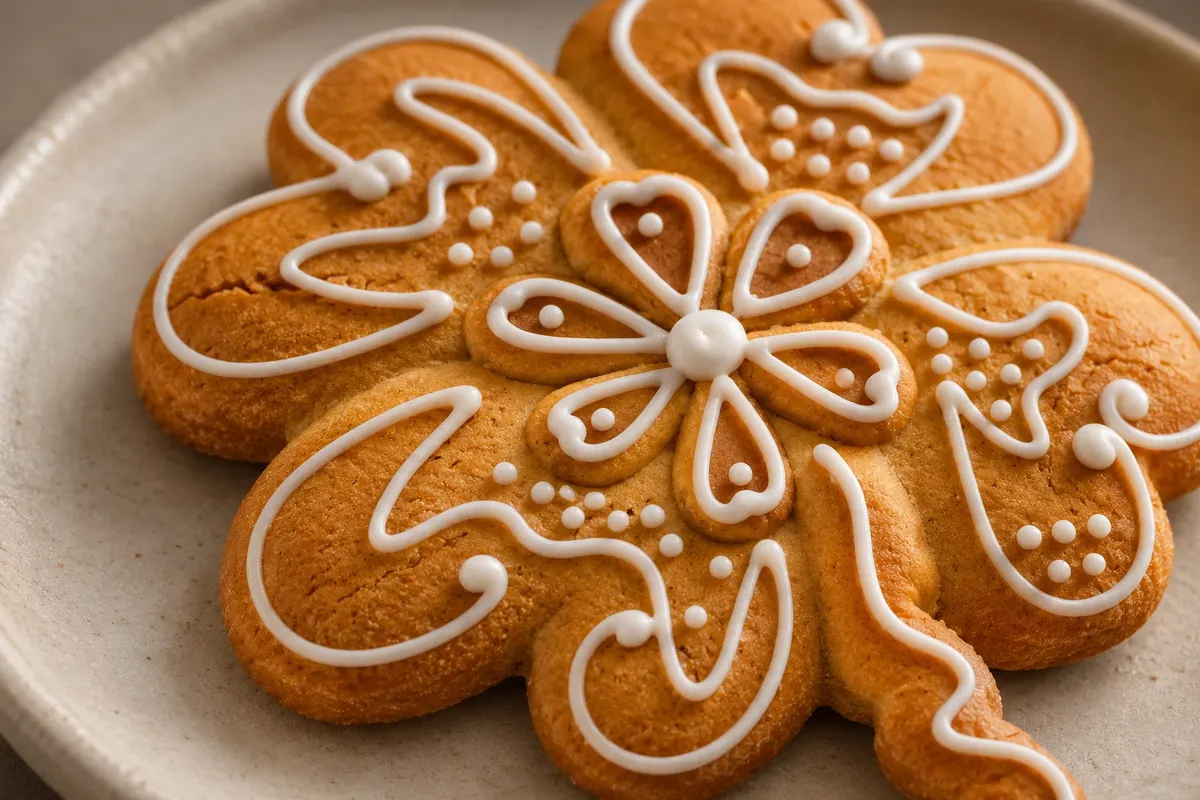
Honey biscuit with olive oil, prošek and spices from Stari Grad on the island of Hvar, shaped into figures and decorated with sugar. It is mentioned in a 1556 poem and the art of making it is a protected cultural practice.
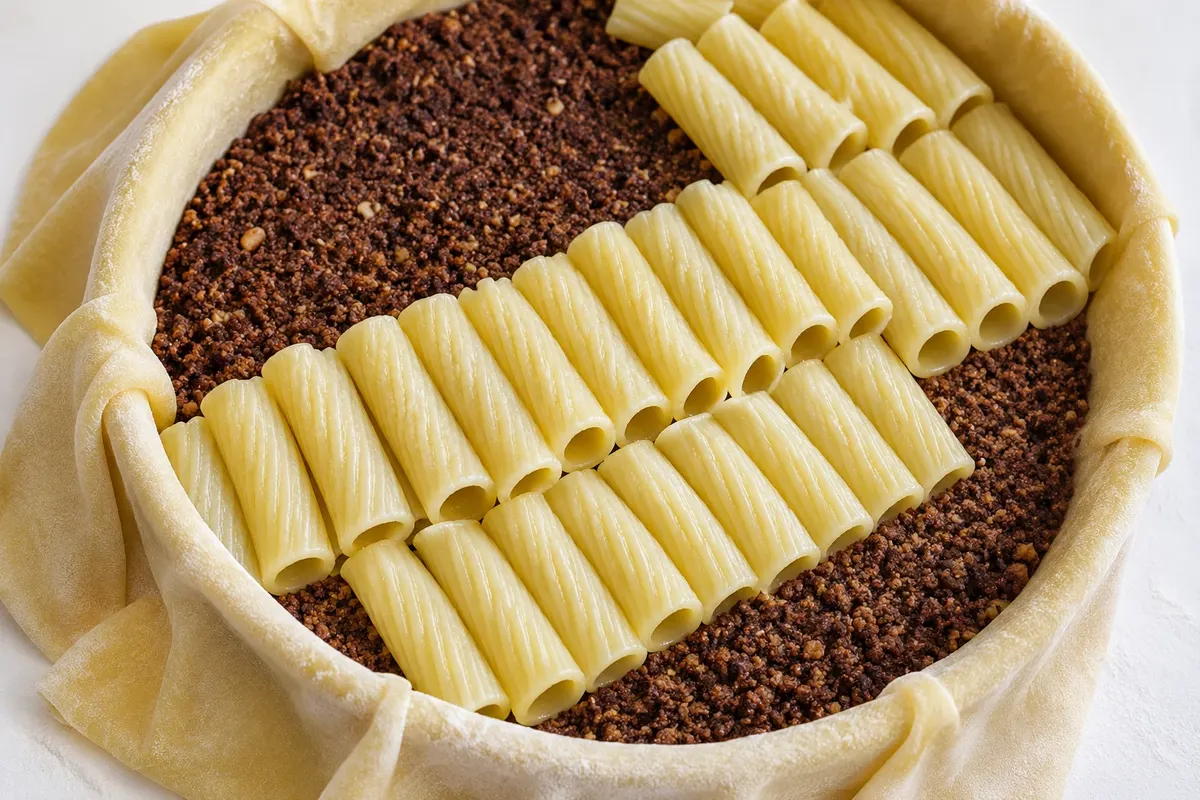
Thin pastry tart filled with cooked pasta, walnuts, almonds, sugar, chocolate and spices. It is the sweet of Ston, on the Pelješac peninsula, and is traditionally made at Christmas and Easter.
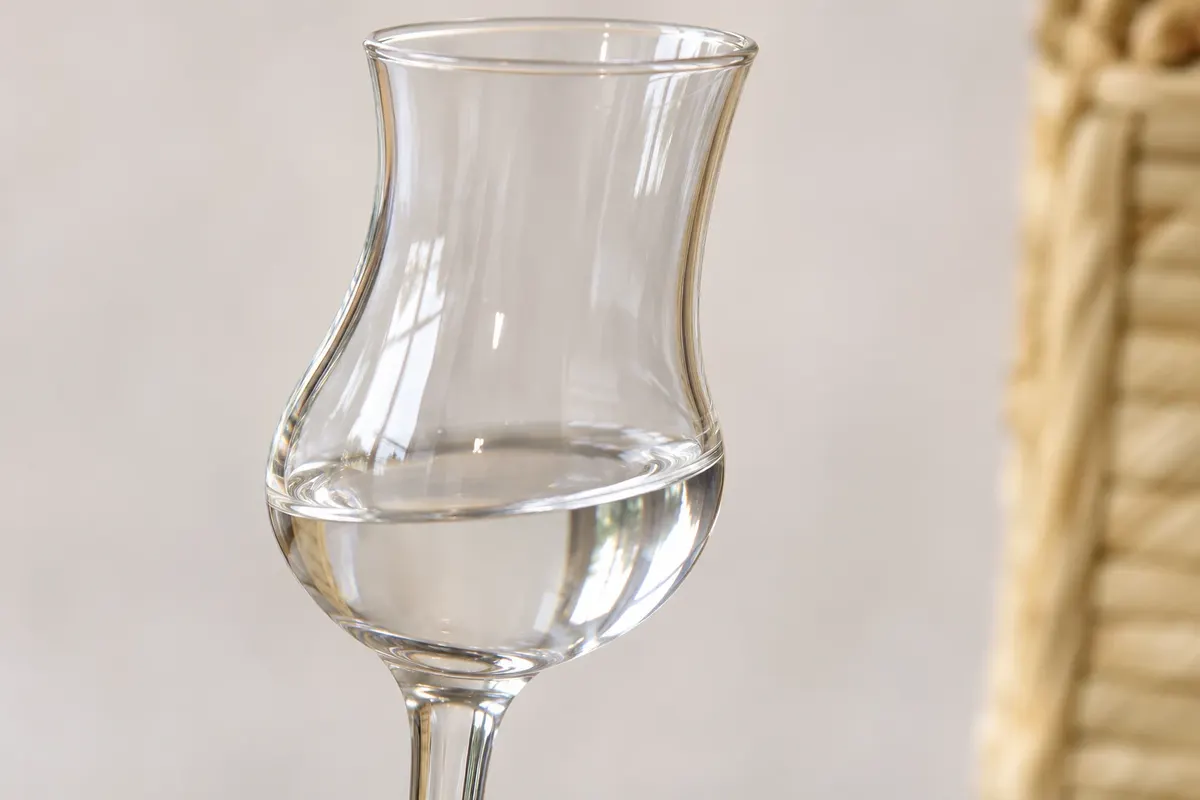
A colorless liqueur distilled from the marasca cherry, with a sweet, almond-like flavor. Tradition links it to the Dominican monastery of Zadar in the 16th century, and the city made a living from its production and export for more than two centuries.