The cuisine
Traditional food of the Czech Republic
Czech cuisine is rural: roasted meats, rich sauces, knedlíky as accompaniments, and leavened doughs in the sweets. Much of what is eaten today was fixed in the 19th century, when cookbooks in Czech, such as Magdalena Dobromila Rettigová’s 1826 book, organized the cooking of homes in Bohemia and Moravia.
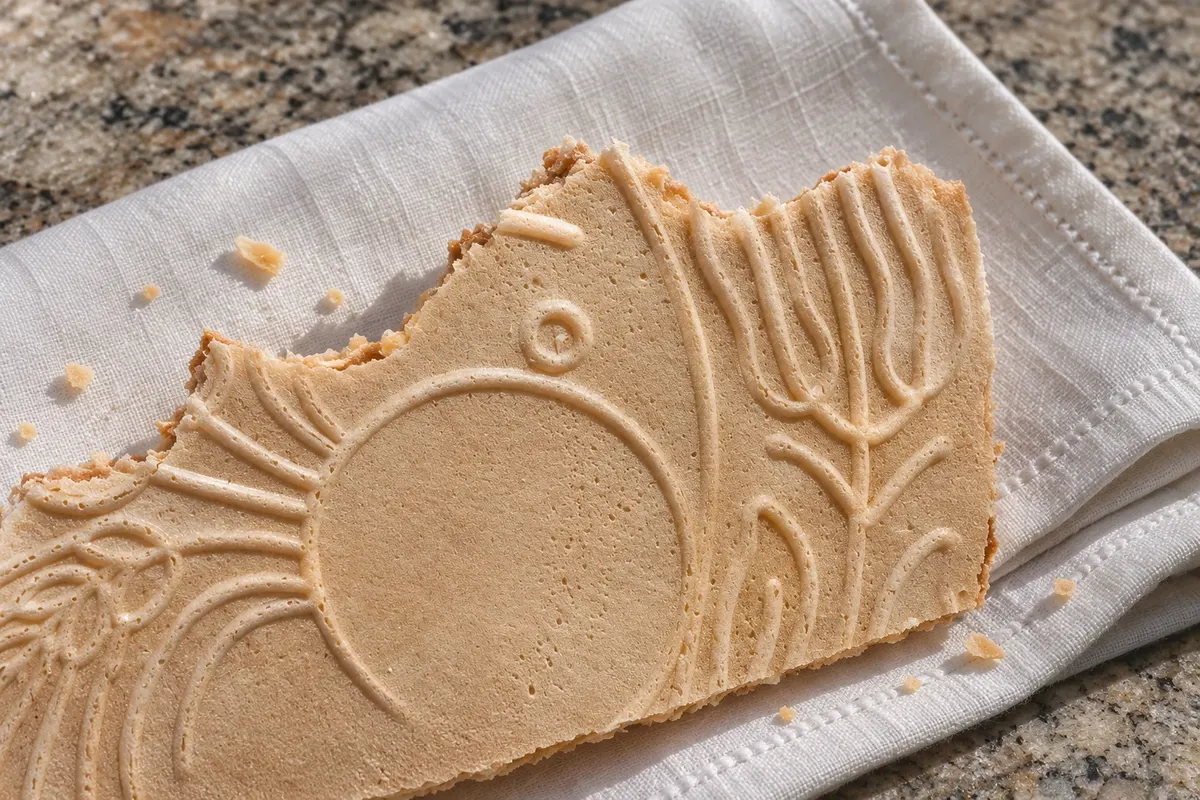
Beer holds a central place. It was in Pilsen that, in 1842, the pale lager that gave its name to the pilsner style was brewed, and in České Budějovice the city’s beer has a name protected by the European Union. In the spa towns of the west, the tradition of mineral water treatments gave rise to the Karlovy Vary wafers and to an herbal liqueur created there in the early 19th century.
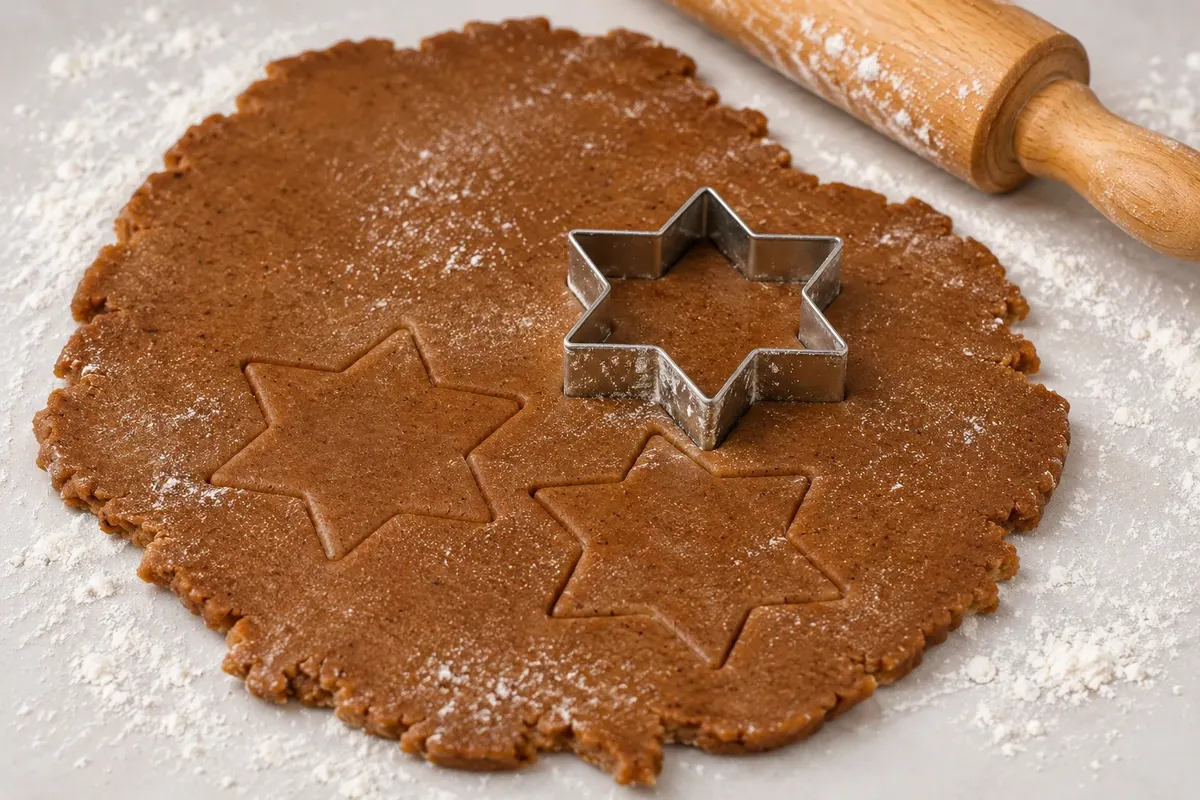
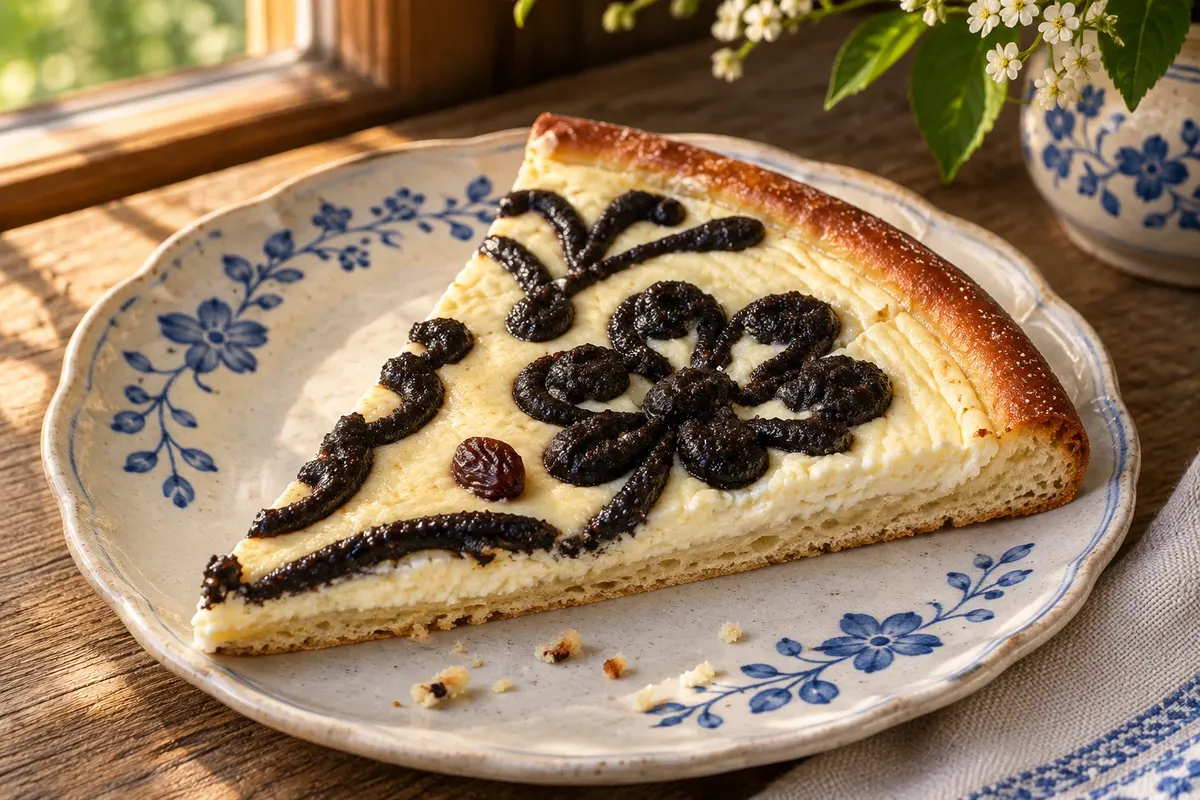
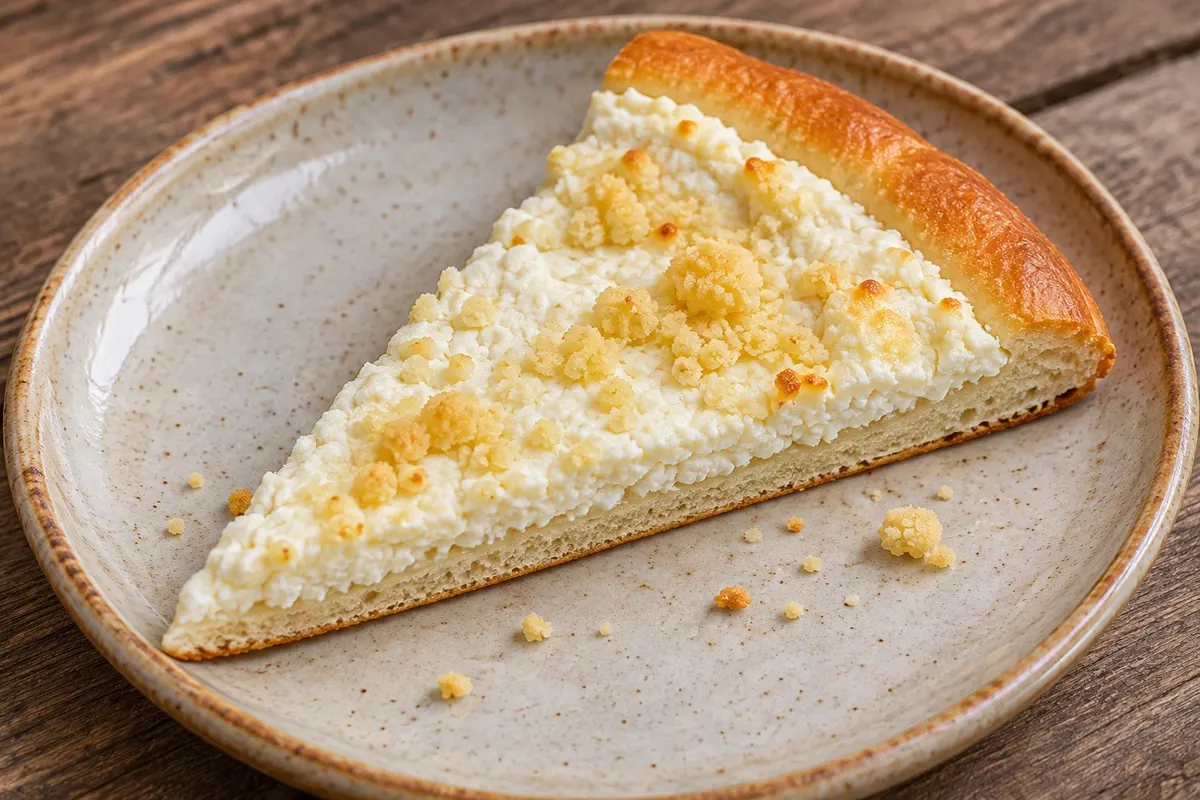
The sweets tell much of the regional history. Pardubice has been known for its gingerbread since the 16th century; Štramberk, in Moravia, bakes gingerbread cones tied to a medieval legend; Wallachian Moravia has the frgál, a large pie with various fillings; and Chodsko, on the western border, has decorated cakes resembling the embroidery of local costumes. In Moravia, plum brandy is part of festivals and hospitality.
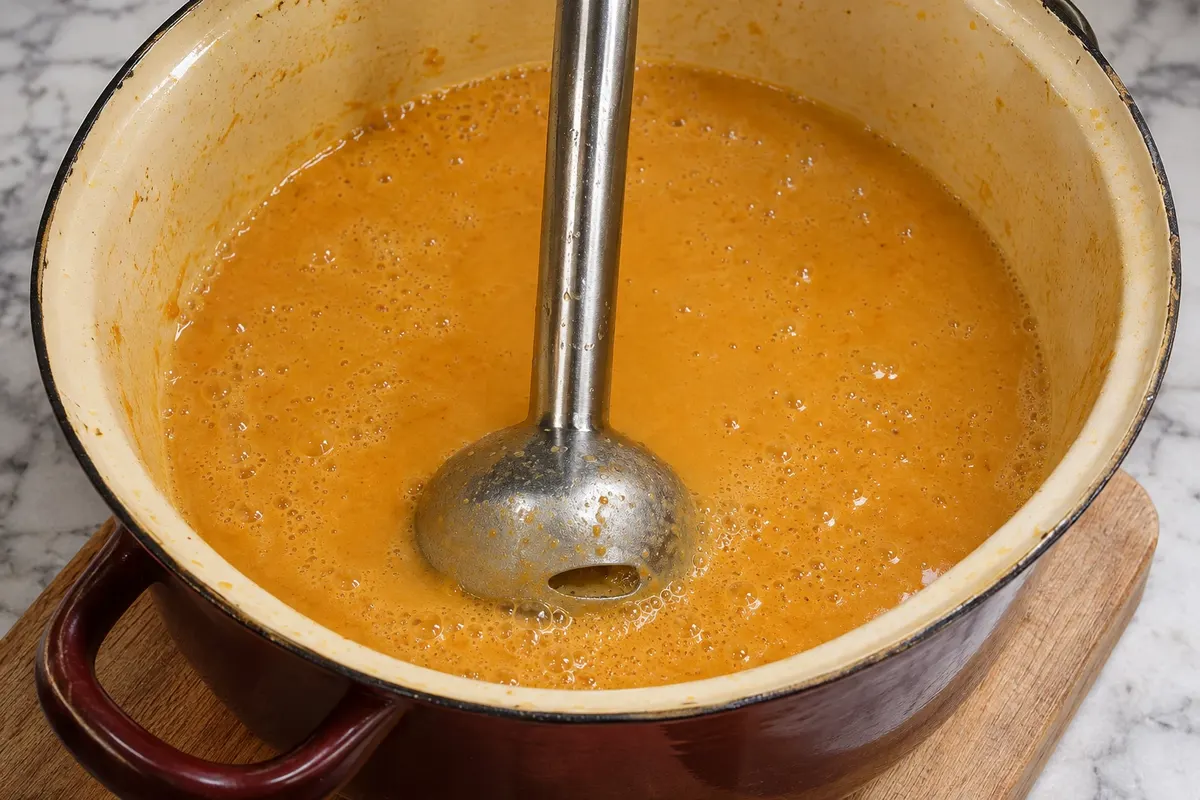
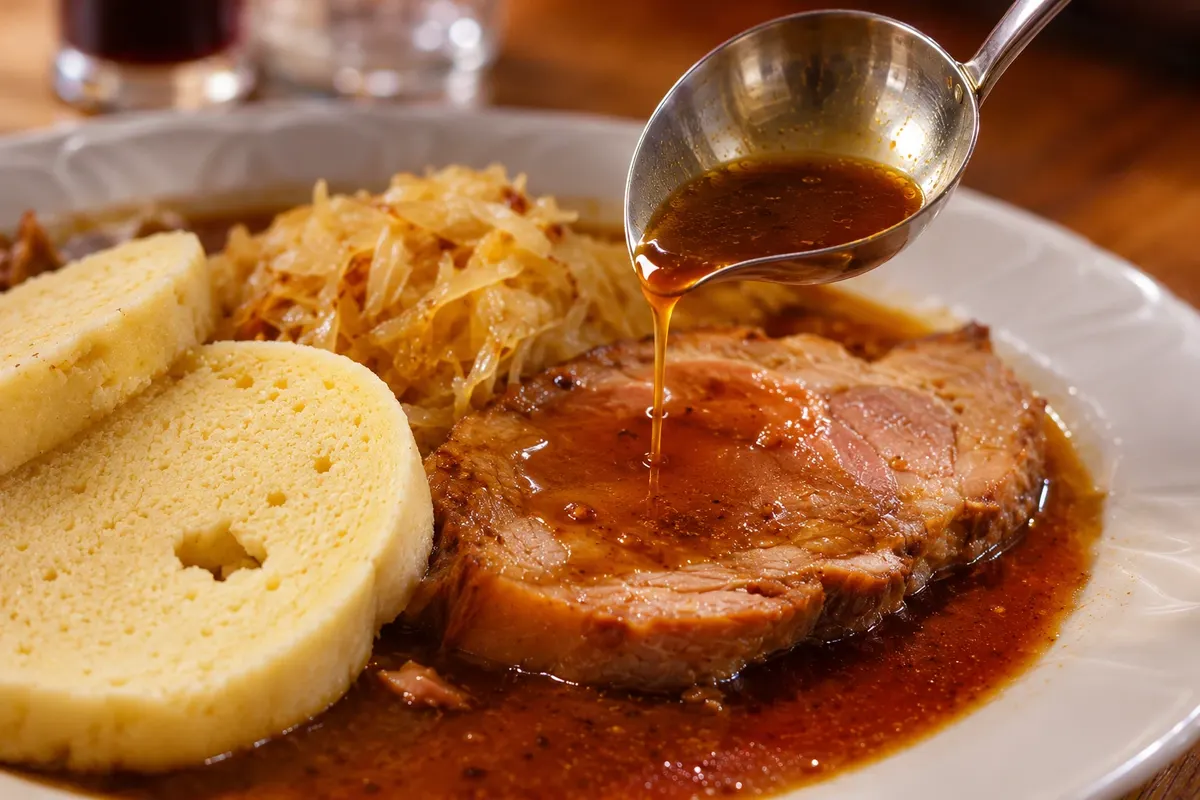
Two dishes do not belong to a single town or region but to the whole country: svíčková na smetaně, meat with root-vegetable sauce and cream, served on festive days, and vepřo knedlo zelo, roasted pork with knedlíky and cabbage, found on the menus of inns across the country.
Each specialty is linked to the town or region that sources associate it with, or to the entire country when it is nationwide. Association with a place does not mean it is eaten only there.


 Brazil
 Argentina
 Bolivia
 Chile
 Colombia
 Ecuador
 Guyana
 French Guiana
 Falkland Islands (Malvinas)
 Paraguay
 Peru
 Suriname
 Uruguay
 Venezuela
 Germany
 Austria
 Belgium
 Croatia
 Denmark
 Spain
 Finland
 France
 Greece
 the Netherlands
 Hungary
 Ireland
 Iceland
 Italy
 Luxembourg
 Norway
 Poland
 Portugal
 the United Kingdom
 Sweden
 Switzerland
 Turkey
 Canada
 the United States
 Mexico
 the Dominican Republic
 South Africa
 Australia
 Fiji
 New Zealand
 Papua New Guinea