Pilsner Urquell is the beer of Pilsen (Plzeň in Czech). The name combines the German form of the city, Pilsen, with the word Urquell, meaning original source; in Czech it is called Plzeňský Prazdroj. It is a pale, bottom-fermented lager with a golden color and a pronounced hop bitterness.
In the first half of the 19th century, the burgesses of Pilsen who had brewing rights were dissatisfied with the local beer’s quality. In 1842 they founded a new brewery, the Měšťanský pivovar, and hired a Bavarian brewer, Josef Groll, who knew bottom-fermentation techniques. On October 5, 1842, Groll brewed the first batch; the new beer was served for the first time on November 11 that year at the St. Martin fair.
The result was a clearer, cleaner beer than those common at the time, and it is therefore often presented as the world’s first pale lager. Its success led breweries in many countries to copy the style and use the city’s name: pils, pilsner, or pilsener. To protect the origin, the brewery registered the names Pilsner Urquell and Plzeňský Prazdroj at the end of the 19th century, names still in use today.
Sources link the beer’s character to regional ingredients: soft water, pale malt, and hops from Žatec, a town in northern Bohemia known for that crop. The brewery still operates in Pilsen and welcomes visitors, with tours that pass through the production halls and cellars.
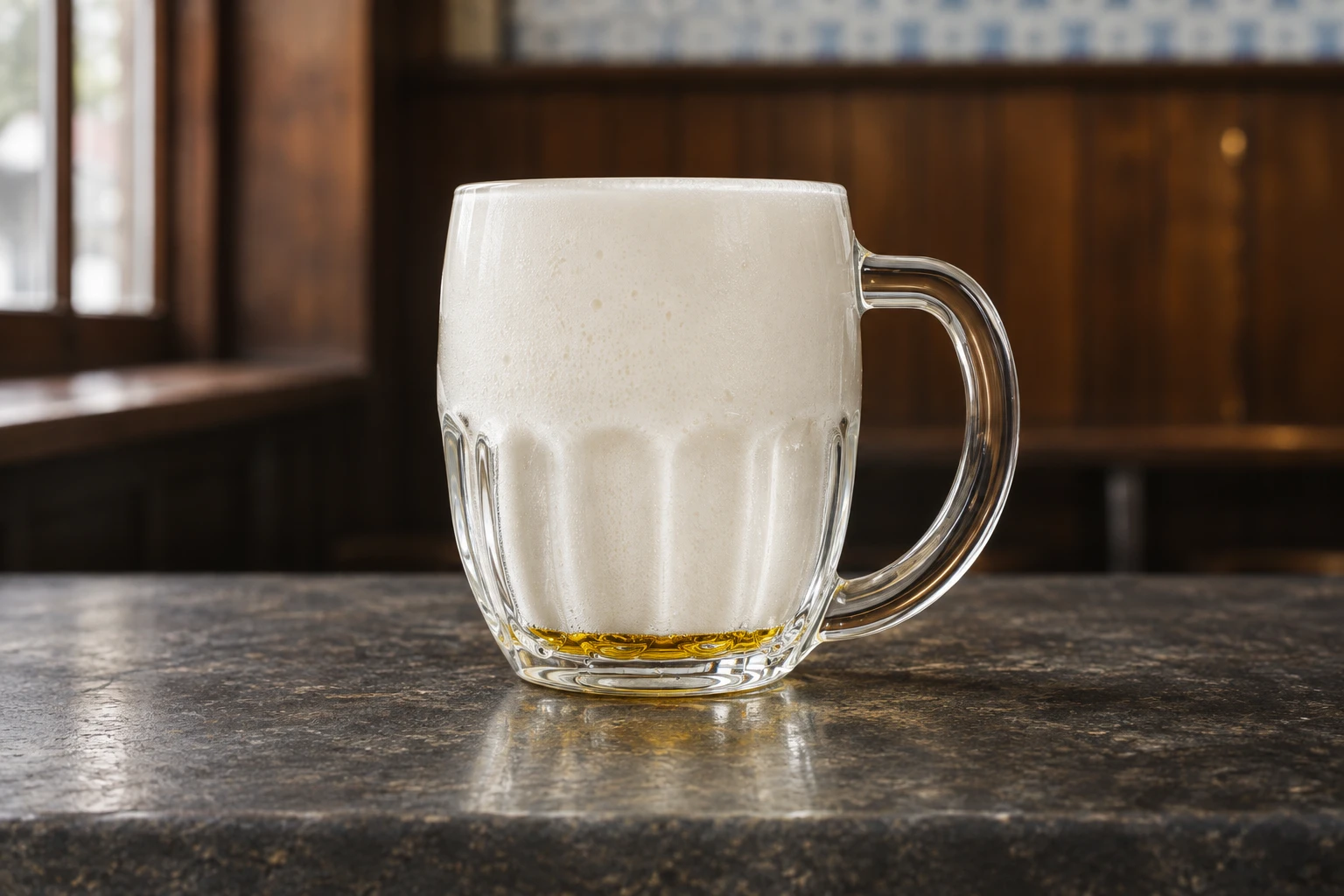
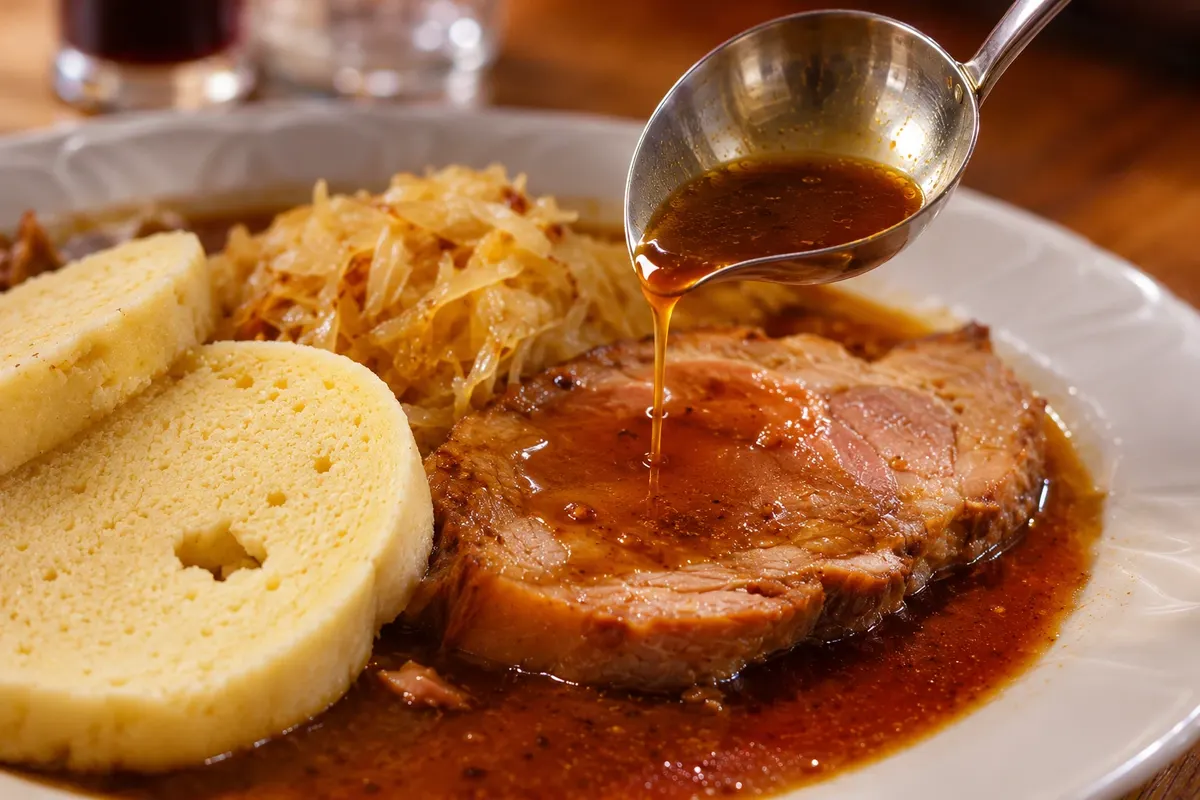
In the Czech Republic, beer accompanies meals in taverns and is served on tap in a glass with a foamy head. Drink in moderation.


 Brazil
 Argentina
 Bolivia
 Chile
 Colombia
 Ecuador
 Guyana
 French Guiana
 Falkland Islands (Malvinas)
 Paraguay
 Peru
 Suriname
 Uruguay
 Venezuela
 Germany
 Austria
 Belgium
 Croatia
 Denmark
 Spain
 Finland
 France
 Greece
 the Netherlands
 Hungary
 Ireland
 Iceland
 Italy
 Luxembourg
 Norway
 Poland
 Portugal
 the United Kingdom
 Sweden
 Switzerland
 Turkey
 Canada
 the United States
 Mexico
 the Dominican Republic
 South Africa
 Australia
 Fiji
 New Zealand
 Papua New Guinea