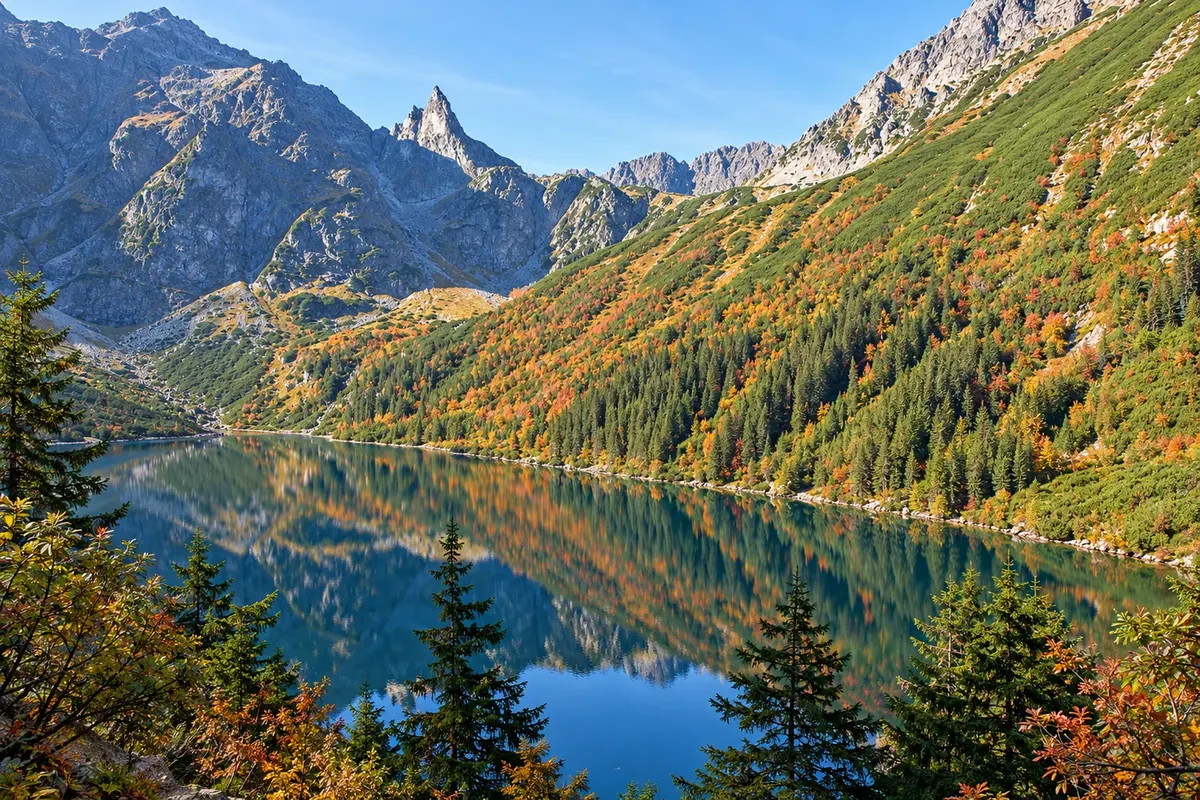
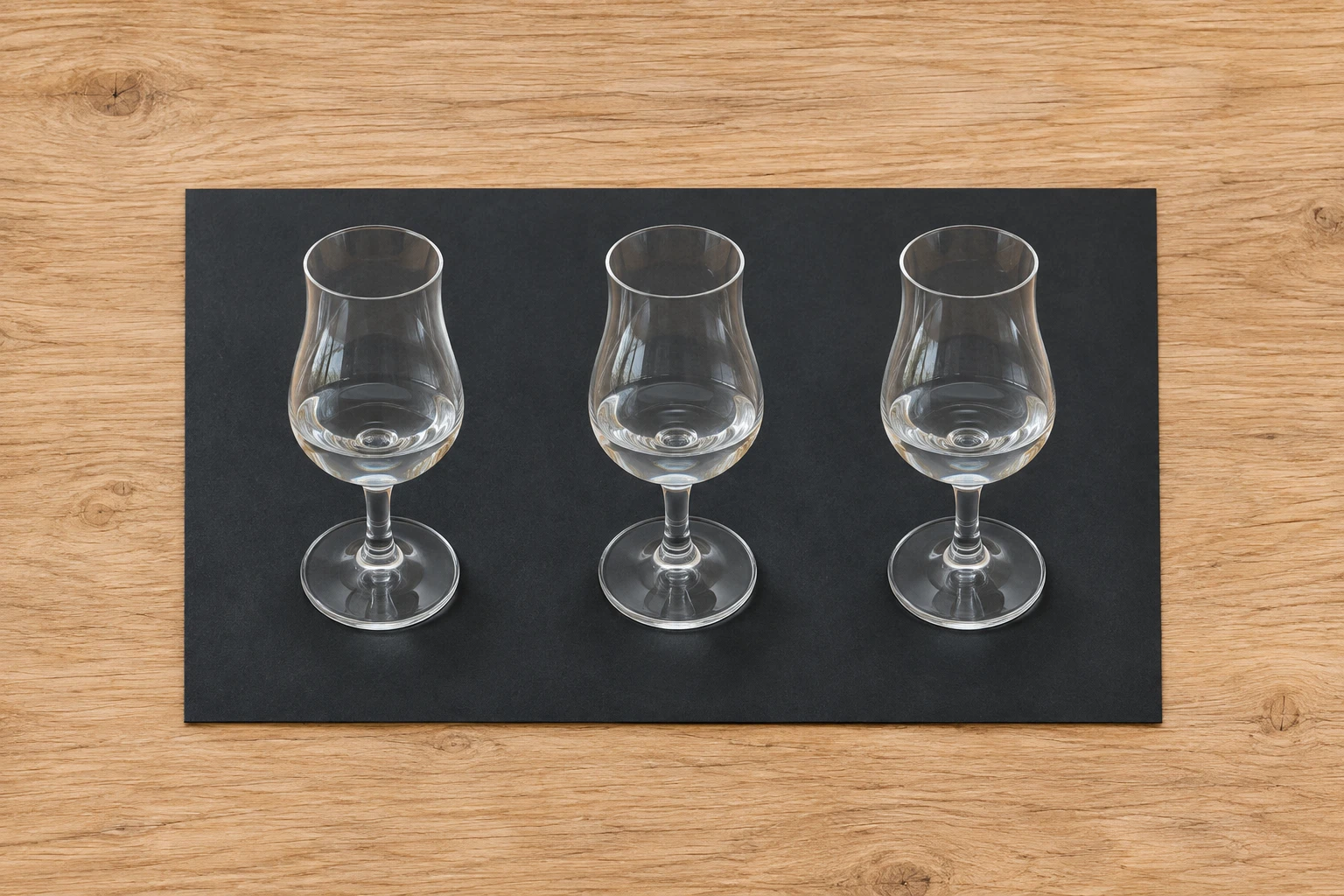
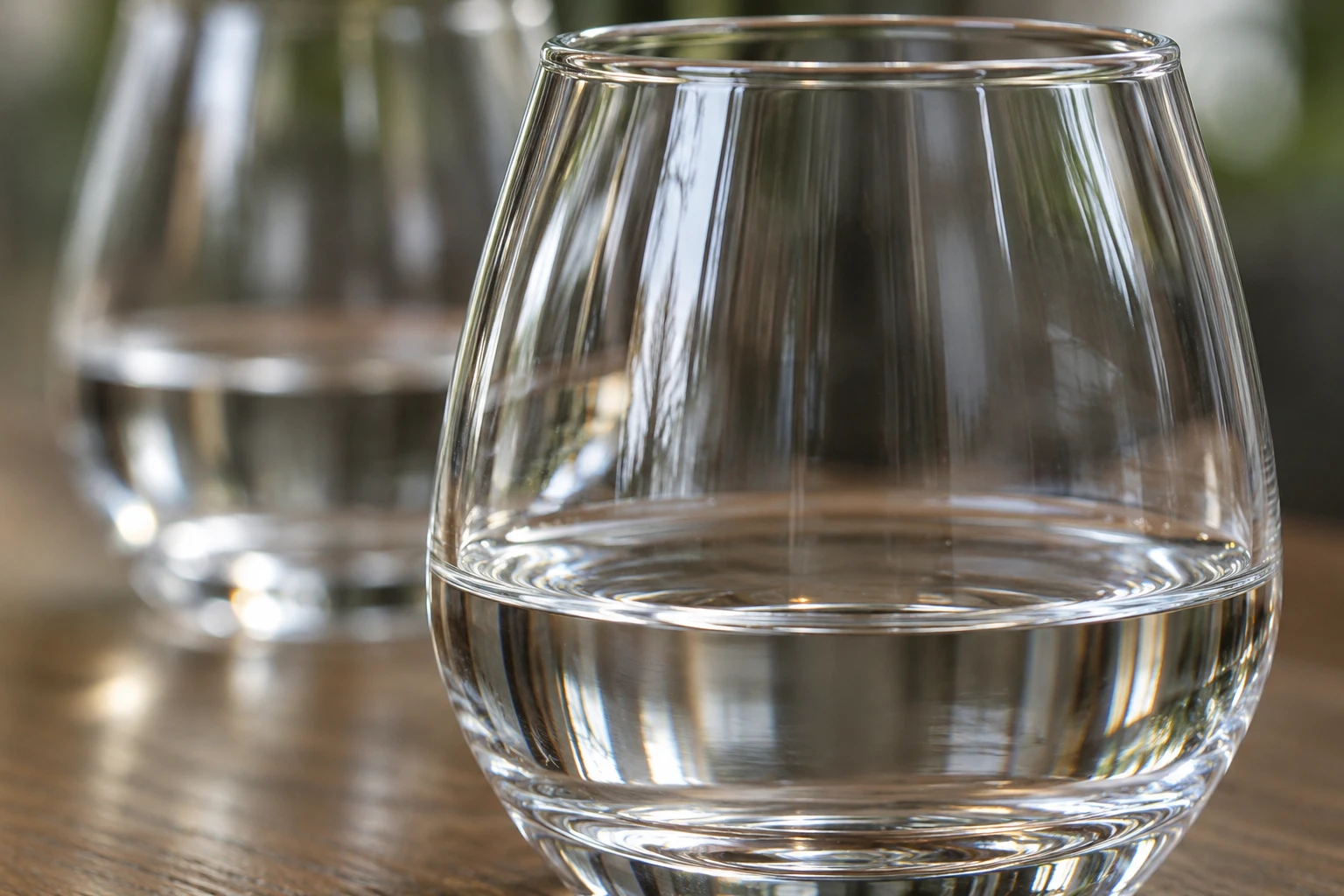
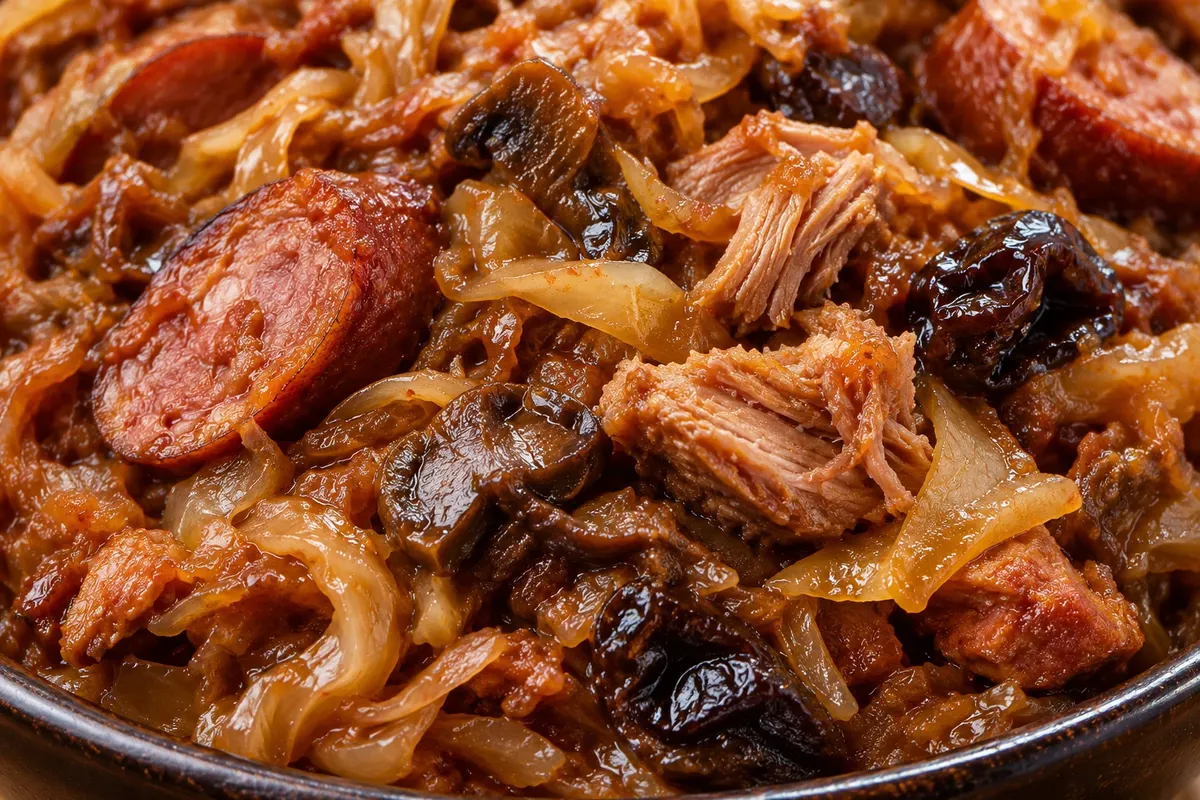
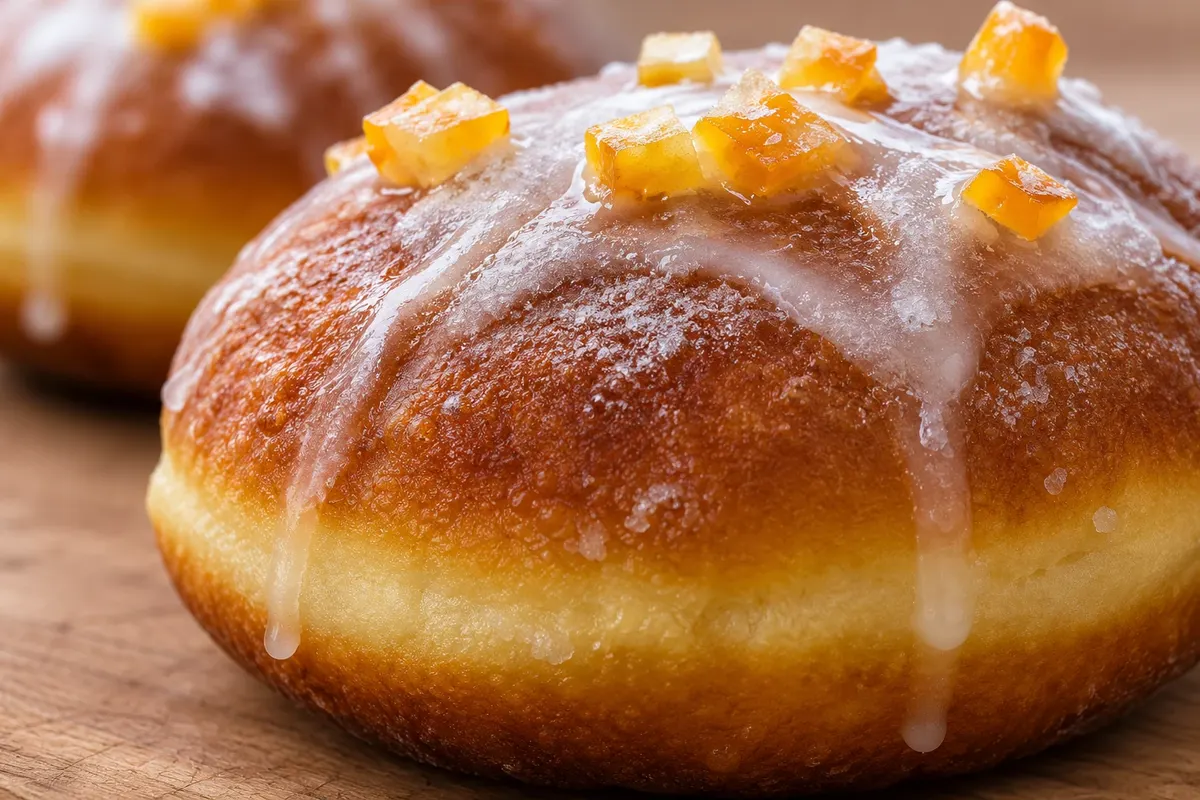
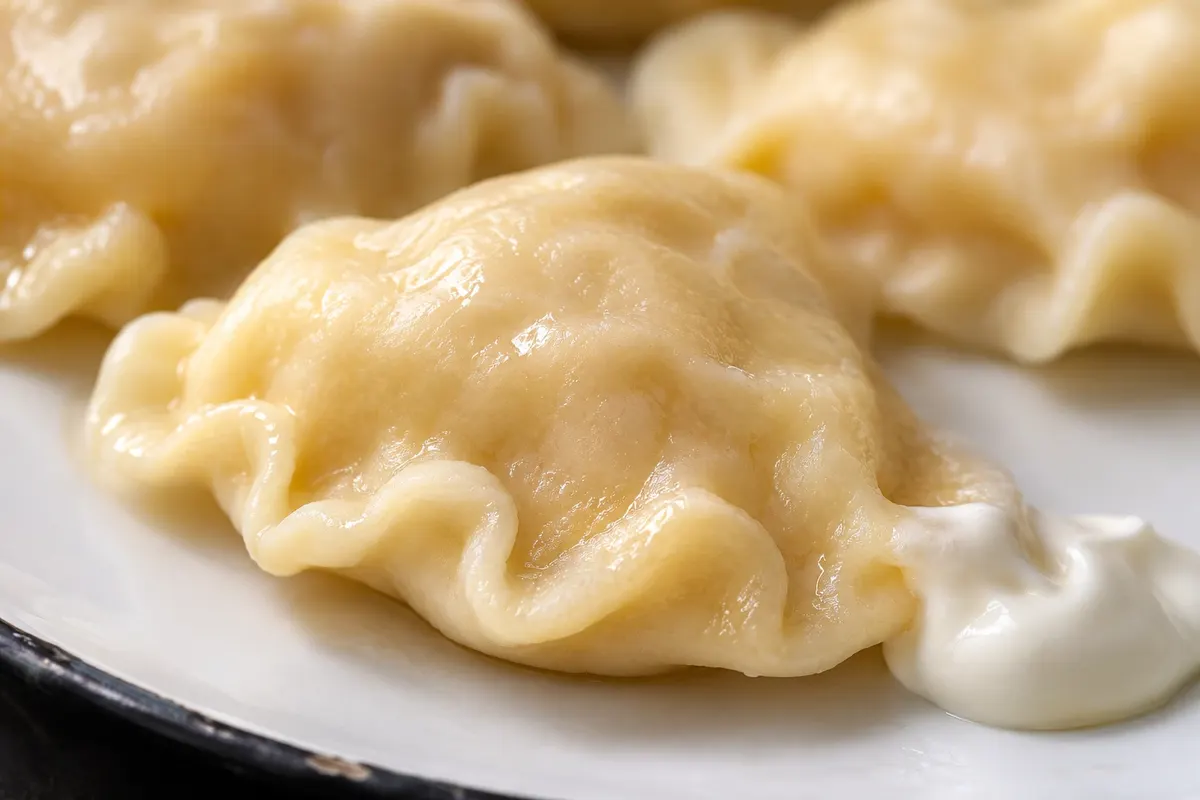
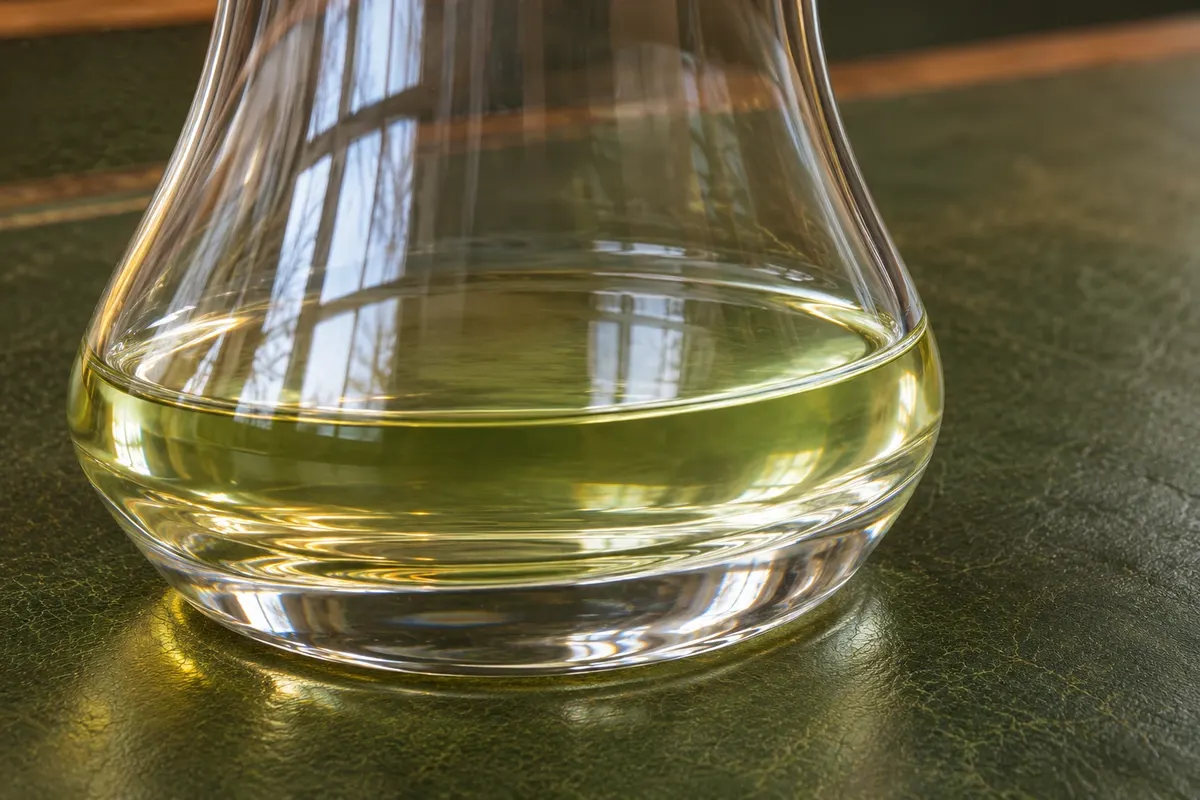
Polska wódka is the protected name for Polish vodka. To use it, all stages must take place in Poland, and the spirit can only be made from rye, wheat, barley, oats, triticale or potatoes grown in the country; corn is not allowed. The alcohol is column-distilled, rectified and blended with demineralized water, preferably from deep wells, and filtered. Neutral vodka contains only alcohol and water, with a clean, smooth flavor, and an alcohol content between 37.5% and 55%. Flavored vodkas use natural flavorings and may have color.
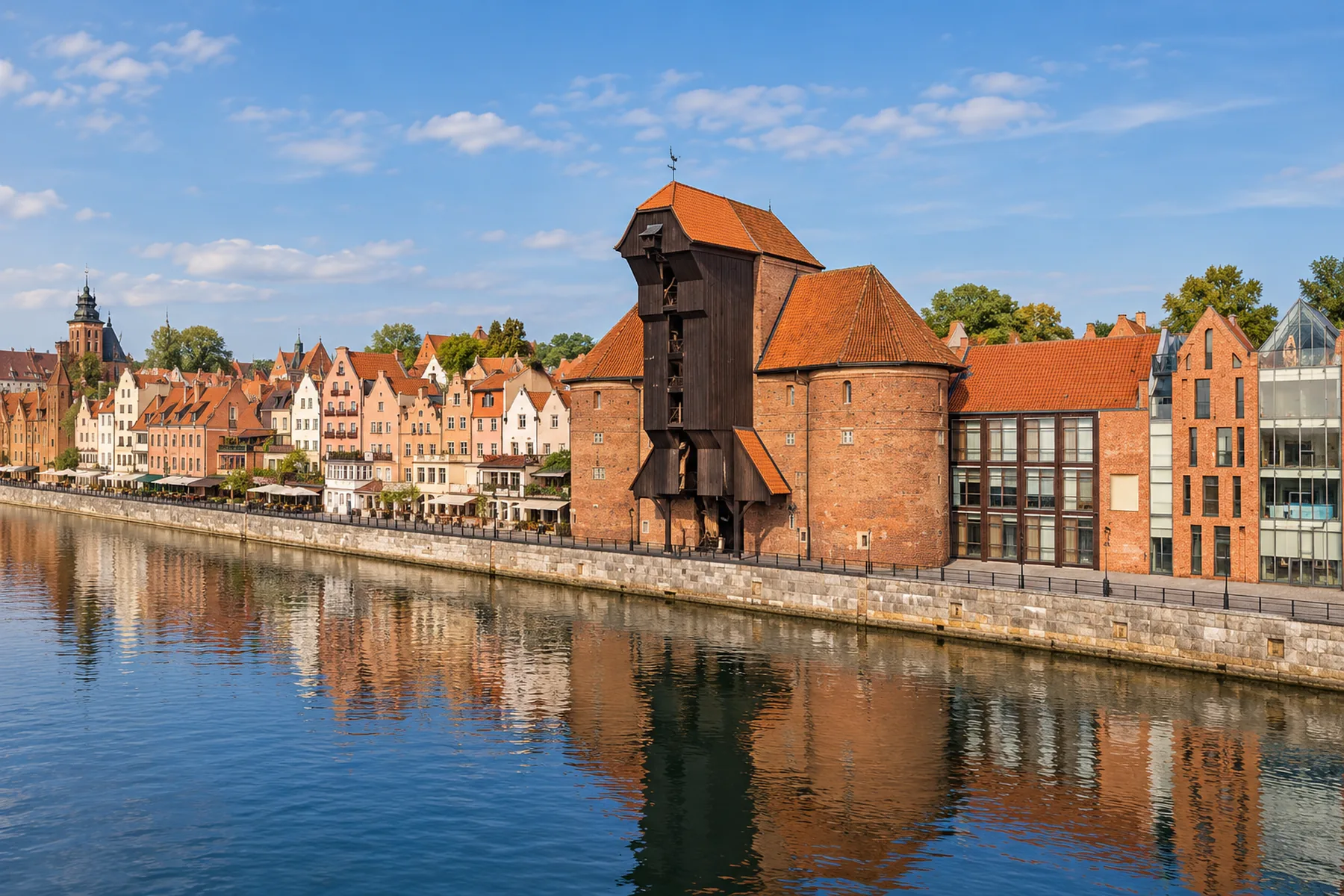
The word wódka comes from woda, meaning water. The geographical specification cites a Kraków court document from 1405 as one of the earliest mentions, a distillery in Gdańsk in 1454, and 16th-century herb books describing distilled beverages. Production spread across the country from the late 16th century; cereals dominated until the early 19th century, when potatoes also began to be used.
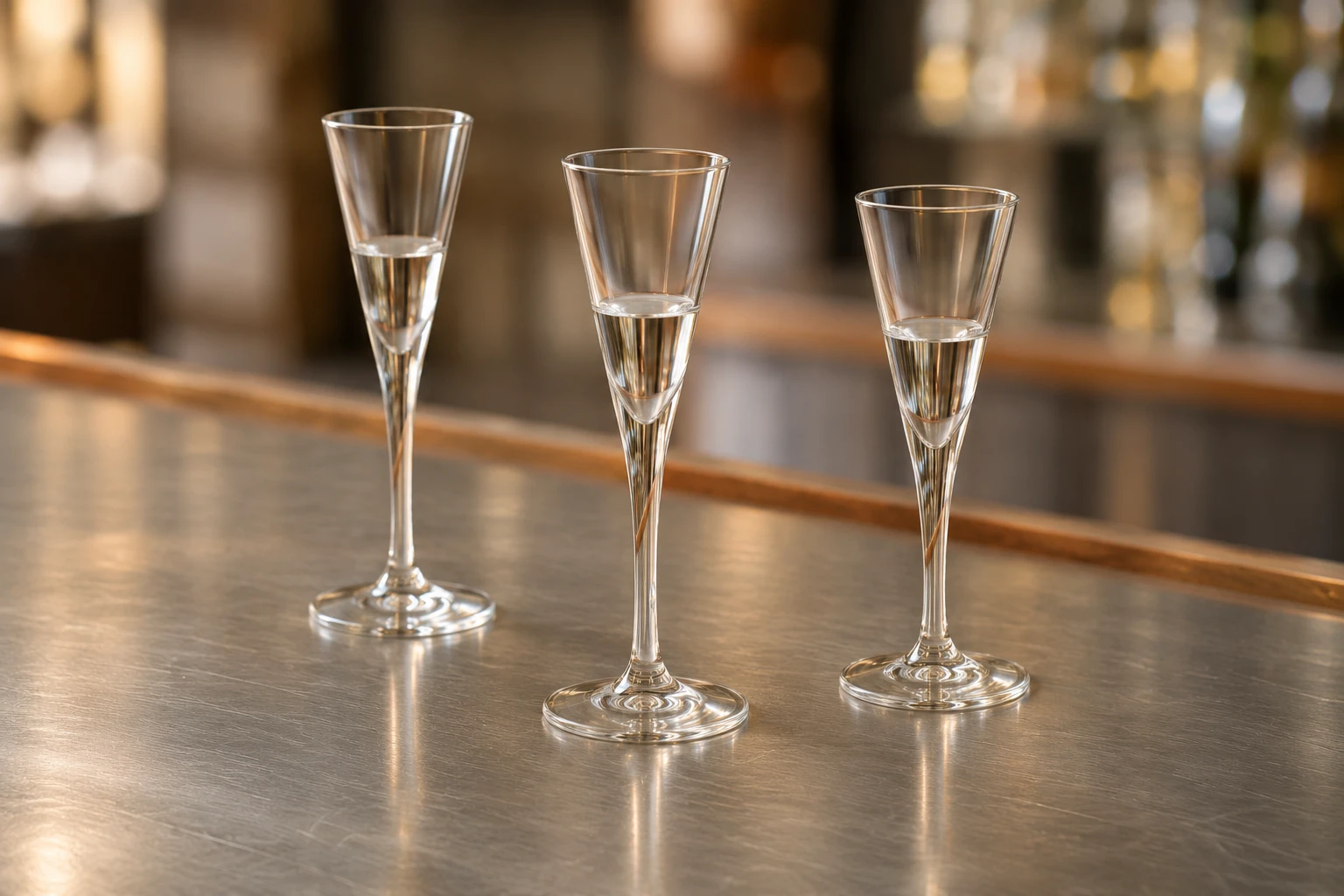
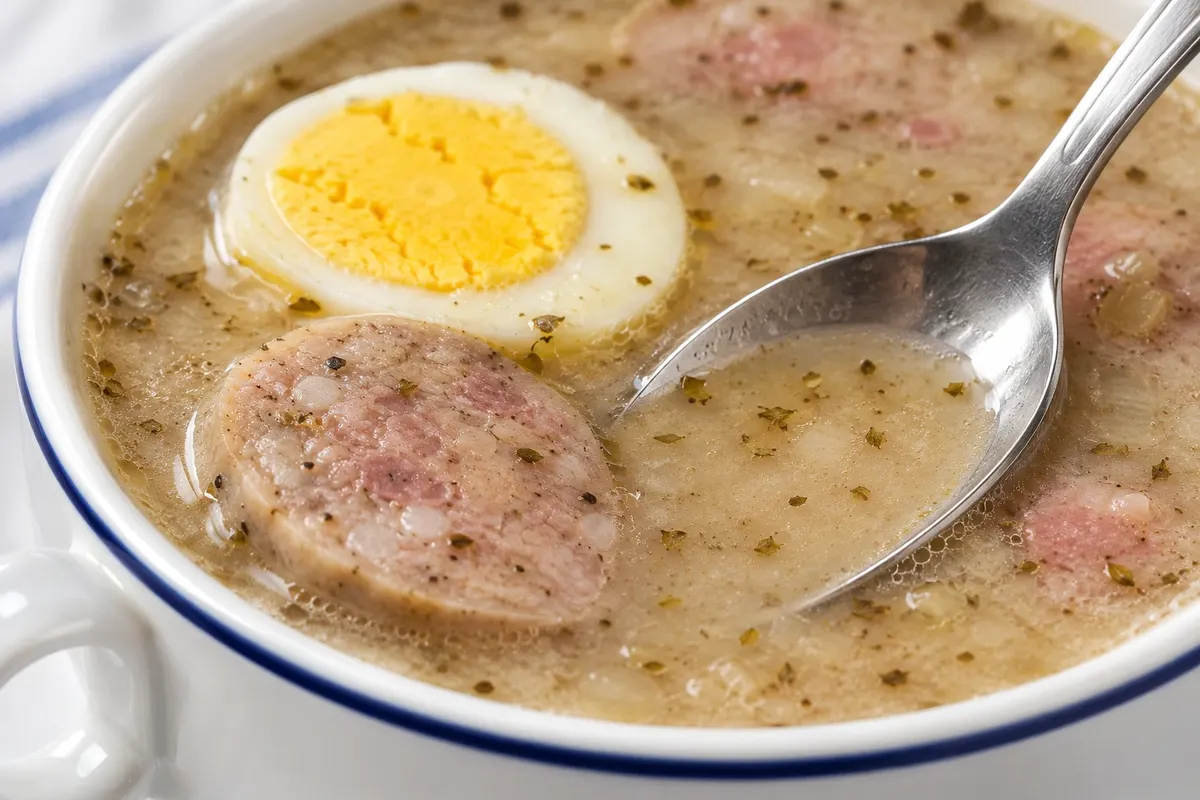
The name Polska Wódka/Polish Vodka has been protected since Poland joined the European Union, and a 2012 law, in force from January 2013, established the permitted raw materials. At the table, vodka is served chilled in small glasses, used for toasts during meals and accompanied by savory snacks, the zakąski, such as pickled cucumber and herring. It is part of festive culture and should be enjoyed in moderation.


 Brazil
 Argentina
 Bolivia
 Chile
 Colombia
 Ecuador
 Guyana
 French Guiana
 Falkland Islands (Malvinas)
 Paraguay
 Peru
 Suriname
 Uruguay
 Venezuela
 Germany
 Austria
 Belgium
 Croatia
 Denmark
 Spain
 Finland
 France
 Greece
 the Netherlands
 Hungary
 Ireland
 Iceland
 Italy
 Luxembourg
 Norway
 Portugal
 the United Kingdom
 the Czech Republic
 Sweden
 Switzerland
 Turkey
 Canada
 the United States
 Mexico
 the Dominican Republic
 South Africa
 Australia
 Fiji
 New Zealand
 Papua New Guinea