Pączek
Round yeast dough pastry, fried, without a hole, filled with jam—traditionally rose petal or plum—and dusted with sugar or covered in icing. It’s the sweet of Tłusty Czwartek, the fatty Thursday before Lent, celebrated across the country.
Flavors · Poland
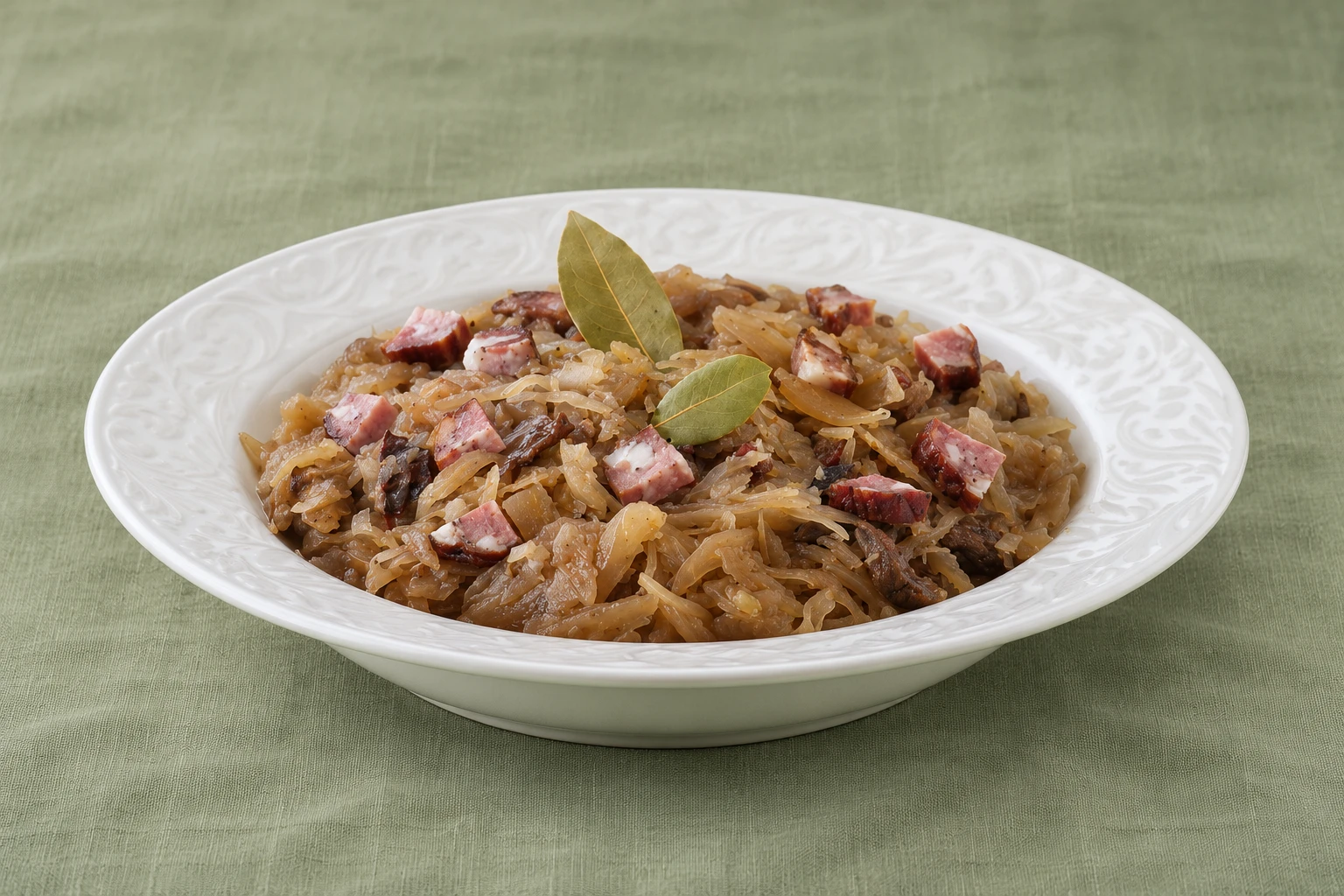
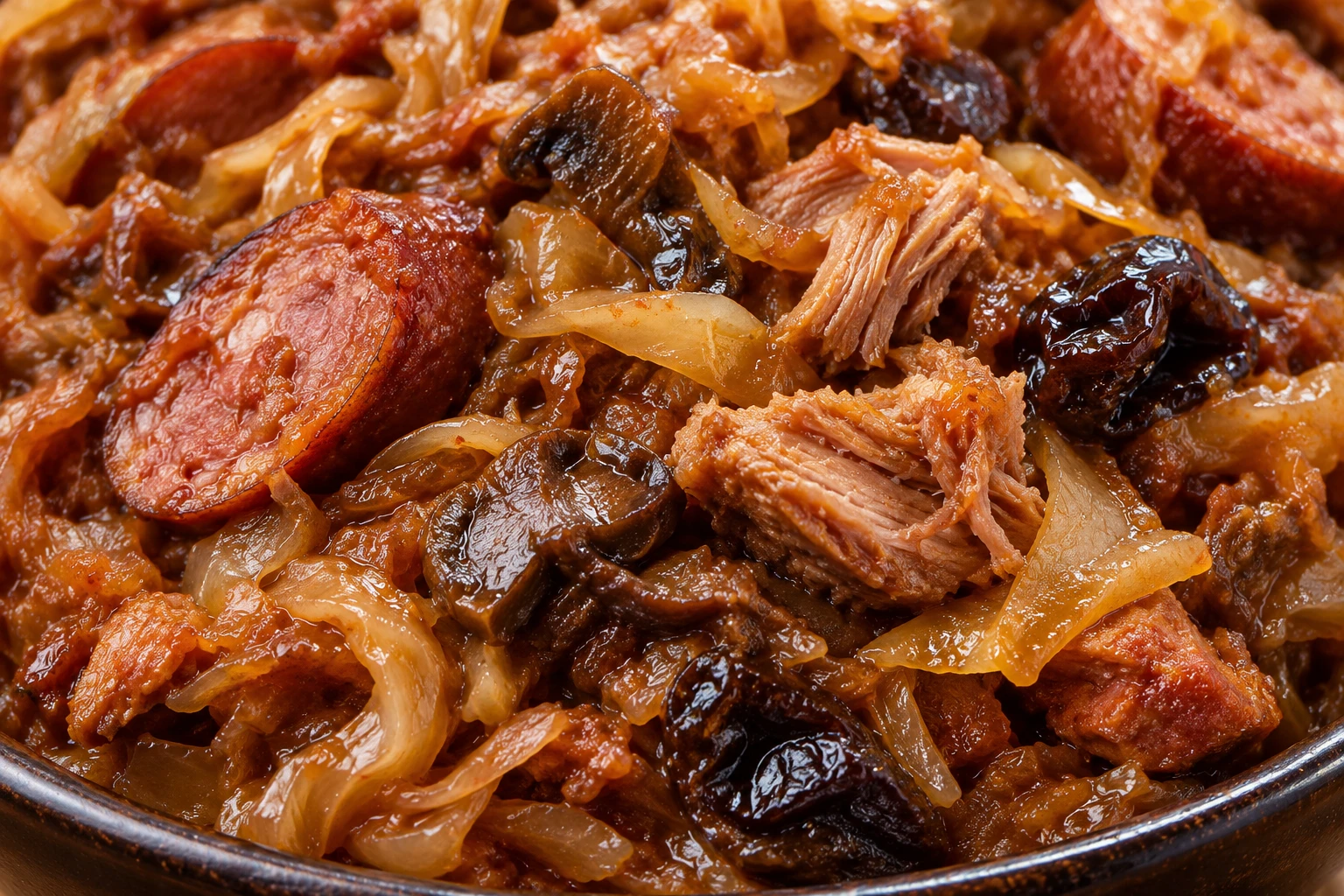
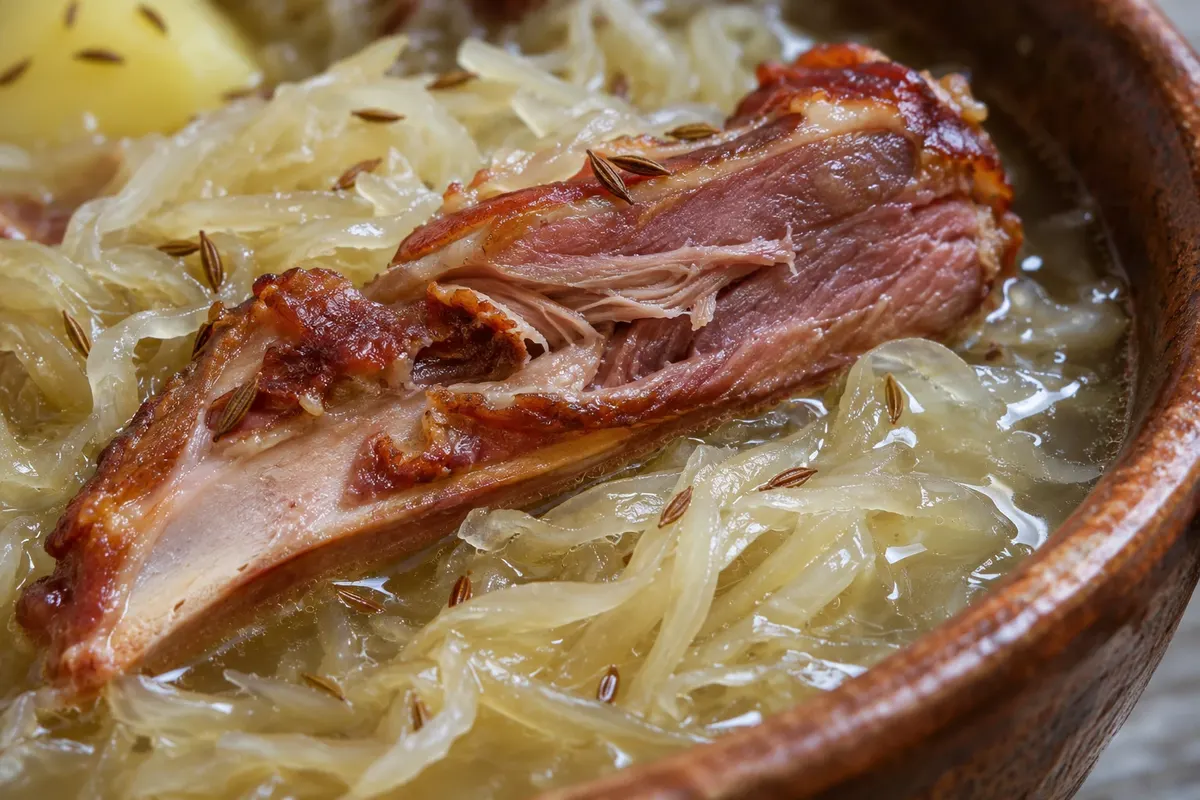
Stew of sauerkraut and cabbage with various meats, smoked sausage and dried mushrooms, slowly cooked and reheated over days until the flavors meld. It is one of the dishes most connected to Polish identity and appears in the national poem Pan Tadeusz.
Traditional dish from Poland
Also known as: bigos myśliwski, bigos staropolski
Illustrative images. The pictures in this guide are illustrations based on the real place, not photographs, and may differ from it.
Click a photo to enlarge it.
Bigos — Poland
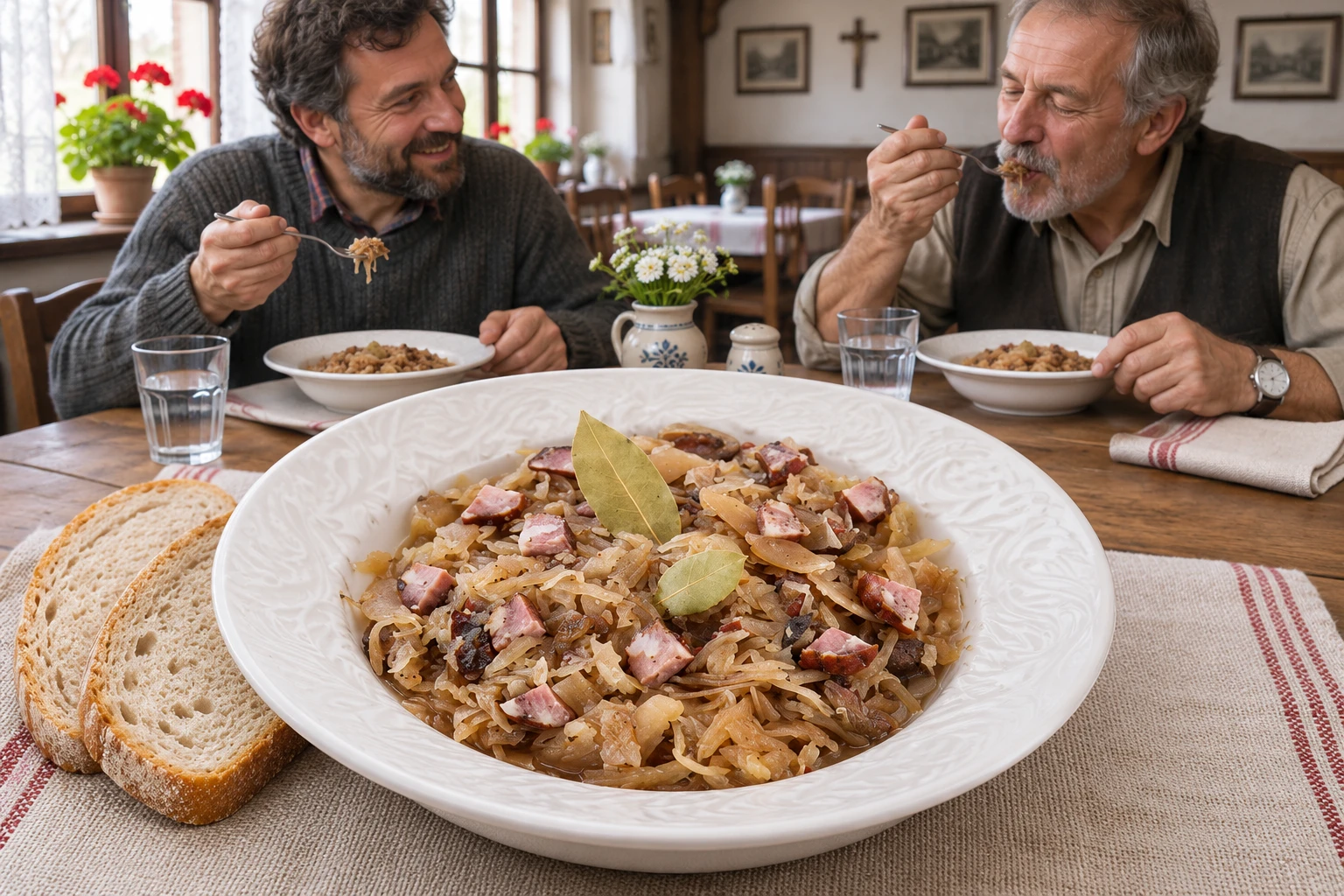
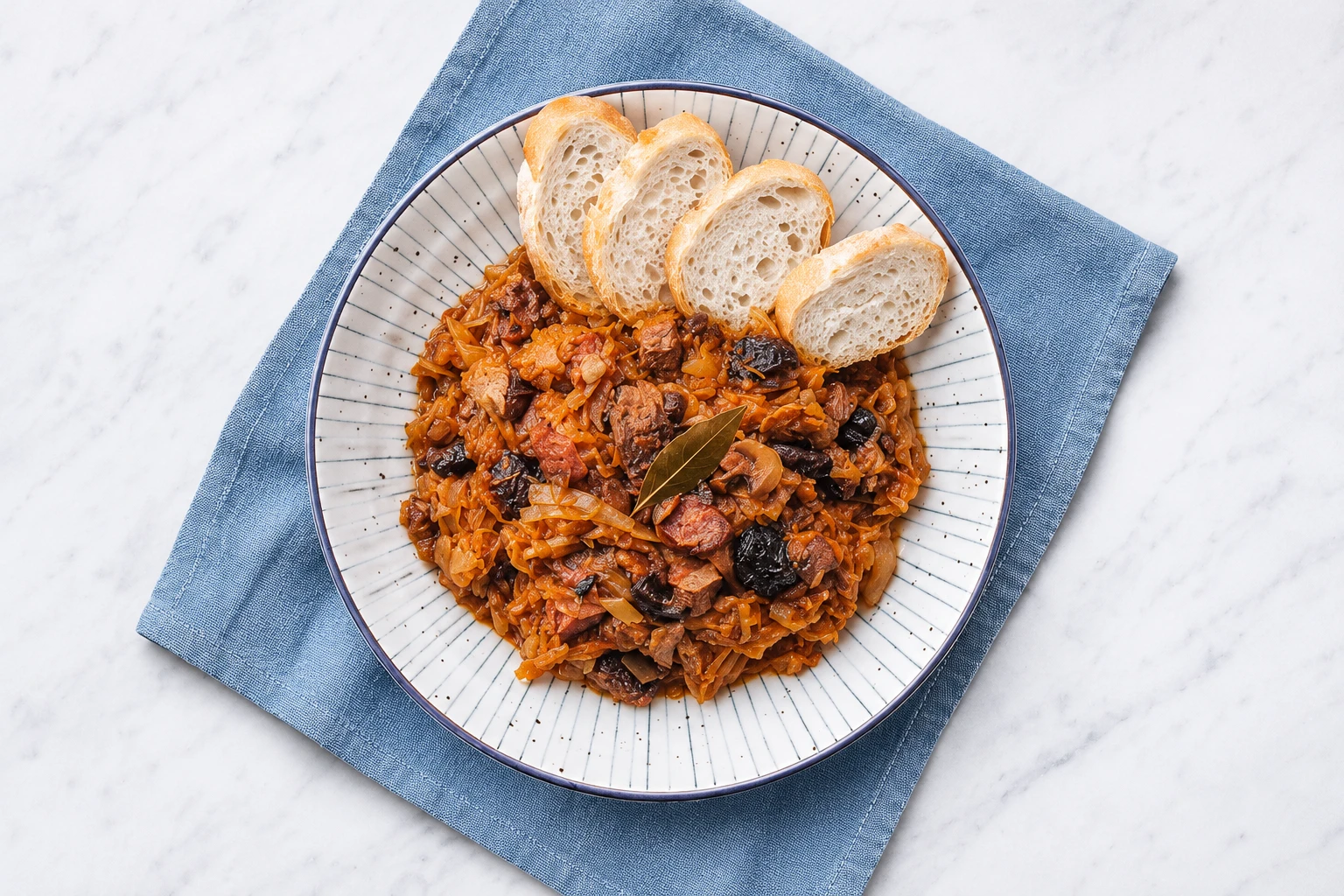
Bigos is a stew of sauerkraut, sometimes mixed with fresh cabbage, with chunks of assorted meats: pork, beef, game, smoked sausage and bacon. Dried forest mushrooms, dried plums, juniper, bay leaf and pepper add aroma, and some people add red wine. Bigos cooks for hours and gains flavor when cooled and reheated for one or more days; that is why it is made in a large pot.
The dish changed a lot over the centuries. In Compendium ferculorum (1682), the first cookbook printed in Polish, there are recipes for bigos made with carp, marrow, capon and guan (ruffed grouse), without cabbage, soured with lemon, vinegar or sorrel. By the late 18th century, the chronicler Jędrzej Kitowicz already records bigos with cabbage, and sauerkraut began to replace the more expensive acidic ingredients and part of the meat. In the 19th century, the proportion of meat and cabbage reached the form known today.
Bigos took a place in Polish literature with Pan Tadeusz, by Adam Mickiewicz, published in 1834, which describes bigos served after a hunt. Hence the name bigos myśliwski, hunter’s bigos, for the version with game meat. The dish is eaten across the country, especially in winter and at celebrations, with rye bread or potato.

Poland
Bigos is eaten throughout the country, especially in winter and at celebrations.
Sauerkraut and fresh cabbage, assorted meats (pork, beef, game), smoked sausage, bacon, dried mushrooms, dried plums, onion, juniper, bay leaf and pepper. Sometimes red wine.
Served hot in a deep bowl, with rye bread or potato.
Winter and celebrations; year-round in restaurants.
Your questions
A stew of sauerkraut and cabbage with various meats, smoked sausage and dried mushrooms, cooked for hours and reheated over days. It is one of Poland’s most traditional dishes.
The version with game meat is called bigos myśliwski. The association with hunting became famous through the poem Pan Tadeusz, by Adam Mickiewicz, which describes bigos served after a hunt.
No. 17th-century recipes featured meats or fish soured with lemon or vinegar. Sauerkraut appears at the end of the 18th century and the modern form was established in the 19th century.
Flavors of Poland

Round yeast dough pastry, fried, without a hole, filled with jam—traditionally rose petal or plum—and dusted with sugar or covered in icing. It’s the sweet of Tłusty Czwartek, the fatty Thursday before Lent, celebrated across the country.

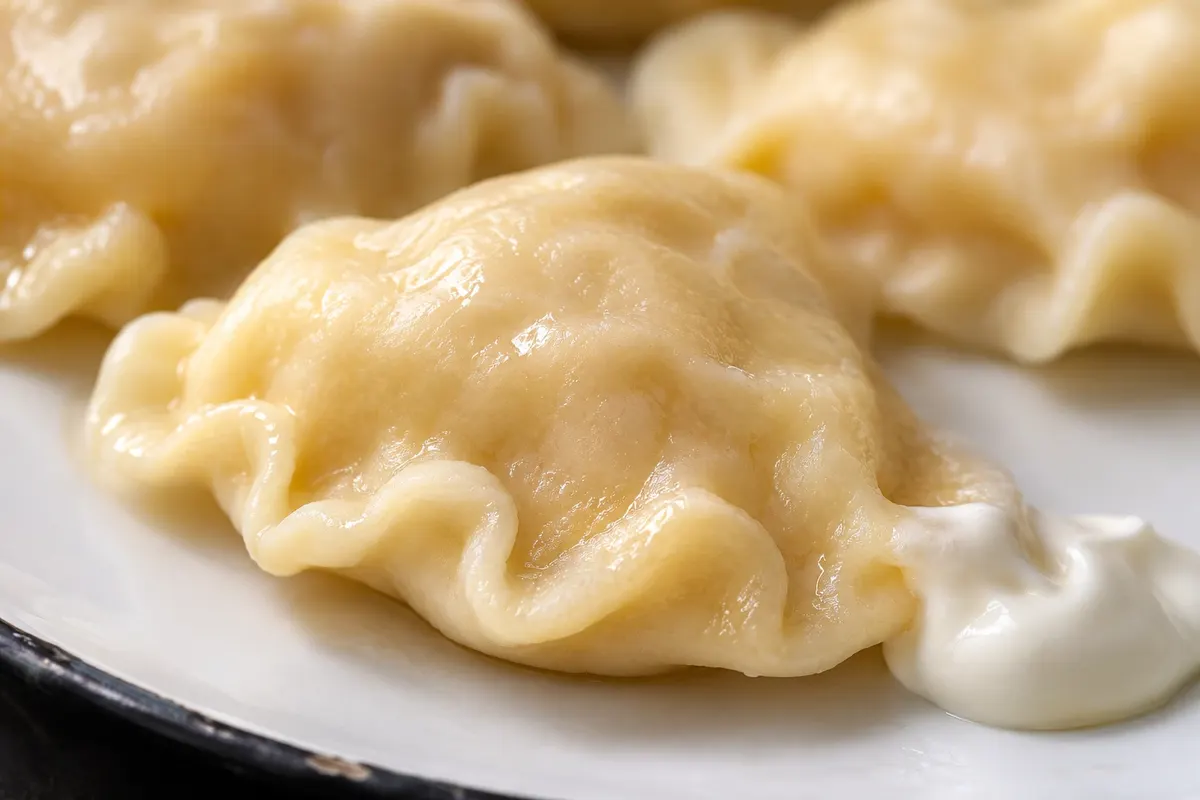
Dumplings made from unleavened dough, boiled in water and sometimes browned in butter, with savory or sweet fillings. The ruskie, filled with potato and fresh cheese, are the most common, and the cabbage with mushrooms variety is served on Christmas Eve.

Vodka made entirely in Poland from rye, wheat, barley, oats, triticale or potatoes grown in the country. The name is a national geographical indication that applies to both neutral vodka and flavored vodkas that follow the rules.

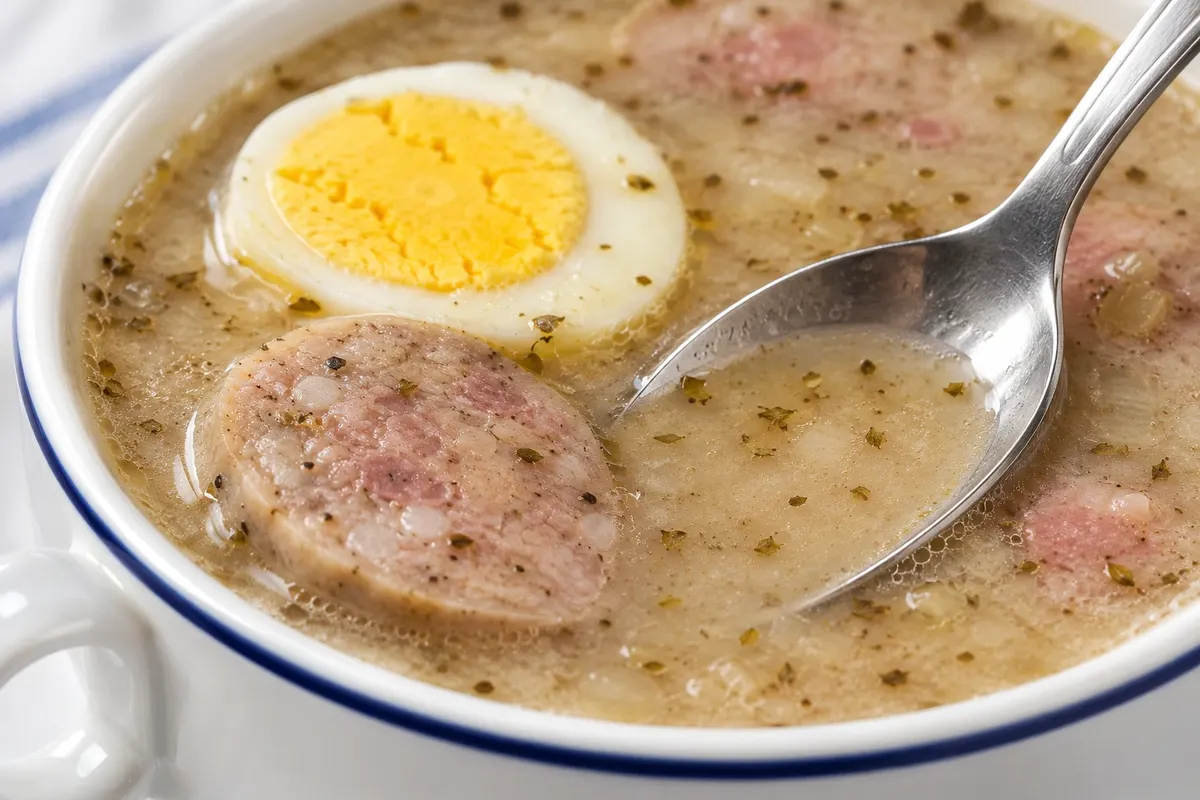
A sour soup made with zakwas, a fermented rye-flour starter, served with white sausage, a boiled egg and horseradish. It is one of the most important dishes of the Polish Easter and is sometimes served inside a loaf of bread.

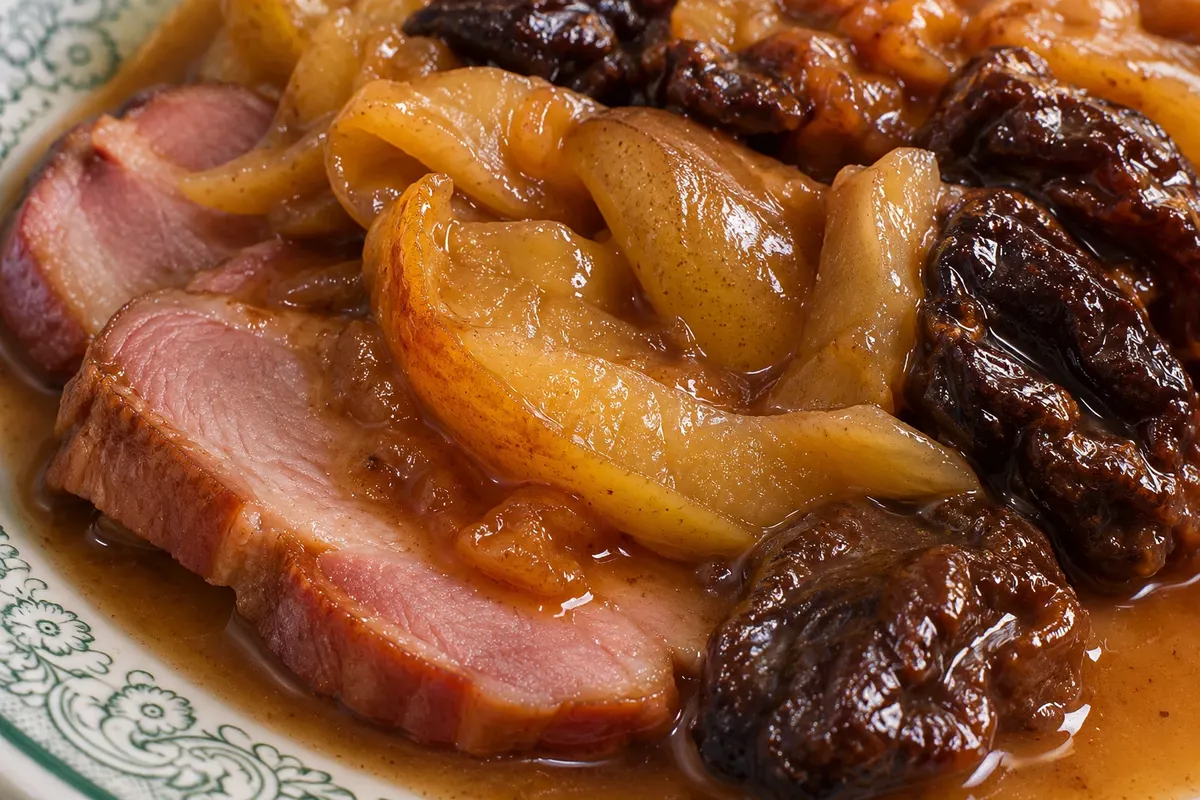
Smoked pork cooked with dried plums, pears and other fruits, served with a sweet-and-sour fruit sauce and dumplings. The name means Silesian heaven, and the dish is on the Lower Silesia Traditional Products List.

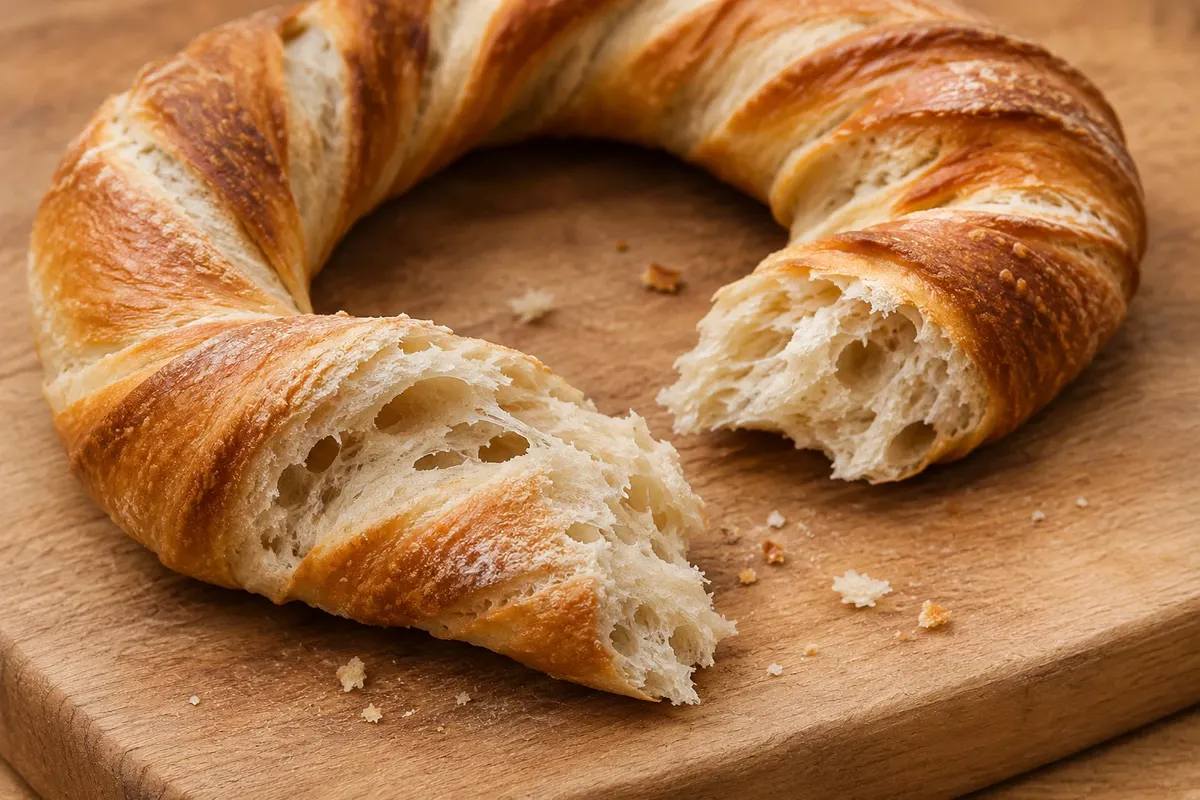
Braided bread ring first boiled in very hot water and then baked, topped with salt, poppy seeds, or sesame. It’s sold from street carts in Kraków and has a European Union protected geographical indication.

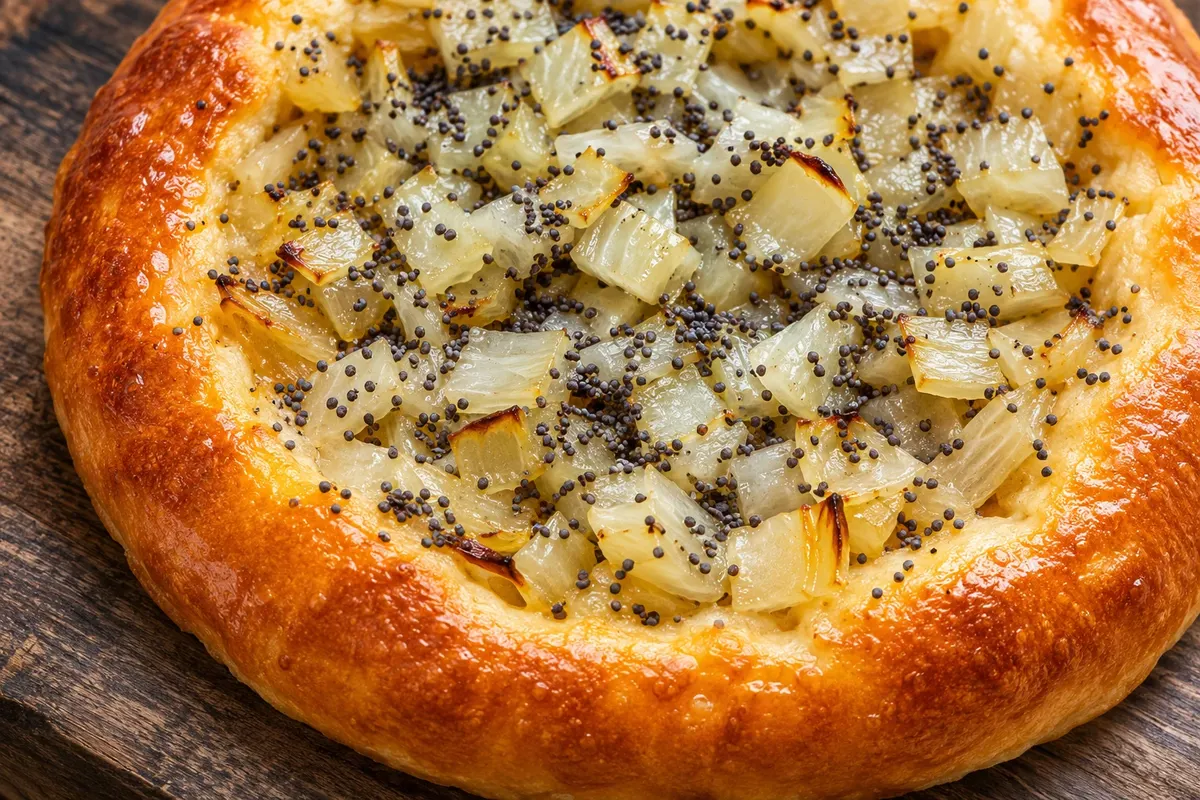
A round wheat dough disk topped with raw chopped onion and poppy seed, baked until the edge is golden. It originated in the Jewish bakeries of Lublin’s old town and has a European Union protected geographical indication.

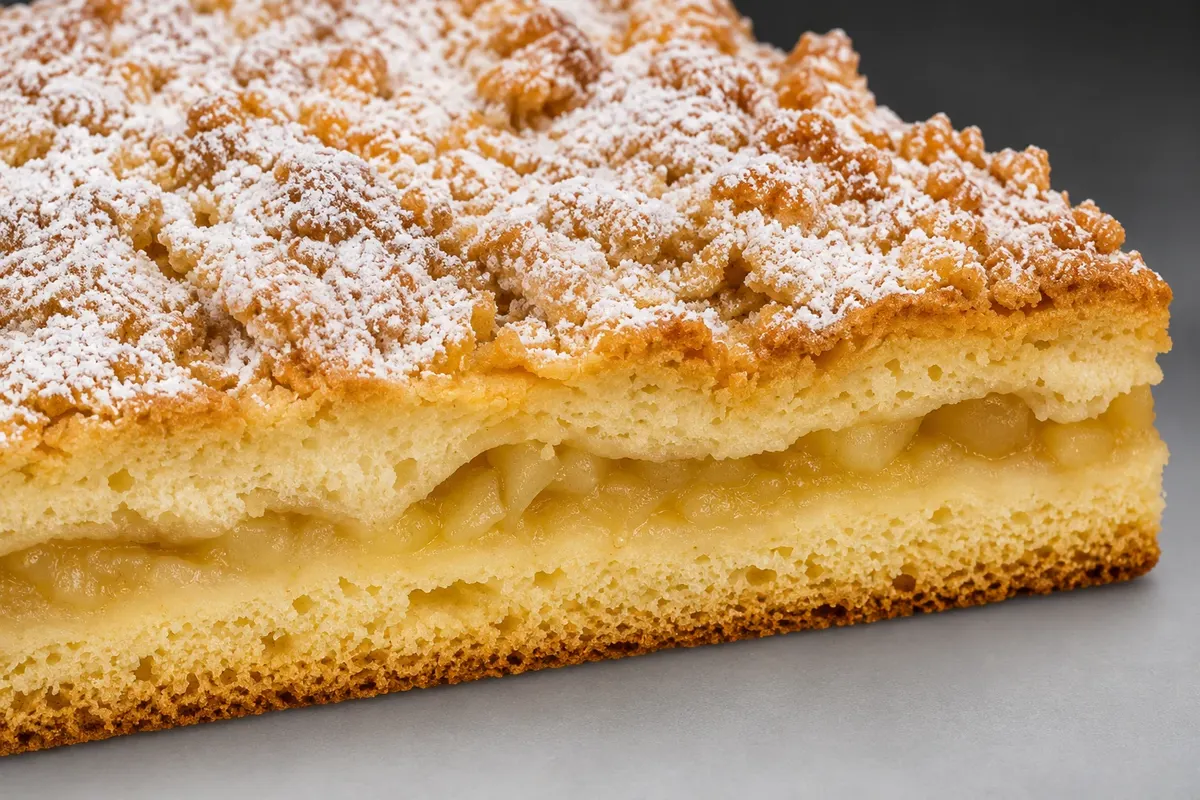
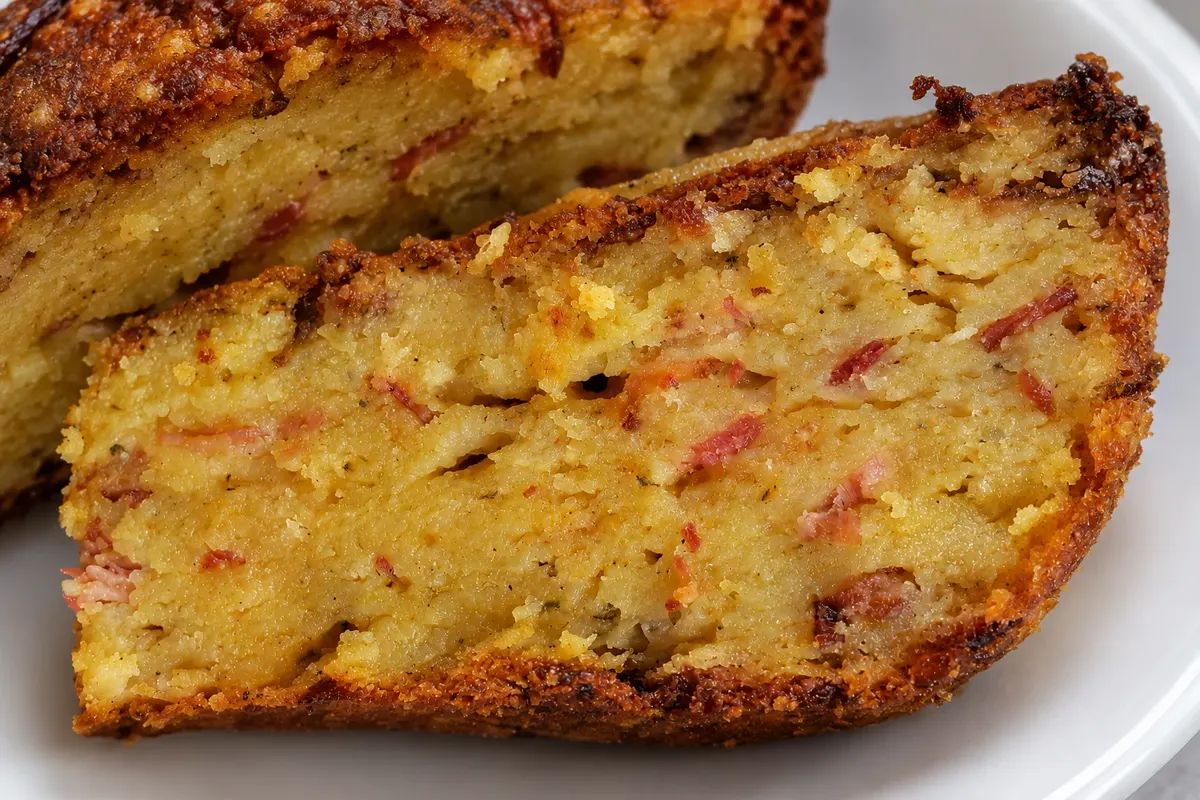
Yeast-based cake covered with a buttery streusel, made plain or filled with white cheese, poppy seed or apple. It is the wedding cake of Opole Silesia and has a European Union protected geographical indication.

Grated raw potato cake with fried bacon, onion, eggs and a little flour, baked in a pan until the crust is golden. It’s one of the most popular dishes of Podlaskie, the northeastern region of Poland, and is on the List of Traditional Products.

Flavored vodka with bison grass that grows in the clearings of the Białowieża and Knyszyn forests in Podlaskie. It has a light green-golden color and the smell of dry hay, and the official name is a protected geographical indication of the European Union.

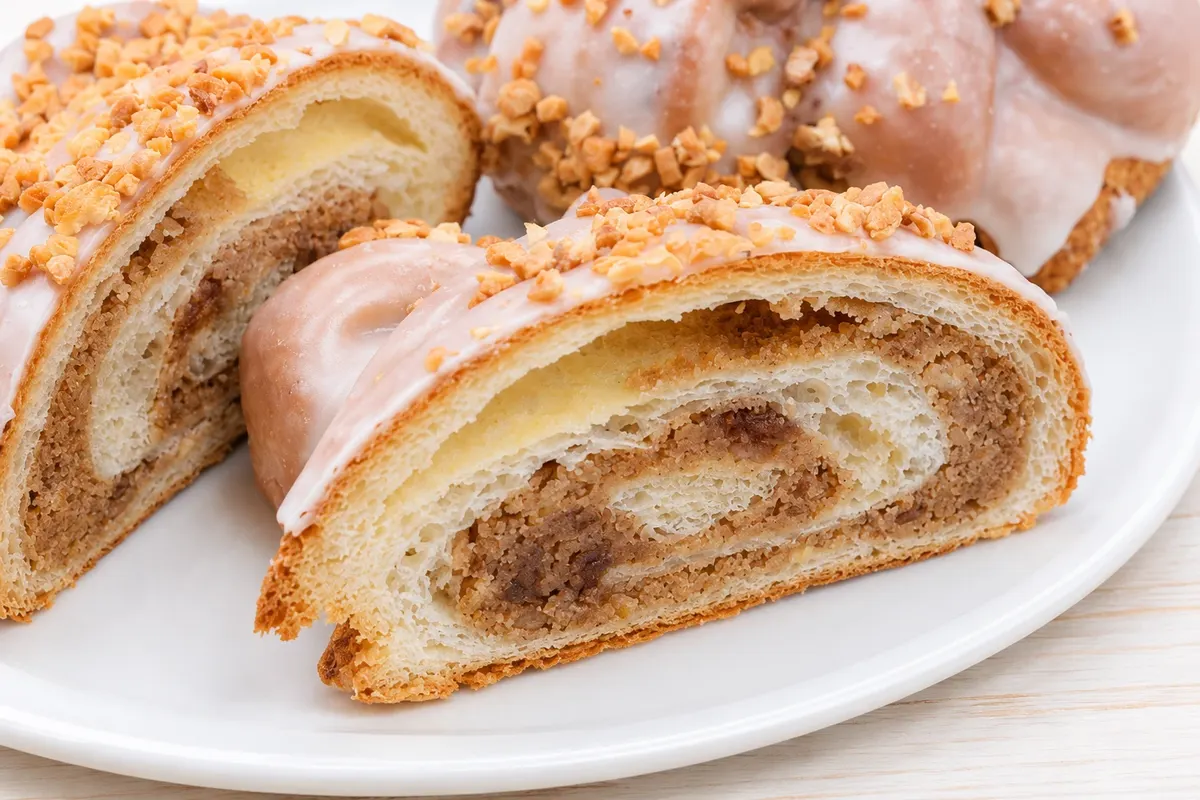
Croissant in a crescent shape, made from yeast-leavened puff pastry, filled with white poppy seed paste with fruit and nuts, and topped with icing and chopped nuts. It is Poznań’s Saint Martin’s pastry, eaten on November 11, and has protected geographical indication.

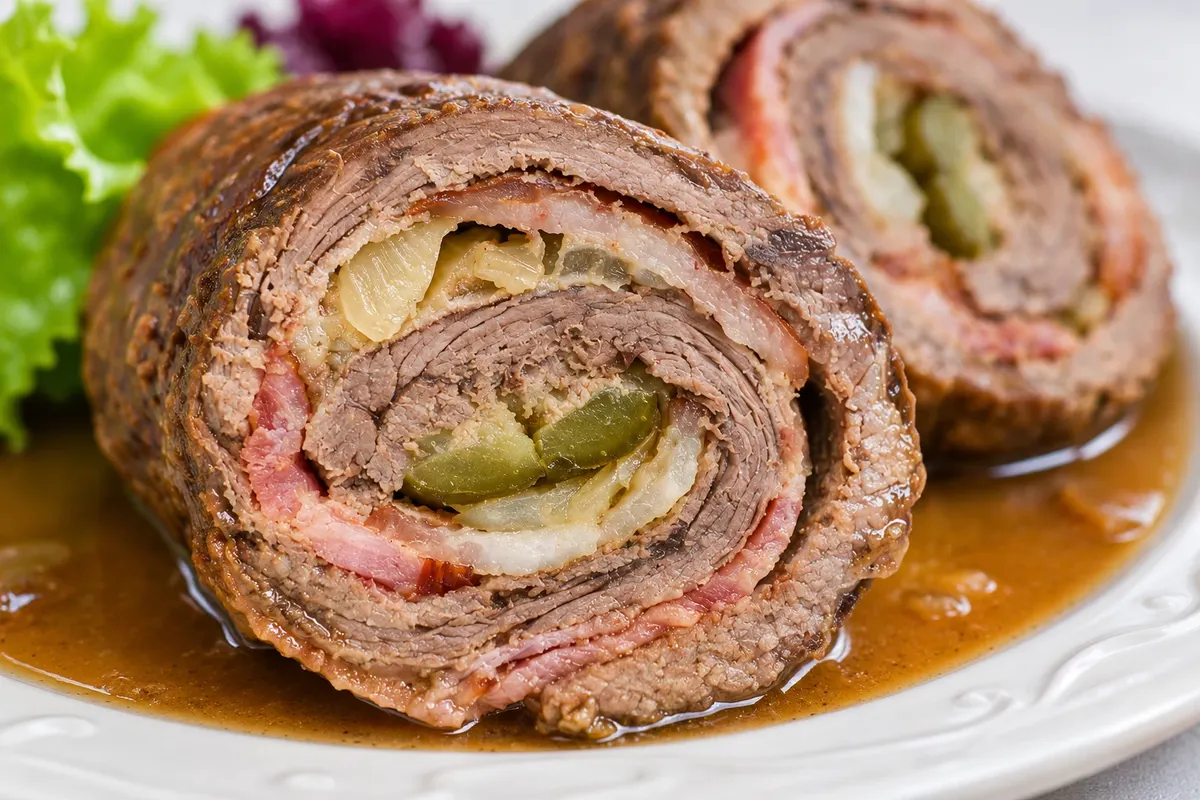
Beef roulade stuffed with bacon, pickled cucumber and onion, cooked in sauce and served with kluski śląskie — potato dumplings with a little indentation in the middle — and red cabbage. It’s the Sunday lunch of Upper Silesia.

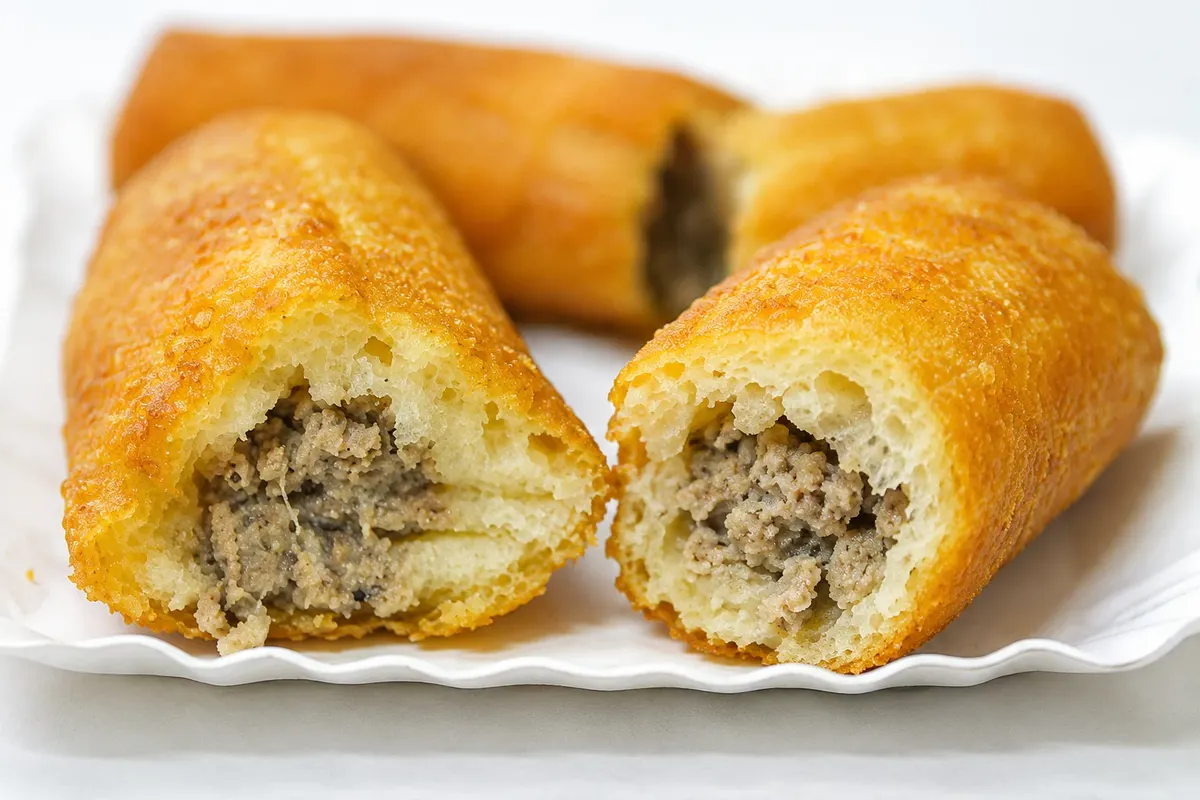
Long pastry made from leavened dough, fried and usually filled with seasoned ground meat with pepper. It originated in Szczecin in the early 1970s, made on a Soviet machine from 1969, and is on Poland’s List of Traditional Products.

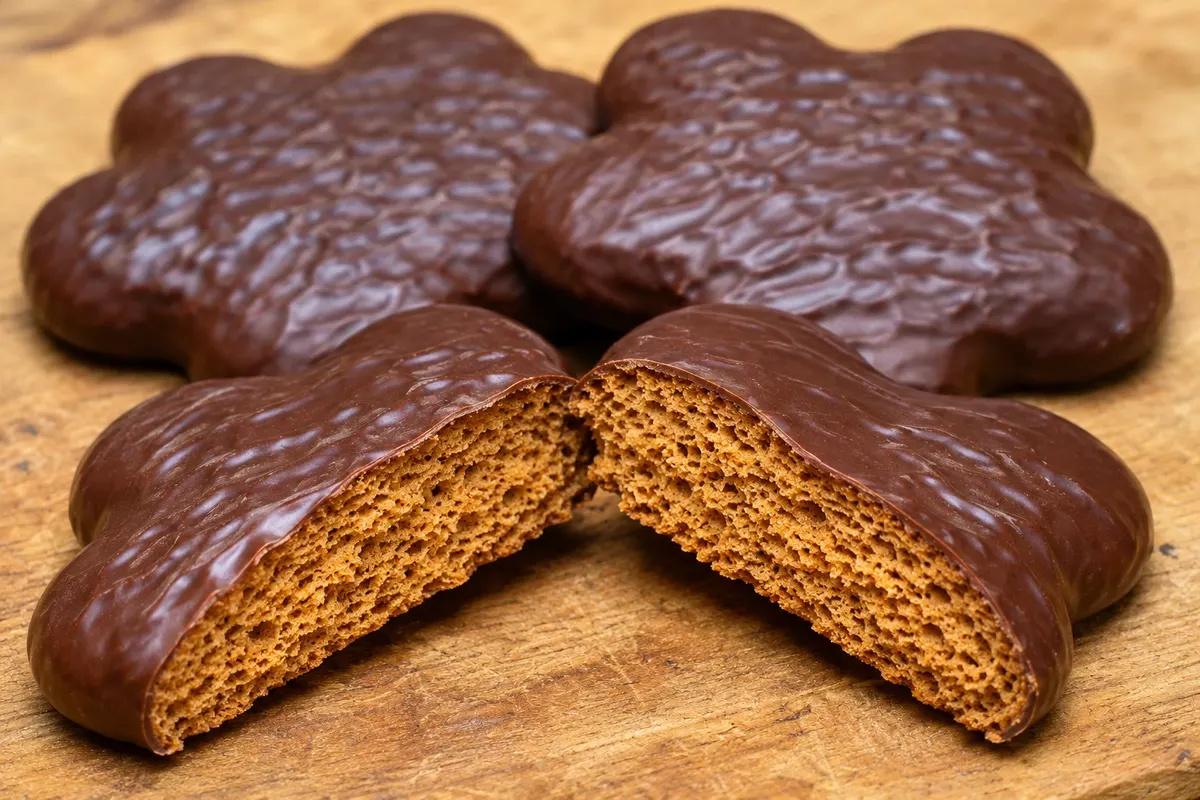
Honey cake with pepper, cinnamon, cardamom, ginger and other spices, molded in wooden molds or cut into shapes. It has been made in Toruń without interruption since the Middle Ages and is on Poland’s national list of intangible cultural heritage.

Two-layer chocolate sponge cake with whipped cream in the middle, covered in chocolate and often topped with a cherry. It originated in Warsaw in the late 1940s, and the name is linked to the W-Z avenue, opened during the city’s reconstruction.

A very sour sauerkraut soup with smoked pork ribs or other smoked pork, served with boiled potato on the side or with bread. It’s the dish of the highlanders of Podhale, the Zakopane region at the foot of the Tatra Mountains.