

 Antarctica
 Argentina
 Bolivia
 Chile
 Colombia
 Ecuador
 Guyana
 French Guiana
 Falkland Islands (Malvinas)
 Paraguay
 Peru
 Suriname
 Uruguay
 Venezuela
 Germany
 Austria
 Belgium
 Croatia
 Denmark
 Slovakia
 Slovenia
 Spain
 Finland
 France
 Greece
 the Netherlands
 Hungary
 Ireland
 Iceland
 Italy
 Luxembourg
 Norway
 Poland
 Portugal
 the United Kingdom
 the Czech Republic
 Sweden
 Switzerland
 Turkey
 Bermuda
 Canada
 the United States
 Greenland
 Mexico
 Saint Pierre and Miquelon
 the Dominican Republic
 Japan
 South Africa
 Egypt
 Australia
 Fiji
 New Zealand
 Papua New Guinea
Illustrative images. The pictures in this guide are illustrations based on the real place, not photographs, and may differ from it.


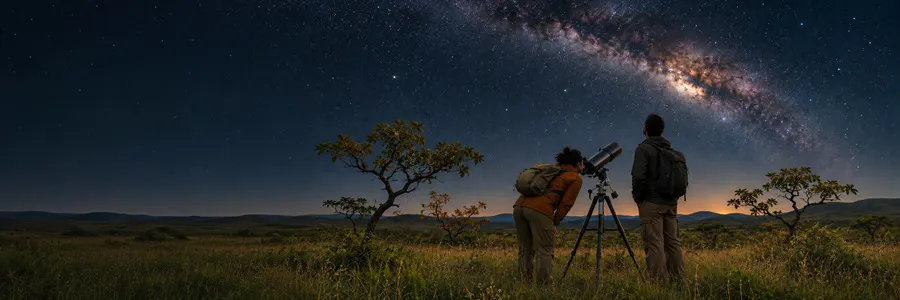
Nature
Astrotourism
Trips to dark-sky places far from city lights, where the Milky Way is visible to the naked eye and the night becomes the attraction.
Astrotourism is travel made to look at the sky. The destination is a dark place, far from city lights, and the program begins when the sun sets: identifying constellations, following the Milky Way band, watching a meteor shower, and viewing the Moon and planets through a telescope.
What to do
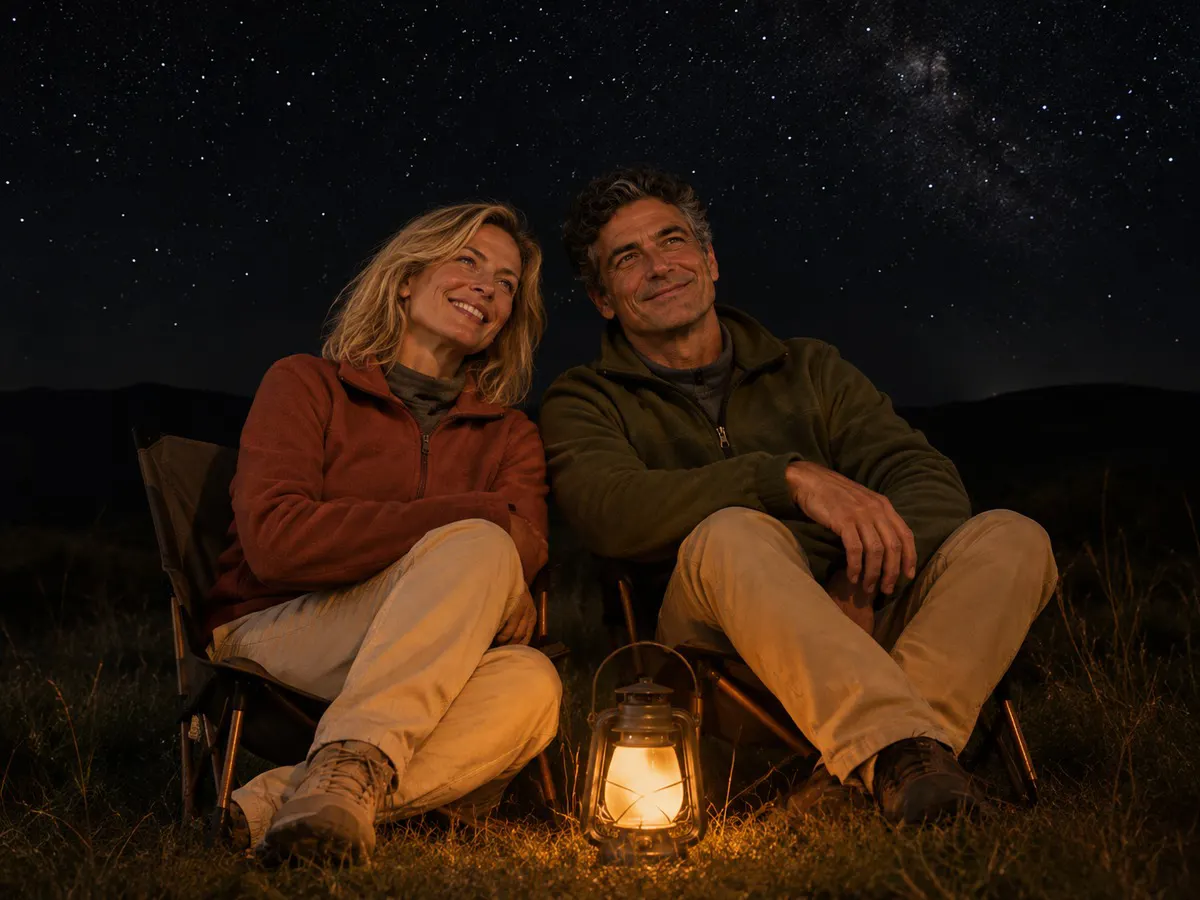
Dark sky
A few kilometers from the city, the sky reveals thousands of stars that city lights hide.
Learn more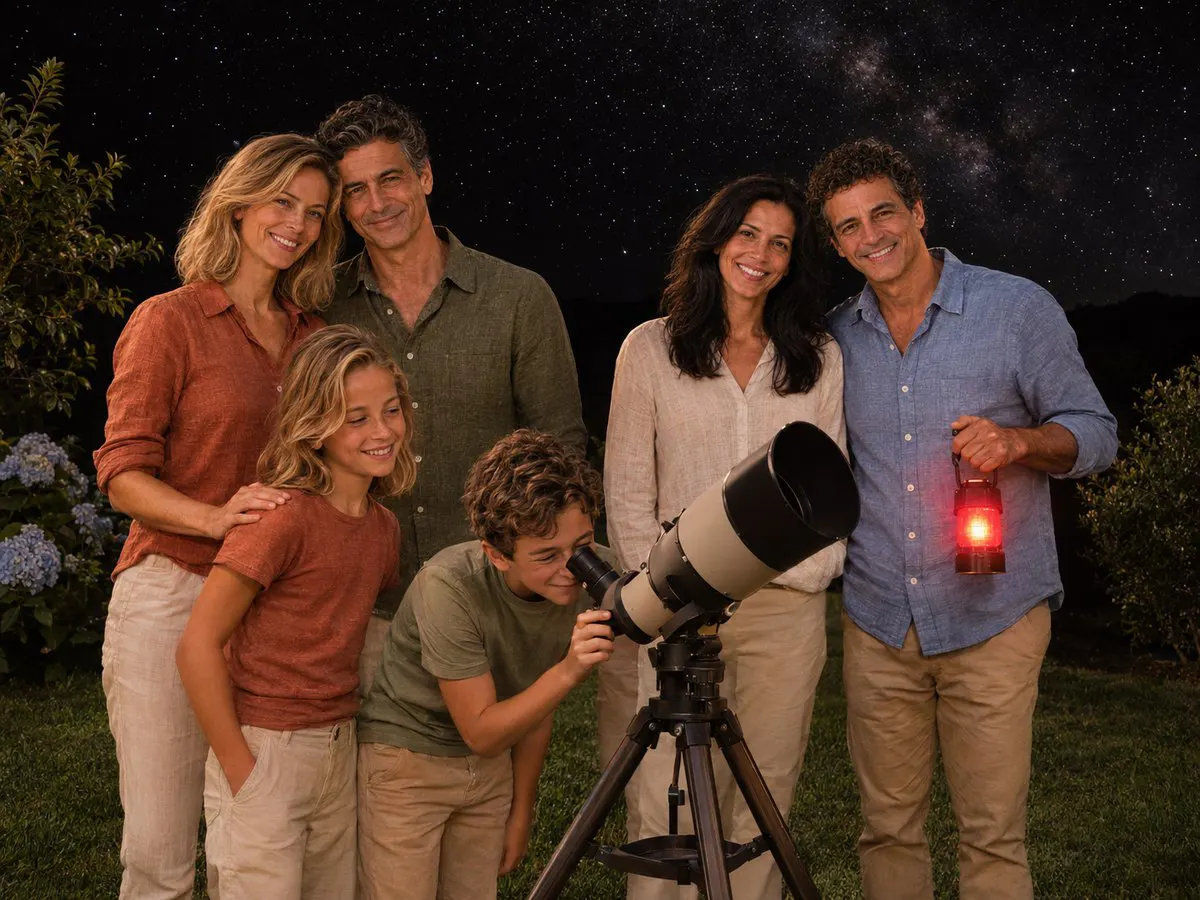
Telescope sessions
Telescopes aimed at the Moon and planets, with constellation commentary.
Learn more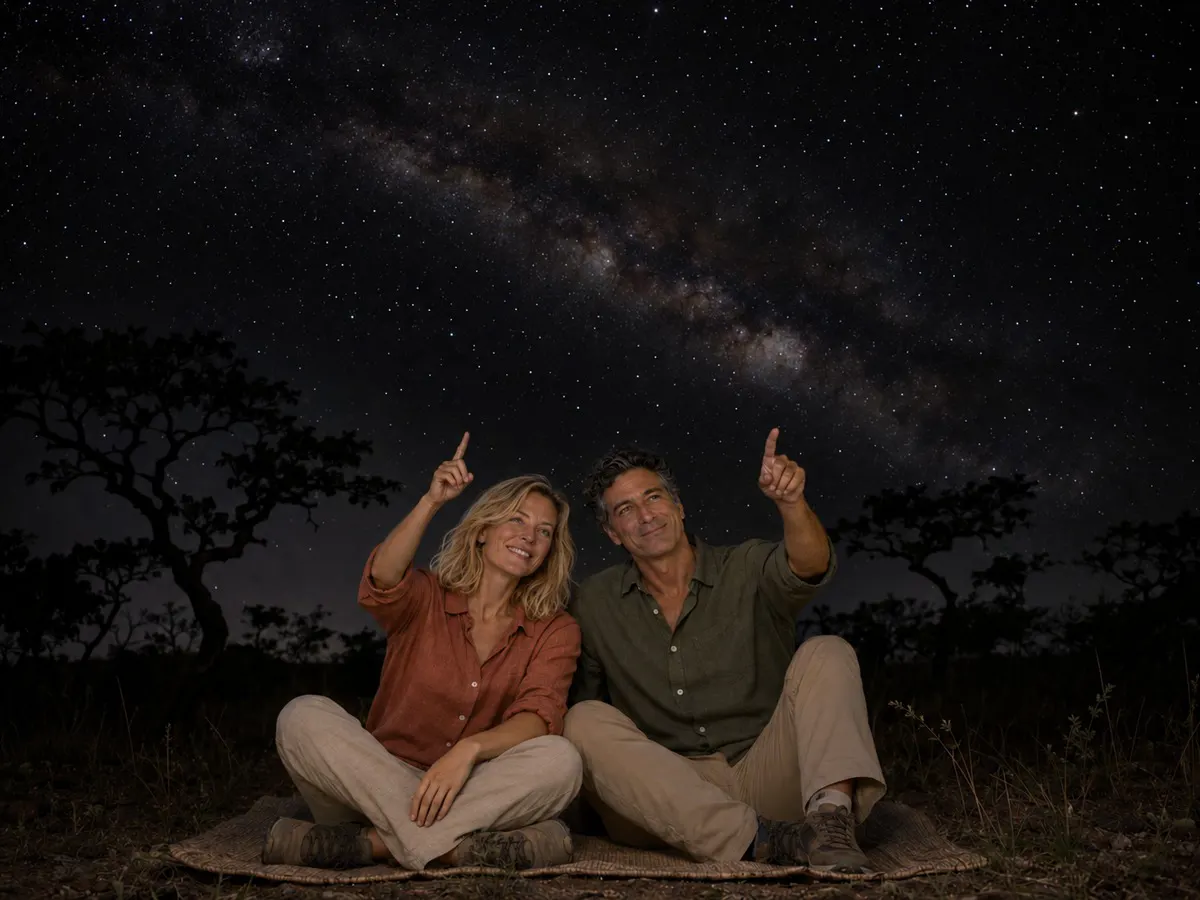
Milky Way with the naked eye
On moonless nights, far from cities, the galaxy’s band appears without any instruments.
Learn more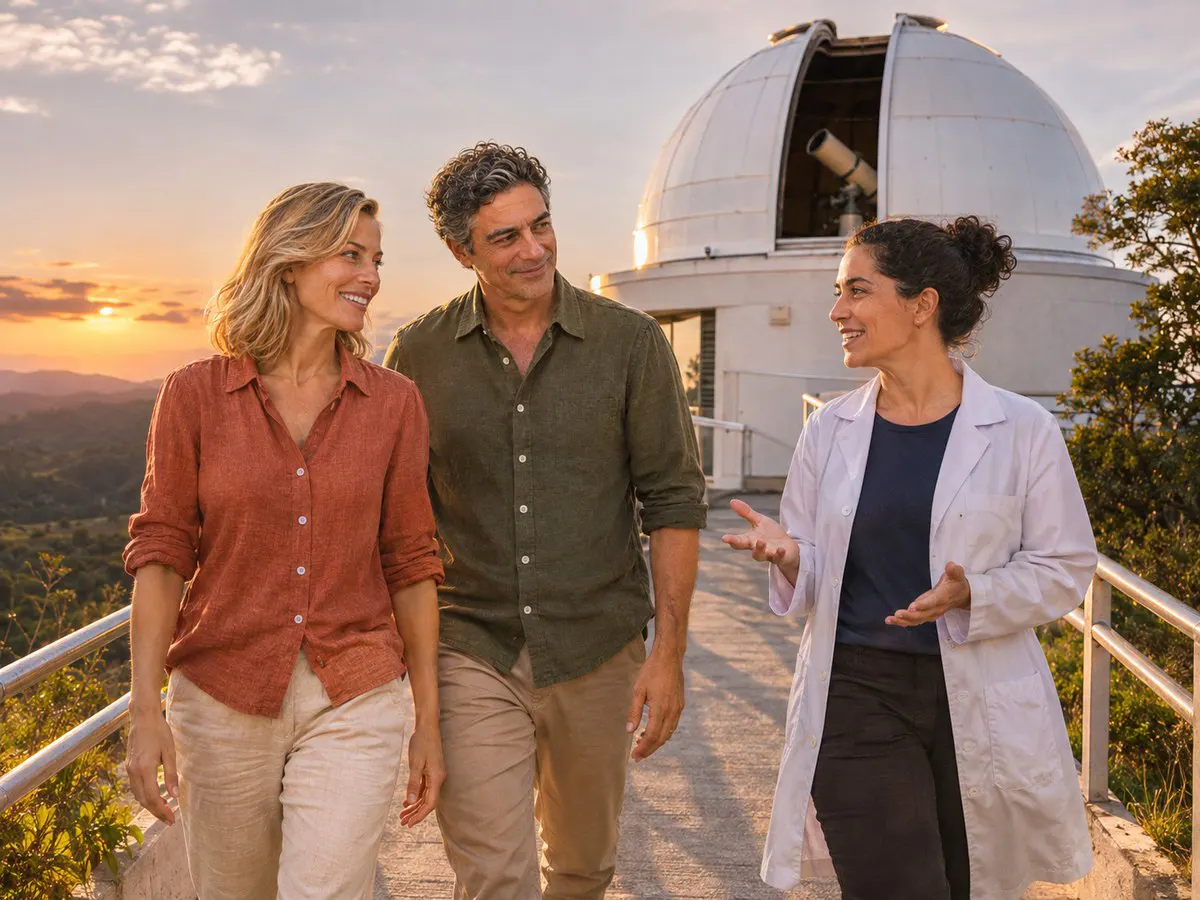
Observatories
Some observatories open to the public on scheduled dates, with visits to the domes.
Learn more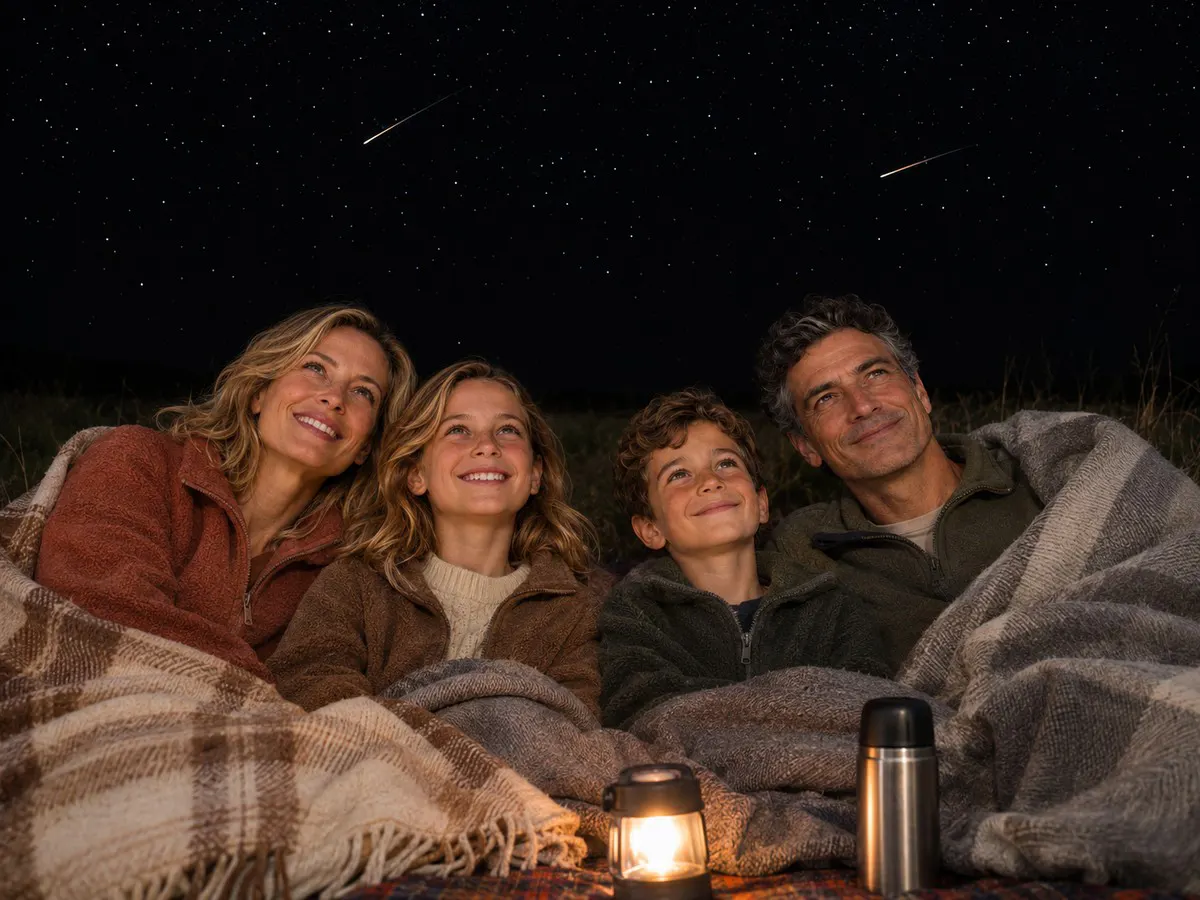
Meteor showers
On annually recurring dates, the program is to lie down in a dark place and wait.
Learn more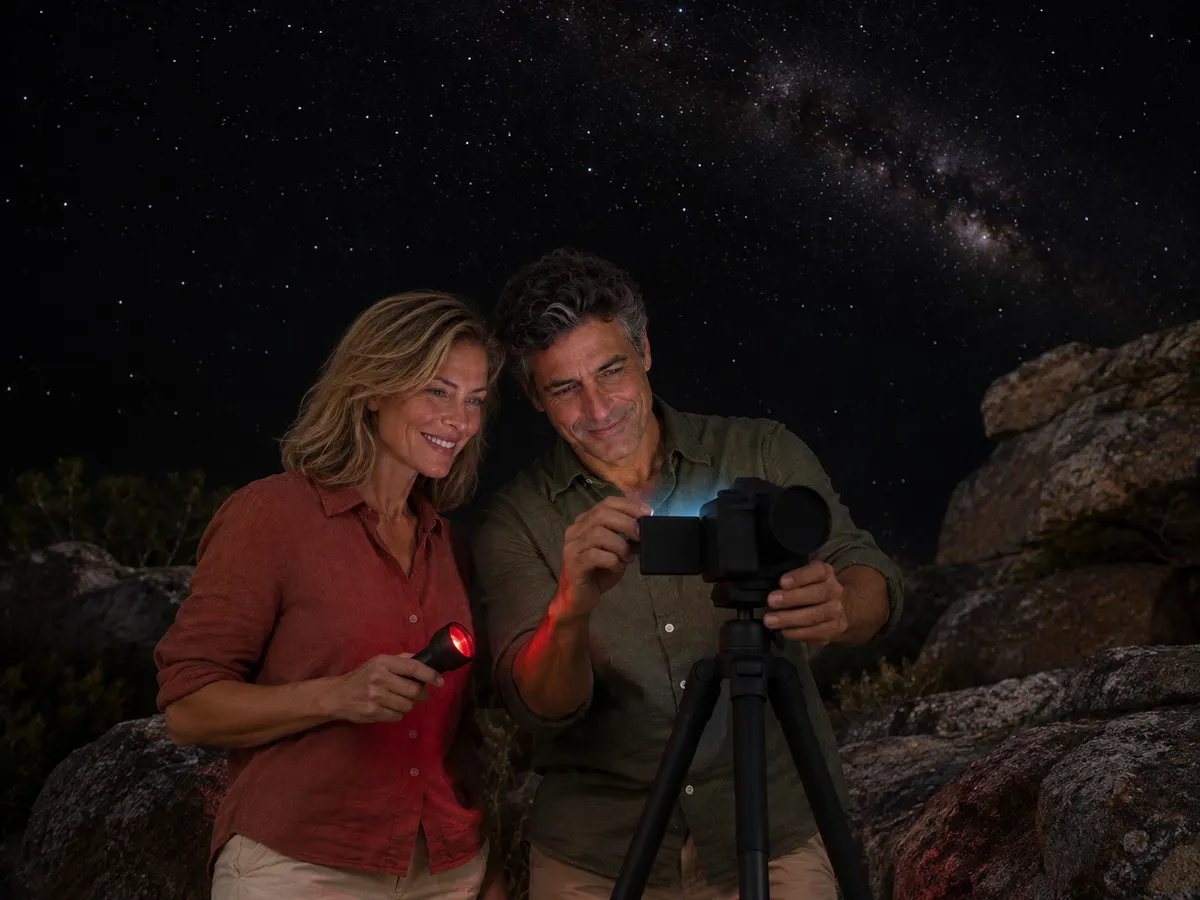
Sky photography
With a tripod and long exposures, you can capture the Milky Way and star trails.
Learn moreWhere to go in Brazil
Pick a region or a state on the map, or type what you are looking for, to see the cities and who offers each activity.
- Sobral CE
- Barreirinhas MA
- Alto Paraíso de Goiás GO
-
Brazópolis MG
Operation suspended or changed: check before you go.
- Juiz de Fora MG
- São Roque de Minas MG
- Brotas SP
- Foz do Iguaçu PR
In large cities, artificial light drowns out almost all the stars. A few hours’ drive away, in mountains, tablelands and backlands, the sky still shows thousands of them. Brazil has large sparsely populated areas and lies in the southern hemisphere, from where the center of the Milky Way appears high in the sky, the Southern Cross and the Magellanic Clouds — two neighboring galaxies that do not appear to observers at mid-northern latitudes.
What is astrotourism
It is the kind of trip motivated by observing the night sky. It is not an official tourism category: it works as a branch of ecotourism — nature seen at night — and depends on the same care for the environment, starting with darkness.
It ranges from a night in a rural area with a guide who points out constellations to a visit to an observatory. In many places, guides also explain how indigenous peoples and rural communities read the stars to mark seasons and planting times.
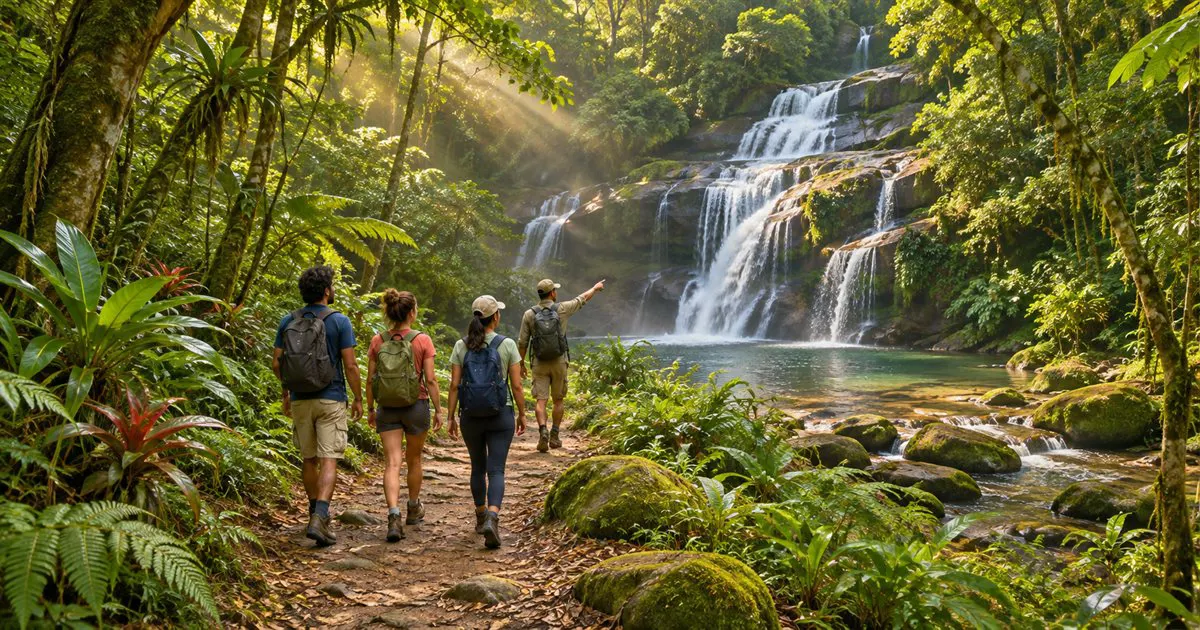
It pairs well with other types of travel. Dark-sky places are often nature destinations, so the day is free for hikes and waterfalls. Eclipses and auroras, which also draw travelers to look up, are phenomena with specific dates and locations, covered in The Earth and Tourism.
Who it suits and at what stage of life
It suits curious people of all ages. School-age children often are amazed by the first view of Saturn’s rings or the Moon’s craters through a telescope. For couples, a starry night is a calm, different kind of outing. Amateur photographers find a subject that demands patience and technique.
It’s also a trip for moments of pause. Spending an hour in silence, in the dark, looking up changes the scale of daily worries. It requires no physical preparation: a chair or mat and a warm layer are enough.
If you have little time you can fit sky-watching into a weekend in the mountains. If you have more time you can plan the trip around new moon or a meteor shower.
Where to observe the stars in Brazil
The plateaus of central Brazil combine altitude, dry air in winter and low lighting. Chapada dos Veadeiros, in Goiás, Chapada Diamantina, in Bahia, and Jalapão, in Tocantins, have very dark nights outside villages. In Lençóis Maranhenses, dunes away from towns provide an open horizon in every direction.
Southern Minas Gerais has an astronomical tradition: in Brazópolis is the Observatório do Pico dos Dias, which opens for visits on scheduled dates, and it’s advisable to confirm before you go. São Thomé das Letras, atop a stone ridge, is also sought for its sky.
In the Northeast, the Cariri Paraibano, with dry climate and low rainfall, often has clear nights much of the year, with large rock formations as scenery. In the South, Urubici, in the Santa Catarina highlands, combines altitude and low population density, with cold, transparent winter nights.
When to go: dry season, moon phase and the Milky Way
Three factors define a good observing night: cloudless sky, absence of Moon and dry air. In central Brazil and the Southeast, the dry season runs from May to September, and that period has more clear nights. In the semi-arid Northeast, the dry season usually goes from August to December.
The full Moon lights the sky and hides the faintest stars. Nights around new moon, about a week before and a few days after, are the darkest. Check the lunar calendar before booking the trip.
The center of the Milky Way, the brightest part of the band, is visible at night from February to October and appears high in the sky shortly after dusk between June and August. Meteor showers have annual dates: the Eta Aquariids in early May and the Geminids in mid-December are among those that usually deliver more activity for observers in the southern hemisphere.
How to plan an observing night
Even in a dark-sky destination, the town square and a well-lit lodging yard interfere. A few kilometers of dirt road, a lookout or an open field solve it. In many destinations, local guides offer night outings with a telescope and explanations — a good choice for the first time.
A single glance at a phone screen undoes dark adaptation. A red-light flashlight, which can be improvised with cellophane, preserves night vision. A sky map app used in night mode helps identify stars and planets.
What to bring: a warm layer, even in hot regions, because clear-sky nights cool down; a reclining chair or mat; insect repellent; water and a snack. Ordinary binoculars already show Jupiter’s moons, star clusters and lunar details.
It’s wise to book two or three nights at the destination. Weather can change, and a spare night increases the chance of getting a clear sky.
Astrotourism around the world
Northern Chile is one of the most sought-after regions on the planet. the Atacama Desert and the Elqui Valley have altitude, very dry air and clear skies most of the year, and they host major scientific observatories and tourist observatories with nighttime sessions.
In the Pacific, the Island of Hawaiʻi has the observatories on Mauna Kea, and the Aoraki/Mount Cook and Tekapo region in New Zealand is an international dark-sky reserve where public lighting is controlled. In the Canary Islands, Tenerife has observatories high on Teide, above the clouds.
Frequently asked questions
What is astrotourism?
Astrotourism is travel motivated by observing the night sky: stars, planets, the Milky Way and meteor showers. It takes place in dark locations, far from city lighting, often with guides and telescopes.
Where to stargaze in Brazil?
In areas far from large cities, preferably at higher elevation and with dry climate. Chapada dos Veadeiros, Chapada Diamantina, Jalapão, southern Minas Gerais, the Cariri Paraibano and the highlands of Santa Catarina are among the most popular.
When is the best time to see the Milky Way in Brazil?
The center of the Milky Way is visible at night from February to October and appears high in the sky between June and August. These months coincide with the dry season in much of the country. Nights near the new moon are the darkest.
Do you need a telescope for astrotourism?
No. In a dark place, thousands of stars, the Milky Way band, planets and meteors are visible to the naked eye. Ordinary binoculars greatly enhance the experience, and guided outings usually include a telescope.
How does the Moon affect stargazing?
The full Moon brightens the sky and hides fainter stars and the Milky Way. For deep-sky observation, nights around the new moon are recommended. On the other hand, a waxing Moon is a good target for telescopes and binoculars.
What is a dark-sky park?
It’s a protected area recognized by an international organization for low light pollution and a commitment to keep the night dark, with rules for lighting. Dark-sky reserves and sanctuaries follow the same principle over larger or more isolated areas.
How do you watch a meteor shower?
All you need is a dark spot with an open horizon and some patience: meteors are seen with the naked eye, usually in greater numbers after midnight. Showers have annual dates, such as the Eta Aquariids in early May and the Geminids in mid-December.
Is astrotourism a good activity for children?
Yes. Guided sessions early in the night, with a telescope pointed at the Moon and planets, usually capture children’s attention. Warm clothing, snacks and a mat to lie on help make the wait comfortable.


Beyond the guide


