

 Antarctica
 Argentina
 Bolivia
 Chile
 Colombia
 Ecuador
 Guyana
 French Guiana
 Falkland Islands (Malvinas)
 Paraguay
 Peru
 Suriname
 Uruguay
 Venezuela
 Germany
 Austria
 Belgium
 Croatia
 Denmark
 Slovakia
 Slovenia
 Spain
 Finland
 France
 Greece
 the Netherlands
 Hungary
 Ireland
 Iceland
 Italy
 Luxembourg
 Norway
 Poland
 Portugal
 the United Kingdom
 the Czech Republic
 Sweden
 Switzerland
 Turkey
 Bermuda
 Canada
 the United States
 Greenland
 Mexico
 Saint Pierre and Miquelon
 the Dominican Republic
 Japan
 South Africa
 Egypt
 Australia
 Fiji
 New Zealand
 Papua New Guinea
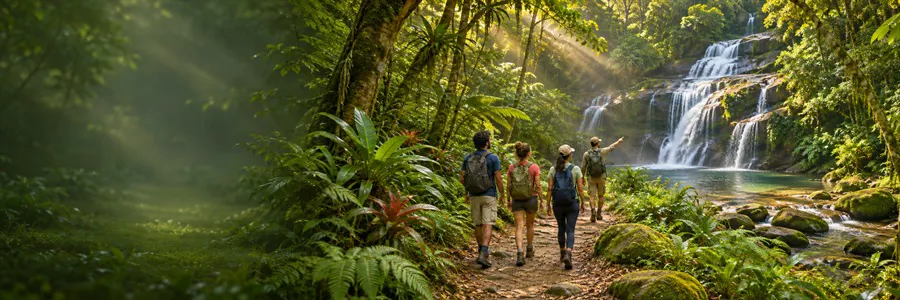
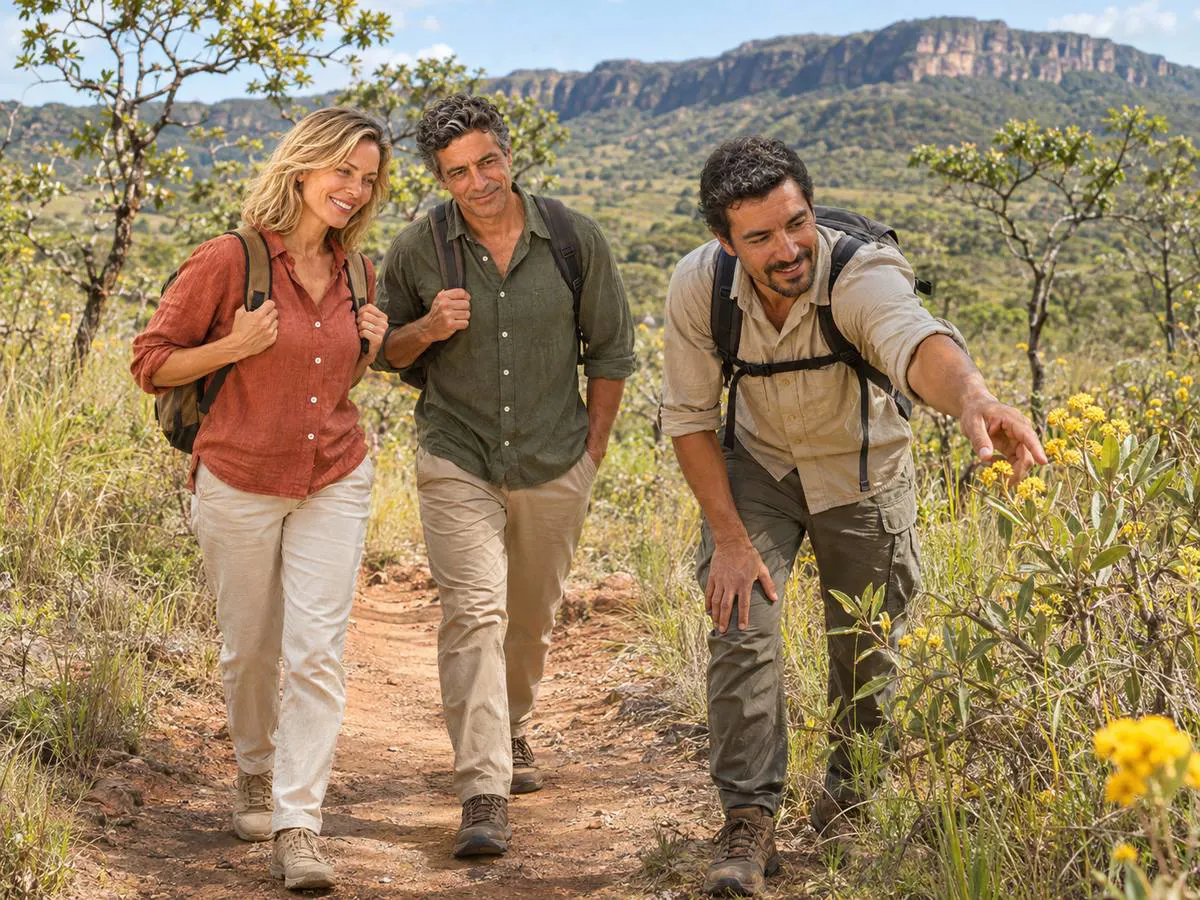
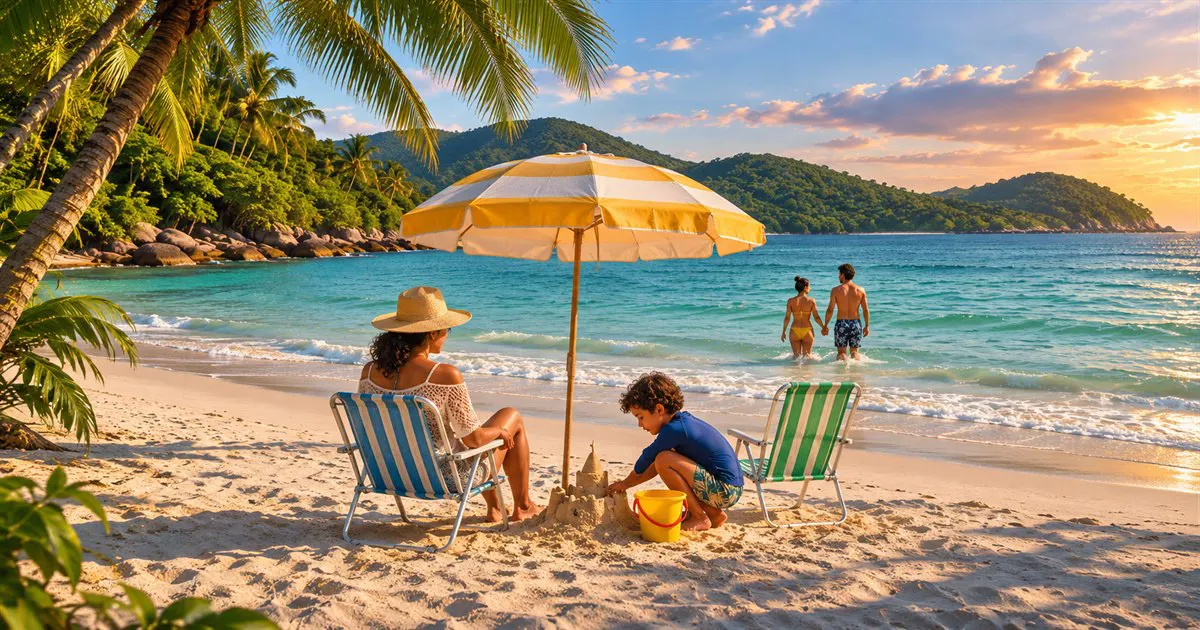
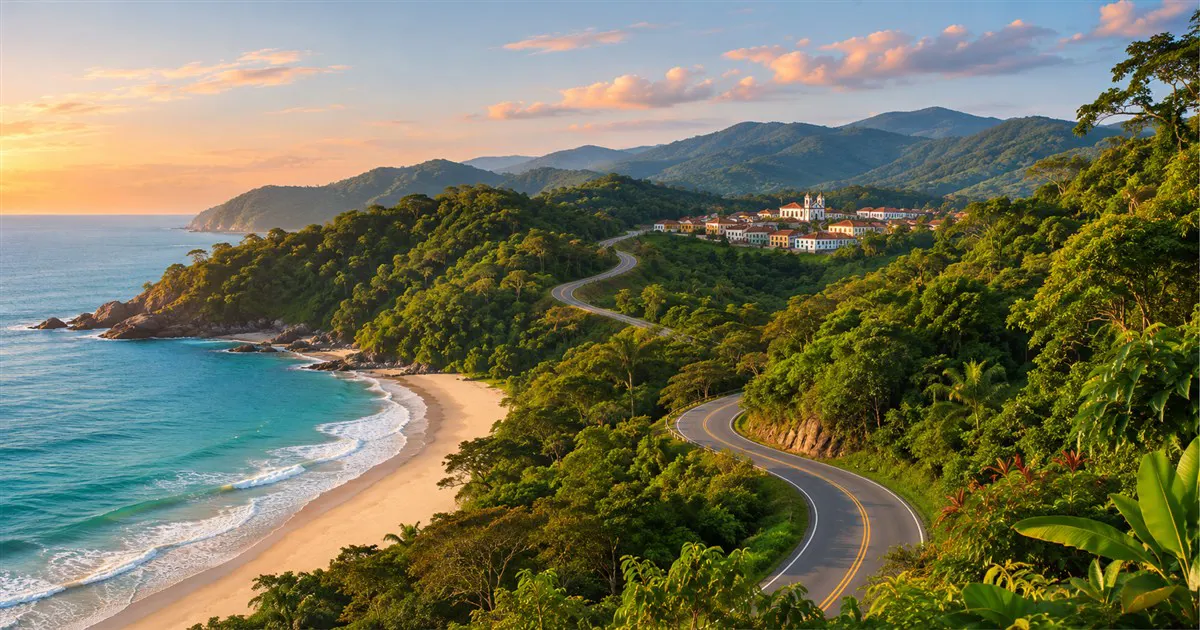
Illustrative images. The pictures in this guide are illustrations based on the real place, not photographs, and may differ from it.


Nature
Ecotourism
Guided trails, waterfalls, clear rivers and national parks: travel to experience nature up close, with a local guide and respect for the place.
Ecotourism is travel made to get close to nature: walking to a waterfall, floating in a clear river, watching birds and free animals, exploring a national park. The traveler goes to see a preserved environment and returns knowing a little more about it.
What to do
Guided trails
The local guide knows the route, points out plants and tracks and tells the story of the place.
Learn more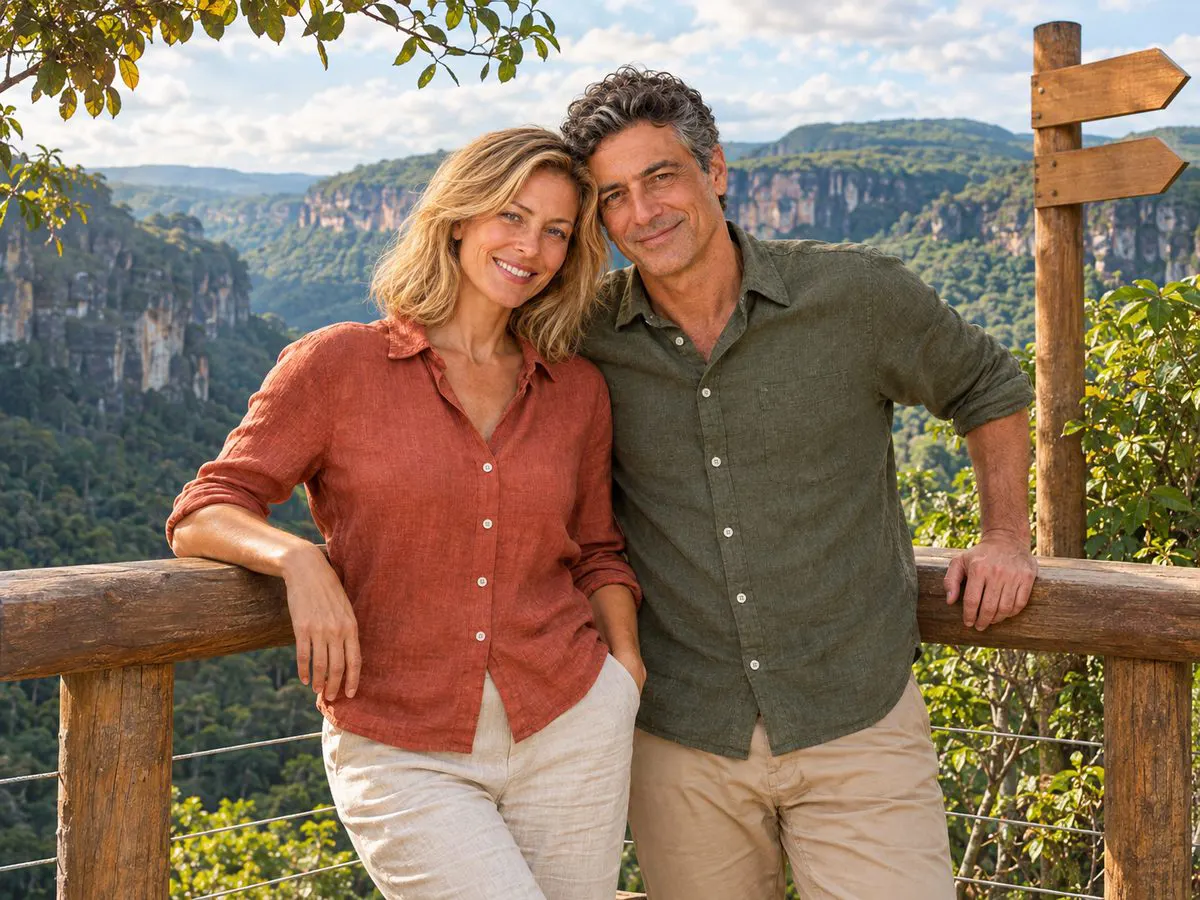
National and state parks
Protected areas open to visitors, with marked trails, viewpoints and their own rules.
Learn more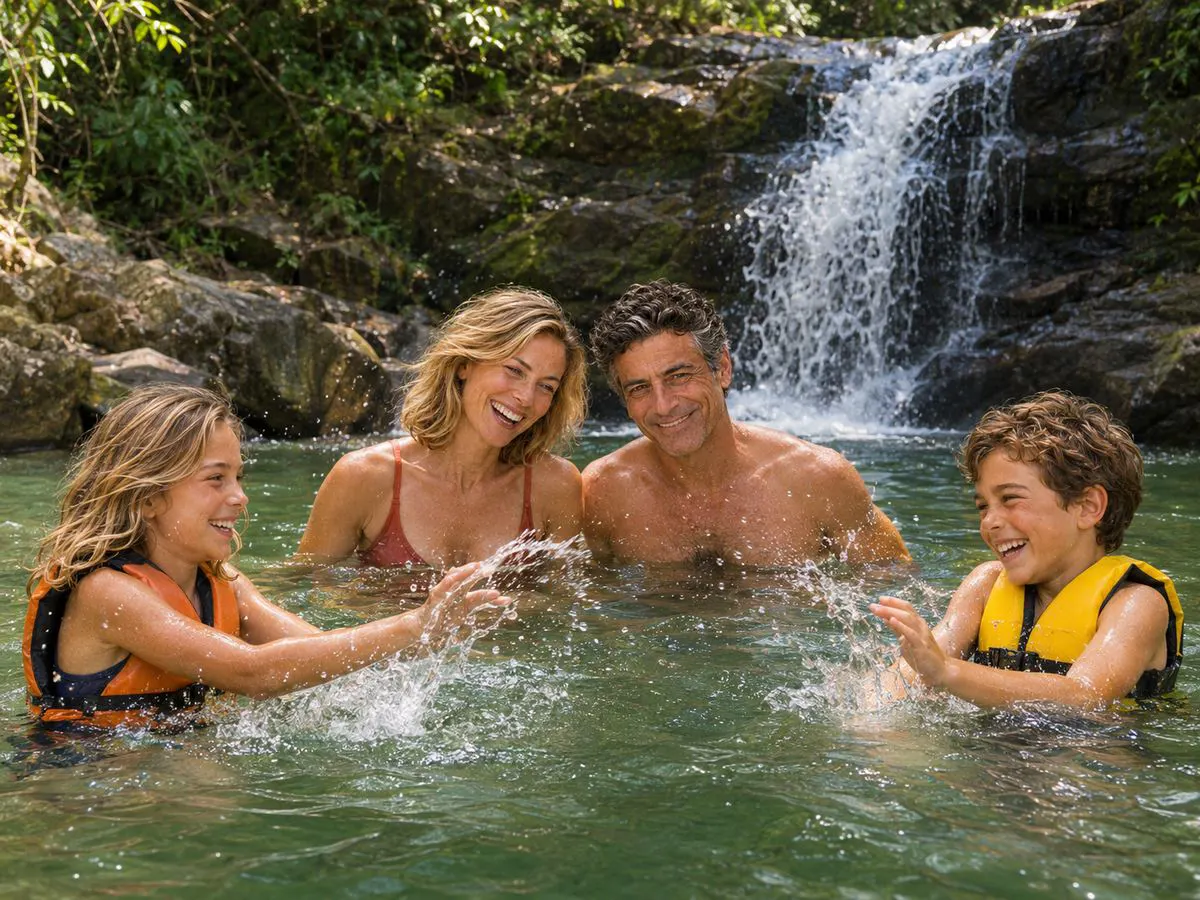
Waterfalls
A waterfall or pool swim is the most common reward at the end of a trail.
Learn more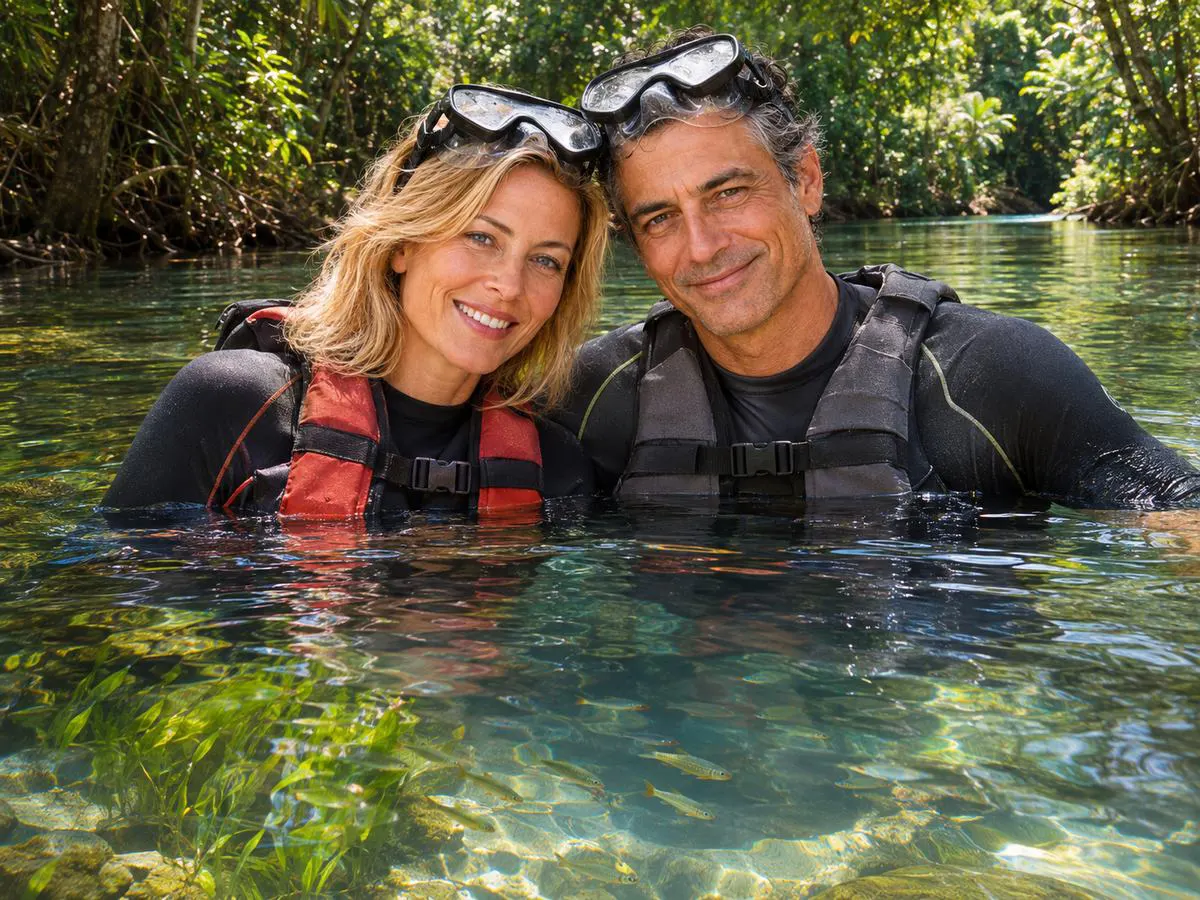
Floating trips
With mask, snorkel and life jacket, the visitor drifts down a clear river carried by the current.
Learn more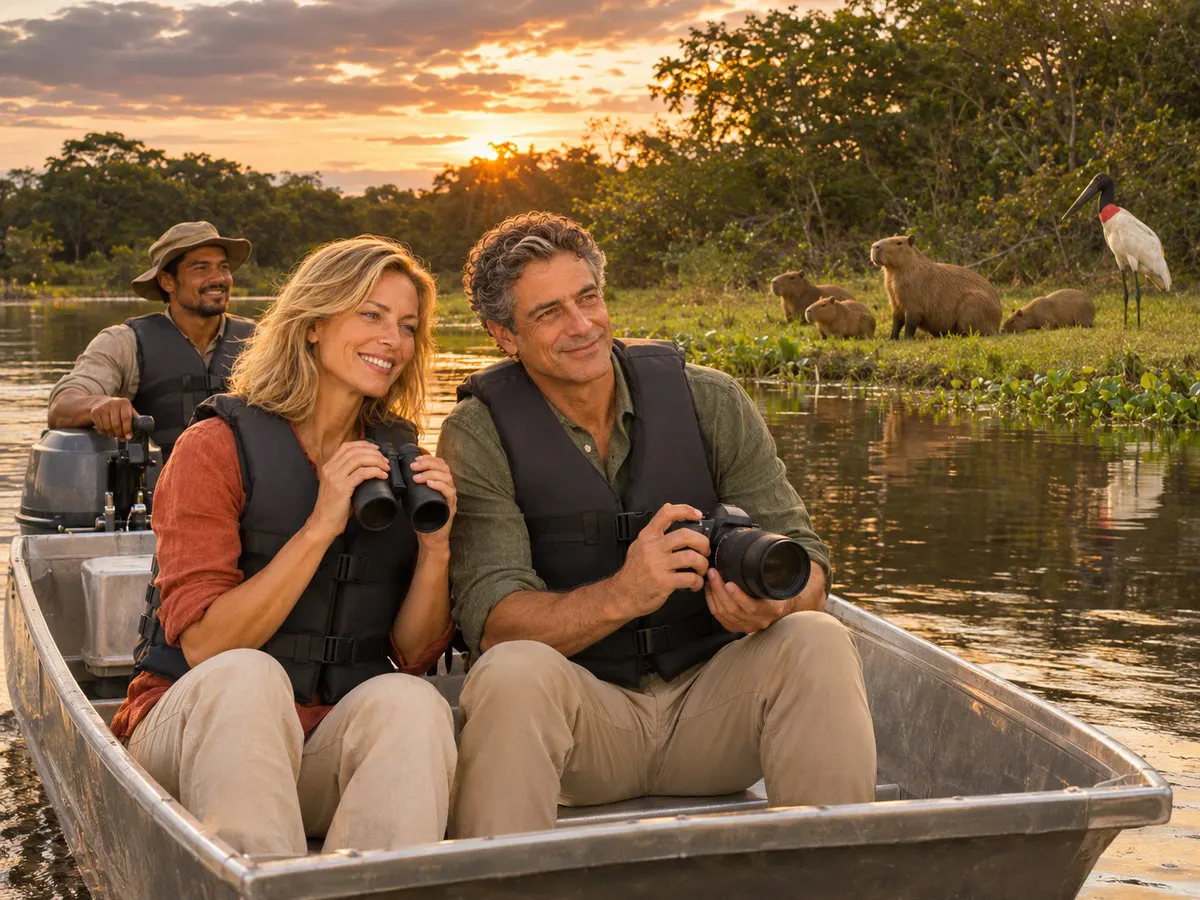
Wildlife watching
By boat, open vehicle or on foot, always with a guide: animals are free and decide whether to show up.
Learn more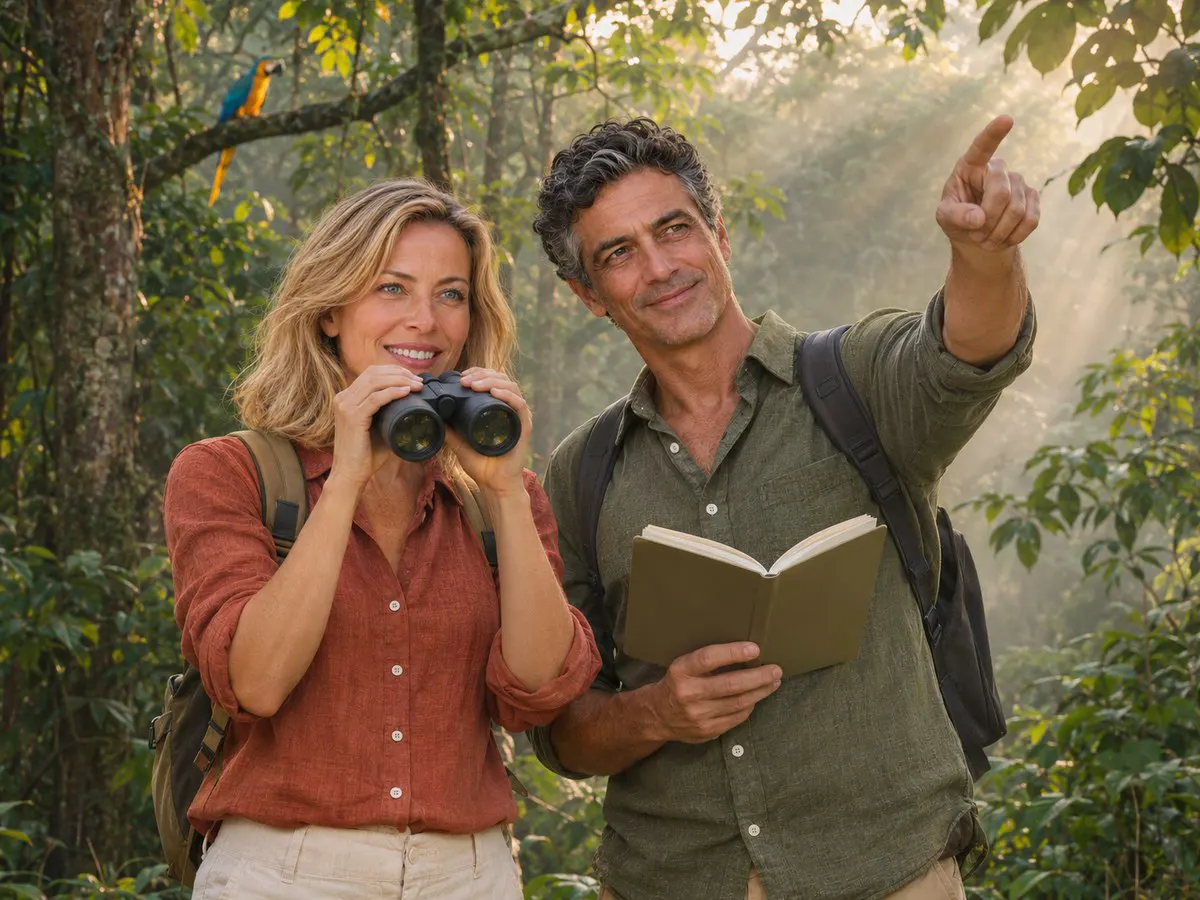
Birdwatching
With binoculars and silence, in the early morning hours, you look for the birds of each biome.
Learn moreWhere to go in Brazil
Pick a region or a state on the map, or type what you are looking for, to see the cities and who offers each activity.
-
Manaus AM
Waterfalls · Wildlife watching · Birdwatching · National and state parks
- Novo Airão AM
- Presidente Figueiredo AM
- São Gabriel da Cachoeira AM
- Aveiro PA
- Belém PA
- Belterra PA
- Marituba PA
- Santarém PA
- Soure PA
- Porto Velho RO
- Amajari RR
- Boa Vista RR
- Normandia RR
- Uiramutã RR
- Mateiros TO
- Palmas TO
- Ponte Alta do Tocantins TO
- São Félix do Tocantins TO
- Porto de Pedras AL
- Andaraí BA
- Ibicoara BA
- Iramaia BA
- Iraquara BA
- Itaetê BA
- Ituberá BA
- Lençóis BA
- Mata de São João BA
- Mucugê BA
- Nova Redenção BA
- Palmeiras BA
- Porto Seguro BA
- Beberibe CE
- Cruz CE
- Fortaleza CE
- Ipu CE
- Jijoca de Jericoacoara CE
- Tianguá CE
- Ubajara CE
- Barreirinhas MA
- Primeira Cruz MA
- Santo Amaro do Maranhão MA
- Cabaceiras PB
- Fernando de Noronha PE
- Natal RN
- Nísia Floresta RN
- Tibau do Sul RN
- Aracaju SE
- Brasília DF
- Alto Paraíso de Goiás GO
- Caldas Novas GO
- Cavalcante GO
- Colinas do Sul GO
- Corumbá de Goiás GO
- Formosa GO
- Jaraguá GO
- Pirenópolis GO
- Teresina de Goiás GO
- Barão de Melgaço MT
- Chapada dos Guimarães MT
- Cuiabá MT
- Nobres MT
- Poconé MT
- Rosário Oeste MT
- Bodoquena MS
- Bonito MS
- Campo Grande MS
- Corumbá MS
-
Jardim MS
Floating trips · Guided trails · Birdwatching · National and state parks
- Miranda MS
- Porto Murtinho MS
- Afonso Cláudio ES
- Alfredo Chaves ES
- Castelo ES
- Conceição do Castelo ES
- Domingos Martins ES
- Guarapari ES
- Marechal Floriano ES
- Vargem Alta ES
- Vitória ES
- Aiuruoca MG
- Alto Caparaó MG
- Andradas MG
- Biribiri MG
- Caeté MG
- Camanducaia MG
- Capitólio MG
- Carrancas MG
- Catas Altas MG
- Conceição do Ibitipoca MG
- Conceição do Mato Dentro MG
- Conceição do Rio Verde MG
- Delfinópolis MG
- Diamantina MG
- Gonçalves MG
- Itabirito MG
- Itacarambi MG
- Itambé do Mato Dentro MG
- Itamonte MG
- Januária MG
- Lagoa Santa MG
- Lambari MG
- Mariana MG
- Morro do Pilar MG
- Nova Lima MG
- Ouro Preto MG
- Raposos MG
- Rio Acima MG
- Santa Bárbara MG
- Santana do Riacho MG
- São Roque de Minas MG
- São Thomé das Letras MG
- Serra do Cipó MG
- Vargem Bonita MG
- Angra dos Reis RJ
- Barra do Piraí RJ
- Cachoeiras de Macacu RJ
- Guapimirim RJ
- Itatiaia RJ
- Magé RJ
- Mangaratiba RJ
- Nova Friburgo RJ
- Paraty RJ
- Petrópolis RJ
- Resende RJ
- Rio Claro RJ
- Rio de Janeiro RJ
- Sumidouro RJ
- Teresópolis RJ
- Águas da Prata SP
- Brotas SP
- Campos do Jordão SP
- Cunha SP
- Ilhabela SP
- São Bento do Sapucaí SP
- São José dos Campos SP
- São Paulo SP
- Ubatuba SP
- Carambeí PR
- Castro PR
-
Foz do Iguaçu PR
National and state parks · Guided trails · Birdwatching · Waterfalls
- Guaraqueçaba PR
- Guaratuba PR
- Jaguariaíva PR
- Matinhos PR
- Morretes PR
- Paranaguá PR
- Ponta Grossa PR
- Pontal do Paraná PR
- Quatro Barras PR
- São Miguel do Iguaçu PR
- Sengés PR
- Tibagi PR
- Cambará do Sul RS
- Canela RS
- Santa Vitória do Palmar RS
- São Francisco de Paula RS
- Torres RS
- Apiúna SC
- Biguaçu SC
- Blumenau SC
- Bom Jardim da Serra SC
- Bom Retiro SC
- Bombinhas SC
- Camboriú SC
- Campo Alegre SC
- Doutor Pedrinho SC
- Florianópolis SC
- Governador Celso Ramos SC
- Ilhota SC
- Indaial SC
- Jacinto Machado SC
- Lages SC
- Lauro Müller SC
- Morro Grande SC
- Painel SC
- Palhoça SC
- Praia Grande SC
- Rio Rufino SC
- São Joaquim SC
- Timbé do Sul SC
- Urubici SC
- Urupema SC
Brazil has six biomes, from the Amazon to the Pampa, and a network of national and state parks open to visitors. Chapadas, wetlands, dunes and forests are in different regions and have different seasons, which allows ecotourism year‑round if you choose the destination according to the time of year.
What is ecotourism
It’s the type of tourism that uses nature and local culture as attractions in a way that the visit helps conserve the place and generates income for the people who live there. In the Ministry of Tourism’s definition, three ideas go together: the sustainable use of natural and cultural heritage, conservation, and interpretation of the environment, which means learning about it during the visit.
Usually there is a local guide or leader who knows the route, tells the story of the place and knows what can and cannot be done in each area. Physical effort is only the means to reach the landscape.
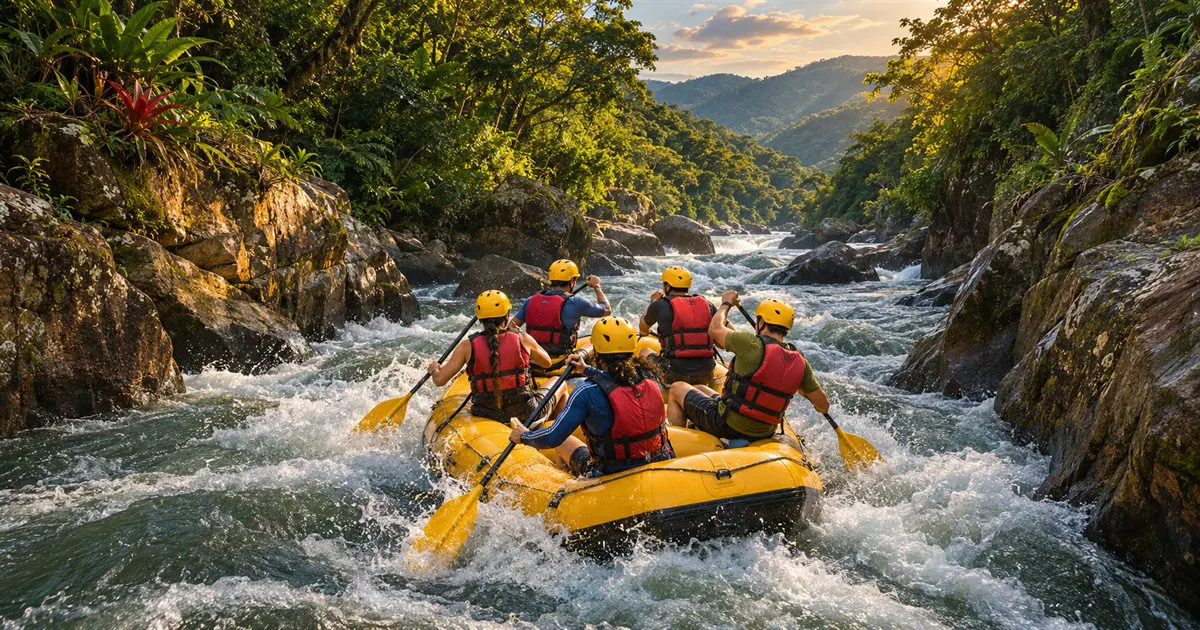
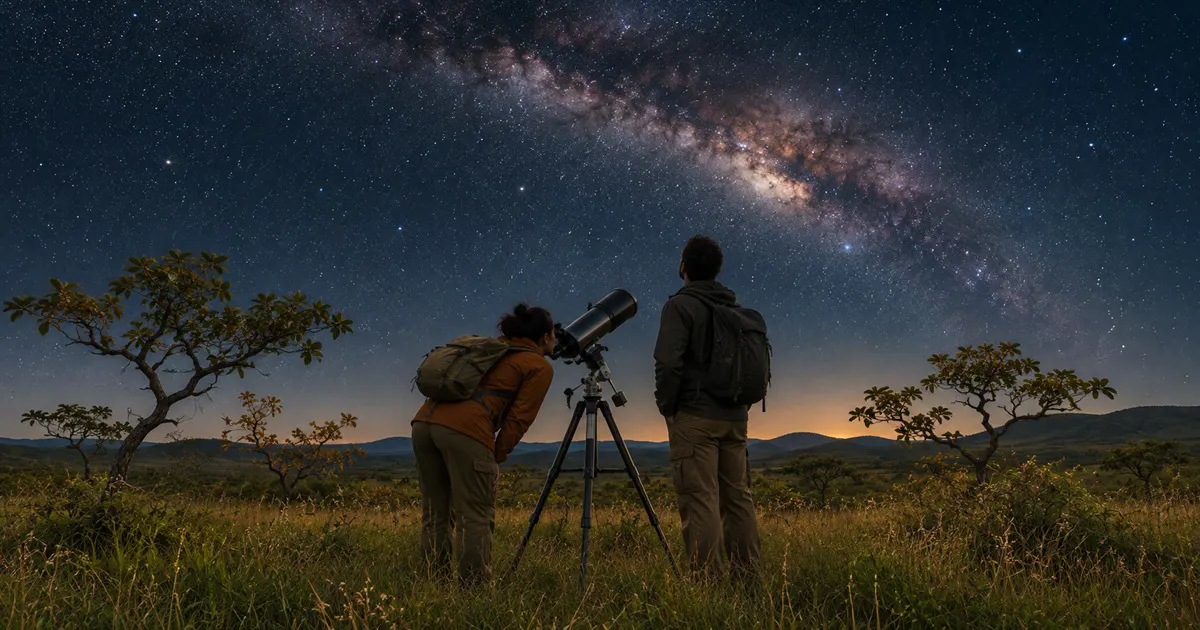
Two types of trips share the same settings. When the focus is an adrenaline activity, such as rafting or rappelling, it’s adventure tourism. And nature seen at night, under a dark sky, is the field of astrotourism. In a chapada destination, it’s common to combine all three.
Who it suits and at what stage of life
It suits people who miss open air and landscape. After months in enclosed spaces, a few days of trail walking and river bathing change the body’s and mind’s rhythm. It’s a trip sought by couples, groups of friends and solo travelers who want to join others on excursions.
You don’t need to be an athlete. Almost all destinations offer outings of varying levels, from short walks to viewpoints and pools to full-day trails. Families with children find options in easily accessible places, with boardwalks and short routes.
It also works for those with time. Retirees and travelers on a sabbatical can stay a week or more in a single region, outside school holidays, when the trails are quieter.
Where to do ecotourism in Brazil
Three chapada destinations are in the Cerrado. Chapada dos Veadeiros, in Goiás, has waterfalls, canyons and high-altitude fields inside and outside the national park. Chapada Diamantina, in Bahia, combines trails, caves and bluish pools, with several towns that serve as bases. In Tocantins, Jalapão gathers orange dunes, rivers and the fervedouros, springs where the water pressure makes visitors float.
In Mato Grosso do Sul, Bonito and the Serra da Bodoquena are known for floating in clear-water rivers. Tours have a limited number of visitors per day and are done with accredited guides. In the same state and in Mato Grosso, the Pantanal is the country’s main area to observe animals such as caimans, capybaras, jabirus and, with luck and good guides, the jaguar.
In Maranhão, the Lençóis Maranhenses alternate white dunes and rainwater lagoons. In the Amazon, Manaus is the departure point for tours on the Rio Negro and the Anavilhanas archipelago. In the South, Foz do Iguaçu gives access to the Iguaçu Falls, inside a national park with boardwalks and trails.
When to go: the season for each biome
In central Brazil, the dry season runs from May to September. It’s the period of firm trails, clear skies and clearer rivers in the chapadas and Jalapão. From October to April, with rains, waterfalls tend to have more water, but some tours can be suspended when rivers rise.
In the Pantanal, the months from July to October, during the dry season, concentrate animals near water and make observation easier. In the Lençóis Maranhenses, the lagoons are usually fullest from June to September, after the rainy season. In the central Amazon, the high water period, around March to July, allows navigation among the trees; in the low water season, from August to November, river beaches appear.
Bonito receives visitors year-round; river water is usually clearer in the dry months, from May to September. In any destination, long holiday weekends and the July and January school holidays are the busiest times.
How to plan: guides, parks and preparation
Nature destinations are often far from major airports. It’s common to fly to a capital and continue by car or bus for a few hours. Allow for an arrival day and a departure day without scheduled activities. For a first trip, four to six days in a single region are enough for the main tours.
Many attractions are located in parks or on private properties, and each has its own rules: separate paid entrance, visitor limits, requirement of a guide on certain trails. Check these rules before traveling and book in advance during peak periods.
In your bag: already-broken-in closed shoes, lightweight quick‑dry clothing, a hat, sunscreen, insect repellent, a rain poncho, and a water bottle. A small daypack is enough for a day trip.
Caring for the place is part of the trip: take your trash back, don’t feed the animals, don’t remove plants or stones, and stay on the marked trail. In rivers and floating spots, use of sunscreen and repellent is often restricted before entering the water.
Ecotourism around the world
In South America, the Galápagos archipelago in Ecuador is a benchmark for wildlife watching, with controlled visits and naturalist guides. In southern Chile, Torres del Paine National Park has trails through granite mountains, lakes and glaciers, with the main season in the austral summer, from December to March.
In North America, Yellowstone and Grand Teton in the United States, and Banff and Lake Louise in the Canadian Rocky Mountains, exemplify the model of large national parks, with marked trails and visitor centers. Hiking season generally runs from June to September.
Frequently asked questions
What is ecotourism?
Ecotourism is travel motivated by nature, carried out in a way that conserves the environment and benefits the local population. It includes guided trails, waterfall swims, floating trips, wildlife and birdwatching, and visits to parks, usually with a local guide.
What are the main ecotourism destinations in Brazil?
Among the most visited are Bonito, Chapada Diamantina, Chapada dos Veadeiros, Jalapão, Lençóis Maranhenses, the Pantanal, the Amazon and Foz do Iguaçu. Each is in a different biome and has its recommended season.
When is the best time for hiking in Brazil?
In the chapadas and central Brazil, the dry season, from May to September, offers firmer trails and less rain. To see waterfalls with more water, the rainy months, from October to April, are usually better, with attention to river levels.
Do I need to hire a guide for ecotourism?
It depends on the place. In Bonito and on several trails in national parks a guide or conductor is mandatory. Where not required, a guide is still useful for route orientation and to learn the history and nature of the area.
What is river floating like?
Visitors wear a life jacket, mask and snorkel and float down the river carried by the current, watching the fish without touching the bottom. You don’t need to be a strong swimmer, and a guide accompanies the group. Tours have limited spots and require reservations.
Is ecotourism suitable for children and older adults?
Yes, provided trips are chosen according to the effort level. Many destinations have boardwalks, short trails and easily accessible viewpoints. Ask the agency about the distance, elevation change and walking time of each tour.
What is the difference between ecotourism and adventure tourism?
In ecotourism, the goal is to experience the natural environment; in adventure tourism, the goal is the activity itself, such as rafting, rappelling or climbing. Many destinations offer both, and a single trip often mixes them.
What to pack for an ecotourism trip?
Already‑worn closed shoes, lightweight quick‑dry clothing, a hat, sunscreen, insect repellent, a rain poncho, a water bottle and a small backpack. In mountain and chapada regions, bring a warm layer for the evening.
Do national parks charge entrance fees?
Some charge an entrance fee and others do not, and some attractions are on private properties with their own prices. Guided tours and transport are paid separately: check the current rates for each place before you go.
Beyond the guide


