

 Antarctica
 Argentina
 Bolivia
 Chile
 Colombia
 Ecuador
 Guyana
 French Guiana
 Falkland Islands (Malvinas)
 Paraguay
 Peru
 Suriname
 Uruguay
 Venezuela
 Germany
 Austria
 Belgium
 Croatia
 Denmark
 Slovakia
 Slovenia
 Spain
 Finland
 France
 Greece
 the Netherlands
 Hungary
 Ireland
 Iceland
 Italy
 Luxembourg
 Norway
 Poland
 Portugal
 the United Kingdom
 the Czech Republic
 Sweden
 Switzerland
 Turkey
 Bermuda
 Canada
 the United States
 Greenland
 Mexico
 Saint Pierre and Miquelon
 the Dominican Republic
 Japan
 South Africa
 Egypt
 Australia
 Fiji
 New Zealand
 Papua New Guinea
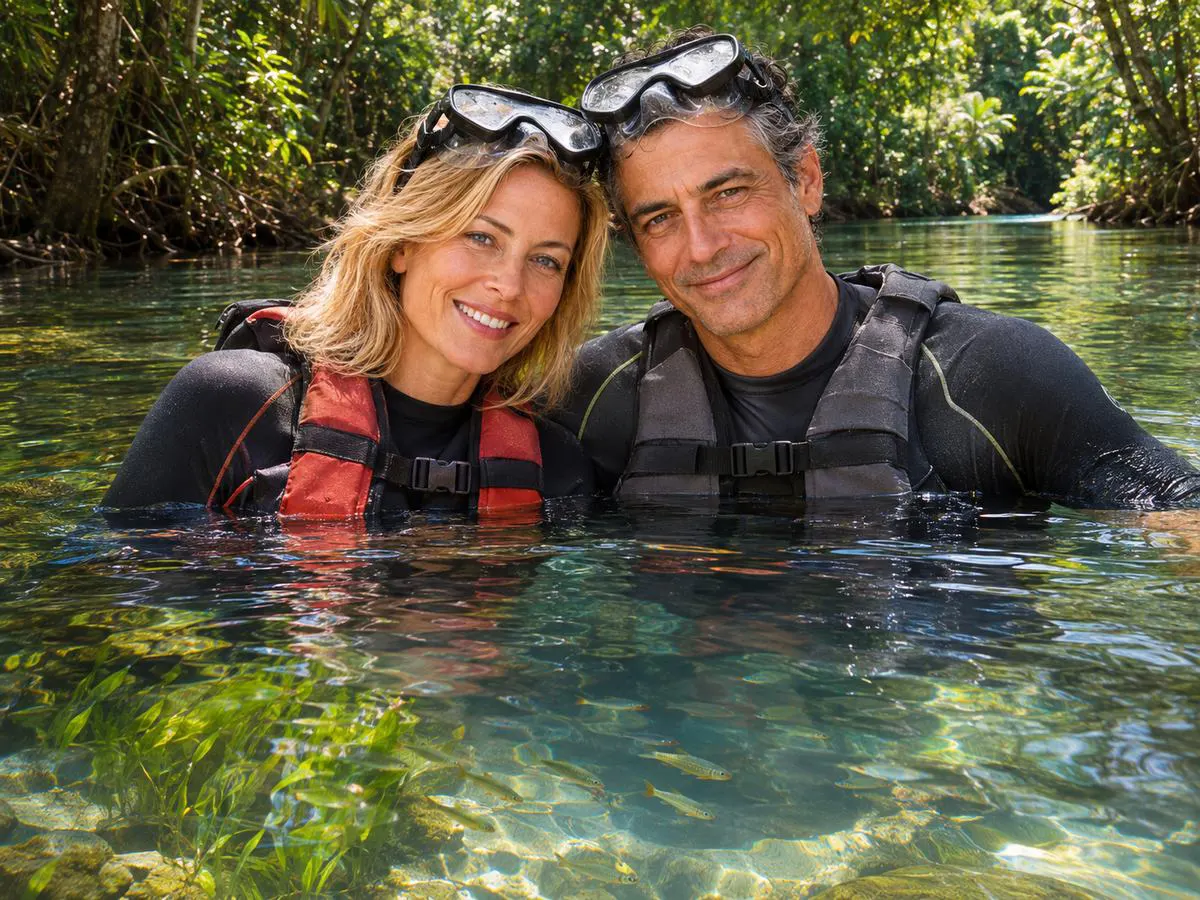
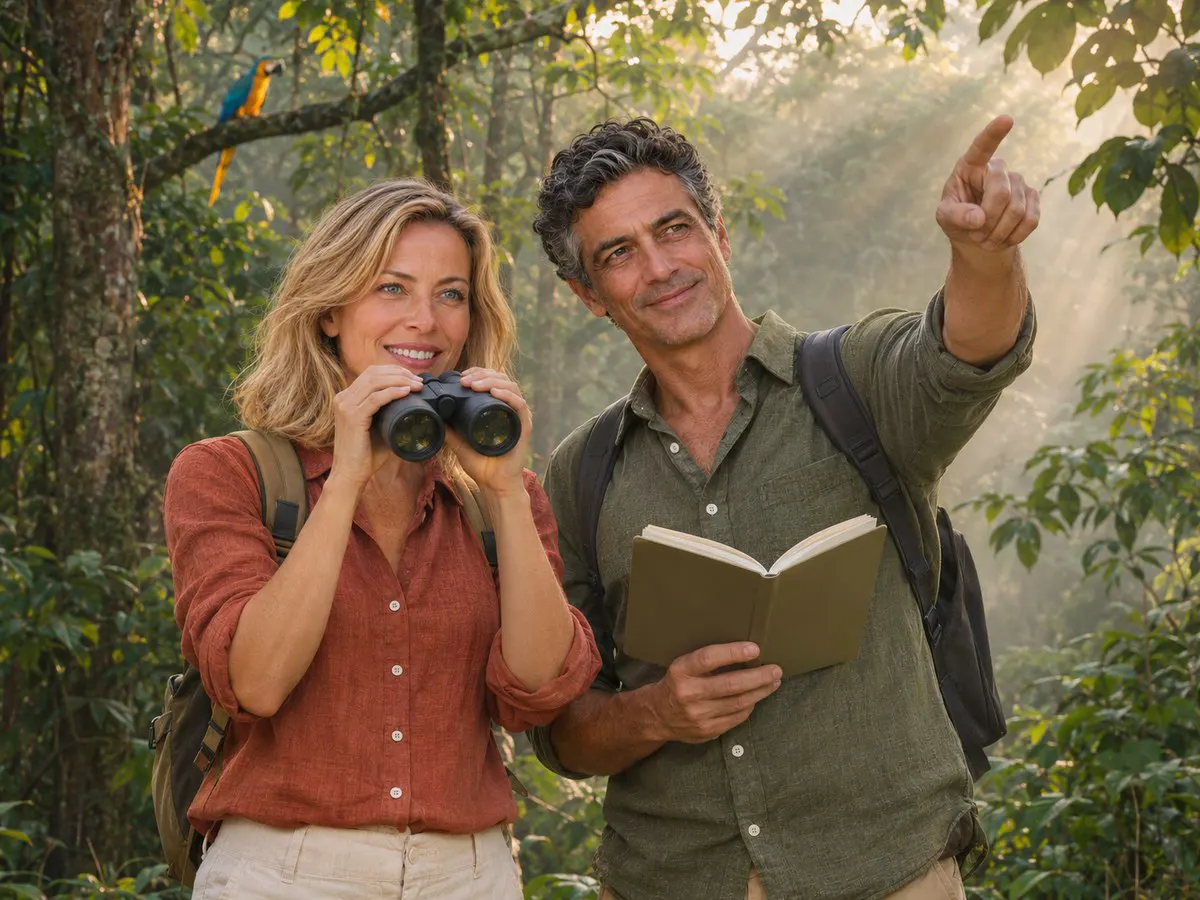
Illustrative images. The pictures in this guide are illustrations based on the real place, not photographs, and may differ from it.


Ecotourism
Wildlife watching
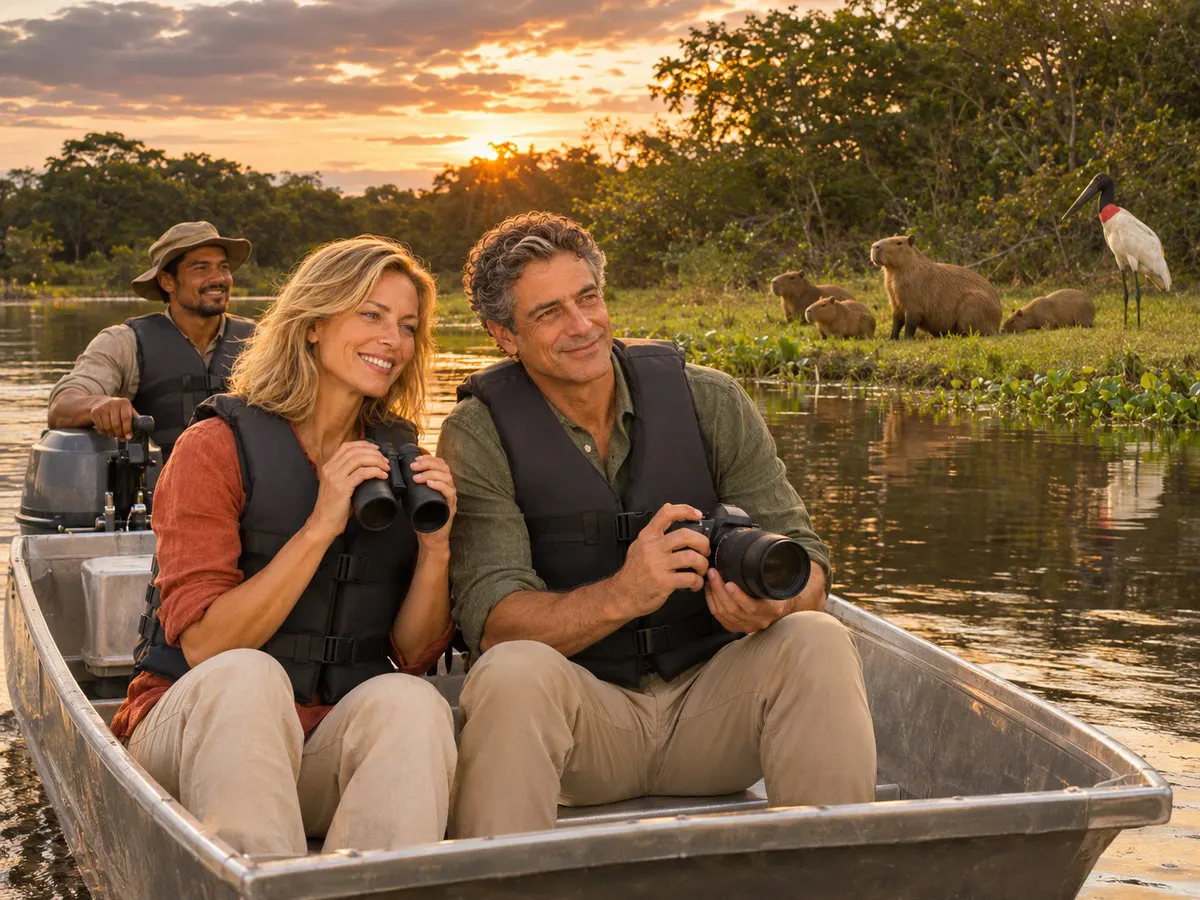
By boat, open vehicle or on foot, always with a guide: animals are free and decide whether to show up.
Wildlife watching means going out into nature to see animals living free where they belong: a jaguar on a riverbank, an anteater crossing the field, a whale breaching offshore. It's what abroad is called a safari, and in Brazil it takes place by boat, in an open vehicle, or on foot, always with a guide.
The animal is free and chooses whether to show up. That's the difference from a zoo, and also the charm of the outing.
What the tours are like
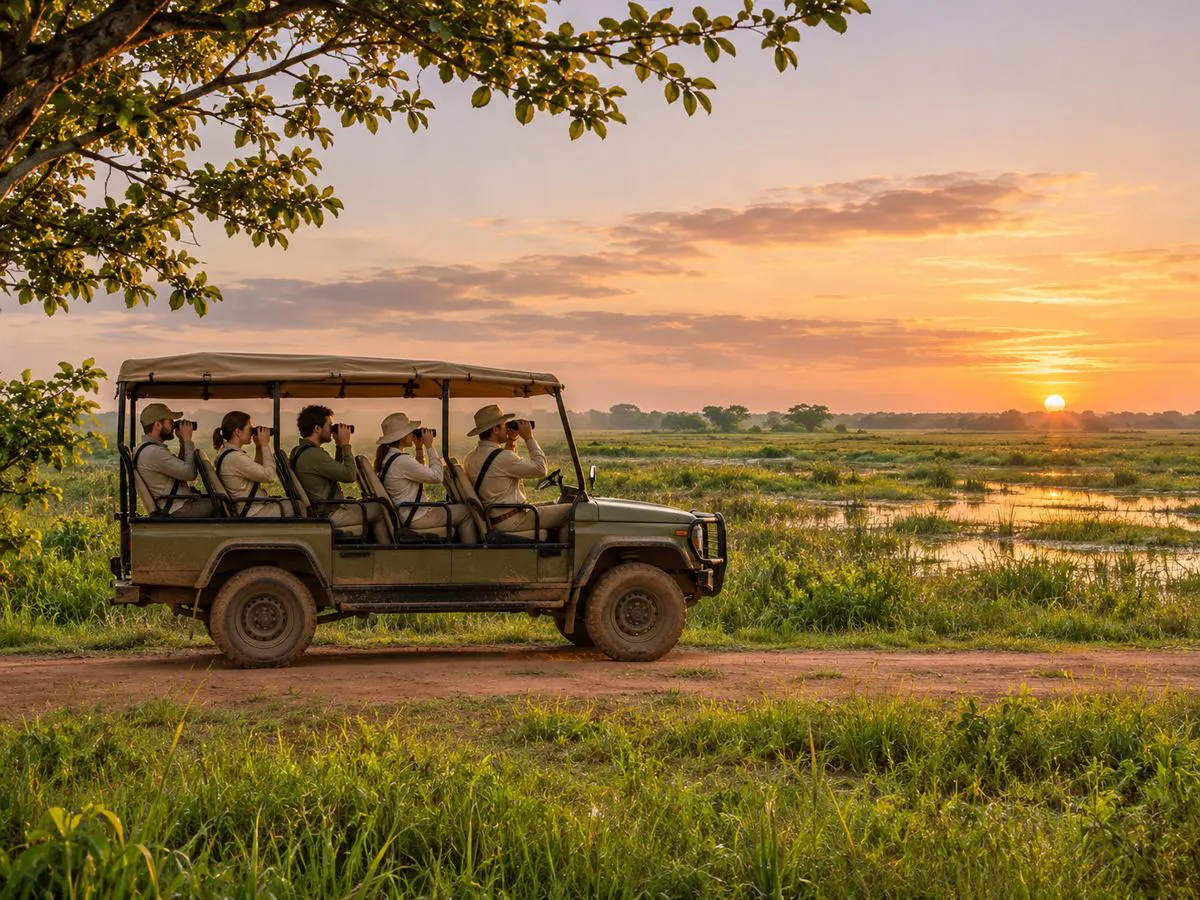
Departures happen at the times animals move: early morning and late afternoon. In the middle of the day, when it’s hot, most rest in the shade, and visitors do the same.
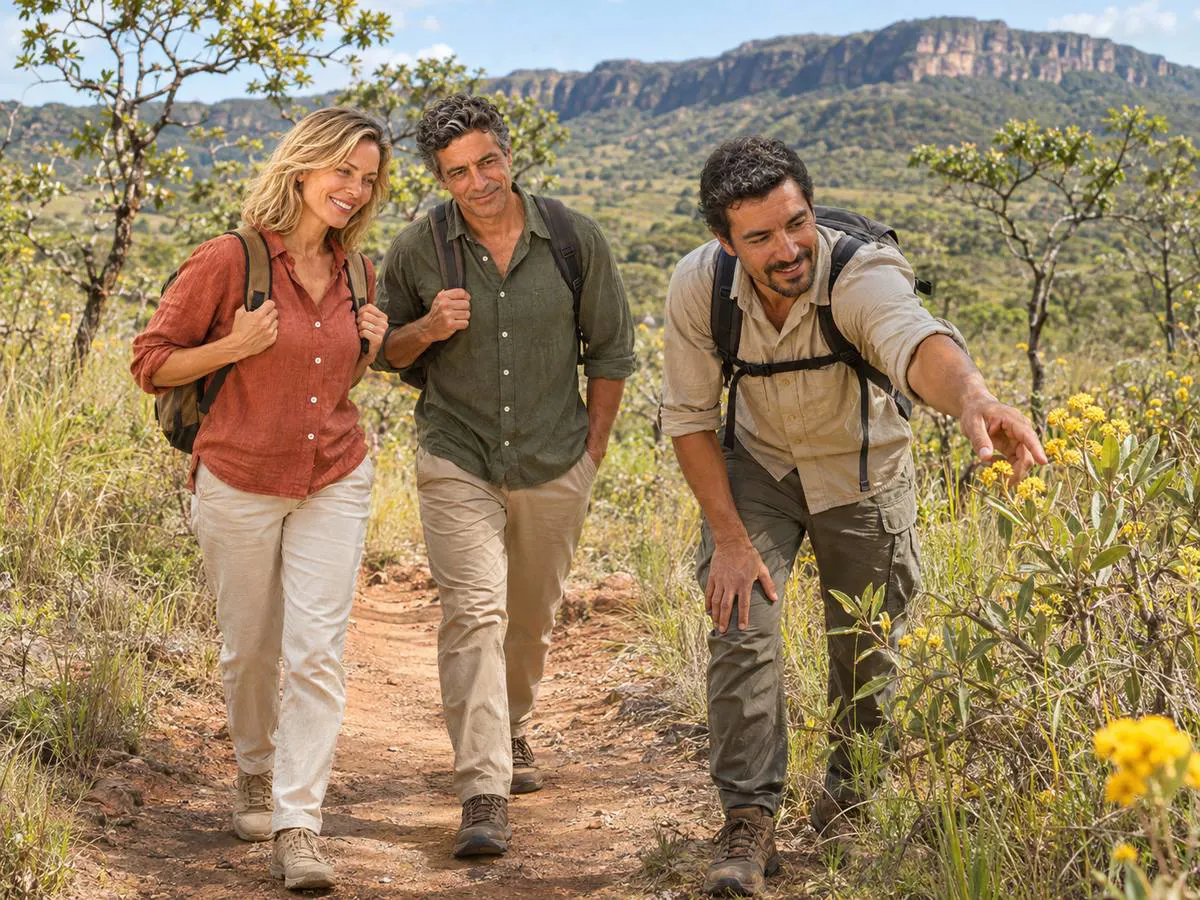
In the Pantanal, the boat travels rivers and oxbow channels slowly, with the guide scanning the banks. The open vehicle, with raised seats, drives on farm roads and stops at every movement in the grass. There are also short walks, horseback rides and night spotlighting, done with a flashlight, to see eyes shining in the dark.
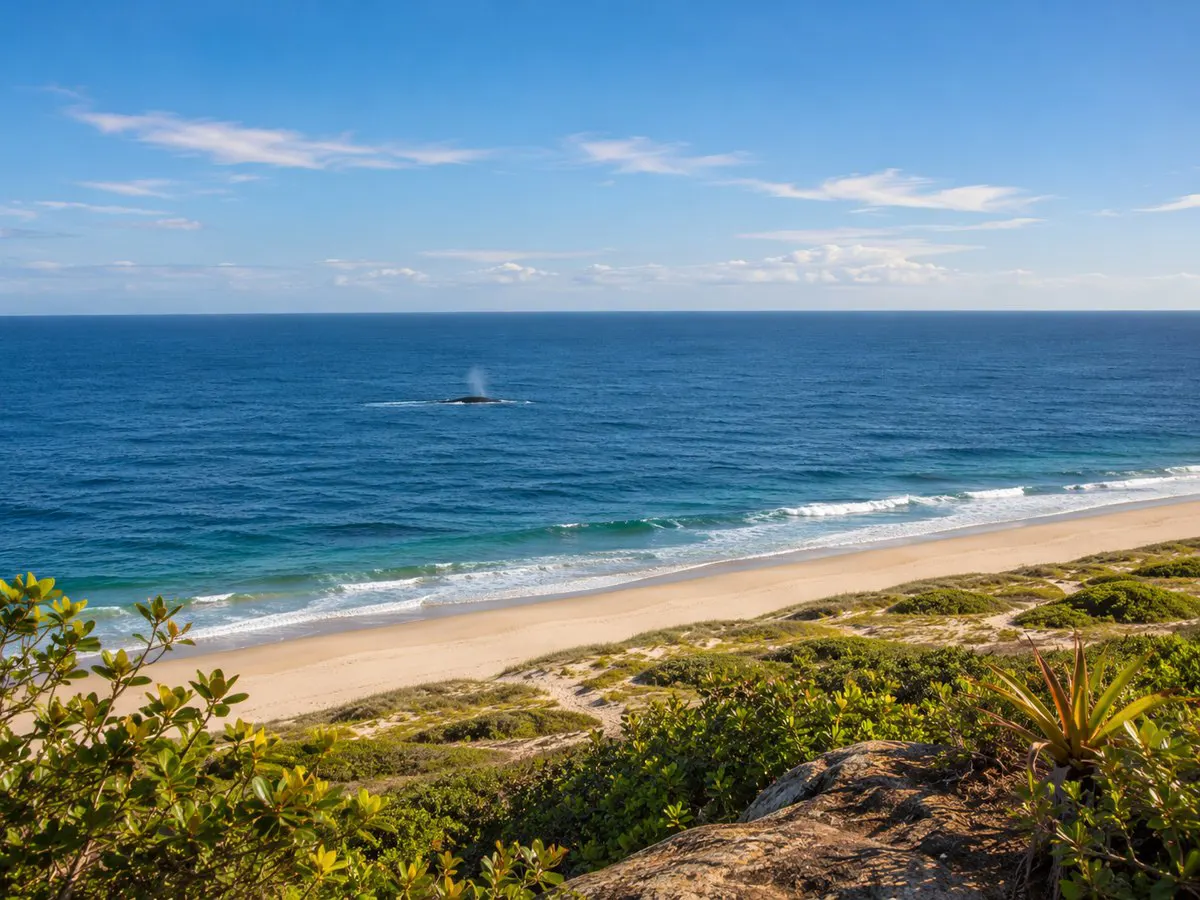
At sea, whale- and dolphin-watching trips are by boat, with approach rules. On land, coastal viewpoints let you follow the animals without leaving the beach.
Pantanal and Cerrado: where to see wildlife
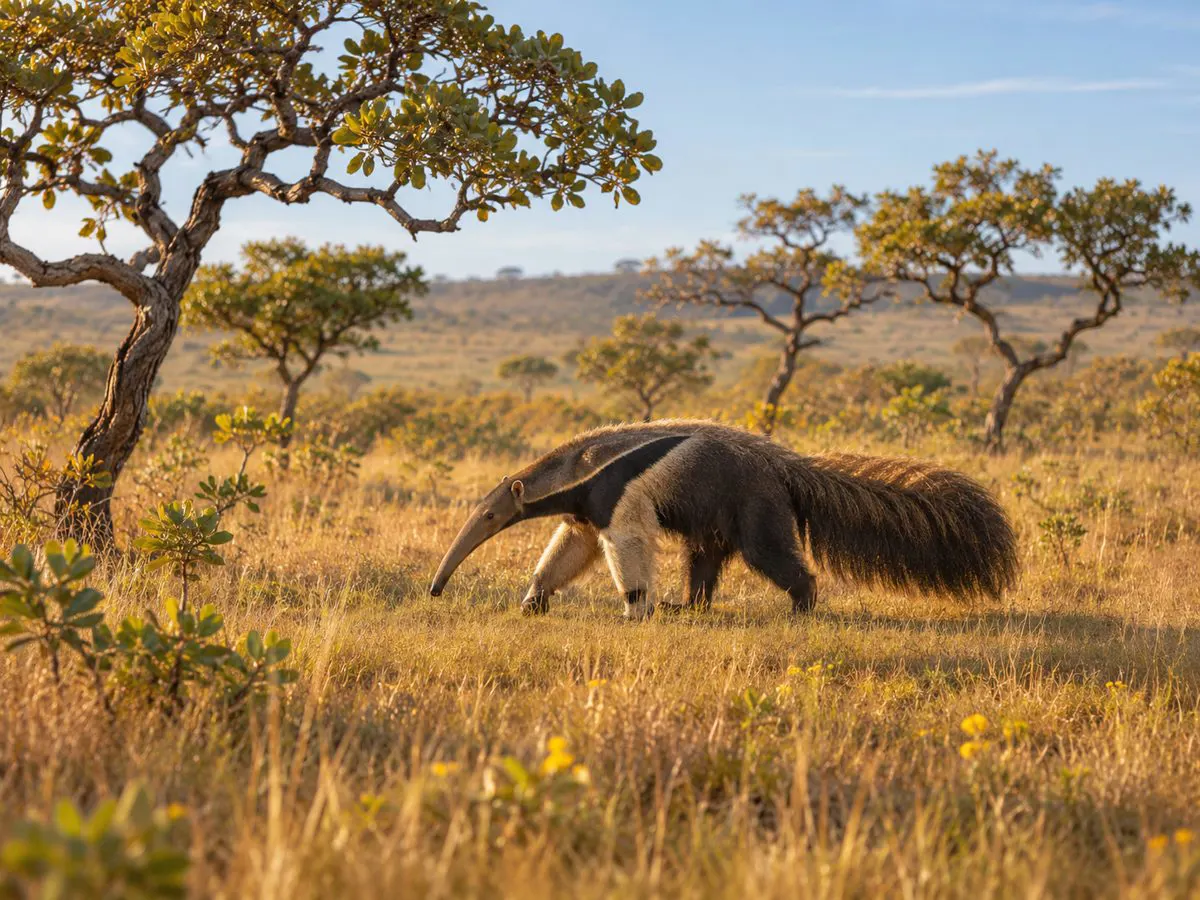
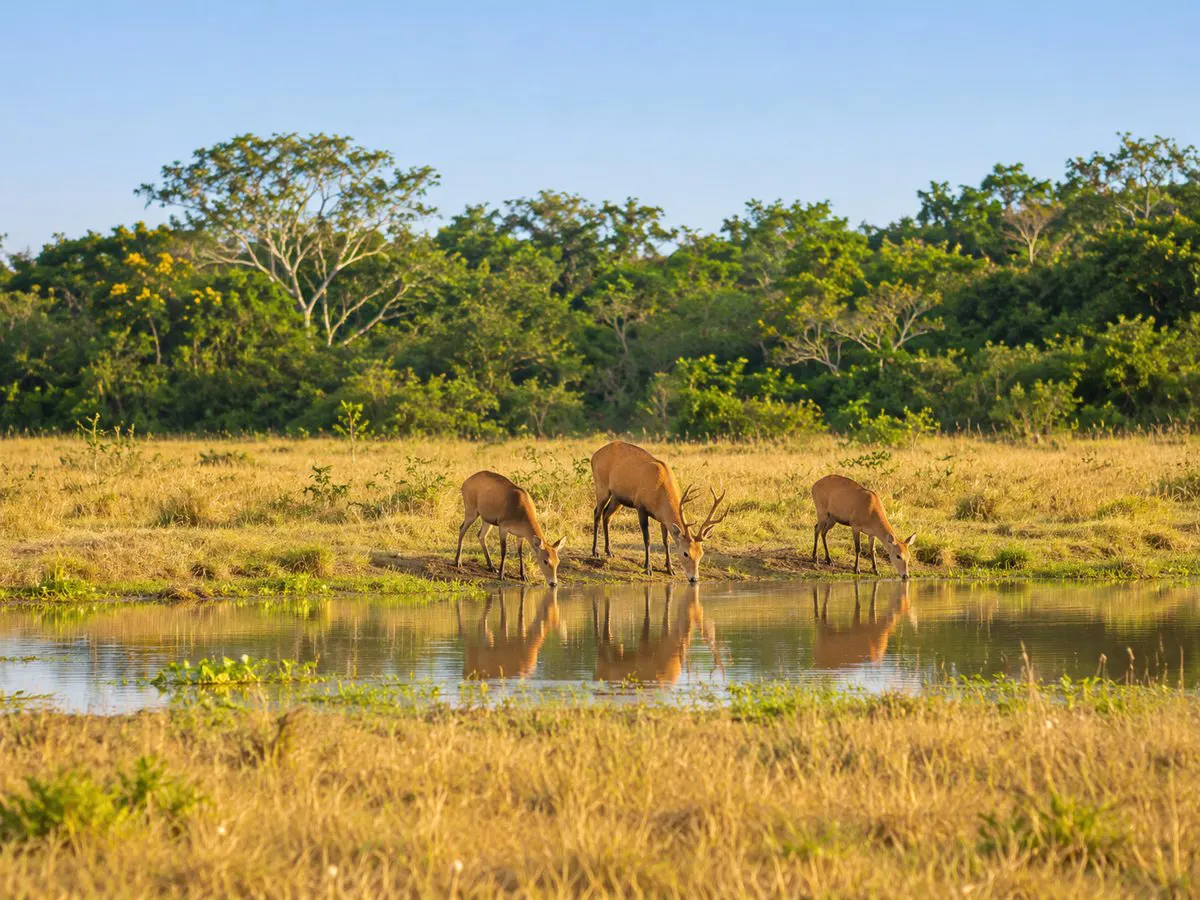
The Pantanal is the country’s main area for seeing animals, because it is an open plain where wildlife concentrates near water. Caimans, capybaras, giant otters, marsh deer, jabirus and hyacinth macaws are frequently seen.
In Mato Grosso, the Transpantaneira highway leaves Poconé and ends at Porto Jofre after about 147 km of dirt road and wooden bridges. The Porto Jofre region is world‑famous for boat trips in search of the jaguar on the Cuiabá, Piquiri and São Lourenço rivers. In Mato Grosso do Sul, farms in the Miranda region offer safaris in open vehicles.
In the Cerrado, Emas National Park, in Chapadão do Céu, Goiás, has open fields where the giant anteater, maned wolf and pampas deer live.
On the coast: whales and turtles
Humpback whales spend winter and spring off the coast of Bahia to reproduce. The season generally runs from July to November. Caravelas, in the state’s south, is a departure point for the Abrolhos region, and Praia do Forte, in Mata de São João, has a research base and observation departures.
Sea turtles nest on beaches in the Northeast and Southeast, and visitor centres of conservation projects show tanks, hatchlings and the protection work. There are centres of this kind in Fernando de Noronha, Praia do Forte, Aracaju, Vitória and Ubatuba.
In Fernando de Noronha, turtles and other marine animals are also seen while snorkeling in the areas allowed by the marine national park.
When to go
In the Pantanal, the dry season, from July to October, reduces flooded areas and concentrates animals on river and lagoon banks. It is the most sought‑after season for jaguar sightings, and accommodations in the region often fill months in advance. In the flood season, from December to March, the landscape changes, some roads flood and tours are mainly by boat.
In the Cerrado, the dry period, from May to September, makes it easier to see animals in the fields. On the coast of Bahia, the humpback season runs from July to November.
At any destination, more days mean more chances. Three or four days of outings at different times of day are far more productive than a single trip.
Rules for observers
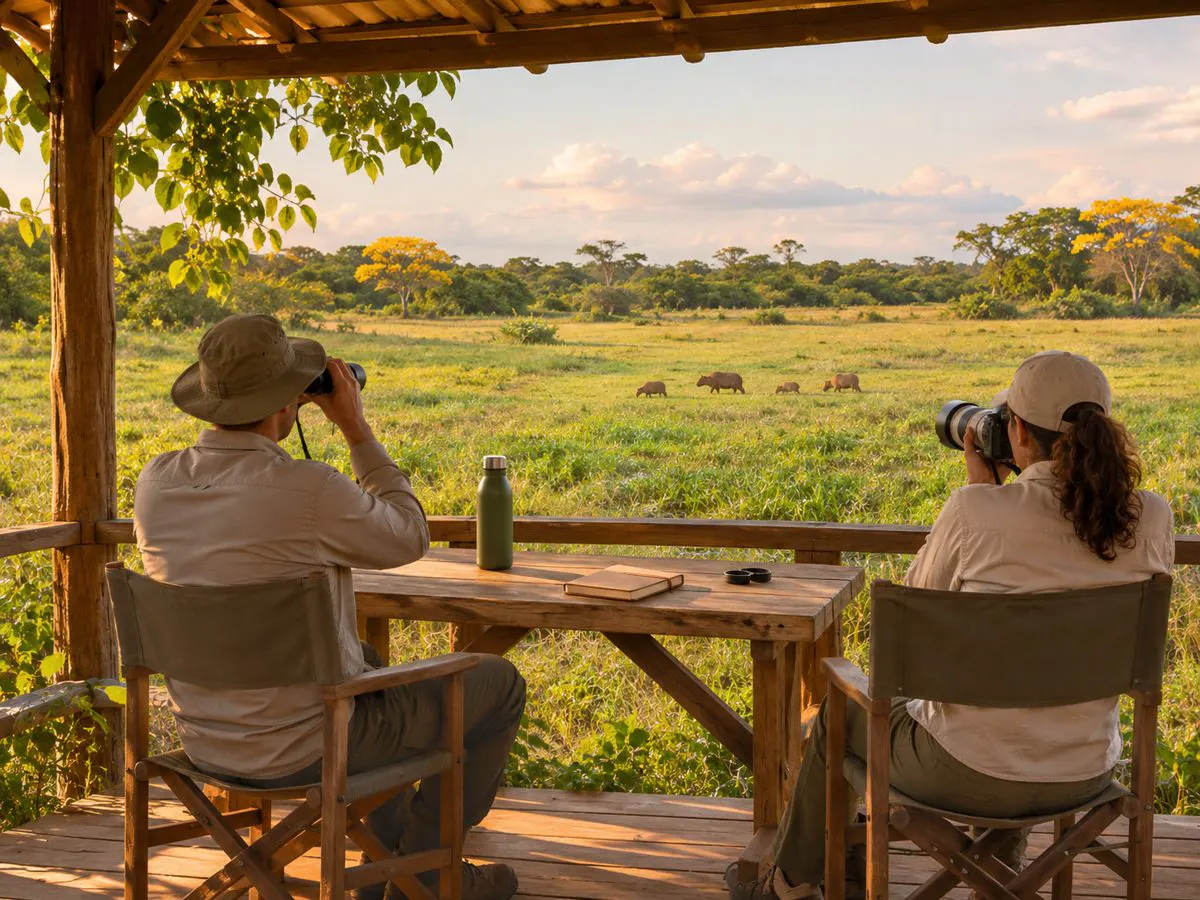
Distance is the first rule. The guide keeps the boat or vehicle far enough away for the animal to continue what it was doing. Binoculars and teleconverters do the rest. If the animal changes behavior, watches you or moves away, the group steps back.
Do not offer food, do not make noise, do not use flash and do not leave the vehicle without guidance. Chumming, which is attracting animals with food, is not part of a responsible tour. Neutral‑colored clothing helps avoid drawing attention.
For whales and dolphins, Brazilian law sets minimum distances and maximum times for vessels to stay, and authorized boats follow these rules. Be wary of anyone who promises to get very close.
How to choose a lodge, guide or operator
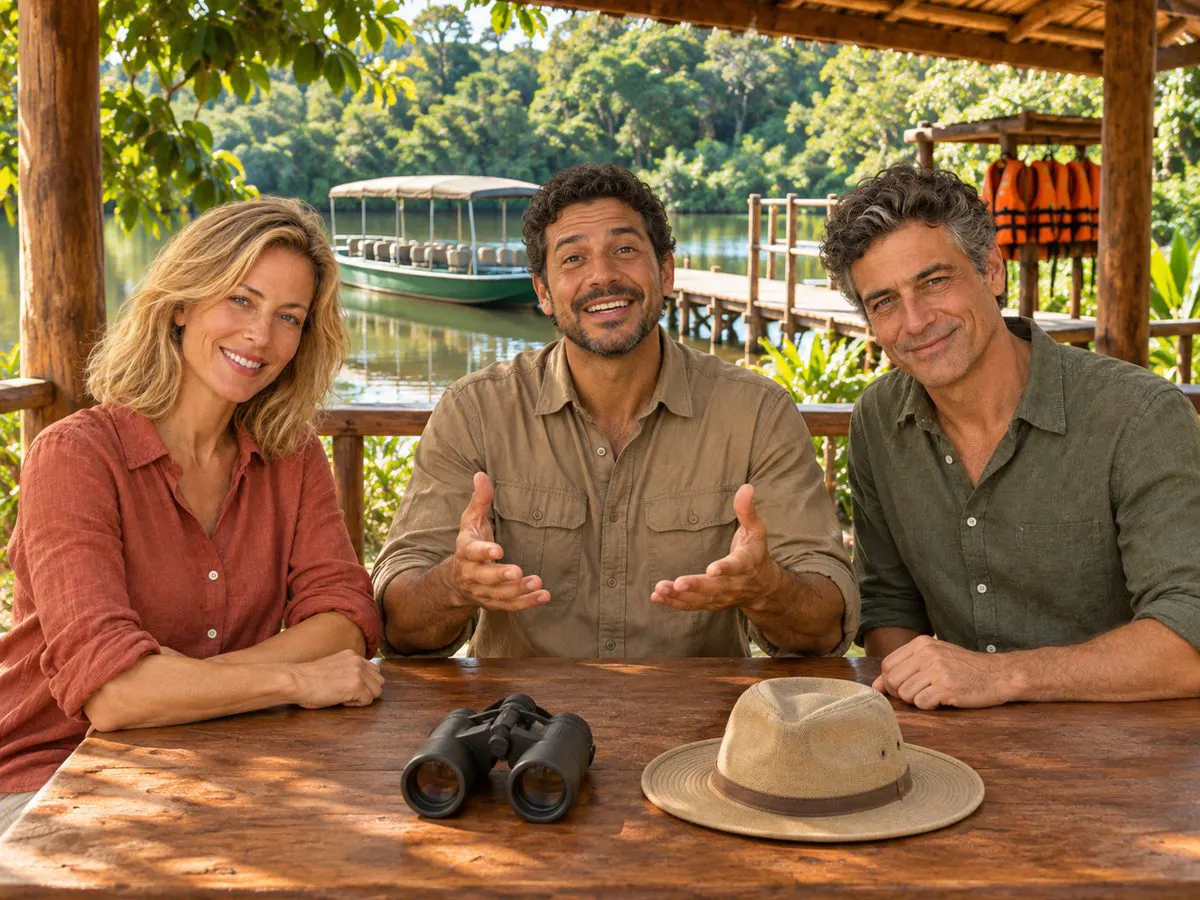
In the Pantanal, the most common option is to stay at a pousada or fazenda that includes outings with its own guide. Ask how many outings are included per day, what types they are, how many people go in each boat or vehicle and whether the guide has training in wildlife. Agencies and guides should be registered with Cadastur, the Ministry of Tourism’s registry.
Good operators do not guarantee sightings, and that is a sign of seriousness. Some support research projects and share what they have learned about the area’s animals.
The price varies with the region, season, number of days, group size and type of outing, shared or private. Bring binoculars, a hat, sunscreen, insect repellent and lightweight long‑sleeve clothing.
Frequently asked questions
Where to see jaguars in Brazil?
The Pantanal is the main destination. The Porto Jofre region, at the end of the Transpantaneira in Mato Grosso, is known for boat trips in search of the jaguar. In Mato Grosso do Sul, farms in the Miranda region offer safaris.
When is it best to see animals in the Pantanal?
The dry season, from July to October, when water levels fall and animals concentrate near rivers. It is also the most sought‑after period for jaguar observation.
Are there safaris in Brazil?
Yes. In the Pantanal and parts of the Cerrado, pousadas and fazendas run boat and open‑vehicle outings with a guide to observe free‑living wildlife.
Are animal sightings guaranteed?
No. Animals are wild. Choosing the recommended season, staying several days and going out at the right times with good guides increases the chances.
When is humpback whale season in Bahia?
Generally from July to November. Observation trips depart from points such as Caravelas, for Abrolhos, and Praia do Forte, in Mata de São João.
Is it safe to do a safari in the Pantanal?
Tours are led by guides who know animal behavior and keep distance. Visitors follow instructions and remain in the boat or vehicle.
What to bring on a wildlife‑watching outing?
Binoculars, a camera, a hat, sunscreen, insect repellent, water and lightweight long‑sleeve clothing in neutral colors. For dawn departures, a jacket.
Where to go: Wildlife watching
Pick a region or a state on the map, or type what you are looking for, to see the cities and who offers it in each.
- Manaus AM
- Novo Airão AM
-
Porto de Pedras AL
Santuário do Peixe-Boi (Rio Tatuamunha).
-
Mata de São João BA
Baleias-jubarte e tartarugas marinhas, com bases do Instituto Baleia Jubarte e do Projeto Tamar na Praia do Forte.
-
Primeira Cruz MA
Pouso dos Guarás.
-
Fernando de Noronha PE
Tartarugas marinhas, com centro de visitantes do Projeto Tamar.
-
Nísia Floresta RN
Mirante dos Golfinhos (Barra de Tabatinga).
-
Tibau do Sul RN
Baía dos Golfinhos.
-
Aracaju SE
Tartarugas marinhas, no centro de visitantes do Projeto Tamar.
-
Barão de Melgaço MT
RPPN Sesc Pantanal.
- Poconé MT
-
Corumbá MS
Estrada Parque Pantanal.
- Miranda MS
-
Vitória ES
Bases do Instituto Baleia Jubarte e do Projeto Tamar.
-
Catas Altas MG
Santuário do Caraça.
-
Ubatuba SP
Tartarugas marinhas, no centro de visitantes do Projeto Tamar.
-
Governador Celso Ramos SC
Baía dos Golfinhos.
More activities in Ecotourism
Beyond the guide


