

 Antarctica
 Argentina
 Bolivia
 Chile
 Colombia
 Ecuador
 Guyana
 French Guiana
 Falkland Islands (Malvinas)
 Paraguay
 Peru
 Suriname
 Uruguay
 Venezuela
 Germany
 Austria
 Belgium
 Croatia
 Denmark
 Slovakia
 Slovenia
 Spain
 Finland
 France
 Greece
 the Netherlands
 Hungary
 Ireland
 Iceland
 Italy
 Luxembourg
 Norway
 Poland
 Portugal
 the United Kingdom
 the Czech Republic
 Sweden
 Switzerland
 Turkey
 Bermuda
 Canada
 the United States
 Greenland
 Mexico
 Saint Pierre and Miquelon
 the Dominican Republic
 Japan
 South Africa
 Egypt
 Australia
 Fiji
 New Zealand
 Papua New Guinea
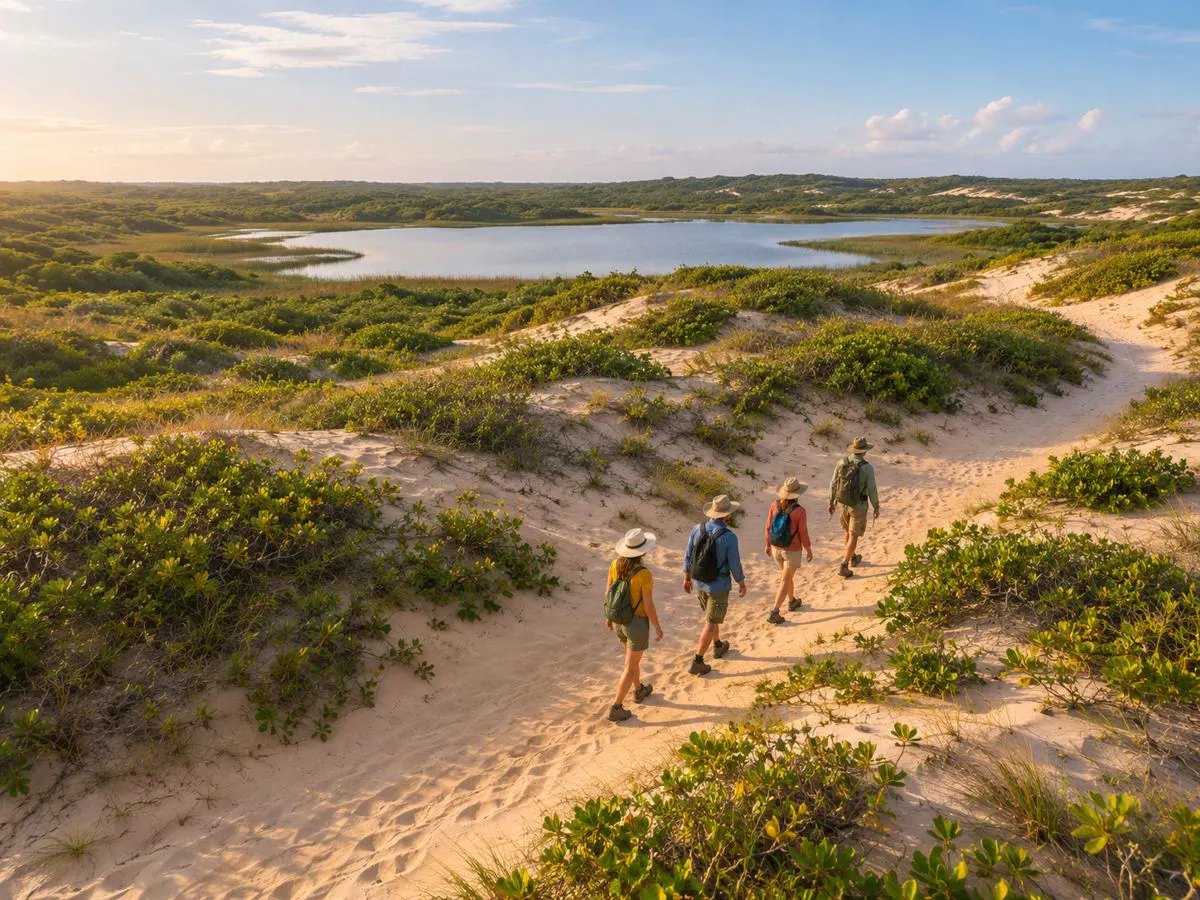
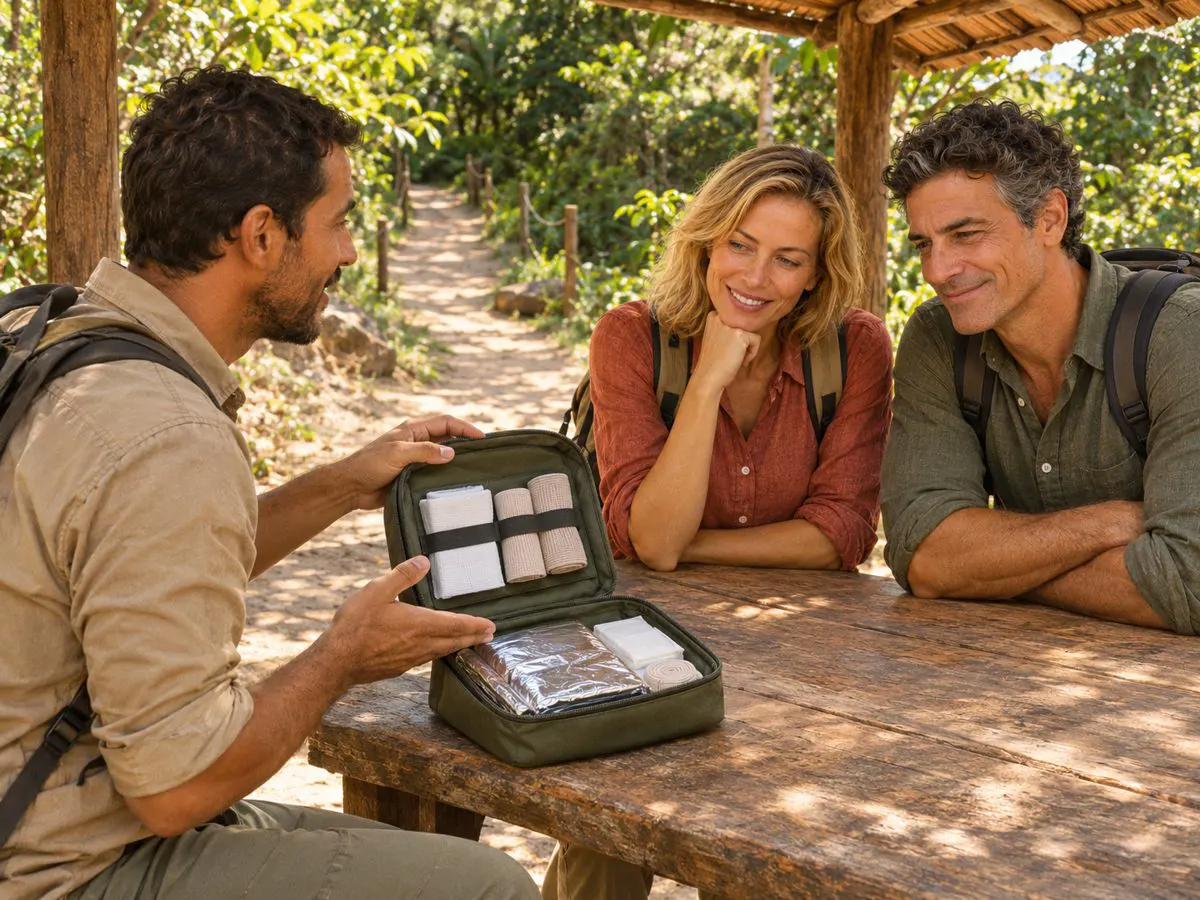
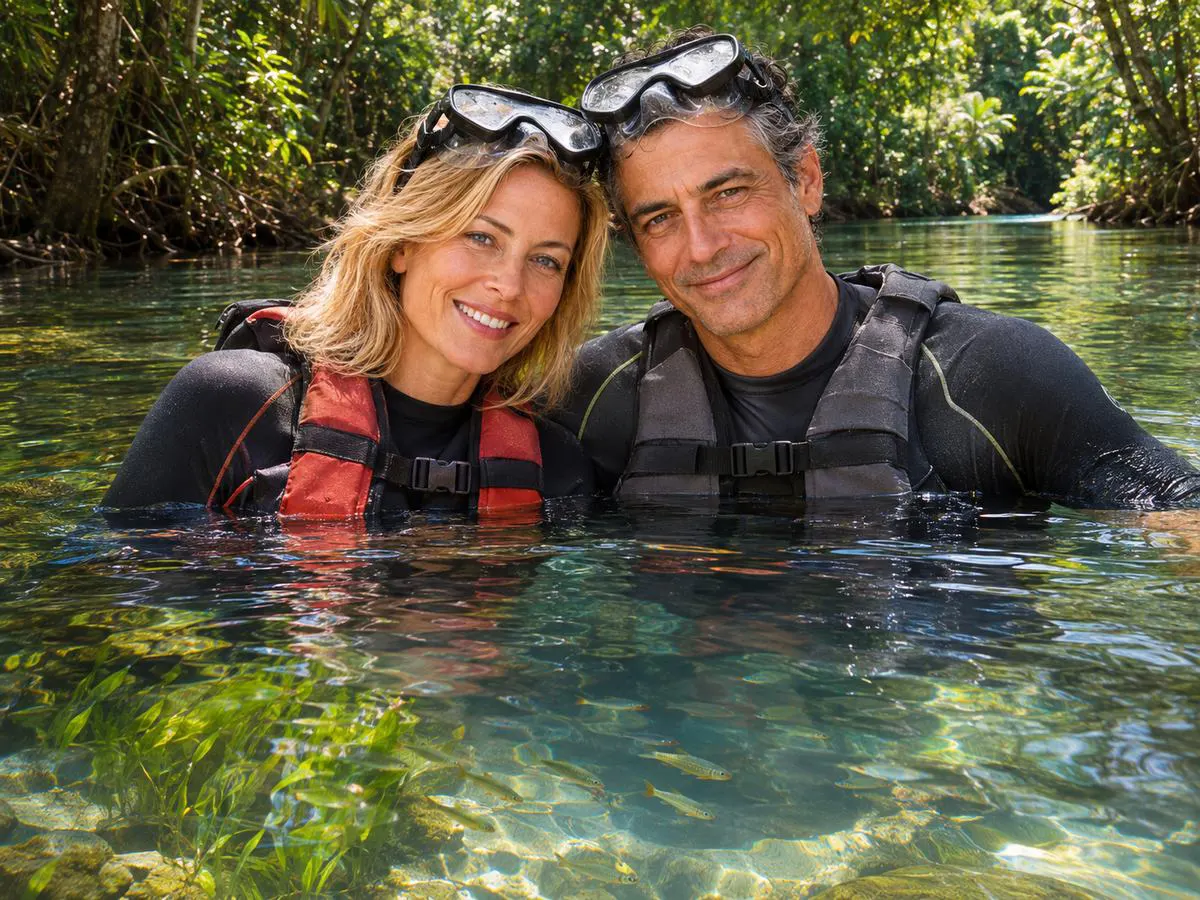
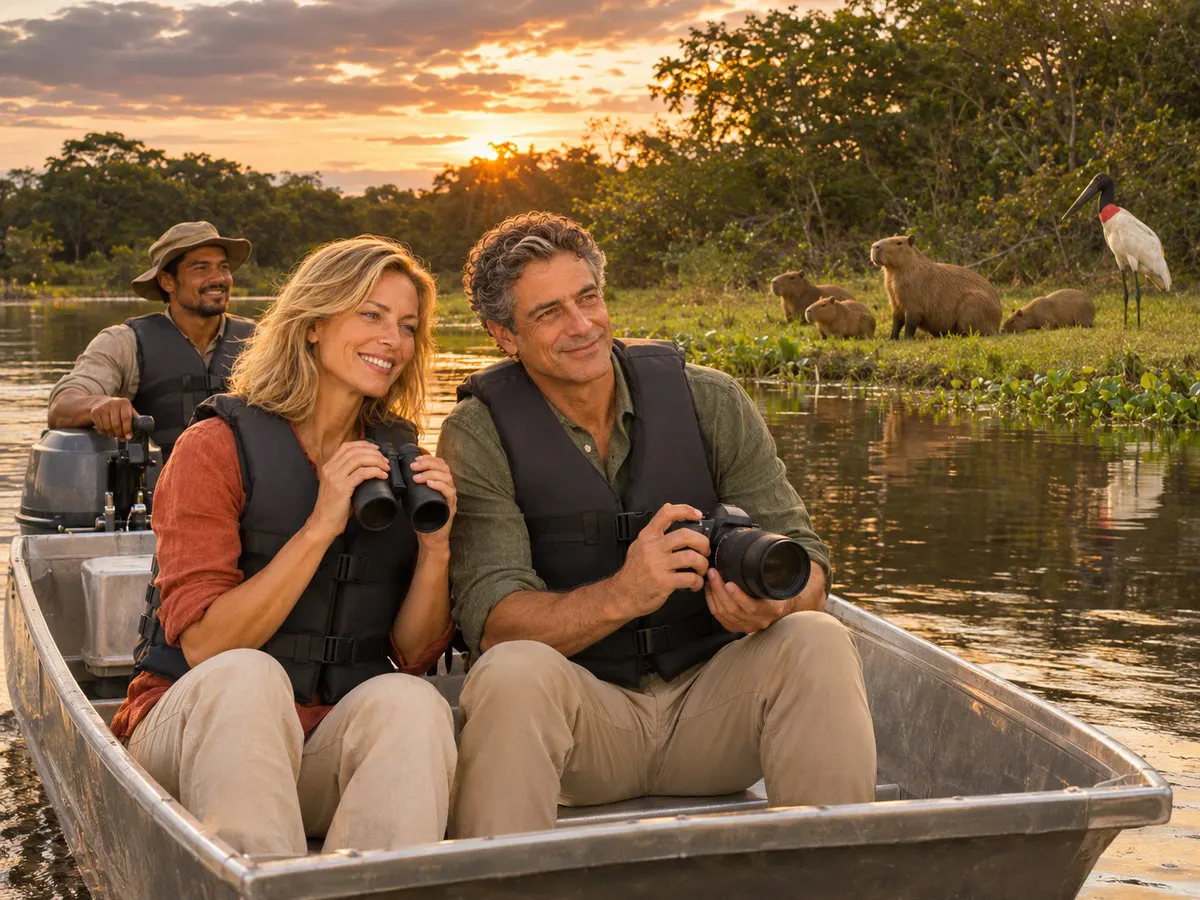
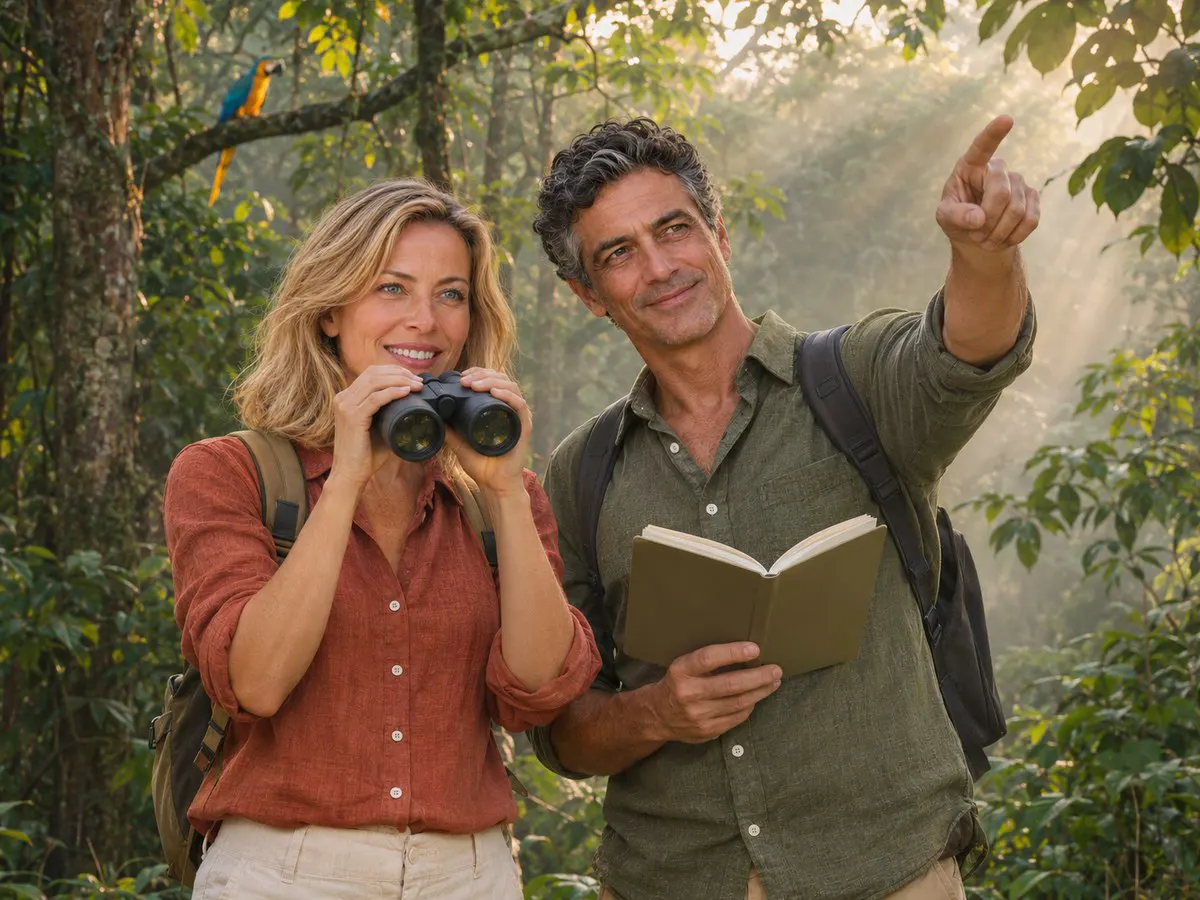
Illustrative images. The pictures in this guide are illustrations based on the real place, not photographs, and may differ from it.


Ecotourism
Guided hikes
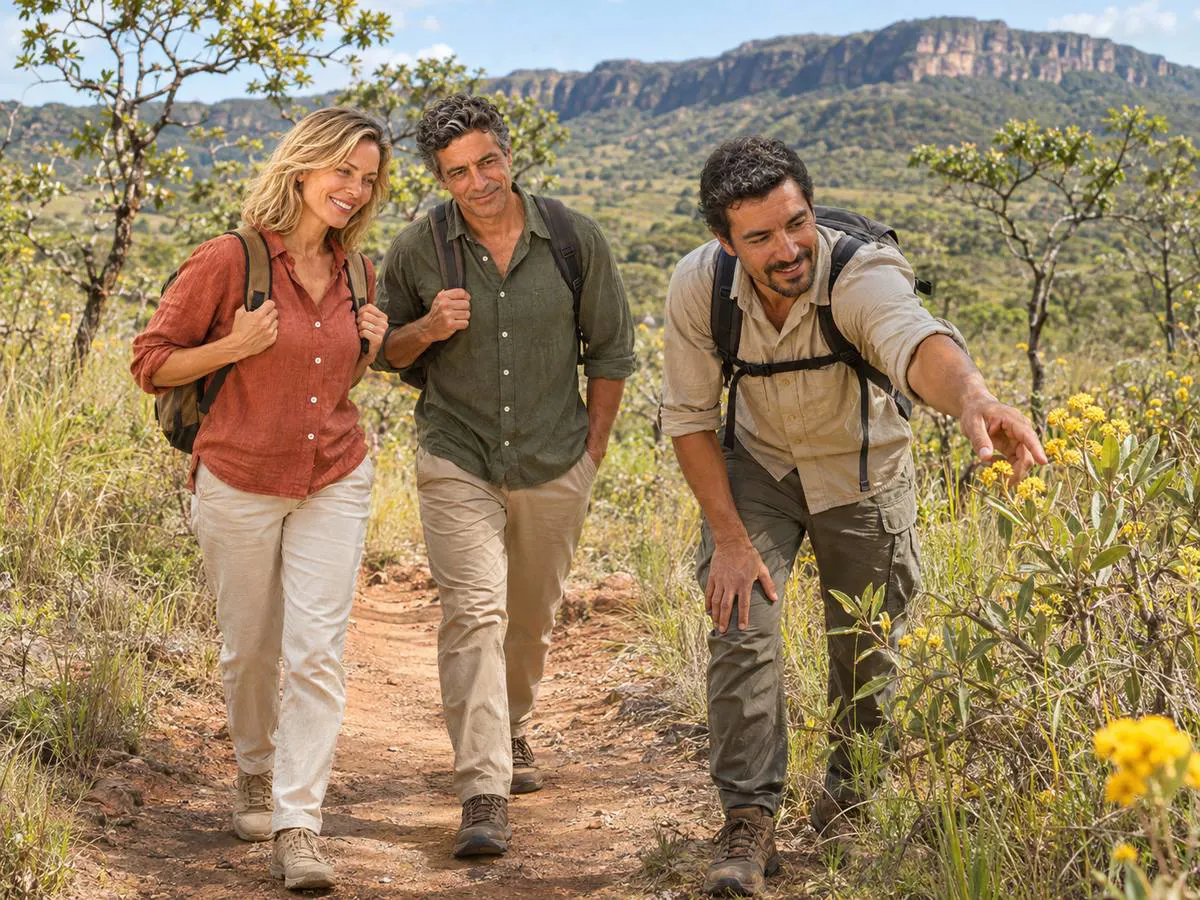
The local guide knows the route, points out plants and tracks and tells the story of the place.
A guided trail is a walk in a natural area accompanied by a guide who knows the place. They set the pace, show the route and explain what the group is seeing: a plant that only grows there, an animal track, the history of an old gold-mining route or of muleteers’ trails.
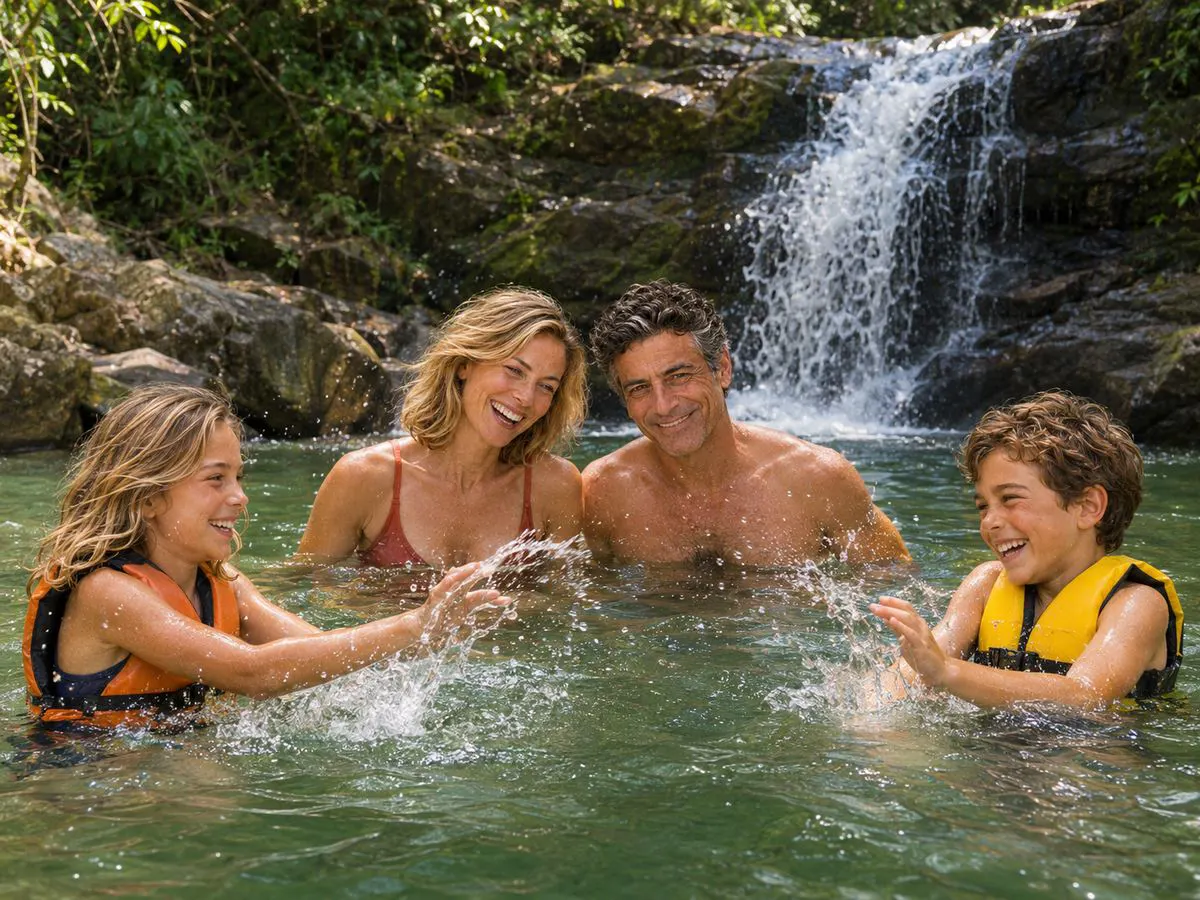
It is the basic activity of ecotourism and the gateway to other activities. At the end of many trails there is a lookout point, a swimming hole or a waterfall.
What the guide does
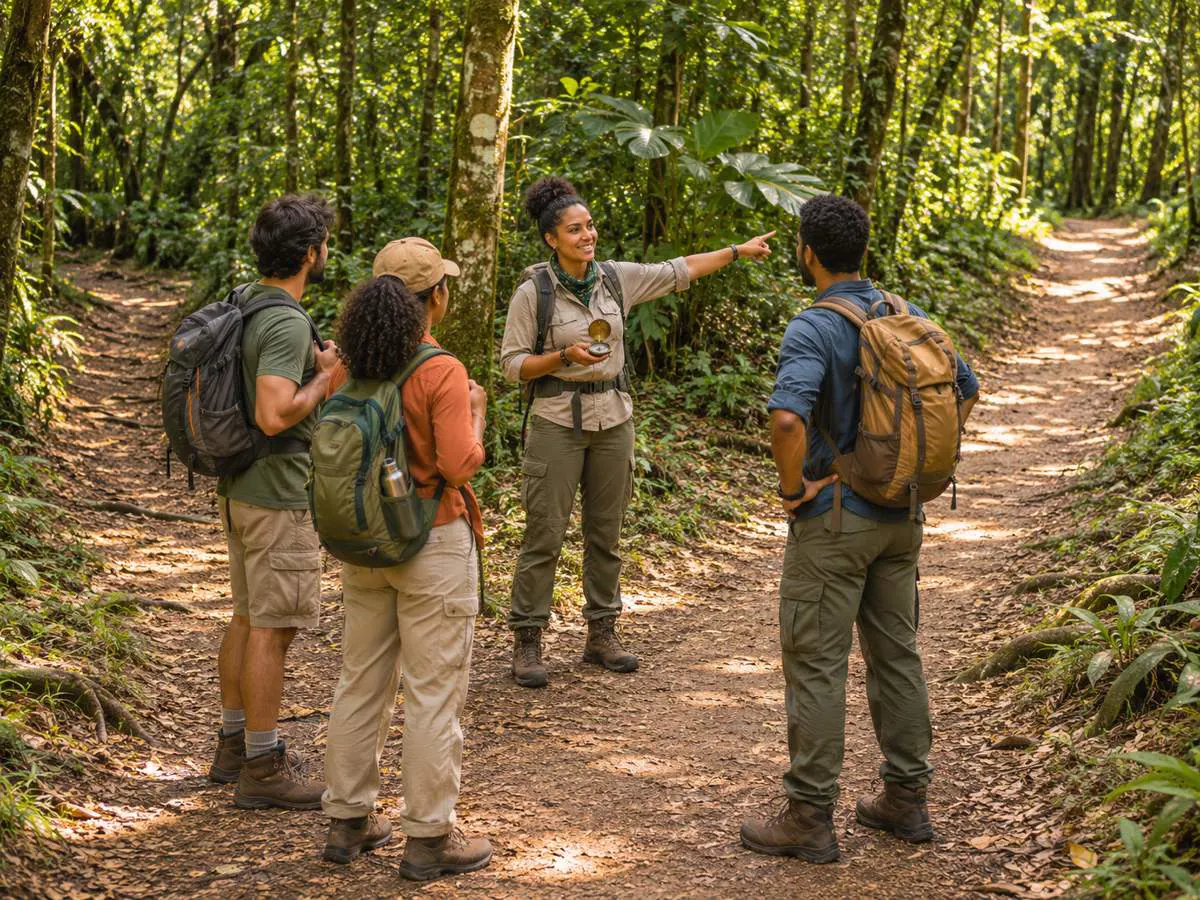
A visitor guide is generally a local person who has received specific training. In national parks, they are the person authorized by ICMBio, the federal agency that manages these areas, to lead groups on trails. State and municipal parks have their own registries.
They take care of three things. Orientation, because many trails have junctions and poorly marked sections. Safety, by evaluating the weather, river levels and the group’s preparedness. And interpretation, which is turning the walk into a visit, with information about nature and local culture.
Not every trail requires a guide. On short, well-marked routes, a guide is optional. On long trails, crossings, caves and in areas with traditional communities, a guide is usually mandatory. Each park sets its own rule.

Difficulty levels
There is no single scale in Brazil. The Brazilian technical standard for hikes classifies routes by four criteria: environmental severity, navigation on the route, terrain conditions and the intensity of physical effort. Parks and operators usually summarize everything into three categories: easy, moderate and hard.
An easy trail has few kilometers, little elevation change and a regular surface, and suits children and people unaccustomed to walking. A moderate trail requires a few hours of walking, with climbs and rocky sections. A hard trail involves a full day, large elevation gains, a river crossing or more than one day with an overnight stay.
Distance alone is misleading. A short, steep climb under the sun tires you more than a long, flat shaded route. It’s worth asking the elevation gain, total time and how much of the path is shaded.
What to wear and what to bring
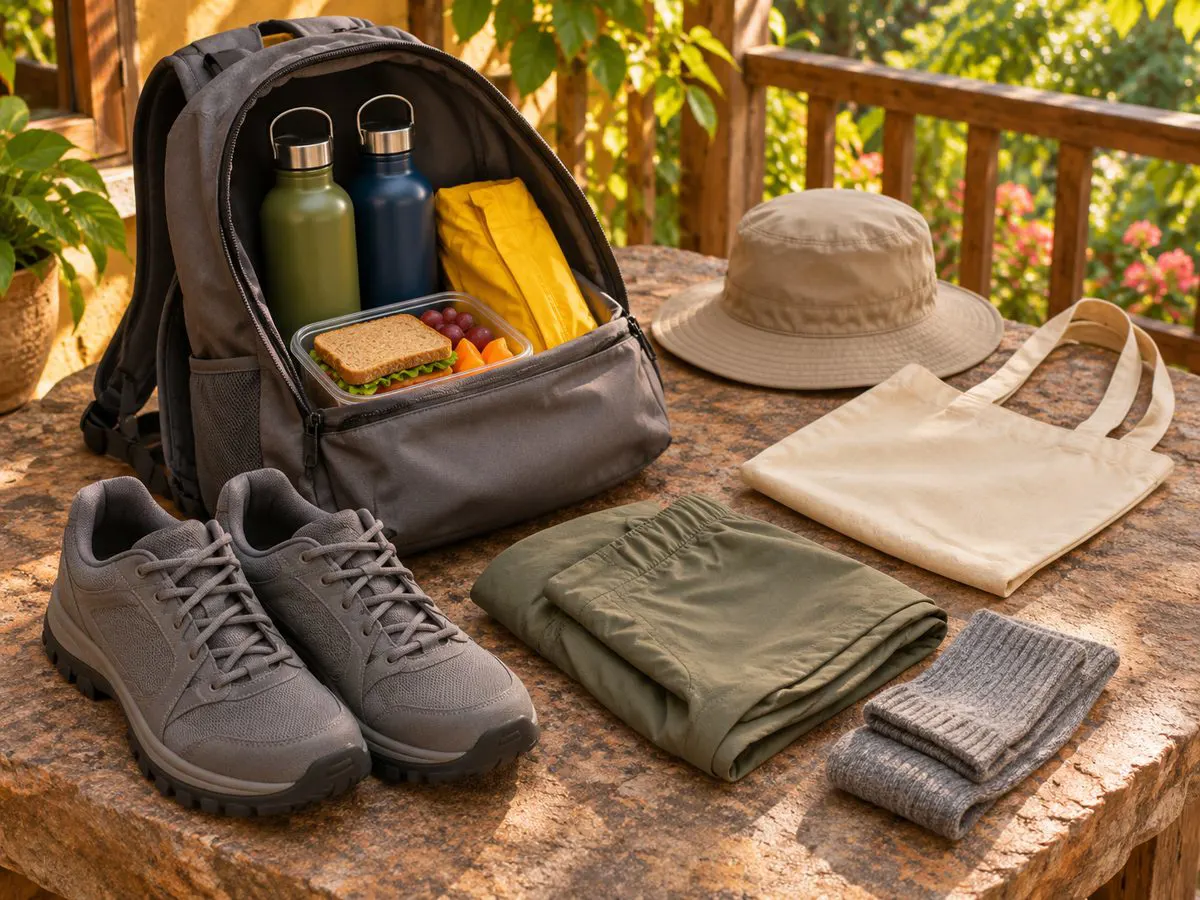
Footwear is the main item: sneakers or boots with grippy soles, already broken in before the trip. Lightweight, quick-drying clothing, a hat and seamless socks complete the set. Long pants protect you from grass and insects.
In your backpack carry enough water for the route, snacks, sunscreen, insect repellent, a rain jacket and a bag to carry your trash back. On trails with swims, bring swimwear and a small towel. Personal medications stay with the visitor, and the guide should be informed of allergies and health limitations.
When to go
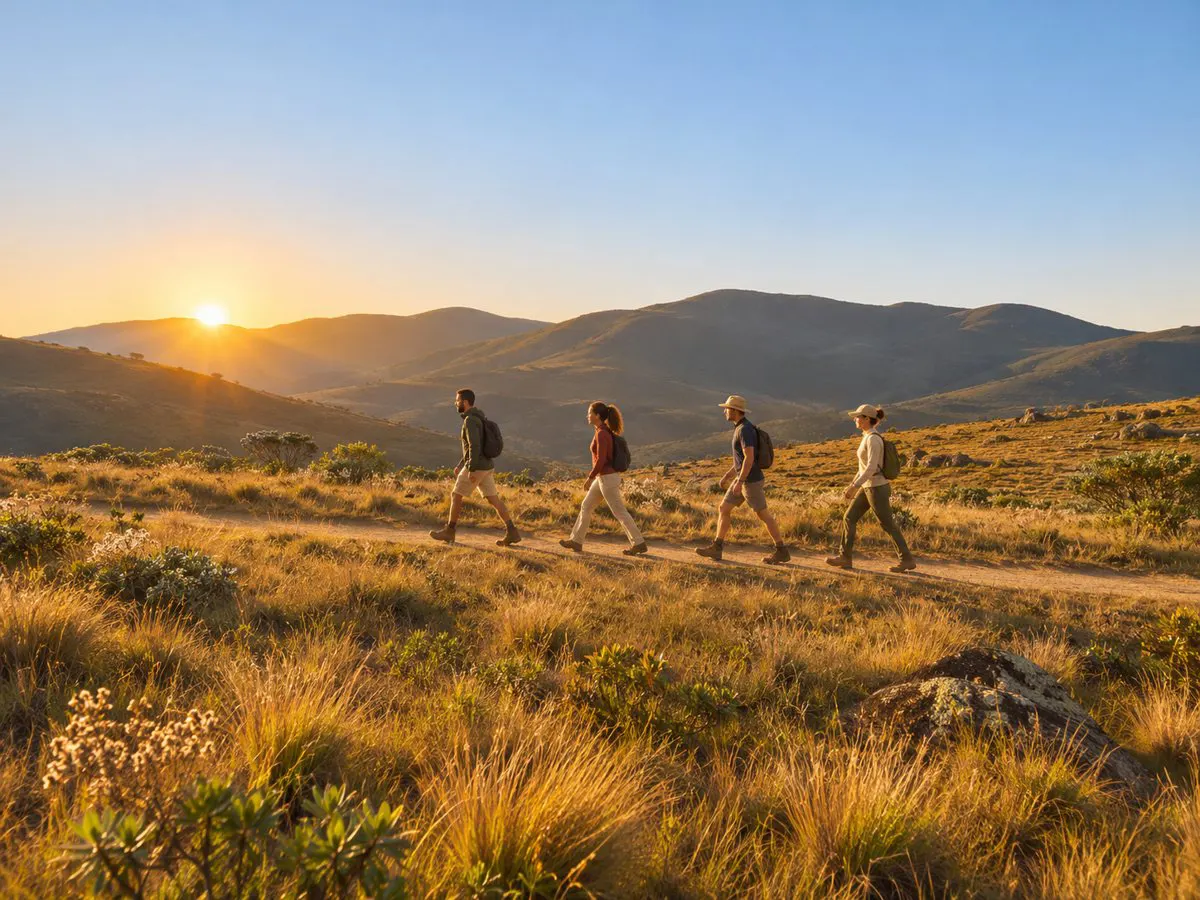
In central Brazil, the dry season, from May to September, leaves trails firm and skies clear. With the rains, from October to April, the ground becomes slippery and river crossings may be suspended. In the mountains of the Southeast and South, winter has clear days and cold nights, and it is the preferred season for mountain crossings.
Leaving early is a rule in any region. The first hours of the morning are cooler, and the group gains time margin to return while it’s still light. Long holiday weekends and school vacations in July and January concentrate demand.
Where to take guided hikes in Brazil
In Goiás, Alto Paraíso de Goiás is the base for hikes in Chapada dos Veadeiros National Park. In Minas Gerais, Santana do Riacho gives access to the traverse between Alto Palácio and Serra dos Alves in Serra do Cipó National Park, and São Roque de Minas has registered guides for Serra da Canastra.
In Maranhão, Barreirinhas is the starting point for the on-foot crossing of Lençóis Maranhenses, done with a guide. In Ceará, Ubajara has the Samambaia Trail and the park’s crossing. In Rio de Janeiro, Teresópolis is one end of the roughly 30 km crossing between Petrópolis and Teresópolis through Serra dos Órgãos.
In the South, Cambará do Sul offers the Cotovelo and Vértice trails on the rim of Itaimbezinho Canyon, and Foz do Iguaçu has trails through the forest inside the national park. In Mato Grosso do Sul, Jardim combines a forest trail with a float trip on the Rio da Prata.
How to choose the guide or agency
In a park, confirm whether the guide is authorized by the unit; the list is usually at the visitor center or with the local association. Tour guides and agencies should be registered in Cadastur, the Ministry of Tourism’s registry.
Ask about the maximum group size, the expected time, the trail’s difficulty, what happens in case of rain and whether there is insurance. A good guide also asks: about each person’s preparation, the children’s ages and health conditions.
The price varies with duration, distance, group size, transport to the trailhead and the season. Park and private property entrance fees are generally paid separately.
Frequently asked questions
What is a guided hike?
It’s a walk in a natural area accompanied by a guide, who navigates the route, takes care of the group’s safety and explains the place’s nature and history.
Is hiring a guide mandatory to hike?
It depends on the place. On short, marked trails, it’s usually optional. On crossings, caves and long routes, many parks require an authorized guide. Check the rule before you go.
What’s the difference between a tour guide and a visitor guide?
A tour guide has technical training and registration in Cadastur. A visitor guide is authorized by a park or trained locally to operate on those trails. In many destinations, both work together.
Which trail can someone who has never hiked start with?
An easy trail of a few hours, with little elevation change and a swim spot or viewpoint at the end. The guide adjusts the pace to the group.
Can a child do a guided hike?
Yes, on easy, short routes. Inform the child’s age when booking: each trail has its own recommendation, and some have minimum ages.
What to bring for a day hike?
Closed, broken-in footwear, lightweight clothing, a hat, water, snacks, sunscreen, insect repellent and a rain jacket, in a small backpack. Carry your trash back with you.
How much does a guided hike cost?
The price depends on duration, group size, transport and season. Park entrance fees and fees for private attractions are charged separately. Check the current rate table with the guide or agency.
Where to go: Guided trails
Pick a region or a state on the map, or type what you are looking for, to see the cities and who offers it in each.
-
Belterra PA
Floresta Nacional do Tapajós.
-
Soure PA
Mata do Bacurizal e Lago dos Guarás.
- Boa Vista RR
-
Uiramutã RR
Monte Roraima.
- Mateiros TO
-
Palmas TO
Parque Estadual do Lajeado.
-
São Félix do Tocantins TO
Serra da Catedral.
-
Andaraí BA
Vale do Pati.
- Lençóis BA
-
Palmeiras BA
Trilha de Águas Claras e Morrão.
-
Ubajara CE
Trilha da Samambaia e travessia do parque.
-
Barreirinhas MA
Travessia dos Lençóis a pé, com condutor de visitantes.
-
Cabaceiras PB
Lajedo de Pai Mateus.
-
Natal RN
Parque das Dunas.
-
Alto Paraíso de Goiás GO
Trilhas do parque nacional, com condução de visitantes.
- Chapada dos Guimarães MT
-
Bodoquena MS
Cachoeiras Boca da Onça, Cânion do Rio Salobra.
-
Jardim MS
Trilha pela mata até a nascente, antes da flutuação.
-
Afonso Cláudio ES
Pedra da Lajinha.
-
Castelo ES
Gruta do Limoeiro.
-
Conceição do Castelo ES
Trilha Imperial do Jequitibá Centenário.
-
Domingos Martins ES
Parque Estadual da Pedra Azul.
-
Alto Caparaó MG
Pico da Bandeira.
-
Andradas MG
Pedra do Elefante.
-
Camanducaia MG
Trilha do Platô.
-
Capitólio MG
Trilha do Sol.
-
Itamonte MG
Parque Estadual da Serra do Papagaio.
-
Januária MG
Parque Nacional Cavernas do Peruaçu.
-
Santana do Riacho MG
Travessia Alto Palácio–Serra dos Alves, no parque nacional.
-
São Roque de Minas MG
Passeios com condutores cadastrados pelo parque.
-
Angra dos Reis RJ
Pico do Papagaio - Ilha Grande.
-
Itatiaia RJ
Pico das Agulhas Negras, Prateleiras.
-
Petrópolis RJ
Travessia Petrópolis-Teresópolis.
-
Teresópolis RJ
Travessia Petrópolis–Teresópolis, de cerca de 30 km.
-
São Bento do Sapucaí SP
Pedra da Ana Chata.
- São Paulo SP
-
Foz do Iguaçu PR
Trilhas pela mata dentro do parque nacional.
-
Morretes PR
Parque Estadual Pico do Marumbi.
-
Quatro Barras PR
Caminho do Itupava, Morro do Anhangava.
-
Cambará do Sul RS
Trilhas do Cotovelo e do Vértice, na borda do Itaimbezinho.
-
Apiúna SC
Morro do Bicudo.
-
Camboriú SC
Pico da Pedra.
-
Florianópolis SC
Lagoinha do Leste.
-
Ilhota SC
Morro do Baú.
-
Jacinto Machado SC
Morro do Carasal, Trilha do Tigre Preto.
-
Morro Grande SC
Morro do Realengo.
-
Painel SC
Garganta do Caveiras.
-
Praia Grande SC
Pedra Branca.
More activities in Ecotourism
Beyond the guide


