

 Antarctica
 Argentina
 Bolivia
 Chile
 Colombia
 Ecuador
 Guyana
 French Guiana
 Falkland Islands (Malvinas)
 Paraguay
 Peru
 Suriname
 Uruguay
 Venezuela
 Germany
 Austria
 Belgium
 Croatia
 Denmark
 Slovakia
 Slovenia
 Spain
 Finland
 France
 Greece
 the Netherlands
 Hungary
 Ireland
 Iceland
 Italy
 Luxembourg
 Norway
 Poland
 Portugal
 the United Kingdom
 the Czech Republic
 Sweden
 Switzerland
 Turkey
 Bermuda
 Canada
 the United States
 Greenland
 Mexico
 Saint Pierre and Miquelon
 the Dominican Republic
 Japan
 South Africa
 Egypt
 Australia
 Fiji
 New Zealand
 Papua New Guinea
Illustrative images. The pictures in this guide are illustrations based on the real place, not photographs, and may differ from it.


Travel for your moment in life · Ways to travel
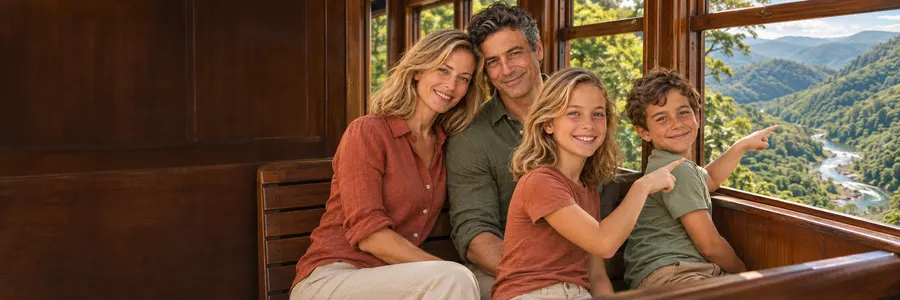
Types of travel
Ways to travel
By boat, by train or with the whole family: trips where the journey and company matter as much as the destination.
In other groups, the type of trip is defined by the place or the theme. Here, it is defined by how you travel and who you travel with. There are three travel styles: nautical and fishing, where the boat is the activity; railway tourism, where the route matters more than the destination; and family travel, where the itinerary is planned for the youngest and the oldest in the group at the same time. Two of these are not official tourism segments: railway travel is a way of traveling, and family travel is a traveler profile.
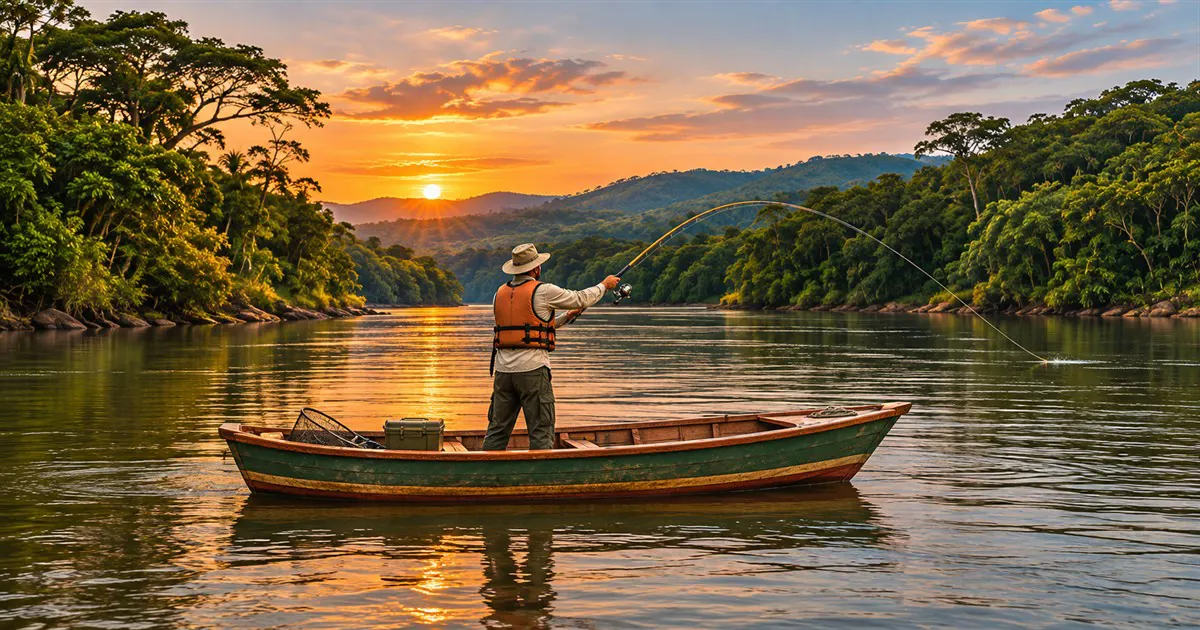
Boating and fishing
These are trips where the boat is not the transport: it is the activity. They range from a one-day schooner or traditional sailing boat to a sailing yacht, speedboat, cruise and hotel-boat on the major rivers. For recreational fishing, whether from a boat or the bank, lodges and boat-hotels provide the skiff, the piloteiro (the river pilot who knows the river), and part of the equipment. You don’t need to know how to navigate.
Discover Boating and fishing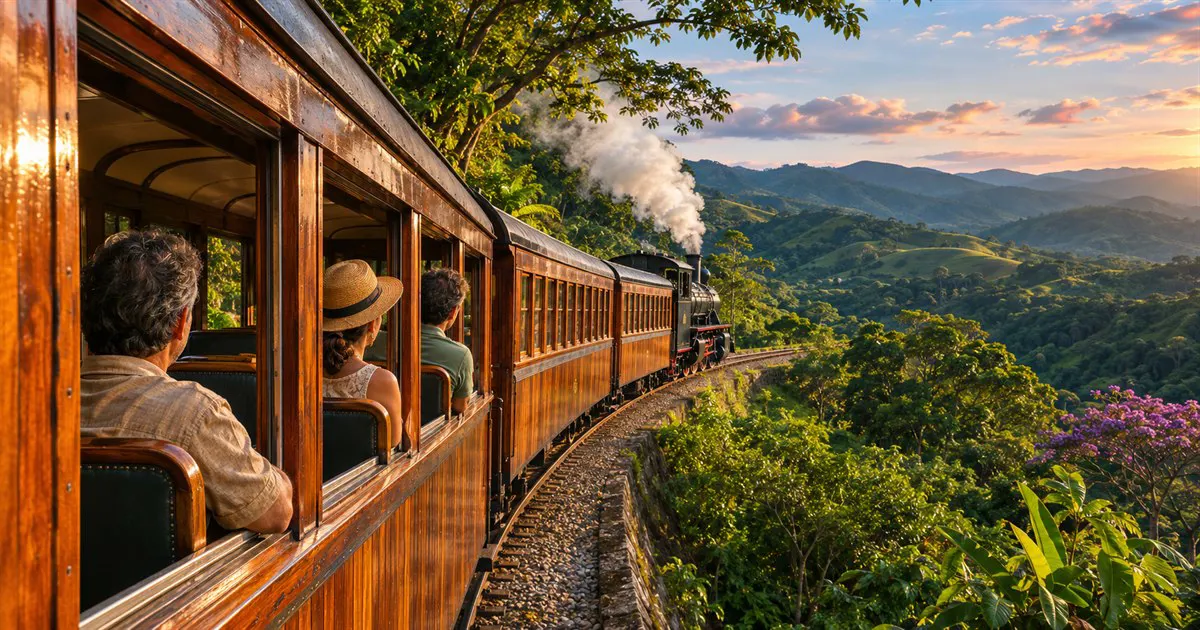
Train travel
This is travel in which the train is the reason for the outing. Tourist trains run on stretches of old railways, with restored locomotives and carriages: steam engines that whistle on departure, trains that climb mountain ranges through tunnels and viaducts, historic stations and, on a few lines, full-day journeys. It’s a trip for all ages, taken seated, with the landscape in the window.
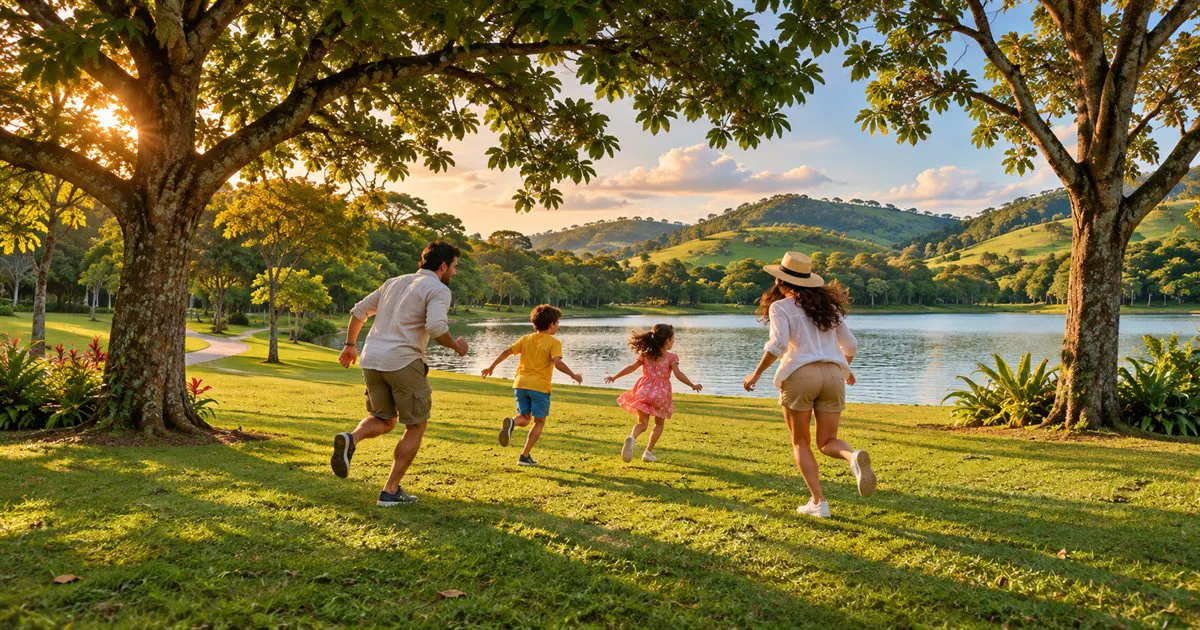
Family travel
This is travel planned for the youngest and the oldest in the group at the same time. It includes theme and water parks, shallow-water beaches, hotels with kids’ programs, petting farms, aquariums and interactive museums, and nature walks on boardwalks. Days are shorter, with one main activity and free time, and accommodation becomes a heavier factor in the decision.
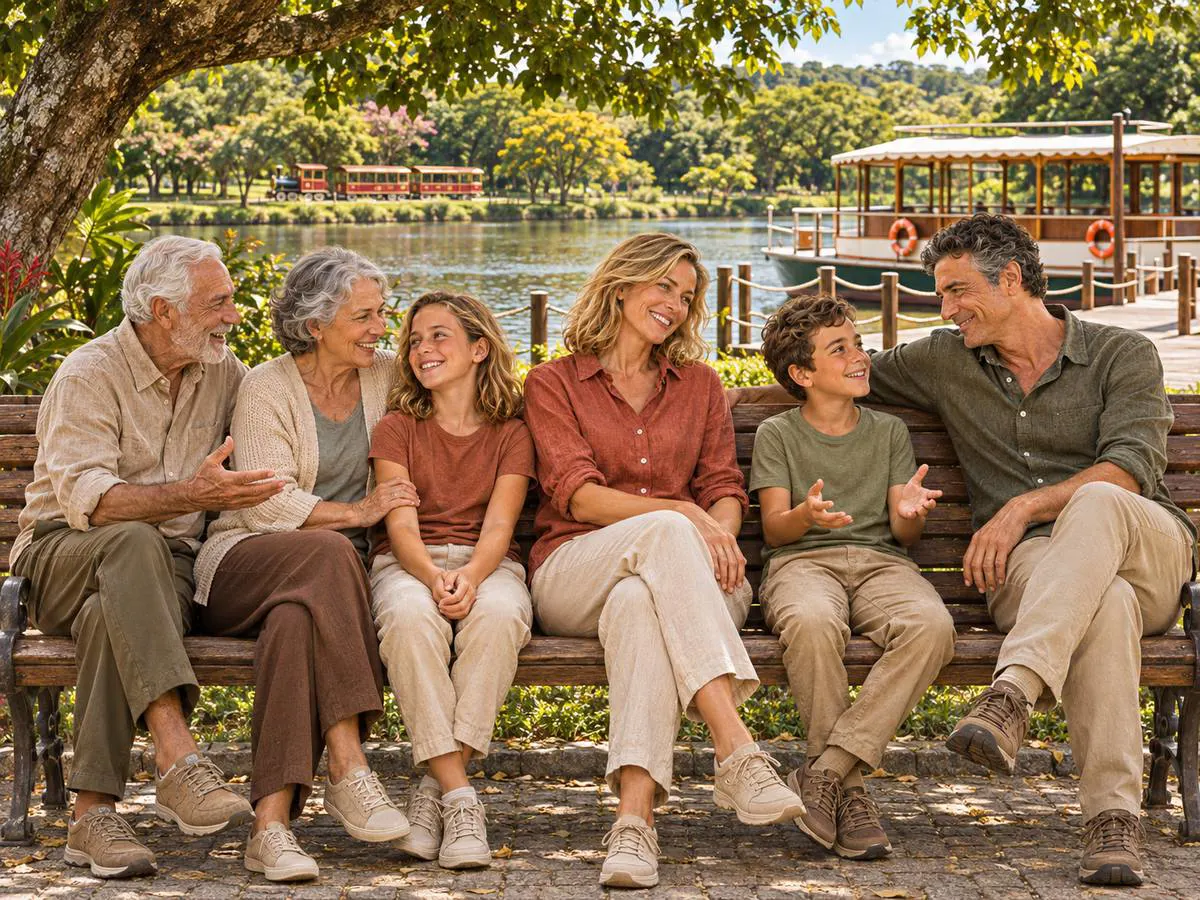
What connects boats, trains and family trips
They suit those who like to watch the scenery without driving and groups with mixed ages. One-day boat tours and tourist trains require little effort and welcome small children and older people, which is why they frequently appear on three-generation trips.
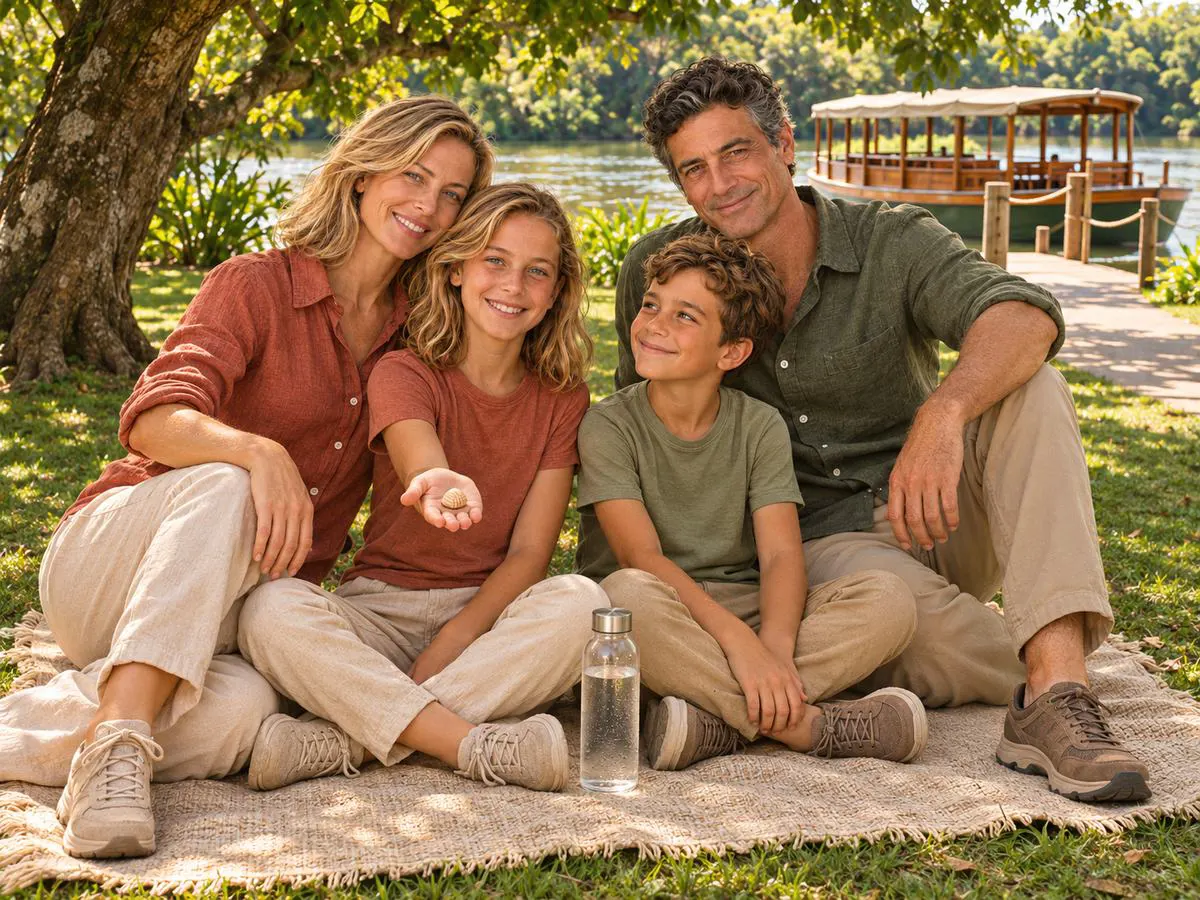
Boat, train or family trip: how to choose
In nautical tourism, choices range from a one-day schooner outing to a sailing yacht, speedboat, cruise ship and multi-day hotel-boat. You don’t need to own a boat or know how to sail: most trips take place on crewed vessels. In railway tourism, the ride can be short on a steam locomotive, cross a mountain range through tunnels and viaducts, or take the whole day. In family travel, the group defines the itinerary: shorter days, one main activity, free time and short distances.
The three combine well: a train or boat ride can be a day activity within a family trip. They also pair with other trip types, such as a schooner outing during beach days. Activities with minimum age or height requirements, like rafting, ziplining and diving, fall under adventure tourism.
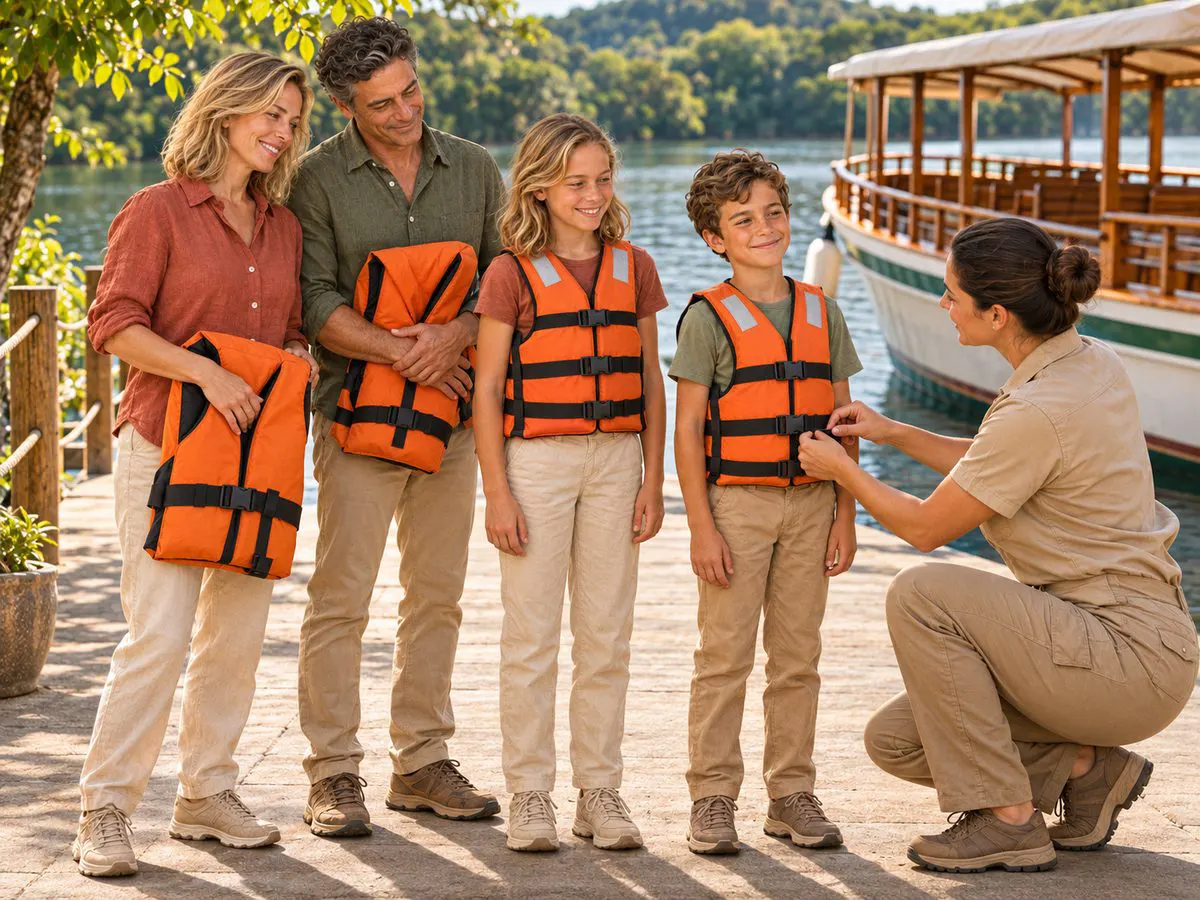
When to go and what to check beforehand
January and July vacations and long holiday weekends are the busiest times, and train seats sell out early then. Families with children outside school age benefit from traveling in March, April, August or September. Steam trains usually run on weekends and holidays: check operating days before booking your itinerary.
For river fishing, the calendar is driven by the piracema, the period when fish swim upriver to spawn and fishing is prohibited or heavily restricted. In most of the country this period runs roughly from November to February, with dates that vary by state and basin. For boat trips, check that the vessel is properly licensed and that there are life jackets for everyone, including child sizes.
Beyond the guide


