

 Antarctica
 Argentina
 Bolivia
 Chile
 Colombia
 Ecuador
 Guyana
 French Guiana
 Falkland Islands (Malvinas)
 Paraguay
 Peru
 Suriname
 Uruguay
 Venezuela
 Germany
 Austria
 Belgium
 Croatia
 Denmark
 Slovakia
 Slovenia
 Spain
 Finland
 France
 Greece
 the Netherlands
 Hungary
 Ireland
 Iceland
 Italy
 Luxembourg
 Norway
 Poland
 Portugal
 the United Kingdom
 the Czech Republic
 Sweden
 Switzerland
 Turkey
 Bermuda
 Canada
 the United States
 Greenland
 Mexico
 Saint Pierre and Miquelon
 the Dominican Republic
 Japan
 South Africa
 Egypt
 Australia
 Fiji
 New Zealand
 Papua New Guinea
Illustrative images. The pictures in this guide are illustrations based on the real place, not photographs, and may differ from it.


Travel for your moment in life · Food and countryside
Types of travel
Food and countryside
Markets and regional dishes, wineries, distilleries and coffee farms, and farm days with milking, harvesting and colonial-style coffee.
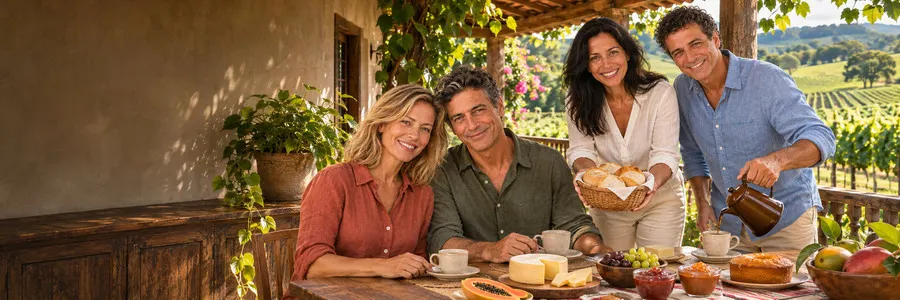
On these trips, what you eat and drink stops being a break between two outings and becomes the outing itself. The group brings together three types of tourism: gastronomic, wine tourism with beverage routes, and rural tourism. What unites them is attention to origin: knowing where the ingredient comes from, who makes it and how it is prepared. In one you taste the dish where it was born; in another you visit those who produce the wine, cachaça, beer or coffee; in the third, the guest follows daily life on the property.
Food travel
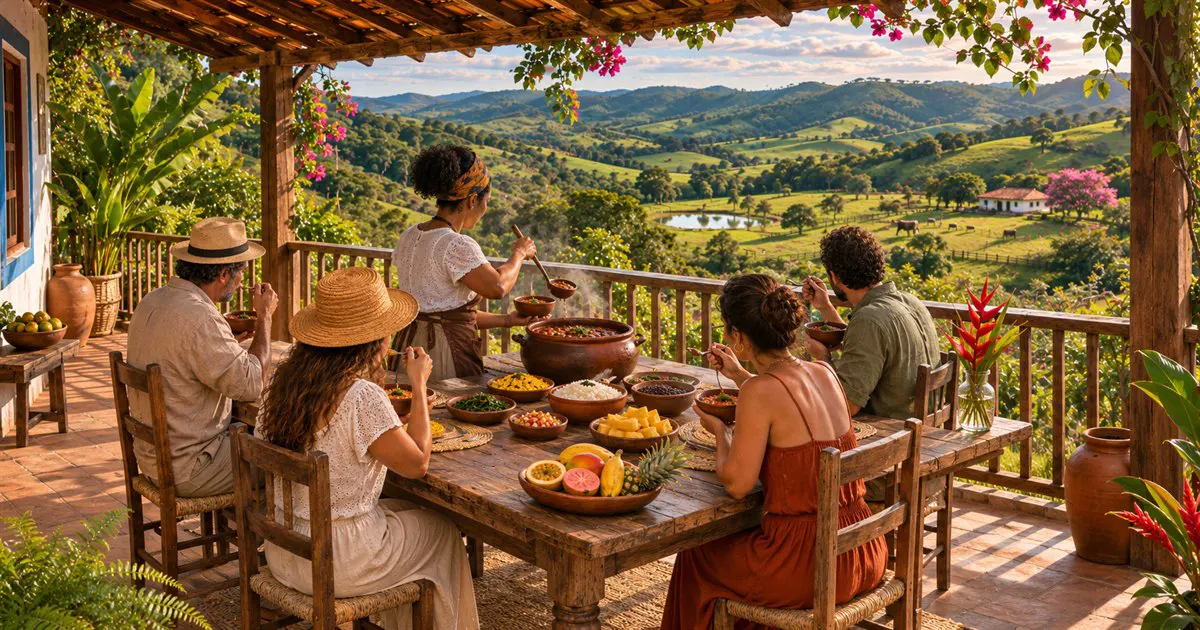
This is travel motivated by the food of a place. The traveler starts at the municipal market, tastes typical dishes at traditional restaurants, eats standing at fairs and street stalls, follows producer routes and learns recipes in regional cooking classes. It’s important to know where the ingredient comes from, who makes it and on what occasion it’s eaten. Beverages have their own itinerary, that of wine tourism.
Wine and drinks
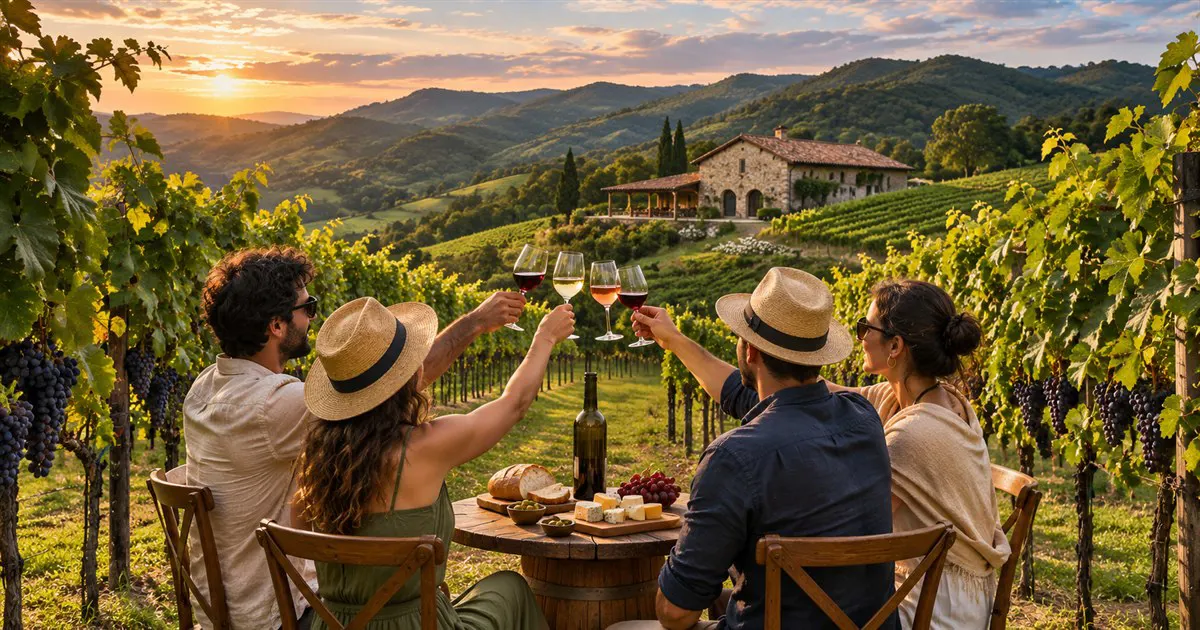
This is travel to learn about a beverage where it is made. At wineries, the visitor walks through the vineyard, enters the cellar and tastes slowly; in harvest season, they follow the grape picking. The same itinerary applies to cachaça distilleries, craft breweries and coffee farms. Visits are designed for laypeople, and two or three per day are enough.
Rural tourism
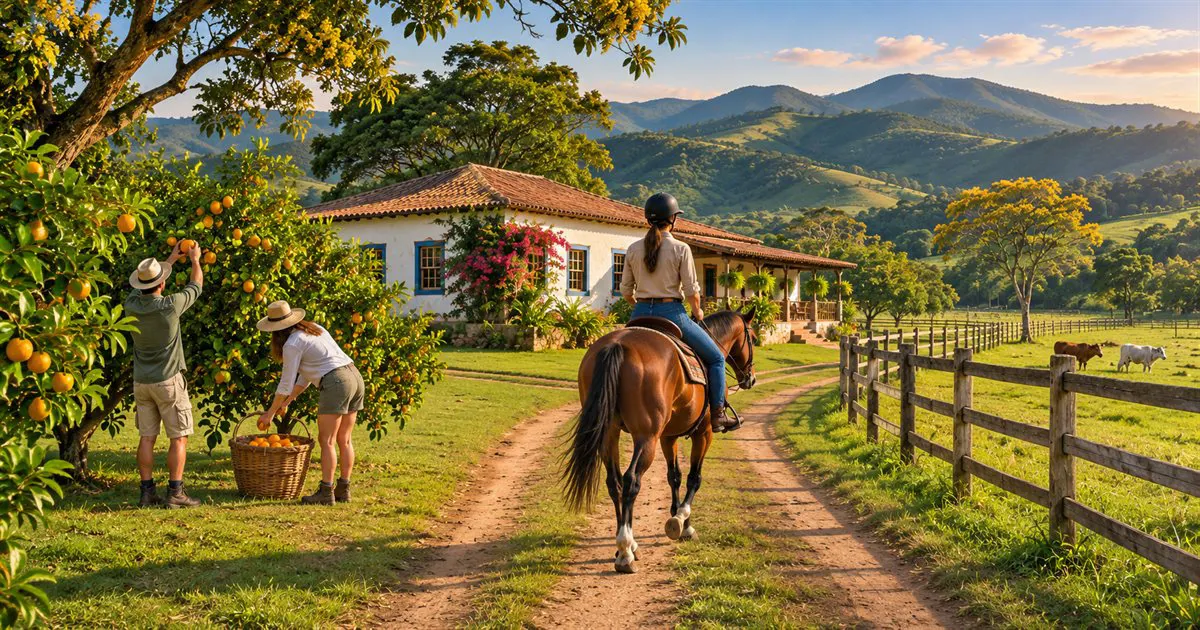
This is travel to the countryside where life on the property is part of the experience. The guest watches milking, picks fruit from the tree, sees cheese being made, rides a horse at a walk and sits down for an afternoon colonial coffee. It ranges from well-equipped farm hotels to family-owned properties that keep producing and open their doors. A weekend is already rewarding.
Discover Rural tourism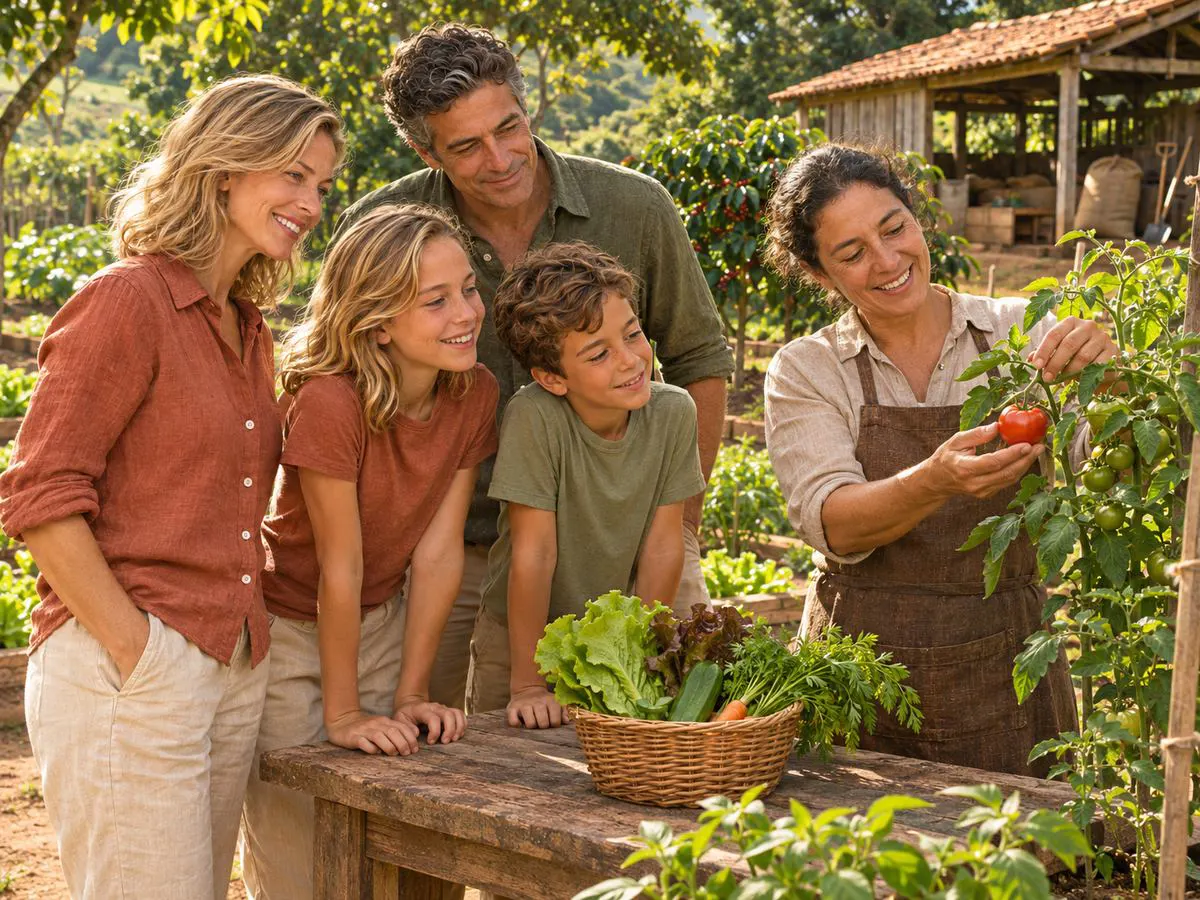
What food, drinks and country life have in common
It suits those who like to cook, shop at markets and talk with producers. The pace is slow and the physical effort is small, which pleases those seeking rest. These trips are chosen by couples on special dates, groups of friends around a long table and grandparents who take grandchildren to get to know the countryside.
Market, winery or farm: how to choose
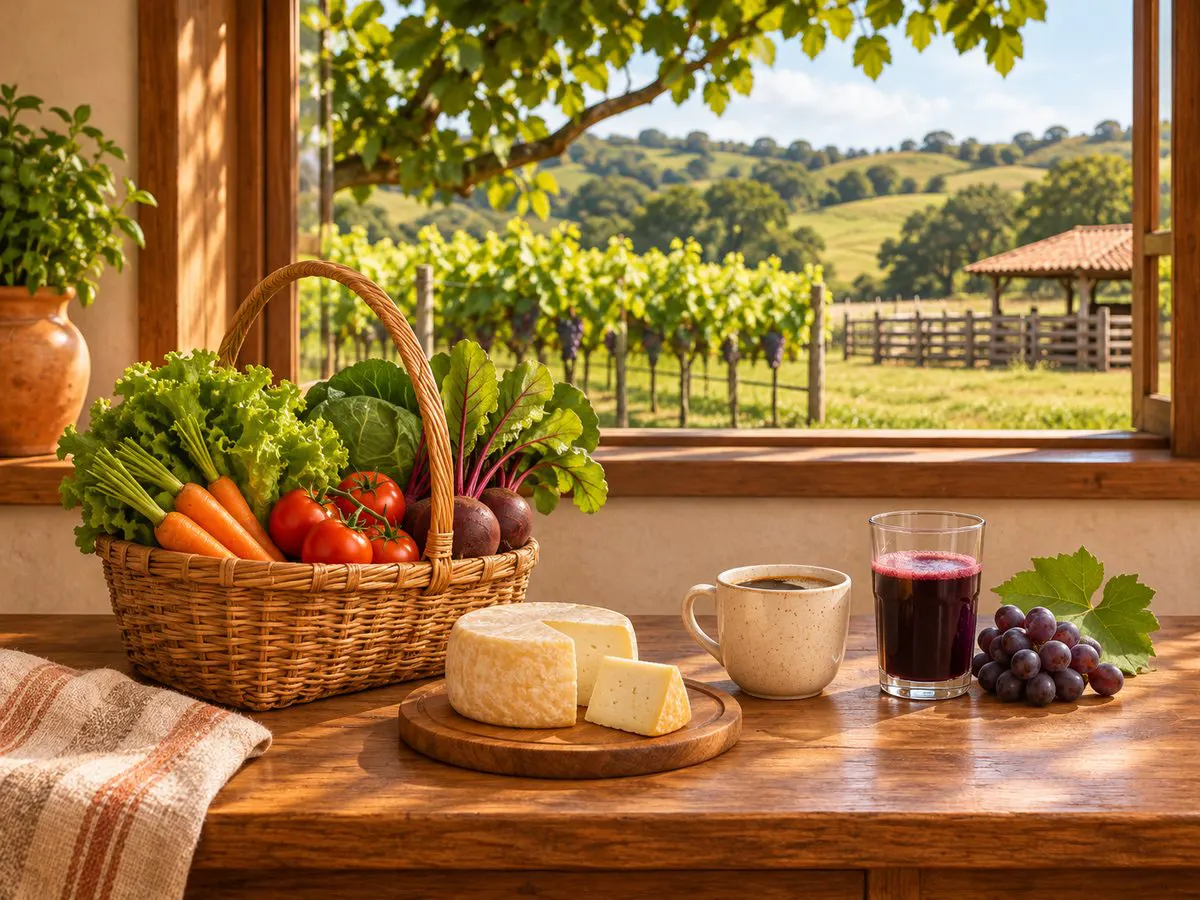
The choice depends on where you want to spend the day. In gastronomic tourism, the itinerary goes through municipal markets, fairs, street food, traditional restaurants and regional cooking classes. In wine tourism and beverage routes, the day is arranged into two or three visits to wineries, distilleries, craft breweries or coffee farms, and the interest is in the process and the history, not the quantity. In rural tourism, you stay on the property, between milking, harvesting, the cheesemaking room and an easy horseback ride.
The three complement each other in the same region: the drink and the cheese come from the countryside, and the table tells the story of the place. One rule organizes beverage itineraries: the driver does not drink. You don’t need to be knowledgeable about the subject, and non-drinkers find grape juice, coffee, the landscape and the stories of the producing families. Many small producers work by appointment.
When to go: harvests and picking set the calendar
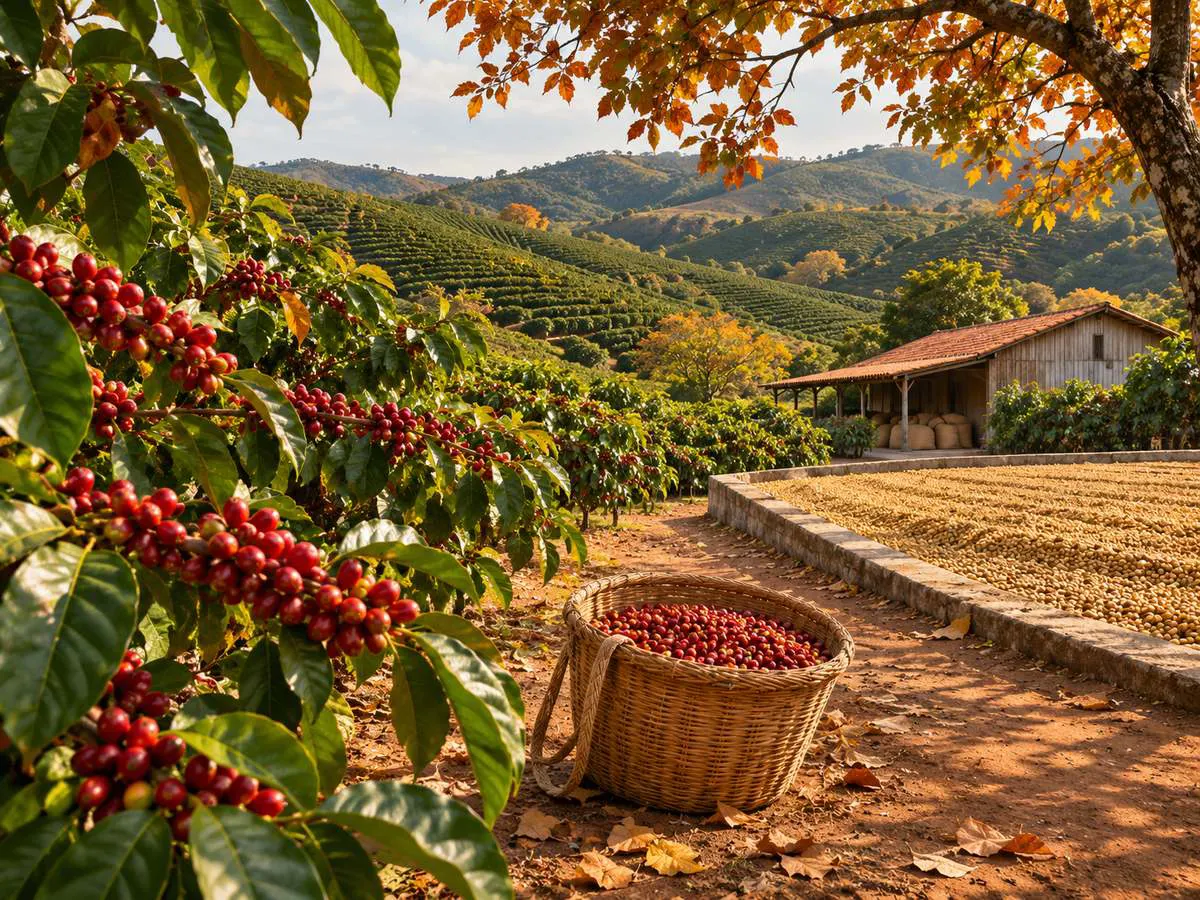
You can eat well year-round, but ingredients and beverages have seasons. In the South, the grape harvest runs from January to April, depending on altitude. The coffee harvest is roughly from May to September, and pinhão is gathered in the South from autumn into winter, roughly April to July. Each fruit has its months, and harvests set the schedule for visits to the countryside.
Winter, from June to August, is the season for fireplaces, wood-stove meals, fondues and red wines in the highlands of the South and Southeast. Food festivals change dates each edition: it’s wise to check before planning your route.
Beyond the guide


