

 Antarctica
 Argentina
 Bolivia
 Chile
 Colombia
 Ecuador
 Guyana
 French Guiana
 Falkland Islands (Malvinas)
 Paraguay
 Peru
 Suriname
 Uruguay
 Venezuela
 Germany
 Austria
 Belgium
 Croatia
 Denmark
 Slovakia
 Slovenia
 Spain
 Finland
 France
 Greece
 the Netherlands
 Hungary
 Ireland
 Iceland
 Italy
 Luxembourg
 Norway
 Poland
 Portugal
 the United Kingdom
 the Czech Republic
 Sweden
 Switzerland
 Turkey
 Bermuda
 Canada
 the United States
 Greenland
 Mexico
 Saint Pierre and Miquelon
 the Dominican Republic
 Japan
 South Africa
 Egypt
 Australia
 Fiji
 New Zealand
 Papua New Guinea
Illustrative images. The pictures in this guide are illustrations based on the real place, not photographs, and may differ from it.


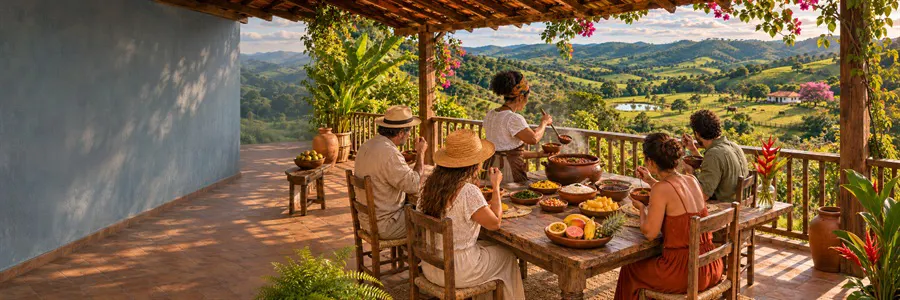
Food and countryside
Gastronomic tourism
Traveling to eat: markets, fairs, family kitchens and dishes that only make sense in the place where they were born.
In gastronomic tourism, food stops being the break between two tours and becomes the tour itself. The traveler chooses the destination for what is eaten there: the tacacá drunk on the street in Belém, the acarajé fried to order in Salvador, the oysters by the bay in Florianópolis, the barreado that cooks through the night in Morretes.
What to do
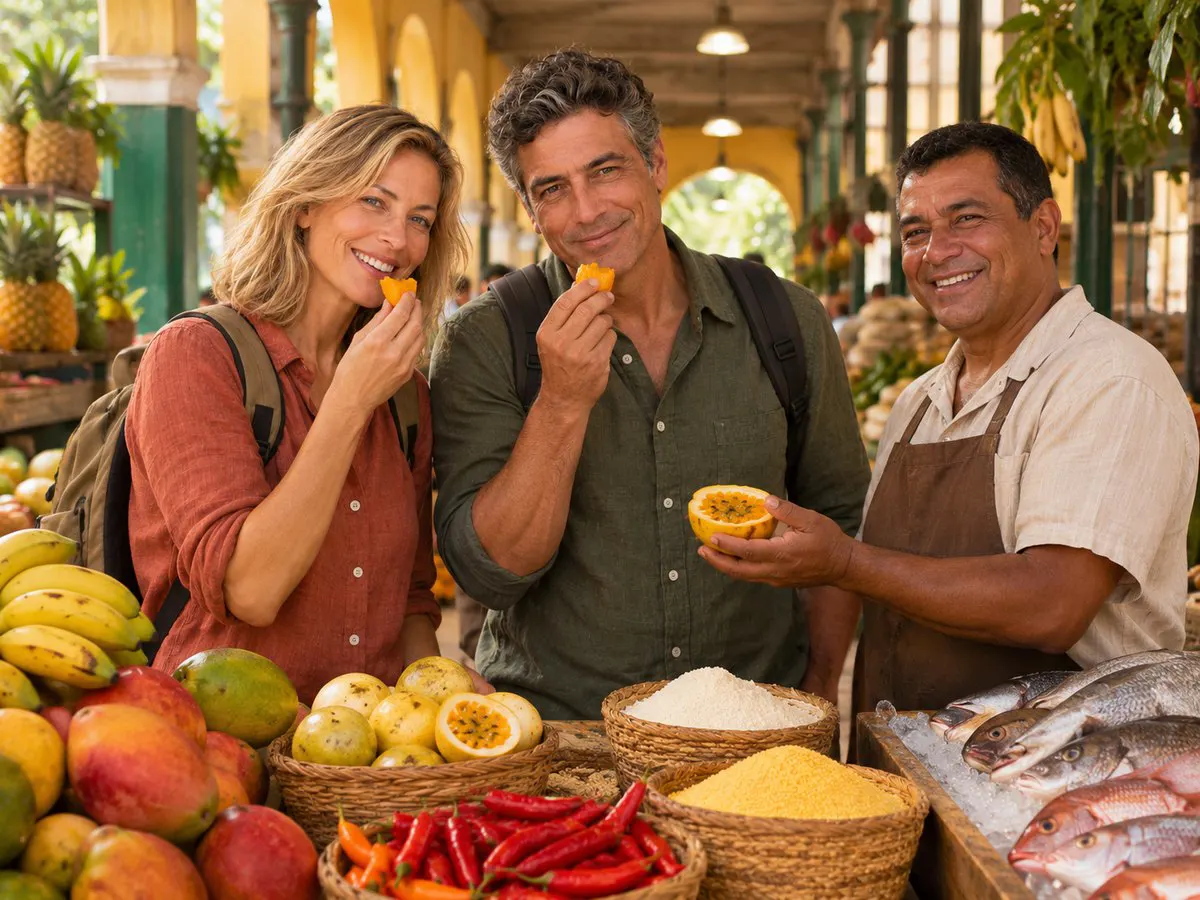
Municipal markets
The public market is the first stop: there you learn what the region produces.
Learn more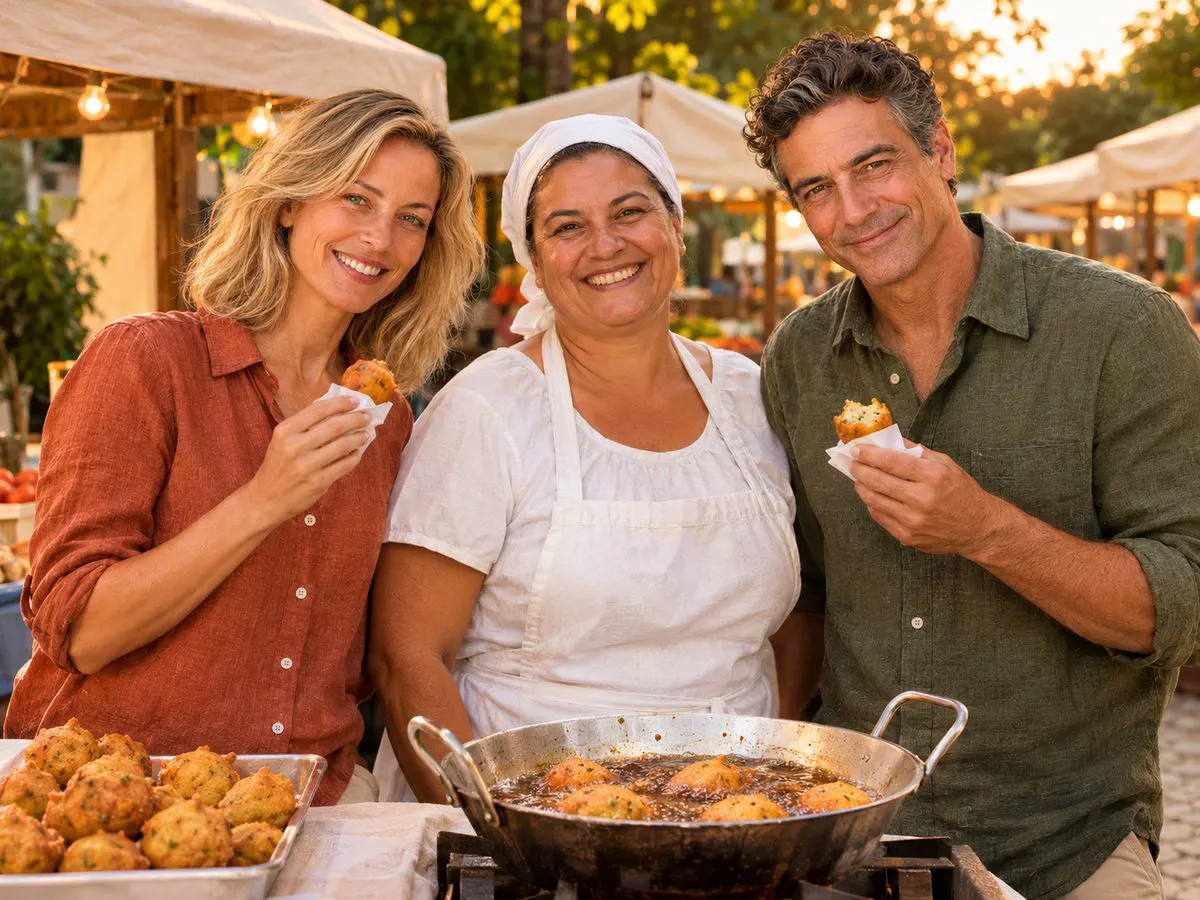
Fairs and street food
Stalls, booths and carts sell what the local population eats every day.
Learn more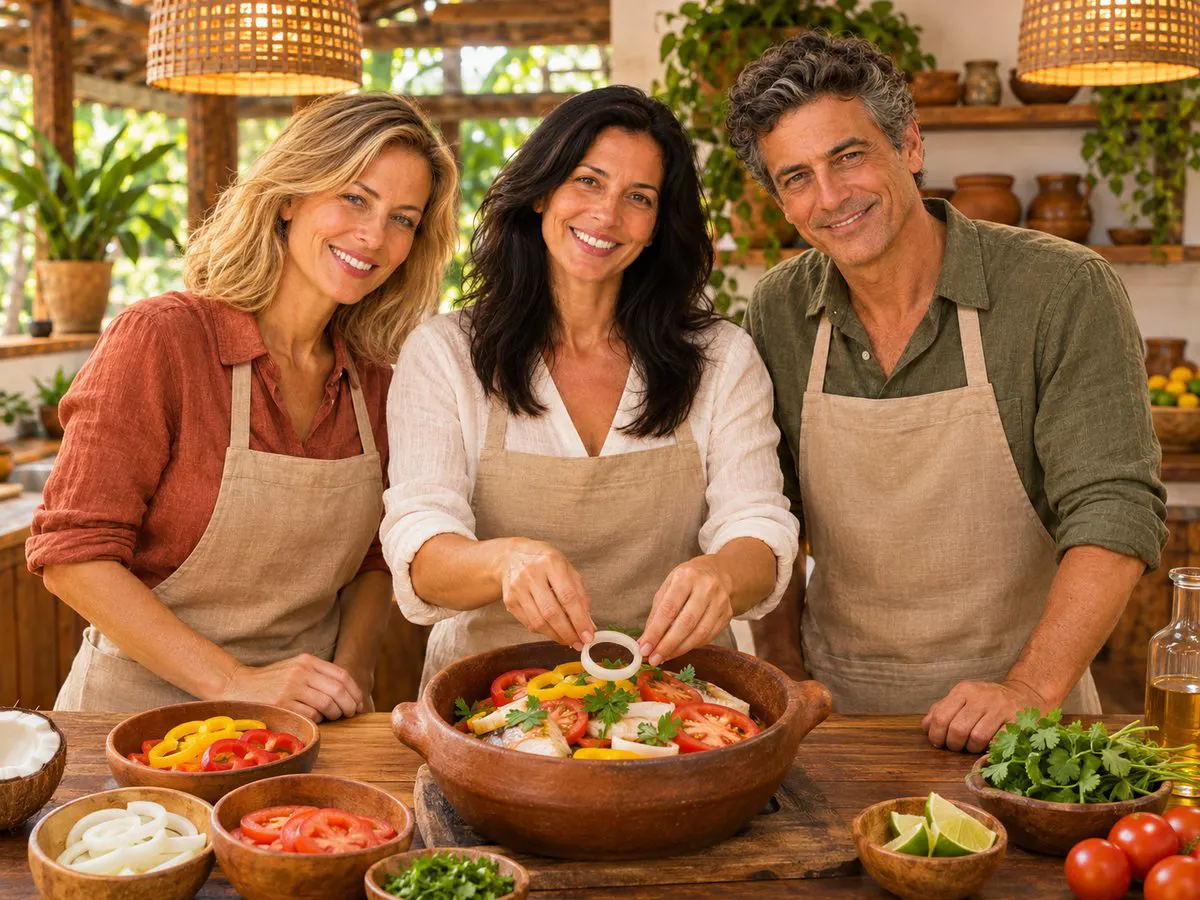
Regional cooking classes
In a few hours, from market to table: everyone eats what they’ve just prepared.
Learn more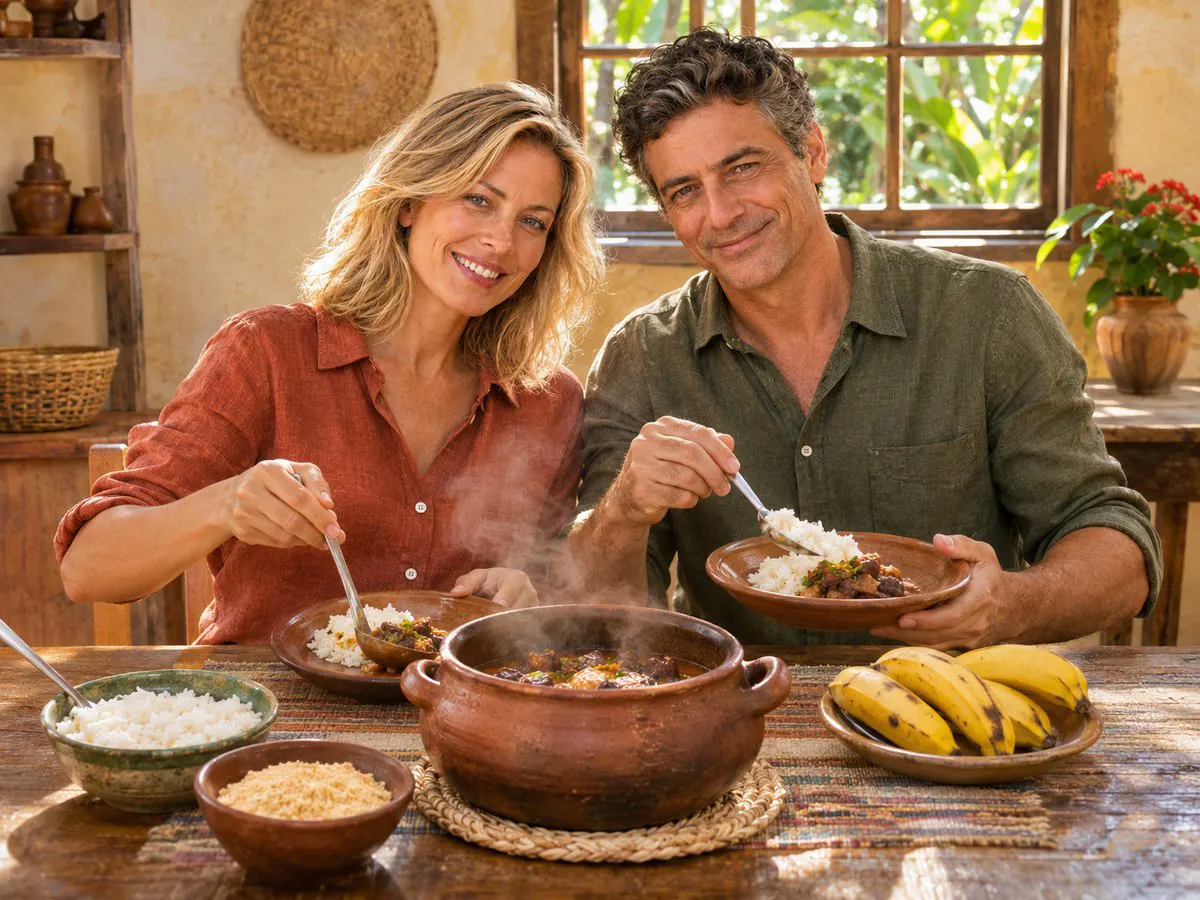
Typical dishes
Long-prepared recipes, in clay pots or wood stoves, tasted where they were born.
Learn more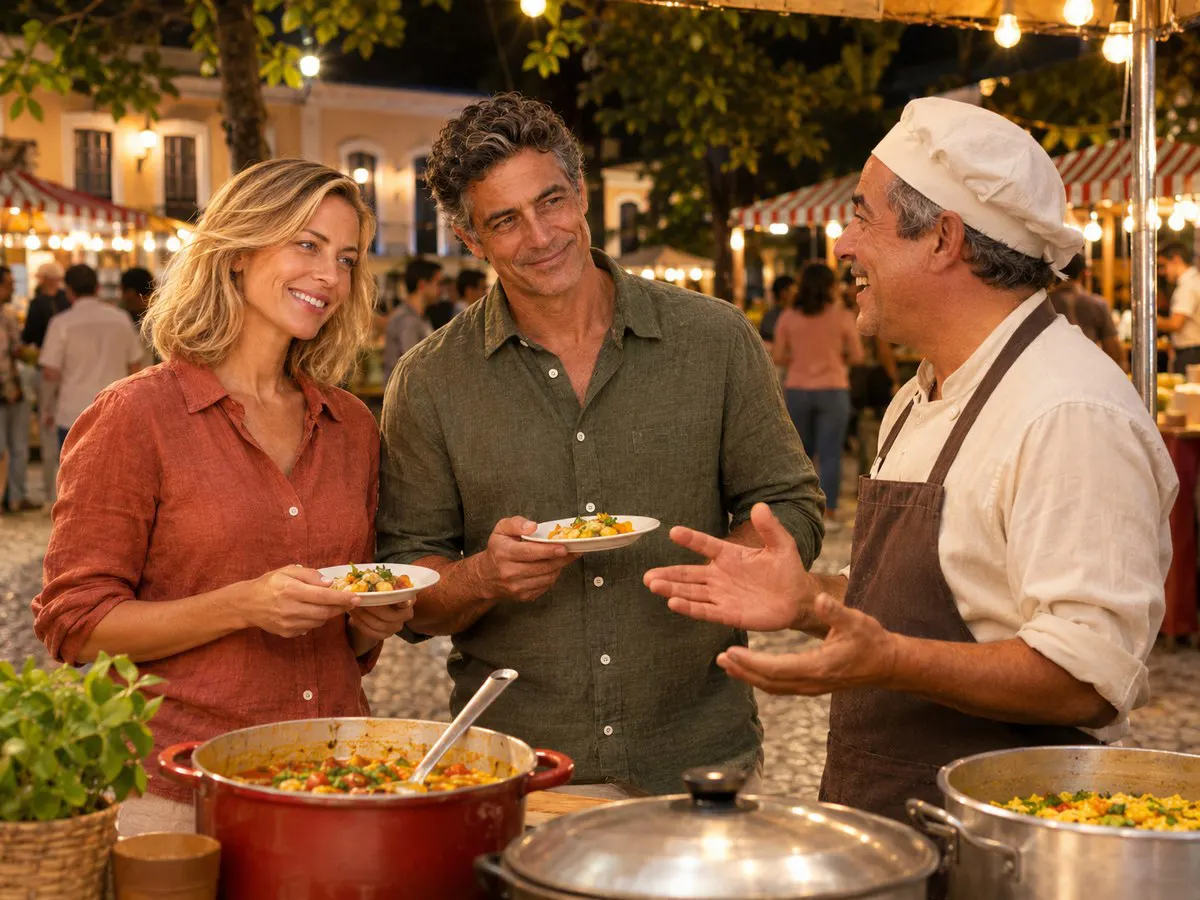
Gastronomic festivals
For a few days, squares and streets turn into an open kitchen, with classes, stalls and producers.
Learn more
Local food routes
Cheese dairies, farinha houses and oyster and cacao farms welcome visitors with tours and tastings.
Learn moreWhere to go in Brazil
Pick a region or a state on the map, or type what you are looking for, to see the cities and who offers each activity.
- Macapá AP
- Manaus AM
-
Belém PA
Municipal markets · Fairs and street food · Typical dishes · Gastronomic festivals
- Soure PA
- Porto Velho RO
- Ilhéus BA
-
Salvador BA
Municipal markets · Fairs and street food · Regional cooking classes · Typical dishes
- Fortaleza CE
- São Luís MA
- Campina Grande PB
- Caruaru PE
- Olinda PE
- Recife PE
- Aracaju SE
- Cidade de Goiás GO
- Goiânia GO
- Campo Grande MS
- Venda Nova do Imigrante ES
- Vitória ES
- Araxá MG
-
Belo Horizonte MG
Regional cooking classes · Typical dishes · Gastronomic festivals · Municipal markets
- Delfinópolis MG
- Diamantina MG
- São Roque de Minas MG
- Serro MG
- Tiradentes MG
- Armação dos Búzios RJ
- Paraty RJ
- Rio de Janeiro RJ
- Teresópolis RJ
- Campos do Jordão SP
- São Paulo SP
- Antonina PR
- Curitiba PR
- Morretes PR
- Gramado RS
- Porto Alegre RS
- Florianópolis SC
- Itajaí SC
- Joinville SC
- Pomerode SC
Brazil is large enough to have multiple cuisines, formed by indigenous ingredients, African techniques, Portuguese recipes and, later, the tables of immigrants. Discovering a place through its dish is one of the most direct ways to understand its history, and it works at any age and on any budget.
What gastronomic tourism is
It’s travel motivated by a place’s food. The Ministry of Tourism treats gastronomy as part of cultural tourism, for preserving local identity, and the World Tourism Organization uses the name gastronomic tourism for trips where eating is the main experience.
What sets this type of trip apart is attention to origin. You want to know where the ingredient comes from, who makes it, how it’s prepared and on what occasion it’s eaten. A simple dish tasted in the right place and with someone who explains it is worth more than an expensive dinner with no connection to the region.
Drinks have their own routes: wineries, cachaça stills, breweries and coffee farms are the subject of wine and beverage tourism, which pair well with a gastronomic trip.
Who it suits and at what stage of life
It suits people who like cooking, market shopping and talking to vendors. It’s an easy trip for couples celebrating an occasion, and it works very well with groups of friends, because sharing dishes lets you taste more things.
It’s also a good choice for those who cannot or do not want to do physical exertion: the itinerary adapts to each person’s pace, with short routes and many breaks. For travelers with children, markets and fairs are colorful, quick outings, and most regional kitchens have dishes without chili.
Travelers with dietary restrictions travel more comfortably by asking about ingredients before ordering: many traditional recipes include dried shrimp, nuts, coconut milk or wheat flour without that appearing in the dish’s name.
Where to go: gastronomic destinations in Brazil
Belém is the gateway to Amazonian cuisine. At the Ver-o-Peso market, on the bay, they sell river fish, herbs, fruits and açaí, which in Pará is eaten at lunch with fried fish and farinha. Tucupi, a yellow broth extracted from cassava, and jambu, a leaf that numbs the mouth, are in tacacá and pato no tucupi.
In Salvador, Bahian cuisine blends dendê oil, coconut milk, chili and seafood. Acarajé, a black-eyed pea fritter fried in dendê and sold by baianas from their trays, has its craft recognized as Brazil’s cultural heritage. Belo Horizonte is known for its botecos and the Mercado Central, where you taste cheeses and sweets from across the state, and Tiradentes serves Minas Gerais home cooking on wood stoves in 18th-century houses.
São Paulo brings together the cuisines of dozens of peoples in one city, in addition to the Municipal Market and street fairs with pastel and sugarcane juice. In Paraty, caiçara cuisine combines fish, banana and cassava farinha. In Paraná, Morretes is the land of barreado, meat cooked for many hours in a clay pot sealed with a dough of flour. In Florianópolis, oysters and shellfish farmed in the bays arrive fresh at the table.
Belém, Belo Horizonte, Florianópolis and Paraty are part of UNESCO’s Creative Cities network in the field of gastronomy, a title that recognizes places where cuisine is a central part of culture and the economy.
When to go: harvests and festivals
You eat well year-round, but some ingredients have seasons. In the South, pinhão is harvested from autumn to winter, roughly April to July. In Pará, the açaí season typically concentrates in the second half of the year. Crab and some fish have closed seasons, when fishing is suspended and the dish disappears from menus.
Gastronomic festivals spread across the calendar and change dates each edition; Tiradentes’ festival usually takes place in August. Festa junina, in June, is the season for corn-based foods in the Northeast. Winter, from June to August, is the season for fondues and soups in the highlands of the South and Southeast. Confirm dates before planning the itinerary.
How to plan a gastronomic trip
The itinerary starts at the public market, early in the morning, preferably on the first day: there you learn what the region produces and discover what to try later. A guided street-food tour, when available, shortens the path and helps those who are unsure about choosing on their own.
It’s worth alternating a slower, sit-down meal with a quicker one at the counter, and leaving room for serendipity. Small, in-demand places take reservations; in inland towns, many open only for lunch or close one or two days a week: confirm before you go. Cooking classes and visits to producers are booked and paid for separately.
Three to four days are enough to get to know a city’s cuisine. To bring ingredients home, such as cheeses, flours and sweets, ask the vendor how to transport them and how long the product keeps outside the fridge.
Gastronomic trips around the world
Some destinations abroad are sought almost solely for their food. Lima, Peru, is the capital of ceviche and of a cuisine that mixes Andean heritage with that of Japanese and Chinese immigrants. In Bologna, Italy, fresh pasta and the cured meats of Emilia-Romagna are talked about on the streets. Lyon, France, preserves the bouchons, small restaurants serving traditional food.
In the Basque Country, Spain, the custom is to go from bar to bar tasting pintxos, small portions served at the counter. In Osaka, Japan, street food such as takoyaki and okonomiyaki is part of the city’s identity. And in Oaxaca, Mexico, markets sell moles, long-prepared sauces with dozens of ingredients.
Frequently asked questions
What is gastronomic tourism?
It’s a trip where the local food is the main reason. It includes markets, fairs, typical dishes, visits to producers, cooking classes and festivals.
What are Brazil’s gastronomic destinations?
Belém, Belo Horizonte, Florianópolis and Paraty are part of UNESCO’s Creative Cities Network for gastronomy. Salvador, São Paulo, Tiradentes and Morretes are also much sought after for their food.
What to eat in Belém?
Tacacá, pato no tucupi, maniçoba, river fish and açaí with fried fish and farinha. The Ver-o-Peso market is the place to see the ingredients and taste Amazonian fruits.
What is barreado?
It is a typical dish from the coast of Paraná, made of meat cooked for many hours in a clay pot sealed with a dough made of flour. It’s served with manioc flour and banana, and Morretes is the city most associated with it.
What is a regional cooking class like?
It lasts a few hours and is taught by a cook or a local resident. It usually starts with shopping at the market, goes through the preparation of one or two typical dishes and ends at the table. You need to book in advance.
How many days should I set aside for a gastronomic trip?
Three to four days are usually enough to get to know a city’s cuisine, with a market visit, some leisurely meals and street food. Routes that include visits to producers require more time and a car.
Is a gastronomic trip expensive?
It doesn’t have to be. Much of Brazil’s typical food is found in markets, fairs, stalls and botecos, not in upscale restaurants. Spending depends on each traveler’s choices.
Can people with allergies or dietary restrictions enjoy it?
Yes, with care. It’s wise to ask about ingredients before ordering, because many traditional dishes contain shrimp, nuts, milk or wheat without that appearing in the name.
When should you go to taste seasonal foods?
It depends on the ingredient. Pinhão is harvested from April to July in the South; corn-based foods mark the June festivals; the açaí harvest in Pará usually concentrates in the second half of the year.
More in Food and countryside
Beyond the guide


