

 Antarctica
 Argentina
 Bolivia
 Chile
 Colombia
 Ecuador
 Guyana
 French Guiana
 Falkland Islands (Malvinas)
 Paraguay
 Peru
 Suriname
 Uruguay
 Venezuela
 Germany
 Austria
 Belgium
 Croatia
 Denmark
 Slovakia
 Slovenia
 Spain
 Finland
 France
 Greece
 the Netherlands
 Hungary
 Ireland
 Iceland
 Italy
 Luxembourg
 Norway
 Poland
 Portugal
 the United Kingdom
 the Czech Republic
 Sweden
 Switzerland
 Turkey
 Bermuda
 Canada
 the United States
 Greenland
 Mexico
 Saint Pierre and Miquelon
 the Dominican Republic
 Japan
 South Africa
 Egypt
 Australia
 Fiji
 New Zealand
 Papua New Guinea
Illustrative images. The pictures in this guide are illustrations based on the real place, not photographs, and may differ from it.


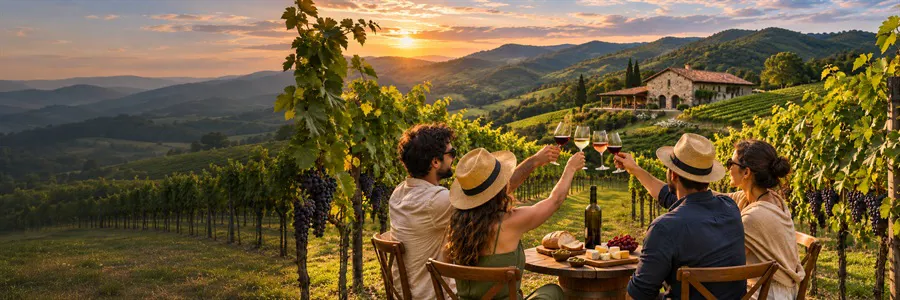
Food and countryside
Wine tourism and drinks
Vineyards in the highlands, distilleries between the sea and the forest, breweries with German tradition and coffee farms: trips to discover the drink at its source.
Wine tourism is travel to experience wine where it is made: walking among the vines, entering the winery, hearing from those who produce about the vintage and tasting slowly. In Brazil, the tradition began with Italian immigrants in Serra Gaúcha and spread to the highlands of Santa Catarina, Minas Gerais and São Paulo.
What to do
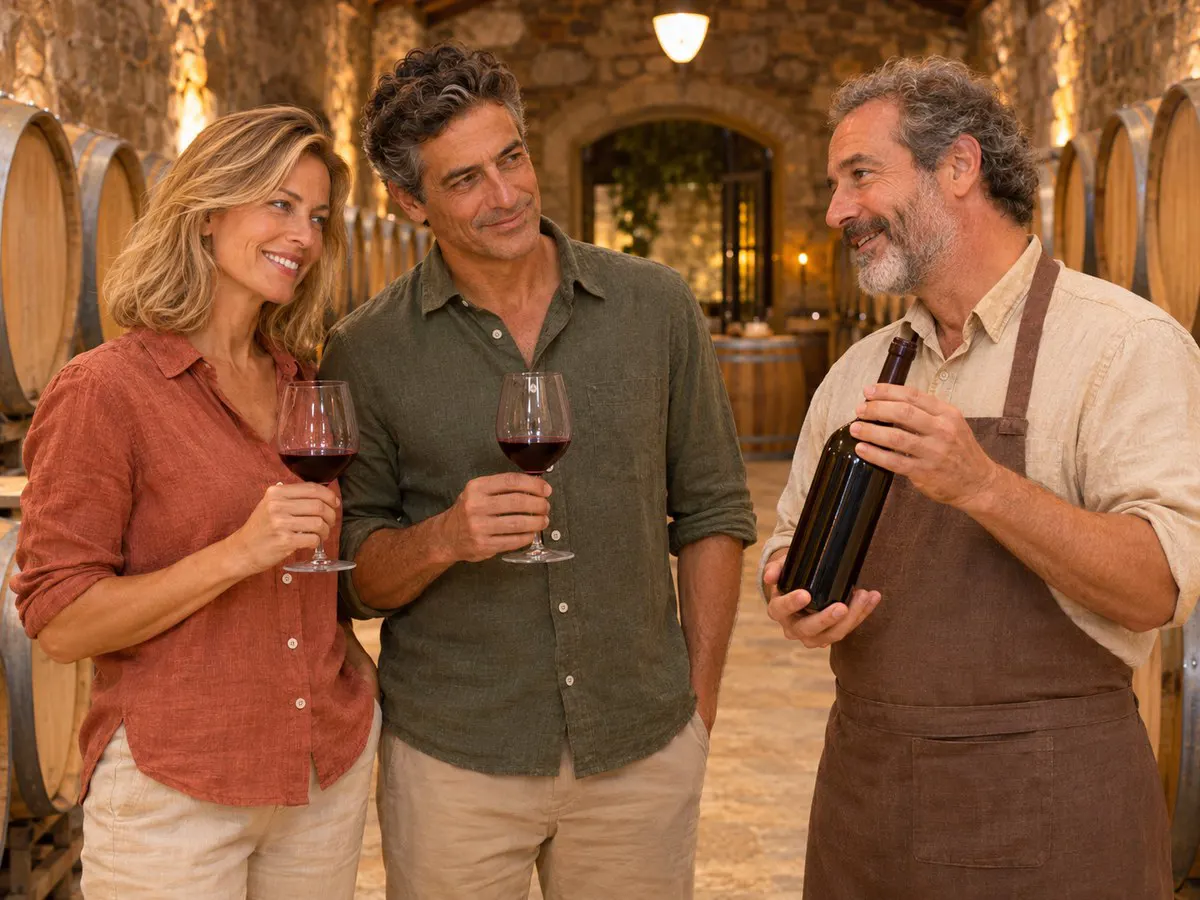
Wineries and tasting
From the vineyard to the barrel cellar, the visit ends with a guided tasting.
Learn more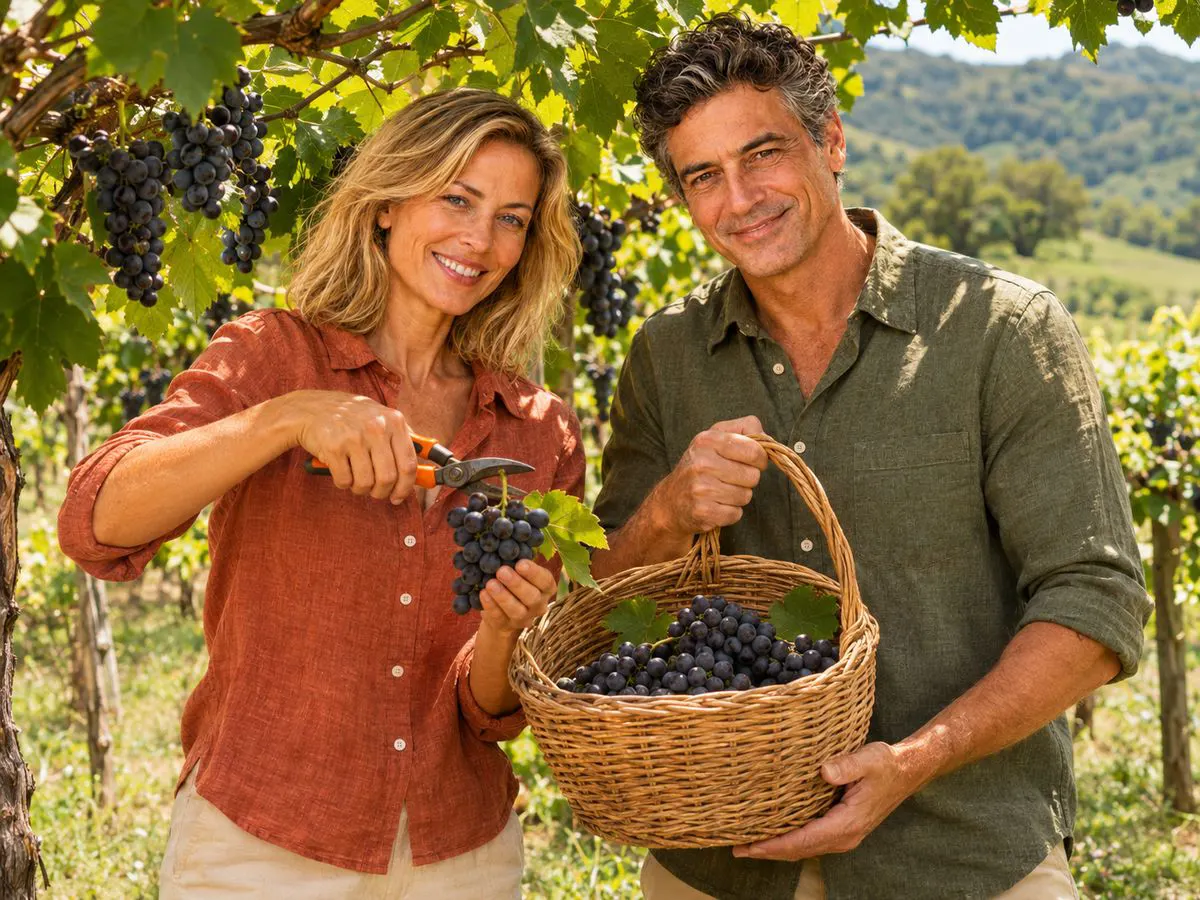
Grape harvest
At harvest, visitors cut the clusters with pruning shears and collect them in baskets in the vine rows.
Learn more
Sparkling wines
In the cellars, the bottles rest in the dark while the wine gains its bubbles.
Learn more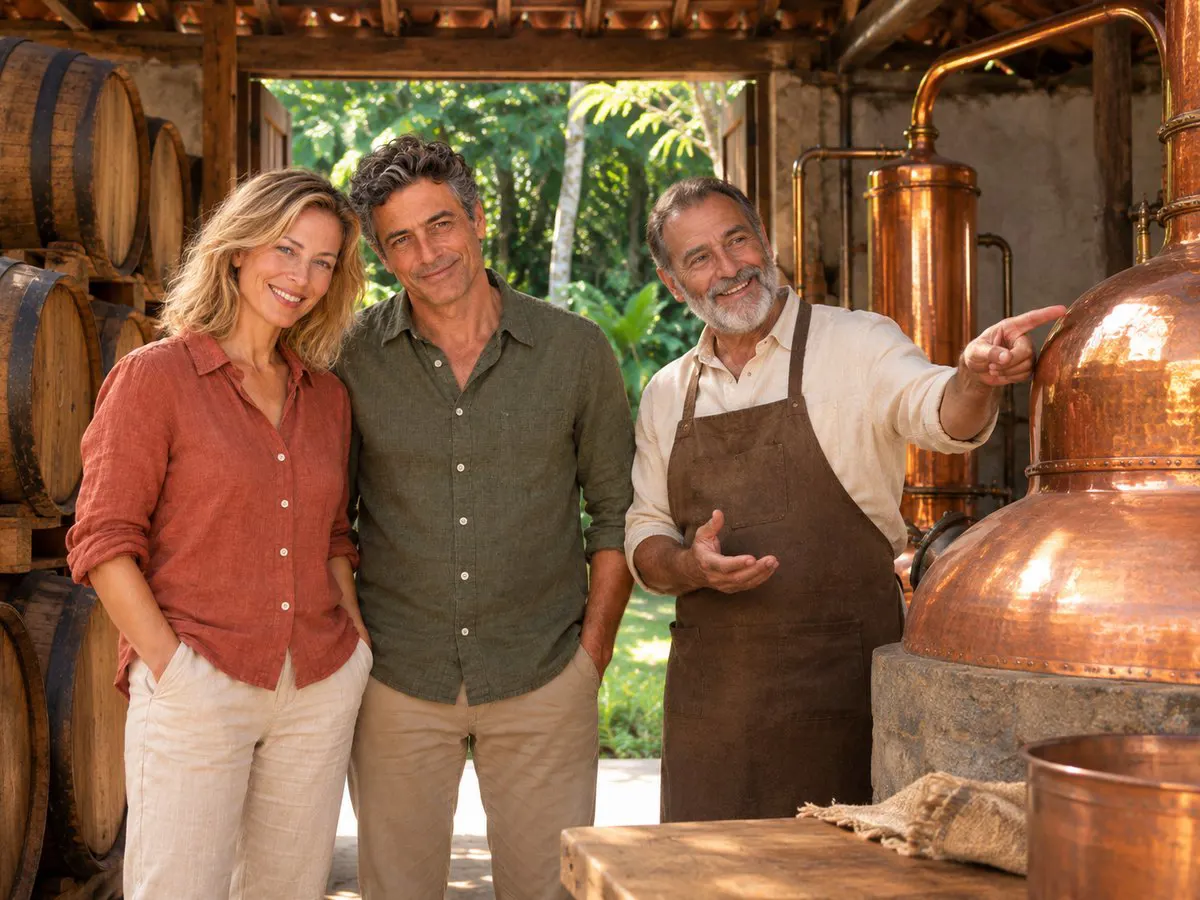
Cachaça distilleries
Milled sugarcane, copper stills and barrels of Brazilian woods, between the mountains and the sea.
Learn more
Coffee farms
From the coffee field to the drying patio and the roast, with a tasting of special coffees freshly brewed on site.
Learn more
Craft breweries
Tanks, malt and hops, and a tasting in small glasses, from the lightest to the fullest-bodied.
Learn moreWhere to go in Brazil
Pick a region or a state on the map, or type what you are looking for, to see the cities and who offers each activity.
- Mucugê BA
- Venda Nova do Imigrante ES
- Alto Caparaó MG
- Andradas MG
- Carmo de Minas MG
- Nova Lima MG
- São Lourenço MG
- Cachoeiras de Macacu RJ
- Guapimirim RJ
- Nova Friburgo RJ
- Paraty RJ
- Petrópolis RJ
- Teresópolis RJ
- Vassouras RJ
- Campos do Jordão SP
- Bento Gonçalves RS
- Caxias do Sul RS
- Garibaldi RS
- Monte Belo do Sul RS
- Blumenau SC
- Luiz Alves SC
- Pomerode SC
- Rodeio SC
- São Joaquim SC
- Timbó SC
- Urubici SC
The same idea applies to other drinks that tell the story of a region. Alambique cachaça, beer from towns of German settlement and coffee from farms have their own routes, with visits, explanations and tastings. In all of them, the drink is the excuse to get to know the landscape and the people of the place.
What wine tourism is and what drink routes are
In wine tourism, the traveler visits wineries and producing regions. Drink routes follow the same idea for other products: cachaça, craft beer and coffee. The interest is in the process and the history, not in quantity.
It is not a separate official category. The World Tourism Organization treats wine tourism as part of gastronomic tourism, and because production takes place in the countryside it is also related to rural tourism. Restaurants and the typical dishes of each region are subjects of gastronomic tourism.
You do not need knowledge of the subject to enjoy it. Visits are designed for laypeople, and those who do not drink alcohol will find grape juice, coffee, the landscape and the history of the producing families.
Who it suits and at what stage of life
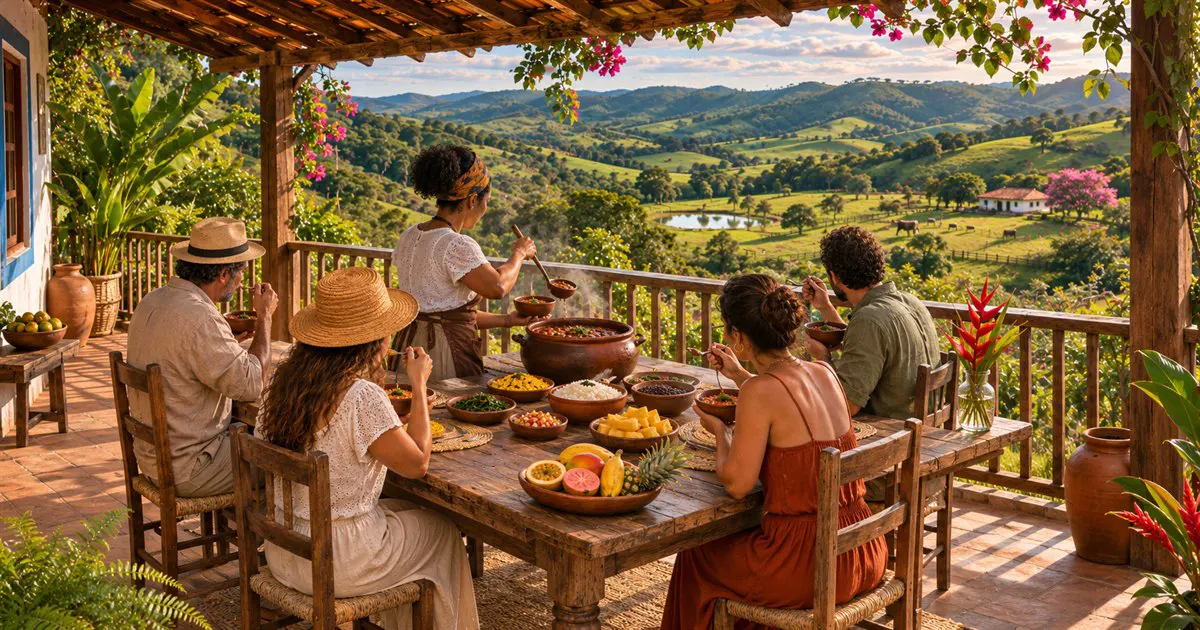
It’s a trip often chosen by couples—honeymoons, wedding anniversaries or weekend getaways for two. It also suits groups of friends and anyone who wants to celebrate a date around a long table.
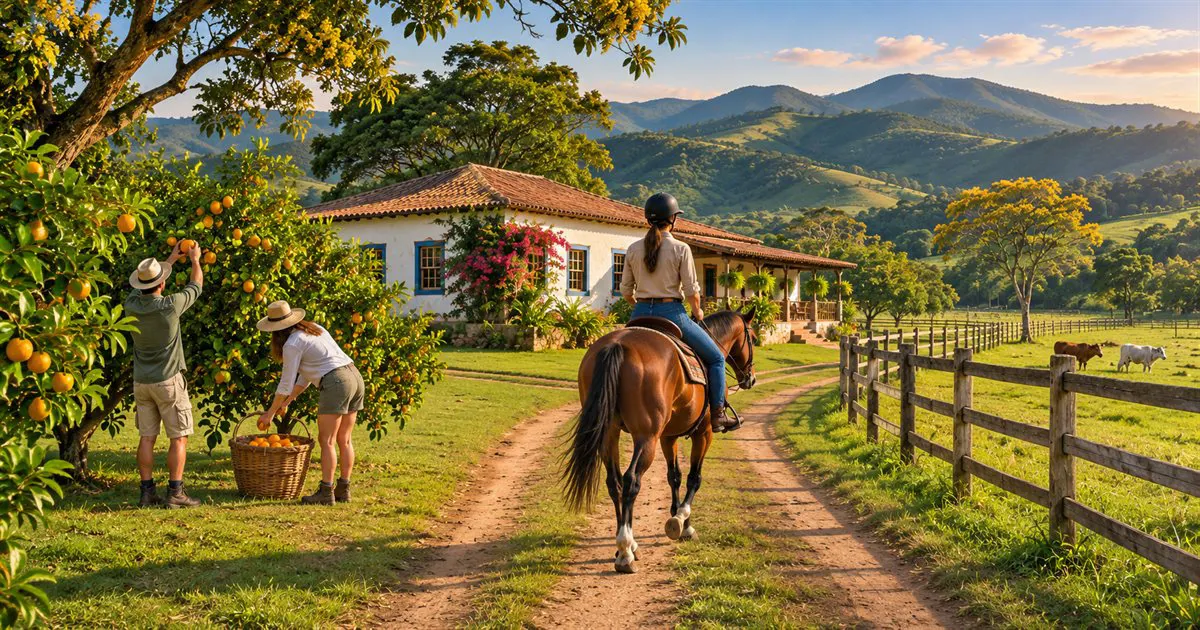
The pace is slow and the physical effort is small, which appeals to those seeking rest. Families with children enjoy properties with open areas, animals, tractor rides and grape juice, but it’s advisable to confirm beforehand whether the visit accepts minors.
One rule organizes the whole itinerary: the driver does not drink. So transport is arranged in advance—by driver, transfer, group tour or staying within the route itself.
Where to go: regions of wine, cachaça, beer and coffee
The Serra Gaúcha is the country’s best-known wine region. In Bento Gonçalves lies the Vale dos Vinhedos, the first Brazilian region to receive a Denomination of Origin for wines, with dozens of family and large wineries side by side. Nearby Garibaldi is linked to sparkling wines and has a route dedicated to them.
In Santa Catarina, São Joaquim produces so-called high-altitude wines, in vineyards planted above 900 meters. In the Mantiqueira Range, a pruning technique inverted the calendar and grapes are harvested in winter, the dry season with cold nights: São Bento do Sapucaí, on the São Paulo side, and Andradas, in southern Minas, welcome visitors to wineries among the mountains. There are also irrigated vineyards in the semi-arid Northeast.
Paraty, on the southern coast of the state of Rio de Janeiro, has produced cachaça since the colonial period, and the city’s name was once synonymous with the spirit. In Santa Catarina, Blumenau is the center of a region of breweries with German tradition, with factories open to visitors. And Carmo de Minas, in the Mantiqueira of Minas Gerais, is known for specialty coffees, with farms that show the crop and the roast.
When to go: the grape harvest and other seasons
In Serra Gaúcha, the grape harvest runs from January to March in summer, with vineyards full of fruit and programs for picking and stomping. In São Joaquim, harvest usually runs from March to April. In the Mantiqueira, winter wines are harvested between June and August.
Outside harvest, each season has its attraction. Winter, from June to August, is cold in the southern highlands and pairs well with red wines and fireplaces; in autumn, vine leaves change color; in spring, vineyards bud.
For coffee, harvest runs roughly from May to September. Cane milling in distilleries usually takes place in the dry months, from May to November, depending on the region. Breweries welcome visitors year-round.
How to plan the visit
Two to three visits a day are enough: one in the morning, a long lunch and another in the afternoon. More than that, tastings blur together and the tour becomes a rush. A three- to four-day itinerary allows you to get to know a region calmly.
Most small wineries and many distilleries and farms operate by appointment, and tastings are charged separately: check the current price list and confirm before you go. During the grape harvest and winter holidays, demand is high and reservations must be made in advance.
In the highlands, nights are cold even in summer, and a warm layer is useful year-round. To carry bottles home, producers often have special travel packaging; for flights, check the airline’s rules for transporting beverages.
Wine tourism around the world
In South America, Mendoza, Argentina, brings together wineries at the foothills of the Andes and is the land of Malbec. In Chile, the wineries in the Central Valley are a short distance from Santiago and welcome visitors year-round. In both countries, the grape harvest takes place between February and April.
In Europe, the harvest is in autumn, generally in September and October. The Douro Valley, in Portugal, has terraced vineyards above the river and is the origin of Port wine. In France, Bordeaux and Champagne give their names to their wines. In Italy, Tuscany combines vineyards, olive groves and medieval villages in the same itinerary.
Frequently asked questions
What is wine tourism?
It is travel to visit wineries and wine-producing regions. It includes walks through the vineyards, a visit to the winery and cellars, and a guided tasting.
Where to do wine tourism in Brazil?
In the Serra Gaúcha, in Bento Gonçalves and Garibaldi; on the Santa Catarina plateau, in São Joaquim; and in the Mantiqueira Mountains, in towns such as São Bento do Sapucaí and Andradas. There are wineries open to visitors in other regions as well.
When is the grape harvest in Serra Gaúcha?
From January to March. It is the grape harvest season, with special programs at wineries, such as picking and grape stomping. Demand is high and reservations should be made in advance.
Do I need to know about wine to visit a winery?
No. Tours explain the process from the beginning and tastings are guided. Curiosity is enough.
Can non-drinkers enjoy the visit?
Yes. There is grape juice, coffee, scenery and the history of the producing families. Many estates have open areas for walking among the vineyards.
Is it possible to bring children to a winery?
At many of them, yes, especially those with open areas, picnic spots and grape juice. Some tours and tastings are adults-only: confirm before you go.
How do you get around between wineries?
With a driver, transfer or group tour, because whoever drives does not drink. Another option is to stay overnight within the route and do short sections on foot or by bicycle.
Where to visit cachaça distilleries?
Paraty, in the state of Rio de Janeiro, is one of the most traditional places, with distilleries open to visitors. Minas Gerais also has many regions producing alambique cachaça.
What is a visit to a coffee farm like?
Visitors walk through the coffee plantation, see the beans drying on the patio and the roasting, and finish with a tasting of freshly brewed coffees. Harvest runs roughly from May to September, and visits are scheduled.
How many wineries to visit per day?
Two or three, with a long lunch in between. More than that, tastings blur together and there is little time left for the landscape.
More in Food and countryside
Beyond the guide


