

 Antarctica
 Argentina
 Bolivia
 Chile
 Colombia
 Ecuador
 Guyana
 French Guiana
 Falkland Islands (Malvinas)
 Paraguay
 Peru
 Suriname
 Uruguay
 Venezuela
 Germany
 Austria
 Belgium
 Croatia
 Denmark
 Slovakia
 Slovenia
 Spain
 Finland
 France
 Greece
 the Netherlands
 Hungary
 Ireland
 Iceland
 Italy
 Luxembourg
 Norway
 Poland
 Portugal
 the United Kingdom
 the Czech Republic
 Sweden
 Switzerland
 Turkey
 Bermuda
 Canada
 the United States
 Greenland
 Mexico
 Saint Pierre and Miquelon
 the Dominican Republic
 Japan
 South Africa
 Egypt
 Australia
 Fiji
 New Zealand
 Papua New Guinea
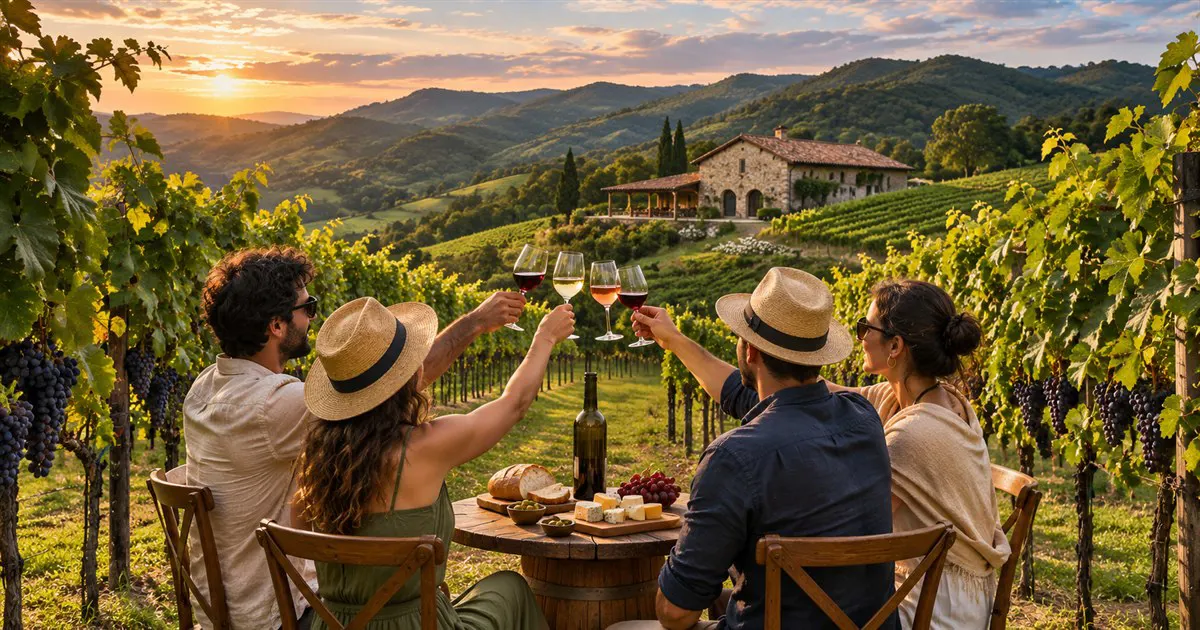
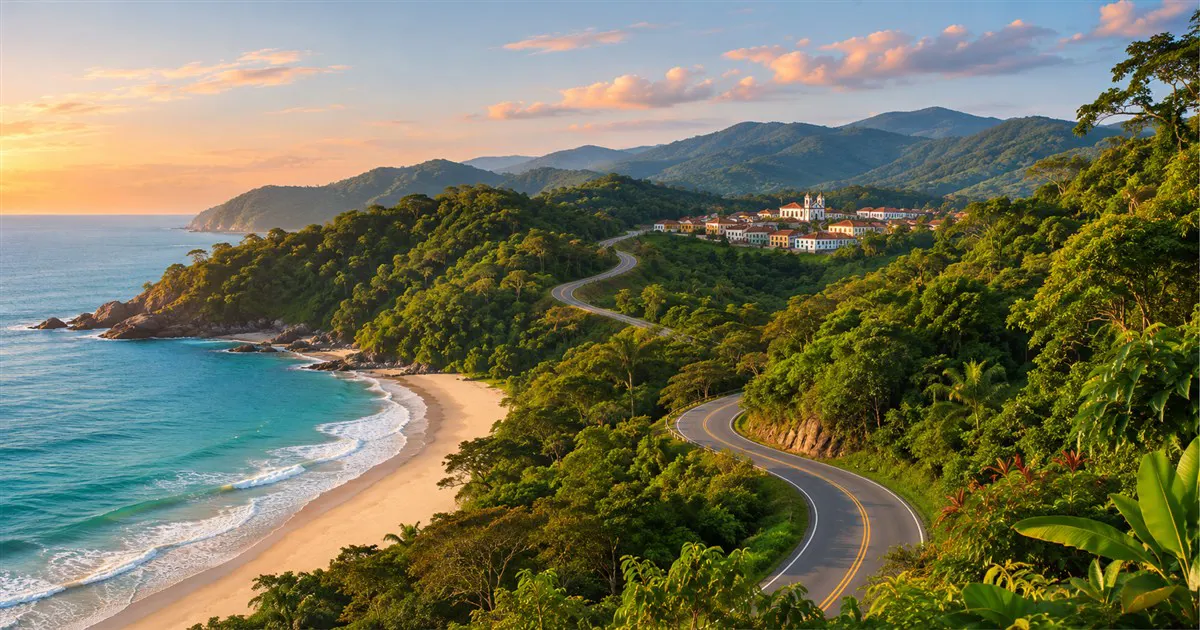
Illustrative images. The pictures in this guide are illustrations based on the real place, not photographs, and may differ from it.


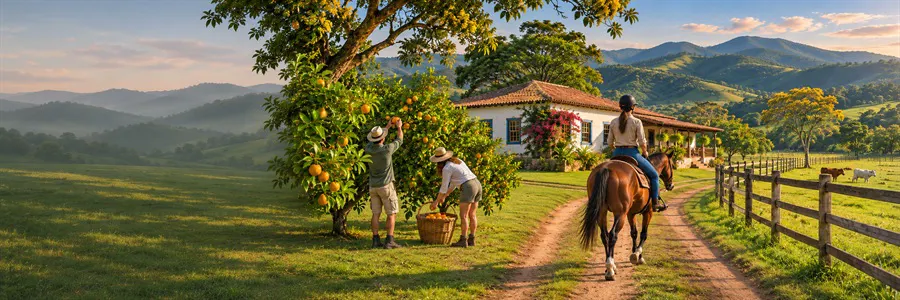
Food and countryside
Rural tourism
Waking up to the rooster, having coffee with fresh cheese, riding a horse and seeing the sky with no building in front: a pause in the pace of the countryside.
Rural tourism is travel to the countryside in which the life of the property is part of the experience. The guest doesn’t just look at the landscape: they accompany milking, pick fruit from the tree, watch cheese being made, ride horses, eat what comes from the garden and talk with the family who lives there.
What to do
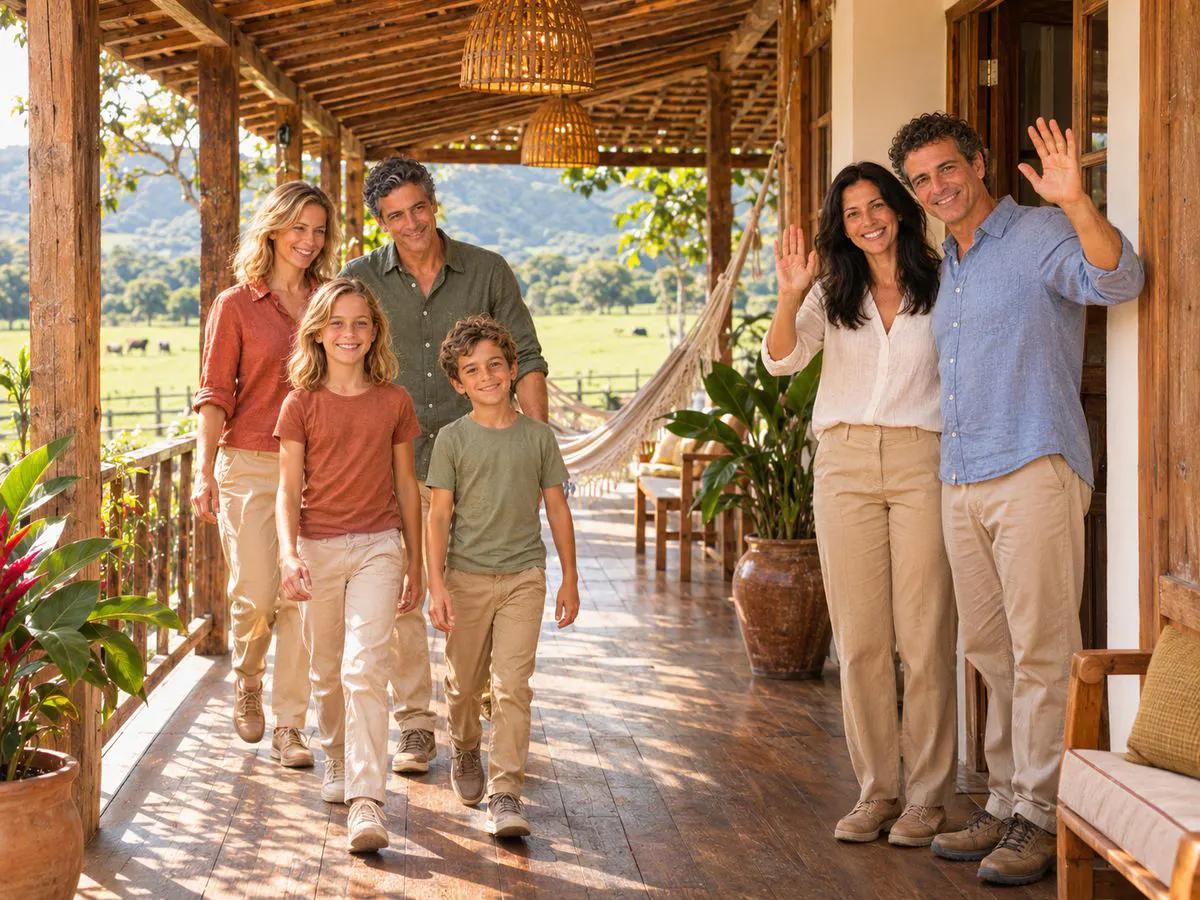
Farm-hotels
Main house, meals at regular times and the farm routine as the day’s program.
Learn more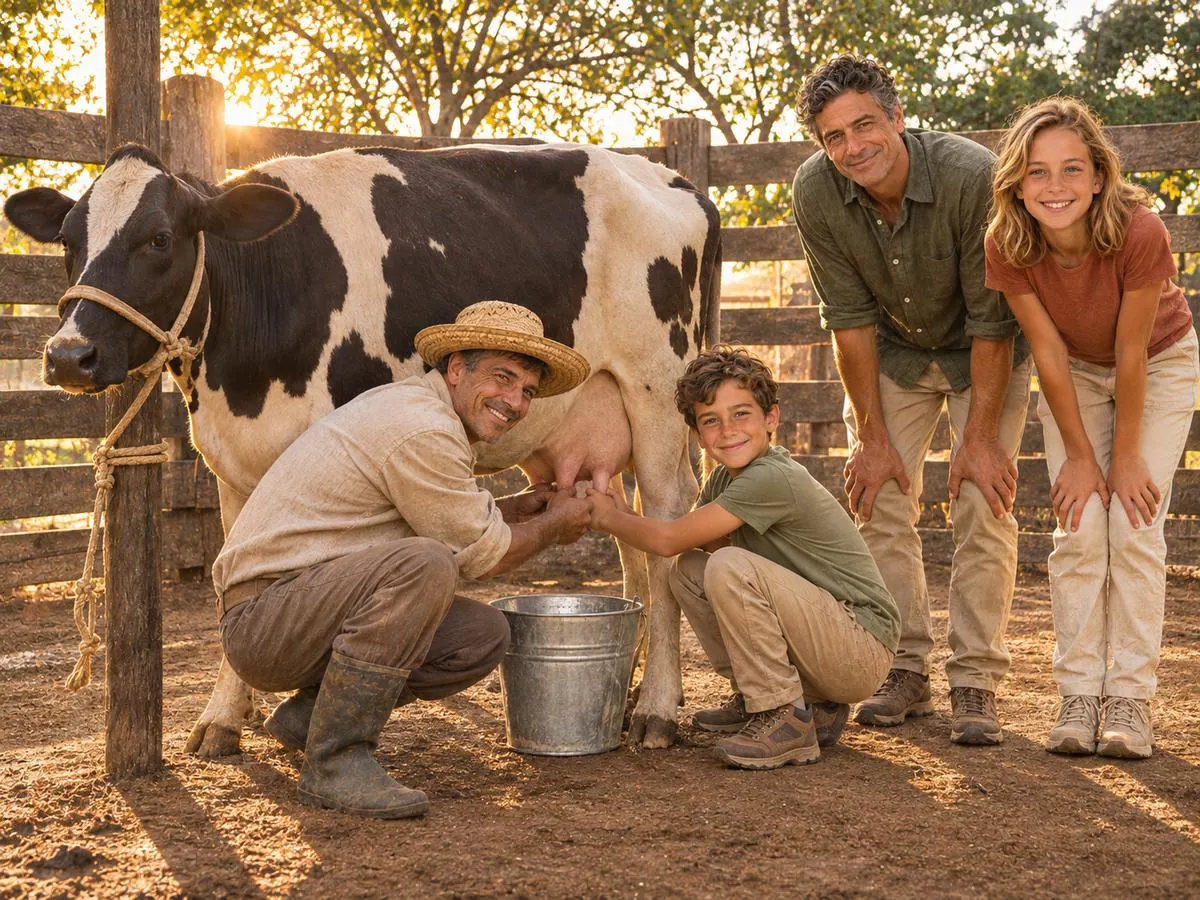
Milking
Early, in the corral: milk drawn by hand and tasted still warm, before breakfast.
Learn more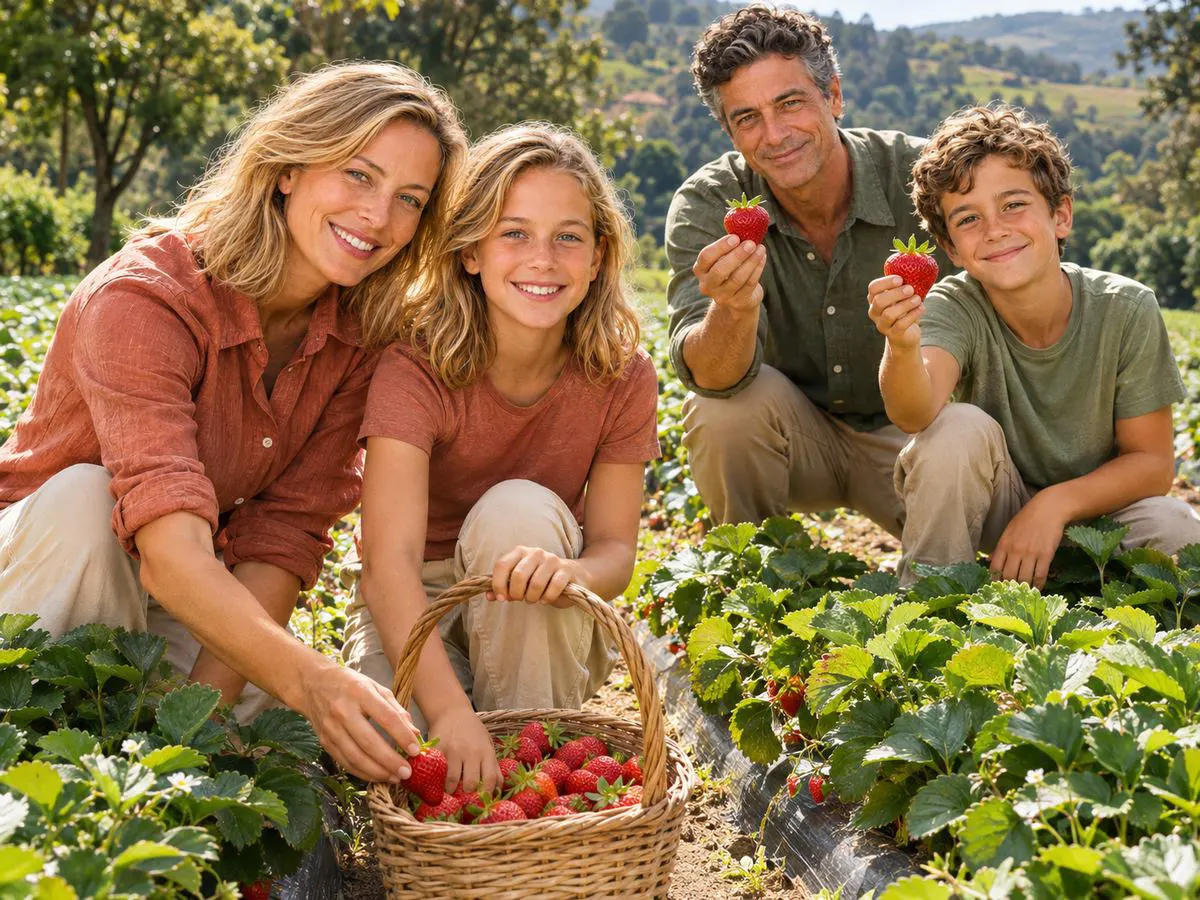
Harvest
In orchards and gardens open to visitors, you harvest what’s in season.
Learn more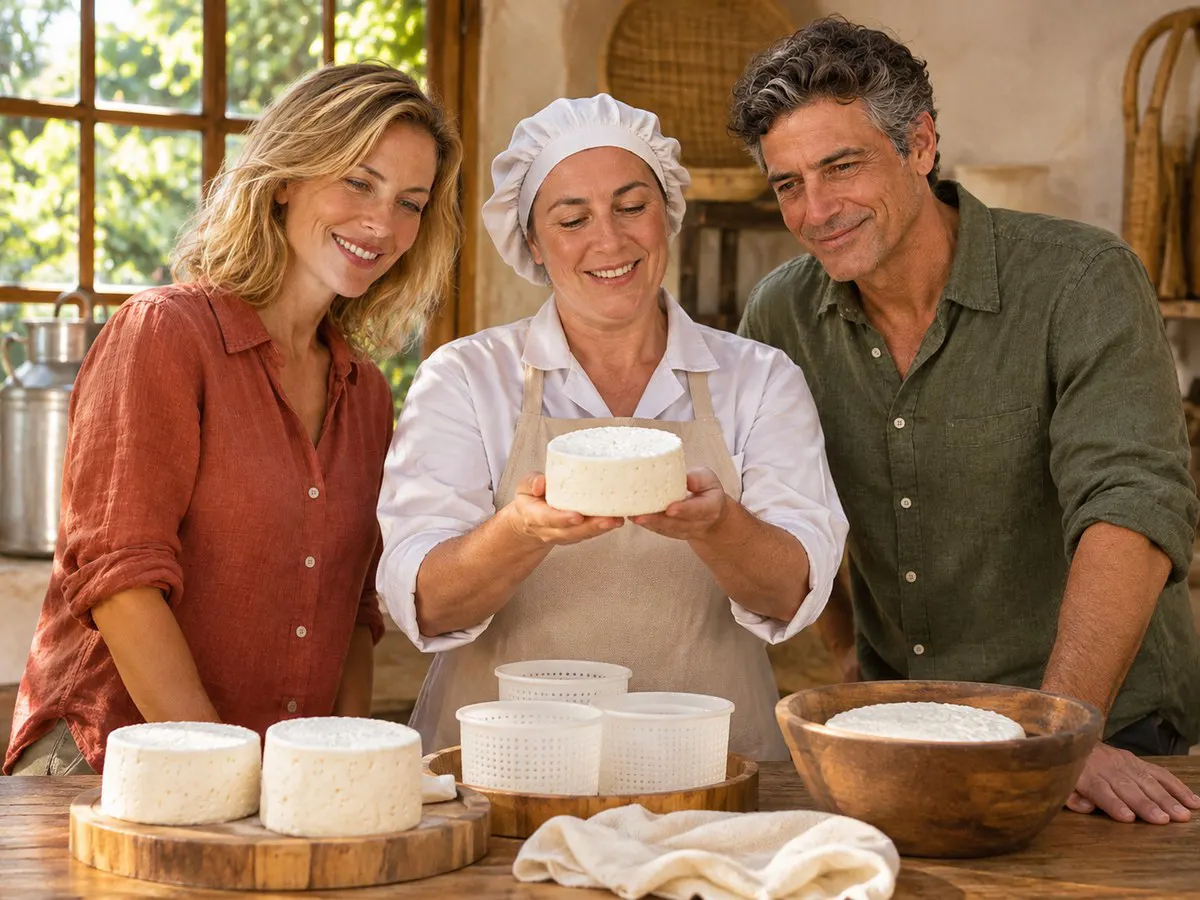
Cheese dairies
From the curd tank to wooden shelves, the path from milk to cheese.
Learn more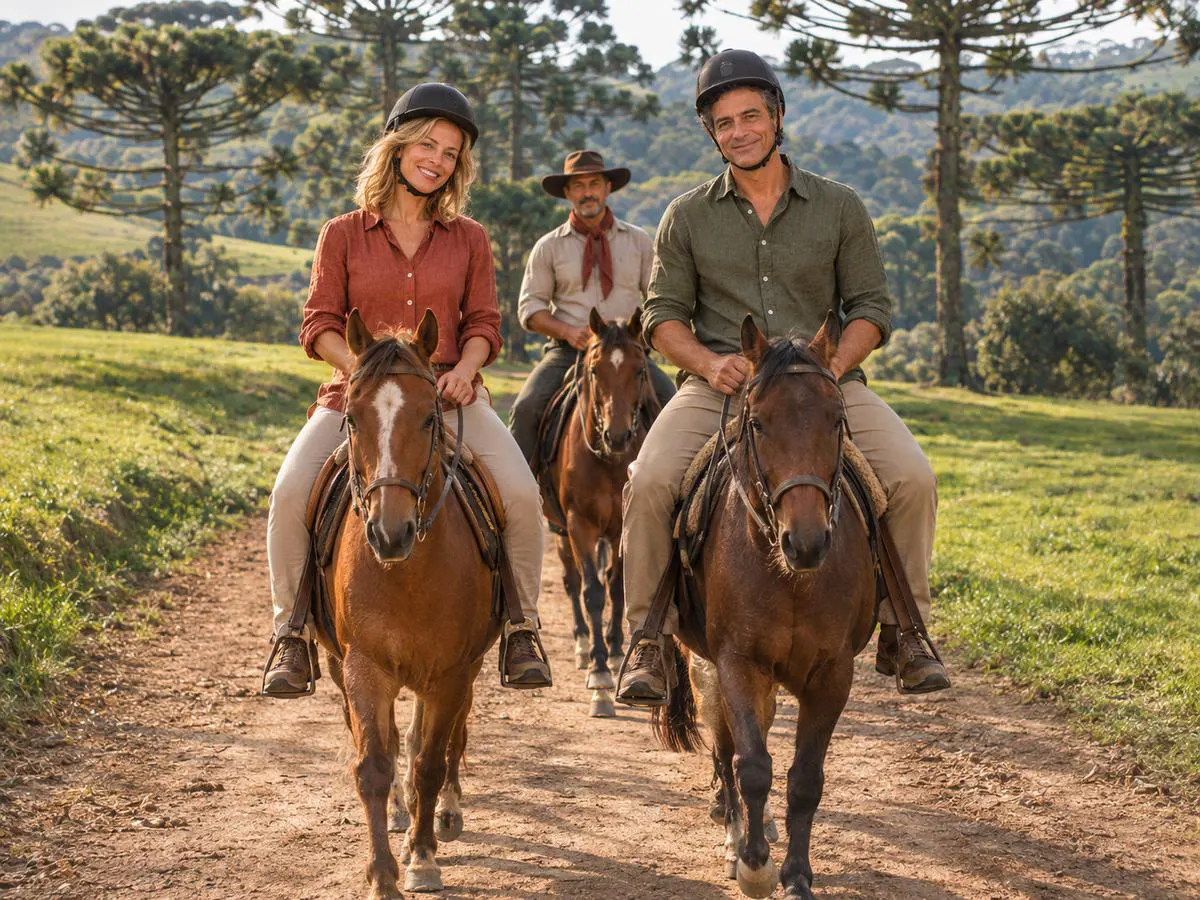
Easy horseback ride
A walk at a walking pace through the farm pastures, with gentle horses and a farmhand in front.
Learn more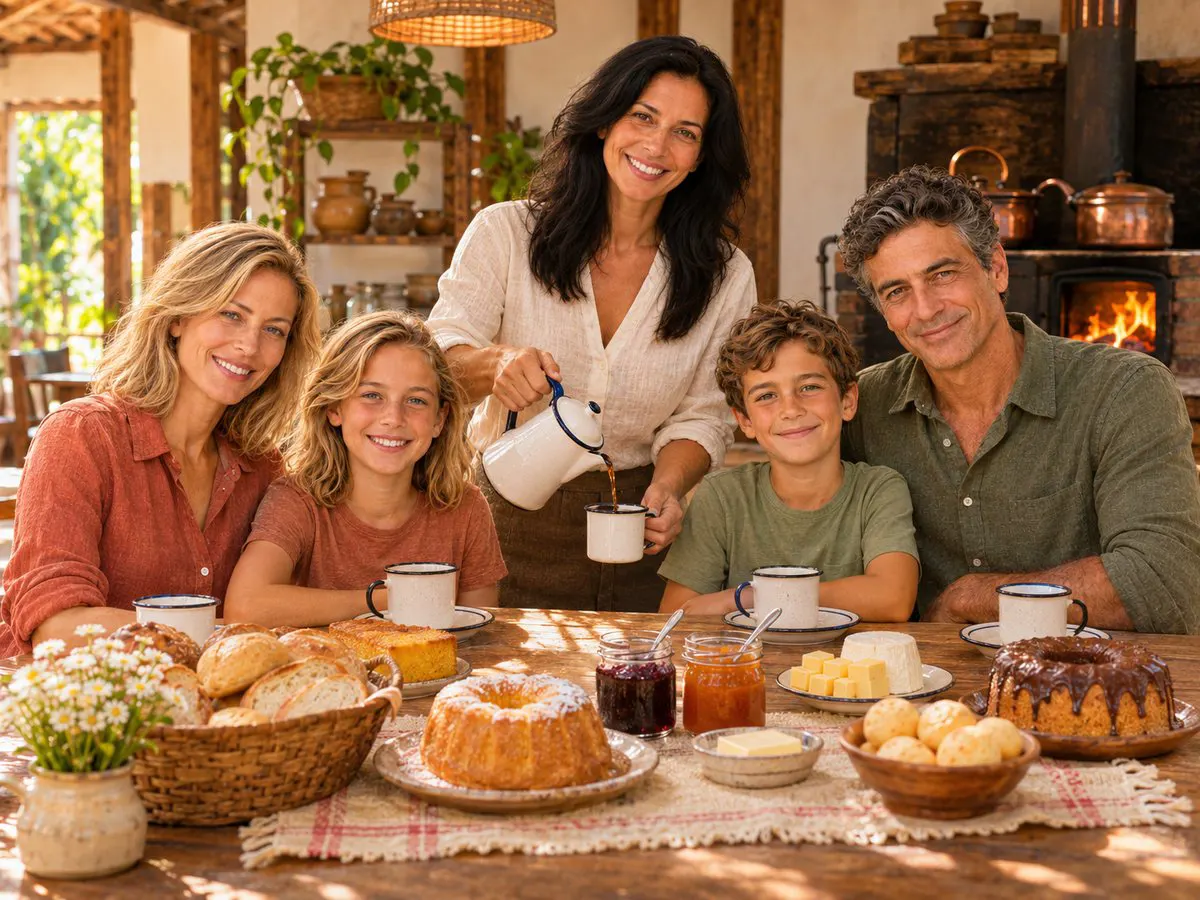
Afternoon farmhouse spread
The afternoon table brings together breads, cakes, jams, cheeses and butter made right there.
Learn moreWhere to go in Brazil
Pick a region or a state on the map, or type what you are looking for, to see the cities and who offers each activity.
- Aquidauana MS
- Miranda MS
- Domingos Martins ES
- Venda Nova do Imigrante ES
- Delfinópolis MG
- São Roque de Minas MG
- Serro MG
- Carambeí PR
- Colombo PR
- Palmeira PR
- Cambará do Sul RS
- Bom Jardim da Serra SC
-
Lages SC
Farm-hotels · Milking · Easy horseback ride · Afternoon farmhouse spread
- Pomerode SC
- Urubici SC
In Brazil, this kind of trip ranges from cattle ranches on the Santa Catarina plateau to immigrant farms in the mountains of Espírito Santo, from coffee manor houses in the Southeast to the farms of the Pantanal. It’s one of the simplest ways to slow down, and it’s usually a few hours’ drive from large cities.
What rural tourism is and what agritourism is
According to the Ministry of Tourism, rural tourism gathers tourist activities carried out in rural areas that are linked to agricultural and livestock production. The attraction is the countryside way of life itself: working with animals, crops, cooking on a wood stove and the region’s stories.
Agritourism is the name given to visits to properties that continue producing and open their doors to show the work. Visitors learn about the production of cheeses, cured meats, honey, jams or flowers and buy directly from those who make them. These are usually family-run properties, and the host is often the owner.
Wineries, distilleries and coffee farms are also in the countryside, but have their own itineraries — wine tourism and beverage routes. The two types of trips complement each other in the same region.
Who it suits and at what stage of life
It suits those who need rest and don’t want a full agenda. The countryside is quiet, nights are dark and meals mark the day, which helps people coming off a busy period. It’s also a trip easy to fit into a weekend near home.
For city children, it’s a discovery: seeing where milk comes from, feeding animals, stepping on soil, riding in a carriage. Many grandparents choose this type of trip to take their grandchildren and show them a way of life they knew in childhood.
Couples find peace in small rural inns. And those thinking of changing life, swapping the city for a smallholding, often use these trips to get to know regions and talk with producers.
Where to do rural tourism in Brazil
Lages, on the Santa Catarina plateau, is recognized as a pioneer of rural tourism in the country: since the 1980s, century-old cattle farms have welcomed guests for horseback rides, traditional ranch work and meals around the ground fire. In Espírito Santo, Venda Nova do Imigrante holds the title of national capital of agritourism, with family farms of Italian origin that sell socol (a cured pork loin), cheeses, cookies and jams.
In the Paraíba do Sul river valley, in the state of Rio de Janeiro, Vassouras is the center of a region of nineteenth-century coffee farms, with main houses open for scheduled visits. On the São Paulo–Rio de Janeiro border, Cunha gathers smallholdings, a lavender field and ceramic studios. In the interior of São Paulo, Socorro has farmhouse hotels with many outdoor activities and is a reference for hosting people with disabilities or reduced mobility.
In Minas Gerais, Gonçalves, in the Mantiqueira Mountains, has rural inns and producers of cheeses, jams, honey and mushrooms who sell at their door. In Serro, farms make a raw-milk cheese whose artisanal production method is recognized as Brazil’s cultural heritage.
In the Pantanal of Mato Grosso do Sul, the farms around Miranda host visitors amid cattle ranching. The day starts early with the ranch hands’ work, and caimans, capybaras, jabirus and macaws often appear near the homesteads.
When to go to the countryside
The countryside welcomes visitors all year, and each season changes the landscape and activities. In the southern and southeastern highlands, winter, from June to August, has dry days, cold nights, fireplaces and wood stoves. Summer is green and rainy, with afternoon downpours, and requires dirt roads to be in good condition.
Harvests set the visiting calendar, and each fruit has its months: strawberries usually run from winter to spring; peaches and table grapes are for summer. In the Pantanal, the dry season, from May to September, makes overland travel easier, and the flooding, generally from December to March, inundates parts of the roads.
How to plan the trip
A weekend is already worthwhile; three or four nights let you settle into the pace. A car is almost always necessary because properties lie outside towns and many are accessed by dirt roads. It’s wise to ask about road conditions and arrive before dark.
Check what’s included in the daily rate: on farm-hotels, meals and recreation are usually part of the package; on rural guesthouses and small farms, activities may be charged separately or require booking. Visits to agrotourism sites and historic farms generally require an appointment: confirm before you go.
In your suitcase: closed shoes that can get dirty, long pants, a hat, insect repellent and a jacket for the evening. Phone signal and internet don’t always reach the properties, which for many people is part of the rest.
Rural tourism around the world
Italy gave this type of lodging its name: agriturismo, a farmhouse that hosts guests and serves what it produces. Tuscany, with its olive groves and stone houses, is the most sought-after region. In France, Provence attracts visitors for its villages and lavender fields, which usually bloom from mid-June to July.
In Portugal, the Alentejo, around Évora, has hill farms and old agricultural houses surrounded by cork and olive trees, converted into rural accommodations. In all three places, the idea is the same as Brazilian farms: few rooms, food from the land and time.
Frequently asked questions
What is rural tourism?
It’s travel to the countryside in which the life of the property is part of the experience: milking, harvesting, animals, the wood-stove kitchen. It can be a day trip or a multi-day stay.
What’s the difference between rural tourism and agrotourism?
Agrotourism is a part of rural tourism. It’s a visit to properties that are still producing—usually family-run—where the visitor learns about the work and buys directly from the producers.
Where to do rural tourism in Brazil?
Lages, in Santa Catarina, and Venda Nova do Imigrante, in Espírito Santo, are the best-known references. Vassouras, Cunha, Socorro, Gonçalves, Serro and the farms of the Pantanal around Miranda also receive visitors.
Is a hotel-fazenda rural tourism?
Yes, when the farm maintains its connection to country life, with animals, milking, a vegetable garden and country cooking. It’s the version with more leisure infrastructure, with a pool, recreation and often meals included.
Is rural tourism good for children?
Yes. Watching milking, feeding animals, picking fruit from the tree and riding in a horse-drawn cart are simple outdoor activities. Check with the property which activities accept very young children.
When to go to the countryside?
Year-round. Winter, from June to August, brings dry days and cold nights in the highlands of the South and Southeast; summer is green and rainy. In the Pantanal, the dry season runs from May to September.
Do you need a car for rural tourism?
Almost always. Properties are located outside towns, many with dirt-road access. Some farm-hotels offer transfers from the nearest town: confirm before you go.
How many days to stay on a farm?
A weekend already pays off. Three or four nights let you fall into the rhythm of the countryside and take part in activities without rushing.
Do you need to know how to ride to go on a horseback ride?
No, for the easy rides on farms. The horses are gentle, the pace is walk, and a farmhand accompanies the group. It’s a good idea to warn them beforehand if it’s your first time.
More in Food and countryside
Beyond the guide


