

 Antarctica
 Argentina
 Bolivia
 Chile
 Colombia
 Ecuador
 Guyana
 French Guiana
 Falkland Islands (Malvinas)
 Paraguay
 Peru
 Suriname
 Uruguay
 Venezuela
 Germany
 Austria
 Belgium
 Croatia
 Denmark
 Slovakia
 Slovenia
 Spain
 Finland
 France
 Greece
 the Netherlands
 Hungary
 Ireland
 Iceland
 Italy
 Luxembourg
 Norway
 Poland
 Portugal
 the United Kingdom
 the Czech Republic
 Sweden
 Switzerland
 Turkey
 Bermuda
 Canada
 the United States
 Greenland
 Mexico
 Saint Pierre and Miquelon
 the Dominican Republic
 Japan
 South Africa
 Egypt
 Australia
 Fiji
 New Zealand
 Papua New Guinea
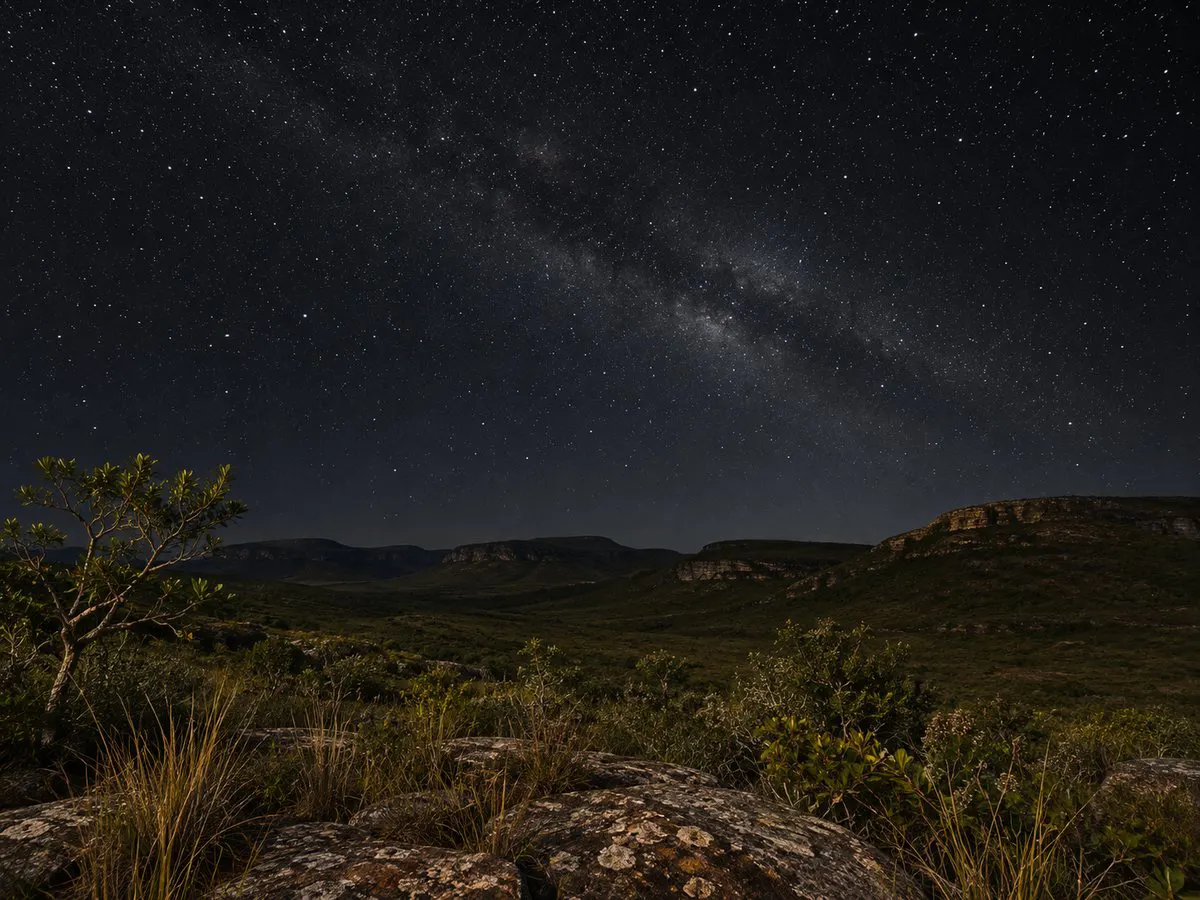
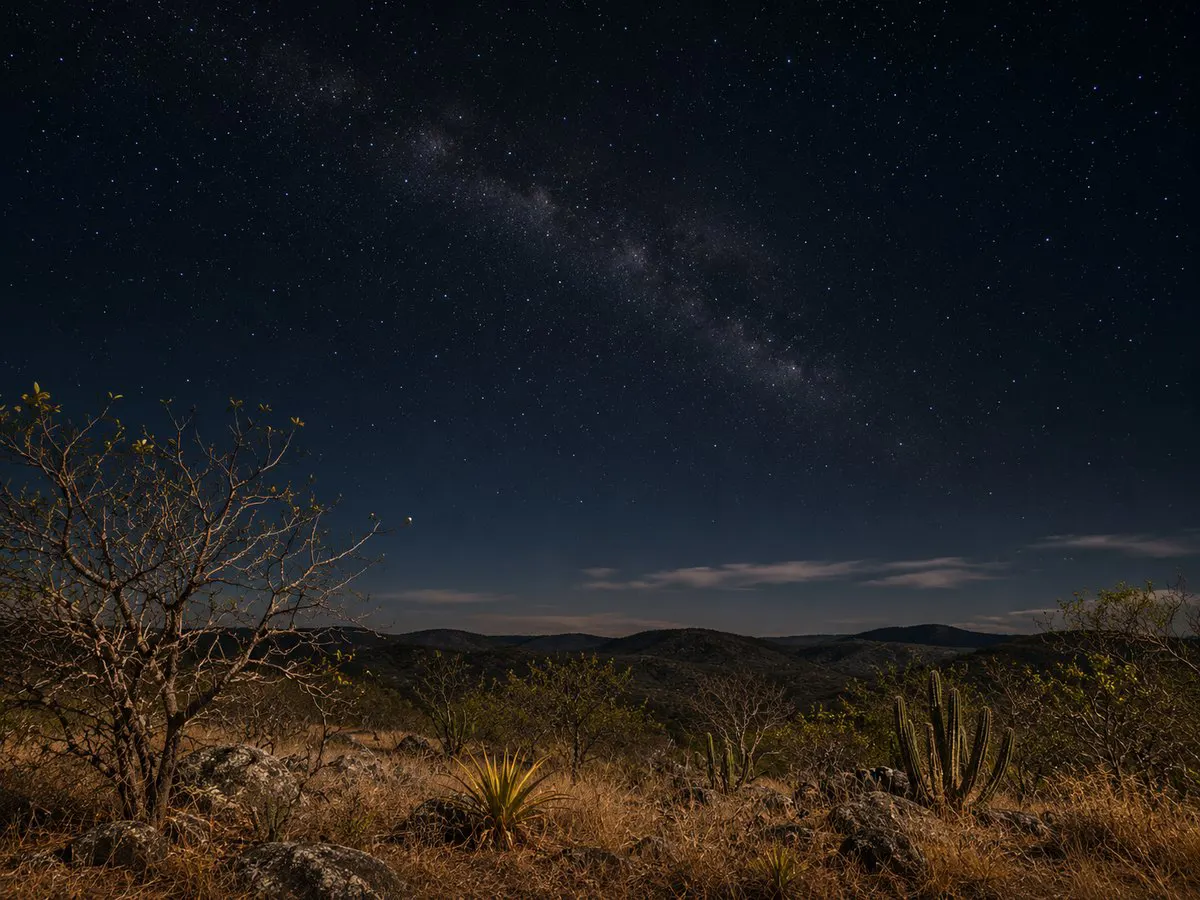
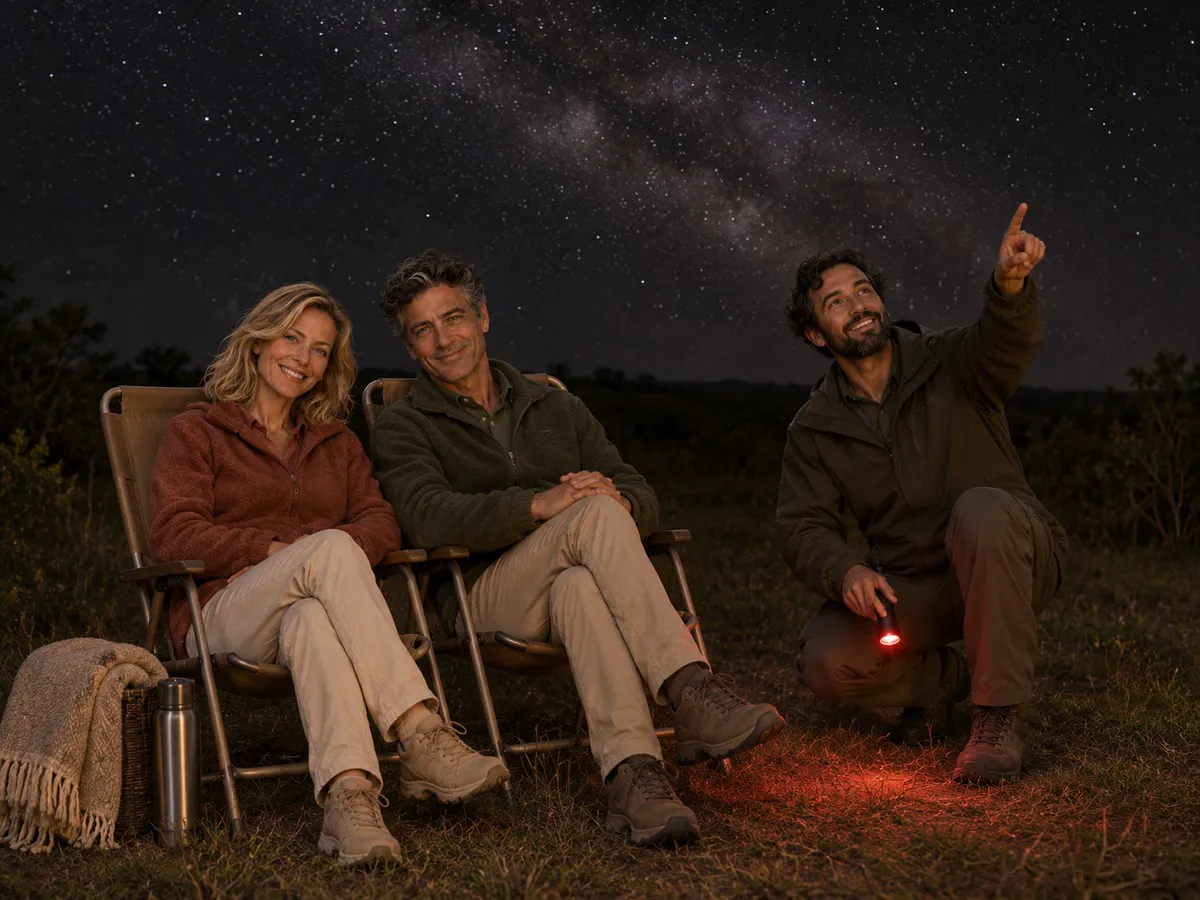
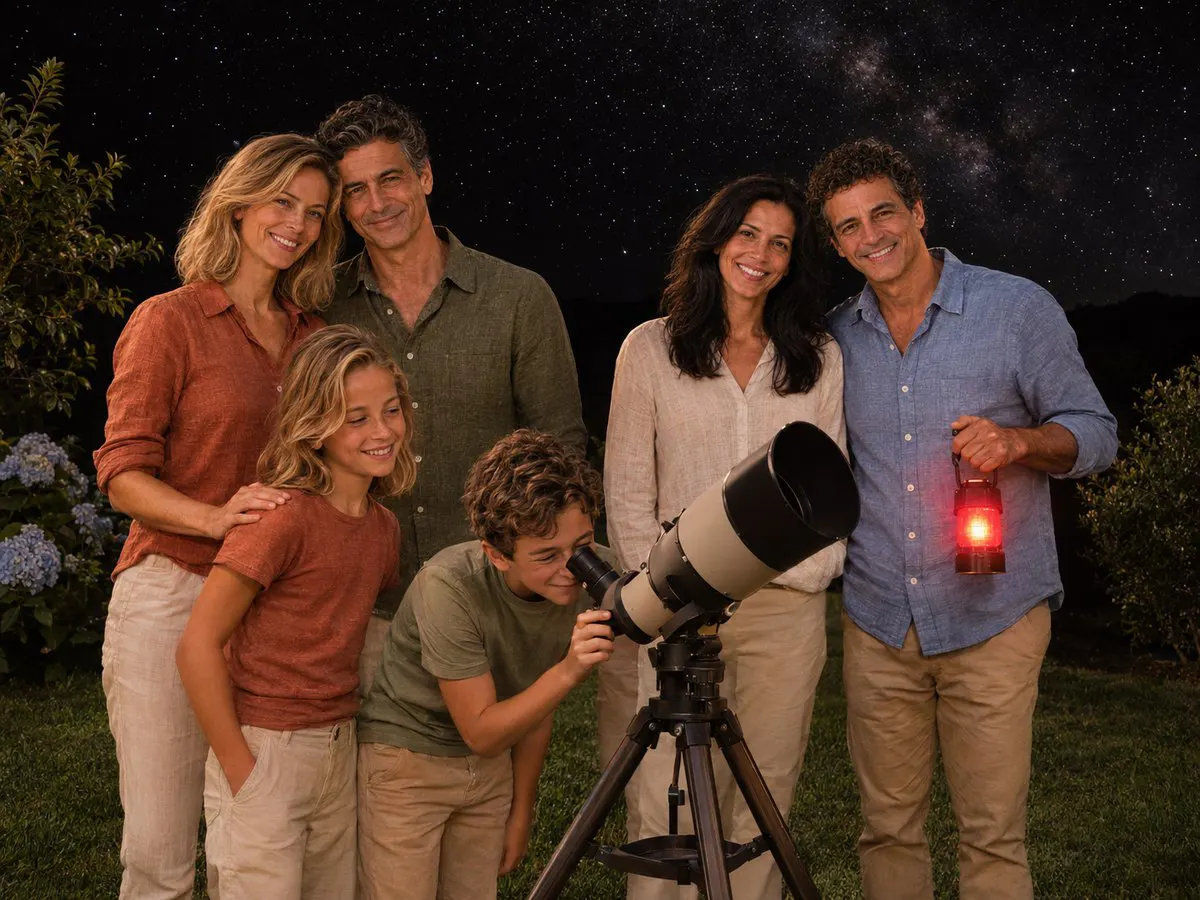
Illustrative images. The pictures in this guide are illustrations based on the real place, not photographs, and may differ from it.


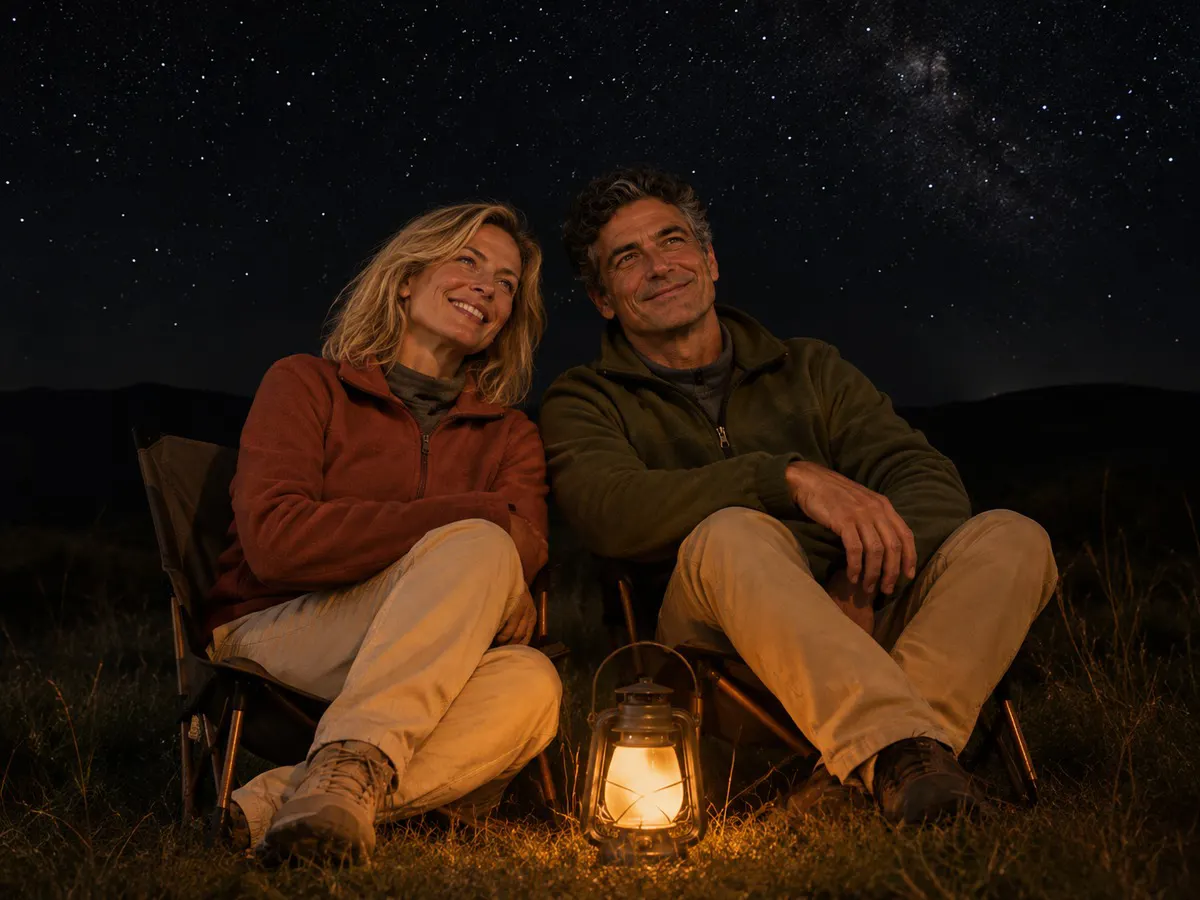
Astrotourism
Dark sky
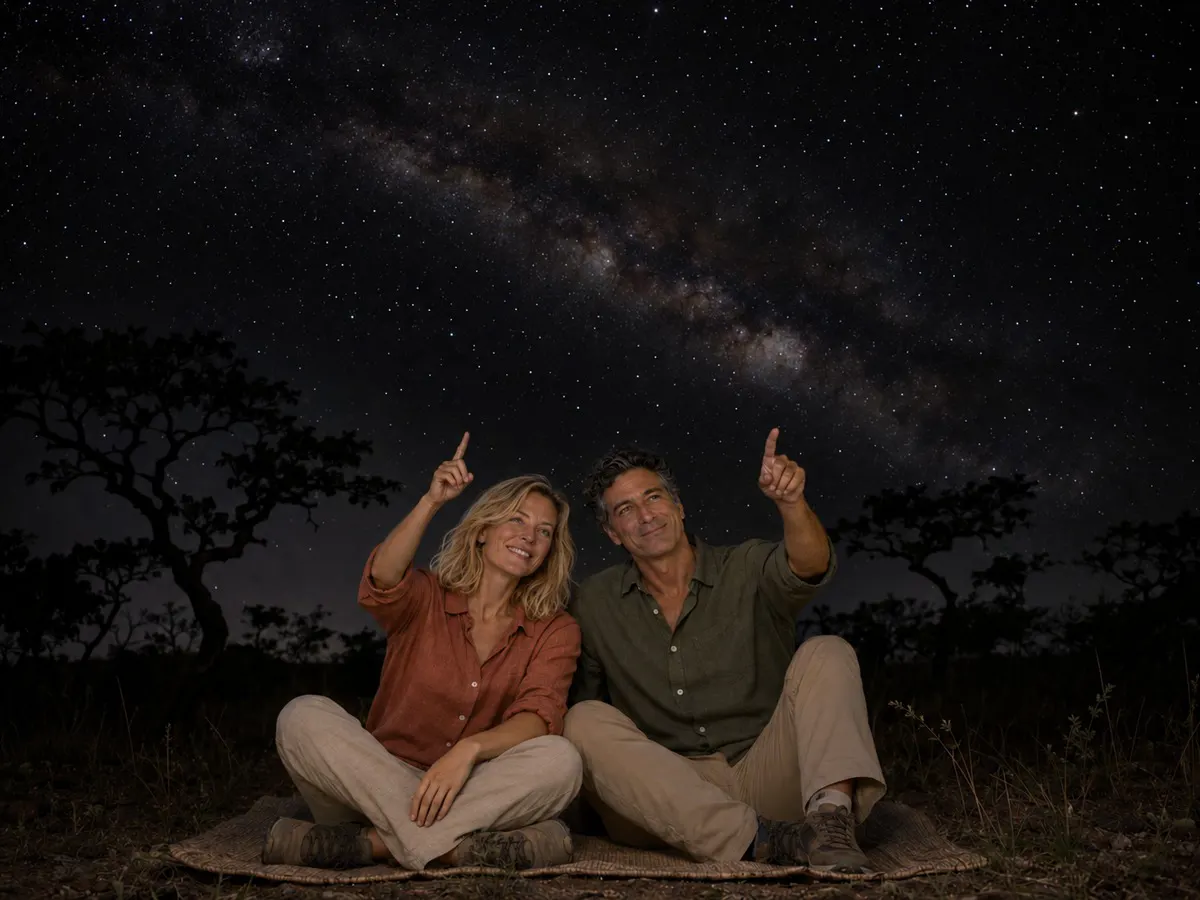
A few kilometers from the city, the sky reveals thousands of stars that city lights hide.
Dark sky is the night sky without interference from artificial light. In cities, lighting scatters in the air and creates a glow that hides almost all the stars. Far from it, the same night shows thousands of points, the band of the Milky Way and, occasionally, a meteor.
Looking for a dark sky is the basic activity of astro-tourism and does not require equipment. It requires distance from lights, a night without clouds and without the Moon, and a few minutes of patience.
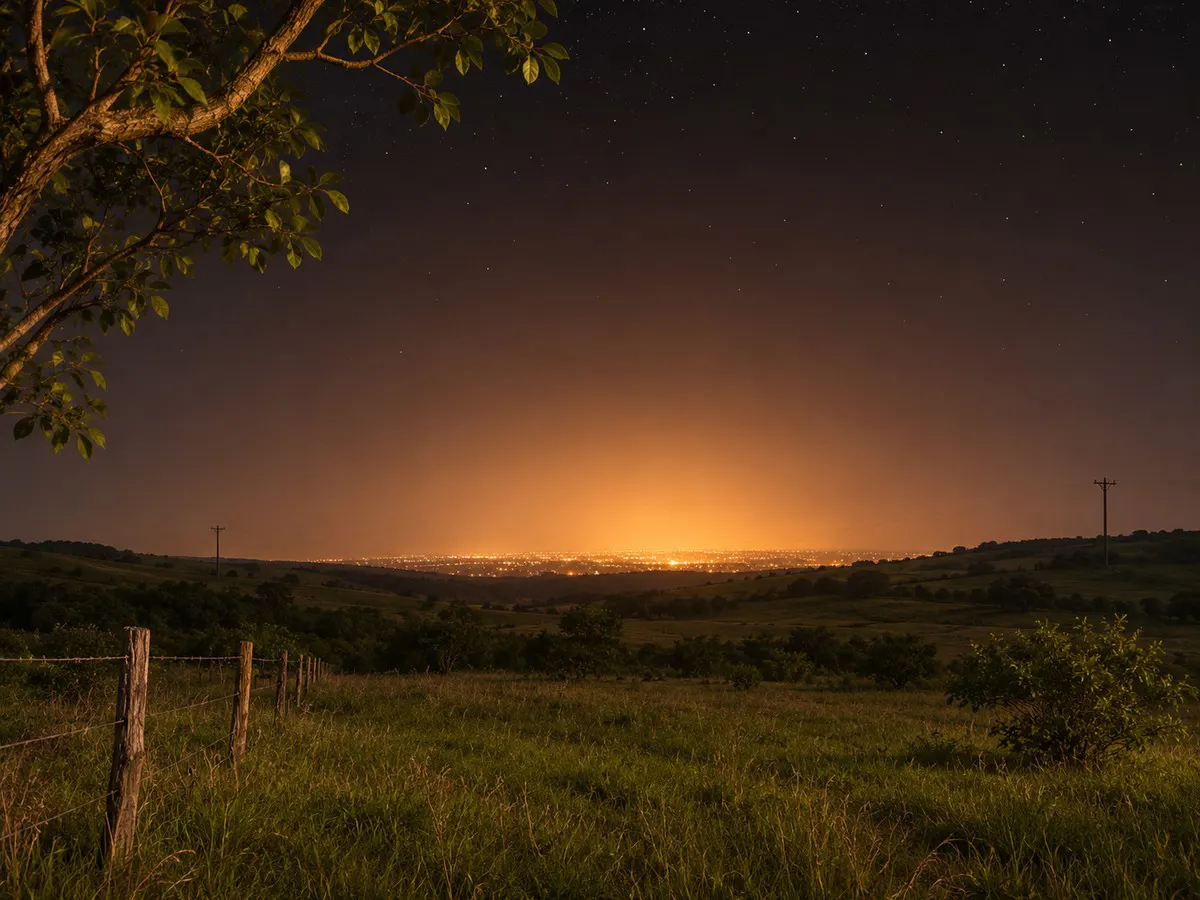
What is light pollution
It is the excess artificial light thrown upward or sideways where it illuminates nothing useful. Unshielded streetlights, façades, signs and floodlights add up and brighten the sky tens of kilometers away. From a distance, a city appears as a dome of light on the horizon.
Besides hiding the stars, that light disorients birds and insects and wastes energy. It is a problem that is simple to reduce: fixtures pointed downward, warmer-colored bulbs and light only where and when needed. Places that have the sky as an attraction often adopt those rules.
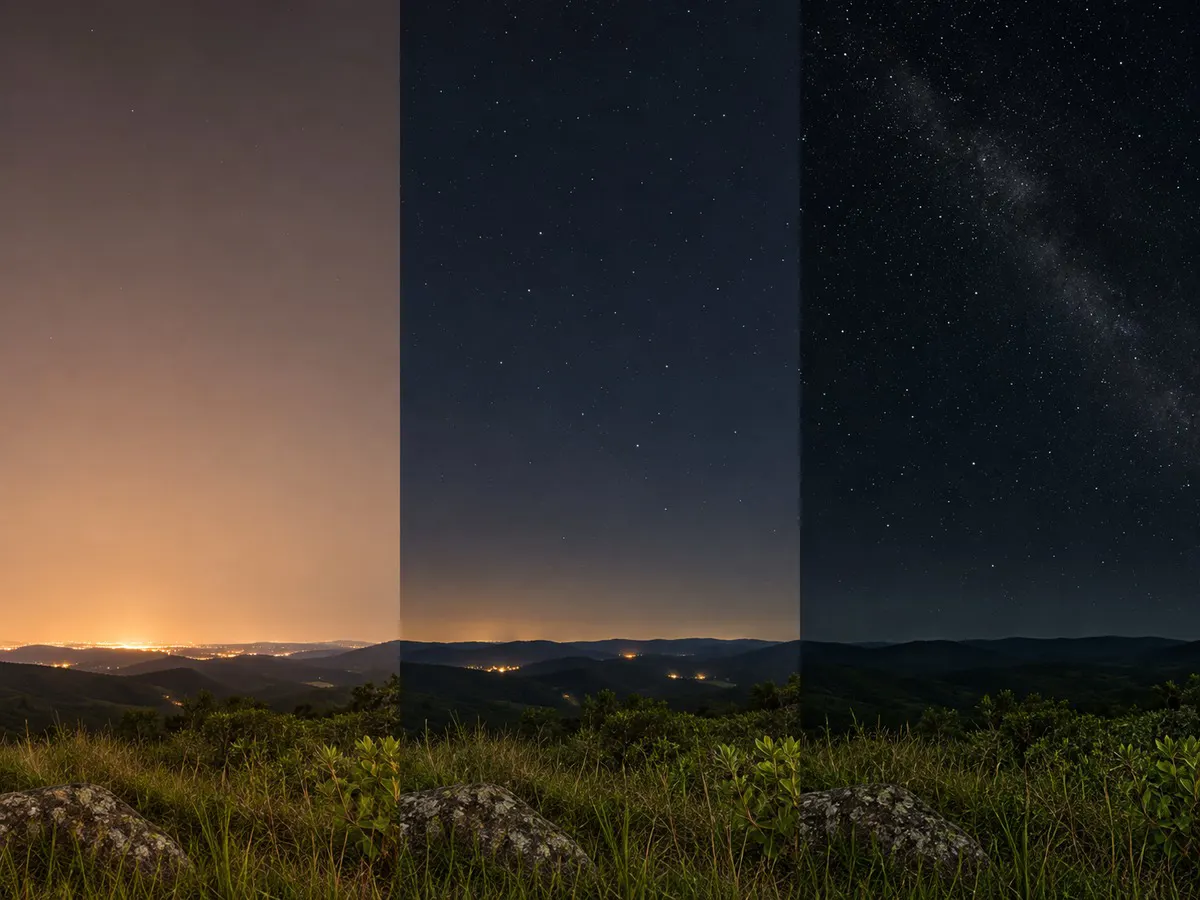
How darkness is measured: the Bortle scale
Amateur astronomers use the Bortle scale, which runs from 1 to 9. Class 9 is the sky over the center of a large city, where only the Moon, the planets and a few stars are visible. Intermediate classes correspond to suburbs and smaller towns. In classes 3 and 2, in remote rural areas, the Milky Way appears with detail. Class 1 is the darkest sky there is, found in remote locations.
Light-pollution maps available online show, in colors, the approximate class of each point in the country. They help choose a destination and, once there, to find the darkest direction.
Dark-sky parks
An international organization dedicated to protecting the night recognizes areas that prove sky quality and commit to maintaining it: they measure darkness, adapt lighting and offer nighttime activities to the public. Dark-sky park is one of the categories of that recognition.
In Brazil, Parque Estadual do Desengano, in Santa Maria Madalena in the northern hills of Rio de Janeiro state, was the first area in Latin America to receive the title. In Minas Gerais, Parque Estadual da Serra do Brigadeiro, in Araponga, performs sky-darkness measurements.
The designation helps choosing, but it is not required. Most of the country’s dark skies have no recognition at all: they are sparsely populated ranges, plateaus and backlands.
Where to find dark skies in Brazil
In Alto Paraíso de Goiás, in Chapada dos Veadeiros, the sky is usually clear for most of the year. In Serra da Canastra, in São Roque de Minas, the nights have no light interference. In Barreirinhas, guided night outings leave the village of Atins for the dunes of Lençóis Maranhenses.
Also sought for their skies are Chapada Diamantina in Bahia, Jalapão in Tocantins, the Cariri Paraibano with its dry climate, São Thomé das Letras in southern Minas, and Urubici in the Santa Catarina highlands. The towns appear on the map on this page.
At any of them, the dark night begins outside the village: a few kilometers from the last lights, at a viewpoint or on a field without poles.
When to go: clouds, the Moon and season
A dark night depends on a cloudless sky, dry air and absence of the Moon. In central Brazil and the Southeast, the dry season runs from May to September. In the semi-arid Northeast, the dry period generally goes from August to December.
The full Moon brightens the landscape and drowns out faint stars. Prefer nights around the new Moon, or the hours when the Moon has not yet risen or has already set — any lunar calendar shows those times.
How to prepare and who to go with
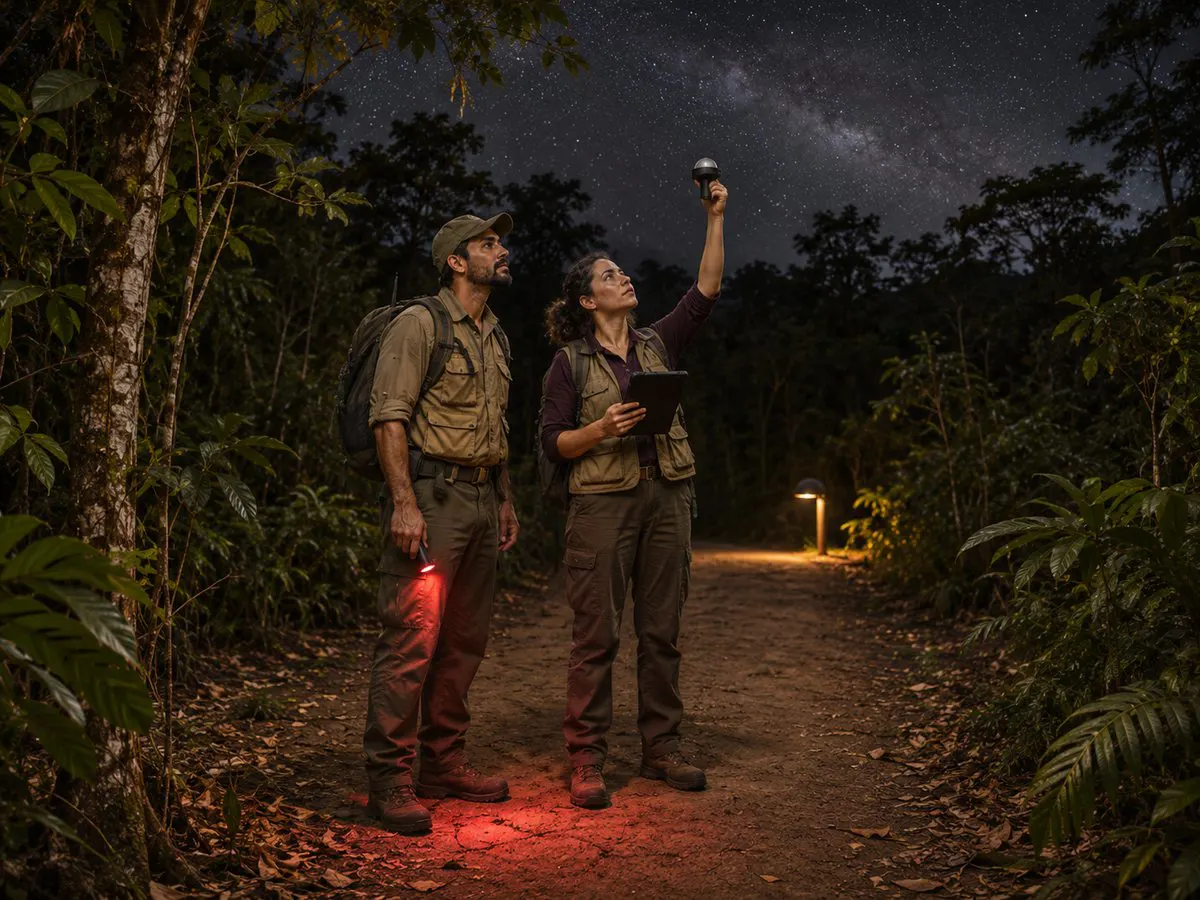
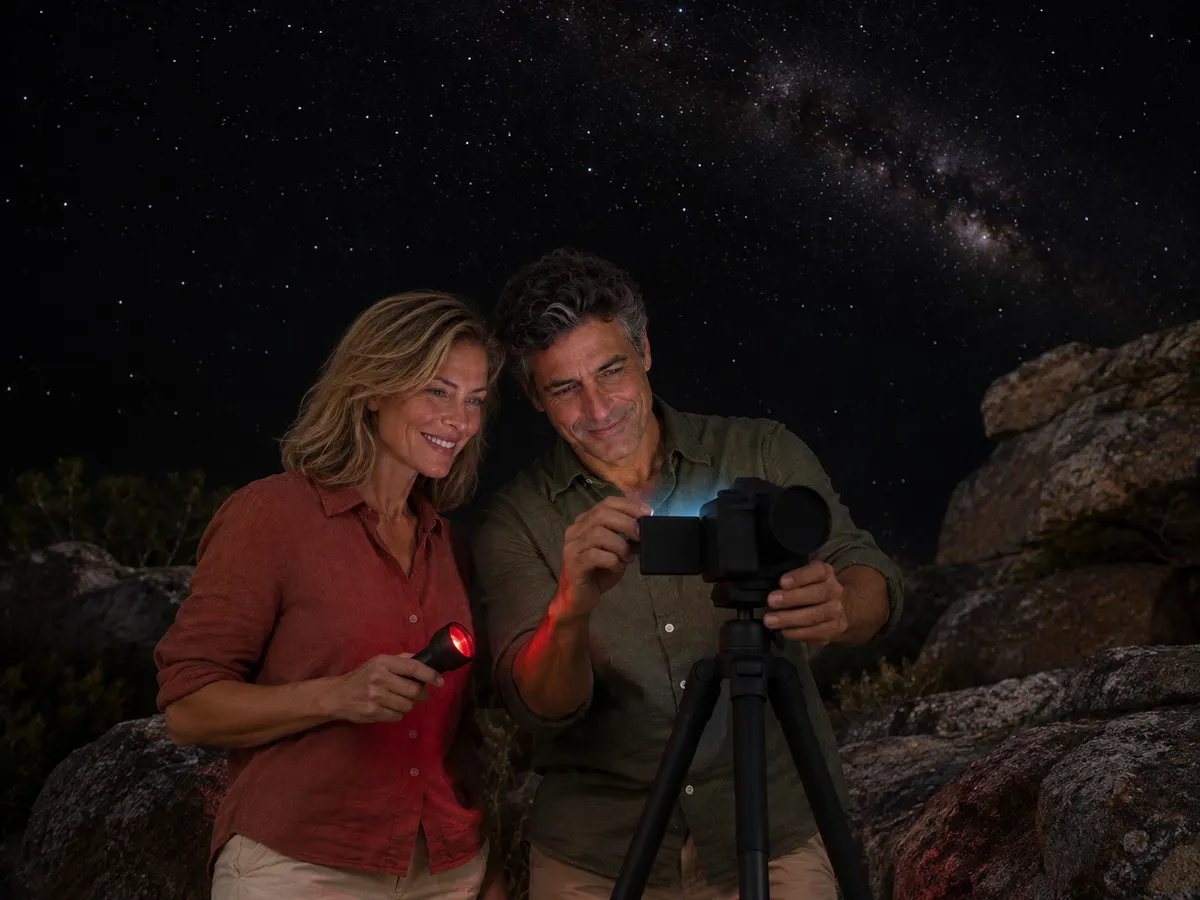
Eyes take about twenty minutes to adapt. During that time, no phone screens or headlights: a red-light flashlight preserves night vision. Bring warm clothing, because a clear night gets cold, a mat or reclining chair, insect repellent and water.
Going at night on a dirt road requires care: go with someone, inform your accommodation where you are going and learn the route by day. The simplest alternative is to book the outing with a local guide, who takes you to the right place, points out constellations and often sets up a telescope. Whoever sells the outing — guide or agency — should be registered in Cadastur, the Ministry of Tourism’s registry.
When choosing lodging, ask whether exterior lights can be turned off at night and whether there is an open, dark area on the property. The price of a guided outing varies with duration, transport, group size and telescope use: check the current rates.
Frequently asked questions
What is a dark sky?
It is the night sky free of artificial city light. There you can see thousands of stars and the band of the Milky Way with the naked eye. It is found in rural areas and remote parks on nights without clouds and without the Moon.
What is light pollution?
It is excessive or poorly directed artificial light that brightens the sky and hides the stars. It comes from streetlights, façades and floodlights and reaches tens of kilometers beyond the city.
What is the Bortle scale?
It is a scale from 1 to 9 that classifies sky darkness. Class 1 is the darkest sky, in remote places; class 9 is the center of large cities. The lower the number, the more stars are visible.
Where is the darkest sky in Brazil?
There is no single place. The darkest skies are in sparsely populated areas such as plateaus, backlands and remote ranges. Parque Estadual do Desengano, in Rio de Janeiro, was the first area in Latin America recognized as a dark-sky park.
How long do eyes take to adjust to the dark?
About twenty minutes without looking at any strong light. A glance at a phone screen or a headlight forces you to start over. A red-light flashlight does not interfere.
Does the Moon interfere with seeing the stars?
The full Moon does: it lights the sky and leaves only the brightest stars visible. Nights near the new Moon, or hours without the Moon in the sky, are recommended.
Do I need a guide to observe the sky?
It is not mandatory, but it helps. A guide knows the dark and safe spots, explains what you see and usually brings a telescope. For those going on their own, the precaution is to learn the route by day.
Where to go: Dark sky
Pick a region or a state on the map, or type what you are looking for, to see the cities and who offers it in each.
-
Barreirinhas MA
Passeio noturno guiado nos Lençóis Maranhenses, a partir de Atins.
-
Alto Paraíso de Goiás GO
Céu limpo na maior parte do ano, na Chapada dos Veadeiros.
-
São Roque de Minas MG
Noites sem interferência de luz na Serra da Canastra.
More activities in Astrotourism
Beyond the guide


