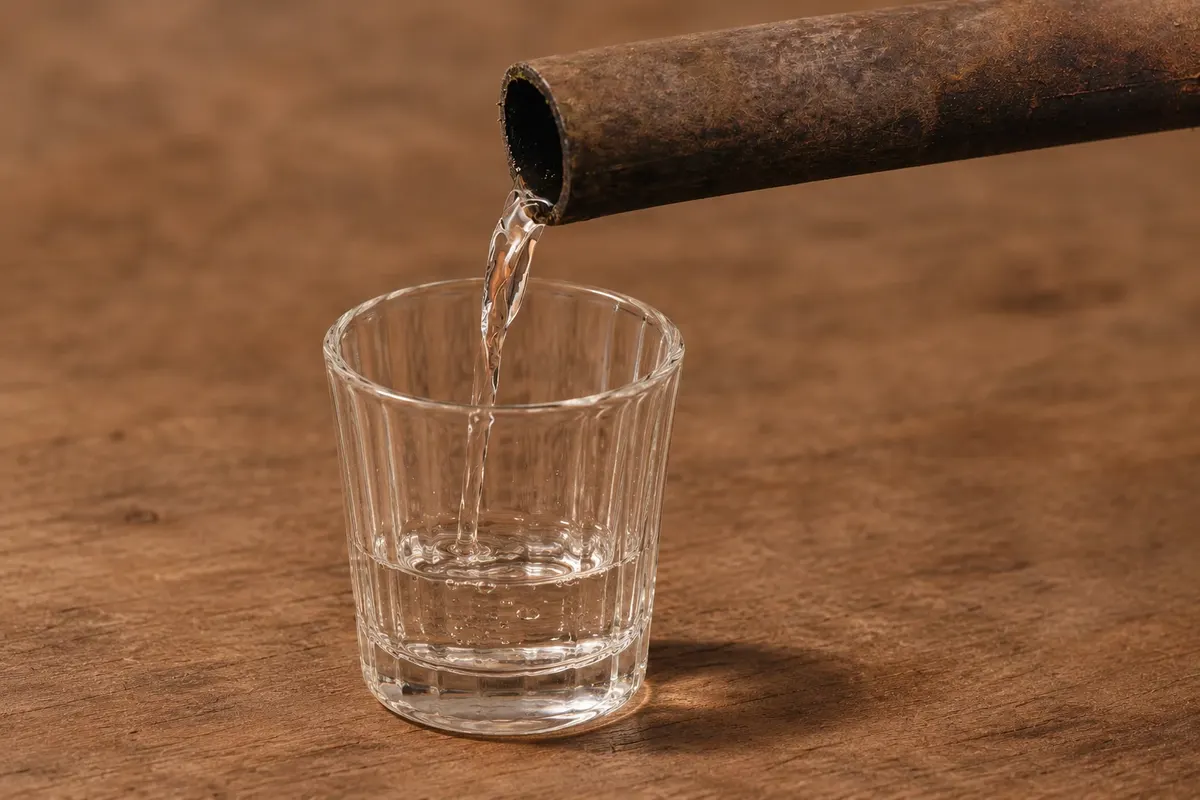
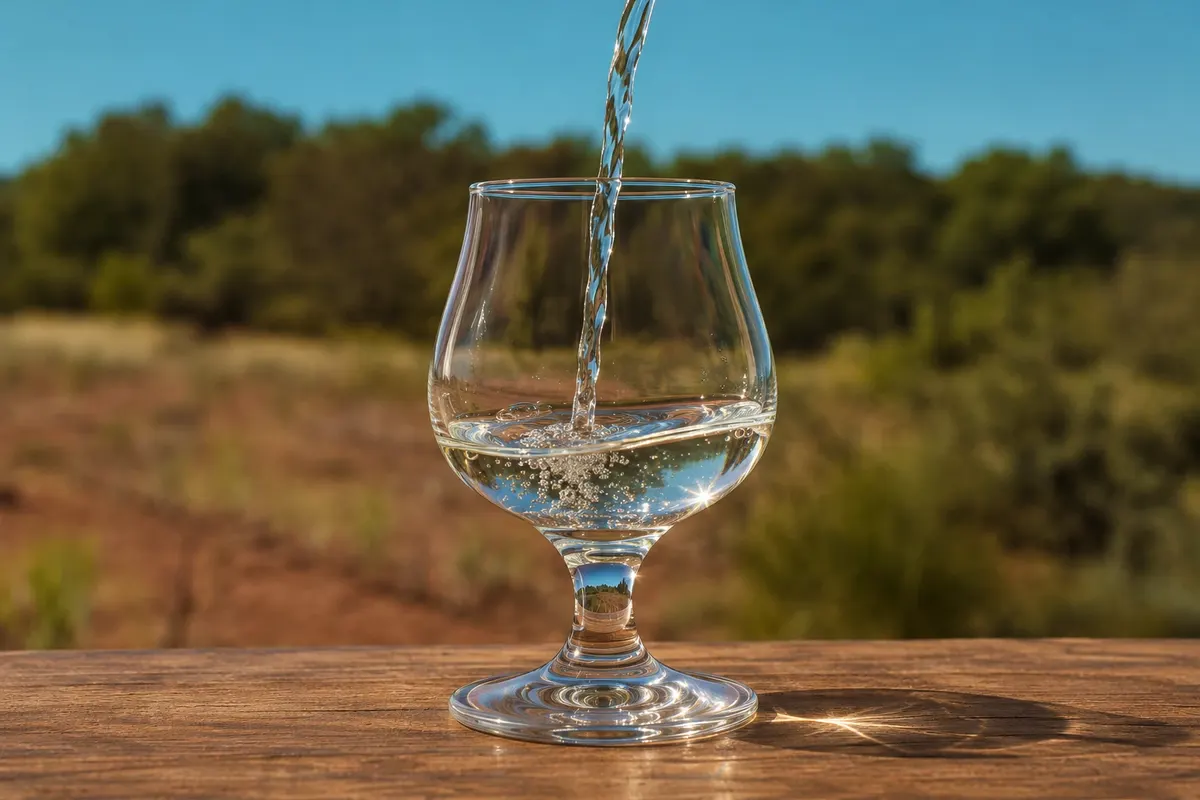
Tuba is the coconut sap, harvested high in the palm. The tubero, as the person who extracts it is called, climbs the tree, cuts the flower cluster before it becomes a coconut and fastens a container there to collect the liquid. Fresh tuba is clear, sweet and slightly acidic, and it becomes more acidic as hours pass because it begins to ferment.
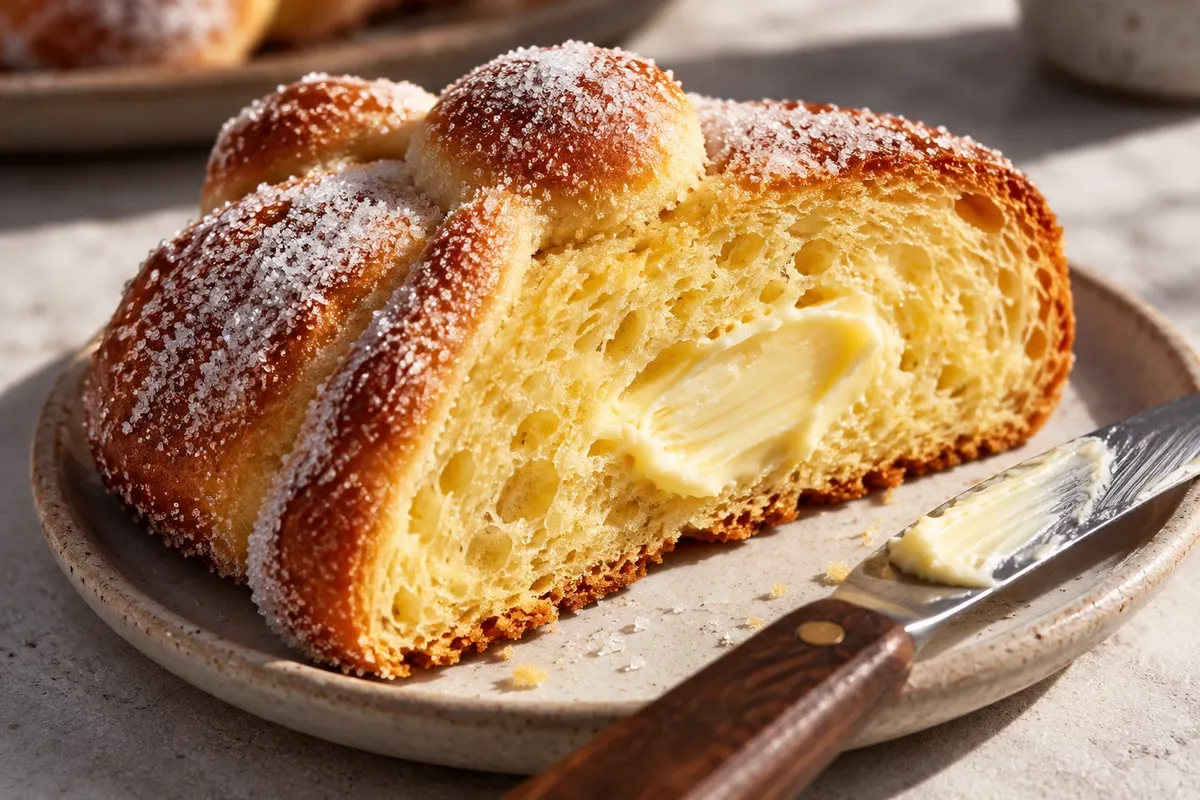
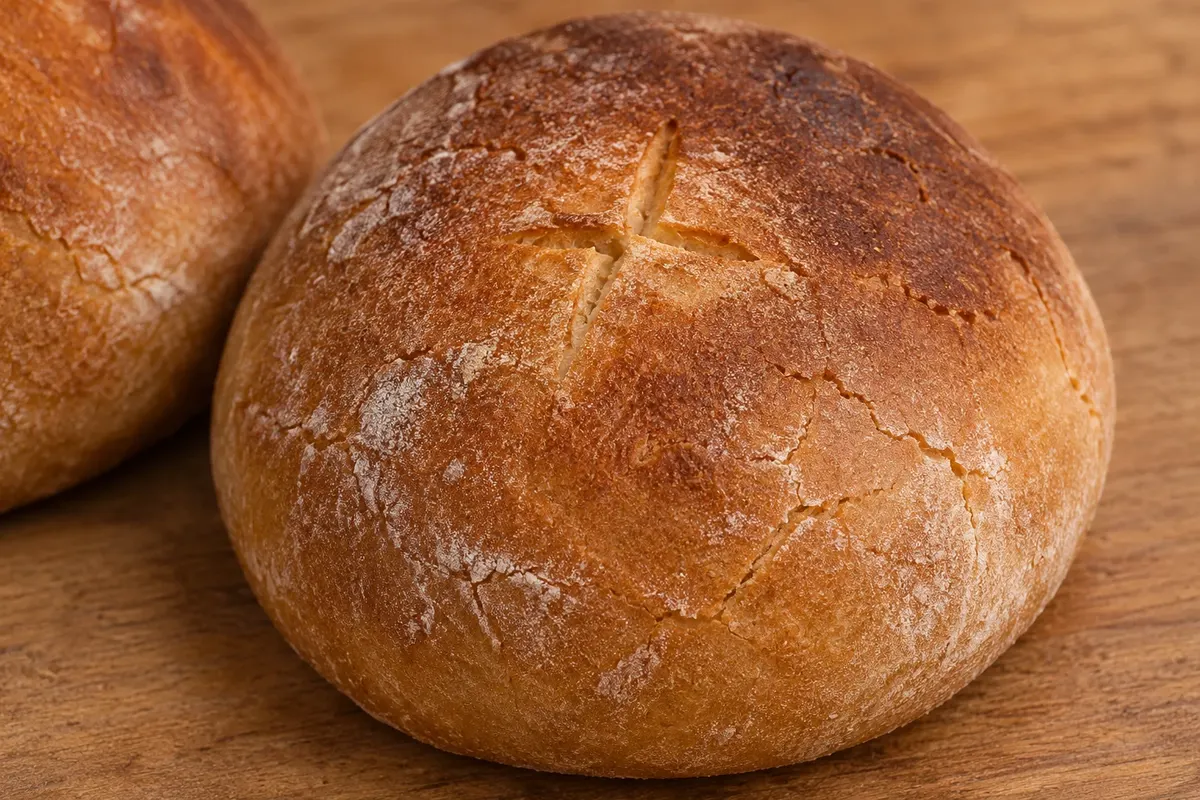
The tradition is linked to the Filipinos who reached the Mexican Pacific coast in the time of the Manila Galleon. They cultivated the coconut in the region and made a fermented wine from the sap. That wine stopped being produced, but the fresh drink survived and became a symbol of Colima, where it also appears in breads and in tuba vinegar used in sauces and dishes.
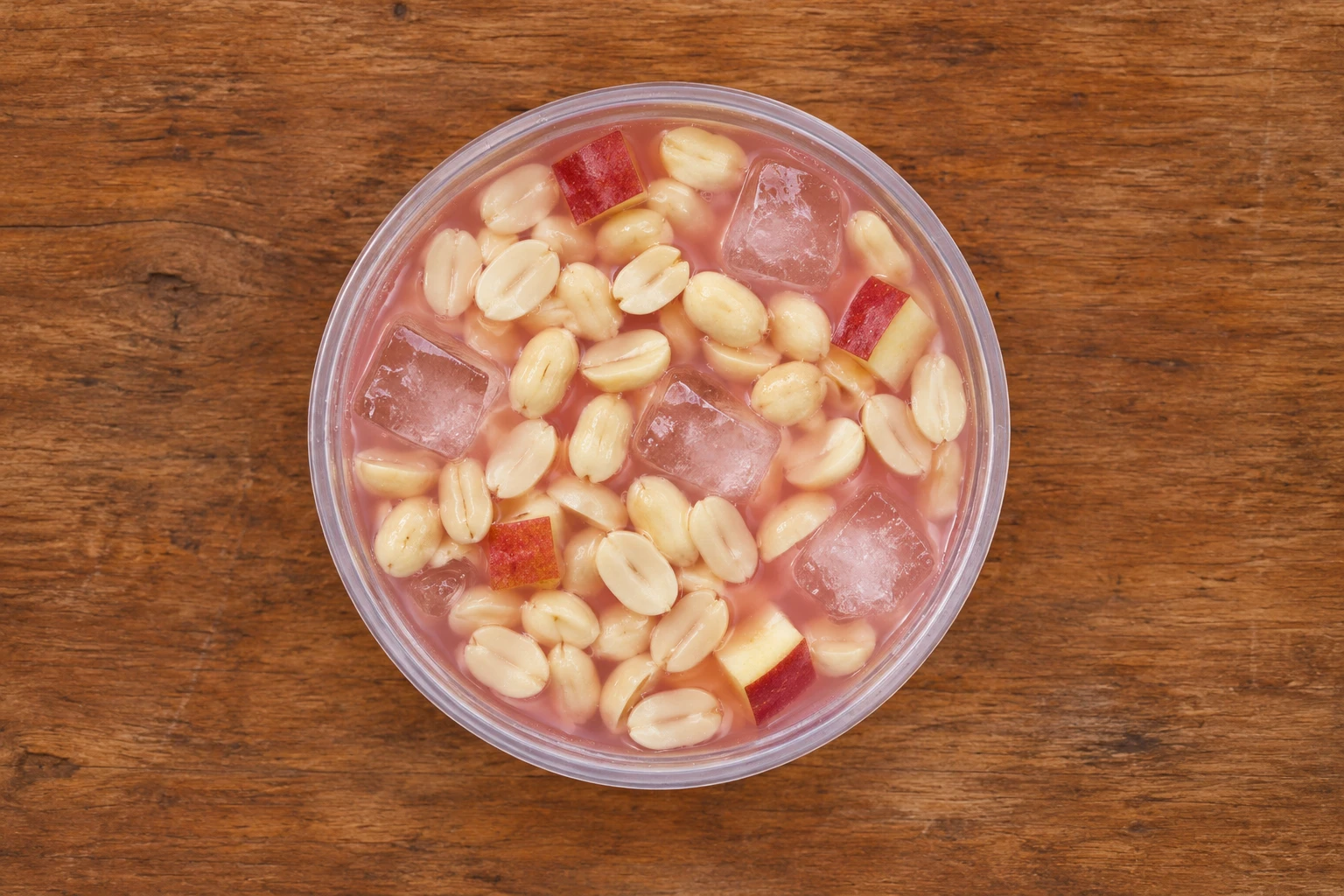
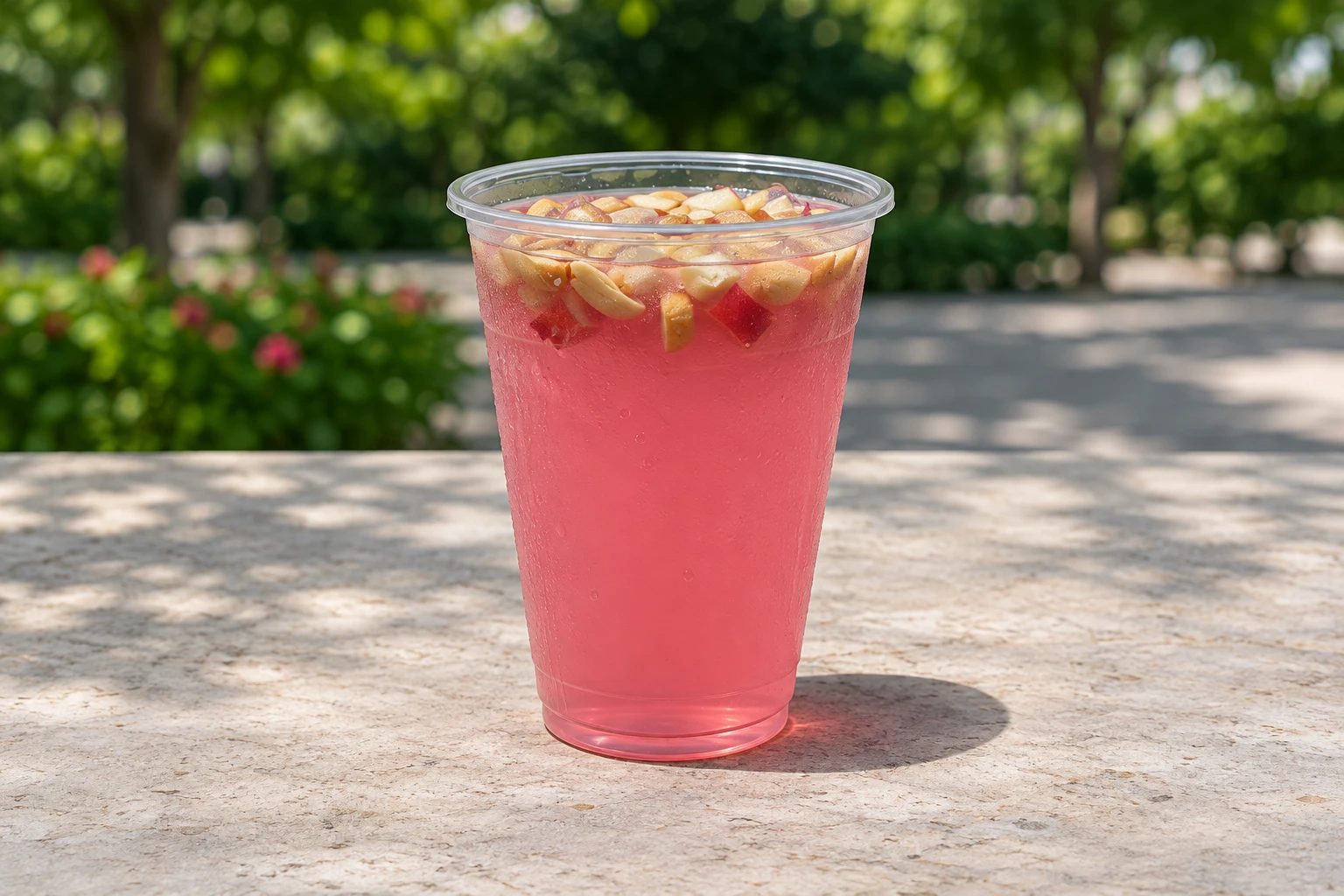
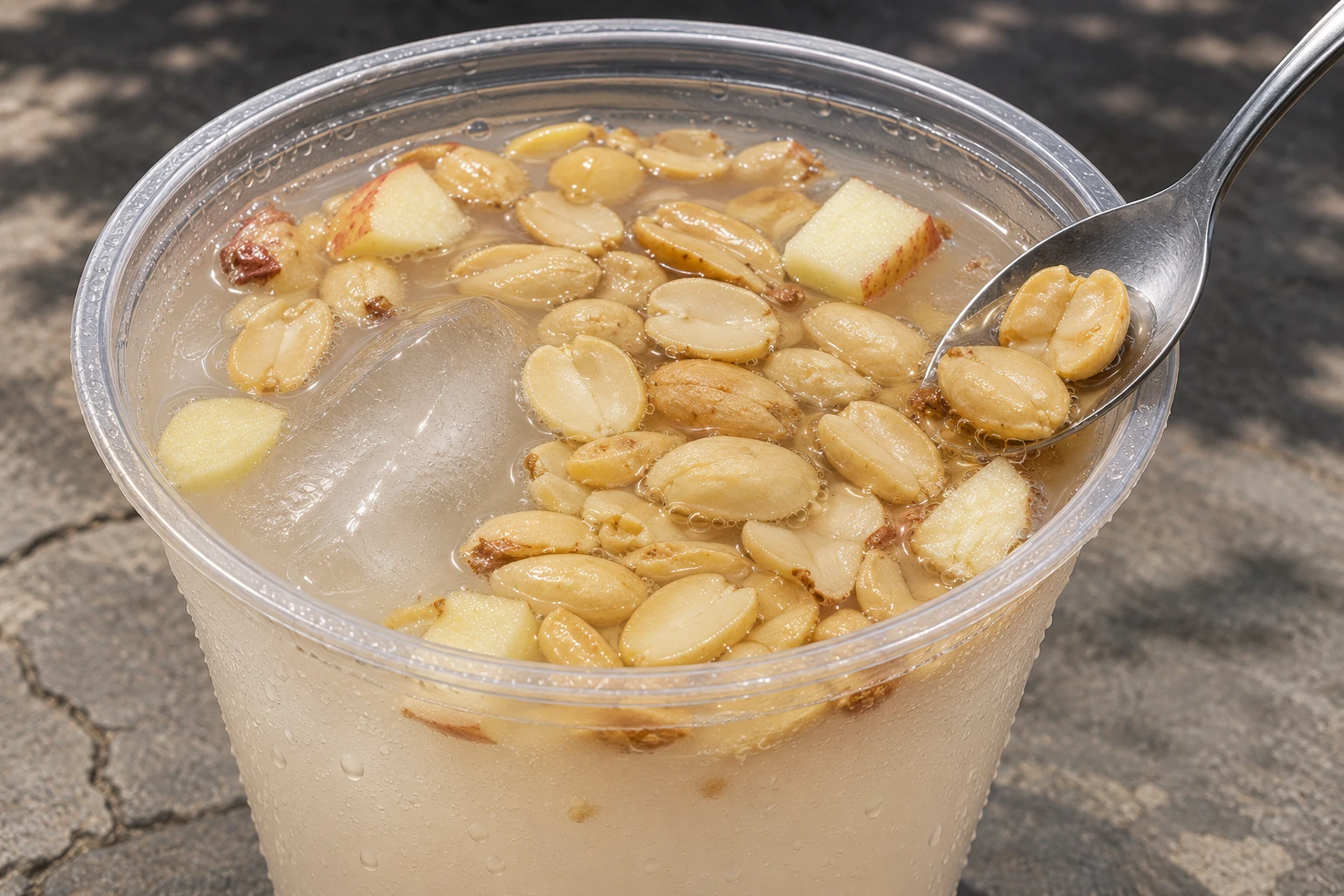
In the streets and squares of Colima, vendors carry tuba in traditional containers and serve it very cold, in a glass with peanuts and pieces of fruit, like apple, on top. The drink is also sold on the Pacific coasts of Guerrero, Michoacán and Jalisco, but in Colima it gained the status of the state’s street drink, alongside tejuino and bate.
Fresh tuba is consumed for its refreshment, during hot hours, like a juice. Left to ferment, it develops alcohol content.


 Brazil
 Antarctica
 Argentina
 Bolivia
 Chile
 Colombia
 Ecuador
 Guyana
 French Guiana
 Falkland Islands (Malvinas)
 Paraguay
 Peru
 Suriname
 Uruguay
 Venezuela
 Germany
 Austria
 Belgium
 Croatia
 Denmark
 Slovakia
 Slovenia
 Spain
 Finland
 France
 Greece
 the Netherlands
 Hungary
 Ireland
 Iceland
 Italy
 Luxembourg
 Norway
 Poland
 Portugal
 the United Kingdom
 the Czech Republic
 Sweden
 Switzerland
 Turkey
 Bermuda
 Canada
 the United States
 Greenland
 Saint Pierre and Miquelon
 the Dominican Republic
 South Africa
 Egypt
 Australia
 Fiji
 New Zealand
 Papua New Guinea