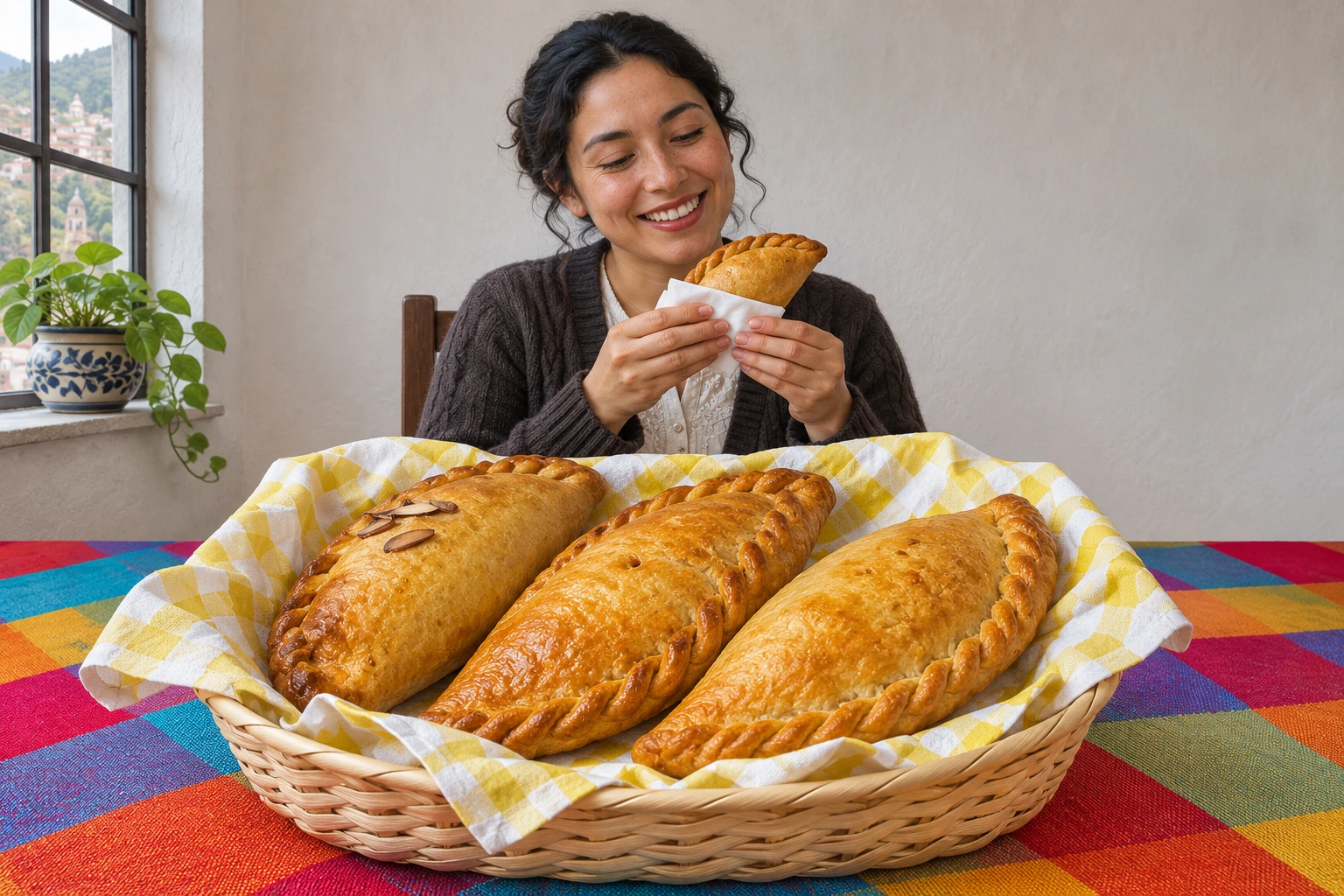
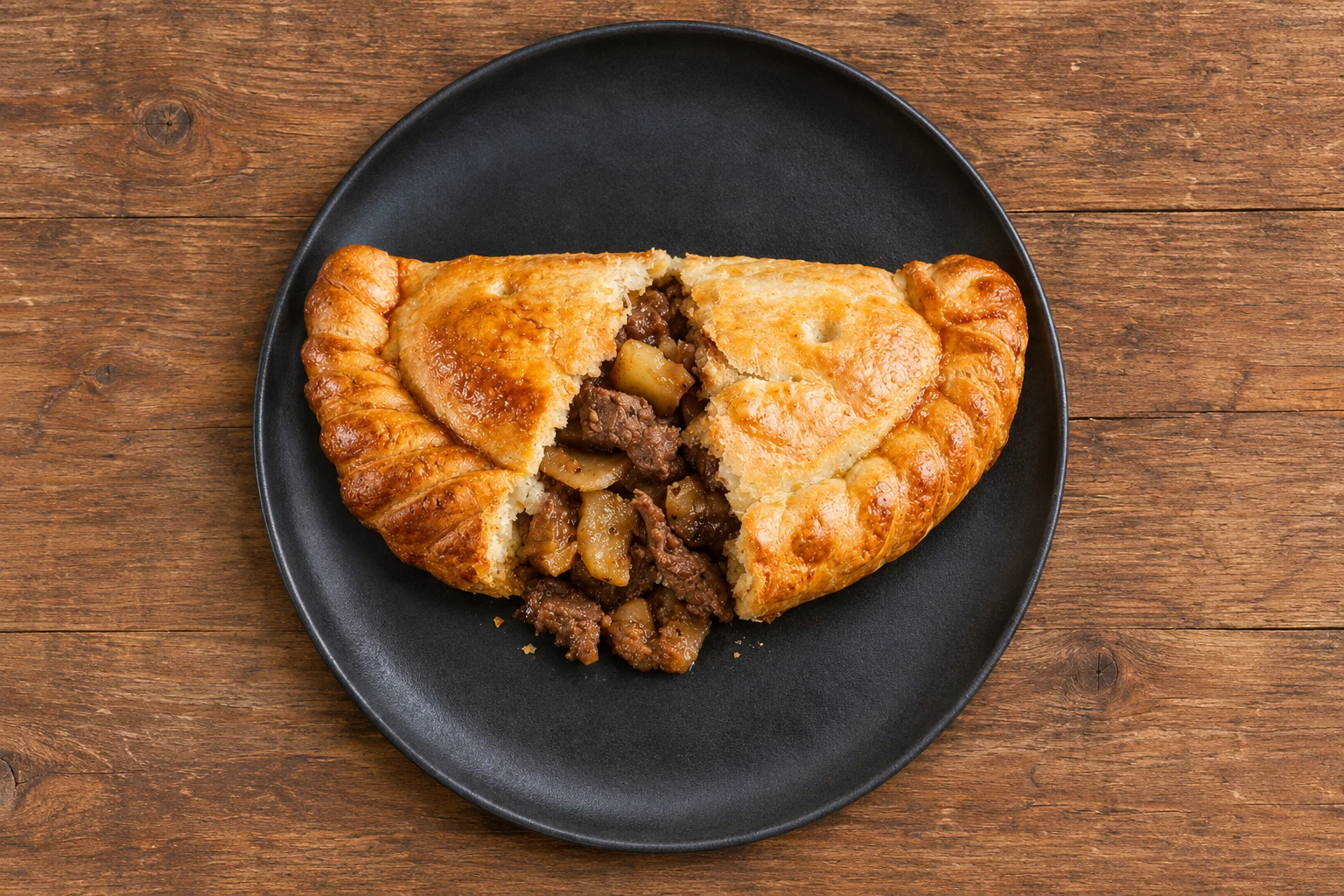
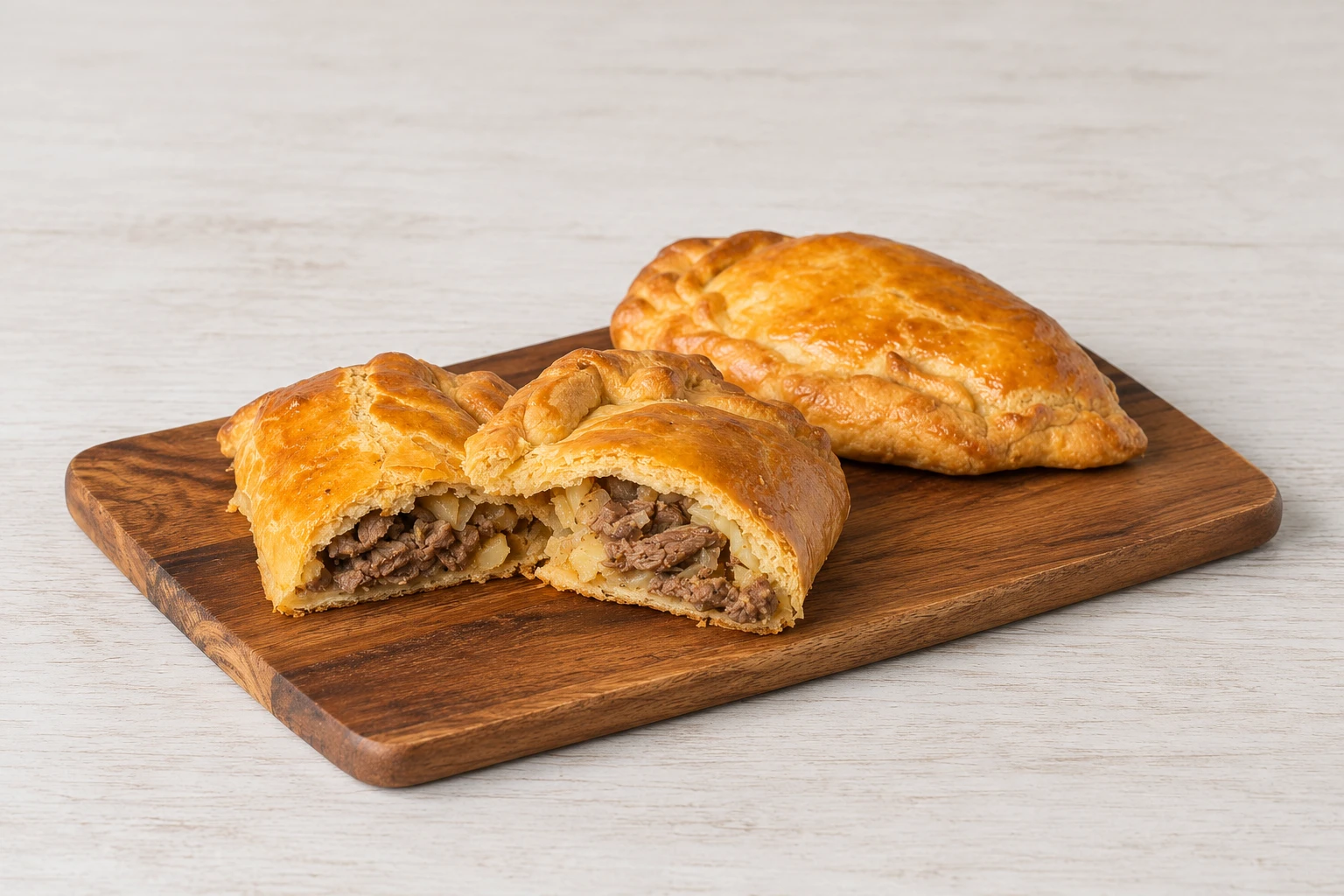
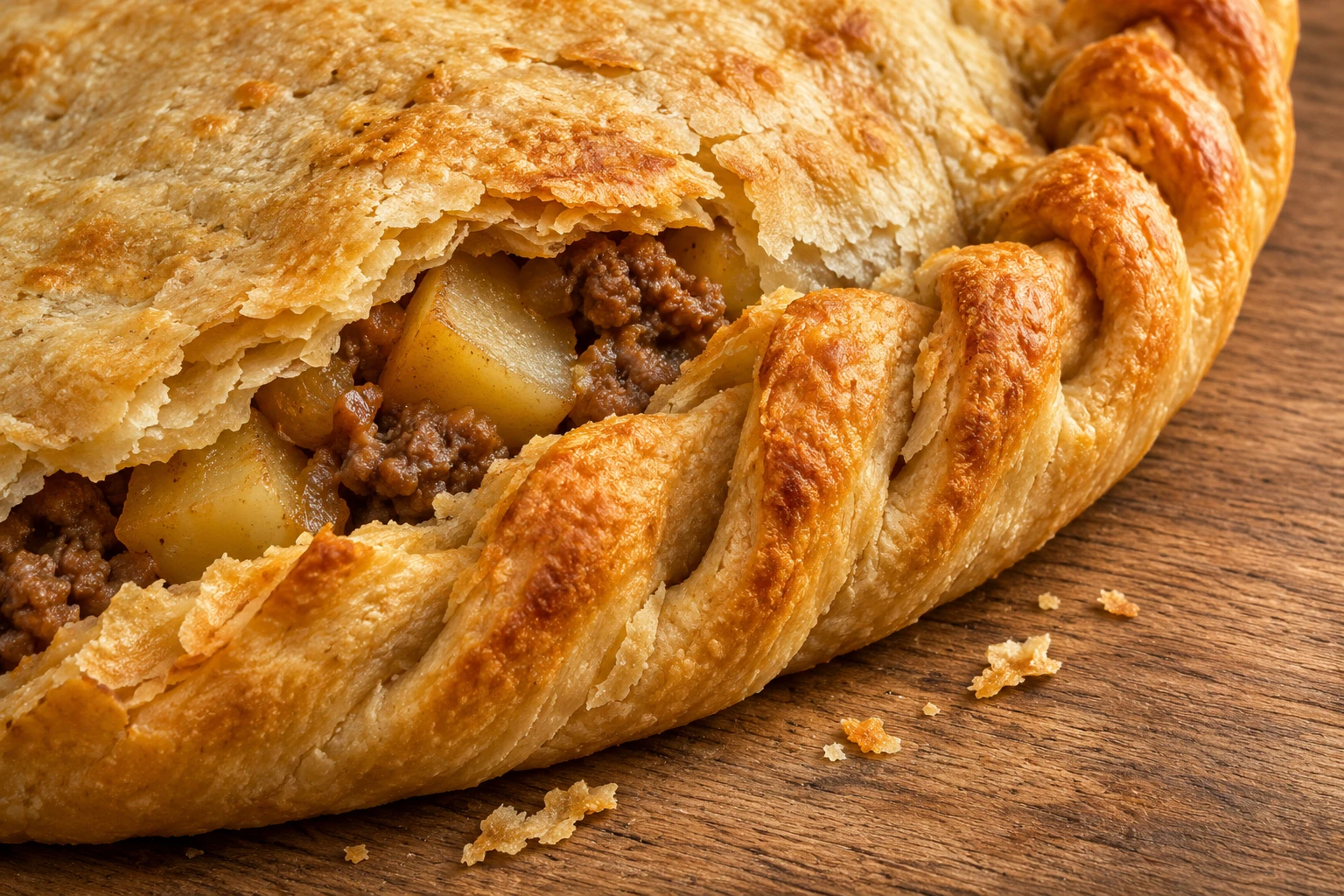
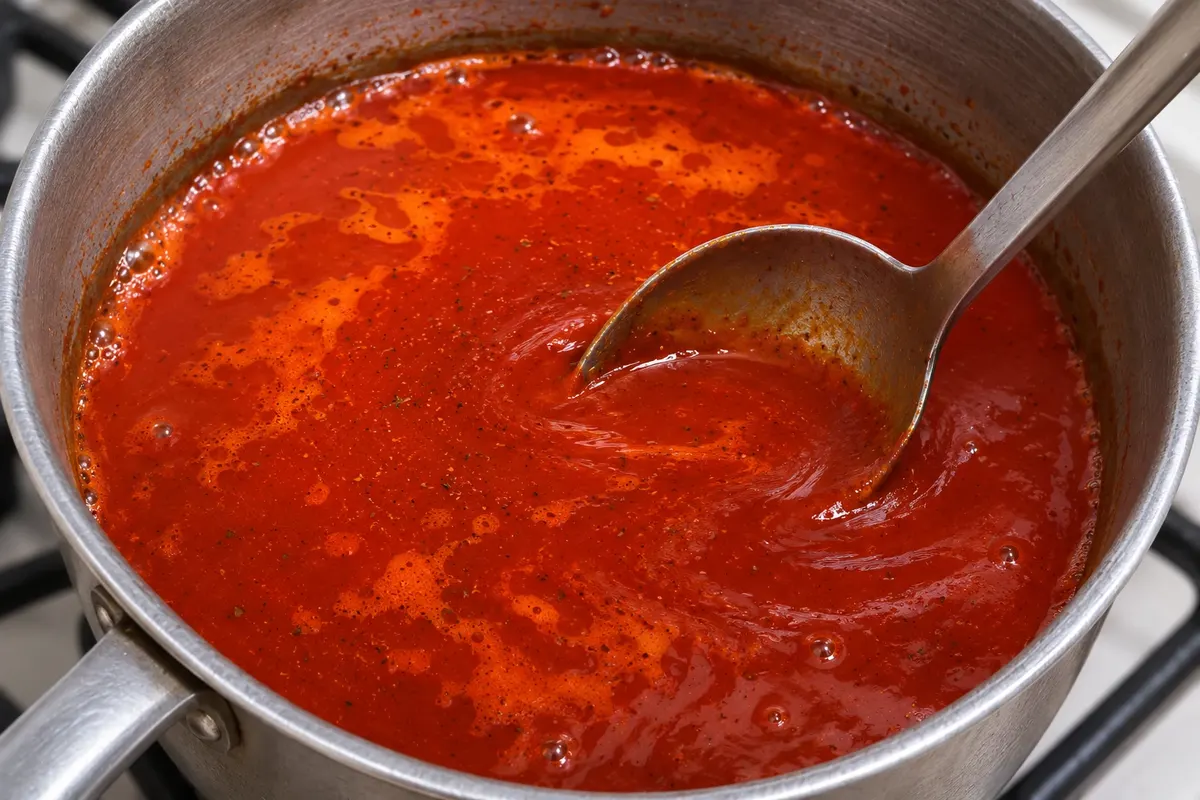
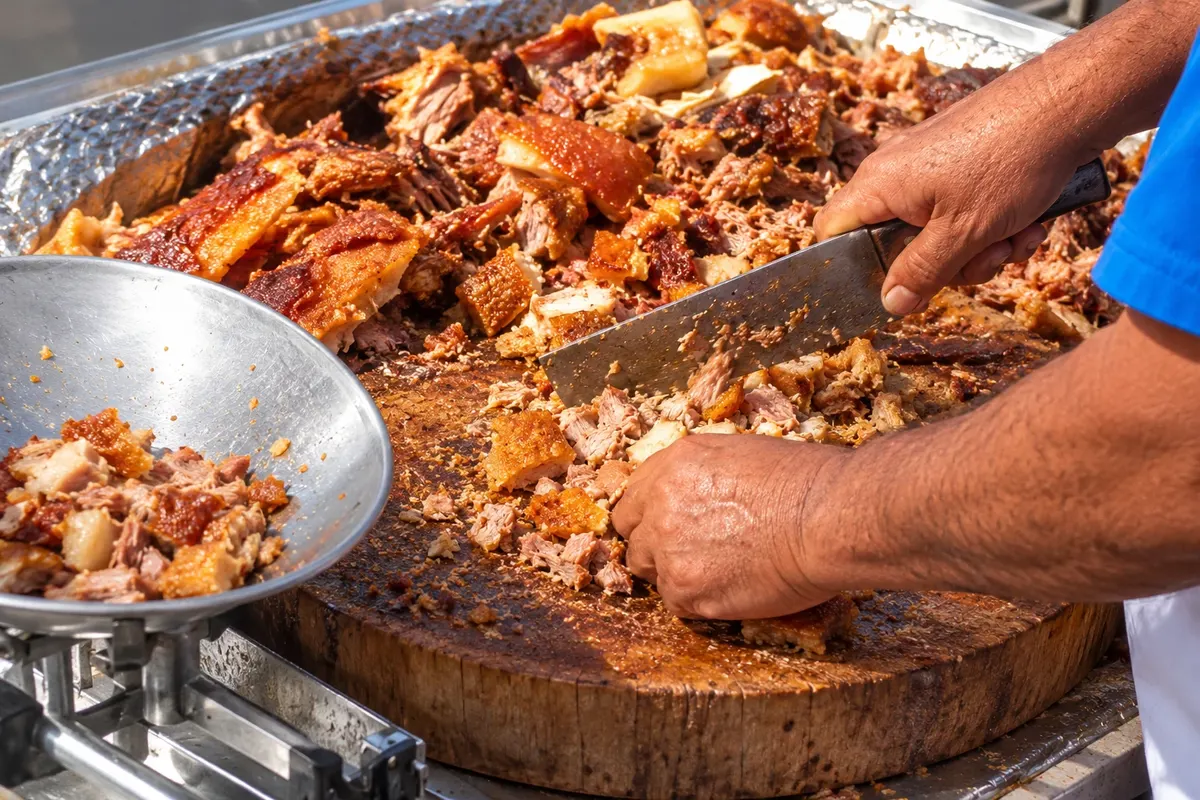
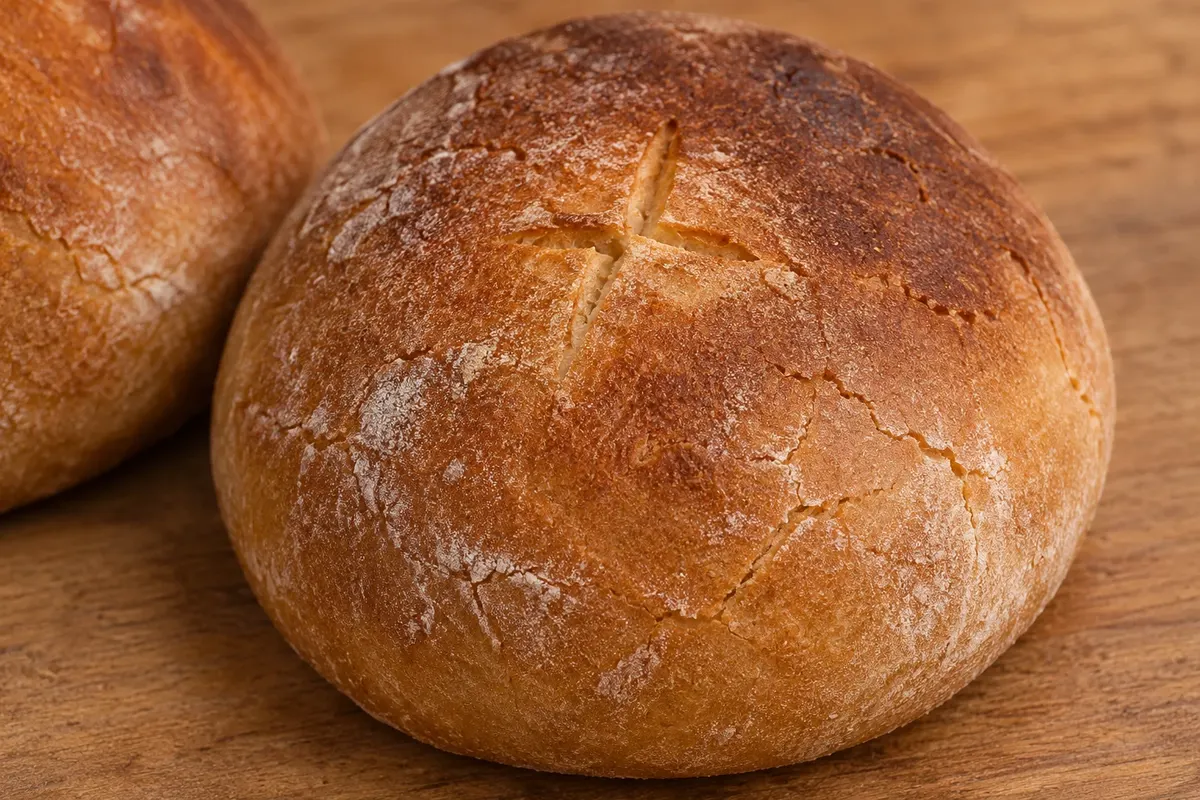
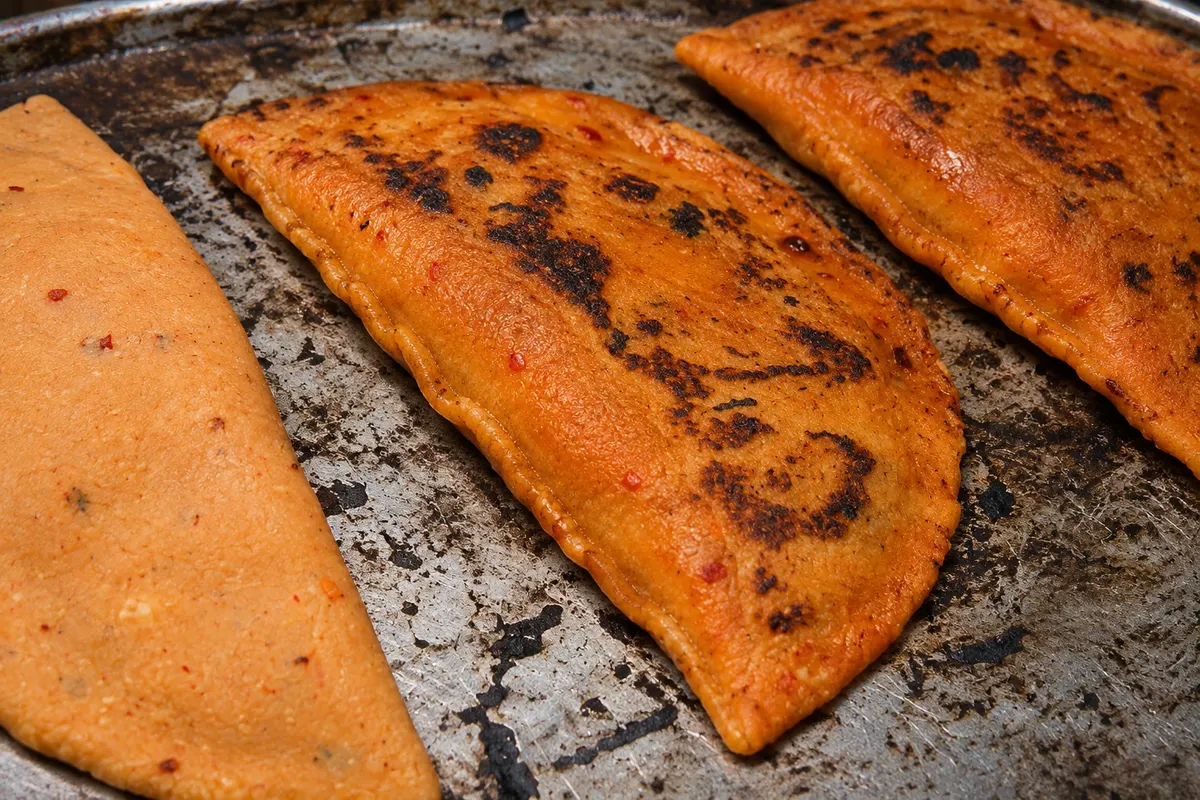
The paste is a baked half-moon pastry made with wheat dough and a thick braided edge. The original filling is potato with ground or chopped meat, onion, parsley and black pepper, and it goes into the dough raw; the pastry is then sealed and baked. That is the main difference from empanadas, whose fillings are often cooked beforehand.
The story begins in 1824, when an English company took over the silver mines of Real del Monte and Pachuca and brought miners from Cornwall in southwest England. With them came the machines, football, the Methodist faith and the pasty, the pastry miners took into the shafts. According to tradition, they held the pastry by the braided edge, ate the rest and threw away the part touched by hands dirty with ore.
Over time the pasty became the paste and adopted Mexican flavors: in addition to potato and meat, there are mole, bean and other stew fillings, as well as sweet versions. Real del Monte was declared Cuna del Paste en México, has the Museo del Paste and hosts the Festival Internacional del Paste every October.
On the streets of Real del Monte and Pachuca, pasterías sell hot pastes straight from the oven, and many visitors take some to go.


 Brazil
 Antarctica
 Argentina
 Bolivia
 Chile
 Colombia
 Ecuador
 Guyana
 French Guiana
 Falkland Islands (Malvinas)
 Paraguay
 Peru
 Suriname
 Uruguay
 Venezuela
 Germany
 Austria
 Belgium
 Croatia
 Denmark
 Slovakia
 Slovenia
 Spain
 Finland
 France
 Greece
 the Netherlands
 Hungary
 Ireland
 Iceland
 Italy
 Luxembourg
 Norway
 Poland
 Portugal
 the United Kingdom
 the Czech Republic
 Sweden
 Switzerland
 Turkey
 Bermuda
 Canada
 the United States
 Greenland
 Saint Pierre and Miquelon
 the Dominican Republic
 South Africa
 Egypt
 Australia
 Fiji
 New Zealand
 Papua New Guinea