Pan de cazón
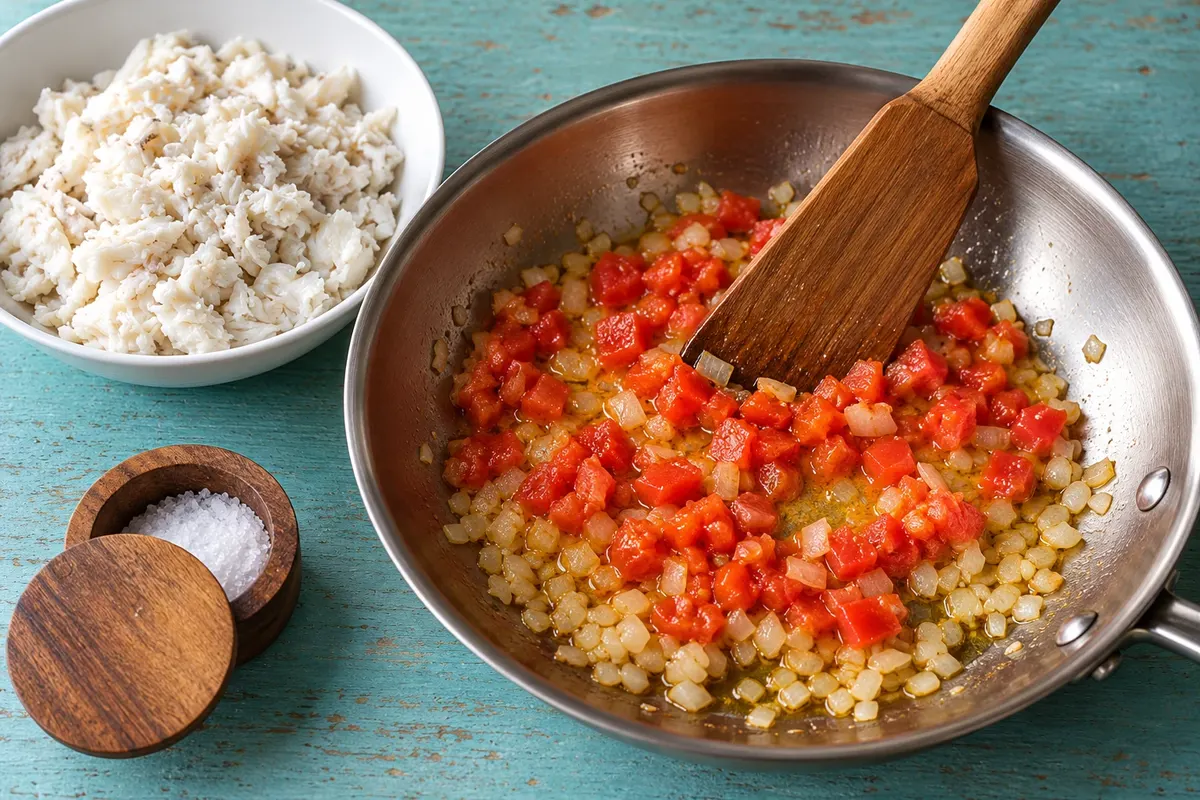
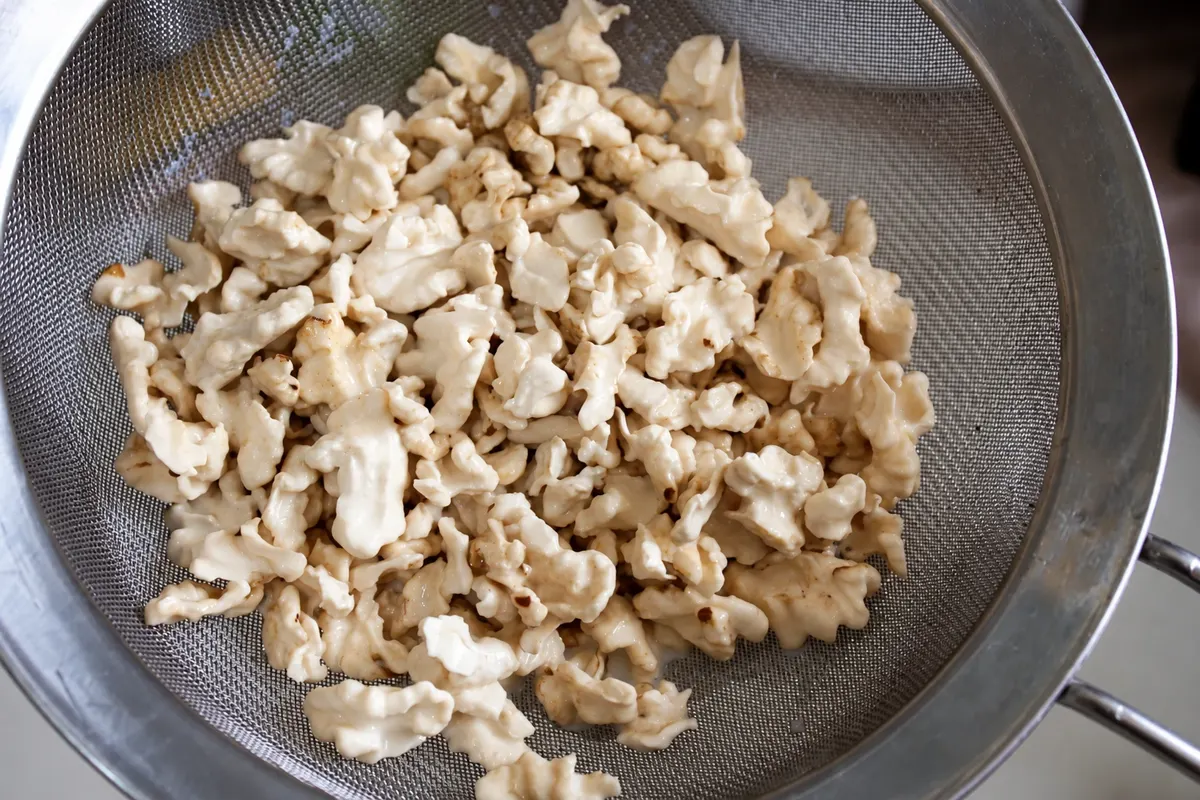
Layers of corn tortillas with black beans and shredded cazón, cooked with epazote, topped with tomato sauce and habanero chile. Despite the name, it does not contain wheat bread. It is considered a symbol of Campeche cuisine.
Flavors · Oaxaca de Juárez
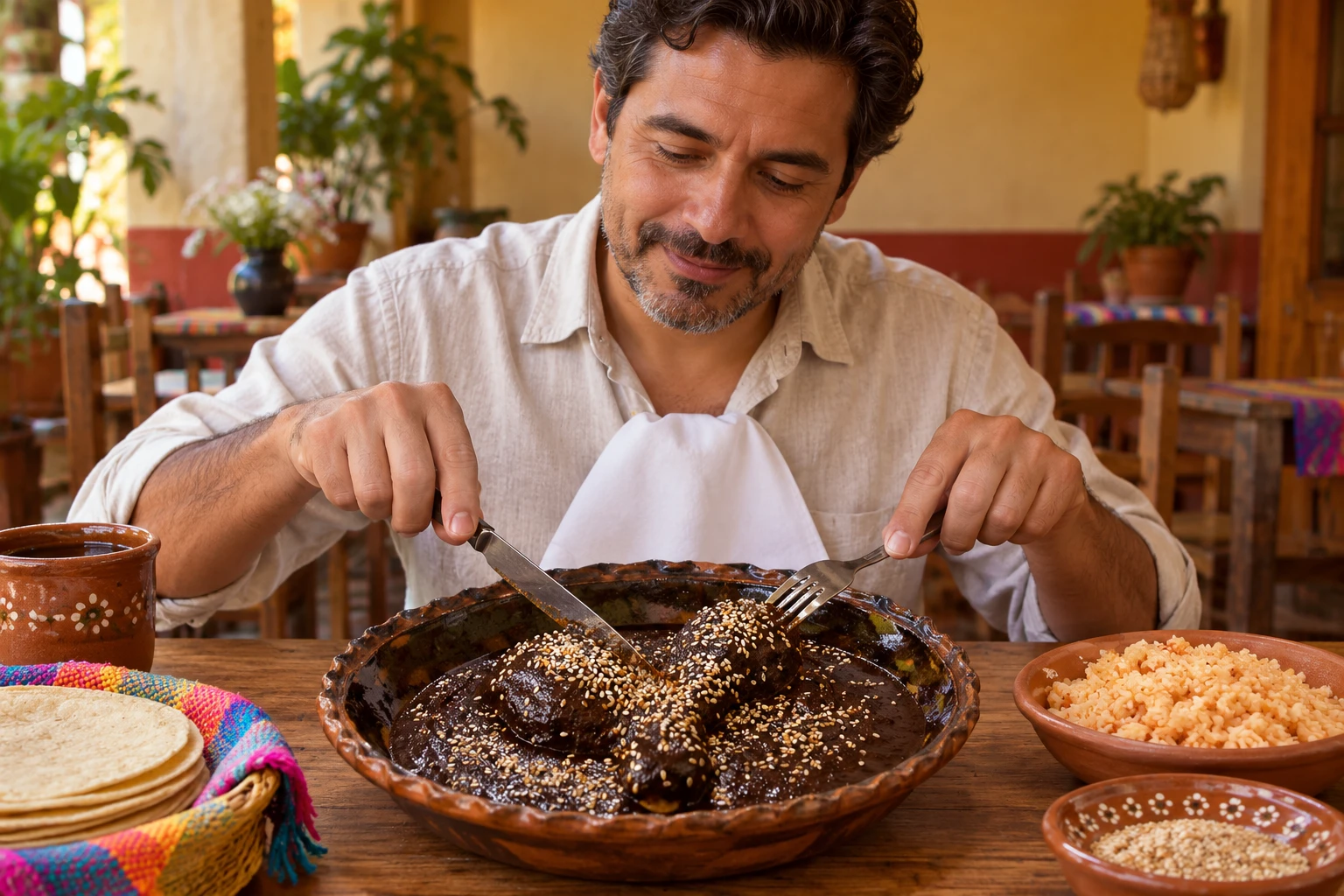
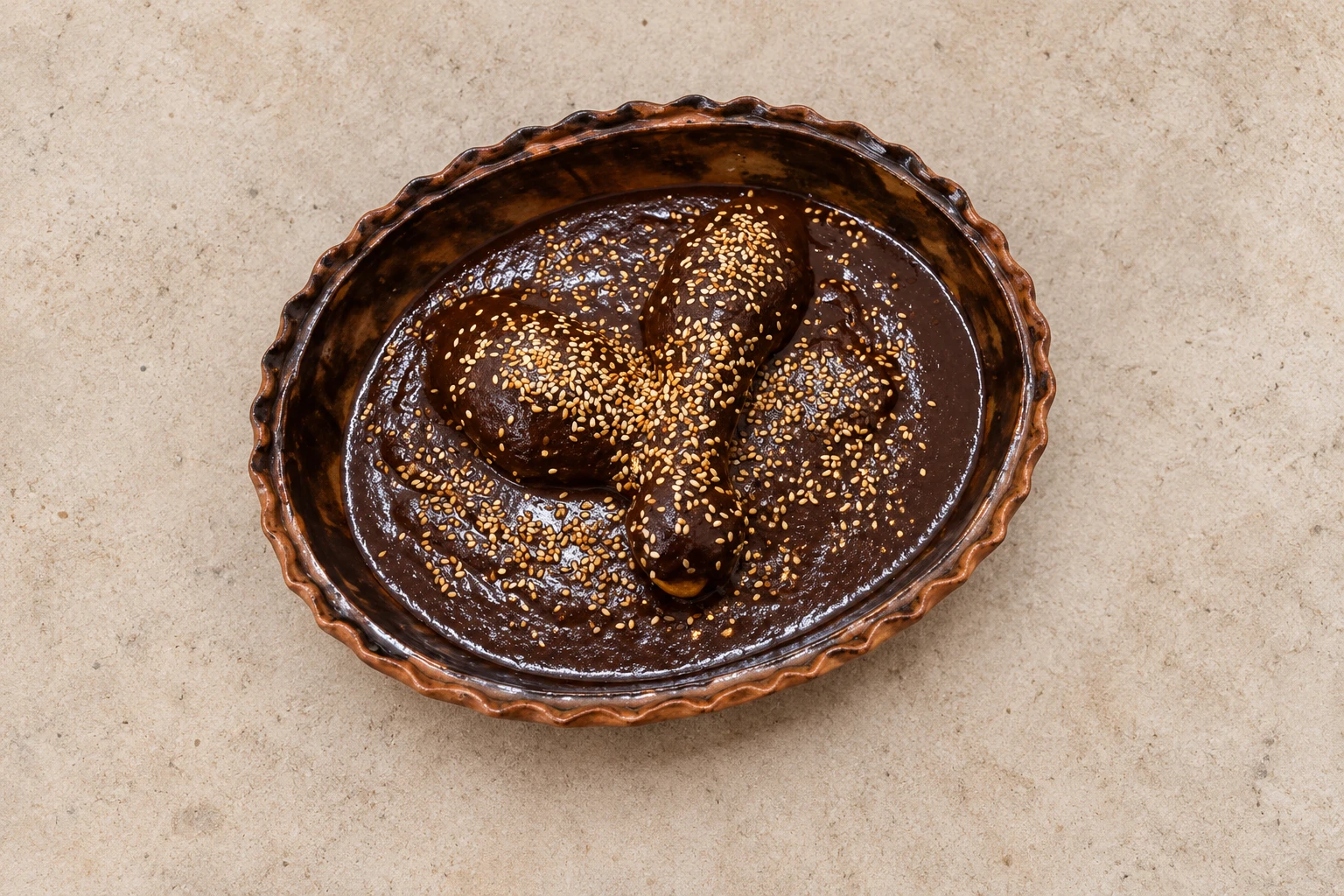
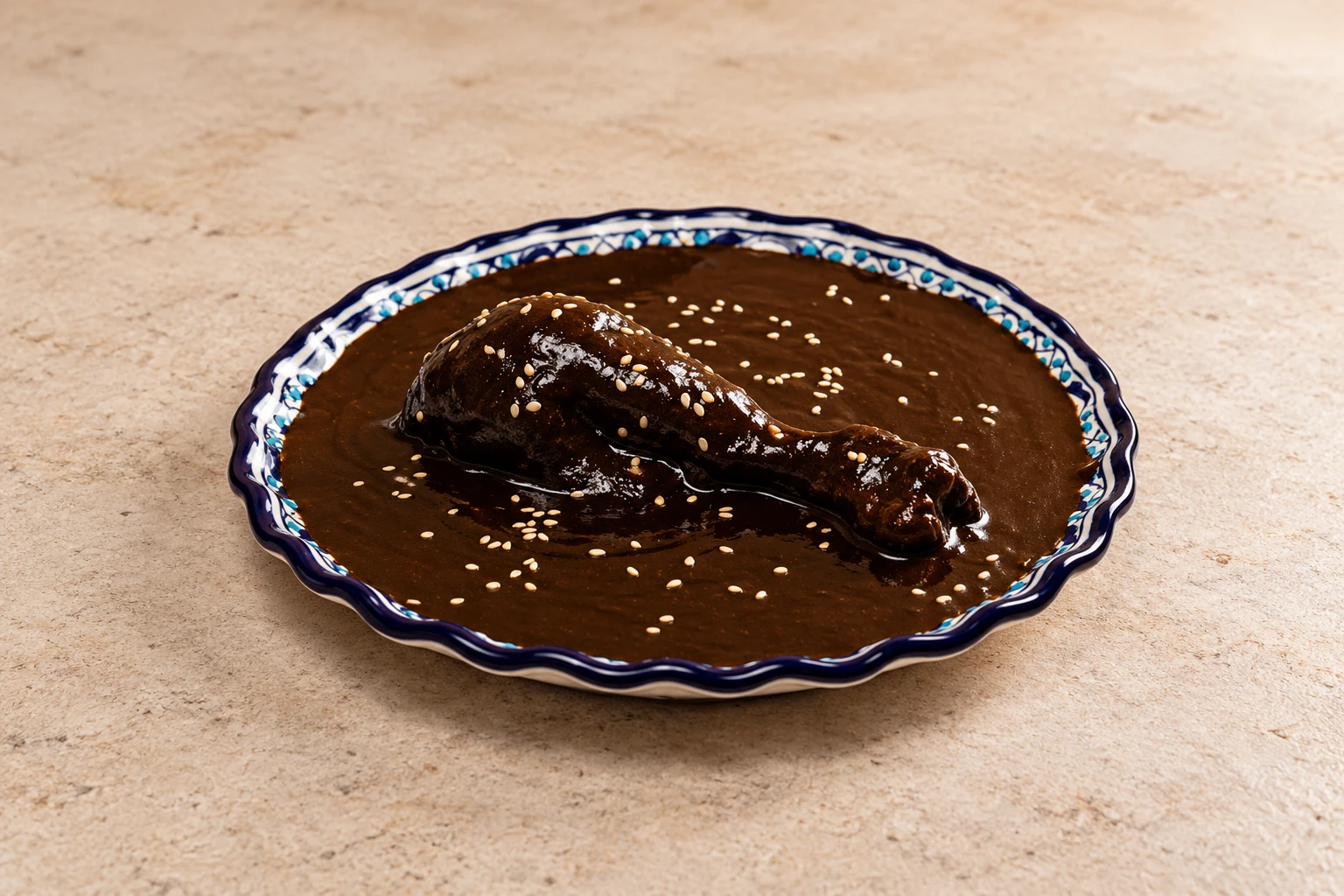
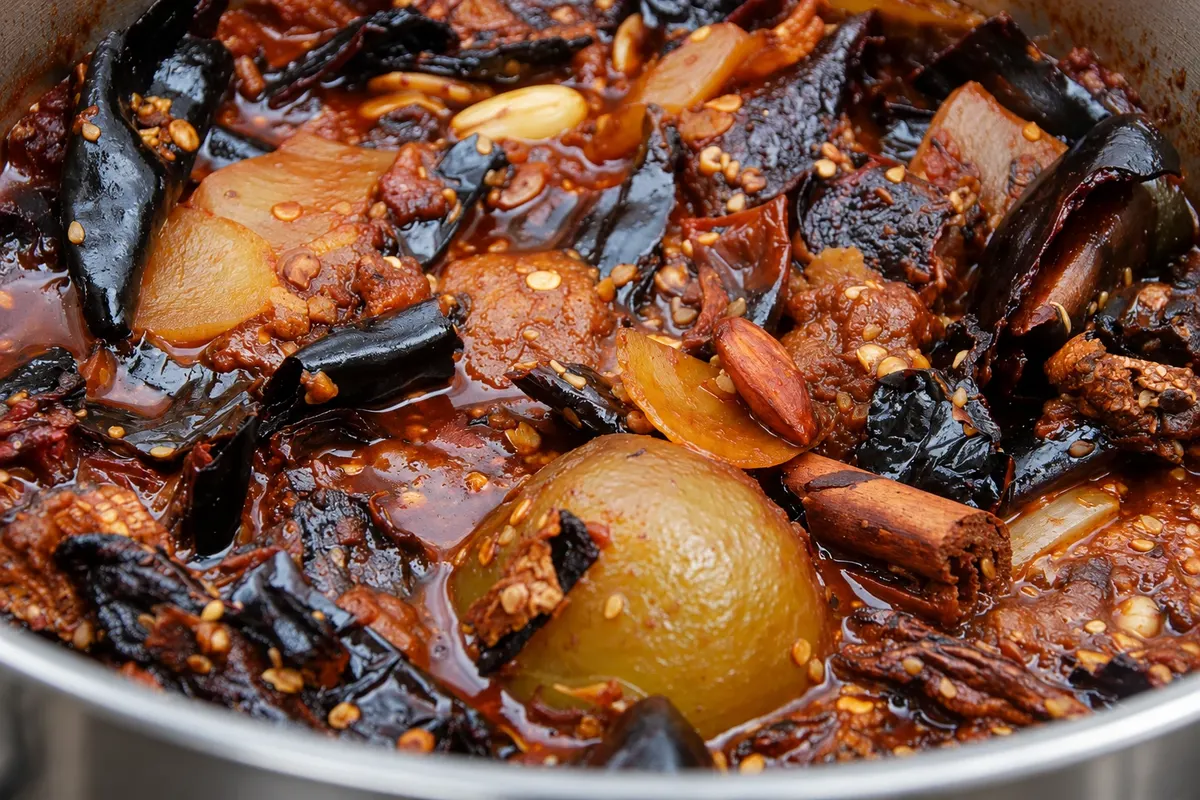
The darkest of Oaxaca’s moles: a thick sauce of chiles toasted almost to the point of burning, including the chilhuacle negro, with chocolate, seeds and spices. A celebratory dish of the state, prepared mainly in the Valles Centrales.
Traditional dish from Oaxaca de Juárez
Also known as: mole negro oaxaqueño, mole oaxaqueño
Illustrative images. The pictures in this guide are illustrations based on the real place, not photographs, and may differ from it.
Click a photo to enlarge it.
Mole negro — Oaxaca de Juárez, Mexico
Oaxaca is known as the land of seven moles: negro, rojo, coloradito, amarillo, verde, chichilo and manchamanteles. Mole negro is the darkest and most labor-intensive of them, with dozens of ingredients. Its color comes from dried chiles toasted until very dark, from burned seeds and tortilla, and from chocolate.
The defining ingredient of mole negro is the chilhuacle negro, an indigenous Oaxacan chile with a very dark brown color and a fruity, smoky flavor. It is expensive and hard to find outside the state, and many recipes combine it with other chiles, such as mulato and pasilla.
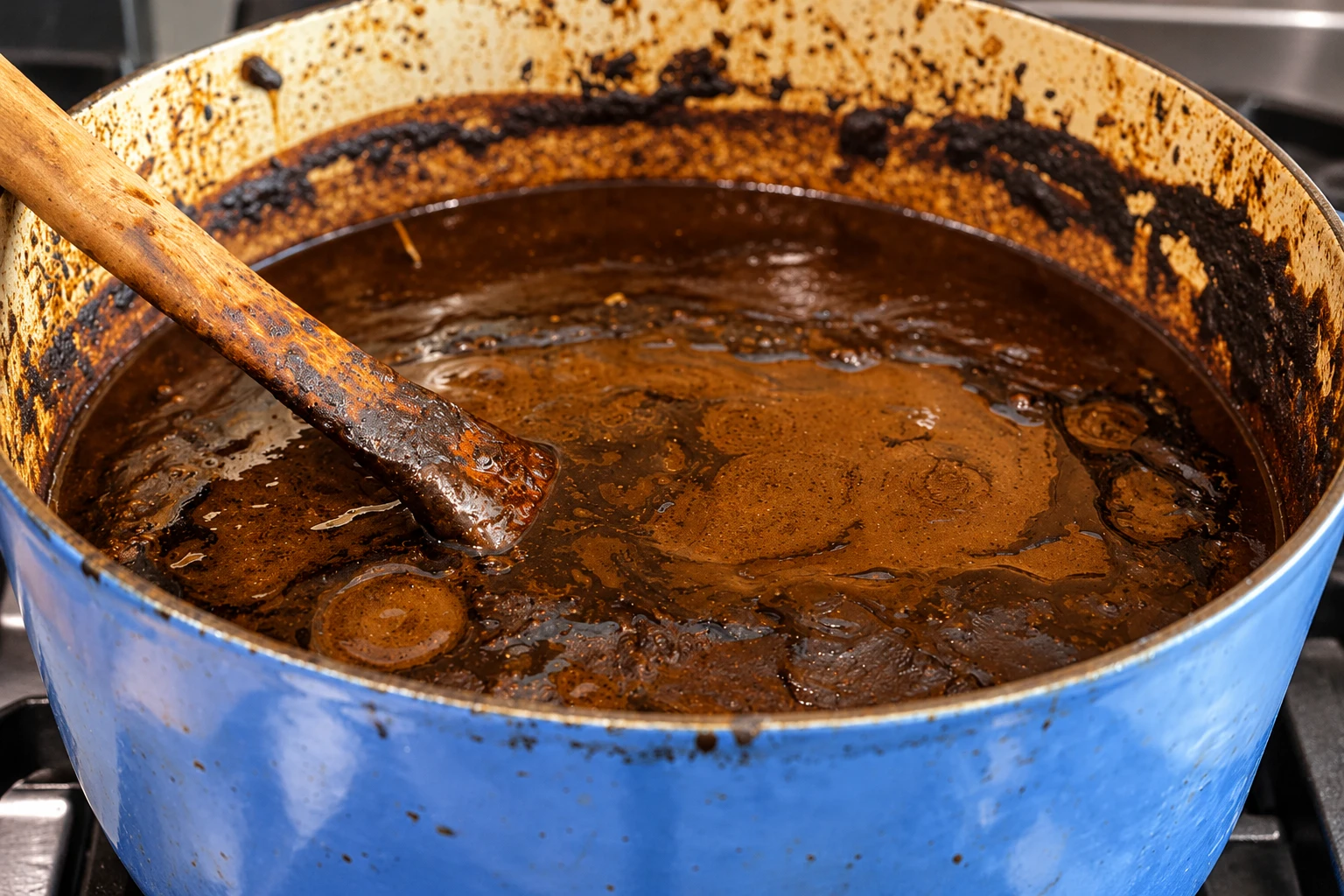
Preparation takes hours, sometimes days: ingredients are toasted one by one, ground and slowly cooked, stirred constantly, until they form a dark, glossy paste that is later diluted with stock. Recipes vary from family to family and village to village, especially in the Valles Centrales, the capital region, where mole negro is most commonly made.
It is a celebration dish: it appears at weddings, patron-saint festivals and on Day of the Dead, when it is part of offerings. In Oaxaca’s markets you can buy ready-made mole paste, which at home is diluted with stock.

Oaxaca de Juárez
The darkest of Oaxaca’s moles, prepared mainly in the Valles Centrales, featuring the chilhuacle chile, native to the state.
Chiles chilhuacle negro, mulato and pasilla; tomato and tomatillo; onion and garlic; sesame seeds, almonds and peanuts; raisins and plantain; toasted tortilla; cinnamon, clove and other spices; avocado leaves; chocolate; turkey or chicken stock.
With turkey or chicken, covered with the sauce, alongside rice and tortillas. Mole negro also fills tamales and enchiladas known as enmoladas.
Weddings, patron-saint festivals and family celebrations. On Day of the Dead, in early November, it is part of the offerings.
Your questions
Negro, rojo, coloradito, amarillo, verde, chichilo and manchamanteles. Mole negro is the darkest and most labor-intensive.
Dried chiles toasted until very dark, especially the chilhuacle negro, as well as burned seeds and tortilla and the chocolate.
No. It contains some chocolate and fruit, but the flavor is complex, with smoky, bitter and spicy notes.
Flavors of Mexico

Layers of corn tortillas with black beans and shredded cazón, cooked with epazote, topped with tomato sauce and habanero chile. Despite the name, it does not contain wheat bread. It is considered a symbol of Campeche cuisine.

Salted, dried beef — tasajo — cooked in a thick sauce of ground pumpkin seeds, with tomato and rice. It is the celebratory dish of Chiapa de Corzo, served especially during the January Fiesta Grande, the Parachicos festival.

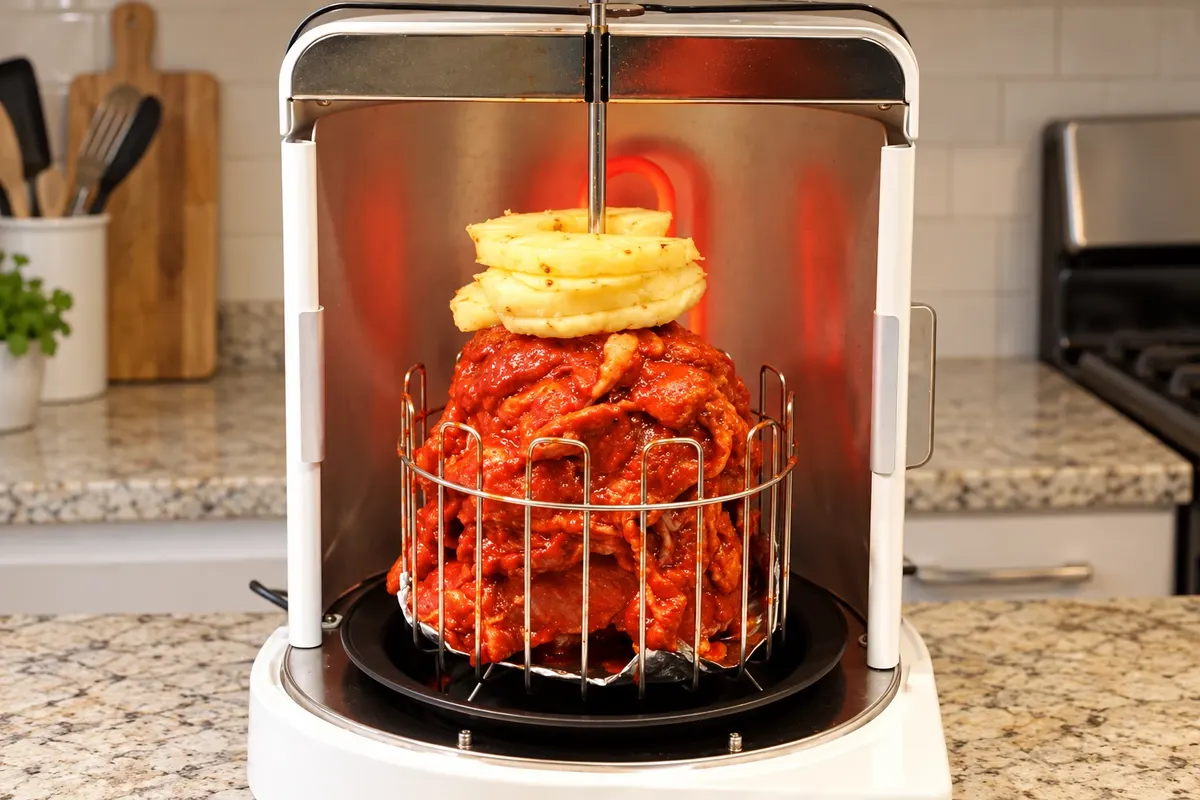
Tacos of pork seasoned with a chile adobo, roasted on a vertical spit (the trompo), and served in a corn tortilla with pineapple, onion and cilantro. They descend from the tacos árabes brought to Puebla by Middle Eastern immigrants and took their current form in Mexico City taquerías.

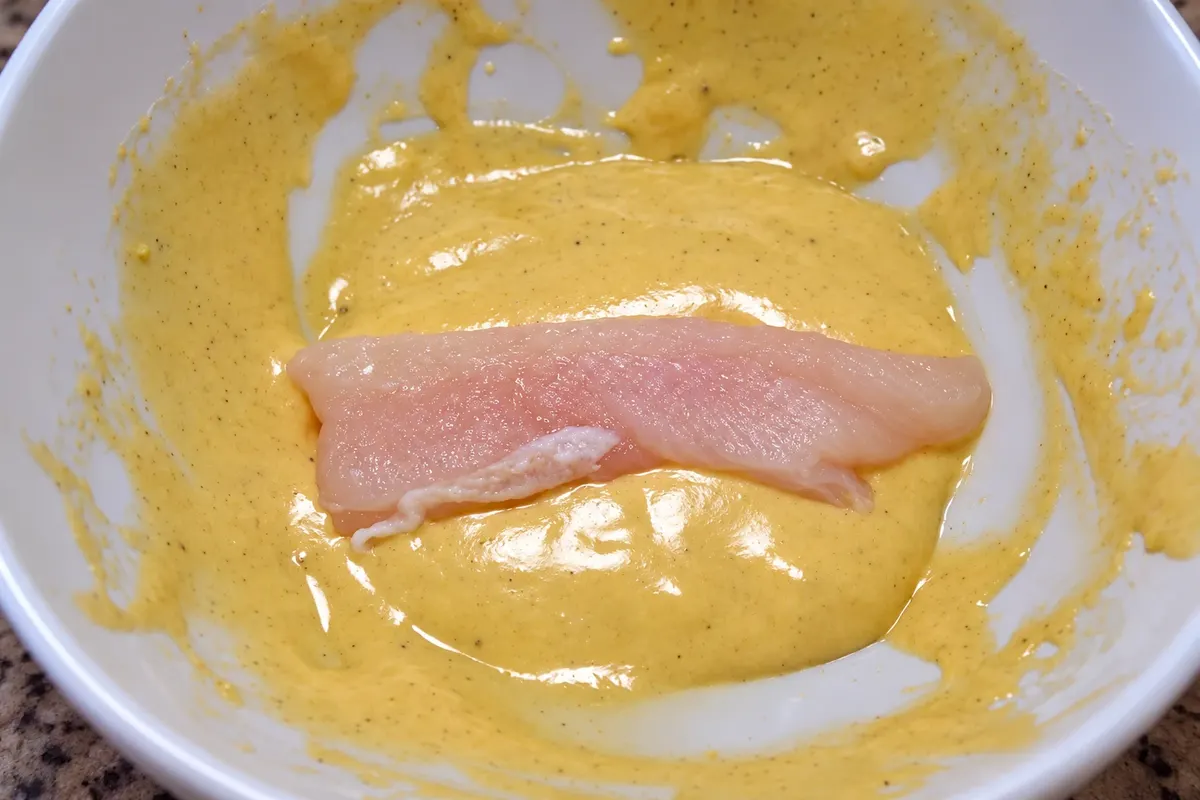
White fish taco coated in a light batter and fried until golden, served on a corn tortilla with cabbage, tomato-and-onion salsa, mayonnaise or cream, and lime. It originated around 1960 at the stalls of the Mercado Negro, the fish market at the port of Ensenada.

Sandwich made with birote bread, a hard-crusted loaf, filled with carnitas and drenched in tomato sauce, with a spicy chile de árbol sauce on the side. A symbol of Guadalajara’s cuisine, which dedicated a municipal day to it on September 10.

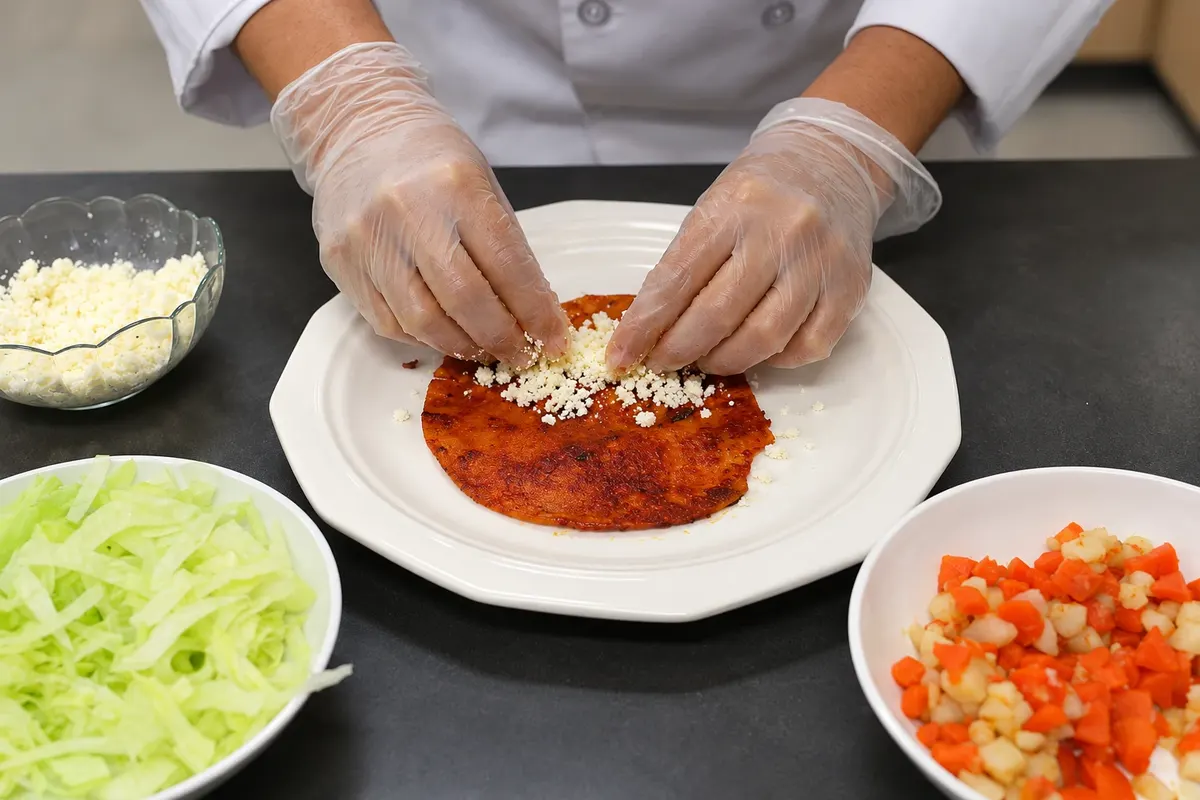
Corn tortillas dipped in a guajillo chile sauce and fried, filled with cheese and onion, served with boiled potato and carrot, lettuce and pickled chiles. A typical dish of the city of Guanajuato, which tradition links to the wives of the silver mine workers.

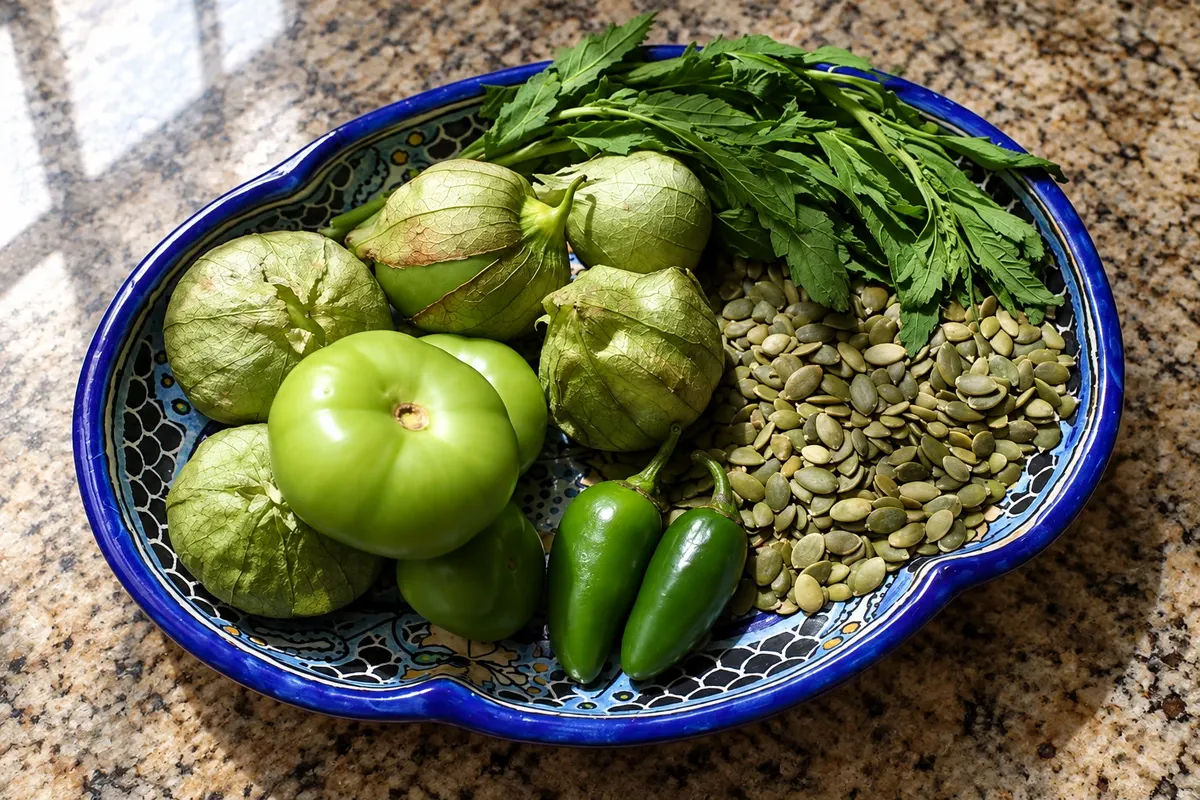
Broth of cacahuazintle corn and pork thickened with a green sauce made from pumpkin seeds, tomatillo and herbs, served with many accompaniments. Dish from Guerrero, where Thursdays are pozole day.

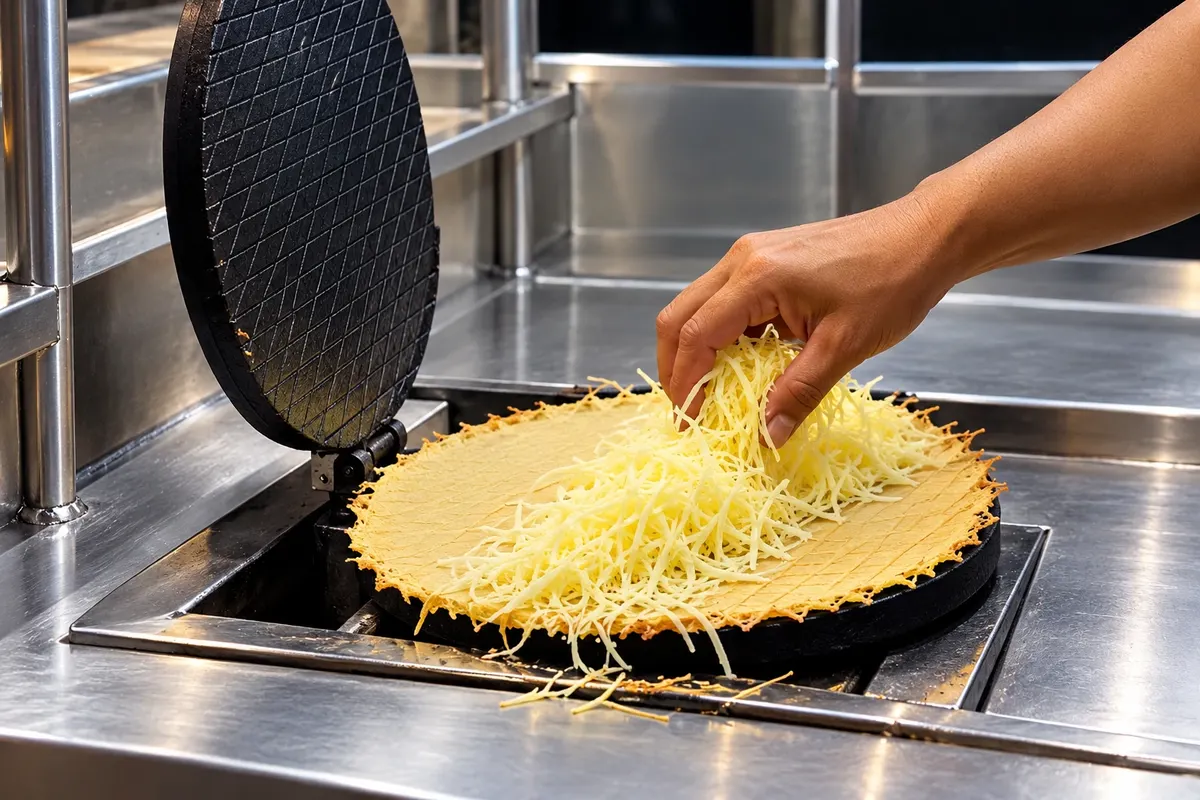
Thin, crispy batter cooked on a round griddle and rolled like a tube, filled with queso de bola, a cheese of the Edam type. A street sweet from Mérida, created by a family of ice-cream makers in the city and sold at night from carts in the plazas.

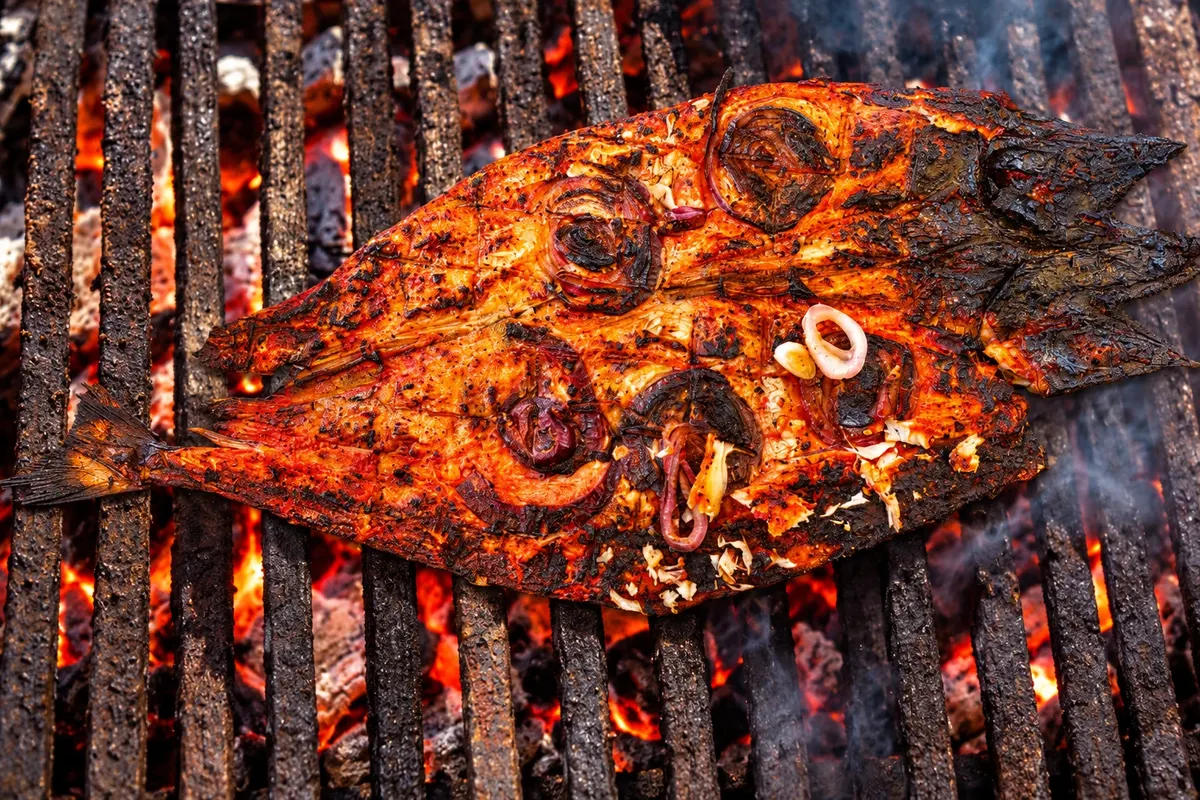
Whole fish butterflied open, seasoned with a chile sauce and grilled over coals secured in a double-wire grill, the zaranda, which gives it its name. An official publication places its origin on the island of Mexcaltitán, on the northern coast of Nayarit.

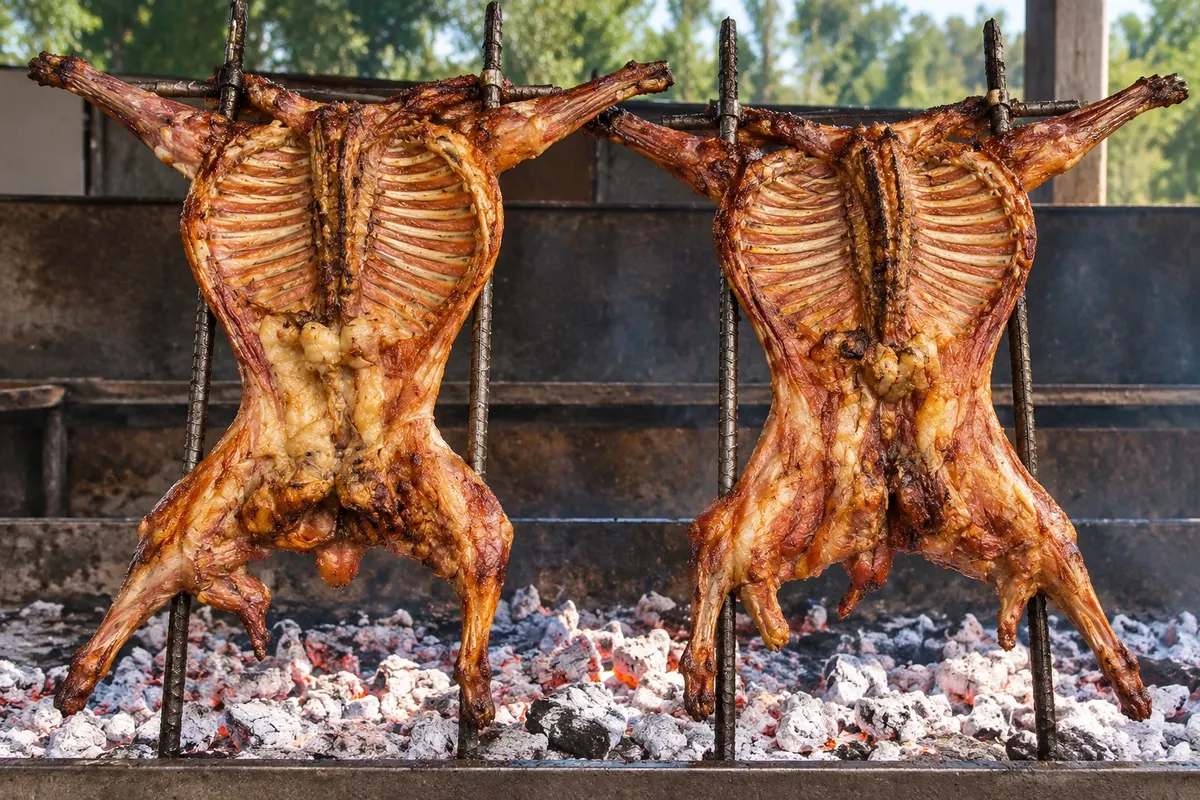
Milk-fed kid opened, salted and slowly roasted on an iron stake beside the embers, in the shepherds’ style. It is the best-known dish of Nuevo León, present on the state’s traditional gastronomy routes, from Monterrey to the northern municipalities.

Poblano chile stuffed with a meat-and-fruit picadillo, topped with a white walnut sauce and sprinkled with pomegranate seeds and parsley, in the colors of the Mexican flag. A seasonal dish from late summer, associated with the city of Puebla.

Thick, dark sauce made from several dried chiles, spices, seeds and chocolate, traditionally served with turkey. Tradition links its creation to the kitchen of the old Convent of Santa Rosa in Puebla, the city that gives it its name.

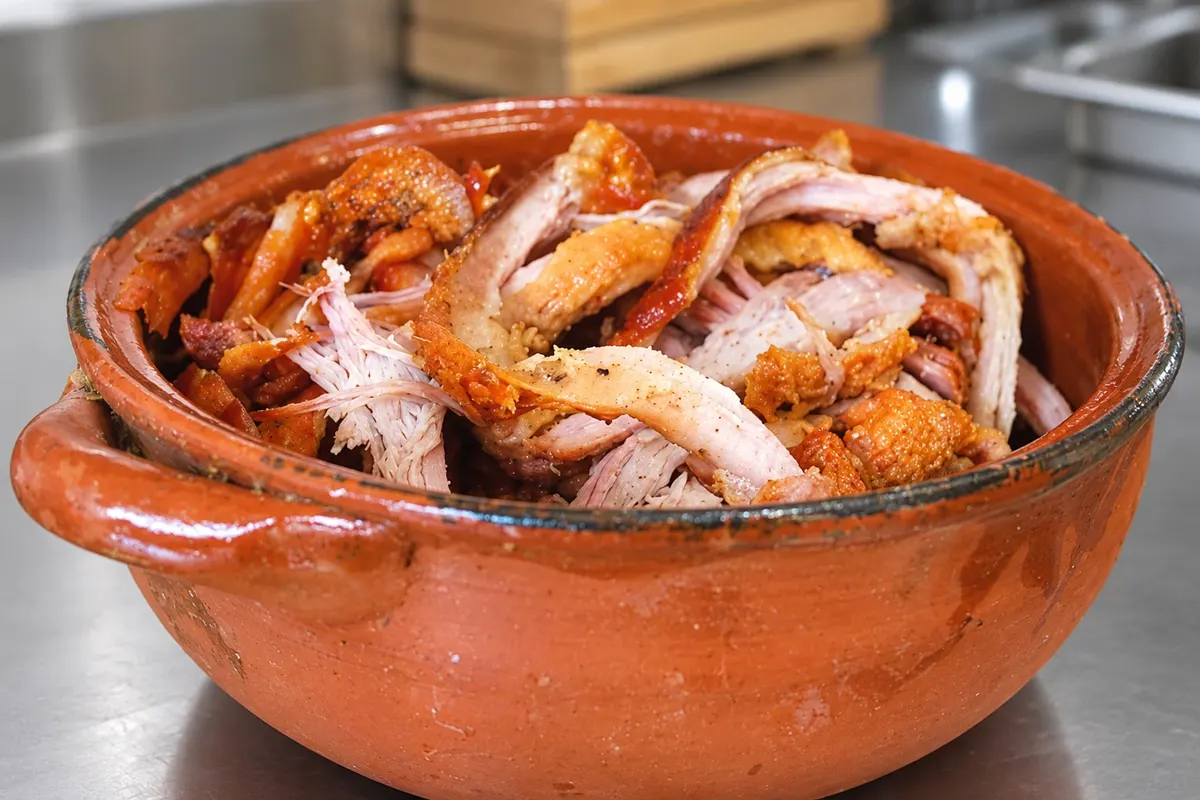
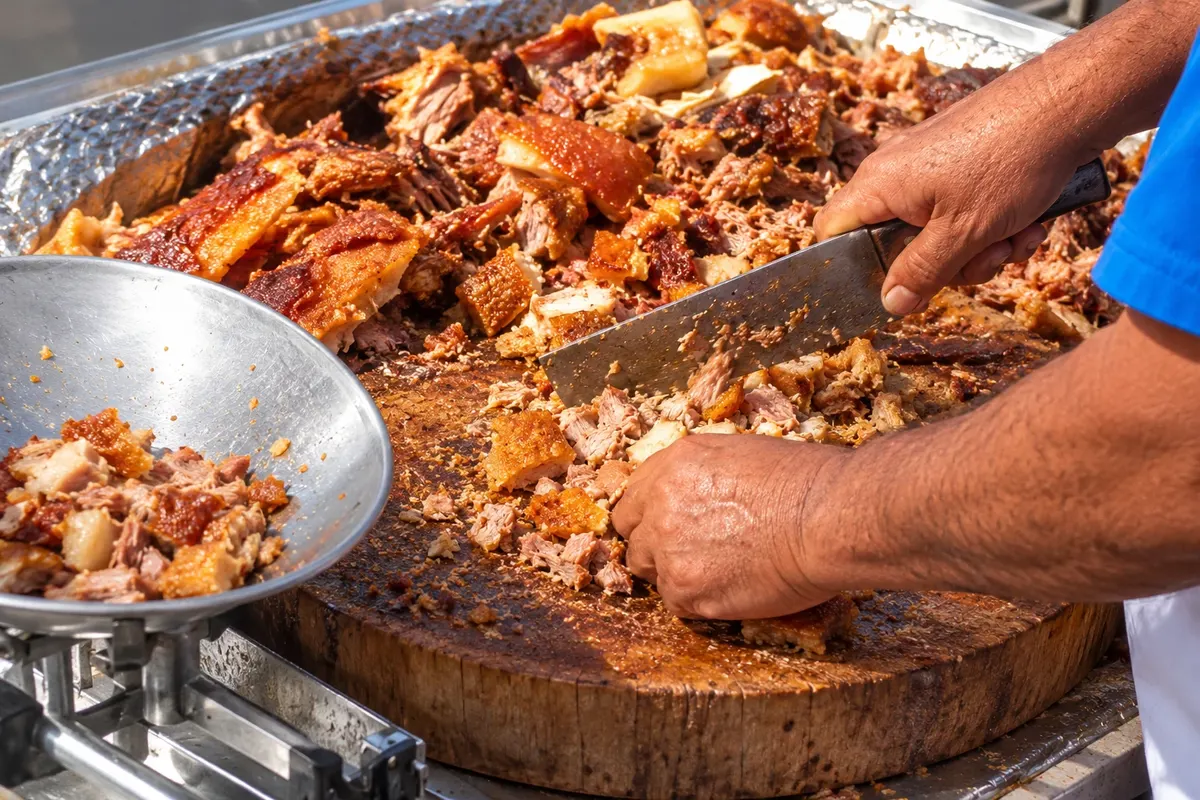
Pork slowly cooked in its own lard in large pots until tender inside and golden outside, served in tacos. Quiroga, near Lake Pátzcuaro, is called the capital of carnitas: families in the town have been making them for more than a century.

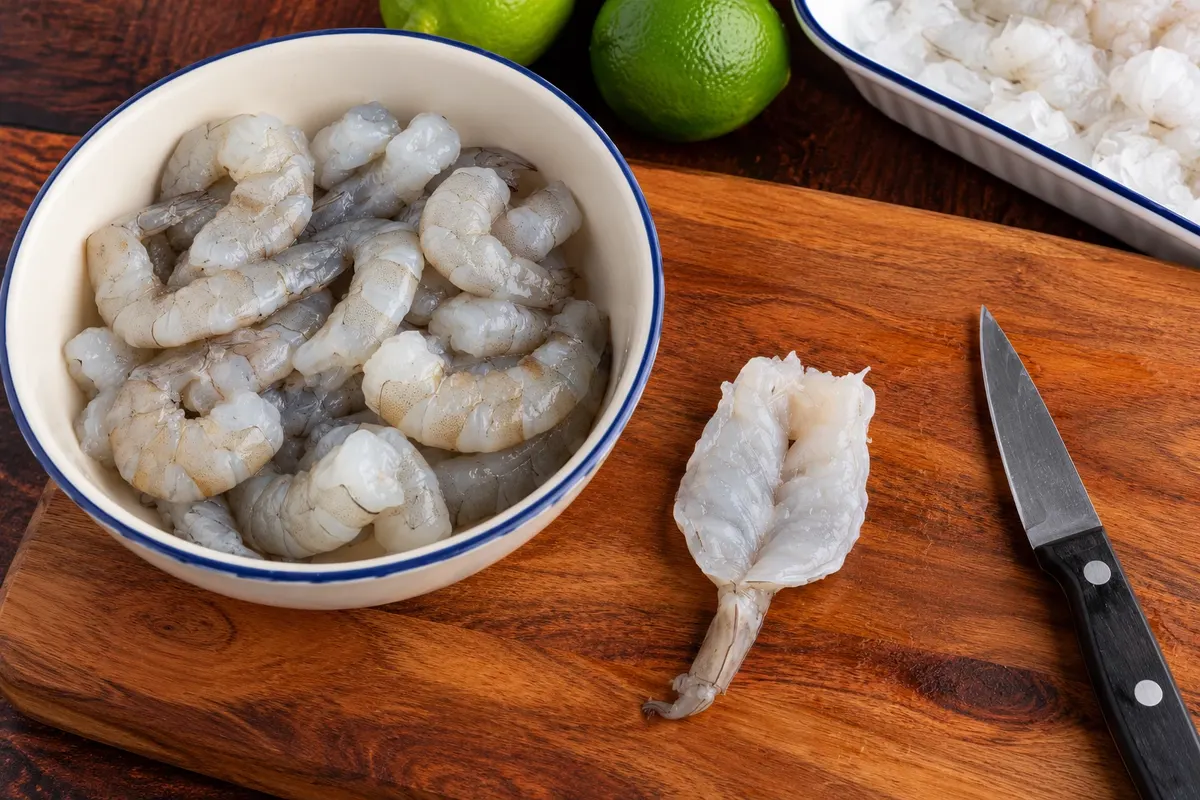
Raw shrimp butterfly-cut and cured in lime with chiltepín chile, served with cucumber and red onion. It originated in the mountains of Sinaloa as a meat broth with water and chile and reached the coast, where shrimp took the place of meat. It is presented as the state’s most representative dish.

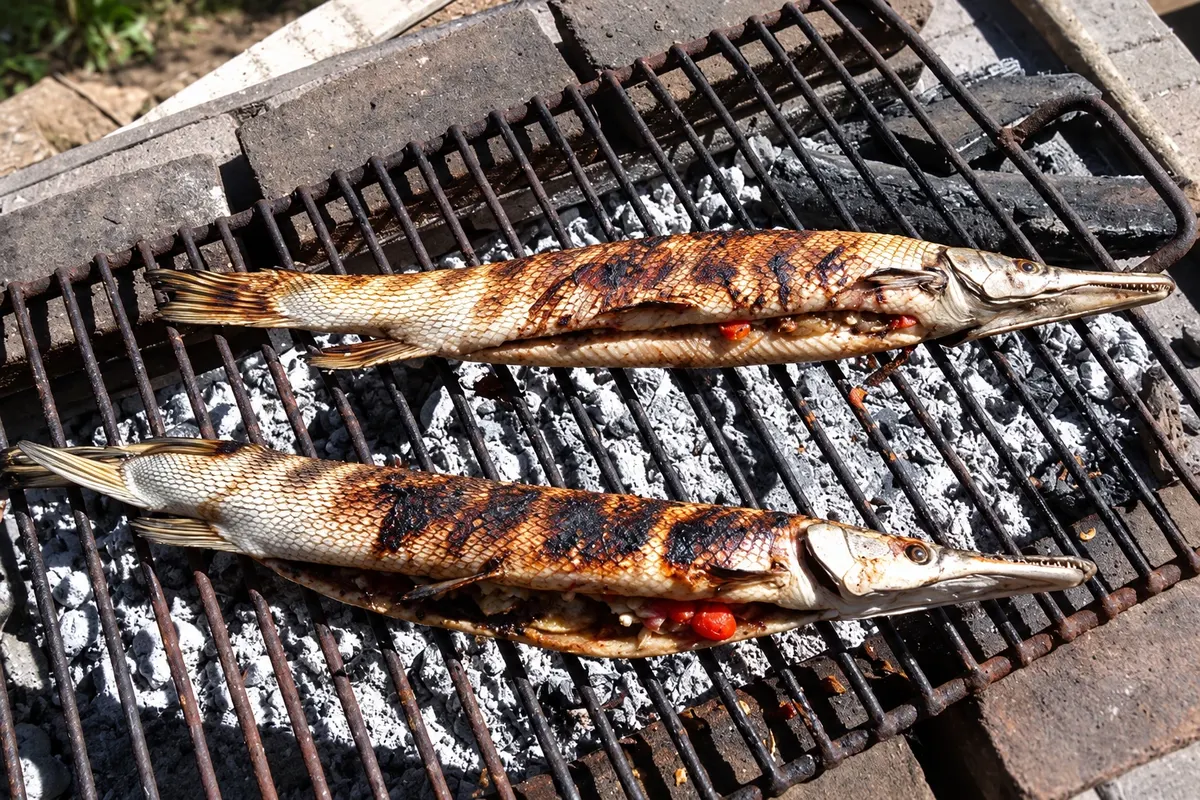
Freshwater fish with a long snout, grilled whole over coals and eaten with tortilla, lime, salt and chile amashito. It lives in the rivers and lagoons of Tabasco and is one of the state’s most representative dishes, with roots in pre-Hispanic cuisine of the southeast.

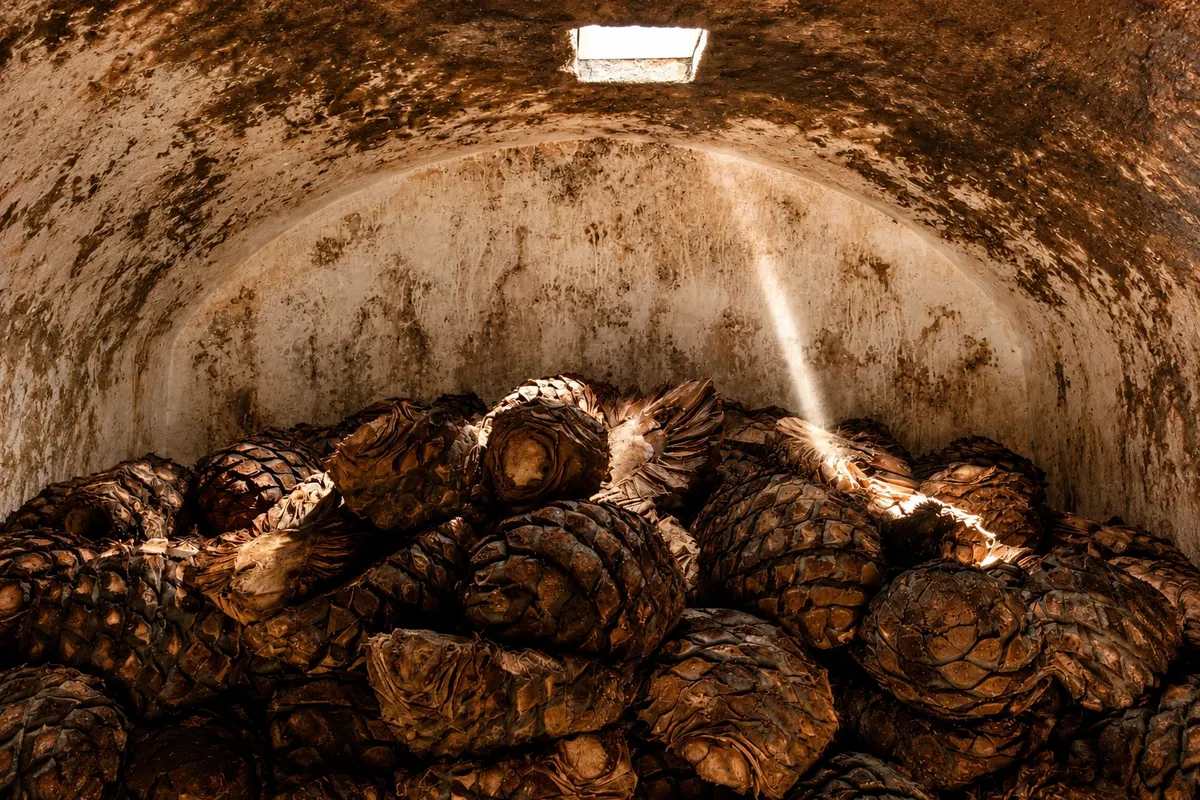
Distilled spirit from blue agave named after the city of Tequila, in Jalisco, surrounded by agave fields. It has a designation of origin since 1974, and the agave landscape and the region’s old industrial facilities are a UNESCO World Heritage Site.

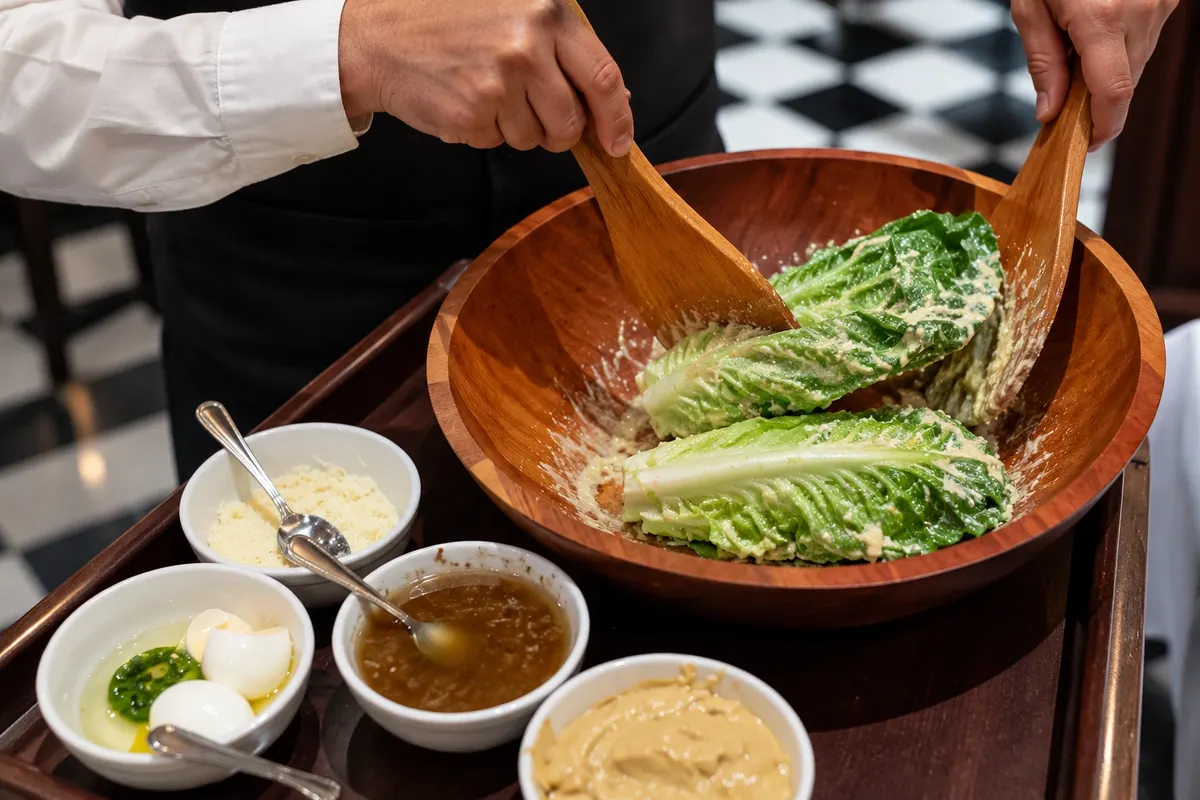
Salad of romaine lettuce leaves with a dressing of egg, lemon, garlic, olive oil and Parmesan cheese, served with croutons. It was created in Tijuana by the Italian cook Caesar Cardini on July 4, 1924, according to Tijuanan historian José Fernando Escobedo de la Torre.

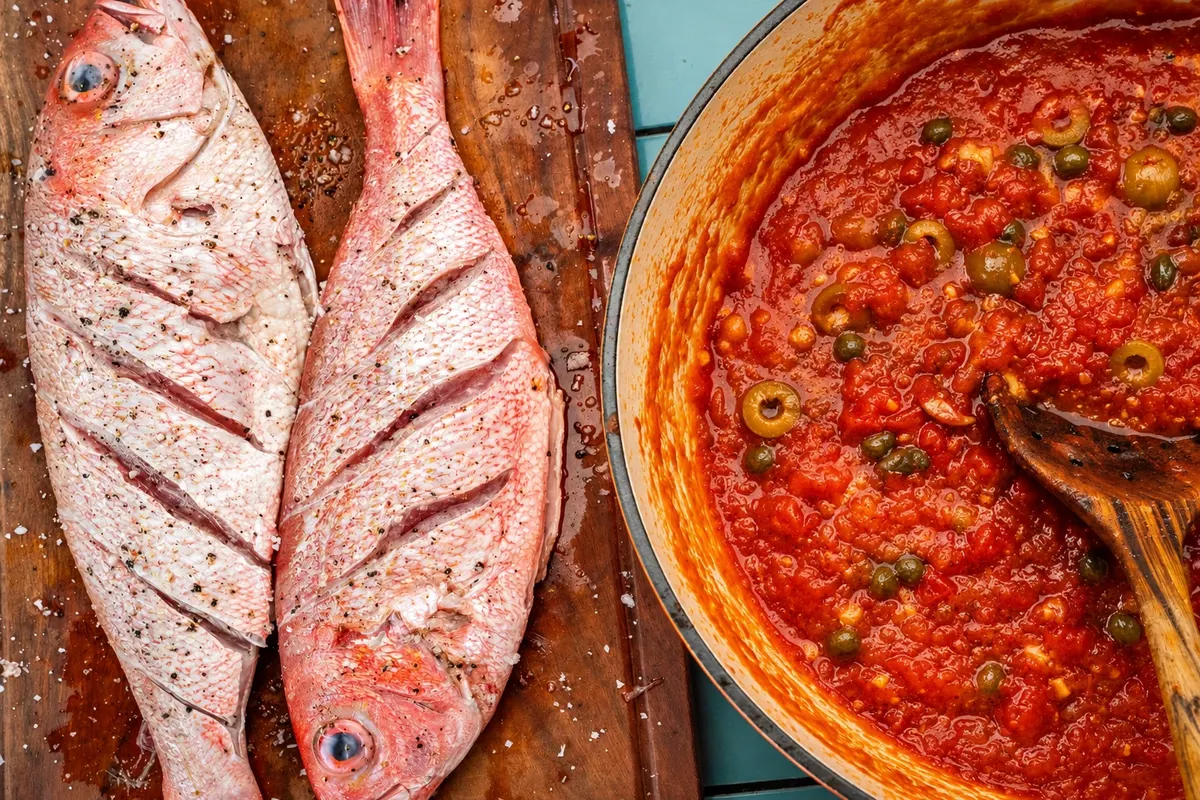
Red snapper cooked in a tomato sauce with olives, capers, garlic, onion, herbs and pickled chiles güeros or jalapeños. A coastal Veracruz dish, from the Gulf of Mexico, considered one of the country's best-known fish recipes.

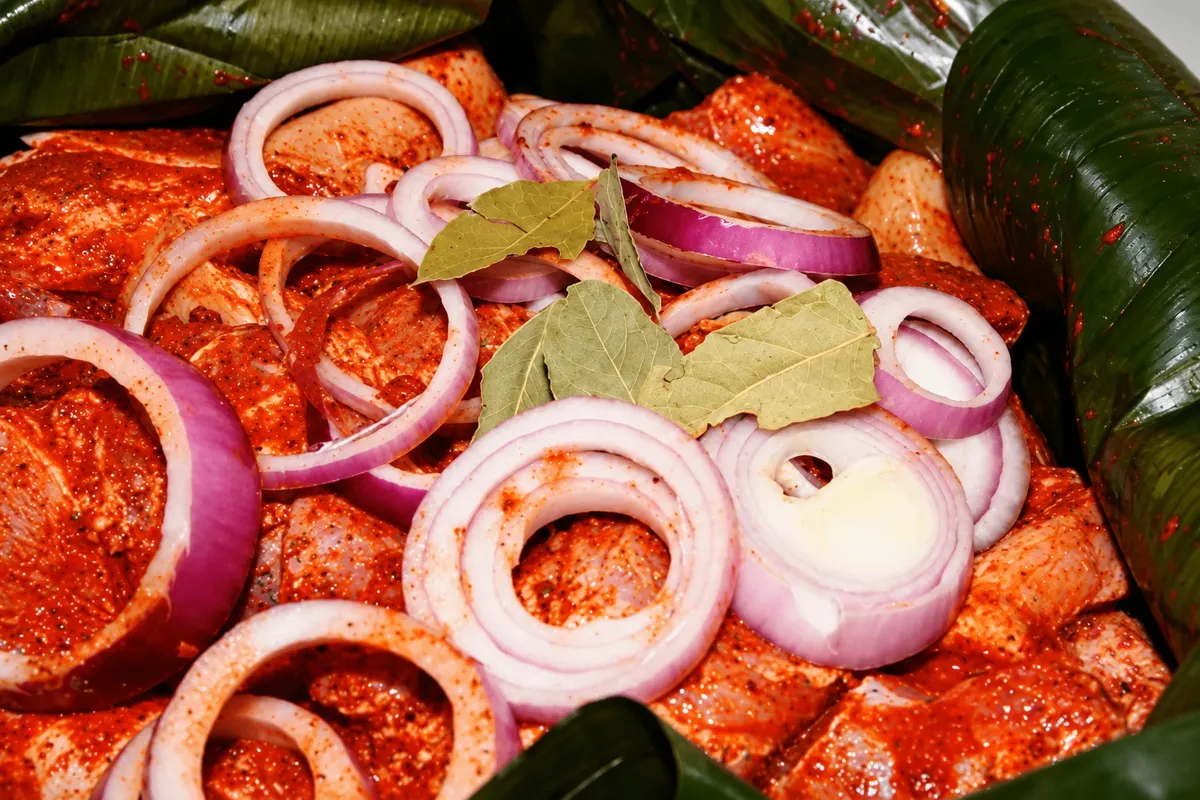
Pork marinated in achiote and bitter orange, wrapped in banana leaf and slowly cooked in an earth oven, the pib. A Sunday family dish from Yucatán that combines the pig brought by the Spaniards with a Mayan cooking technique.