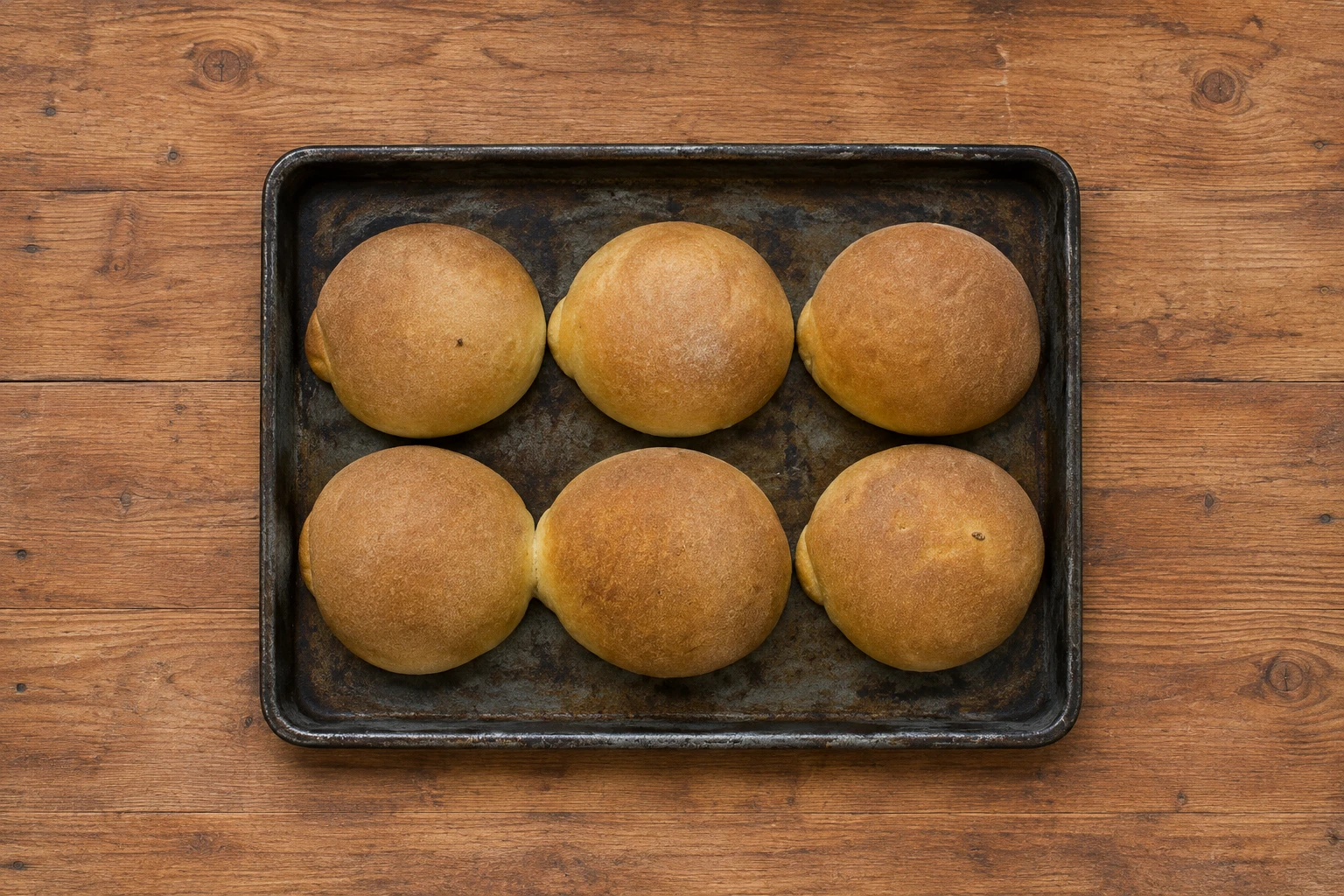
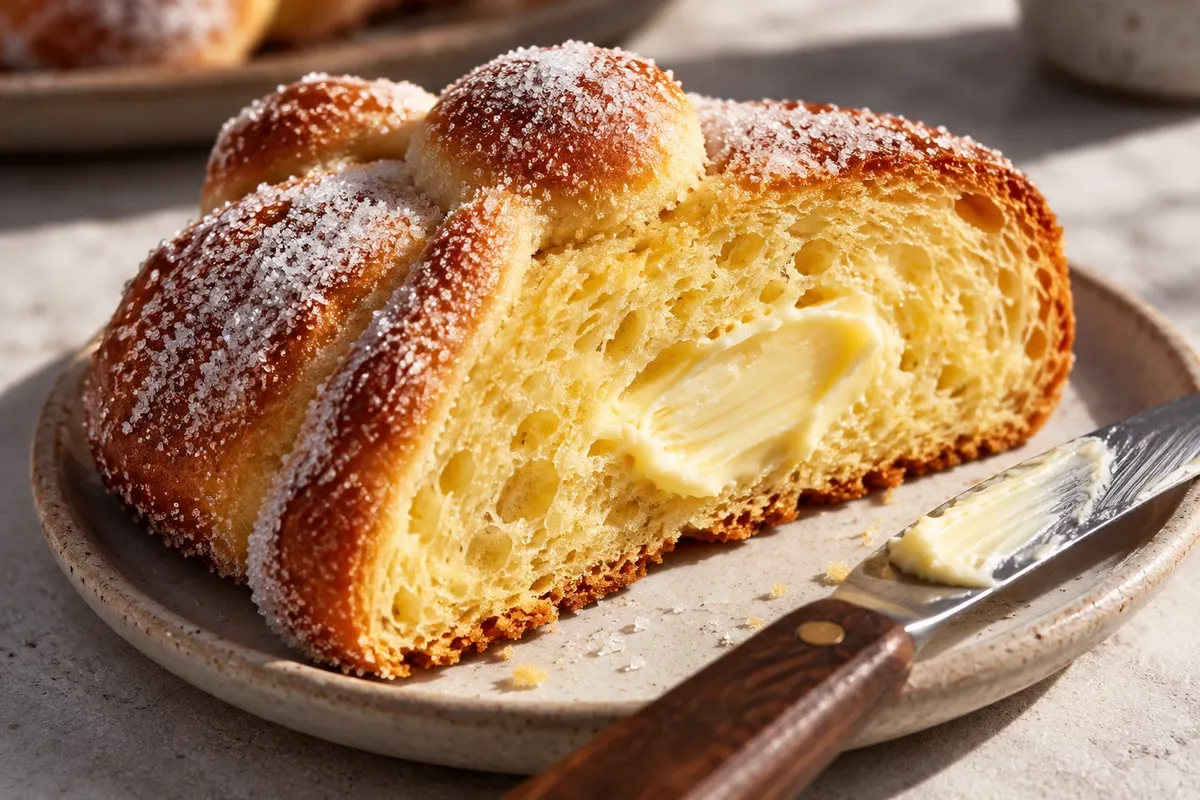
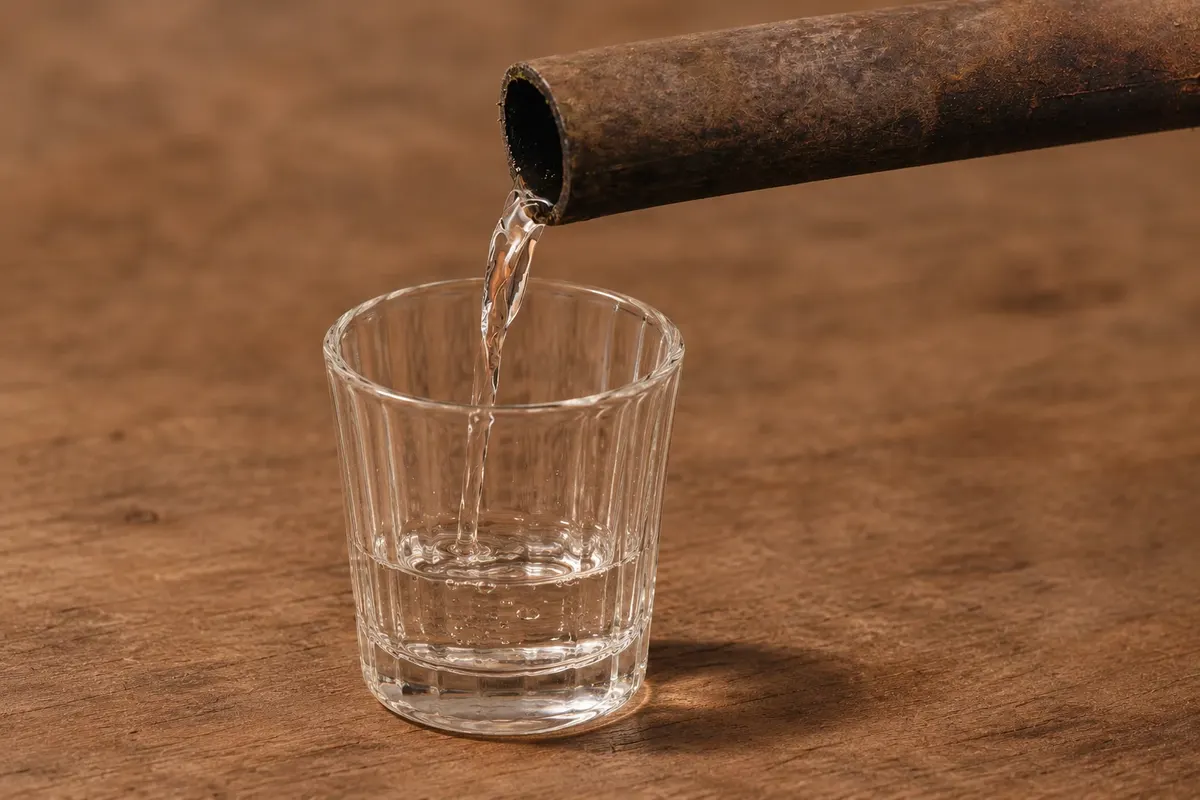
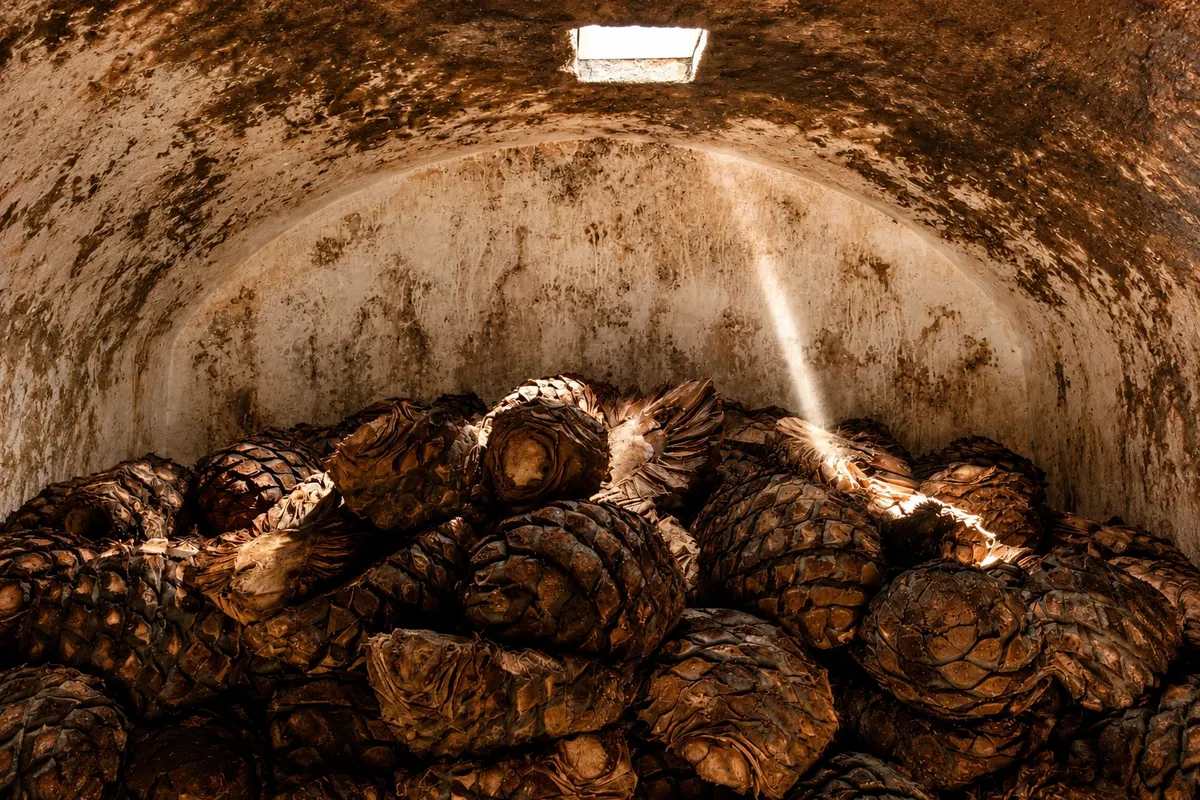
Pan de pulque is Saltillo’s traditional bread. Wheat-flour dough rises with pulque, the agave fermented drink, instead of common yeast. The result is a soft bread with a moist crumb and gentle acidity, sweetened with piloncillo or sugar; many bakeries add walnuts, a major product of Coahuila.
The tradition reflects the meeting of two cultures: wheat brought by the Spanish and pulque, long used by the peoples of central Mexico. At the end of the 16th century, Tlaxcalan families settled beside the village of Saltillo, and local tradition connects them to the habit of using pulque to make bread rise. This practice spread along towns on the old Camino Real but remained especially strong in Saltillo, in Arteaga and in southeast Coahuila.
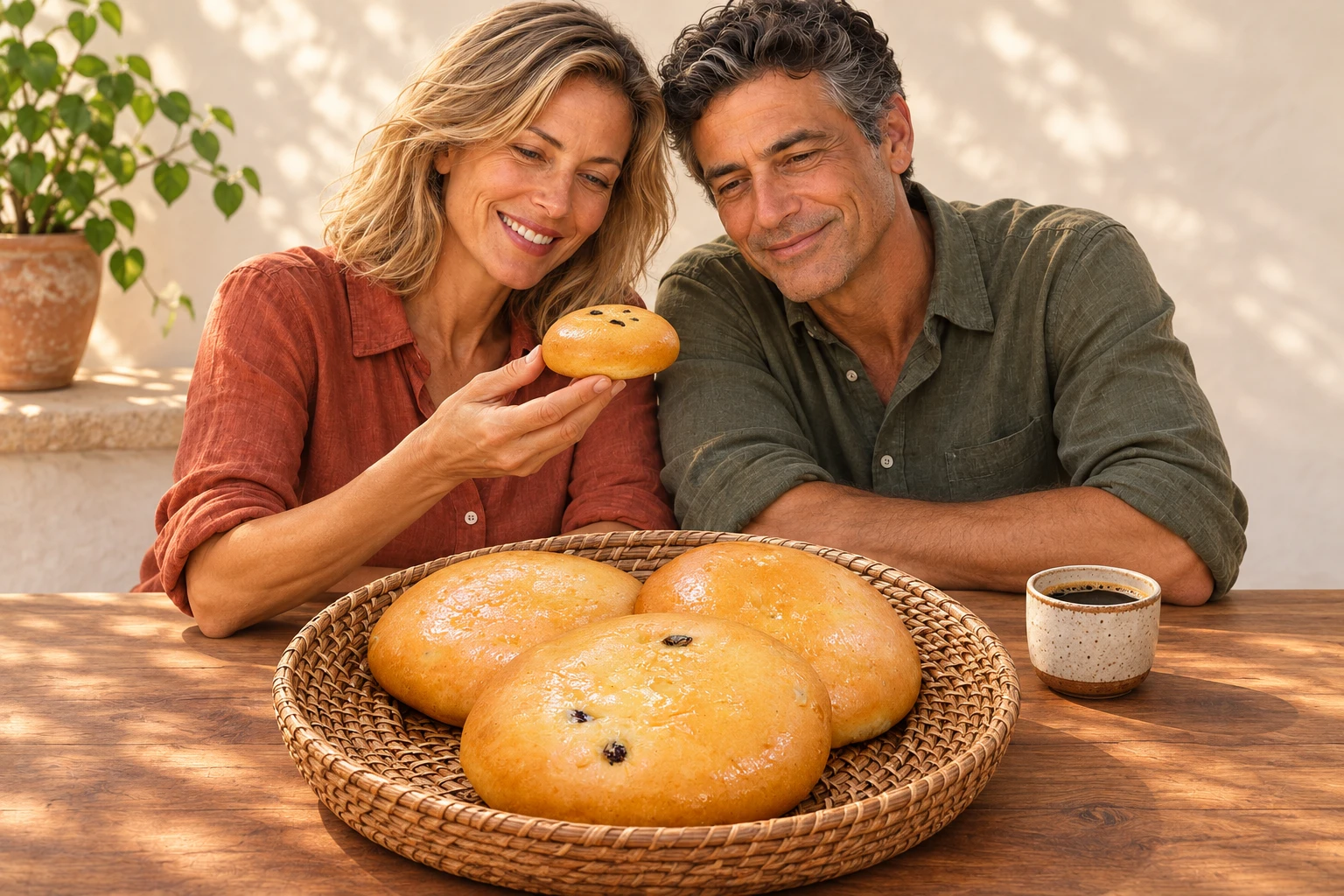
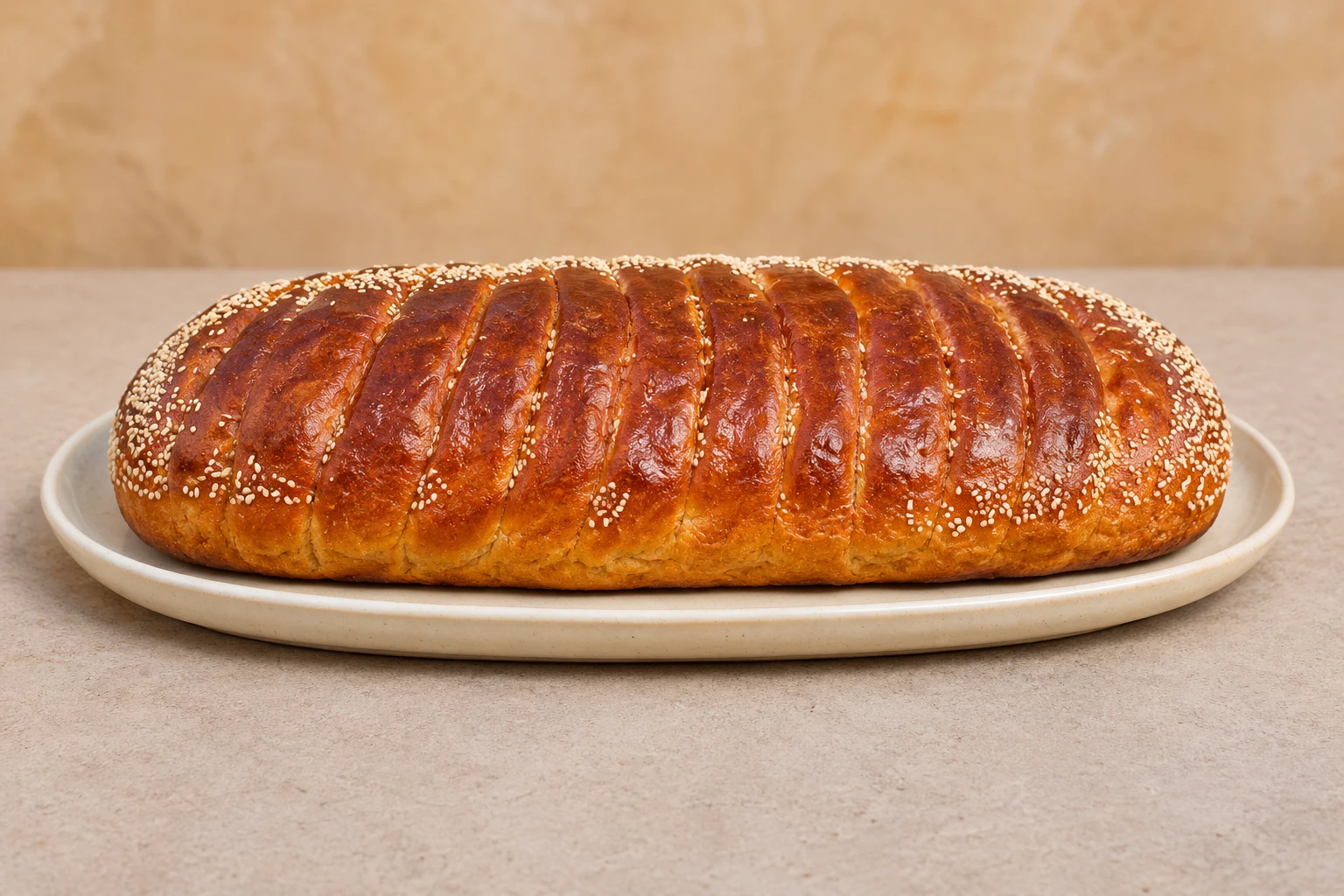
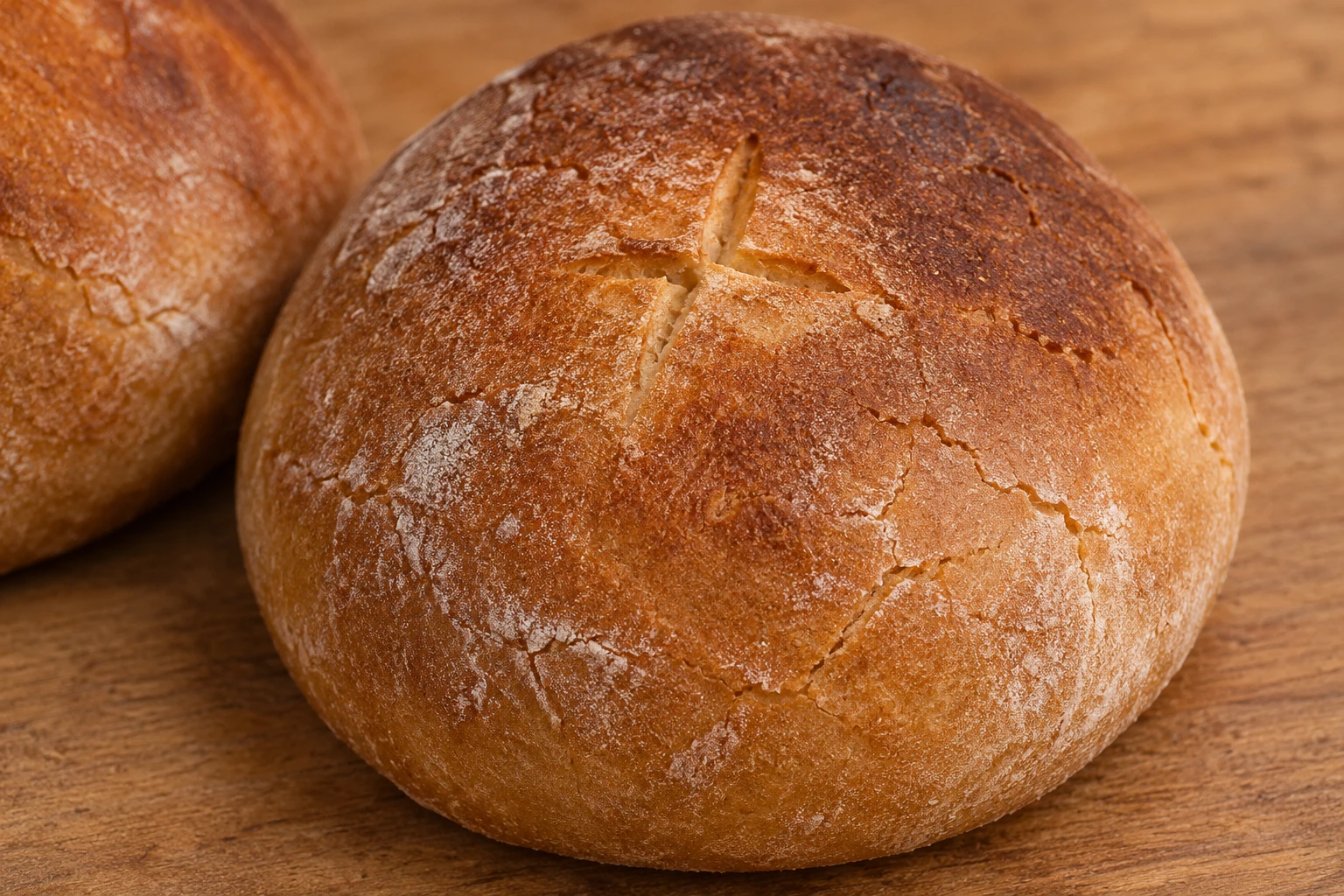
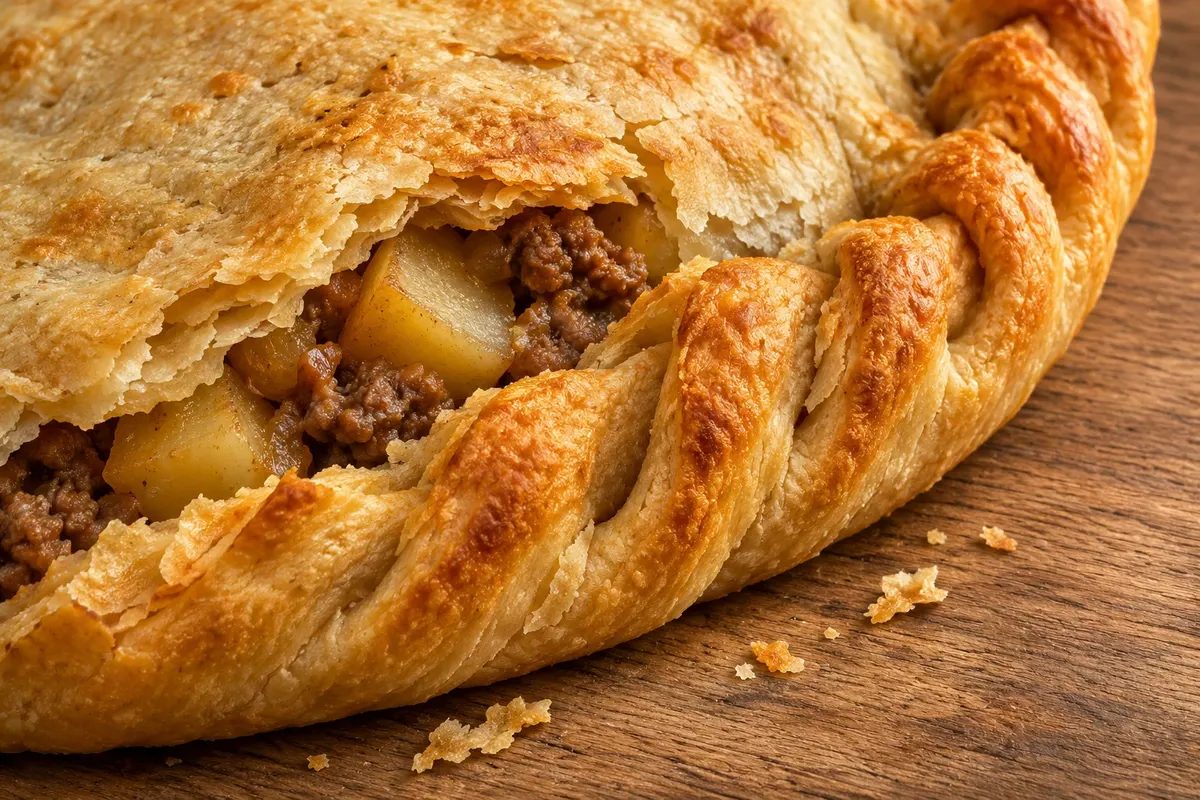
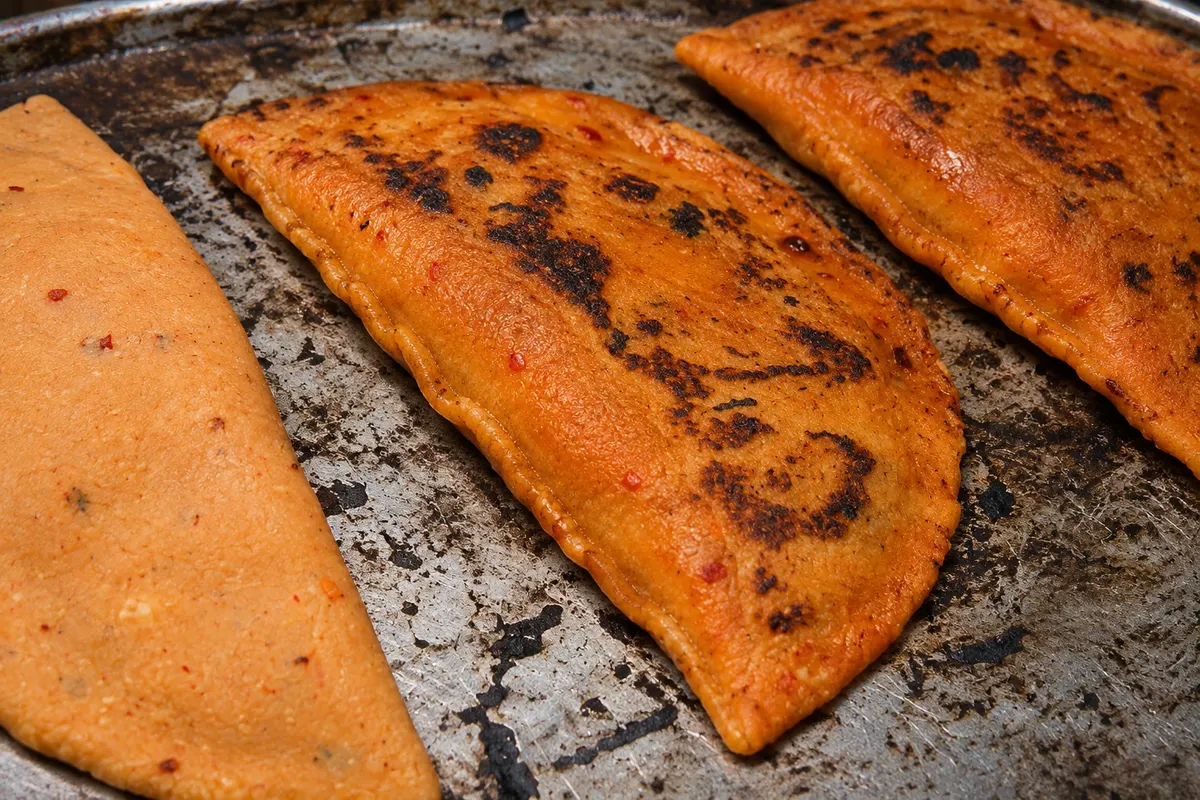
The bread appears in several shapes: round golden loaves, long pieces topped with sesame, and empanadas filled with sweet or savory fillings. The same dough is also used for chorreadas, breads bathed in piloncillo syrup. Several Saltillo bakeries have made pan de pulque for generations, each keeping its own recipe.
In Saltillo, pan de pulque accompanies breakfast and the afternoon snack, served with a cup of coffee or atole, and is often taken as a gift by visitors to the city.


 Brazil
 Antarctica
 Argentina
 Bolivia
 Chile
 Colombia
 Ecuador
 Guyana
 French Guiana
 Falkland Islands (Malvinas)
 Paraguay
 Peru
 Suriname
 Uruguay
 Venezuela
 Germany
 Austria
 Belgium
 Croatia
 Denmark
 Slovakia
 Slovenia
 Spain
 Finland
 France
 Greece
 the Netherlands
 Hungary
 Ireland
 Iceland
 Italy
 Luxembourg
 Norway
 Poland
 Portugal
 the United Kingdom
 the Czech Republic
 Sweden
 Switzerland
 Turkey
 Bermuda
 Canada
 the United States
 Greenland
 Saint Pierre and Miquelon
 the Dominican Republic
 South Africa
 Egypt
 Australia
 Fiji
 New Zealand
 Papua New Guinea