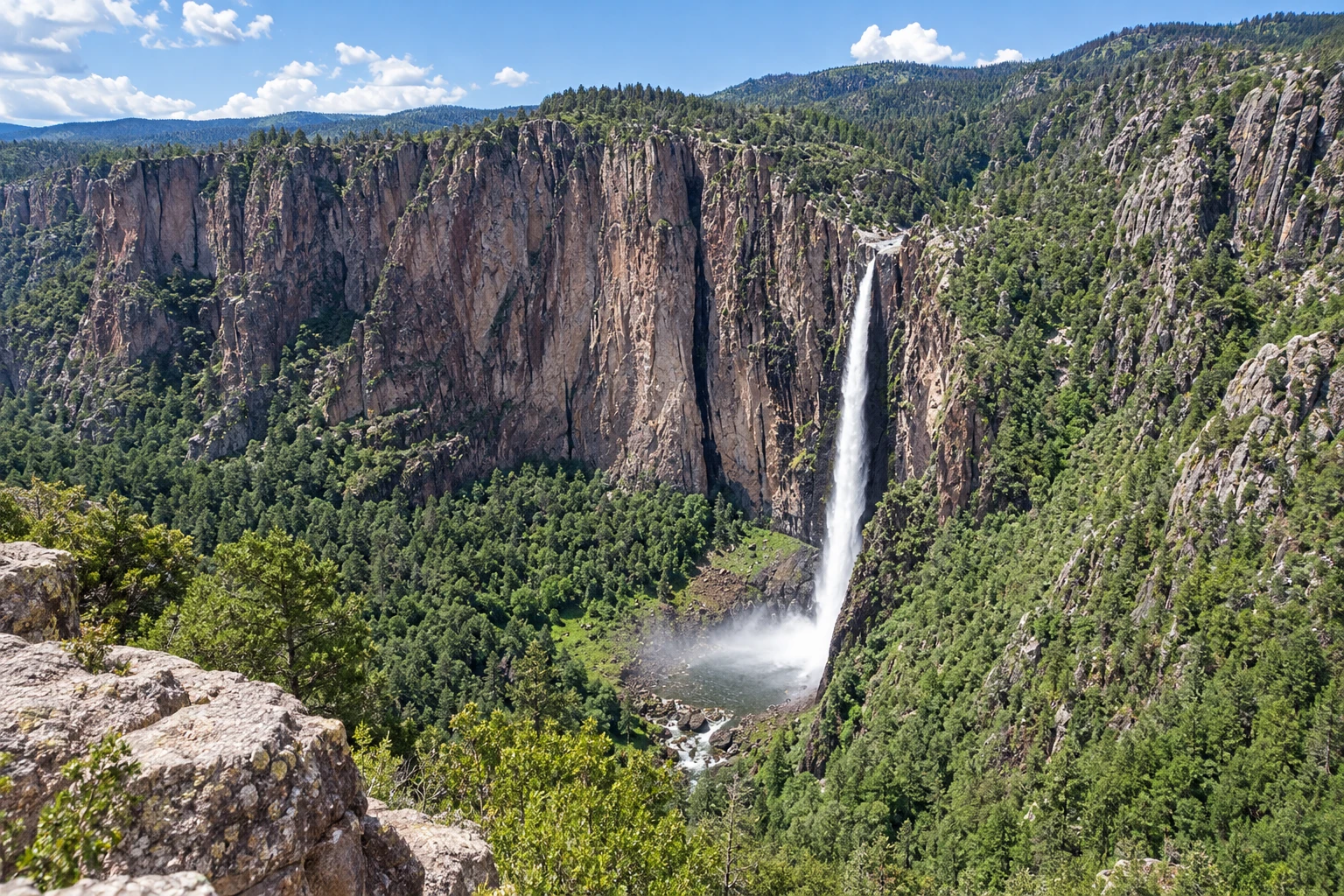
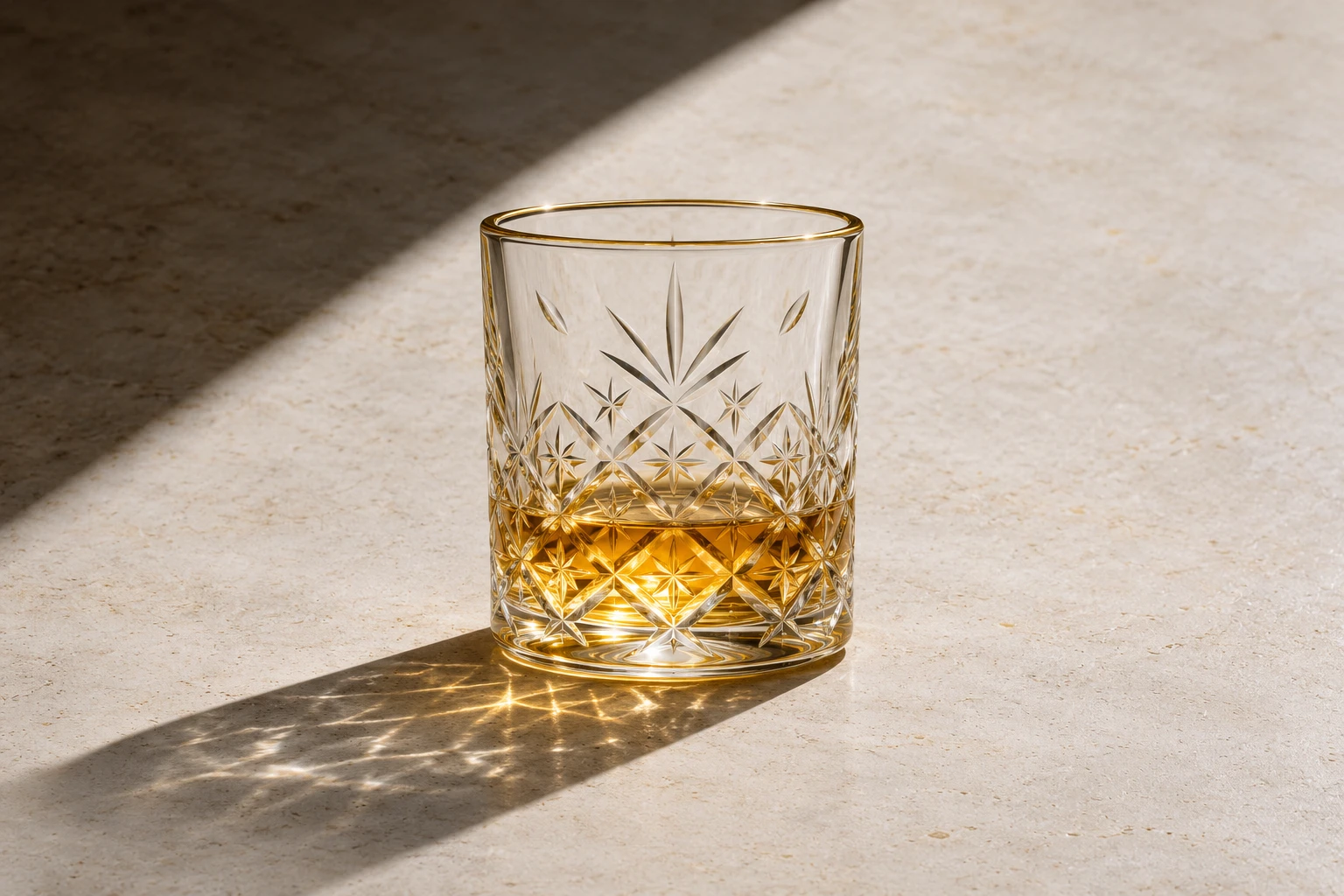
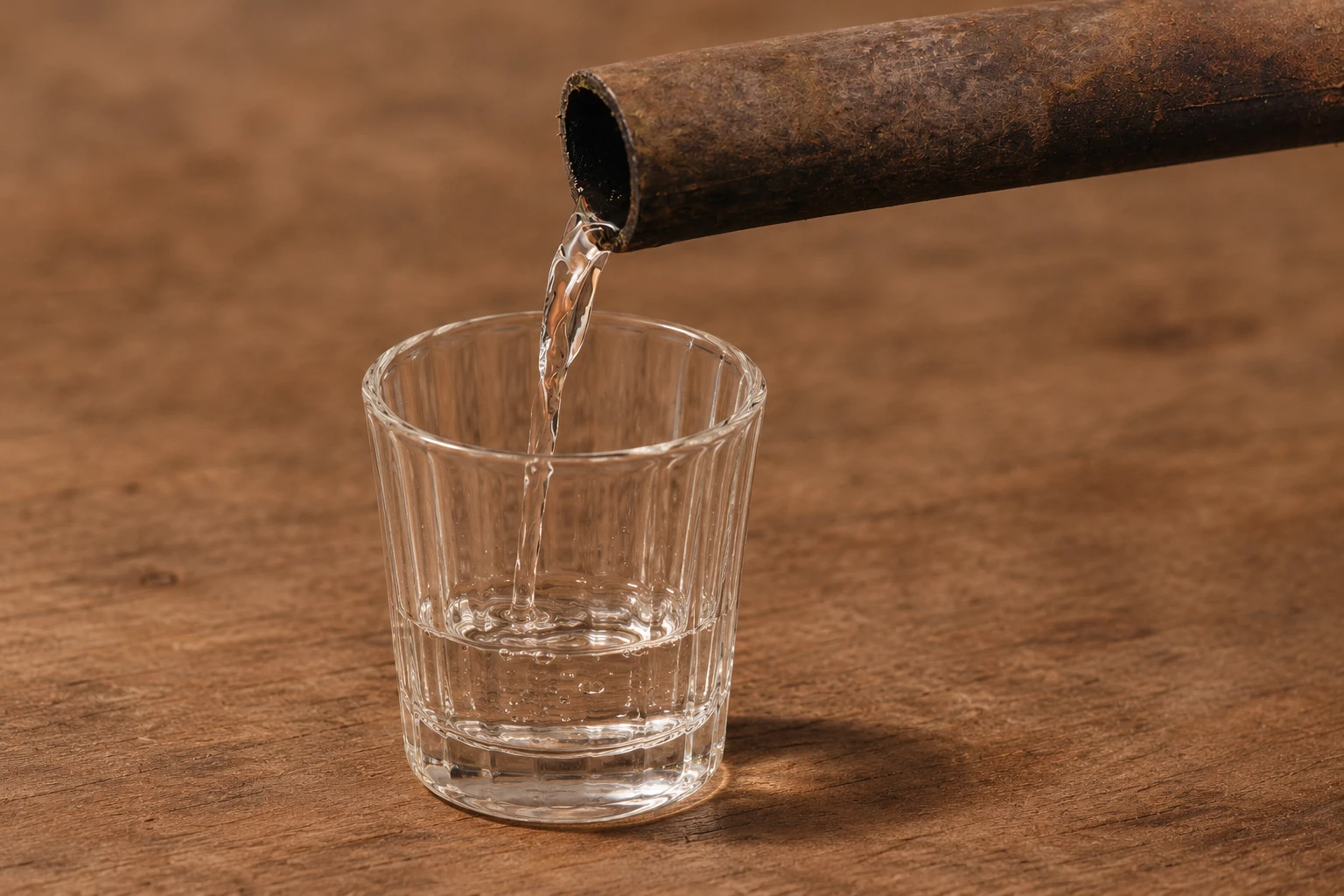
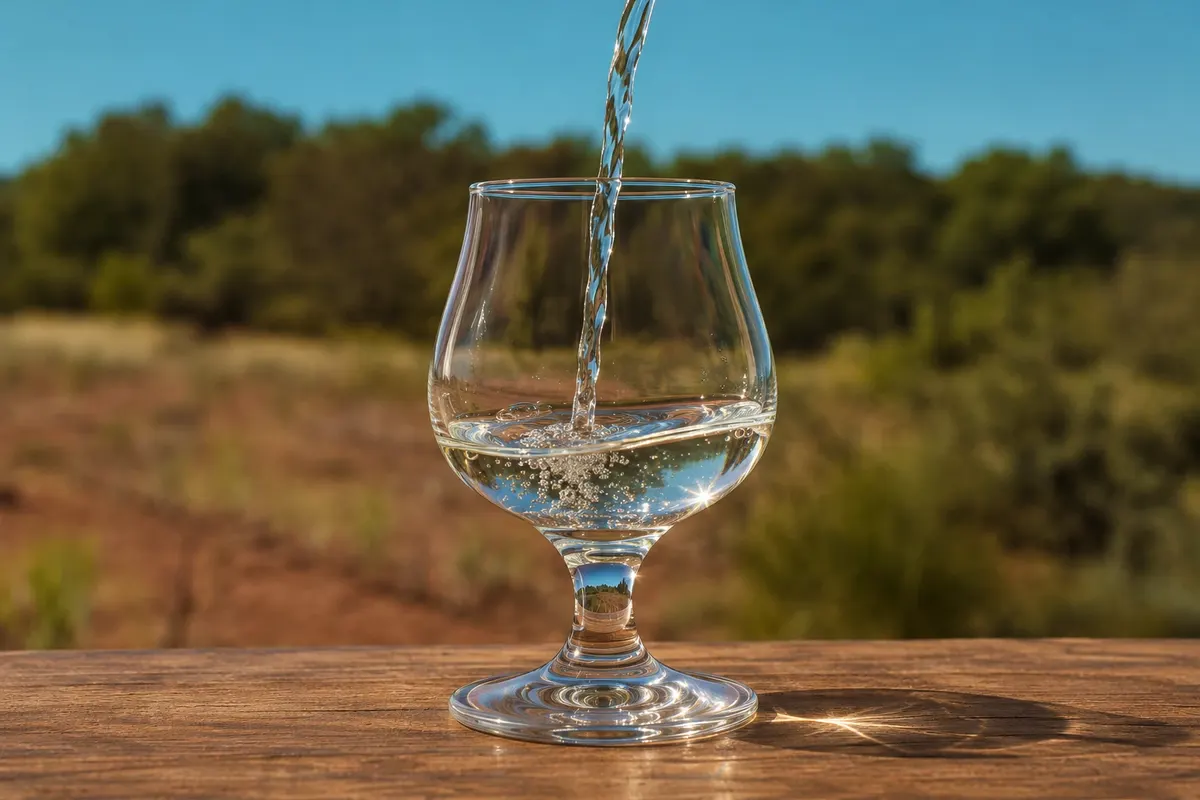
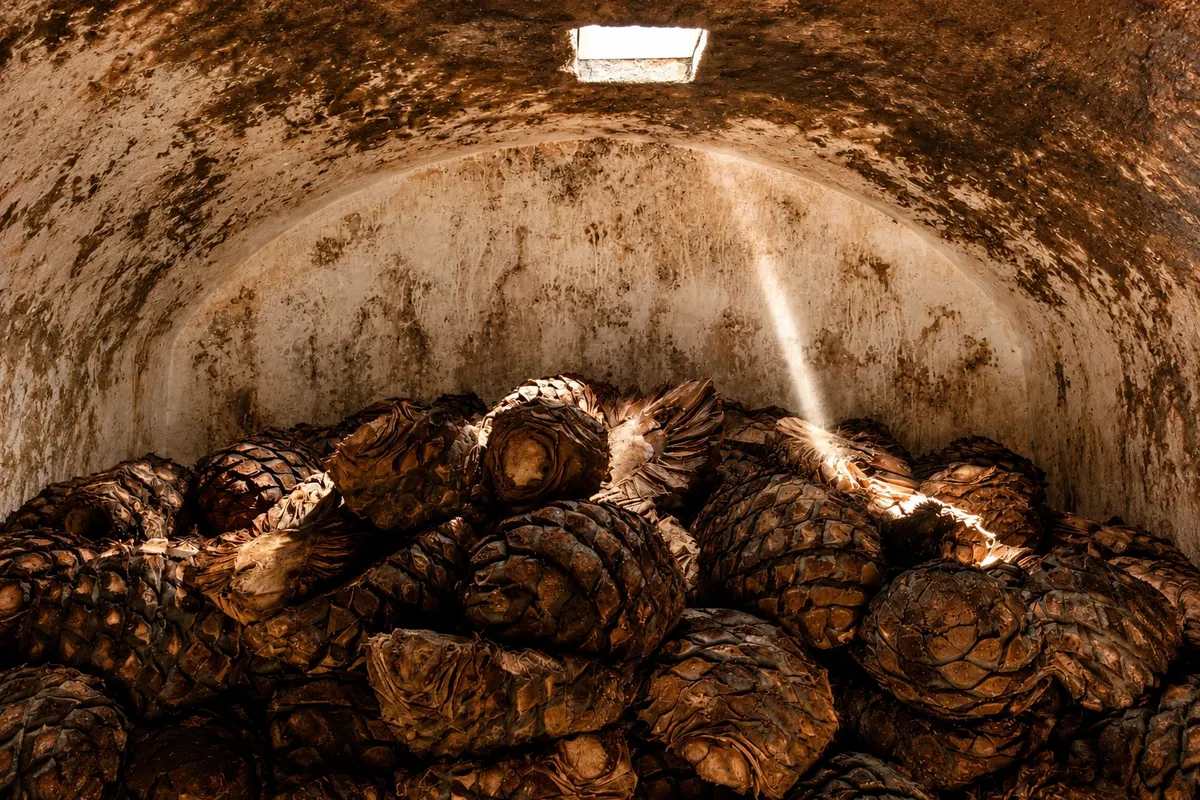
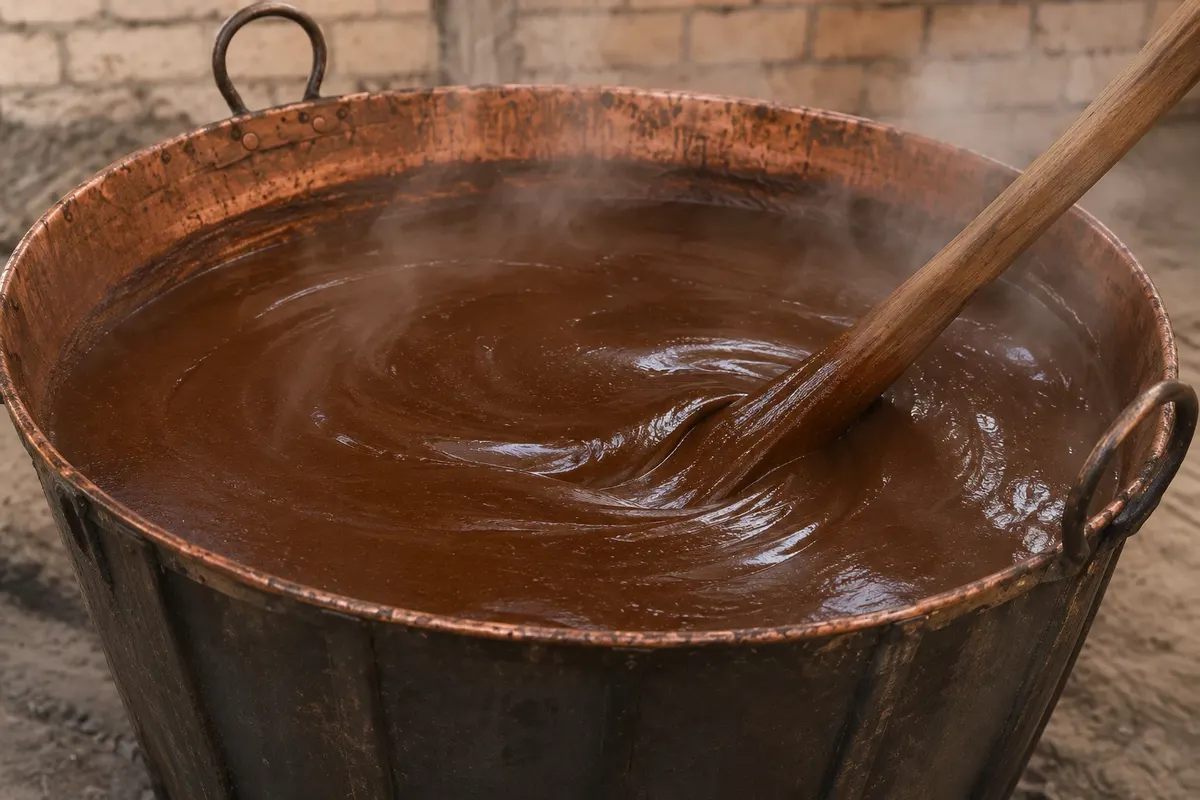
Sotol is the distilled spirit of the Chihuahuan desert. It comes from the plant called sotol or sereque, of the genus Dasylirion, which grows on the dry slopes of northern Mexico. Unlike tequila and mezcal, it is not made from agave. The plant’s head, also called the piña, is roasted in earth or stone ovens, crushed, fermented and distilled, and the spirit has earthy and smoky flavors.
The Sotol denomination of origin covers the states of Chihuahua, Coahuila and Durango. The request was made by the government of Chihuahua in 2001, and the protection declaration was published in 2002 after the inclusion of the other two states. Chihuahua accounts for most of the production.
The denomination document attributes more than a thousand years of sotol tradition to the people of Chihuahua, with the plant’s use by desert and mountain communities. Distillation arrived with the Spanish. For decades production was persecuted and carried out secretly by families of vinateros, as the producers are called, and it only became established with official protection.
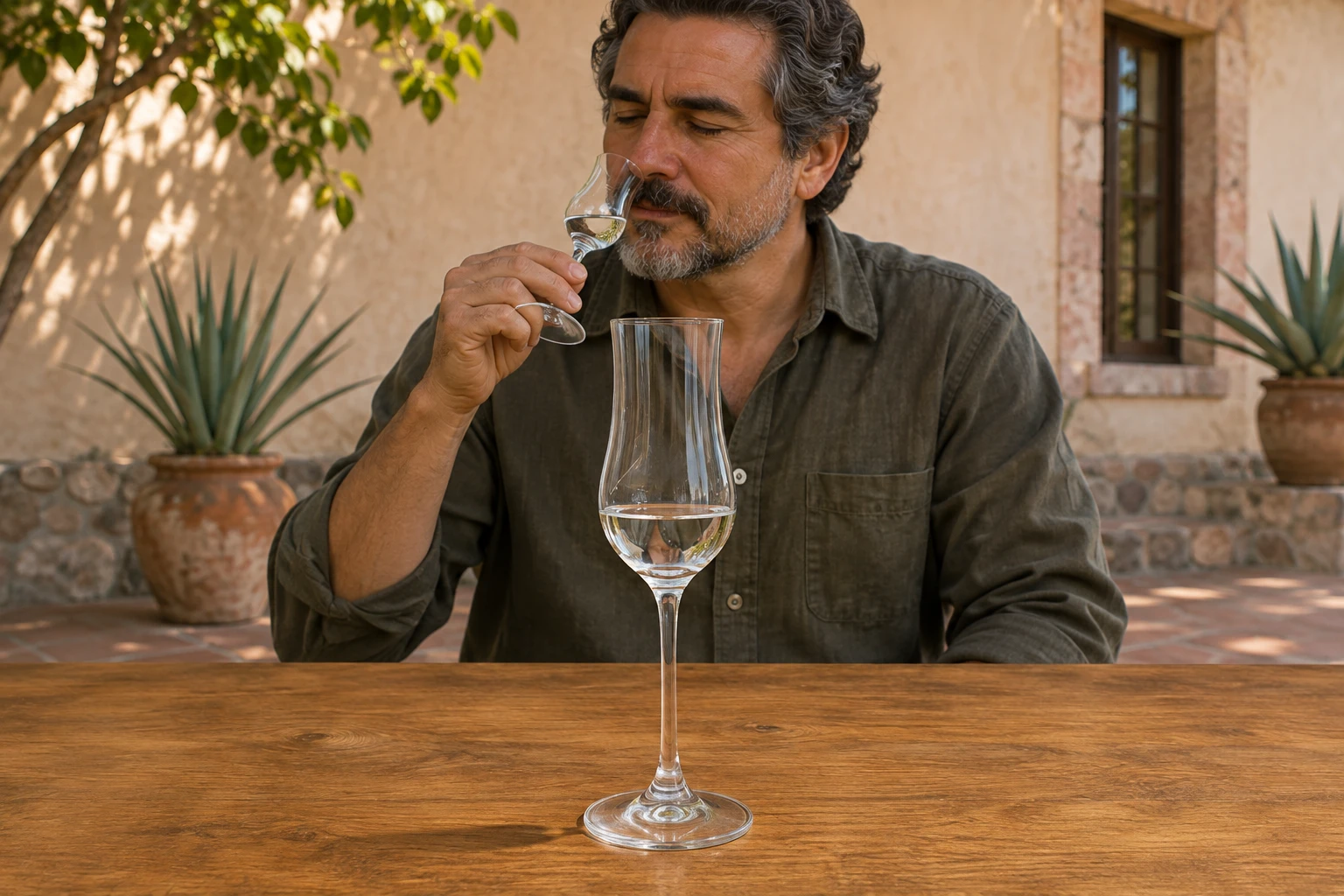
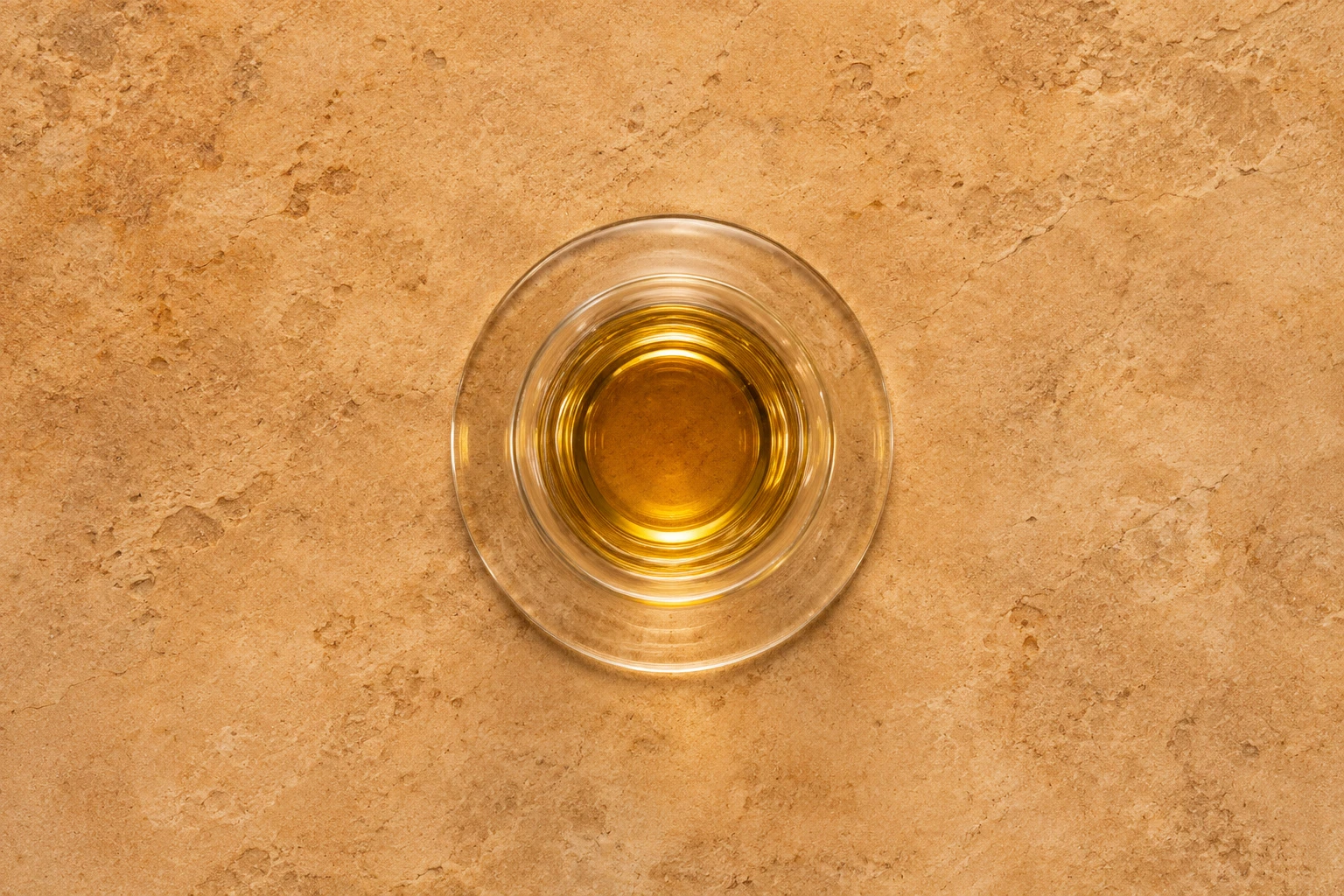
Sotol is classified as blanco, reposado or añejo, depending on time spent in oak barrels. It is usually drunk neat, in small servings, and also appears in cocktails. Consumption should be moderate.


 Brazil
 Antarctica
 Argentina
 Bolivia
 Chile
 Colombia
 Ecuador
 Guyana
 French Guiana
 Falkland Islands (Malvinas)
 Paraguay
 Peru
 Suriname
 Uruguay
 Venezuela
 Germany
 Austria
 Belgium
 Croatia
 Denmark
 Slovakia
 Slovenia
 Spain
 Finland
 France
 Greece
 the Netherlands
 Hungary
 Ireland
 Iceland
 Italy
 Luxembourg
 Norway
 Poland
 Portugal
 the United Kingdom
 the Czech Republic
 Sweden
 Switzerland
 Turkey
 Bermuda
 Canada
 the United States
 Greenland
 Saint Pierre and Miquelon
 the Dominican Republic
 South Africa
 Egypt
 Australia
 Fiji
 New Zealand
 Papua New Guinea