The cuisine
Traditional food of France
French cuisine is many cuisines. Each former province has its products, its fats and its wines: butter and cream in the north and west, olive oil in the south, mountain cheeses in the Alps, duck and goose in the southwest. In 2010, UNESCO inscribed the French gastronomic meal, with its table rituals, on the Representative List of the Intangible Cultural Heritage of Humanity.
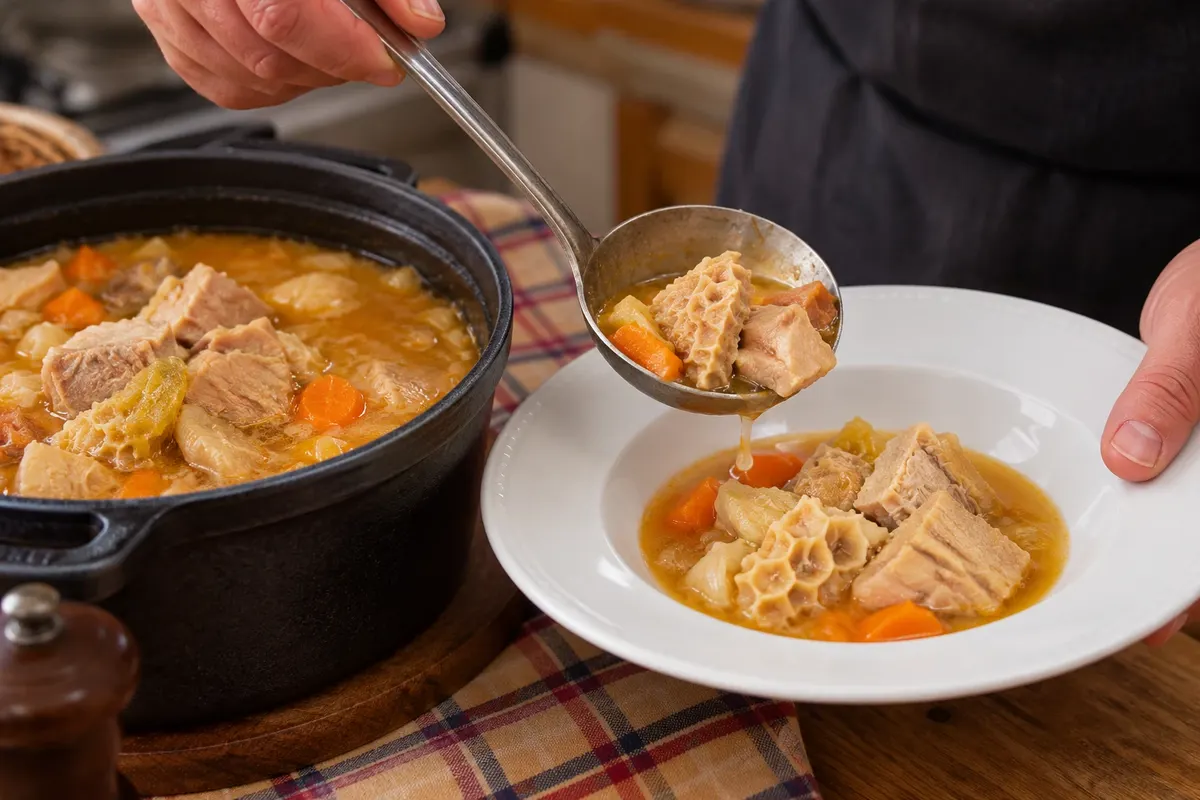
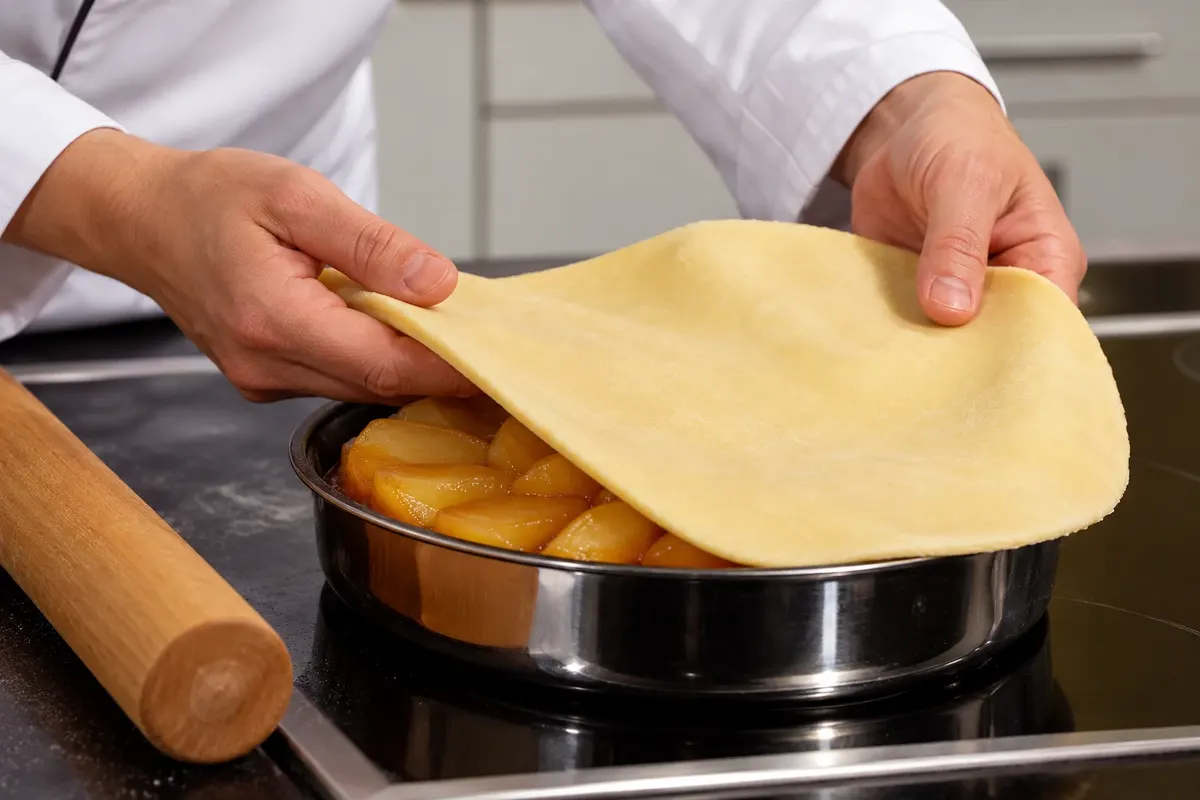
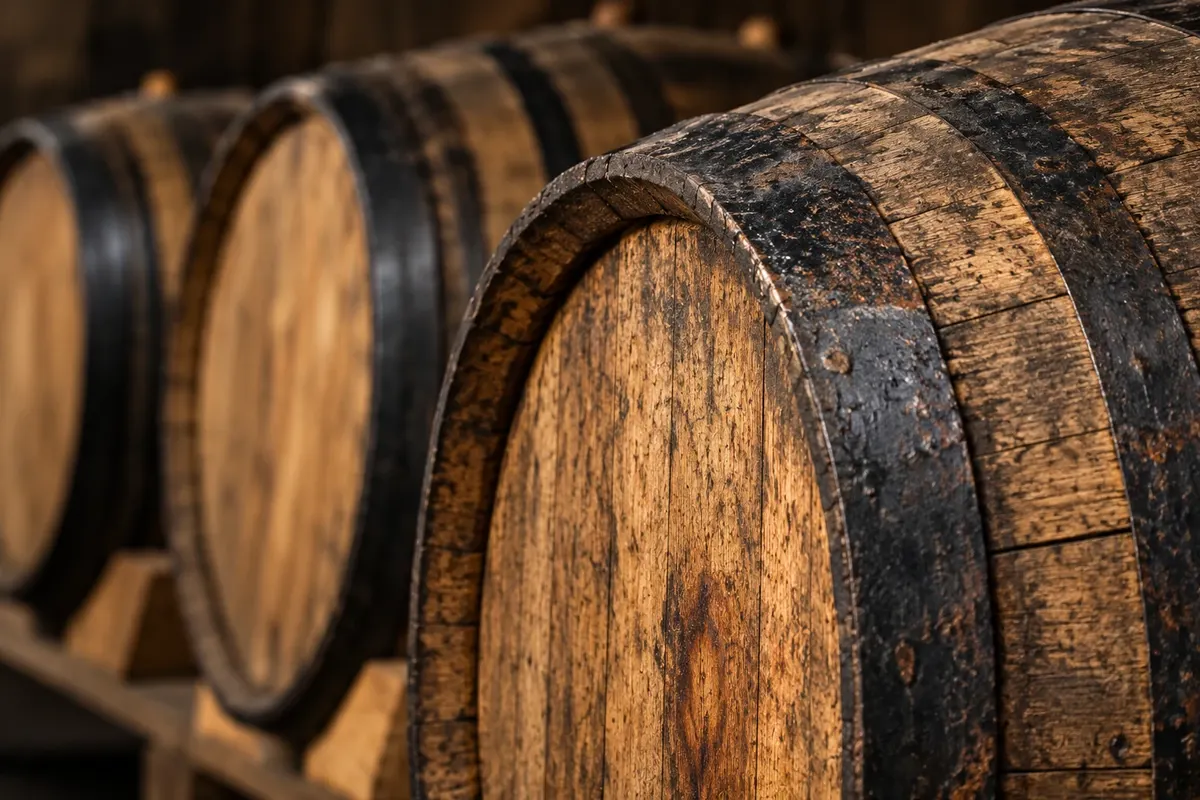
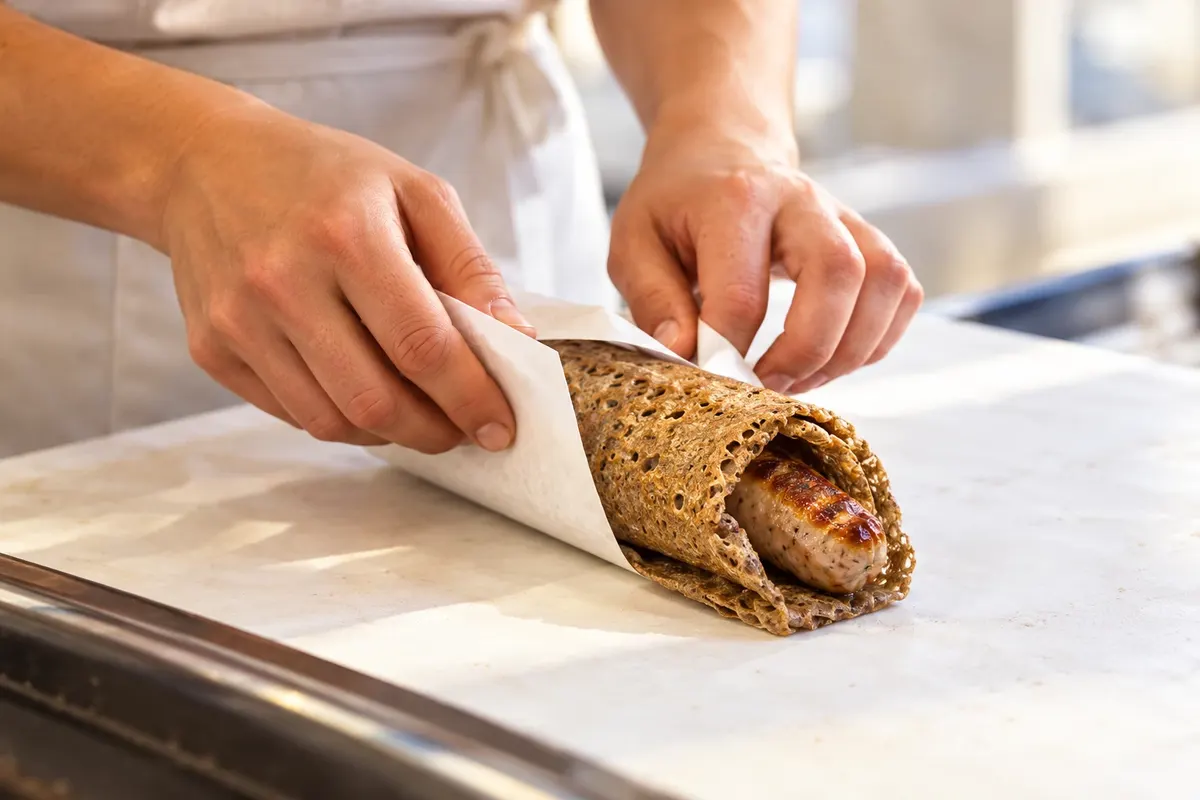
In the north and west, Normandy has Rouen’s canard à la rouennaise, Caen’s tripes à la mode and calvados, an apple‑cider brandy. In Brittany, Rennes eats galette‑saucisse at the market, and Douarnenez gave the world the kouign‑amann. Near Paris, Maisons‑Laffitte is associated with the Paris‑Brest. In the Loire Valley, Tours has its nougat, and Lamotte‑Beuvron, in the Sologne, the tarte Tatin.
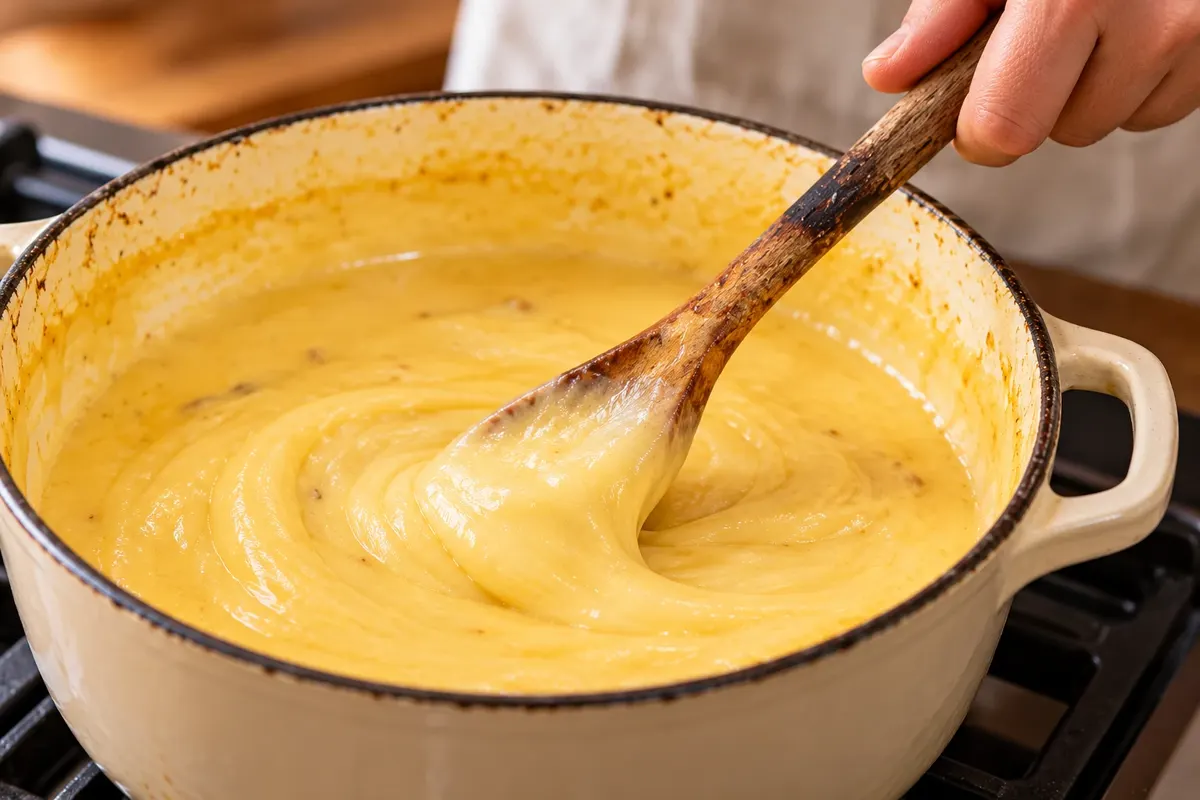
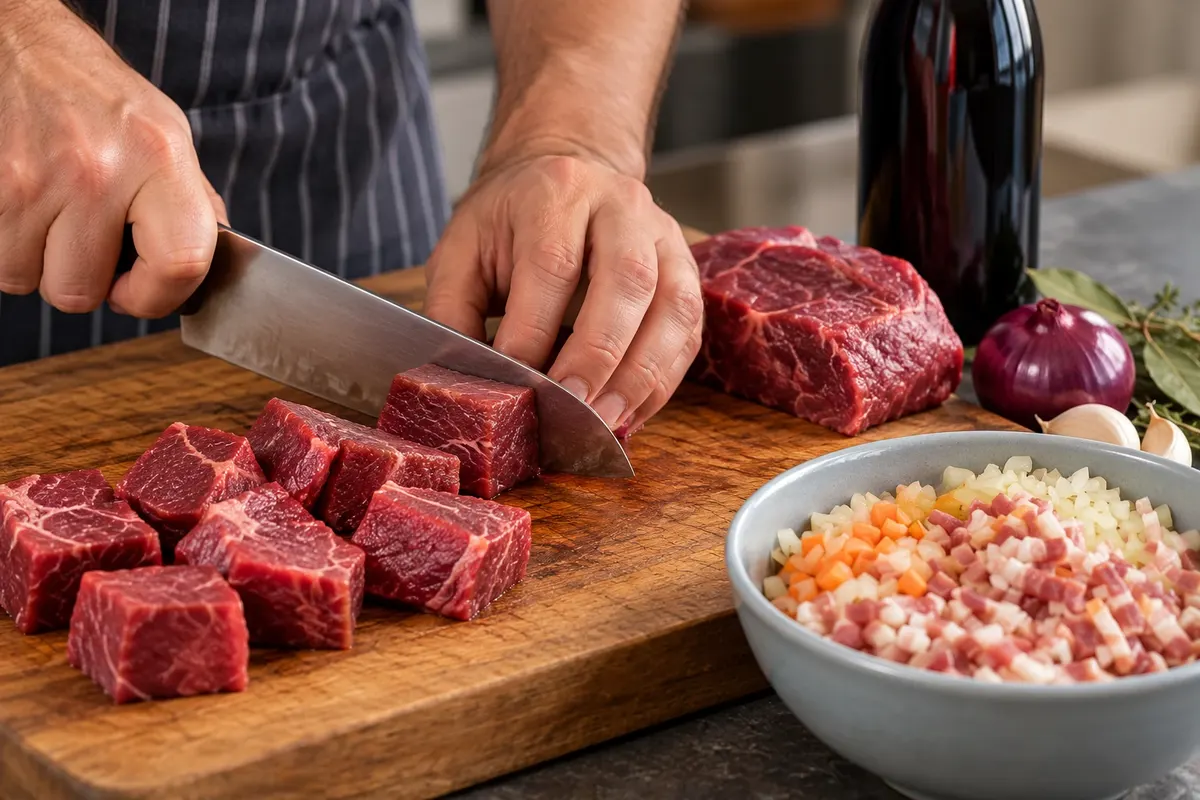
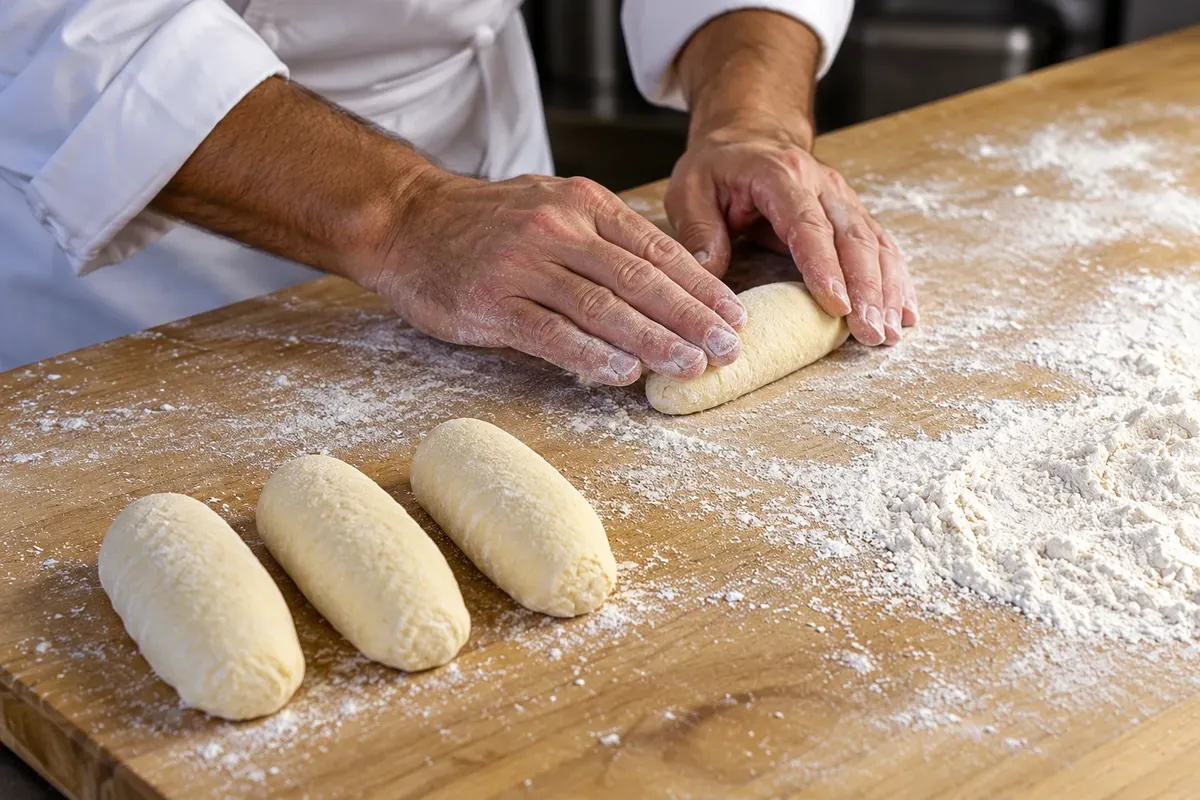
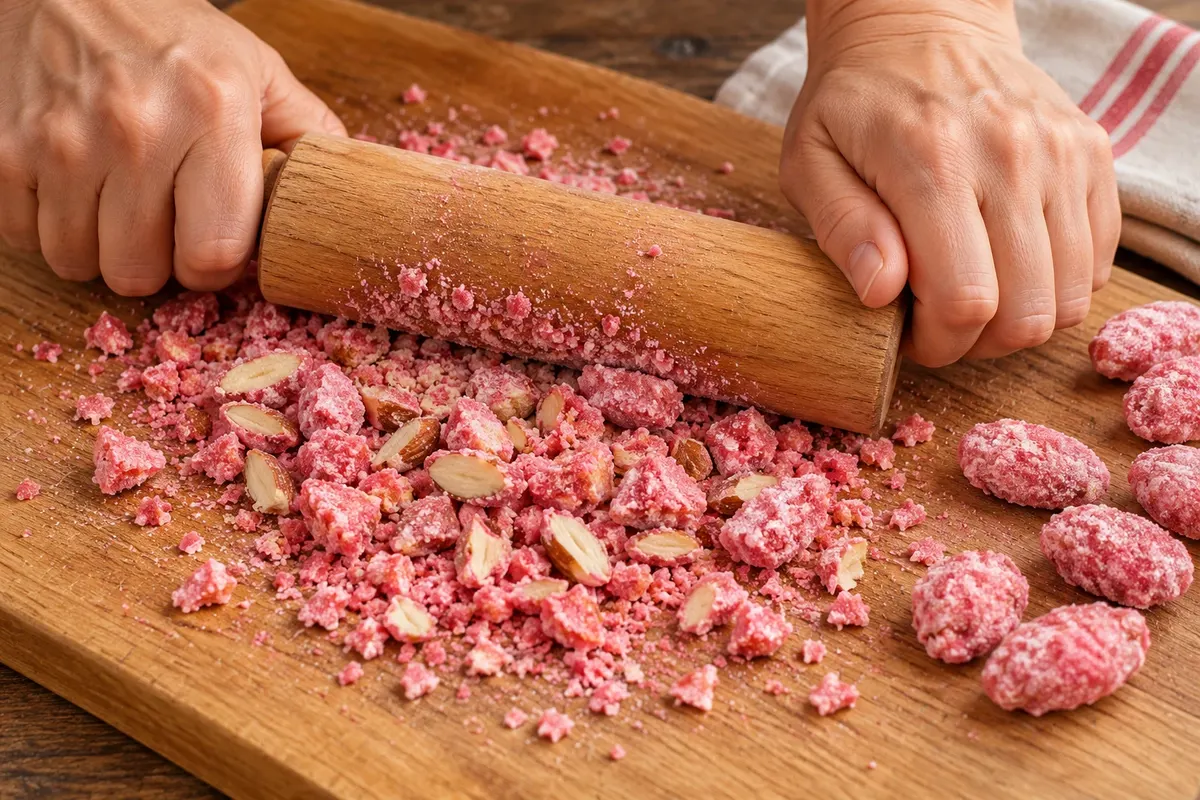
In the east, Épernay is the city of champagne, and Reims, of the biscuit rose that is dipped in it. Alsace has choucroute garnie; Burgundy, bœuf bourguignon and, in Dijon, the kir. Lyon has the pike quenelle and the tarte aux pralines, and the Savoy region, the fondue savoyarde.
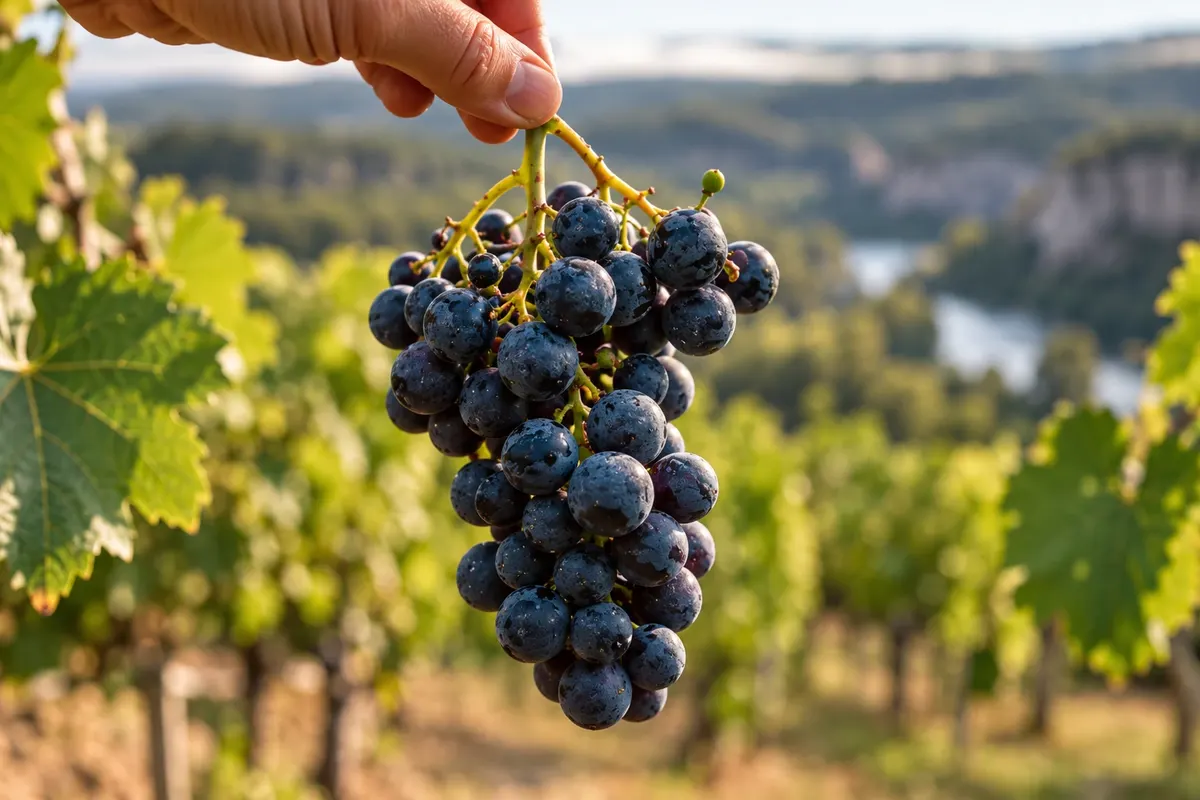
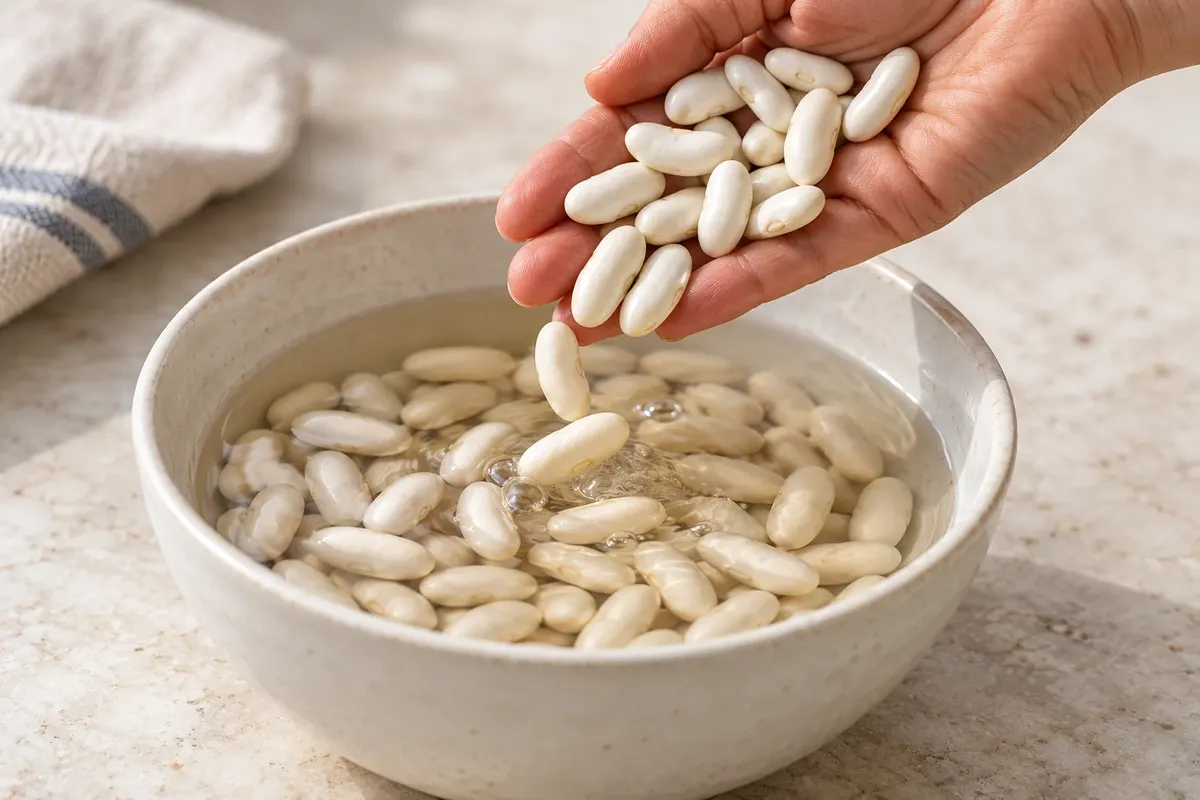
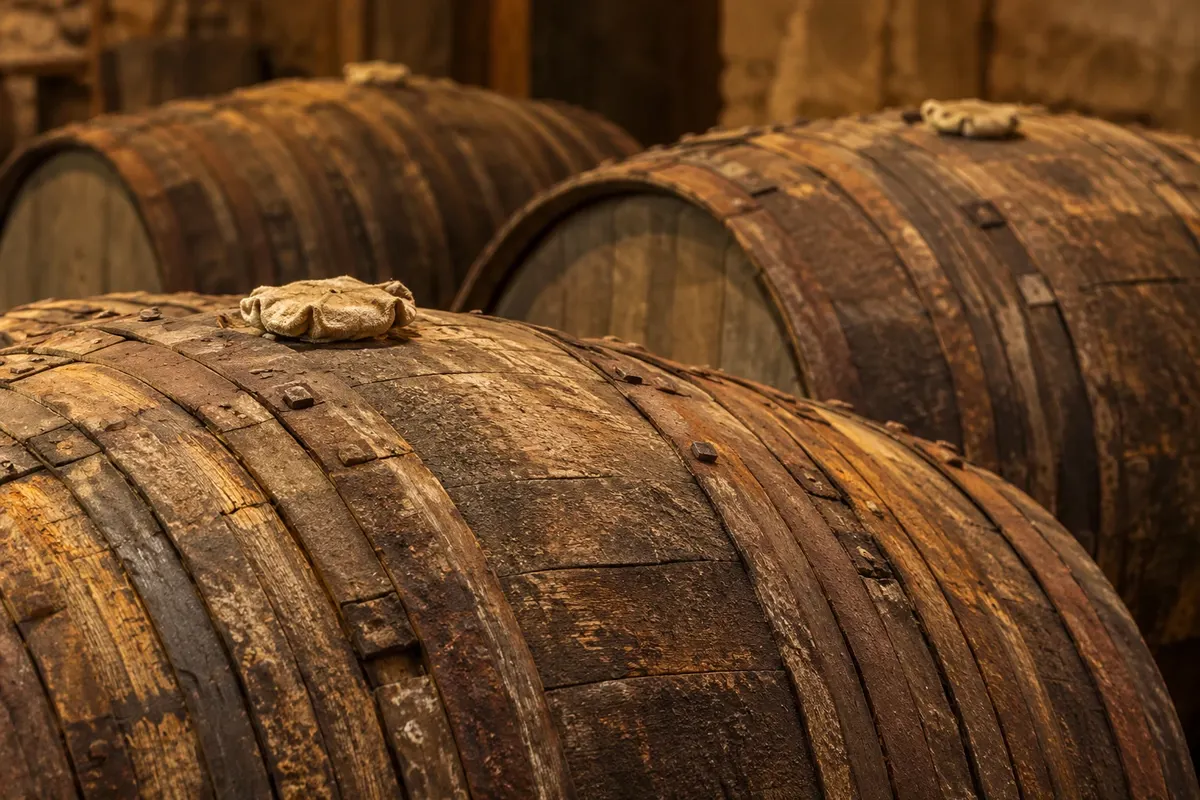
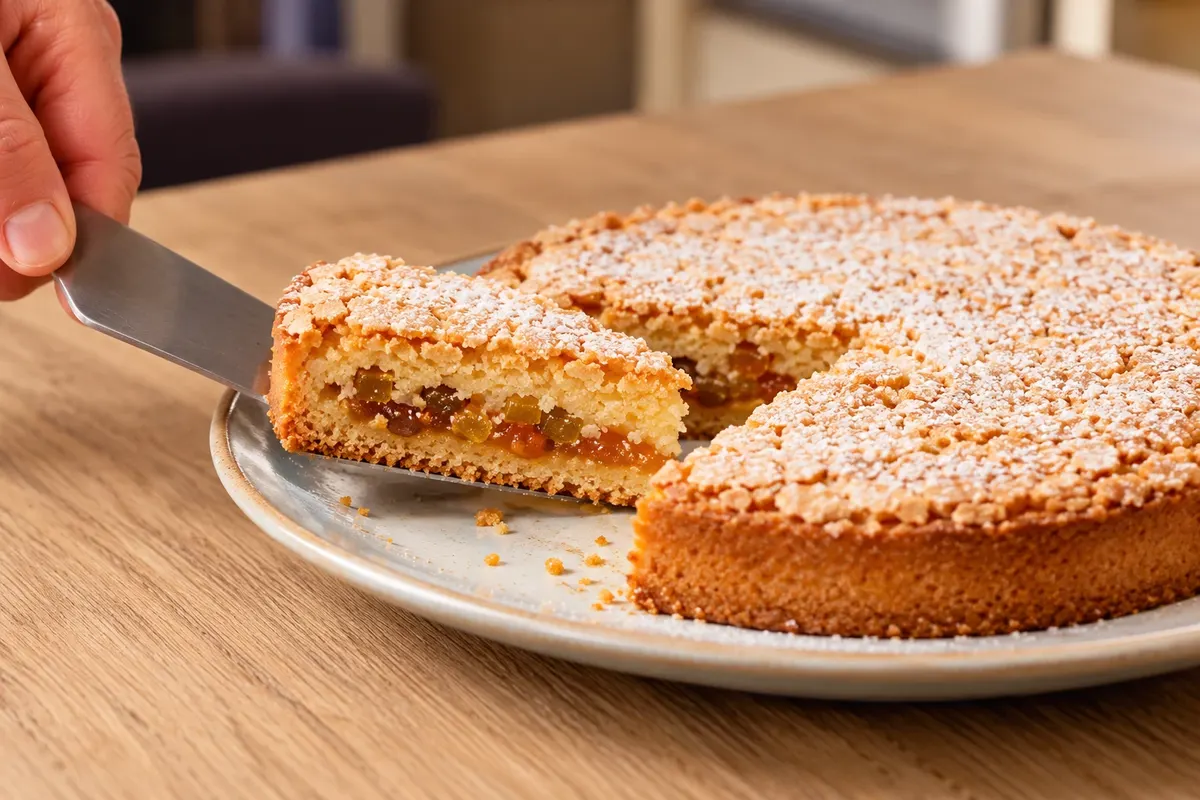
In the southwest, Bordeaux has the canelé, Saint‑Émilion its macaron, Saint‑Jean‑de‑Luz the ttoro of Basque fishermen and Cambo‑les‑Bains the gâteau basque. Cognac gives its name to the brandy made from Charente river wine. Further south, Cahors is known for malbec wine, and Castelnaudary for cassoulet.
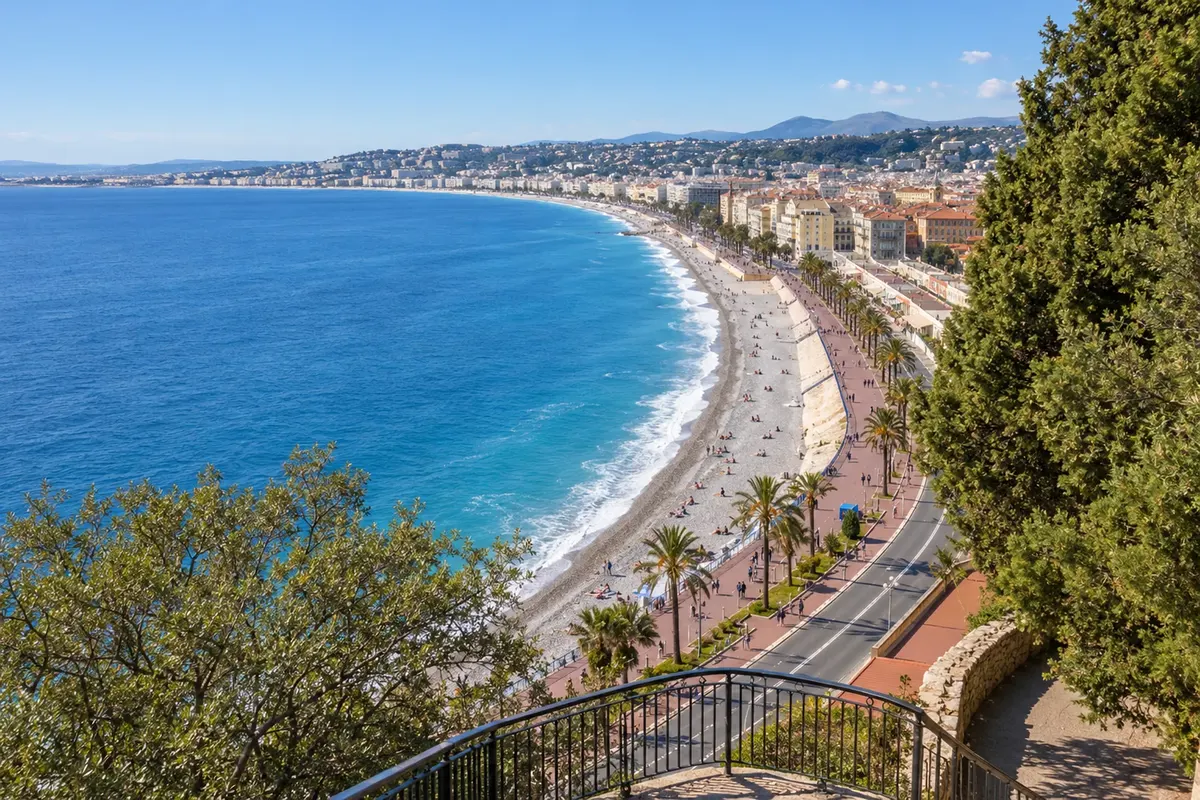
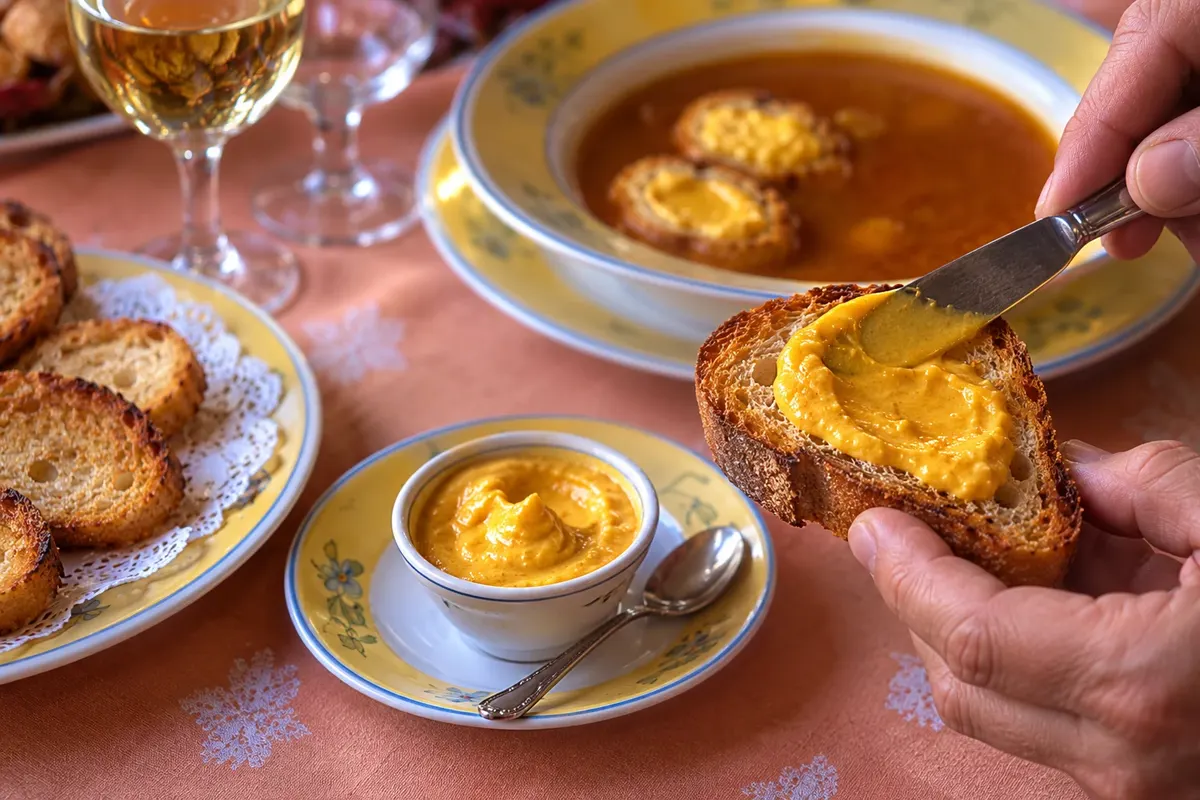
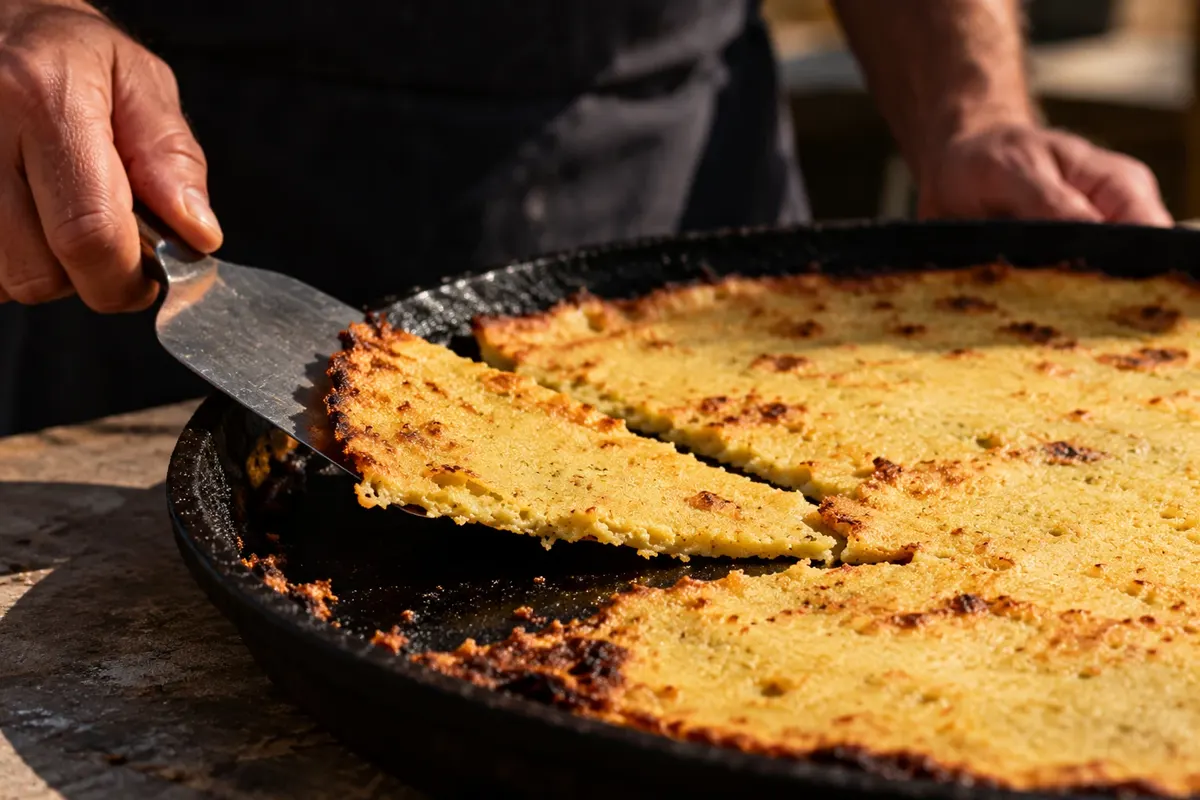
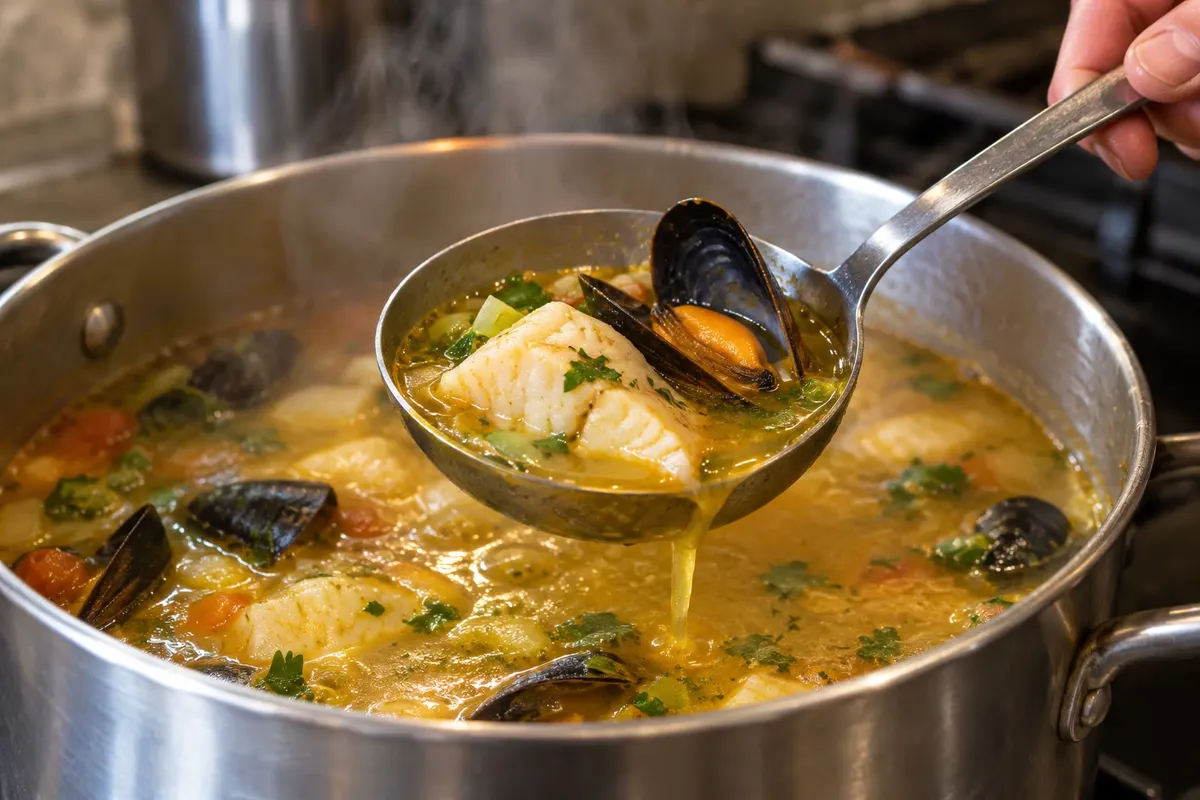
On the Mediterranean, Marseille has bouillabaisse, Aix‑en‑Provence the calisson, and Nice the salade niçoise and the socca. In Corsica, brocciu’s fiadone is the island’s dessert, and Bonifacio has its stuffed eggplants.
Each specialty is mentioned here linked to a principal place, according to the sources. This does not mean it is only eaten there: most can be found in much of France, with variations by family, region and season.


 Brazil
 Antarctica
 Argentina
 Bolivia
 Chile
 Colombia
 Ecuador
 Guyana
 French Guiana
 Falkland Islands (Malvinas)
 Paraguay
 Peru
 Suriname
 Uruguay
 Venezuela
 Germany
 Austria
 Belgium
 Croatia
 Denmark
 Slovakia
 Slovenia
 Spain
 Finland
 Greece
 the Netherlands
 Hungary
 Ireland
 Iceland
 Italy
 Luxembourg
 Norway
 Poland
 Portugal
 the United Kingdom
 the Czech Republic
 Sweden
 Switzerland
 Turkey
 Bermuda
 Canada
 the United States
 Greenland
 Mexico
 Saint Pierre and Miquelon
 the Dominican Republic
 Japan
 South Africa
 Egypt
 Australia
 Fiji
 New Zealand
 Papua New Guinea