Calisson d'Aix
Sweet shaped like a navette made of ground almonds and candied melon, on a wafer base and covered with royal icing of egg white and sugar. Specialty of Aix-en-Provence and one of the thirteen sweets of Provençal Christmas.
Flavors · Saint-Émilion
Almond biscuit made with sugar and egg white, baked in small discs on paper, without filling. Tradition attributes the recipe to the Ursuline nuns who lived in Saint-Émilion from 1620; it is the sweet specialty of the wine village.
Traditional sweet from Saint-Émilion, Nova Aquitânia
Also known as: macaron de Saint-Emilion
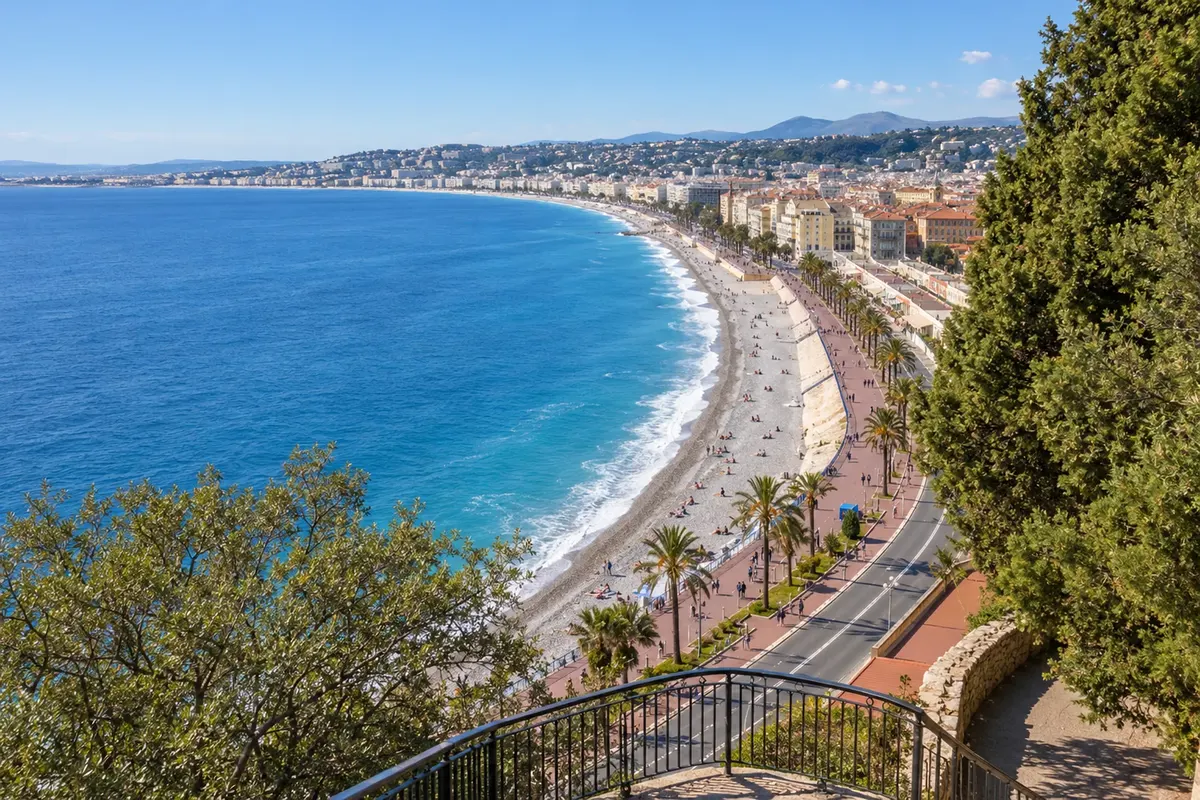
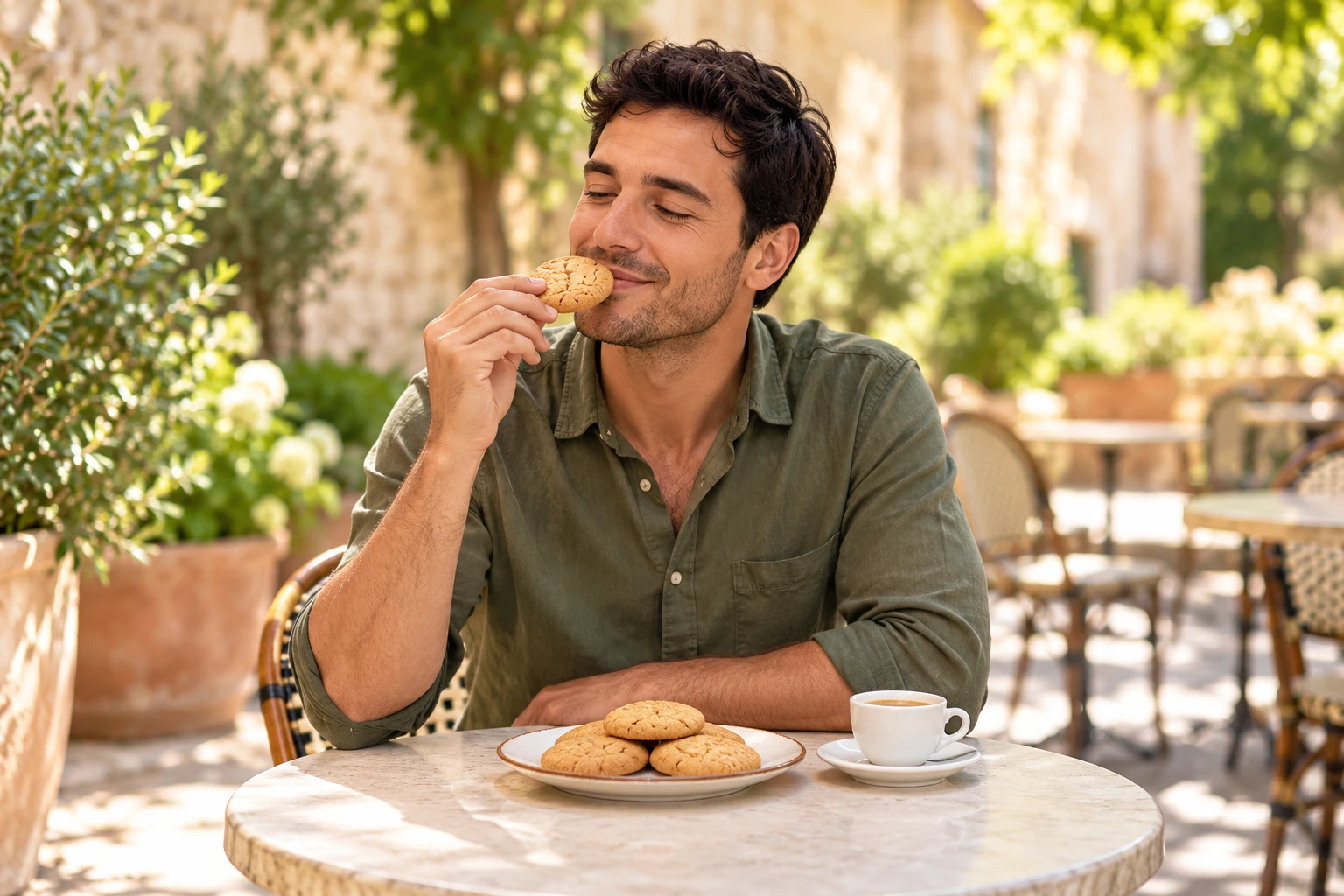
Illustrative images. The pictures in this guide are illustrations based on the real place, not photographs, and may differ from it.
Click a photo to enlarge it.
Macaron de Saint-Émilion — Saint-Émilion, France
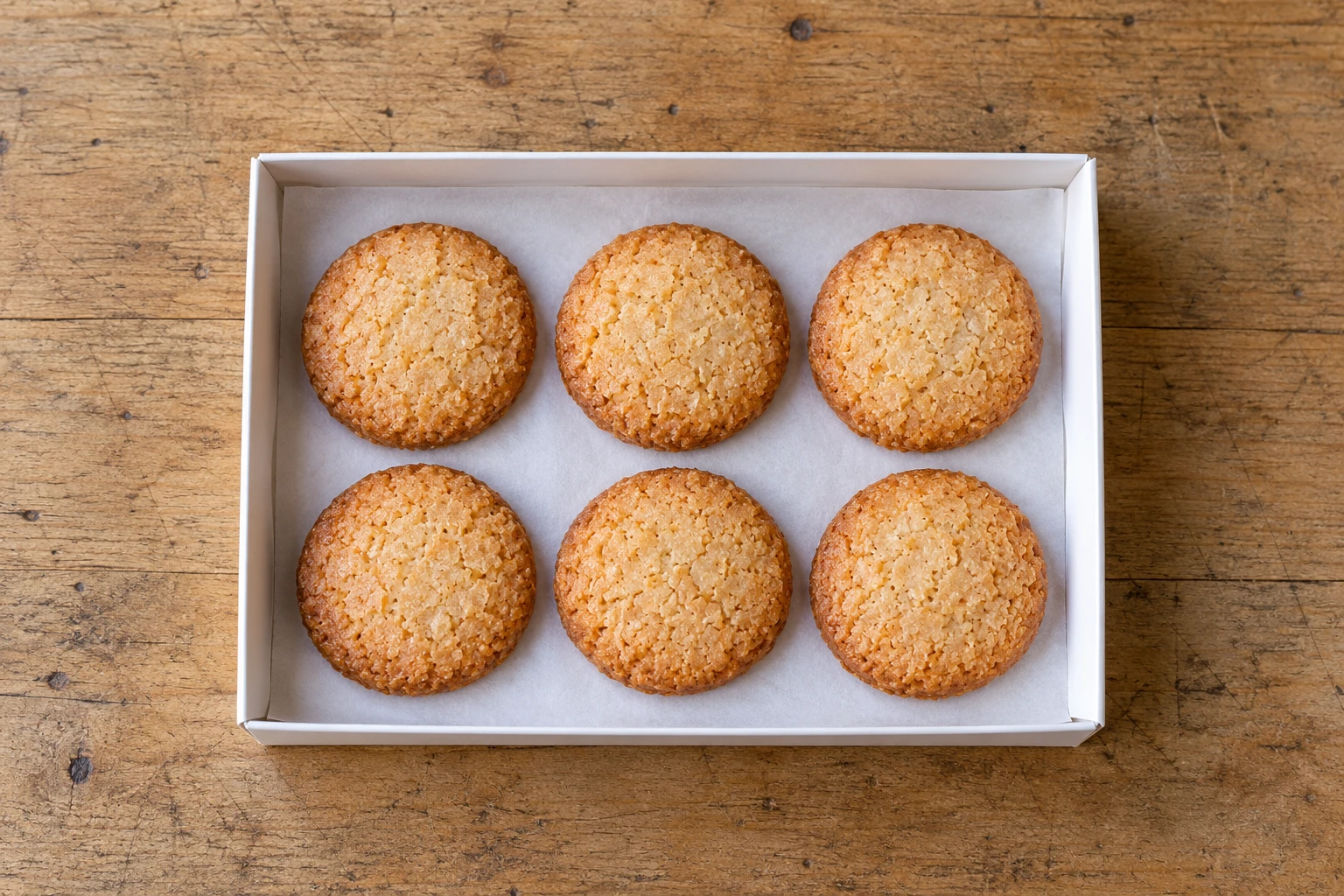
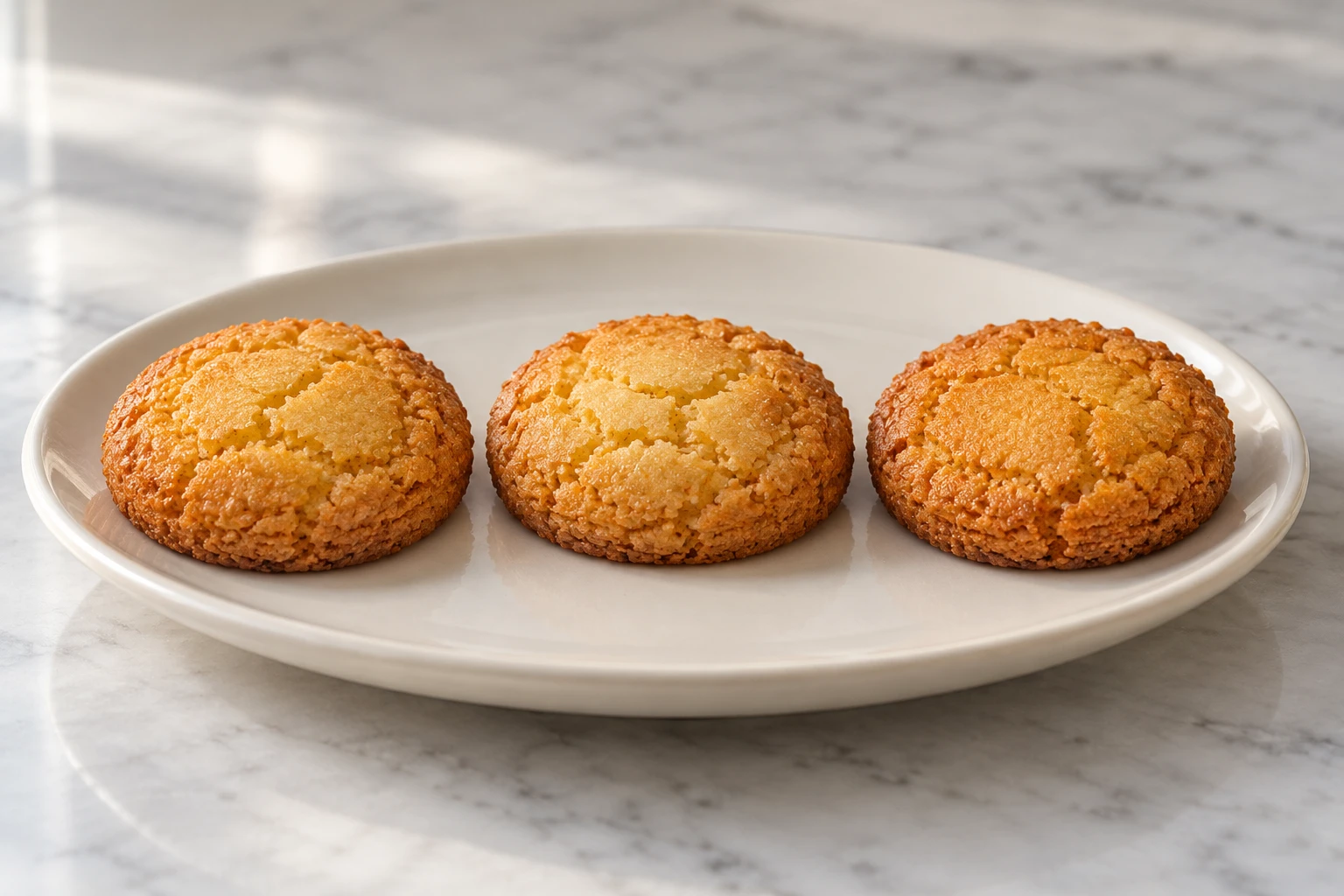
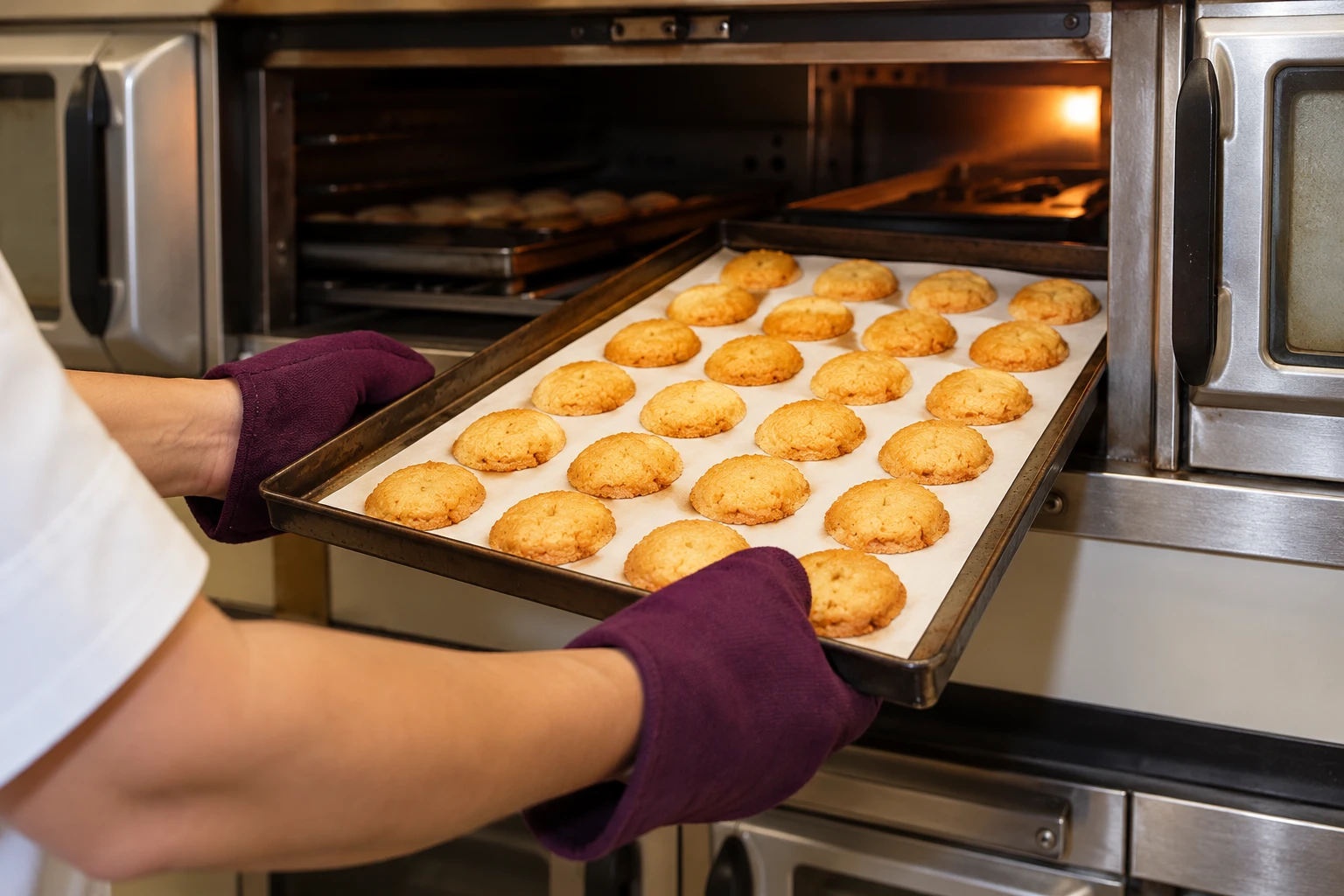
The Saint-Émilion macaron is a simple biscuit made from ground almonds, sugar and egg whites. The batter is piped into small discs on sheets of paper and baked until the surface is lightly cracked and the interior is soft. Unlike the Parisian macaron, it has no filling or colors.
Tradition links the recipe to the Ursulines, an order of nuns who settled in Saint-Émilion in 1620 and ran a school for poor girls. During the Revolution the order was banned and its property sold. Legend says one of the sisters, left without means, offered the recipe in exchange for shelter and food, and the secret then passed to local families. Only the convent’s foundations remain, and they can be visited.
In the 19th century the biscuit gained fame beyond the town and was served with the region’s wines at the 1867 Exposition Universelle in Paris. The houses that made it multiplied in the medieval centre.
The macaron is sold in boxes, still stuck to the paper it was baked on, and is peeled off when eaten.

Saint-Émilion , Nova Aquitânia
Sweet specialty of the village, with a recipe attributed to the Ursulines who settled there in 1620.
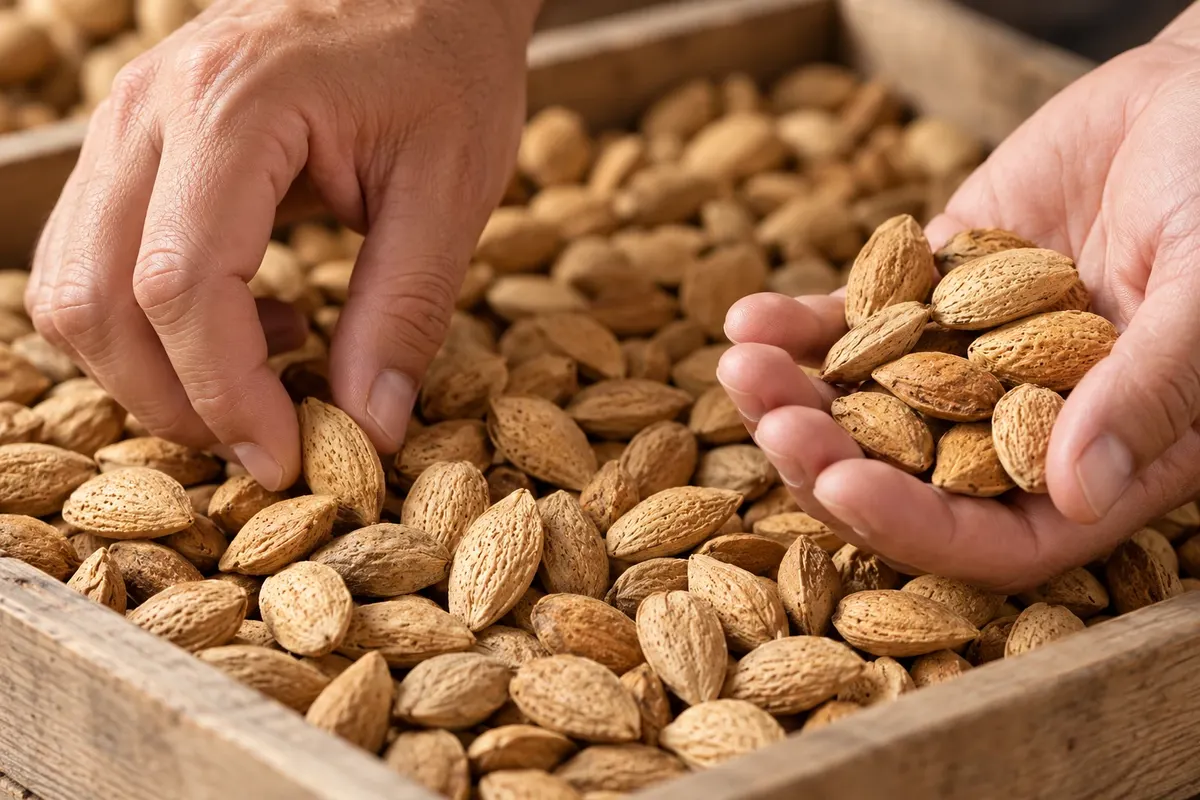
Ground almonds, sugar and egg whites.
Peeled off the paper when eaten, with coffee, tea or a glass of sweet wine. It is also taken as a souvenir of the village.
All year; very commonly bought by visitors to Saint-Émilion.
Your questions
The Saint-Émilion version is a simple almond biscuit of sugar and egg white, baked as discs on paper, without filling or color. The Parisian has two smooth colored shells with a filling.
Tradition attributes the recipe to the Ursuline nuns who lived in the village from 1620. According to legend, the recipe passed to local families after the Revolution.
Only the convent’s foundations remain, which are part of the village’s monuments.
Flavors of France

Sweet shaped like a navette made of ground almonds and candied melon, on a wafer base and covered with royal icing of egg white and sugar. Specialty of Aix-en-Provence and one of the thirteen sweets of Provençal Christmas.

Mountain cheeses from Savoie melted in white wine, in a pot placed in the center of the table, where each person dips bread cubes with a long fork. It is a traditional dish of the two Savoies, which are part of the Auvergne-Rhône-Alpes region.

Eggplants stuffed with their own flesh, soaked bread, eggs, garlic, herbs and Corsican cheese, browned in a skillet or baked and served with tomato sauce. A family recipe from Bonifacio, typical of late summer.

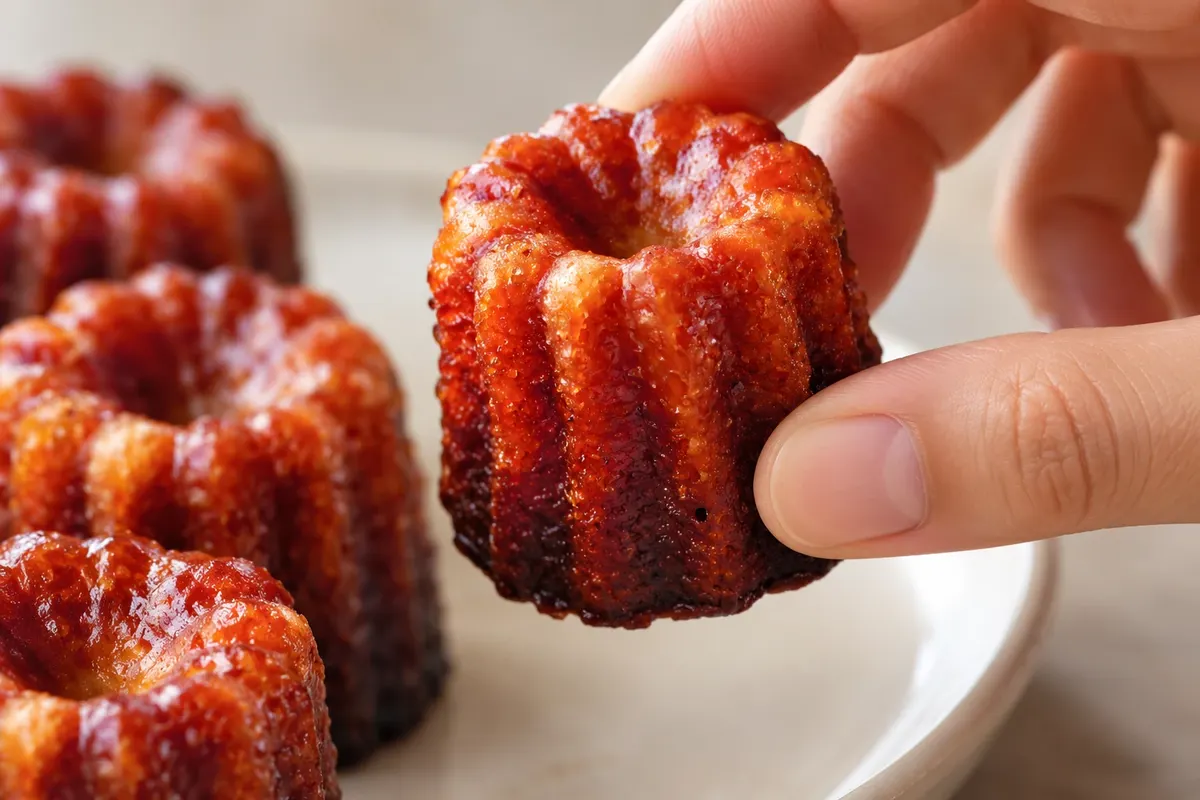
Small cake made from milk, eggs, flour and sugar, scented with rum and vanilla and baked in fluted copper molds, with a dark caramelized crust and creamy interior. It is the sweet symbol of Bordeaux.

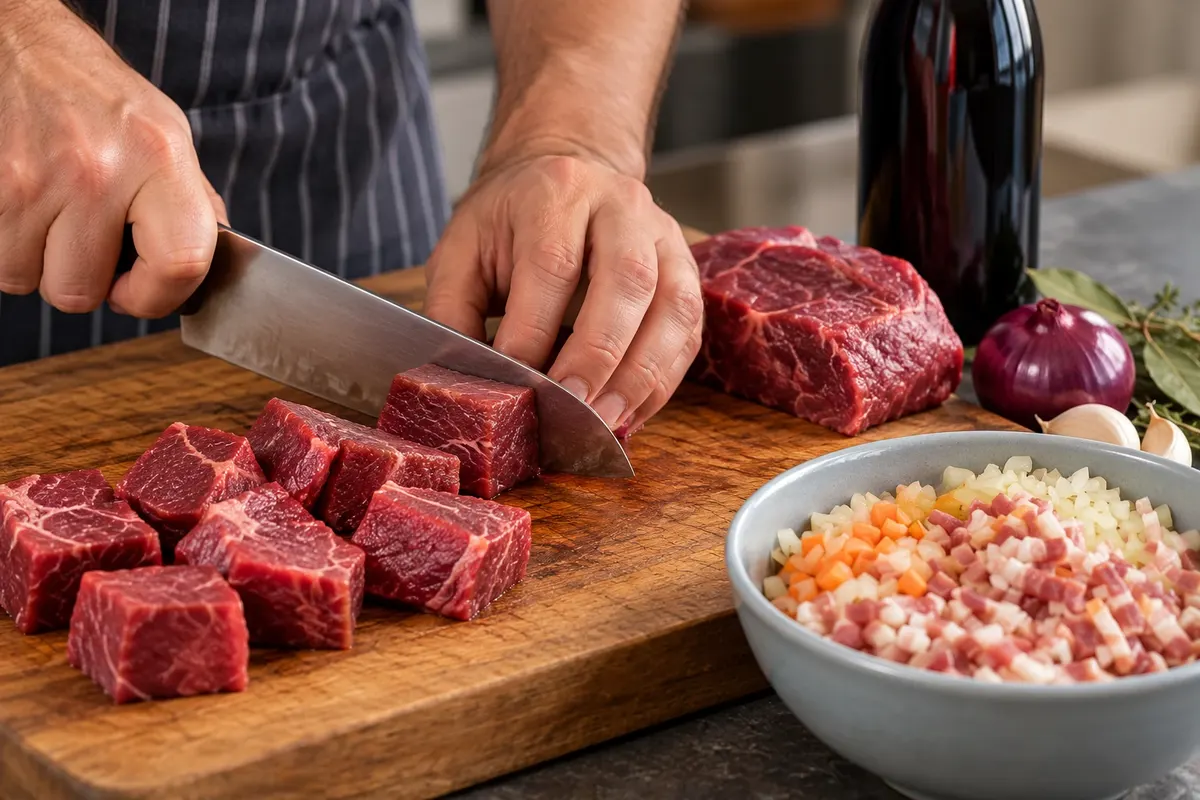
Beef slowly braised in Burgundy red wine, with bacon, onions, mushrooms, carrot and herbs. It is named for Burgundy, the former province that is now part of the Bourgogne-Franche-Comté region, and for its wine.

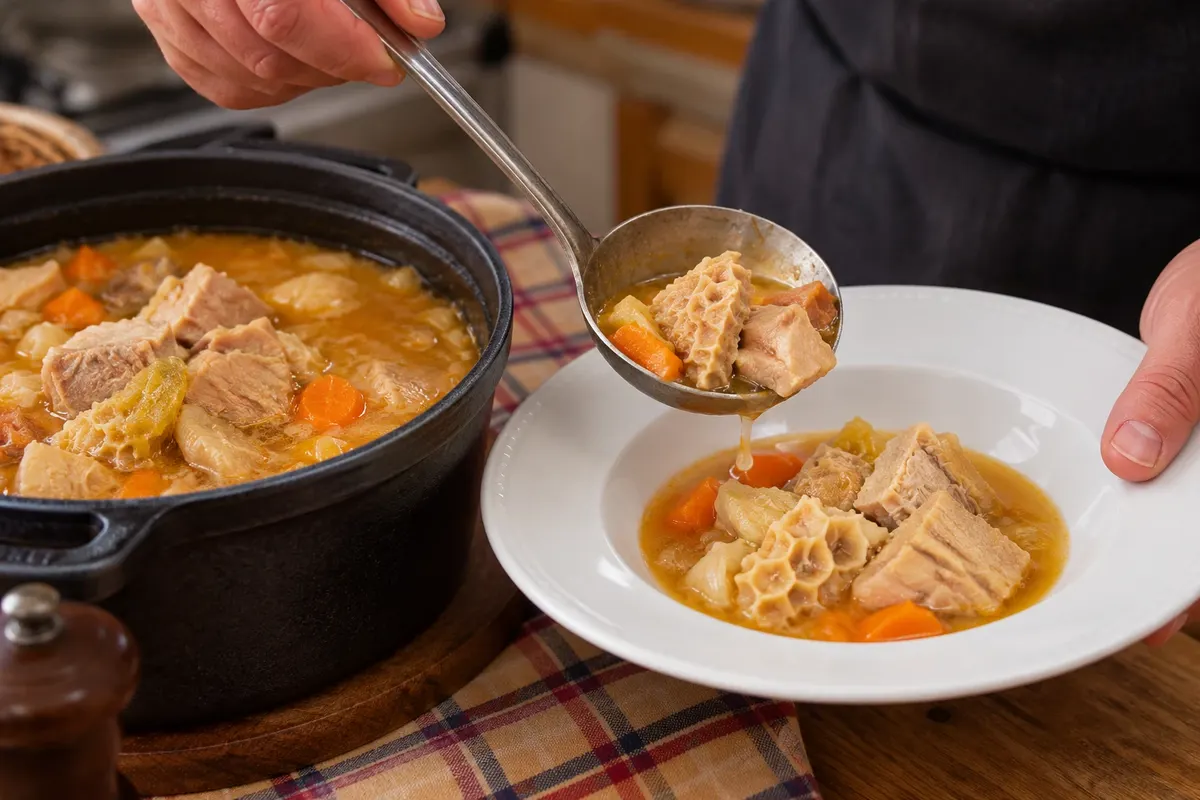
The four parts of the cow’s stomach and the beef foot cooked for many hours with carrot, onion, leek and herbs in a clay pot called a tripière. Dish of the city of Caen, upheld by a brotherhood created in 1951 and registered in 1952.

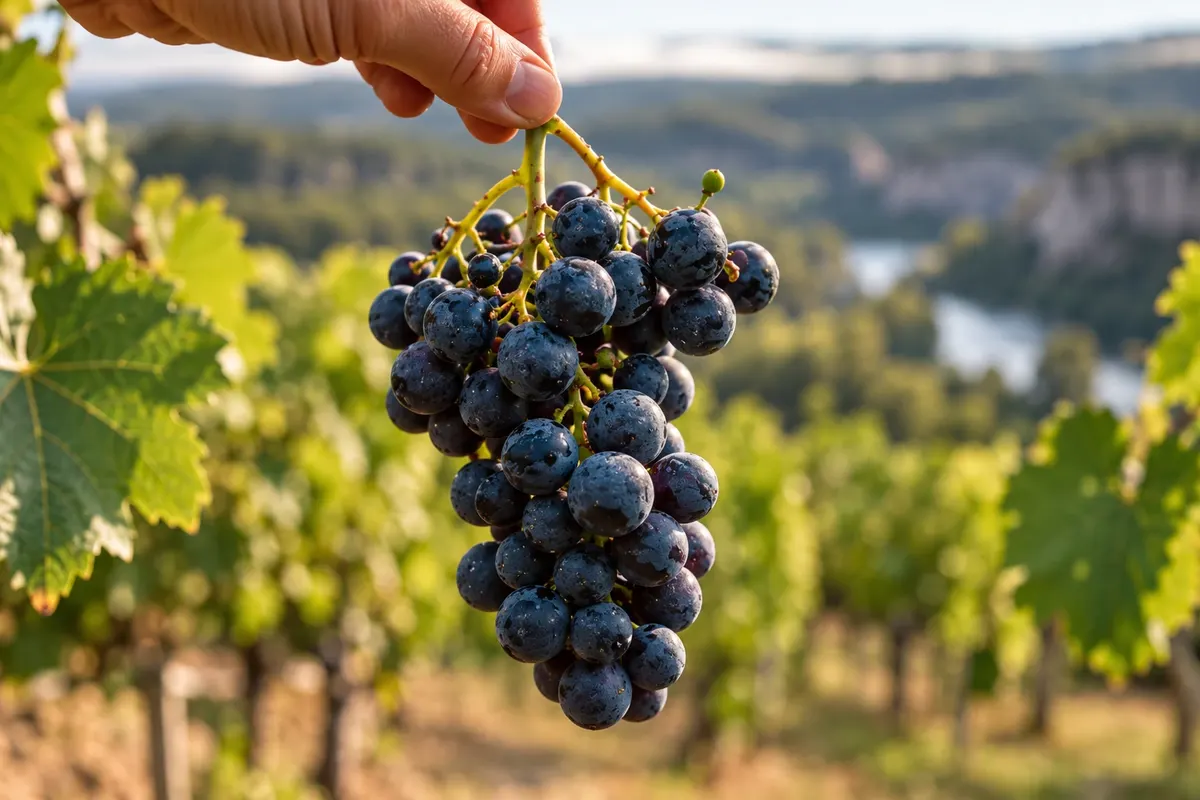
Dark, full-bodied red wine from the Cahors appellation in the Lot valley, made with at least 70% malbec, a grape called côt or auxerrois there and native to the region. It has been an appellation since 1971.

Buttery pastry cake filled with pastry cream or black cherry jam, with the surface scored with a fork. The earliest references date to the 19th century and point to Cambo-les-Bains as its birthplace, where a festival is held for it every early October.

White beans slowly cooked with pork meats, sausage and duck or goose confit, in an earthenware casserole, the cassole, which gives the dish its name. Its origin is attributed to Castelnaudary, in the Lauragais, between Toulouse and Carcassonne.

White wine brandy distilled twice in a copper pot still, the charentais still, and aged at least two years in oak barrels. It takes its name from the town of Cognac, an old port on the Charente River, and has had appellation of origin status since 1936.

Brocciu flan-cake, the fresh cheese made from sheep’s or goat’s whey from Corsica, with eggs, sugar and lemon zest, baked until browned. It is presented by official tourism as the island’s emblematic dessert.

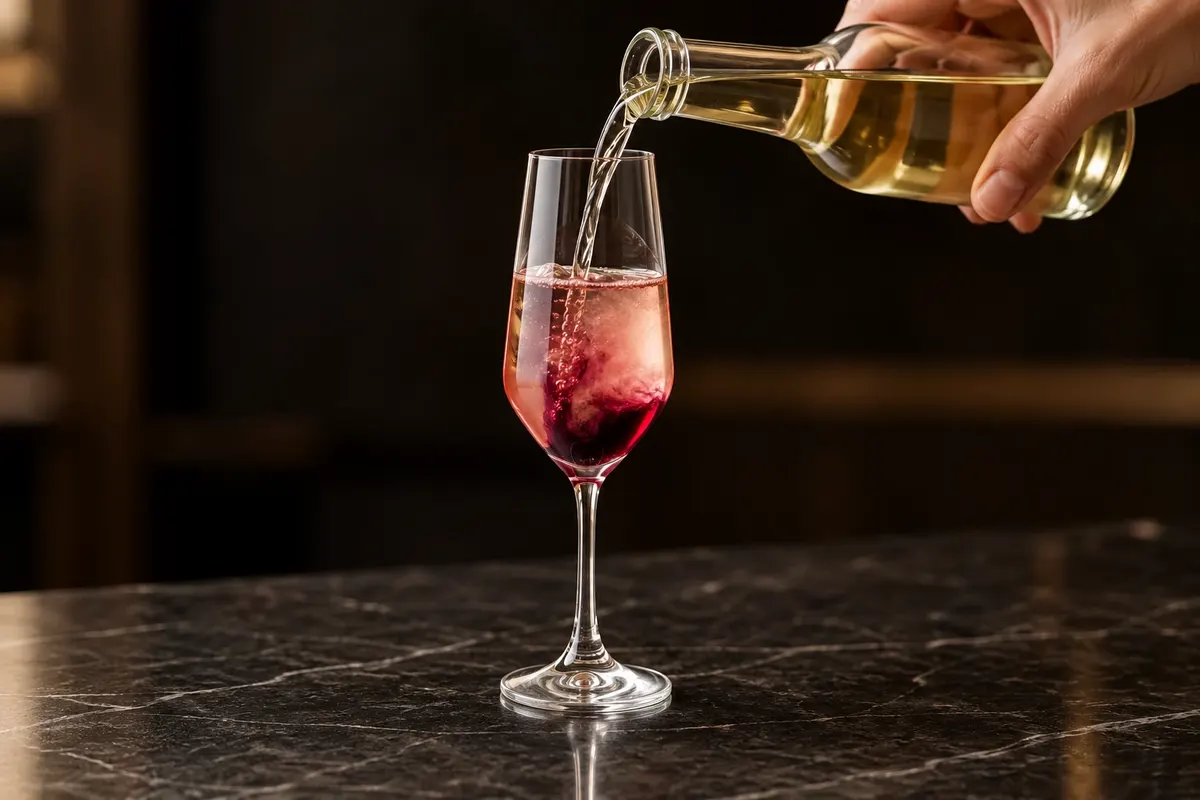
A white wine aperitif, traditionally the Bourgogne aligoté, with crème de cassis. The mixture, formerly called blanc-cassis, took the name of Canon Félix Kir, mayor of Dijon from 1945 to 1968, who served it at city hall receptions.

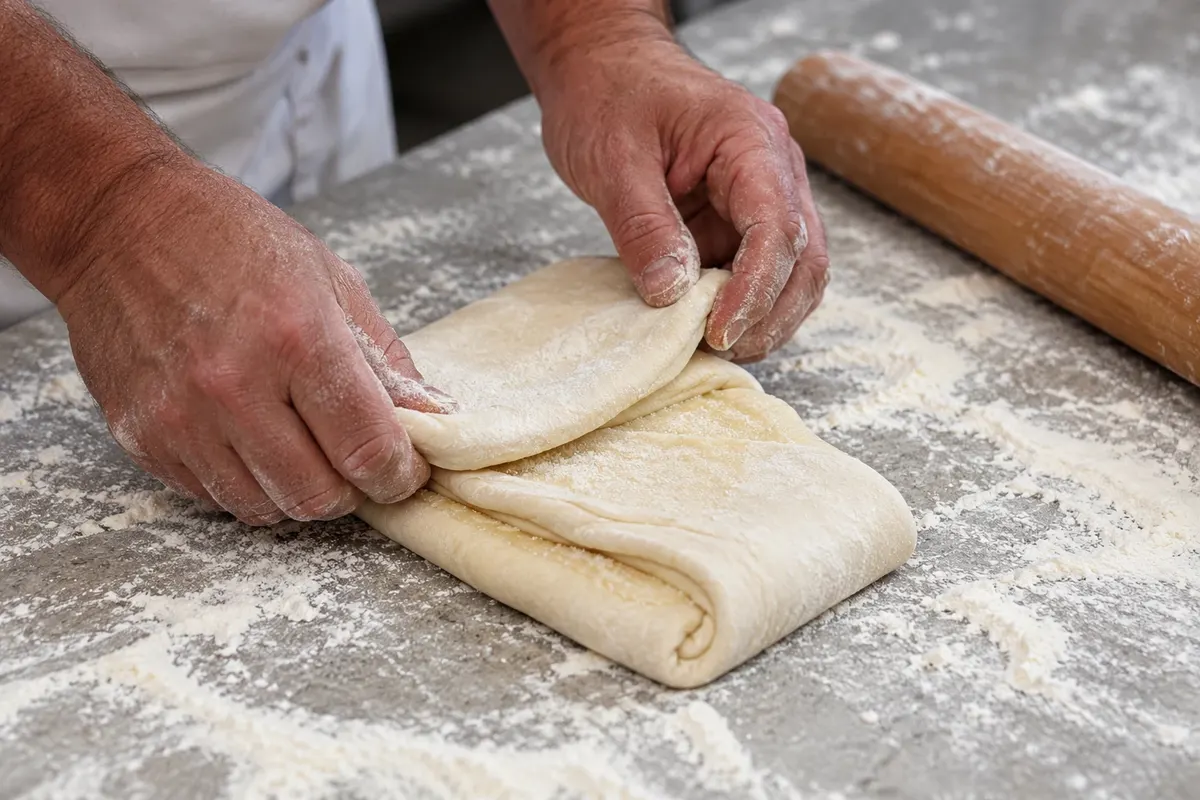
Breton cake made from bread dough folded several times with salted butter and sugar, which caramelizes in the oven. The name means butter cake in Breton, and the creation is attributed to a baker from Douarnenez, around 1860.

Sparkling wine from the Champagne region, which gains its bubbles through a second fermentation inside the bottle. Épernay presents itself as the capital of champagne: beneath the Avenue de Champagne, a UNESCO World Heritage site, run kilometers of cellars carved into the chalk.

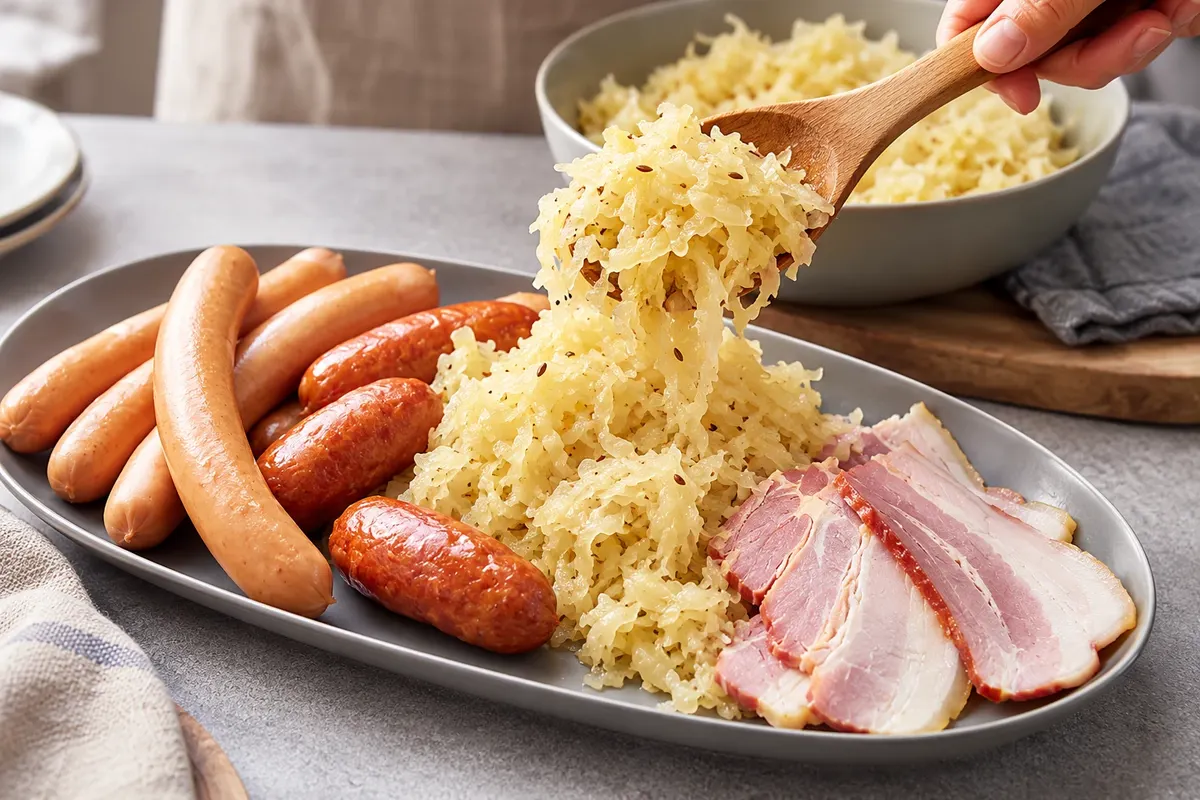
Cooked sauerkraut with sausages, bacon, pork knuckle and other meats, served with potatoes. It is the best-known dish of Alsace, which is part of the Grand Est region; the fermented cabbage has a protected geographical indication since 2018.

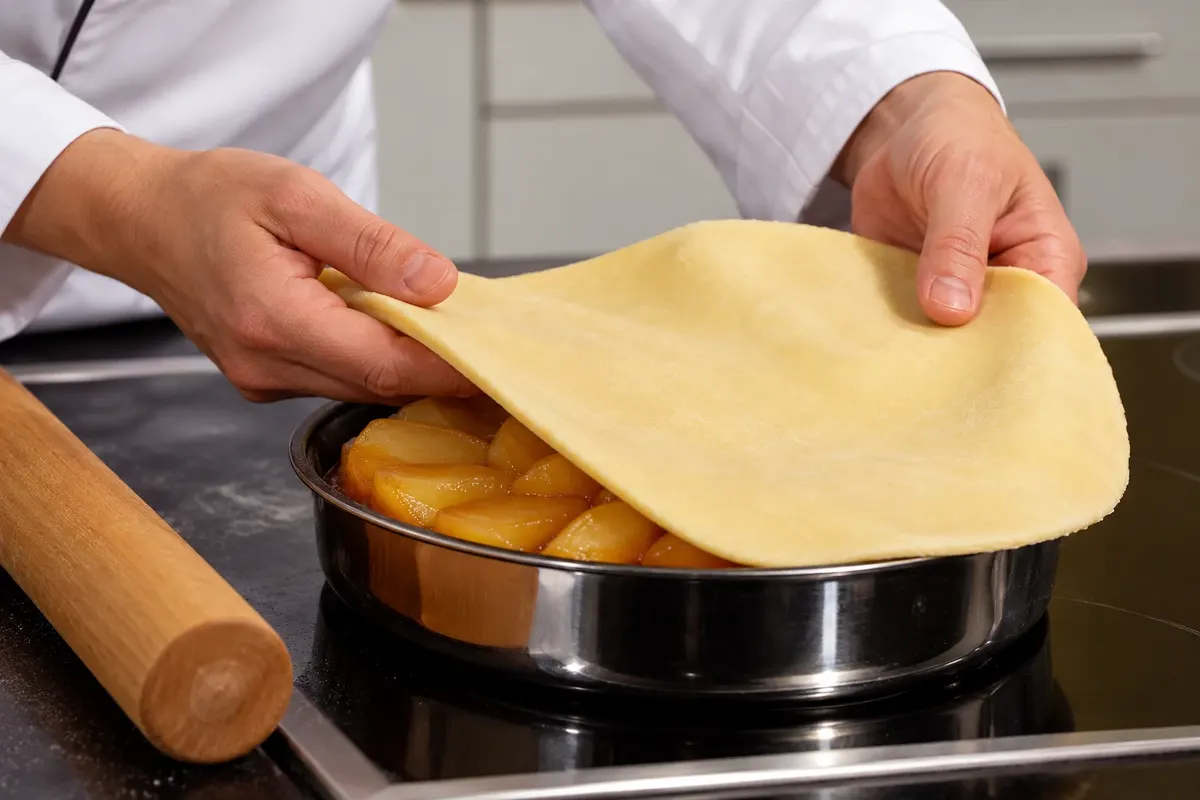
Apple tart caramelized in butter and sugar, baked with the pastry on top and flipped when served. It’s named for the Tatin sisters, who ran a hotel opposite the Lamotte-Beuvron station in the late 19th century.

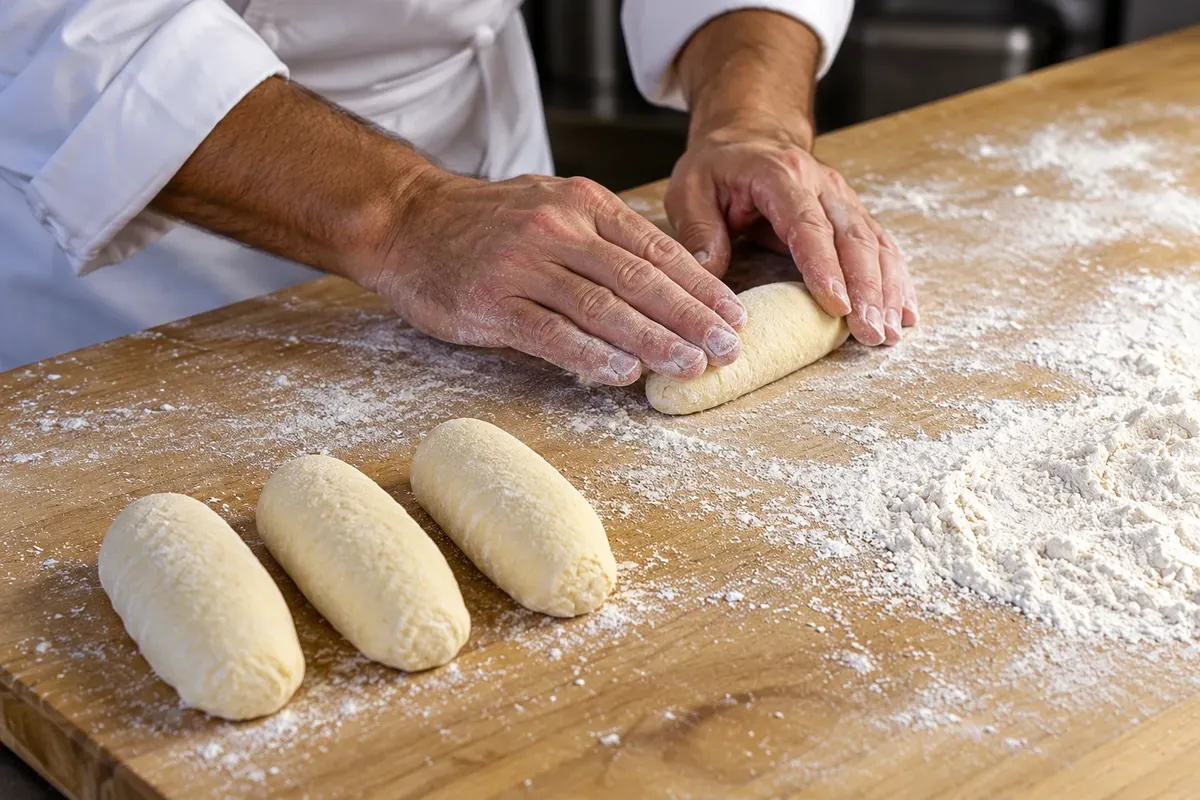
Elongated dumpling of pike, a freshwater fish, bound with a dough of flour, butter and milk, poached and gratinéed, usually served with Nantua sauce made from crayfish. It is the signature dish of the bouchons, Lyon’s traditional restaurants.

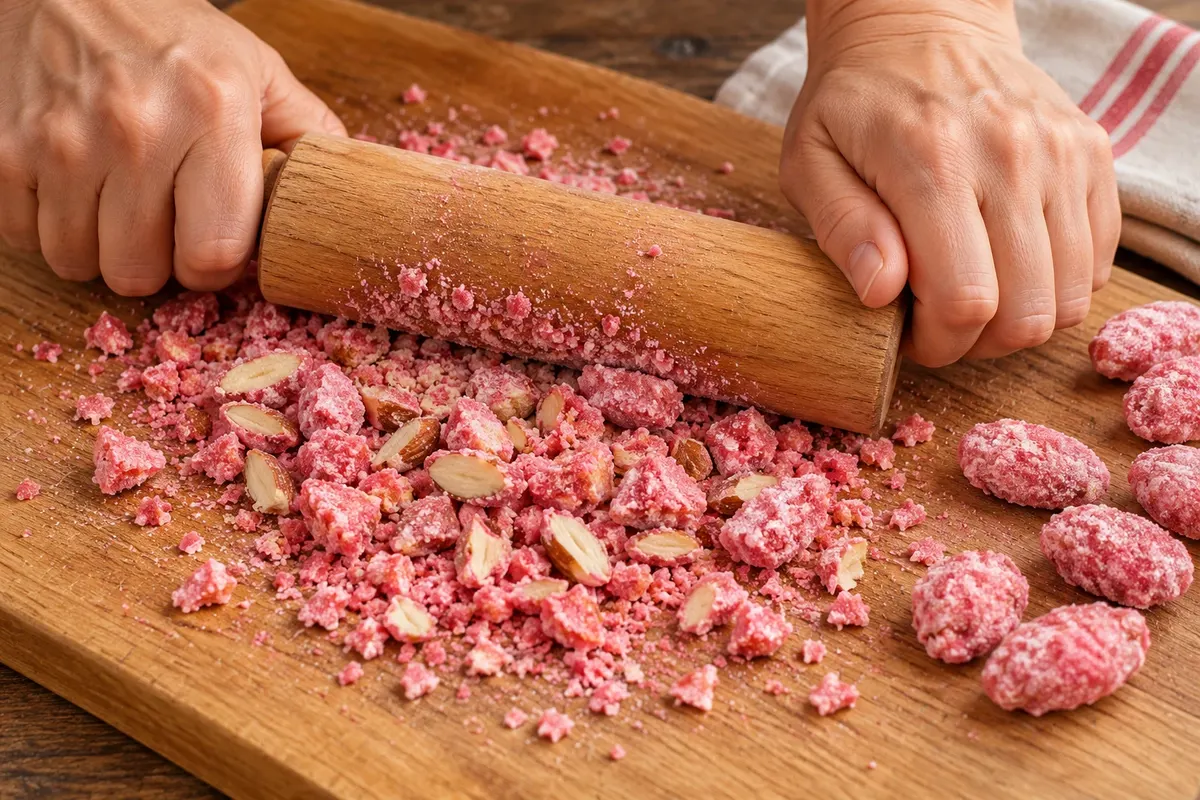
Shortcrust pastry tart filled with pink pralines — almonds coated in sugar dyed red — melted into cream until they form a shiny pink filling. It is Lyon’s best-known dessert.

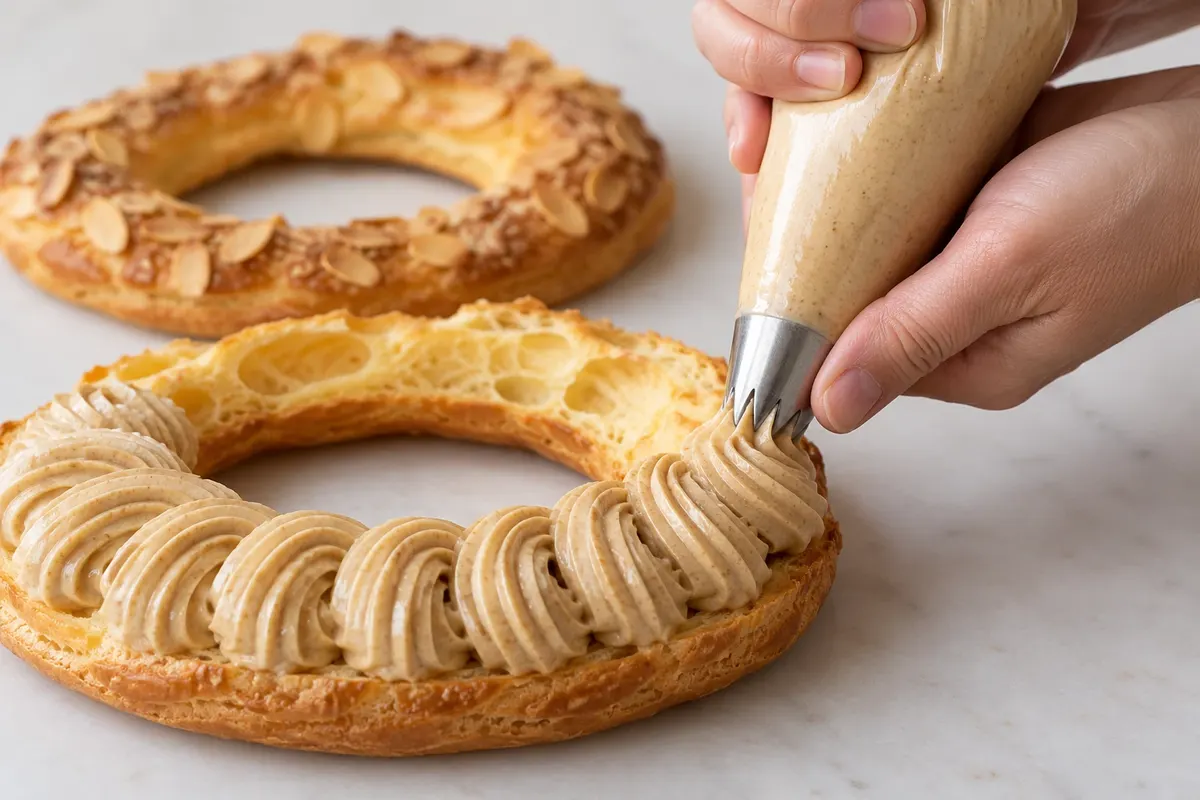
Choux pastry crown filled with praliné mousseline cream and topped with sliced almonds, shaped like a bicycle wheel. The creation is attributed to a pastry chef from Maisons-Laffitte, in the early 20th century, in tribute to the Paris–Brest–Paris bicycle race.

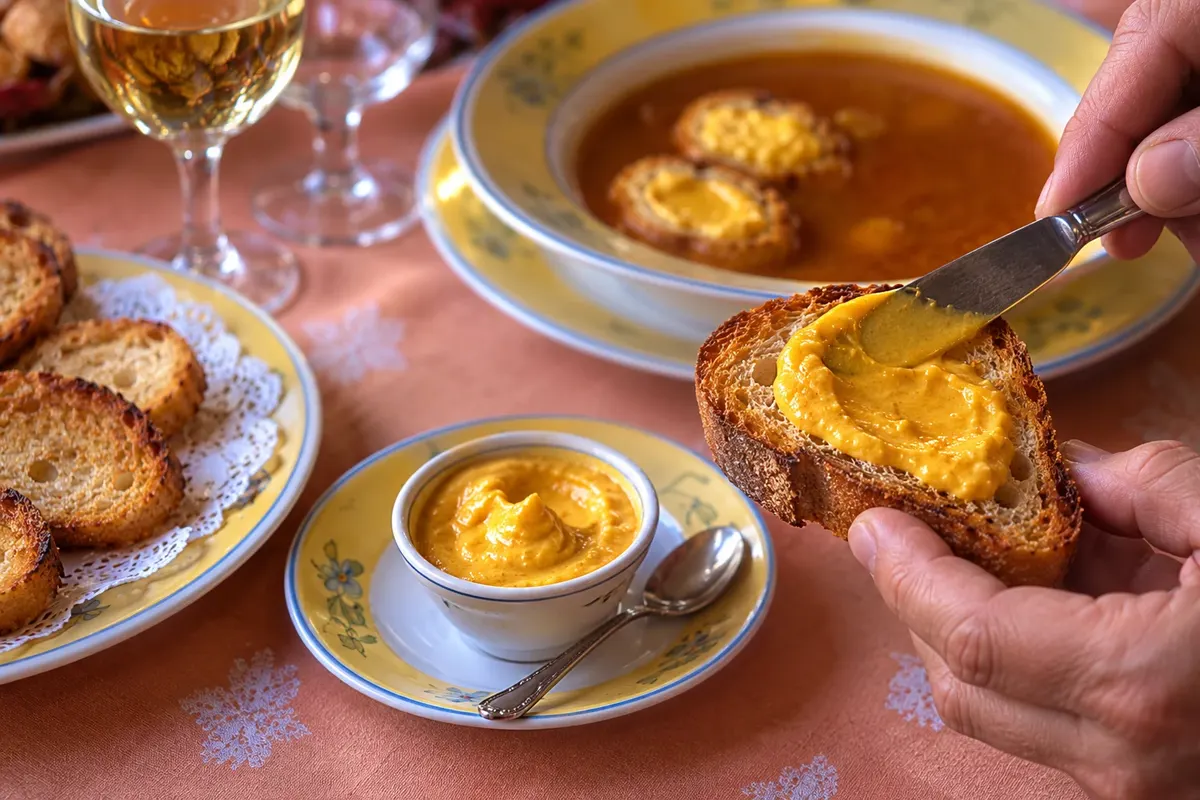
Mediterranean rock-fish soup — for example rascasse, monkfish and conger — simmered in a saffron broth and served in two stages: the broth with croutons and rouille, then the fish. A fishermen’s dish that became Marseille’s most famous specialty.

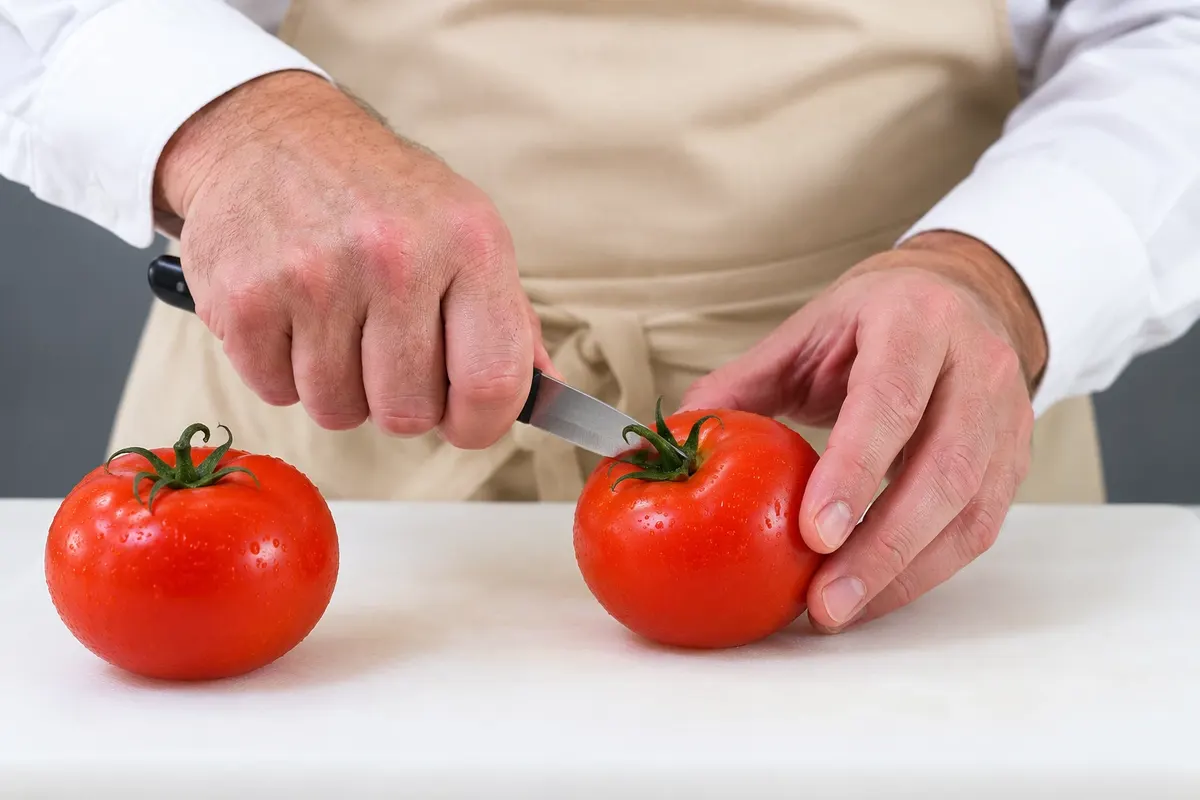
Raw salad of tomato, green pepper, radish, chives, broad beans or small artichokes, egg, anchovies or tuna and Nice olives, dressed with olive oil and assembled without mixing. The reference recipe is that of the Cuisine Nissarde label from the city of Nice.

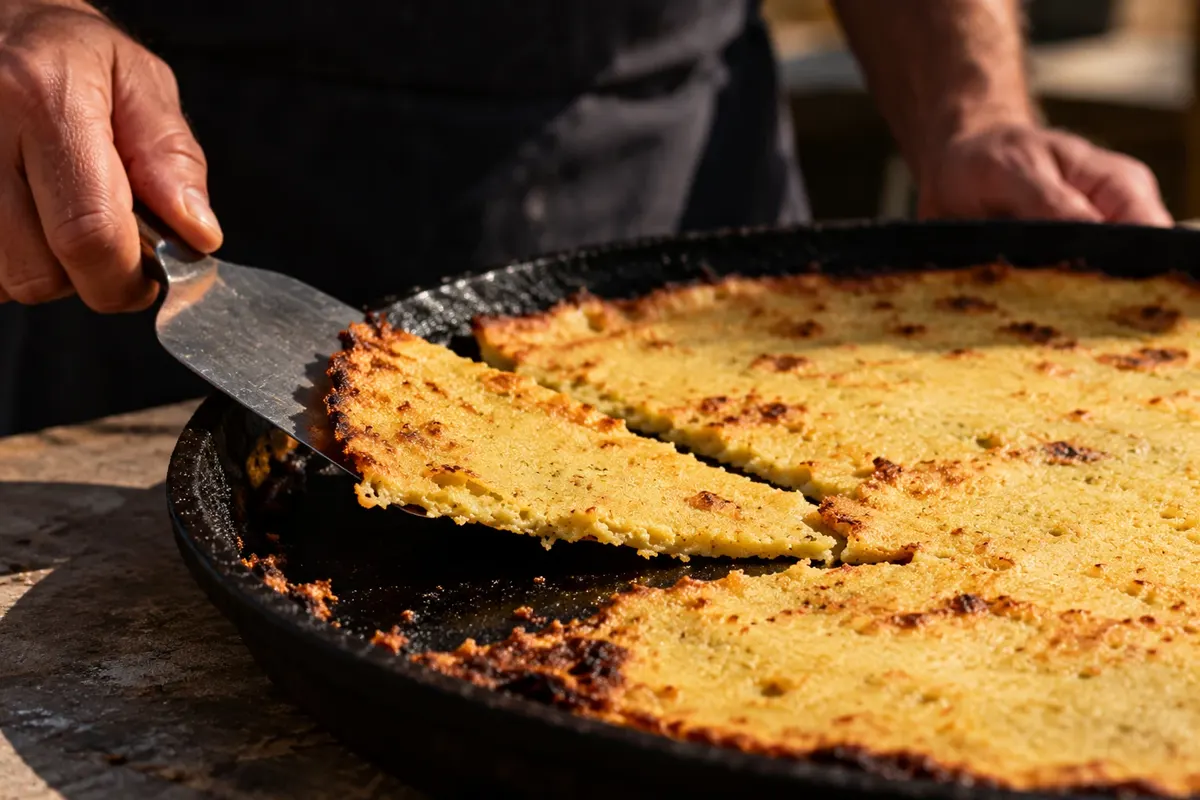
Thin pancake made from chickpea flour, water and olive oil, baked on a large round copper tray in a very hot oven, cut into pieces and eaten hot with pepper. It is the street food of Old Nice.

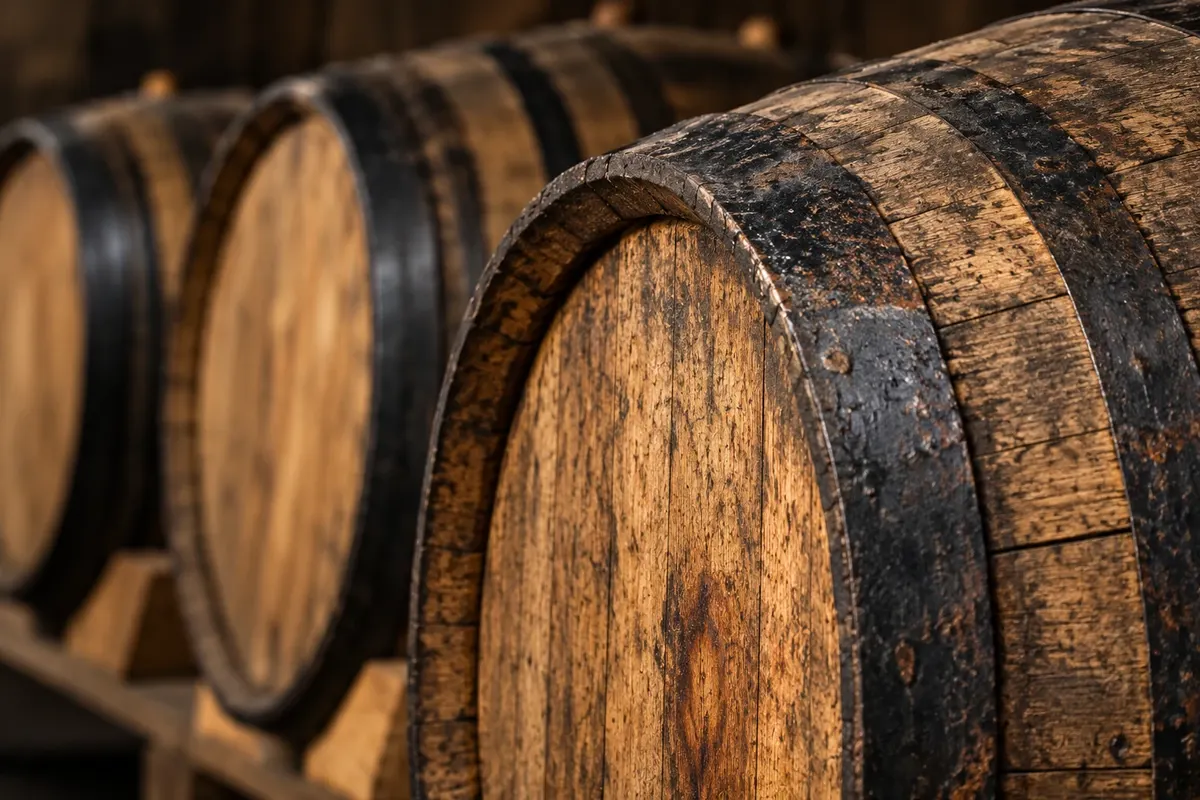
Apple cider brandy, sometimes with pear, aged in oak barrels. The designation of origin covers much of Normandy, and the first written mention of cider distillation in the region dates from 1553.

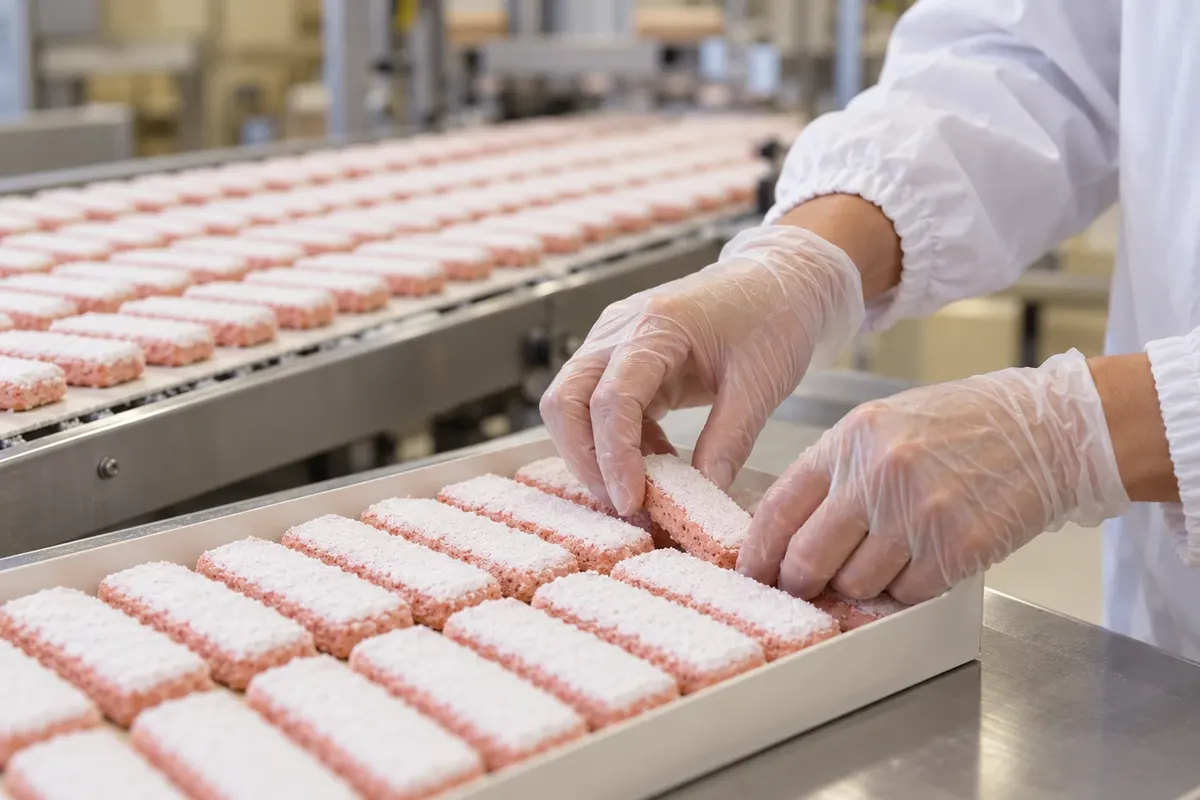
Pink, dry cookie made from eggs, sugar and flour, baked twice, firm enough to be dipped in champagne without falling apart. Created by bakers in Reims around 1690, taking advantage of the heat left in the bread oven.

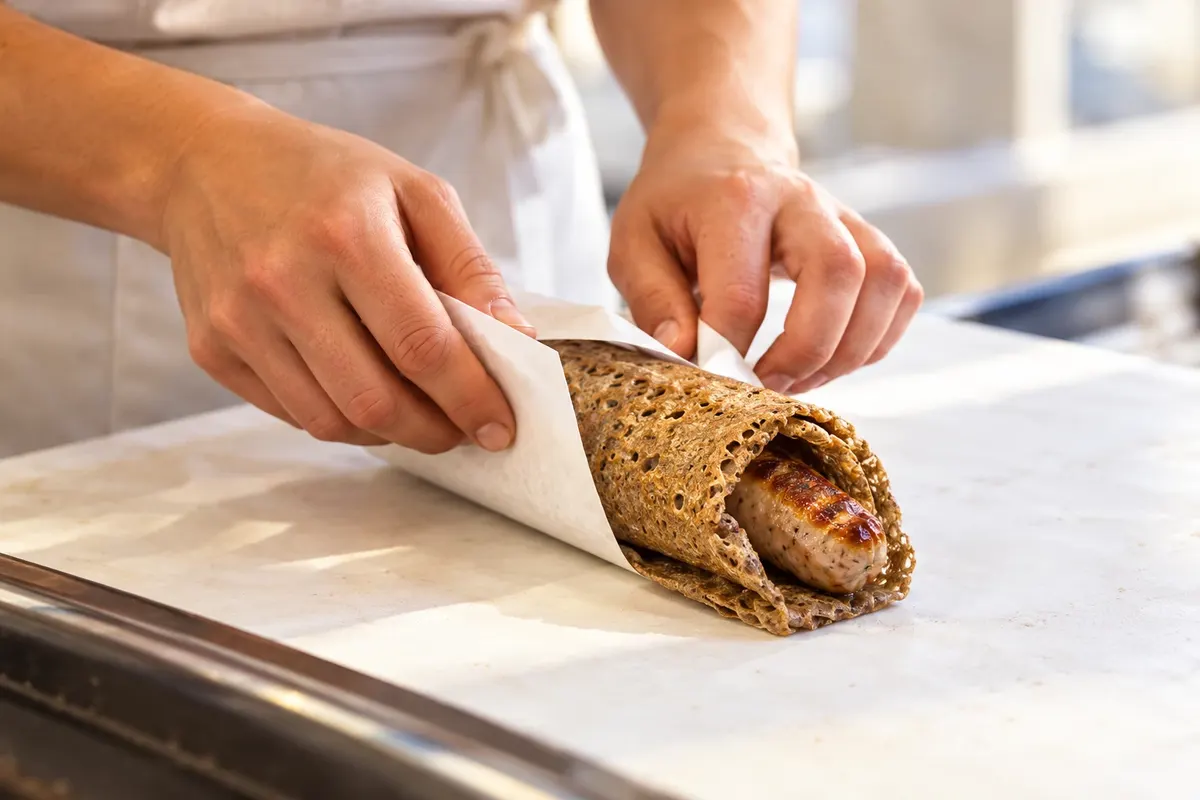
Grilled pork sausage wrapped in a buckwheat galette, eaten with the hand. A tradition of Upper Brittany centered in Rennes: it’s the market snack at des Lices on Saturdays and at the city’s football matches.

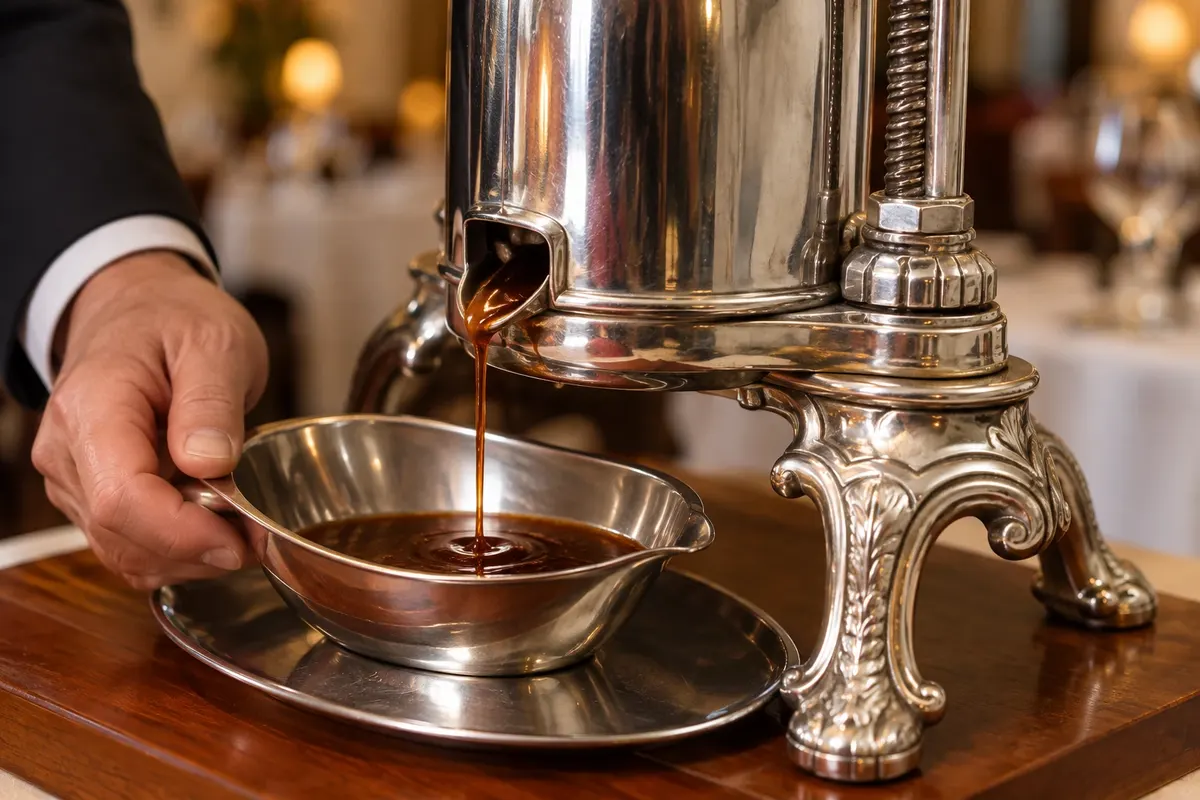
Young duck roasted rare and served with a sauce made from the carcass juice, pressed in a silver press, with red wine and shallots. It is the specialty that Rouen’s tourist office presents as the city’s dish; the recipe is attributed to an innkeeper from Duclair, nearby.

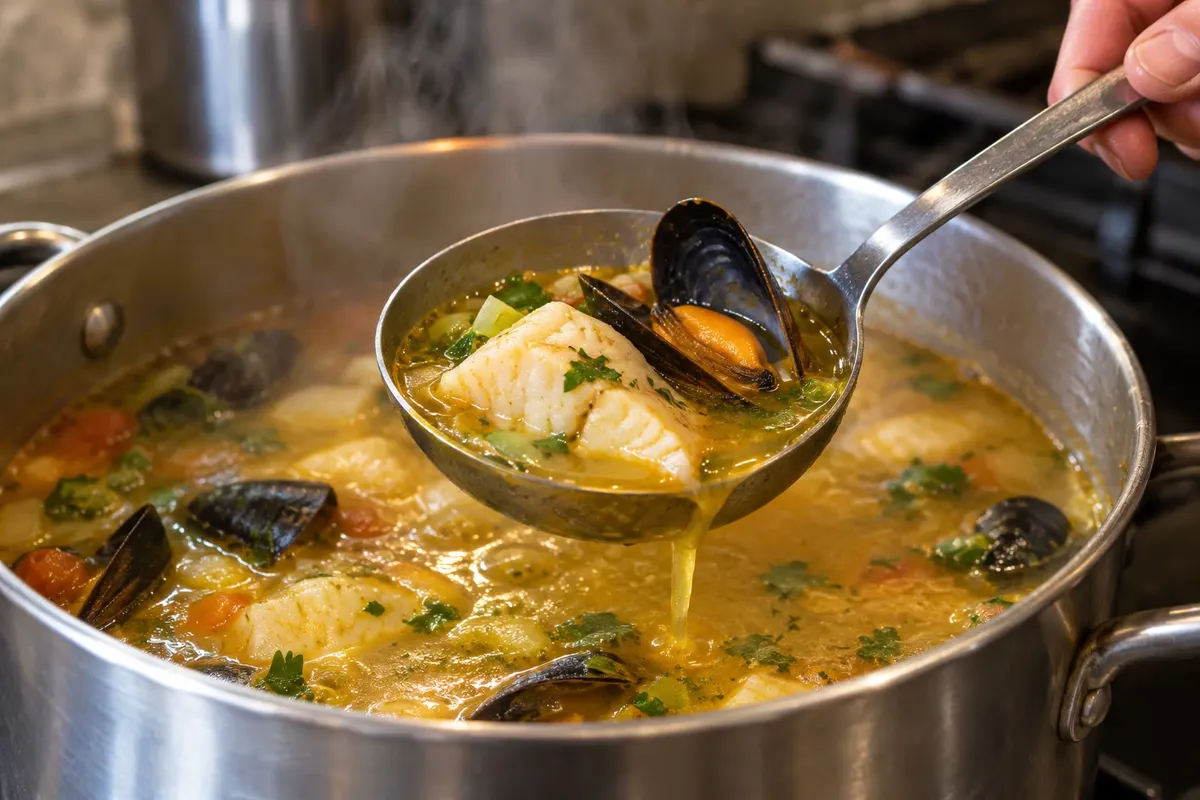
Fish and seafood soup with tomato and piment d'Espelette, born on the boats and in the homes of the fishermen of Saint-Jean-de-Luz and Ciboure. It has its own contest at the Sea Festivals, listed in France's inventory of intangible cultural heritage.

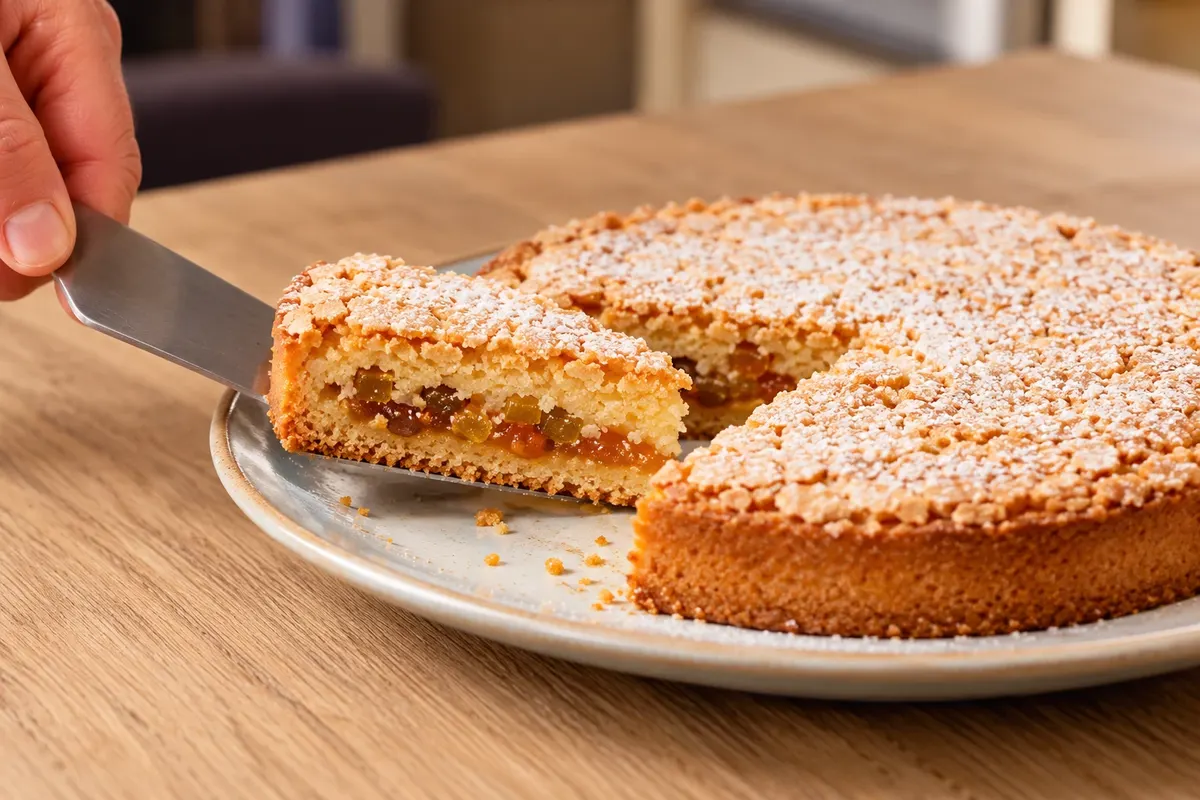
Sweet pastry tart with apricot jam and candied fruit, topped with a layer of almond meringue. Despite the name, it has no relation to nougat. It is the pastry specialty of Tours, with its own confraternity since 1998.