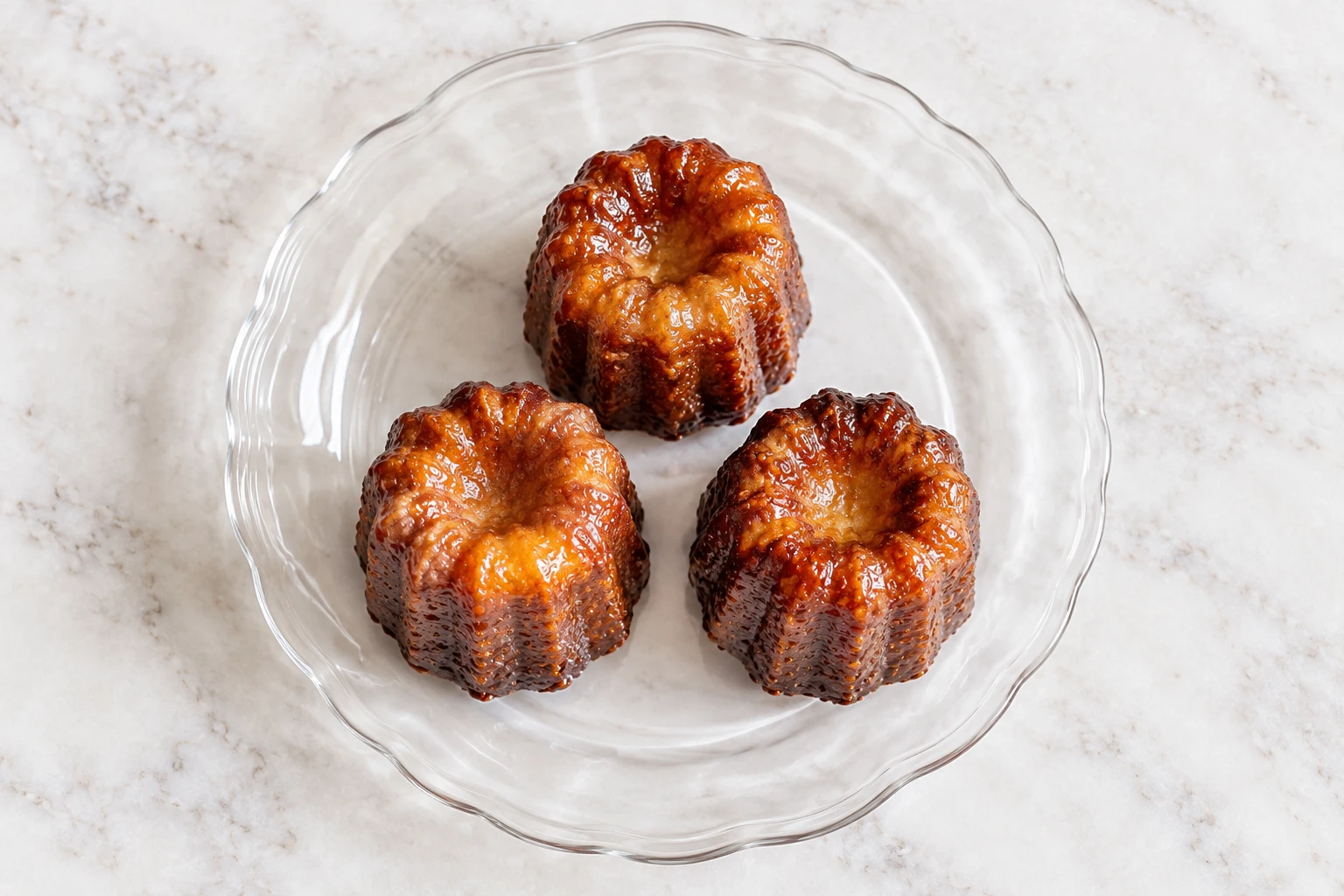
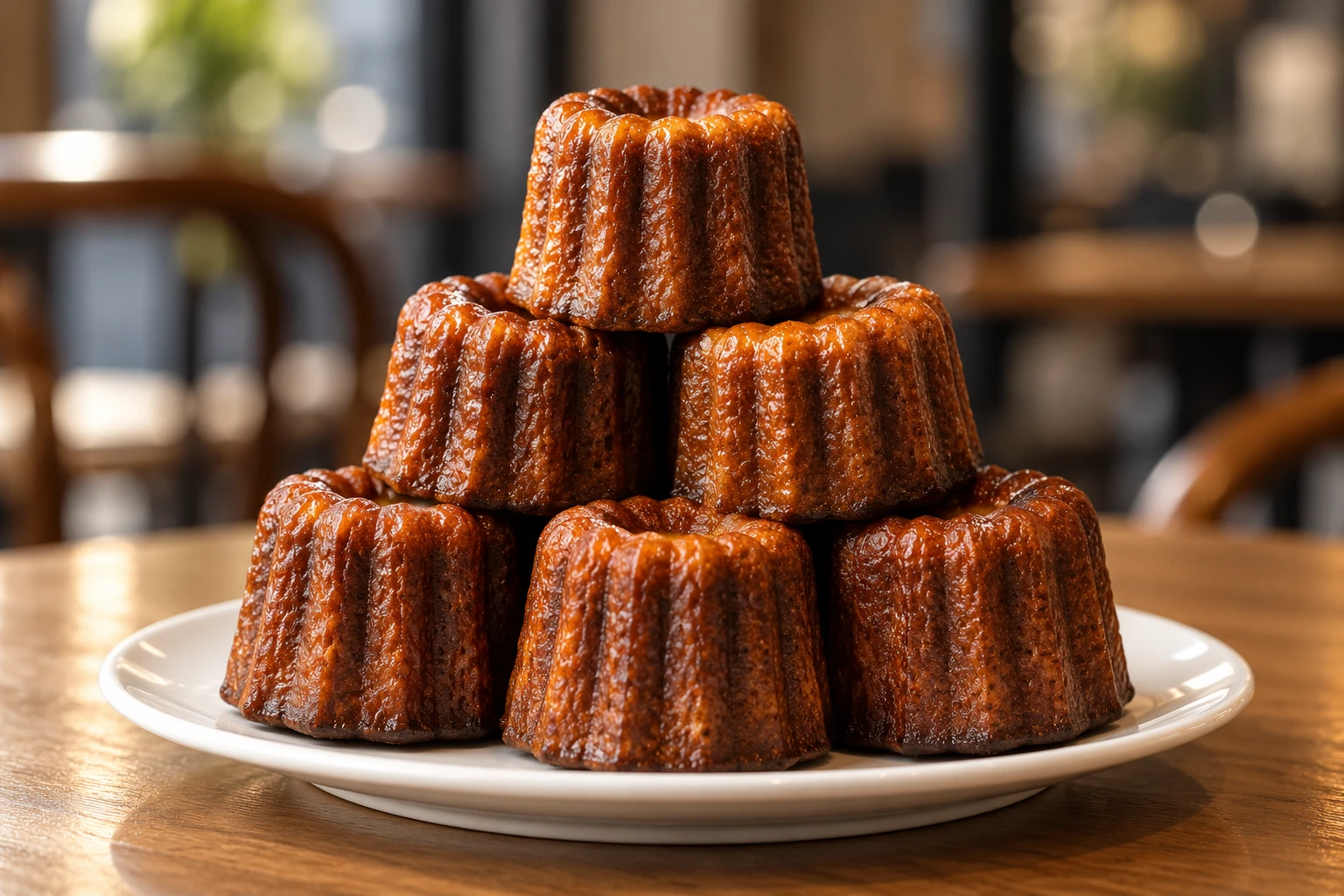
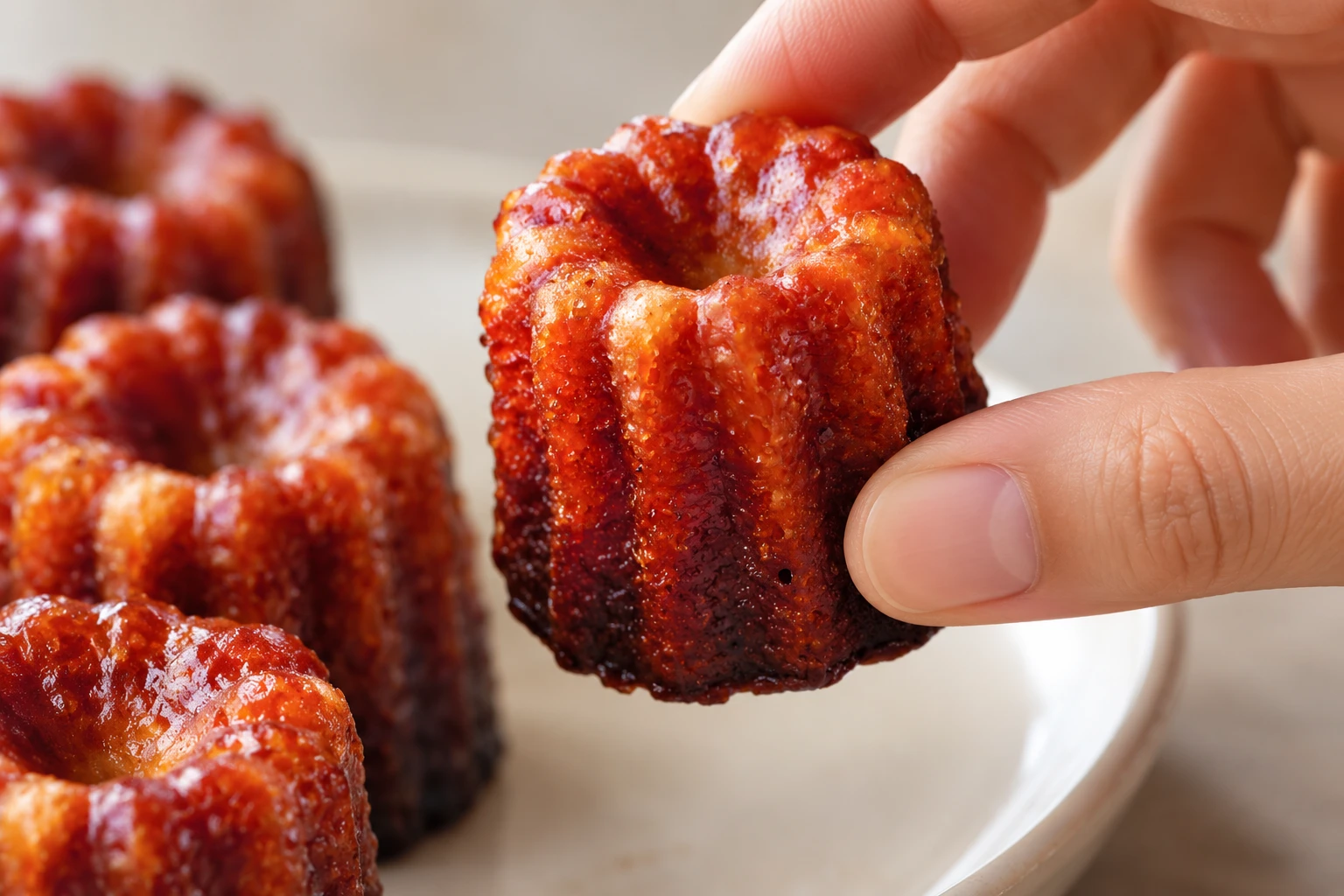
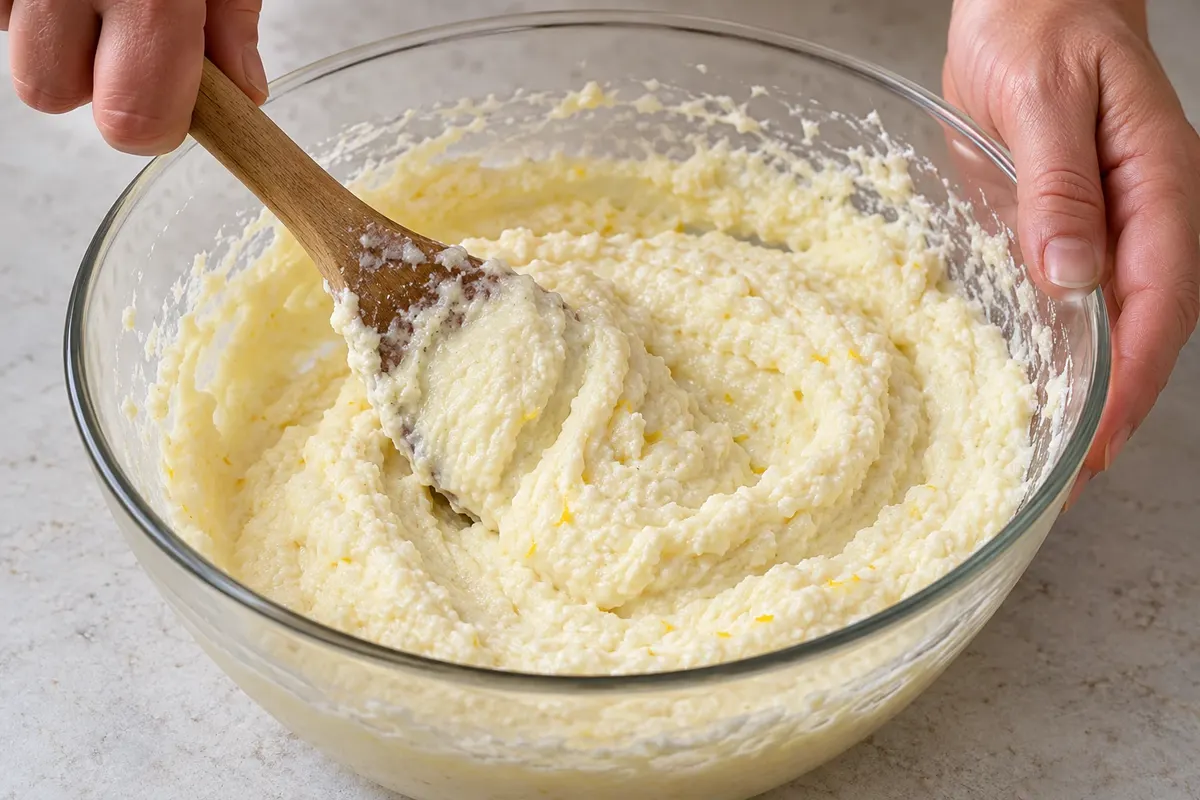
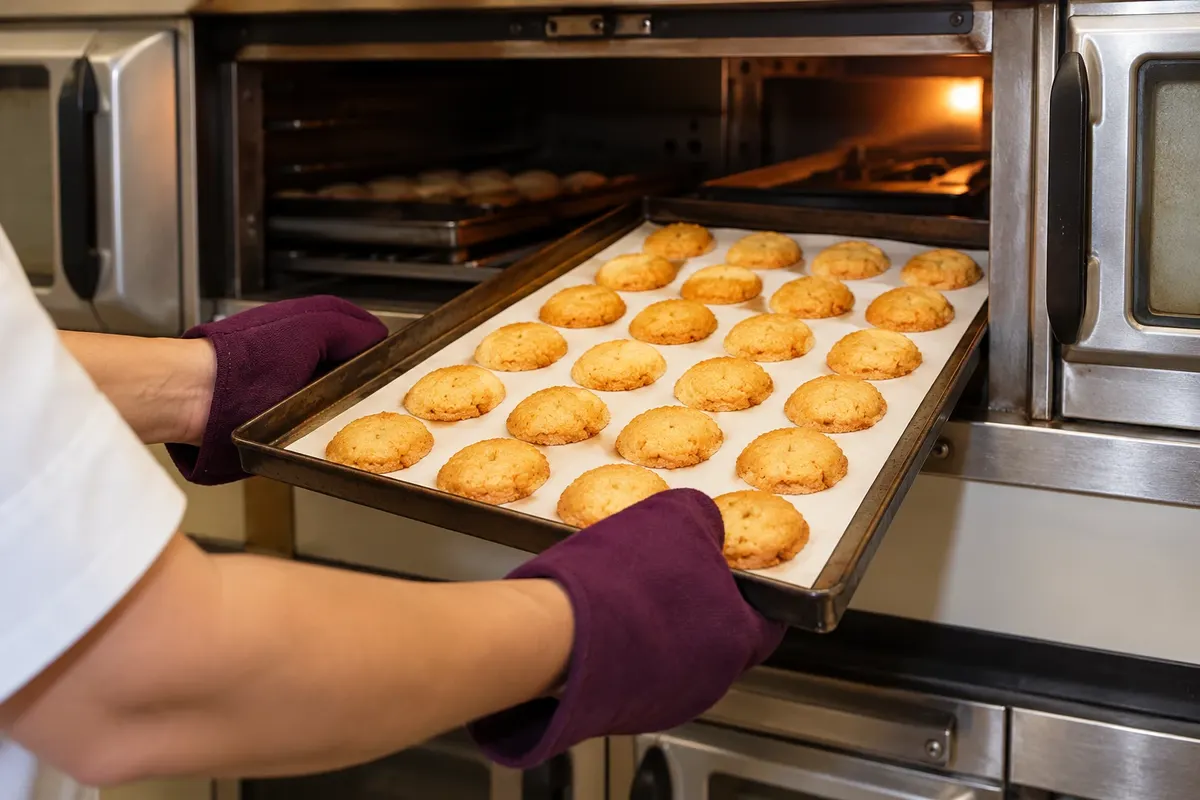
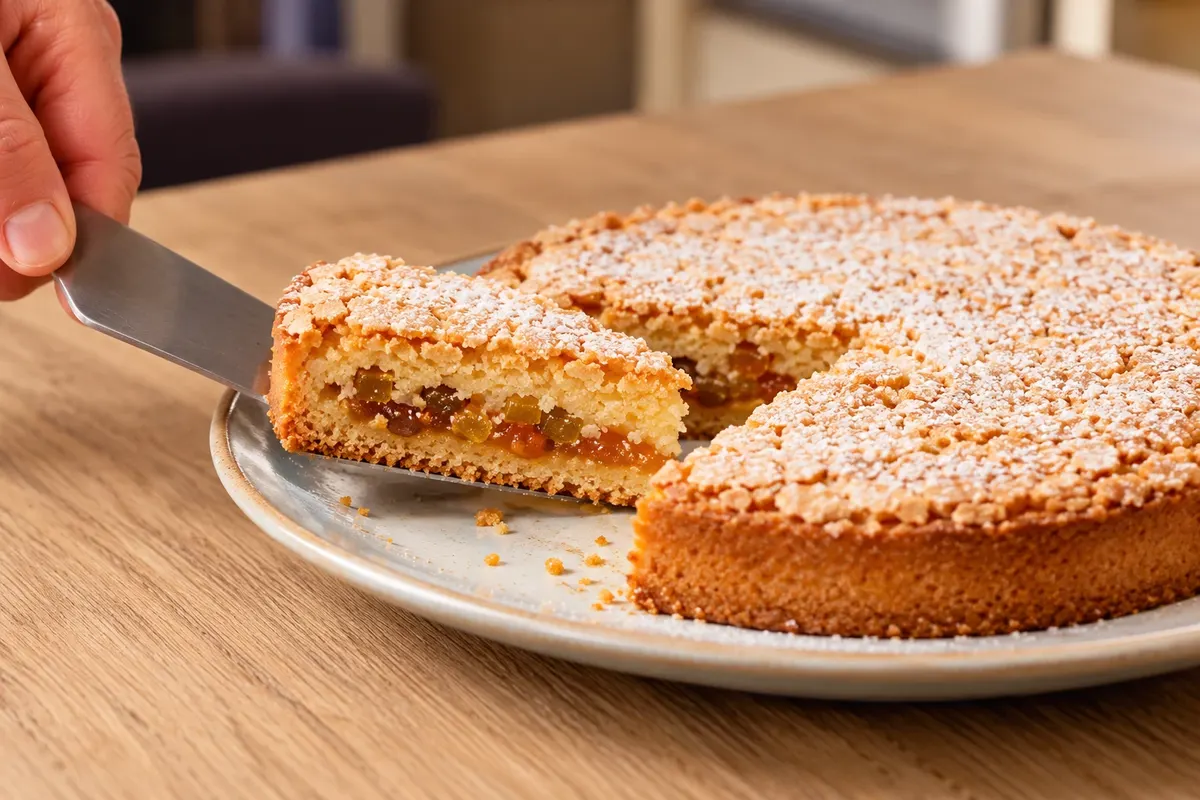
The canelé is a small, tall, fluted cake. The batter, similar to pancake batter, contains milk, eggs, flour, sugar and butter, and is flavored with rum and vanilla. It rests for one or two days before going into the oven, in individual copper molds greased with butter and, in some recipes, beeswax. The result is a dark, caramelized, crisp crust and a soft, moist interior.
The most told origin links the pastry to the nuns of the Convent of the Annonciades in Bordeaux, who are said to have made it with flour gathered at the port. There is no document that proves this story; the current form only appears in 20th-century texts. Rum and vanilla are often mentioned as markers of the port of Bordeaux’s trade with the Antilles.
In 1985, the city’s pastry chefs formed the Confrérie du canelé de Bordeaux to protect the recipe, and they began writing the name with a single n, canelé, to distinguish the Bordelais pastry. The spelling with two n’s continues to be used outside the city.
Today canelé is sold in all of Bordeaux’s patisseries, in sizes from mini to large, and accompanies breakfast, an afternoon snack or a glass of wine.


 Brazil
 Argentina
 Bolivia
 Chile
 Colombia
 Ecuador
 Guyana
 French Guiana
 Falkland Islands (Malvinas)
 Paraguay
 Peru
 Suriname
 Uruguay
 Venezuela
 Germany
 Austria
 Belgium
 Croatia
 Denmark
 Spain
 Finland
 Greece
 the Netherlands
 Hungary
 Ireland
 Iceland
 Italy
 Luxembourg
 Norway
 Poland
 Portugal
 the United Kingdom
 the Czech Republic
 Sweden
 Switzerland
 Turkey
 the United States
 Mexico
 the Dominican Republic
 South Africa
 Australia
 Fiji
 New Zealand