Cuiabá
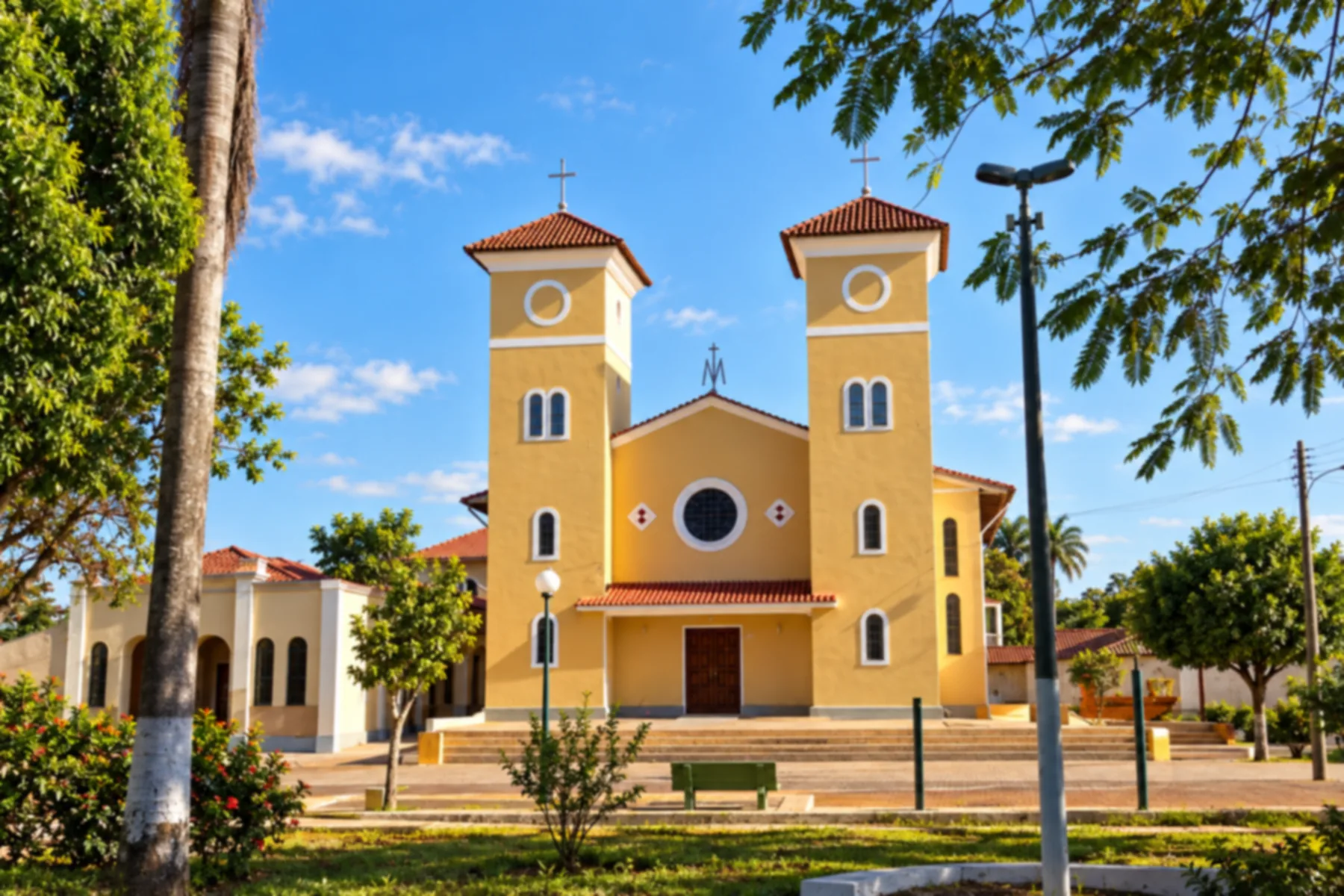
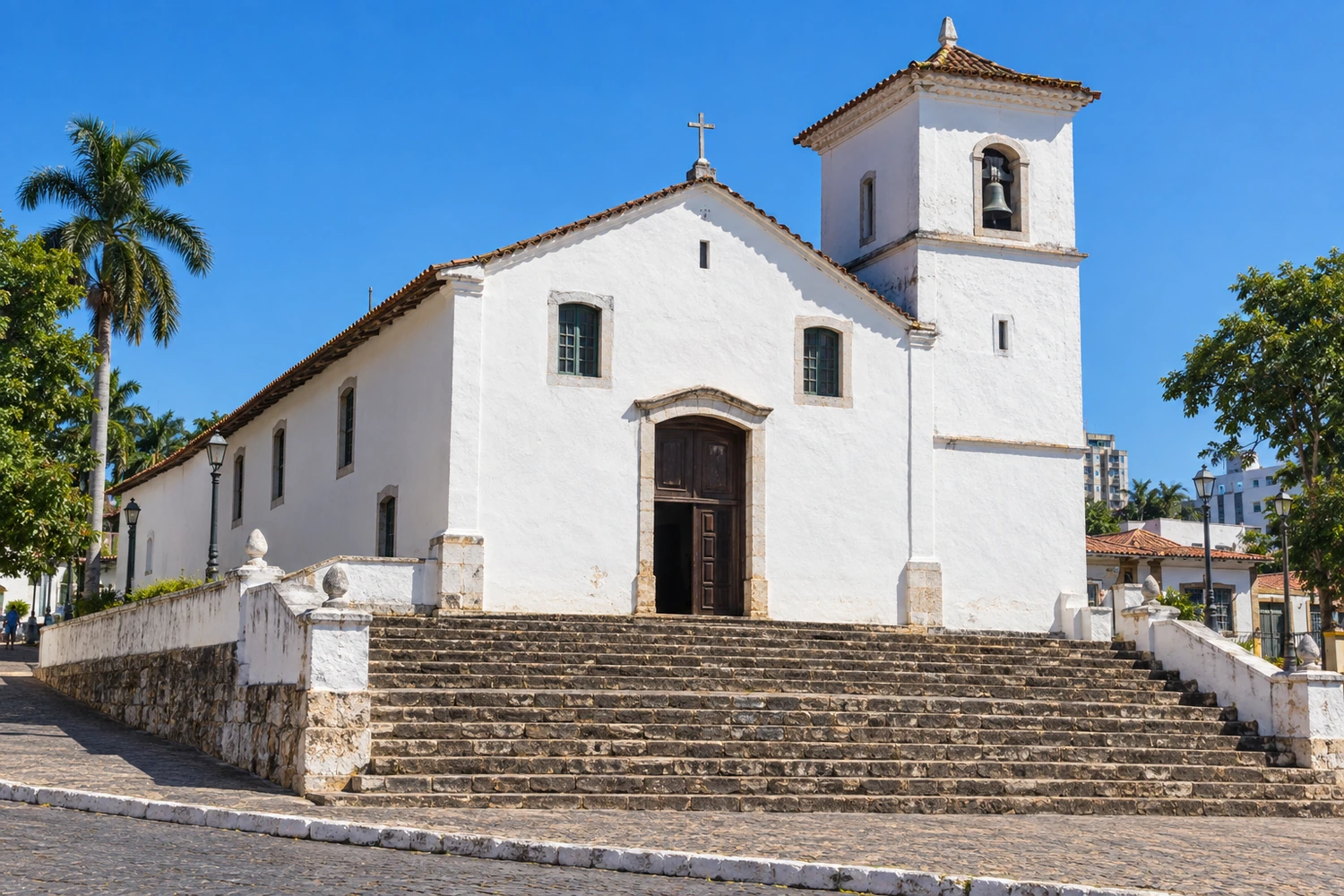
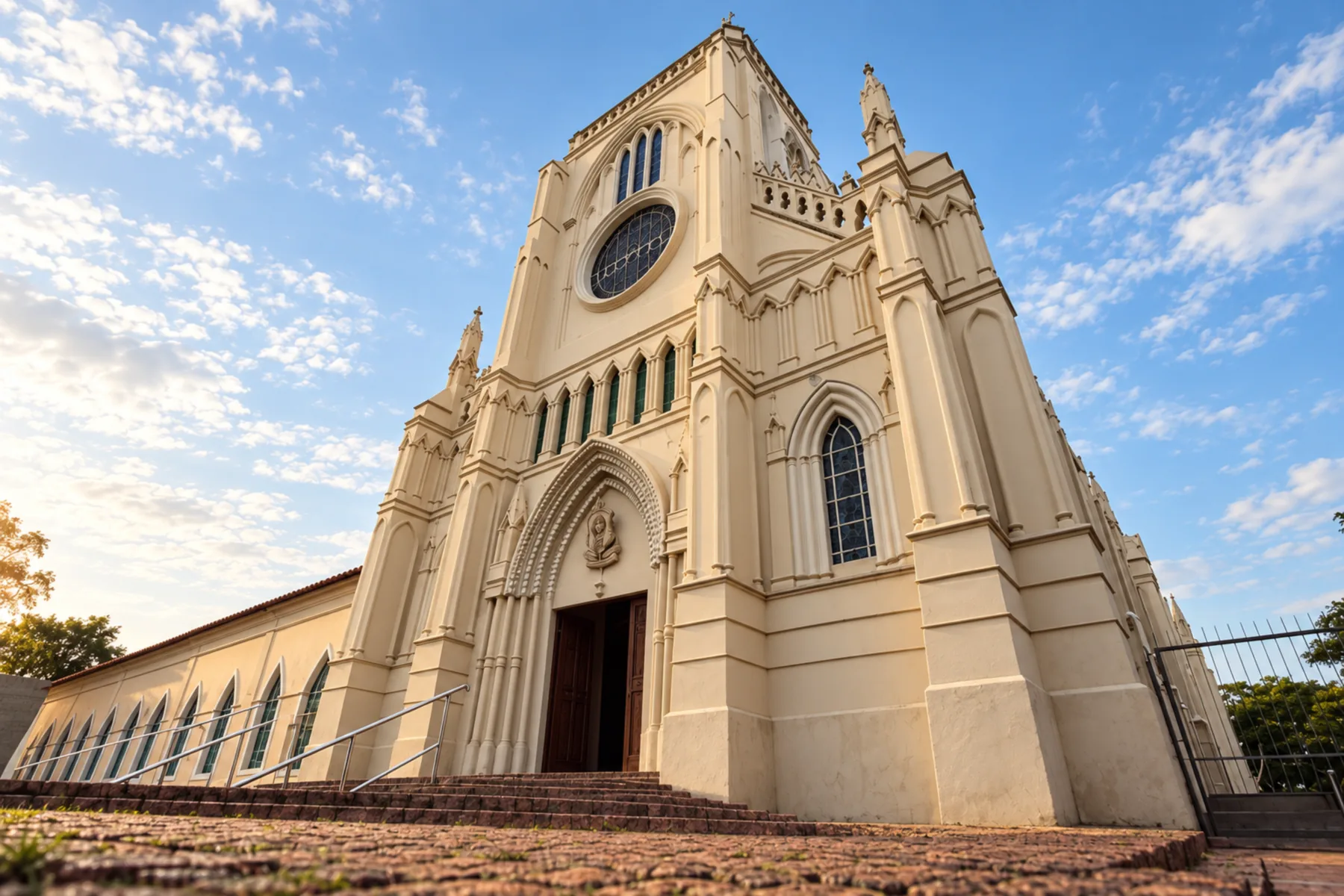
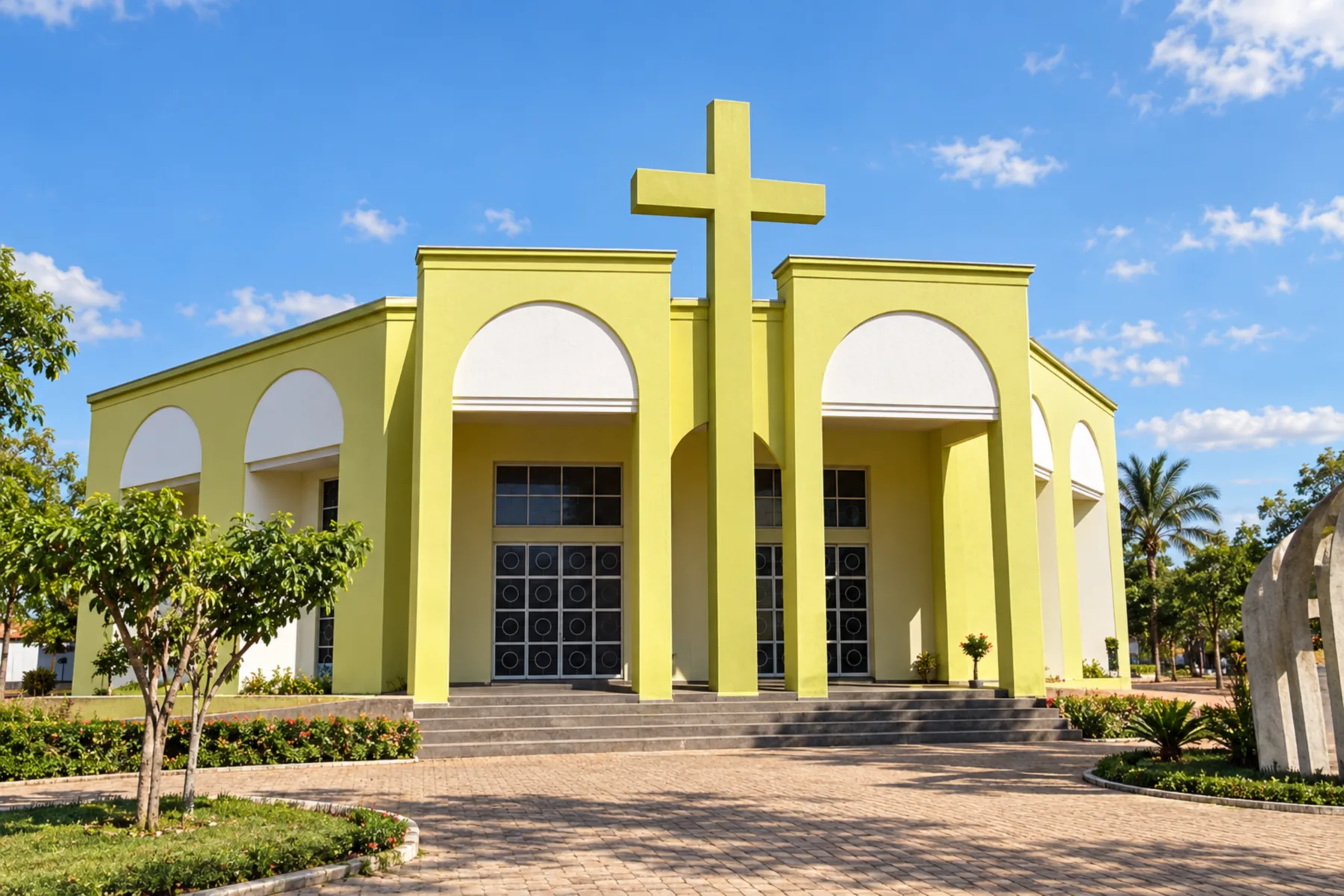
Cuiabá brings together historic heritage, regional traditions and green spaces in the center of Mato Grosso. On Morro do Seminário (hill), the Igreja do Bom Despacho (church) is a highlight of the capital's religious architecture.
MT · Brazil
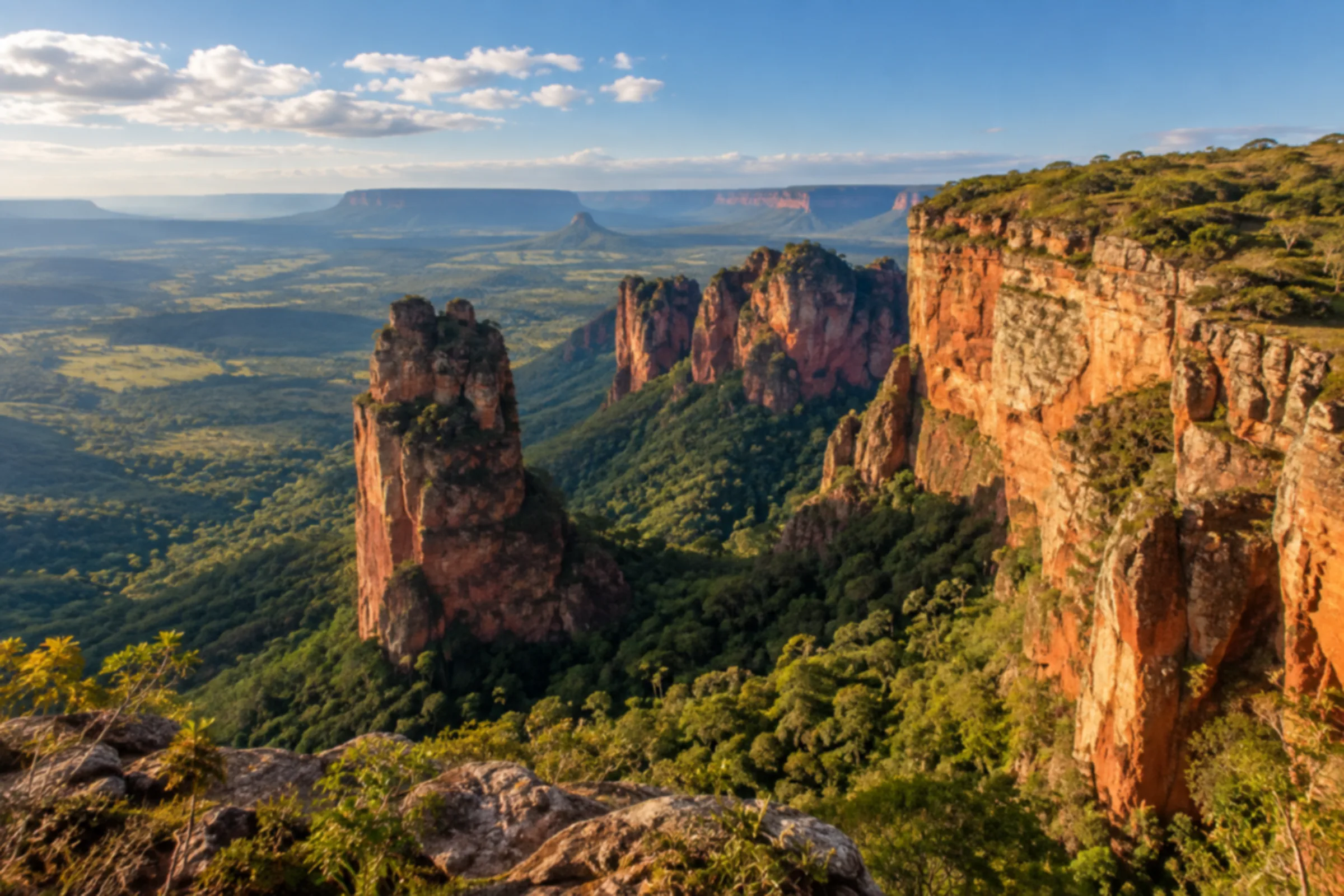
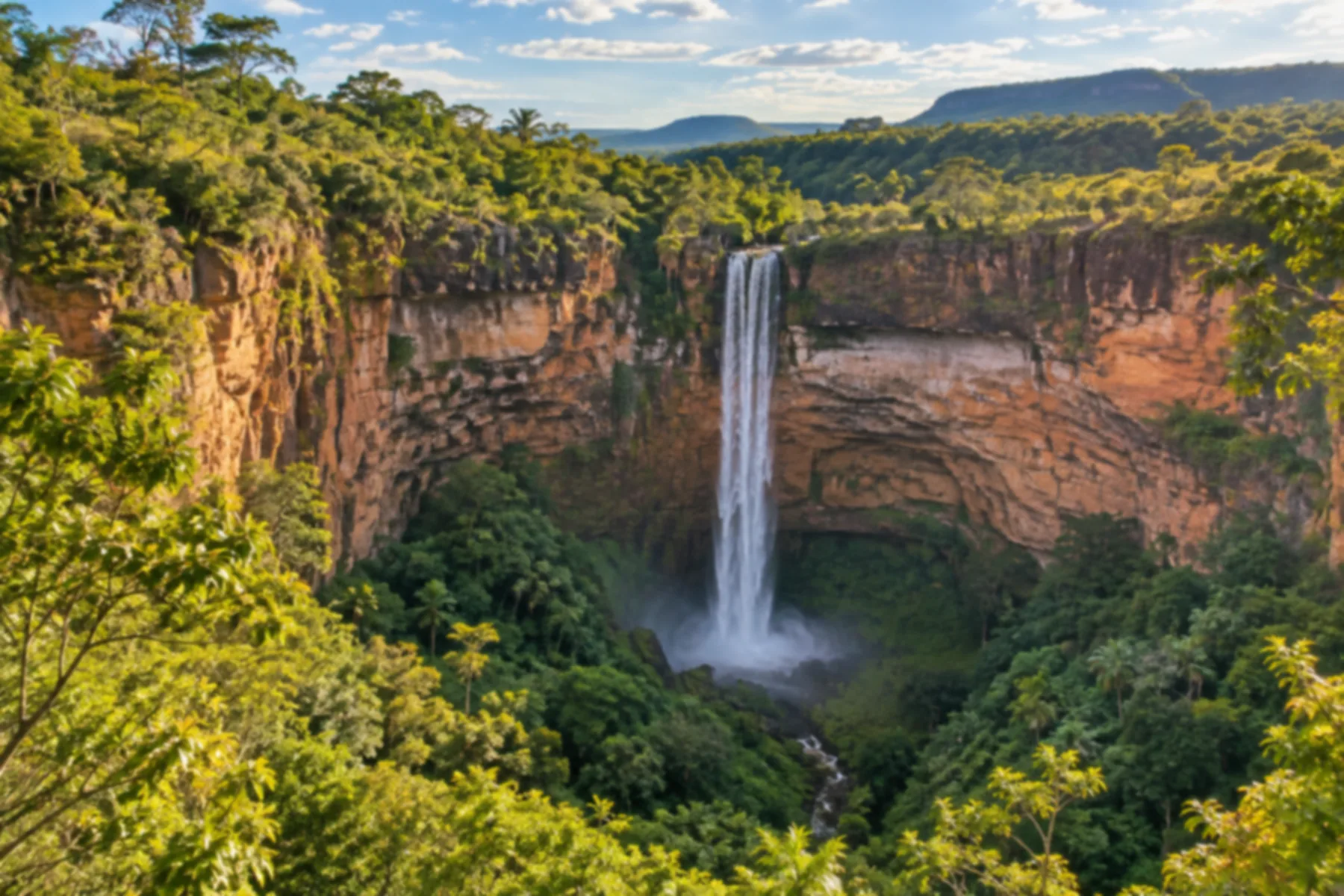
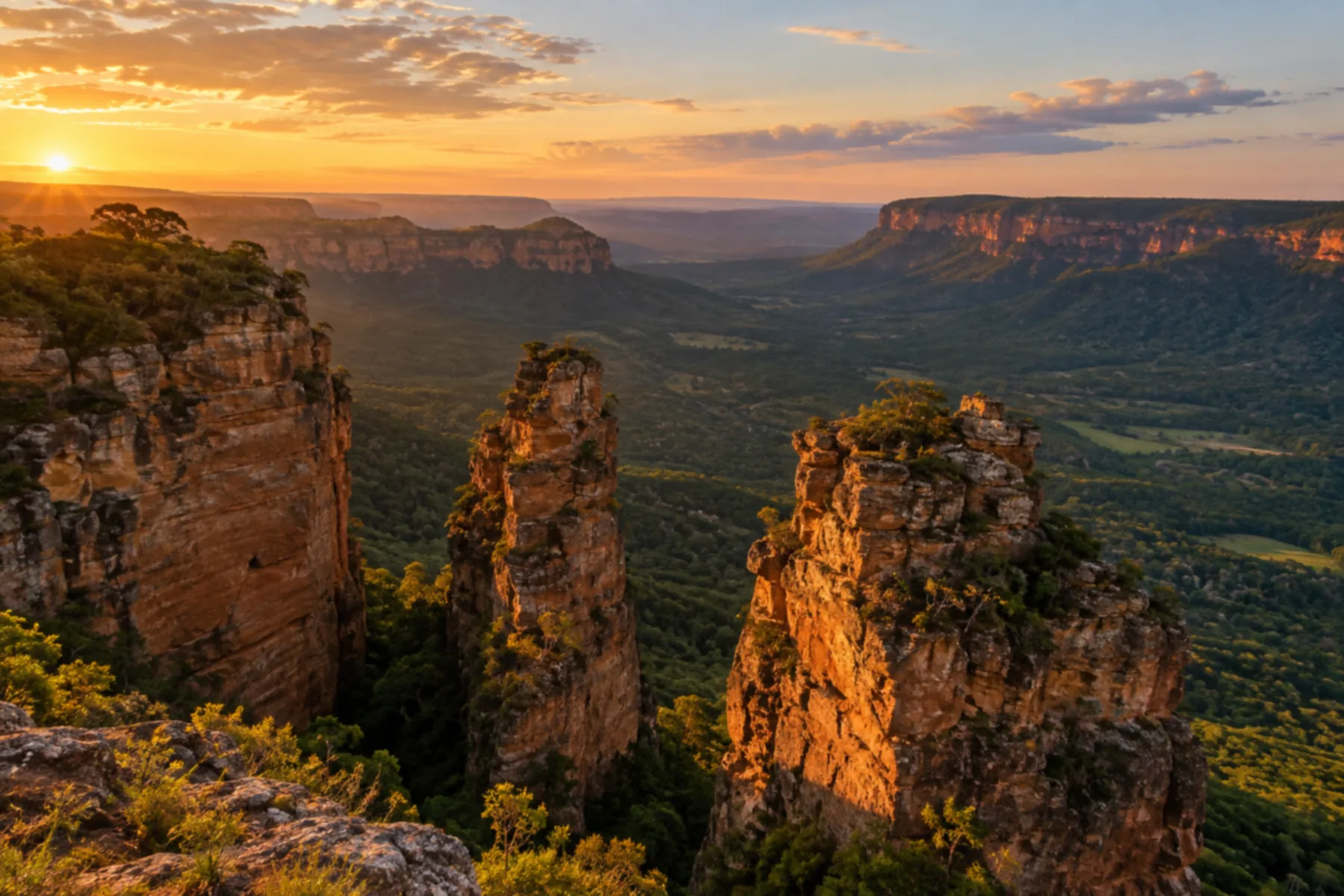
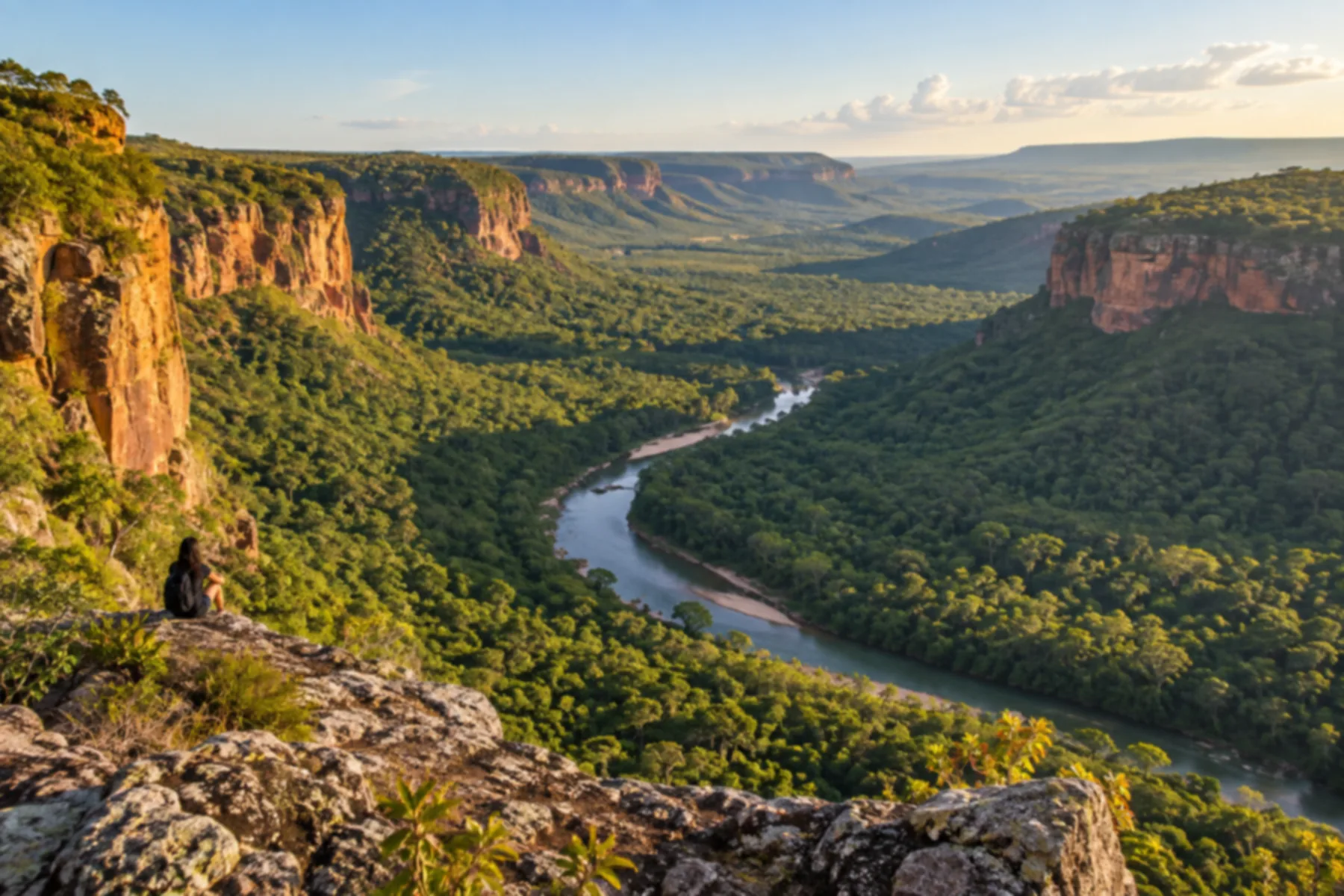
Illustrative images. The pictures in this guide are illustrations based on the real place, not photographs, and may differ from it.
Get to know the place
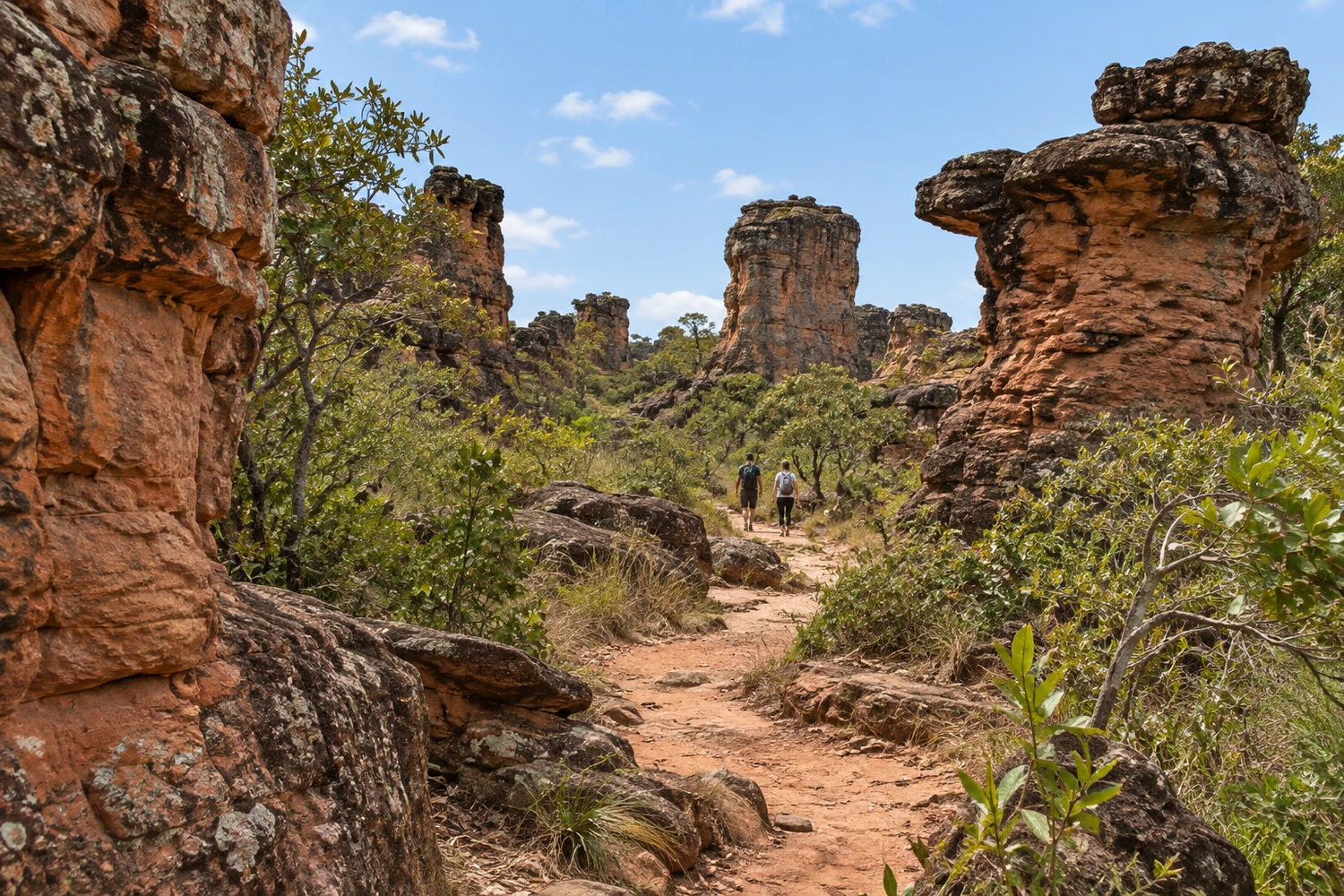
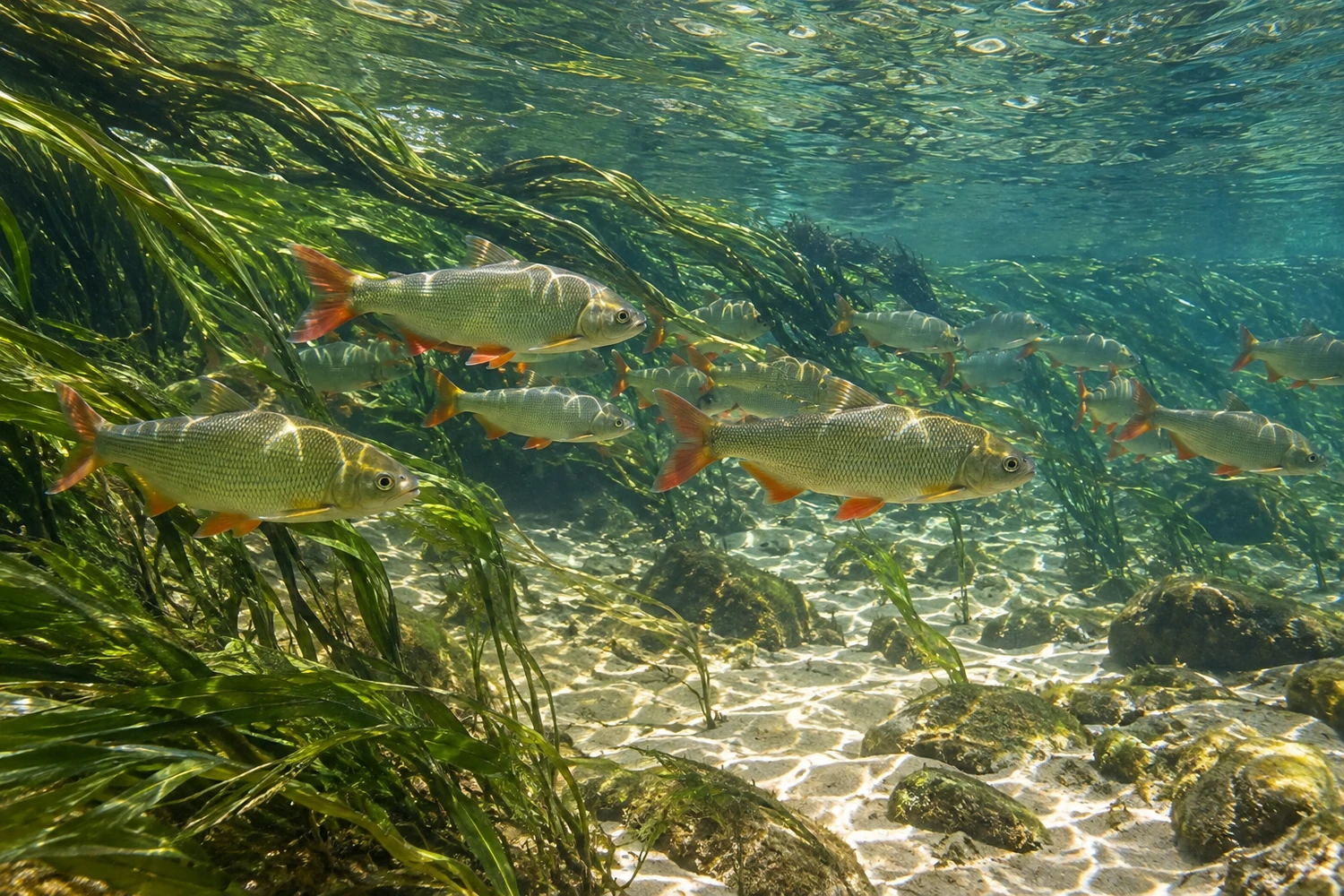
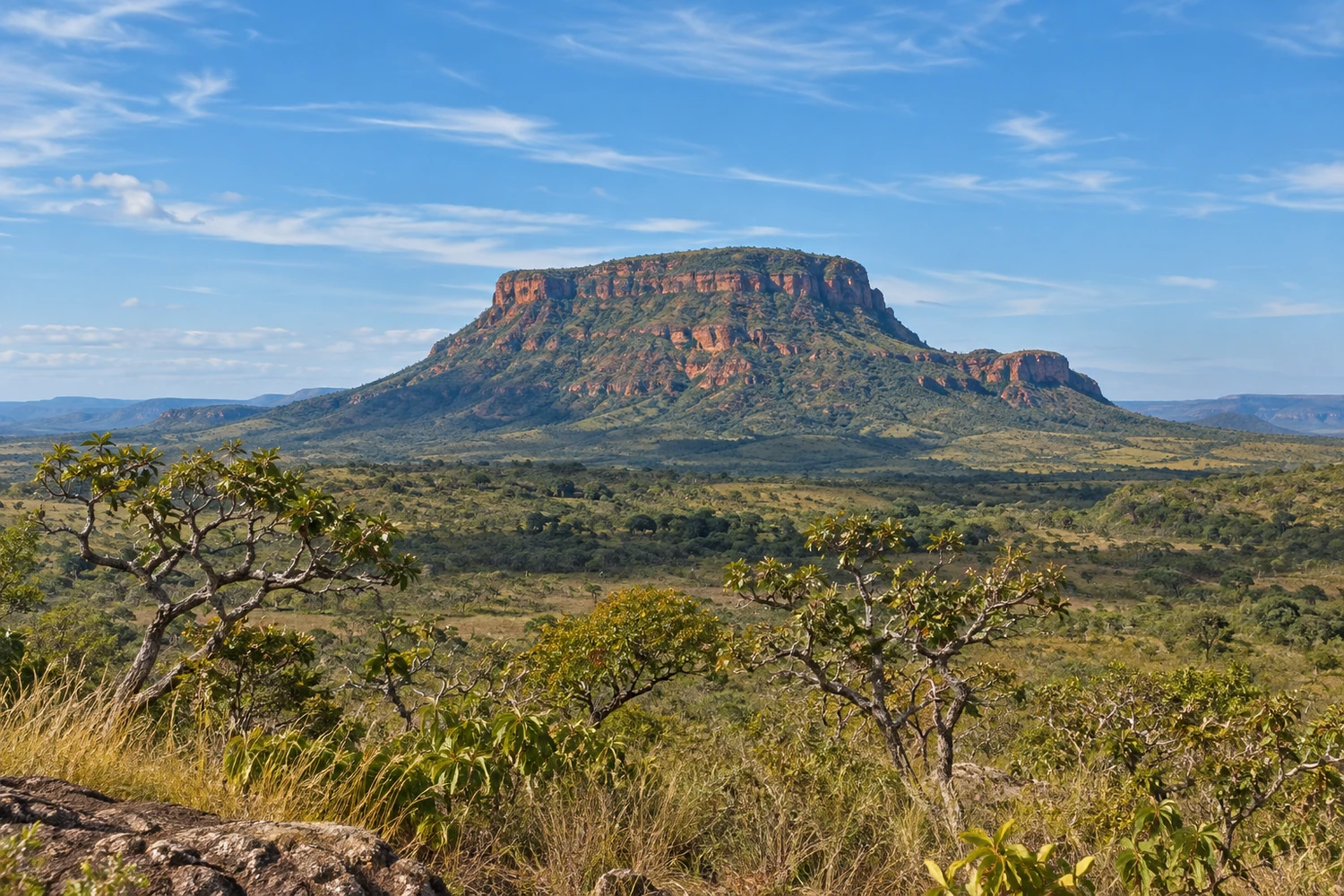
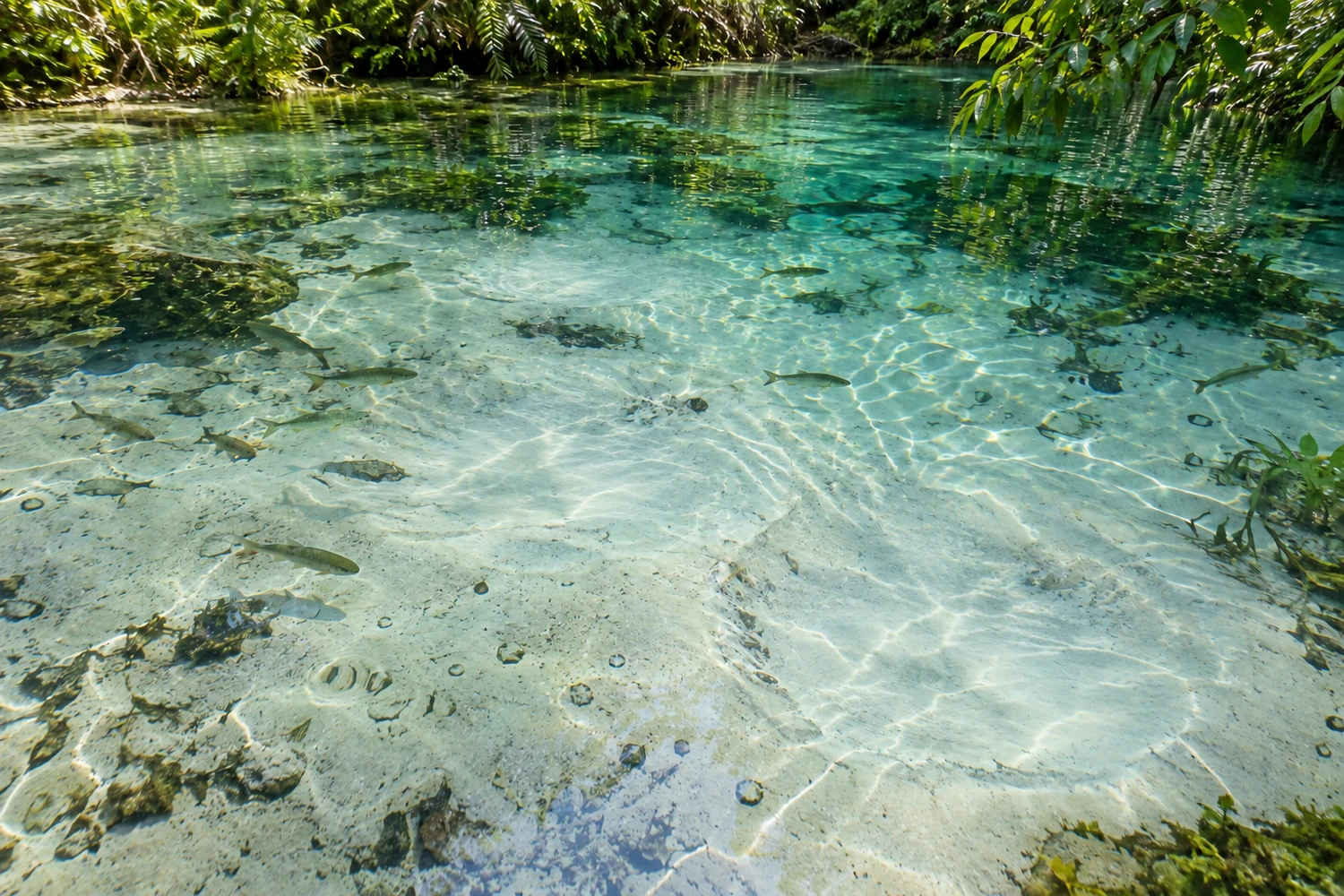
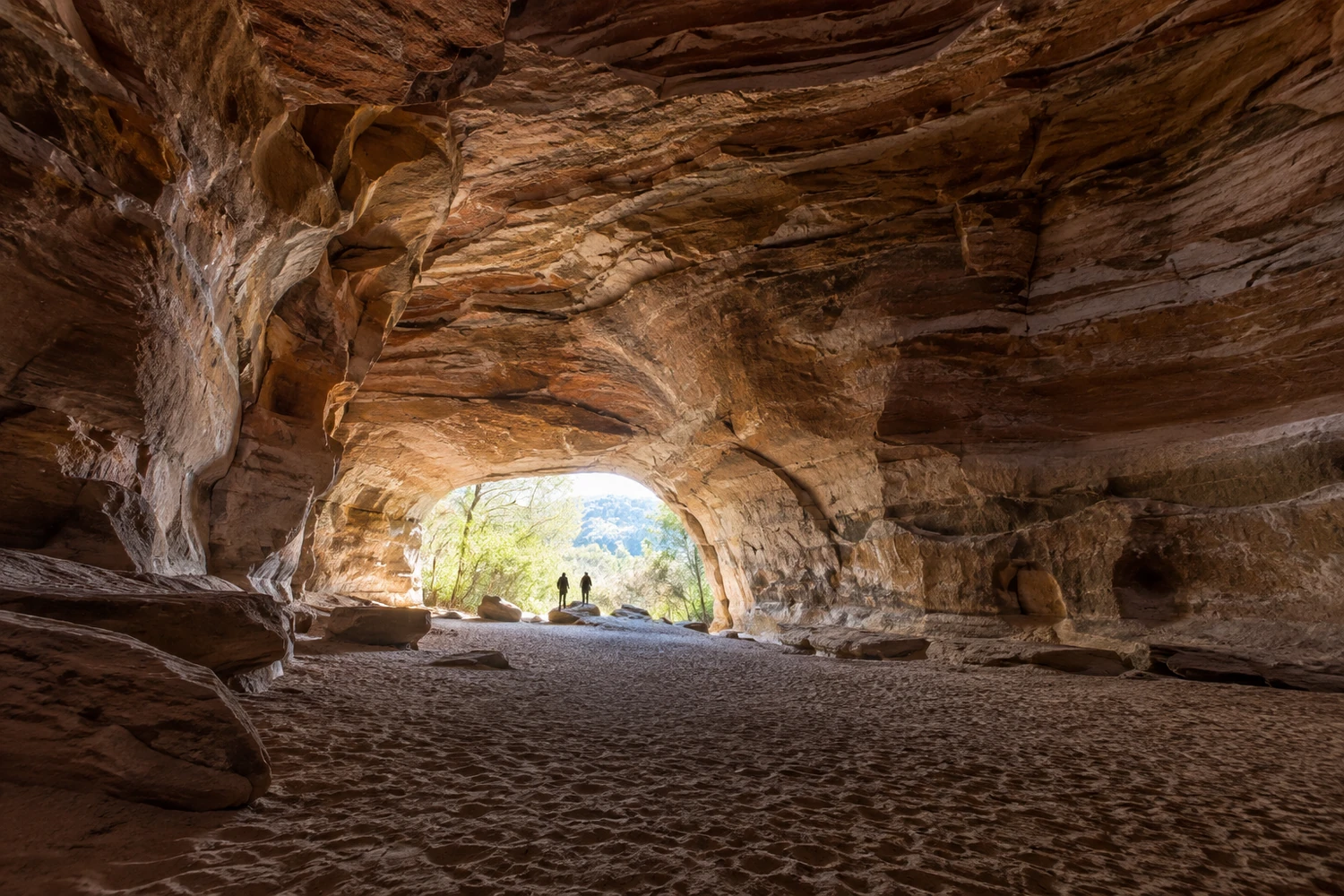
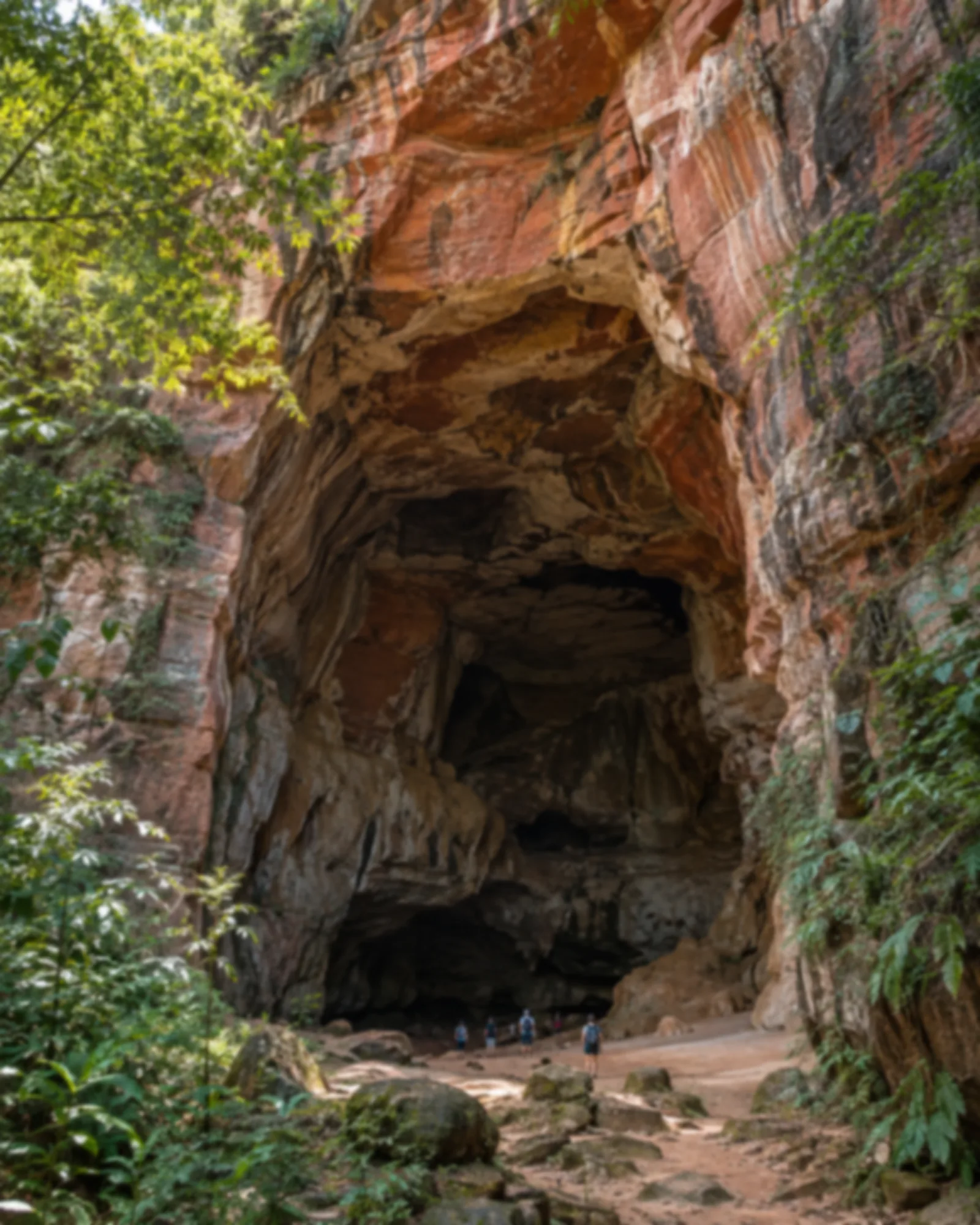
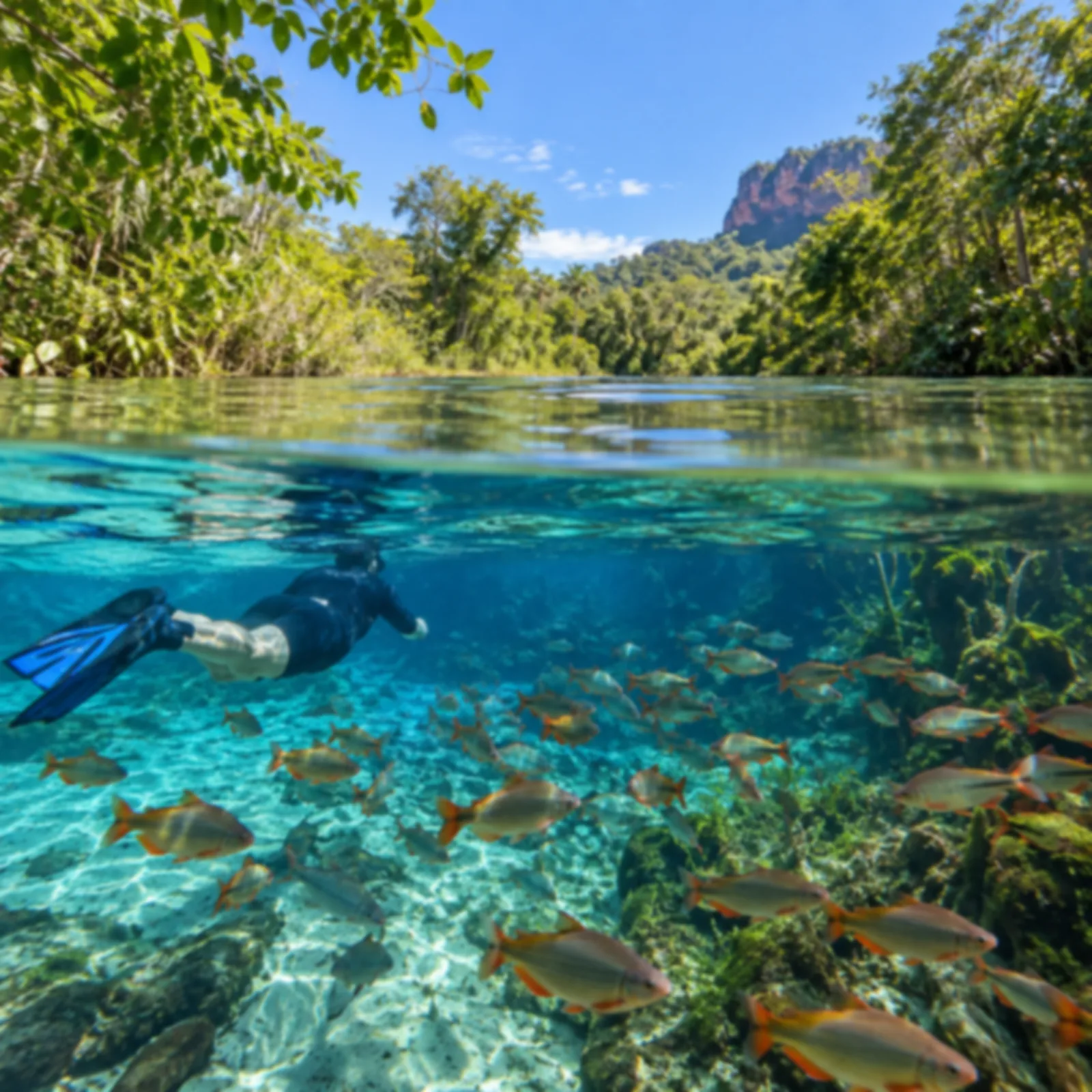
Red cliffs carved by the wind, free-falling waterfalls and sandstone caves make up the scenery of Chapada dos Guimarães, just above Cuiabá. A few hours' drive away, Nobres offers crystal-clear rivers where you float among fish, Bonito-style. You can combine the two in a single trip and even add on the Pantanal.
This destination brings together 4 cities: Cuiabá, Chapada dos Guimarães, Nobres, Rosário Oeste.
A look at the place
These pictures are illustrations based on the real place, not photographs. They may differ from the place.
Click the picture to enlarge it.
One destination, many paths
Start with one city or combine several in your itinerary.
Cuiabá brings together historic heritage, regional traditions and green spaces in the center of Mato Grosso. On Morro do Seminário (hill), the Igreja do Bom Despacho (church) is a highlight of the capital's religious architecture.
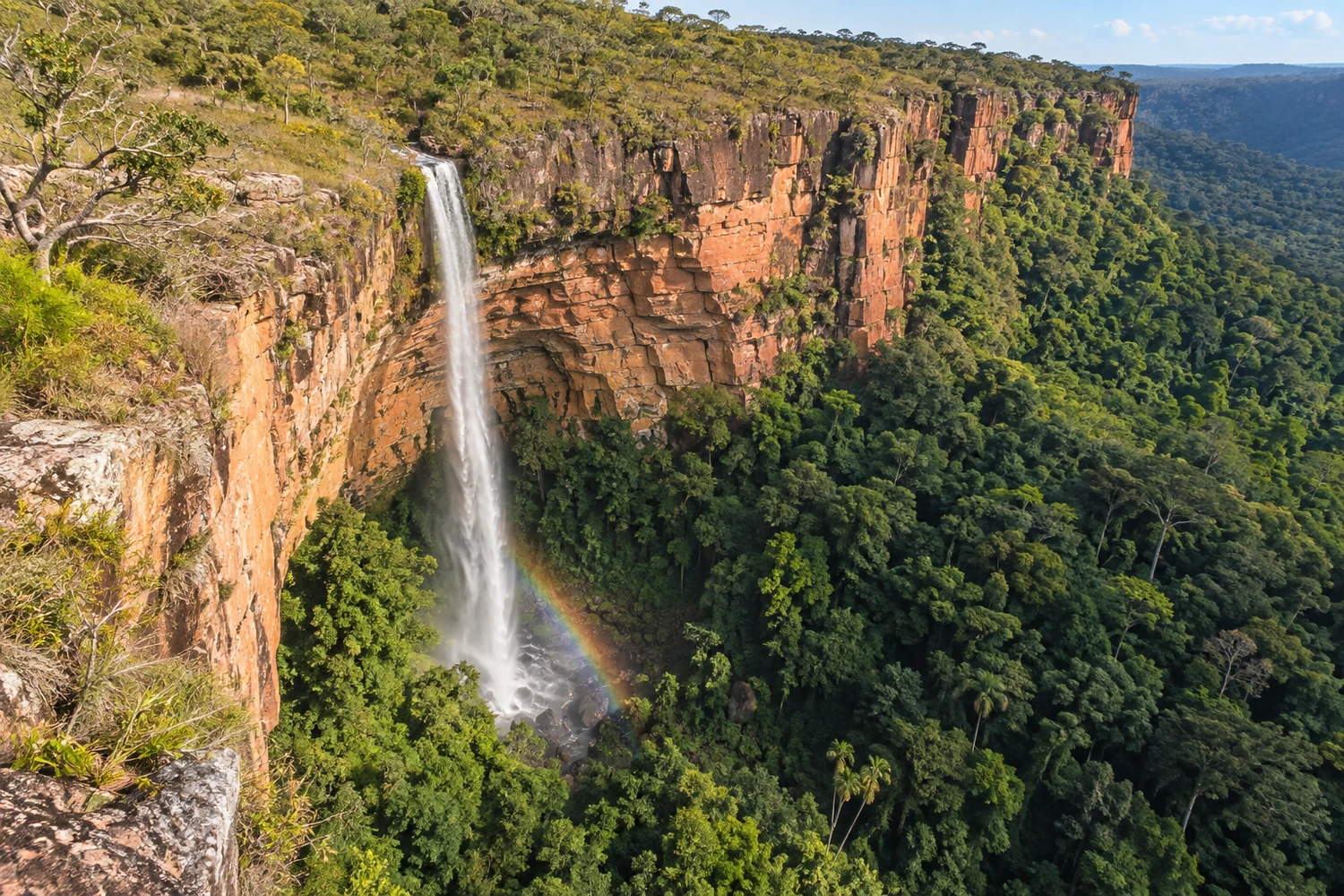
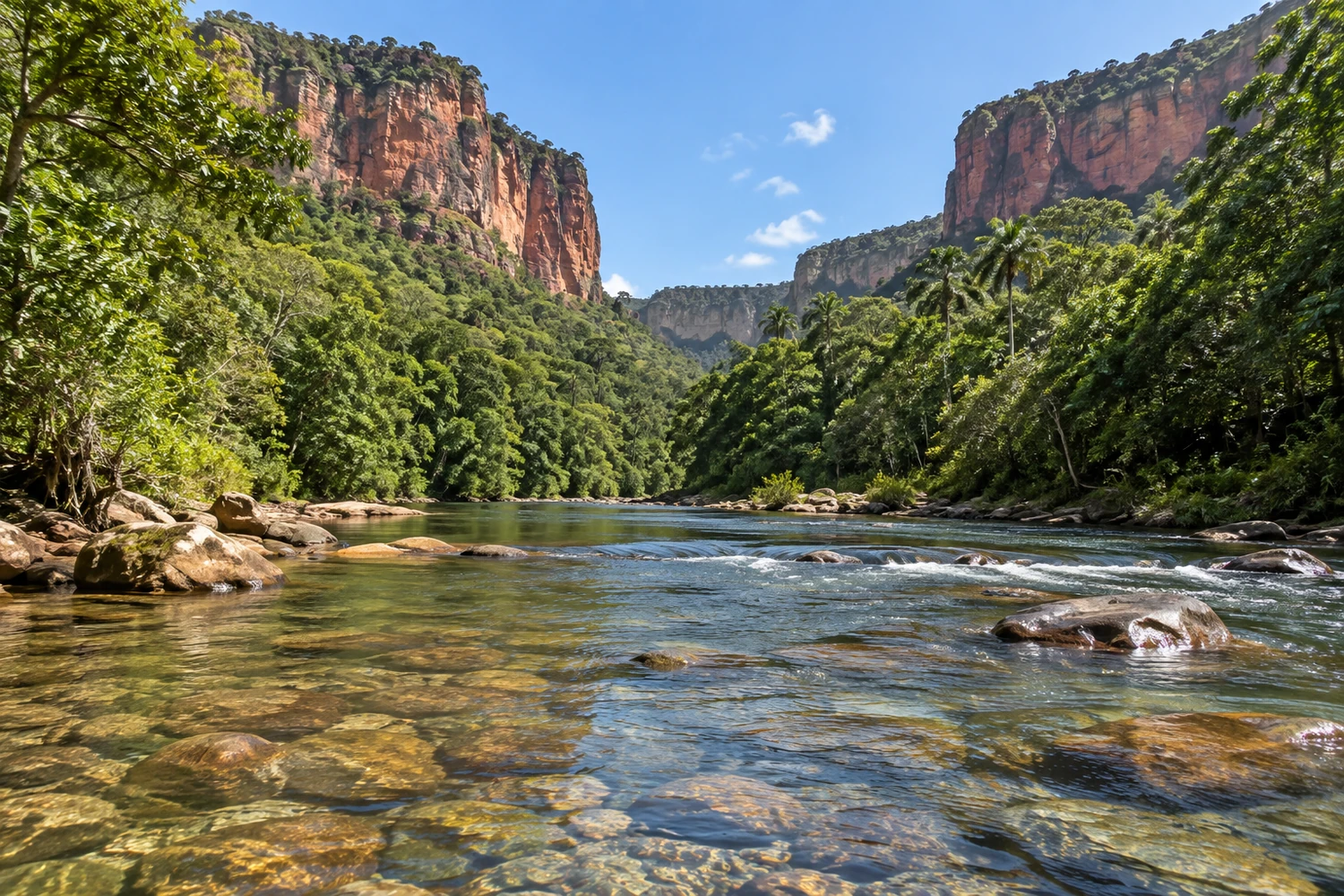
Chapada dos Guimarães brings together sandstone cliffs, waterfalls and cerrado (Brazilian savanna) landscapes. The Véu de Noiva waterfall, inside the national park, shows the contrast between the escarpments and the valley vegetation.
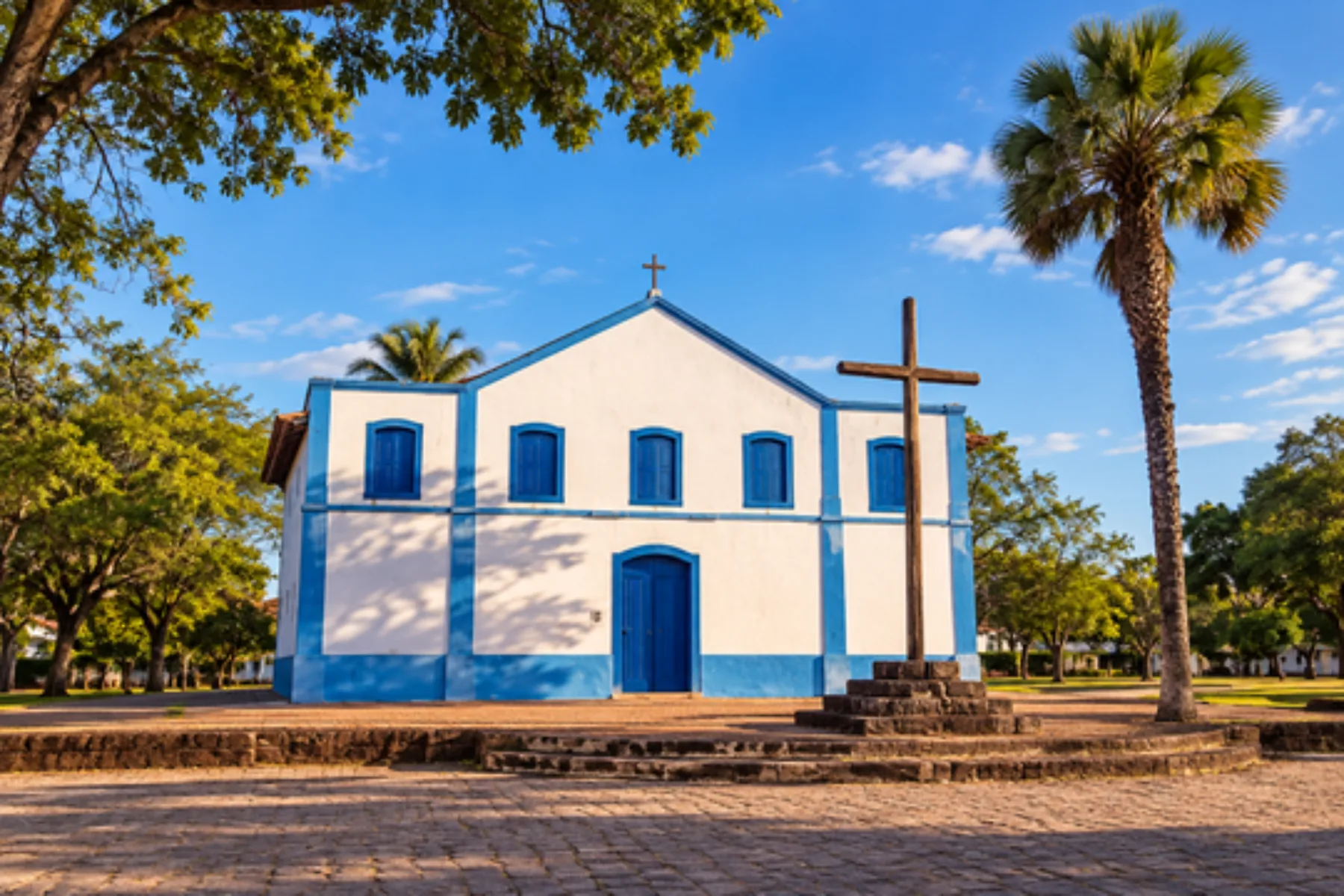
Nobres brings together clear-water rivers and cerrado (Brazilian savanna) landscapes in the interior of Mato Grosso. In the town center, the Igreja Matriz de São Sebastião (church) and its square are community gathering places.
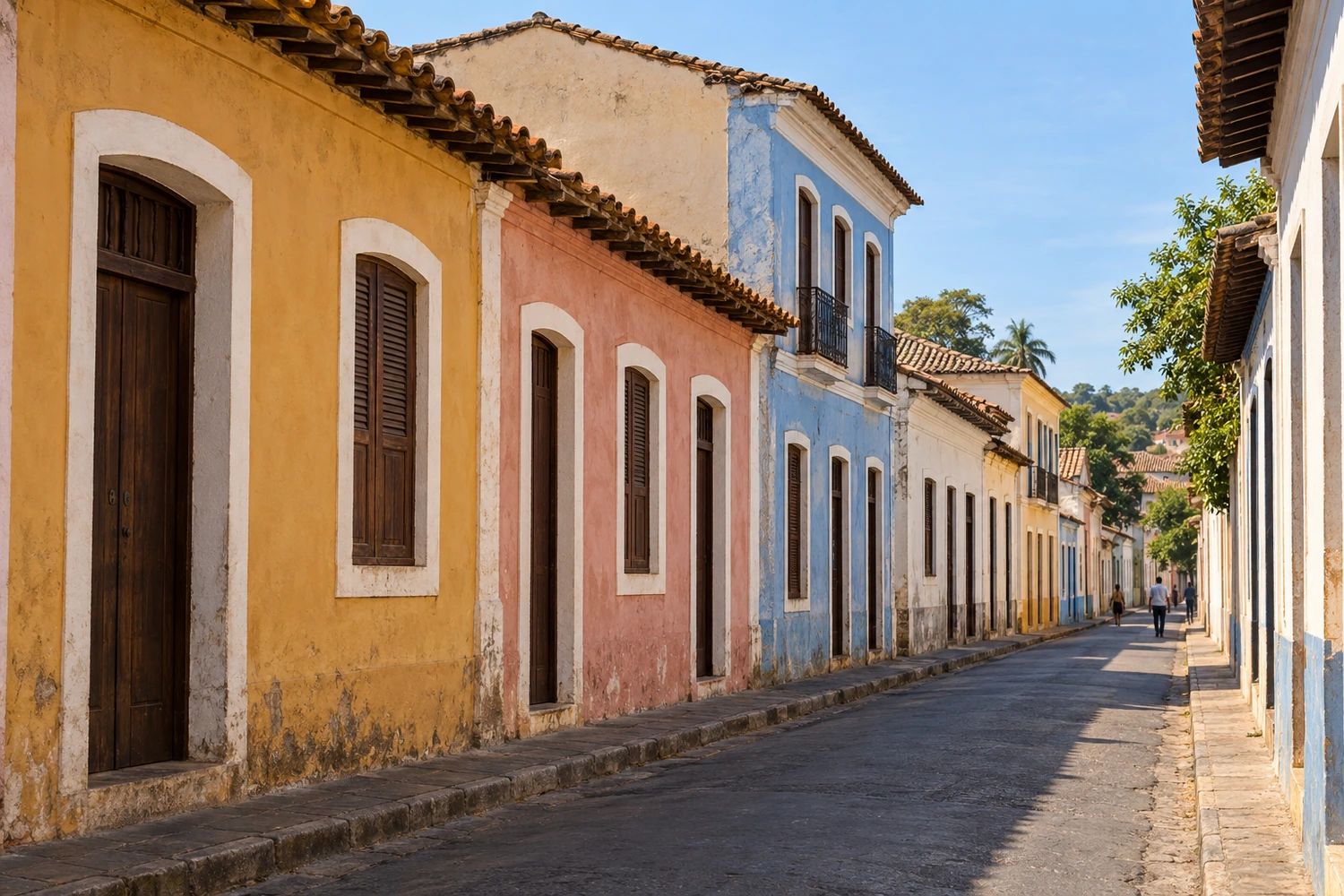
Rosário Oeste has a history tied to the old settlement routes of Mato Grosso. The main church and the downtown spaces bring visitors close to the town's heritage and everyday life.
The local experience
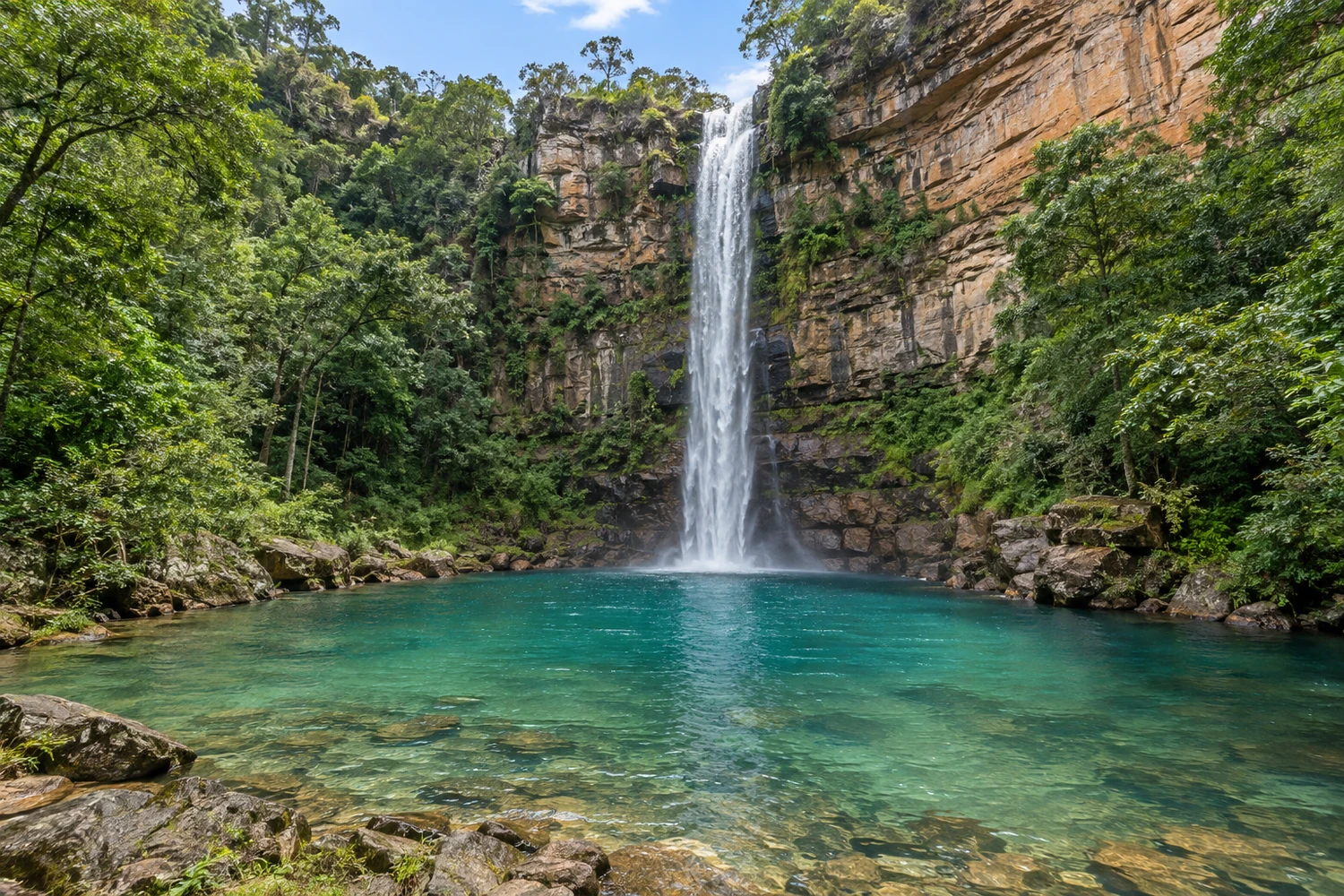
It drops about 50 meters into a crystal-clear lake surrounded by sandstone cliffs, inside the Parque Sesc Serra Azul. The reserve protects more than 5,000 hectares of cerrado (Brazilian savanna) and springs of the Rio Cuiabá (river).
A drop of about 86 meters plunging from an amphitheater-shaped cliff, inside the national park. The viewpoint is a few minutes from the parking lot and is one of Mato Grosso's postcard images.
Discover Cachoeira Véu de Noiva
The town core that grew up after gold was discovered in the Prainha stream in 1722 has about 400 buildings across 13 hectares listed by Iphan (Brazil's national heritage institute). Mansions, churches and narrow streets preserve the look of the old colonial town.
A group of sandstone towers and blocks carved by the wind above a deep valley. Sunset there paints the rocks a vivid orange.
Built around 1730 in rammed earth, near the gold diggings of Miguel Sutil, it has been listed by Iphan (Brazil's national heritage institute) since 1975. It hosts the Festa de São Benedito, one of the most popular religious celebrations in Mato Grosso.
Discover Igreja de Nossa Senhora do Rosário e São Benedito
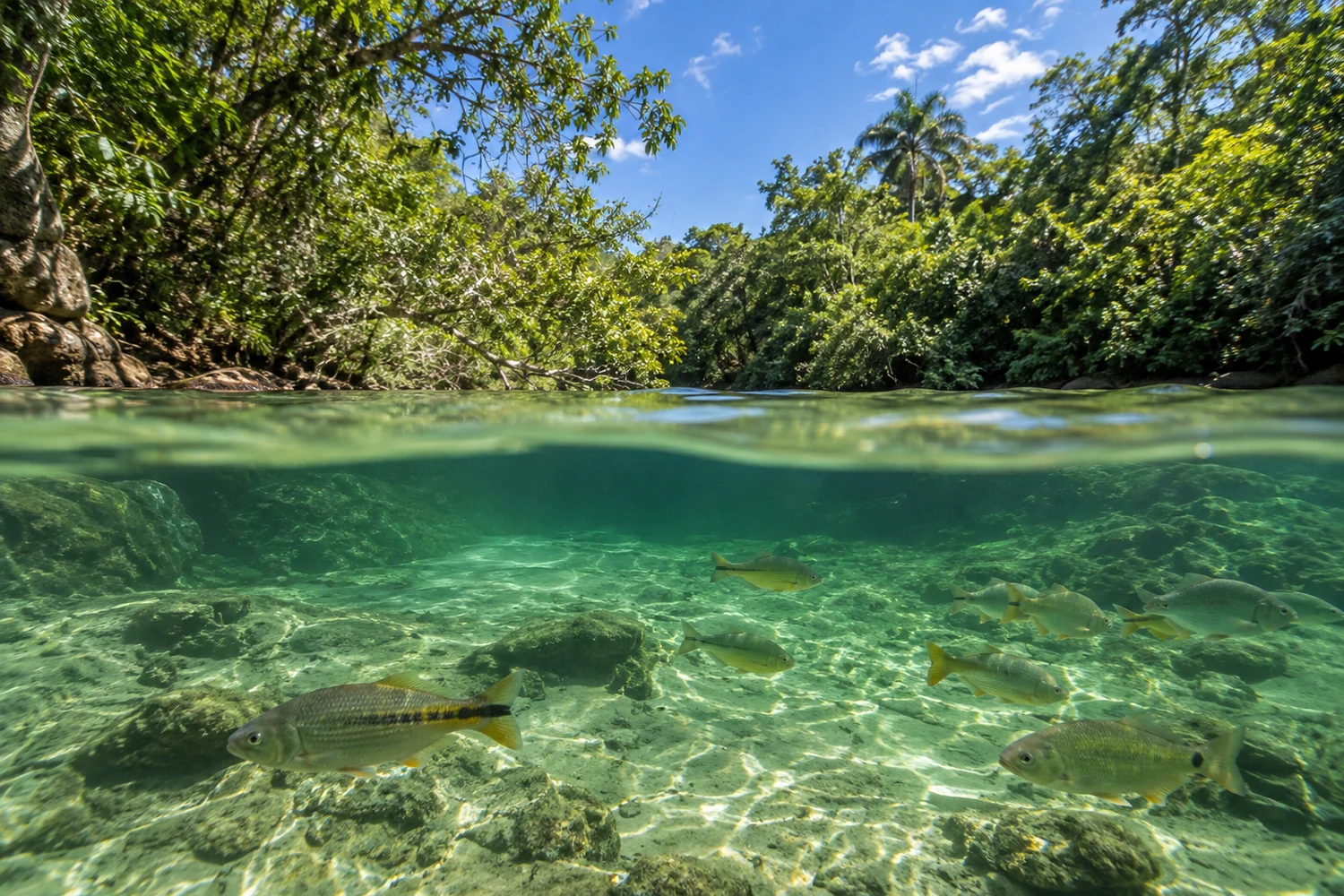
In the district of Marzagão, this crystal-clear river is explored on a float of about 1.2 km. Along the way you see aquatic plants, limestone formations on the riverbed and fish such as piraputangas and dourados.
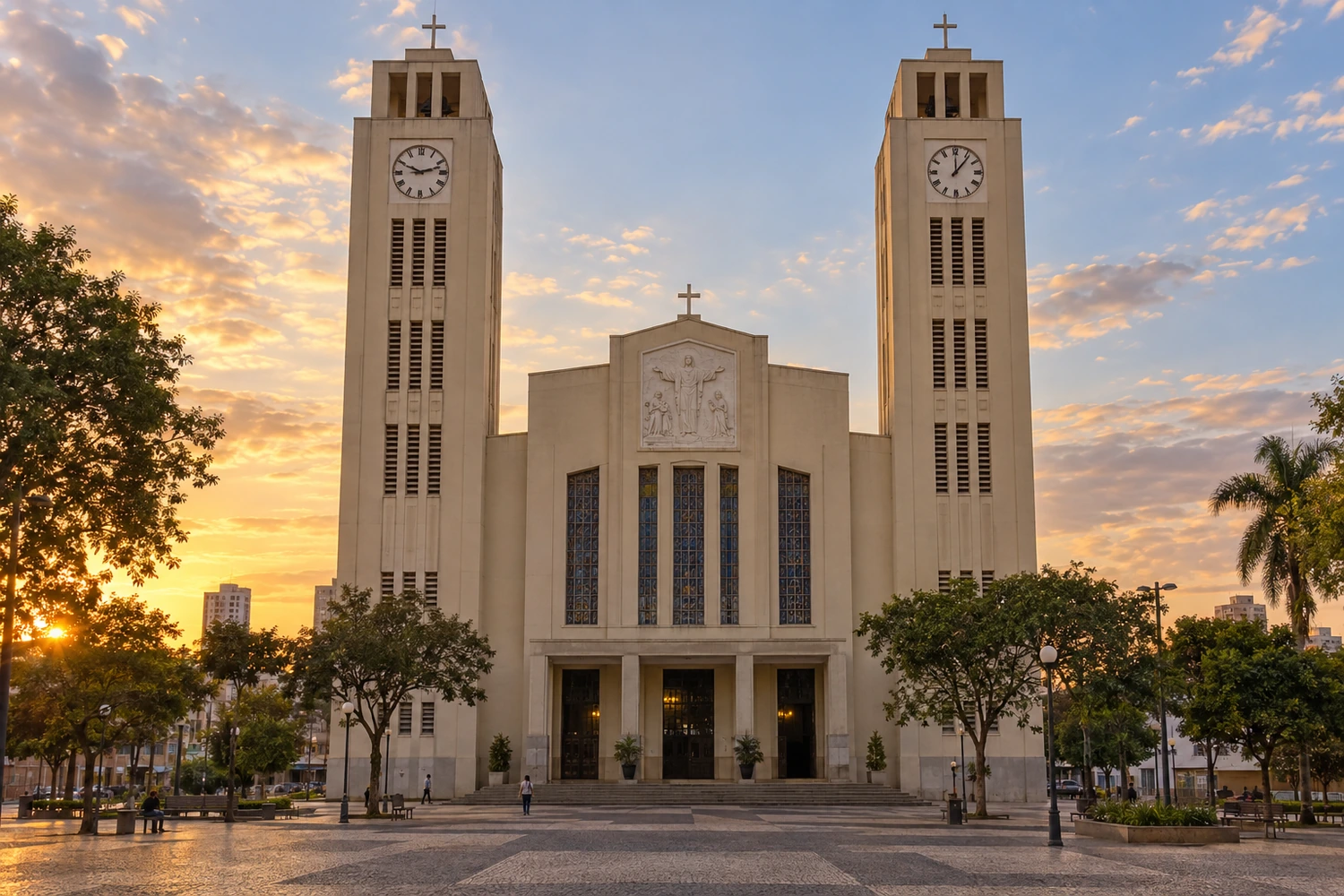
Completed in 1973 on the site of the old main church demolished in 1968, it is about 40 meters tall and 100 meters long. Inside, a 20-meter mosaic of Christ the King by Polish artist Arystarch Kaszkurewicz dominates the altar.
Discover Catedral Basílica do Senhor Bom Jesus
A long, demanding trail to the top of the highest hill in the park, with a 360-degree view over the plateau and the Pantanal in the distance. You need a guide and set out early.
Discover Morro de São Jerônimo
A short trail leads to the main spring of the Rio Salobra (river), the starting point for a float of about 1 km over more than 600 upwellings. Along the way you can see fish and the wildlife of the riverside forest.
One of the largest sandstone caves in Brazil, with tunnels more than a kilometer long, and the nearby Lagoa Azul (Blue Lagoon) with intensely colored water. The tour combines a hike, a cave and a swim.
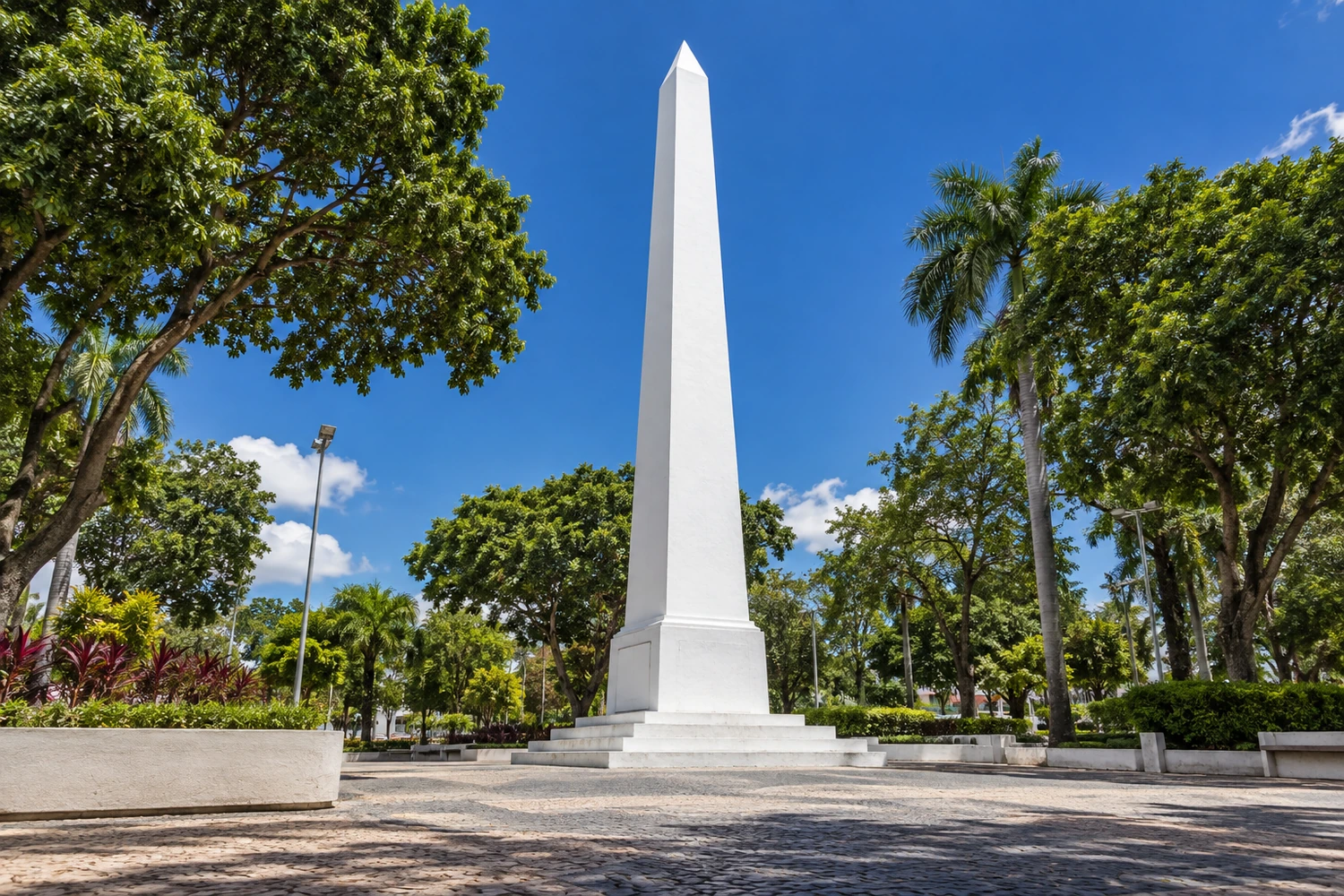
An obelisk on Praça Pascoal Moreira Cabral that marks the point Marshal Rondon calculated in 1909 as the center of the continent. The original marker is still visible inside the monument, which appears on the city flag.
Discover Centro Geodésico da América do Sul
In the Bom Jardim area, it offers a float of about 710 meters down the Rio Salobra (river) and a swimming area reached by trail. It is next to Aquário Encantado and Reino Encantado.
Viewpoints overlooking the Rio Claro valley, with a hike and a swim in the river. It makes for a full day out.
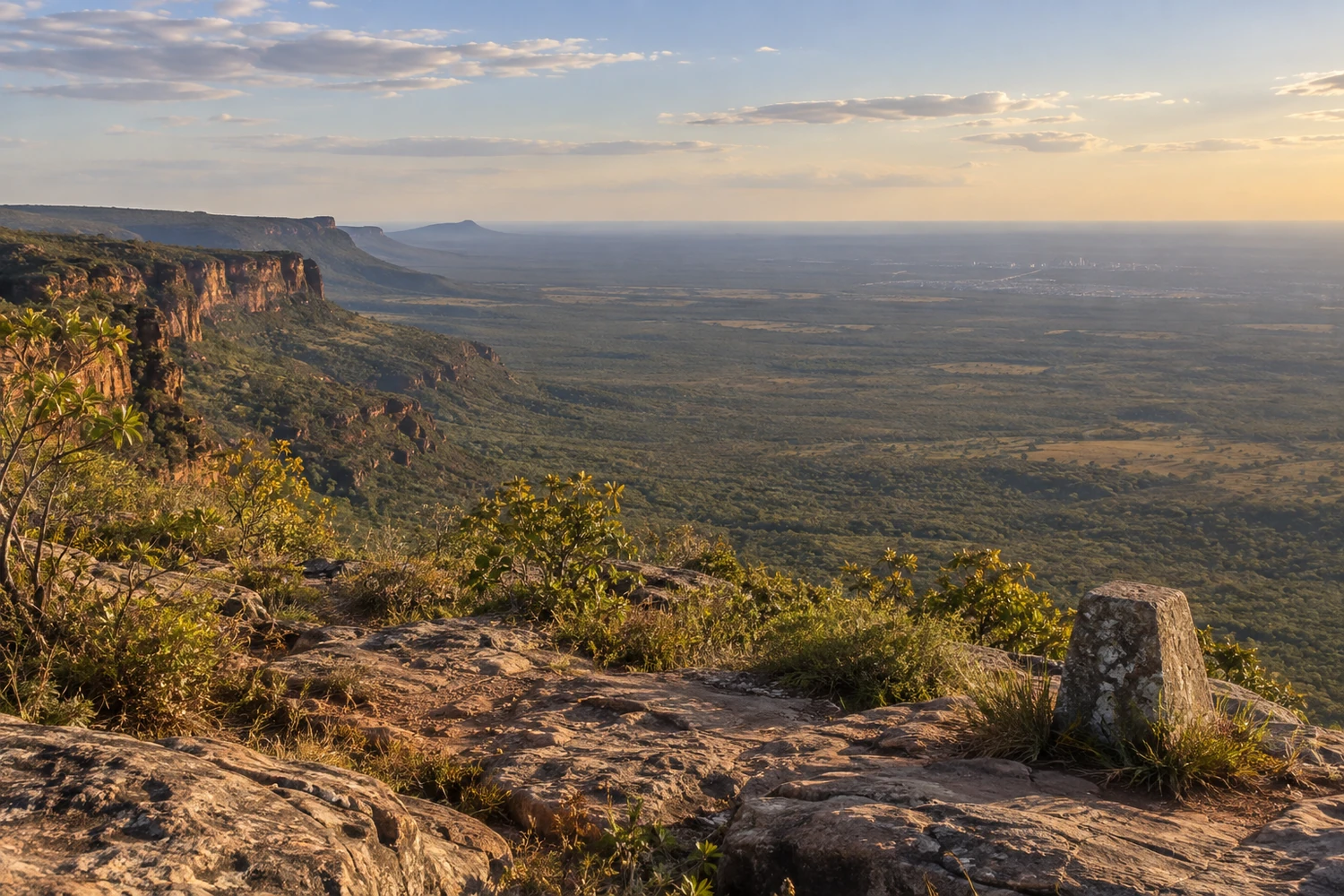
A viewpoint named after the geodesic center of South America (the official marker is in Cuiabá), with a sweeping view over the Cuiabá region. Good for understanding the whole geography before heading out on the trails.
Discover Mirante do Centro Geodésico
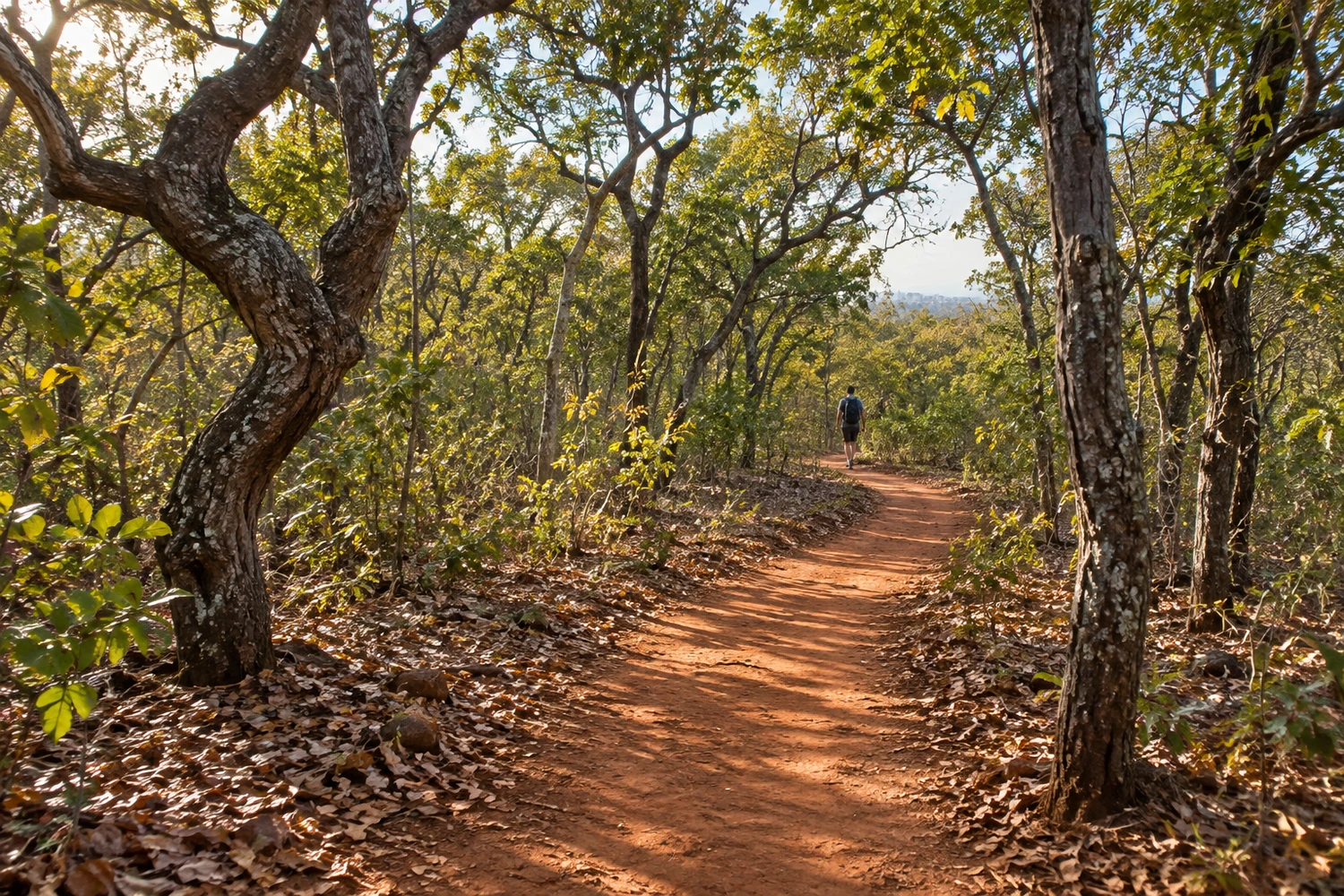
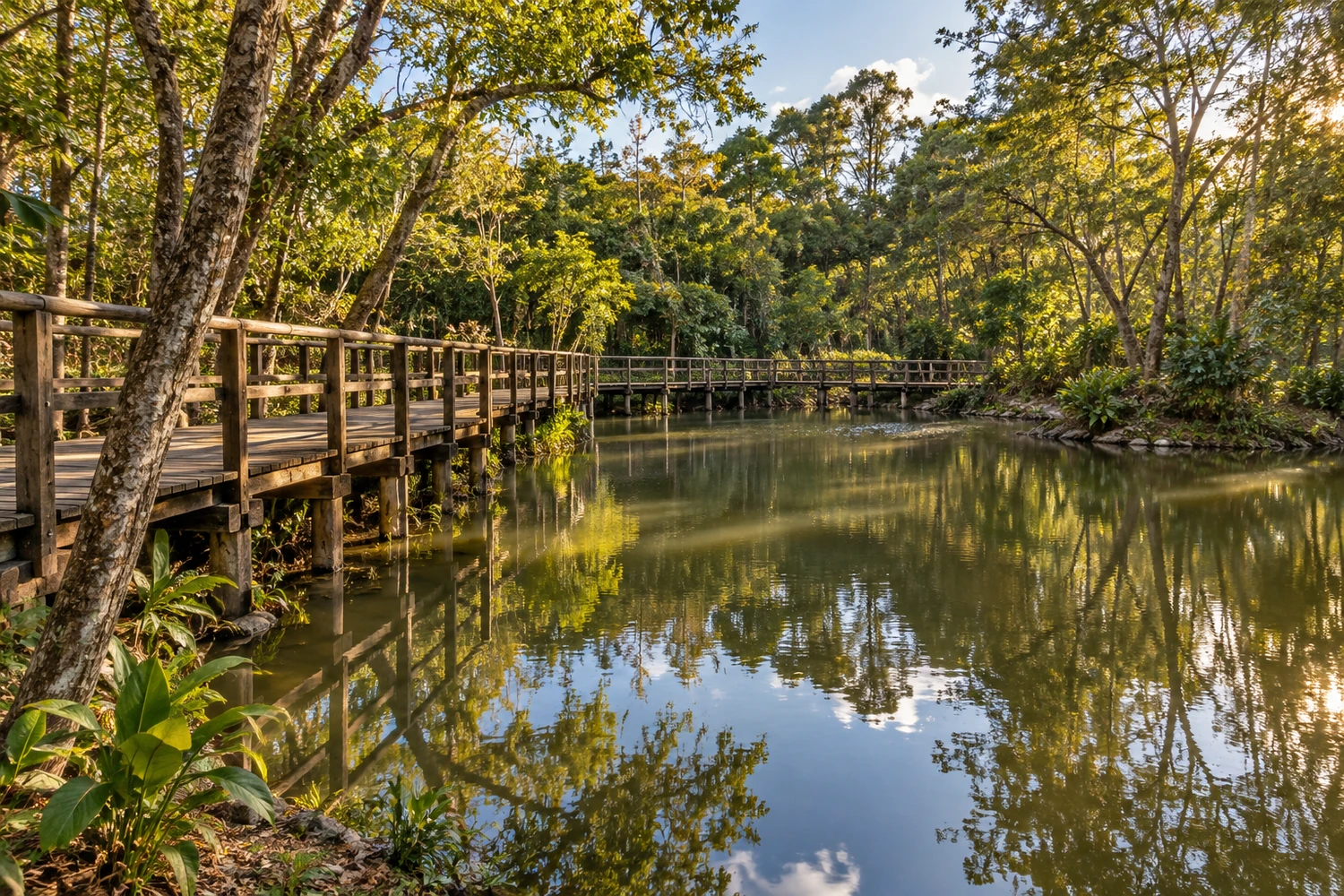
Opened in 2000, it preserves 77 hectares of cerrado (Brazilian savanna) right in the urban area, with trails, a viewpoint and an environmental education center. The name honors a Black woman who lived in the area in the 19th century and is surrounded by legends.
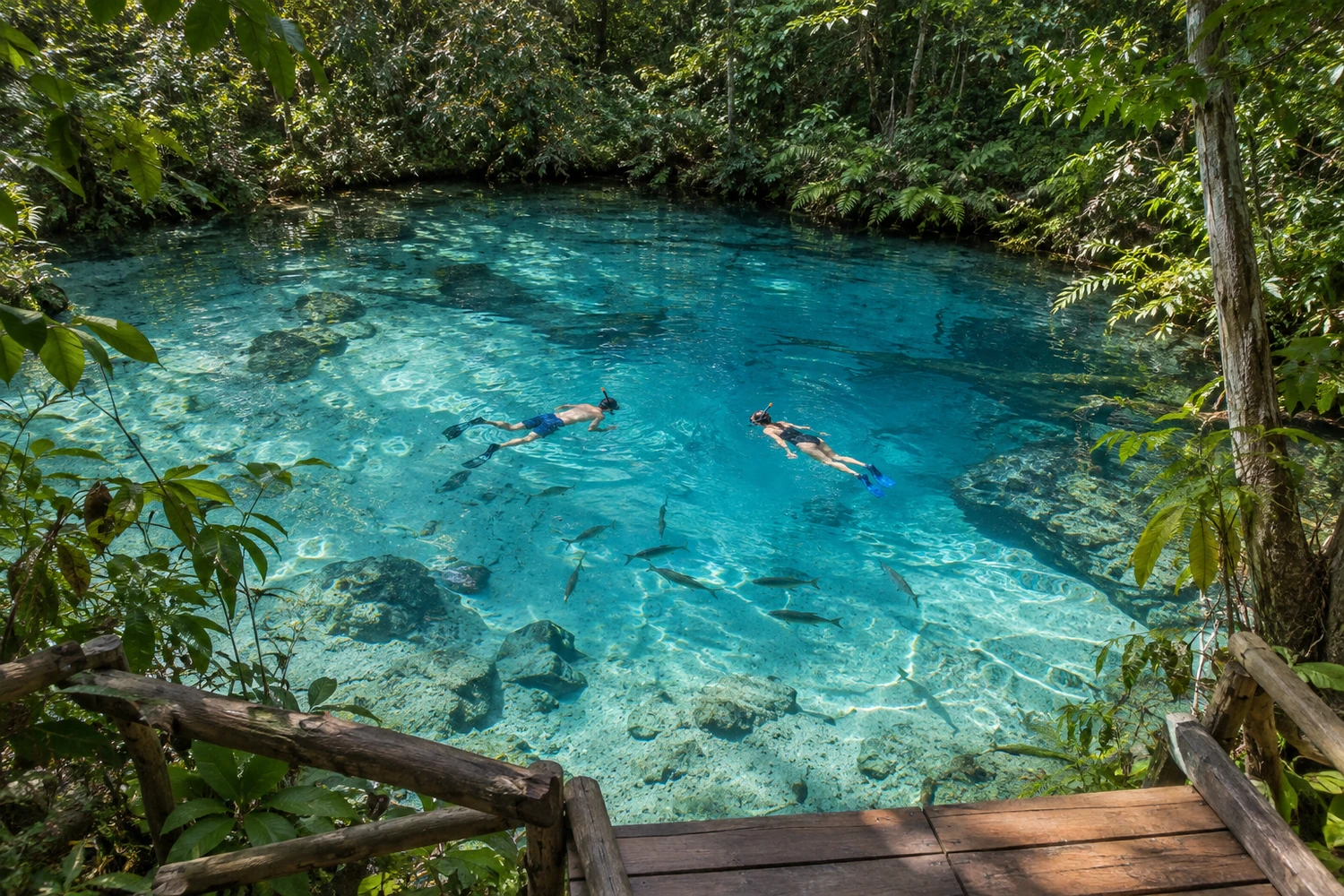
A spring of clear blue water where you snorkel surrounded by schools of piraputanga and dourado fish. Visibility reaches several meters.
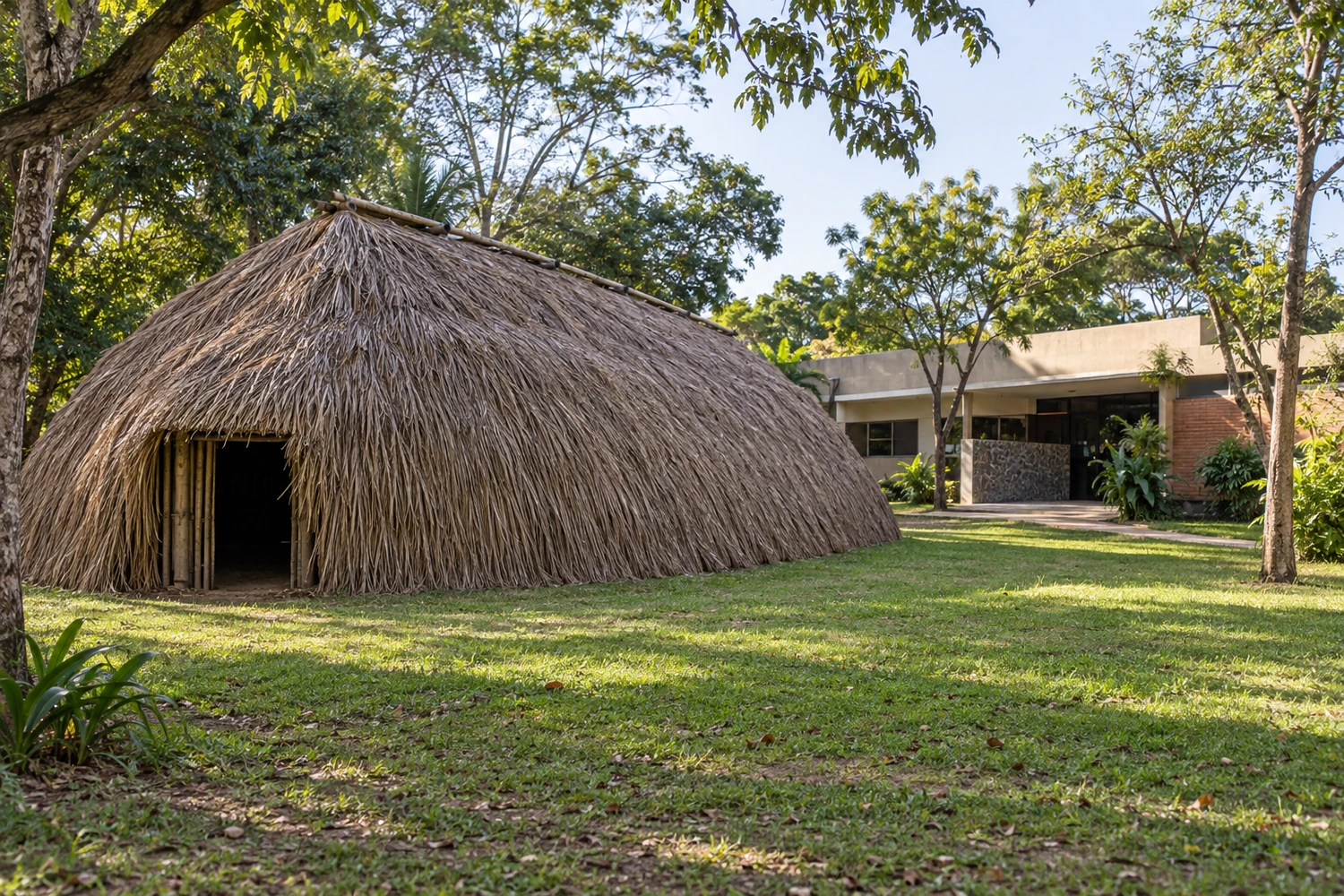
Part of the Federal University of Mato Grosso, it opened in 1973 on the capital's campus and holds a collection from the state's Indigenous peoples. Next to the building is a reference house built in 2008 with the participation of Kurâ-Bakairi Indigenous people.
Discover Museu Rondon de Etnologia e Arqueologia
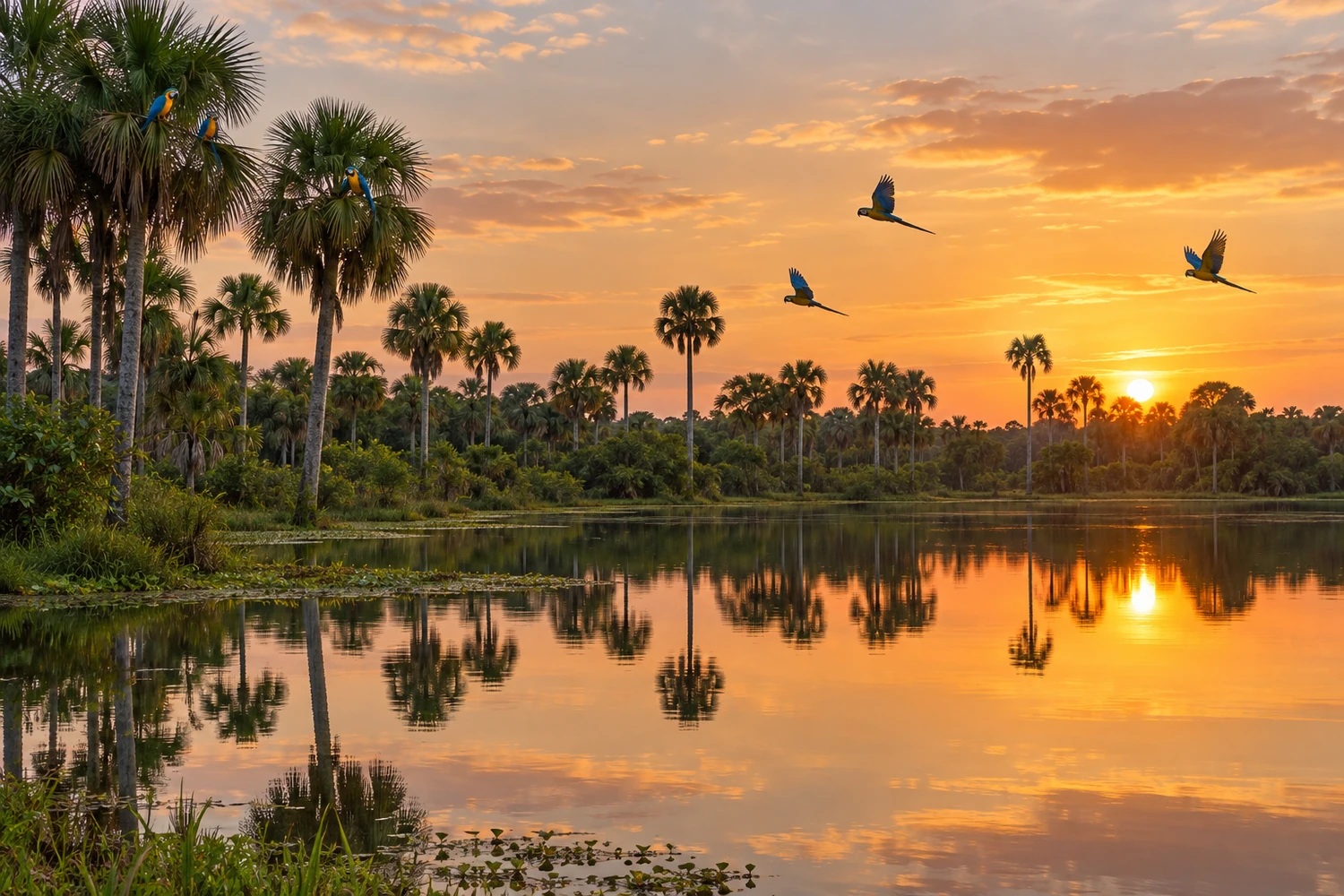
A lagoon surrounded by palm trees where dozens of blue-and-yellow macaws arrive to roost in the late afternoon. The show of flight and noise lasts only a few minutes and is worth the trip.
It protects the springs of the Barbado stream, a tributary of the Rio Cuiabá (river), and has about 2 km of trails through native vegetation. It also has a viewpoint, a reflecting pool and the Praça Nações Indígenas (square), dedicated to the memory of the state's peoples.
Discover Parque Estadual Massairo Okamura
Your base to explore
Where you stay is part of the trip. Choose the area that best fits your itinerary.
A chain hotel on Avenida Isaac Póvoas, in downtown Cuiabá, with a pool, gym and event rooms. It caters to business travelers and tourists passing through on their way to the Pantanal and Chapada.
A simple hotel in downtown Rosário Oeste, next to a gas station at the intersection of Avenida Coronel Artur Borges and the MT-010. It caters to travelers passing through on the highway and visitors to the town.
A pousada (guesthouse) on the MT-241, in the district of Bom Jardim, in Nobres, surrounded by nature and with breakfast included for all rooms. It serves as a base for snorkeling tours and the region's swimming spots.
A pousada (guesthouse) on Avenida Penhasco, in the Bom Clima neighborhood, on the edge of the Chapada dos Guimarães escarpment, with a pool, sauna and game room. It caters to families and couples who use the town as a base for their outings.
A traditional hotel on Rua Joaquim Murtinho, in downtown Cuiabá, behind the Cathedral, with a restaurant serving Cuiabá cuisine and meeting rooms. It works well for business travelers.
A pousada (guesthouse) on the MT-241 highway, in the village of Bom Jardim, a district of Nobres, with a pool and hammocks. It books tours to the region's attractions and is a good fit if you are going snorkeling.
A rural pousada (guesthouse) on the Rodovia Emanuel Pinheiro (MT-251), next to the National Park, with a private reserve, trails and its own restaurant. It suits travelers looking for nature and wildlife watching.
A pousada (guesthouse) with four suites facing the Chapada cliffs, in a preserved area on the Estrada do Atimã, with its own restaurant also open to the public. It is ideal for couples looking for peace and quiet.
A hotel on Avenida Miguel Sutil, in Ribeirão da Ponte, near the Goiabeiras and Estação Cuiabá shopping malls, with a restaurant, spa and convention center. It caters to executives, event attendees and tourists passing through the capital.
A rustic ecotourism pousada (guesthouse) in the district of Bom Jardim, in Nobres, surrounded by gardens and green areas, with a river snorkeling tour. It caters to guests looking for rest and contact with nature among the district's attractions.
Flavors of the destination
A restaurant and draft-beer bar open since 1974 on Praça 8 de Abril, known as Praça do Choppão, one of the most traditional spots in Cuiabá. It is famous for its escaldado cuiabano (a hearty egg and meat broth) and large portions for sharing.
A bar and restaurant on the MT-241 highway, in Nobres, with a sweeping view of the cerrado, pools and a suspended walkway, popular for spending the afternoon and watching the sunset. It serves Brazilian food to visitors touring the area.
A restaurant with a viewpoint on the Estrada do Mirante, off the MT-251, with a panoramic view of the Chapada cliffs. It serves regional food, with fish such as pacu, and is a classic stop for visitors to the region.
A snack bar and pizzeria on the MT-241, in the village of Bom Jardim, in Nobres, with pizzas and Brazilian dishes. It is a simple option for a meal if you are staying in the village and spending the day at the region's rivers.
Chef Ariani Malouf's contemporary restaurant on Rua Presidente Castelo Branco, in the Quilombo neighborhood, which turned 20 in 2026. It is a benchmark of fine dining in Cuiabá and recommended for dinners and special occasions.
A trattoria on Rua Quinco Caldas, in downtown Chapada dos Guimarães, with Italian pasta and dishes made with regional ingredients. It is a convenient option for lunch or dinner after your outings.
A restaurant serving Brazilian and international cuisine at the start of the Rodovia Emanuel Pinheiro (MT-251), as you arrive in the town of Chapada dos Guimarães, with a view praised by visitors. It caters to couples and families who want a more special meal before or after their outings in the National Park.
A Cuiabá-style restaurant at the Museu do Rio, on the Rio Cuiabá waterfront, in the Porto neighborhood, open since 1982. It serves typical recipes buffet-style, such as maria isabel (rice with dried beef), mojica de pintado (catfish and cassava stew) and banana farofa, and is a sure stop if you want to try the capital's traditional cuisine.
Before you go
A little planning leaves more time to enjoy the journey.
Fly to Cuiabá: Chapada dos Guimarães is about 65 km away via the MT-251, and Nobres about 145 km via the BR-163 and MT-241.
From May to September, in the dry season, when the water in Nobres is clearest and the trails on the plateau are safer.
Take your trash with you, follow the signs and support local businesses. In natural areas, follow the visiting guidelines.