

 Brazil
 Antarctica
 Argentina
 Bolivia
 Chile
 Colombia
 Ecuador
 Guyana
 French Guiana
 Falkland Islands (Malvinas)
 Paraguay
 Peru
 Suriname
 Uruguay
 Venezuela
 Germany
 Austria
 Croatia
 Denmark
 Slovakia
 Slovenia
 Spain
 Finland
 France
 Greece
 the Netherlands
 Hungary
 Ireland
 Iceland
 Italy
 Luxembourg
 Norway
 Poland
 Portugal
 the United Kingdom
 the Czech Republic
 Sweden
 Switzerland
 Turkey
 Bermuda
 Canada
 the United States
 Greenland
 Mexico
 Saint Pierre and Miquelon
 the Dominican Republic
 Japan
 South Africa
 Egypt
 Australia
 Fiji
 New Zealand
 Papua New Guinea
Illustrative images. The pictures in this guide are illustrations based on the real place, not photographs, and may differ from it.

Travel for your moment in life · Culture and history
Types of travel
Culture and history
An altarpiece in Ghent, a preserved letter in Ypres and a festival giant in Ath tell very different stories. Follow the one that sparks your curiosity.
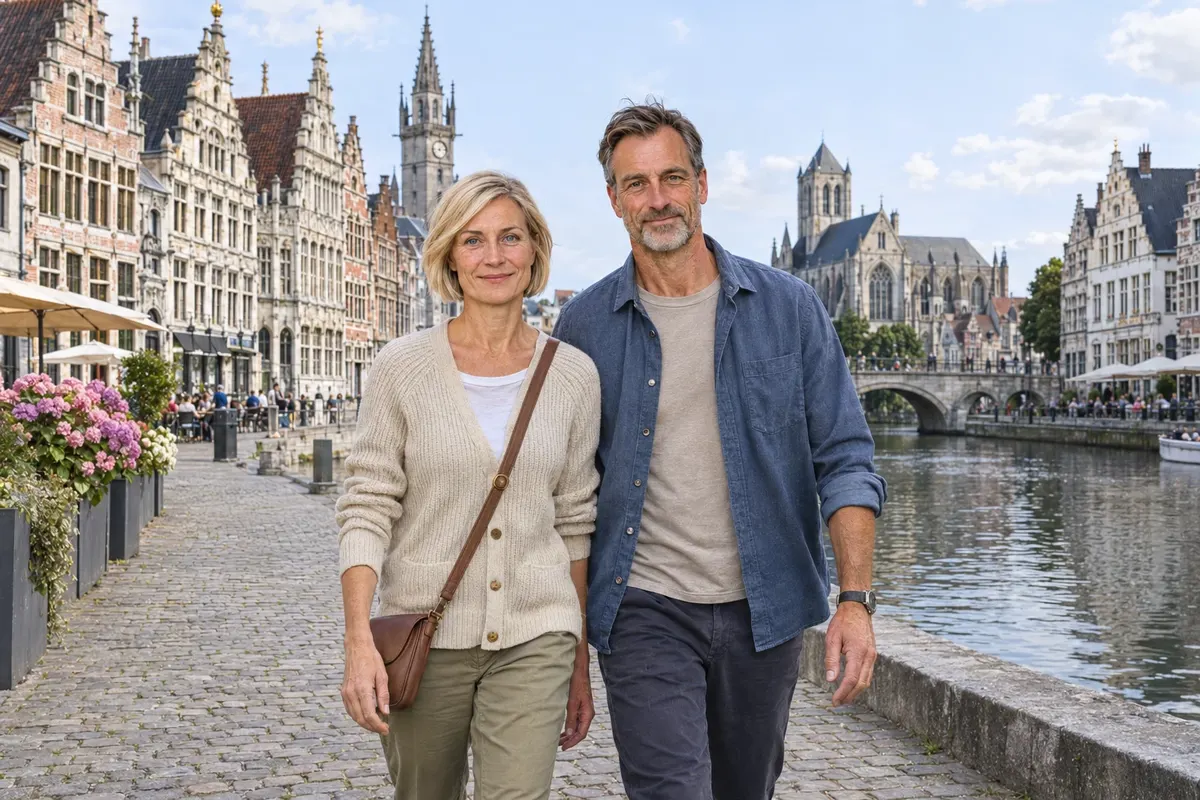
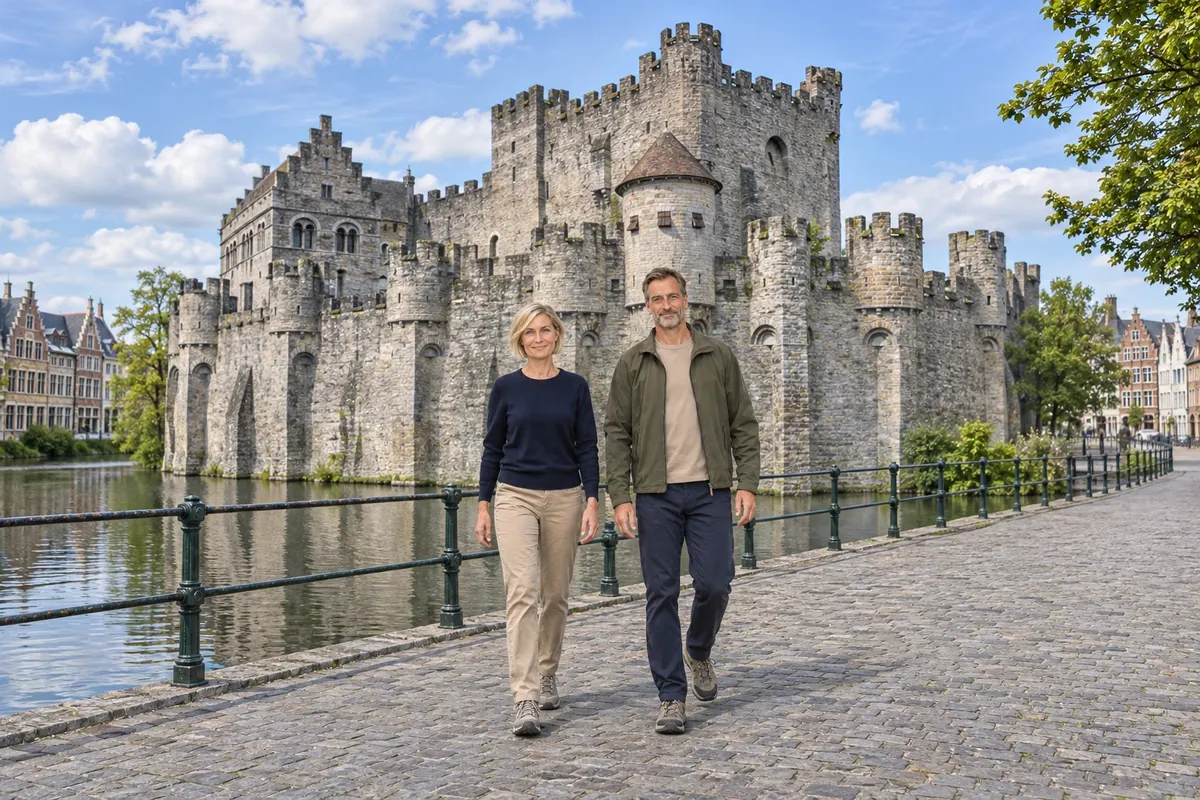
In Ghent, set aside part of your visit just for the Ghent Altarpiece by the Van Eyck brothers. Bring your gaze close to a detail, such as the weave of a garment or the light on a jewel, then step back to notice how the figures are arranged across the panels. In Antwerp, Rubens’s works in the Royal Museum of Fine Arts continue the route through the Flemish masters.
Cultural and heritage travel
Paintings in churches and museums, murals on facades and Art Nouveau architecture invite you to discover Belgium with an attentive eye for materials and details.
Explore the Cultural and heritage travel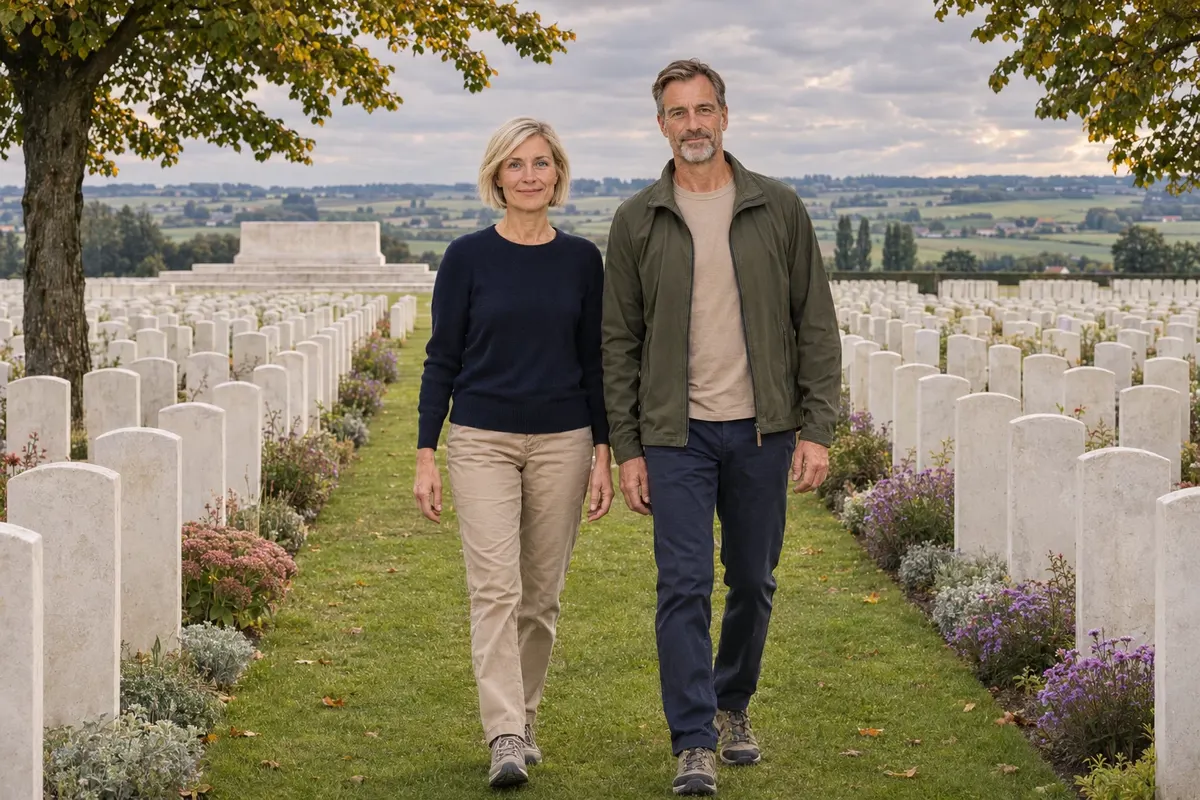
Historical memory
Ypres, Waterloo and La Roche-en-Ardenne mark events from different eras. Local collections bring the history closer to the places and the people it affected.
Explore the Historical memory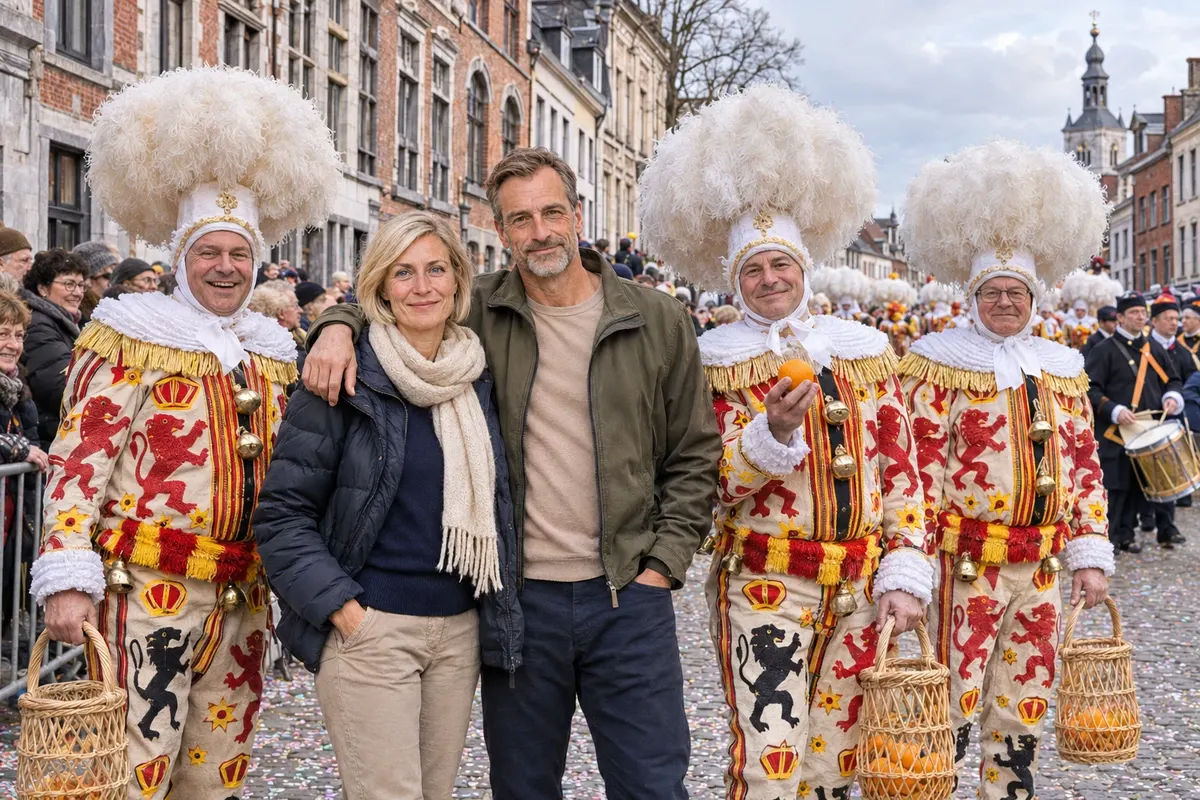
Popular festivals
The Gilles of Binche, the dragon of Mons and the giants of Ath each play their own role in their city’s festival. Knowing the characters helps you follow the procession.
Explore the Popular festivalsFrom painting in Ghent to comics in Brussels
In Brussels, drawing is also read on the streets. Pick a few comic murals that are close to each other and find the spot on the pavement from which you can see the whole scene. At the Belgian Comic Strip Center, attention returns to the scale of the page. The building itself, with Art Nouveau elements, gives you reason to look up between one sequence of panels and the next.
Ypres and Waterloo through the eyes of those who lived the history
In Ypres’s old Cloth Hall, the museum about the First World War presents the context for visiting the region’s sites of memory. It’s worth following one testimony to the end before moving on to the next room. Then, in Zonnebeke, look on the map for the places mentioned in the accounts. It’s a way to understand the distances and the scale of what happened there.
Waterloo tells a different story. At the Wellington Museum, installed in the former headquarters, visitors find the human side of the 1815 battle. For the Second World War, La Roche-en-Ardenne preserves documents and objects linked to the fighting in the Ardennes. These are visits that require time for reading. With children, check the subjects of the rooms in advance and choose what makes sense to experience together.
What to watch for in the processions of Binche, Mons and Ath
At Binche Carnival, the Gilles give the procession its identity. In Mons, the wait for Saint George’s combat with the dragon gives the Doudou a storyline that even first-time visitors can follow. In Ath, look above the crowd to see the procession giants, then notice who coordinates their movements at street level.
The date of the festival guides the choice of base and arrival day. Check the edition’s program, learn the route of the procession and look for a spot that makes it easy to leave afterwards. Travelers who plan to sketch, photograph or simply listen to the band may prefer a section with more space, even if it is far from the center of the celebration.
Beyond the guide


