

 Brazil
 Antarctica
 Argentina
 Bolivia
 Chile
 Colombia
 Ecuador
 Guyana
 French Guiana
 Falkland Islands (Malvinas)
 Paraguay
 Peru
 Suriname
 Uruguay
 Venezuela
 Germany
 Austria
 Croatia
 Denmark
 Slovakia
 Slovenia
 Spain
 Finland
 France
 Greece
 the Netherlands
 Hungary
 Ireland
 Iceland
 Italy
 Luxembourg
 Norway
 Poland
 Portugal
 the United Kingdom
 the Czech Republic
 Sweden
 Switzerland
 Turkey
 Bermuda
 Canada
 the United States
 Greenland
 Mexico
 Saint Pierre and Miquelon
 the Dominican Republic
 Japan
 South Africa
 Egypt
 Australia
 Fiji
 New Zealand
 Papua New Guinea
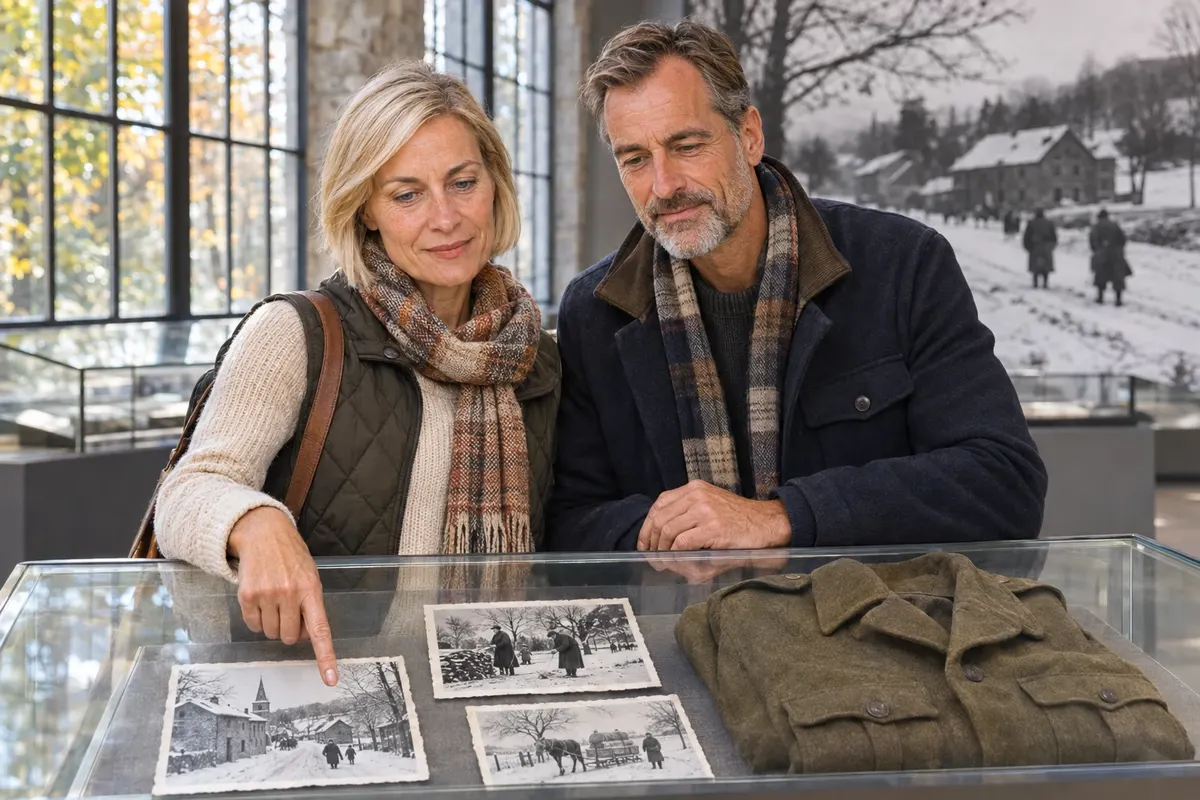
Illustrative images. The pictures in this guide are illustrations based on the real place, not photographs, and may differ from it.


Historical memory
Battle of Waterloo
Visit the old Waterloo inn where Wellington received news and wrote his dispatch after the 1815 battle.
Waterloo gave its name to the battle of June 18, 1815 for a reason that is better understood inside a house. It was in the town centre, at the former Bodenghien inn, that the Duke of Wellington wrote the dispatch about the allied victory and Napoleon’s defeat. Wellington dated the document in Waterloo on June 19.
The inn today houses the Wellington Museum. The rooms and the writing table mark the hours when the duke was in the town. The prints invite you to step mentally out of the house to see the field where the troops fought.
Wellington’s two nights at the inn
Wellington spent the night before and the night after the battle at the inn. On entering, imagine what had changed between those two nights for the people who used the house. On the first night there was the expectation of battle. On the second, besides sending the news of victory, it was necessary to care for the wounded and account for the losses.
Wellington’s room and that of his aide-de-camp Alexander Gordon bring the two stories closer together. Gordon was wounded in the battle and died in Waterloo. Knowing the name of someone who stayed there changes the meaning of a visit to the room. Among so many images of troops seen collectively, the house preserves the memory of a person who did not return to their family.
The table and the name of the battle
The table on which Wellington drafted his dispatch is one of the museum’s most important pieces. It helps clear up a common confusion when planning the visit. The inn stood in the village from which the dispatch was sent. To understand where the fighting took place, you need to locate the battlefield in relation to that address.
Compare the two dates, June 18 and 19. The first marks the clash. The second situates the moment when the commander gathered the news to compose his account. After that stop, check the dates on the prints on display. An image produced years later can reveal how the battle came to be remembered by those who did not even witness it.
The 1815 terrain in maps and prints
Before following the movements shown on a campaign map, find a road, a rise, and a farmhouse. See how those landmarks appear in a print. A modest hill in the drawing can hide much of the land from someone viewing it at eye level. It’s a way to read the landscape even if your visit is limited to the museum’s rooms.
In the prints, also notice how the artist arranged the figures. Who occupies the foreground? Is there space for the wounded? Returning to Gordon’s room after looking at one of these scenes, you will have two ways to recall the same day: the collective image of the battle and the trajectory of one of the men who were there.
How to organize a visit to Waterloo
When planning your trip, mark the Wellington Museum in central Waterloo as the address of the inn. If you want to include a walk across the historic field, check separately the starting point, the route, and the return. They are visits with different paces. A rainy day allows you to examine the pieces and rooms of the former headquarters at leisure.
For a family visit, propose following the journey of a news report. Where was it written, where did it leave from, and why do we still use that name? The table, the house, and a map are enough to build the answer.
Frequently asked questions
Where is Wellington’s former headquarters?
At the former Bodenghien inn in central Waterloo, today home to the Wellington Museum. The commander stayed there on the nights of June 17 and 18, 1815.
What to see in the museum if I have little time?
Prioritize the rooms linked to Wellington and to Gordon and the table where the dispatch was drafted. Those stops connect the battle’s outcome to the people who passed through the house.
Can I learn the story of Waterloo without touring the battlefield?
Yes. A visit to the inn allows you to understand the campaign through the prints, the recollections, and the building itself. The field adds another perspective for those who have time to walk it.
Where to go: Battle of Waterloo
Pick a region or type what you are looking for to see the cities and who offers it in each.
More activities in Historical memory

Beyond the guide


