

 Brazil
 Antarctica
 Argentina
 Bolivia
 Chile
 Colombia
 Ecuador
 Guyana
 French Guiana
 Falkland Islands (Malvinas)
 Paraguay
 Peru
 Suriname
 Uruguay
 Venezuela
 Germany
 Austria
 Croatia
 Denmark
 Slovakia
 Slovenia
 Spain
 Finland
 France
 Greece
 the Netherlands
 Hungary
 Ireland
 Iceland
 Italy
 Luxembourg
 Norway
 Poland
 Portugal
 the United Kingdom
 the Czech Republic
 Sweden
 Switzerland
 Turkey
 Bermuda
 Canada
 the United States
 Greenland
 Mexico
 Saint Pierre and Miquelon
 the Dominican Republic
 Japan
 South Africa
 Egypt
 Australia
 Fiji
 New Zealand
 Papua New Guinea
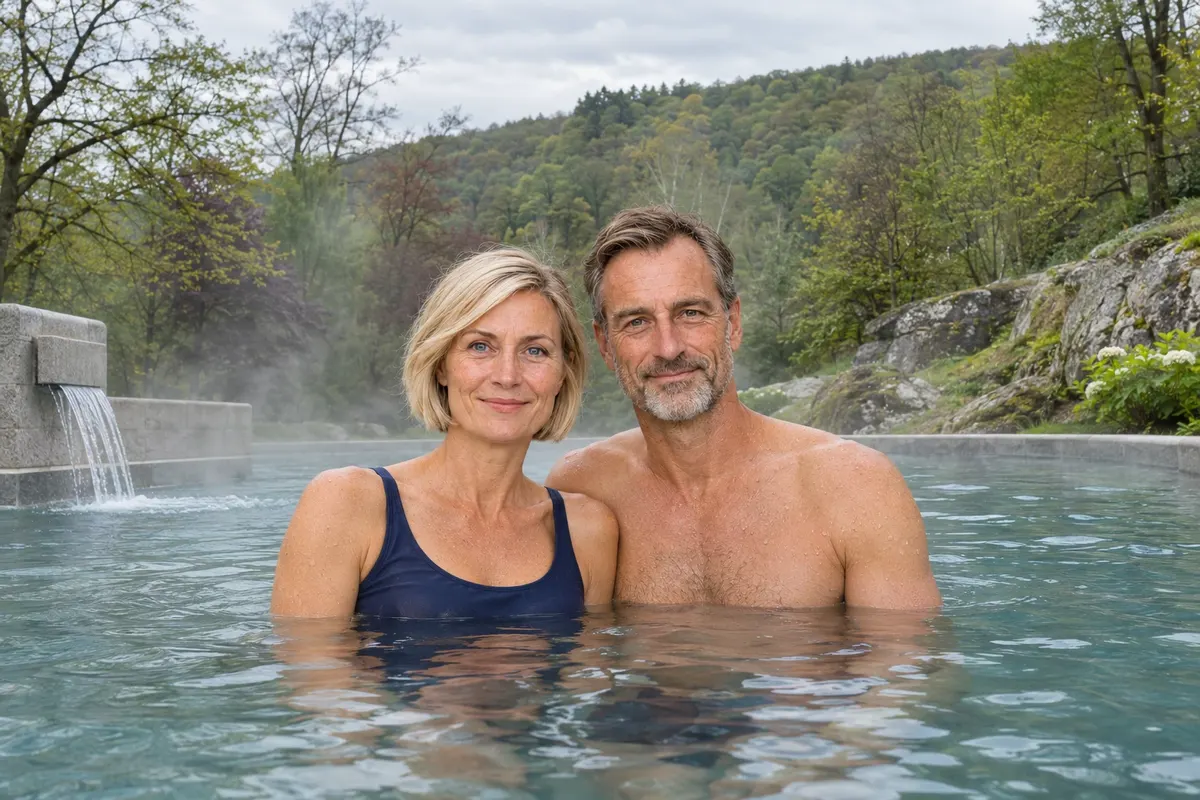
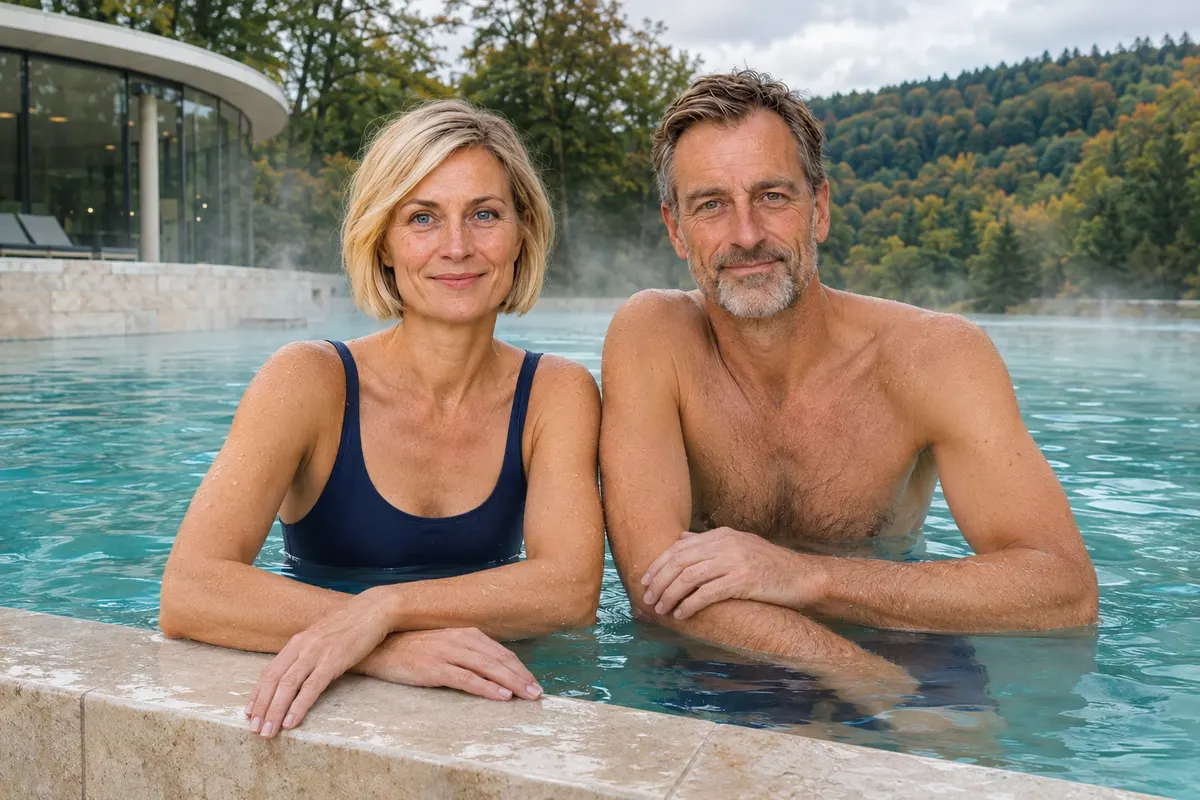
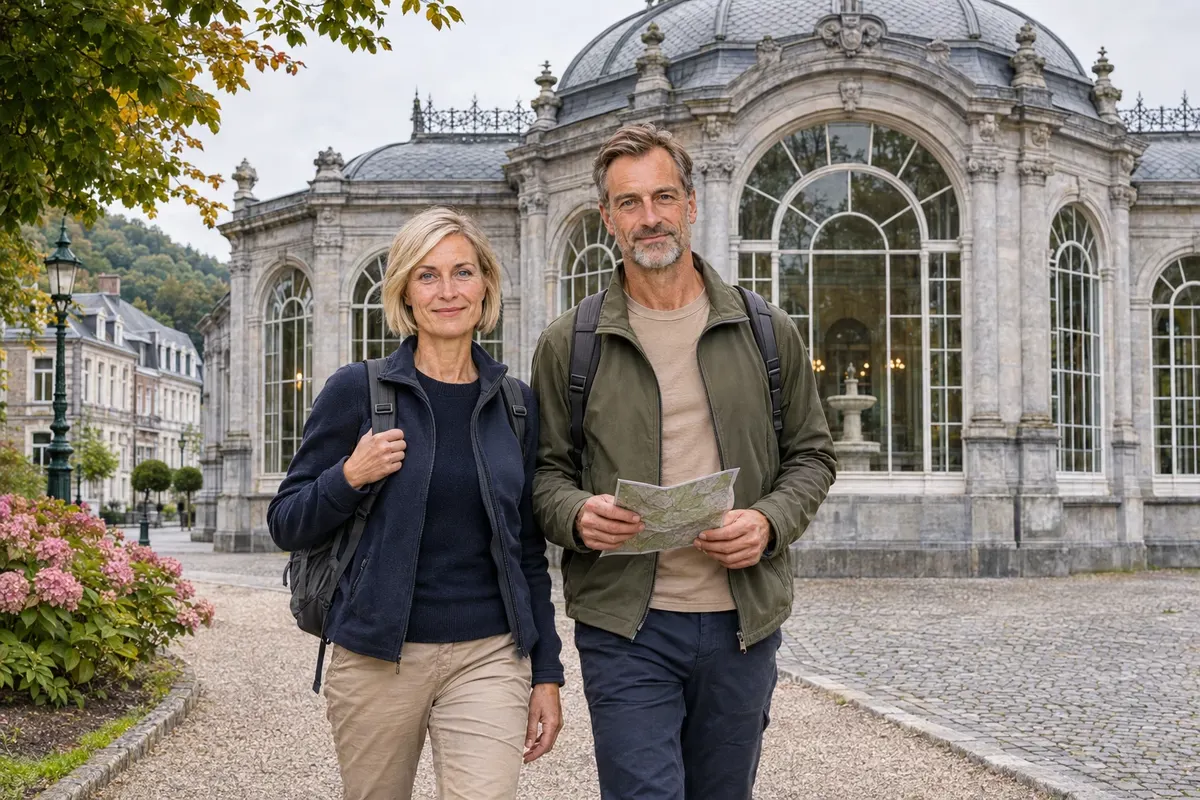
Illustrative images. The pictures in this guide are illustrations based on the real place, not photographs, and may differ from it.

Wellness and spirituality
Thermal waters in Belgium
In Spa, the mineral water supplies the pools on the hilltop and wells up beneath a pavilion in the center. Between the two lies the town that gave its name to spas.
In the Belgian town of Spa there are two ways to spend a day around the water. One begins in swimwear, among the jets of the Thermes de Spa pools. The other begins in shoes, in front of the Pouhon Pierre-le-Grand spring. There you understand why so many people traveled to that Ardennes valley to drink a glass of mineral water and why they ended up staying for an entire season.
Where to go in Belgium
Pick a region or type what you are looking for to see the cities and who offers each activity.
It’s worth seeing the town from above before exploring it on foot. From the top of the bathing hill you can see the houses at the bottom of the valley and the wooded slopes. That landscape was part of life at the resort. Visiting a spring, strolling outdoors and meeting other visitors along the way occupied much of the day for those who came to take the waters.
Mineral-water bath on Spa’s heights
The Thermes de Spa occupy a modern building on the Annette et Lubin hill. The pool water comes from the Clémentine spring and reaches the bather warmed. The source of the water and the temperature at which it is used are two different pieces of information. Anyone expecting to find a bubbling hot spring in the middle of the woods will find here a bathing establishment built for bathing, with changing rooms, pools, and relaxation areas.
In the indoor pool, the glass roof lets you see the sky, and the windows follow the curves of the edge. There are places to stay almost motionless, seated on the bubbles, and others where the force of the jets is felt in the shoulders and back. Outside, what mainly changes is the landscape. On a cool day, you can feel the air temperature on your face while your body remains in the warm water.
Those who like the ritual of old bathing houses can look for individual baths in copper tubs. These are services that require their own reservation. To spend a few hours in the pools, look for the ticket option that gives access to the communal baths. That distinction matters when choosing what to do and timing your visit.
A glass of water under the Pouhon pavilion
In the center of Spa, look for the Pouhon Pierre-le-Grand. The word pouhon appears at several springs in the region and refers to the place where the water is drawn. At this one, an eight-sided pavilion covers the spring. Its water is rich in iron and naturally fizzy, characteristics you can perceive in the taste and the small bubbles. Check locally for the conditions to sample it.
The pavilion and the former winter garden form a single ensemble. The transition from a small space next to the spring to a large hall tells something about the resort. People could arrive to drink the water and stay there to talk, sheltered from the cold or the rain. The current building was inaugurated in 1880, long after the spring had already been attracting visitors.
Among the memories of those seasons is the Livre d’Or, Spa’s Book of Gold. Despite the name, it is a painting. Antoine Fontaine brought together in the same scene people who visited the town in different centuries. Seeing the painting after observing the spring helps imagine the fame that water reached when traveling to the Ardennes required much more time.
The paths that linked the springs to the town
Spa grew in the valley, while several of its springs are on the wooded slopes. Between those two environments, paths opened for visitors. Going from one spring to another gave a reason to walk, and the return brought movement back to the center. The layout of the streets and promenades preserves part of that history even for those who do only a short stretch.
In the center, Parc de Sept-Heures and the covered gallery Léopold II show the social side of the season. Walking under the trees or beneath the iron structure allowed people to see other visitors and be seen by them. The gallery is a good continuation for those leaving the Pouhon who still want to walk a little without moving away from the town’s streets.
Those who prefer to extend the walk toward the woods can consult the trail map at the Pouhon tourist office. The routes that climb the slopes take more time than a circuit of the park. Before setting out, check the incline, choose where you plan to return, and allow for the return route if there is a marked entrance at the thermes.
How to split your day between the valley and the hill
For first-time visitors, starting in the center gives context to the bath. Reserve the first part of your visit for the Pouhon and for a short walk. Afterwards, go up to the Thermes de Spa. It is a distinct change of perspective. What looked from the street like a wooded slope becomes the vantage point from which you can see the town’s rooftops.
The reverse order works for those who prefer to book the baths right on arrival. In that case, check the pavilion’s visiting hours first. Walking through the center is the most flexible part of the day. On a map, use the full name Thermes de Spa to locate the current entrance. The old bathing establishment that appears in the center forms part of the resort’s heritage.
One day allows you to try both activities if the walk is short. With an overnight stay, you can dedicate an entire session to the baths and choose another morning to walk to a more distant spring. Those passing through Spa for only a few hours make the most of their time by choosing a priority, especially if they want to sample the water, see the painting, and explore the pavilion at leisure.
What changes with the weather and company
In months with short days, do the walk while there is light to observe the façades and the valley’s relief. If it rains, the winter garden and the covered parts of the thermes allow you to keep most of the program. In open weather, leave a larger margin for the outdoor route, especially if the idea is to leave the center via the slopes.
For those traveling with family, the minimum age for entry to the thermes deserves attention before booking. The heritage walk lets you adjust the route to everyone’s energy. A group with different interests can visit the spring together, separate for the baths or the walk, and arrange to meet again in the center, without having to carry all the pool gear along the way.
Frequently asked questions
Where to bathe in mineral waters in Belgium?
In Spa, in Wallonia, the Thermes de Spa offer indoor and outdoor pools fed by the Clémentine spring. The bathing establishment sits above the town center, on the Annette et Lubin hill.
Are the Pouhon Pierre-le-Grand and the Thermes de Spa in the same place?
They are two visits at different points in town. The Pouhon houses the historic spring in the center. To enter the pools, go up to the Thermes de Spa on the hilltop.
Do you need to enter the thermes to get to know Spa?
You can dedicate the outing to the springs and the architecture. Start at the Pouhon pavilion, see the old winter garden, and continue through the town to the park's covered gallery.
What to bring for a day of bathing and walking?
Pack swimwear, a towel and a dry change of clothes in a bag. For the sections through town, wear comfortable shoes and bring a layer appropriate for the weather you expect when leaving the pools.
Why is the town of Spa so well known?
The fame of its springs and bathing seasons was so great that its name came to designate wellness establishments. In the Belgian town you can still see the spring, walk along the old promenades and end the day in the water.
Beyond the guide


