

 Brazil
 Antarctica
 Argentina
 Bolivia
 Chile
 Colombia
 Ecuador
 Guyana
 French Guiana
 Falkland Islands (Malvinas)
 Paraguay
 Peru
 Suriname
 Uruguay
 Venezuela
 Germany
 Austria
 Croatia
 Denmark
 Slovakia
 Slovenia
 Spain
 Finland
 France
 Greece
 the Netherlands
 Hungary
 Ireland
 Iceland
 Italy
 Luxembourg
 Norway
 Poland
 Portugal
 the United Kingdom
 the Czech Republic
 Sweden
 Switzerland
 Turkey
 Bermuda
 Canada
 the United States
 Greenland
 Mexico
 Saint Pierre and Miquelon
 the Dominican Republic
 Japan
 South Africa
 Egypt
 Australia
 Fiji
 New Zealand
 Papua New Guinea
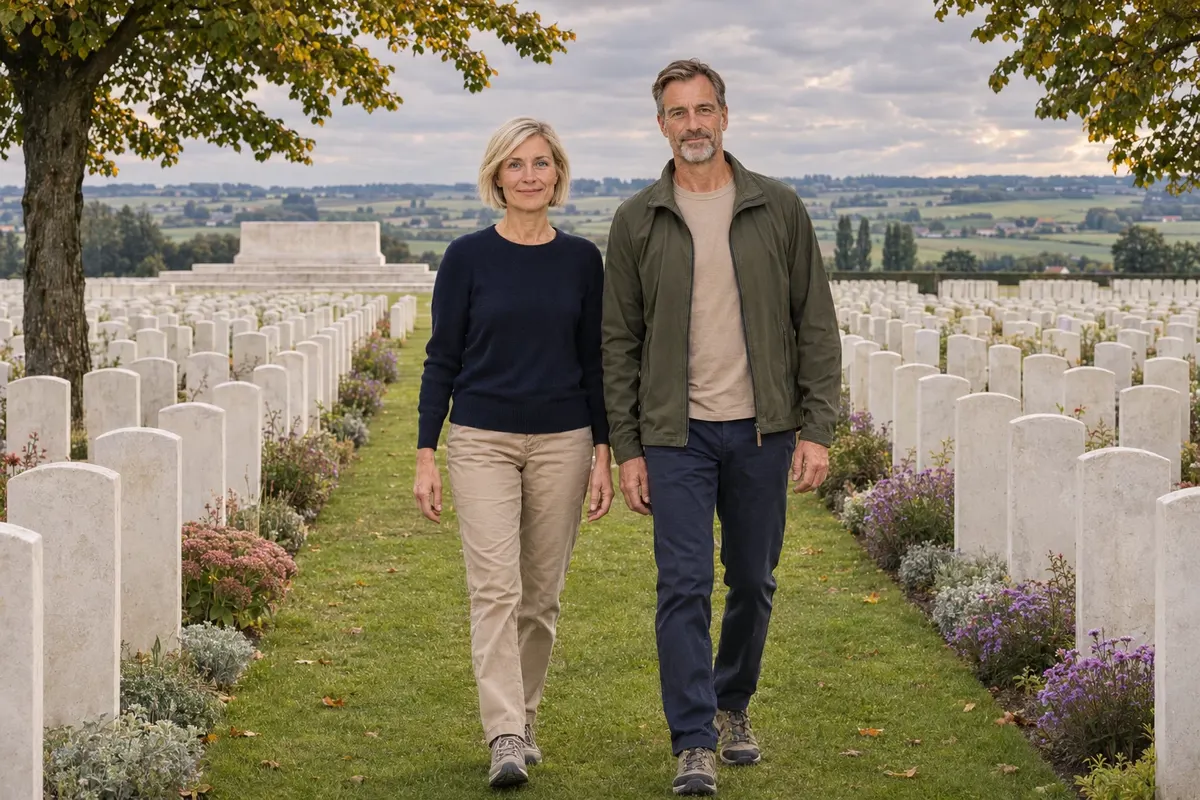
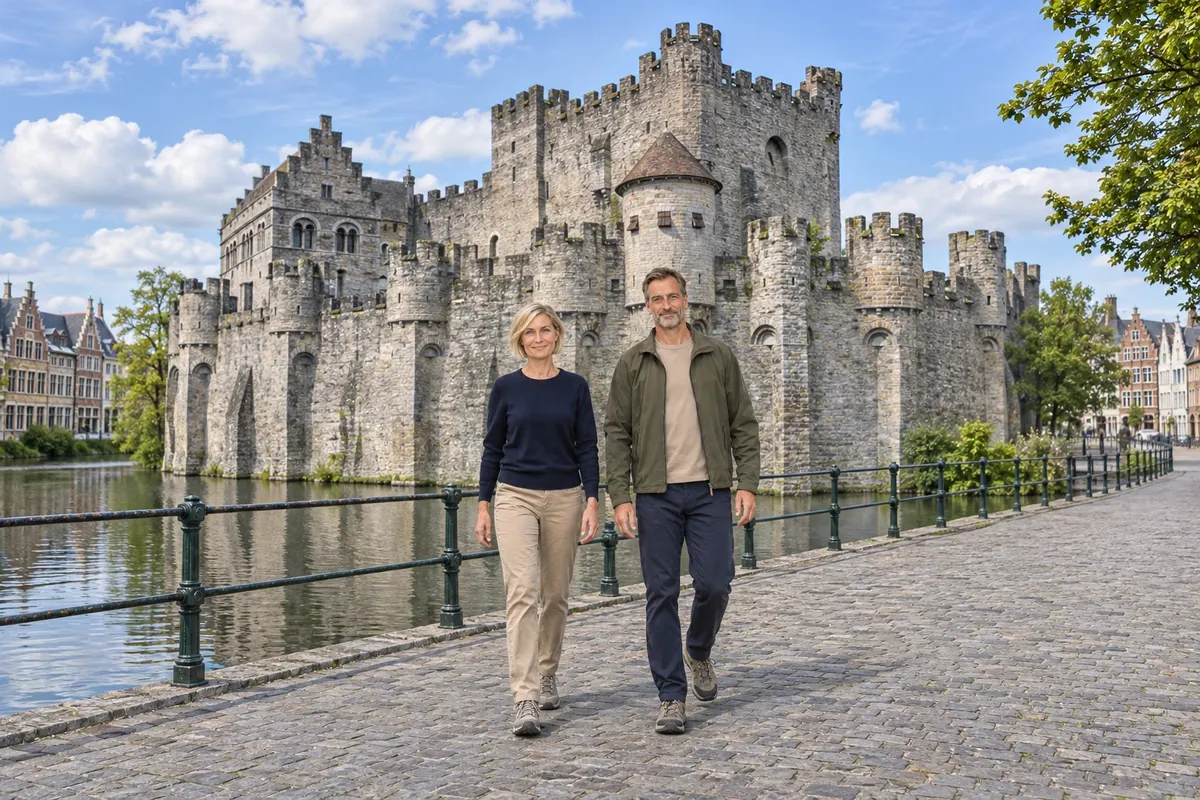
Illustrative images. The pictures in this guide are illustrations based on the real place, not photographs, and may differ from it.

Culture and history
Historical memory tourism in Belgium
A soldiers’ club in Poperinge, a section of trench on the Yser and an inn in Waterloo hold very different stories of war in Belgium.
On Ypres Market Square, the old Cloth Hall seems an unlikely place to begin understanding the First World War. The building that housed the cloth trade was destroyed during the war and rebuilt afterward. Today, anyone entering to visit the In Flanders Fields Museum has already passed, before the first display case, through part of the history they came to learn about.
Things to do
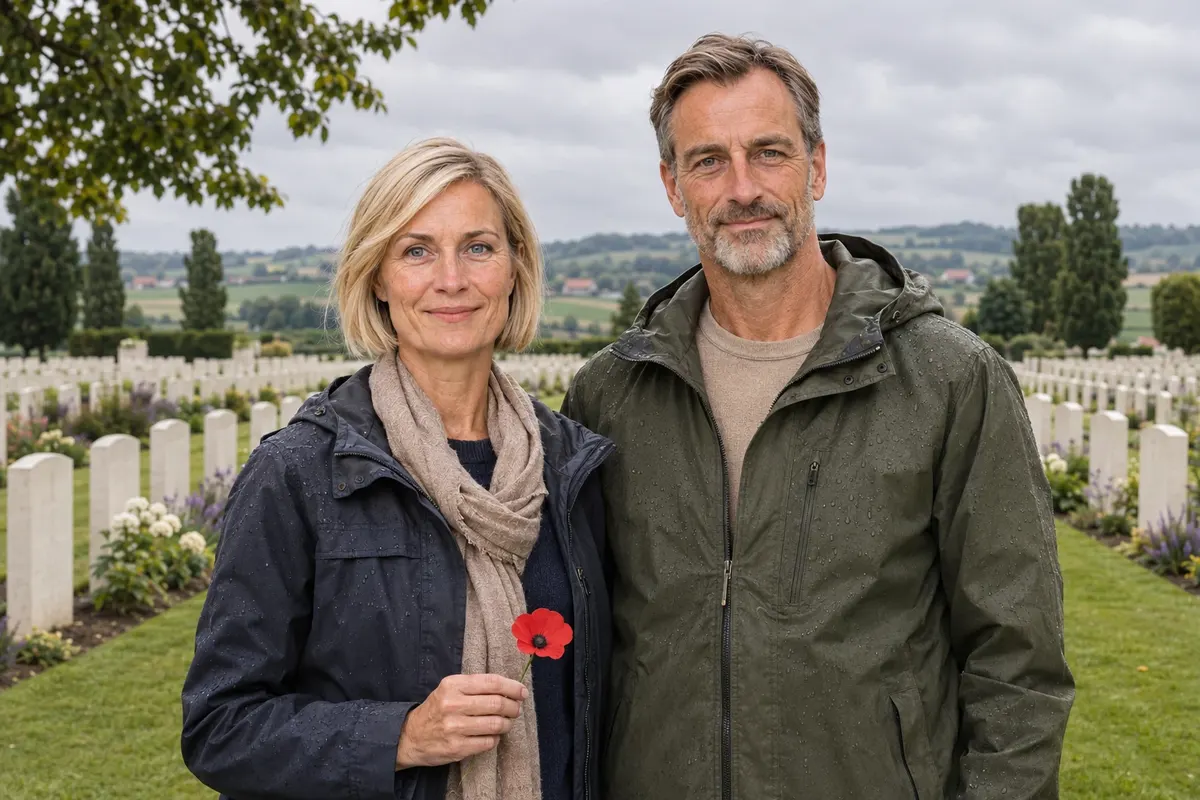
First World War memory
Follow the traces of the Yser front, go into rear-area houses and learn the stories of Dinant’s residents.
Learn more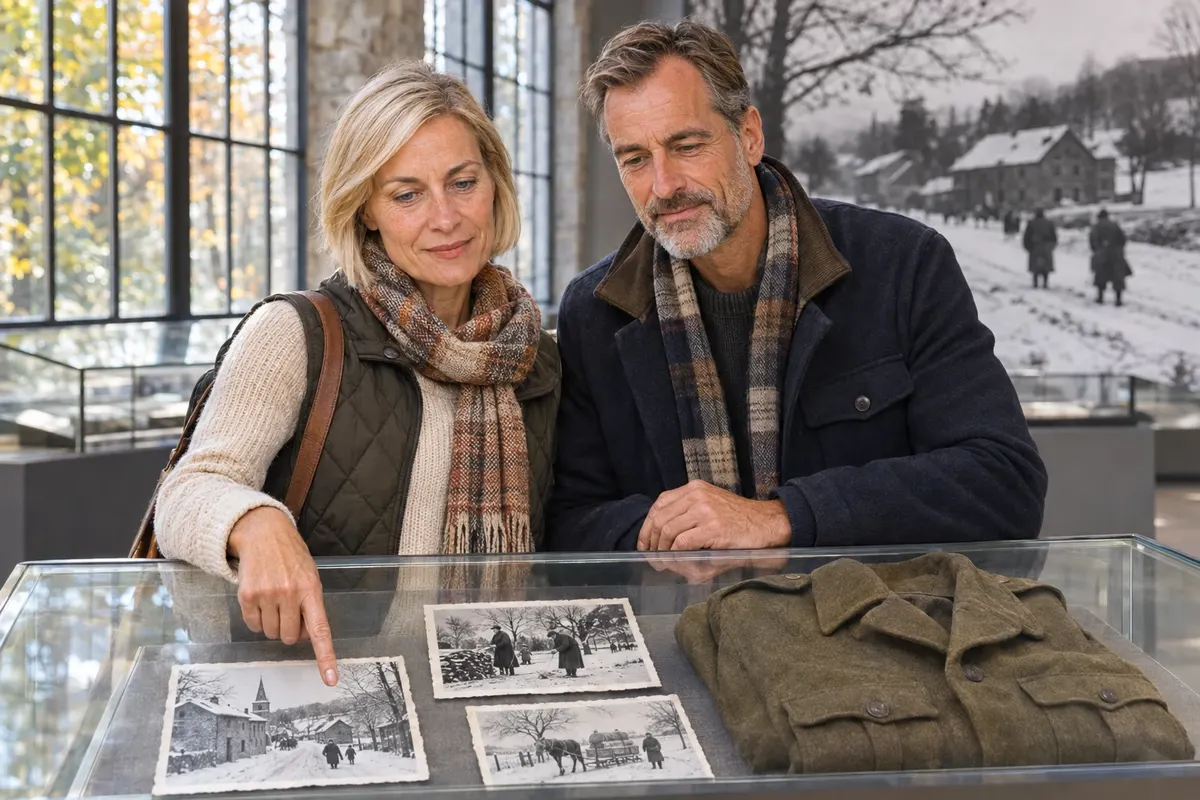
Second World War memory
Experience the winter of 1944–45 in La Roche-en-Ardenne through personal objects and images of the town’s liberation.
Learn more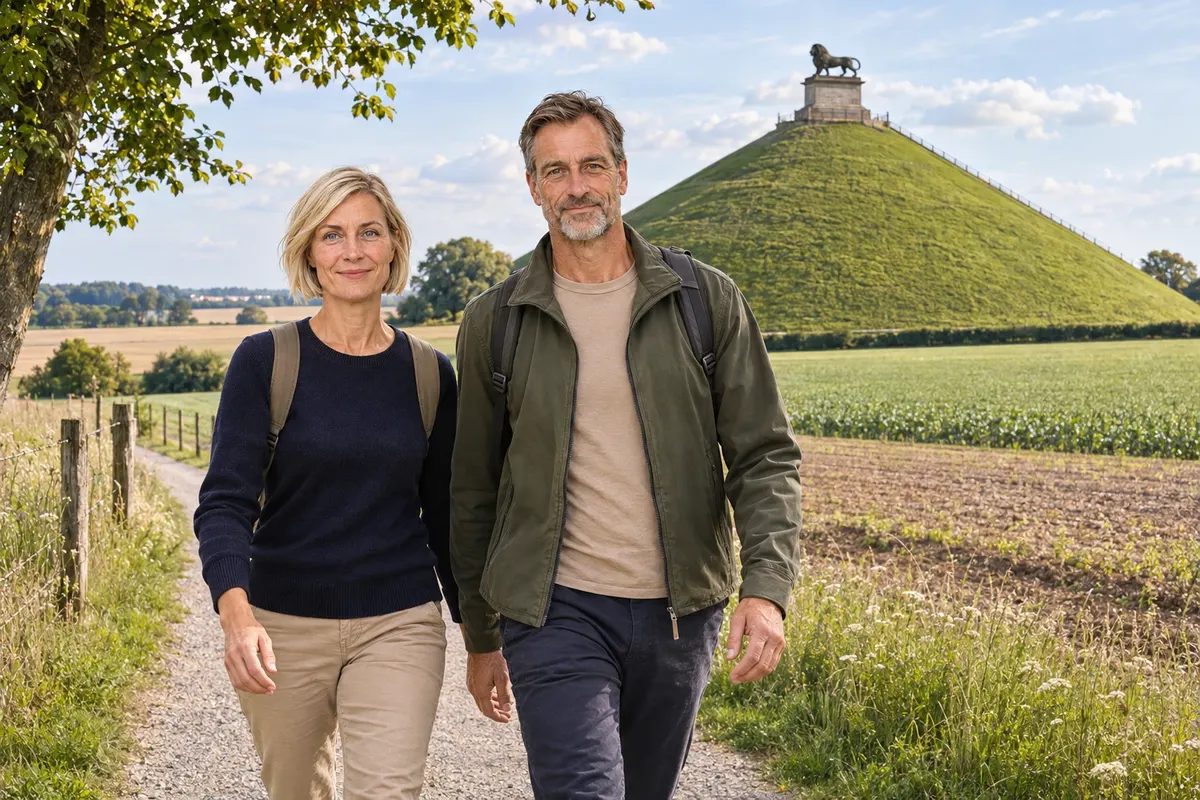
Battle of Waterloo
Visit the old Waterloo inn where Wellington received news and wrote his dispatch after the 1815 battle.
Learn moreWhere to go in Belgium
Pick a region or type what you are looking for to see the cities and who offers each activity.
- Diksmuide WV
- Nieuwpoort WV
- Poperinge WV
- Ypres WV
- Zonnebeke WV
- La Roche-en-Ardenne LX
- Dinant NA
- Waterloo BW
There are other starting points. In La Roche-en-Ardenne, a film lets you see the town in the winter when it was liberated during the Second World War. At Waterloo, a writing table helps explain why a town’s name became associated with Napoleon’s defeat. Which route you choose depends as much on the period you are interested in as on the story you want to follow closely.
Ypres and Zonnebeke in the memory of the First World War
In Ypres, it’s worth remembering the name of a person whose story appears in the museum. Someone who arrived in the town seeking shelter in 1914 had a different experience from someone who had to leave when the front approached. Following where someone came from and where they went gives meaning to dates that, when seen in sequence on a panel, can seem like just a succession of battles.
Zonnebeke continues the visit with the Passchendaele Museum, dedicated to the fighting of 1917 and those who experienced it. Locate Zonnebeke in relation to Ypres before walking through the exhibition. The two towns are close on the map, but the visit shifts subject from the population of a devastated town to the living conditions on the front.
The Yser River and life behind the lines
Diksmuide and Nieuwpoort form a pair for those who like to understand history through the landscape. In Diksmuide, the Dodengang preserves a section of the trenches beside the Yser. Walking it lets you perceive the short distance between the river and the spaces where soldiers spent their days. Note the height of the walls and think about what a person could see from inside them.
In Nieuwpoort, the Westfront is next to the monument to King Albert I and explains the flooding of the plains in 1914. After seeing water at arm’s reach in Diksmuide, it’s easier to understand what happened when it covered an entire stretch of land. Poperinge offers another perspective on the route. At Talbot House, military personnel of different ranks could rest and socialize away from the trenches.
Dinant and La Roche-en-Ardenne through residents’ experience
The citadel of Dinant, above the Meuse, presents the events of August 1914. Seen from above, the town lets you locate the river and understand where the houses were in relation to the fortification. It’s an important stop for anyone interested in the history of civilians. Violence hit Dinant’s families in the very first weeks of the First World War.
The visit to La Roche-en-Ardenne moves forward three decades. In the Battle of the Ardennes museum, images of the liberation in January 1945 record the conditions in which residents found the town. When you return to the street, try to identify the course of the Ourthe valley. The river’s course provides a reference to compare the place today with what appears in the images.
Waterloo through the door of an old inn
In central Waterloo, the Wellington Museum occupies the inn used as the duke’s headquarters in June 1815. The building places the campaign on a domestic scale. There were rooms for sleeping and a table for writing the news of the victory. Mentioning the location in Wellington’s communiqué helped fix the name by which the battle became known.
A good way to make this visit is to look at the house first, then the prints. The inn speaks of the hours before and after the battle. In the images, look for the position of the person who depicted the encounter and the distance that seems to separate them from the figures. An overall view and an account written by a participant answer different questions about the same day.
How to choose stops on a memory itinerary
If you have time for only two visits in Flanders, choose the second according to the first. After Ypres, go to Poperinge if you found yourself wondering what happened to soldiers when they could leave the front. To follow what occurred in the fields around the town, head to Zonnebeke. The combination of Nieuwpoort with Diksmuide allows you to devote the whole outing to the history of the Yser.
Traveling with children can start with a question the place itself helps answer. What was this house used for? Why did people have to leave the town? Check in advance how each exhibition presents violence and leave room to shorten the visit. An object the child can describe in their own words can lead to a long conversation after the visit.
Time for visits and tributes
A rainy day can work for the collections in Waterloo or La Roche-en-Ardenne. In a trench area, the condition of the ground and the exposure to the outdoors make a difference. Check access to the sections you want to see, especially if someone in your group needs mobility support. The museum entrance and the path to a point on the site can be in very different conditions.
Allow a break between leaving the museum and your return transport. Stopping to reread a dedication or to observe a tribute is often precisely what gives meaning to the trip. At memorials and cemeteries, follow the rules for photography and keep the passage clear for those who came to remember a family member.
Frequently asked questions
Which town to choose to start a First World War itinerary in Belgium?
Ypres gathers the panorama of the front and the population’s stories at the In Flanders Fields Museum. If your main interest is the flooding of the Yser, start in Nieuwpoort and then visit the trench sector at Diksmuide.
Where to learn about the Second World War in the Ardennes?
In La Roche-en-Ardenne, the museum dedicated to the battle preserves objects linked to the fighting in the region. Period images let you see the town’s streets at the time of the liberation.
Does the visit to the Wellington Museum take place on the battlefield?
The museum is in the old inn used as headquarters, in central Waterloo. For those who have only part of the day, the house allows you to learn about the 1815 campaign in a visit concentrated at a single address.
Do I need to know military history to enjoy the itinerary?
You can start with a resident’s story, the use of a house or a photograph of the place. A simple map and the dates in the exhibition already help relate that first discovery to the events of the region.
How do I arrange a visit related to my family history?
Bring known spellings of the name and, if available, the year, the place, and a copy of the family document. Check with the institution before you travel to find out whether it holds useful records and whether research requires an appointment.
More in Culture and history
Beyond the guide


