

 Brazil
 Antarctica
 Argentina
 Bolivia
 Chile
 Colombia
 Ecuador
 Guyana
 French Guiana
 Falkland Islands (Malvinas)
 Paraguay
 Peru
 Suriname
 Uruguay
 Venezuela
 Germany
 Austria
 Croatia
 Denmark
 Slovakia
 Slovenia
 Spain
 Finland
 France
 Greece
 the Netherlands
 Hungary
 Ireland
 Iceland
 Italy
 Luxembourg
 Norway
 Poland
 Portugal
 the United Kingdom
 the Czech Republic
 Sweden
 Switzerland
 Turkey
 Bermuda
 Canada
 the United States
 Greenland
 Mexico
 Saint Pierre and Miquelon
 the Dominican Republic
 Japan
 South Africa
 Egypt
 Australia
 Fiji
 New Zealand
 Papua New Guinea
Illustrative images. The pictures in this guide are illustrations based on the real place, not photographs, and may differ from it.

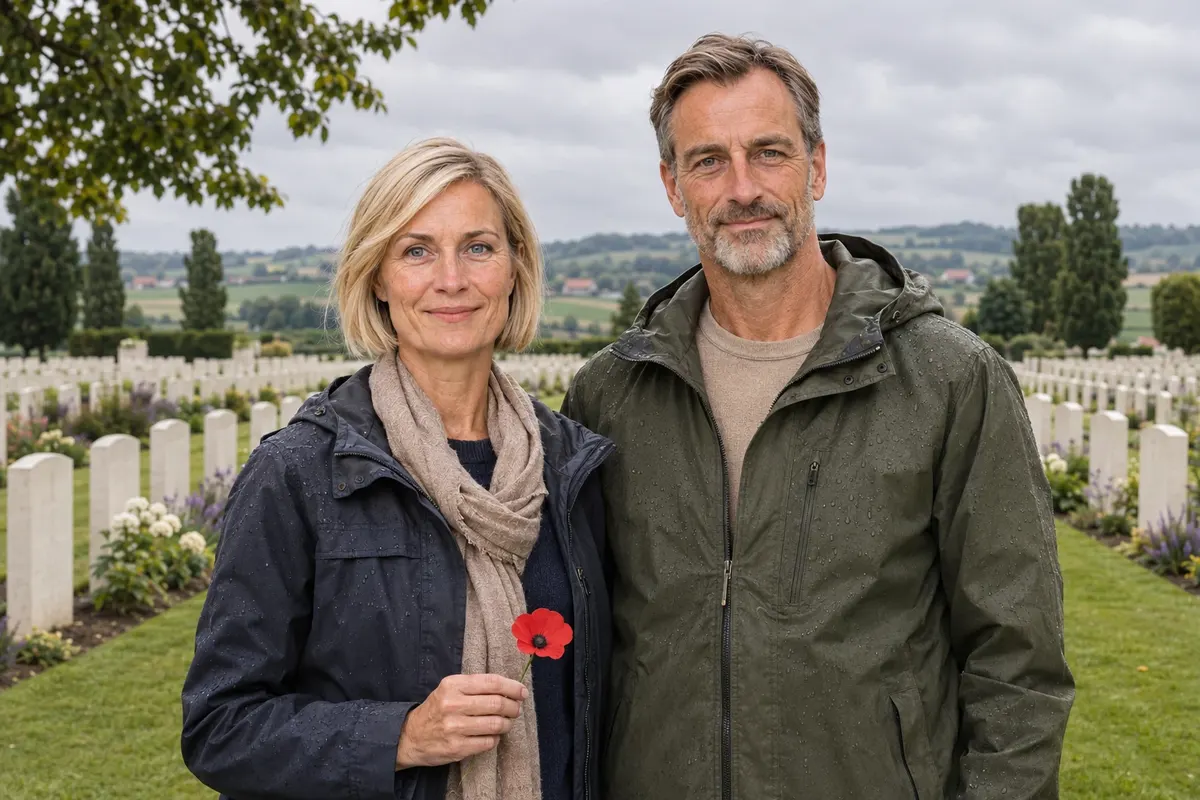
Historical memory
Memory of the First World War
Follow the traces of the Yser front, go into rear-area houses and learn the stories of Dinant’s residents.
In Ypres, there are two stories to follow during a visit to the old Cloth Hall. One is that of the soldiers who passed through the Western Front. The other is of those who lived in the town when the war arrived and had to decide what to take when leaving home. The In Flanders Fields Museum brings these experiences together in the building rebuilt after the town’s destruction.
To choose the next stop, think about what you want to see up close. In Zonnebeke you can enter the reconstructed underground shelter. In Diksmuide you can still walk a historic trench sector on the Yser’s bank. And a house in Poperinge shows what it meant for a soldier to have a few hours of rest.
From the Cloth Hall to the shelter in Zonnebeke
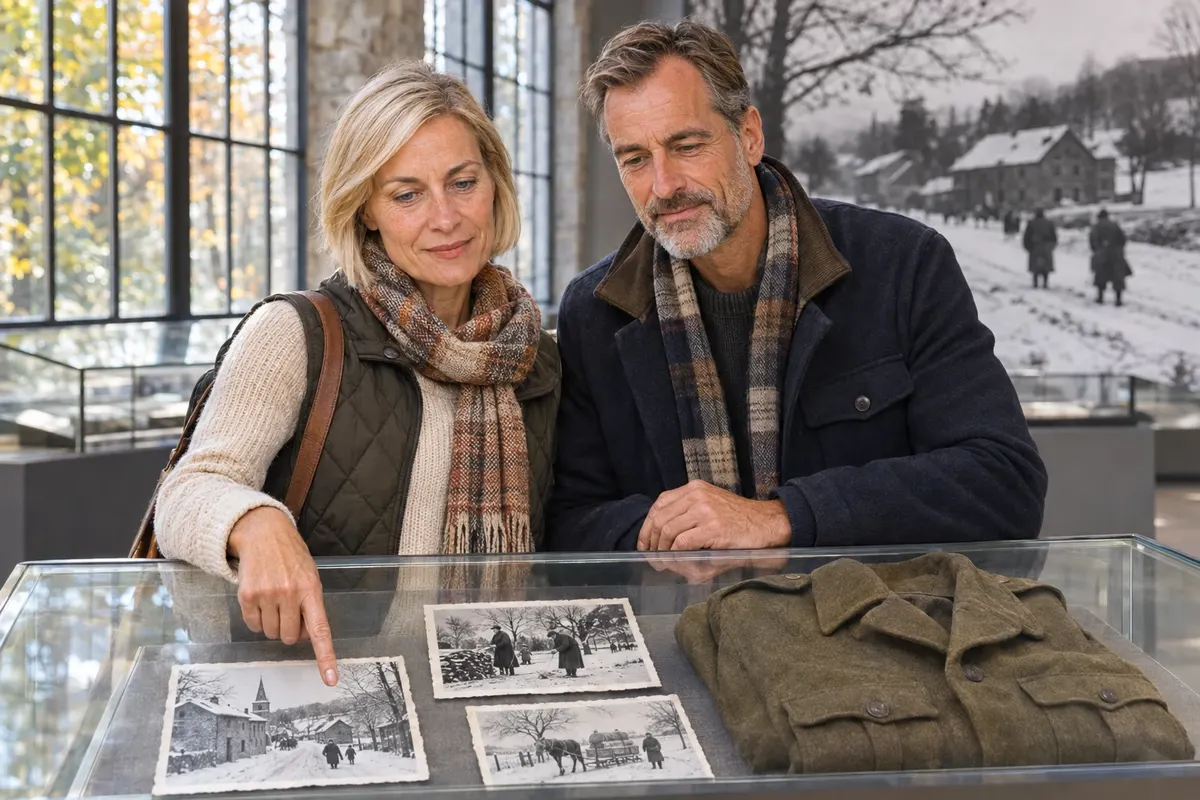
Set aside some time to look at the Cloth Hall in Ypres itself. Photographs of the building in ruins give a different dimension to today’s square. In the exhibition, accounts of displacement help order the chronology. In the war’s first months, Ypres received people seeking refuge. In 1915, the last civilians had to leave the town.
At the Passchendaele Museum in Zonnebeke, the story focuses on the fighting of 1917. The underground shelter and the trenches have been recreated so visitors can understand what life was like there. As you move through the spaces, note how little room there was for someone to sleep or for another person to pass. On returning to the surface, look on the map for the area shown in photographs of the field covered in mud.
The Yser bank at Diksmuide and Nieuwpoort
At Diksmuide, the Dodengang runs along the river. Before entering the trench, look at the opposite bank and the width of the watercourse. Then compare that open view with the short horizon seen by someone walking between the walls. This preserved stretch allows you to place on the ground what maps and photographs show from above.
In Nieuwpoort, the Westfront explains why water occupied so much space in accounts of 1914. Next to the monument to King Albert I are the structures that regulate the waters of the plain. The exhibition tells how the flooding stopped the troops’ advance.
Rest at Talbot House in Poperinge
Behind the front there were also people who needed a place to talk, read or simply be silent. At Talbot House in Poperinge, soldiers of different ranks were received in the same club. The scale of the house, with its rooms and garden, helps imagine those intervals between periods of service.
Poperinge pairs well with Ypres for those who want to follow personal stories. Look for the name of a regular visitor to the house and note what they chose to recount about their rest days.
Dinant and the civilian memory of August 1914
The citadel of Dinant tells the story of the fighting and the violence against the town’s inhabitants in the war’s first weeks. Before entering the section devoted to 1914, place the fortification in relation to the Meuse River and the houses below. That geography helps to understand the proximity between the battle site and the families’ everyday life.
Dinant calls for a separate stop in the Meuse valley. If you are traveling with children you can start with the scale model or with a view of the town and then decide how to approach the records of violence. For a visit to a cemetery or memorial, allow free time and follow local guidelines for photography.
Frequently asked questions
Where should I start if I can only visit one museum?
The In Flanders Fields Museum in Ypres gives an overview of the Western Front and the people who lived through the war. To dive deeper into the fighting at Passchendaele in 1917, choose Zonnebeke.
Where can I see a First World War trench in Belgium?
The Dodengang in Diksmuide preserves a sector along the Yser. In Zonnebeke, the museum’s trenches and shelter are reconstructions that explain how those spaces were inhabited.
Which visit covers soldiers’ life away from combat?
Talbot House in Poperinge preserves the former club that welcomed soldiers in the rear areas.
Where to go: First World War memory
Pick a region or type what you are looking for to see the cities and who offers it in each.
-
Diksmuide WV
The Dodengang trench site preserves the memory of the fighting along the banks of the Yser.
-
Nieuwpoort WV
Next to the King Albert I Monument, Westfront tells the story of the flooding of the Yser plains during World War I.
-
Poperinge WV
Talbot House preserves the club that welcomed troops behind the front lines during the war.
-
Ypres WV
The In Flanders Fields Museum, in the former Cloth Hall, explores the war on the Western Front.
-
Zonnebeke WV
The Passchendaele Museum documents the fighting in the region and has exhibits that help visitors understand its history.
-
Dinant NA
Dinant Citadel provides historical context for the events that took place in the region in August 1914.

Beyond the guide


