Santarém
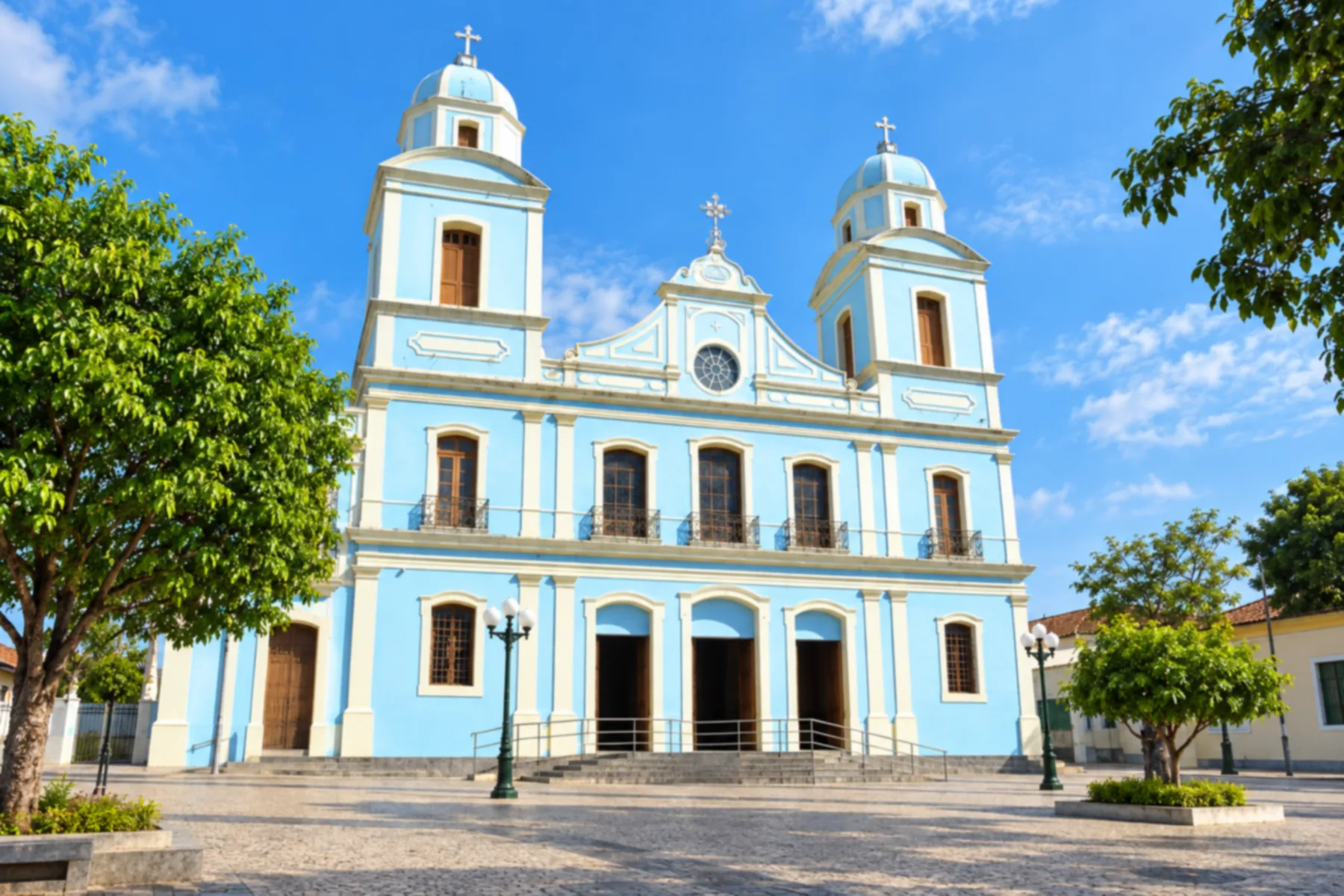
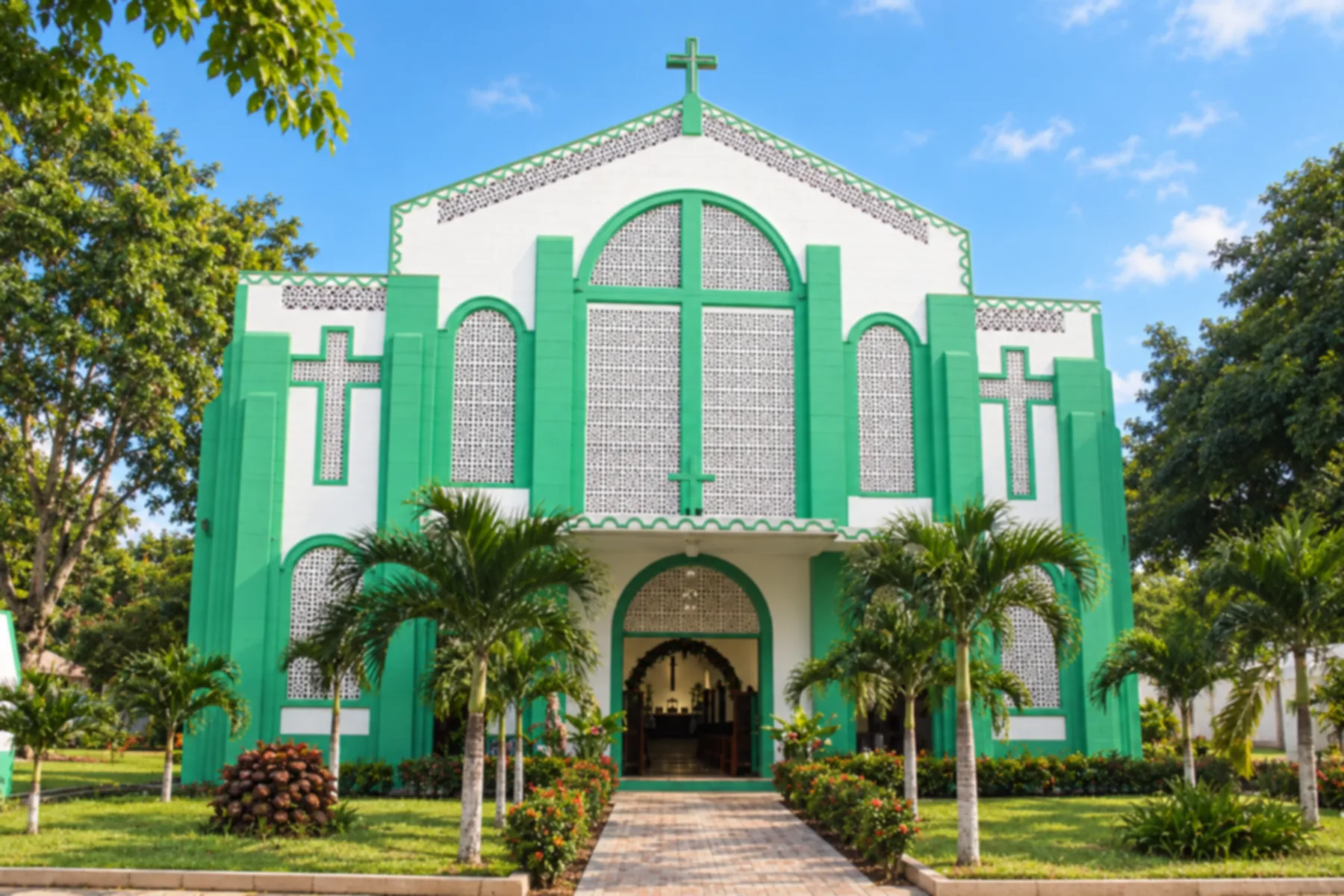
Santarém grew up at the meeting of the Tapajós and Amazon rivers and combines beaches with historic heritage. The waterfront, the downtown churches and the riverside communities show different sides of the municipality.
PA · Brazil
Illustrative images. The pictures in this guide are illustrations based on the real place, not photographs, and may differ from it.
Get to know the place
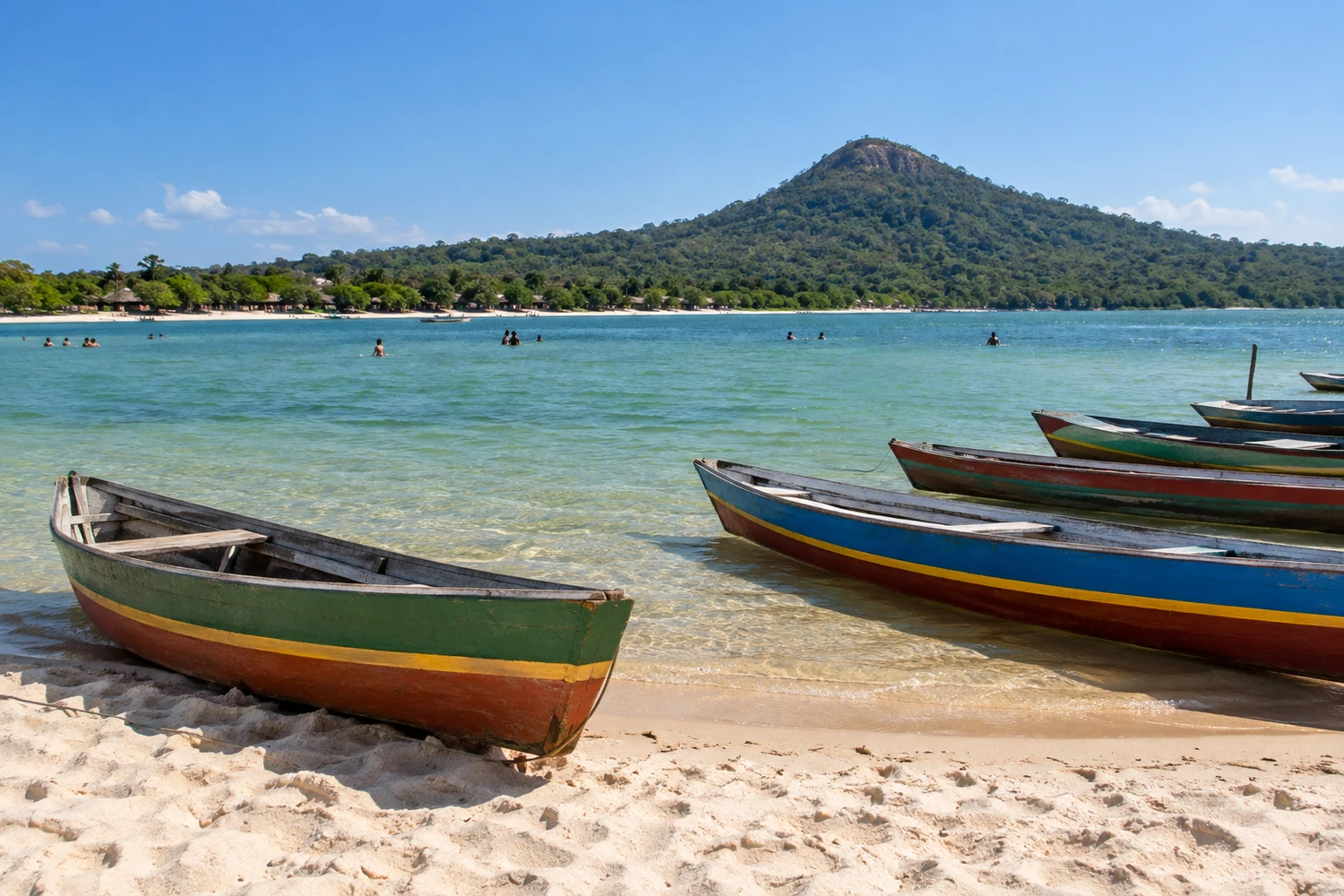
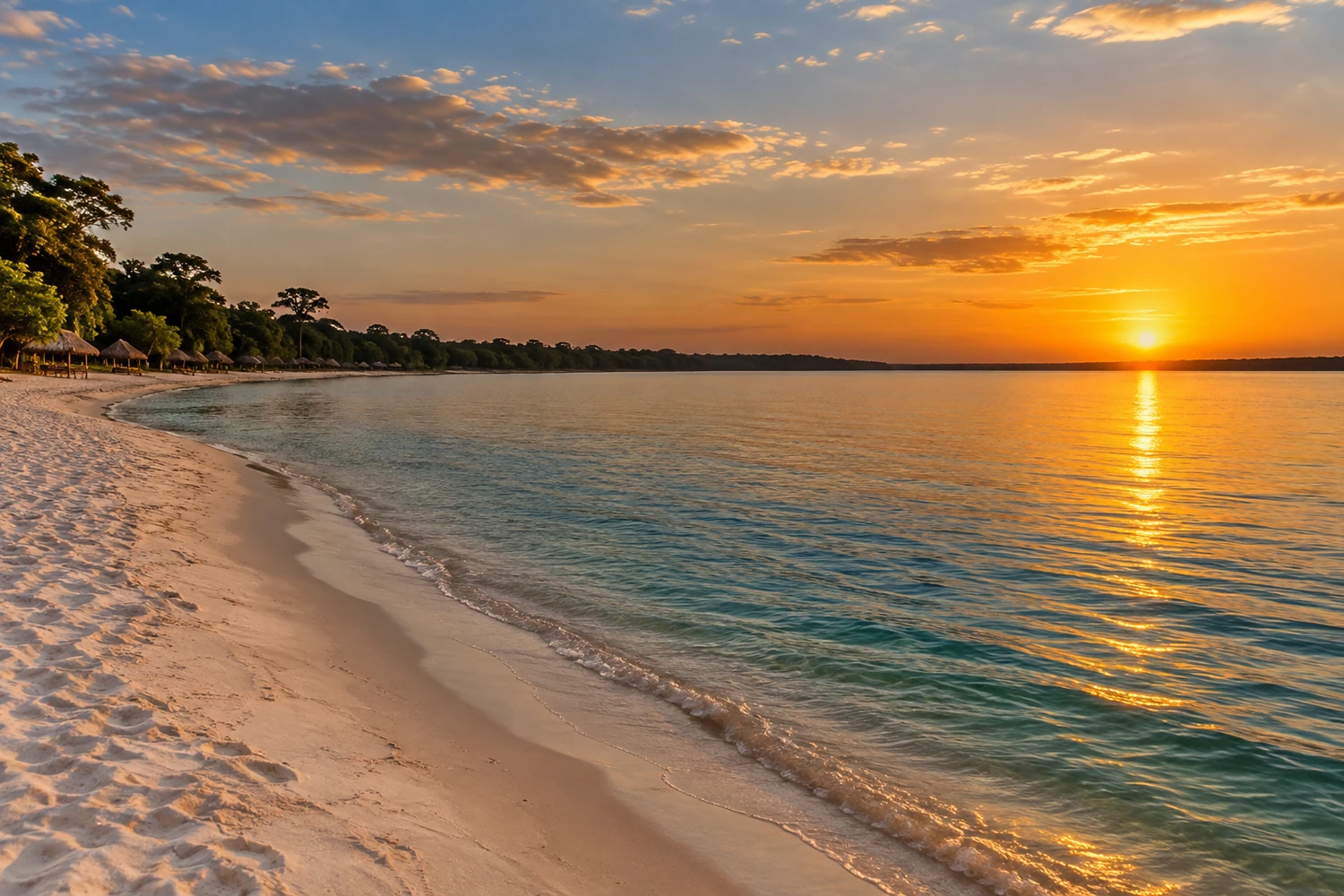
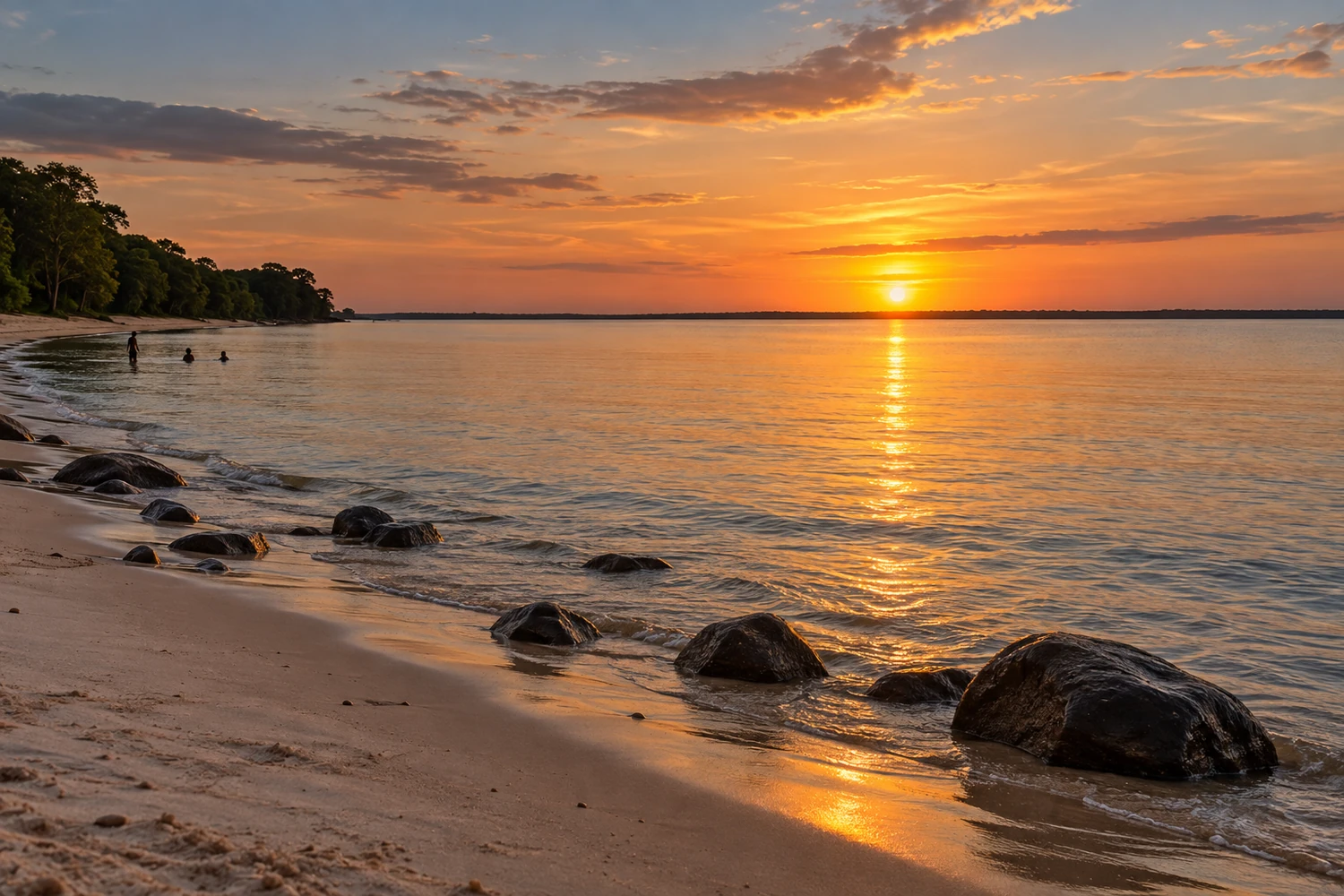
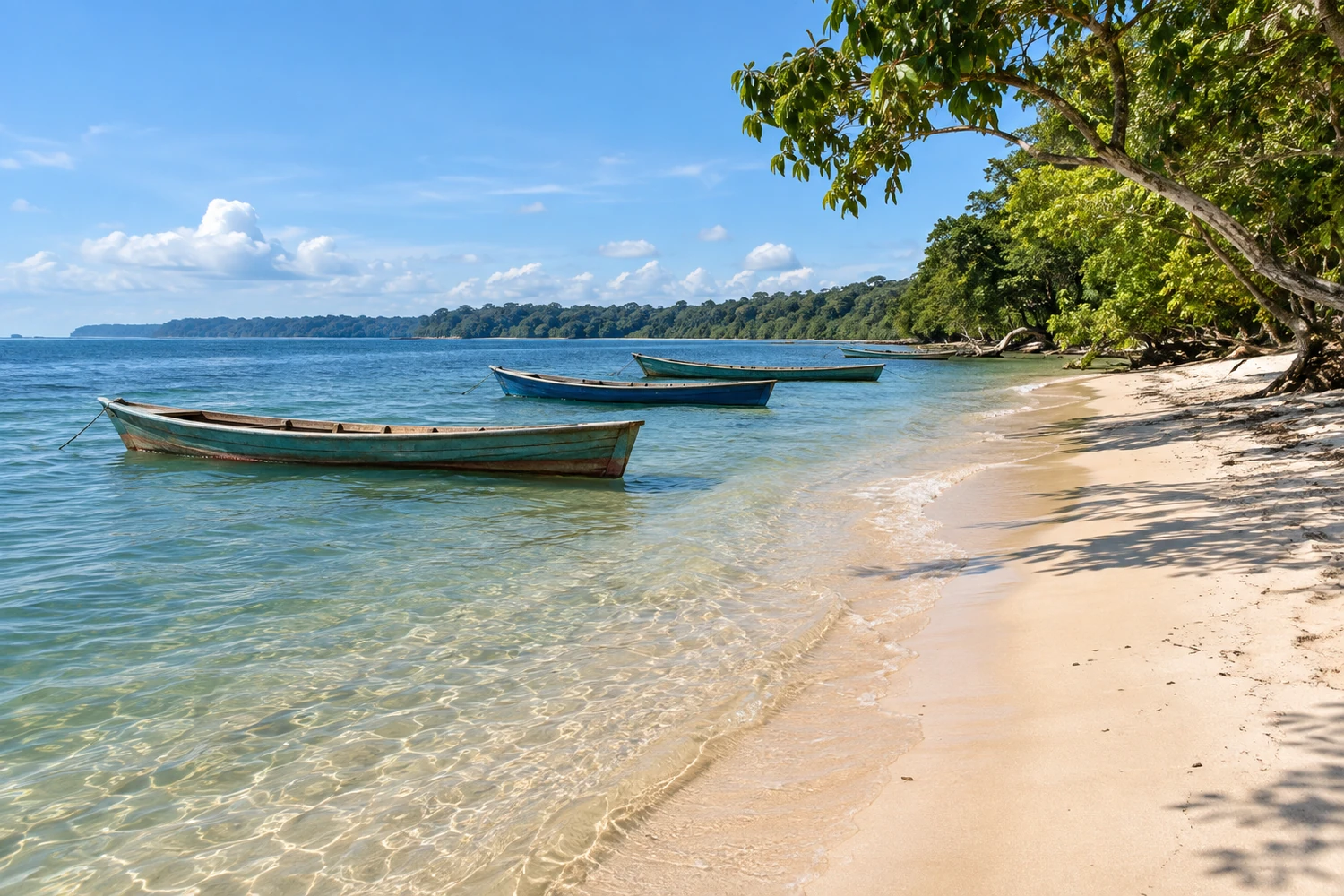
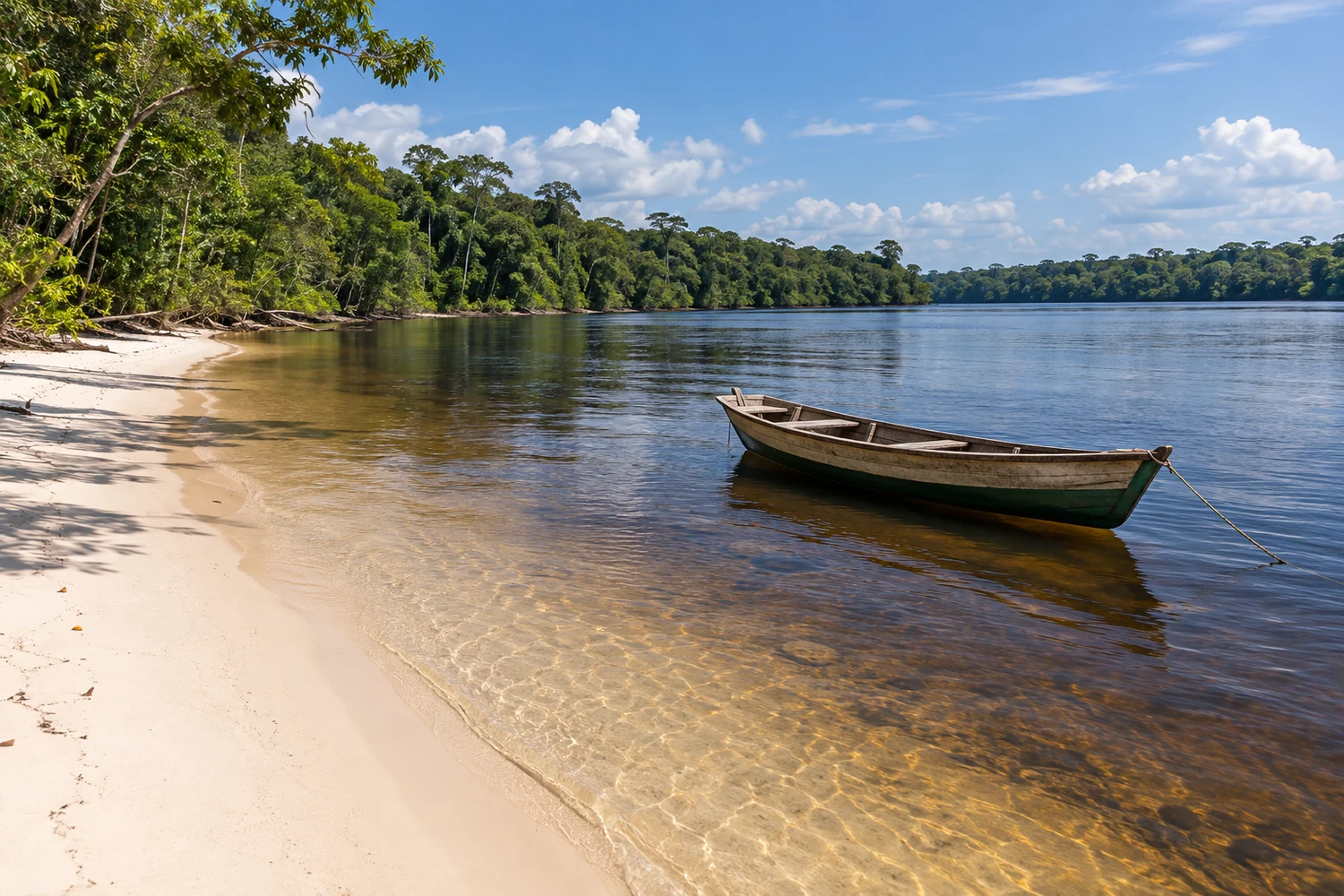
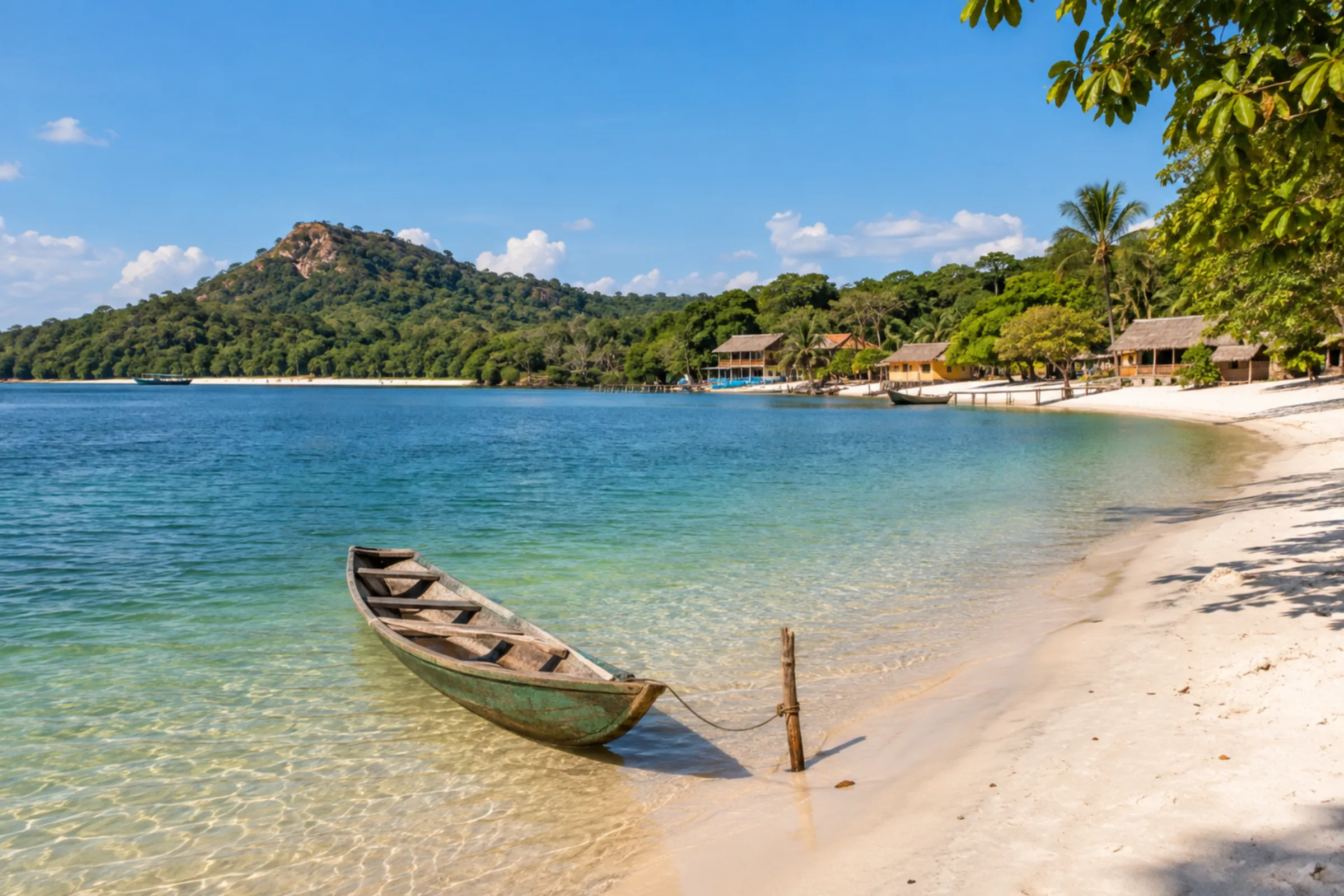
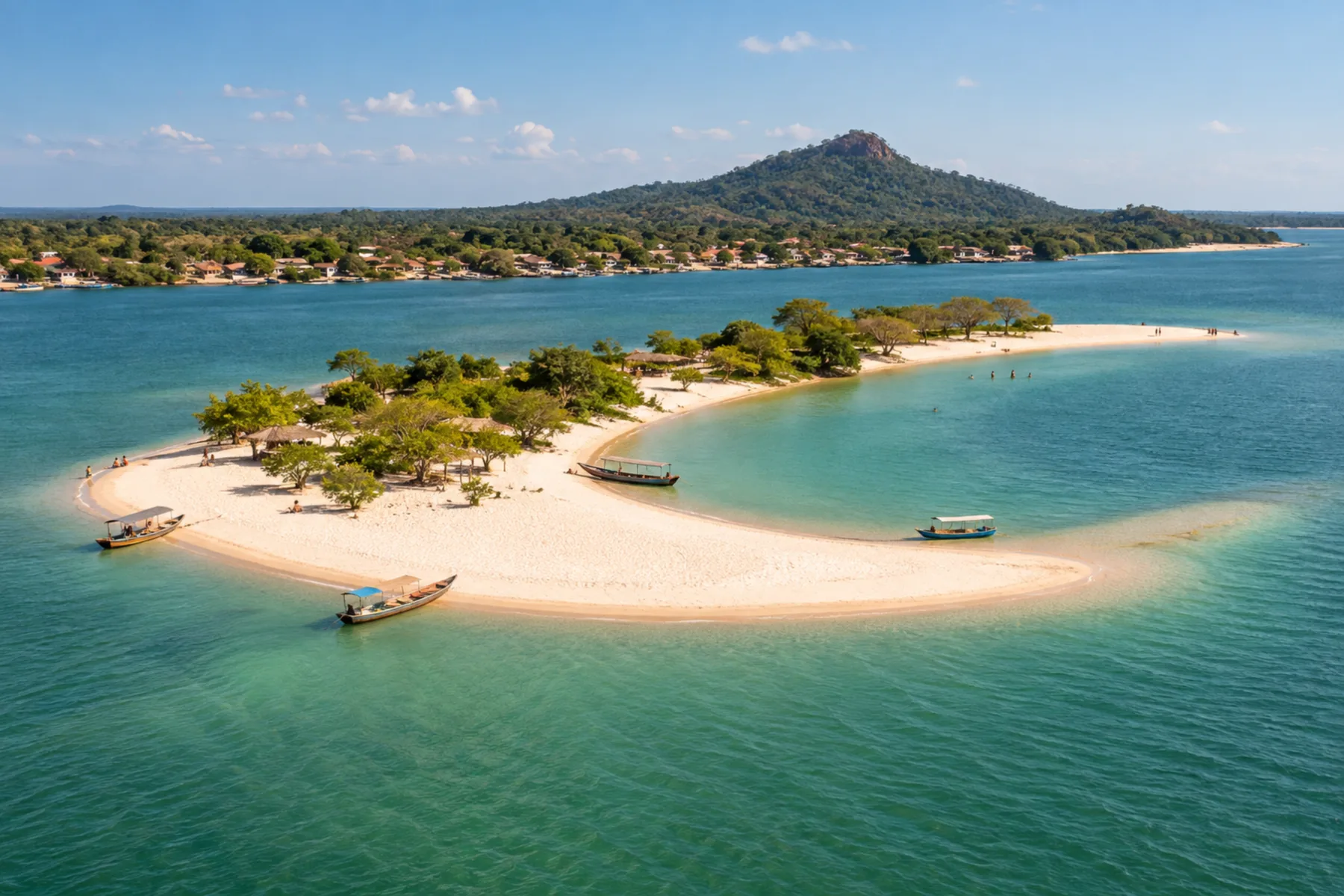
Known as the Amazon Caribbean, Alter do Chão has bright white sand and blue-green water that appear when the Tapajós River drops. Around the village there are flooded-forest lakes, hill trails and riverside communities that welcome visitors to eat fish on the riverbank. It is a freshwater beach surrounded by forest, and the sunset here is one of the most beautiful in Brazil.
This destination brings together 3 cities: Santarém, Belterra, Aveiro.
A look at the place
These pictures are illustrations based on the real place, not photographs. They may differ from the place.
Click the picture to enlarge it.
One destination, many paths
Start with one city or combine several in your itinerary.
Santarém grew up at the meeting of the Tapajós and Amazon rivers and combines beaches with historic heritage. The waterfront, the downtown churches and the riverside communities show different sides of the municipality.
Belterra preserves traces of the rubber plantation project Henry Ford created in the Amazon. Its urban heritage and landscapes along the Tapajós bring visitors close to history and the forest.
Aveiro stretches along the banks of the Tapajós River, among river beaches and Amazon communities. The riverside town and the heritage of Fordlândia reveal landscapes and stories tied to the river and to rubber.
The local experience
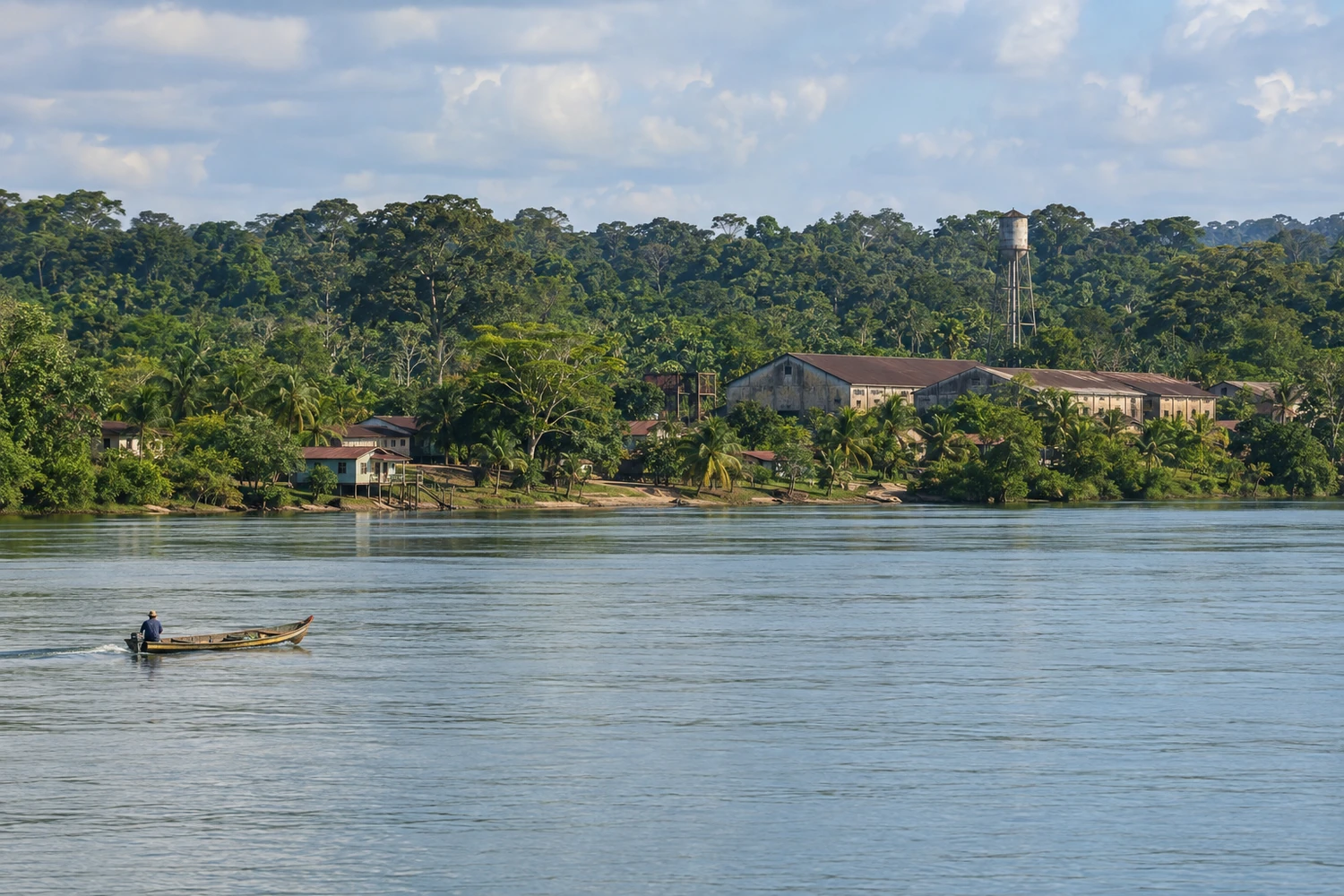
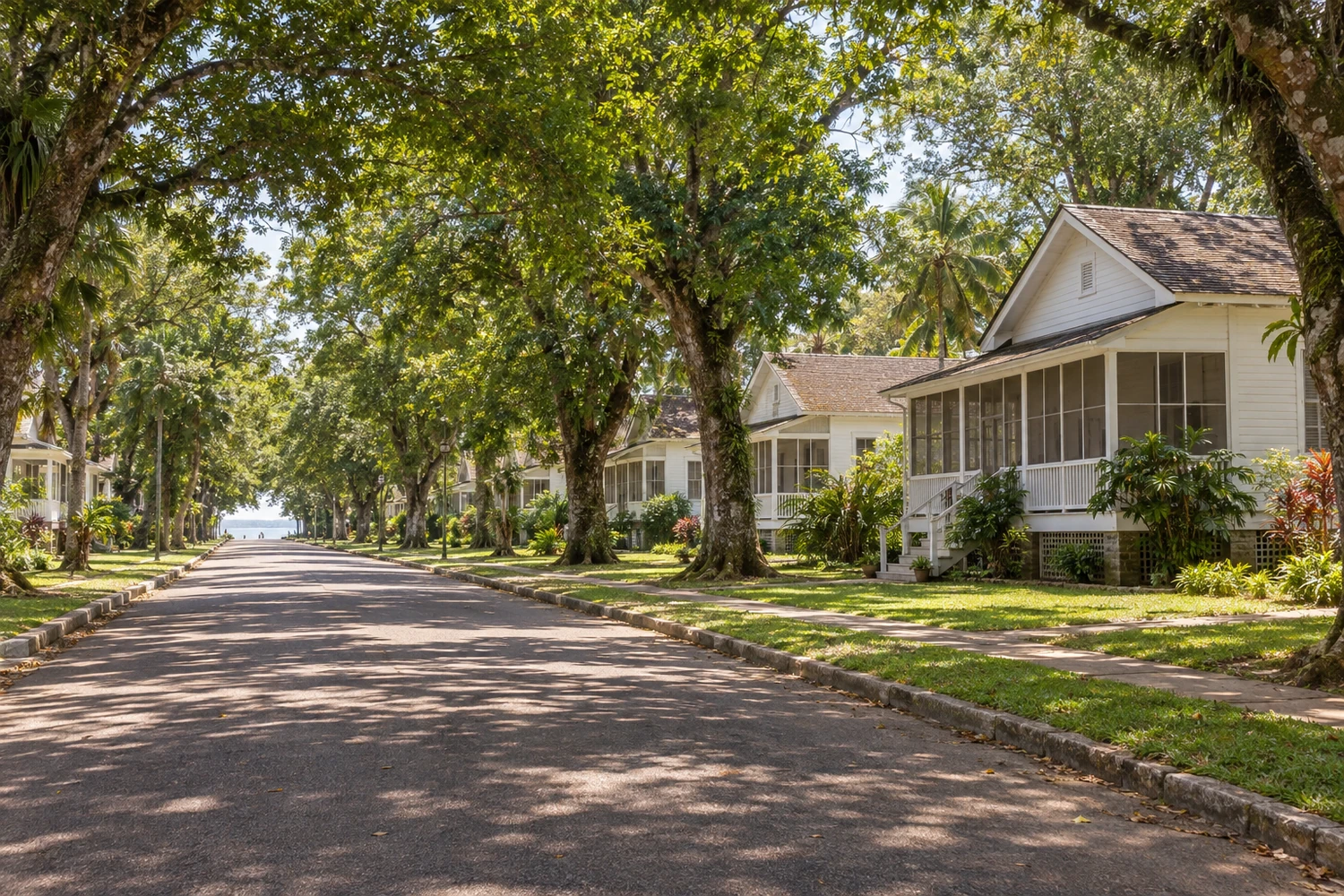
Created in the late 1920s by Henry Ford's company to produce rubber, the village was abandoned by the company in 1945, after the rubber plantations failed. Still inhabited, it preserves American-style houses and industrial structures on the banks of the Tapajós River.
A sandbank in front of the village, reached by canoe in a few minutes, with warm, shallow water on both sides. Its size changes with the level of the Tapajós.
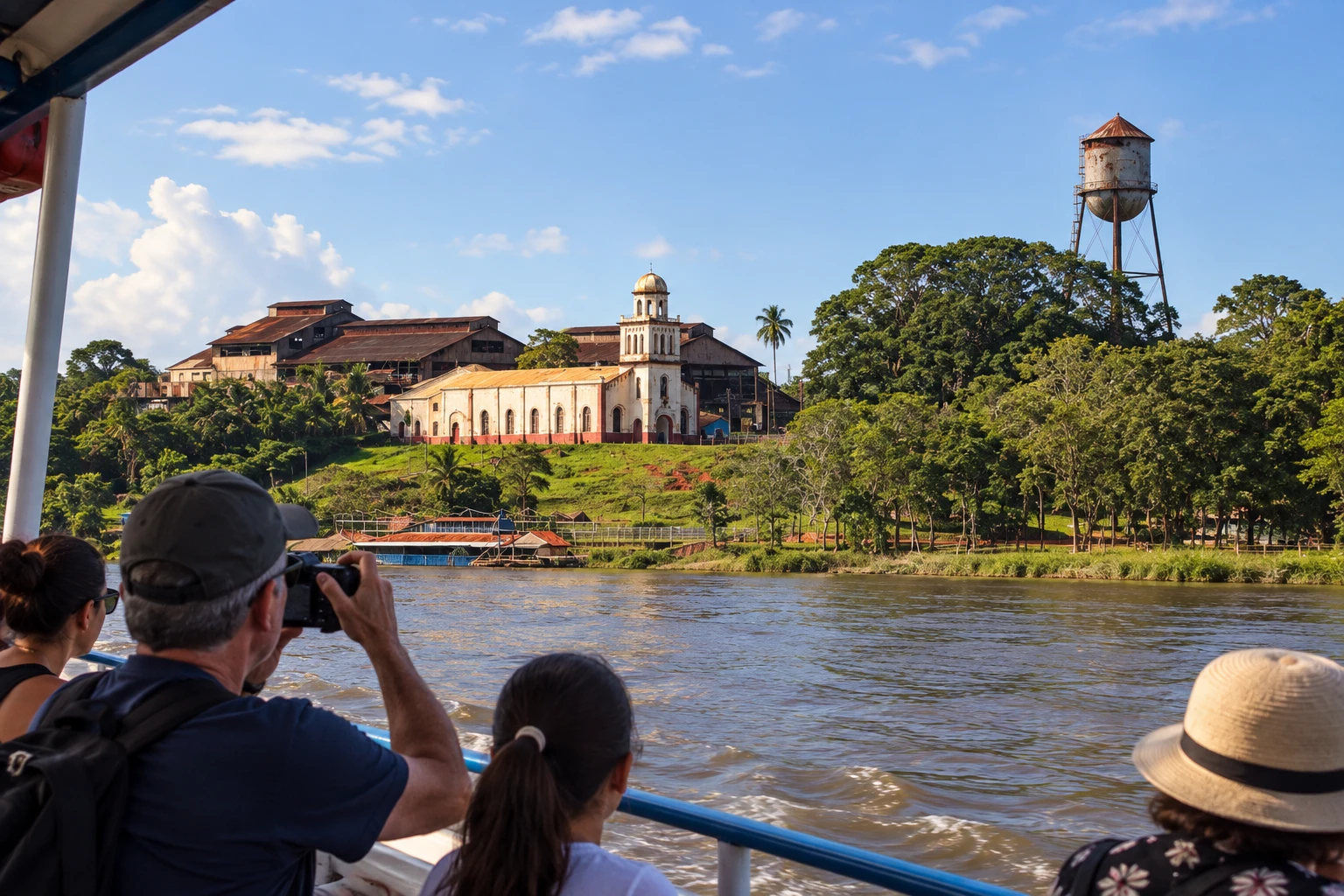
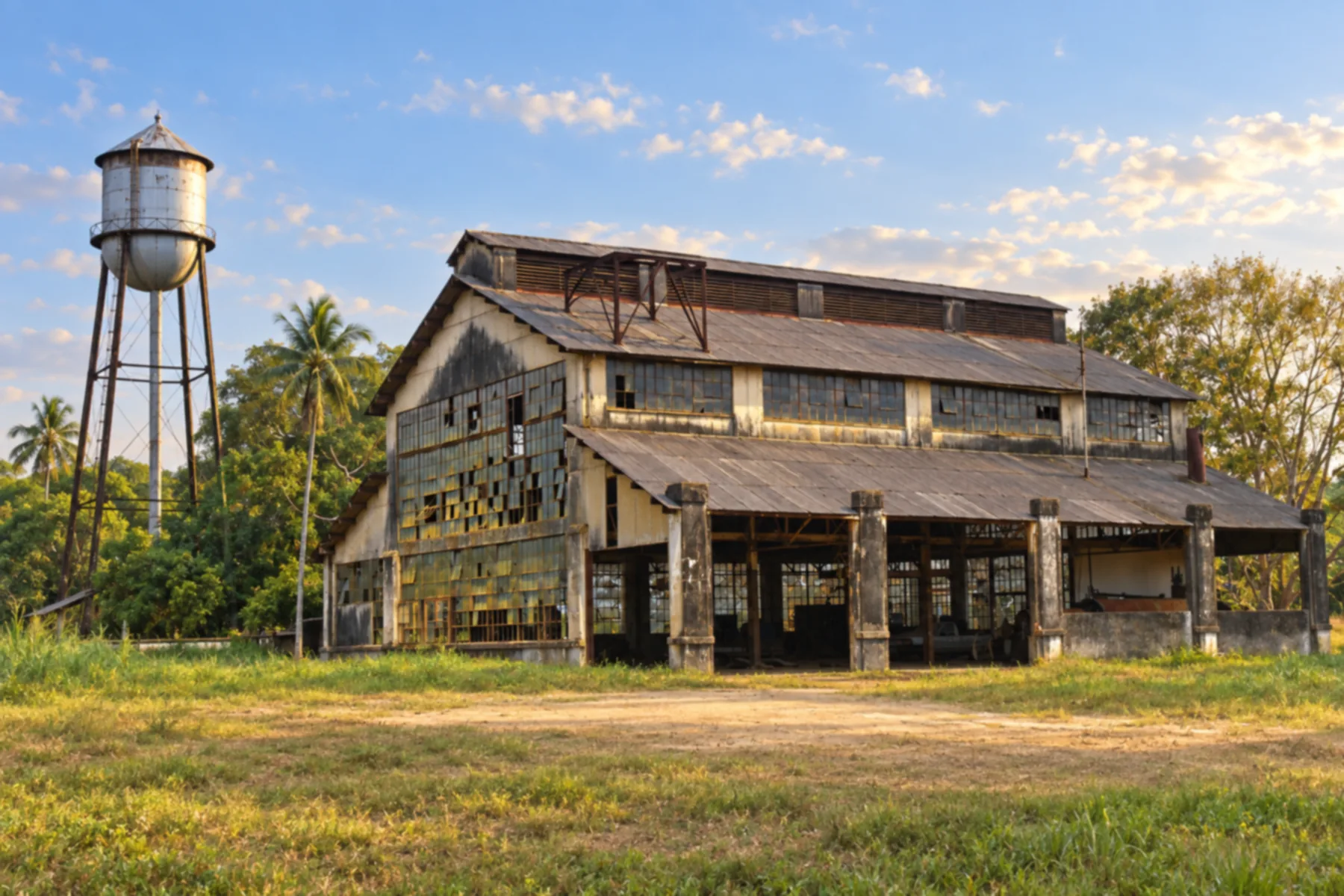
About 50 meters tall, the water tower was made in Michigan and shipped to the village, becoming the symbol of Henry Ford's old project. Around it, the sawmill and the three-story workshop building are still standing.
Discover Caixa d'água e oficinas de Fordlândia
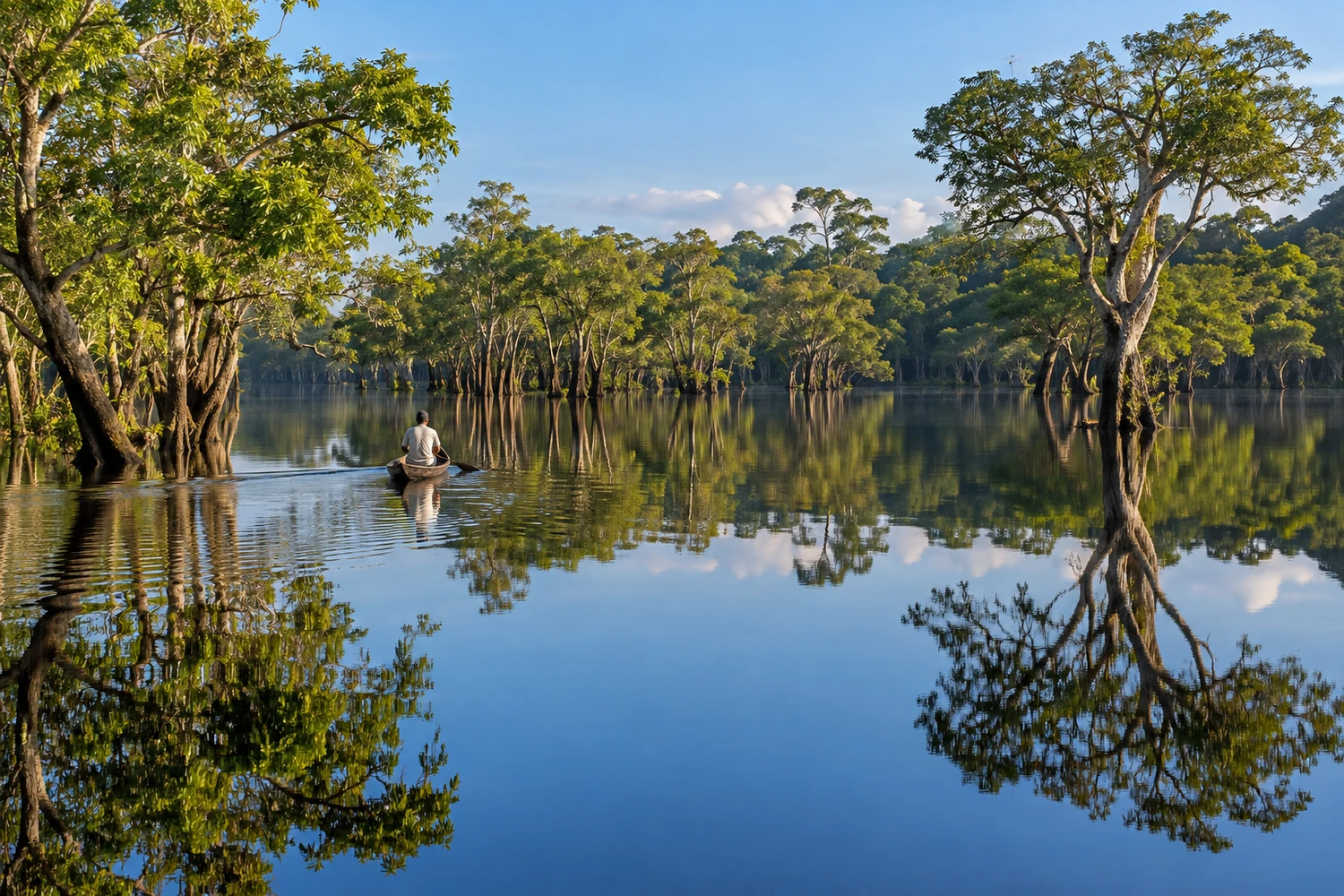
A shallow lake next to the village, explored by canoe through areas of flooded forest. The route passes the so-called Floresta Encantada (Enchanted Forest), with trees standing in the water.
It is on the bank of the Tapajós River, about 9 km from the village of Alter do Chão, and can be reached by dirt road or by boat. Thatched huts line the sand, and the sun sets over the water right in front of the beach.
A short, steep trail ending at a natural viewpoint over Lago Verde and the Tapajós. Best done very early or late in the afternoon because of the heat.
A residential complex built by Henry Ford's company from 1934 on for senior staff, with American-inspired houses, left by the company in 1945. A large water tower marks the entrance to the village, whose buildings are being restored.
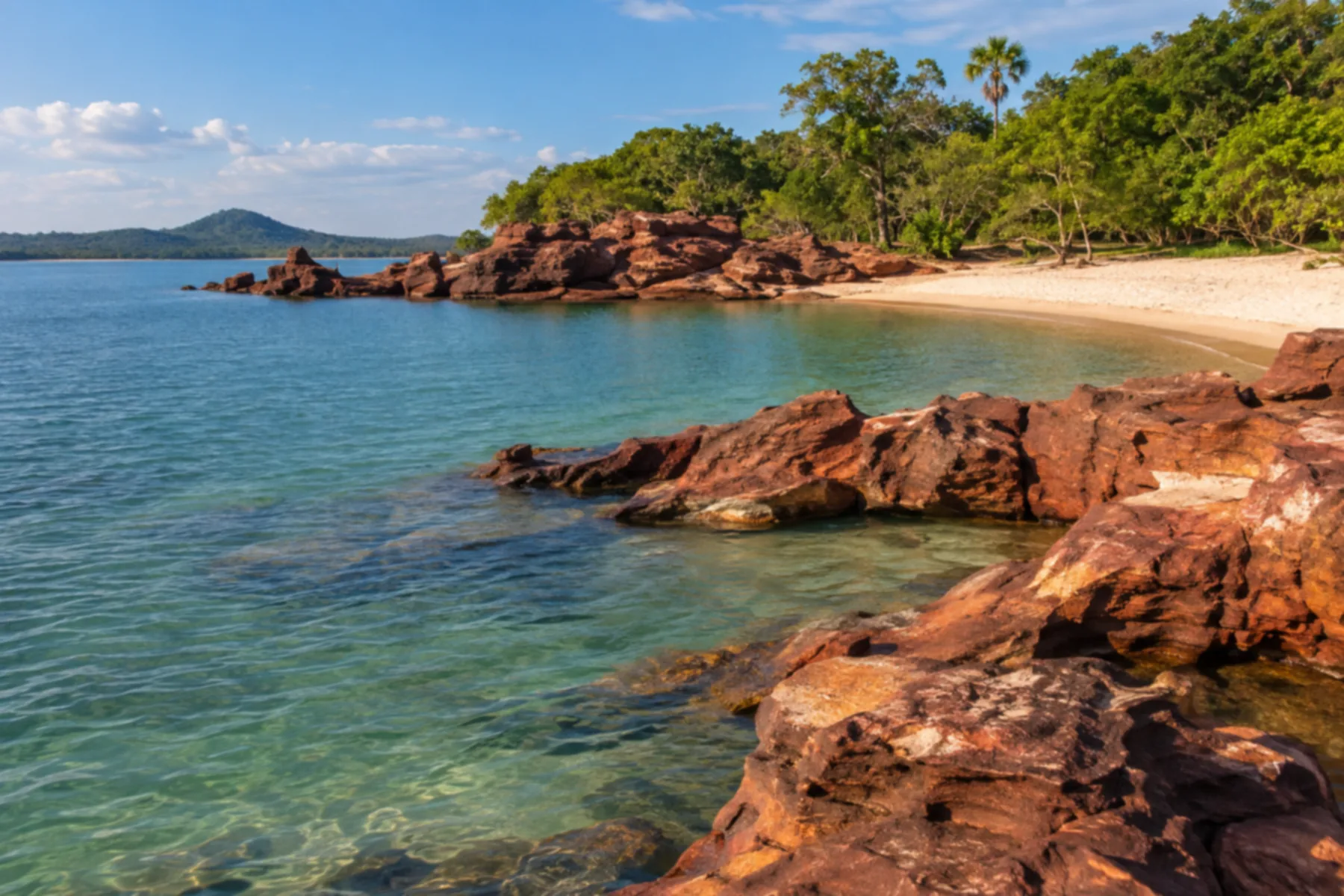
A Tapajós beach marked by reddish rock formations that reach out over the water. A good full-day option, away from the bustle of the village.
The first beach on the way from the town center to Alter do Chão, it lies on the banks of the Tapajós River, next to a riverside community. Residents keep up religious festivals and lead nature walks to springs in the forest.
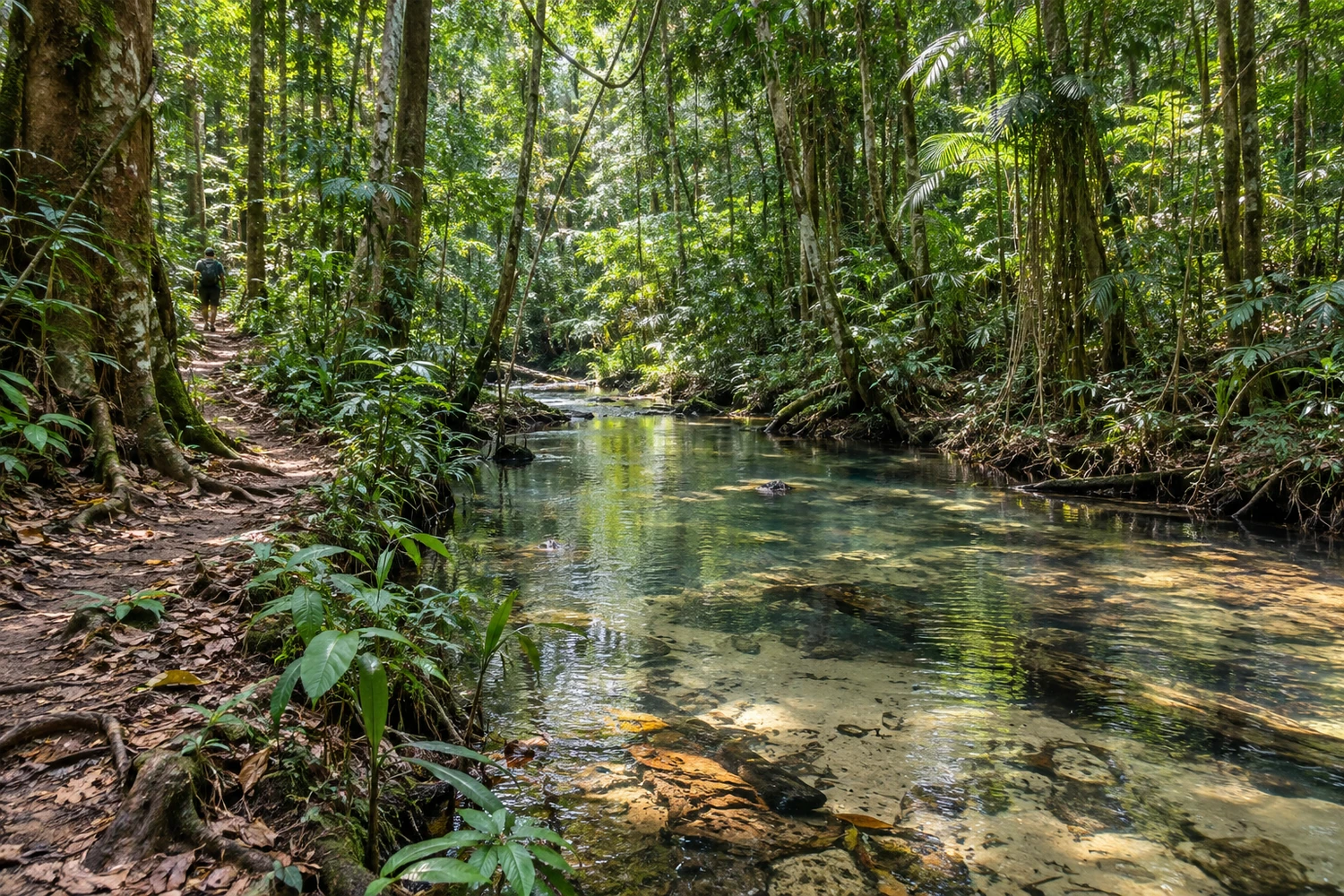
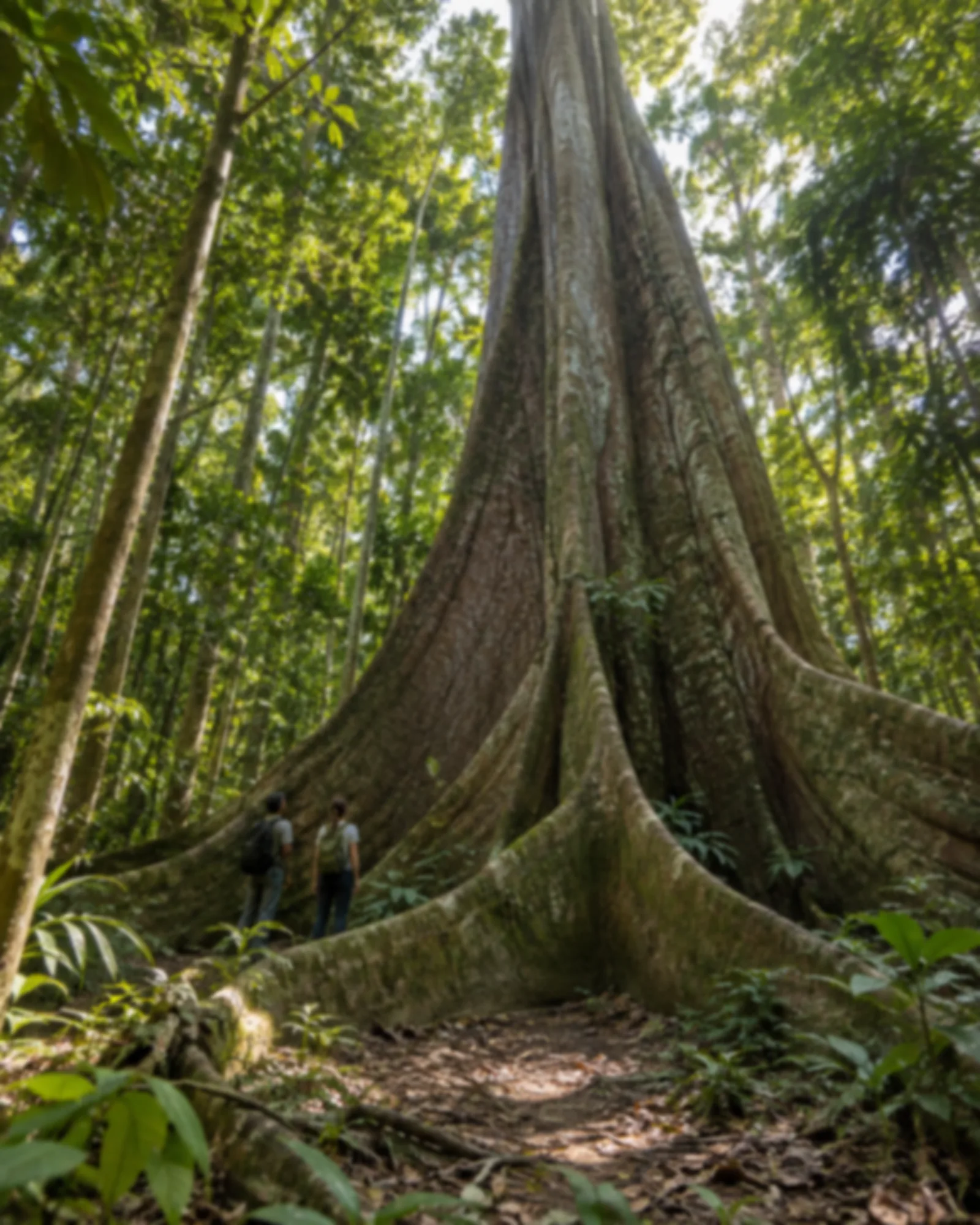
A conservation area with trails among giant trees, igarapés (creeks) and communities such as Maguari and Jamaraquá. Visits are guided by local residents.
Discover Floresta Nacional do Tapajós
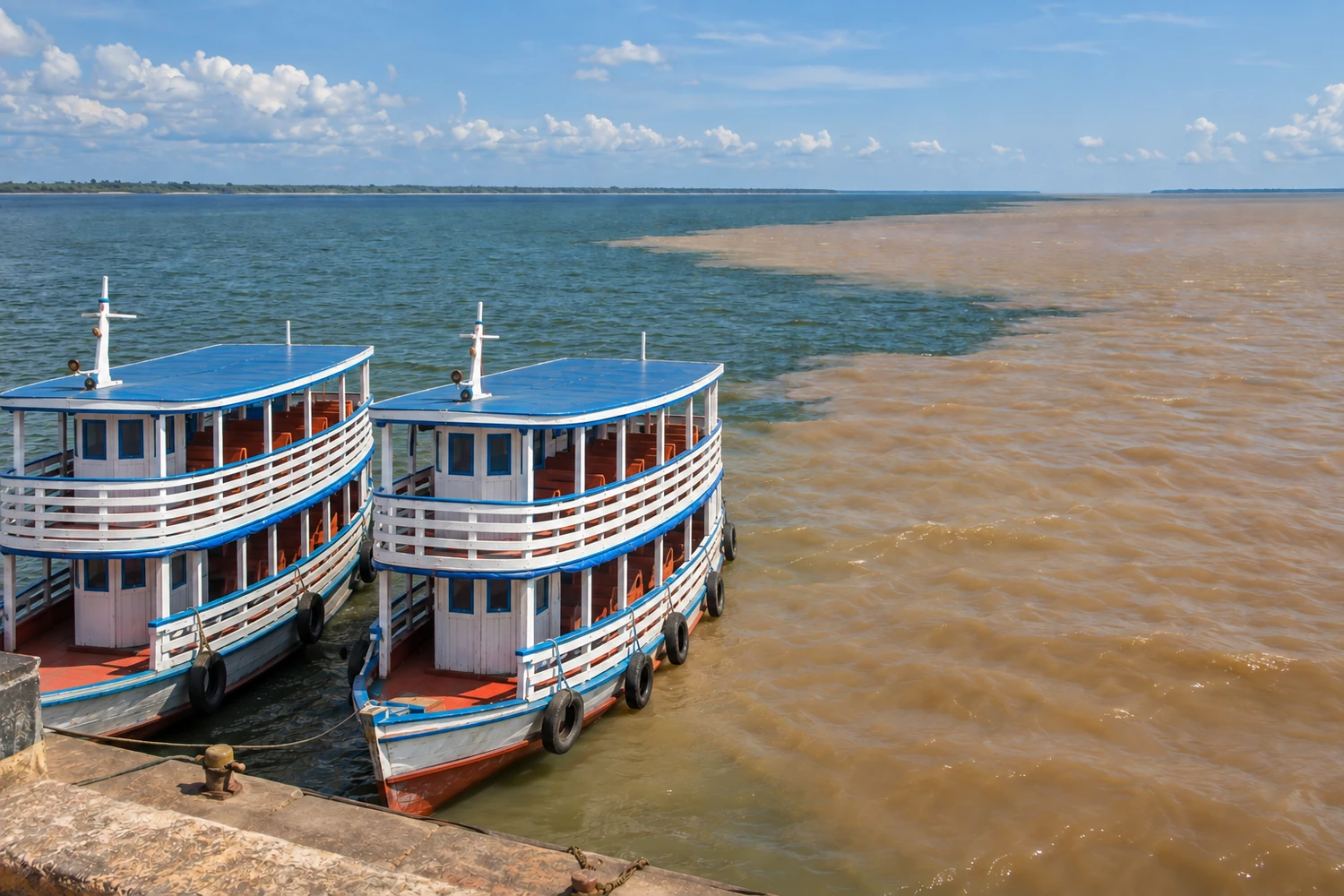
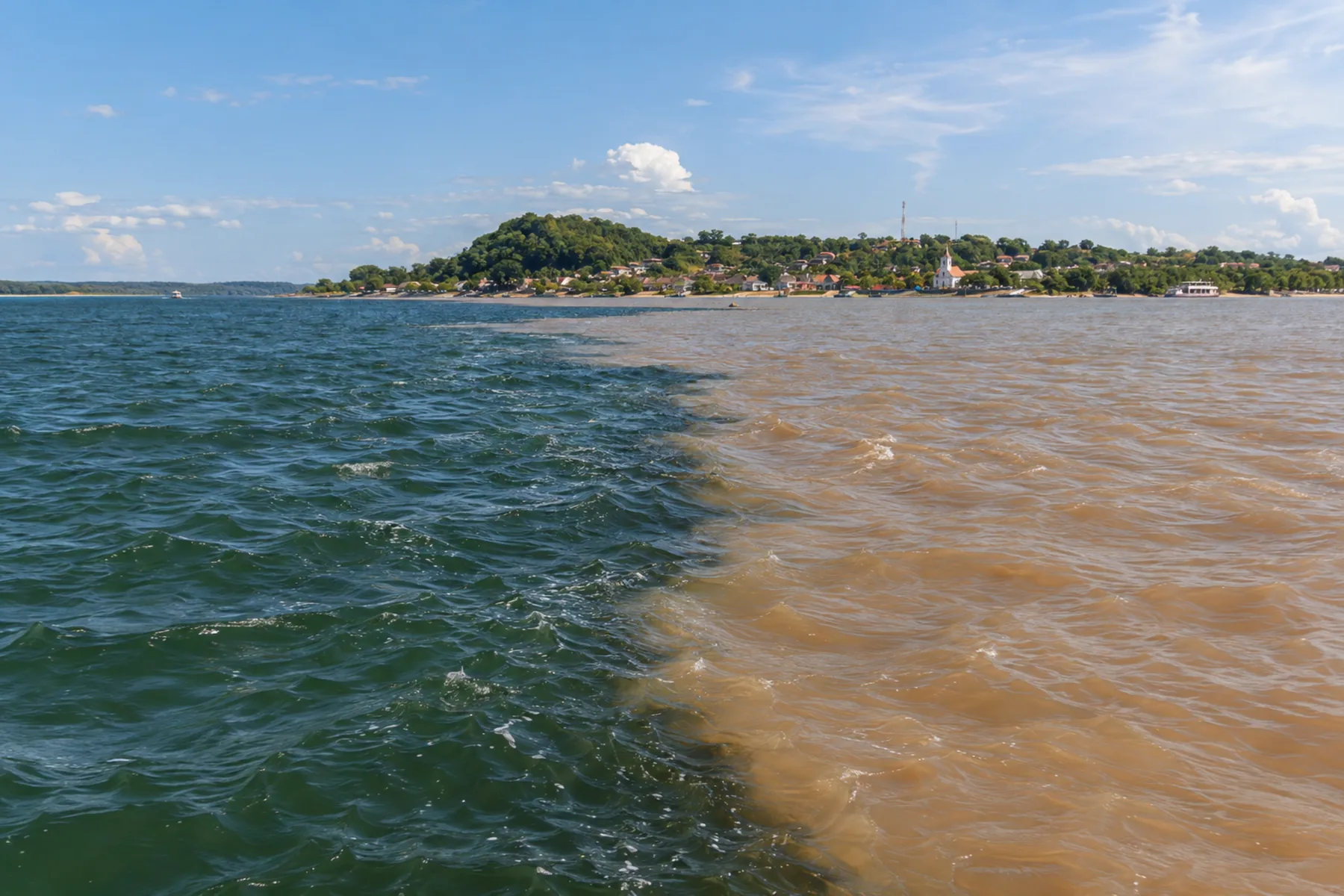
In front of the Santarém waterfront, the greenish water of the Tapajós meets the muddy water of the Amazon without mixing. You can see it from the shore or by boat.
Discover Encontro dos rios Tapajós e Amazonas
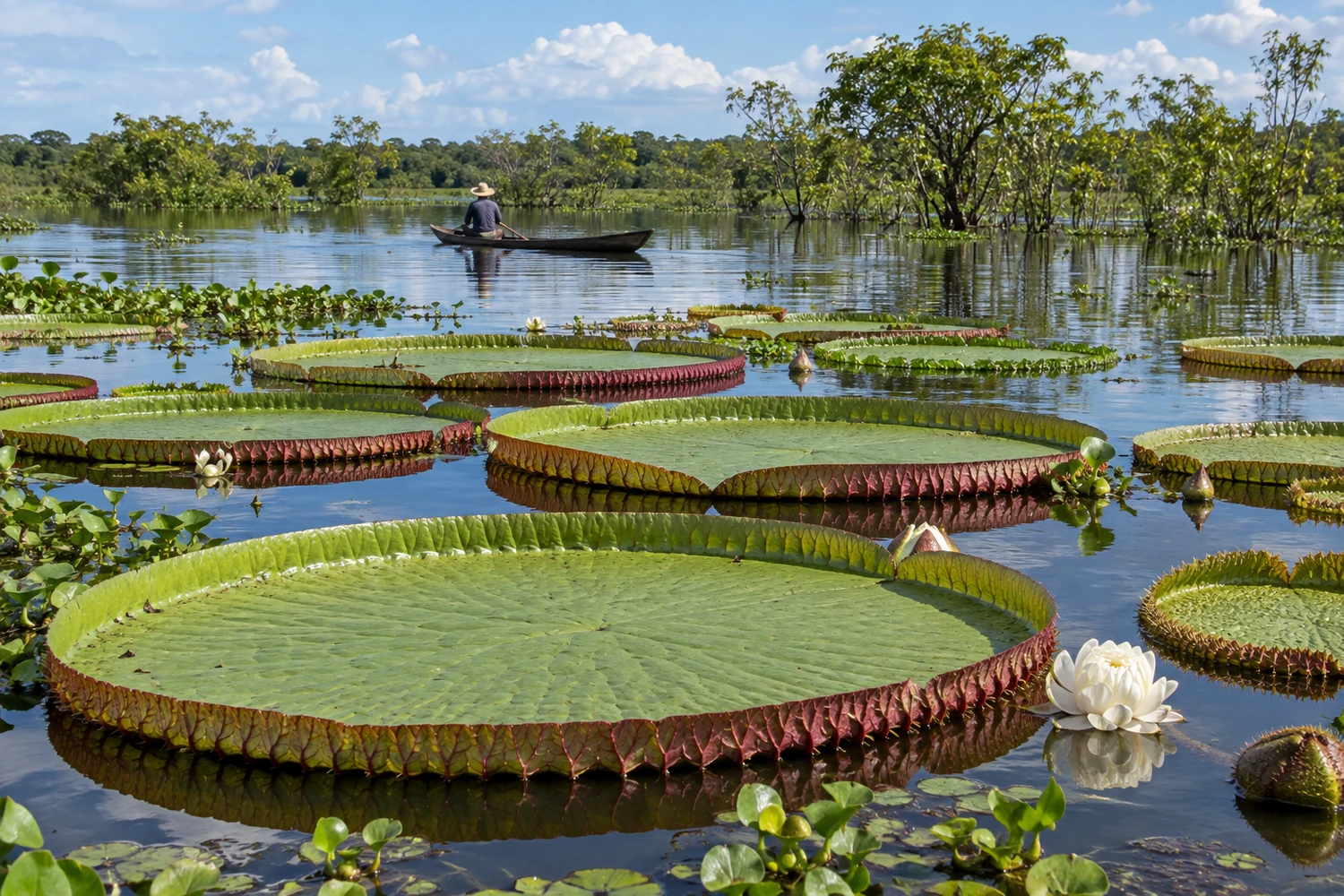
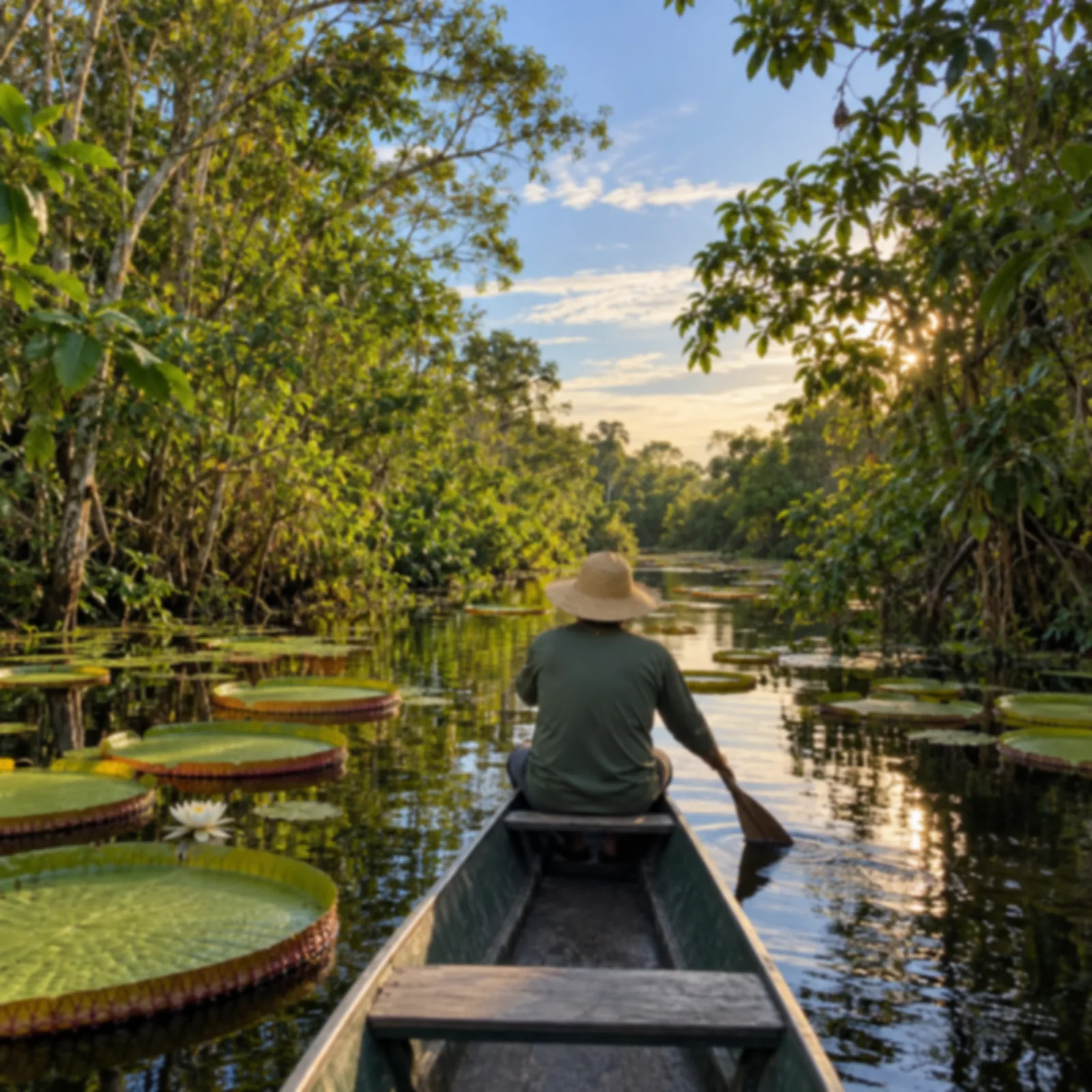
A canoe trip through floodplain corridors where the landscape changes completely between the high-water and dry seasons. A good place to see birds and giant water lilies.
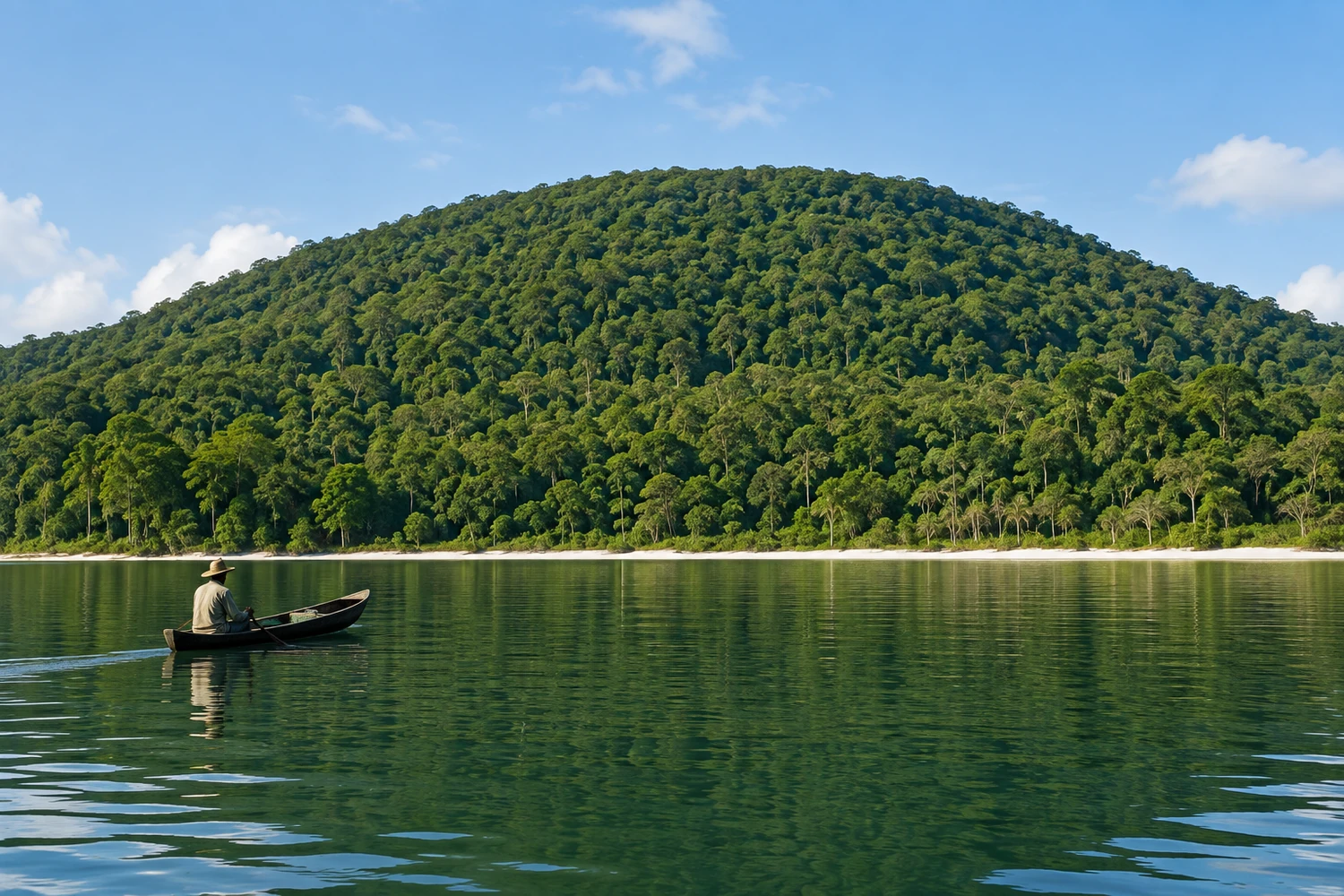
A clear-water river with deserted beaches and communities that welcome visitors in family-run pousadas. It is the route for anyone who wants to spend days on the water.
Your base to explore
Where you stay is part of the trip. Choose the area that best fits your itinerary.
A boutique pousada (guesthouse) on Rua do Sol, in Alter do Chão, with bungalows of reforested wood, a yoga and reading space, a café and bicycles for guests. It suits couples and anyone looking for peace and quiet in the village.
A hotel in downtown Santarém, on Rua Coronel Joaquim Braga, near banks, pharmacies and restaurants, with a rooftop restaurant overlooking the river. It suits business travelers and those using the city as a base for tours.
A pousada (guesthouse) on Rua Seis de Março, in the village of Alter do Chão, about a ten-minute walk from the center, with breakfast, a bistro and bike rentals. It suits travelers who want peace and quiet near the Tapajós beaches.
Flavors of the destination
Chef Saulo Jennings's original restaurant, on the Rodovia Interpraias, in the Carapanari area, overlooking the Tapajós River, between downtown Santarém and Alter do Chão. It serves signature Amazonian cuisine with regional fish such as pirarucu.
A restaurant and bar on Rua Lauro Sodré, in Alter do Chão, facing the water. The menu features regional fish such as pirarucu and ceviche, with live music on Saturdays.
A restaurant on Praça 7 de Setembro, the main square of Alter do Chão, with outdoor tables. It serves fish such as grilled filhote and tucunaré, as well as crepes and sandwiches, with live music.
Before you go
A little planning leaves more time to enjoy the journey.
Fly into Santarém Airport (STM) and drive about 35 km on the Everaldo Martins highway (PA-457) to the village of Alter do Chão.
From August to December, when the Tapajós is low and the white-sand beaches have formed.
Take your trash with you, follow the signs and support local businesses. In natural areas, follow the visiting guidelines.