

 Brazil
 Antarctica
 Argentina
 Bolivia
 Chile
 Colombia
 Ecuador
 Guyana
 French Guiana
 Falkland Islands (Malvinas)
 Paraguay
 Peru
 Suriname
 Uruguay
 Venezuela
 Germany
 Austria
 Belgium
 Croatia
 Denmark
 Slovakia
 Slovenia
 Spain
 Finland
 France
 Greece
 the Netherlands
 Hungary
 Ireland
 Iceland
 Luxembourg
 Norway
 Poland
 Portugal
 the United Kingdom
 the Czech Republic
 Sweden
 Switzerland
 Turkey
 Bermuda
 Canada
 the United States
 Greenland
 Mexico
 Saint Pierre and Miquelon
 the Dominican Republic
 Japan
 South Africa
 Egypt
 Australia
 Fiji
 New Zealand
 Papua New Guinea
Illustrative images. The pictures in this guide are illustrations based on the real place, not photographs, and may differ from it.

Travel for your moment in life · Culture and history
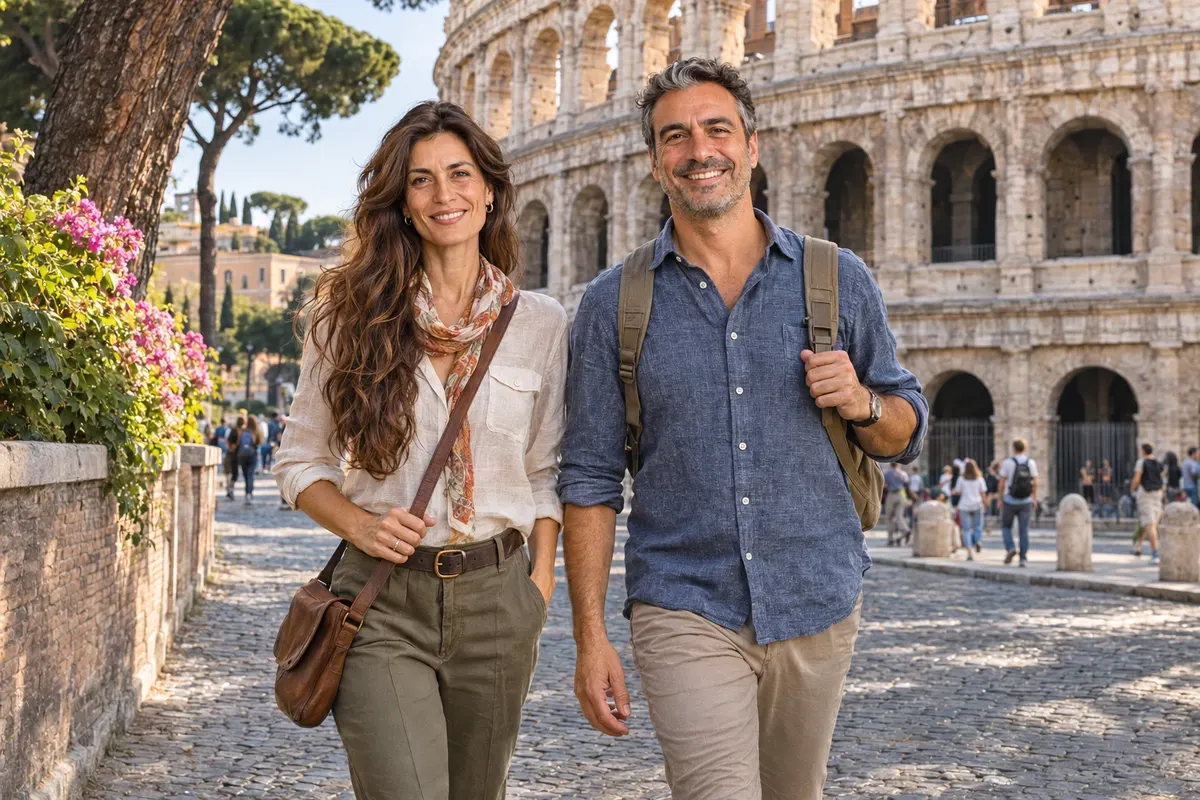
Types of travel
Culture and history
A work of art, a procession, or a family letter can be a starting point for exploring a city’s history.
In Florence, choose a painting you’d like to see at the Uffizi and look for it as you make your way through the collection. Pause in front of a Botticelli, and you’ll have time to notice the lines of a face or the movement of fabric. Then walk through the squares of the historic center. The shift in scale from the museum gallery to the city is part of the visit, too.
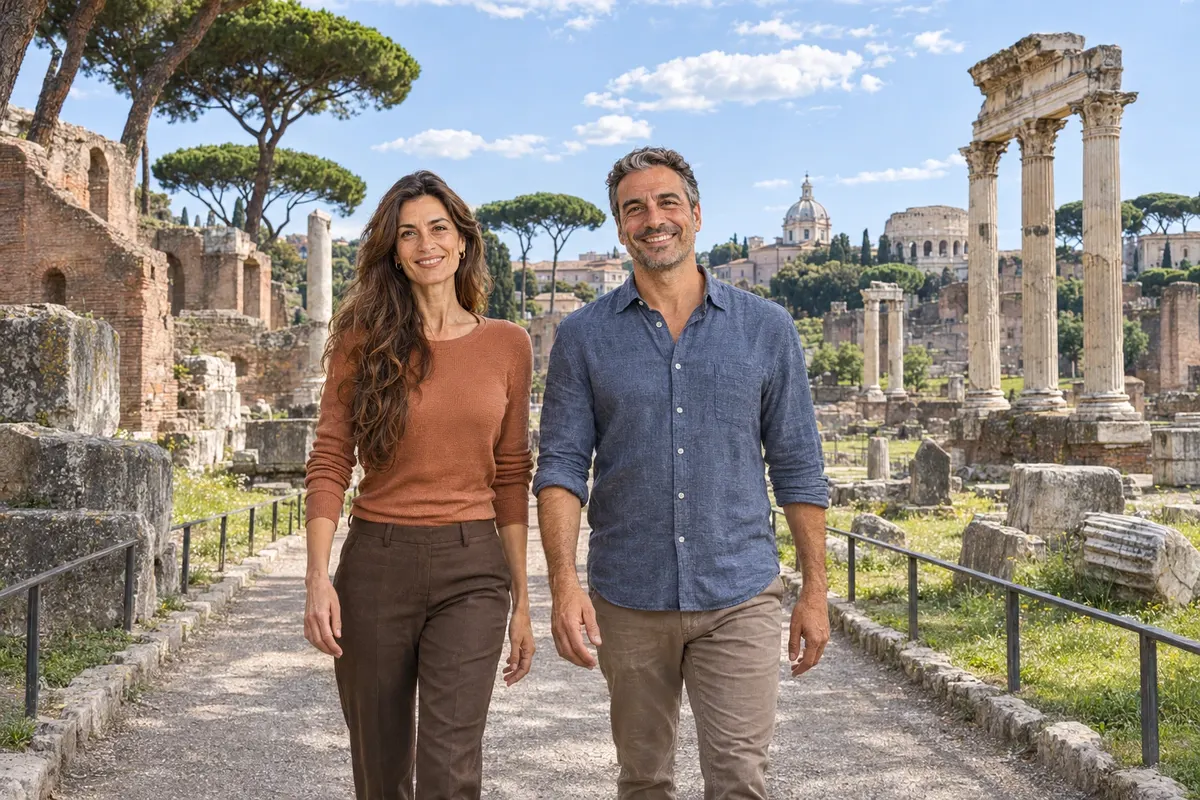
Cultural and heritage travel
On a visit focused on culture and history, what interests you might be a detail in a Ravenna mosaic or the way Pompeii’s houses connect to its streets. Choose the collection that speaks to your curiosity.
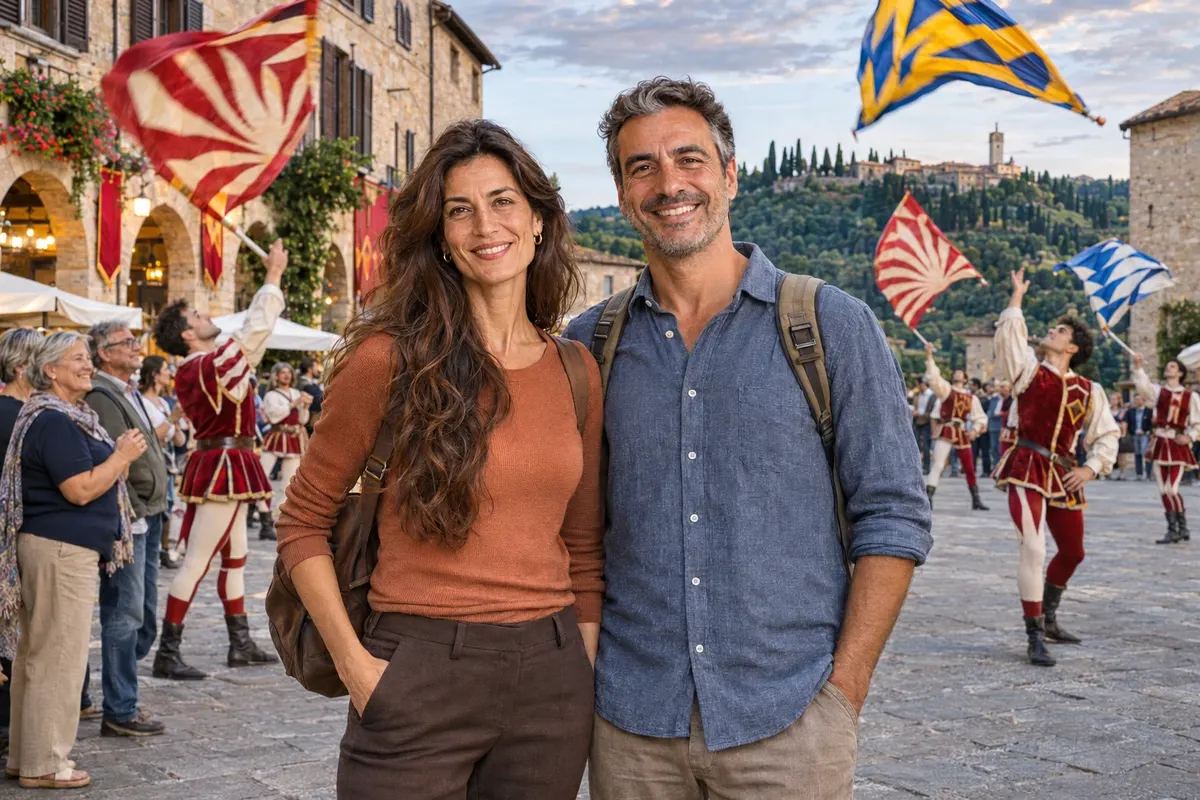
Popular festivals
For traditional festivals, start with the schedule and the route. In Siena, find out when the contrade will pass by. In Venice, note when the procession passes and when the rowing races take place.
Explore the Popular festivals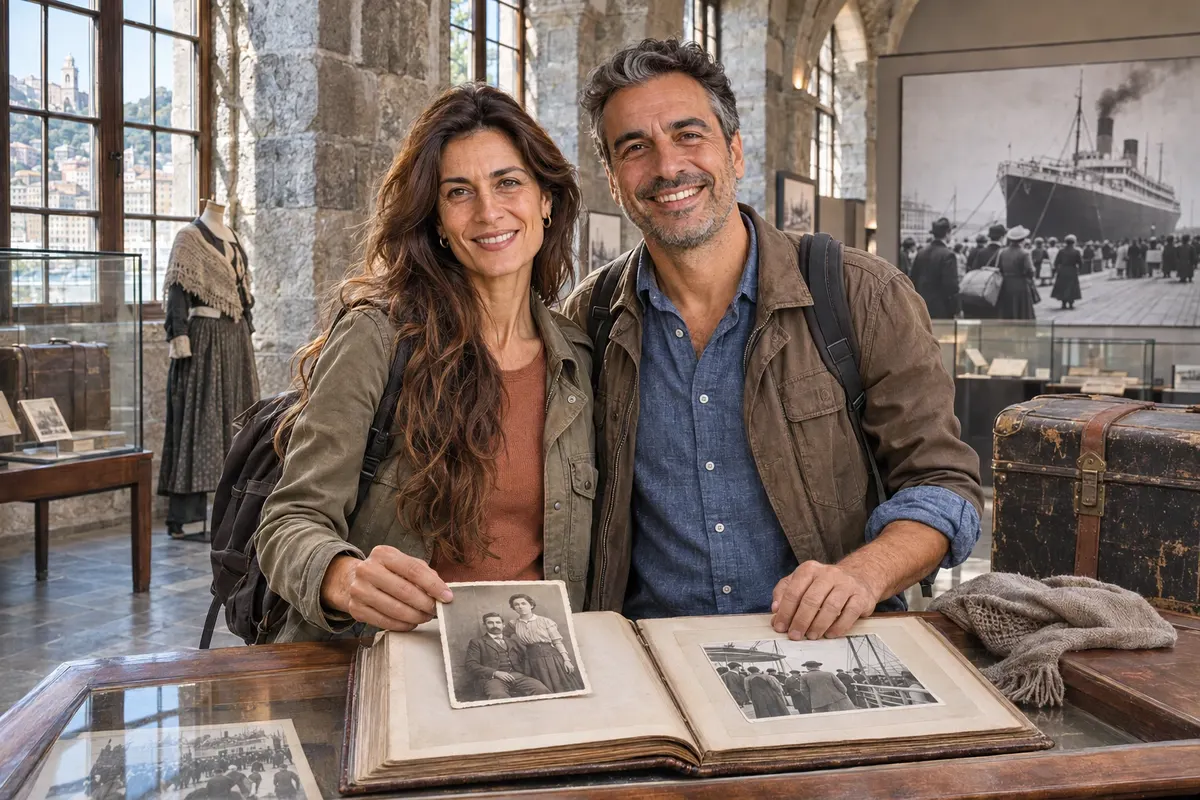
Immigration and heritage
For a look at migration and memory, the museum in Genoa tells the stories of people who left Italy. If you’re researching your own family, bring the different spellings of the surname, approximate dates, and clues about the municipality your family came from.
Explore the Immigration and heritageFrom gallery to street with a painting in mind
If you enjoy discovering how an image was made, Ravenna offers a different experience. At the Basilica of San Vitale, take turns looking at the mosaics as a whole and at the tiny pieces of glass or stone that make up the figures. In Pompeii, a doorway threshold between the street and the inside of a house may be the detail that helps you picture everyday life.
Siena’s contrade and Venice’s rowers
Siena’s Palio puts the contrade, the neighborhoods that compete in the race, at the heart of the festivities. The procession helps you recognize their colors and symbols before the horses enter Piazza del Campo. To see both the procession and the race, check the program for the event you plan to attend. When choosing where to stand, consider which route will stay open so you can leave afterward.
In Venice, the Regata Storica fills the Grand Canal with a boat procession and rowing races. If you want to photograph the decorated boats, you’ll want to be there at a different time than if you want to watch the crews at work as they race. Check the route for the event you plan to attend, choose a bank, and see whether you’ll need to cross the canal to get there.
Where to start exploring your family history in Genoa
The emigration museum in Genoa brings together accounts from people who left Italy. Letters, photographs, and personal testimonies give the crossing a human dimension. Even if you don’t know a relative’s story, you can see what families took with them, what they left behind, and how they stayed in touch after they left.
To look for a record of a family member, start with the municipality and an approximate date. An old document may name the person’s birthplace, even if all the family remembers is the port of departure. Genoa and Naples both have archives that offer guidance on consulting historical records. Identifying the right locality first can help you decide which archive to contact before your trip.
Beyond the guide


