

 Brazil
 Antarctica
 Argentina
 Bolivia
 Chile
 Colombia
 Ecuador
 Guyana
 French Guiana
 Falkland Islands (Malvinas)
 Paraguay
 Peru
 Suriname
 Uruguay
 Venezuela
 Germany
 Austria
 Belgium
 Croatia
 Denmark
 Slovakia
 Slovenia
 Spain
 Finland
 France
 Greece
 the Netherlands
 Hungary
 Ireland
 Iceland
 Luxembourg
 Norway
 Poland
 Portugal
 the United Kingdom
 the Czech Republic
 Sweden
 Switzerland
 Turkey
 Bermuda
 Canada
 the United States
 Greenland
 Mexico
 Saint Pierre and Miquelon
 the Dominican Republic
 Japan
 South Africa
 Egypt
 Australia
 Fiji
 New Zealand
 Papua New Guinea
Illustrative images. The pictures in this guide are illustrations based on the real place, not photographs, and may differ from it.

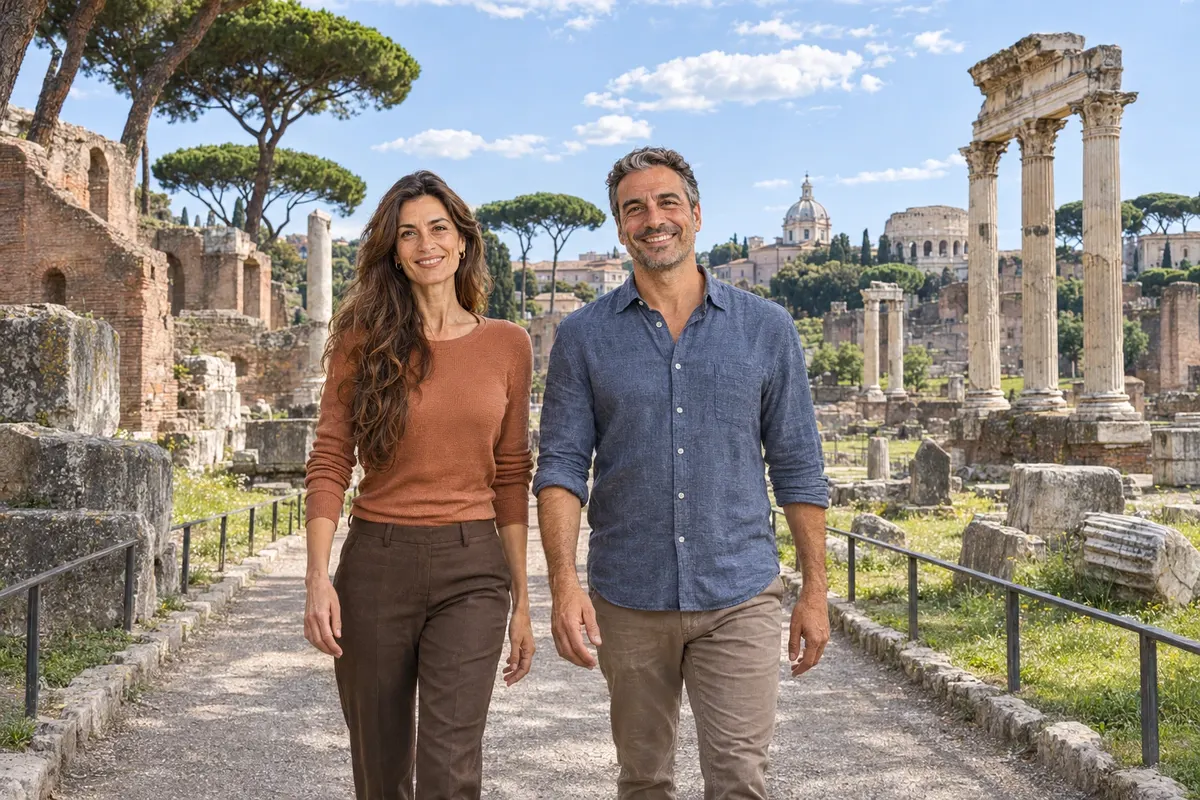
Culture and history
Cultural and historical tourism in Italy
In Pompeii, history can begin on the threshold of a house. In Venice, it can start by looking at the same façade from a bridge and from inside a gondola.
A cultural trip through Italy takes shape when you choose what to look at closely. In Florence, a morning can be devoted to Botticelli’s paintings. In Pompeii, streets and doorways reveal the layout of the old neighborhoods. In Verona, the Arena itself changes meaning depending on whether you visit it during a walk or on an opera night.
Things to do
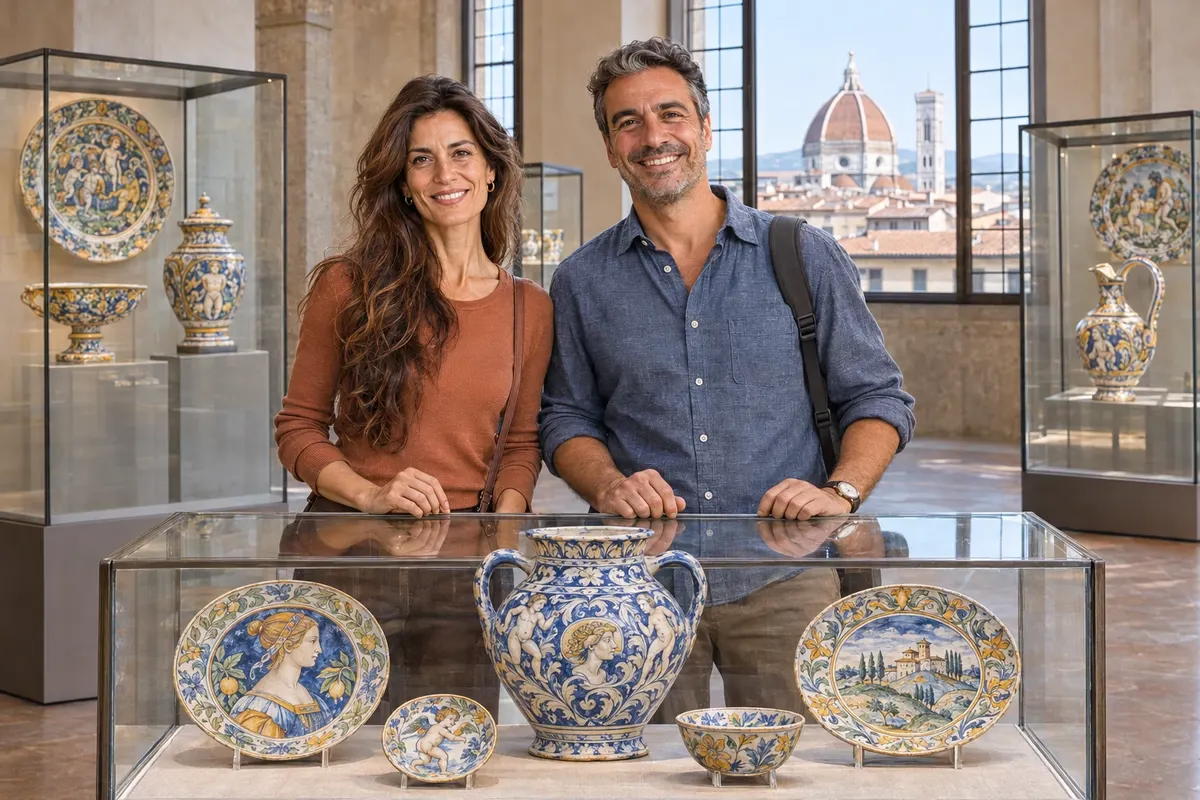
Visiting art museums
See Botticelli in Florence, Bernini in Rome, and Italian painting in the collections of Milan and Venice.
Learn more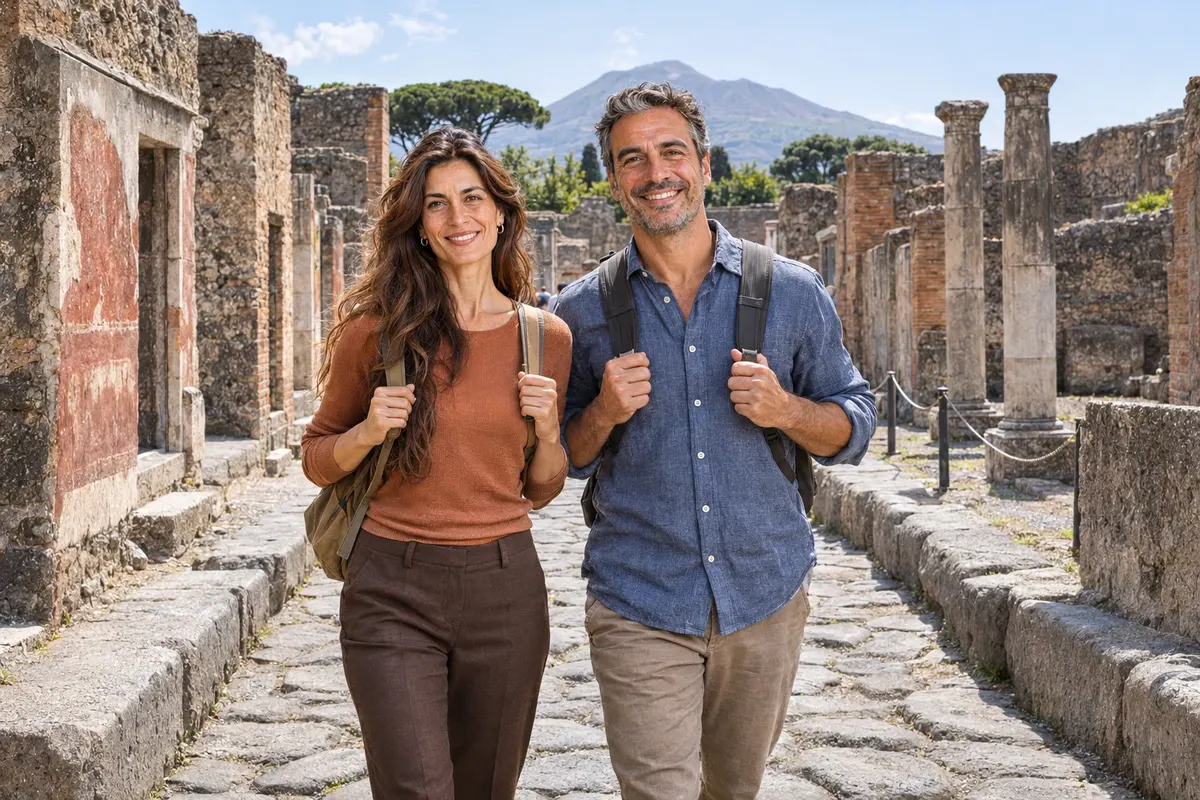
Visiting archaeological sites
Walk the streets of Pompeii and compare sanctuaries, theaters, and amphitheaters in Sicily.
Learn more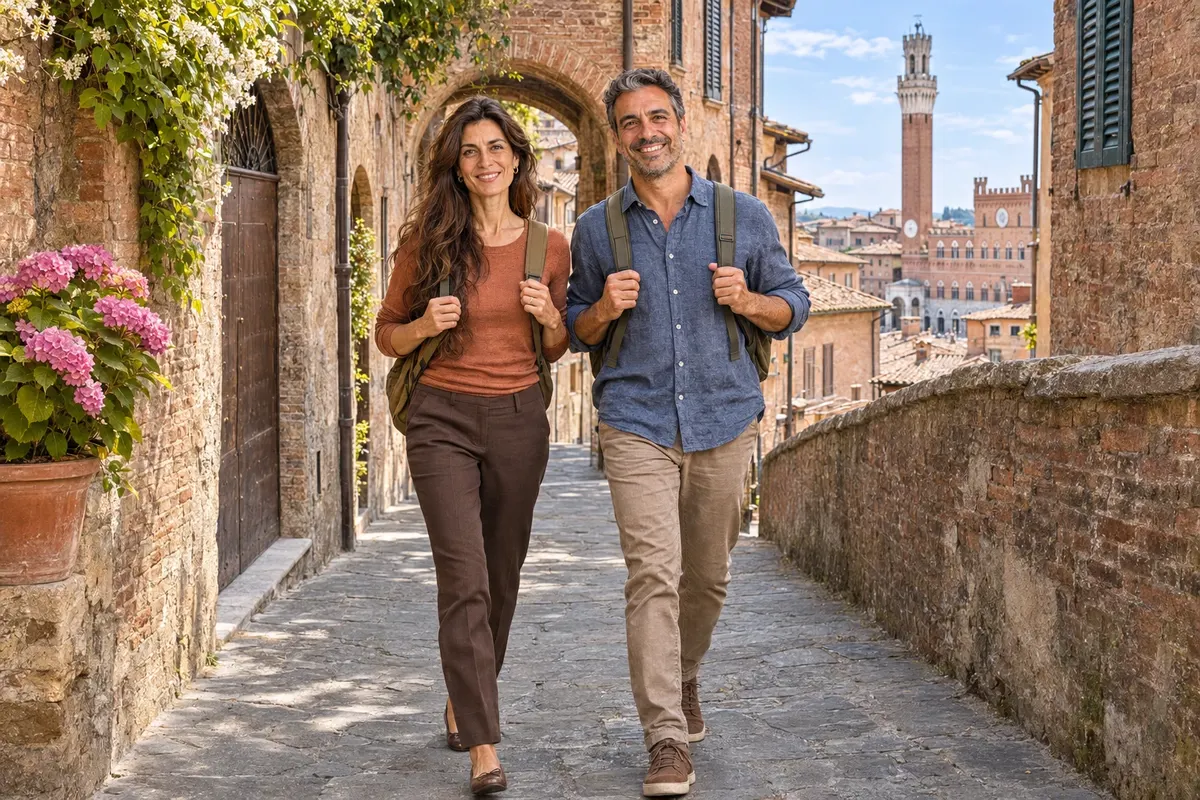
Exploring historic centers and villages
Follow the layout of the Piazza del Campo, the towers of San Gimignano, and the stone houses of Alberobello.
Learn more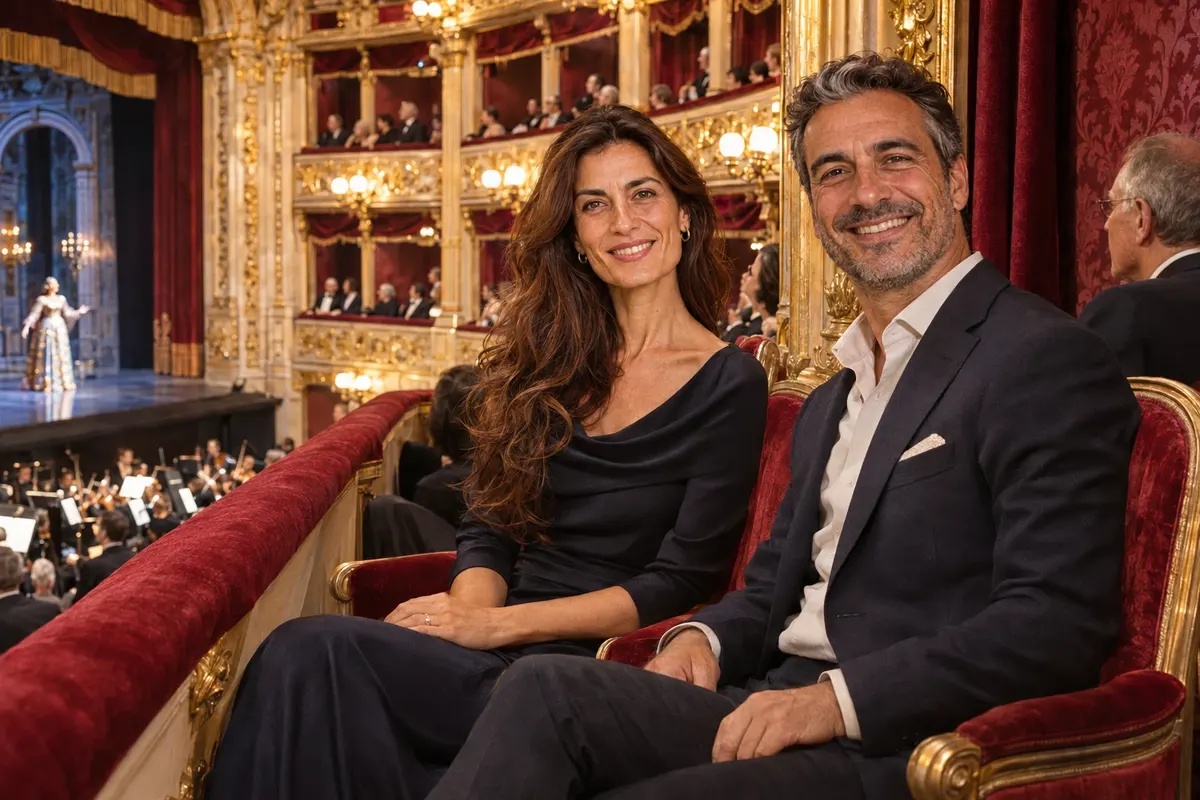
Attending operas and visiting theaters
Choose between touring a historic theater interior and hearing an open‑air opera at the Arena of Verona.
Learn more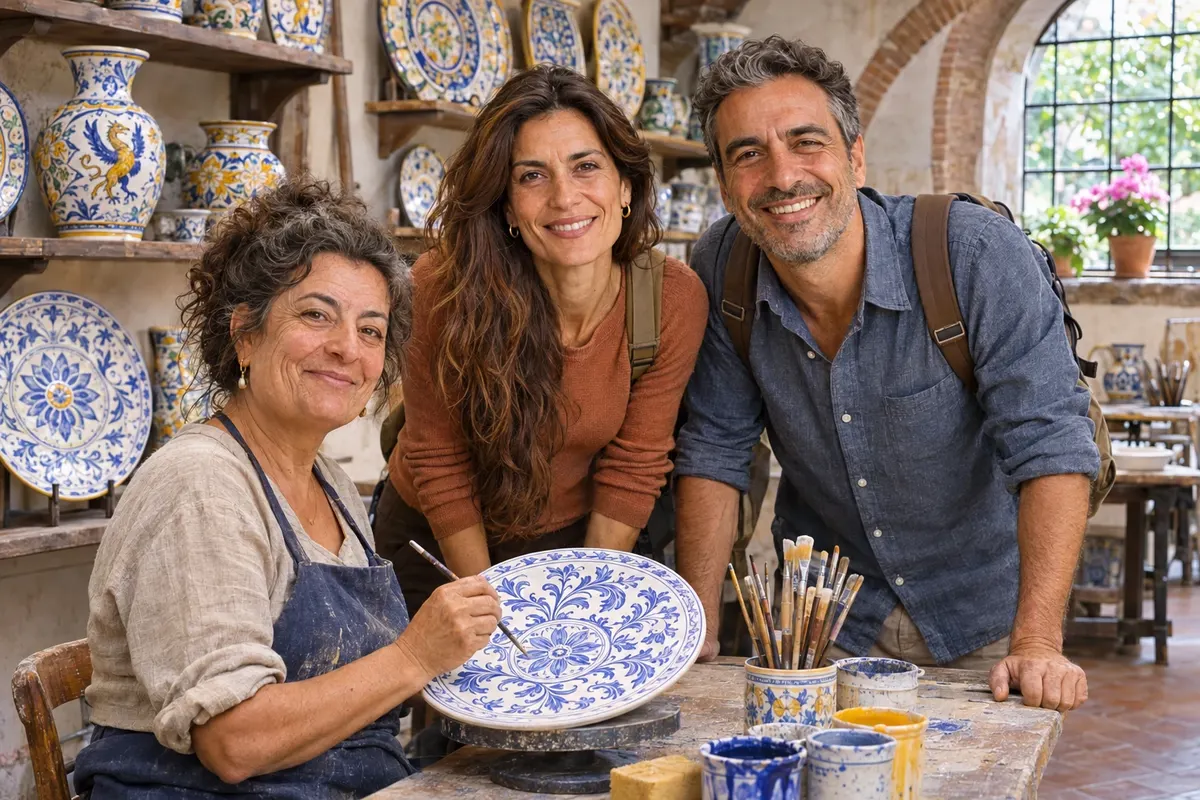
Learning about traditional crafts
Discover how glass takes shape in the collections of Murano and in Florence’s workshops.
Learn more
Exploring fashion and design
Follow exhibitions in Milan and read the history of dress in the pieces at the Palazzo Pitti.
Learn more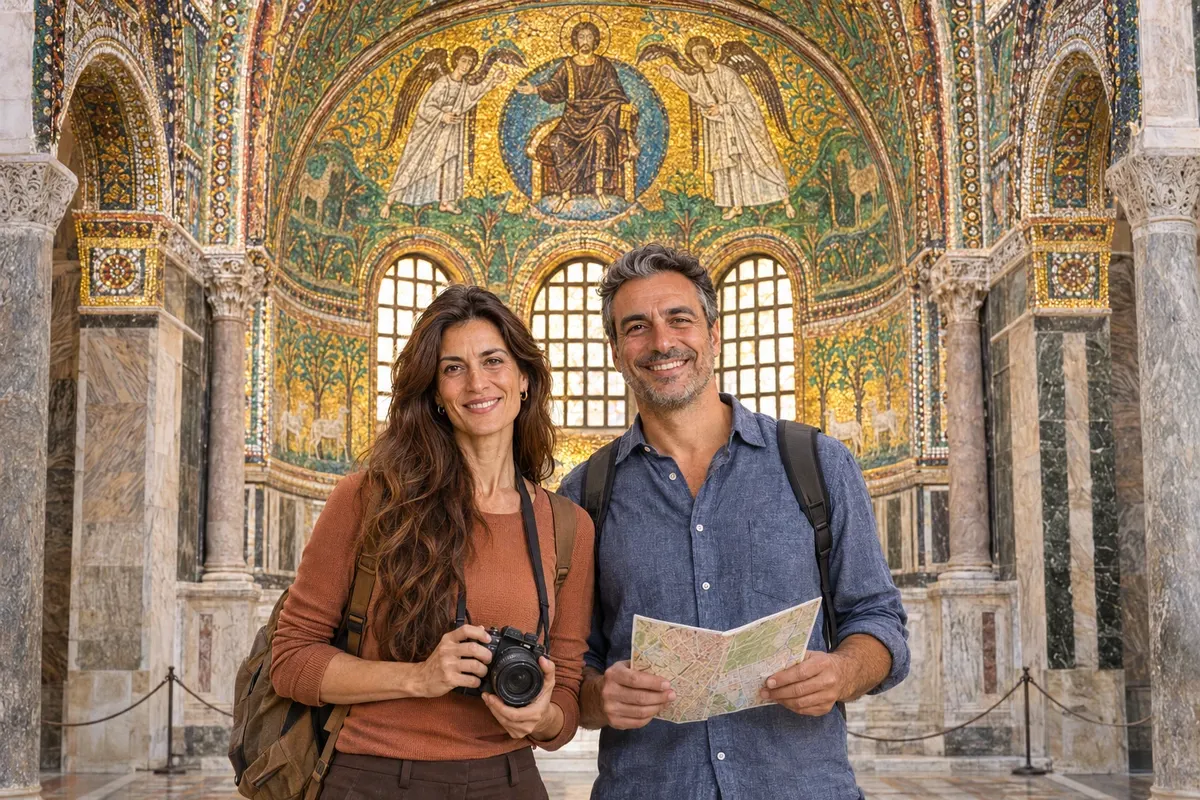
Visiting historic mosaics
Notice how images made of small tesserae cover walls and arches from Ravenna to Palermo.
Learn more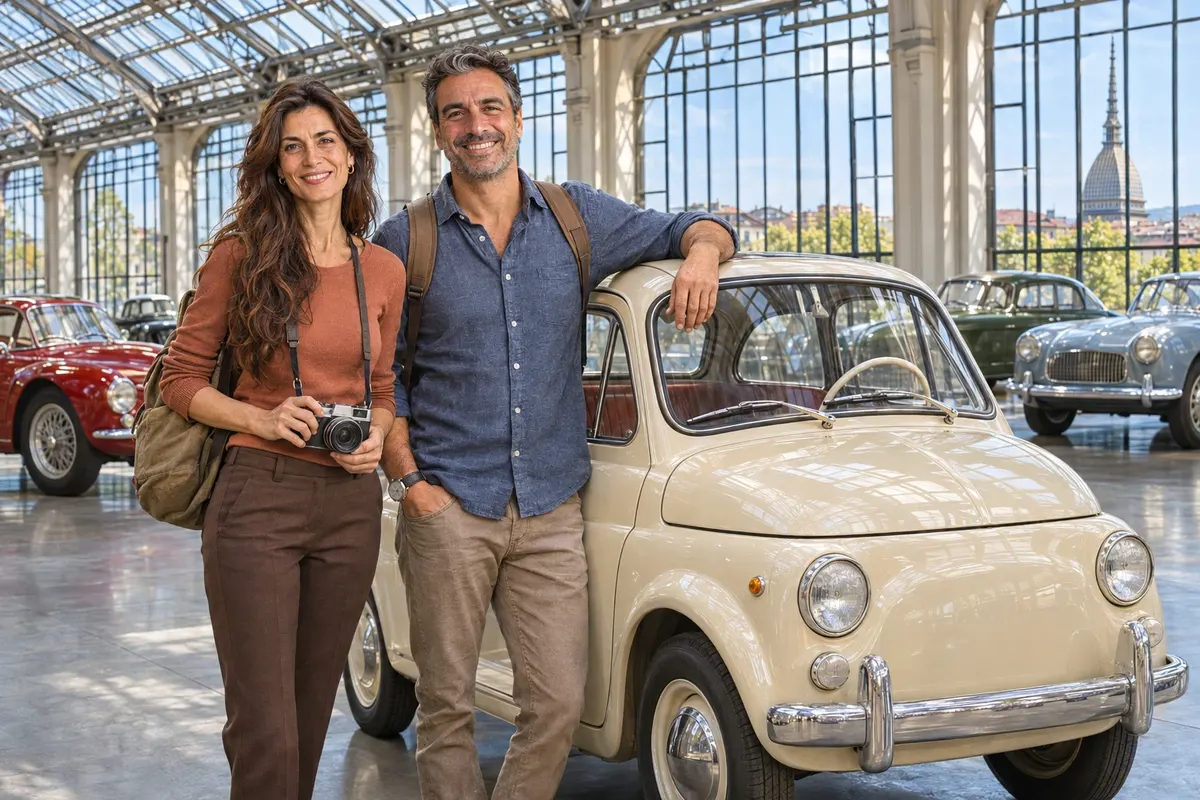
Exploring automobile heritage
Compare the cars and engines in a panoramic collection in Turin with the Enzo Ferrari‑linked collection in Modena.
Learn more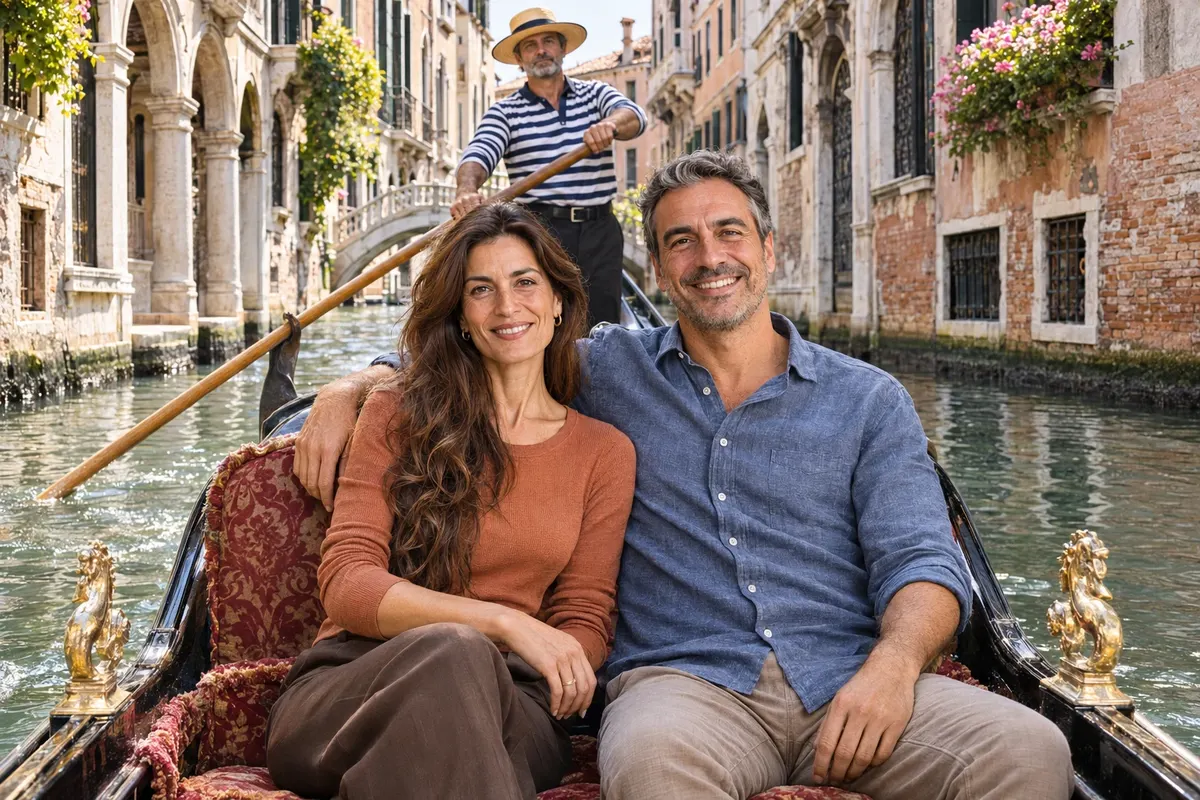
Riding a gondola
Travel the canals of Venice and spot from the boat details that stay hidden to those on the bridges.
Learn moreWhere to go in Italy
Pick a region or type what you are looking for to see the cities and who offers each activity.
- Modena EM
- Ravenna EM
-
Milan LD
Visiting art museums · Attending operas and visiting theaters · Exploring fashion and design
- Turin PM
-
Venice VN
Visiting art museums · Exploring historic centers and villages · Attending operas and visiting theaters · Learning about traditional crafts · Riding a gondola
-
Verona VN
Exploring historic centers and villages · Attending operas and visiting theaters
-
Rome IA
Visiting art museums · Visiting archaeological sites · Visiting historic mosaics
-
Florence TS
Visiting art museums · Exploring historic centers and villages · Learning about traditional crafts · Exploring fashion and design
- San Gimignano TS
- Siena TS
- Alberobello PL
- Matera BS
- Naples CM
- Pompeii CM
- Agrigento SI
- Cefalù SI
-
Palermo SI
Attending operas and visiting theaters · Visiting historic mosaics
- Syracuse SI
- Taormina SI
There are nine ways to follow this route. One visit helps you understand another, as when you move from a glass workshop to a museum collection.
Painting and sculpture in Italian galleries
At the Uffizi in Florence, follow how painters represent a body in motion. A fabric blown by the wind in Botticelli suggests a gesture that the painting fixes for an instant. At the Galleria Borghese in Rome, you can take the same question to Bernini’s sculptures and observe how the figure gains a different outline with every step around it.
At the Pinacoteca di Brera, Raphael and Mantegna are good starting points. At the Gallerie dell’Accademia, the collection allows you to trace changes in Venetian painting across the centuries.
The ancient city seen from the street
Scale helps choose an archaeological site. In Pompeii, a short stretch between two corners already shows the relationship between the street and the houses. In Rome, the Colosseum, Roman Forum and Palatine Hill are part of the same park. Allow time to visit the amphitheater and walk among the ruins.
In Sicily, the Valley of the Temples in Agrigento preserves sanctuaries of ancient Akragas. Syracuse allows you to compare the Greek theater and the Roman amphitheater in the Neapolis Park. In Taormina, the Ancient Theatre brings together traces of the Greek plan and Roman interventions in the same building.
Squares, towers and houses to explore on foot
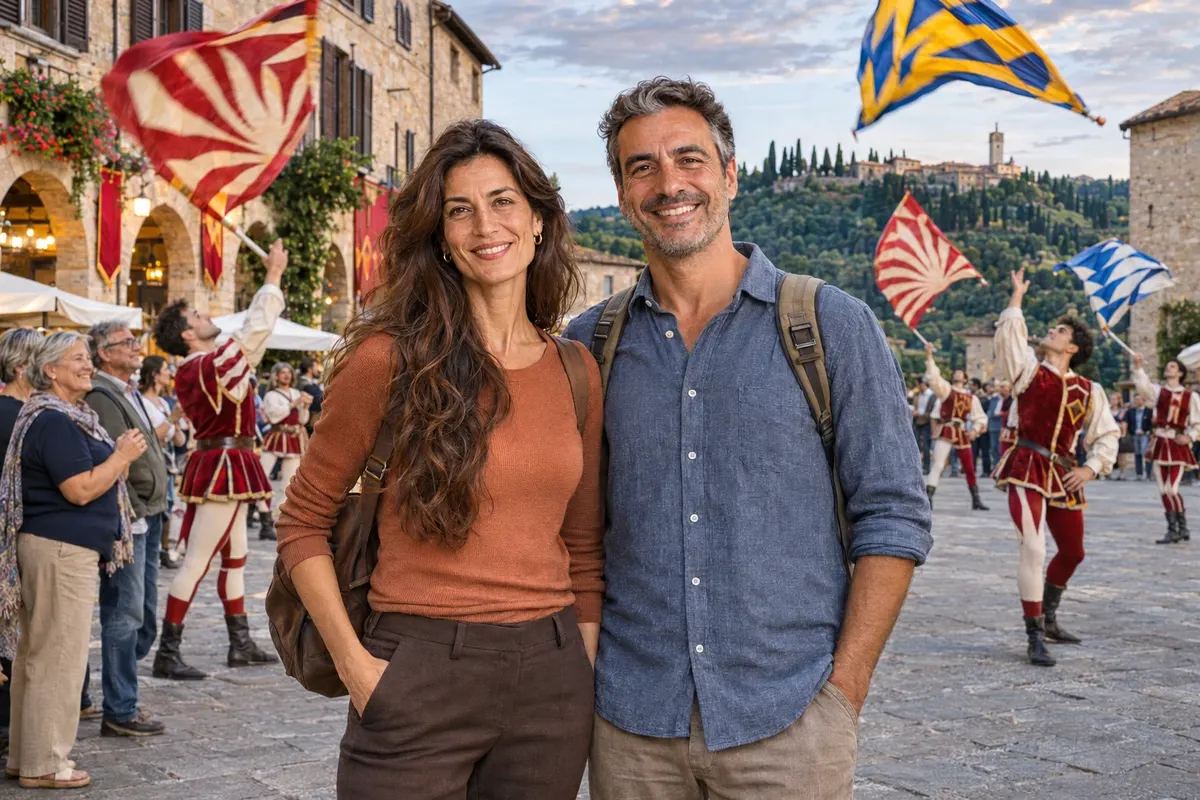
In central Siena, try arriving at the Piazza del Campo via one street and leaving by another. The square works as a reference for understanding the medieval streets that converge on it. In San Gimignano, the same exercise is done by looking up at the towers. In Florence, the cathedral and the squares guide walks between Renaissance buildings.
In Matera, notice how constructed façades give access to environments dug into the Sassi. In Alberobello, it is the conical roofs of the trulli that let you recognize the cluster of dry-stone houses from afar.
An opera night or a theatre visit
At Teatro alla Scala in Milan, the performance brings auditorium, stage and orchestra into a single experience. In Verona, the opera season at the Arena stages productions in an open-air amphitheater.
In Venice, Teatro La Fenice can be visited during opening hours. In Naples, Teatro di San Carlo is next to the Royal Palace. In Palermo, Teatro Massimo offers both opera programming and guided tours.
Glass between the museum and the workshop
In Venice, the Murano Glass Museum helps you recognize the choices of the maker of a piece. Wall thickness, the fitting of a handle and the regularity of the rim can tell you as much about the craft as the color.
In Florence, the municipal guide lists workshops that preserve glassworking techniques. When you contact them, ask if the space receives visitors and whether there will be work in progress.
Clothing and objects as period documents
Milan has its own program during Milano Design Week. Exhibitions and installations spread across the city, and it’s worth choosing nearby addresses and looking closely at materials and usage solutions. Try comparing how two chairs resolve support for the body or how two lamps direct light.
At the Costume and Fashion Museum of Palazzo Pitti in Florence, clothes and accessories let you observe the body each era sought to dress. Notice where the garment fits, where it gains volume and how its fastenings work.
Mosaics that accompany architecture
At the Basilica of San Vitale in Ravenna, start by looking at the whole set of mosaics before searching for faces or details of dress. Distance reveals how the scenes are arranged in relation to arches and walls.
In the Palatine Chapel in Palermo, Byzantine mosaics are integrated into the interior of the Royal Palace. In Cefalù, look for the figure of Christ Pantocrator in the cathedral apse. At the Basilica of Santa Maria Maggiore in Rome, the route between the nave and the triumphal arch invites you to compare images designed for different viewpoints.
The automobile as part of Italian history
In Turin, the National Automobile Museum brings cars from different functions and periods closer together. Look at the driver’s position, passenger space and the lines of the bodywork.
In Modena, the Enzo Ferrari Museum has a more personal focus. Visiting the birthplace complex of the founder relates cars and engines to the brand’s trajectory.
Venice from the water level
From Venice’s official boarding points, gondolas depart that let you look up at doors, bridges and façades from below. In narrow canals, proximity reveals the contact between masonry and water. Compare this perspective with a walk through the same neighborhood, when the bridges become viewing points.
Before boarding, talk about the possible route, the landing point and the boat’s access conditions.
Frequently asked questions
Which city to choose for a first cultural trip to Italy?
Florence brings the Uffizi paintings close to the squares and architecture of the center. Rome suits those who want to alternate archaeology, sculpture and mosaics. In Venice, the layout of the canals links walking tours to galleries and the glassmaking tradition.
How to adapt a historical itinerary for children?
Choose a task that gives purpose to the walk. In Pompeii, look together for the path between a house door and the corner. In Alberobello, observe how roofs change as the street curves. Alternate focused segments with breaks.
Which visits should be planned first?
Start with activities tied to a date, such as an opera at the Arena di Verona or an exhibition during Milan’s design week. Then check museum entry conditions and leave neighborhood walks for the intervals.
More in Culture and history
Beyond the guide


