

 Brazil
 Antarctica
 Argentina
 Bolivia
 Chile
 Colombia
 Ecuador
 Guyana
 French Guiana
 Falkland Islands (Malvinas)
 Paraguay
 Peru
 Suriname
 Uruguay
 Venezuela
 Germany
 Austria
 Belgium
 Croatia
 Denmark
 Slovakia
 Slovenia
 Spain
 Finland
 France
 Greece
 the Netherlands
 Hungary
 Ireland
 Iceland
 Luxembourg
 Norway
 Poland
 Portugal
 the United Kingdom
 the Czech Republic
 Sweden
 Switzerland
 Turkey
 Bermuda
 Canada
 the United States
 Greenland
 Mexico
 Saint Pierre and Miquelon
 the Dominican Republic
 Japan
 South Africa
 Egypt
 Australia
 Fiji
 New Zealand
 Papua New Guinea
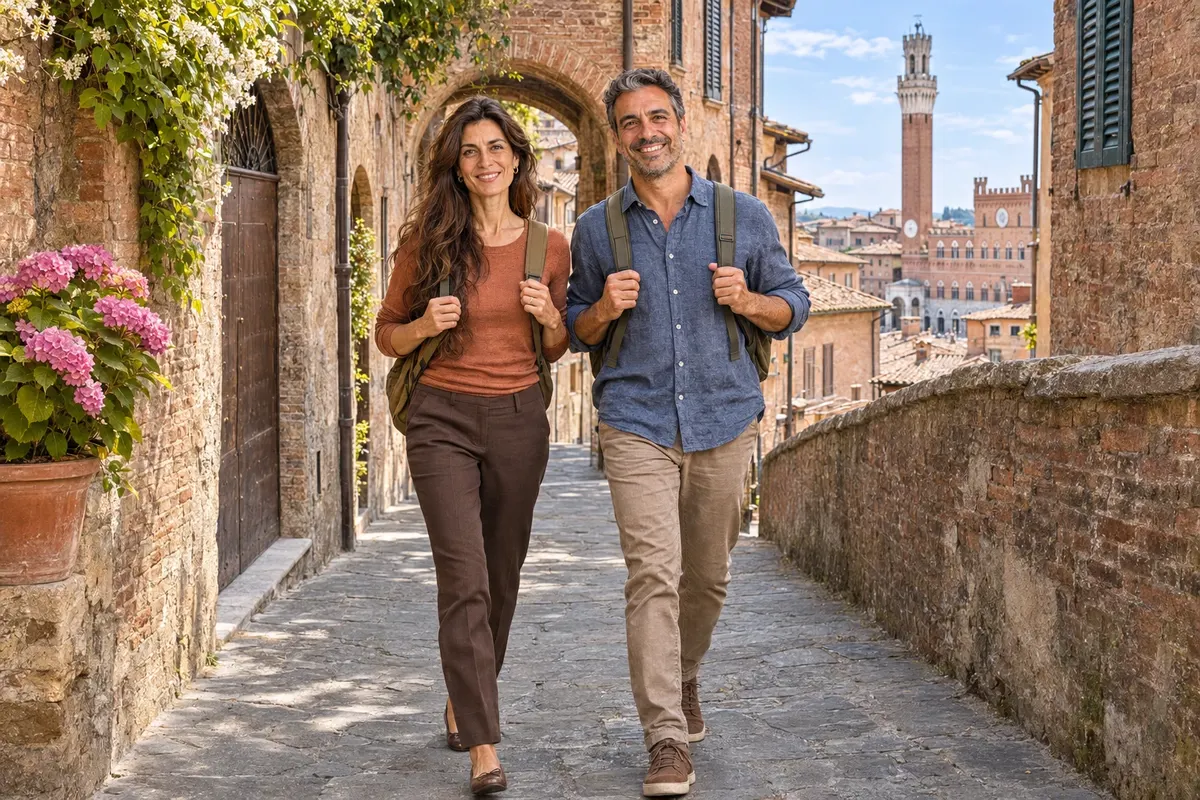
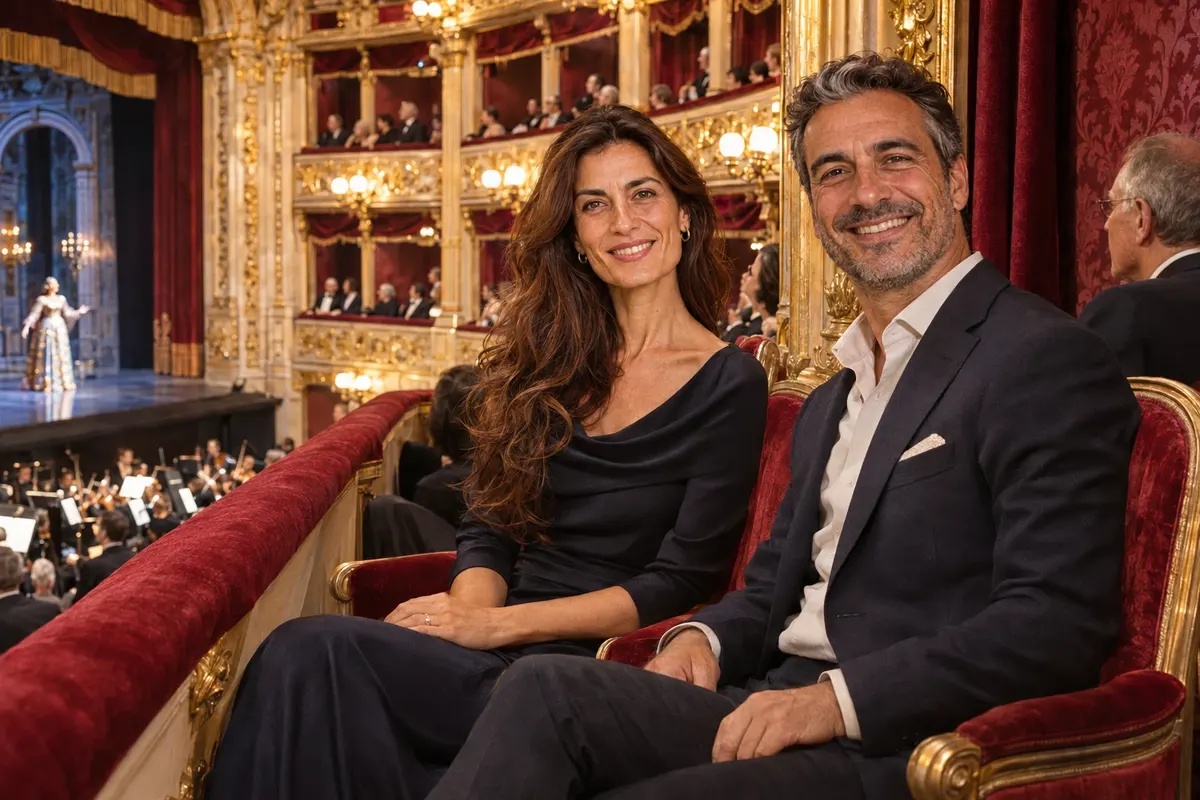
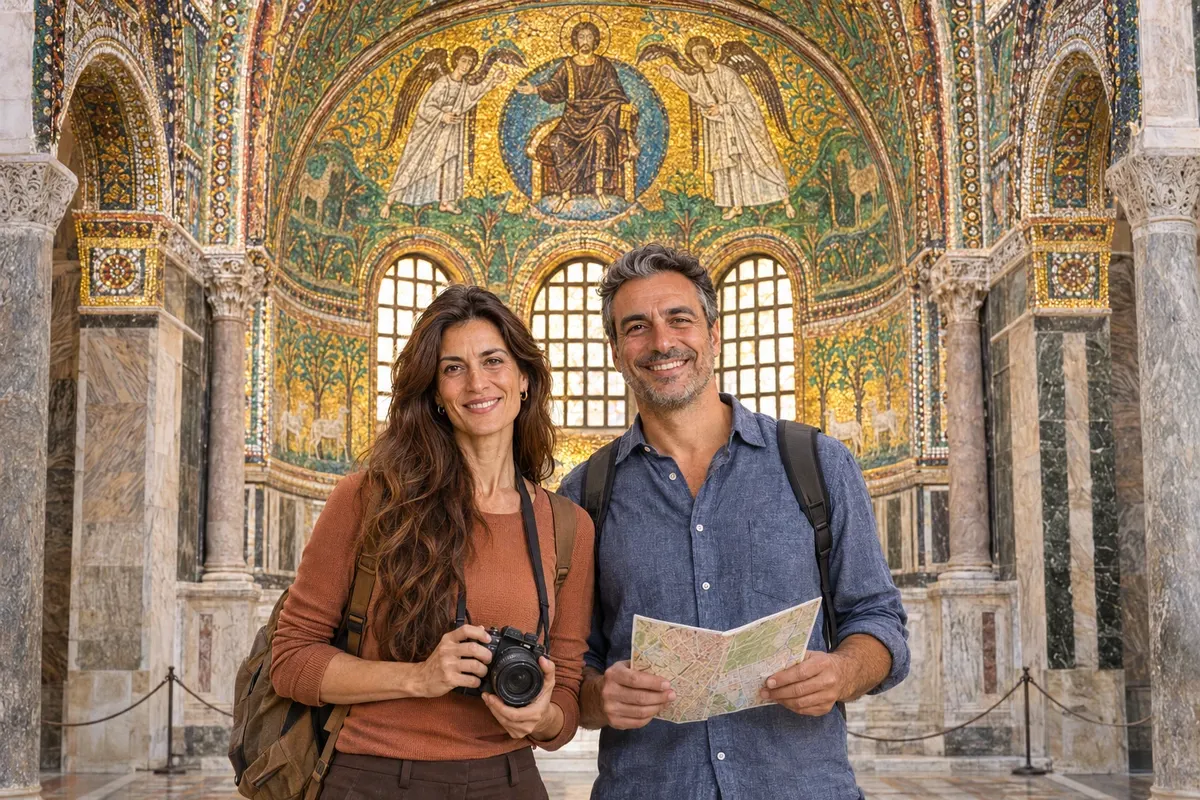
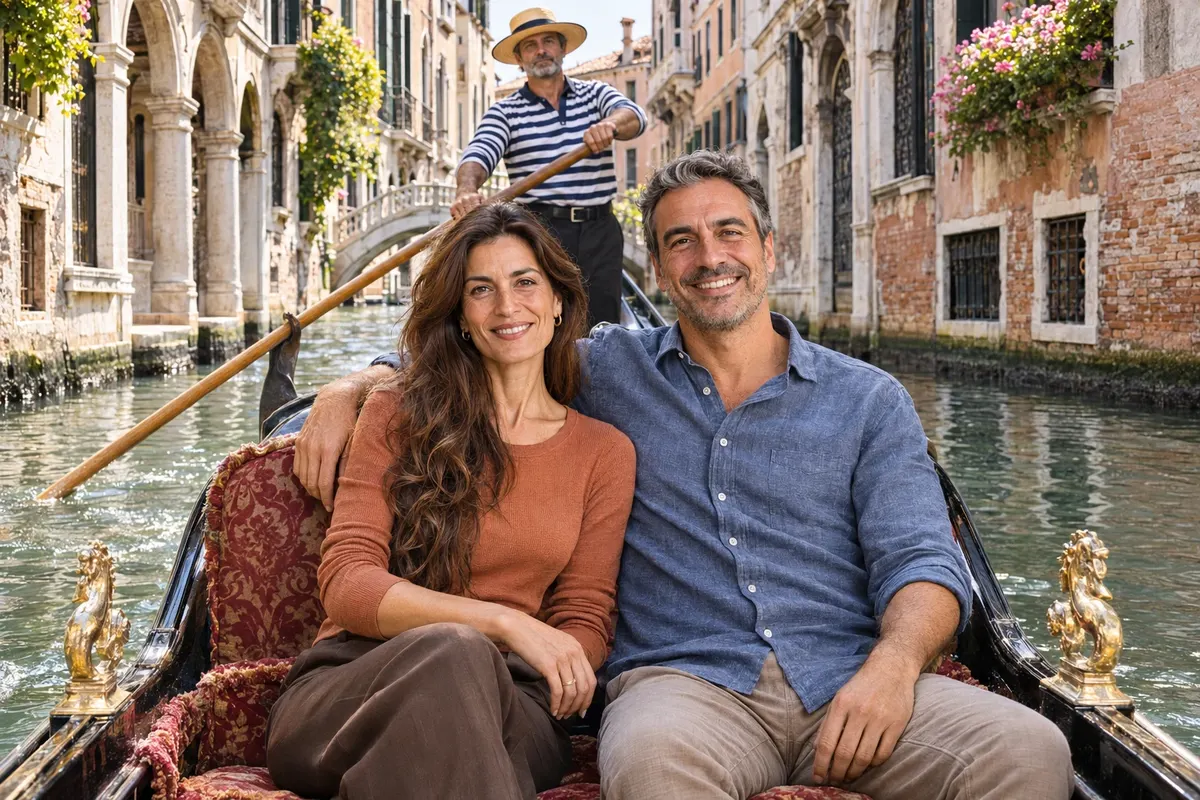
Illustrative images. The pictures in this guide are illustrations based on the real place, not photographs, and may differ from it.

Cultural and heritage travel
Historic centers and villages of Italy
Follow the layout of the Piazza del Campo, the towers of San Gimignano, and the stone houses of Alberobello.
In Siena, a sequence of narrow streets suddenly opens onto the Piazza del Campo. In Venice, the water interrupts the route and forces you to look for a bridge. Walking through these historic centres is discovering how you get from one place to another and what the city’s form tells about those who built it.
Choose an easy reference to recognize, such as a square, a tower or a canal edge, and make a short loop from it. The same building can look very different when it appears at the end of a narrow street and when it is seen whole from a square.
Florence and Verona in layers
In Florence, start with the relationship between the cathedral, the square around it and the streets that lead to it. Step back until you can still see the top of the building. The cathedral guides walking even when neighboring buildings hide part of the façade. Then find another square and notice how the scale of Renaissance buildings changes.
In Verona, Roman remains coexist with the medieval and Renaissance city. The Arena is a good reference point to begin. Notice the space the amphitheater’s curve occupies in the center and follow how the streets take other directions as they move away from it. A historic map helps recognize the periods along the route.
Siena and San Gimignano between squares and towers
The Piazza del Campo lets you understand part of Siena’s medieval layout. Walk along a section of its edge and pay attention to the entrances between the buildings. Choose one to exit through and, a few steps ahead, look back. The wide space you had just dominated can shrink to an opening between two walls.
In San Gimignano, the medieval towers outline the profile of the walled center. Seen from outside the cluster, they help you recognize its silhouette. Inside the houses, they serve as landmarks that appear and disappear as the street changes direction. Find a position where you can compare two of them and notice differences in height and proportion.
Venice bridge by bridge
In Venice, squares and palaces are spread across islands connected by bridges. To understand this arrangement, start from a square, reach the edge of a canal and see where the crossing is. The palace that seems close, right on the other side, may require a long walk to reach on foot.
If there is a stroller or someone who has difficulty climbing steps in the group, count the crossings before choosing the route. You can enjoy a walk concentrated on a few streets, returning to the same square for a break. When you stop to look at the canal, keep the passage clear for those crossing the bridge.
The stone houses of Matera and Alberobello
In the Sassi of Matera, parts of the neighborhoods were carved into the rock and others were built in front of it. Notice how access points are distributed across levels. A façade seen from the other side of the neighborhood reveals its position on the relief. Up close, the detail that draws attention may be the threshold or the steps leading to the door.
In Alberobello, the trulli are dry-stone houses recognizable by their conical roofs. First look at a sequence of roofs and then at the junction between a roof and its wall. A walk around the public area is enough to see how the buildings form streets. To visit an interior, look for a property marked as open to visitors.
Frequently asked questions
Which historic centre to choose to see medieval Italy?
Siena invites you to explore the square and the streets that converge on it. San Gimignano is especially interesting for those who want to see how towers, houses and walls form the profile of a village.
What is the difference between the Sassi and the trulli?
The Sassi are districts of Matera where architecture integrates with excavated rock. The trulli of Alberobello are dry-stone constructions with conical roofs. Each ensemble offers a distinct way of observing dwellings.
Can you enjoy the walk without entering monuments?
Yes. Reserve a stretch to observe changes in width, curves, façades and crossing points. In Florence and Verona, for example, the walk already reveals how monuments participate in the life and circulation of the centre.
Where to go: Exploring historic centers and villages
Pick a region or type what you are looking for to see the cities and who offers it in each.
-
Venice VN
The historic city’s squares and palaces are spread across its islands and along its canals.
-
Verona VN
The city center retains buildings from the Roman, medieval, and Renaissance periods.
-
Florence TS
The historic center is home to the cathedral, squares, and buildings of Renaissance Florence.
-
San Gimignano TS
Medieval towers define the skyline of the walled historic center.
-
Siena TS
Piazza del Campo is part of a city center that retains its medieval layout.
-
Alberobello PL
The trulli neighborhoods are made up of dry-stone houses with conical roofs.
-
Matera BS
The Sassi preserve neighborhoods where some structures were built and others carved into the rock.
More activities in Cultural and heritage travel





Beyond the guide


