

 Brazil
 Antarctica
 Argentina
 Bolivia
 Chile
 Colombia
 Ecuador
 Guyana
 French Guiana
 Falkland Islands (Malvinas)
 Paraguay
 Peru
 Suriname
 Uruguay
 Venezuela
 Germany
 Austria
 Belgium
 Croatia
 Denmark
 Slovakia
 Slovenia
 Spain
 Finland
 France
 Greece
 the Netherlands
 Hungary
 Ireland
 Iceland
 Luxembourg
 Norway
 Poland
 Portugal
 the United Kingdom
 the Czech Republic
 Sweden
 Switzerland
 Turkey
 Bermuda
 Canada
 the United States
 Greenland
 Mexico
 Saint Pierre and Miquelon
 the Dominican Republic
 Japan
 South Africa
 Egypt
 Australia
 Fiji
 New Zealand
 Papua New Guinea
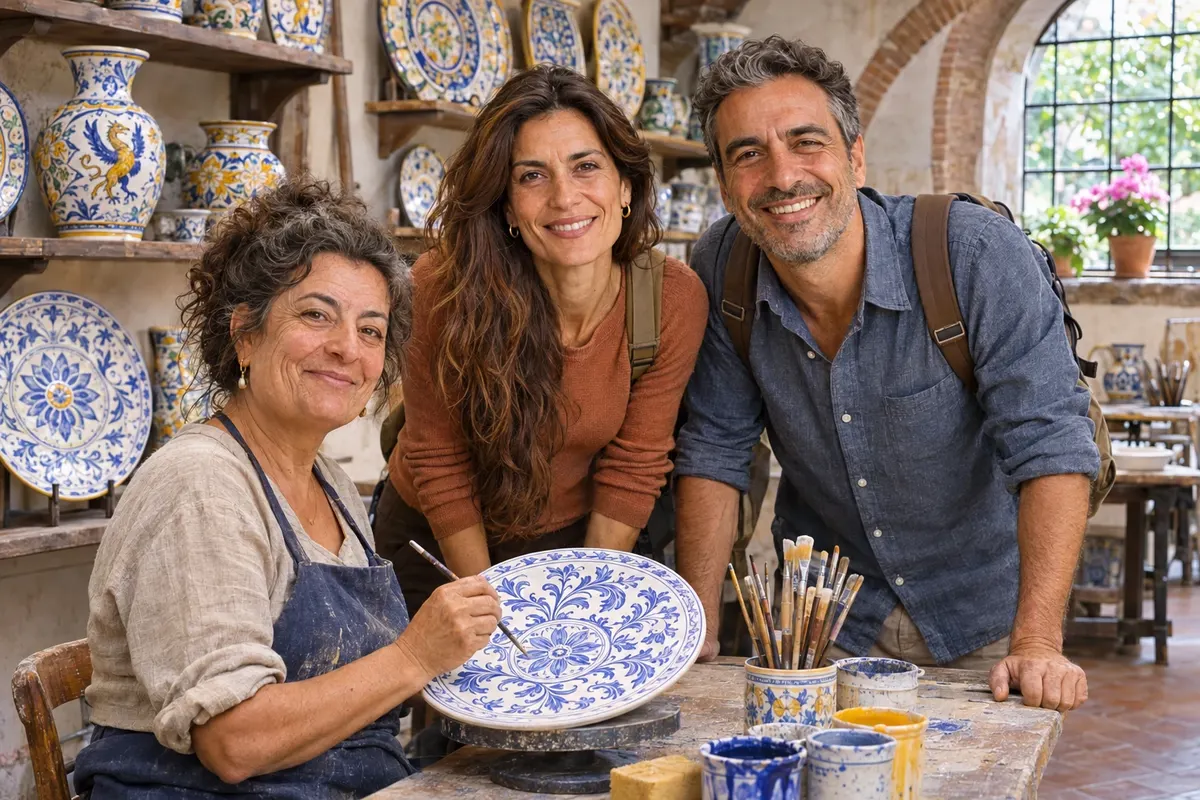
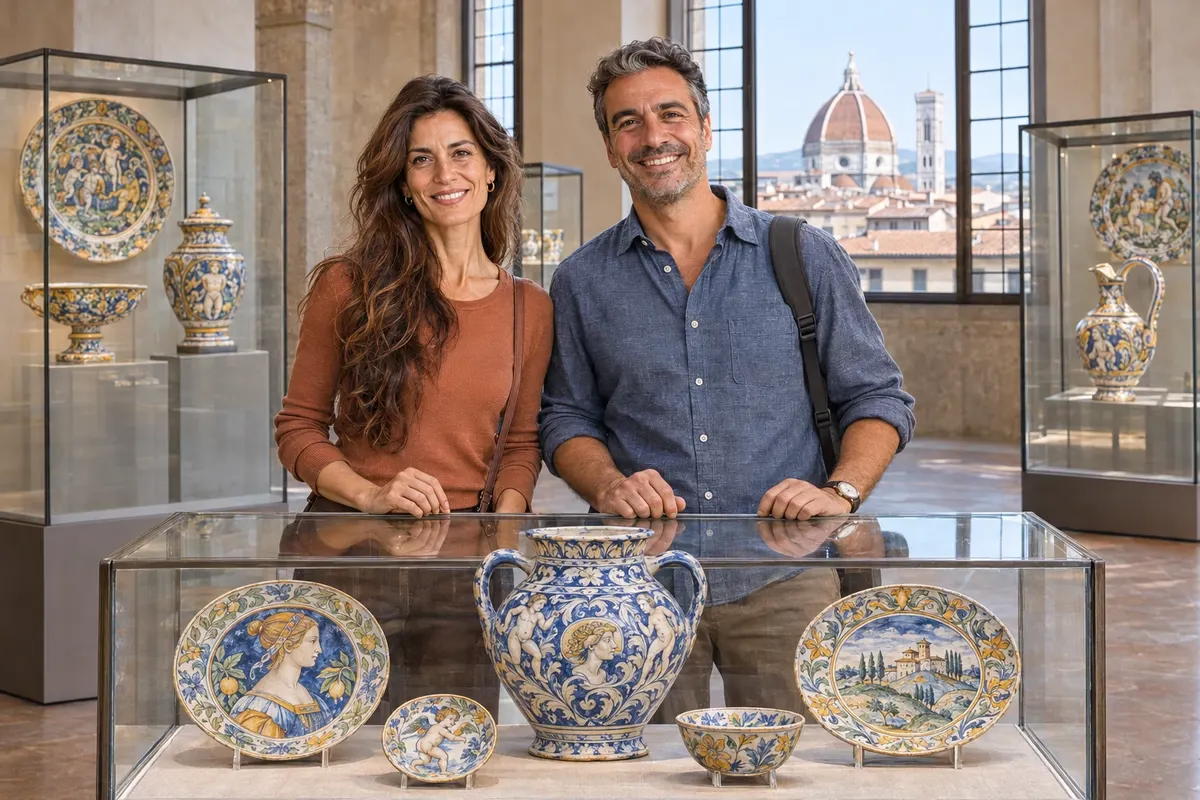
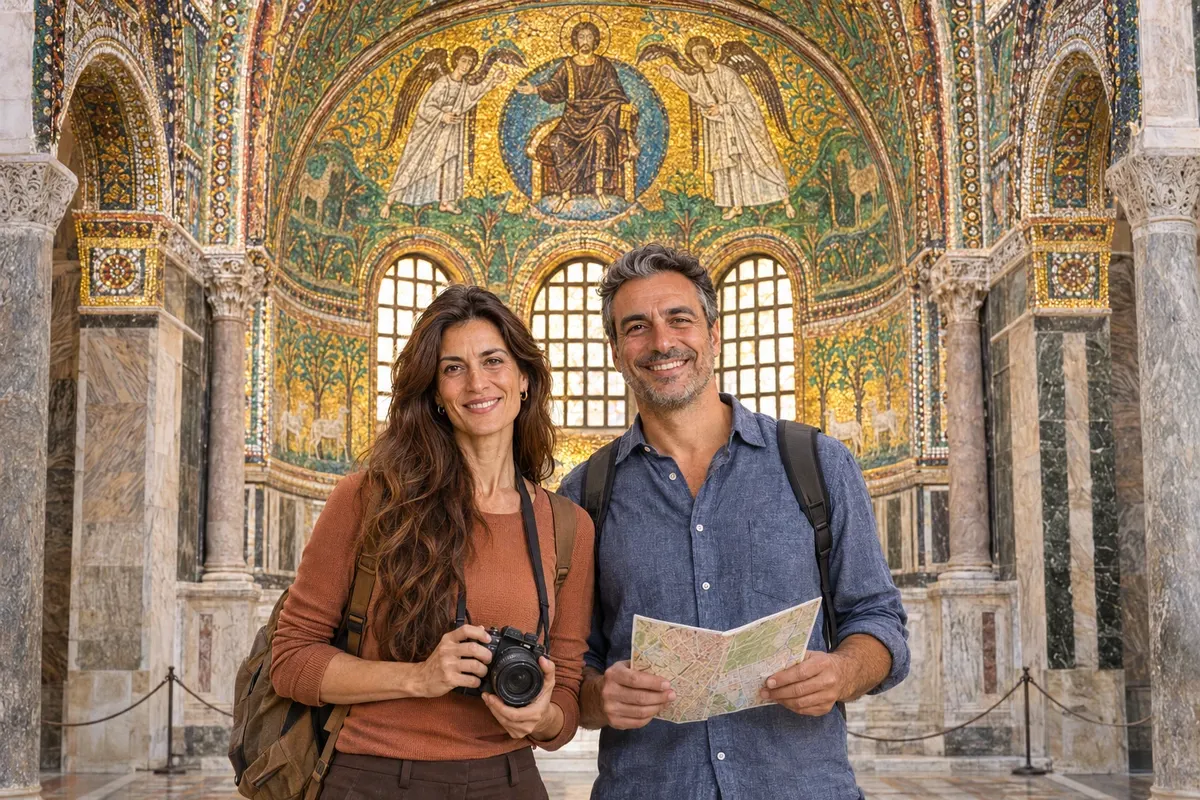
Illustrative images. The pictures in this guide are illustrations based on the real place, not photographs, and may differ from it.

Cultural and heritage travel
Traditional glass craftsmanship in Italy
Discover how glass takes shape in the collections of Murano and in Florence’s workshops.
Two goblets can have almost the same design yet require very different decisions from their makers. A thin rim, a twisted stem or a handle in a different color reveal the craft when you know where to look. In Venice and Florence, glass provides a thread linking the discovery of traditional Italian crafts.
The Murano Glass Museum helps place the finished piece in a longer story. In the Florence workshops recommended by the municipal tourism office, the conversation can start with a very concrete question. Which part of the object was the hardest to execute? The answer often directs the eye to something that would be missed in a display case.
What to look for at the Murano Glass Museum
In Murano, Venice, the museum presents the history and techniques of Venetian glassmaking. Choose two objects with a similar purpose, such as two vessels. Compare the point where each rests, the apparent thickness of the walls and the transition between body and rim. The differences help you understand what each craftsperson sought to achieve with the material.
Then read the label to locate period, technique and use. A motif that looks painted on the surface may be part of the glass itself. When the display case allows, change position to observe how the decoration follows the piece’s curve. Light and background can reveal details that are hard to see head-on.
Finding glass workshops in Florence
In Florence, use the selection of workshops published by the municipal tourism office to identify who works with glass. Read each studio’s description before planning your route. An address that looks interesting for finished pieces may have a different routine from one where the public follows a stage of production.
When contacting a workshop, explain what you would like to see, say how many people will attend and confirm whether the visit needs an appointment. If the workshop receives visitors during work, ask at which moments it is possible to talk. A short operation can require the craftsperson’s full concentration until the piece is resting.
Questions to ask in front of a piece
Start with its use. Was the piece made to be held, used at the table or viewed against the light? Then ask which parts were made together and which had to be joined afterwards. At the junction between handle and body, for example, you can understand why something that looks like mere ornament also solves a practical need.
To learn about a technique, asking the person to describe a single gesture can yield more than asking how everything is done from start to finish. It’s useful to know at what point the form becomes fixed or when a curve can still be corrected. If you want to photograph the gesture or the object, agree that with the person working.
Choosing and transporting a handmade piece
When considering a purchase, note the name of the workshop and try to understand which stages it carried out. Ask for care instructions specific to that object, especially if you intend to use it with food, heat or daily washing. A decorative piece and one intended for the table may require different care despite similar appearance.
Check how protruding parts are protected during transport. Stems, rims and handles need to fit inside the packaging without receiving direct pressure. If you prefer to keep only the memory of the visit, you can record, with permission, the name of the technique and a detail of the piece to recognize it later in a museum.
Frequently asked questions
Where to learn the history of Venetian glass?
The Murano Glass Museum is the starting point in Venice. Allow time to compare pieces from different periods and identify from the labels how production methods changed.
Does a workshop visit include making a piece?
The workshop defines the format. When booking, ask whether the experience involves observing, talking or taking part in a practical activity, and what conditions apply to each person in the group.
How to combine museum and studio in a craft itinerary?
In Murano, choose a technique or type of object that caught your attention. In Florence, look for a workshop whose description connects with that choice and bring a question about the work seen in the museum.
Where to go: Learning about traditional crafts
Pick a region or type what you are looking for to see the cities and who offers it in each.
-
Venice VN
The Murano Glass Museum explores the history and techniques of Venetian glassmaking.
-
Florence TS
The city’s tourism office recommends Florentine workshops that preserve traditional glassworking techniques.
More activities in Cultural and heritage travel






Beyond the guide


