

 Brazil
 Antarctica
 Argentina
 Bolivia
 Chile
 Colombia
 Ecuador
 Guyana
 French Guiana
 Falkland Islands (Malvinas)
 Paraguay
 Peru
 Suriname
 Uruguay
 Venezuela
 Germany
 Austria
 Belgium
 Croatia
 Denmark
 Slovakia
 Slovenia
 Spain
 Finland
 France
 Greece
 the Netherlands
 Hungary
 Ireland
 Iceland
 Luxembourg
 Norway
 Poland
 Portugal
 the United Kingdom
 the Czech Republic
 Sweden
 Switzerland
 Turkey
 Bermuda
 Canada
 the United States
 Greenland
 Mexico
 Saint Pierre and Miquelon
 the Dominican Republic
 Japan
 South Africa
 Egypt
 Australia
 Fiji
 New Zealand
 Papua New Guinea
Illustrative images. The pictures in this guide are illustrations based on the real place, not photographs, and may differ from it.

Cultural and heritage travel
Operas and historic theatres in Italy
Choose between touring a historic theater interior and hearing an open‑air opera at the Arena of Verona.
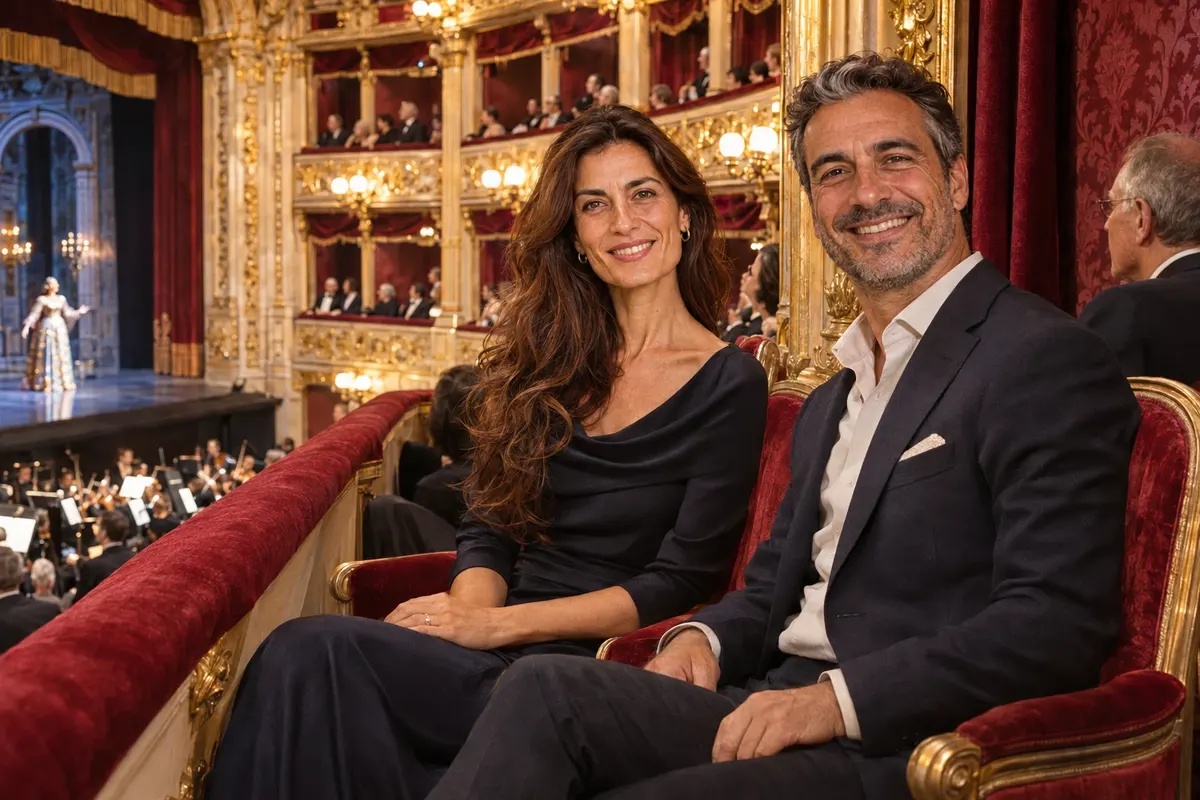
The house lights go down, the orchestra begins to play and the first gesture on stage gains the attention of the whole auditorium. On an opera night, architecture, music and staging work together. On a daytime visit, with time to look at the lit auditorium, details appear that go unnoticed during a performance.
Both experiences can fit into the same trip. The first step is to decide what would make it special for you. Hearing a specific work depends on the season. To learn the shape of the boxes or the relationship between stalls and stage, check the building’s tour calendar.
An opera performance at Teatro alla Scala or the Arena of Verona
In Milan, Teatro alla Scala hosts opera seasons in its historic auditorium. When choosing a ticket, open the seating map. A side seat can give an interesting perspective on the orchestra and may limit the view of one end of the stage. Check the seat description and look for any note about partial visibility.
In Verona, the opera season takes place in the Arena, an open-air Roman amphitheatre. The distance to the stage and access to the chosen sector are part of the decision. Also check guidance on the weather for the night of the performance. Allow extra time to find the correct entrance and reach your seat before the start.
La Fenice, San Carlo and Massimo
La Fenice, in Venice, offers both operas and building tours. During the visit, notice the height of the boxes and how they frame the stalls. A good question to ask there is what the spectator sees of the stage when seated near a side box instead of on the central axis.
In Naples, Teatro di San Carlo maintains an opera programme next to the Royal Palace. Its location makes it easy to combine a walk around the area with an evening performance. In Palermo, Teatro Massimo offers operas and guided tours. Check the language of the tour and see whether the scheduled visit includes the part of the auditorium you want to see.
How to follow your first opera
Read a short synopsis and identify the main characters. It is enough to arrive knowing who wants what and which relationships are at stake. That way, during an aria you can pay attention to the singing, the orchestra and what the other characters do on stage, even if you miss a word.
Check whether the production uses surtitles, in which language and where they appear in relation to your seat. Look up the running time and the expected intermissions to plan your return trip. Families may want to talk about the story beforehand and choose the performance also by its duration and by the entry conditions for children.
Visiting the building on a rehearsal day
Visiting hours follow the house’s work schedule. Rehearsals, set construction and performances can change the areas available. Check the announced route and, if stairs are a difficulty, tell them which part of the auditorium interests you so the theatre can advise on access.
Once inside, first look at the theatre from the perspective of someone arriving to watch. Follow the passage from entrance, corridors and stalls. Then turn your attention to the stage frame and the musicians’ area. This route reveals how so many people reach their places and how everyone’s attention ends up directed to the stage.
Frequently asked questions
Where to watch an open‑air opera in Italy?
In the Arena of Verona, during the opera season. Check the dates of the production and the sector conditions, since the amphitheatre’s configuration determines the distance and viewing angle.
Can I visit a theatre without seeing an opera?
La Fenice, in Venice, and Teatro Massimo, in Palermo, offer tours. Check availability for the desired day, the language and which spaces are included on the route.
Do I need to understand Italian to enjoy the performance?
Knowing the plot helps even when you understand the sung language. Check the work’s language and the availability of surtitles for that production. The action on stage and the motifs the orchestra repeats also help follow the story.
Where to go: Attending operas and visiting theaters
Pick a region or type what you are looking for to see the cities and who offers it in each.
-
Milan LD
La Scala stages opera seasons in its historic theater.
-
Venice VN
Teatro La Fenice stages operas and offers tours of its historic building.
-
Verona VN
The Arena’s opera season brings performances to the open-air Roman amphitheater.
-
Naples CM
Teatro di San Carlo presents a program of opera next to the Royal Palace.
-
Palermo SI
Teatro Massimo offers opera performances and guided tours.
More activities in Cultural and heritage travel





Beyond the guide


