Seville

Religious festival · Seville

Holy Week in Seville

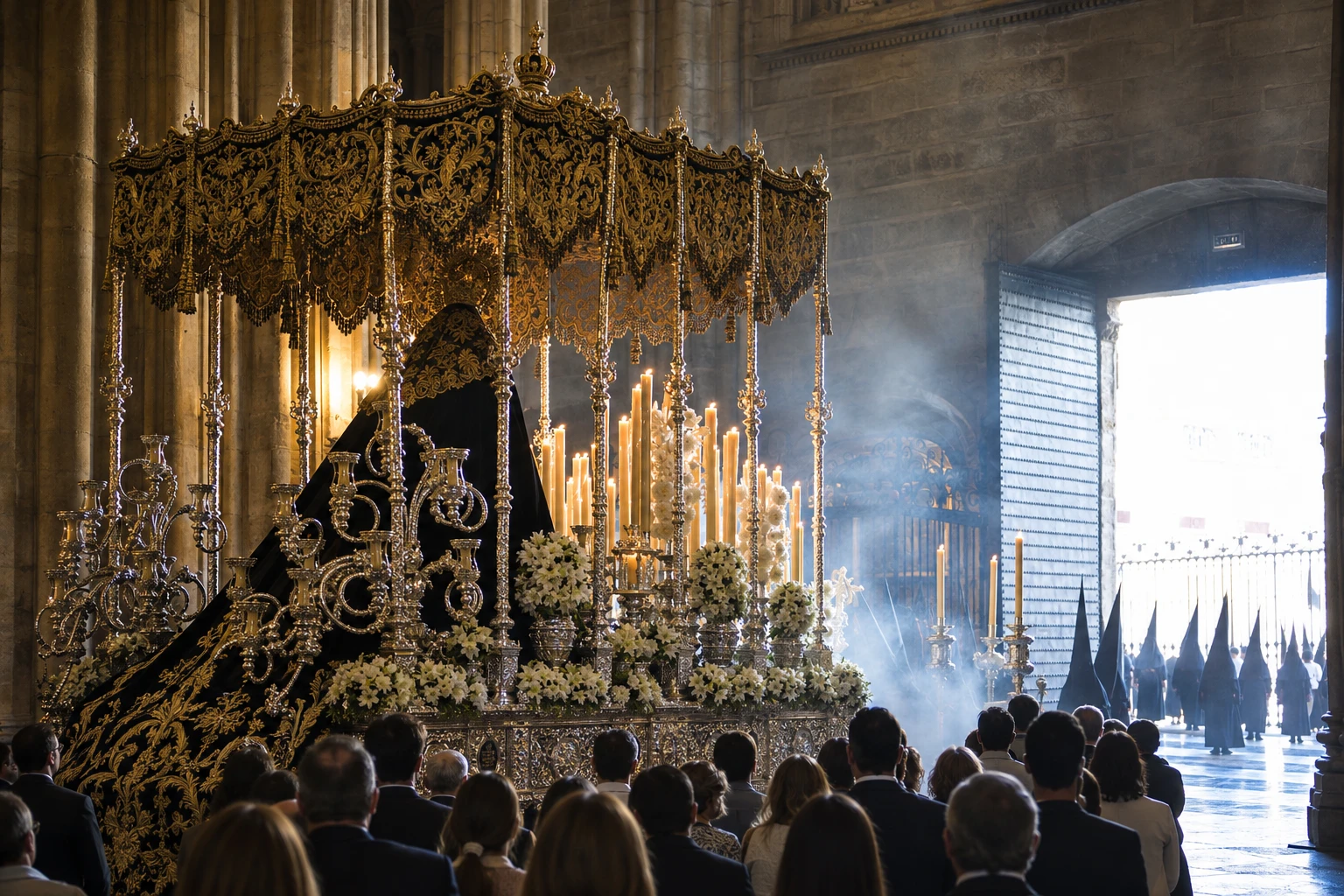
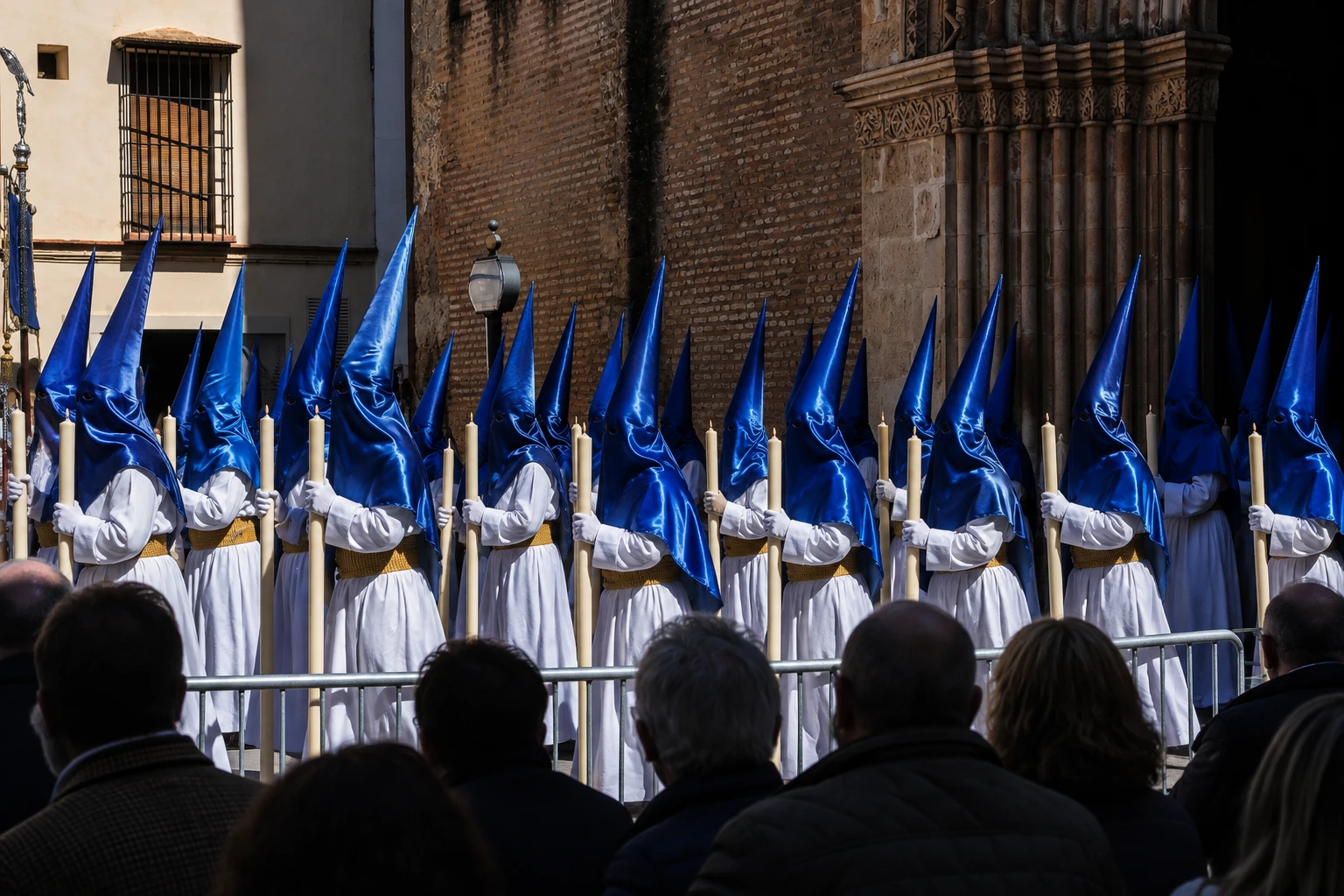
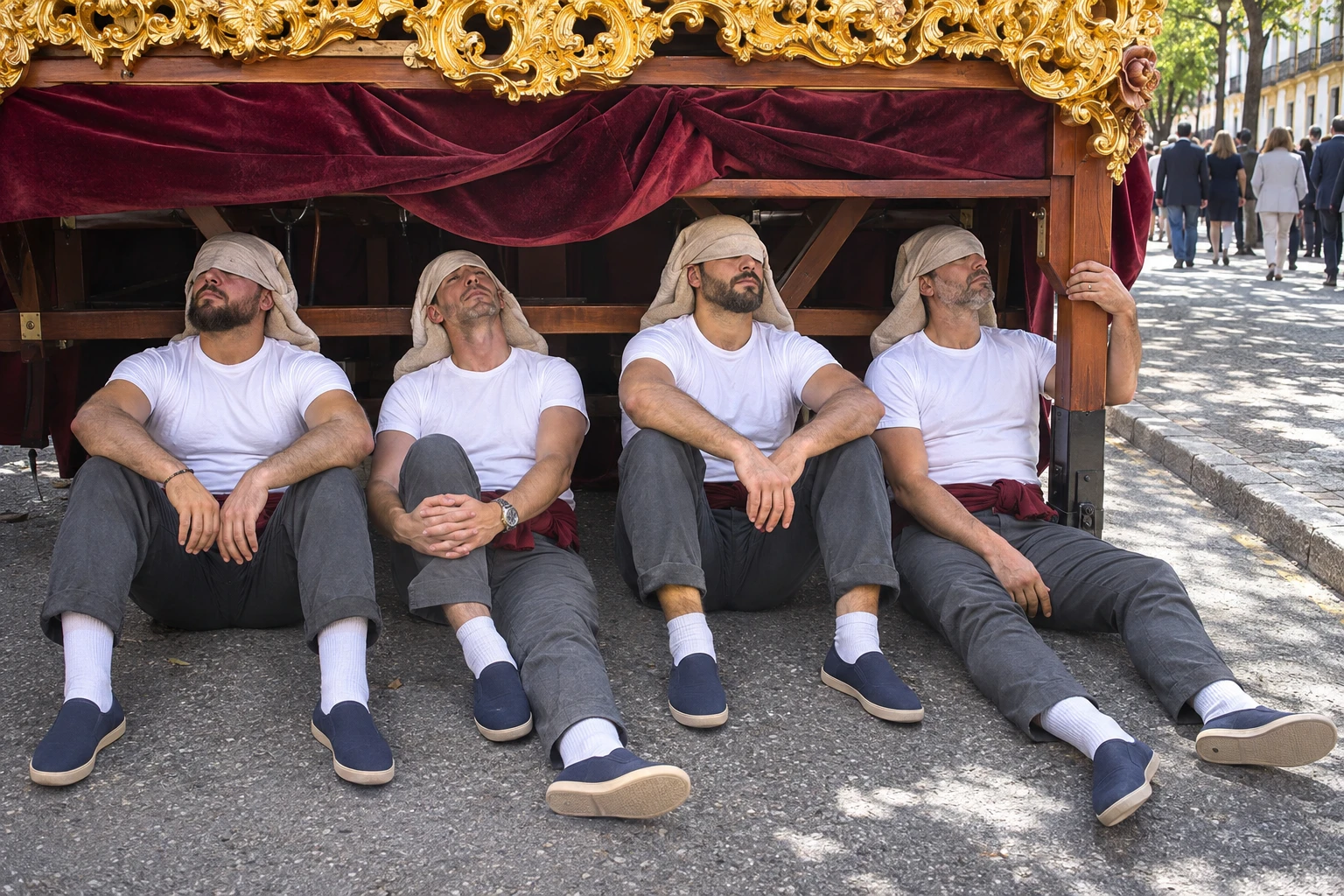
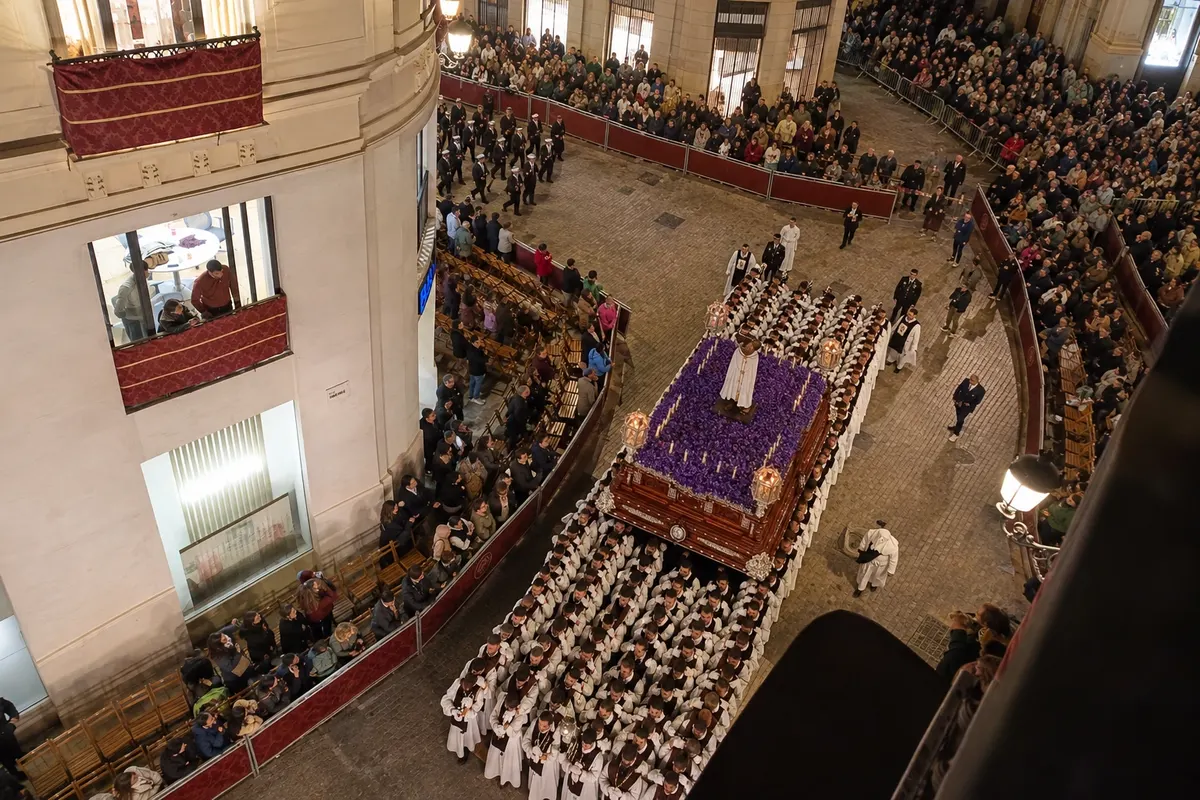
During Holy Week, the brotherhoods of Seville, the capital of Andalusia, carry images of Christ and the Virgin through the streets on gilded floats carried by costaleros and followed by long lines of penitents, on routes that pass by the cathedral day and night, until the early hours of Good Friday.

In the photo: Seville

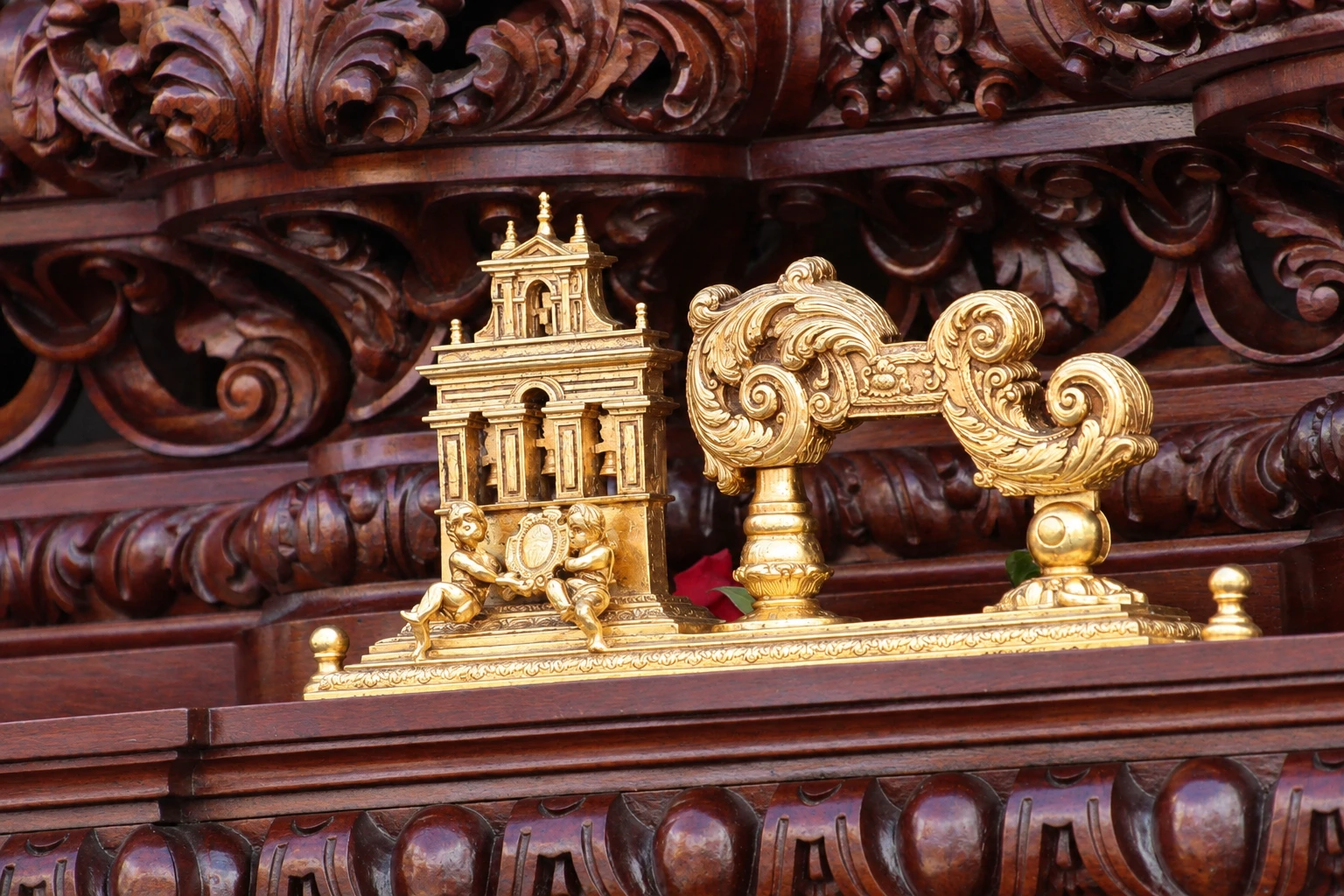
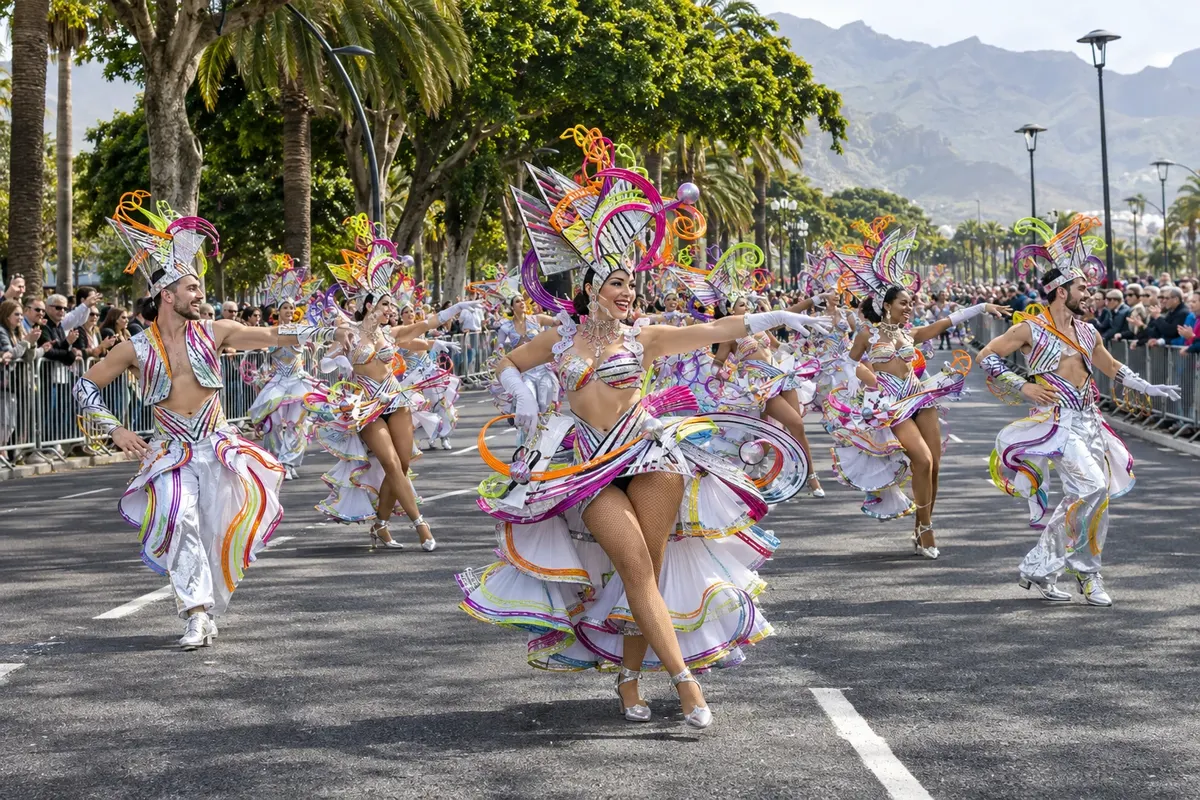
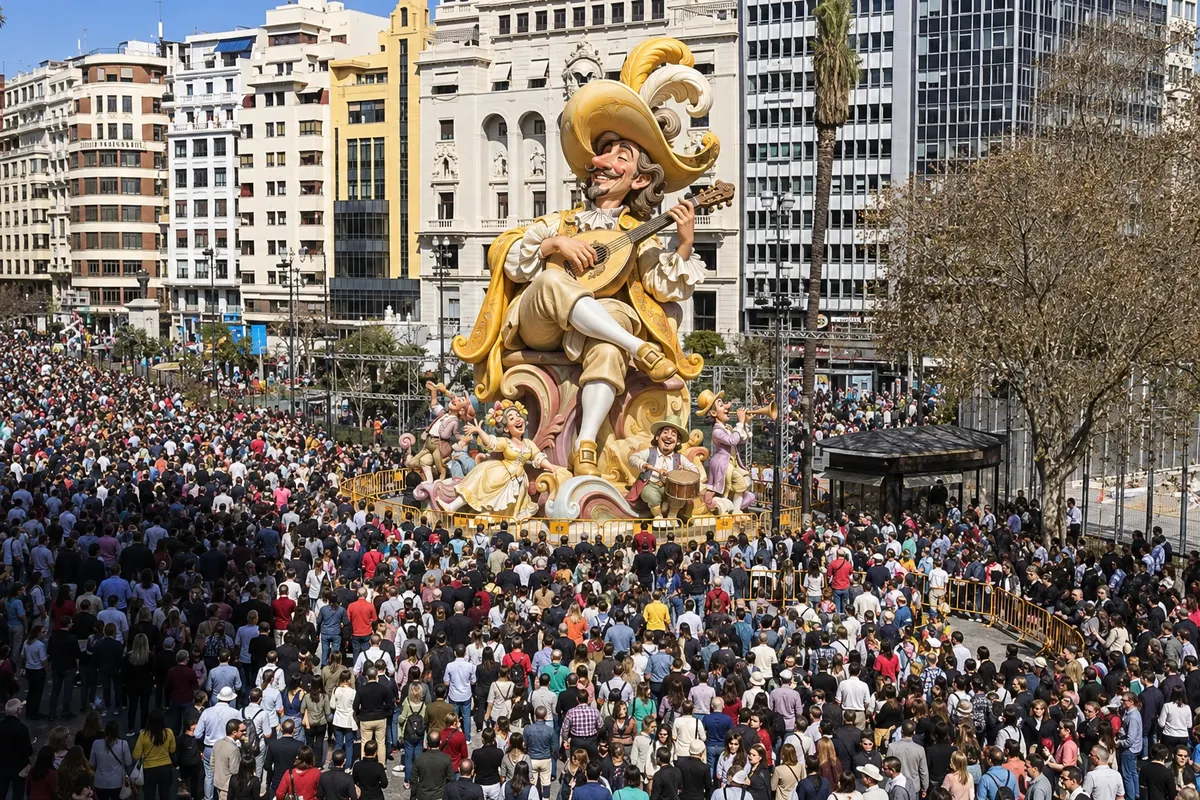
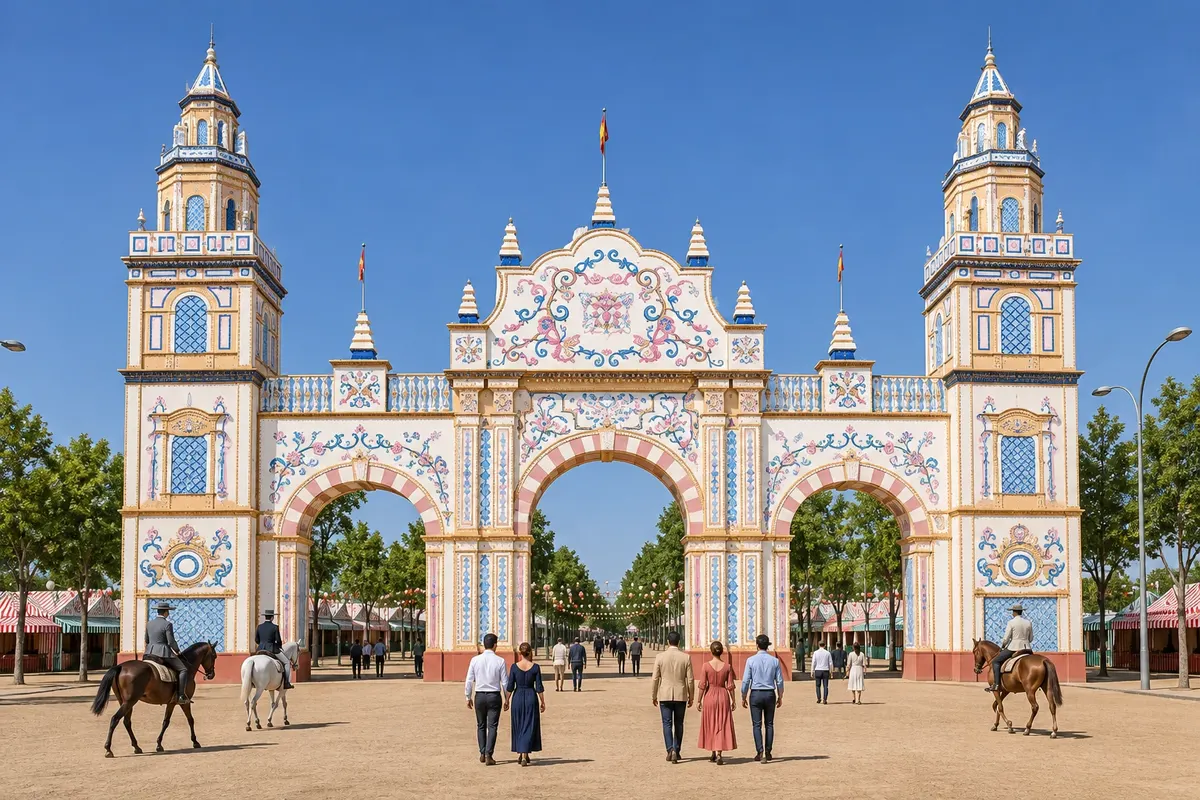
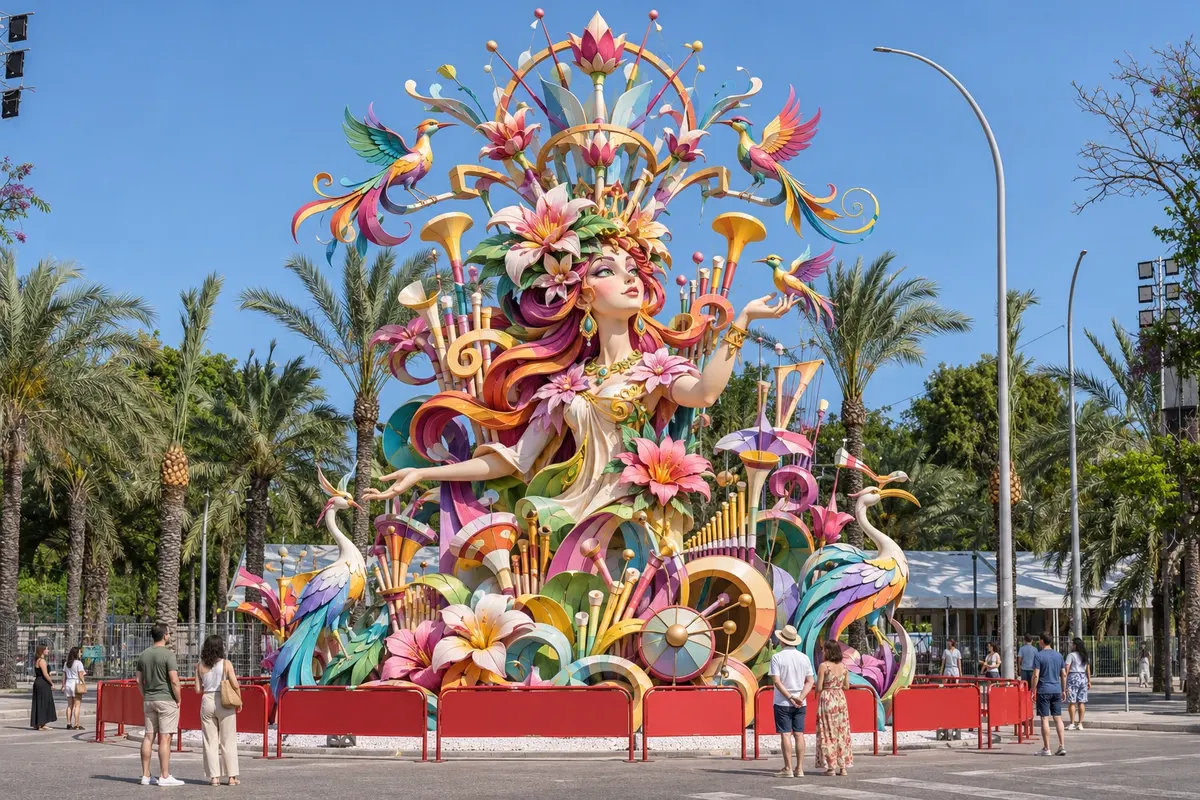
Illustrative images. The pictures in this guide are illustrations based on the real place, not photographs, and may differ from it.

Get it on Google Play

Click a photo to enlarge it.

Holy Week in Seville — Seville
Holy Week in Seville
Holy Week in Seville — Seville
Holy Week in Seville
Holy Week in Seville — Seville
Holy Week in Seville
Holy Week in Seville — Seville
Holy Week in Seville

Holy Week in Seville — Seville

When

From Palm Sunday to Easter Sunday, in March or April depending on the date of Easter; smaller processions begin on the previous Friday, Friday of Sorrows.

March/April

Where

Catedral de Sevilla

Seville

Andaluzia

Dates change every year: check this year's date before you travel.

The festival

What is Holy Week in Seville

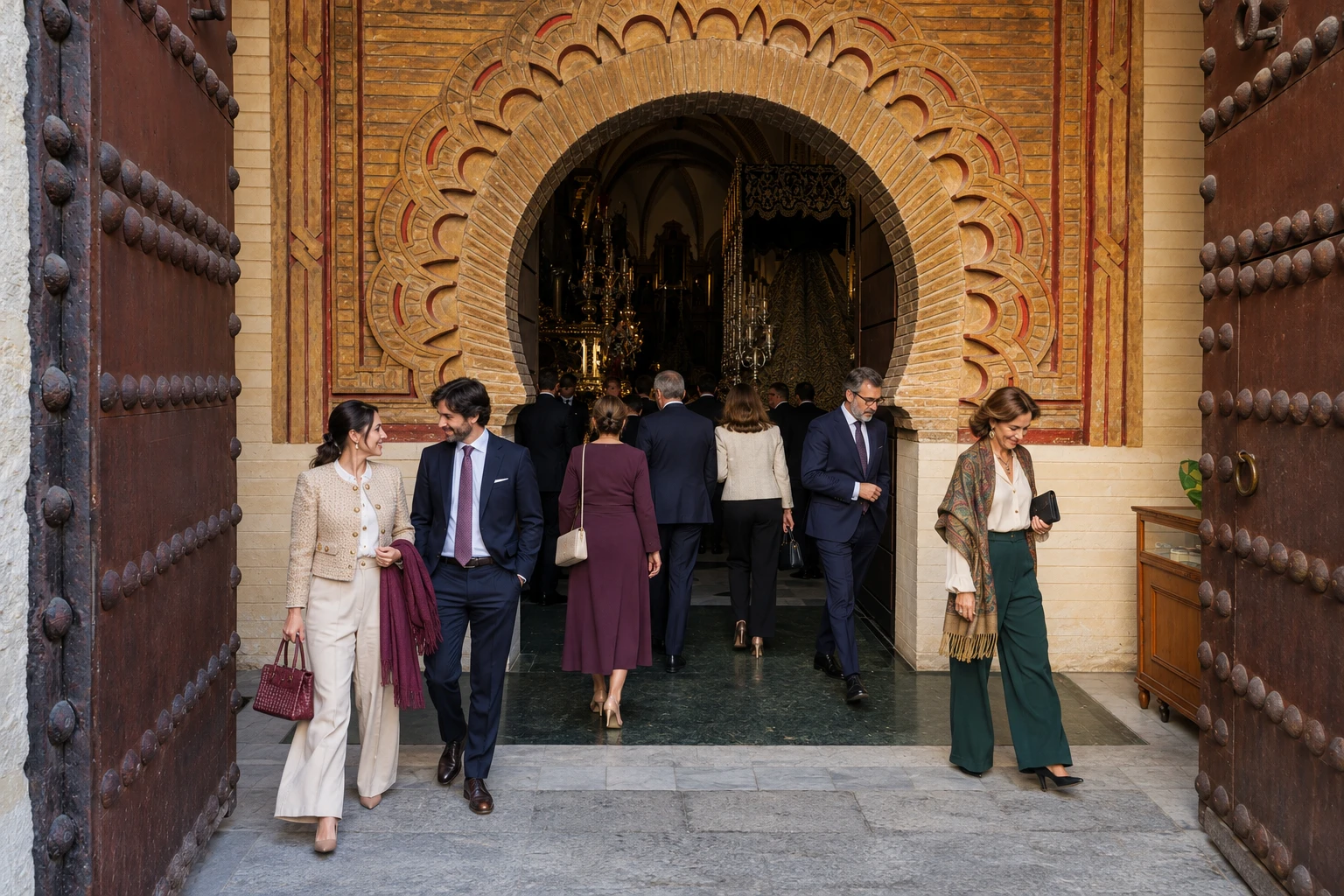
Seville’s Holy Week is one of the best-known religious celebrations in the Catholic world and has an official declaration of international tourist interest. From Palm Sunday to Easter Sunday, the city’s brotherhoods and confraternities leave their churches in procession, each with its own images, colors and route, making their penitential station at the cathedral. For many Sevillians, it is the most important time of the year, prepared throughout Lent, and the whole city organizes itself around the processions.

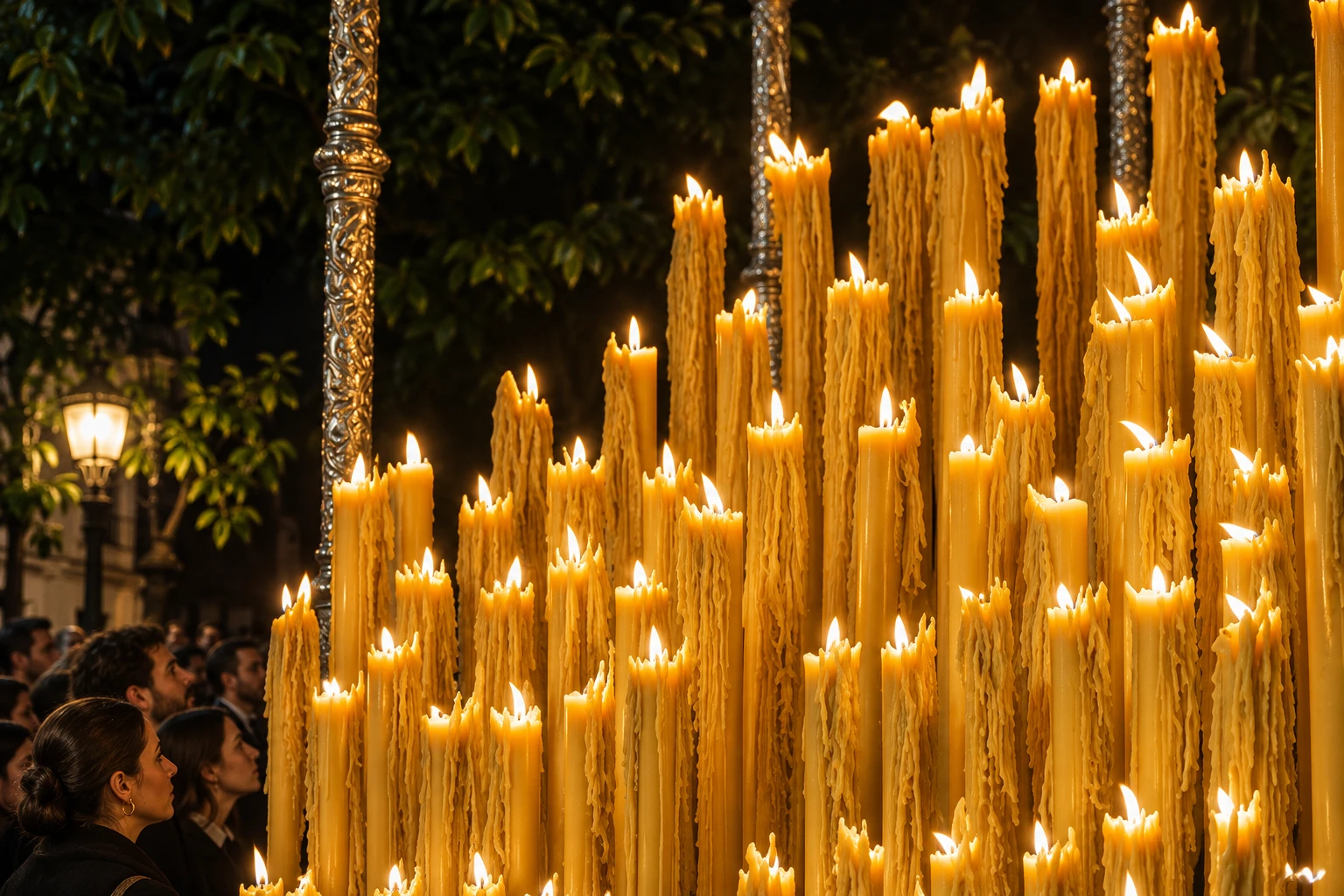
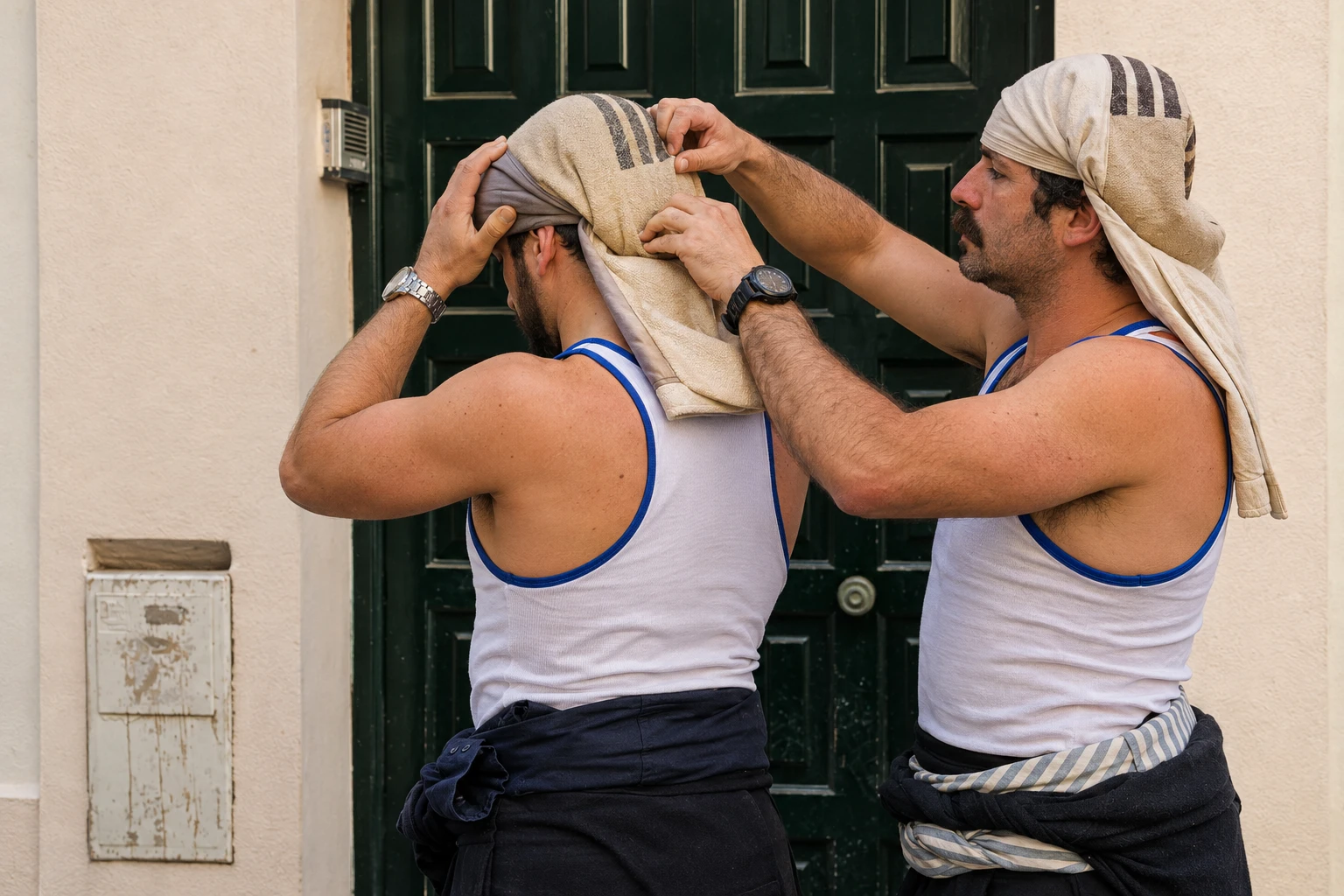
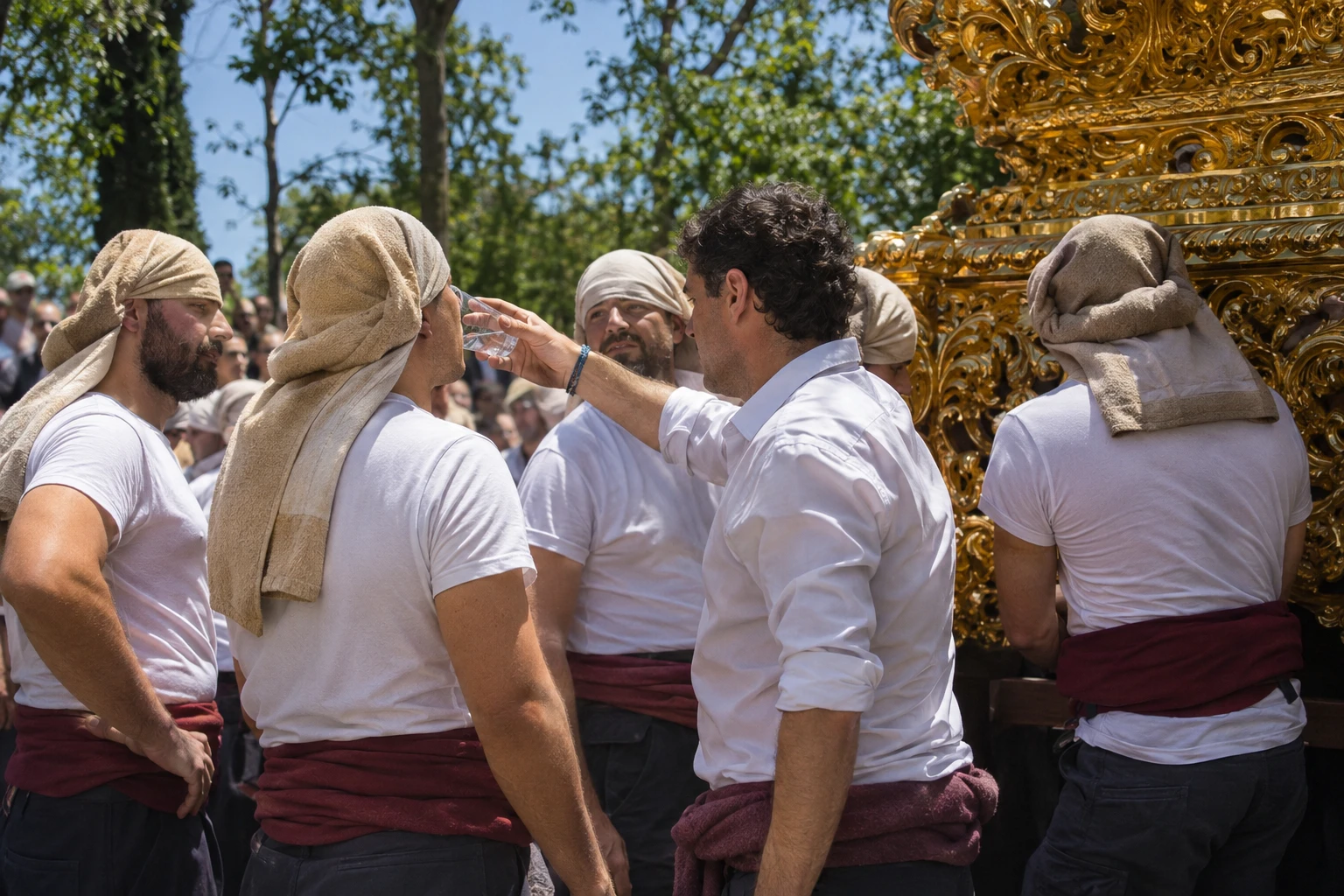
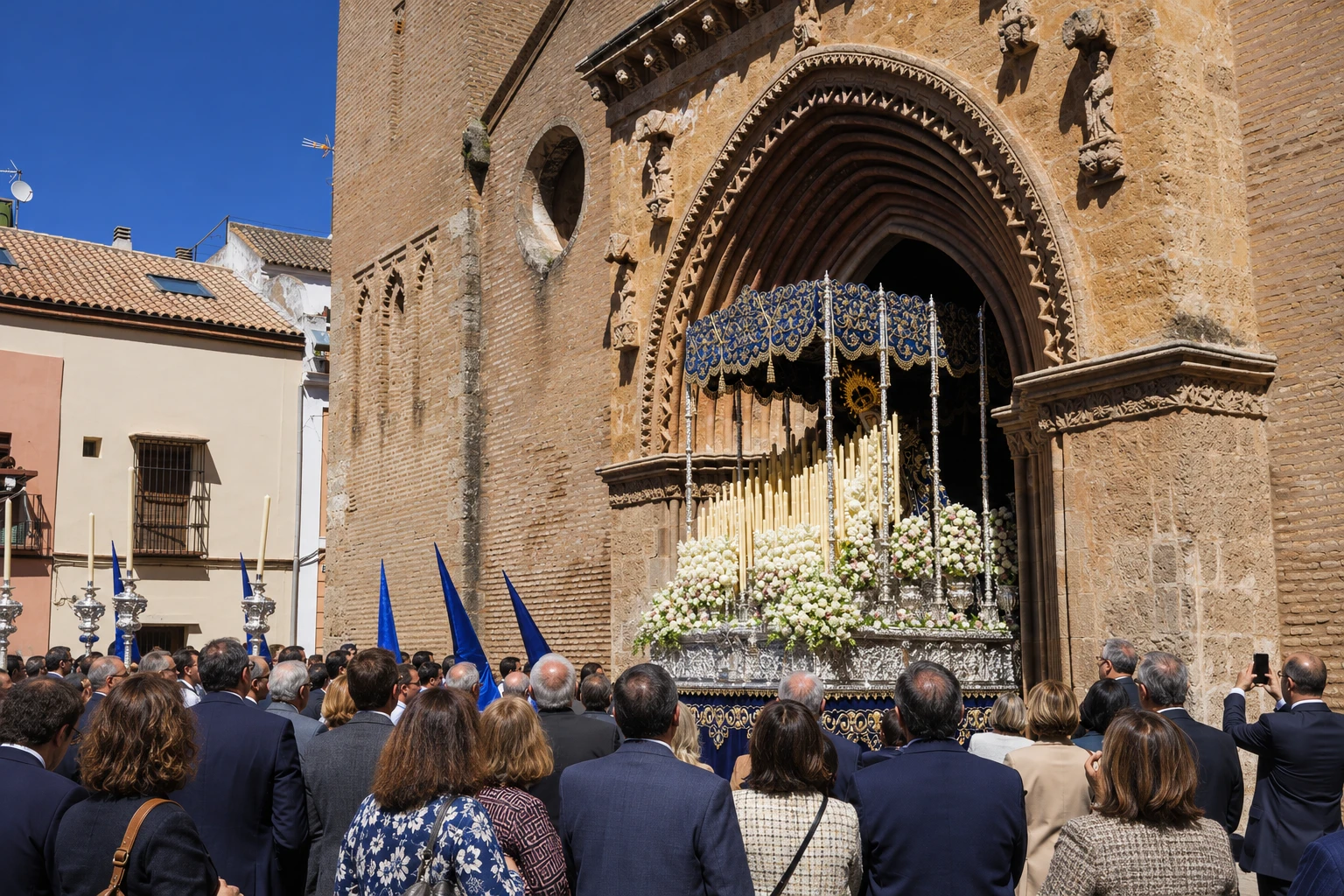
The brotherhoods have medieval and early modern origins, and many preserve sculptures from the 16th and 17th centuries by masters of the Sevillian school, such as Juan Martínez Montañés and Juan de Mesa. Each procession usually carries two pasos: one with Christ, in scenes of the Passion, and another with the Virgin, under an embroidered canopy and surrounded by candles and flowers. The pasos are carried from inside by the costaleros, who walk hidden beneath the velvet skirts and move in synchrony, guided by the capataz’s voice and by the hammer beats, the llamador.

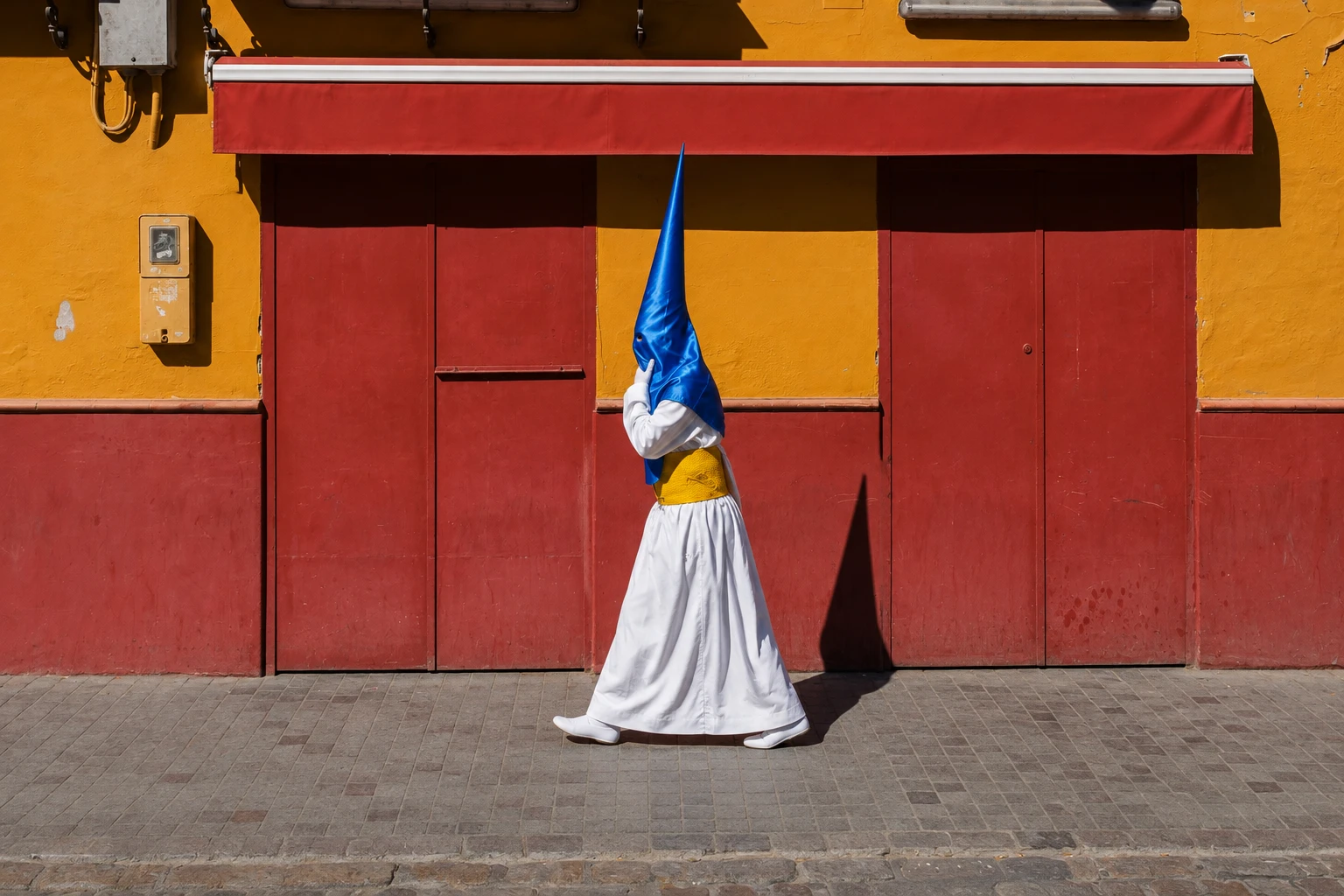
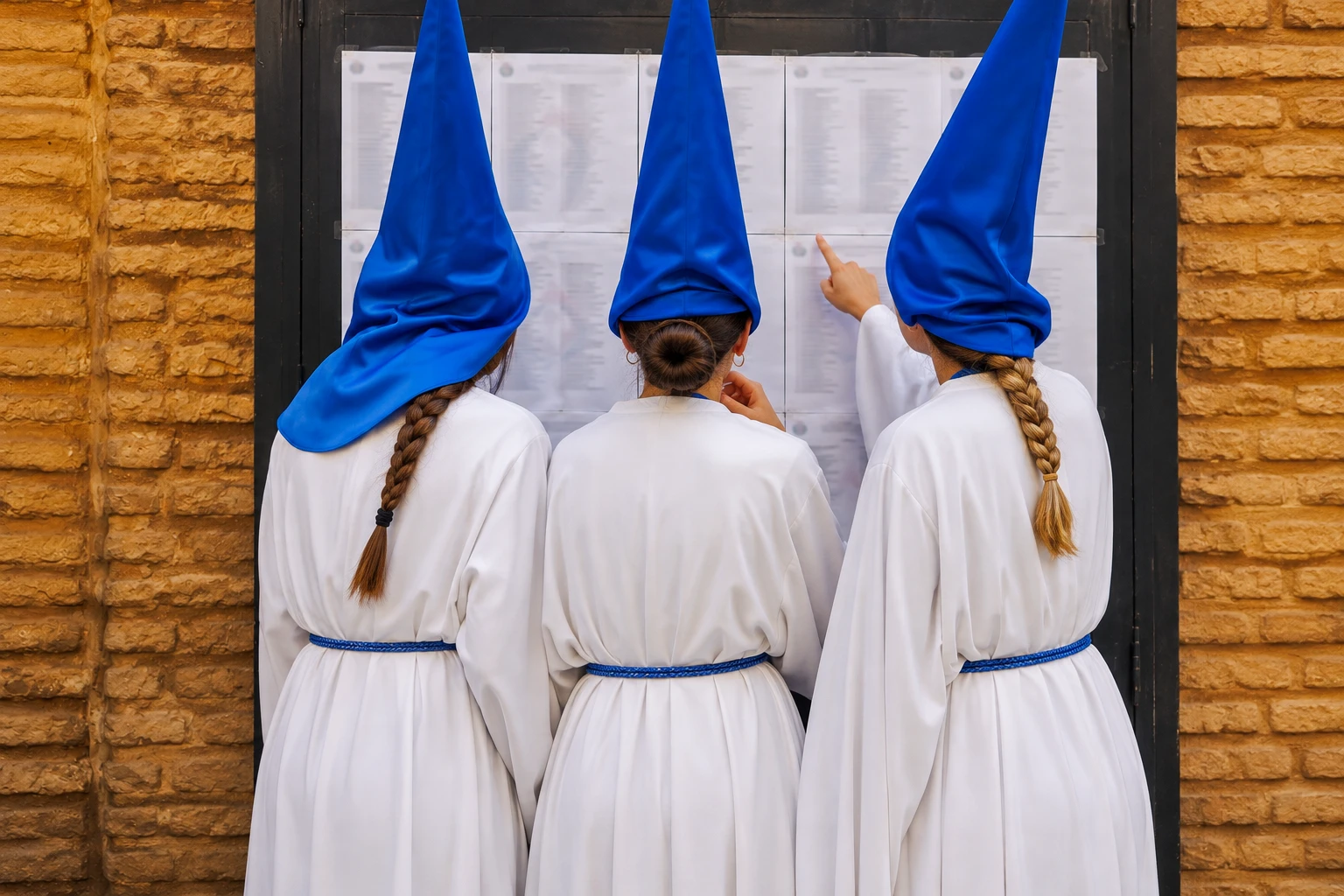
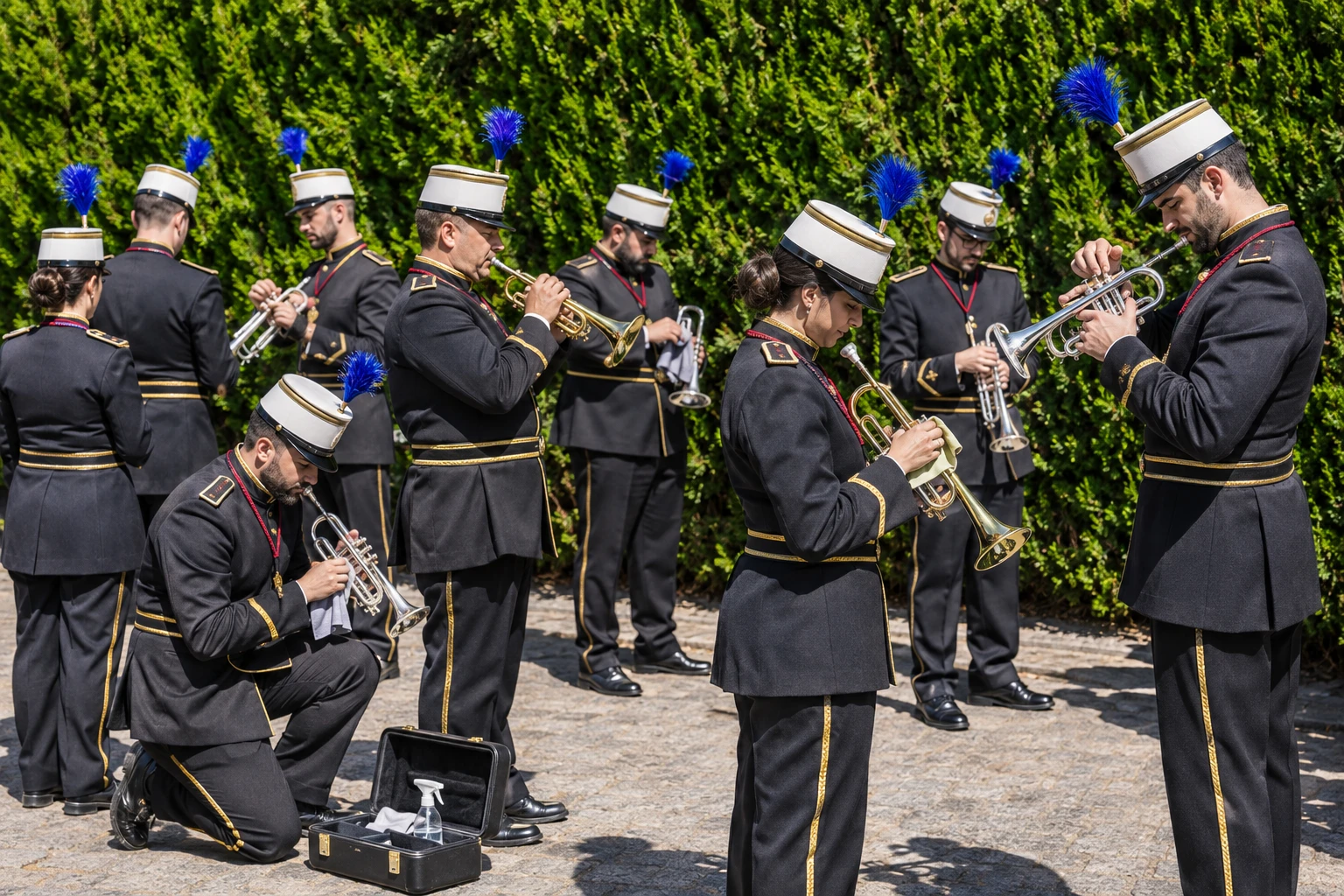
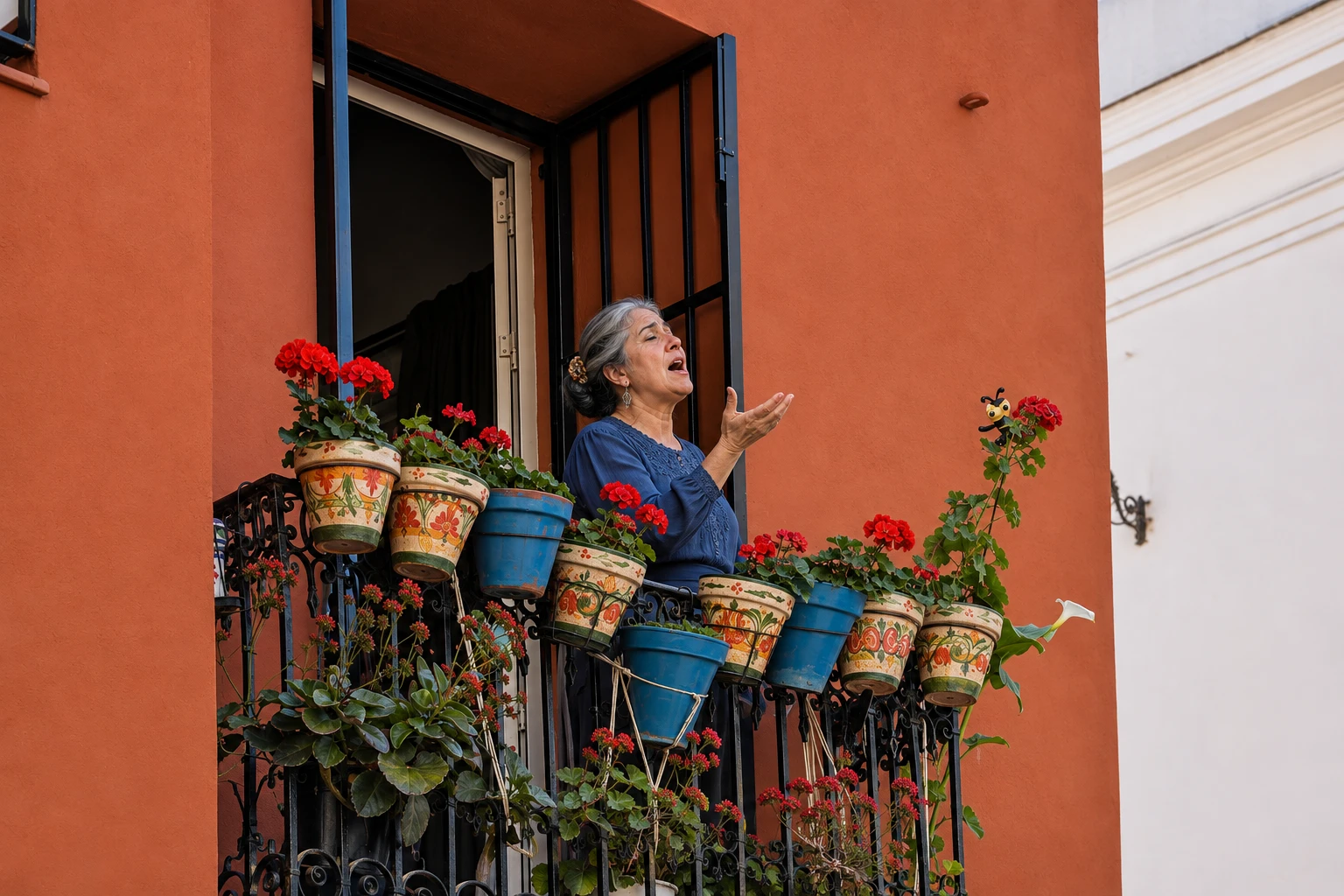
In front of and behind the pasos walk the nazarenos, the penitents in tunics and pointed hoods, the capirote, which covers the face, carrying candles, crosses or insignia. Bands of trumpets and drums or musical bands accompany many brotherhoods, while others march in absolute silence. When a paso stops in front of a balcony, someone sometimes sings a saeta, a brief flamenco song dedicated to the image, and the street falls silent to listen. Children follow the processions asking nazarenos for wax to make balls from the drops of the candles.

All brotherhoods pass along the carrera oficial, the common stretch that starts at Plaza de la Campana, where each procession asks permission from the council of brotherhoods, continues along Calle Sierpes, Plaza de San Francisco and Avenida de la Constitución, and enters the cathedral. The highlight of the week is the Madrugá, the night from Maundy Thursday to Good Friday, when some of the most venerated brotherhoods go out, such as El Gran Poder, La Macarena and La Esperanza de Triana, and the city stays awake until dawn. On Easter Sunday, the procession of the Risen One closes the week.

Beyond the cathedral, the processions link neighborhoods with distinctive character: Triana, on the other side of the Guadalquivir, with its brotherhoods leaving and returning over the bridge; La Macarena, with its basilica; the old center, with narrow streets where the pasos pass almost brushing the walls. For visitors, Seville’s Holy Week is an experience of faith, art and local tradition, lived in the streets with respect and patience to wait.


Share: WhatsApp

What not to miss

A brotherhood leaving its church, when the paso crosses the doorway, sometimes with the costaleros on their knees. Passing through Plaza de la Campana at the start of the carrera oficial. A Virgin paso under a canopy, with candles and flowers, advancing slowly to the sound of the band. A saeta sung from a balcony. A brotherhood returning to its temple late at night, with fewer people in the street. The Madrugá, on the night from Maundy Thursday to Good Friday, with the brotherhoods of El Gran Poder, La Macarena and La Esperanza de Triana. The passage of Triana’s brotherhoods across the bridge over the Guadalquivir. On Easter Sunday, the procession of the Risen One.

How to enjoy it

Each brotherhood has its own schedule and route, published in Holy Week programs and local apps; check them every day to plan your route and avoid crossing processions. On the carrera oficial there are seats and boxes sold by the council of brotherhoods; elsewhere along the route anyone can watch from the street. The most famous spots fill up hours in advance; side streets and neighborhoods farther from the center are usually calmer. Crossing the center becomes difficult because processions block the streets: plan travel with extra time and use the metro and buses that run special schedules. Keep silent during moments of reflection, do not cross a procession and do not use flash for photos. Comfortable shoes and a light jacket for spring evenings complete your packing.

What to eat

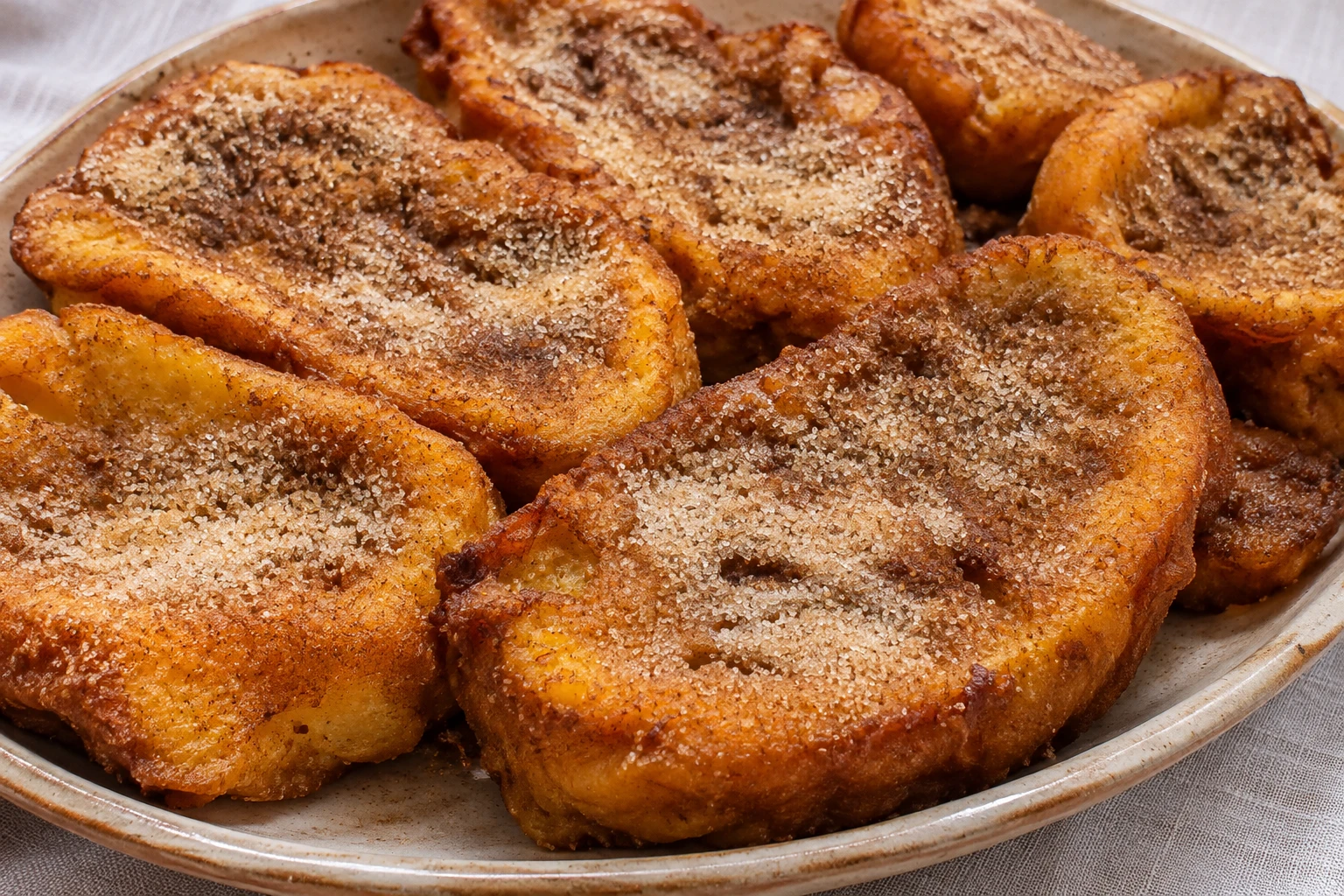
Lent and Holy Week have their own cuisine. Torrijas, slices of bread soaked in milk or wine, fried and coated in honey or sugar with cinnamon, are the season’s sweet, alongside pestiños. In bars and homes you’ll find spinach with chickpeas, fried cod or cod with tomato and other meatless dishes, traditions of fasting days. Between processions, the downtown bars serve tapas all day long.

Plan ahead

During Holy Week, Seville is packed with visitors, and hotels in the historic center sell out well before the festival; book your place as early as possible. The seats and boxes on the carrera oficial are sold before the festival, generally for the whole week or by day. Churches and monuments may change visiting hours on these days. Check the official program for the year’s dates and each brotherhood’s routes.

In the city

Make the most of Seville

March/April

Around the same time

Your questions

Questions about Holy Week in Seville

When is Seville’s Holy Week?

From Palm Sunday to Easter Sunday, which falls in March or April. Some smaller brotherhoods already go out on Friday of Sorrows and Holy Saturday, before Palm Sunday.

What is Seville’s Madrugá?

It is the night from Maundy Thursday to Good Friday, when some of the city’s most venerated brotherhoods go out, such as El Gran Poder, La Macarena and La Esperanza de Triana. The processions continue until dawn.

What is the carrera oficial?

This is the stretch that all brotherhoods travel, from Plaza de la Campana to the cathedral, along Calle Sierpes and Avenida de la Constitución. There are seats and viewing boxes sold in advance there; for the rest of the route, spectators stand in the street.

Who are the costaleros?

They are the carriers of Seville’s pasos. They go underneath the platform, hidden by the velvet skirts, bearing the weight on their necks and shoulders and walking in unison, guided by the voice of the capataz.

Festivals and events in Spain

Other festivals

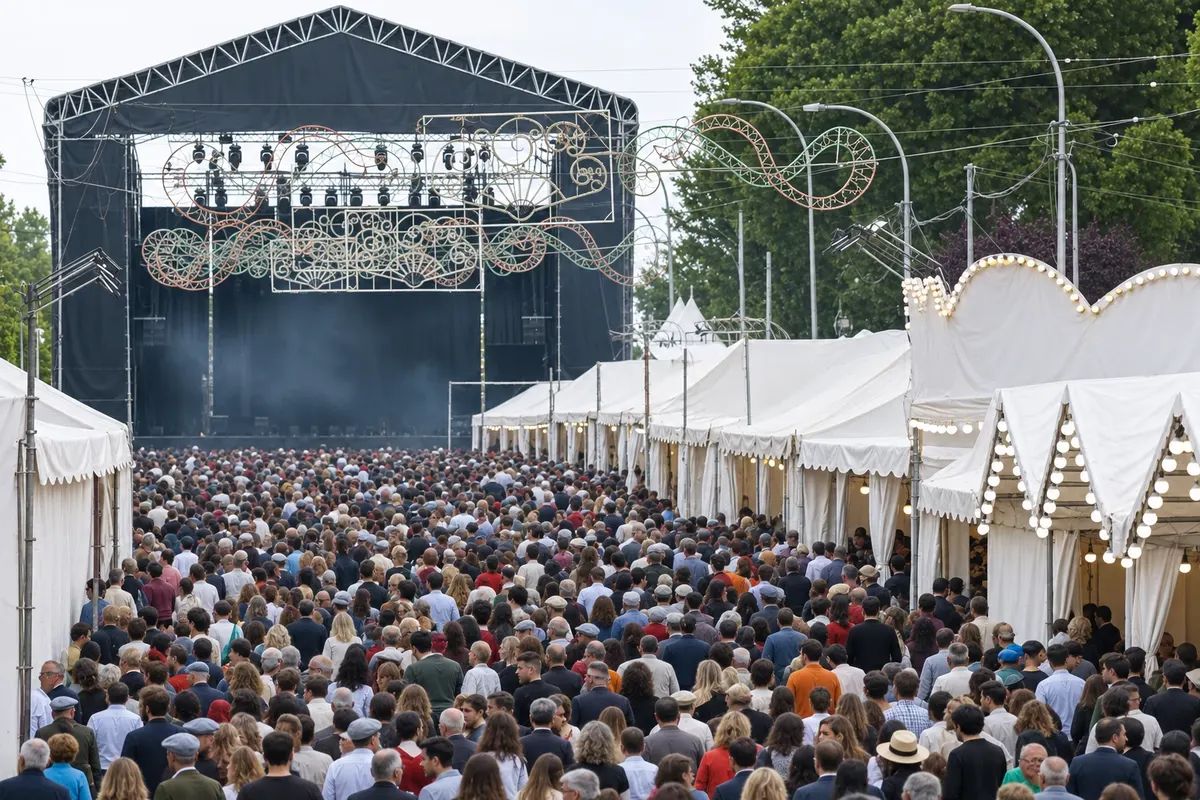
Seville April Fair April/May
Popular festival · Seville

Seville April Fair

In April or May, one or two weeks after Holy Week, depending on the date of Easter; it lasts about a week, from the night of the pescaíto and the alumbrao until the fireworks on the last night.

A weeklong party in Seville’s fairground, between Los Remedios and the Guadalquivir: streets of decorated casetas with lanterns, a noon parade of horses and carriages, flamenco-style dresses, sevillanas danced until the early hours, and the amusement park on the Calle del Infierno.

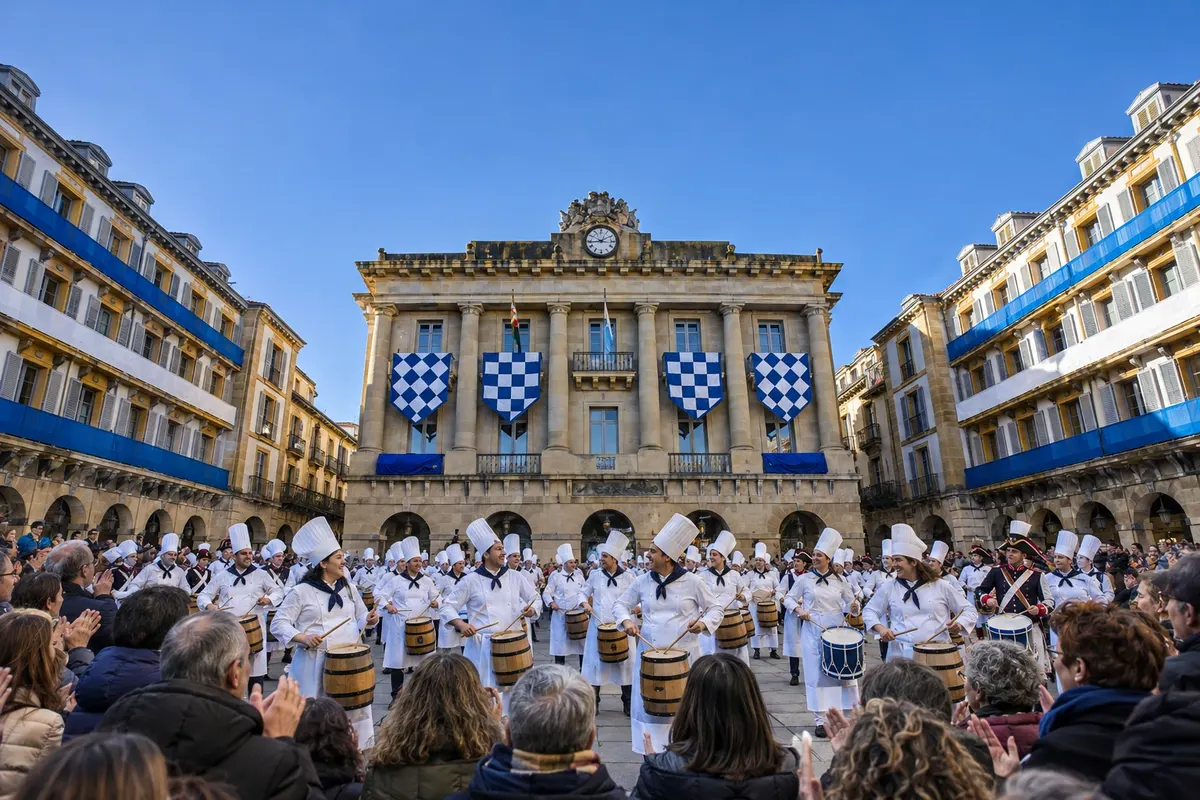
Tamborrada of San Sebastián January
Popular festival · San Sebastián

Tamborrada of San Sebastián

On January 20, the feast day of Saint Sebastian, the city's patron: the celebration begins at midnight between January 19 and 20 and ends at the following midnight.

For 24 hours on January 20, San Sebastián, in the Basque Country, honors its patron saint to the sound of drums and barrels: uniformed companies parade through the city playing the marches of Raimundo Sarriegi, from the raising of the flag in Plaza de la Constitución until the lowering in the same square.

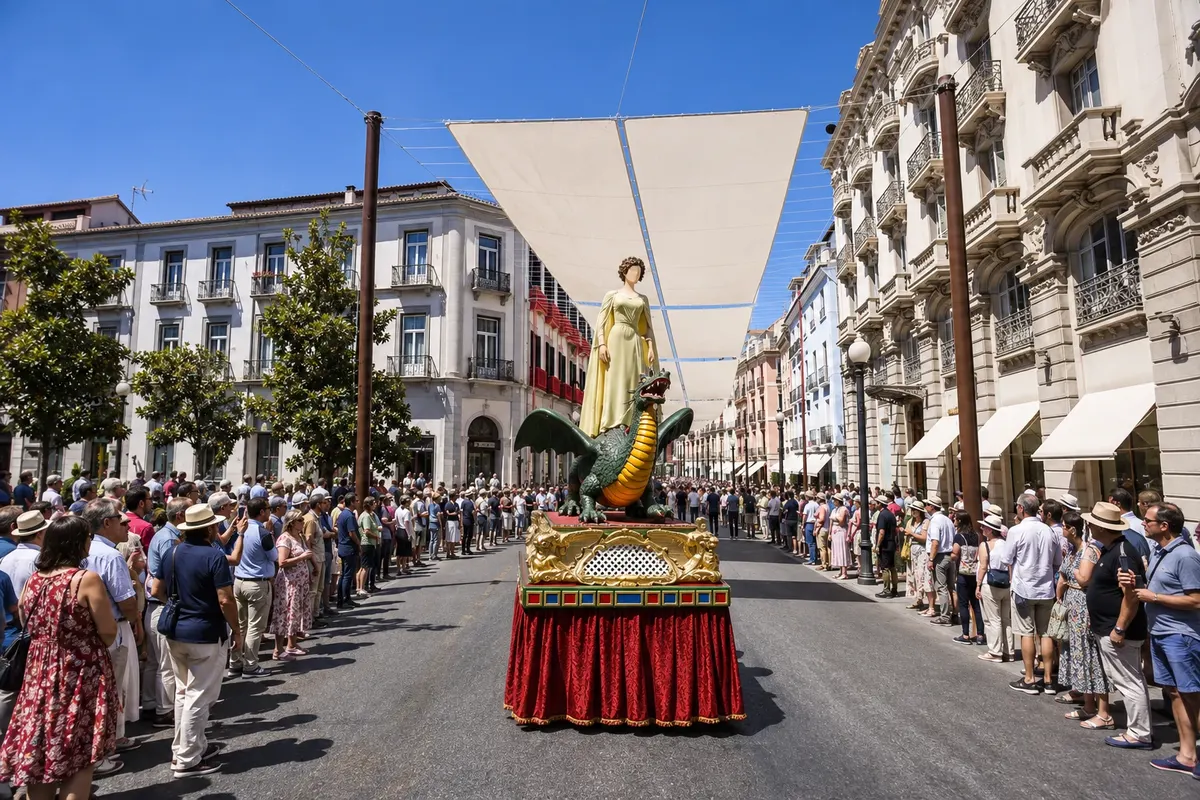
Corpus Christi of Granada May/June
Religious festival · Granada

Corpus Christi of Granada

In the week of Corpus Christi, in May or June depending on the date of Easter: the fair begins on the previous Saturday, the procession takes place on Corpus Thursday, and the celebration ends the following Saturday.

Granada’s main week in Andalusia brings together the Corpus Christi procession, which leaves the cathedral through streets strewn with aromatic herbs, the Tarasca, a figure that parades on Wednesday wearing the season’s fashion, and a fair of casetas, horses, and lights at the Almanjáyar fairground.

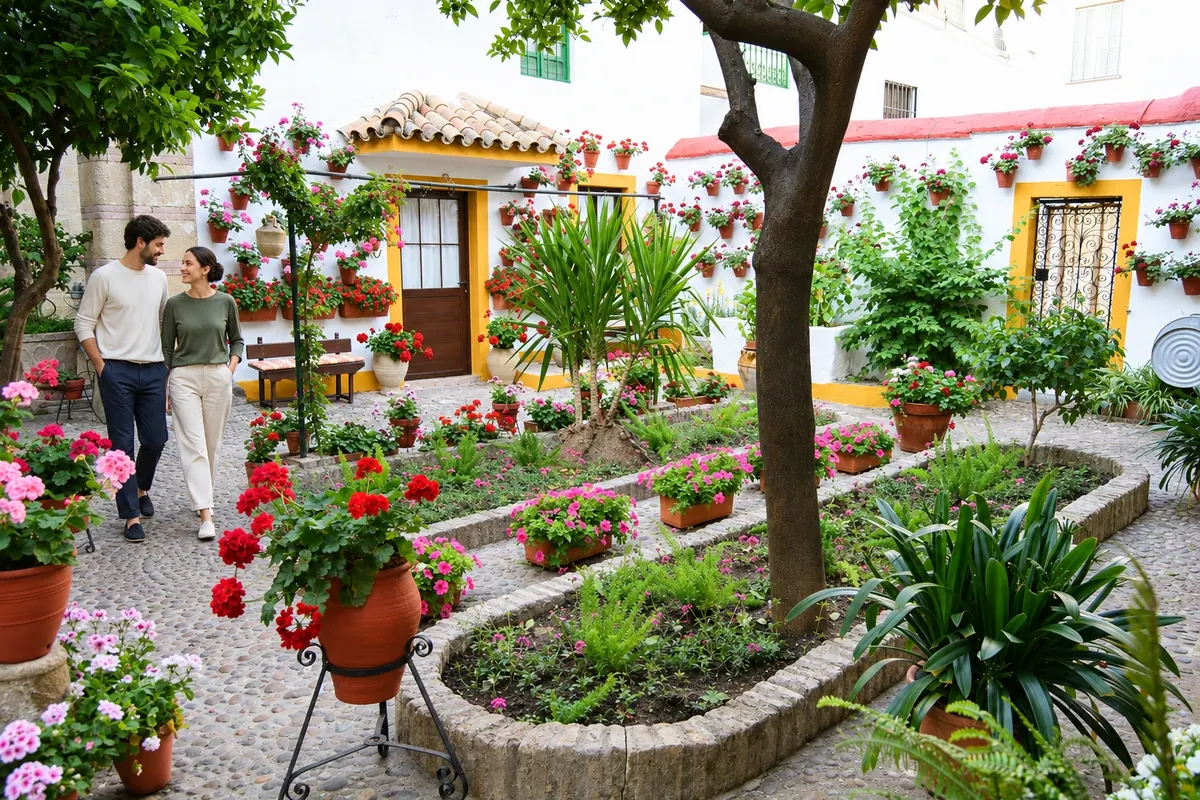
Festival of the Patios of Córdoba May
Culture · Córdoba

Festival of the Patios of Córdoba

In the first weeks of May, for about two weeks, after the Cruces de Mayo at the start of the month; the dates are set each year by the city council.

In May, residents of Córdoba in Andalusia open the patios of their homes—filled with pots of flowers—to the public in a municipal contest that has existed since 1921 and is on UNESCO’s list of intangible heritage; it takes place during the month of the Cruces de Mayo, the flowered balconies and the city fair.

See the full calendar